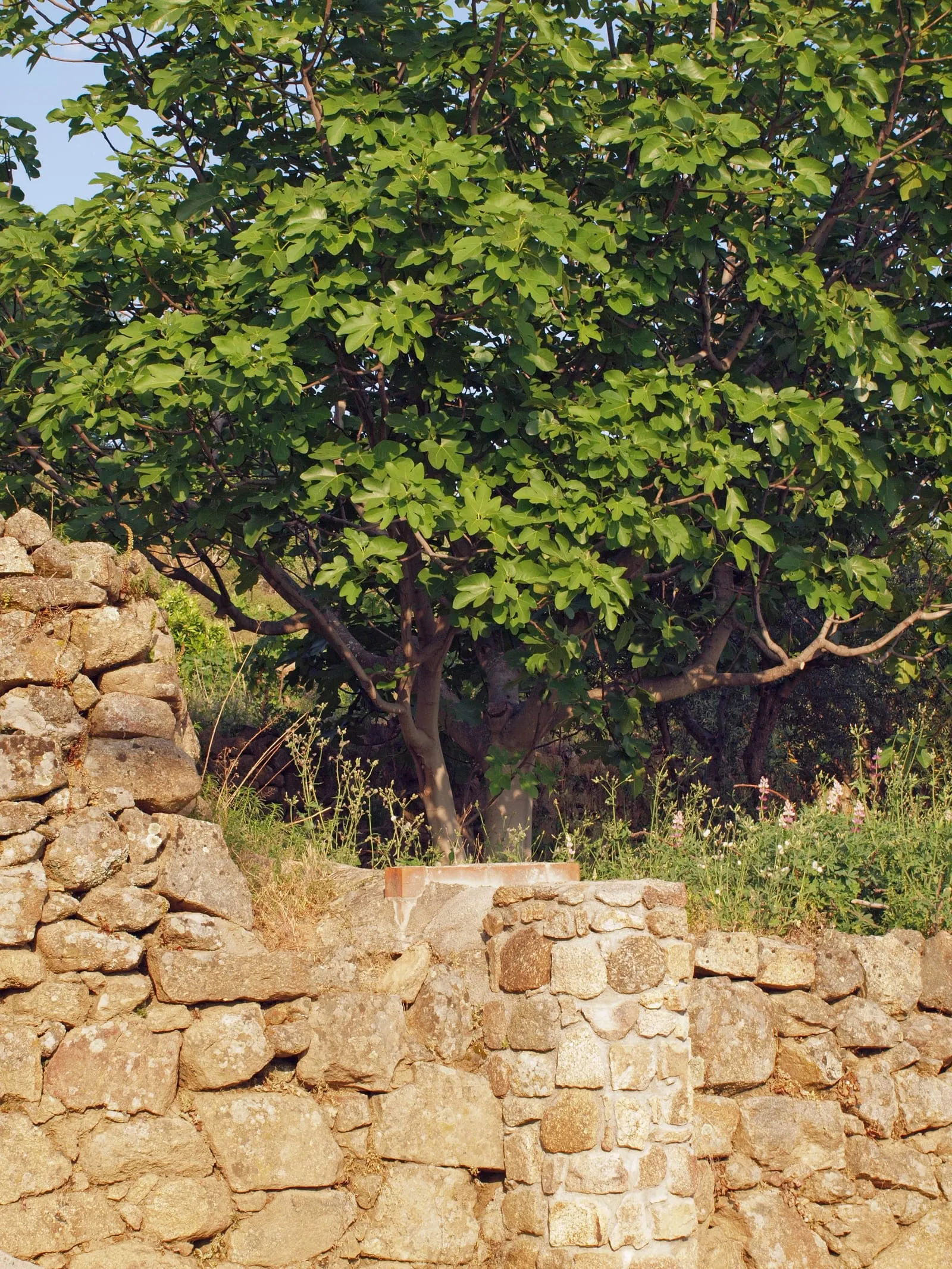
fruit tree in zone 7a
Growing fig in zone 7a
Ficus carica
- Zone
- 7a 0°F to 5°F
- Growing season
- 210 days
- Chill needed
- 100 to 300 below 45°F
- Suitable varieties
- 3
- Days to harvest
- 120 to 180
The verdict
Zone 7a, with minimum winter temperatures between 0 and 5°F, sits at the northern edge of reliable fig production in the eastern United States. The crop's chill-hour requirement of 100 to 300 hours is easily satisfied across zone 7a, so dormancy break is not a limiting factor. The real constraint is cold hardiness: fig wood is damaged or killed outright below roughly 10 to 15°F, and ground-level temperatures during a hard zone 7a winter can kill the root crown entirely without protection.
That said, zone 7a is not outside the crop's practical range. Celeste, Brown Turkey, and Chicago Hardy all survive zone 7a winters with consistent preparation, and the 210-day growing season is long enough to ripen a main crop even after significant winter dieback. Chicago Hardy in particular was selected specifically for performance at this cold margin. This is a marginal zone for figs, not an impossible one, but results depend heavily on site selection and winter management.
Recommended varieties for zone 7a
3 cultivars suited to this zone, with disease-resistance and zone-fit annotations.
| Variety | Notes | Zone fit | Disease resistance |
|---|---|---|---|
| Celeste fits zone 7a | Very sweet, honey flavor, small purple-brown fruit with strawberry-pink flesh; the southern favorite. Excellent fresh, dries beautifully. Closed eye prevents souring in humidity. | |
|
| Brown Turkey fits zone 7a | Sweet, mild, large brown-purple fruit with red-pink flesh; reliable producer for fresh eating and jam. Less intense flavor than Celeste but heavier yields. | | none noted |
| Chicago Hardy fits zone 7a | Sweet, small dark purple fruit with red flesh; good fresh-eating quality. Roots survive zone 6 with mulching, top-killed by hard freezes but resprouts. | | none noted |
Critical timing for zone 7a
Figs in zone 7a typically break dormancy in late April, several weeks after the last expected frost, which averages mid-March to early April depending on local elevation and cold air drainage. The breba (first) crop, if present on overwintered wood, ripens in early to mid-July. The main crop develops through summer and ripens between late August and early October, well within the 210-day growing season.
Late frost after bud break is a real risk in early springs. A frost event after fig foliage has fully emerged can destroy the breba crop entirely, though the main crop typically recovers. Growers who lose stems to winter dieback will see only a main crop that season, pushing harvest toward September and October.
Common challenges in zone 7a
- ▸ Cedar-apple rust
- ▸ Brown rot
- ▸ Fire blight
- ▸ High humidity disease pressure
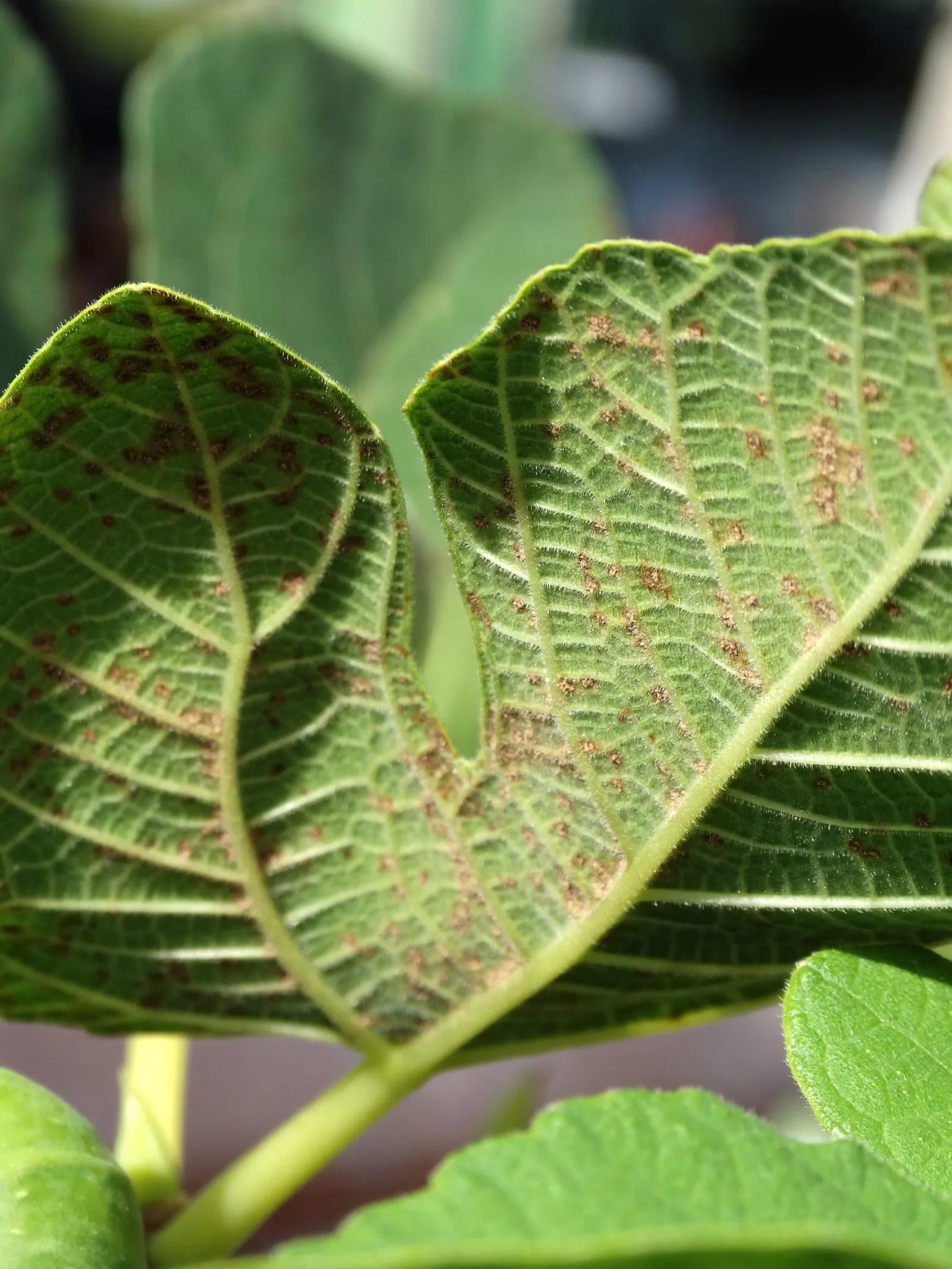
Disease pressure to watch for
Modified care for zone 7a
The primary zone 7a adjustment is winter protection. Without it, most fig varieties will die back to soil level in a hard winter, and root crown damage is possible below 0°F. Wrapping the trunk and main branches in burlap or frost cloth before sustained cold, then mounding 6 to 8 inches of mulch over the root zone, significantly reduces dieback depth. Containers moved to an unheated garage or shed through winter are a reliable alternative for smaller specimens.
High humidity across zone 7a increases pressure from Fig Rust and Fig Fruit Souring. Thinning interior branches to improve airflow and choosing open, sunny sites reduces both. Avoid heavy nitrogen fertilization in late summer; it pushes new growth that does not harden before frost, increasing winter injury.
Frequently asked questions
- Can figs survive zone 7a winters without protection?
Some years, yes. In a mild zone 7a winter, established plants of cold-tolerant varieties like Chicago Hardy or Celeste may come through with minor tip dieback. In a hard winter at the low end of 0 to 5°F, unprotected plants typically die back to the ground and may suffer root crown damage. Consistent protection, wrapping and mulching, eliminates most of that risk.
- Which fig variety performs best in zone 7a?
Chicago Hardy is the most cold-tolerant of the three compatible varieties and is the lowest-risk choice for zone 7a. Celeste is close behind and produces reliably when wood survives winter. Brown Turkey is productive but slightly less cold-hardy; it performs better in the warmer parts of zone 7a or with reliable winter protection.
- Will zone 7a figs produce fruit even after winter dieback?
Yes. Figs fruit on new growth as well as overwintered wood, so a plant that dies back to the ground in winter will still produce a main crop the following season. The breba (early) crop is lost when old wood is killed, but the main crop, ripening late August through October, comes back reliably.
- What causes fig fruit to spoil before harvest in humid zones?
Fig Fruit Souring is the most common culprit in humid zone 7a summers. Yeasts and bacteria enter through the fruit's eye opening, particularly after rain, causing the interior to ferment. Varieties with small, tight eyes (Celeste) are less susceptible. Harvesting fruit promptly as it ripens and improving air circulation around the plant both reduce losses.
+−
+−
+−
+−
Fig in adjacent zones
Image: "Ficus-carica - bancal 20110416a", by Luis Fernández García, via Wikimedia Commons, licensed under CC-BY Source.

Related