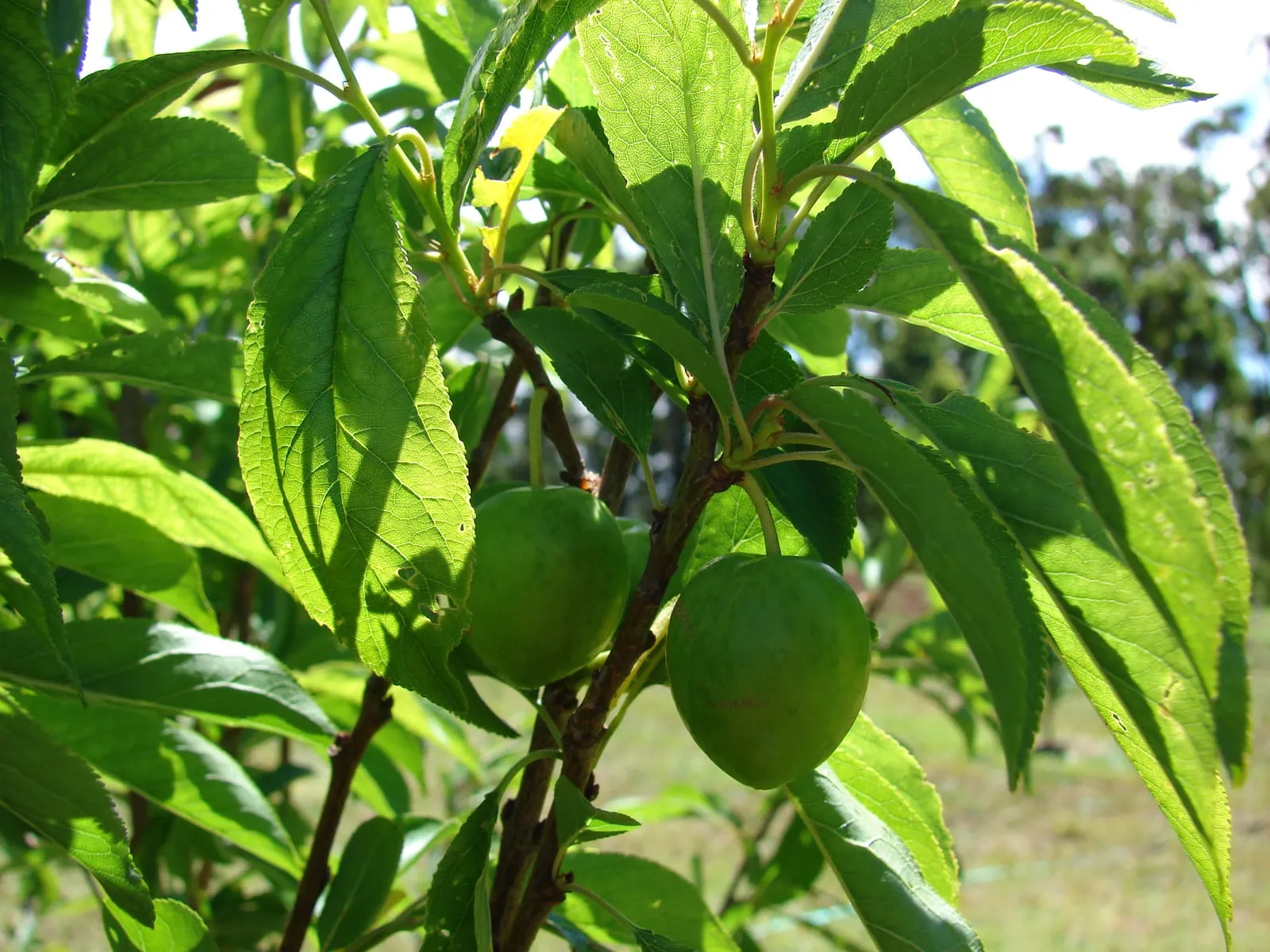
fruit tree in zone 8b
Growing japanese plum in zone 8b
Prunus salicina
- Zone
- 8b 15°F to 20°F
- Growing season
- 260 days
- Chill needed
- 500 to 900 below 45°F
- Suitable varieties
- 0
- Days to harvest
- 120 to 150
The verdict
Zone 8b sits at the warm edge of viable Japanese plum territory. The crop's chill-hour requirement spans 500 to 900 hours, and zone 8b typically accumulates somewhere between 400 and 600 hours in most winters, though that number varies significantly by elevation, proximity to the coast, and year-to-year weather variation. In practical terms, this means high-chill selections (those requiring 700 hours or more) will underperform or fail to set fruit reliably. Low-chill selections bred for warm-winter climates have a much better chance, but even these can come up short after a mild December and January.
This is a marginal zone for the crop, not a sweet spot. Growers should expect some year-to-year variability in fruit set tied directly to winter temperature patterns. A cold winter produces a reliable crop; a mild one may produce little or none. That unpredictability is the honest tradeoff for growing Japanese plum this far south.
Critical timing for zone 8b
Japanese plum blooms early, typically in February in zone 8b, which is weeks ahead of most stone fruits. Zone 8b's average last frost falls somewhere in mid-February to early March depending on location, meaning bloom and late frost risk overlap directly. A hard frost during open bloom will destroy that year's crop.
Harvest timing runs from late June through August for most selections, with the 260-day growing season providing ample time to ripen fruit once pollination succeeds. The risk window is concentrated at bloom, not at the end of the season. Growers in the lower end of zone 8b, where late freezes are less common, will have a more consistent bloom-to-harvest experience than those in locations where late cold snaps still occur in early March.
Common challenges in zone 8b
- ▸ Low chill hours limit apple variety selection
- ▸ Citrus greening risk
- ▸ Nematodes in sandy soils
Disease pressure to watch for
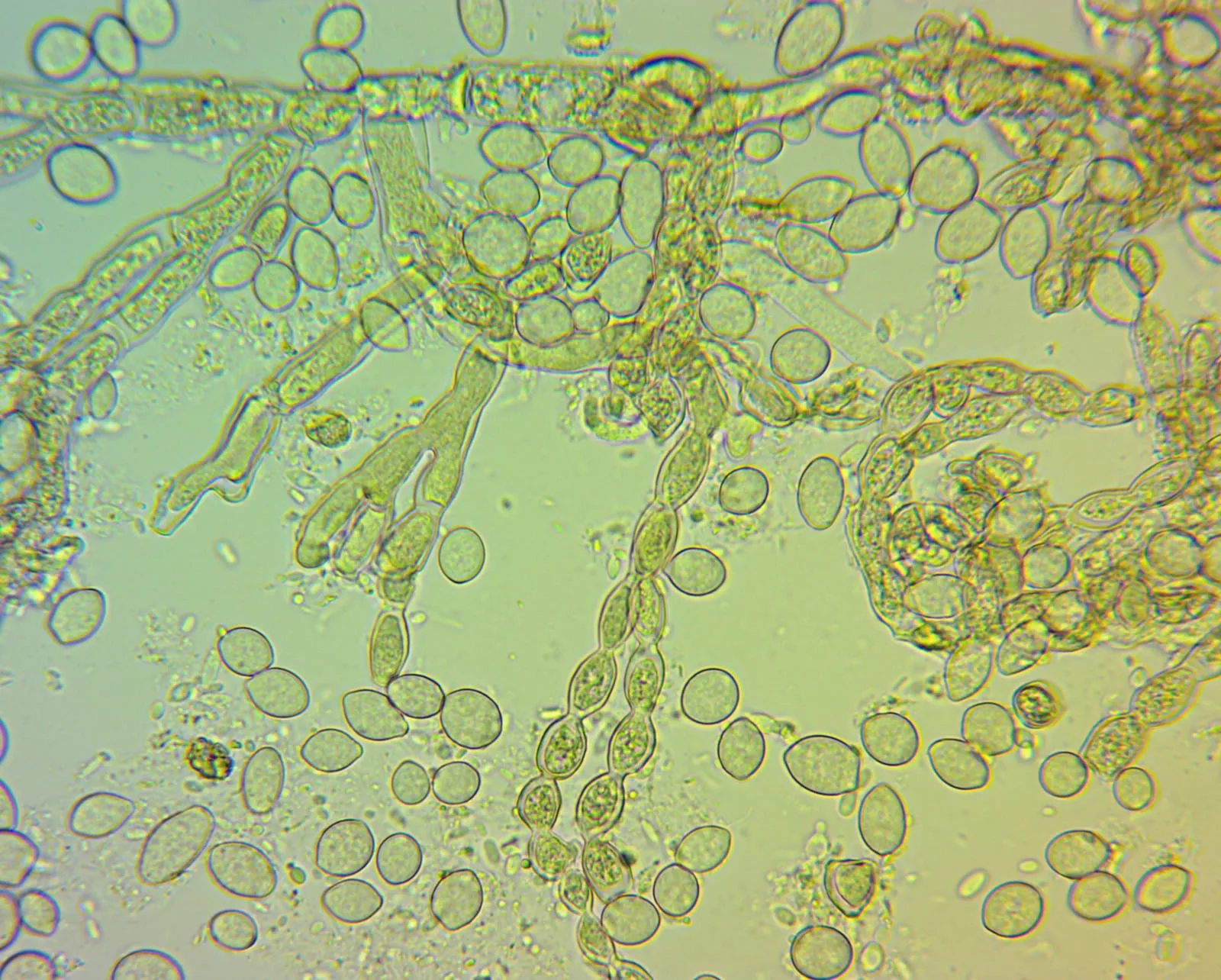
Monilinia fructicola
The most damaging stone-fruit and almond disease, causing blossom blight and fruit rot.
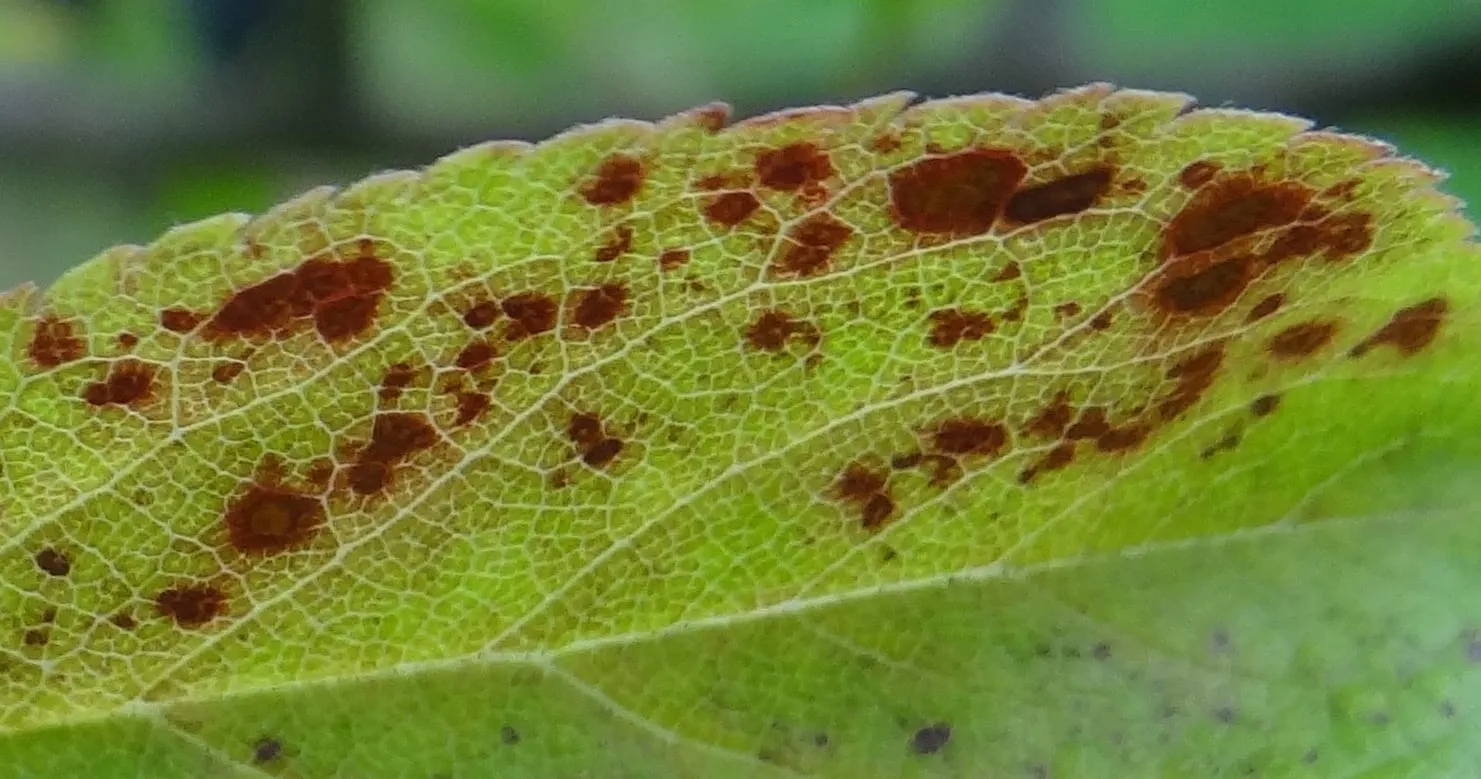
Xanthomonas arboricola pv. pruni
Bacterial disease causing leaf spots and fruit blemishes, severe in warm humid regions.
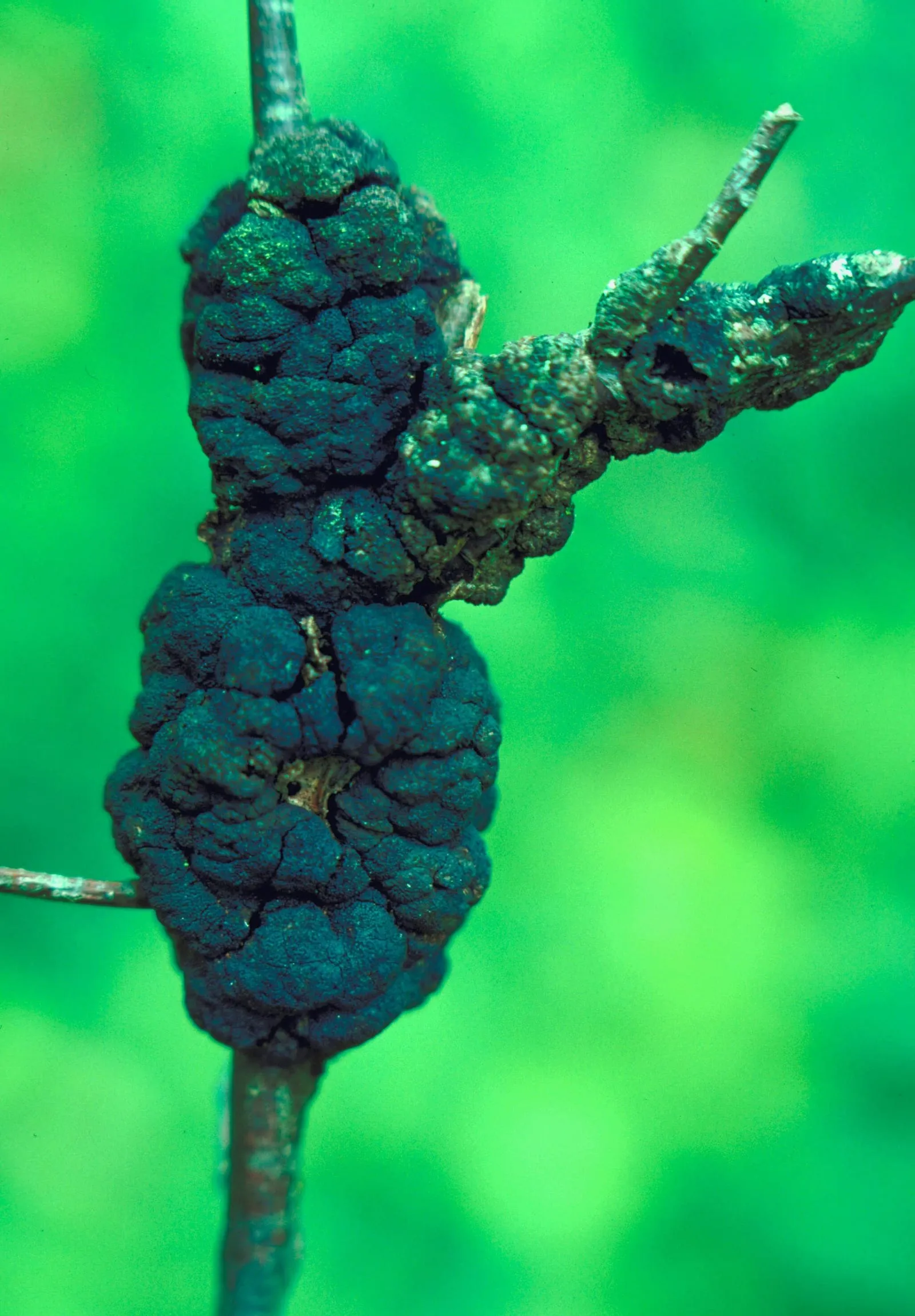
Apiosporina morbosa
Fungal disease producing characteristic black warty galls on plum and cherry branches.
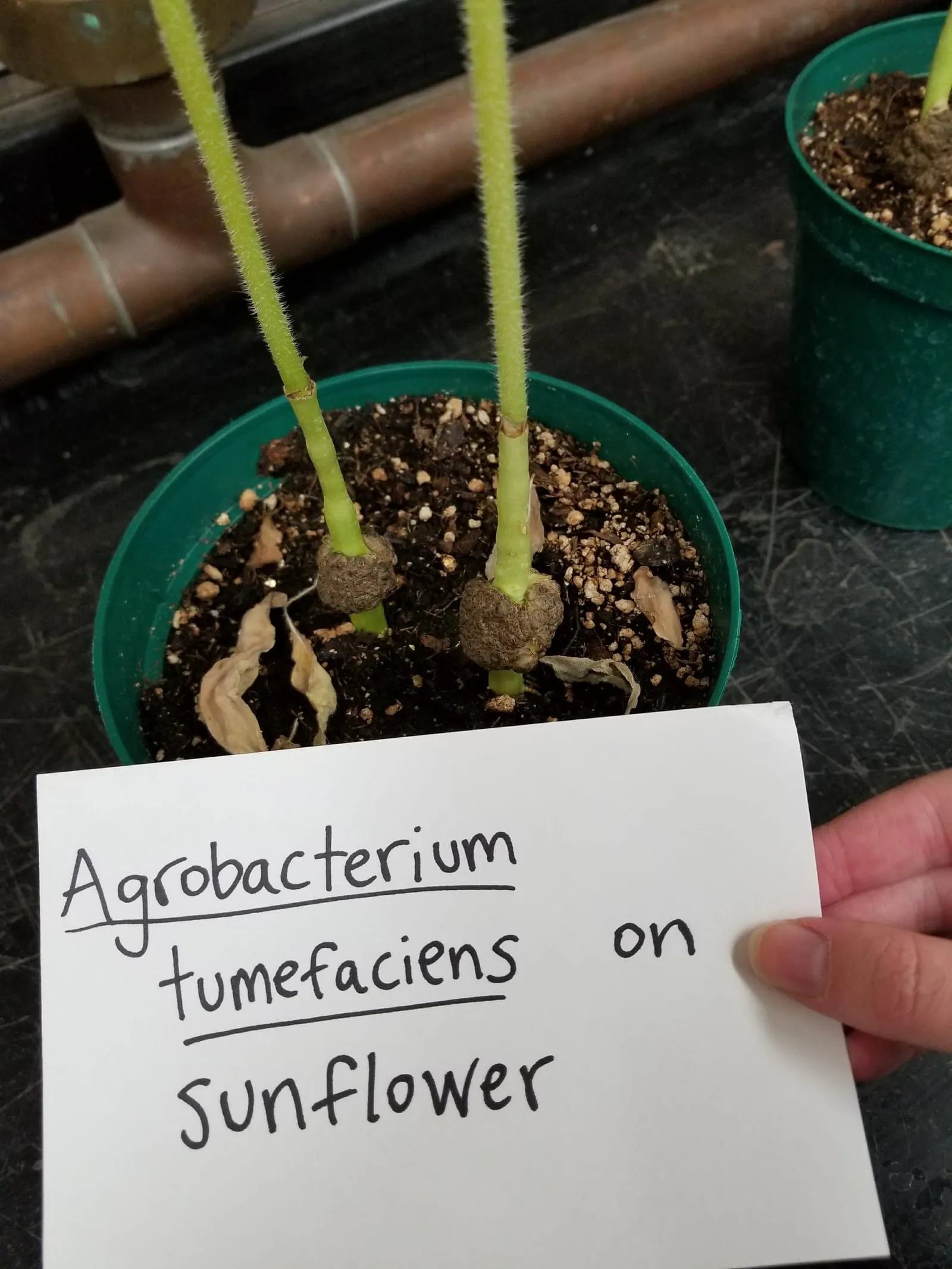
Agrobacterium tumefaciens
Soil-borne bacterium that enters plants through wounds and induces tumor-like galls on roots, crown, and lower stems. Galls reduce vigor and shorten plant lifespan; on Rubus the disease is often fatal.
Modified care for zone 8b
The most consequential adjustment in zone 8b is variety selection weighted toward low-chill performance. Without adequate chill accumulation, trees may leaf out erratically, produce weak bloom, or skip fruiting entirely. Planting on a north-facing slope or in a location with some winter shade can marginally increase chill accumulation.
Brown Rot is the primary disease management challenge in zone 8b. The warm, humid spring conditions that coincide with bloom and early fruit development create sustained infection pressure. Preventive fungicide timing at bloom is more important here than in cooler zones where conditions are less favorable to the pathogen. Bacterial Spot pressure is also elevated in warm, rainy springs; copper-based applications earlier in the season reduce incidence but do not eliminate it. Sandy soils common to parts of zone 8b also raise nematode risk, which warrants attention at planting site selection.
Frequently asked questions
- Can Japanese plum grow in zone 8b?
Yes, but with caveats. Zone 8b typically accumulates 400 to 600 chill hours, which is at the low end of Japanese plum's 500 to 900 hour requirement. Low-chill selections bred for warm-winter climates are the practical choice. Higher-chill varieties will underperform or fail to set fruit consistently.
- Why did my Japanese plum not fruit this year in zone 8b?
Insufficient chill accumulation is the most common cause when the tree appears healthy but sets little or no fruit. A warm December and January can leave the tree well short of its chill requirement, resulting in poor bloom or erratic leafout. Late frost during February bloom is the other likely culprit.
- How do I reduce Brown Rot pressure on Japanese plum in zone 8b?
Preventive fungicide applications timed to bloom are the most effective intervention. Zone 8b's warm, humid spring conditions favor Brown Rot infection during the flower and early fruit stages. Removing mummified fruit from the previous season also reduces inoculum going into the next bloom.
+−
+−
+−
Japanese Plum in adjacent zones
Image: "Starr 080405-3957 Prunus salicina", by Forest & Kim Starr, via Wikimedia Commons, licensed under CC-BY Source.

Related