Disease
fungalFusarium Wilt
Fusarium oxysporum
Soil-borne fungal disease that plugs vascular tissue and kills affected plants. Persists in soil for many years; impossible to eliminate once established.
- Pathogen type
- Fungal
- Hosts
- 10
- Symptoms
- 4
- Scientific name
- Fusarium oxysporum
- Resistant varieties
- 3
Biology and conditions
Fusarium wilt is caused by Fusarium oxysporum, a soil-borne fungus that infects plant roots and colonizes the vascular system. Once inside, the pathogen physically blocks water and nutrient transport, producing the characteristic one-sided wilting that distinguishes it from most other wilt diseases. Cutting an affected stem reveals brown discoloration in the water-conducting tissue, the clearest field confirmation available.
The fungus is most aggressive in warm, moist soils and under heat stress. Symptoms typically peak at fruit set, when plants are already carrying a heavy metabolic load. F. oxysporum persists as resting spores in soil for many years, and no practical intervention eliminates it once a planting bed is infested. The pathogen affects a wide host range including tomato, watermelon, spinach, basil, okra, and sweet potato, so even diversified gardens can sustain inoculum levels through sequential susceptible plantings.
Variety selection is the most cost-effective defense. For tomatoes, the letters F, F1, F2, or F3 on seed packets and catalog listings indicate resistance to successive Fusarium races; Mountain Magic, Defiant, and Big Beef all carry this designation. Beyond variety choice, rotating away from infested beds for five or more years reduces inoculum pressure without eliminating the pathogen entirely. Soil solarization under clear plastic during peak summer heat can suppress populations in small, well-defined areas. Where infestation is confirmed and resistant varieties are unavailable for the target crop, raised beds filled with clean imported soil offer the most reliable workaround. No chemical control provides dependable results against established soil populations.
Symptoms
- ▸ One-sided yellowing and wilting (often starting on lower leaves)
- ▸ Brown vascular discoloration when stem is cut
- ▸ Whole-plant decline and death
- ▸ Symptoms most severe during fruit set
IPM controls
- ✓ Plant resistant varieties (look for 'F', 'F1', 'F2', or 'F3' codes for fusarium-resistant tomatoes)
- ✓ Crop rotation away from infested beds for 5+ years
- ✓ Soil solarization in summer for small areas
- ✓ Raised beds with imported soil for known-infested ground
- ✓ No chemical control
Resistant varieties
Selecting a variety with documented resistance is the most effective single decision for low-input management of fusarium wilt.
Affected crops
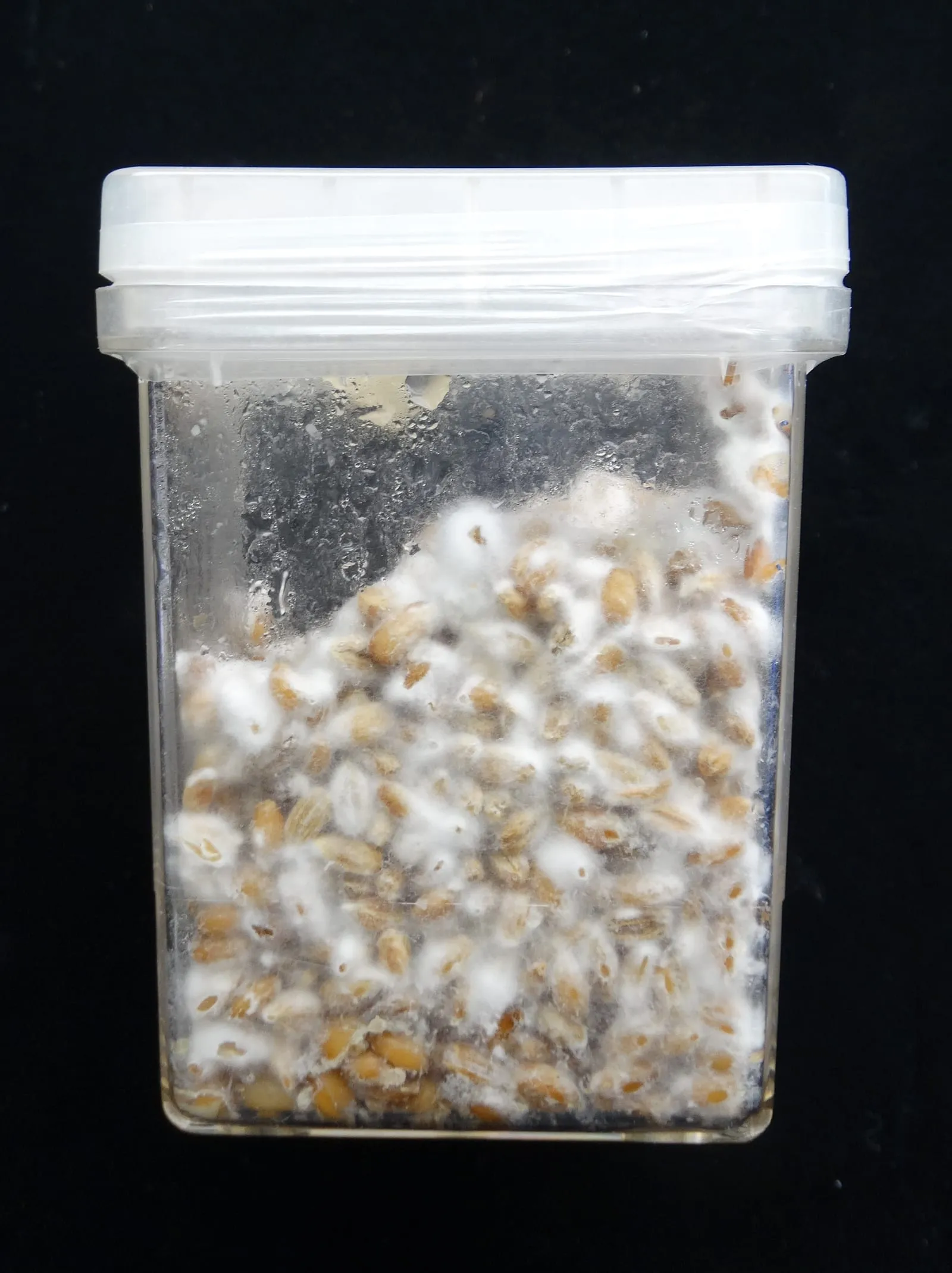
Image: "Fusarium oxysporum f. sp. cubense race 1 (24607024387)", by Scot Nelson, via Wikimedia Commons, licensed under CC0 Source.
.jpg)
Related