Grafting pair
good compatibilityHarcot
on Citation rootstock
- Compatibility
- Good
- Tree size
- Semi Dwarf
- Mature height
- 10–14 ft
- Crop
- Apricot
Compatibility and disease notes
Citation produces a smaller tree, well-suited to backyard apricot. Brown-rot pressure remains a management priority regardless of rootstock.
Overview
Harcot on Citation is a compact apricot combination suited to home orchards where space and manageability take priority over maximum yield. Citation rootstock limits tree size to the 10-14 foot range, producing a semi-dwarf that can be hand-pruned and netted without ladders. Harcot, a Canadian-bred variety selected for cold hardiness and reliable early bearing, pairs well with this size class because its moderate vigor does not fight the rootstock's dwarfing tendency.
The combination performs consistently in the Northeast, Mid-Atlantic, and Pacific Northwest, regions where apricot culture is viable but often constrained by late frosts and fungal disease pressure. Harcot's relatively late bloom timing reduces frost damage risk compared to earlier-blooming apricot varieties, though rootstock selection has no bearing on the bloom calendar.
Brown rot (Monilinia fructicola) is the primary disease concern regardless of rootstock choice. Citation confers no fungal resistance, and growers in humid climates should plan for a preventive spray program, particularly at petal fall and again when fruit approaches maturity. UC Davis Apricot Rootstocks notes that rootstock selection in stone fruits primarily affects tree size, precocity, and anchorage rather than disease susceptibility.
Best regions
Step-by-step grafting guide
Apricot grafts onto Citation are best completed in late winter to early spring, from late February through mid-March in zones 6-7 and from mid-March through early April in zones 5 and colder. The target window is when the rootstock has broken dormancy and sap is actively moving but before leaf-out is more than a few days advanced. Dormant scionwood collected in January or February and stored wrapped in damp paper towel inside a sealed plastic bag in the refrigerator stays viable for 6-8 weeks.
For pencil-diameter material (3/8 to 5/8 inch stem), a whip-and-tongue graft is preferred. For rootstock stems thicker than 3/4 inch, use a cleft graft instead.
Tools needed: sharp grafting knife, grafting tape or parafilm, pruning shears to prepare the rootstock cut.
Steps:
- Cut the rootstock stem cleanly at graft height. For Citation, 6-10 inches above the soil line keeps the union accessible and reduces sucker management complexity.
- Make a 1.5-inch diagonal cut on the rootstock, then a tongue cut parallel to the grain, starting roughly one-third from the top of the diagonal.
- Mirror both cuts on the scion. Include 2-3 buds above the graft union on the scion piece.
- Join the pieces so cambium layers meet on at least one side. Slip the tongues together until they lock.
- Wrap the union firmly with grafting tape from below to above, covering all cut surfaces with no gaps.
Check for success at 3-4 weeks: buds on the scion push and begin extending. A failing union shows shriveled scionwood or buds that swell then abort. Remove grafting tape once the union is firmly callused, typically 6-8 weeks post-graft.
Common failure modes
The most common failure with Harcot on Citation is late timing. Apricot has a narrow effective grafting window, and scionwood that was viable in February loses viability quickly if held in warm storage or if field temperatures climb before the union calluses. Grafts attempted after mid-April in zones 6-7 show substantially lower take rates than those completed in late February or early March.
Citation produces vigorous rootstock suckers, particularly during the first several years after planting. Suckers left unchecked will eventually outcompete the scion. The junction between scion and rootstock should be inspected monthly from May through August; suckers need to be removed at their point of origin below the graft union, not cut at soil level, which only encourages regrowth from the stub.
Graft incompatibility between apricot scions and Citation is not a documented systematic problem, but individual graft failures still occur at rates of 10-20% even with sound technique. A union that takes initially but develops a fissured, swollen, or visibly weak graft line in years 2-3 is more likely an incompatibility expression than a disease issue. When this pattern appears across multiple grafts of the same scion on the same rootstock, switching rootstocks is the practical path forward.
Sources
Related
Related grafts
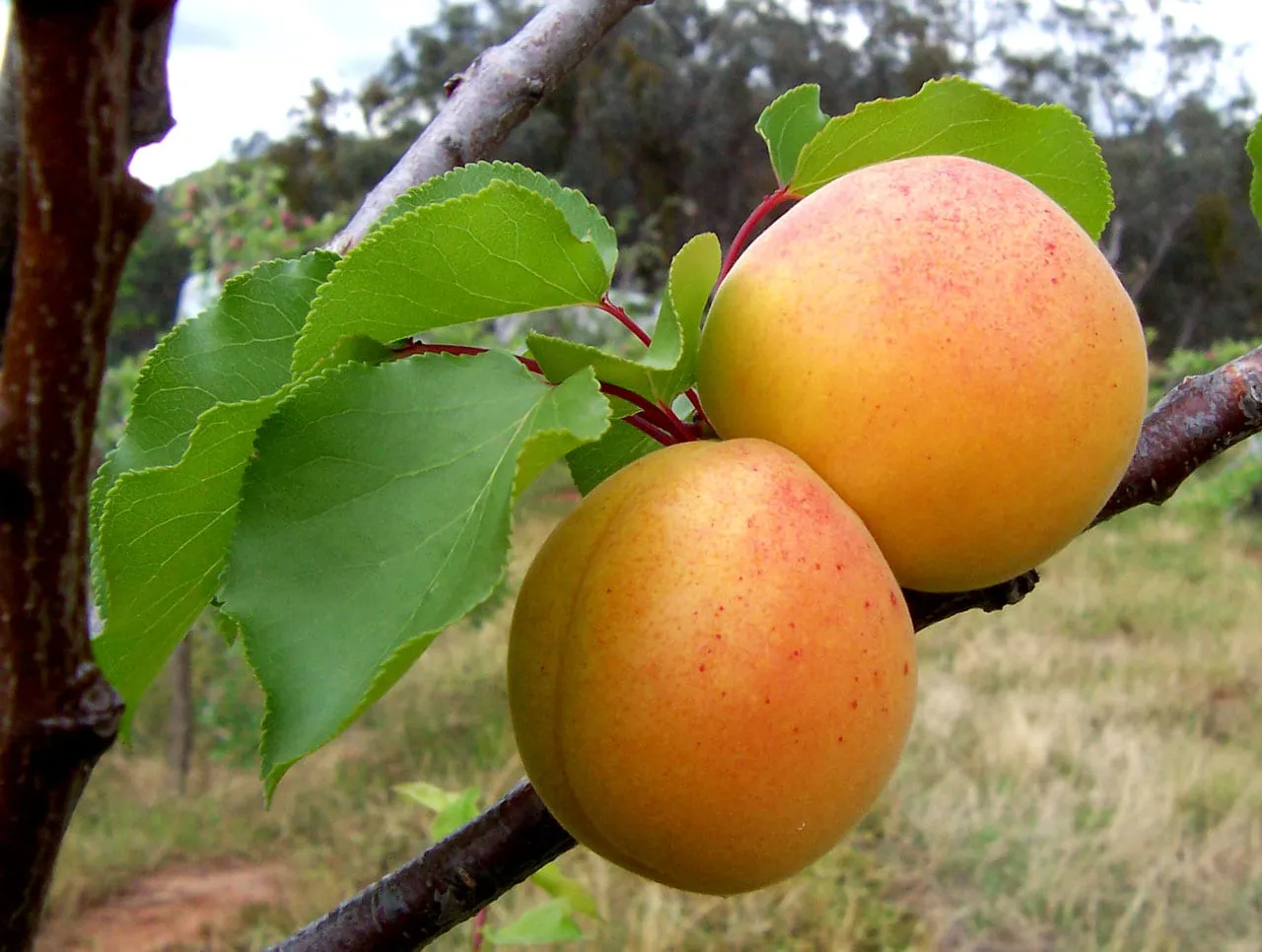
Image: "Apricots", by Fir0002, via Wikimedia Commons, licensed under CC-BY. Source.
