Pest
Whitefly
Multiple species (Aleyrodidae)
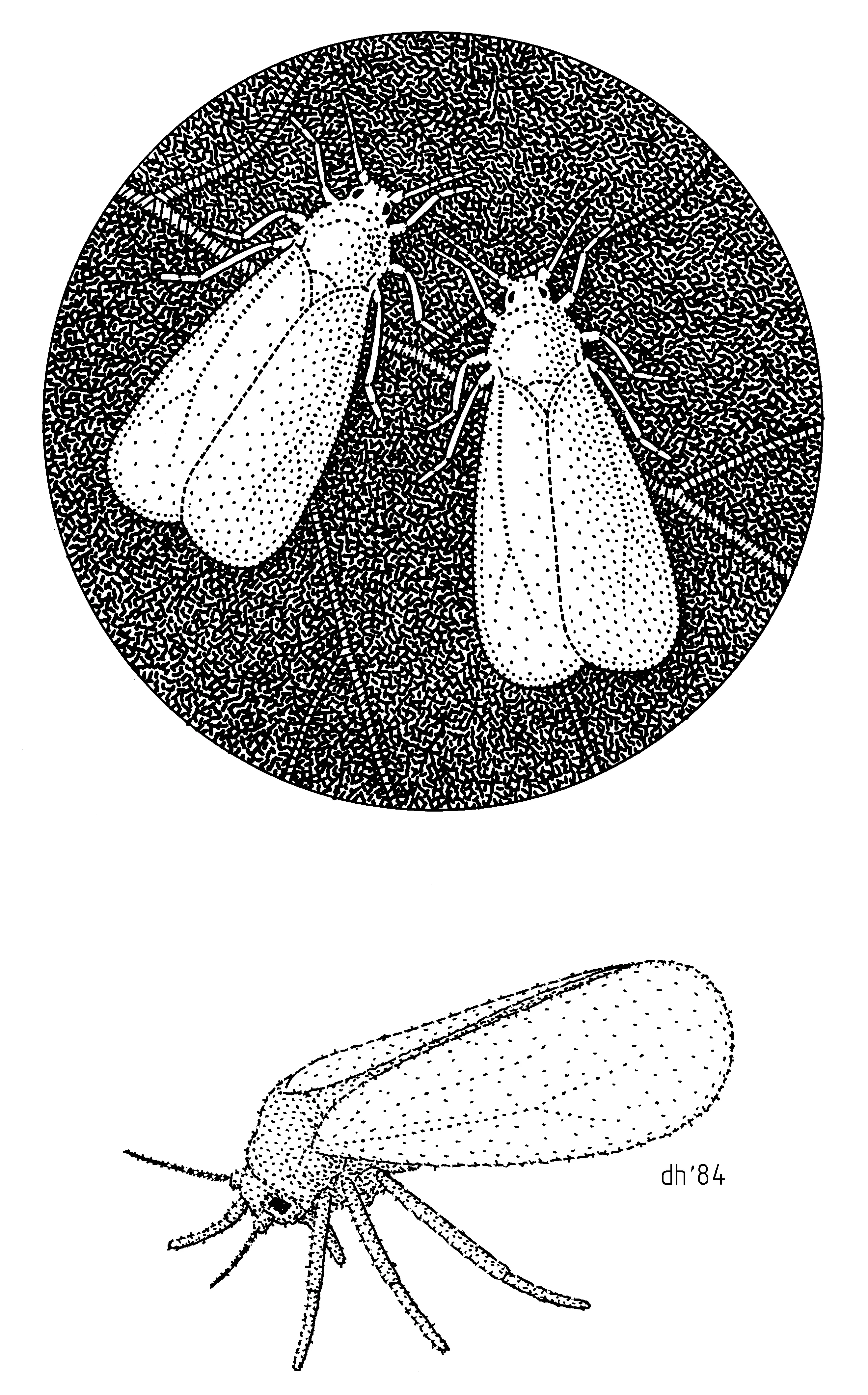
Tiny white moth-like flying insects that feed on plant sap and excrete honeydew. Transmit numerous viral diseases including tomato yellow leaf curl virus.
- Scientific name
- Multiple species (Aleyrodidae)
- Hosts
- 11
- Identification signs
- 4
- Controls
- 5
Biology and lifecycle
Whiteflies (family Aleyrodidae) are not true flies but belong to the same order as aphids and scale insects. The most damaging species on vegetable crops include silverleaf whitefly (Bemisia argentifolii) and greenhouse whitefly (Trialeurodes vaporariorum). Adults are 1 to 2mm long, covered in white waxy powder, and lay eggs in circular patterns on leaf undersides.
The lifecycle progresses through egg, four nymphal instars, and adult. Early nymphal instars are flat, scale-like, and nearly immobile; they feed by inserting stylets into phloem and extracting sap continuously. The fourth instar is non-feeding. In warm conditions above 70°F, a full generation completes in three to four weeks, which allows populations to compound rapidly through midsummer. The nymphal stages are where feeding damage accumulates. Sustained feeding weakens plants, produces honeydew that supports sooty mold, and reduces photosynthetic capacity. The larger concern on tomatoes and peppers is virus transmission: silverleaf whitefly is the primary vector of tomato yellow leaf curl virus and related begomoviruses, which are not treatable once established.
The most cost-effective control window is early season, before populations colonize transplants. Yellow sticky traps placed at canopy height let growers track adult flights; when counts climb above five to ten adults per trap per week, pressure is building and intervention is warranted. Reflective mulch at planting repels arriving adults before they settle. Releases of Encarsia formosa, a commercially available parasitic wasp, suppress moderate infestations without disrupting other beneficials. Insecticidal soap and horticultural oil, applied directly to leaf undersides where nymphs feed, are effective contact options; thorough coverage matters more than timing. Broad-spectrum insecticides are a last resort: whitefly populations develop resistance quickly, and eliminating natural enemies accelerates reinfestation.
Signs to watch for
- ▸ Cloud of small white flies when leaves are disturbed
- ▸ Sticky honeydew on lower leaves
- ▸ Sooty mold on honeydew
- ▸ Yellowing leaves and stunted growth
IPM controls
- ✓ Yellow sticky traps for monitoring and partial control
- ✓ Insecticidal soap or horticultural oil applied to leaf undersides
- ✓ Encourage Encarsia parasitic wasps (commercially available)
- ✓ Reflective mulches deter winged adults
- ✓ Vacuum adults off plants in early morning when sluggish
Affected crops
Image: "HEMI Aleyrodidae Trialeurodes vaporariorum", by Desmond W. Helmore, via Wikimedia Commons, licensed under CC-BY Source.

Related