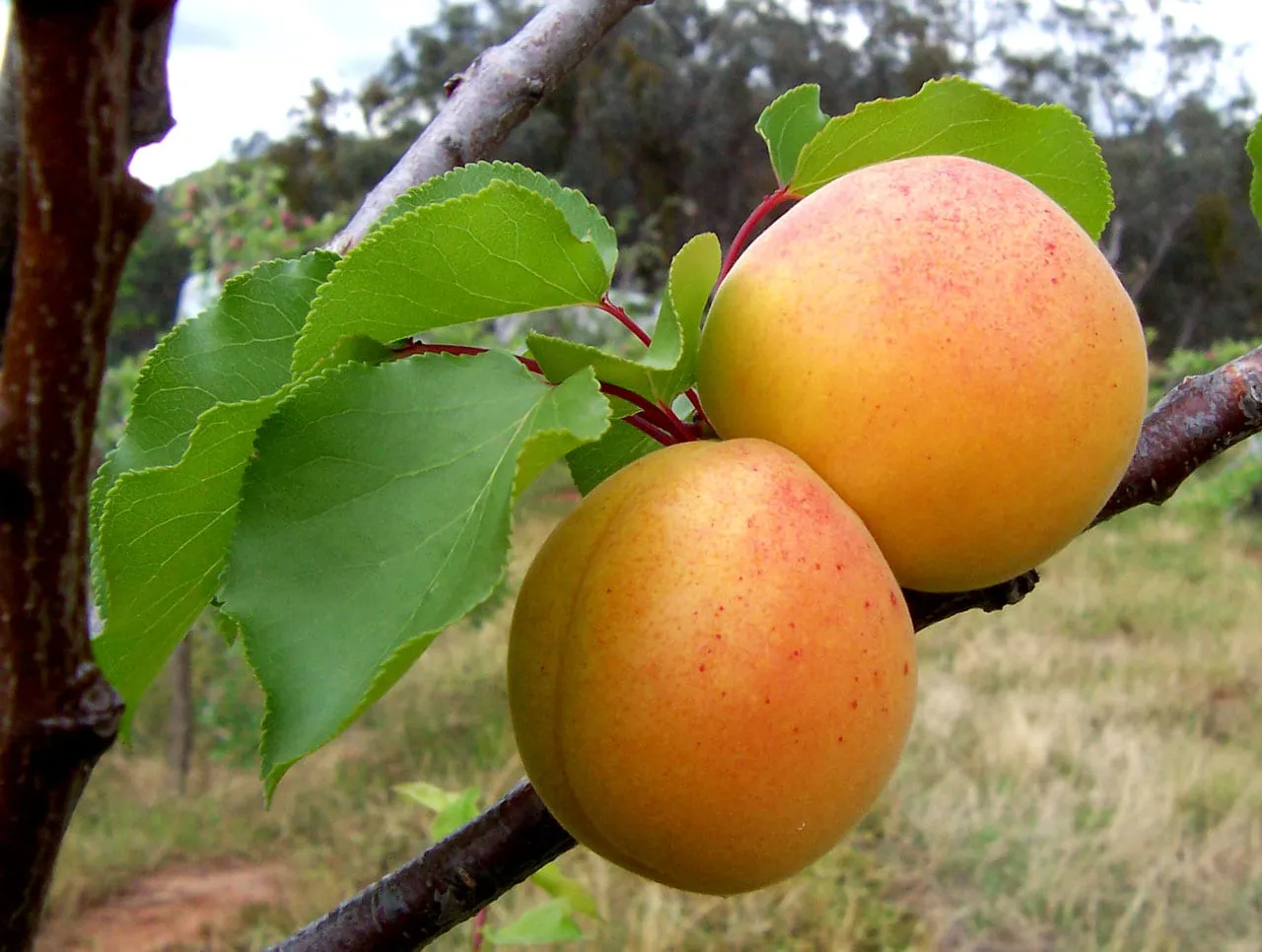
fruit tree in zone 5a
Growing apricot in zone 5a
Prunus armeniaca
- Zone
- 5a -20°F to -15°F
- Growing season
- 150 days
- Chill needed
- 600 to 900 below 45°F
- Suitable varieties
- 2
- Days to harvest
- 110 to 130
The verdict
Zone 5a sits at the cold edge of apricot's viable range. Winter temperatures that regularly reach -20 to -15°F can damage flower buds that have broken dormancy, and the wood itself approaches the limits of reliable survival in severe winters. Chill-hour accumulation is not the problem: zone 5a reliably delivers well within the 600 to 900 hours apricot requires to break dormancy uniformly.
The real constraint is frost timing. Apricot blooms earlier than nearly any other stone fruit, often before the last spring frost in zone 5a. In most years, some or all of the crop is lost to late frosts. Harcot and Goldcot offer the best odds here: both were bred for improved cold hardiness and have somewhat later bloom periods than most apricot selections. Zone 5a is workable for apricot, but growers should consider harvest a bonus most years rather than a reliable annual event.
Recommended varieties for zone 5a
2 cultivars suited to this zone, with disease-resistance and zone-fit annotations.
| Variety | Notes | Zone fit | Disease resistance |
|---|---|---|---|
| Harcot fits zone 5a | Sweet, juicy, classic apricot flavor with bright tang; freestone. Fresh eating, jam, drying. Late blooming protects from spring frost. Brown-rot resistant. | |
|
| Goldcot fits zone 5a | Sweet-tart, freestone with firm orange flesh; excellent for fresh eating, canning, drying. Cold-hardy and reliable in zone 5. | | none noted |
Critical timing for zone 5a
Apricot breaks dormancy and begins flowering earlier than peaches, plums, or cherries, typically in late March to early April in zone 5a. The last average frost date in zone 5a falls in late April or early May depending on location, which means the bloom window nearly always overlaps with meaningful frost risk.
Harvest follows roughly 60 to 70 days after bloom for most varieties, placing ripe fruit in late June to mid-July for trees that survive the bloom period unscathed. The 150-day growing season is more than adequate for fruit to develop fully once set. The timing math is clear: bloom is the bottleneck, not fruit development. Years when late frosts hold off through mid-April tend to produce good crops; a hard frost arriving after full bloom can eliminate the season's fruit entirely.
Common challenges in zone 5a
- ▸ Fire blight in pears
- ▸ Cedar-apple rust
- ▸ Late spring frosts
Disease pressure to watch for
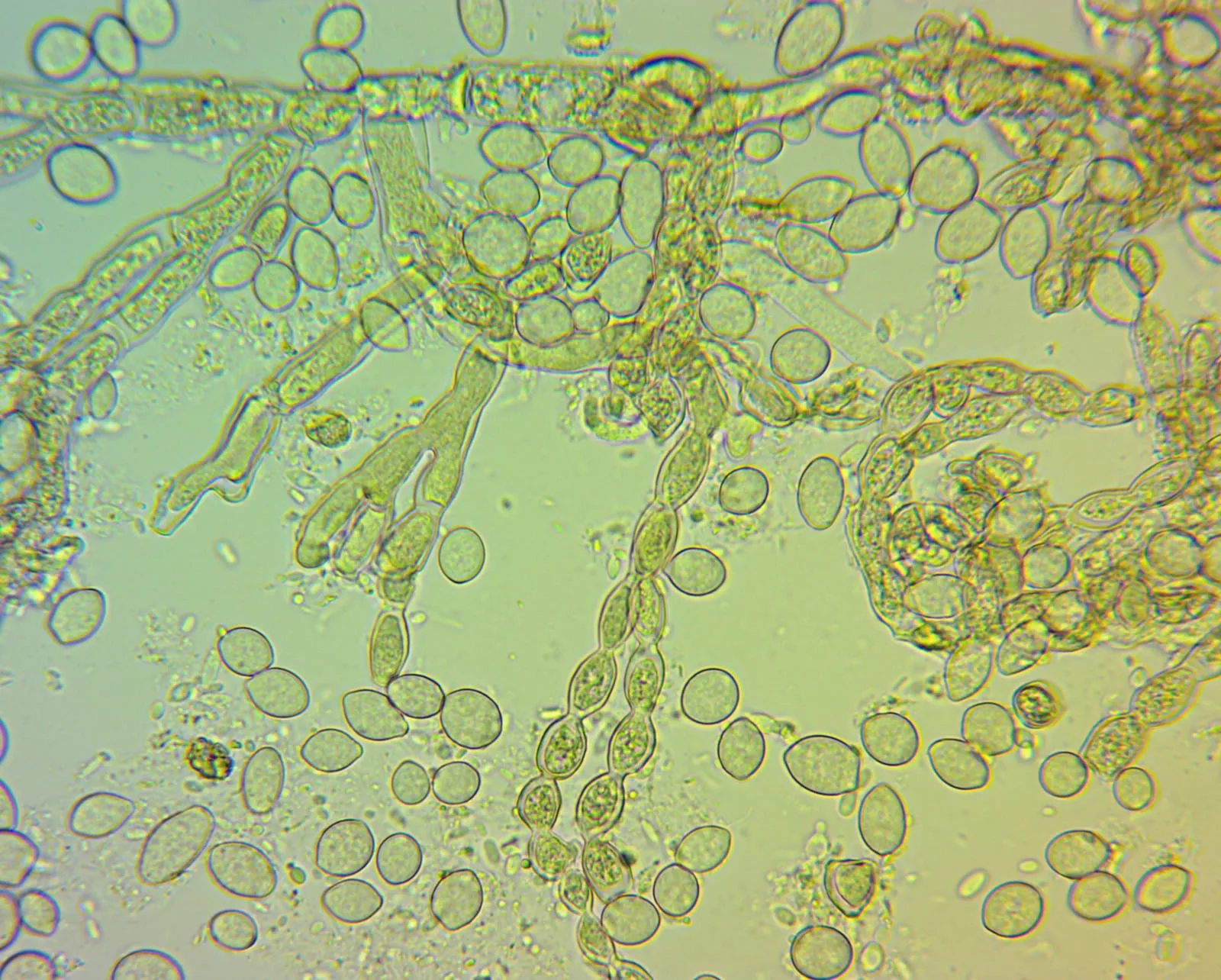
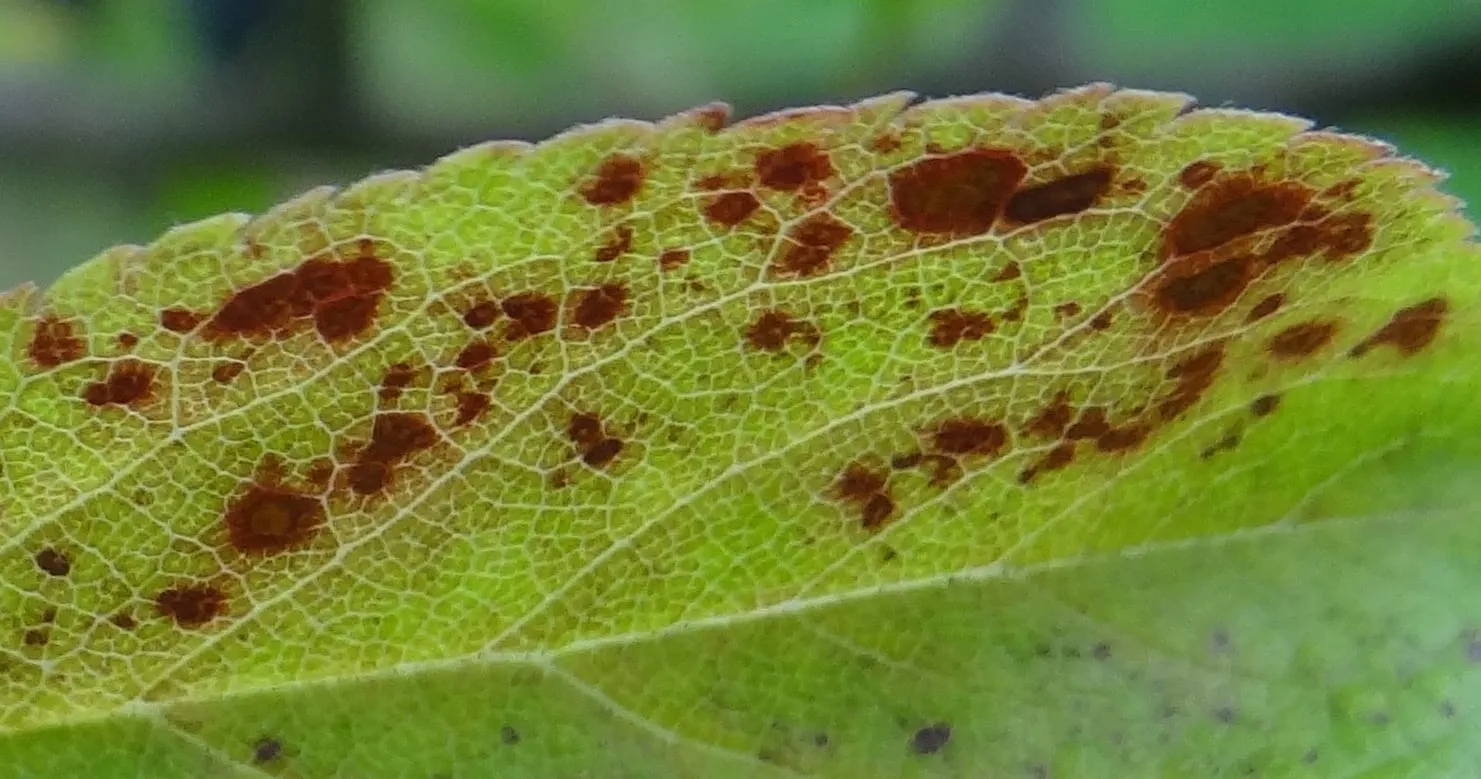
Modified care for zone 5a
Growers in zone 5a who plant apricot need to treat frost protection as a regular practice, not an emergency measure. Positioning trees on a north-facing slope or the north side of a structure delays bloom by slowing soil warming in spring, which can push flowering later by a week or more and reduce frost intersection. Floating row covers over small trees during forecast frost nights offer practical protection for home plantings.
Brown Rot pressure increases in wet springs, which also tend to coincide with more frost events, so preventive copper sprays in wet years are worth the effort. Bacterial Spot can weaken trees following winter injury; inspect for cankers after severe cold spells and remove affected wood promptly to limit spread. Selecting the most sheltered, well-drained site available is the single highest-impact decision for zone 5a apricot culture.
Frequently asked questions
- Can apricots survive zone 5a winters?
The wood of cold-hardy varieties like Harcot and Goldcot can survive zone 5a's minimum temperatures of -20 to -15°F in most winters. The greater risk is flower bud damage during late cold snaps after the tree has broken dormancy. Severe winters may kill buds or occasionally cause trunk damage.
- Why do apricot trees in zone 5a often produce no fruit?
Apricot blooms earlier than almost any other tree fruit, frequently before the last frost in zone 5a. A single late-April frost during or after full bloom can destroy the entire crop for that year. This is the defining challenge for the species in this zone, not winter cold itself.
- Which apricot varieties are best for zone 5a?
Harcot and Goldcot are the two most consistently recommended selections for zone 5a. Both were bred with cold hardiness and late-season bloom in mind. Avoid apricot varieties developed for warmer climates, as their earlier bloom timing increases frost exposure significantly.
- When do apricots ripen in zone 5a?
In years when the bloom escapes frost, harvest typically falls in late June to mid-July. The 150-day growing season in zone 5a provides ample time for fruit to mature after fruit set; the bottleneck is always bloom survival, not the length of the season.
+−
+−
+−
+−
Apricot in adjacent zones
Image: "Apricots", by Fir0002, via Wikimedia Commons, licensed under CC-BY Source.

Related