USDA hardiness zone
Zone 5a
Cool temperate zone with strong apple, pear, plum, and cherry potential.
On the zone ramp
- Lowest winter temp
- -20°F to -15°F USDA boundary
- Growing season
- 150 days
- Avg chill hours
- ~1300 below 45°F
- Hardiness rank
- 9 of 26 temperate
- Compatible crops
- 79
- Sample region
- Maine
Growing in zone 5a
Zone 5a covers a wide swath of cool temperate North America, from coastal Maine and the lake plains of Western New York to the agricultural interior of Iowa and the upland valleys of Eastern Idaho. Minimum winter temperatures range from -20°F to -15°F, cold enough to eliminate plants that cannot harden properly but not so severe that the classic apple-and-pear repertoire collapses.
The 150-day growing season is adequate for most tree fruits. Apple, pear, European plum, sour cherry, and sweet cherry all perform reliably when variety selection accounts for local hardiness ratings. American persimmon and pawpaw are native to climates this cold and require no special accommodation. Peach is the outlier: flower buds are more cold-sensitive than the wood, and a single January cold snap at the wrong moment can eliminate a crop even in a variety rated for the zone.
The dominant constraints are not cold per se but timing and disease. Late spring frosts after bloom, fire blight pressure on pears, and cedar-apple rust on susceptible apple varieties are the three issues that determine whether a zone 5a orchard thrives or frustrates. Growers who build their variety selection around these three constraints, rather than around catalog descriptions, will have materially better outcomes.
Frost timing in zone 5a
Average last spring frost in zone 5a falls between late April and mid-May. The range within the zone is wide: Great Lakes-moderated sites in Western New York often clear frost two to three weeks ahead of inland Iowa sites at comparable latitudes, because the lakes delay the seasonal transition and hold warmth into fall.
First fall frost typically arrives in late September to mid-October. For fruit growers, the fall date carries less practical weight. Once fruit has sized through summer, a frost in early October is rarely catastrophic for the crop, though it can affect fall-planted cover crops and late-season vegetables.
The spring date is the critical number. Fruit tree bloom in zone 5a runs from late April through mid-May depending on species and variety. When frosts arrive after bloom opens, entire crops can be lost in a single night. Late-blooming apple and cherry varieties that push bloom one to two weeks later than the zone average provide meaningful insurance against this risk without requiring active overhead frost protection on most nights.
Common challenges
- ▸ Fire blight in pears
- ▸ Cedar-apple rust
- ▸ Late spring frosts
Best practices
Select varieties with documented hardiness ratings for zone 5, not just zones 6 and warmer. Catalog descriptions often use zone 5 as a catch-all, but flower bud hardiness and wood hardiness differ. For peach specifically, look for varieties with flower bud cold hardiness rated to -15°F or below, such as Contender or Reliance, rather than assuming any peach marketed as cold-hardy will perform reliably in this zone.
Treat fire blight as a variety problem before it becomes a spray problem. Pear varieties rated highly susceptible, such as Bartlett, carry ongoing risk that fungicide timing alone cannot reliably offset. Resistant varieties, including Harrow Sweet and Harrow Delight, are a more durable foundation. When blight does appear, remove infected wood at least 8 to 12 inches below visible symptoms during dry weather and sterilize cutting tools between each cut.
Use site topography to gain a few degrees of frost protection. Cold air drains downhill and pools in low spots. A planting site 15 to 20 feet up a gentle slope can average three to five fewer frost events per spring than the valley floor immediately below it, a difference that can preserve a cherry or peach crop in a marginal year.
What to grow in zone 5a
79 crops from our database fit zone 5a, grouped by type. Click through for zone-specific variety recommendations.
Tree fruit
10 crops
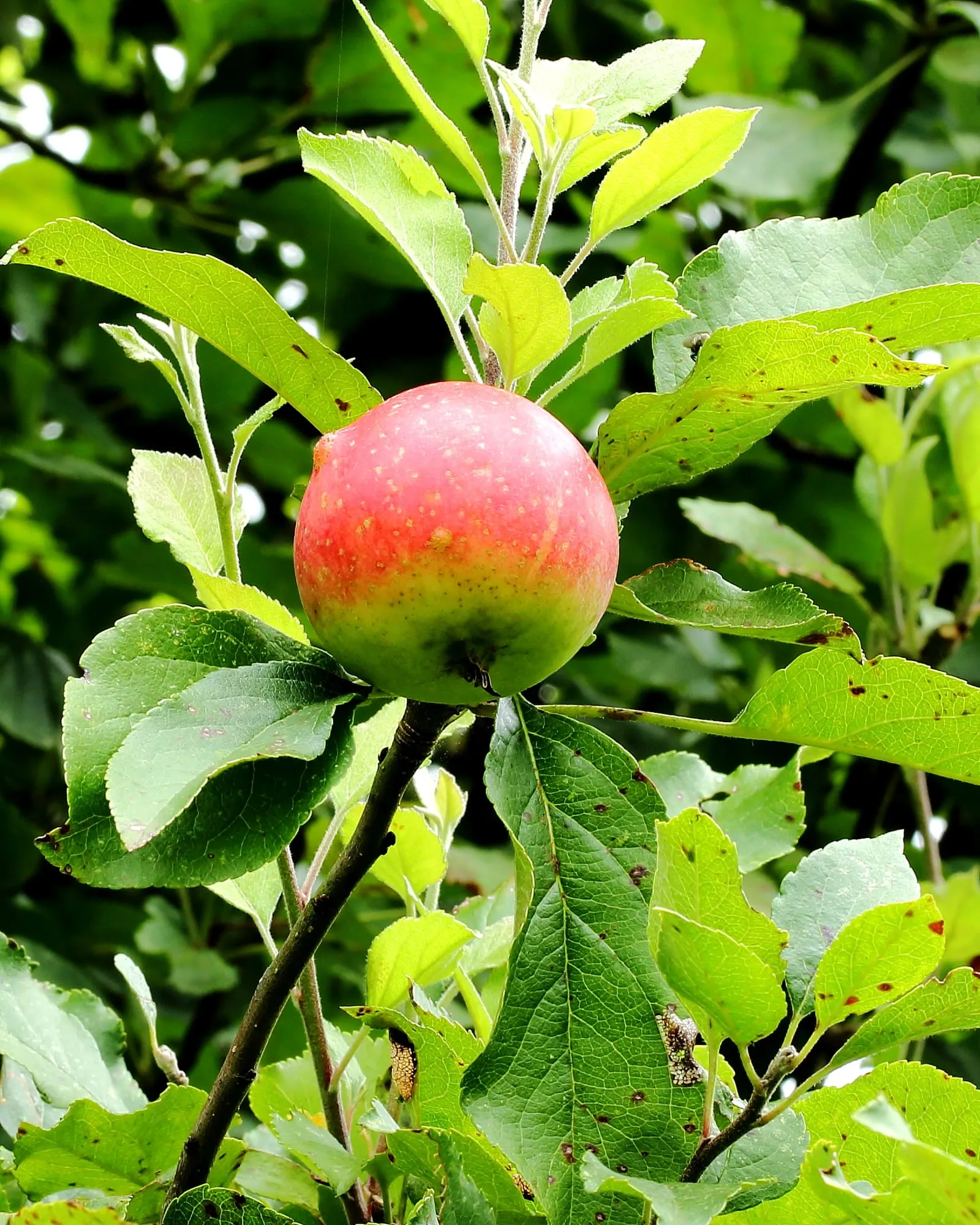 zone 5a
 Apple
Malus domestica
zones 3a–9a
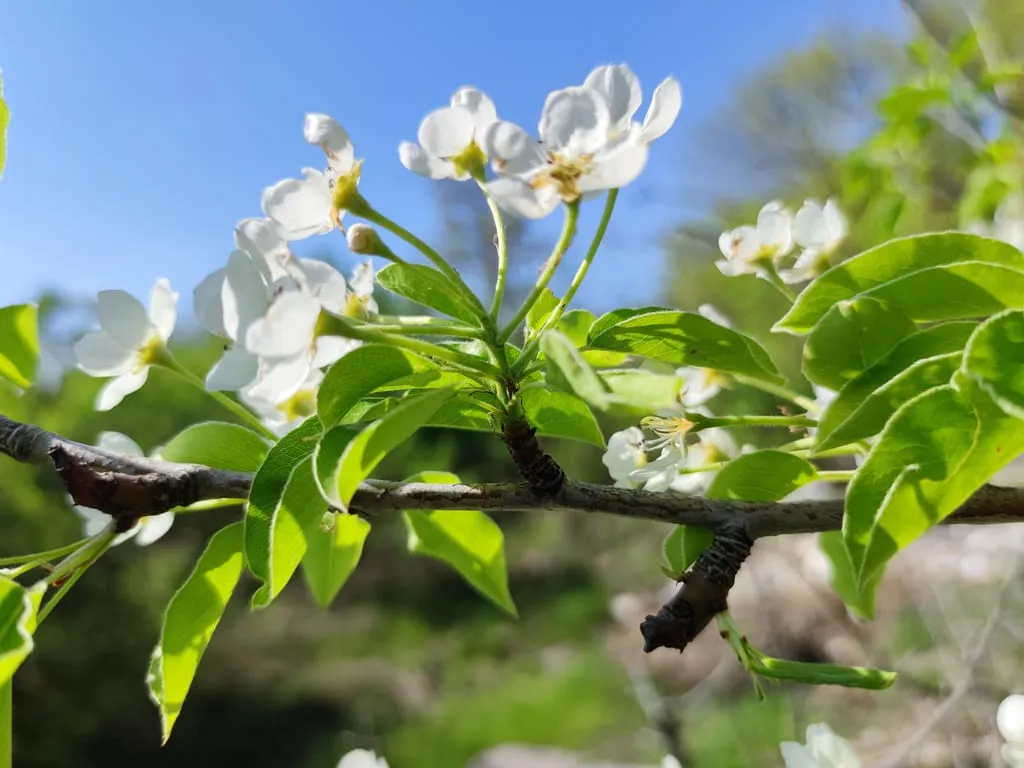 zone 5a
 Pear
Pyrus communis
zones 4a–8b
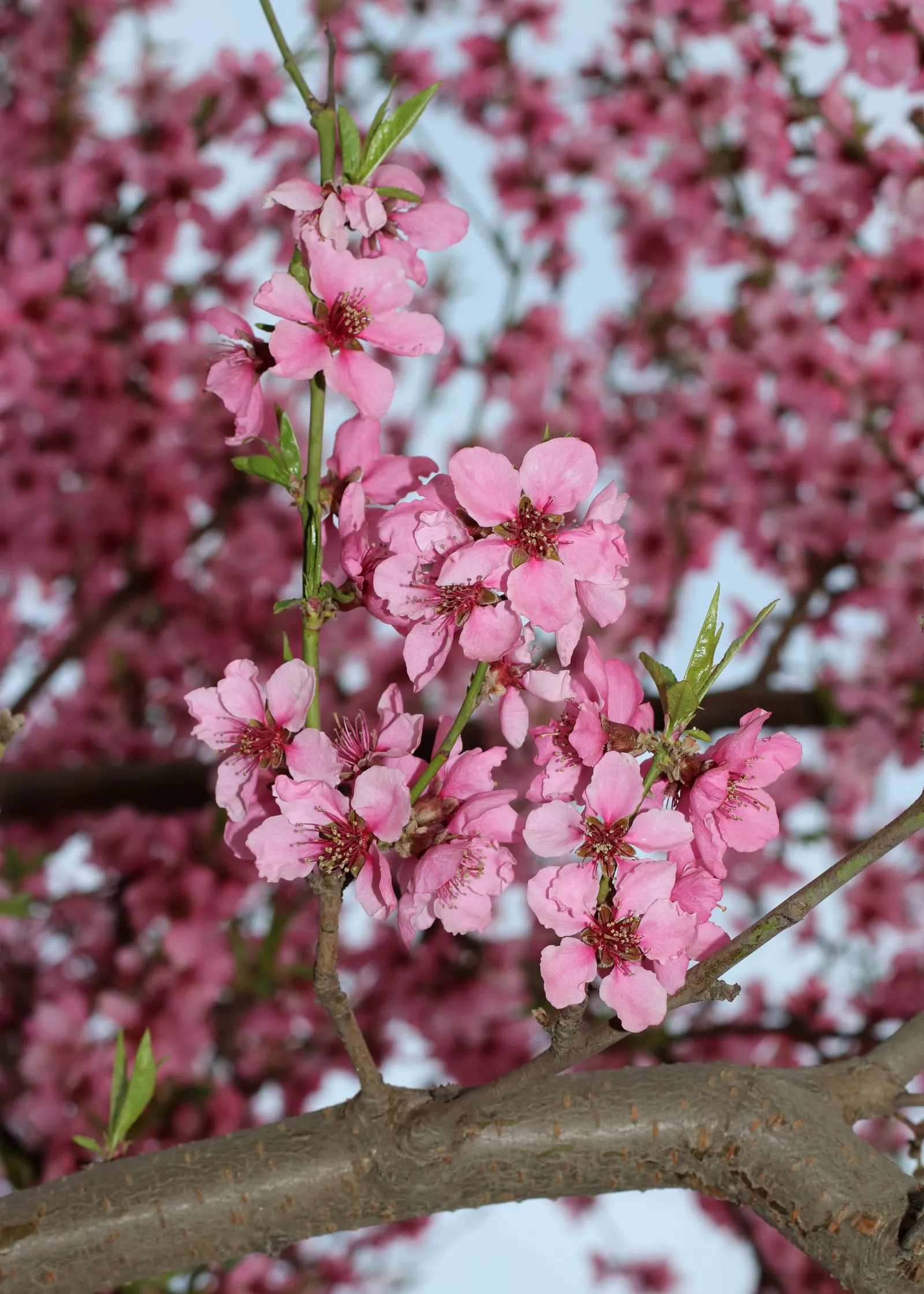 zone 5a
 Peach
Prunus persica
zones 5a–9a
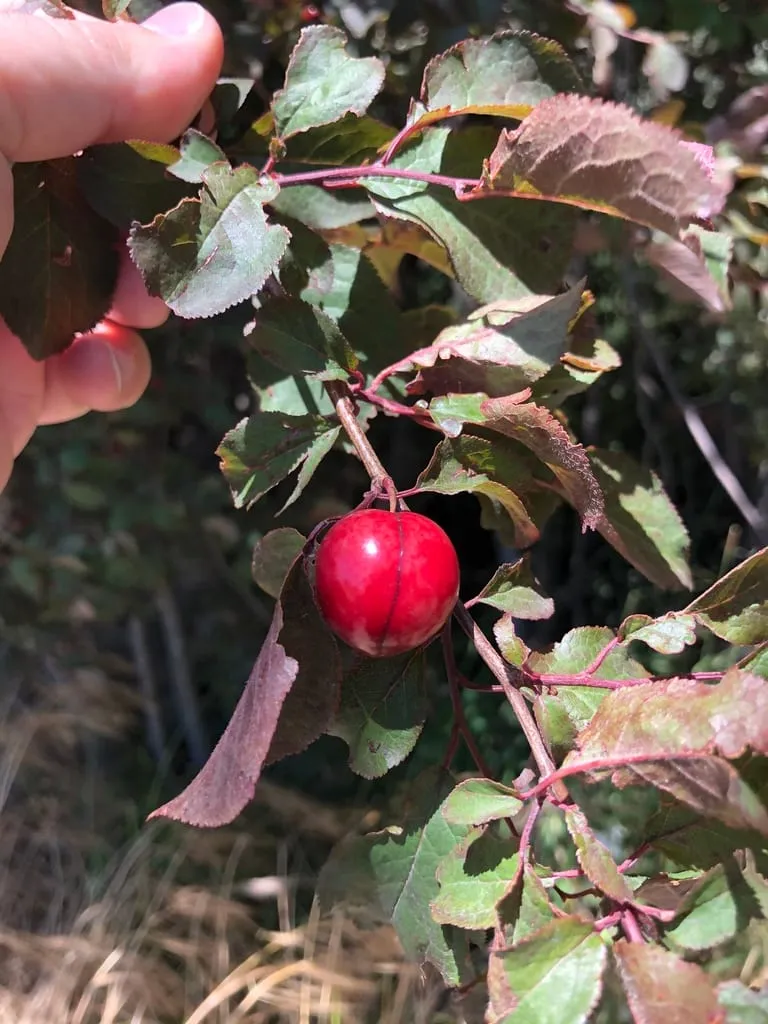 zone 5a
 European Plum
Prunus domestica
zones 4a–8a
 zone 5a
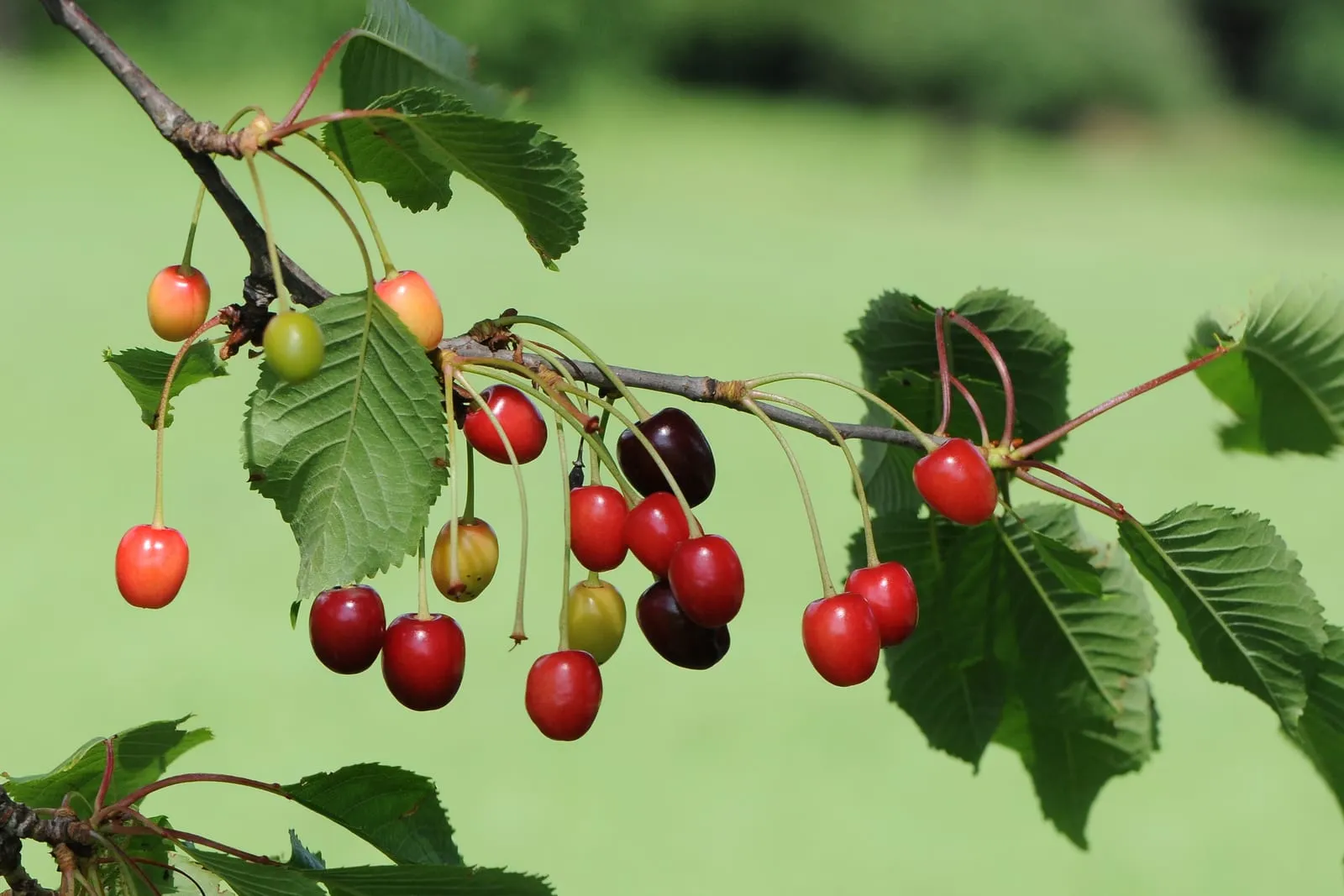
 Sweet Cherry
Prunus avium
zones 5a–8a
 zone 5a
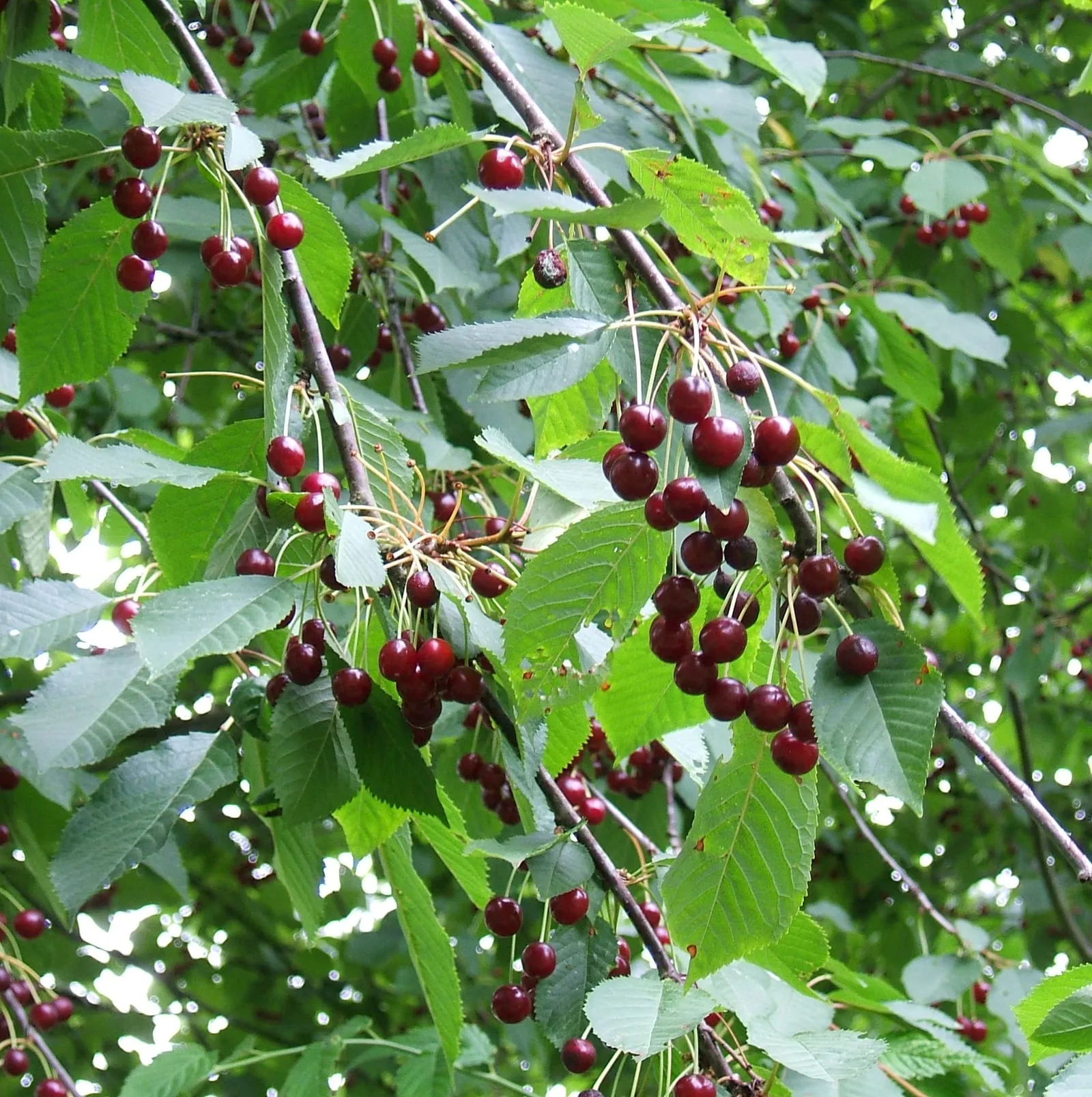
 Sour Cherry
Prunus cerasus
zones 4a–7b
 zone 5a
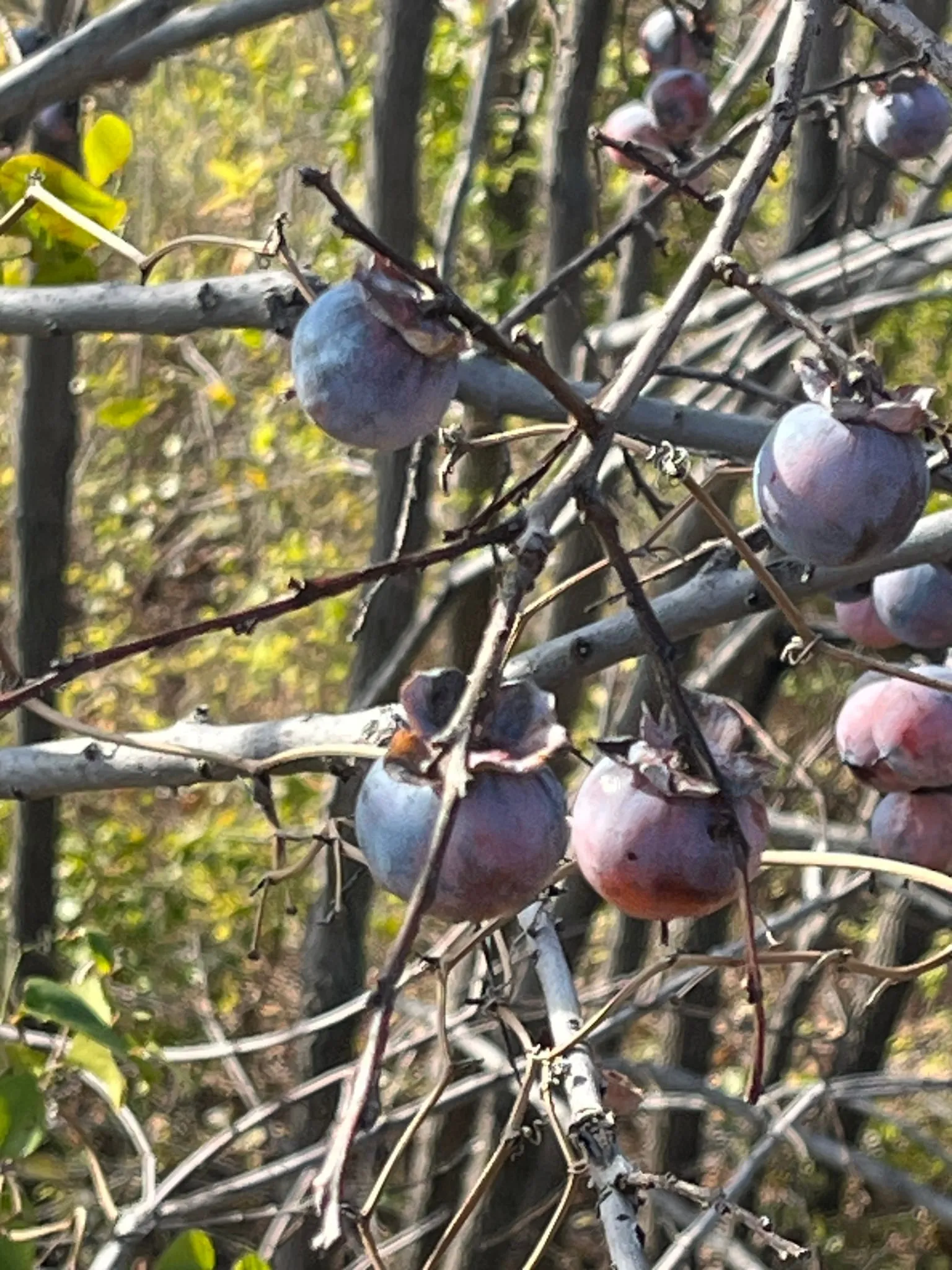
 American Persimmon
Diospyros virginiana
zones 4b–9a
 zone 5a
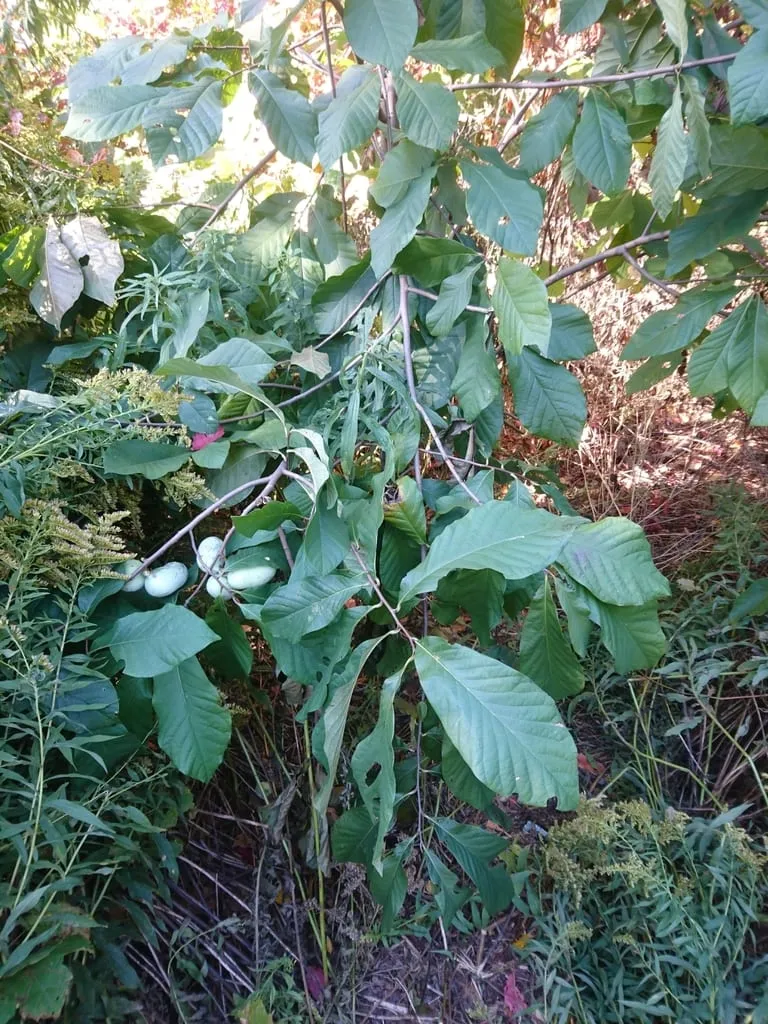
 Pawpaw
Asimina triloba
zones 5a–8b
 zone 5a
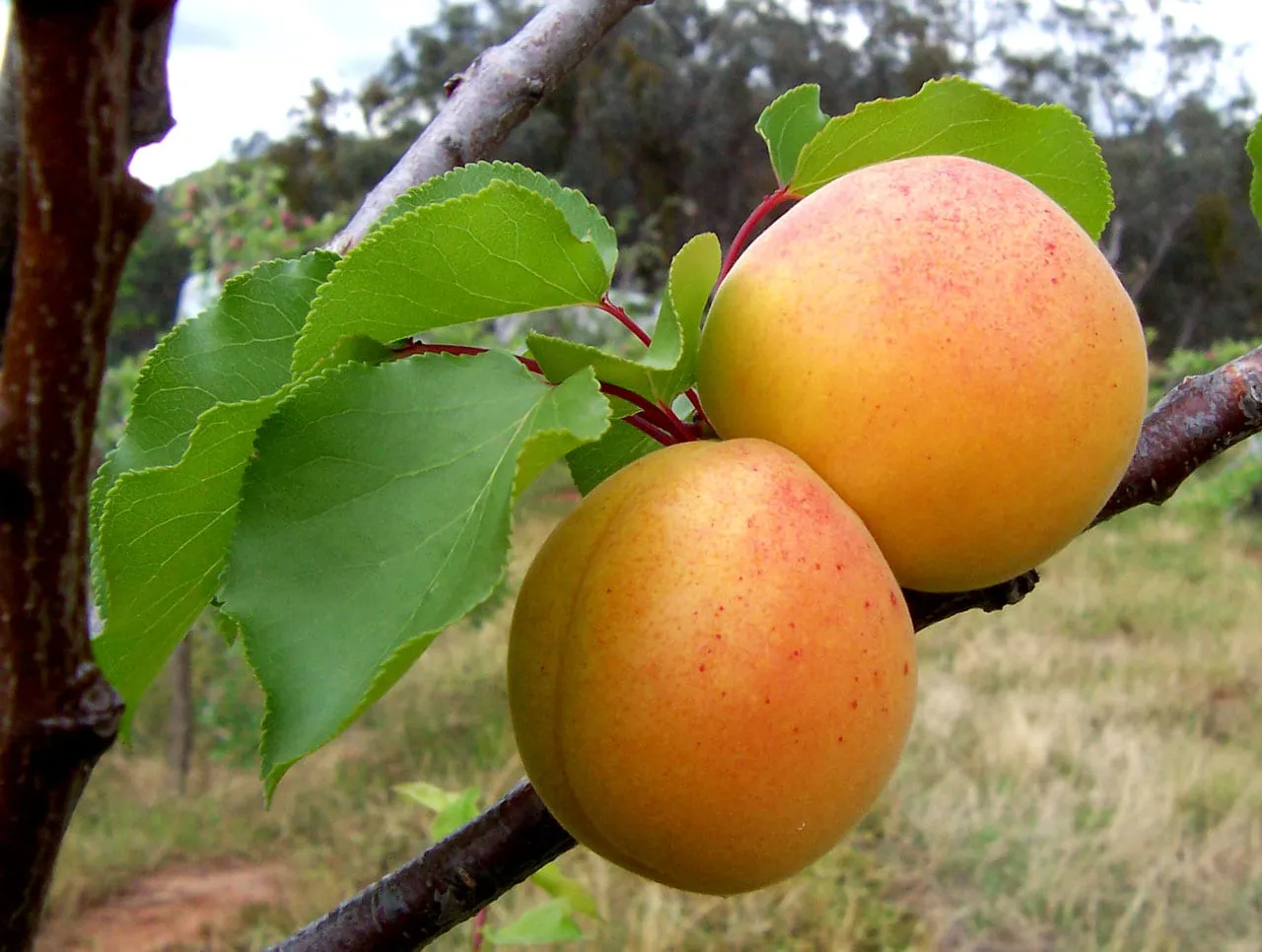
 Apricot
Prunus armeniaca
zones 5a–8a
 zone 5a
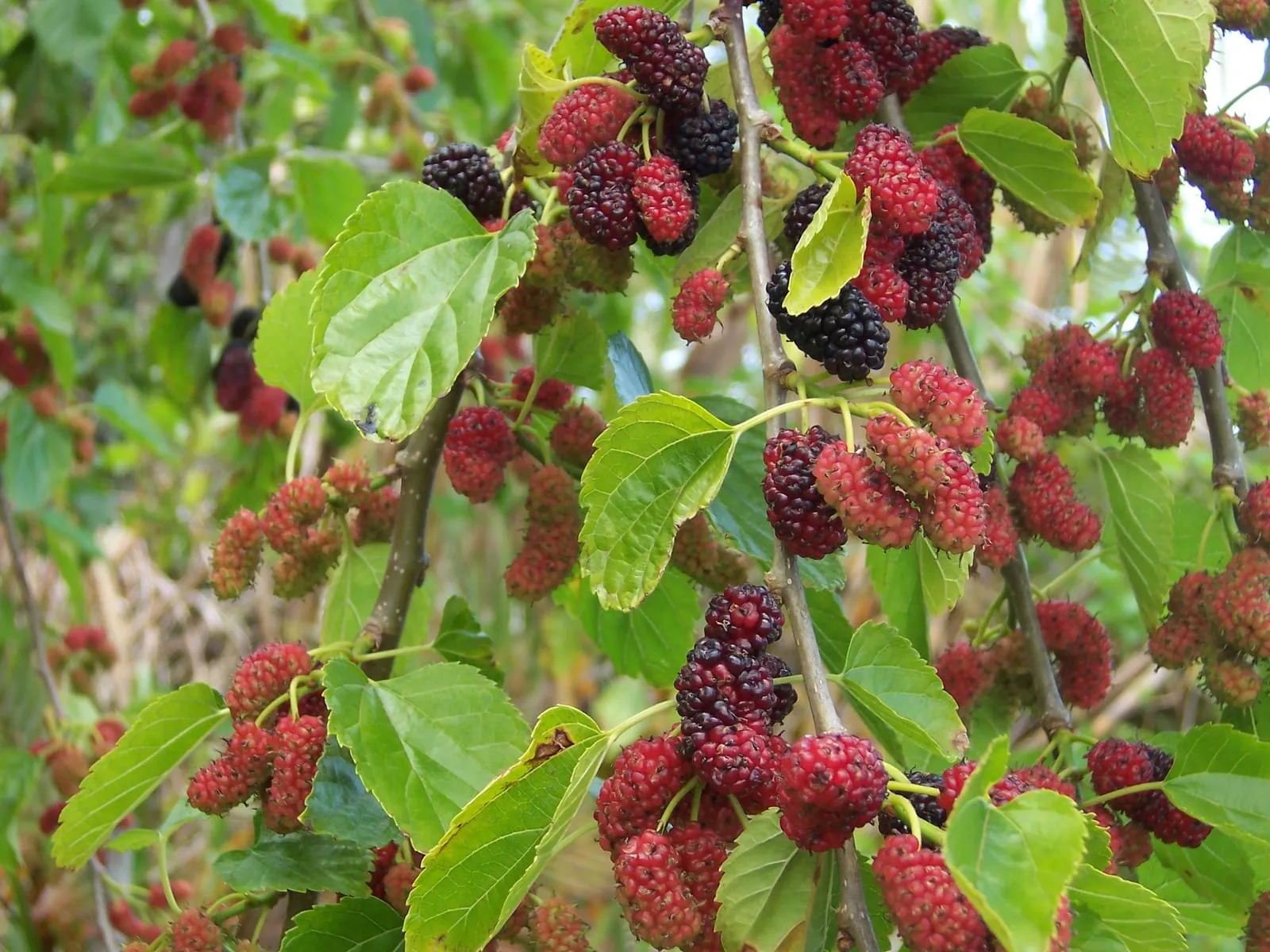
 Mulberry
Morus species
zones 4b–9a
Berries
20 crops
 zone 5a
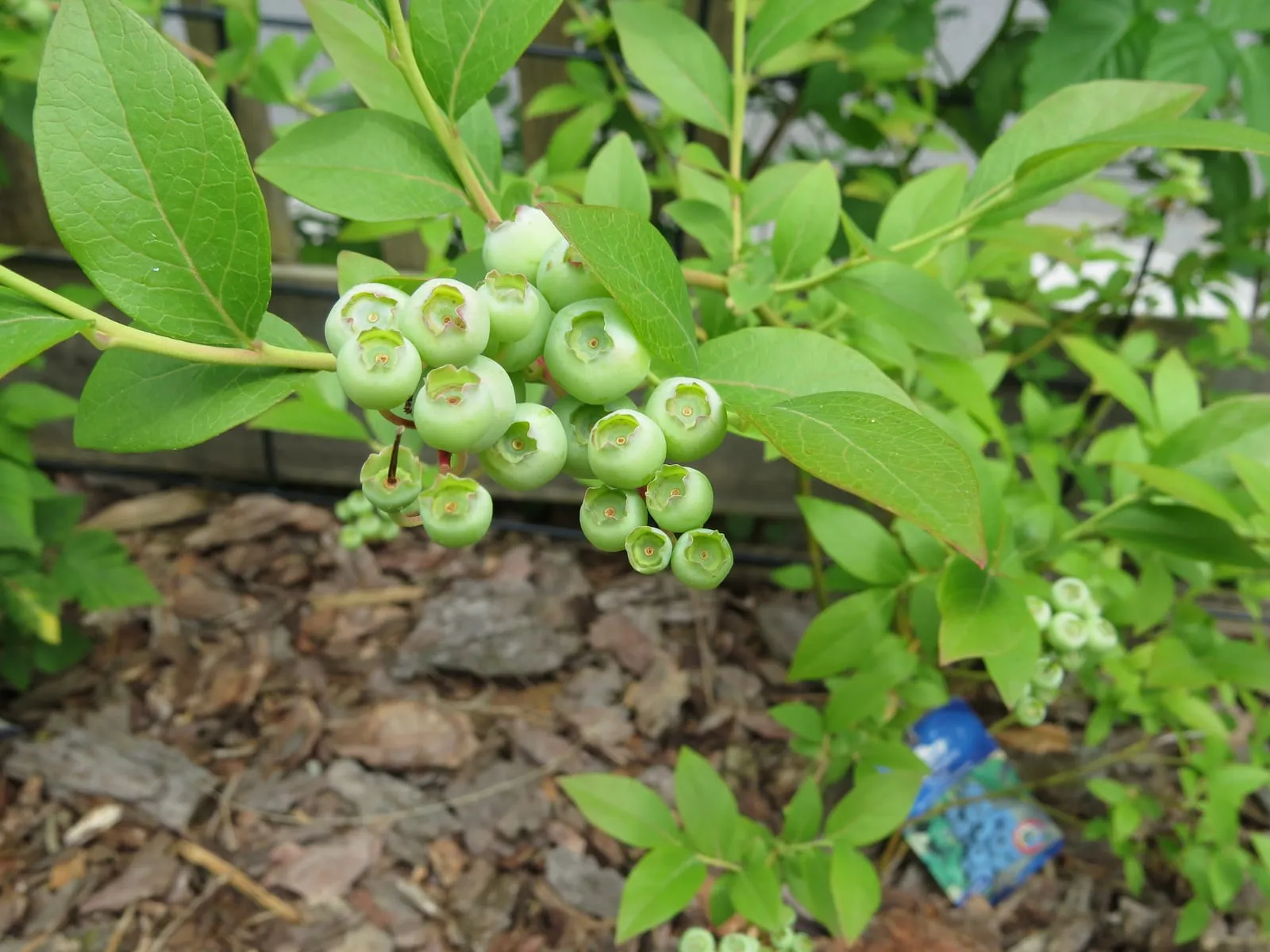
 Highbush Blueberry
Vaccinium corymbosum
zones 4a–7b
 zone 5a
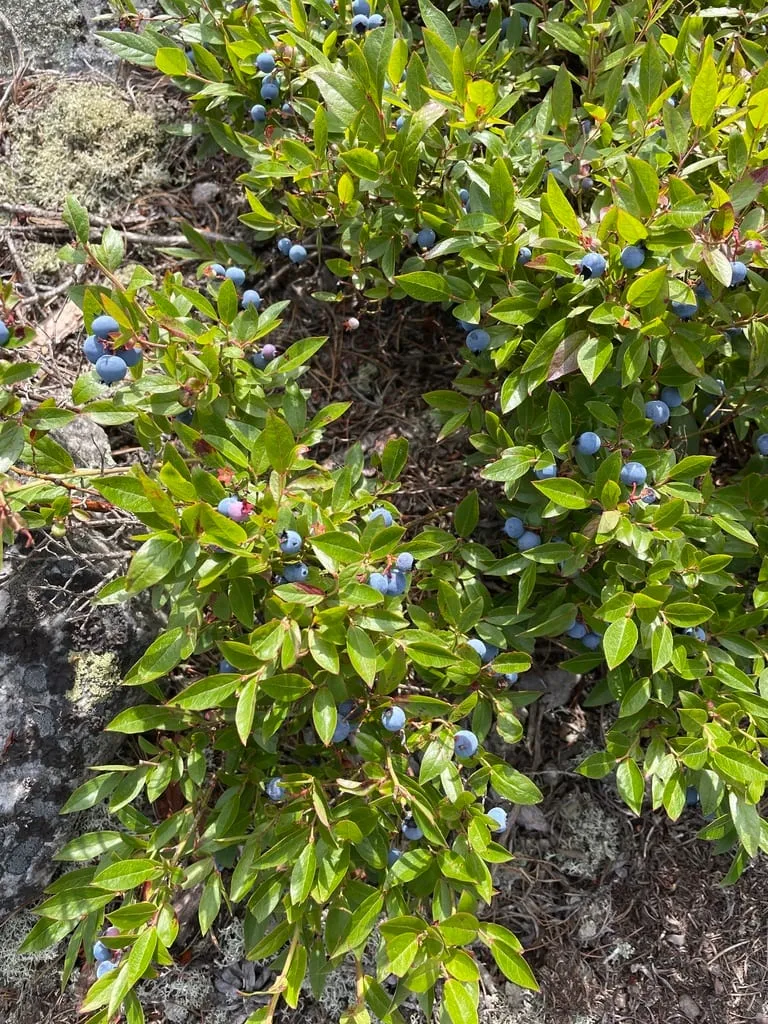
 Lowbush Blueberry
Vaccinium angustifolium
zones 3a–6b
 zone 5a
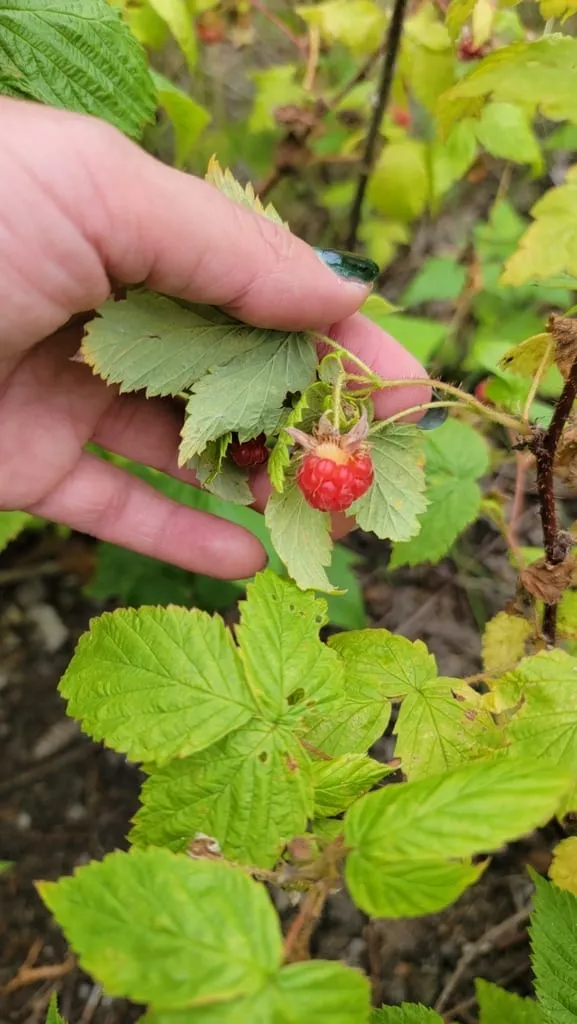
 Red Raspberry
Rubus idaeus
zones 3b–8a
 zone 5a
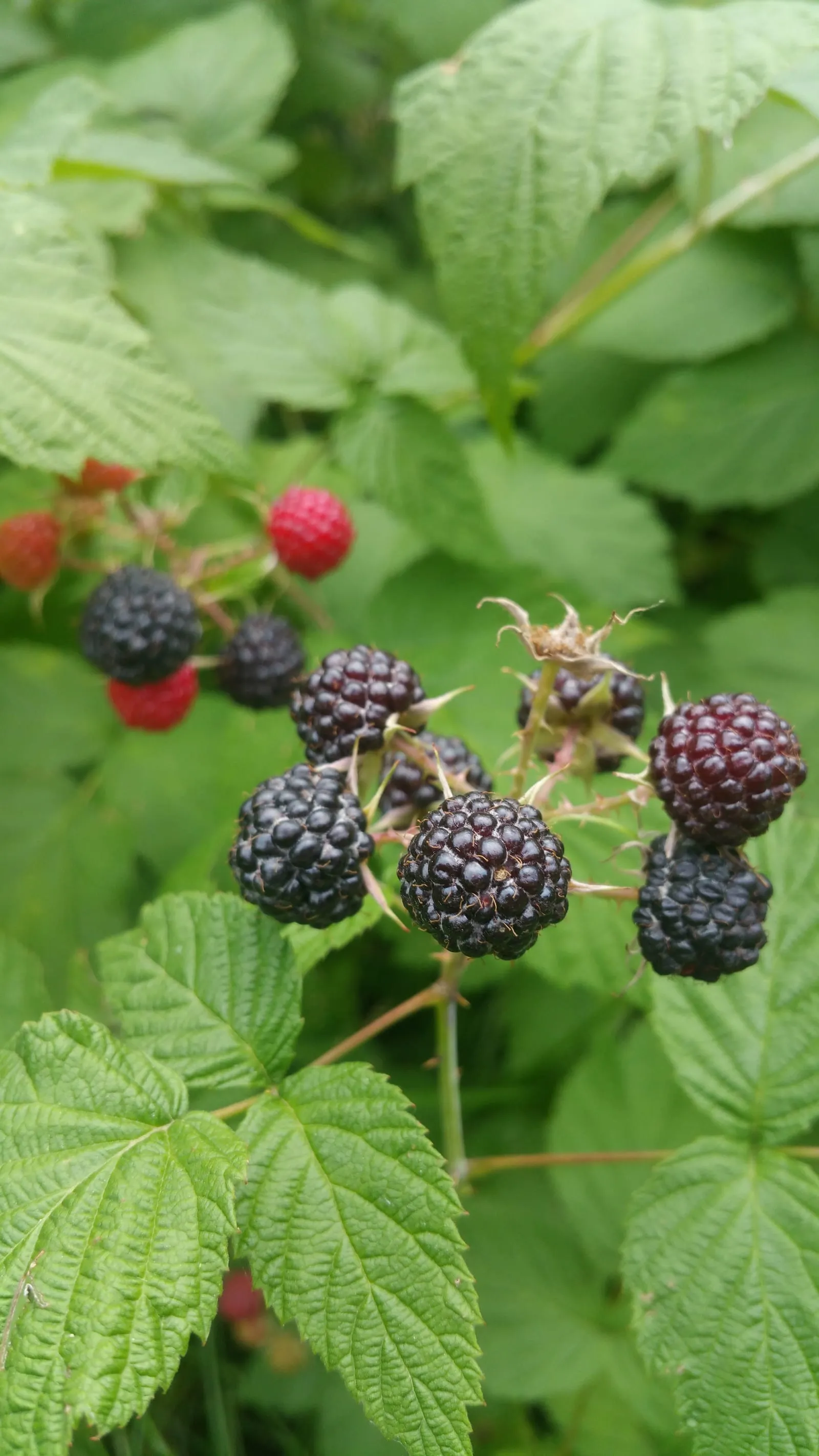
 Black Raspberry
Rubus occidentalis
zones 4a–8a
 zone 5a
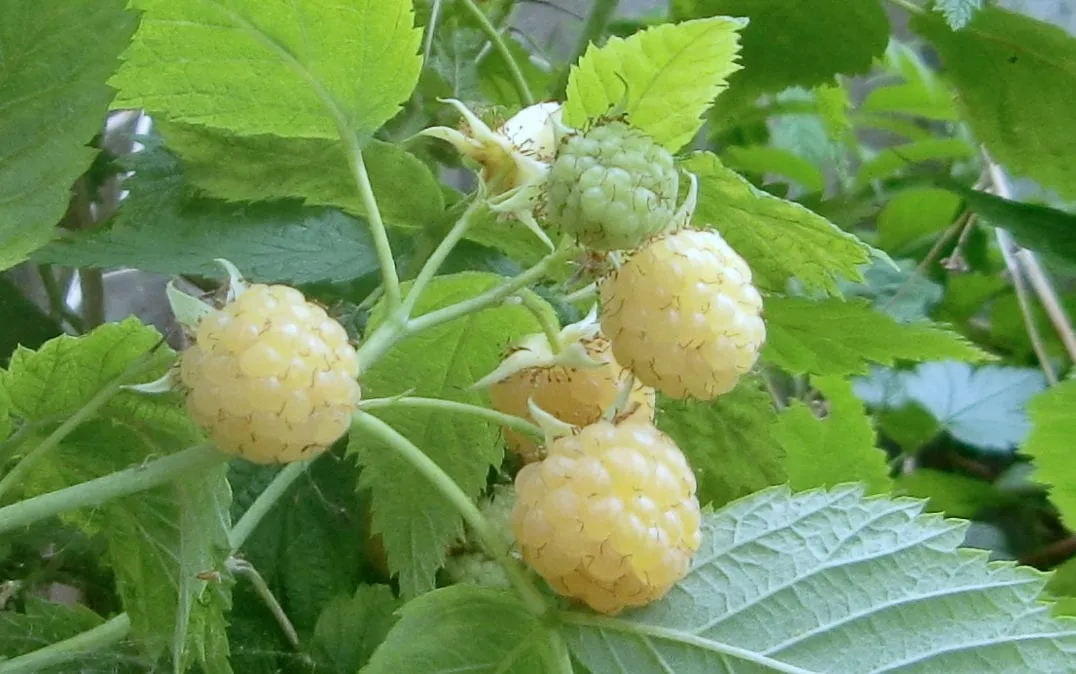
 Yellow Raspberry
Rubus idaeus
zones 3b–8a
 zone 5a
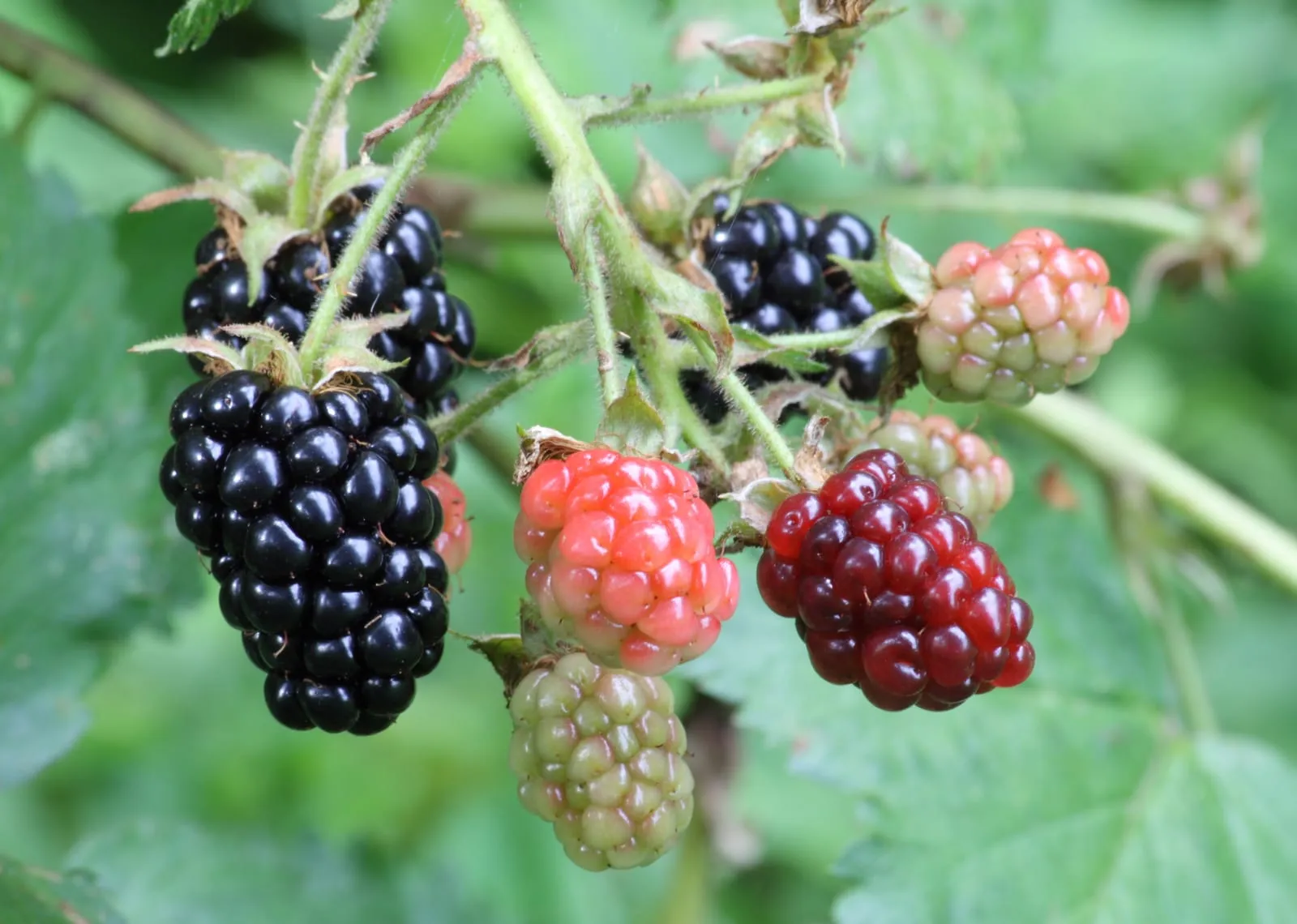
 Blackberry
Rubus subgenus Rubus
zones 5a–9a
 zone 5a
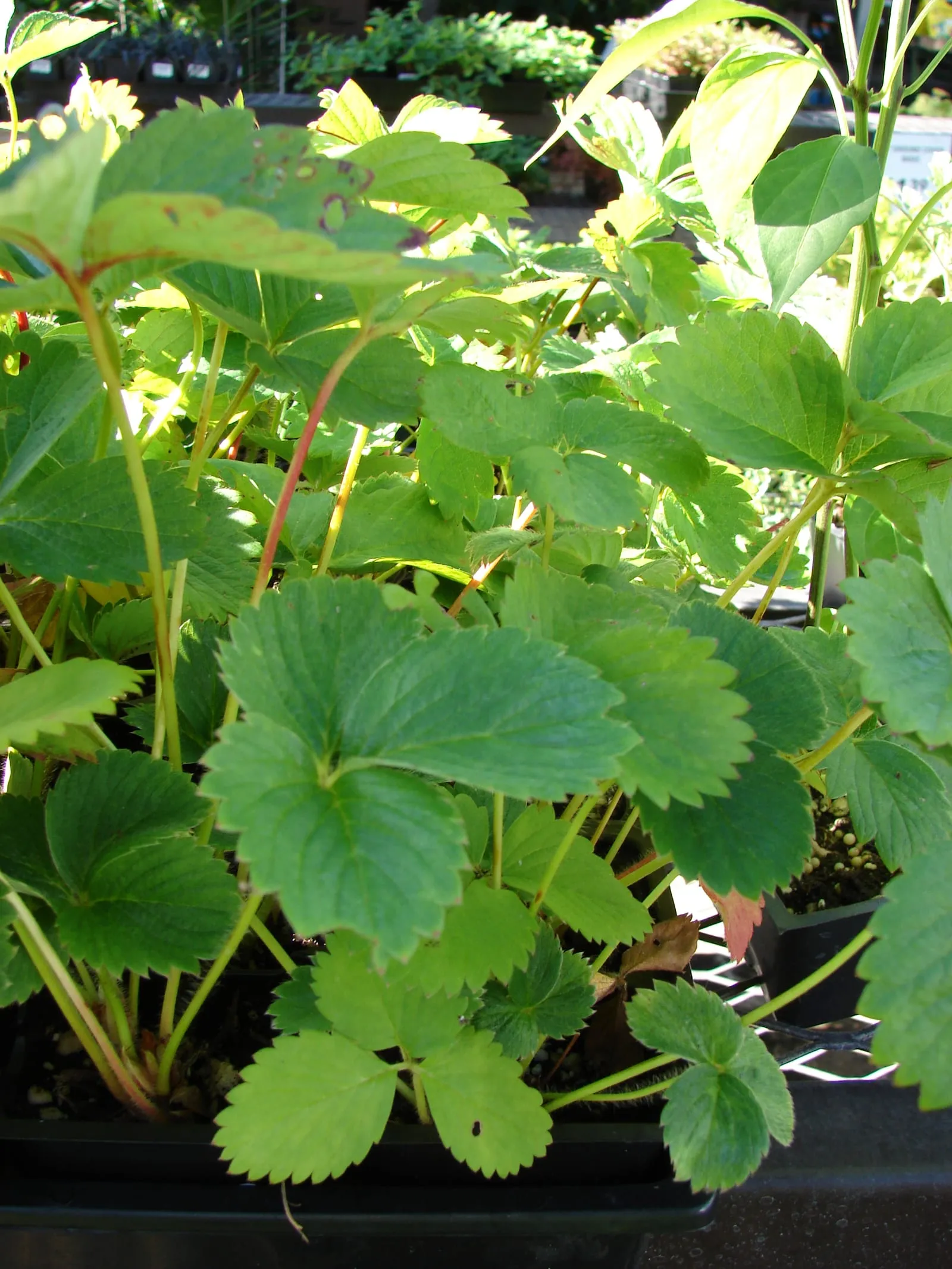
 June-Bearing Strawberry
Fragaria x ananassa
zones 3a–8b
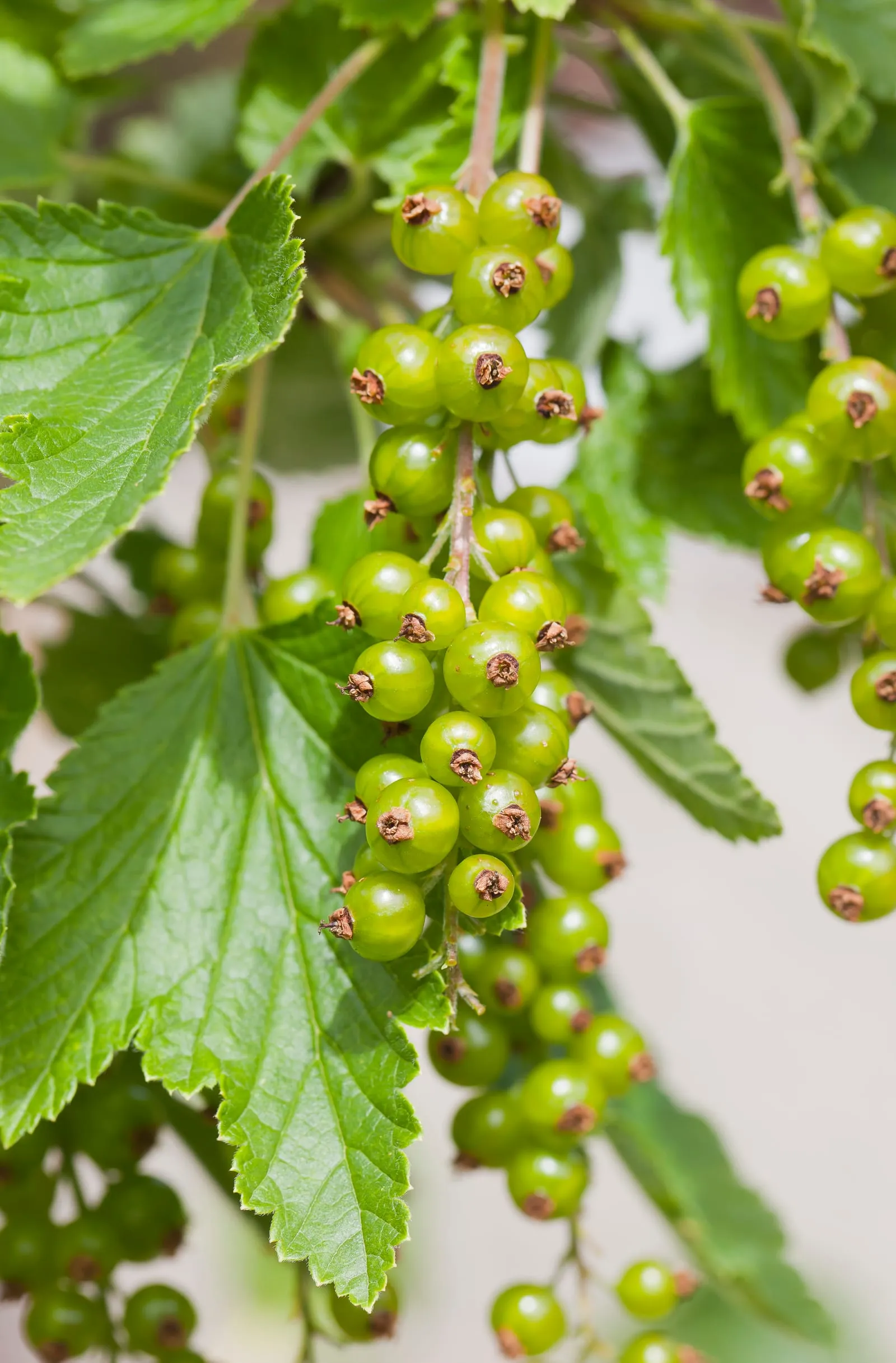
zone 5a Everbearing Strawberry
Fragaria x ananassa
zones 3b–9a
 zone 5a
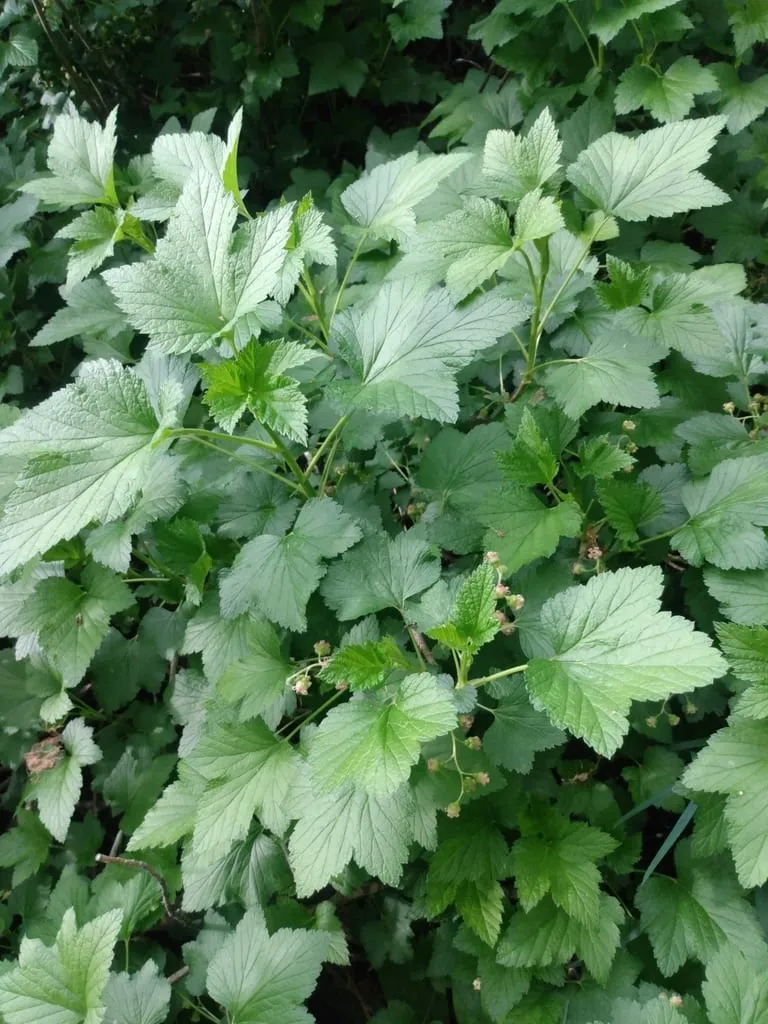
 Red Currant
Ribes rubrum
zones 3a–7a
 zone 5a
 Black Currant
Ribes nigrum
zones 3a–7a
zone 5a White Currant
Ribes rubrum
zones 3a–7a
 zone 5a
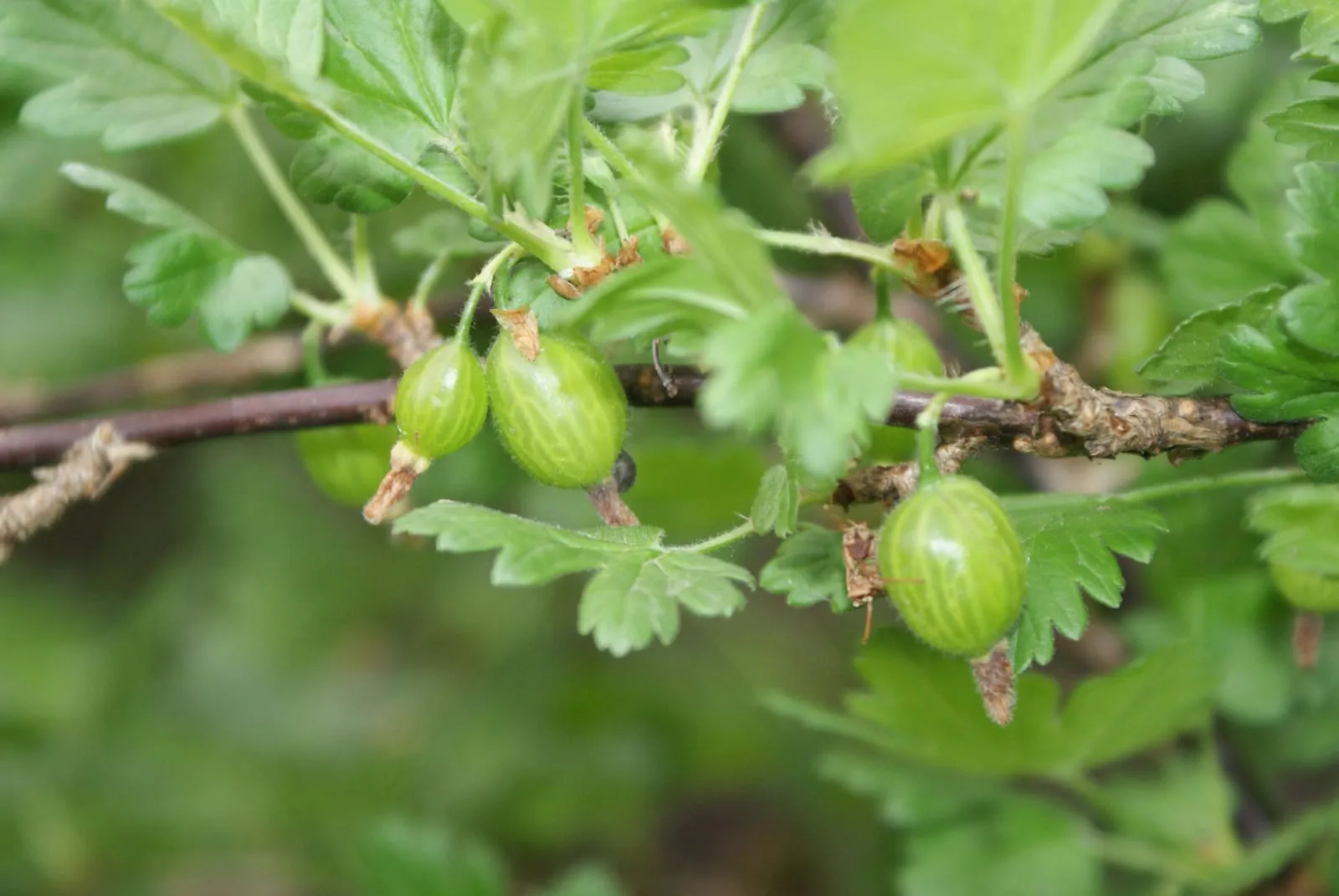
 Gooseberry
Ribes uva-crispa
zones 3a–7b
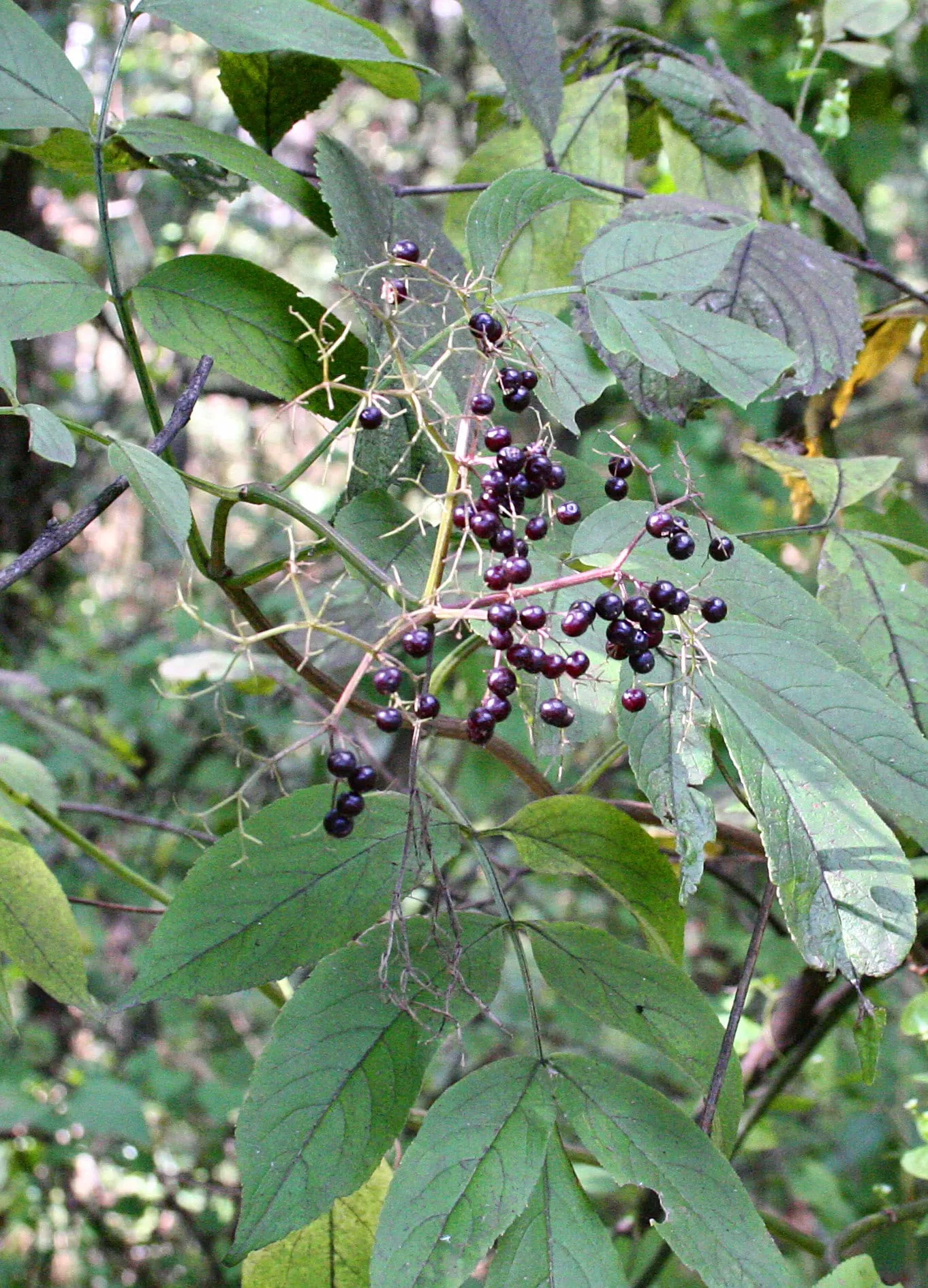 zone 5a
 Elderberry
Sambucus canadensis
zones 3b–9a
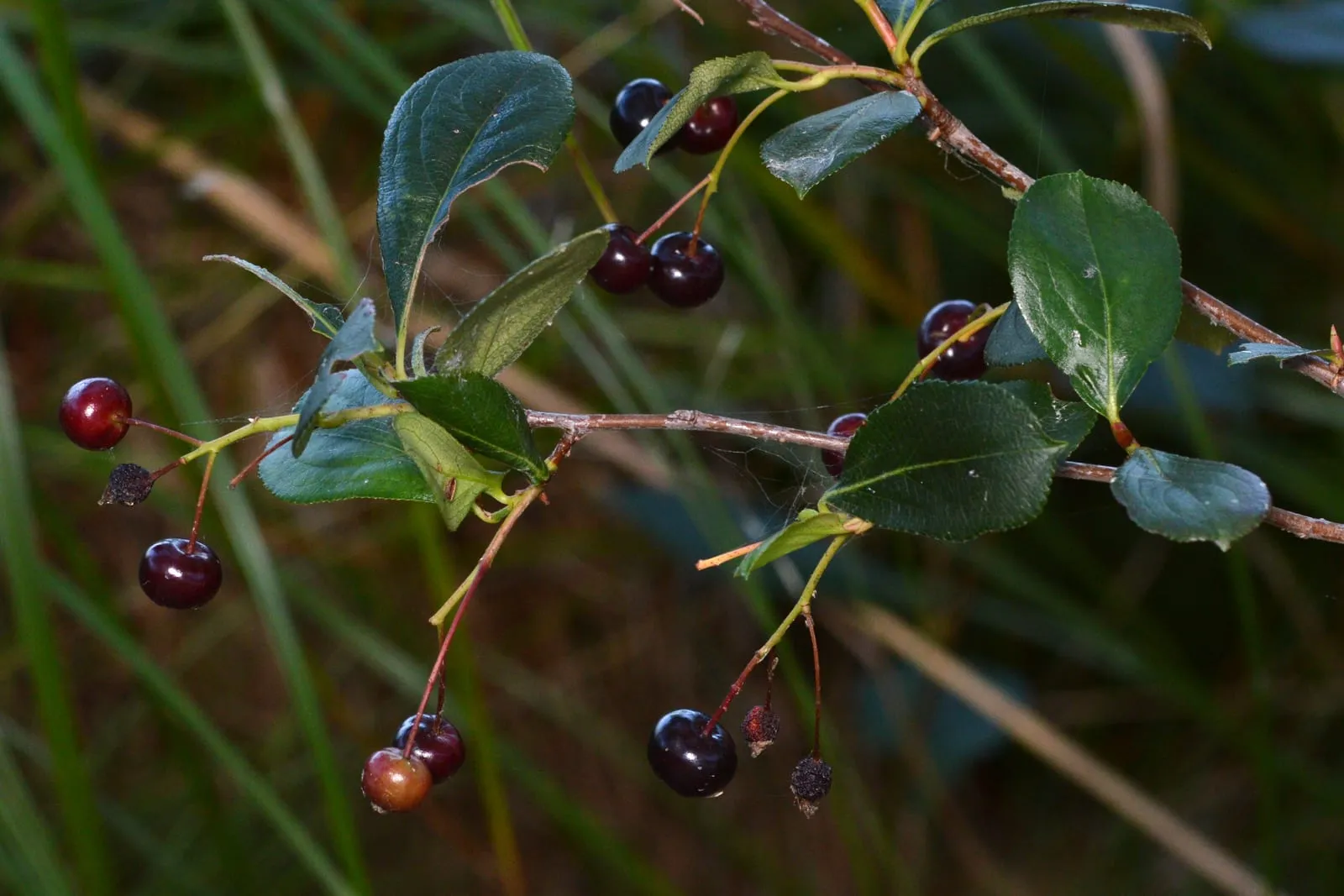 zone 5a
 Aronia (Black Chokeberry)
Aronia melanocarpa
zones 3a–8a
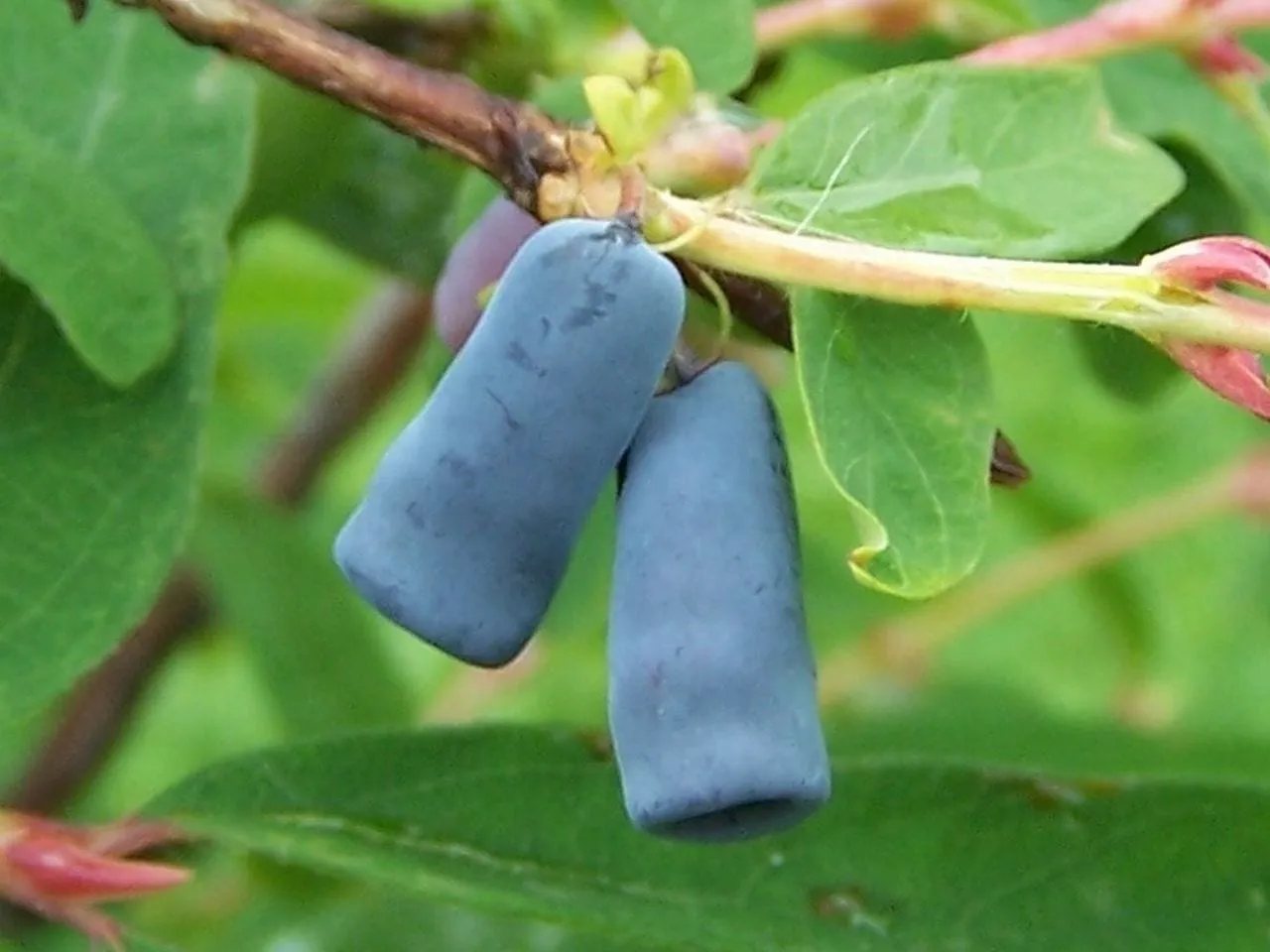 zone 5a
 Honeyberry (Haskap)
Lonicera caerulea
zones 3a–7a
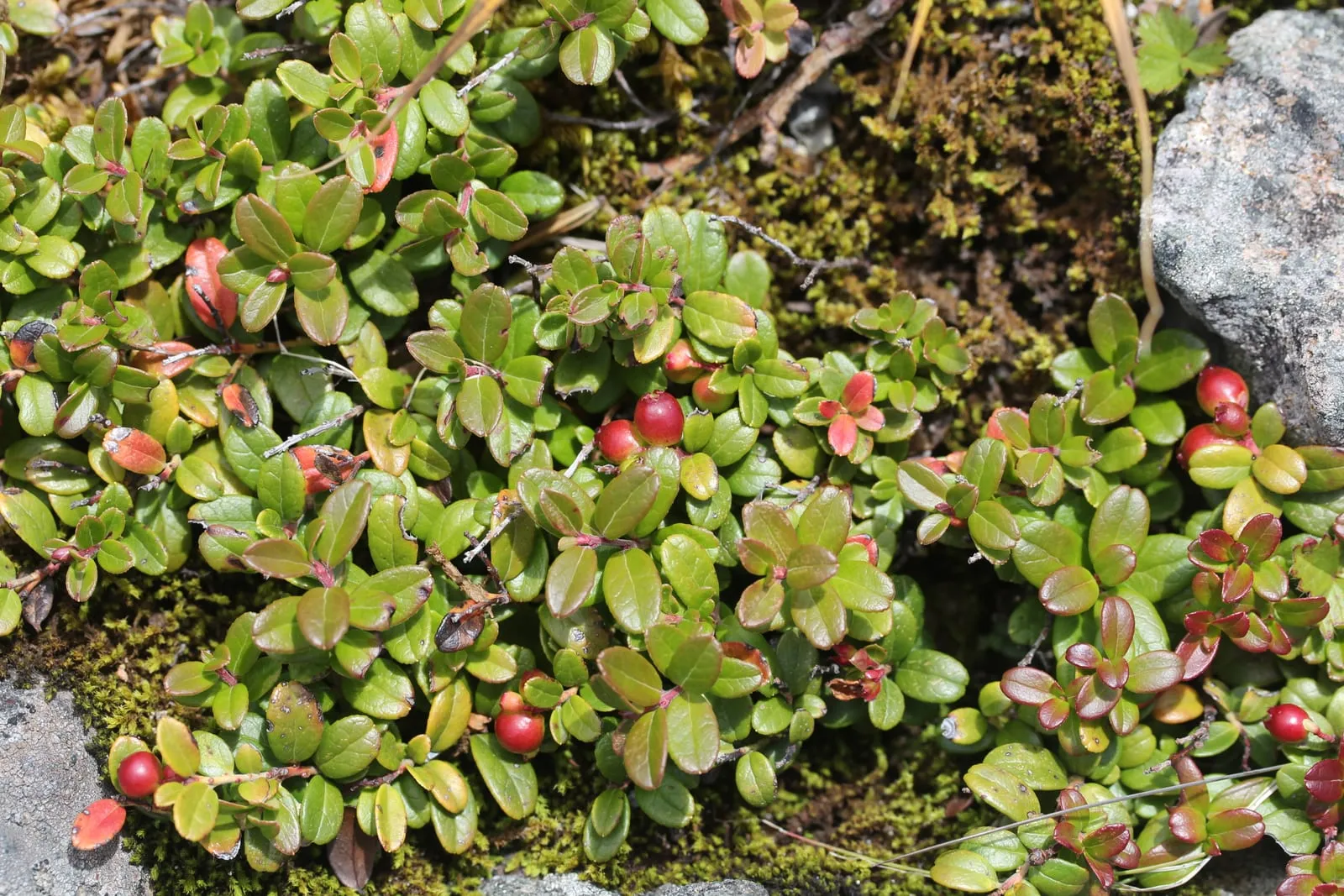 zone 5a
 Lingonberry
Vaccinium vitis-idaea
zones 3a–7a
 zone 5a
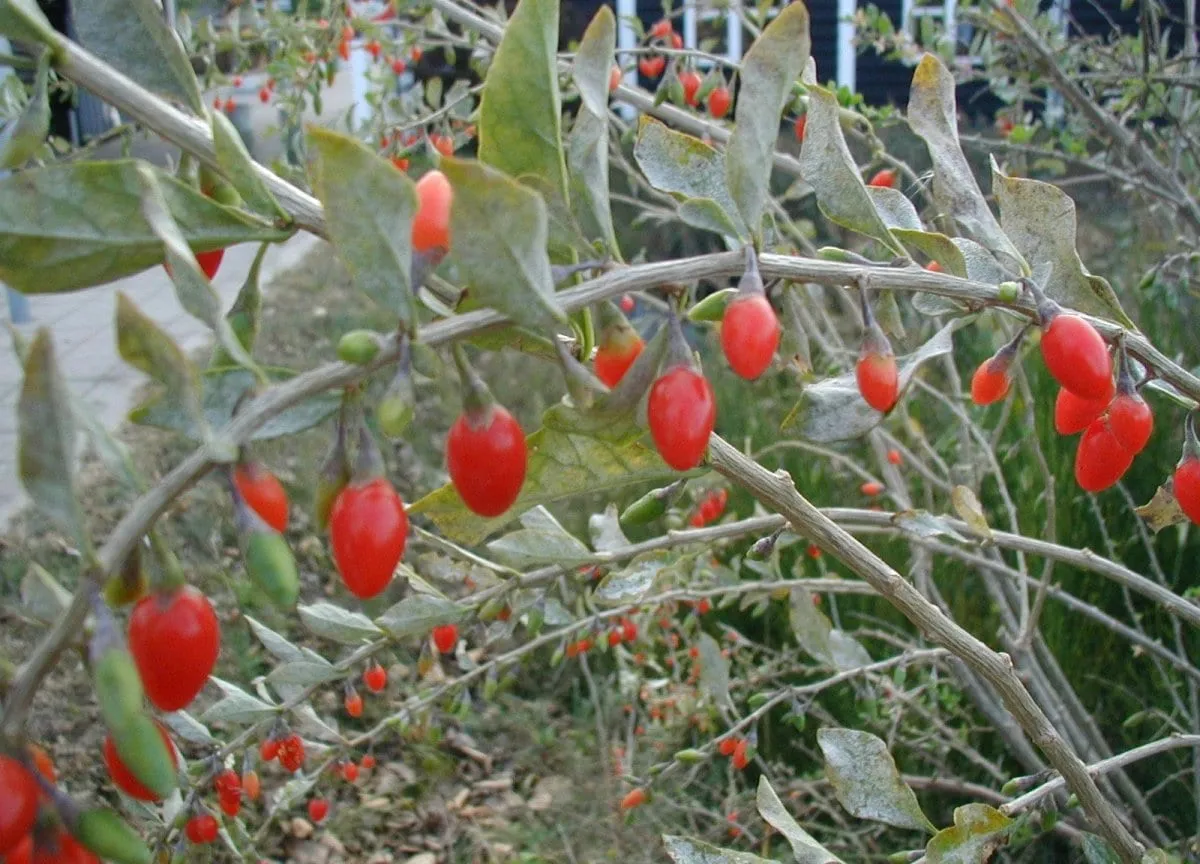
 Goji Berry
Lycium barbarum
zones 3b–10a
 zone 5a
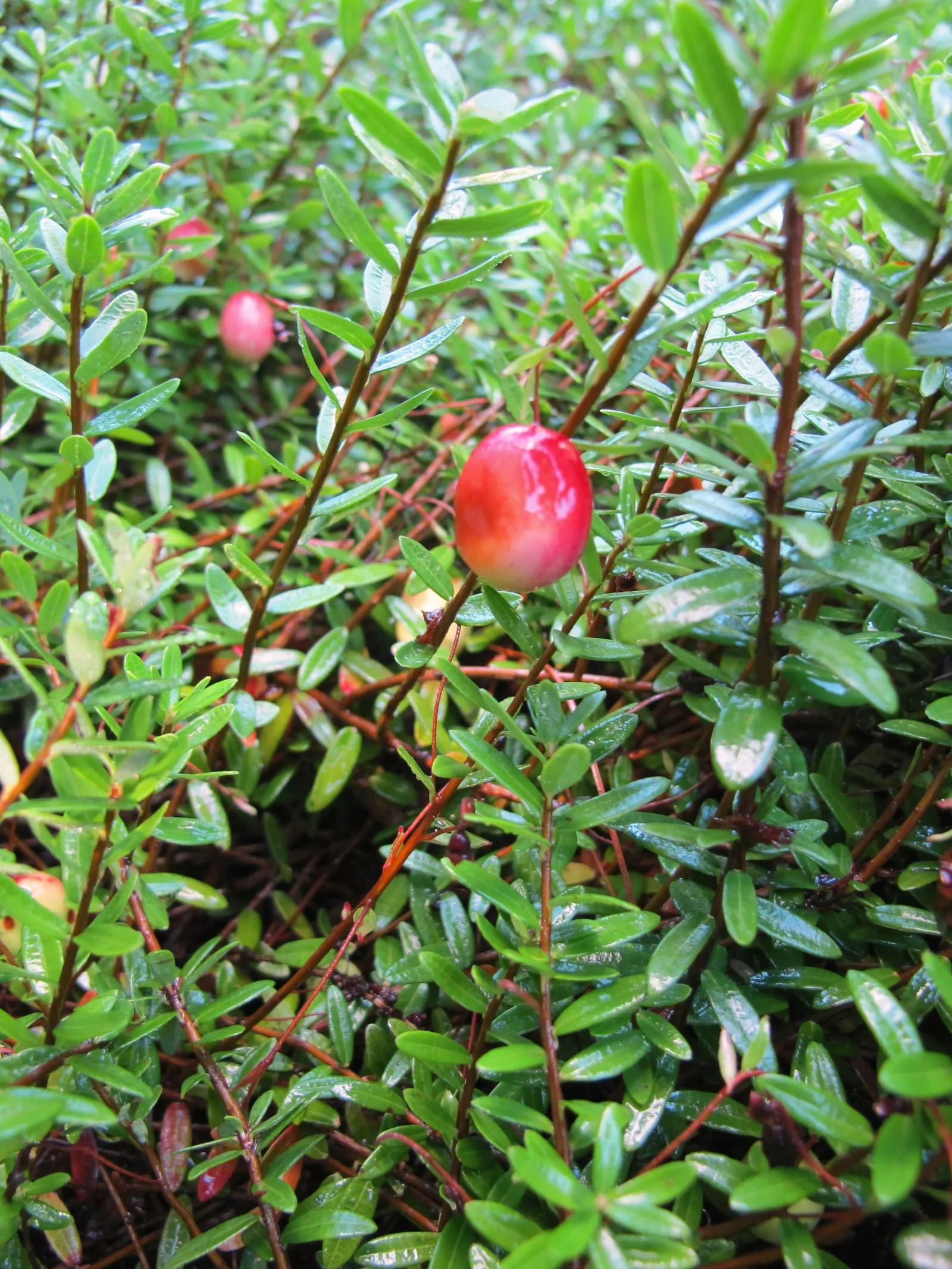
 Cranberry
Vaccinium macrocarpon
zones 3a–7a
 zone 5a
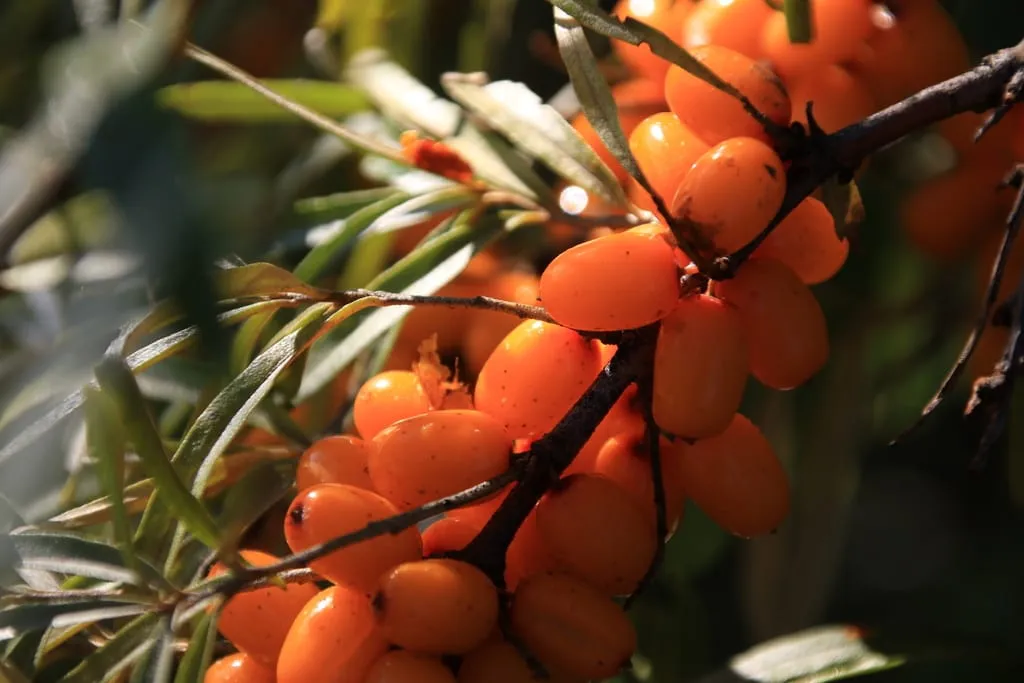
 Sea Buckthorn
Hippophae rhamnoides
zones 3a–7a
 zone 5a
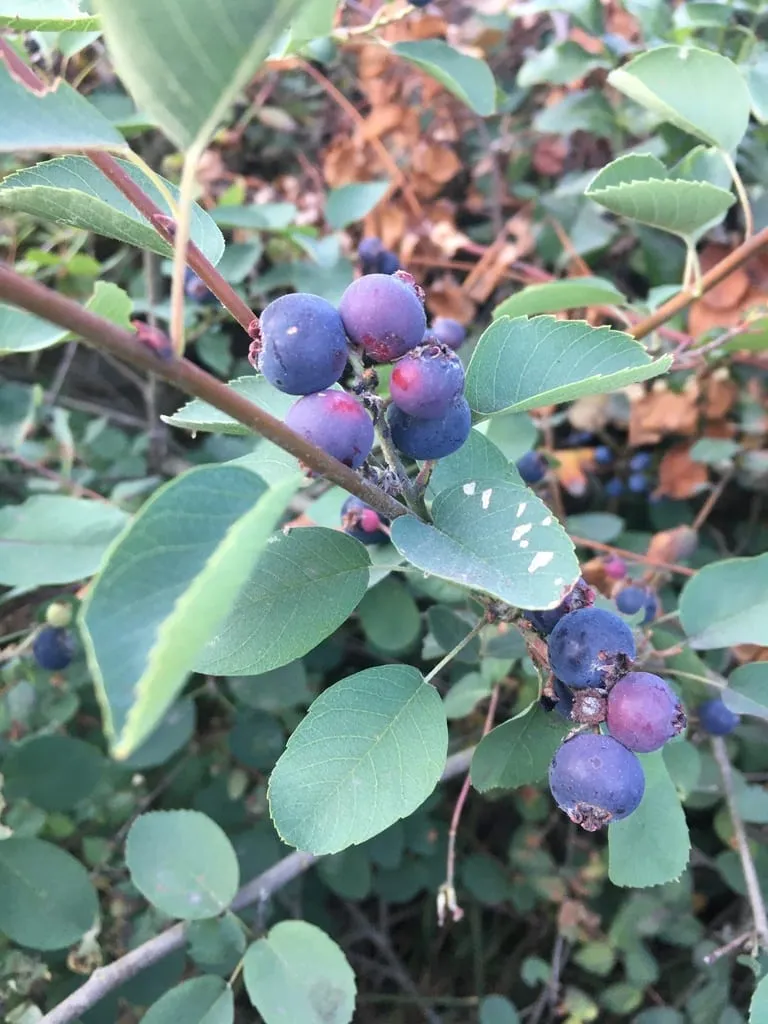
 Saskatoon (Serviceberry)
Amelanchier alnifolia
zones 3a–7a
Nuts
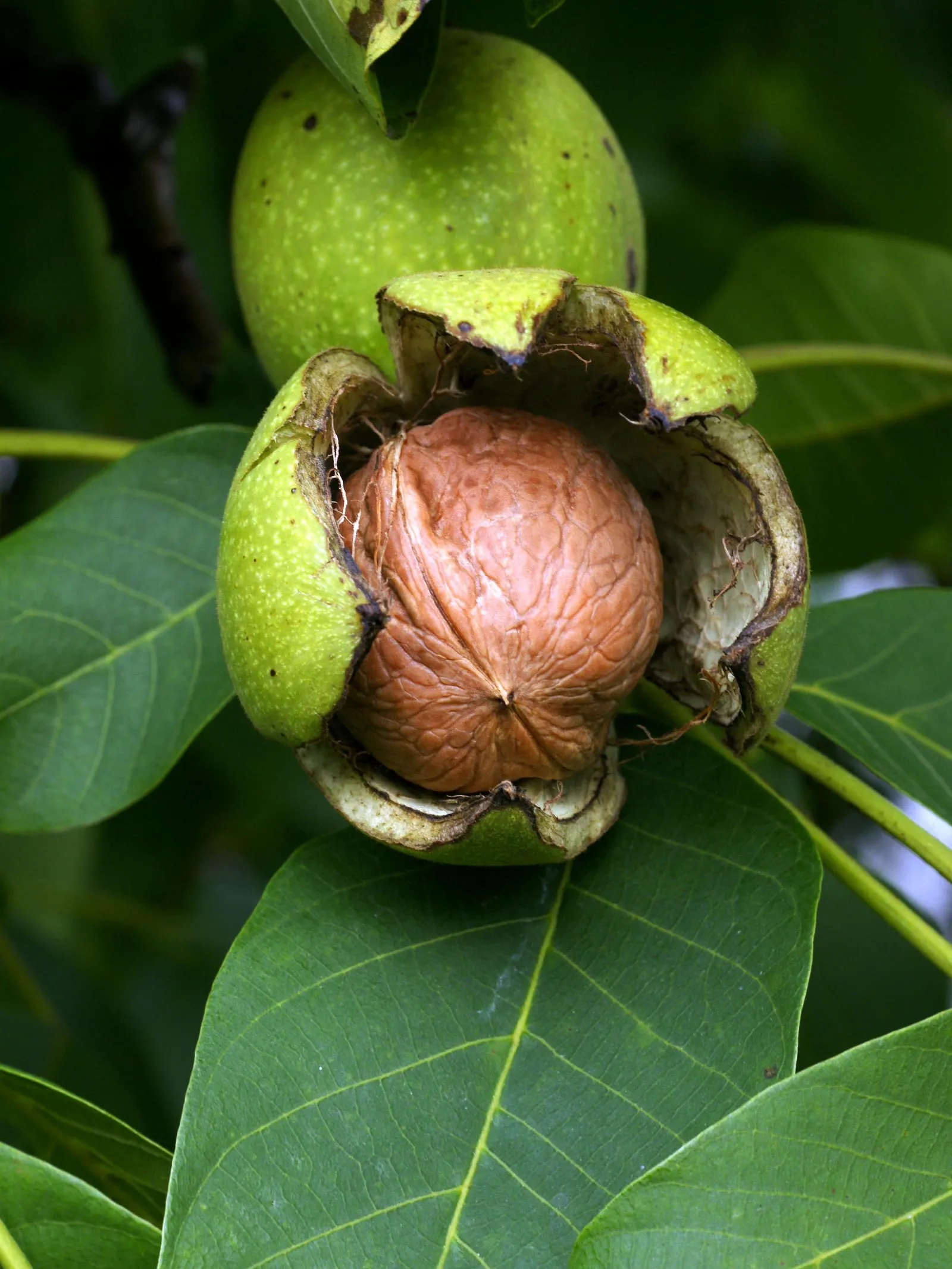
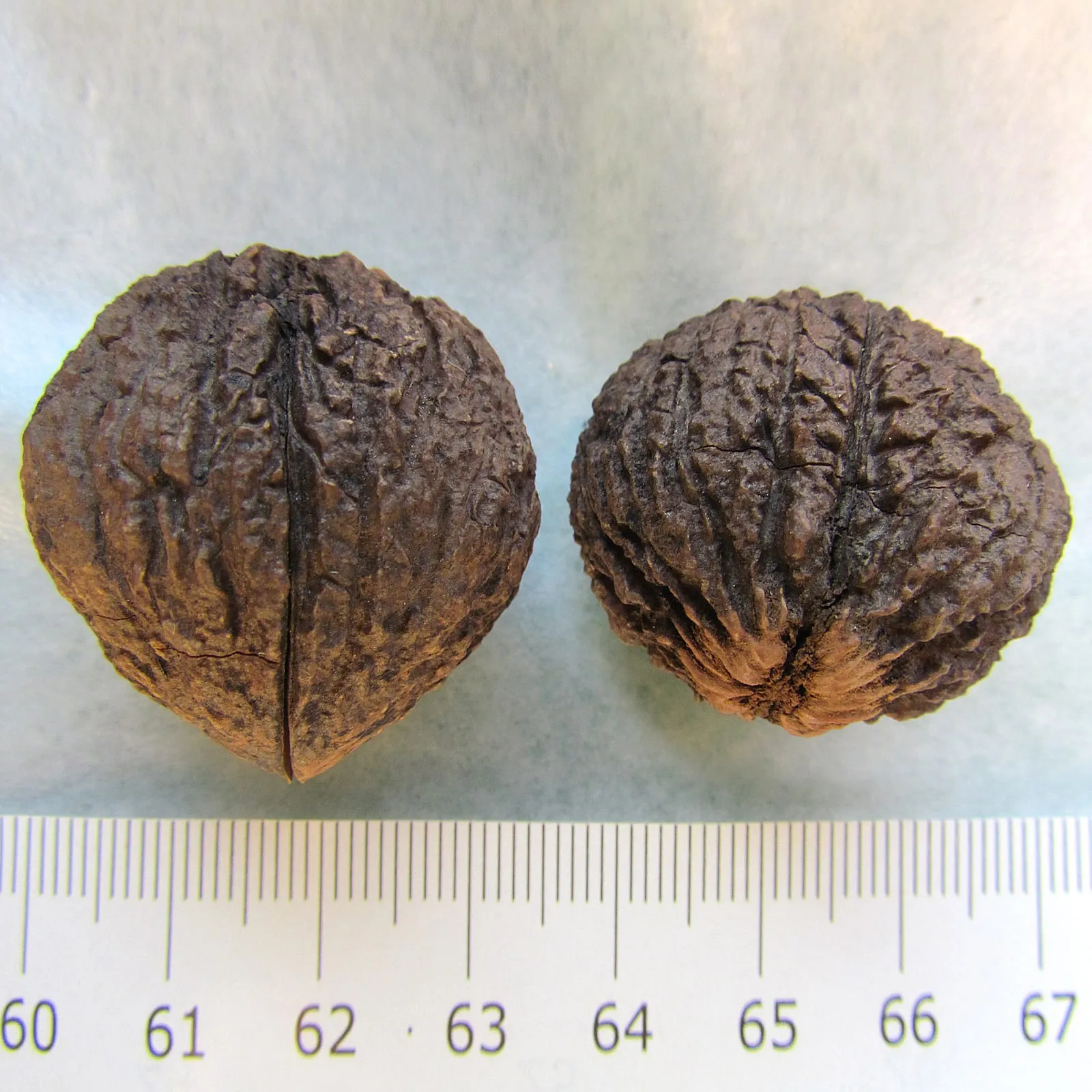
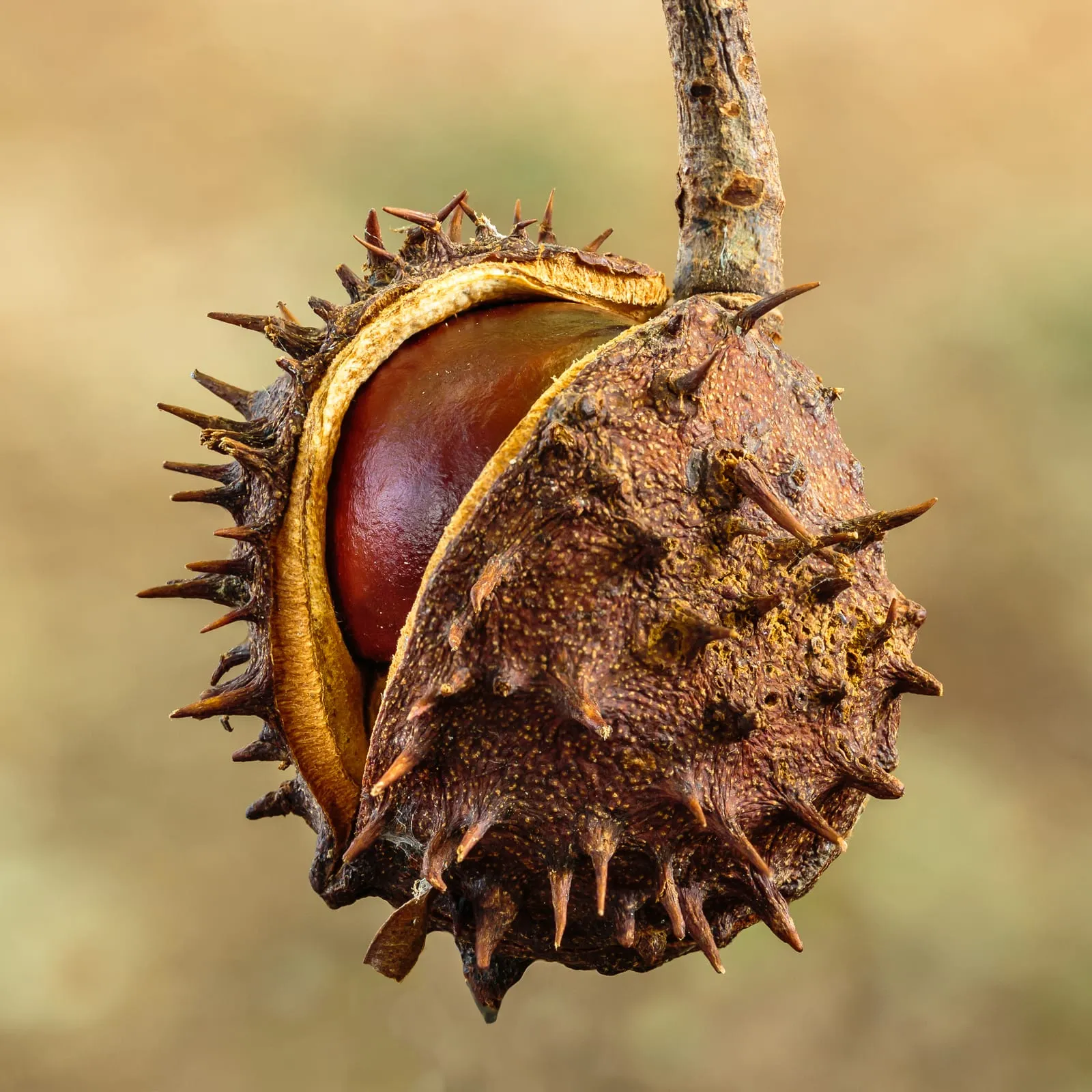
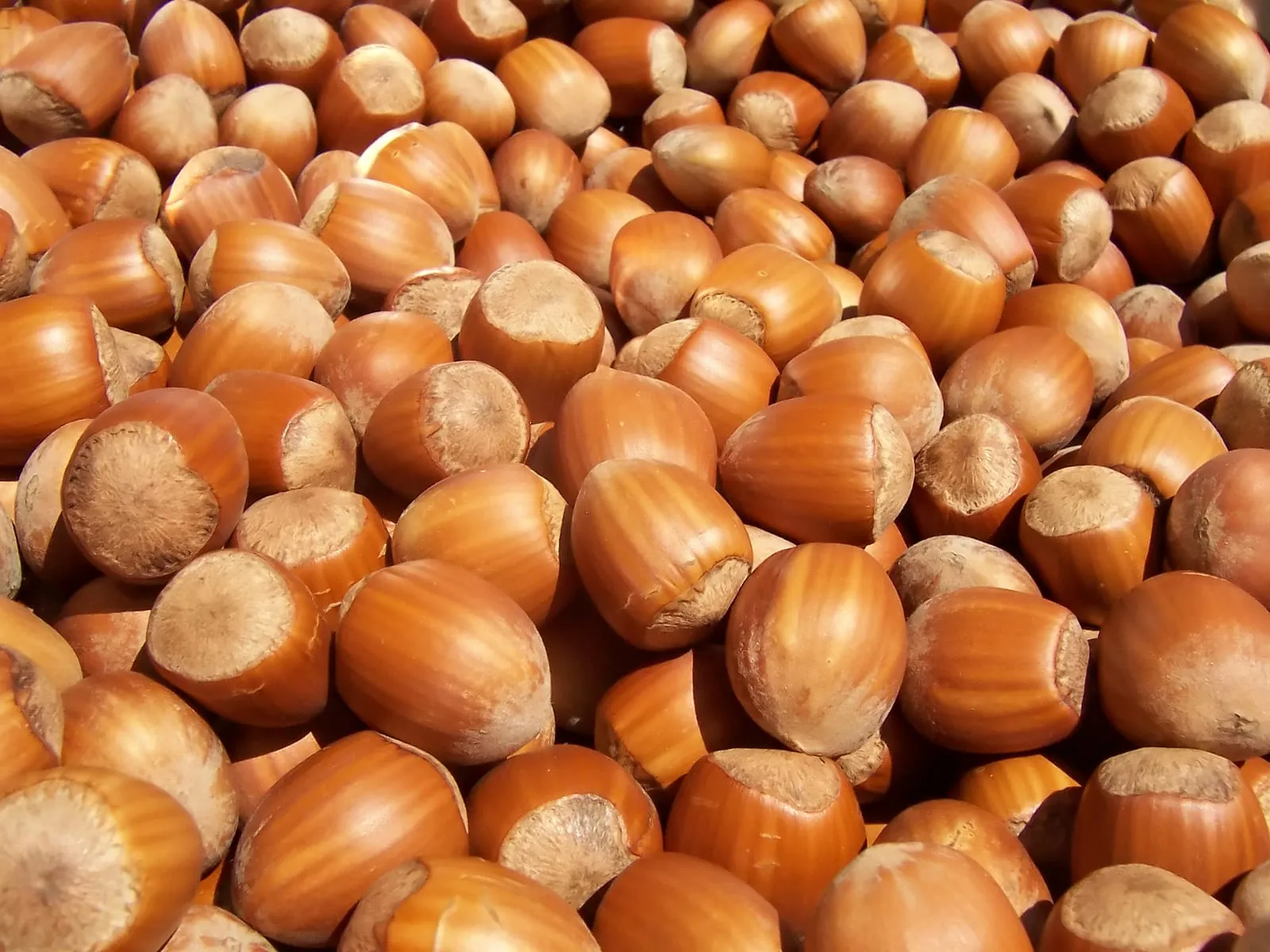
4 crops
Vegetables
36 crops
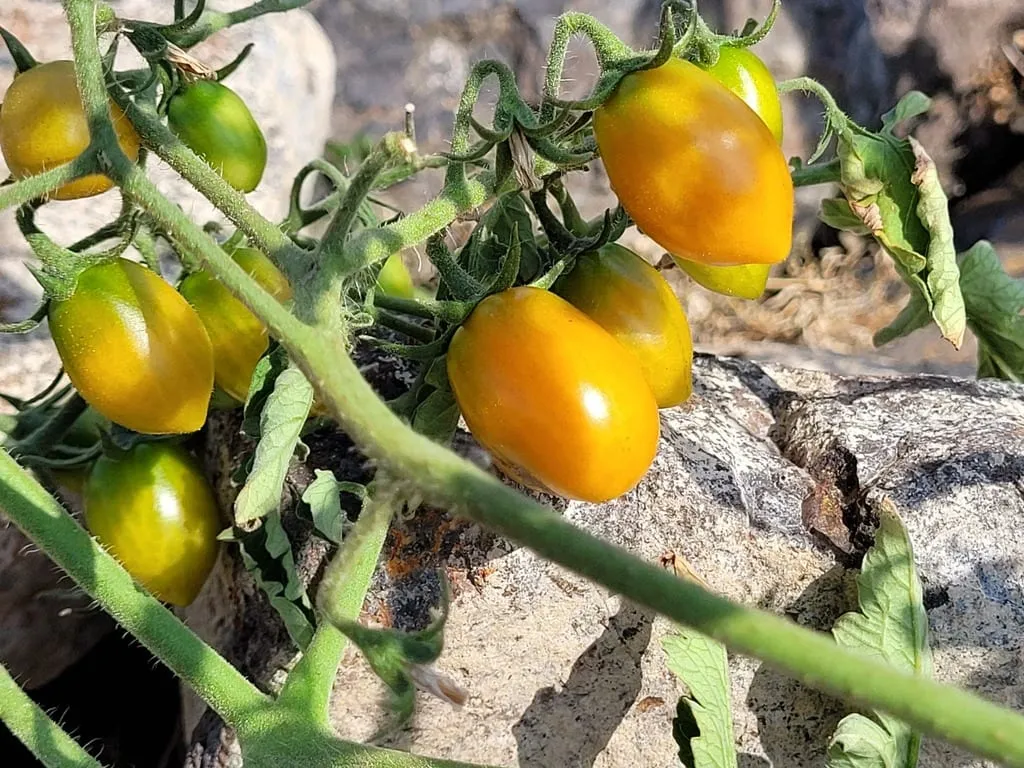 zone 5a
 Tomato
Solanum lycopersicum
zones 3a–10b
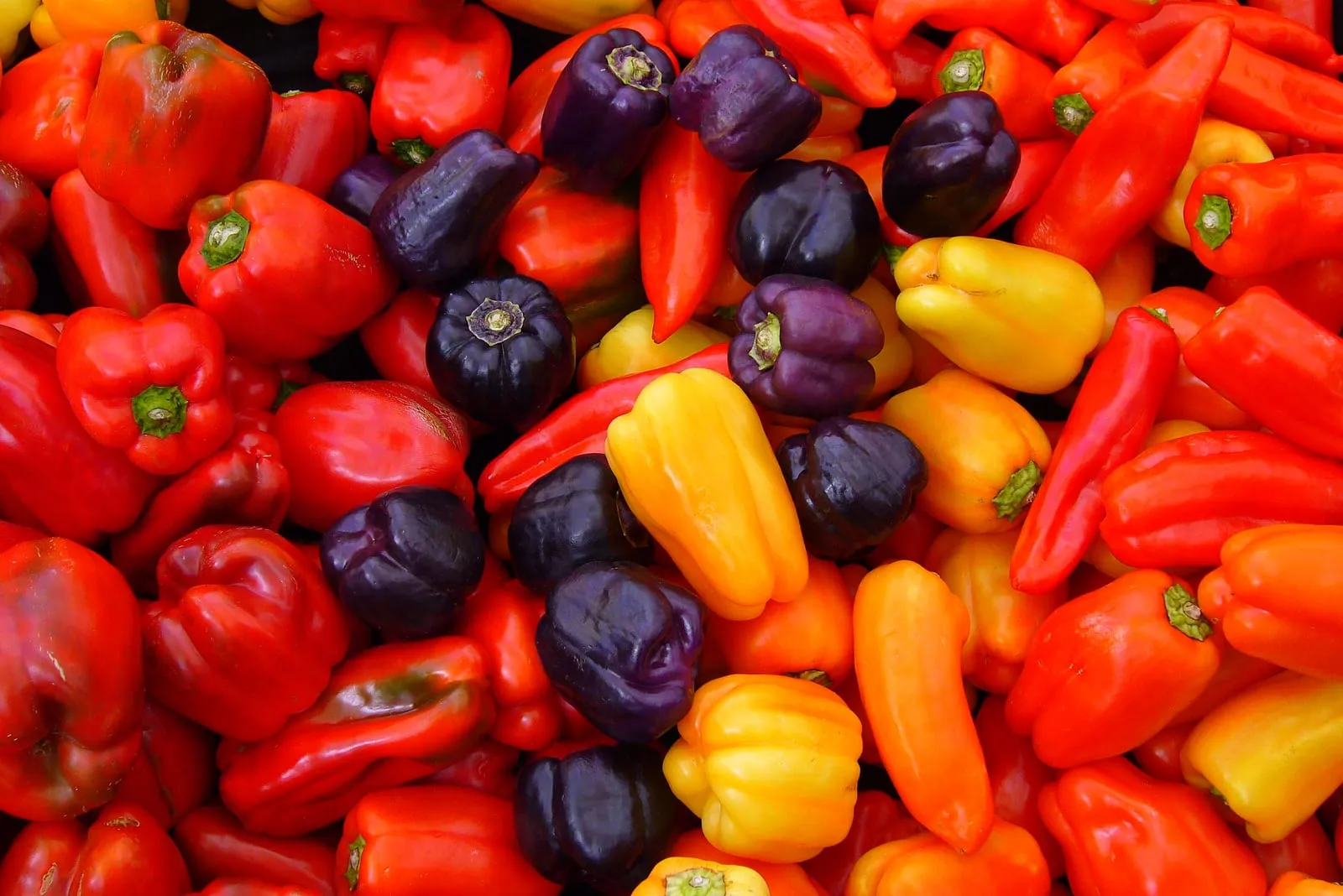 zone 5a
 Sweet Pepper
Capsicum annuum
zones 4a–10b
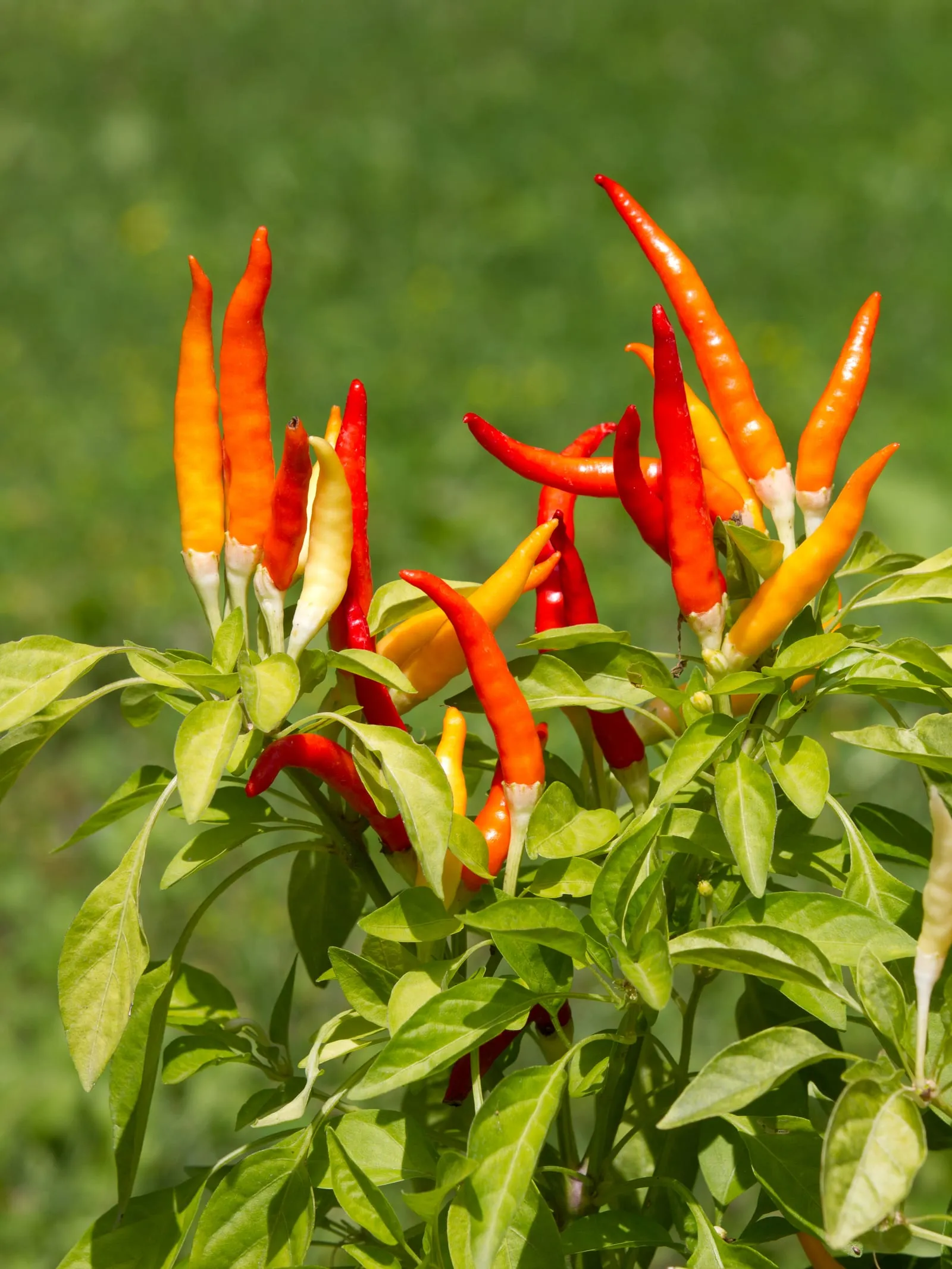 zone 5a
 Hot Pepper
Capsicum species
zones 4a–10b
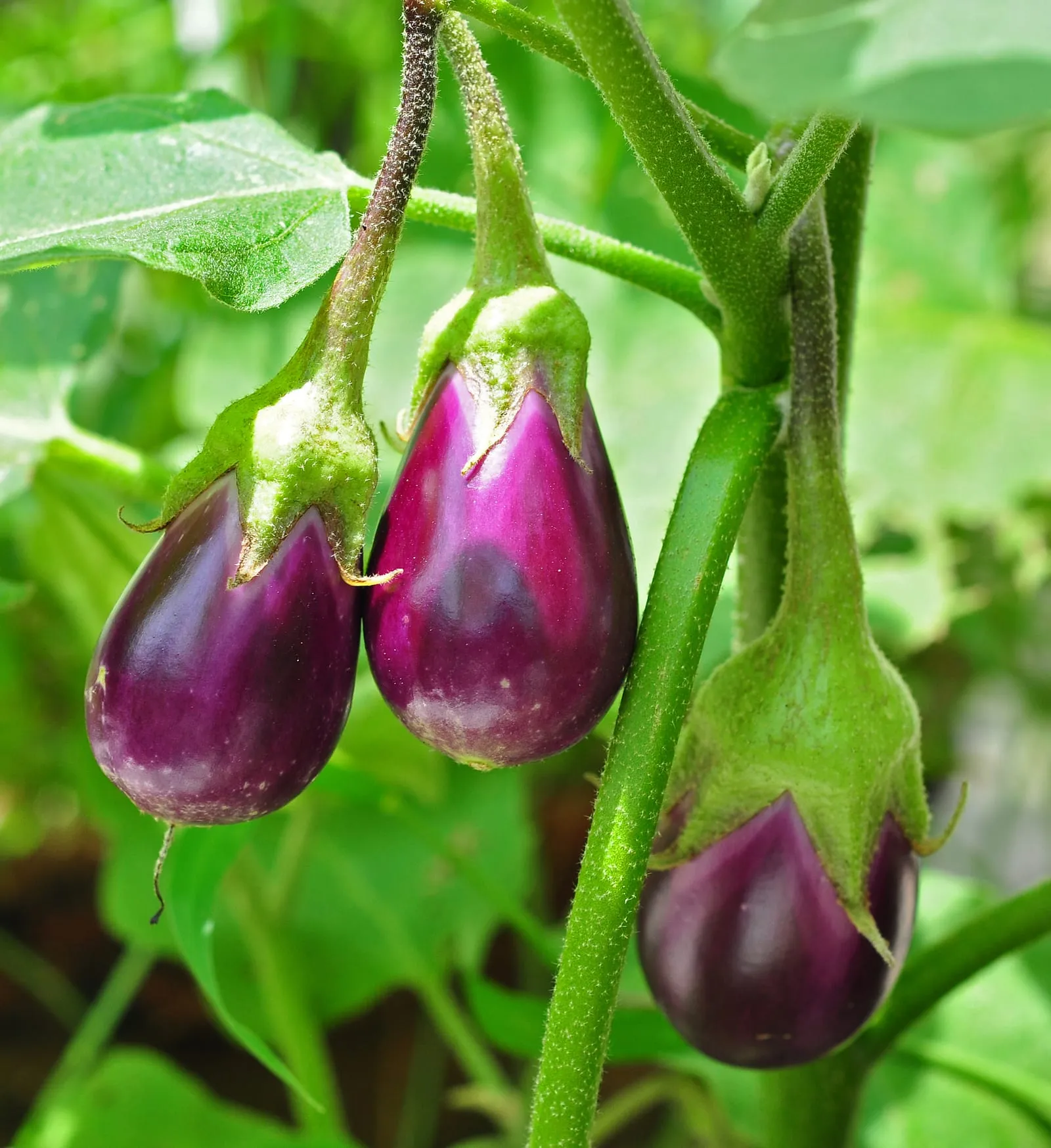 zone 5a
 Eggplant
Solanum melongena
zones 5a–10b
 zone 5a
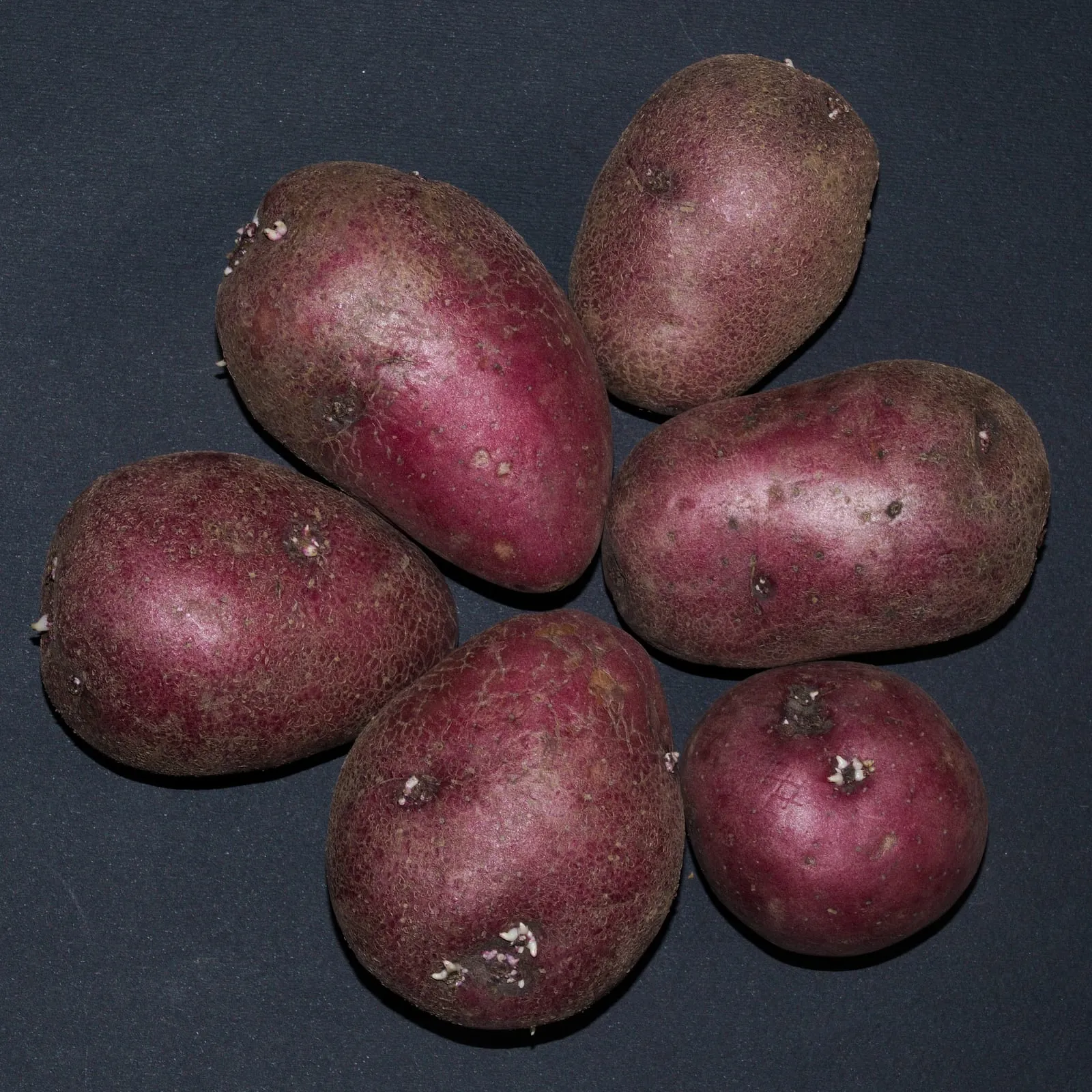
 Potato
Solanum tuberosum
zones 3a–9a
 zone 5a
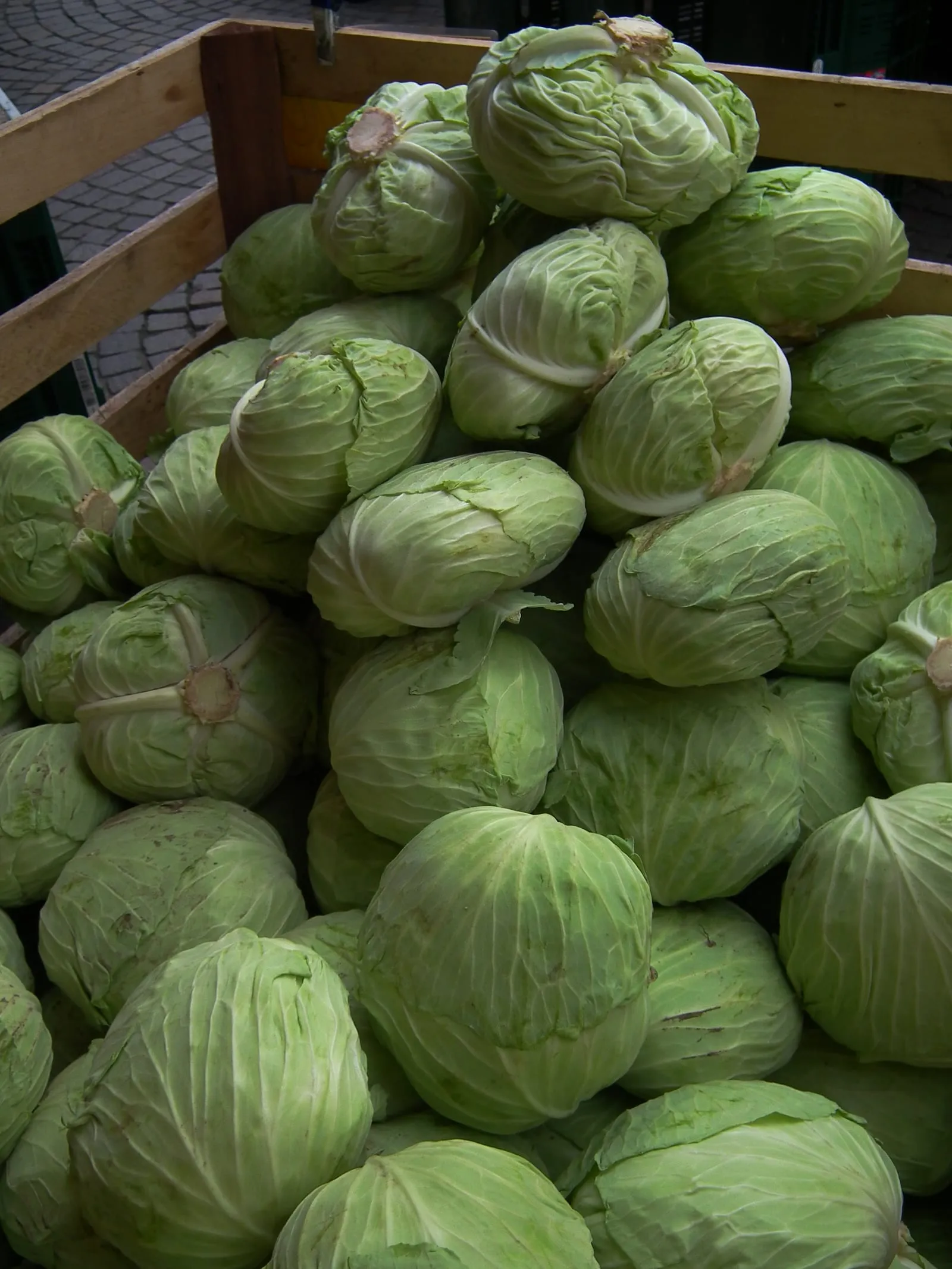
 Cabbage
Brassica oleracea var. capitata
zones 3a–9b
 zone 5a
 Broccoli
Brassica oleracea var. italica
zones 3a–9a
 zone 5a
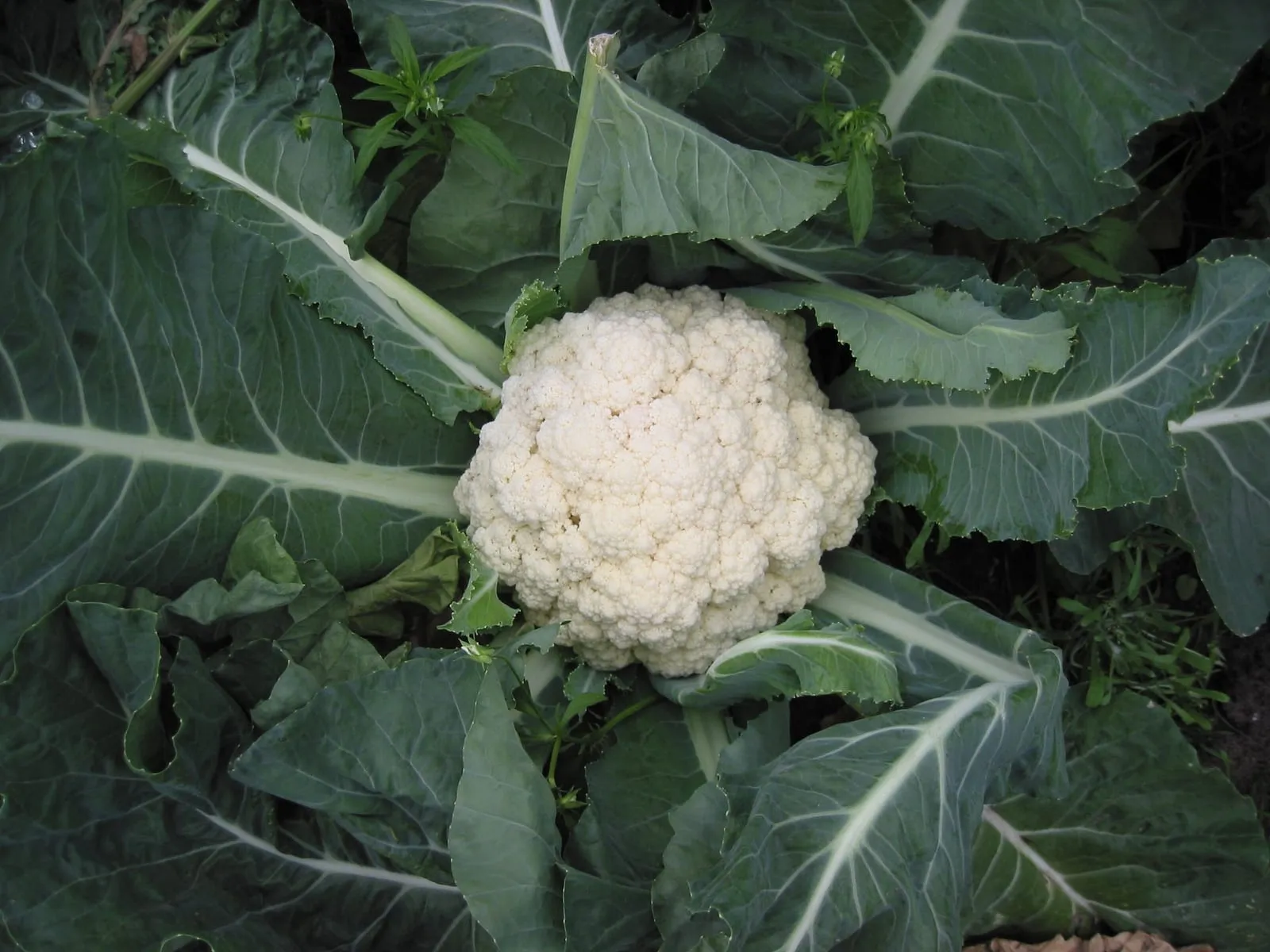
 Cauliflower
Brassica oleracea var. botrytis
zones 3b–9a
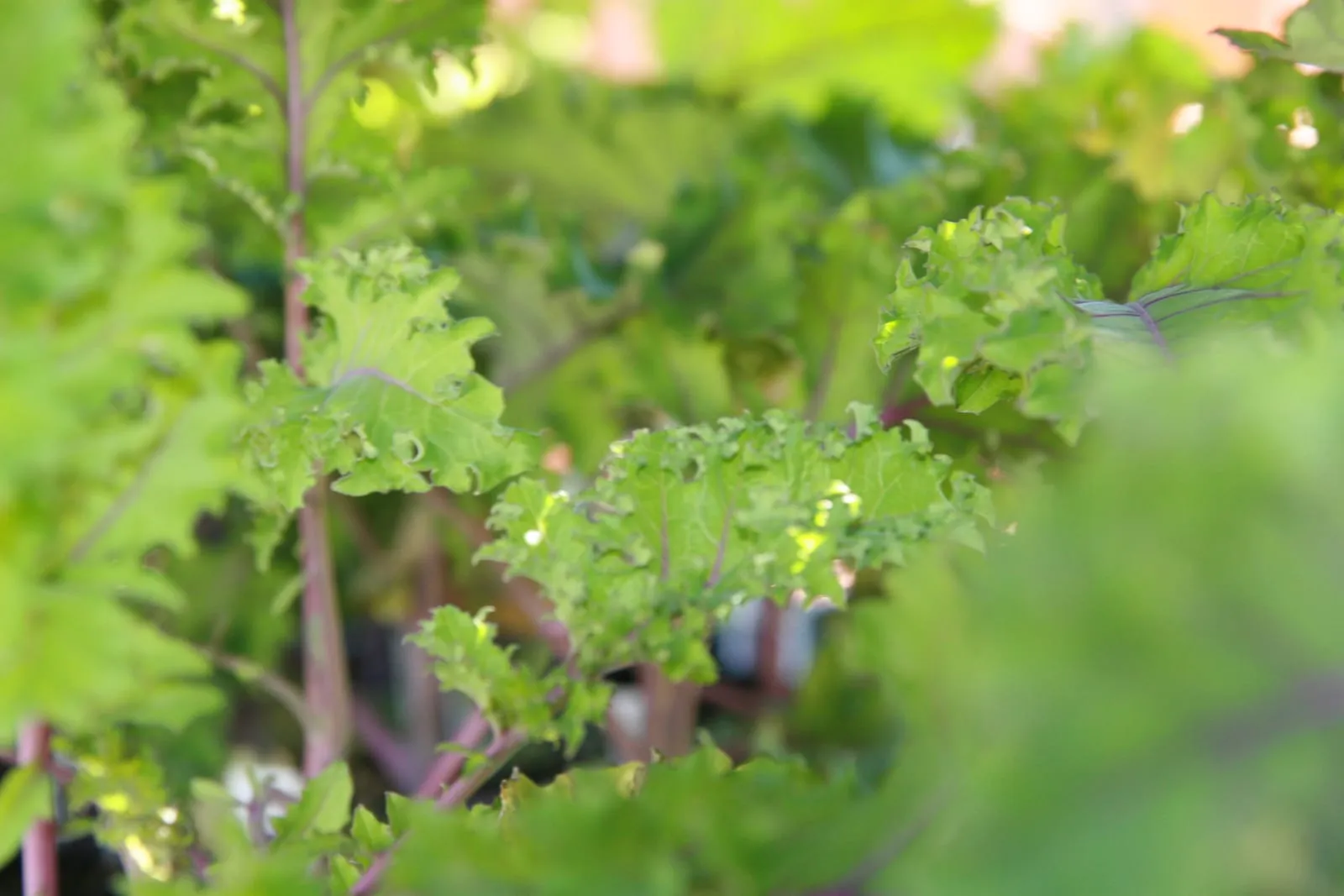 zone 5a
 Kale
Brassica oleracea var. acephala
zones 3a–9b
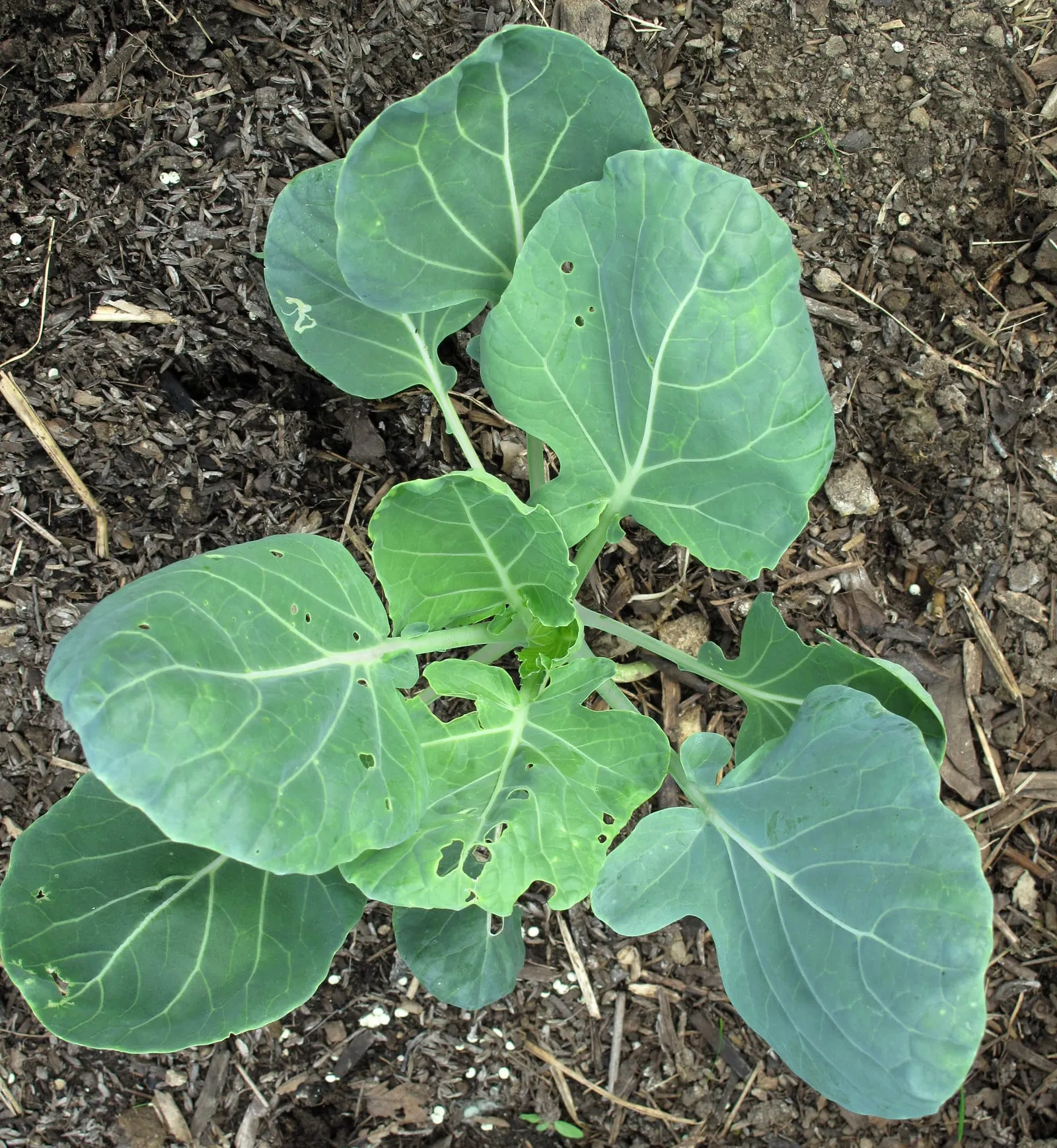 zone 5a
 Brussels Sprouts
Brassica oleracea var. gemmifera
zones 3b–8a
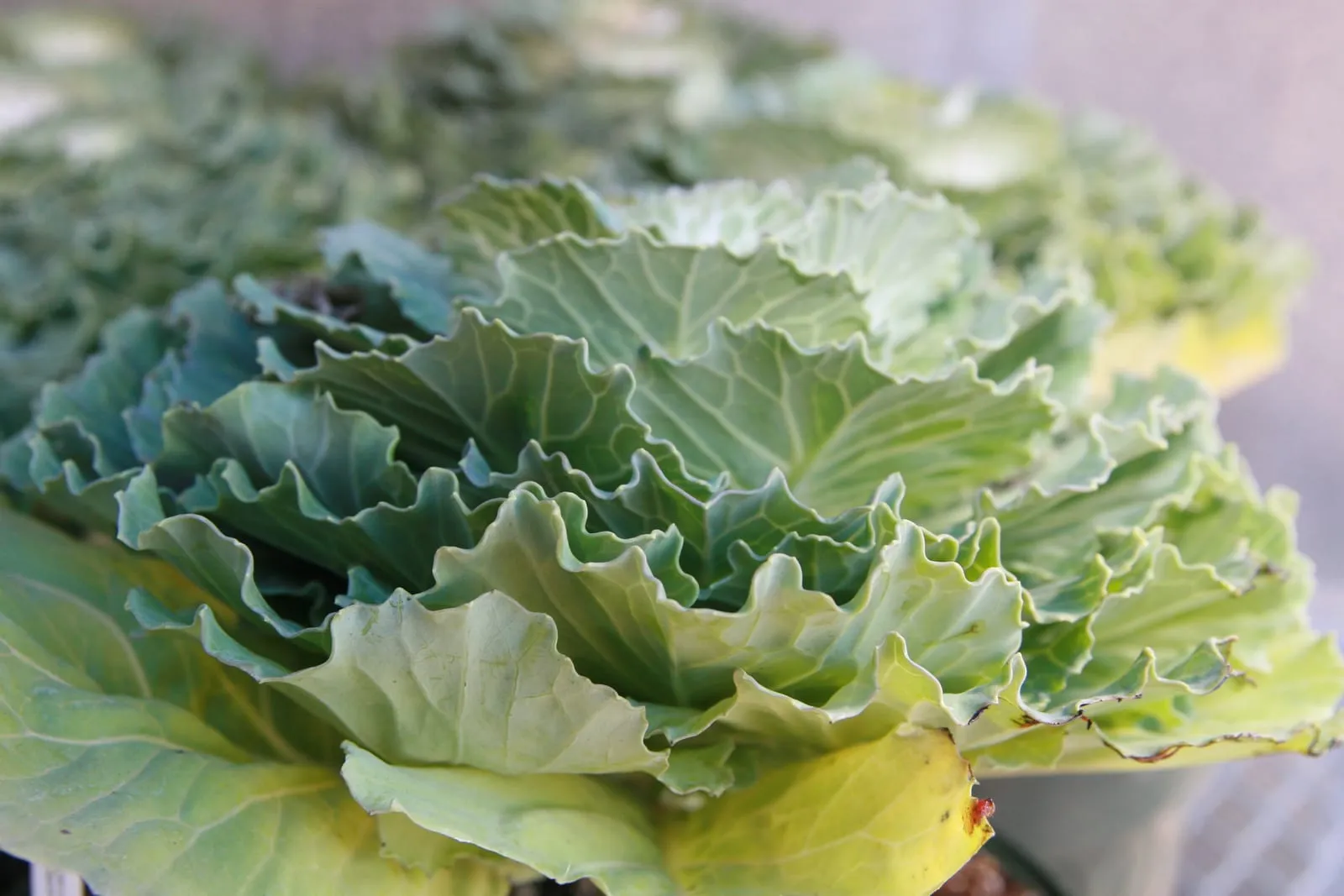 zone 5a
 Collards
Brassica oleracea var. acephala
zones 4a–9b
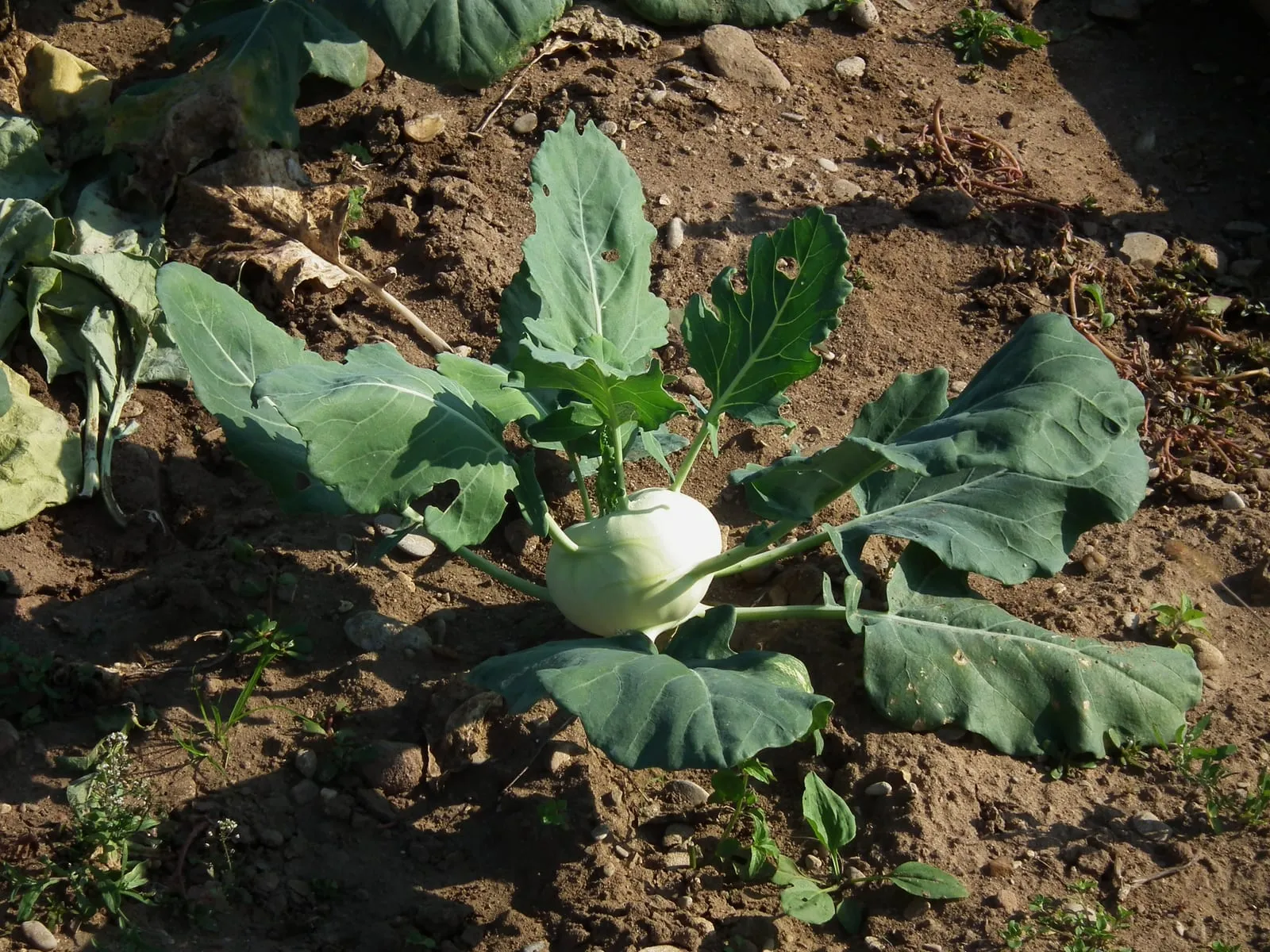 zone 5a
 Kohlrabi
Brassica oleracea var. gongylodes
zones 3b–8a
 zone 5a
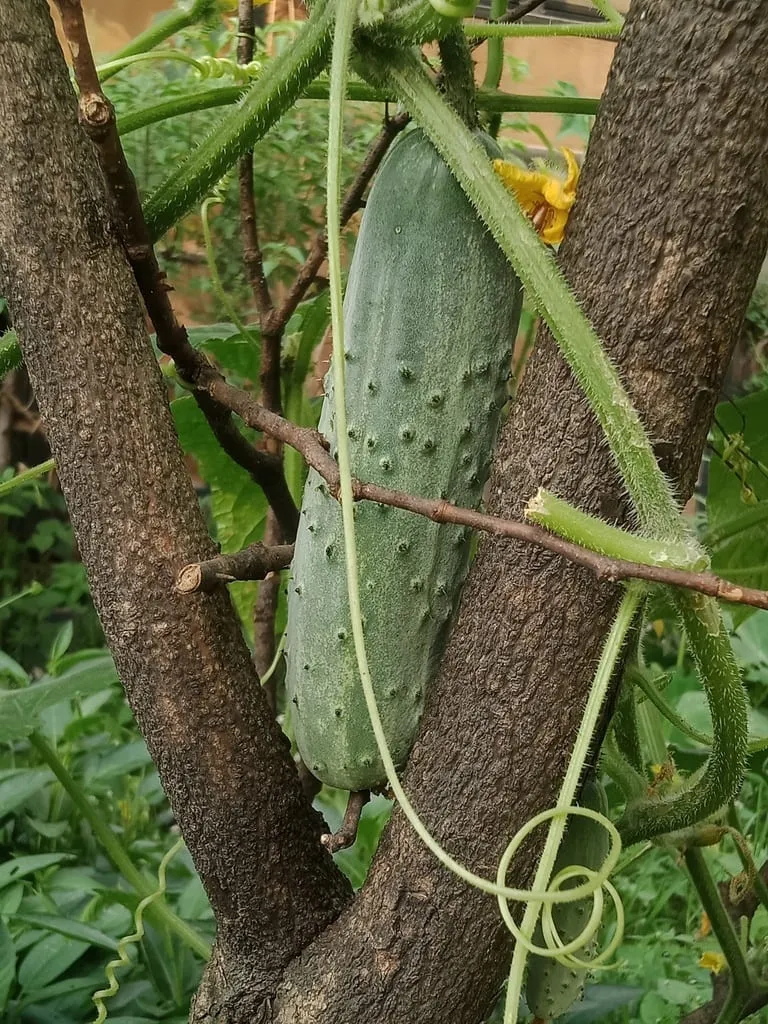
 Cucumber
Cucumis sativus
zones 3b–10a
 zone 5a
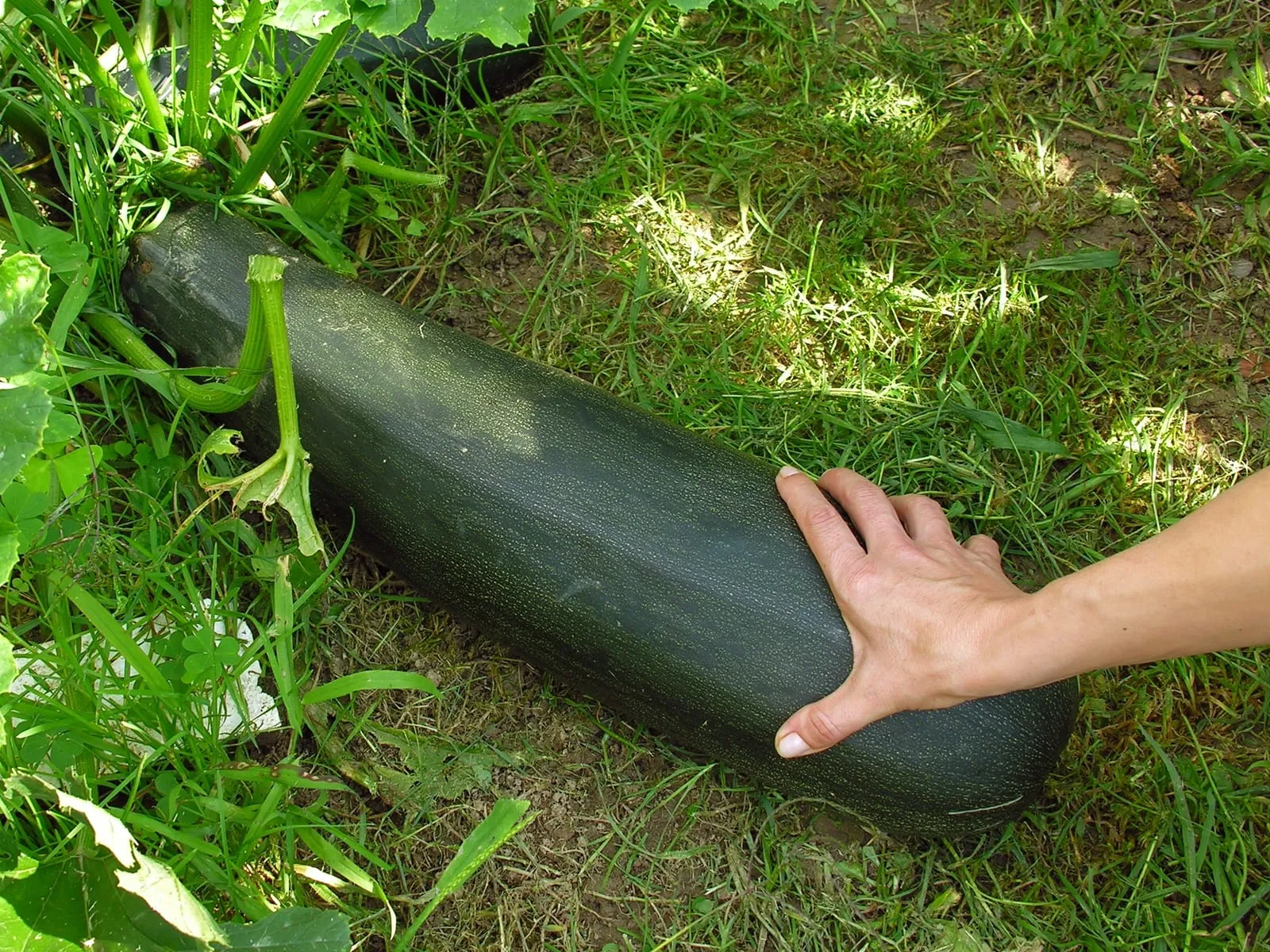
 Summer Squash
Cucurbita pepo
zones 3b–10a
 zone 5a
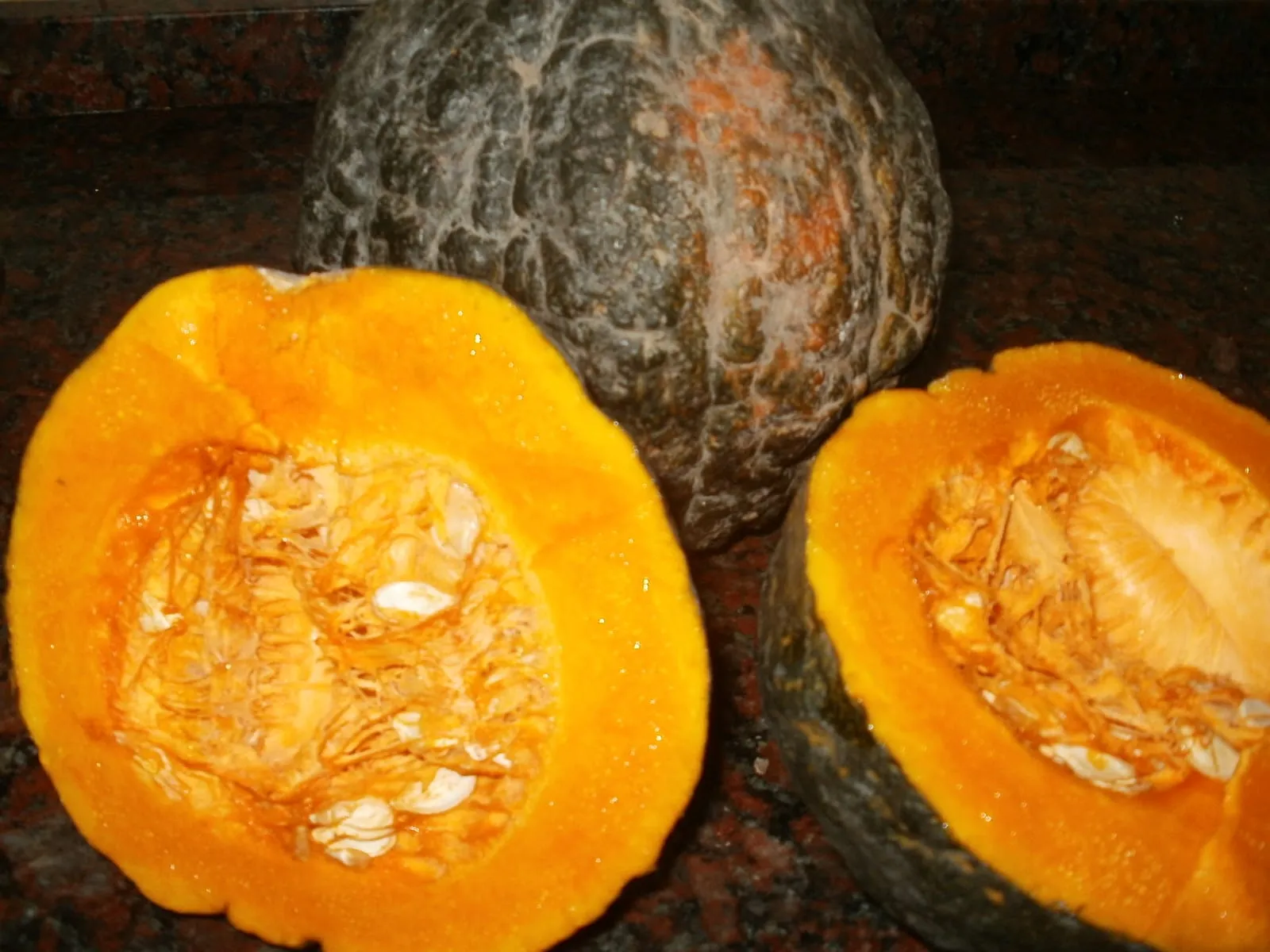
 Winter Squash
Cucurbita maxima and Cucurbita moschata
zones 4a–9a
 zone 5a
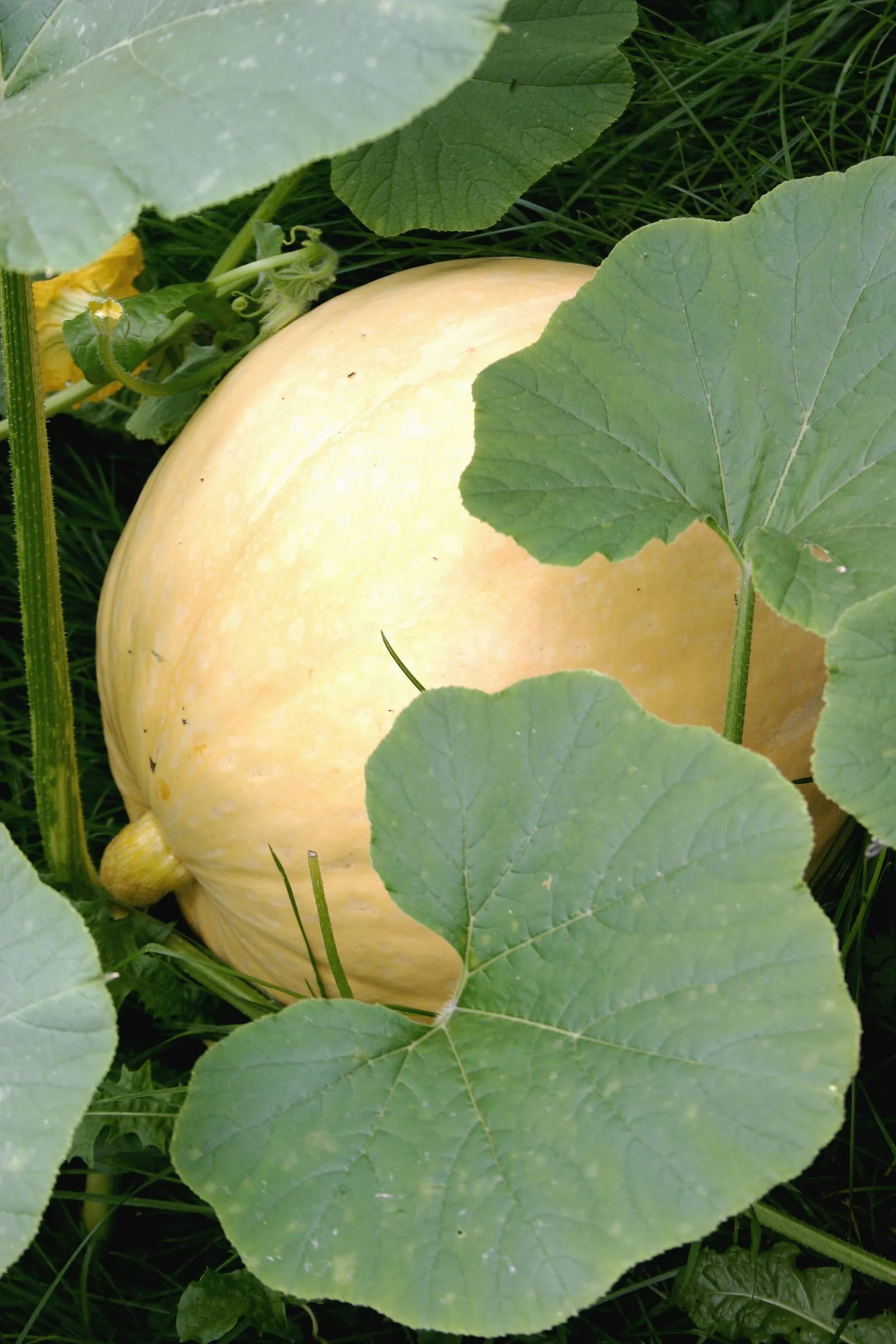
 Pumpkin
Cucurbita pepo and Cucurbita maxima
zones 4a–8b
 zone 5a
 Melon
Cucumis melo
zones 5a–10a
 zone 5a
 Onion
Allium cepa
zones 3a–9b
 zone 5a
 Garlic
Allium sativum
zones 3a–9a
 zone 5a
 Leek
Allium ampeloprasum
zones 3b–8b
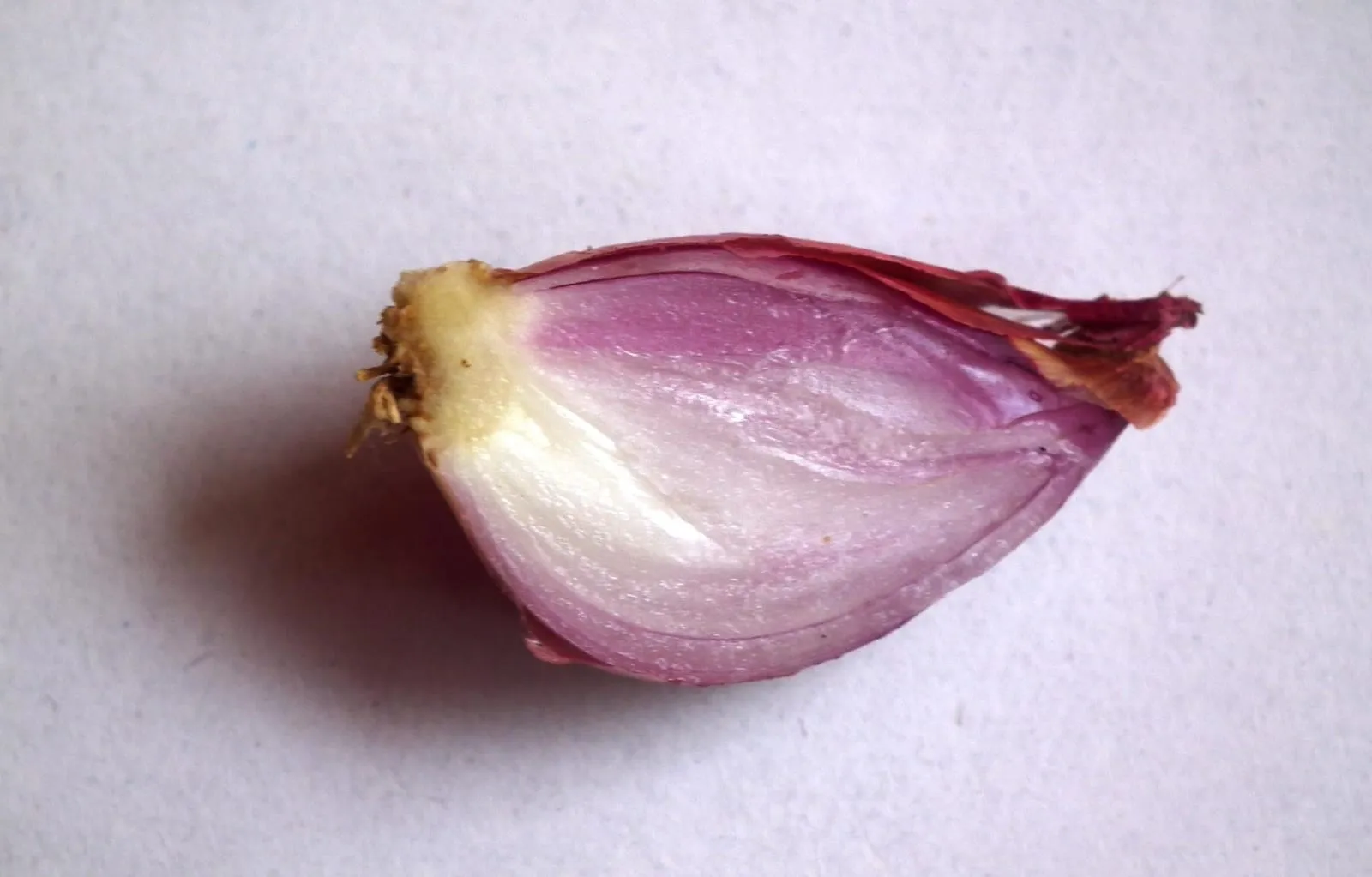 zone 5a
 Shallot
Allium cepa var. aggregatum
zones 3b–8a
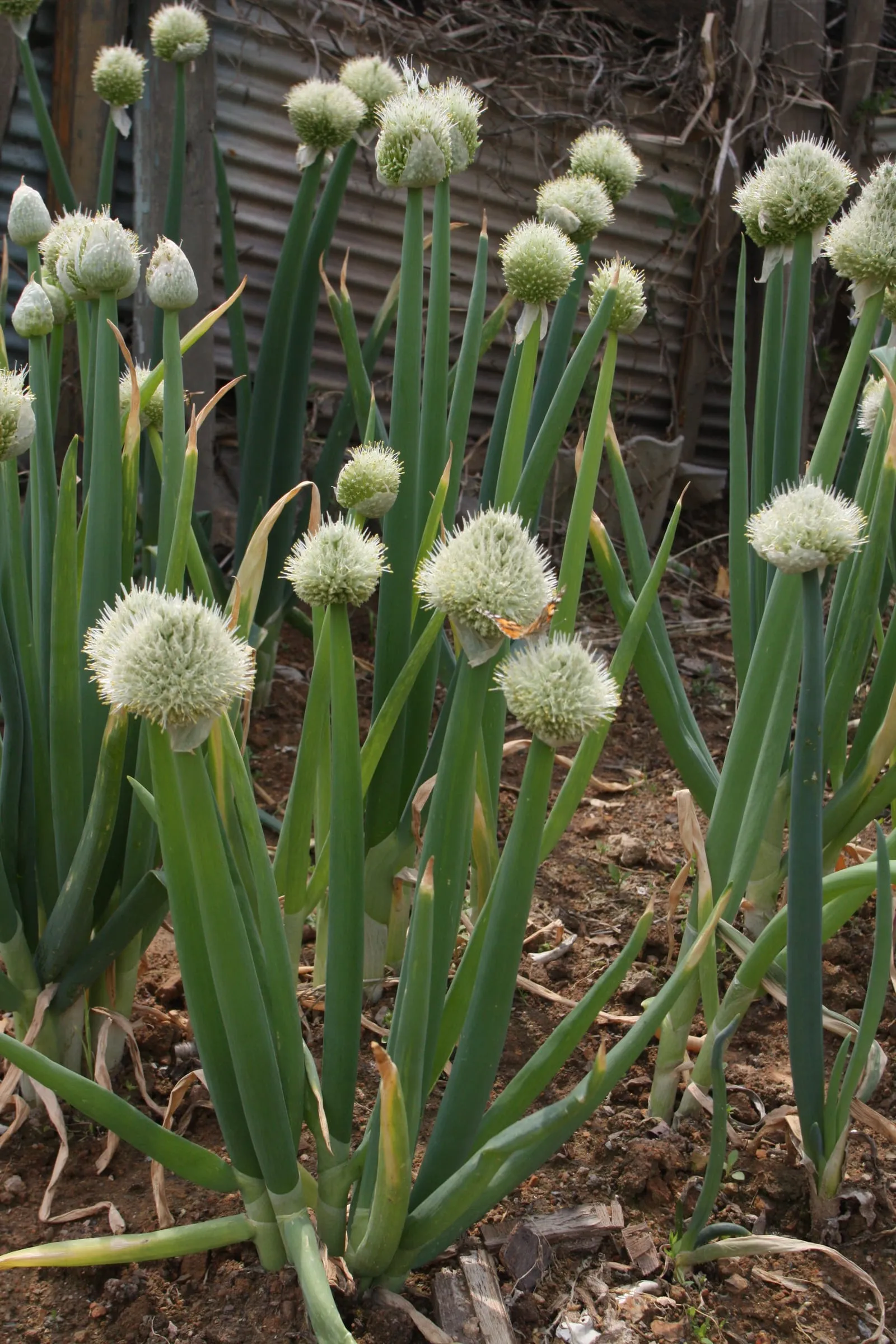 zone 5a
 Scallion (Bunching Onion)
Allium fistulosum
zones 3b–9b
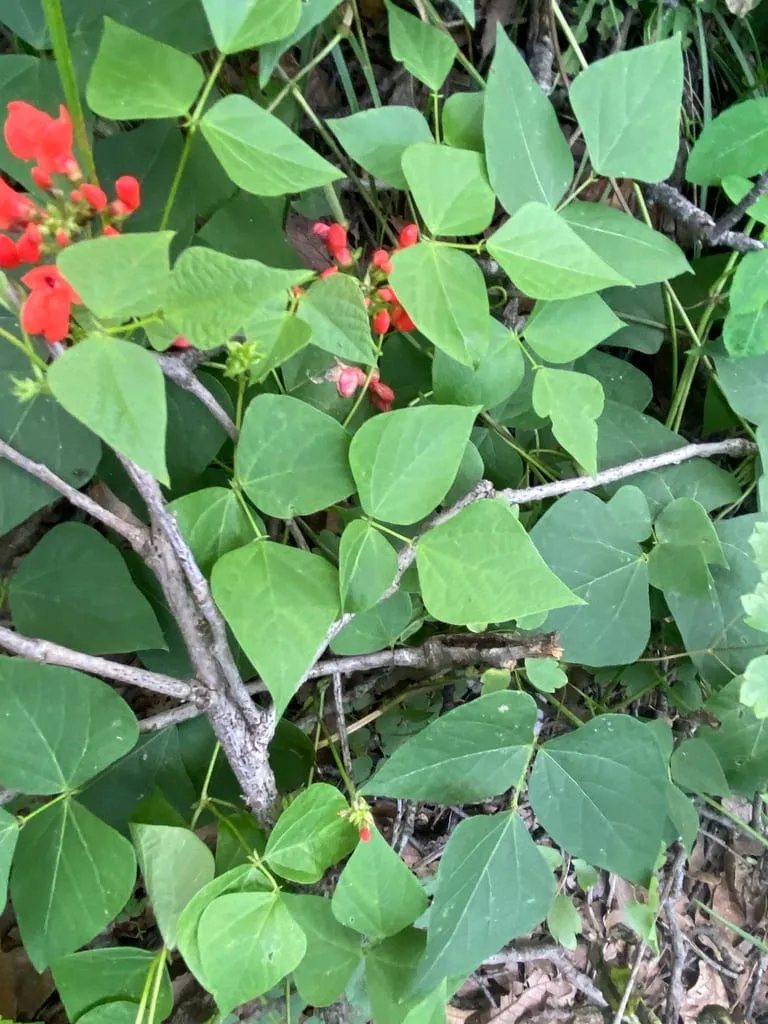 zone 5a
 Bush Bean
Phaseolus vulgaris
zones 3b–9a
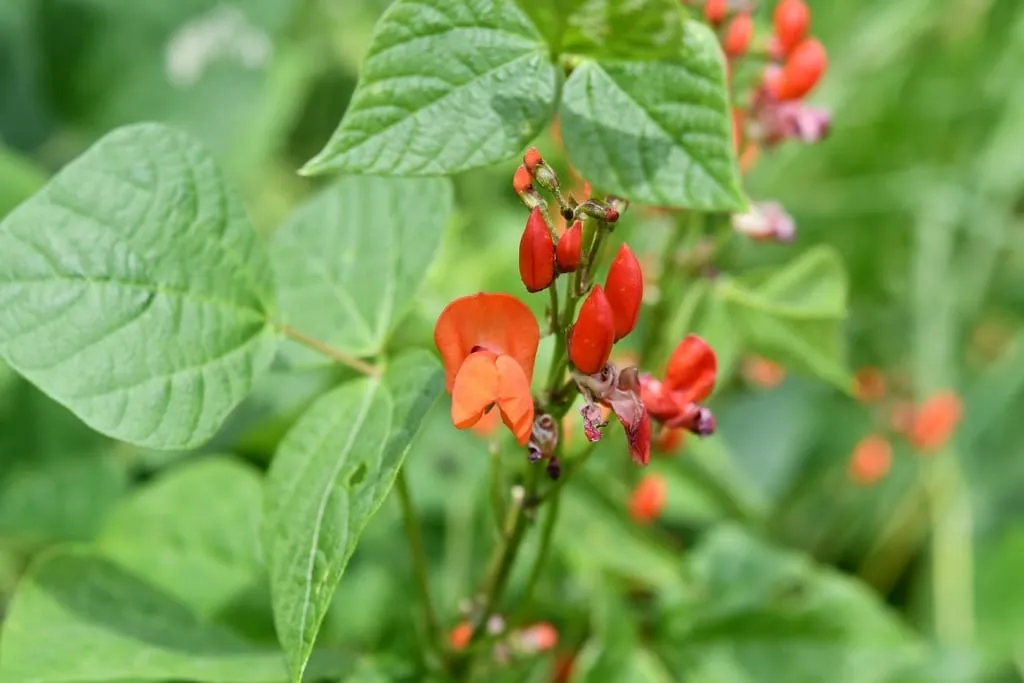 zone 5a
 Pole Bean
Phaseolus vulgaris
zones 3b–9a
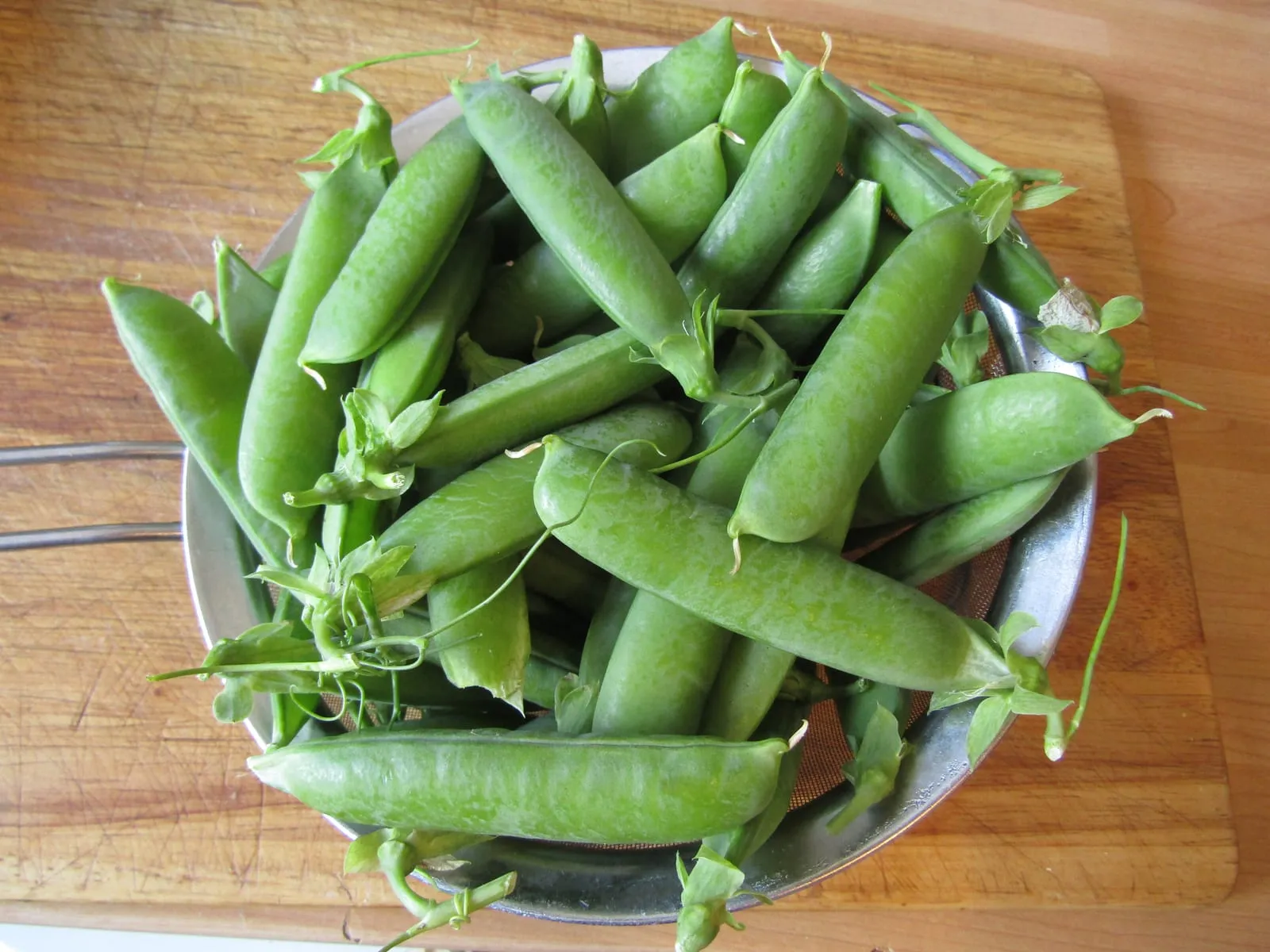 zone 5a
 Pea
Pisum sativum
zones 3a–8b
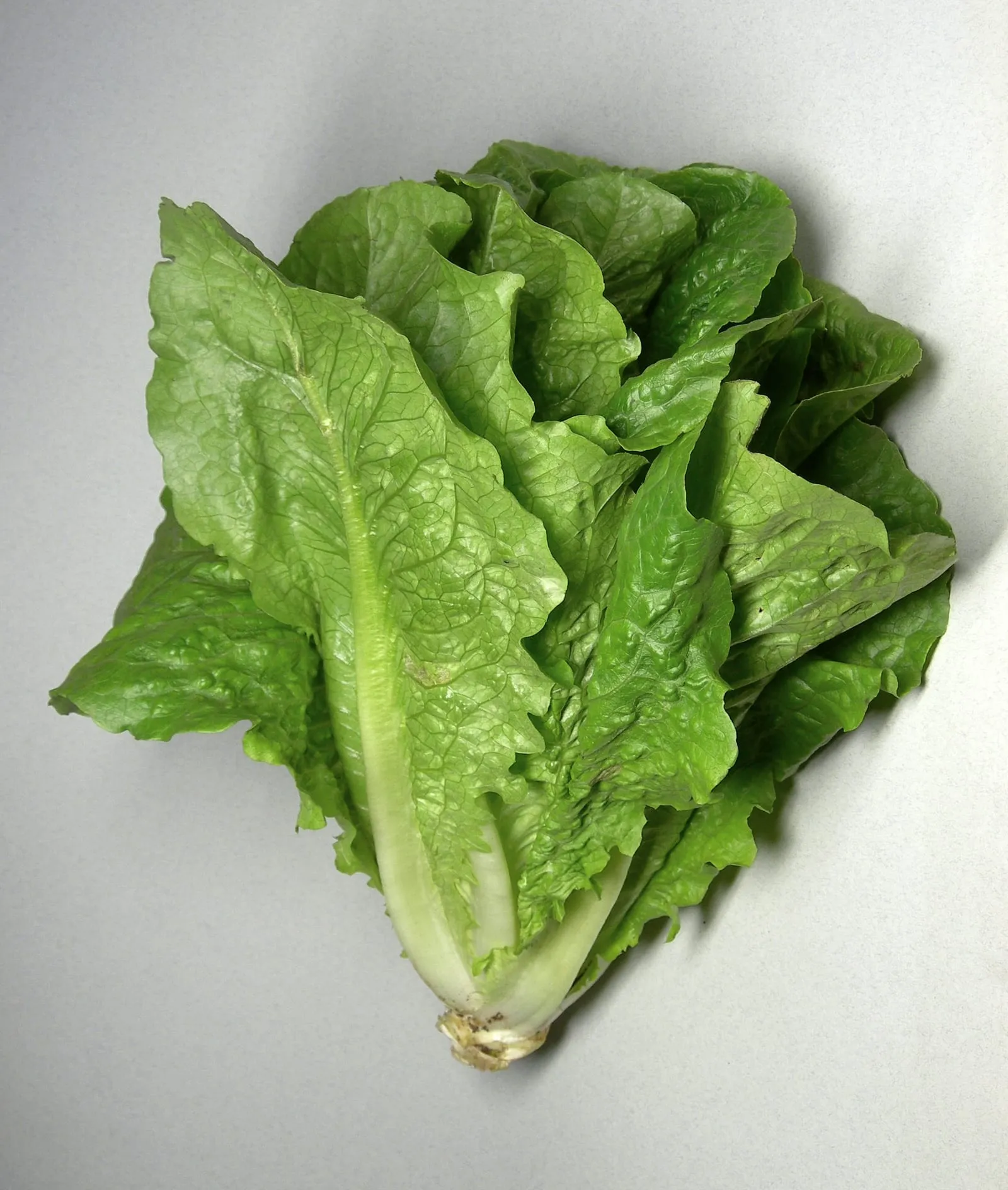 zone 5a
 Lettuce
Lactuca sativa
zones 3a–9b
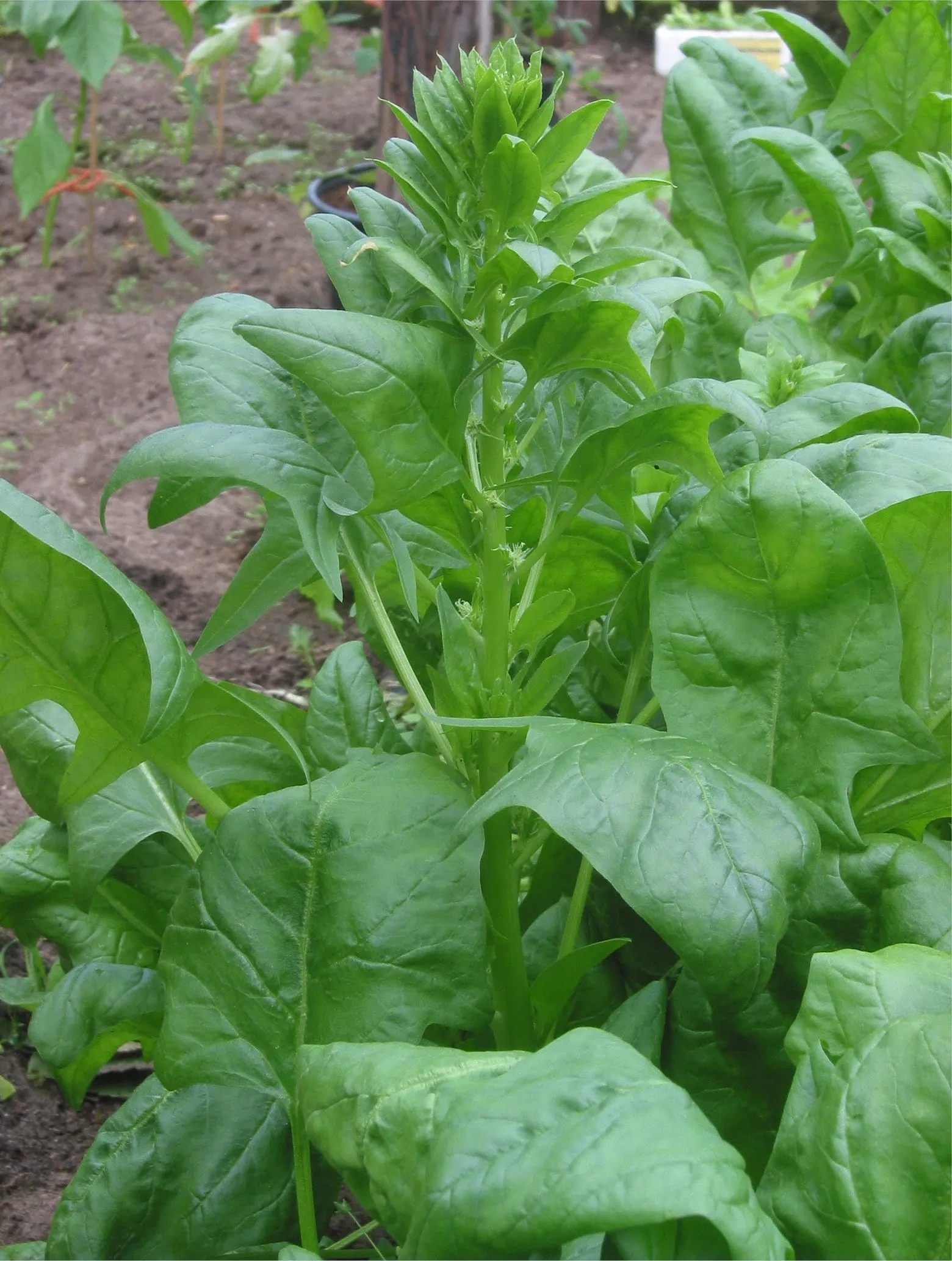 zone 5a
 Spinach
Spinacia oleracea
zones 3a–9a
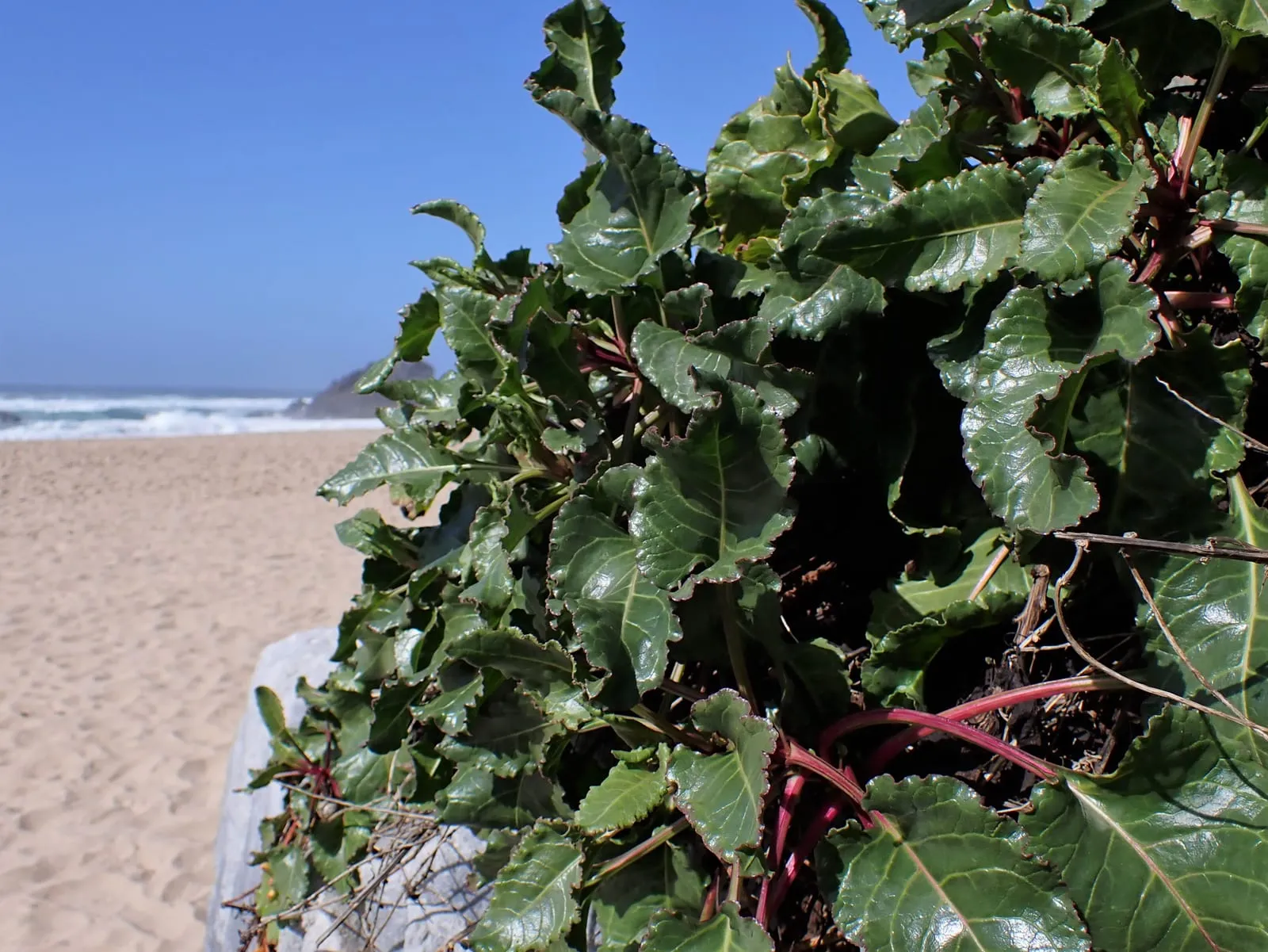 zone 5a
 Swiss Chard
Beta vulgaris subsp. vulgaris
zones 3a–9b
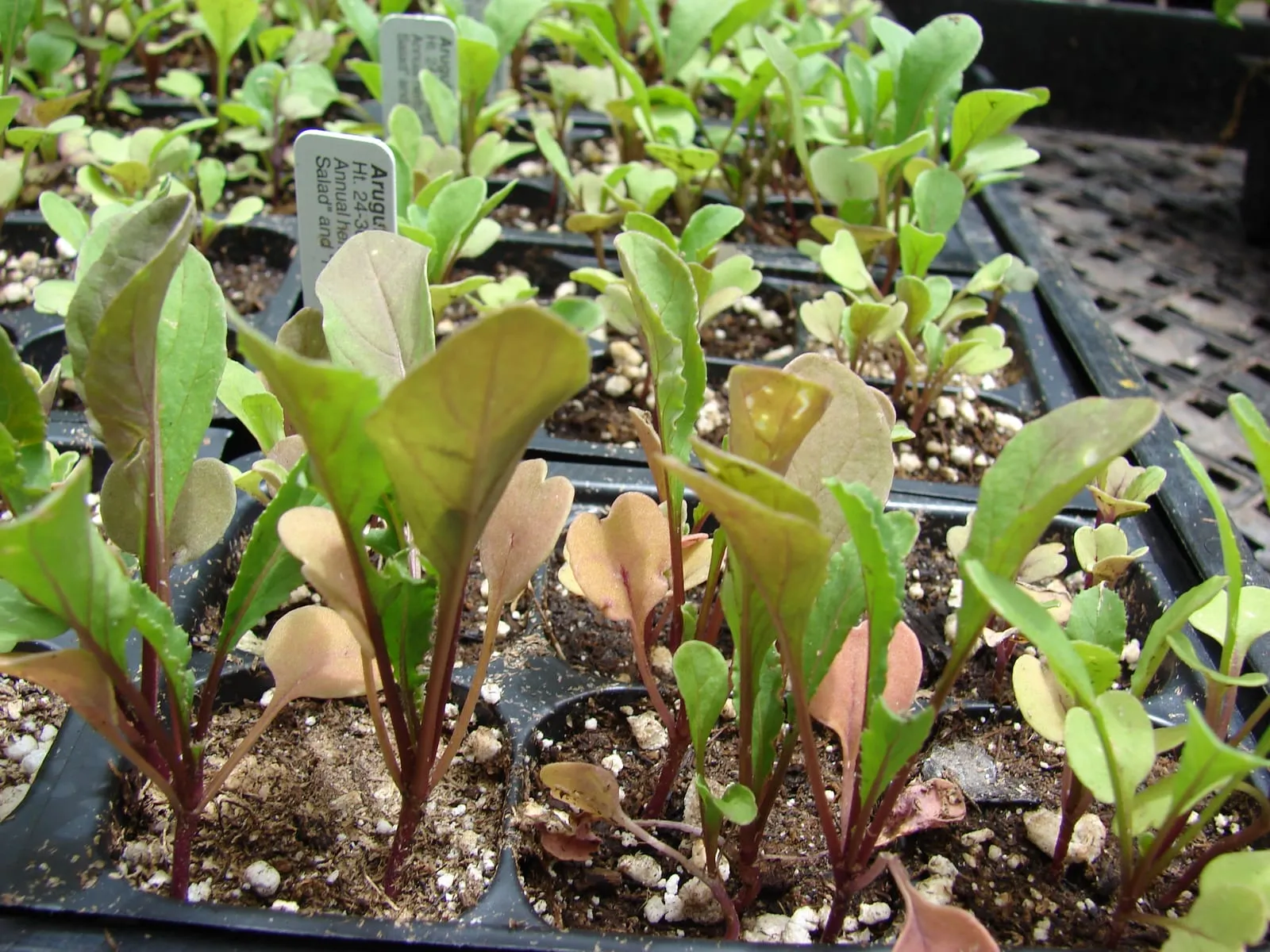 zone 5a
 Arugula
Eruca vesicaria
zones 3b–9a
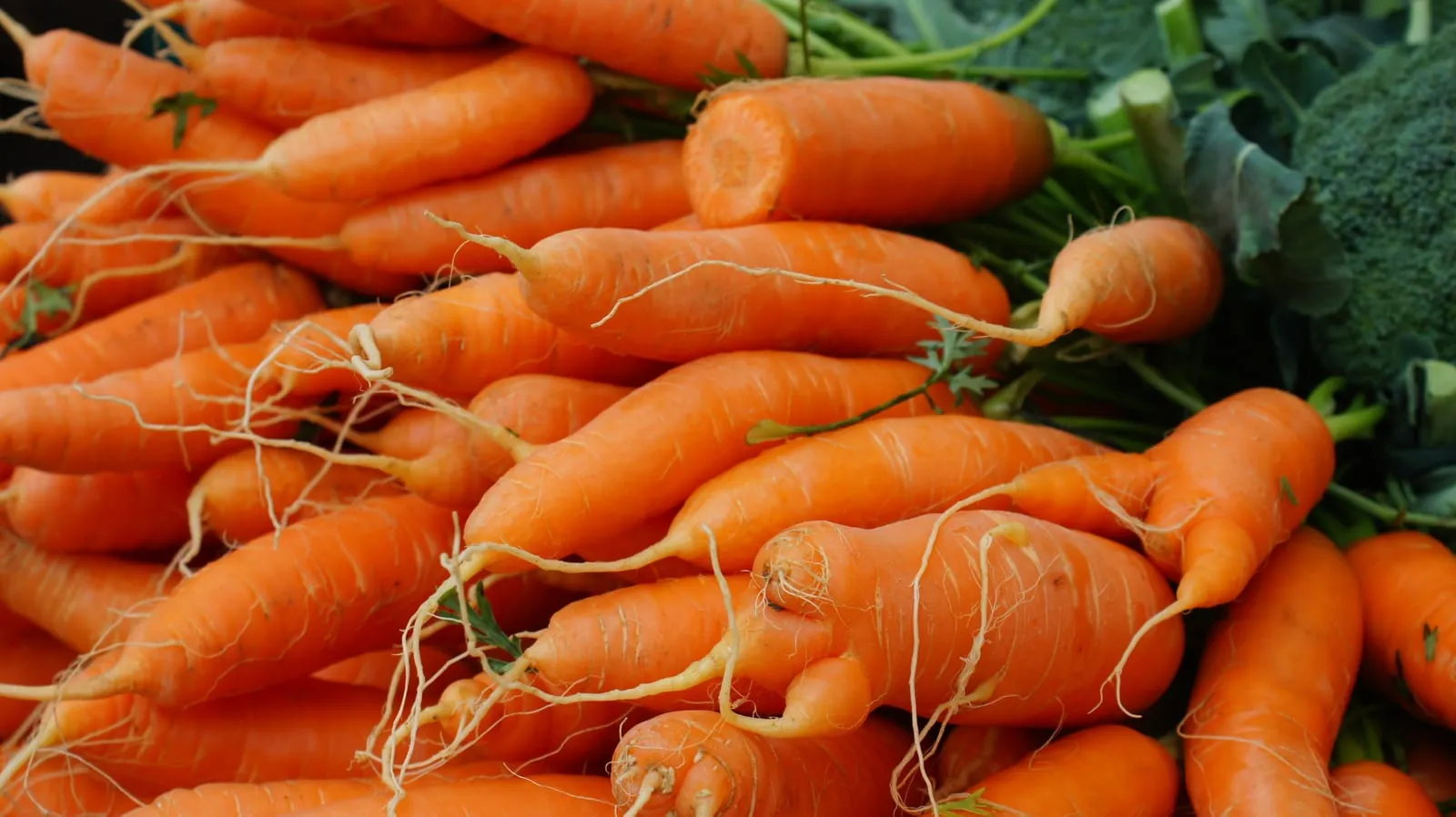 zone 5a
 Carrot
Daucus carota subsp. sativus
zones 3a–9a
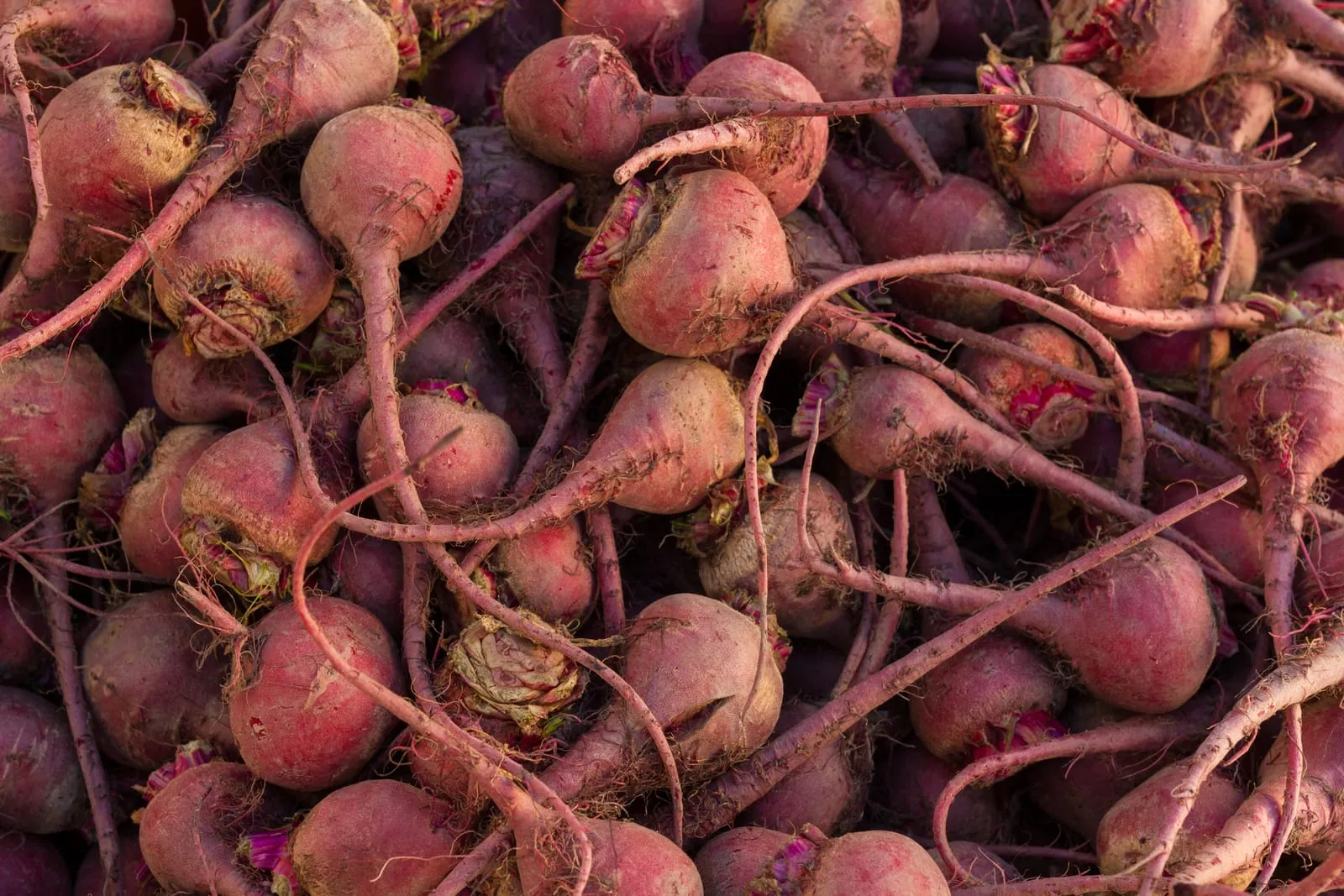 zone 5a
 Beet
Beta vulgaris
zones 3a–9a
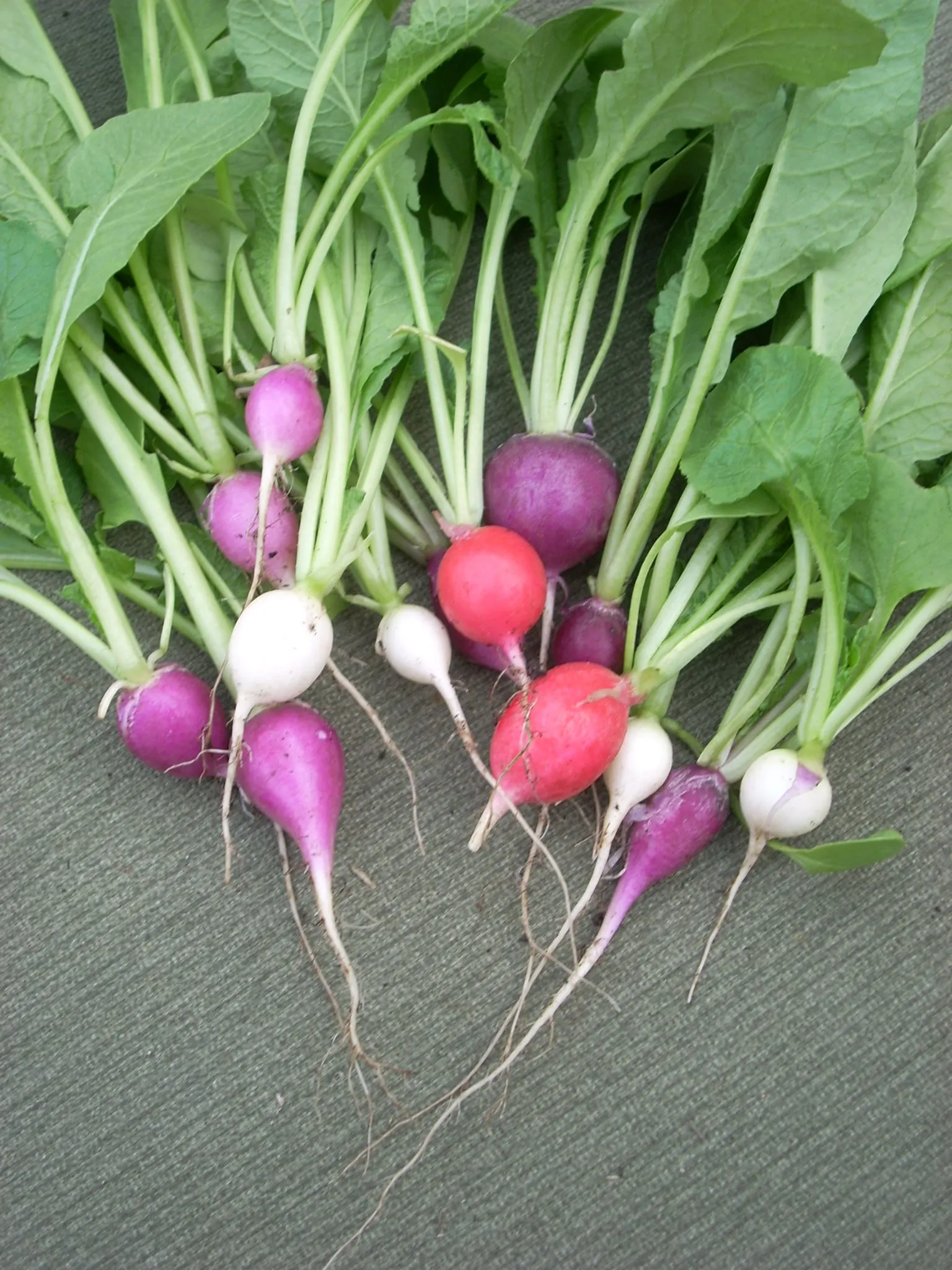 zone 5a
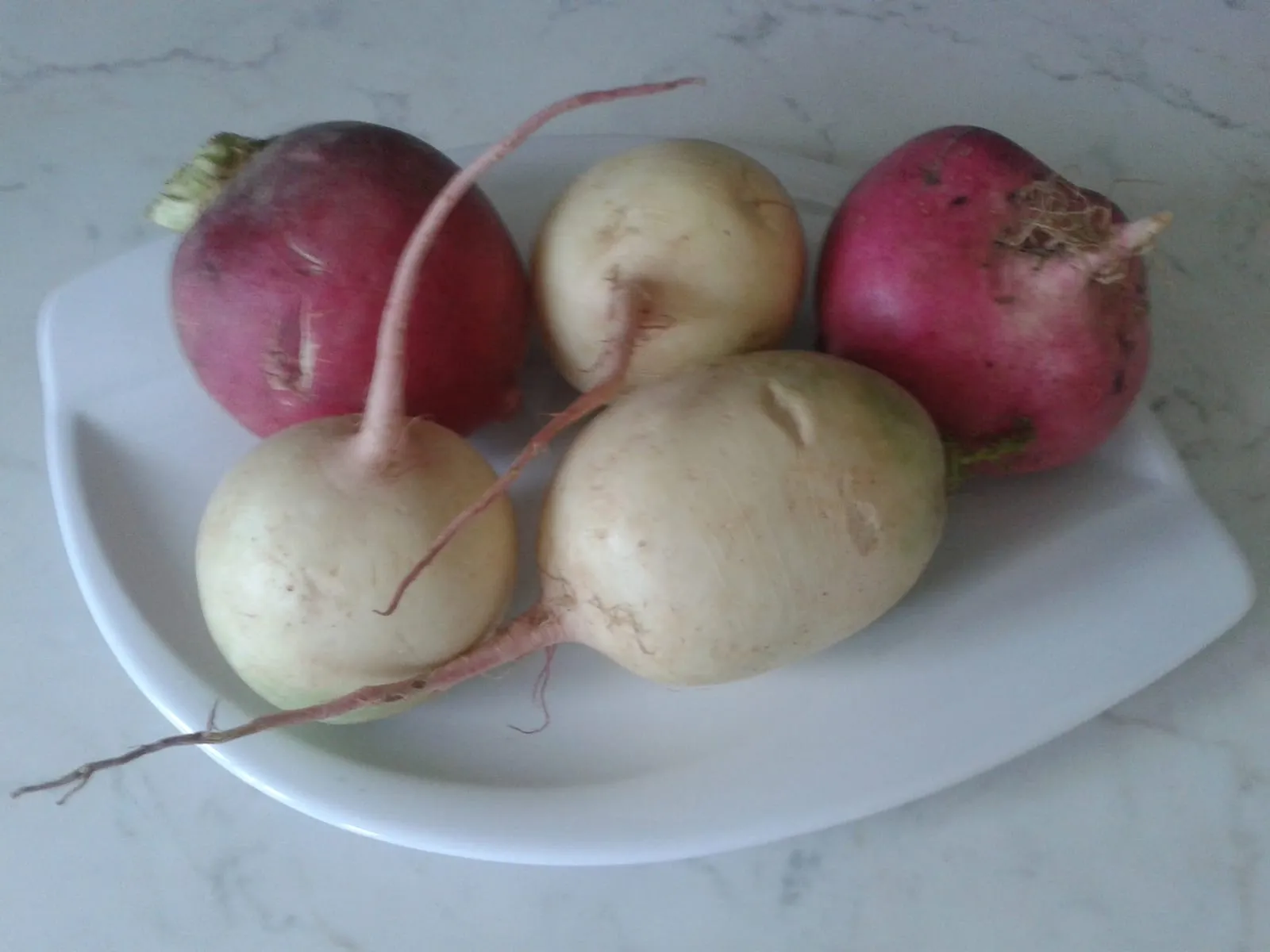
 Radish
Raphanus sativus
zones 3a–9a
 zone 5a
 Turnip
Brassica rapa subsp. rapa
zones 3a–8b
 zone 5a
 Parsnip
Pastinaca sativa
zones 3a–8a
 zone 5a
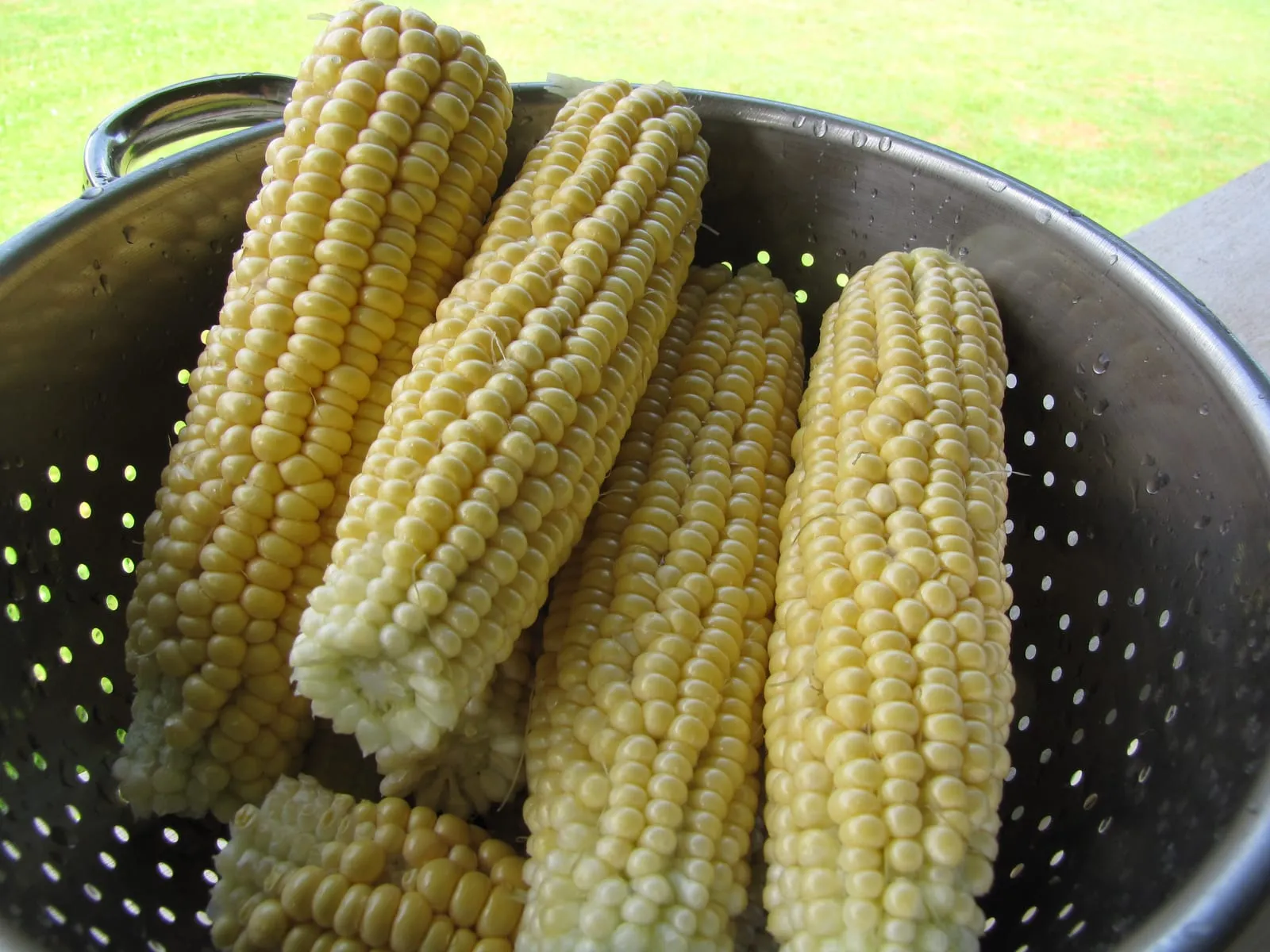
 Sweet Corn
Zea mays var. saccharata
zones 3b–9a
 zone 5a
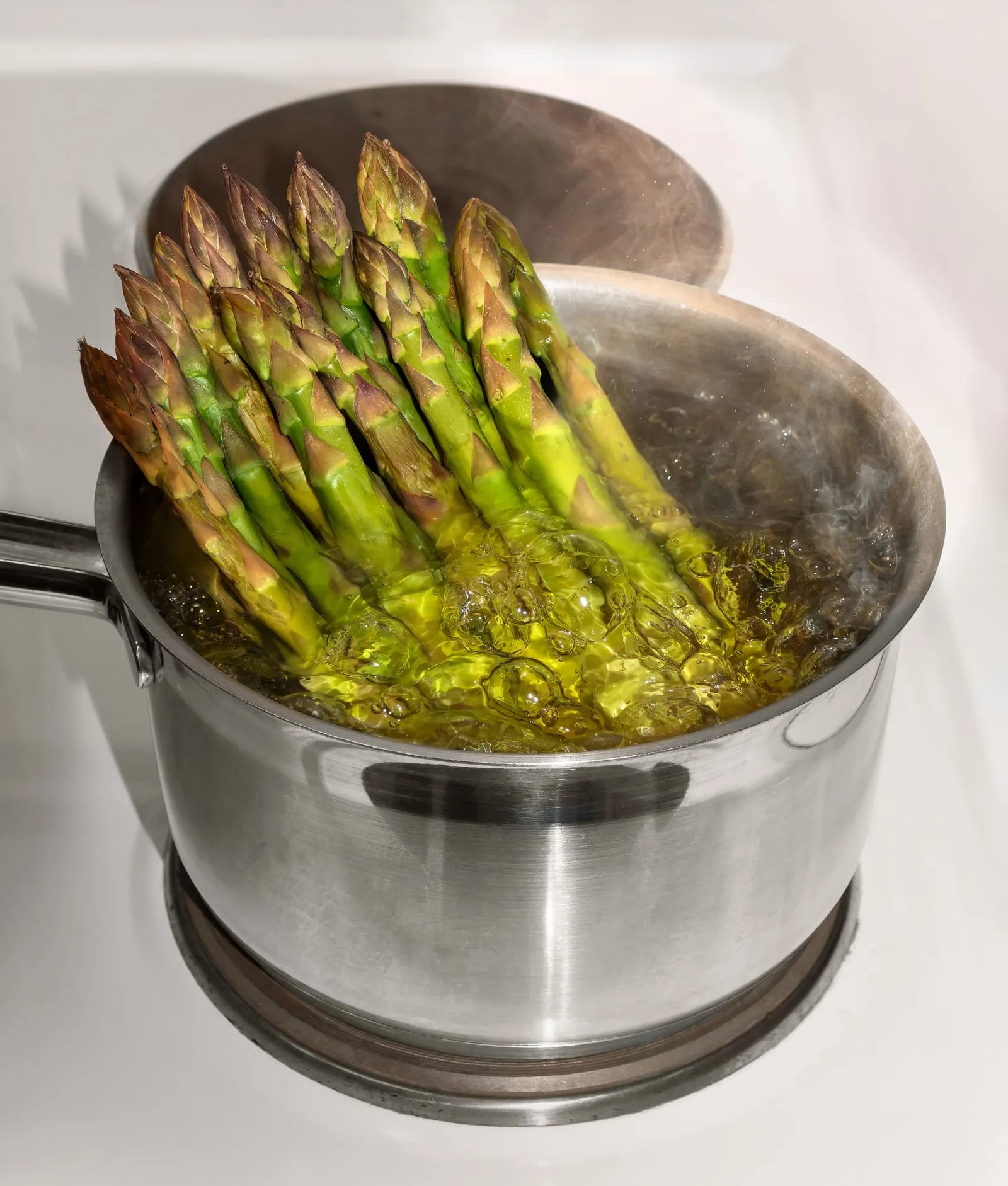
 Asparagus
Asparagus officinalis
zones 3b–8b
Herbs
9 crops
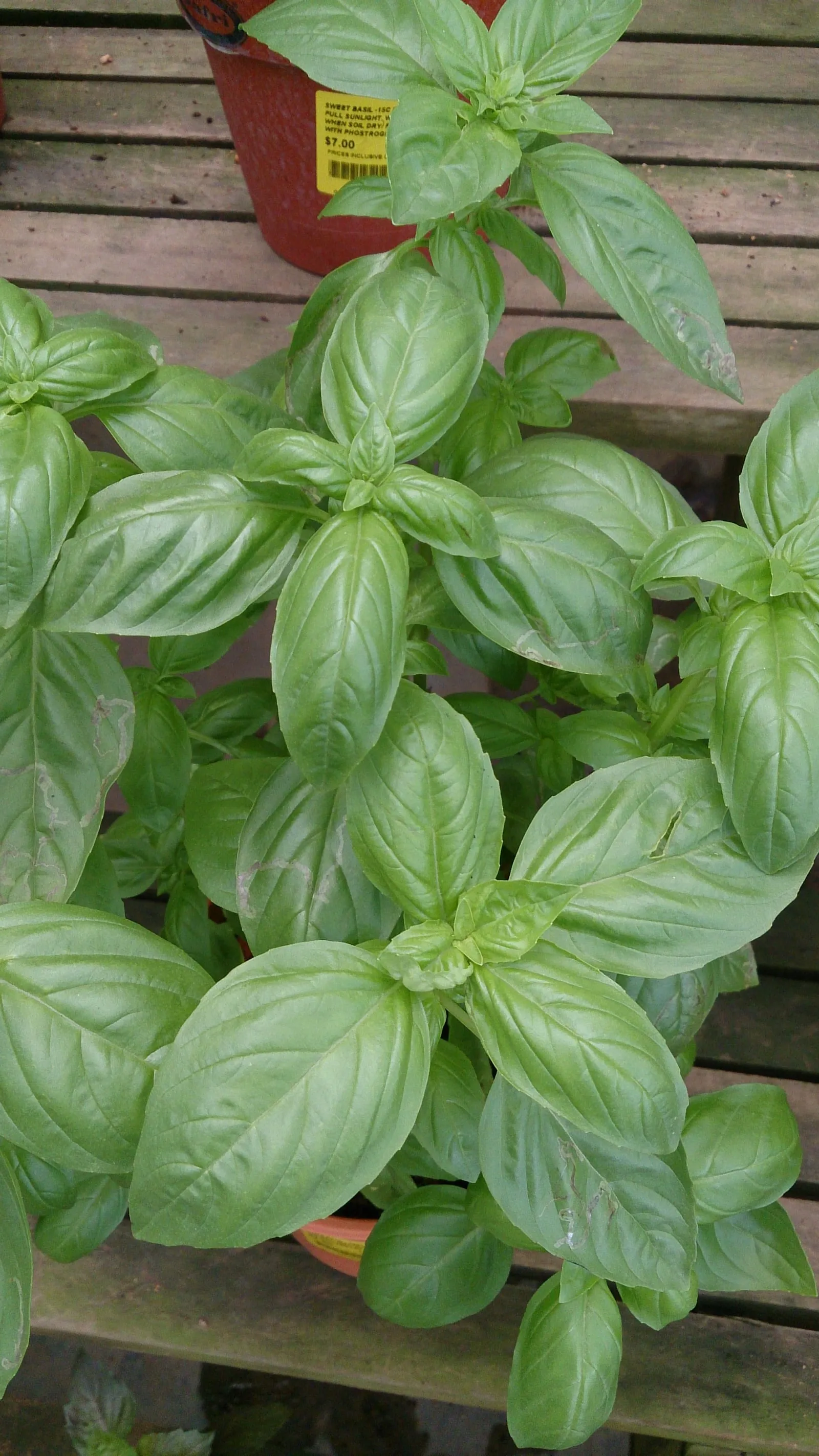 zone 5a
 Basil
Ocimum basilicum
zones 4a–10b
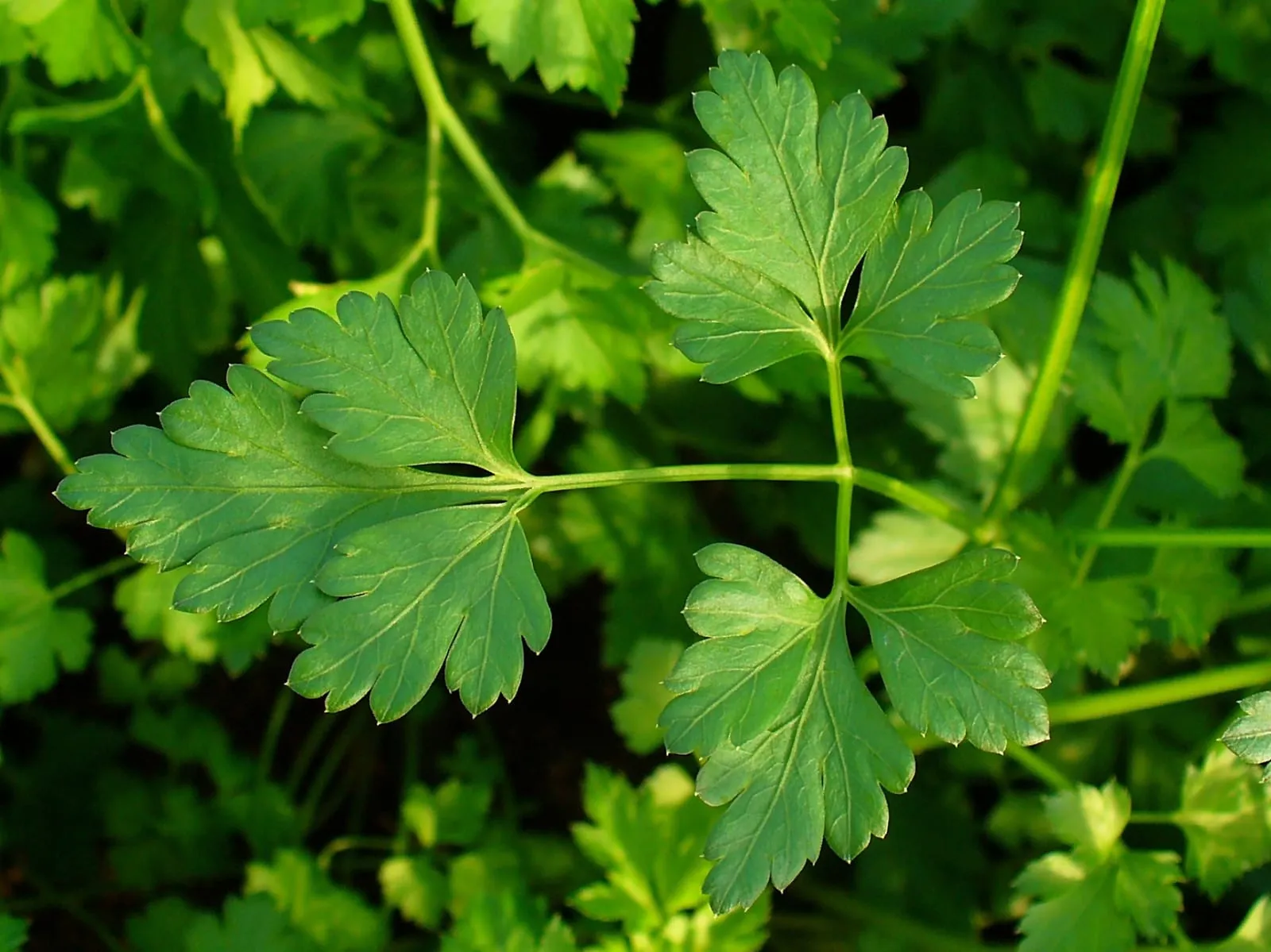 zone 5a
 Parsley
Petroselinum crispum
zones 3b–9b
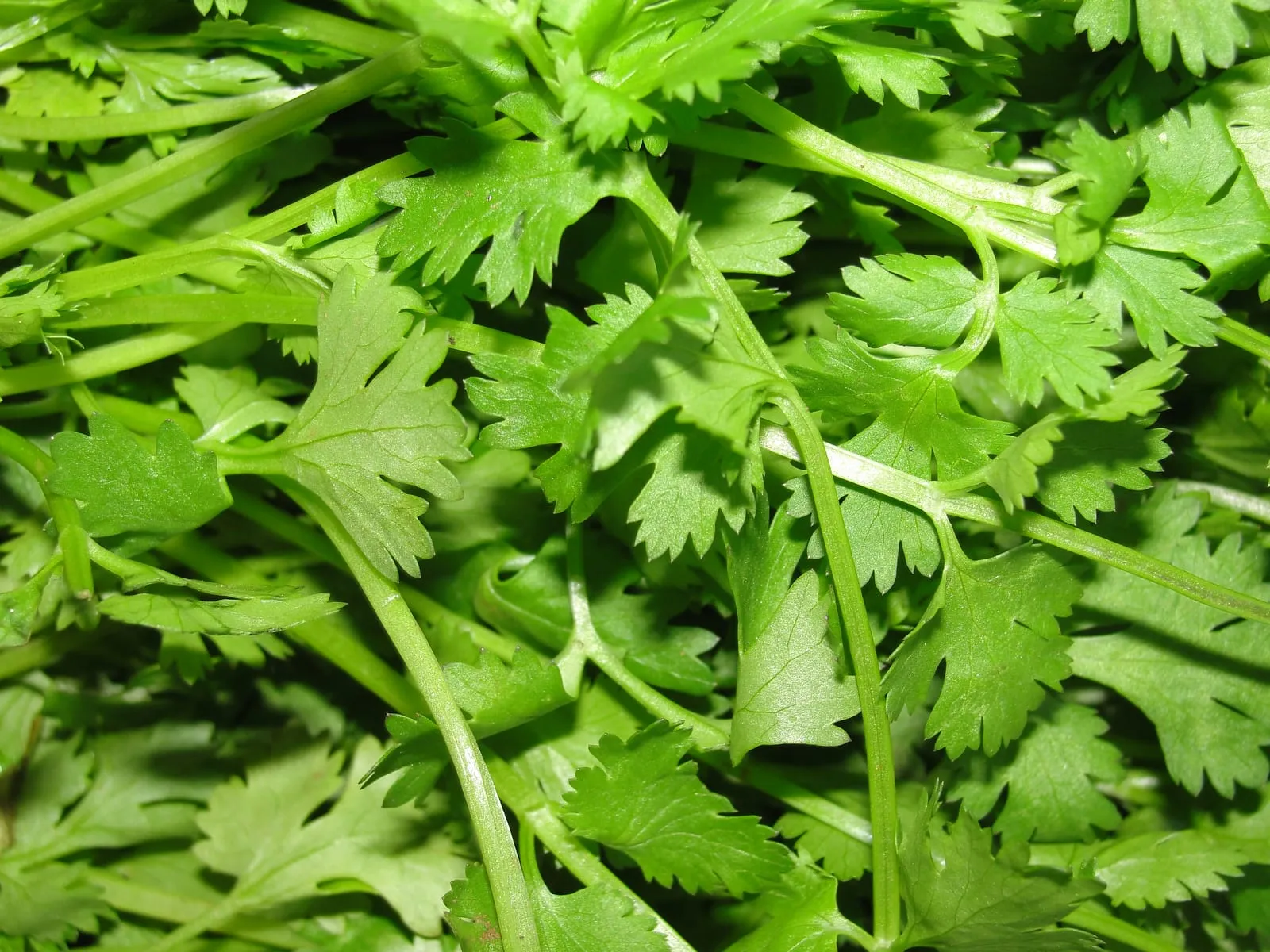 zone 5a
 Cilantro / Coriander
Coriandrum sativum
zones 3b–9b
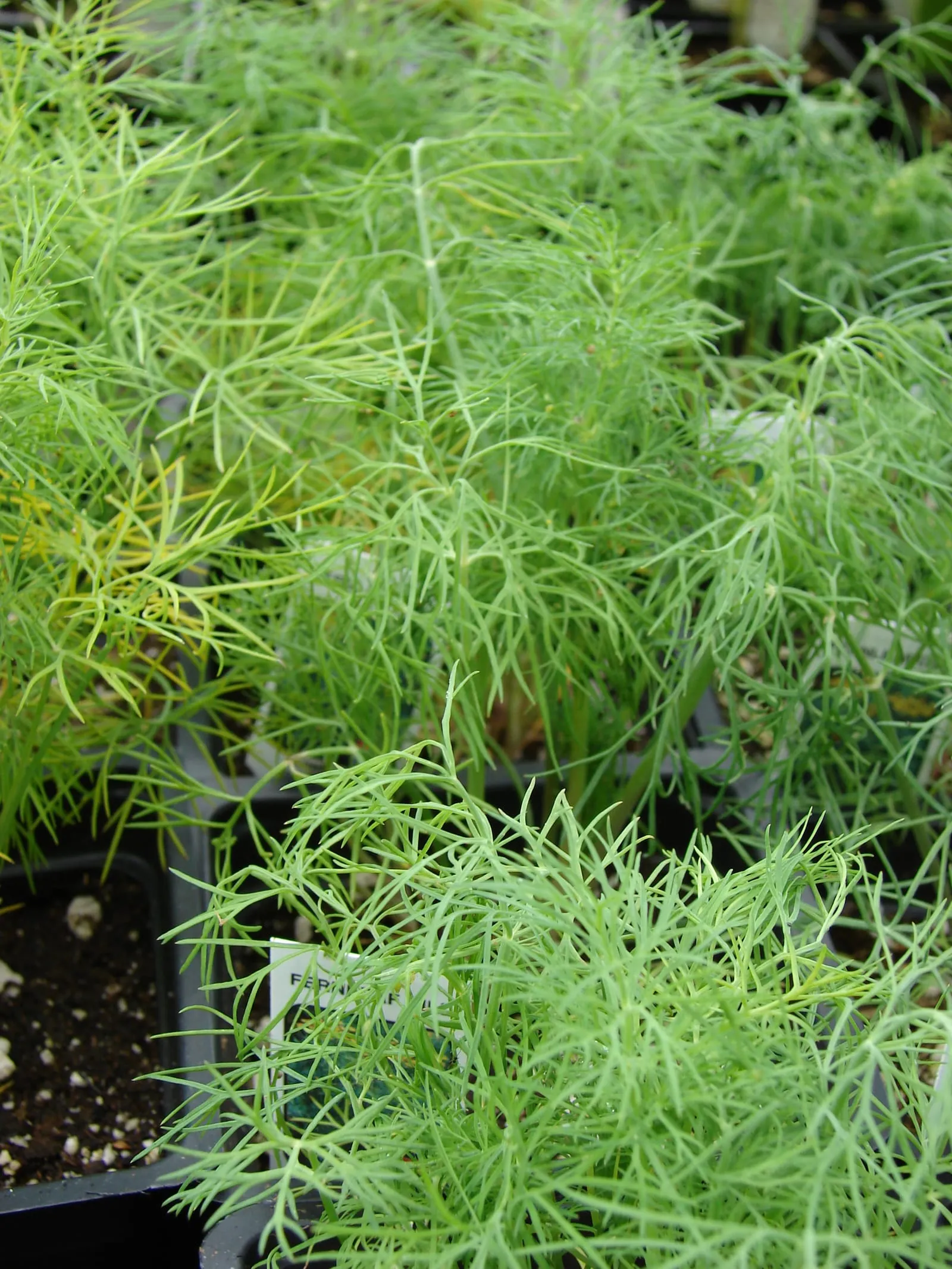 zone 5a
 Dill
Anethum graveolens
zones 3b–9a
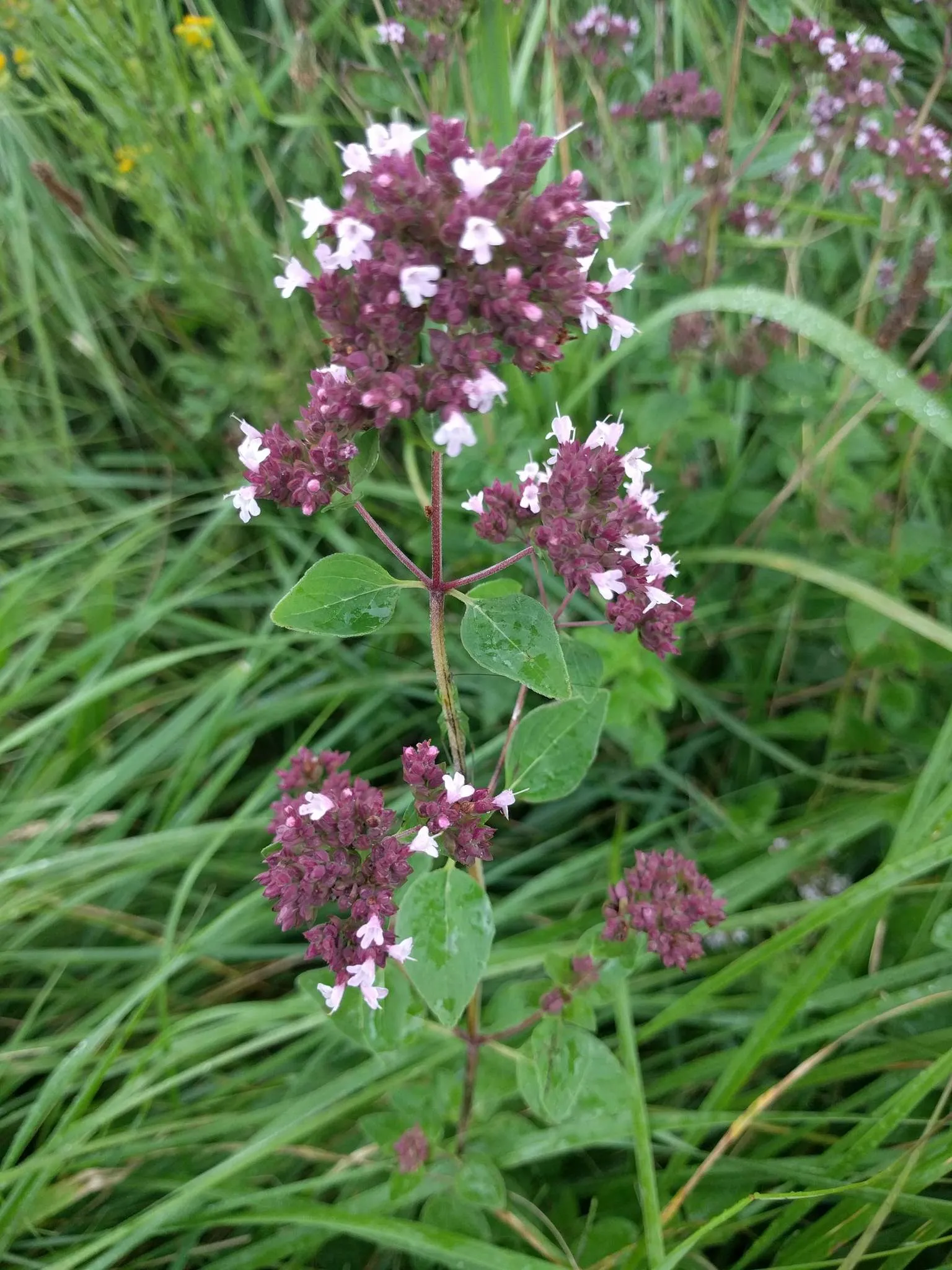 zone 5a
 Oregano
Origanum vulgare
zones 4a–9b
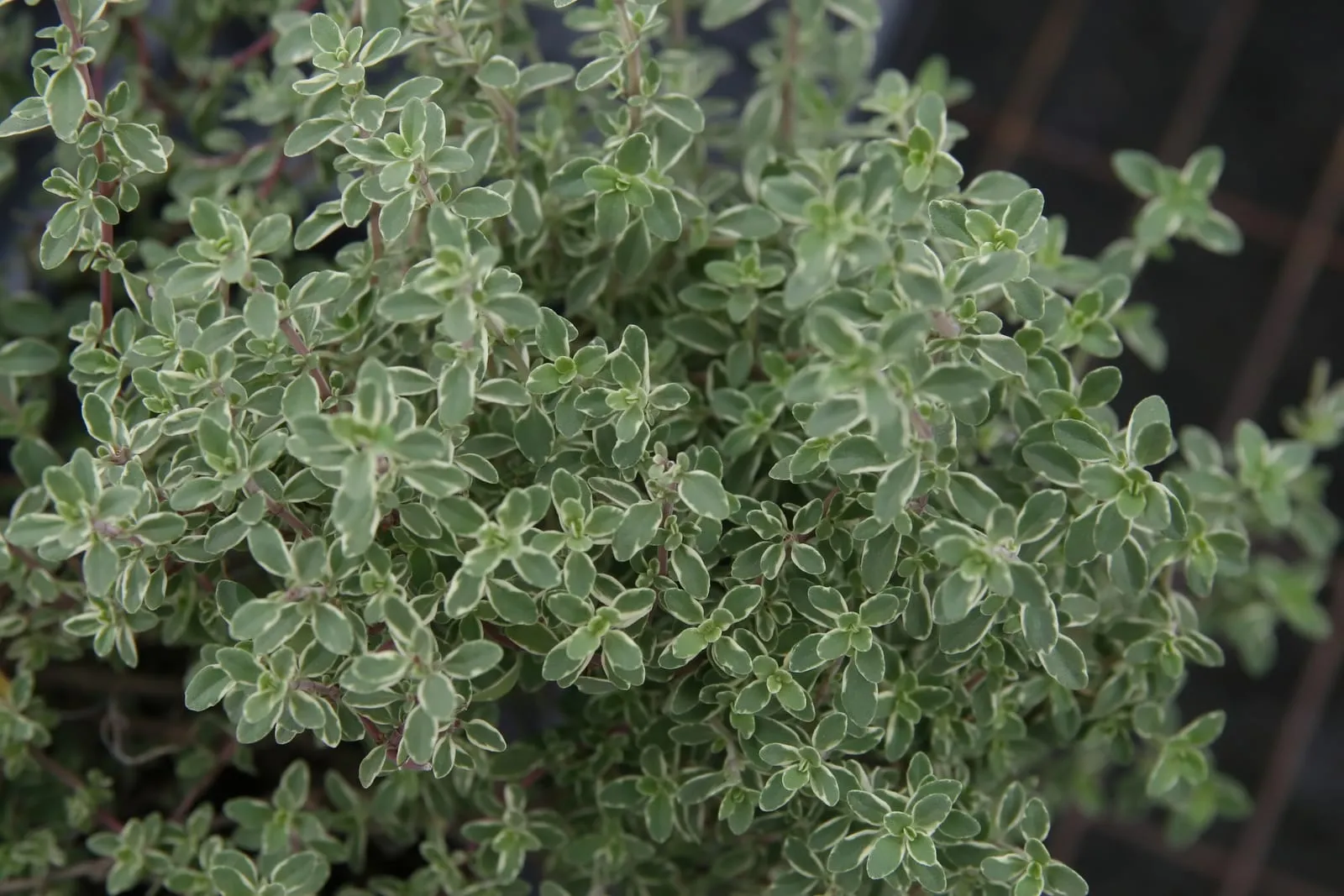 zone 5a
 Thyme
Thymus vulgaris
zones 4a–9a
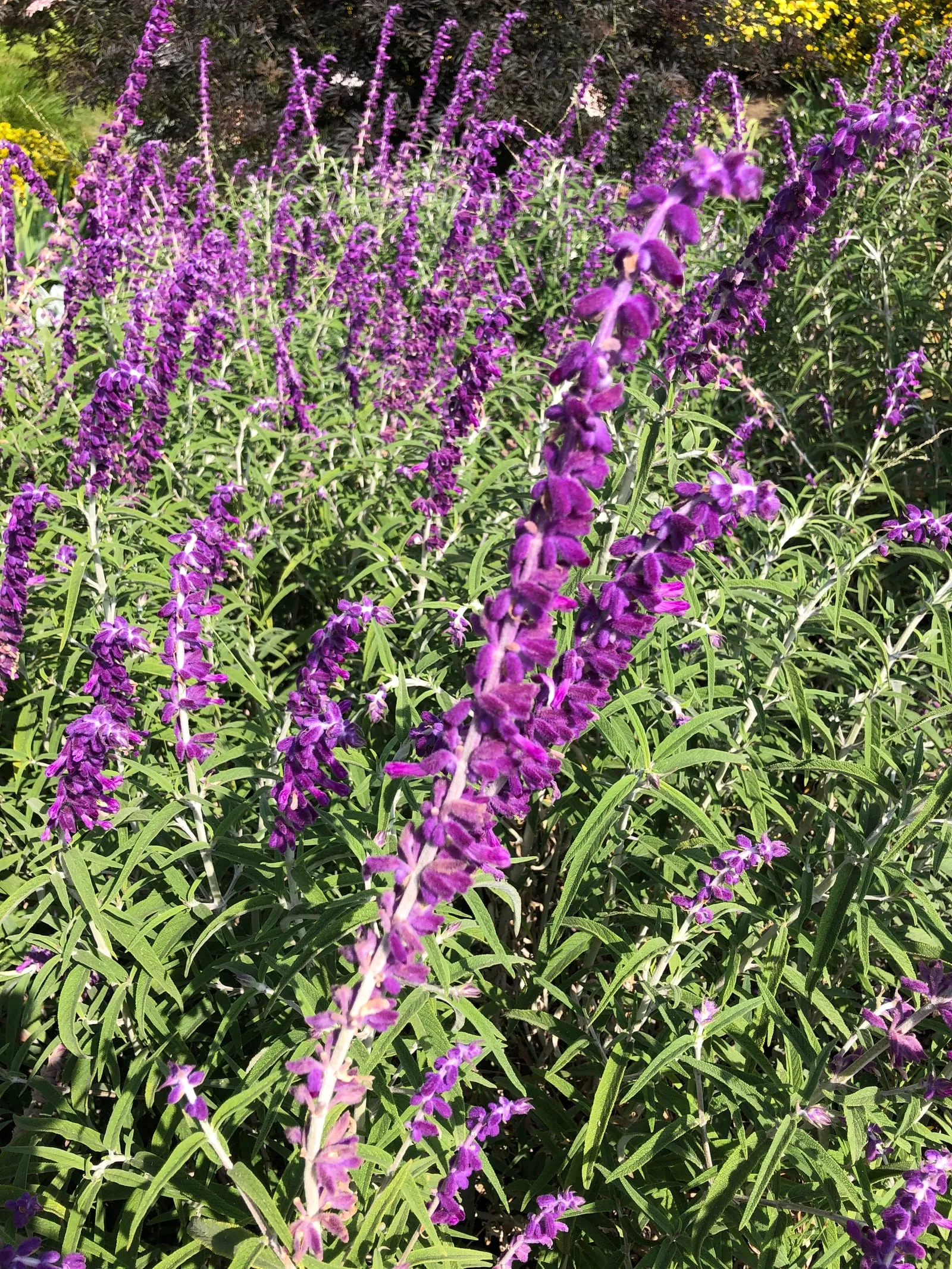 zone 5a
 Sage
Salvia officinalis
zones 4a–9a
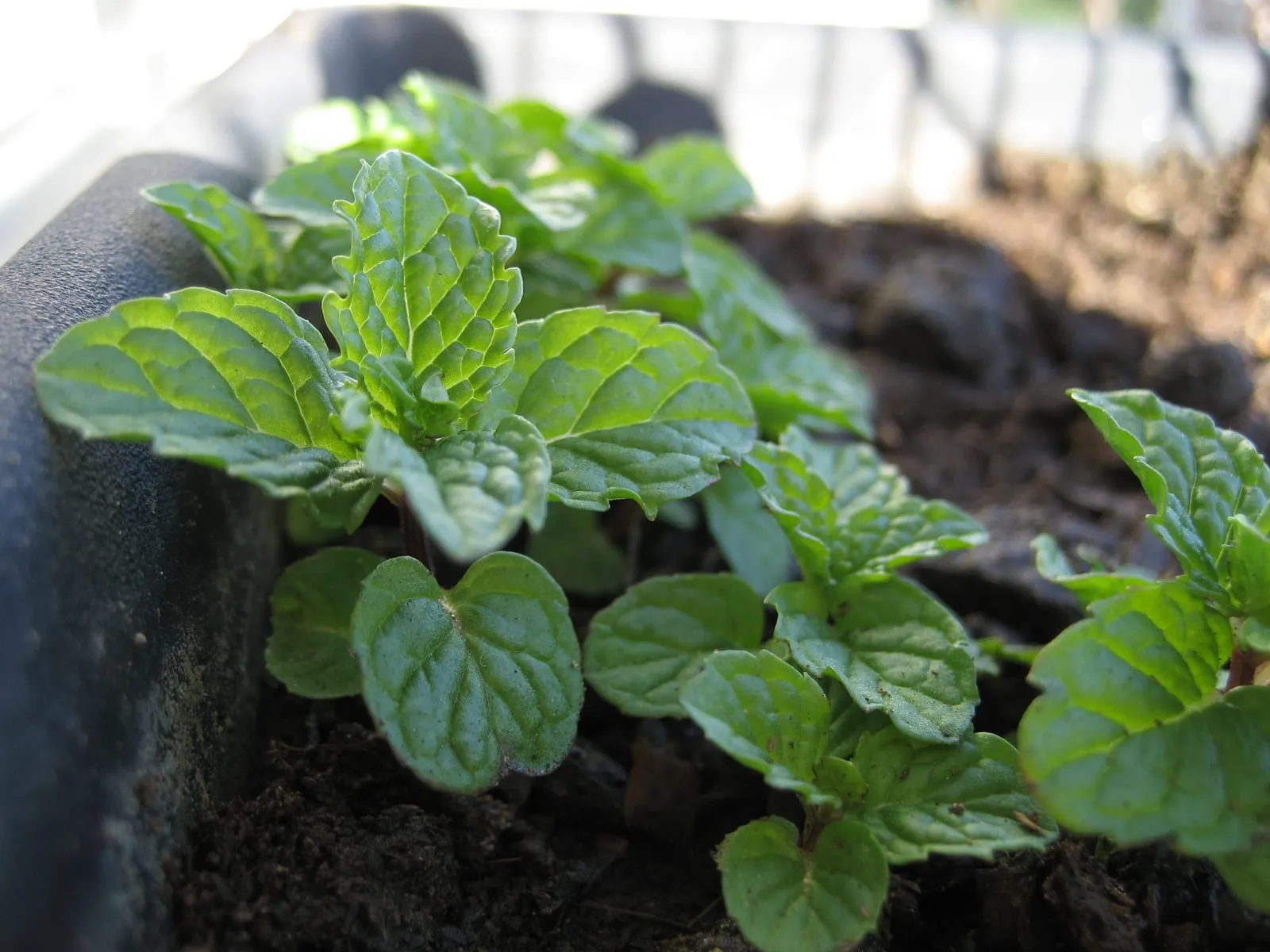 zone 5a
 Mint
Mentha species
zones 3b–9b
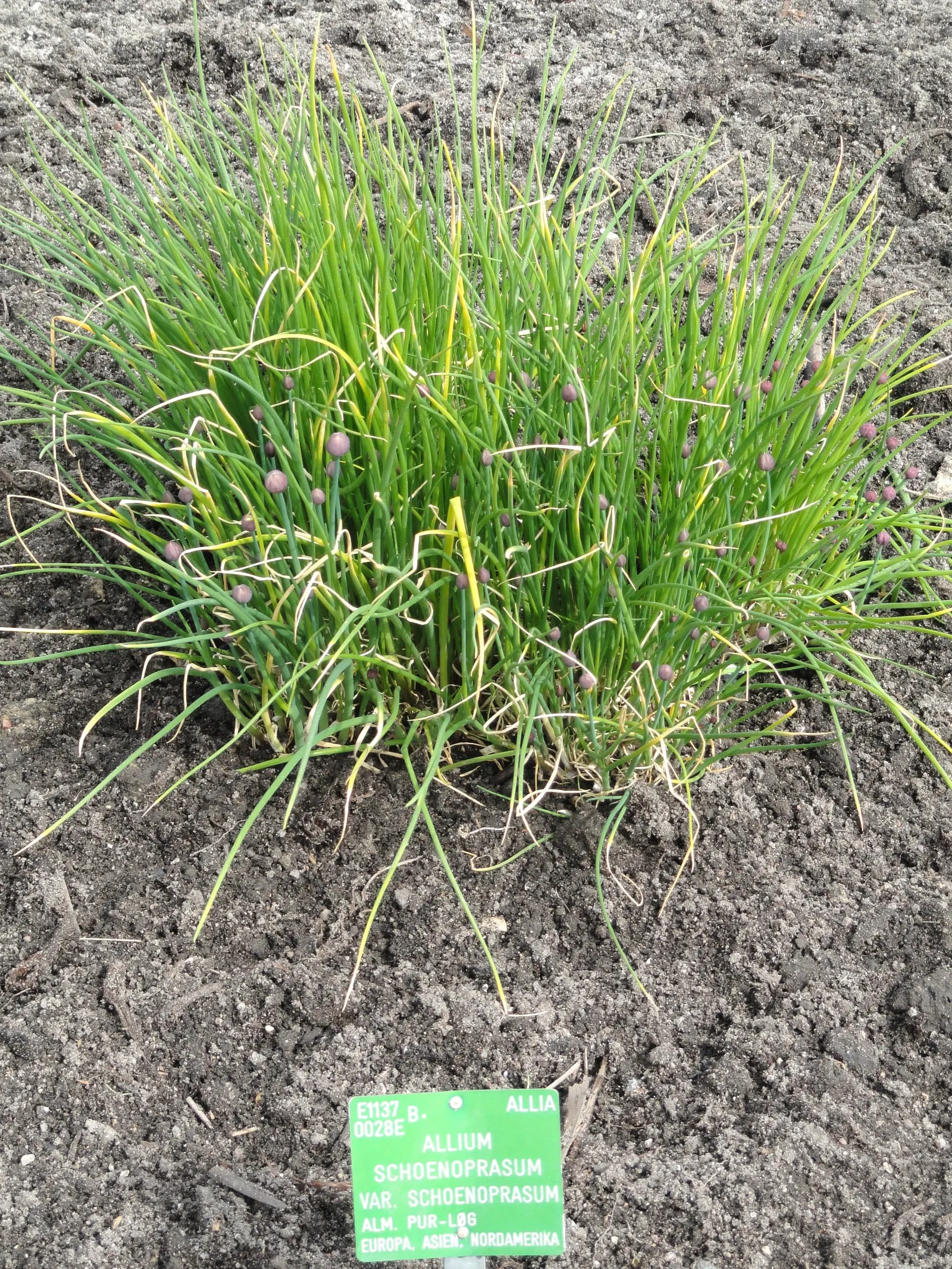 zone 5a
 Chives
Allium schoenoprasum
zones 3a–8b
When to plant
Planting calendar for zone 5a
Year-view of seed starting, transplanting, planting, pruning, fertilizing, harvest, and pest-watch windows based on the average frost timing for zone 5a.
Week ? · loading
This week in zone 5a
Quiet week in zone 5a. this week is a good time to step back and plan ahead.
Nothing critical on the calendar this week.
387 bars · 79 crops
Calendar logic combines NOAA frost normals with crop-specific timing data. Local microclimate and weather always overrules the calendar; use this as a starting point.
Frequently asked questions
- Can peach trees survive zone 5a winters?
Peach wood generally survives zone 5a winters, but flower buds are more cold-sensitive and can be killed by temperatures below -10°F to -15°F. Varieties bred for cold climates, such as Contender and Reliance, have better flower bud hardiness than standard commercial peaches. Expect crop loss in roughly one out of three to five winters even with cold-hardy selections.
- What apple varieties perform best in zone 5a?
Disease resistance is the most practical filter for zone 5a apple selection. Varieties with resistance to cedar-apple rust and scab, including Liberty, Redfree, and Enterprise, reduce the spray burden significantly. For cider and storage, Honeycrisp and Northern Spy both perform well in zone 5a, though Honeycrisp requires consistent fruit thinning to avoid biennial bearing patterns.
- How do I protect fruit tree blossoms from late spring frosts in zone 5a?
Overhead irrigation applied when temperatures drop to 32°F creates a thin ice layer that holds blossom temperature at 32°F as long as water is applied continuously through the frost event. This method requires reliable water supply and a system that can run overnight. Selecting late-blooming varieties is a lower-maintenance alternative that reduces frost exposure during the highest-risk period without active intervention.
- Does cedar-apple rust affect all apple trees in zone 5a?
Cedar-apple rust affects susceptible varieties wherever eastern red cedar (Juniperus virginiana) grows nearby, which includes much of zone 5a in the eastern United States. Resistant varieties are largely unaffected. Growers committed to susceptible varieties need a protectant fungicide program timed to the orange gall release period in spring, which correlates with extended wet periods above 46°F.
- Can sweet cherry succeed in zone 5a?
Sweet cherry can succeed in zone 5a with appropriate variety selection and site placement. Varieties developed for cold climates, including Stella, Lapins, and the bush cherry hybrid Carmine Jewel, have shown reliable hardiness in zone 5 trials. A site with good cold-air drainage reduces late frost risk during bloom, which is the primary failure point for sweet cherry at this zone rating.
- When is the best time to plant bare-root fruit trees in zone 5a?
Bare-root planting is best done in early spring as soon as the soil can be worked, typically late March through late April in zone 5a. Planting while the tree remains dormant, before bud break, gives roots time to establish before the tree must support leaf-out. Fall planting is possible but carries higher risk of winter heaving in the colder parts of the zone.
+−
+−
+−
+−
+−
+−
Related