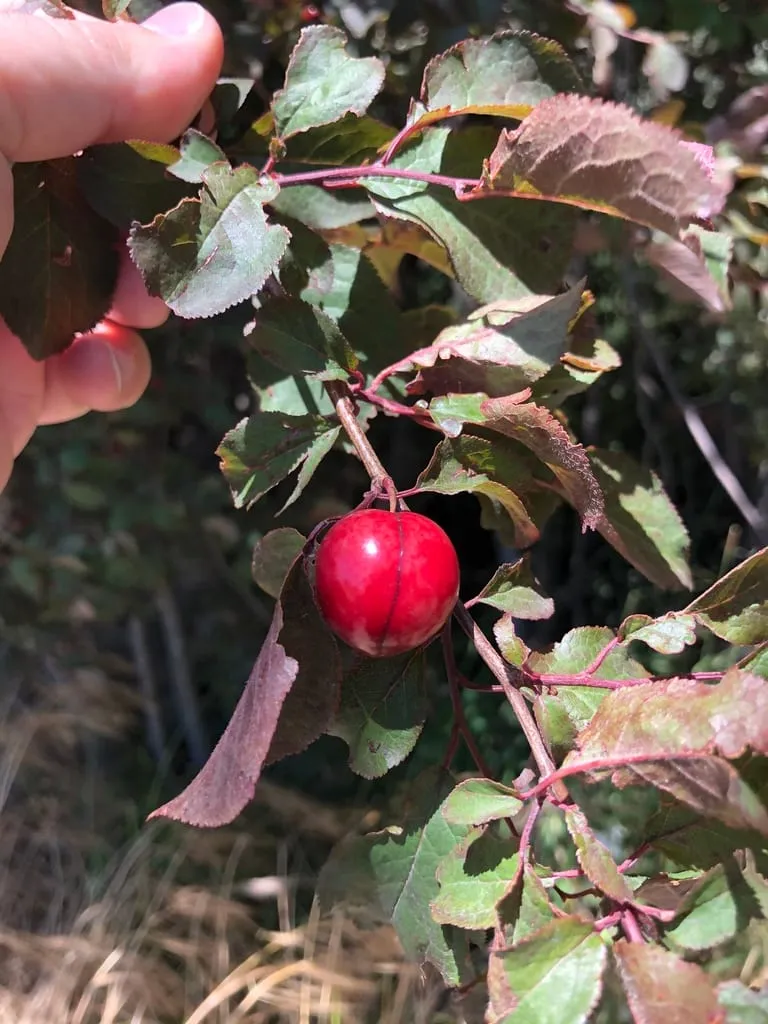
fruit tree
European Plum
Prunus domestica
USDA hardiness range
- Zones
- 4a–8a
- Chill hours
- 700 to 1000 below 45°F
- Days to harvest
- 140 to 170
- Sun
- Full
- Water
- Moderate
- Lifespan
- 20 to 25 years
Growing european plum
European plum (Prunus domestica) is a reliable fruiting tree for zones 4a through 8a, well matched to cold-winter climates where chill-hour totals between 700 and 1,000 hours are reliably met most winters. It performs consistently across the northern two-thirds of the U.S. and begins to struggle in zones 8b and warmer, where insufficient winter chill leads to erratic bloom timing and poor fruit set.
The main advantage over Japanese plum types is self-fertility. Most European varieties, including Stanley and Italian Prune, set acceptable crops without a cross-pollinator. That simplicity makes them a practical choice for small home orchards where space for multiple trees is limited, though yield improves with a second variety nearby.
What separates a productive planting from a failed one is usually the intersection of site selection and disease management. Late spring frosts are the most immediate threat: European plums bloom later than peaches but earlier than apples, and a hard frost during full bloom eliminates the crop for that year. In zones 4 and 5, choosing late-blooming varieties like Italian Prune narrows the frost exposure window.
Black knot fungal disease is the longer-term threat that surprises many first-time growers. It is endemic across much of the eastern U.S. and, if ignored, can kill limbs or the entire tree within a few seasons. Growers east of the Mississippi should treat black knot management as a baseline requirement, not an optional task.
Recommended varieties
See all 3 →3 cultivars for home growers, with notes on flavor, ripening, and disease resistance.
| Variety | Notes | Zone fit | Disease resistance |
|---|---|---|---|
| Stanley | Sweet, dense, freestone purple plum; the all-purpose plum: fresh eating, drying into prunes, baking, canning. Self-fertile and very productive. | | none noted |
| Mount Royal | Tart-sweet, juicy, blue-purple skin with golden flesh; good fresh and excellent for jam. Cold-hardy where most plums fail. | | none noted |
| Italian Prune | Very sweet, dense, freestone purple-blue; the classic drying prune with concentrated flavor. Also excellent fresh and baked. Late-ripening. | | none noted |
Soil and site requirements
European plum performs best in loamy, well-drained soil with a pH between 6.0 and 6.5. Heavy clay that retains water after rain is a persistent problem: prolonged soil saturation promotes crown rot, reduces vigor, and shortens tree life. On marginal soils, a raised bed or mounded planting hole that lifts the crown several inches above grade helps considerably.
Full sun is non-negotiable. Trees need at least six to eight hours of direct sun daily to set adequate fruit, ripen evenly, and maintain the canopy airflow that limits brown rot pressure in wet summers. Partial-shade sites produce less fruit and ripen later, compressing the harvest window into the period of highest disease pressure.
Standard-sized European plum trees are typically spaced 18 to 20 feet apart. Semi-dwarf rootstocks allow 12 to 15 feet. Planting closer and planning to compensate with heavy pruning is a common mistake; crowded trees carry chronic disease pressure regardless of pruning schedule.
Microclimate considerations matter for growers near the cold or warm edges of the hardiness range. Cold air drains downhill and settles in low spots, so frost pockets at the base of slopes see harder late-spring frosts than mid-slope sites. In zones 4 and 5, a south-facing slope adds warmth and can advance the season by a week or more, though the same site warms faster in spring, which can actually increase frost risk if trees break dormancy earlier.
Common diseases
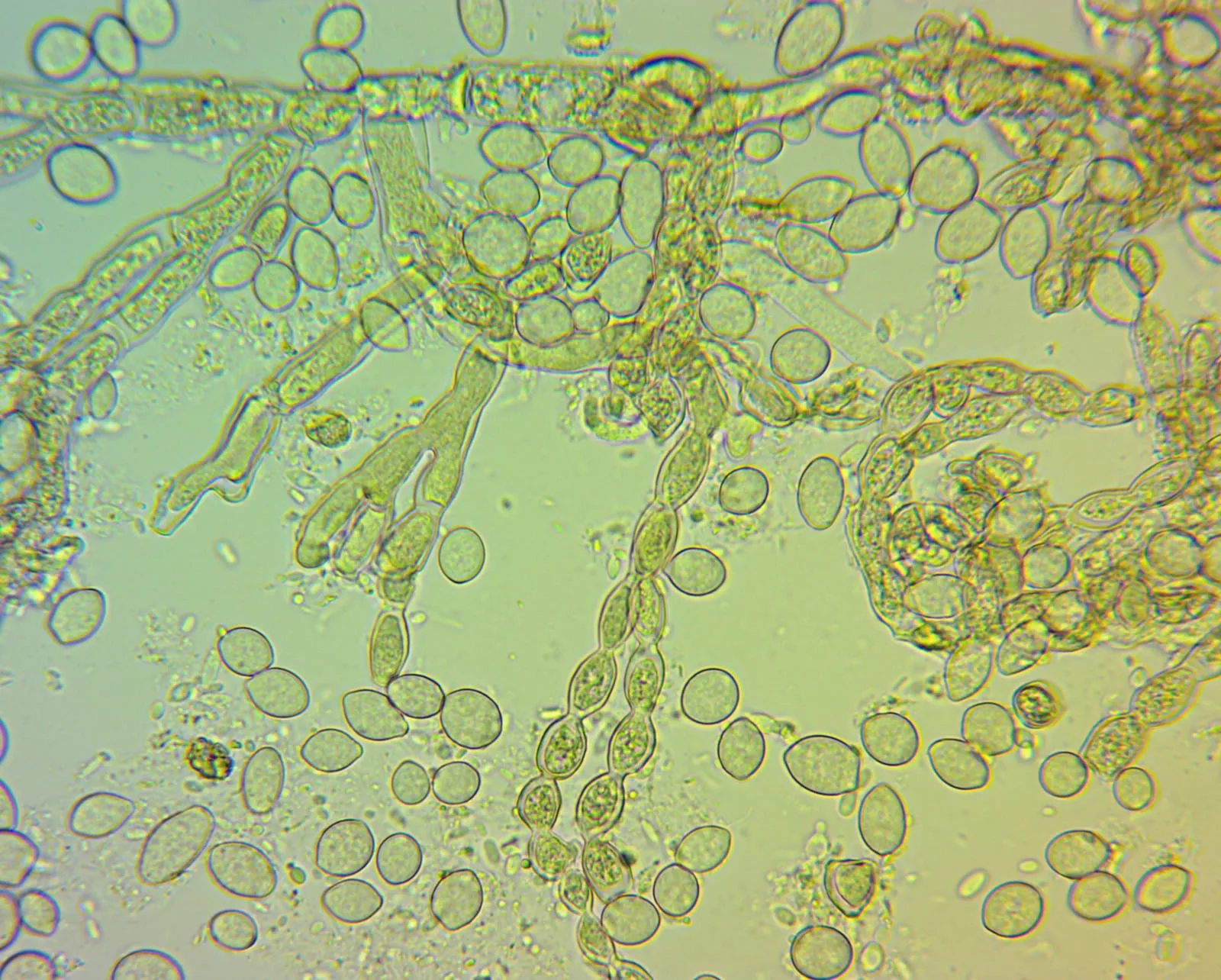
Monilinia fructicola
The most damaging stone-fruit and almond disease, causing blossom blight and fruit rot.
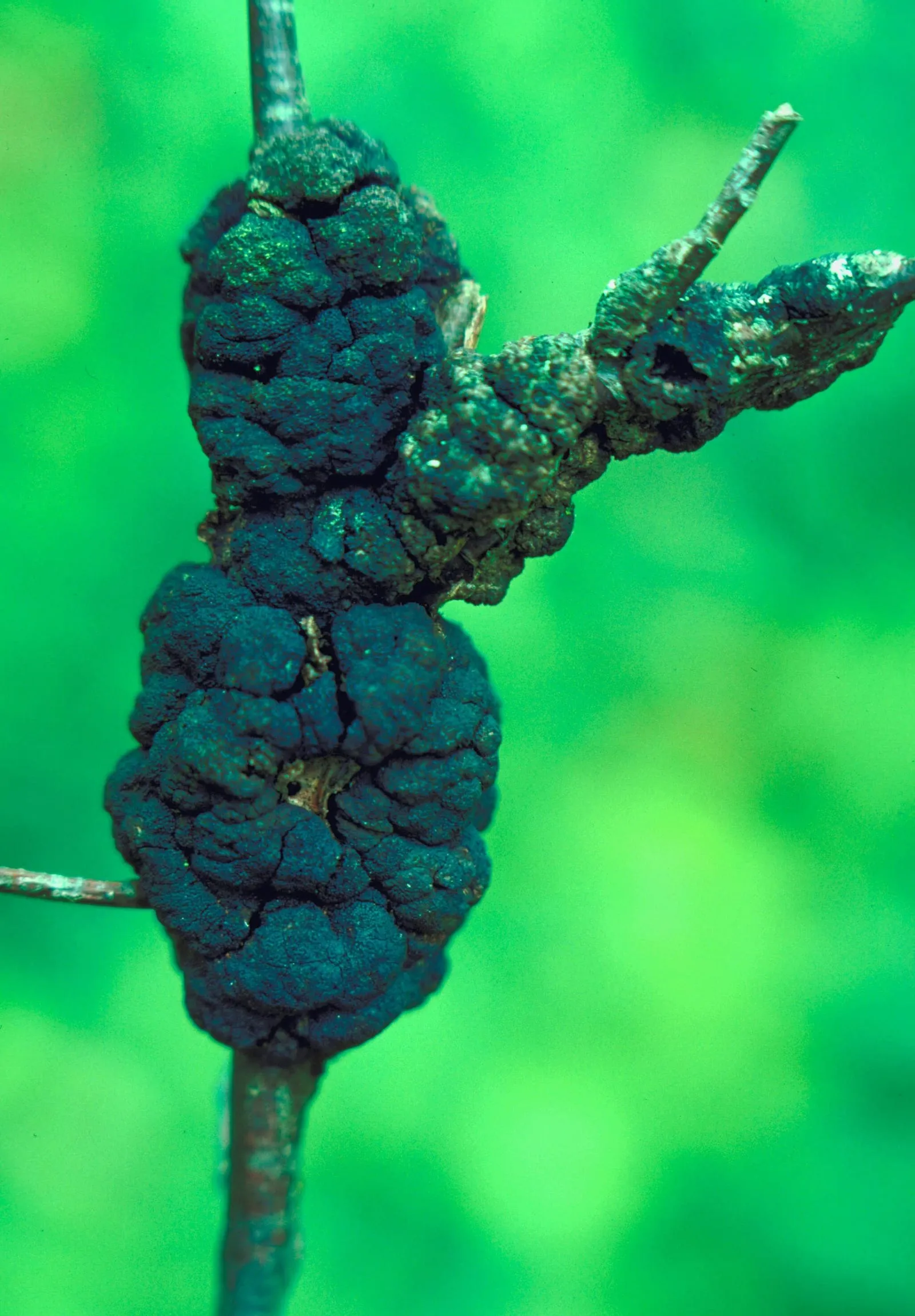
Apiosporina morbosa
Fungal disease producing characteristic black warty galls on plum and cherry branches.
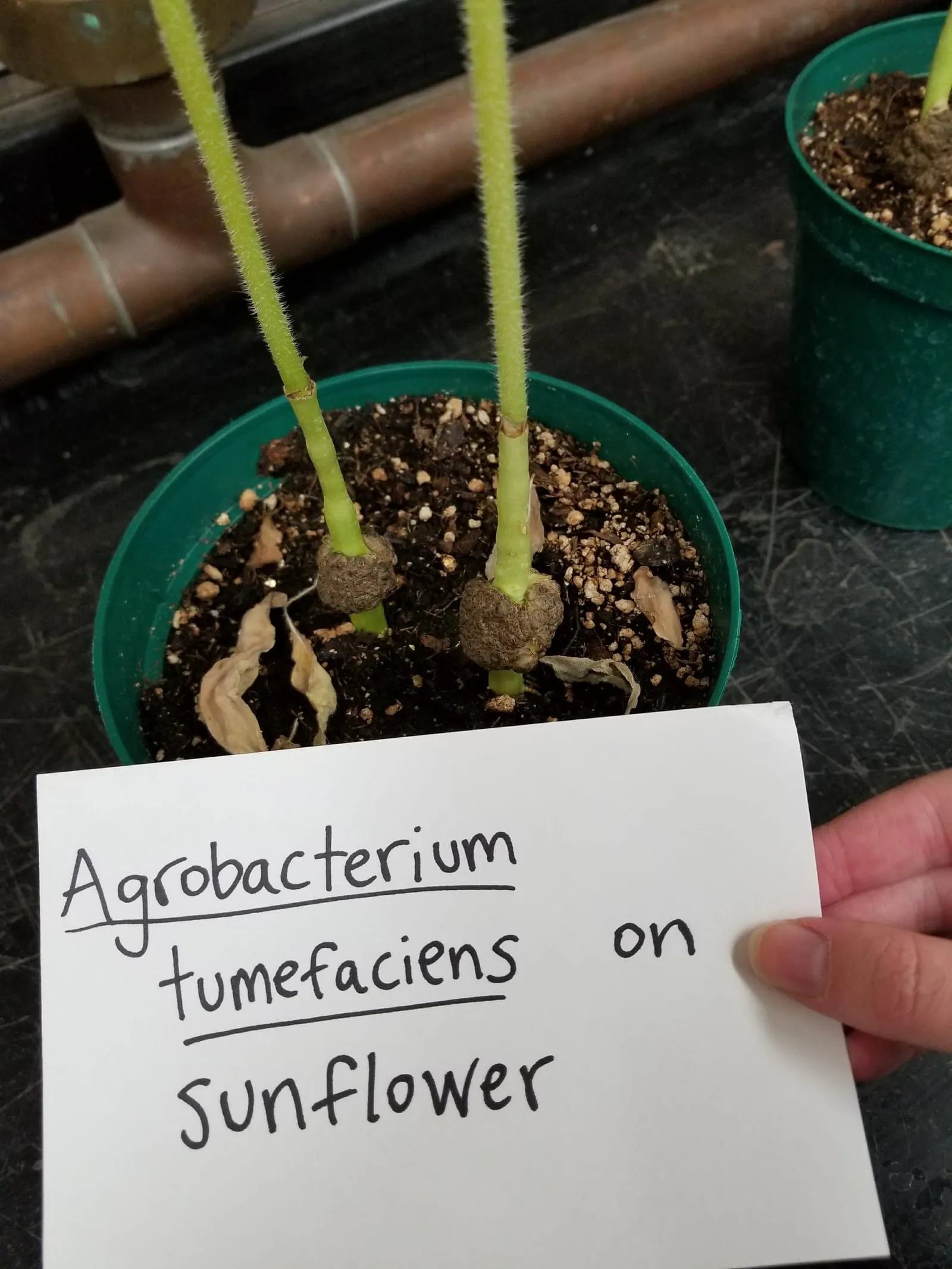
Agrobacterium tumefaciens
Soil-borne bacterium that enters plants through wounds and induces tumor-like galls on roots, crown, and lower stems. Galls reduce vigor and shorten plant lifespan; on Rubus the disease is often fatal.
Common pests
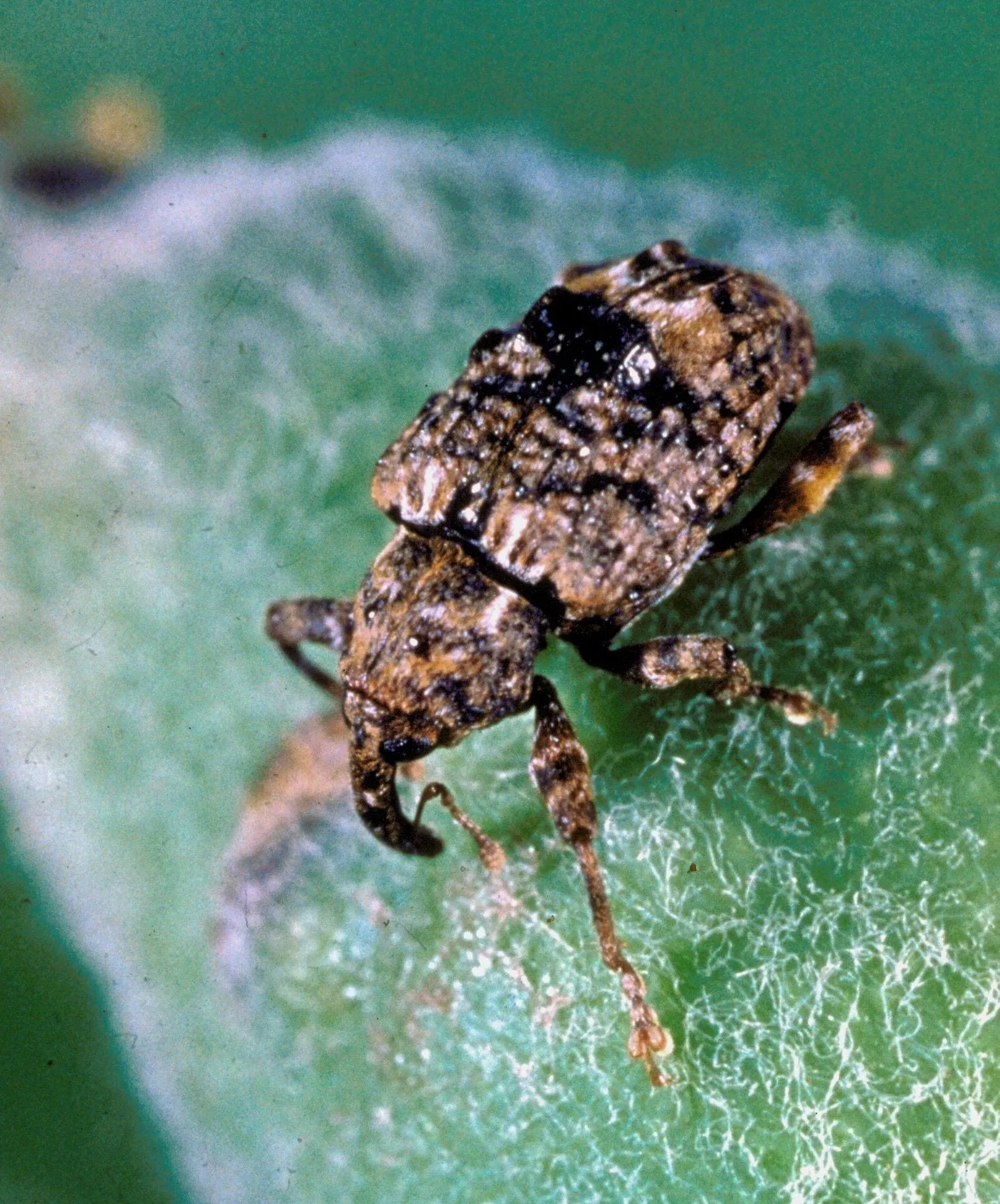
Conotrachelus nenuphar
Native weevil that lays eggs in young stone and pome fruit, causing characteristic crescent-shaped scars.
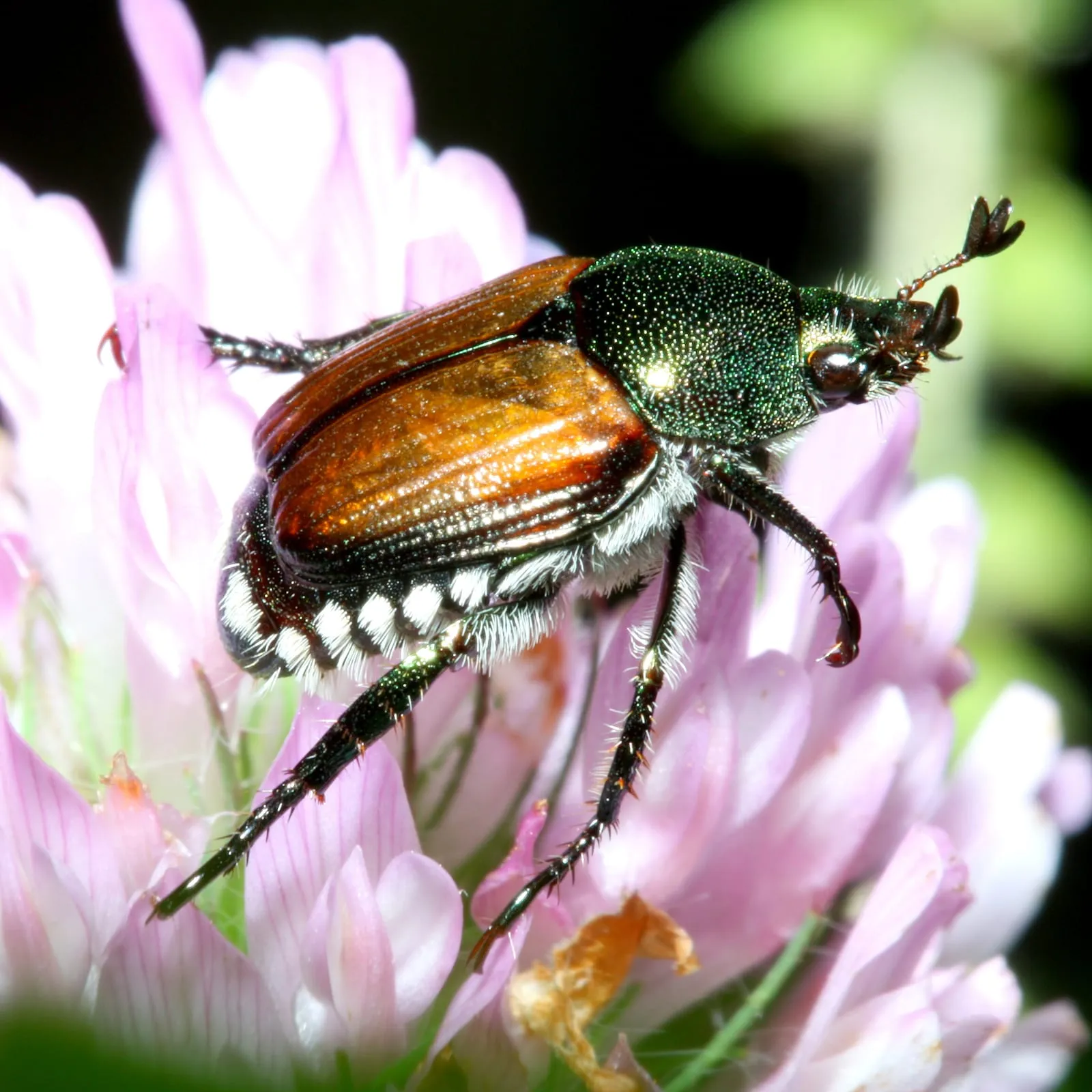
Popillia japonica
Defoliating beetle introduced to North America in 1916. Skeletonizes leaves of many fruit trees, berry canes, and pecan.
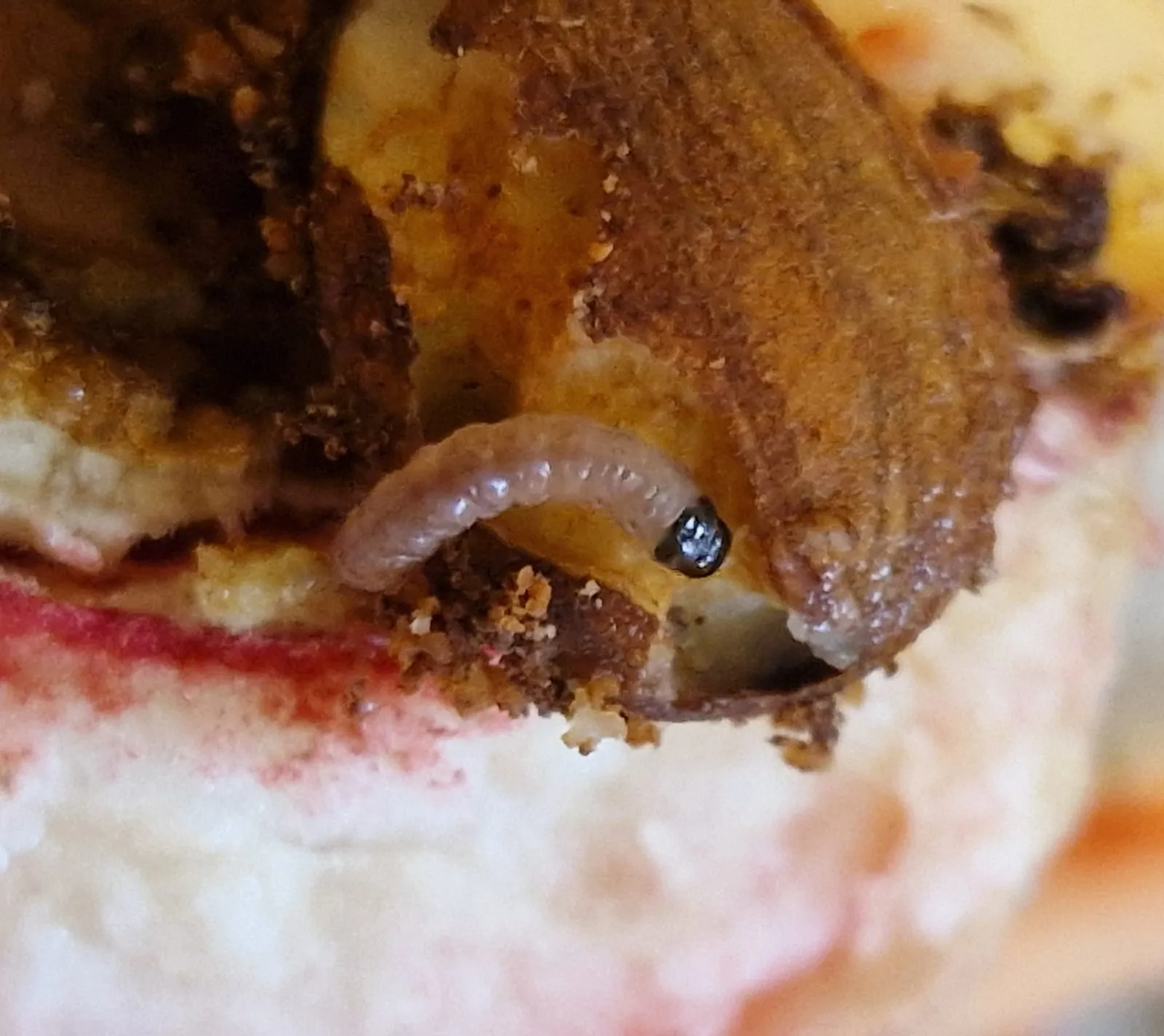
Grapholita molesta
Stone-fruit pest whose larvae tunnel into shoot tips and later into fruit.
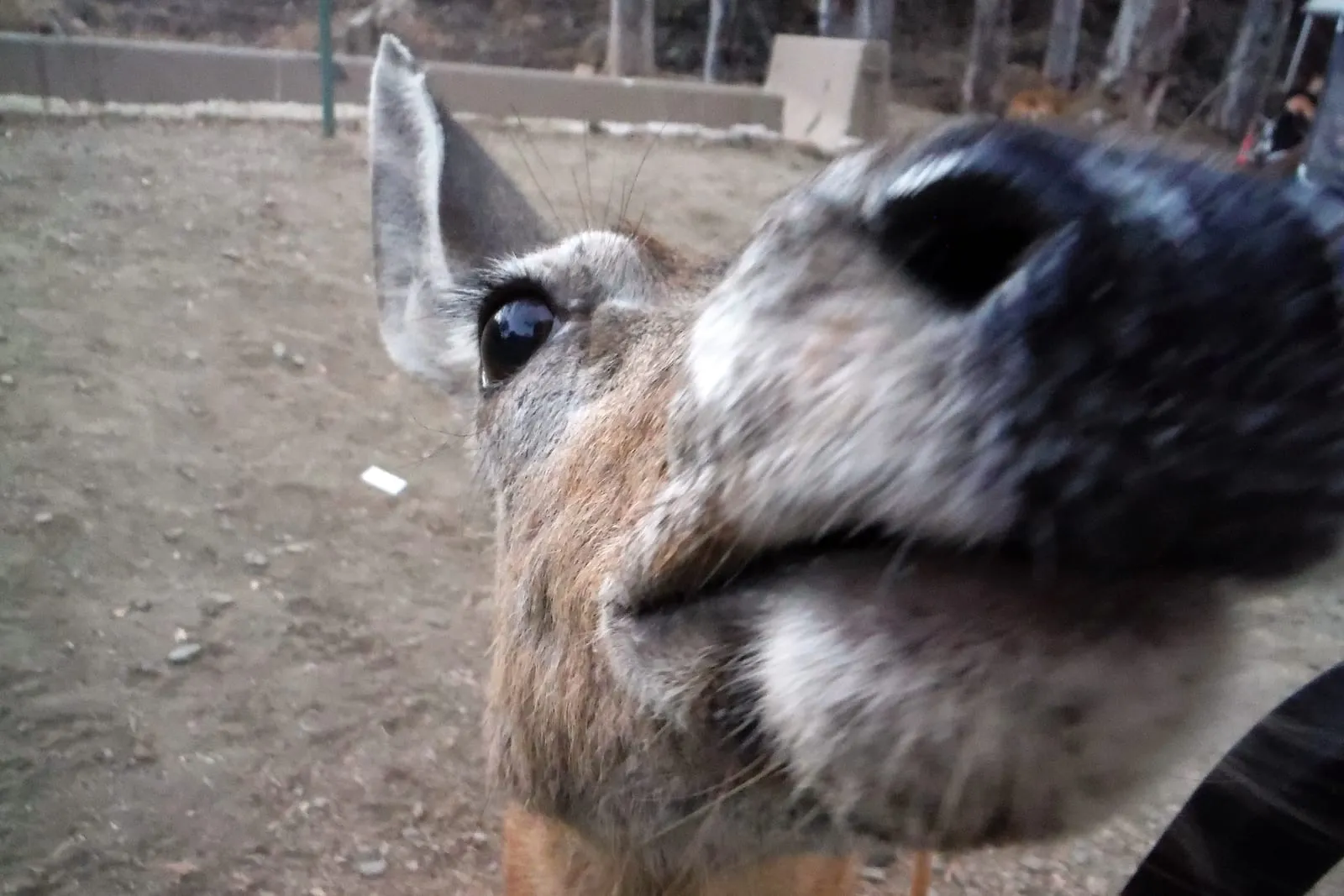
Odocoileus species
Whitetail and mule deer browse can devastate orchards and gardens, particularly in winter when food is scarce. Antler rub on young trunks kills saplings outright.
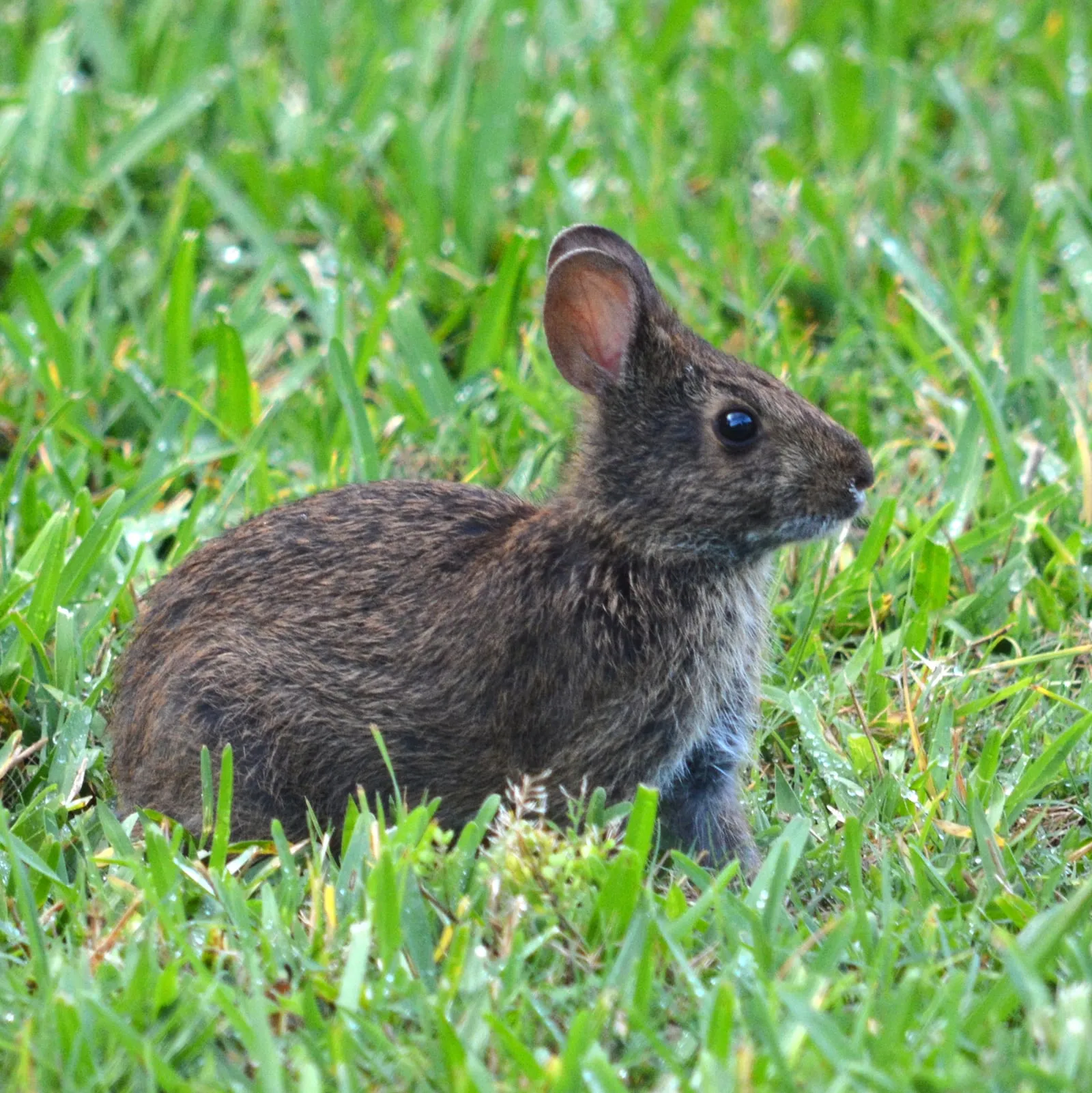
Sylvilagus and Lepus species
Cottontails and jackrabbits strip bark from young fruit trees in winter and graze tender garden vegetables year-round, especially seedlings.
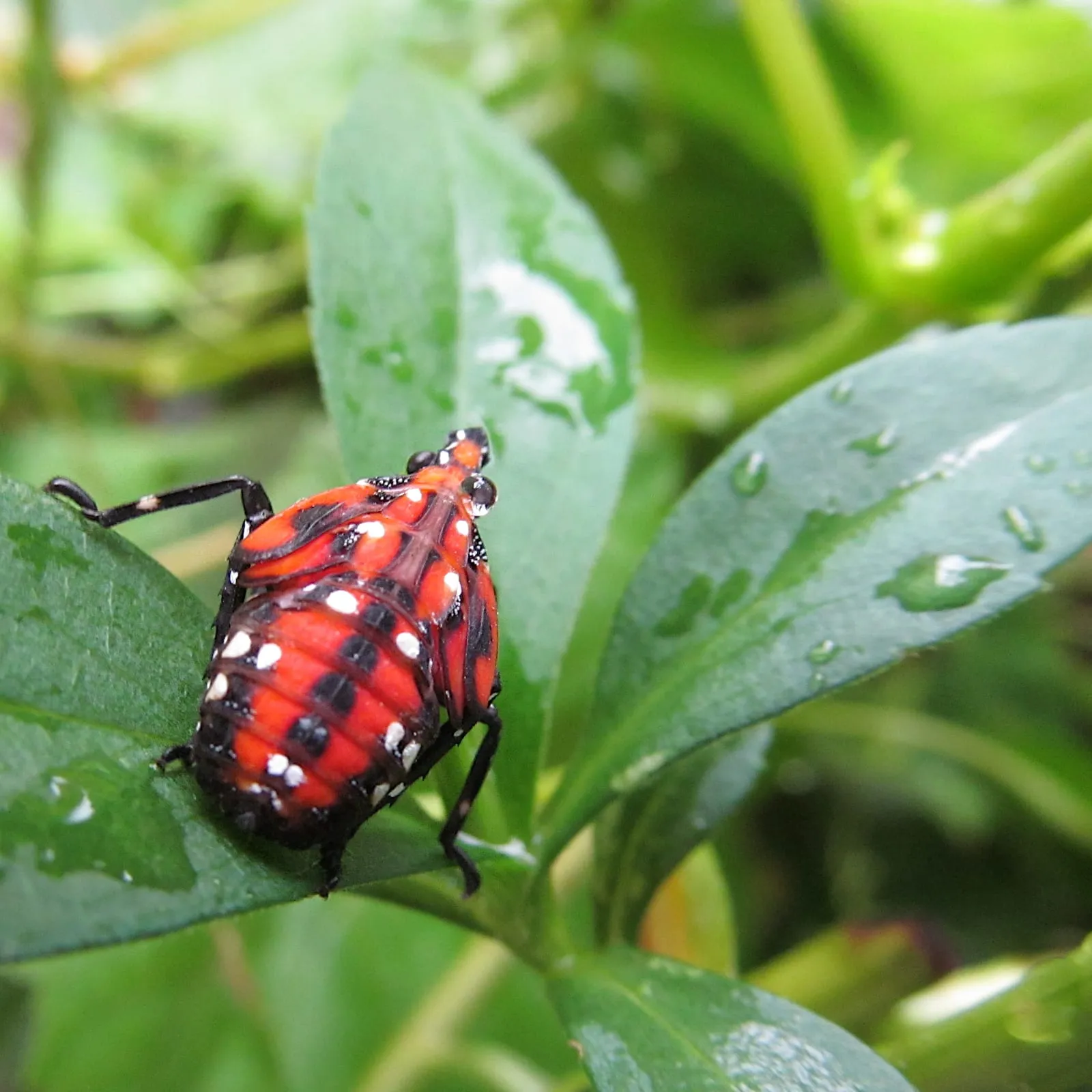
Lycorma delicatula
Invasive planthopper from Asia first detected in Pennsylvania 2014, now spreading through the Eastern US. Direct feeding weakens trees; honeydew supports sooty mold and reduces fruit quality.
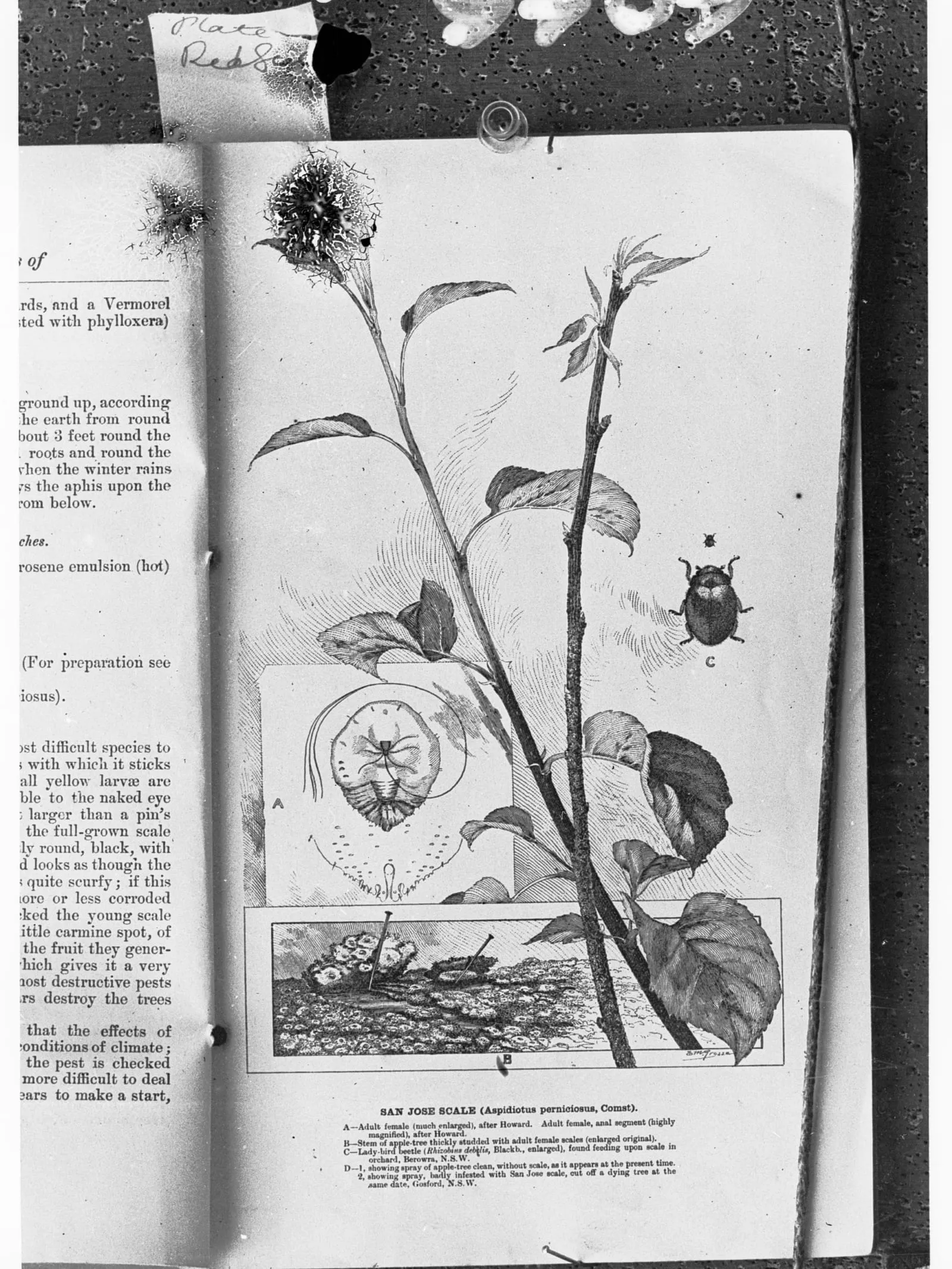
Quadraspidiotus perniciosus
Tiny armored scale insect that encrusts bark, branches, and fruit. Heavy infestations weaken trees and produce red haloed spots on fruit at harvest. Persistent year-over-year if not controlled.
Common challenges
Black knot is the most underestimated problem for growers in the eastern U.S. The fungal pathogen Apiosporina morbosa produces distinctive black, elongated galls on stems and branches. Left unmanaged, galls girdle limbs and progressively kill the tree. The disease spreads readily from nearby wild plum and chokecherry (Prunus virginiana), which grow throughout much of the East and serve as a persistent inoculum reservoir. The minimum management threshold in endemic areas is annual dormant pruning to remove all visible galls (cutting at least 4 inches below the gall margin), combined with fungicide applications from green tip through petal fall. Delaying management by even one or two seasons allows infection to spread into scaffold branches where removal causes serious structural damage.
Late frost at bloom is the second major failure point. In zones 5 through 7, European plums typically bloom between late March and mid-April, a window that coincides with meaningful late-frost probability across much of the region. Frost protection methods like wind machines or overhead irrigation are impractical at the home orchard scale. Choosing late-blooming varieties and avoiding frost-pocket sites are the more realistic strategies.
Chill-hour shortfall is a less frequent but real risk for growers in zones 7b and 8a. Most European plum varieties require 700 to 1,000 chill hours. In mild winters across the Southeast, years with totals below 700 hours do occur; in those years, bloom timing becomes uneven and fruit set drops significantly. Cornell Tree Fruit maintains variety-level chill-hour data that is useful for matching variety selection to local climate records.
Grafting and rootstocks
Companion plants
Frequently asked questions
- How many chill hours do European plums require?
Most European plum varieties require between 700 and 1,000 chill hours (hours below 45 degrees F during dormancy). This range makes them well suited to zones 4 through 7 and marginal in zone 8a, where mild winters may fall short of the minimum in some years.
- How long does it take a European plum to produce fruit?
European plums typically begin bearing fruit 3 to 5 years after planting, depending on rootstock and site conditions. From bloom to harvest ranges from 140 to 170 days depending on variety, with early varieties ripening in mid-summer and late varieties like Italian Prune ripening in early fall.
- What USDA hardiness zones support European plums?
European plums are reliably grown in zones 4a through 8a. They perform best in zones 5 through 7, where chill-hour requirements are consistently met and summer heat is sufficient to ripen fruit fully. Zone 8b and warmer regions generally do not accumulate enough winter chill for reliable crops.
- Do European plums need a cross-pollinator?
Most European plum varieties are self-fertile and will set a crop without a second tree. Stanley, Mount Royal, and Italian Prune are all self-fertile. Yield typically improves with cross-pollination from a second compatible variety, but it is not required the way it is for sweet cherries or most apple varieties.
- What is the most serious disease threat for European plums?
Black knot (Apiosporina morbosa) is the most damaging fungal disease for European plums in the eastern U.S. It produces hard black galls on stems and branches that girdle and kill affected wood. Annual dormant pruning to remove galls and a fungicide program starting at green tip are the standard management approach.
- Is European plum the same as a prune plum?
Yes. Prune plums are European plums (Prunus domestica) selected and dried for their dense, sweet, low-moisture flesh. Varieties like Stanley and Italian Prune can be eaten fresh, baked, or dried into prunes. The category name 'prune plum' refers to the drying use case, not a distinct species.
- How long do European plum trees live?
With good site selection and regular management, European plum trees typically live 20 to 25 years. Trees that develop severe black knot infections or are planted in poorly drained soil often decline significantly earlier. Proper dormant pruning and disease management are the most important factors in reaching the full productive lifespan.
+−
+−
+−
+−
+−
+−
+−
Sources
Image: "Plum", by Nathan Odgers, via iNaturalist, licensed under CC-BY. Source.
European Plum by zone
Related