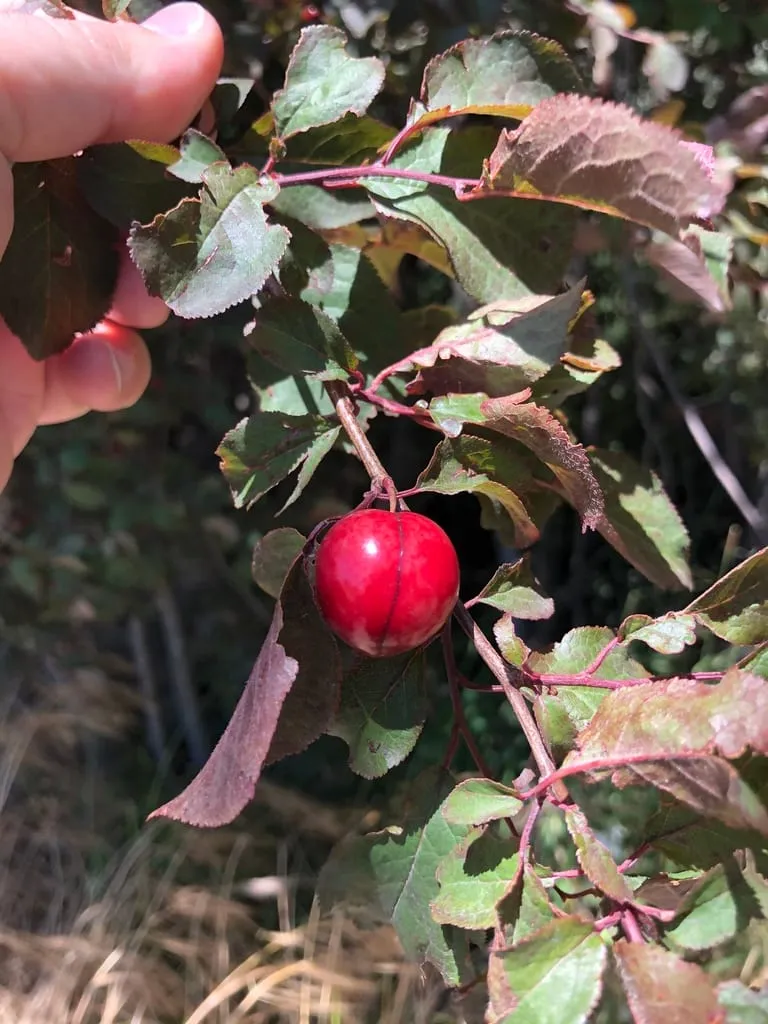
fruit tree in zone 4b
Growing european plum in zone 4b
Prunus domestica
- Zone
- 4b -25°F to -20°F
- Growing season
- 130 days
- Chill needed
- 700 to 1000 below 45°F
- Suitable varieties
- 1
- Days to harvest
- 140 to 170
The verdict
Zone 4b sits at the cold edge of viable European plum territory, with winter lows reaching -25 to -20°F. Most European plum cultivars are rated hardy to roughly -20°F to -25°F, so the temperature floor here tests the outer limit of species tolerance. Chill-hour accumulation is not the limiting factor: zone 4b winters reliably deliver well above the 700 to 1,000 hours European plum requires, often clearing that threshold by late January or February.
The real constraint is variety selection. A cultivar without documented cold hardiness for zone 4 will cycle through dieback and slow recovery without producing reliably. Mount Royal is the standout option here, bred for cold-climate performance and consistently rated for zone 4. On a favorable site with the right variety, European plum is a workable choice in zone 4b rather than a marginal gamble, but treating variety selection as optional is how growers end up with a tree that survives but never fruits.
Recommended varieties for zone 4b
1 cultivar suited to this zone, with disease-resistance and zone-fit annotations.
| Variety | Notes | Zone fit | Disease resistance |
|---|---|---|---|
| Mount Royal fits zone 4b | Tart-sweet, juicy, blue-purple skin with golden flesh; good fresh and excellent for jam. Cold-hardy where most plums fail. | | none noted |
Critical timing for zone 4b
European plum blooms in late April to mid-May in zone 4b, with the exact window shifting by a week or more depending on how quickly spring temperatures build. The intersection with the zone's frost calendar is the primary crop risk: last frost dates in zone 4b commonly extend into late May, meaning open flowers face genuine freezing exposure in many springs. Growers should expect some crop loss in late-frost years and treat full harvests as a good outcome rather than a baseline expectation.
For varieties like Mount Royal, harvest falls in late August to early September. The 130-day growing season is sufficient, provided the tree clears the bloom frost gauntlet. Once past mid-June, the season is long enough to bring fruit to full maturity before first fall frost.
Common challenges in zone 4b
- ▸ Spring frost timing
- ▸ Apple scab pressure
- ▸ Cane berry winter dieback
Disease pressure to watch for
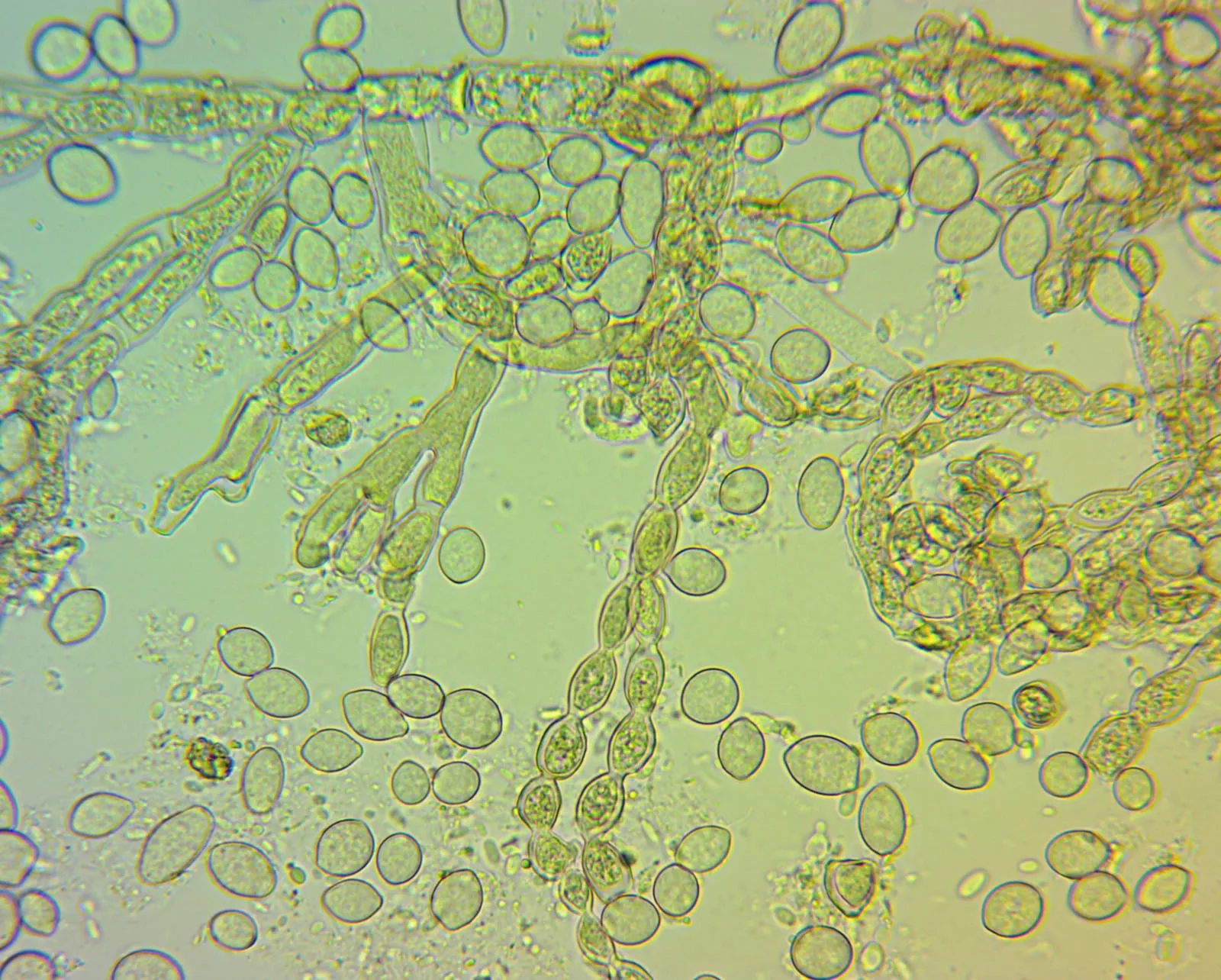
Monilinia fructicola
The most damaging stone-fruit and almond disease, causing blossom blight and fruit rot.
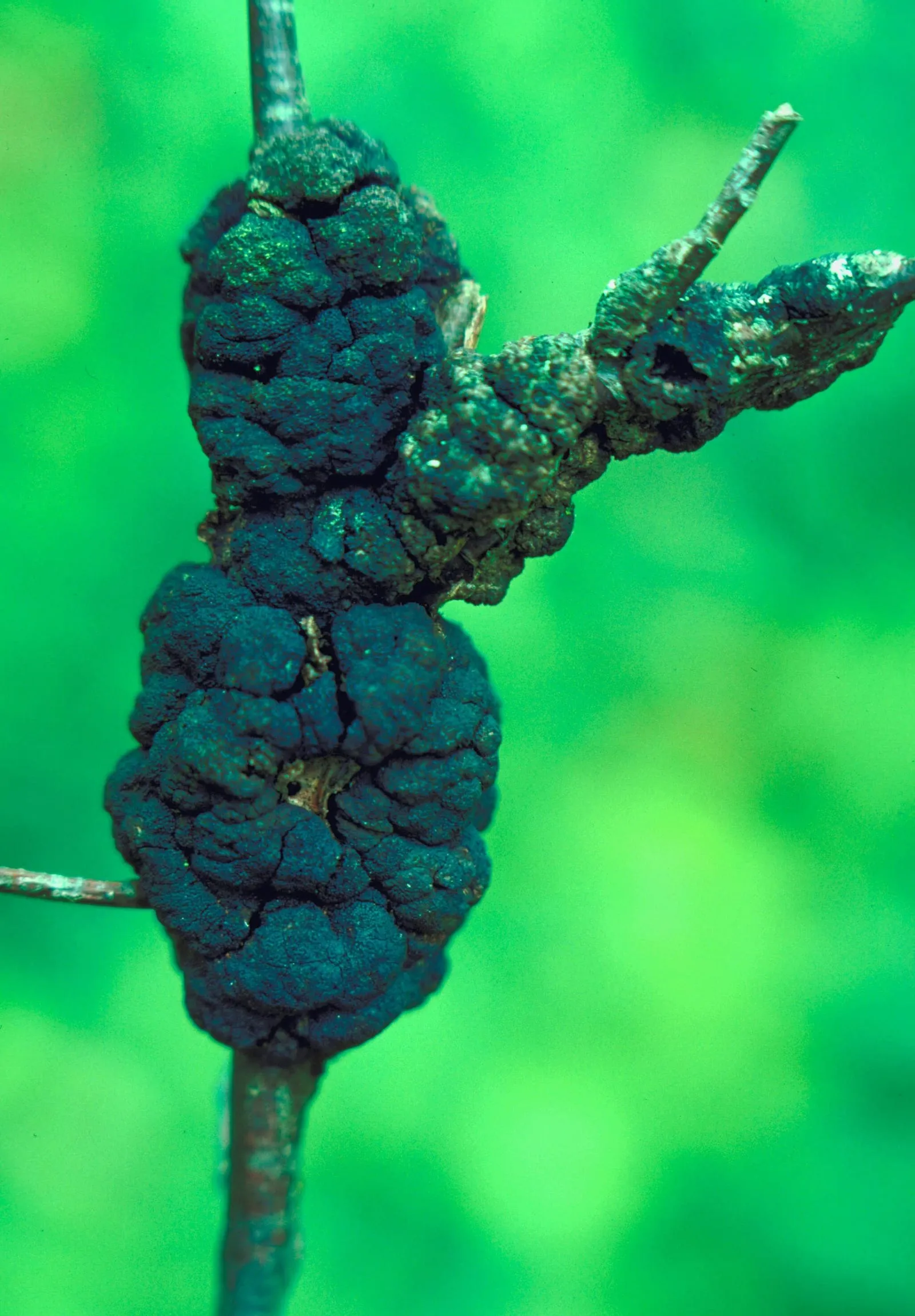
Apiosporina morbosa
Fungal disease producing characteristic black warty galls on plum and cherry branches.
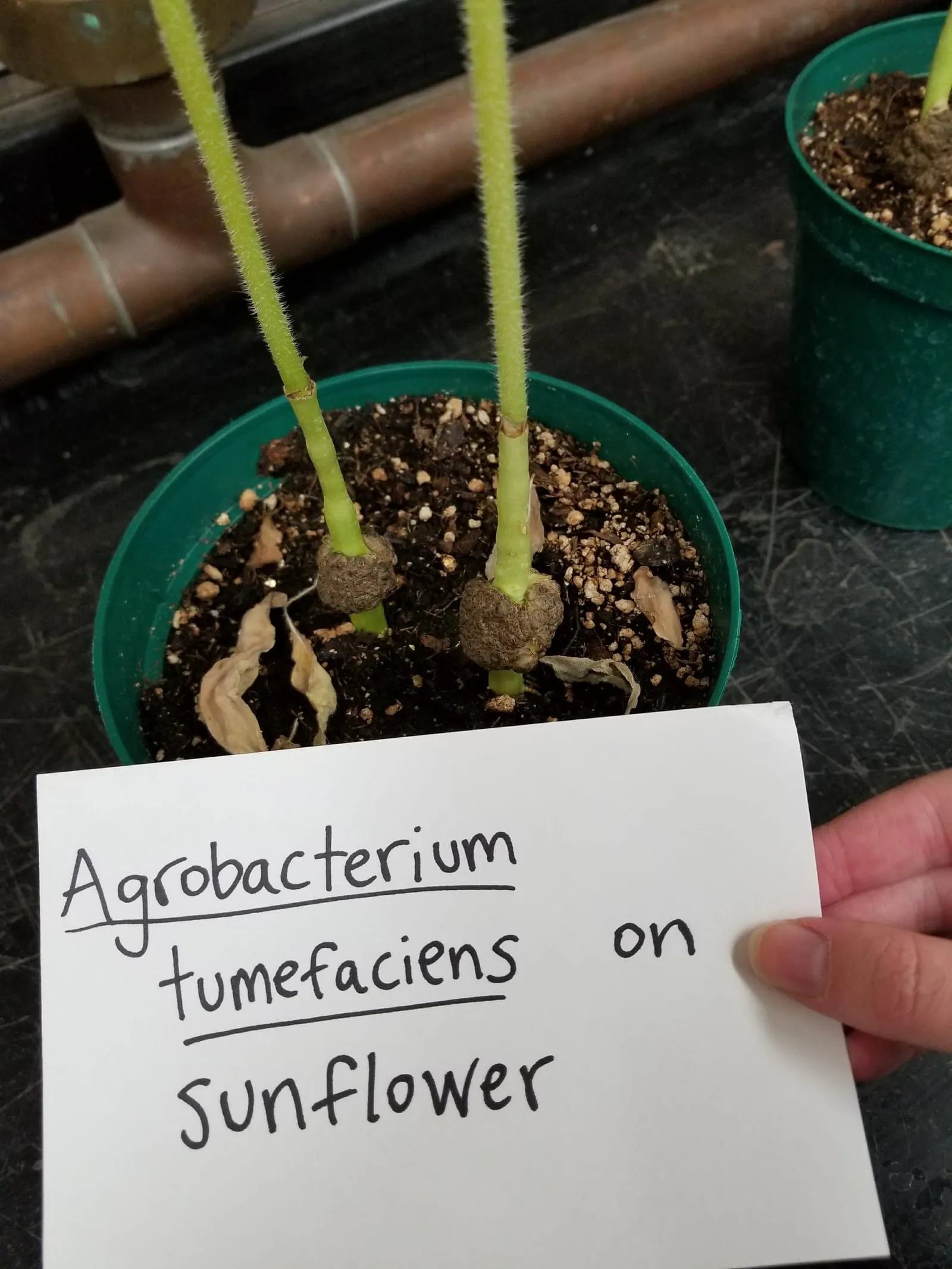
Agrobacterium tumefaciens
Soil-borne bacterium that enters plants through wounds and induces tumor-like galls on roots, crown, and lower stems. Galls reduce vigor and shorten plant lifespan; on Rubus the disease is often fatal.
Modified care for zone 4b
Site selection carries more weight in zone 4b than in the warmer half of European plum's range. A south- or southeast-facing slope with unobstructed air drainage reduces bloom-time frost exposure meaningfully. Low spots, valley floors, and areas where cold air pools are poor choices regardless of soil quality.
Black Knot is the disease management priority in this region. The fungus overwinters in infected wood and builds quickly if pruning is deferred. Removing infected branches each dormant season, cutting at least 4 inches below any visible gall, keeps pressure manageable. Brown Rot is less severe in cool zones but warrants attention during wet stretches near harvest.
Trunk wraps during the first two winters reduce sunscald and frost-crack damage, both of which are more common at the temperature extremes typical of zone 4b. Remove wraps in spring to prevent moisture retention.
Frequently asked questions
- Can European plum survive zone 4b winters?
With the right variety, yes. Zone 4b lows reach -25 to -20°F, which is near the cold limit for the species. Cold-hardy selections like Mount Royal are rated for zone 4 and handle those temperatures reliably. Less cold-hardy cultivars will suffer significant dieback and should be avoided.
- Does zone 4b accumulate enough chill hours for European plum?
Comfortably. European plum requires 700 to 1,000 chill hours, and zone 4b winters exceed that range in virtually every year. Chill-hour deficiency is not a concern in this zone; the limiting factors are cold hardiness and spring frost timing at bloom.
- What is Black Knot and how serious is it for plums in this zone?
Black Knot is a fungal disease that forms hard, elongated galls on branches and eventually girdles them. It is a persistent problem for plums throughout the northern Midwest and Northeast. Annual dormant pruning to remove infected wood is the most effective management strategy. Neglected trees can become severely disfigured within a few seasons.
- When does European plum bloom in zone 4b?
Bloom typically occurs in late April to mid-May in zone 4b. Because last frost dates in this zone can extend into late May, bloom-time frost is a recurring risk. Site selection on a frost-protected slope reduces but does not eliminate exposure.
+−
+−
+−
+−
European Plum in adjacent zones
Image: "Plum", by Nathan Odgers, via iNaturalist, licensed under CC-BY Source.
Related