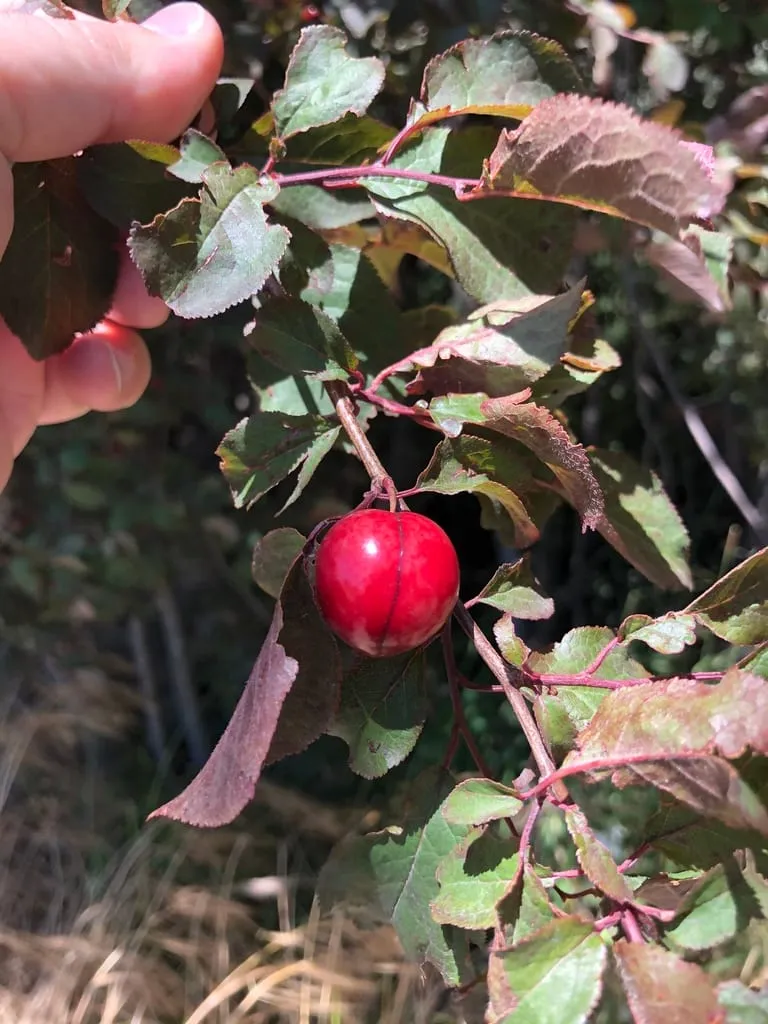
fruit tree in zone 5a
Growing european plum in zone 5a
Prunus domestica
- Zone
- 5a -20°F to -15°F
- Growing season
- 150 days
- Chill needed
- 700 to 1000 below 45°F
- Suitable varieties
- 3
- Days to harvest
- 140 to 170
The verdict
European plum is well-suited to zone 5a. The crop's chill-hour requirement of 700 to 1,000 hours is reliably met across most of the zone, where winters routinely deliver 1,000 or more hours below 45°F. The zone's minimum temperatures (-20°F to -15°F) sit at the edge of what established European plum trees tolerate, but the varieties best matched to this zone, including Mount Royal and Stanley, carry documented cold hardiness to around -20°F. This makes zone 5a a workable fit rather than a marginal one.
The main tension is not cold hardiness but late spring frosts. European plums bloom earlier than many growers expect, and a hard frost in late April can strip flowers before pollination completes. A site with good air drainage reduces frost pocket risk significantly. A 150-day growing season, typical for zone 5a, is adequate for Stanley and Italian Prune to reach full ripeness before fall frosts.
Recommended varieties for zone 5a
3 cultivars suited to this zone, with disease-resistance and zone-fit annotations.
| Variety | Notes | Zone fit | Disease resistance |
|---|---|---|---|
| Stanley fits zone 5a | Sweet, dense, freestone purple plum; the all-purpose plum: fresh eating, drying into prunes, baking, canning. Self-fertile and very productive. | | none noted |
| Mount Royal fits zone 5a | Tart-sweet, juicy, blue-purple skin with golden flesh; good fresh and excellent for jam. Cold-hardy where most plums fail. | | none noted |
| Italian Prune fits zone 5a | Very sweet, dense, freestone purple-blue; the classic drying prune with concentrated flavor. Also excellent fresh and baked. Late-ripening. | | none noted |
Critical timing for zone 5a
In zone 5a, European plums typically open bloom in late April, depending on elevation, local microclimate, and the specific variety. Mount Royal tends to be slightly earlier than Stanley. The zone's average last frost date often falls in early to mid-May, meaning bloom and frost risk overlap directly. Growers in lower-lying areas or valleys should expect this overlap to be more frequent.
Harvest falls from late August through mid-September for most European plum varieties suited to this zone. Italian Prune ripens slightly earlier than Stanley. The 150-day growing season provides enough time for fruit to develop fully, but a cold, early fall can shorten the window. Monitoring 10-day forecasts through September is worthwhile in years with an early frost pattern.
Common challenges in zone 5a
- ▸ Fire blight in pears
- ▸ Cedar-apple rust
- ▸ Late spring frosts
Disease pressure to watch for
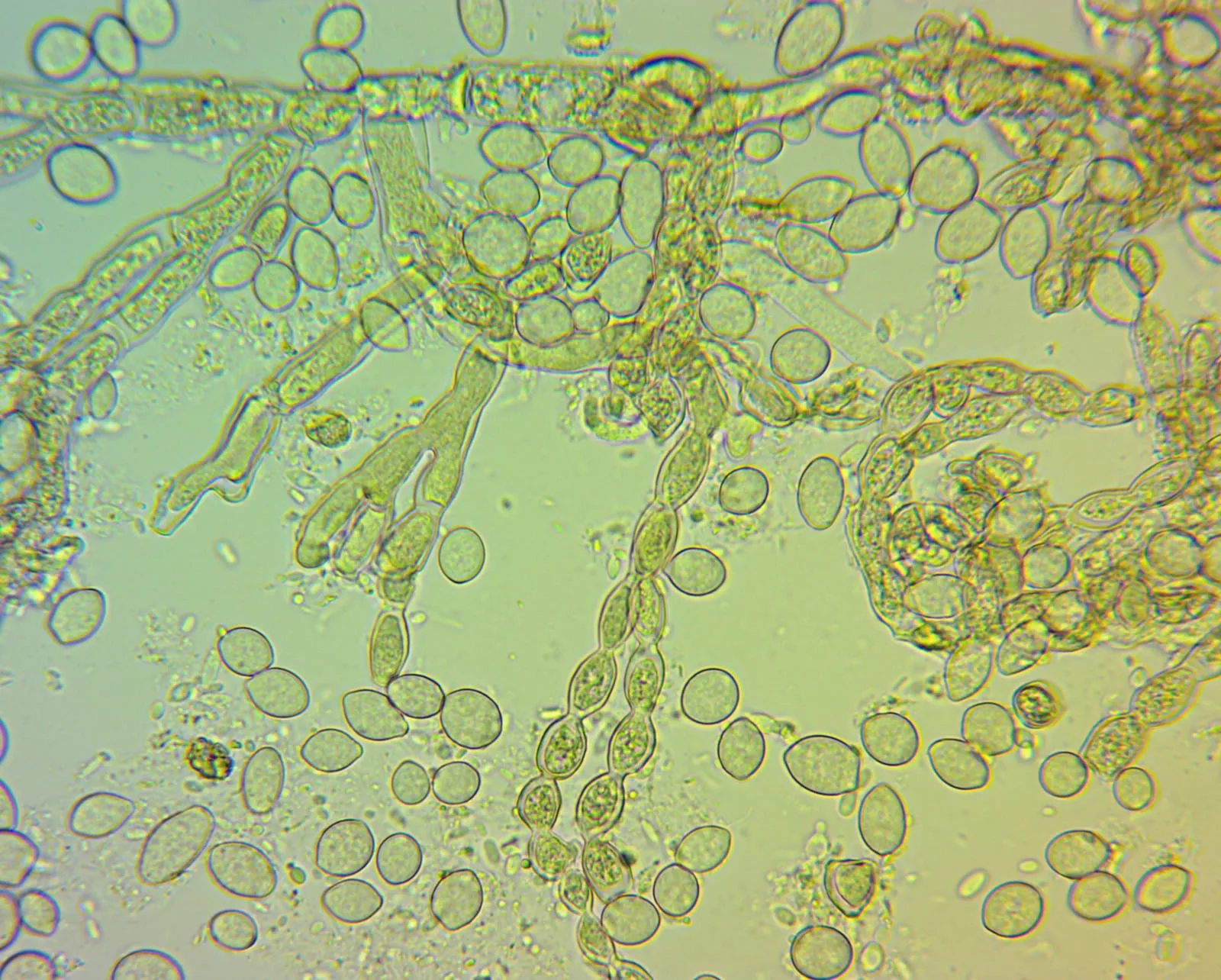
Monilinia fructicola
The most damaging stone-fruit and almond disease, causing blossom blight and fruit rot.
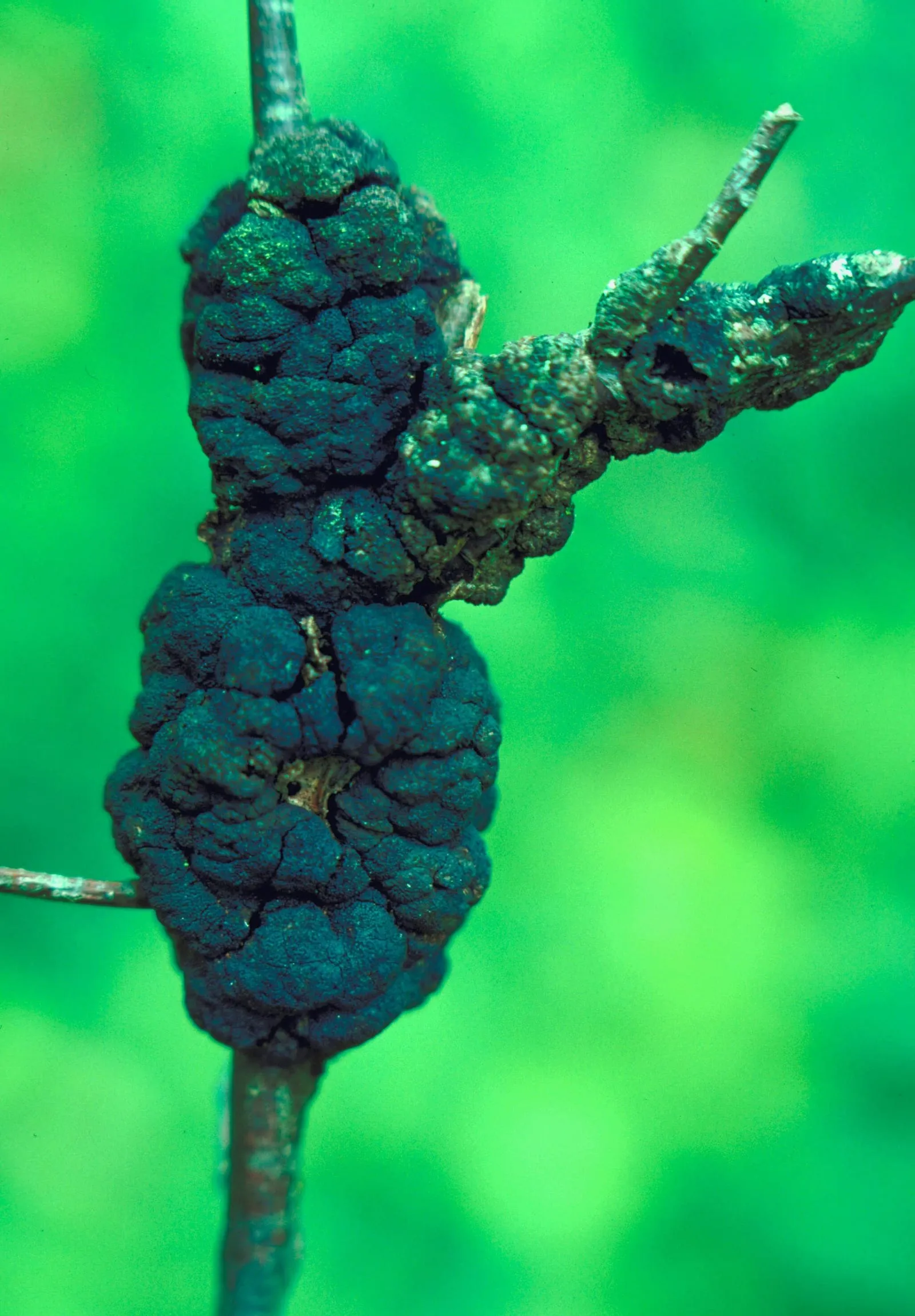
Apiosporina morbosa
Fungal disease producing characteristic black warty galls on plum and cherry branches.
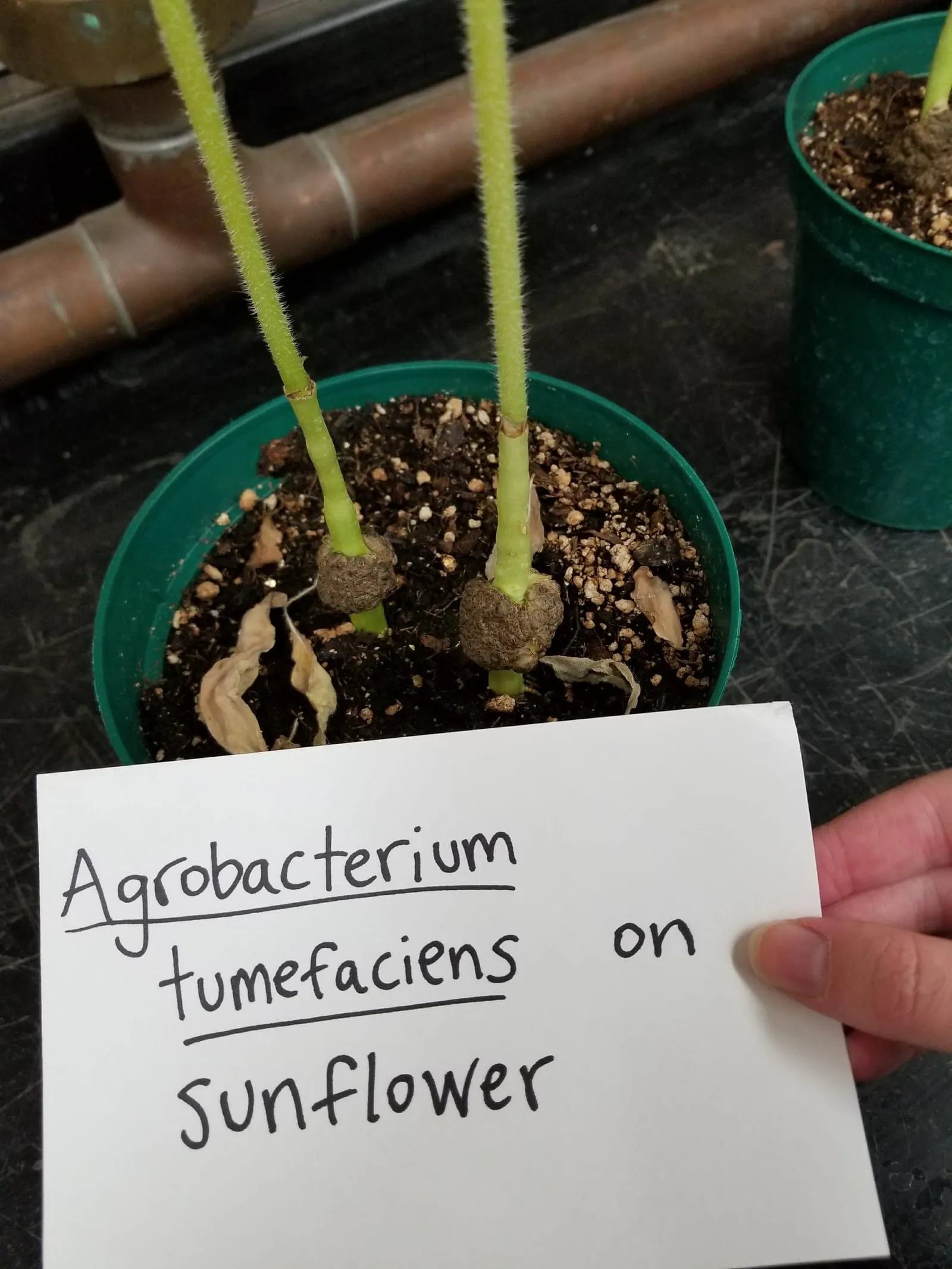
Agrobacterium tumefaciens
Soil-borne bacterium that enters plants through wounds and induces tumor-like galls on roots, crown, and lower stems. Galls reduce vigor and shorten plant lifespan; on Rubus the disease is often fatal.
Modified care for zone 5a
Black knot is the primary disease management adjustment for zone 5a. This fungal canker thrives in the wetter springs common to much of the northern zone 5 range, and European plums are more susceptible than other stone fruits. Annual dormant pruning to remove any knotted wood, combined with sanitation of removed material, is more critical here than in drier regions to the west. Brown rot adds secondary pressure during wet harvest seasons.
Winter protection matters most for young trees in their first two seasons. Even cold-hardy varieties can suffer cambium damage in a severe -20°F event before the root system is fully established. Mulching to the drip line in late fall and avoiding late-season nitrogen applications that push tender new growth both reduce winter injury risk. Site selection on a gentle north-facing slope delays bloom slightly, reducing frost intersection during the critical pollination window.
Frequently asked questions
- Do European plums need a pollinator in zone 5a?
Most European plum varieties, including Stanley and Italian Prune, are self-fertile and produce acceptable crops without a second tree. Mount Royal is also largely self-fruitful. That said, cross-pollination from a second variety reliably increases yield, and planting two compatible varieties is worth the space if available.
- How do I manage black knot on European plum in zone 5a?
Prune out all knotted wood during dormancy, cutting at least 4 inches below the visible canker, and burn or bag the removed material rather than composting it. Annual inspection and removal is more effective than fungicide applications alone, which provide partial suppression at best. Wild plums and cherries nearby can act as a persistent reinfection source.
- Can European plum handle the cold end of zone 5a?
Established trees of cold-hardy varieties like Mount Royal and Stanley tolerate the -20°F threshold of zone 5a without consistent injury. Young trees in their first two winters are more vulnerable and benefit from mulching and a sheltered planting site. Avoid varieties bred for zones 6 and warmer, as their cold hardiness ratings often do not hold at the zone 5a extreme.
+−
+−
+−
European Plum in adjacent zones
Image: "Plum", by Nathan Odgers, via iNaturalist, licensed under CC-BY Source.
Related