USDA hardiness zone
Zone 4b
Cold zone with expanded fruit options including hardy peaches and apricots.
On the zone ramp
- Lowest winter temp
- -25°F to -20°F USDA boundary
- Growing season
- 130 days
- Avg chill hours
- ~1300 below 45°F
- Hardiness rank
- 8 of 26 cold side
- Compatible crops
- 71
- Sample region
- Central Vermont
Growing in zone 4b
Zone 4b covers regions like Central Vermont, Northern Iowa, and Eastern South Dakota, where winter minimum temperatures fall between -25°F and -20°F. The growing season runs approximately 130 frost-free days, compressed but sufficient for a focused selection of crops.
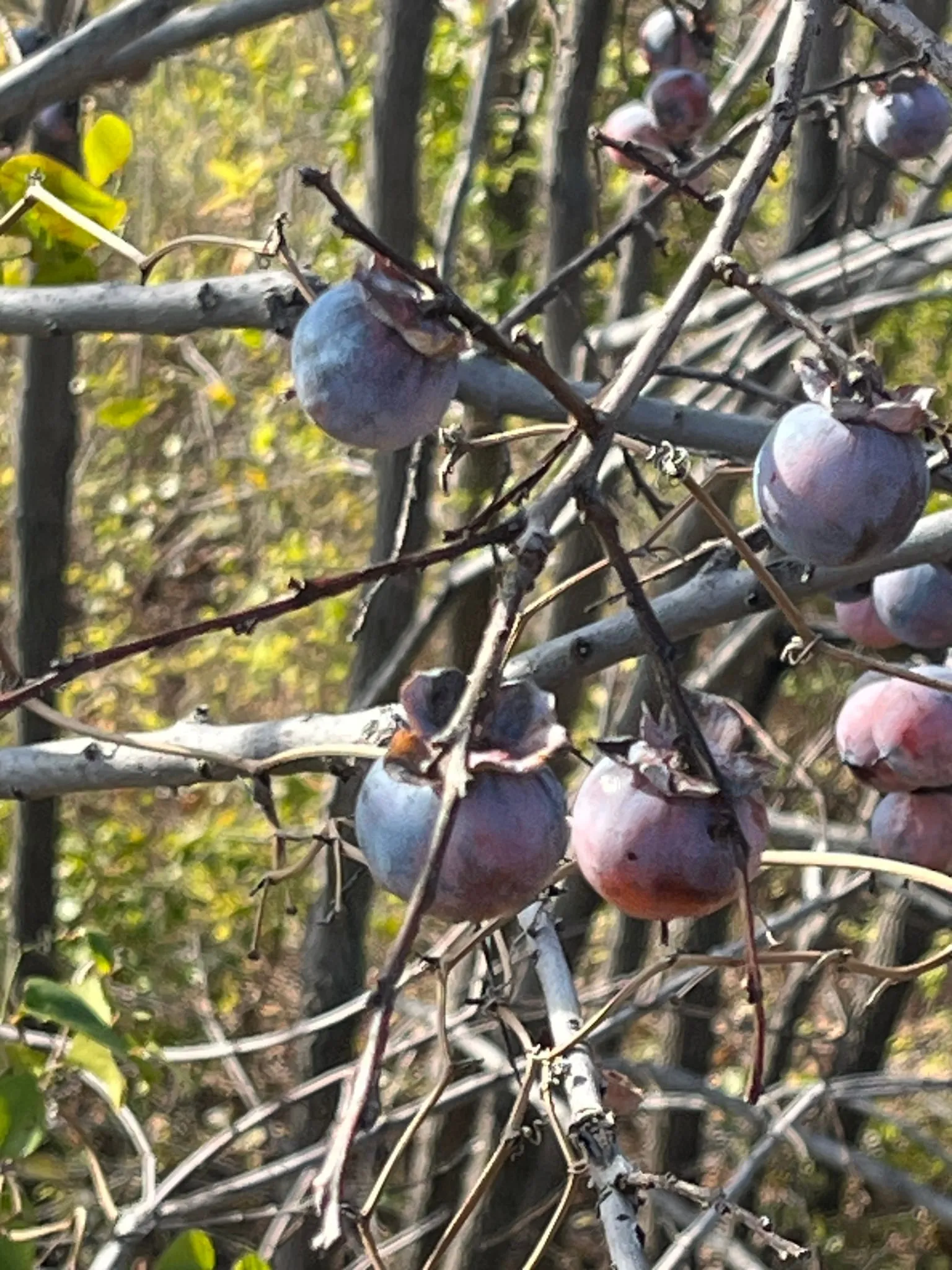
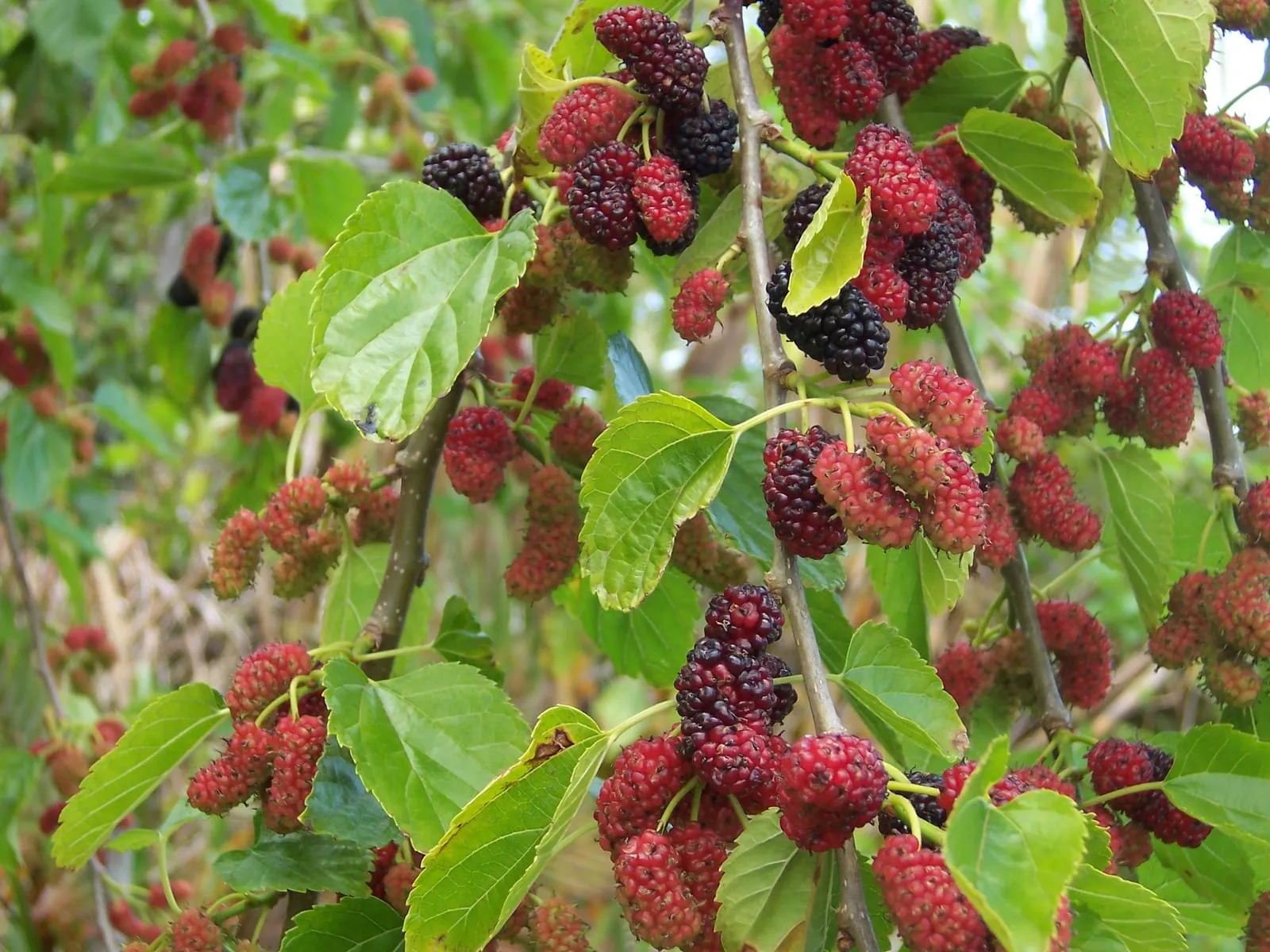
The dominant constraints are cold hardiness and spring frost unpredictability. Tender stone fruits that perform in zone 6 do not survive here reliably, though hardened selections like Sour Cherry and European Plum can establish with careful siting. Apple and Pear form the backbone of any productive orchard in this zone, supported by American Persimmon and Mulberry for lower-maintenance options.
The zone offers real advantages that warmer zones lack. Long, cold winters satisfy the high chill-hour requirements of many apple and pear varieties without any management effort. The tradeoff is elevated apple scab pressure in humid continental climates, and the persistent threat of late spring frosts that can strip a full crop from early-blooming trees in a single night. Success here depends less on effort than on choosing varieties with documented hardiness in comparable climates, then siting them well.
Frost timing in zone 4b
Last spring frost in zone 4b falls between early May and late May depending on elevation and local geography. Elevated terrain in Central Vermont regularly sees frost risk extending into the final week of May. In flatter regions like Northern Iowa and Eastern South Dakota, last frost tends to arrive in early-to-mid May. First fall frost generally arrives in late September, giving roughly 130 frost-free days across most of the zone.
For fruit growers, the spring date carries more practical weight than the fall date. Open blossoms are killed at sustained temperatures below 28°F, and a tree that blooms in late April in zone 4b faces meaningful frost exposure almost every season. Late-blooming apple varieties, including Haralson and Honeygold, delay bloom by one to two weeks compared to early-blooming selections, reducing exposure considerably. Selecting for mid-season or late bloom is one of the most reliable tools available to orchardists in this zone.
Common challenges
- ▸ Spring frost timing
- ▸ Apple scab pressure
- ▸ Cane berry winter dieback
Best practices
Site on south-facing slopes with good cold-air drainage. Orchards planted in low-lying areas where cold air pools overnight sustain more blossom damage than those on gentle slopes, even when air temperatures at chest height appear identical. A south-facing hillside moves the effective microclimate roughly half a zone warmer and meaningfully extends the safe bloom window.
Use university trial data for variety selection, not catalog zone ratings. Many nursery catalogs list variety hardiness optimistically. Extension trial results from Minnesota, Wisconsin, and South Dakota document which varieties actually perform after repeated zone 4 winters. Haralson, Goodland, and Honeygold have multi-decade track records in this zone; varieties rated zone 5 often winterkill at the graft union after the second or third severe winter.
Protect trunks during the first three winters after planting. White plastic trunk guards or tree wrap reduce temperature fluctuations at the bark surface, which cause southwest injury, a cracking and canker problem common in the wide day-night swings of late winter. Remove guards in spring to prevent moisture buildup.
What to grow in zone 4b
71 crops from our database fit zone 4b, grouped by type. Click through for zone-specific variety recommendations.
Tree fruit
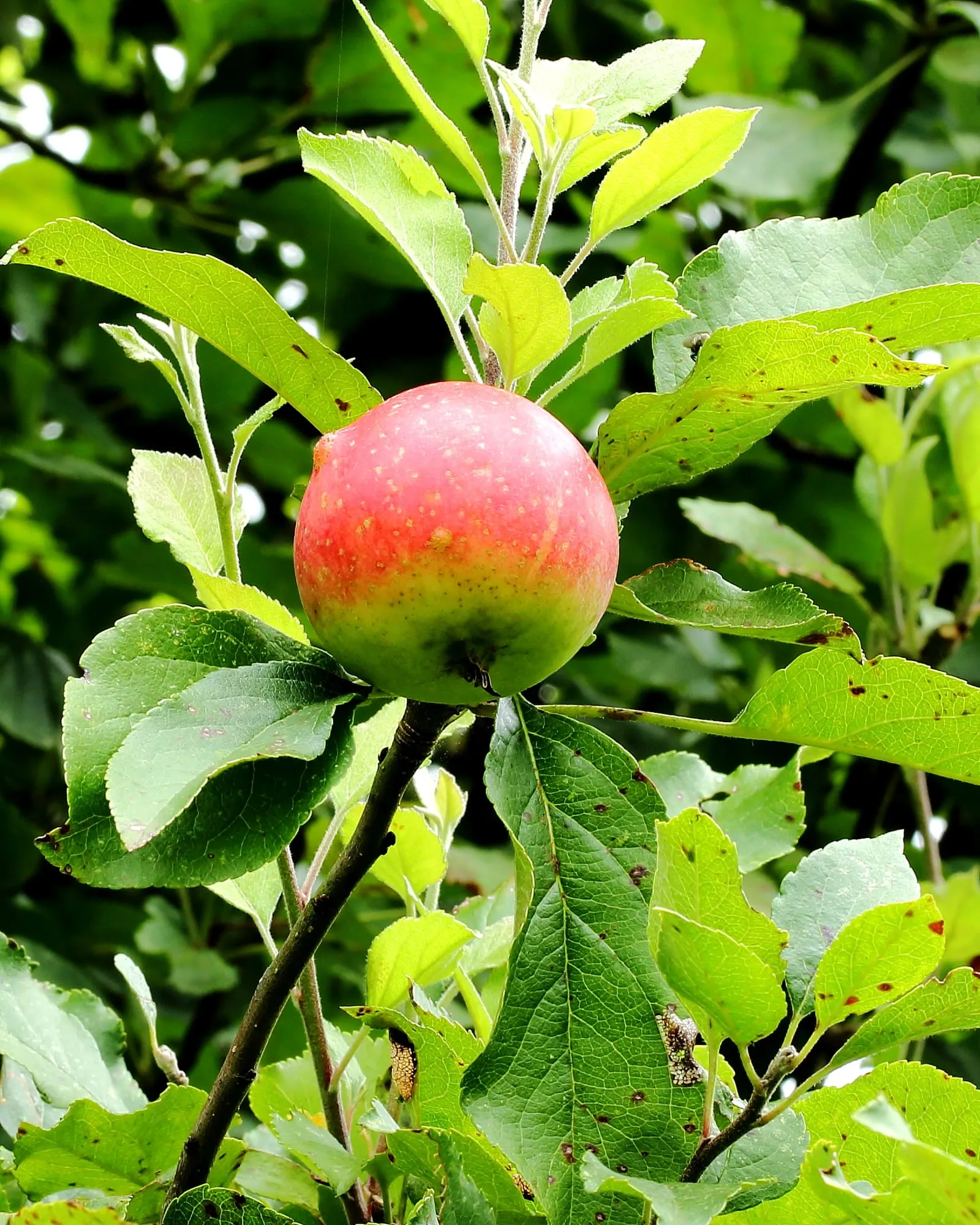
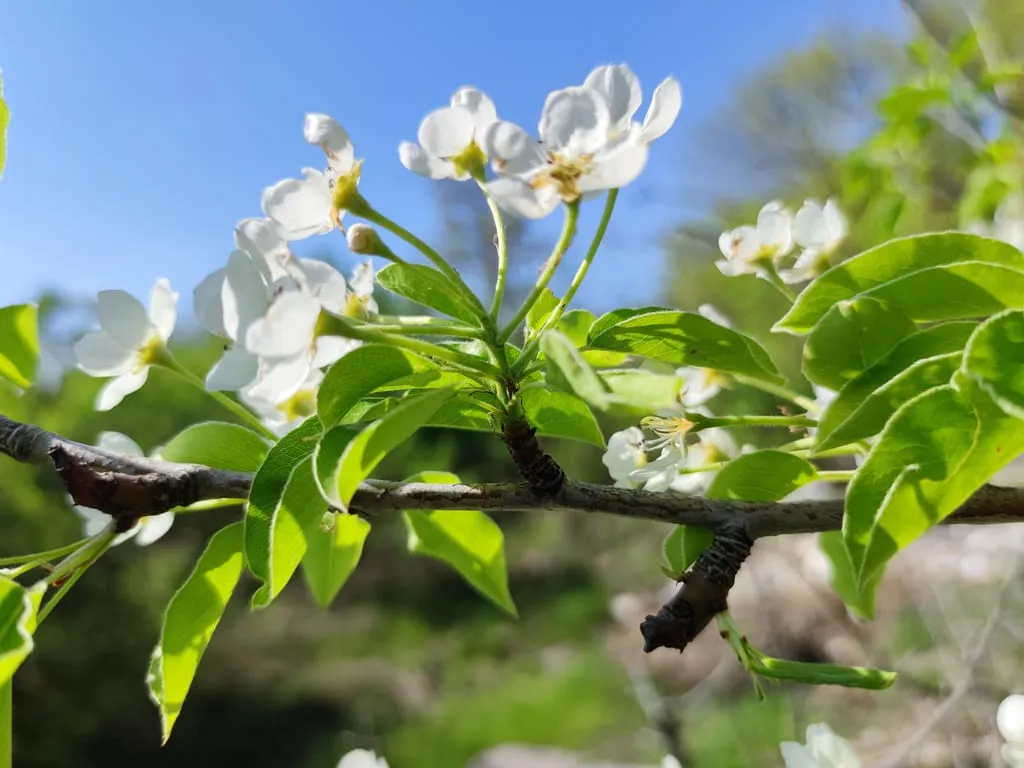
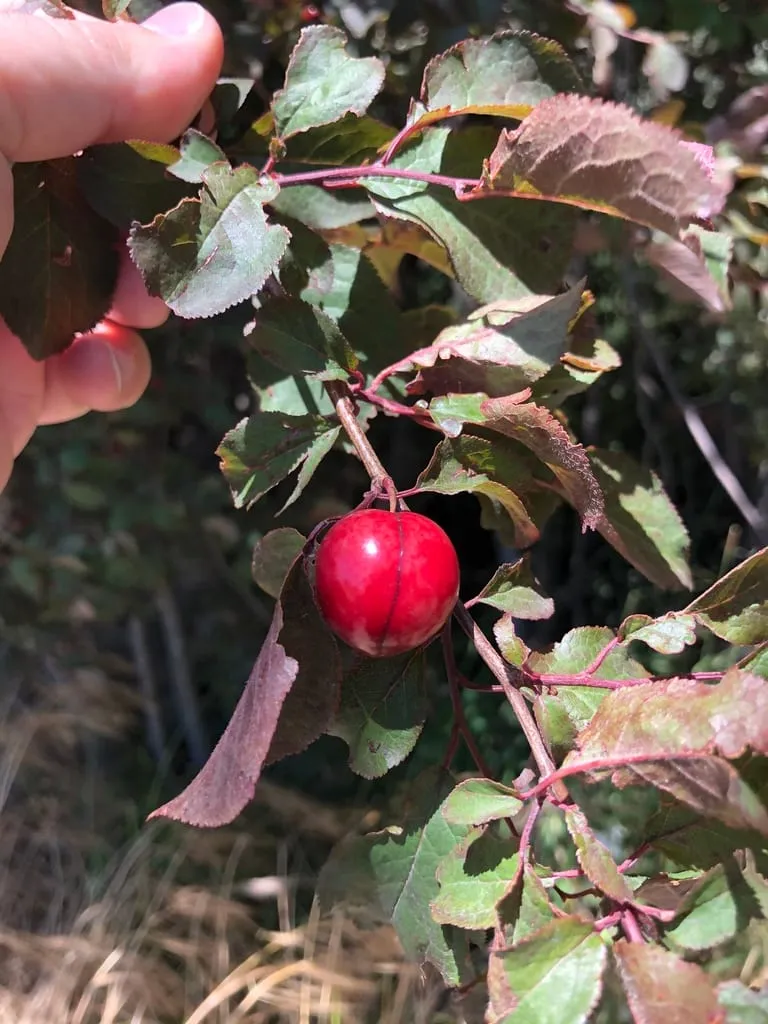
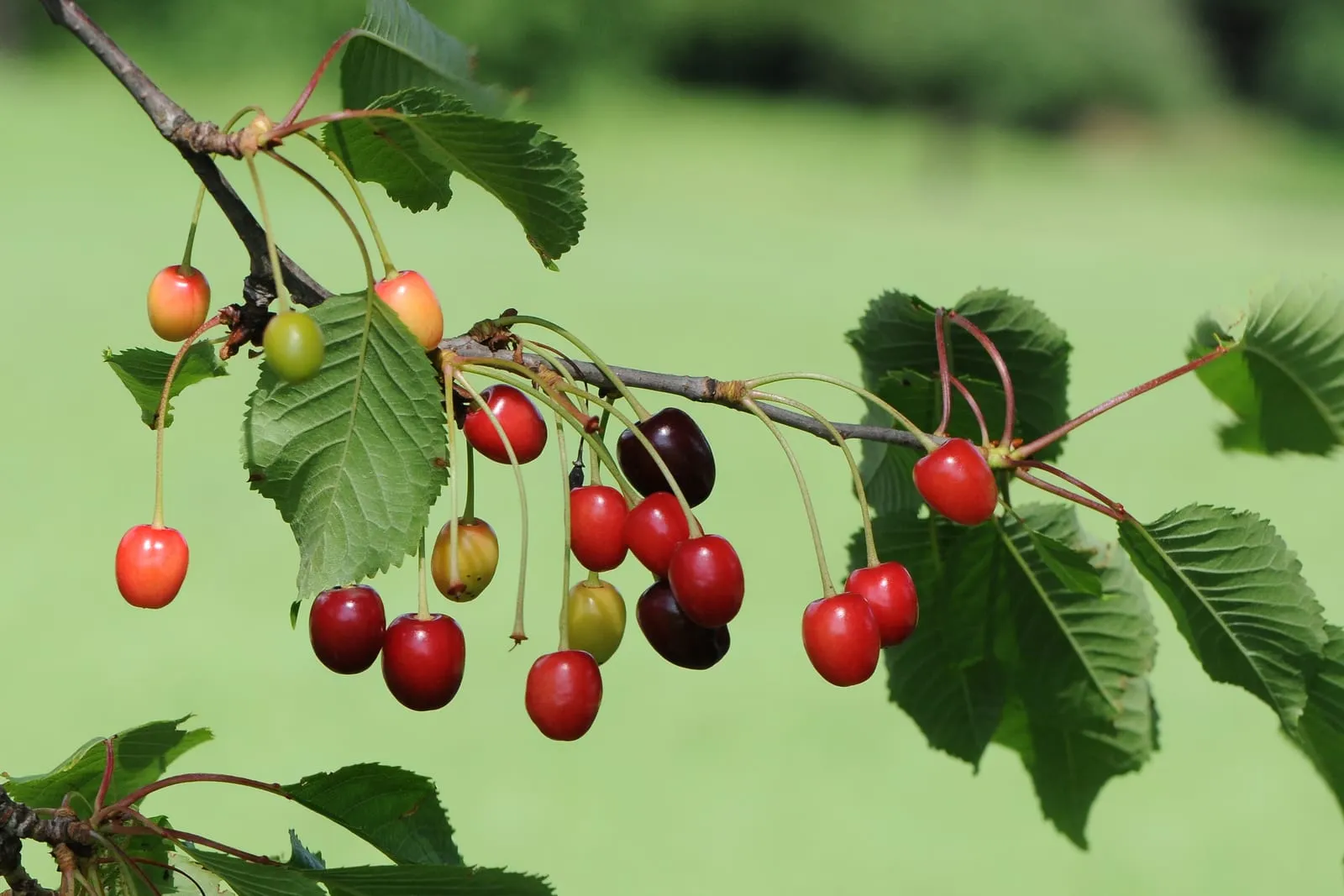
6 crops
Berries
19 crops
 zone 4b
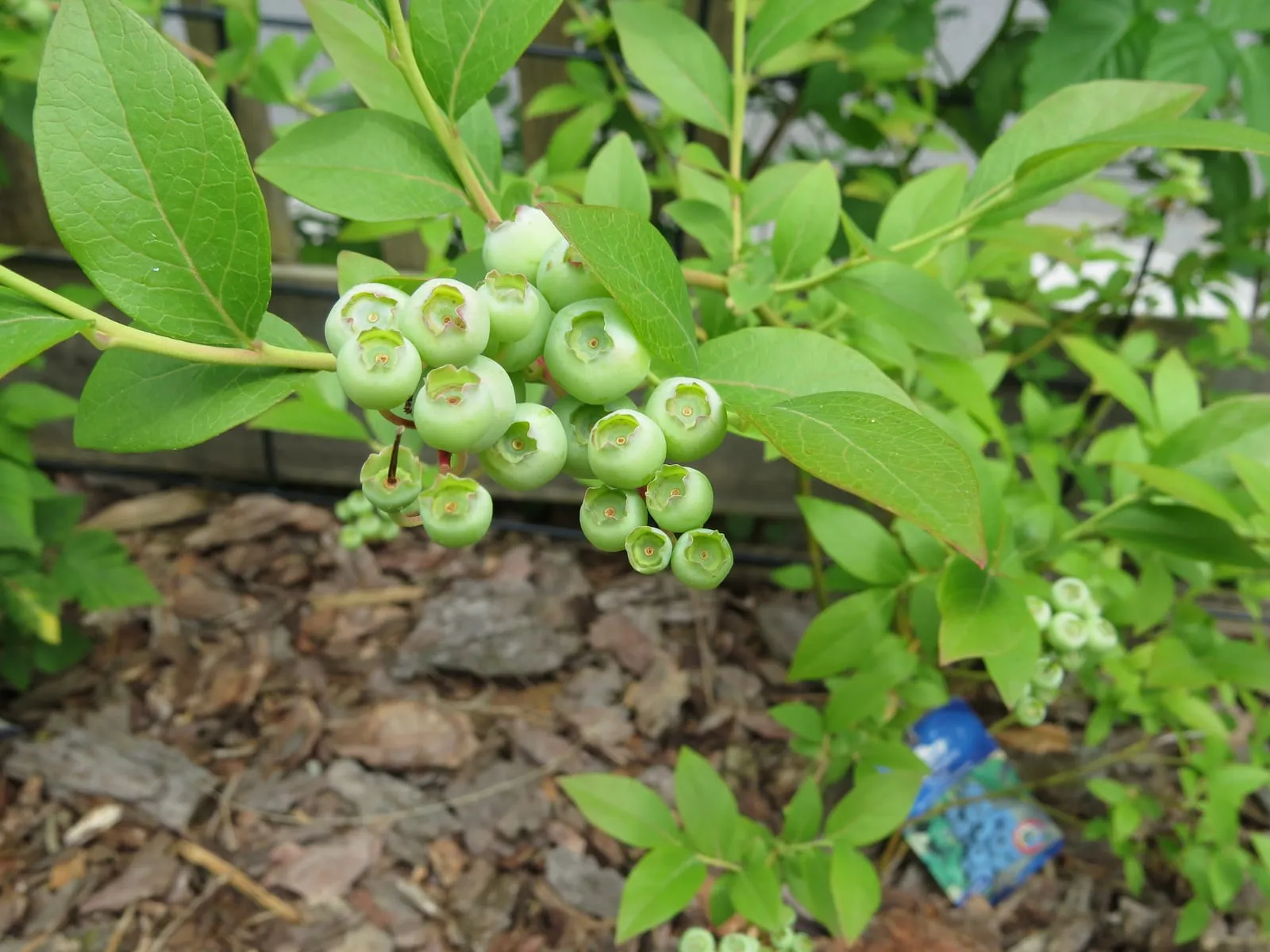
 Highbush Blueberry
Vaccinium corymbosum
zones 4a–7b
 zone 4b
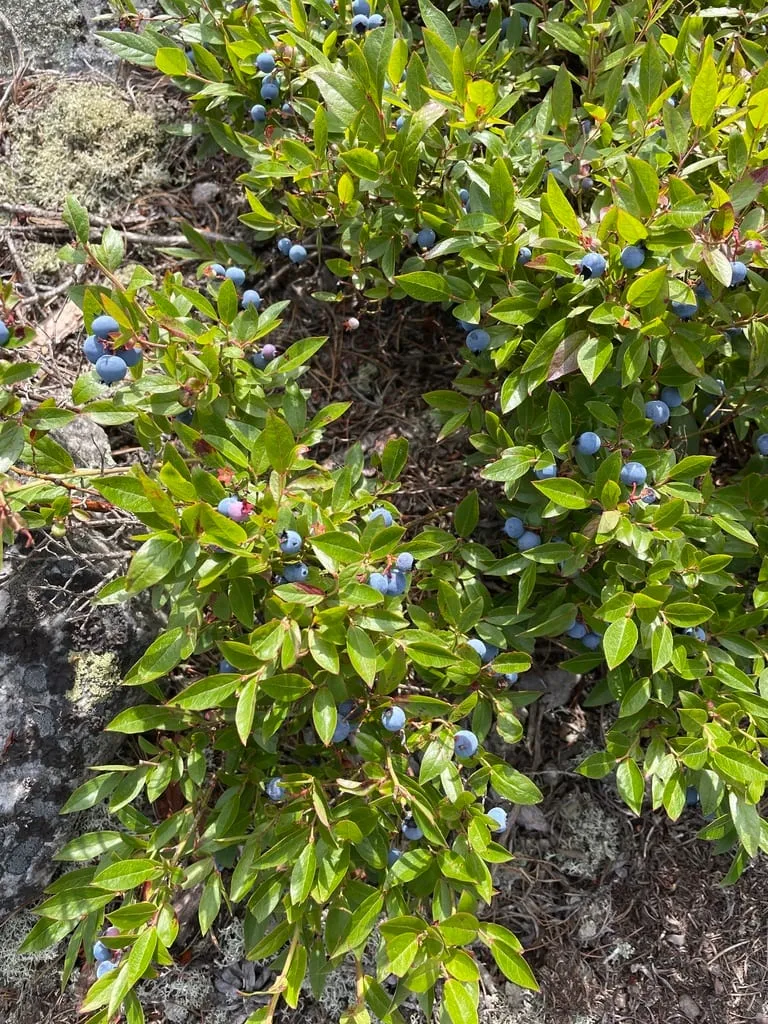
 Lowbush Blueberry
Vaccinium angustifolium
zones 3a–6b
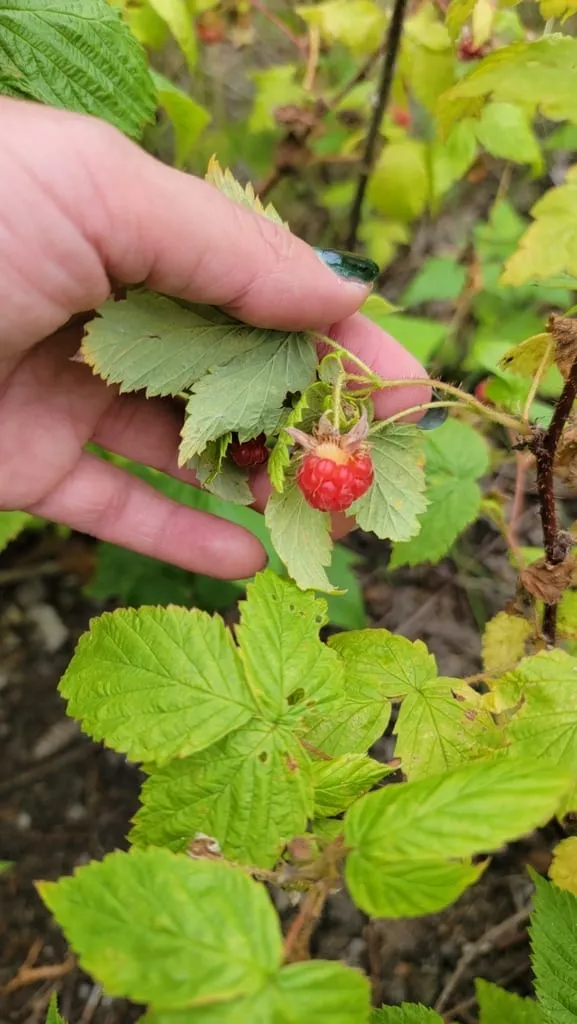 zone 4b
 Red Raspberry
Rubus idaeus
zones 3b–8a
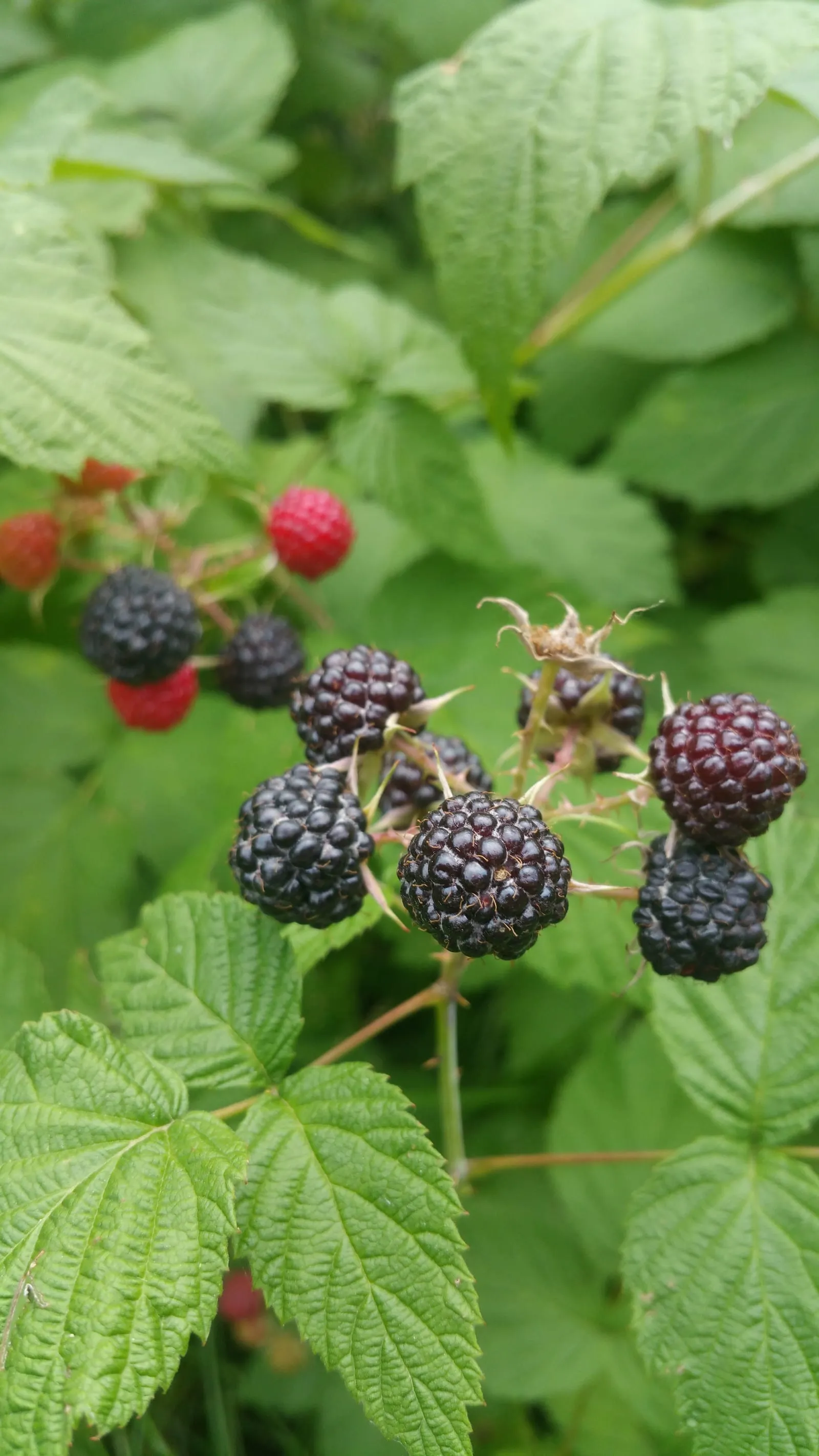 zone 4b
 Black Raspberry
Rubus occidentalis
zones 4a–8a
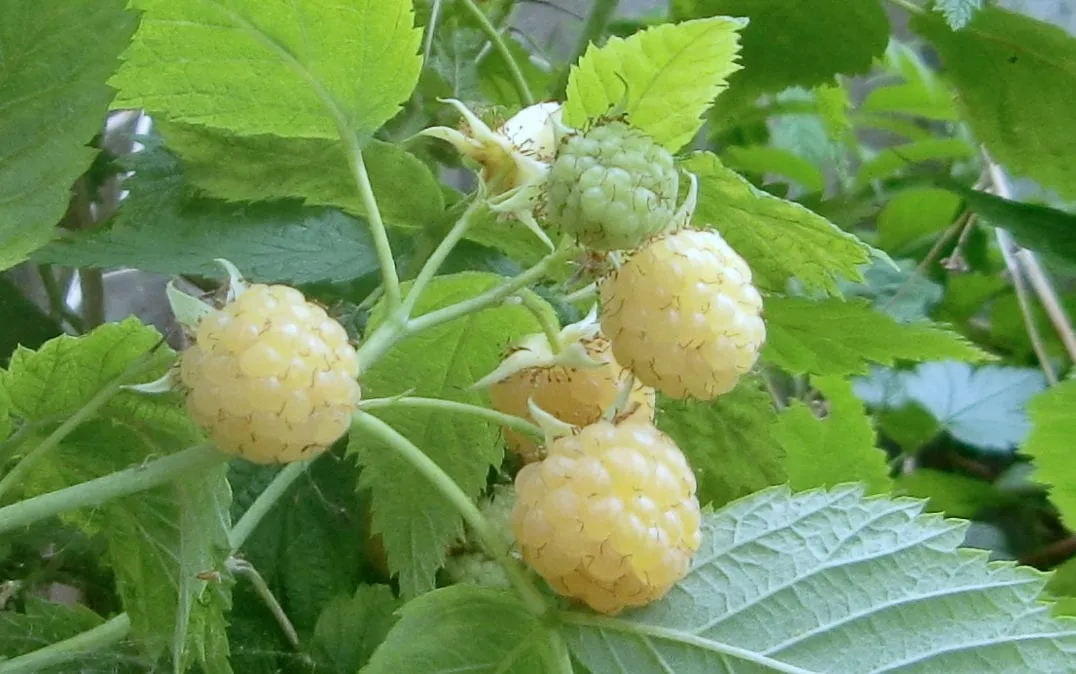 zone 4b
 Yellow Raspberry
Rubus idaeus
zones 3b–8a
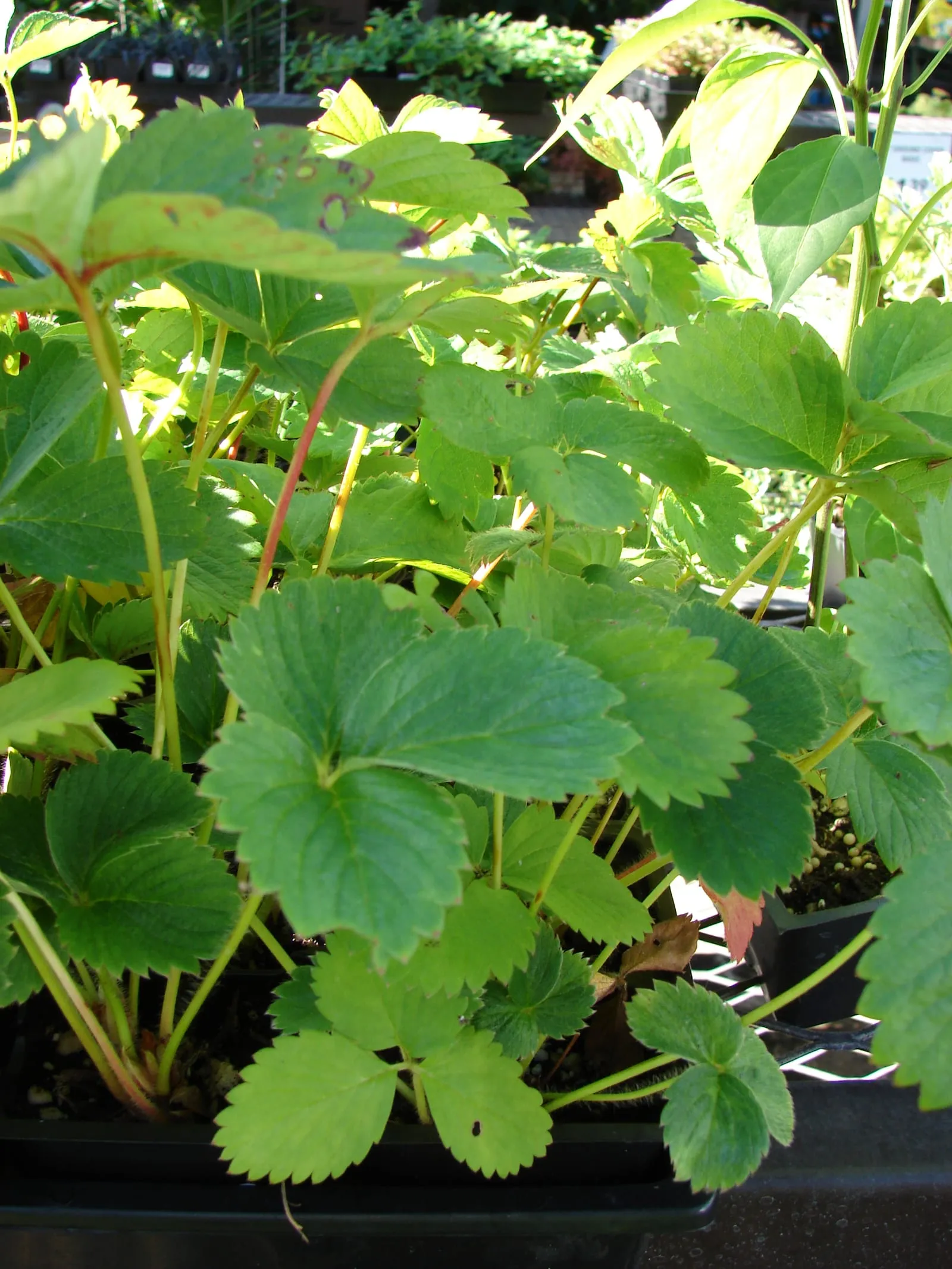 zone 4b
 June-Bearing Strawberry
Fragaria x ananassa
zones 3a–8b
zone 4b Everbearing Strawberry
Fragaria x ananassa
zones 3b–9a
 zone 4b
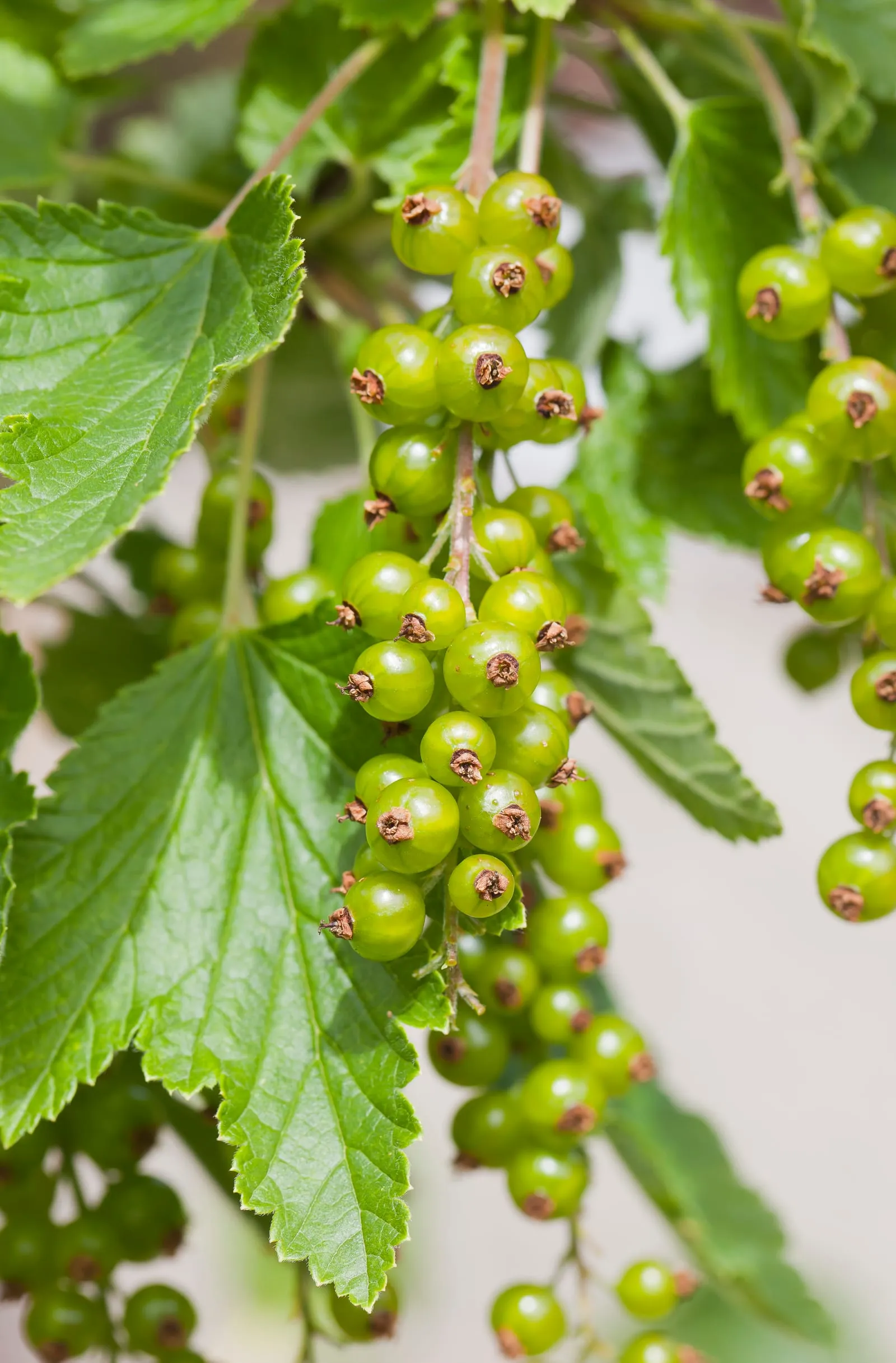
 Red Currant
Ribes rubrum
zones 3a–7a
 zone 4b
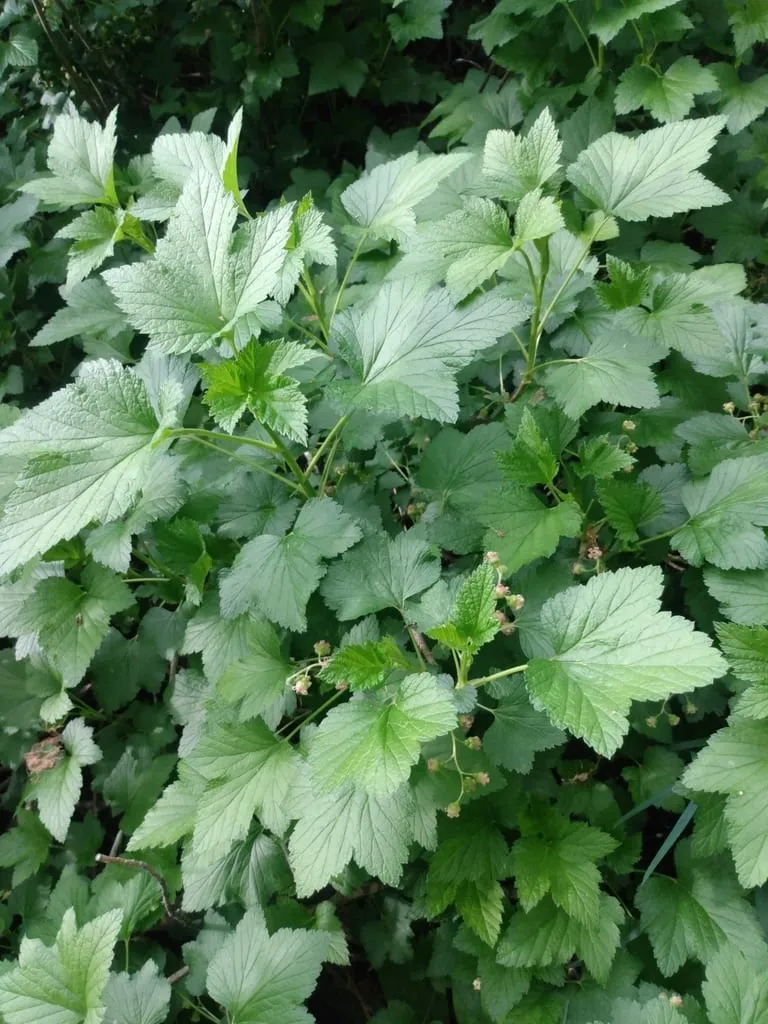
 Black Currant
Ribes nigrum
zones 3a–7a
zone 4b White Currant
Ribes rubrum
zones 3a–7a
 zone 4b
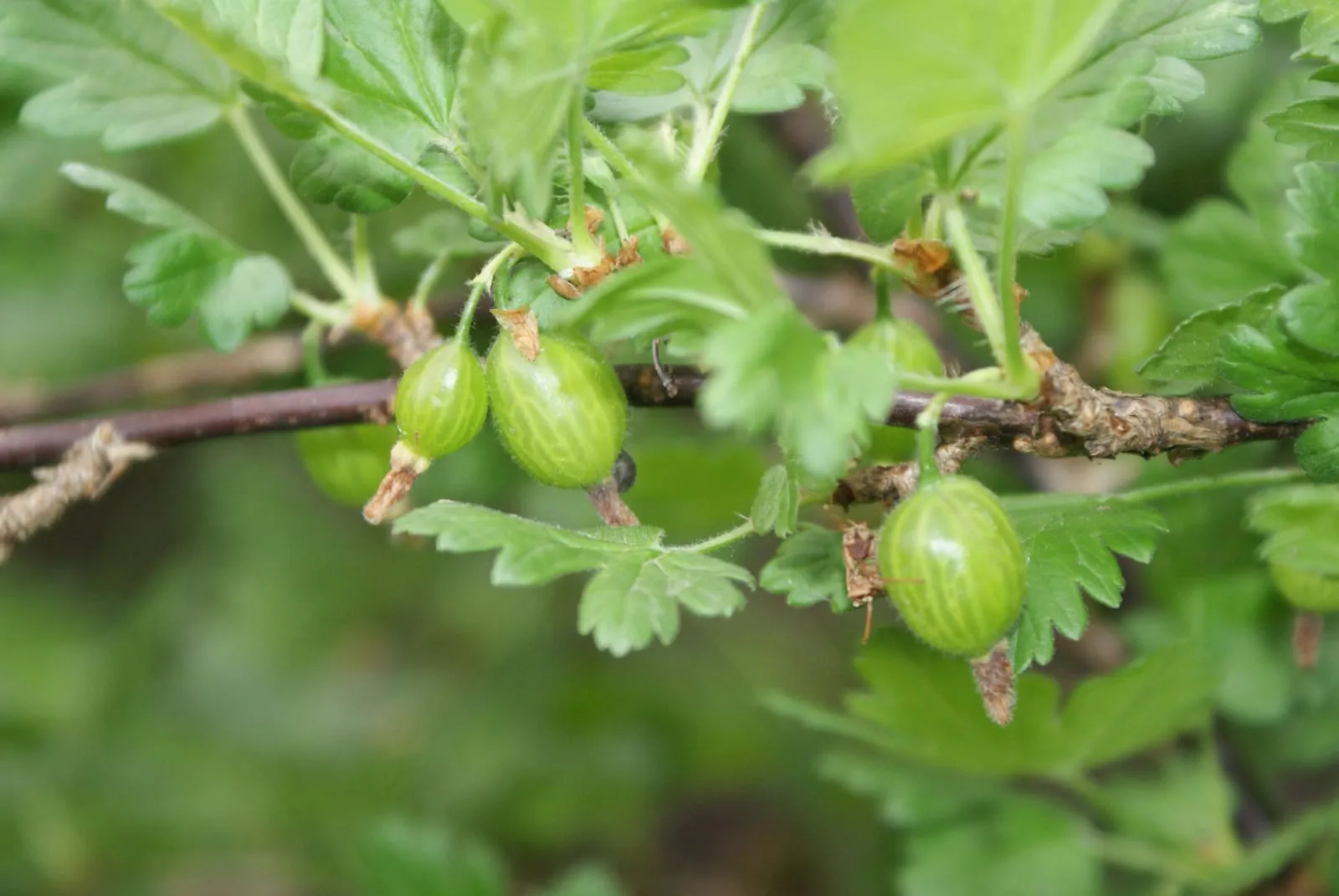
 Gooseberry
Ribes uva-crispa
zones 3a–7b
 zone 4b
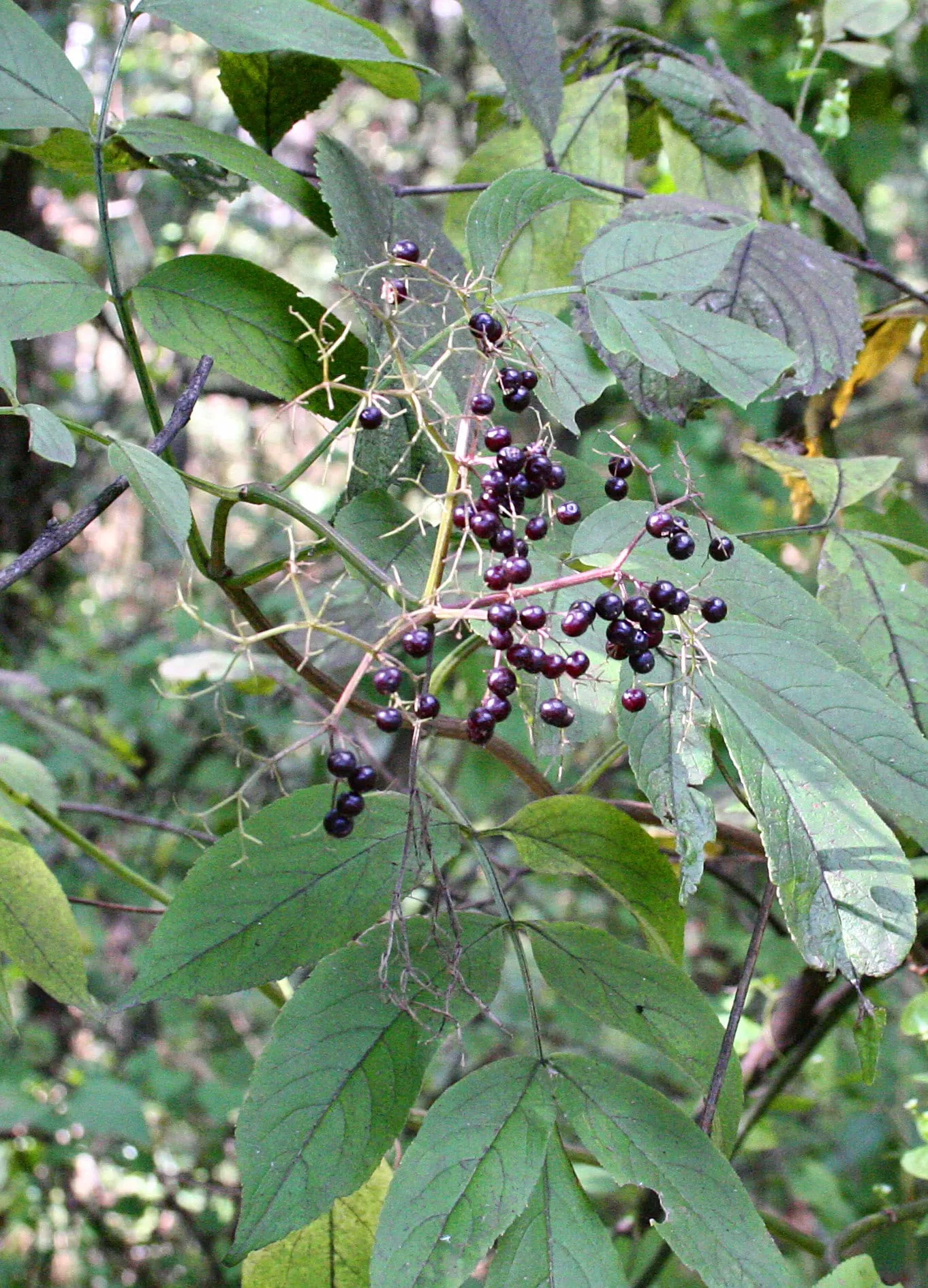
 Elderberry
Sambucus canadensis
zones 3b–9a
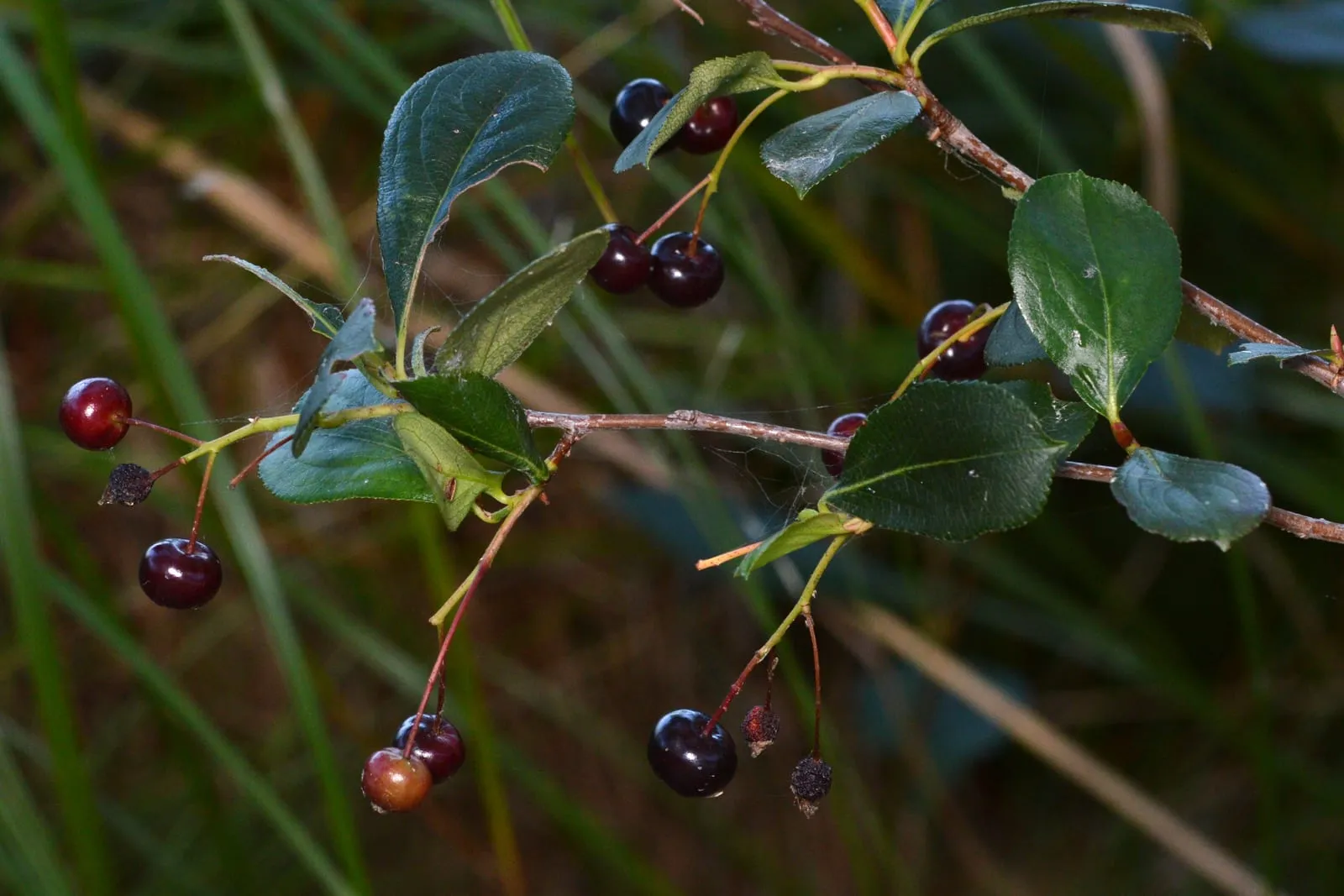 zone 4b
 Aronia (Black Chokeberry)
Aronia melanocarpa
zones 3a–8a
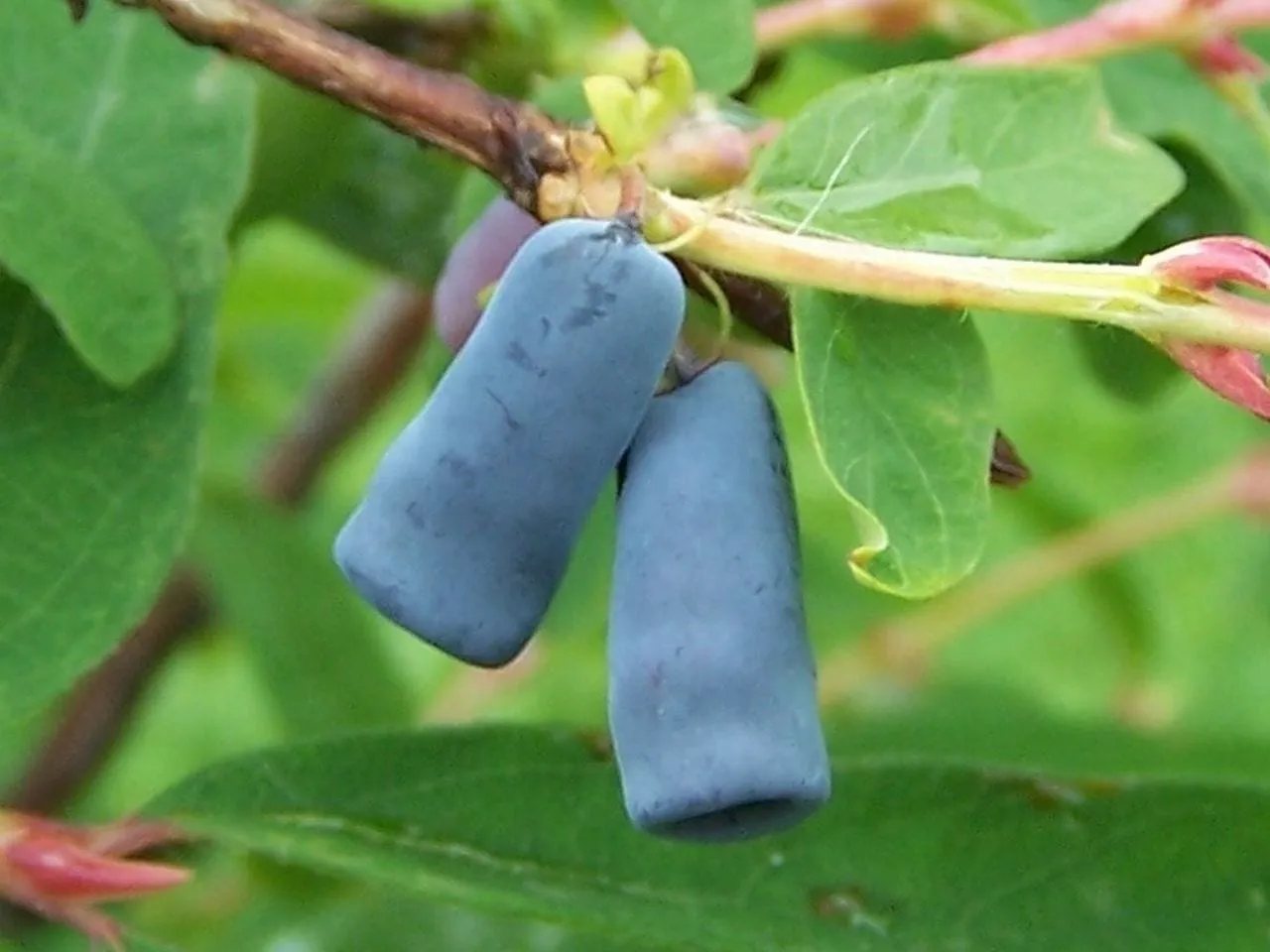 zone 4b
 Honeyberry (Haskap)
Lonicera caerulea
zones 3a–7a
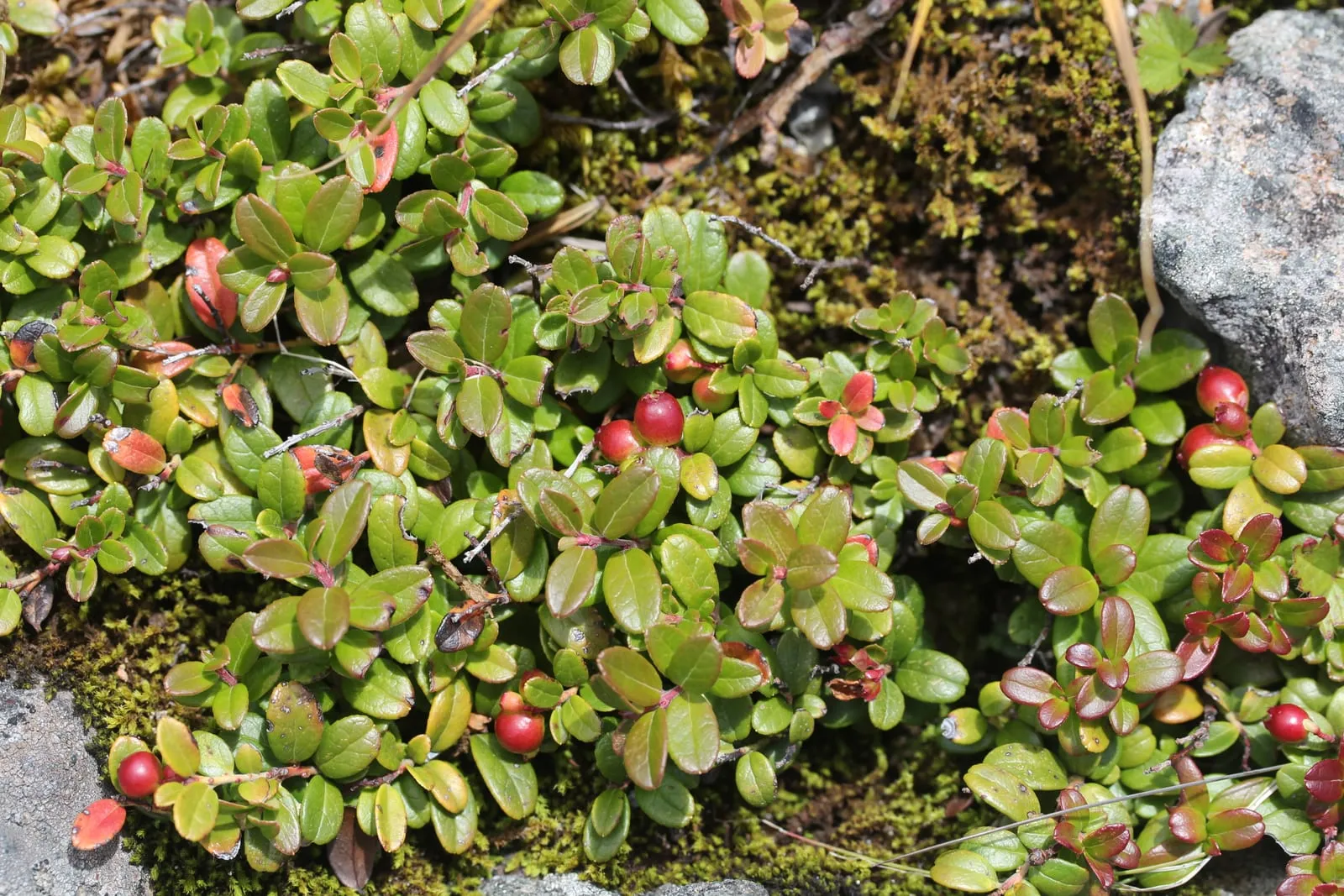 zone 4b
 Lingonberry
Vaccinium vitis-idaea
zones 3a–7a
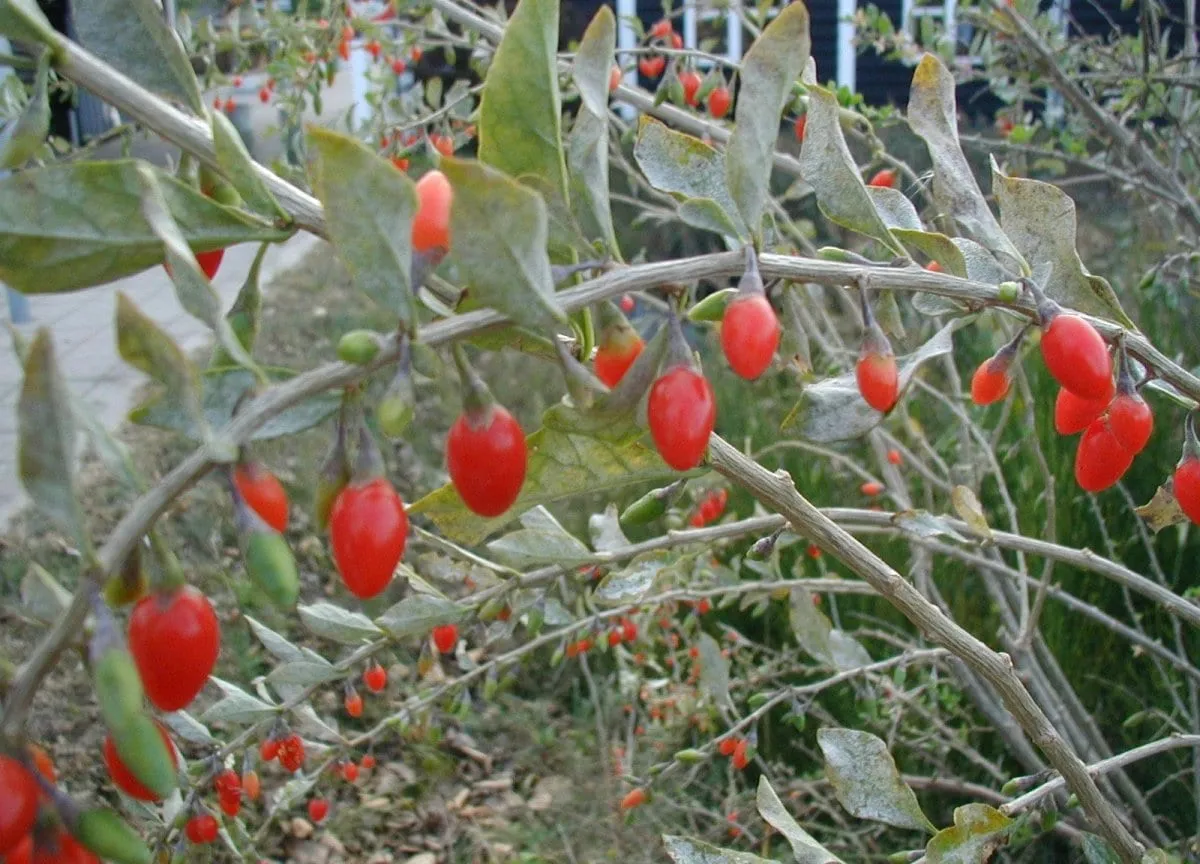 zone 4b
 Goji Berry
Lycium barbarum
zones 3b–10a
 zone 4b
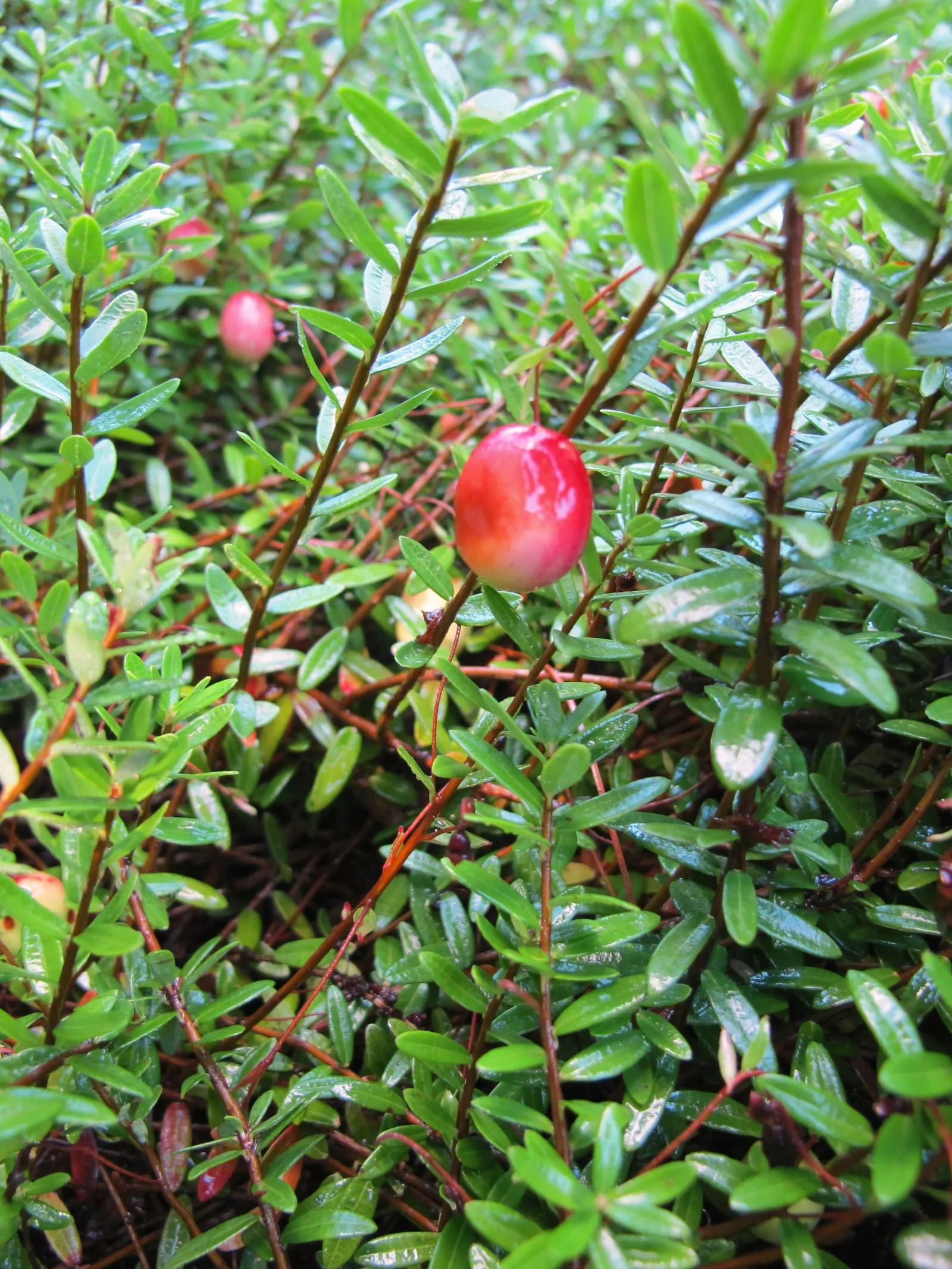
 Cranberry
Vaccinium macrocarpon
zones 3a–7a
 zone 4b
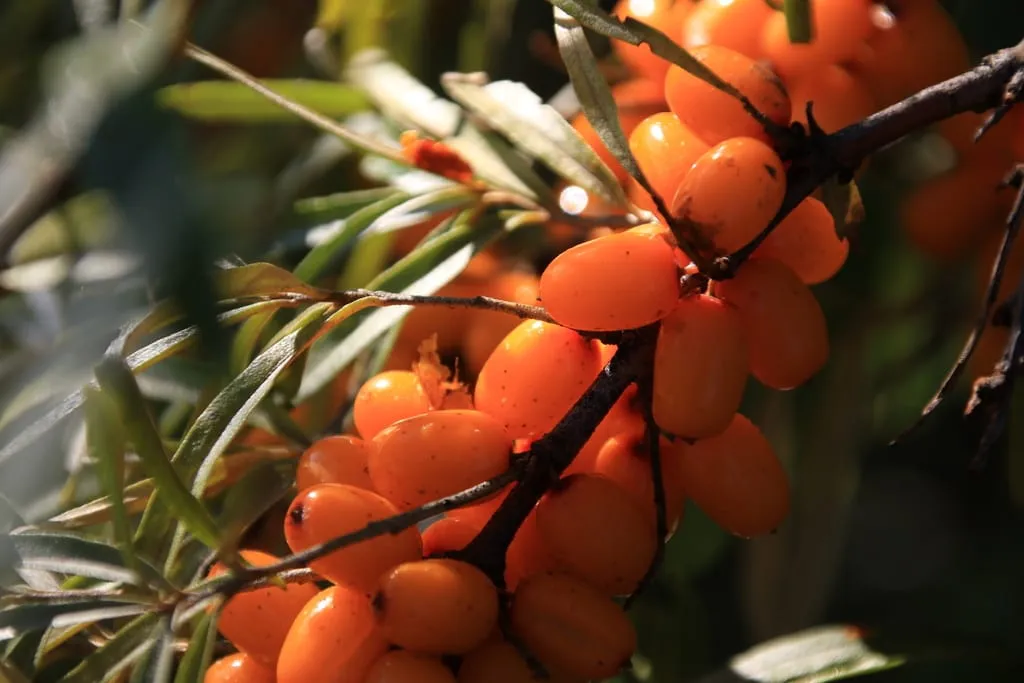
 Sea Buckthorn
Hippophae rhamnoides
zones 3a–7a
 zone 4b
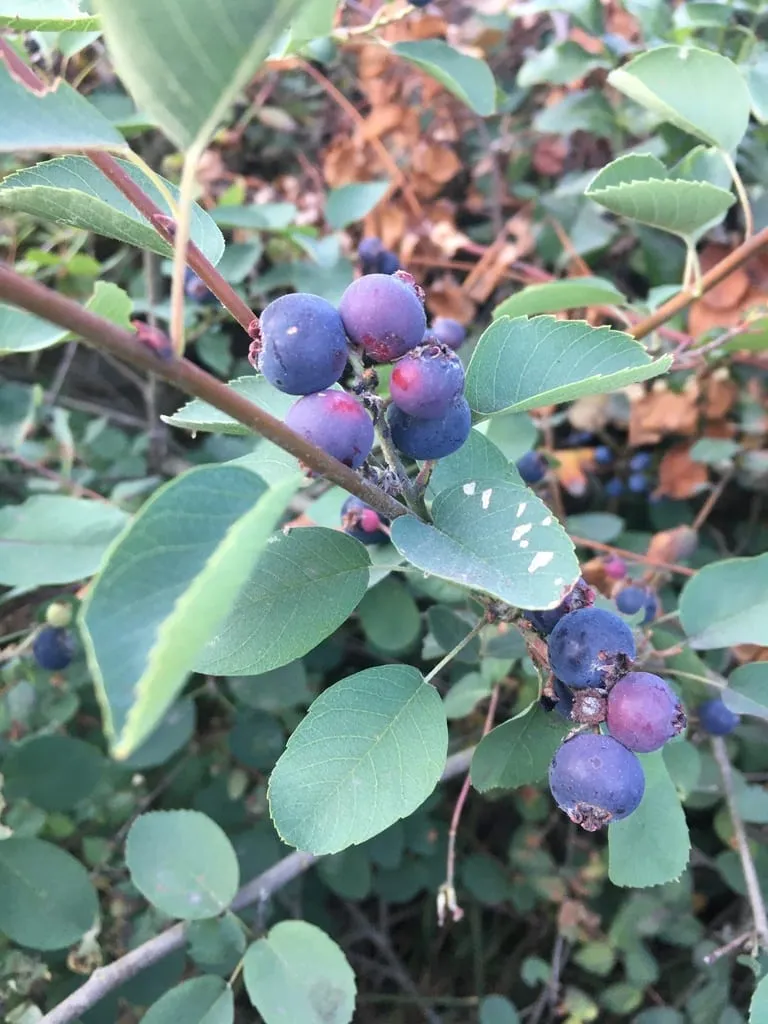
 Saskatoon (Serviceberry)
Amelanchier alnifolia
zones 3a–7a
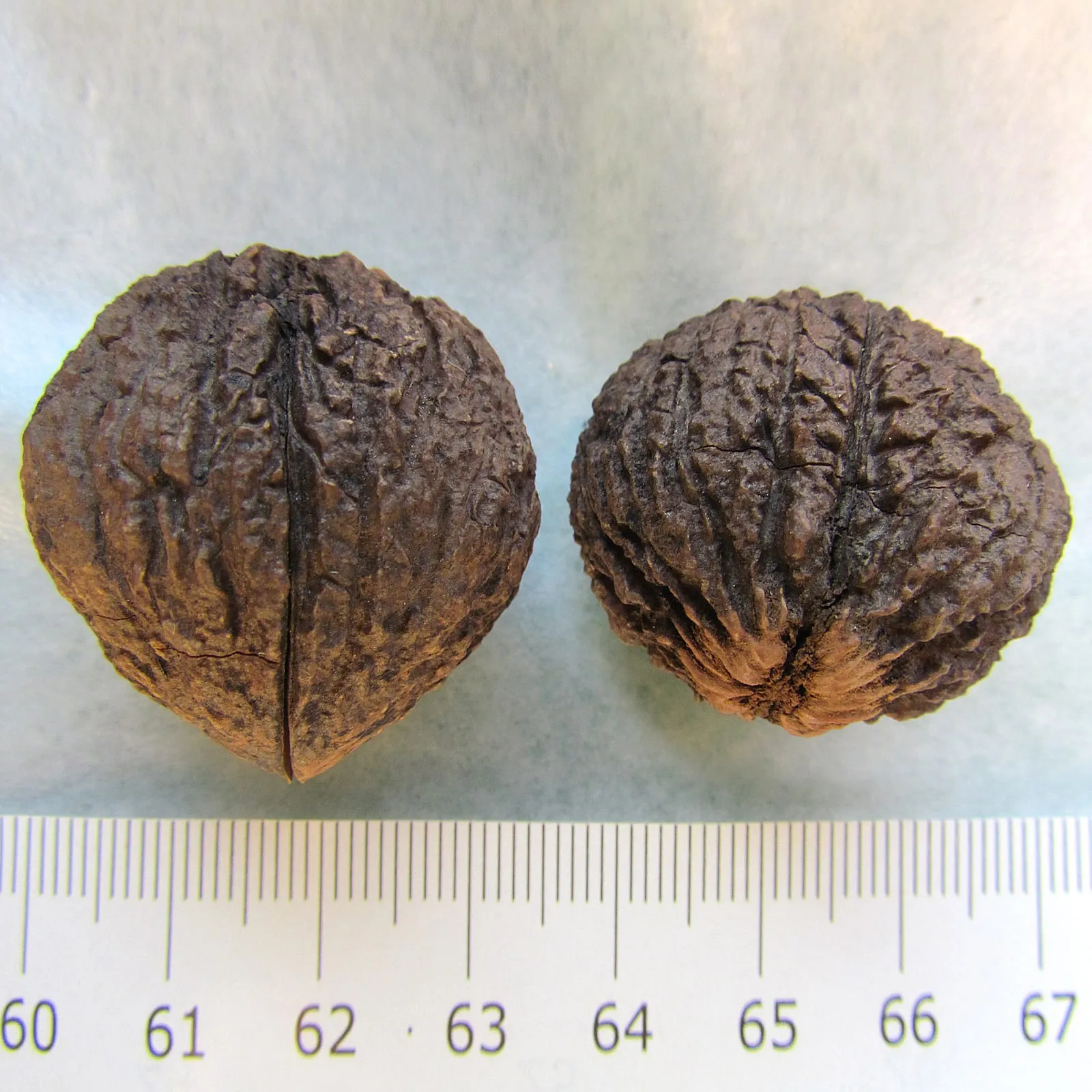
Nuts
3 crops
Vegetables
34 crops
 zone 4b
 Tomato
Solanum lycopersicum
zones 3a–10b
 zone 4b
 Sweet Pepper
Capsicum annuum
zones 4a–10b
 zone 4b
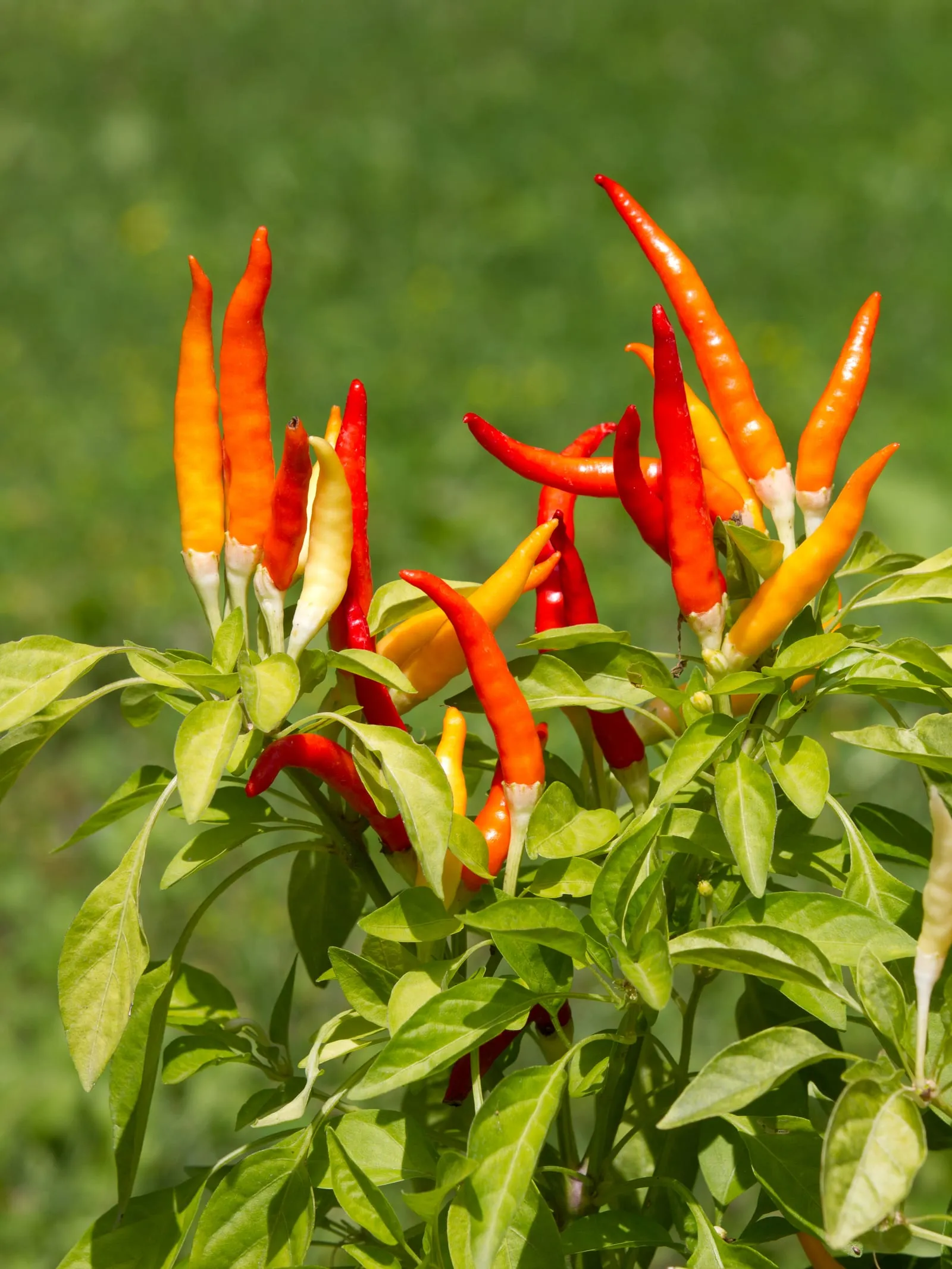
 Hot Pepper
Capsicum species
zones 4a–10b
 zone 4b
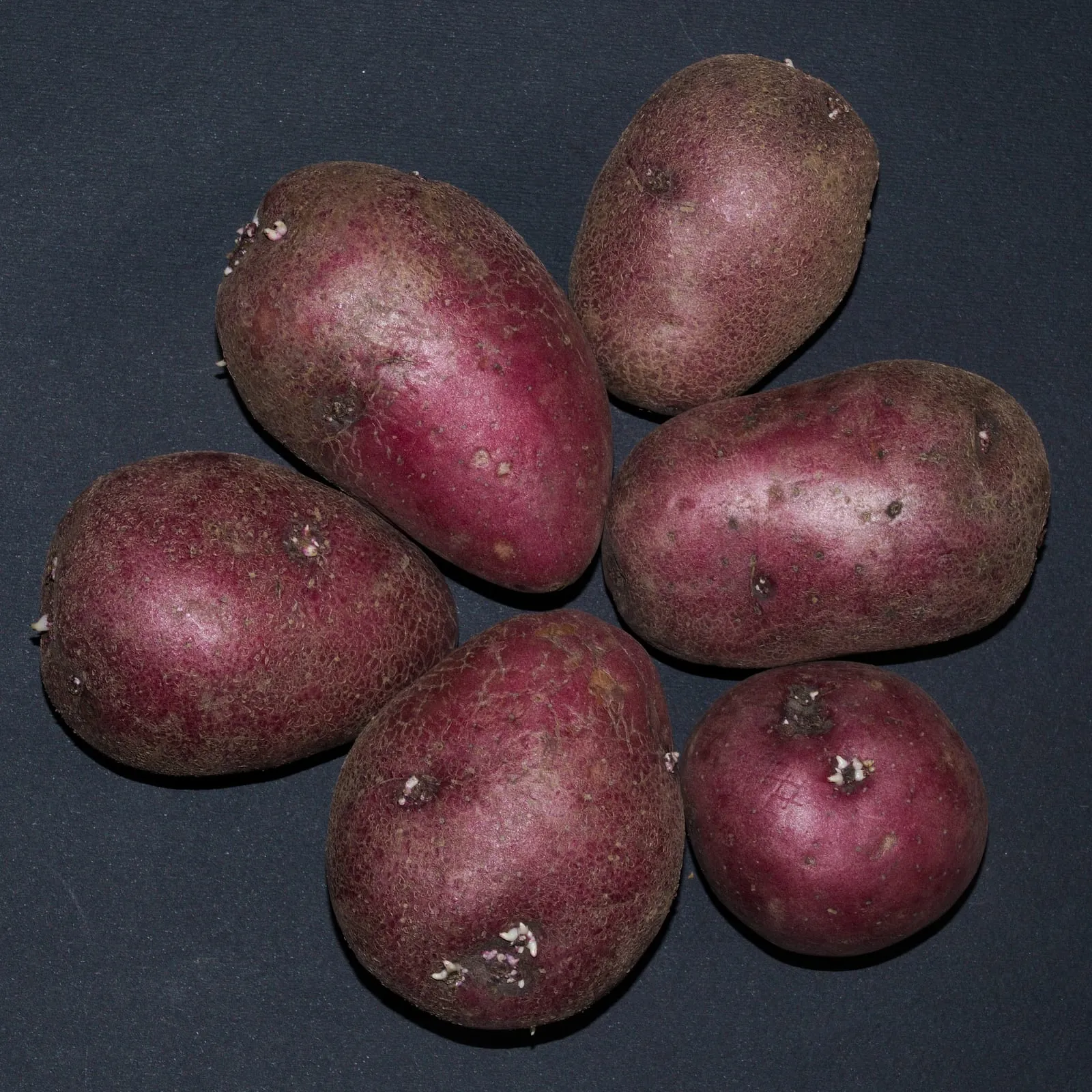
 Potato
Solanum tuberosum
zones 3a–9a
 zone 4b
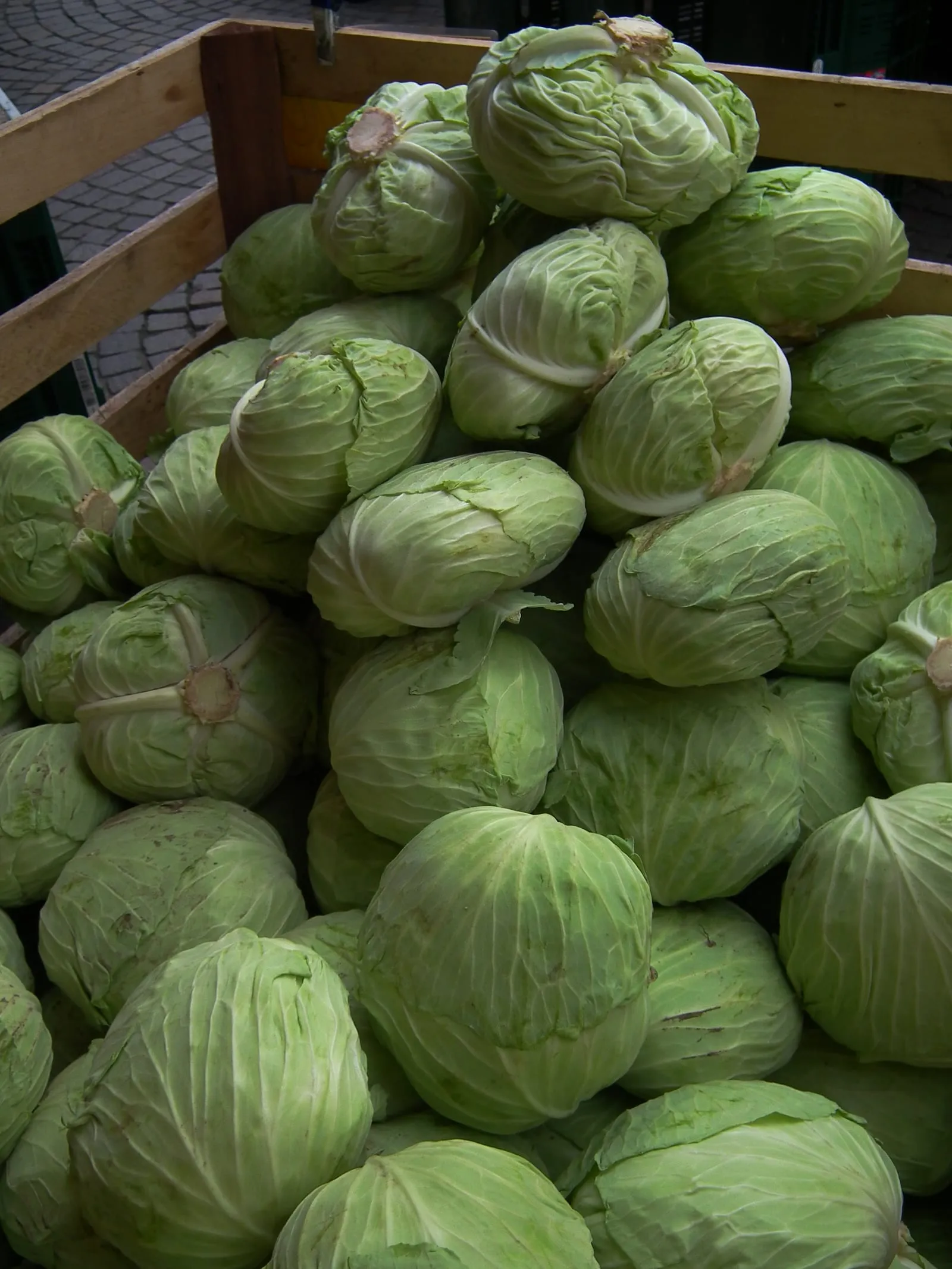
 Cabbage
Brassica oleracea var. capitata
zones 3a–9b
 zone 4b
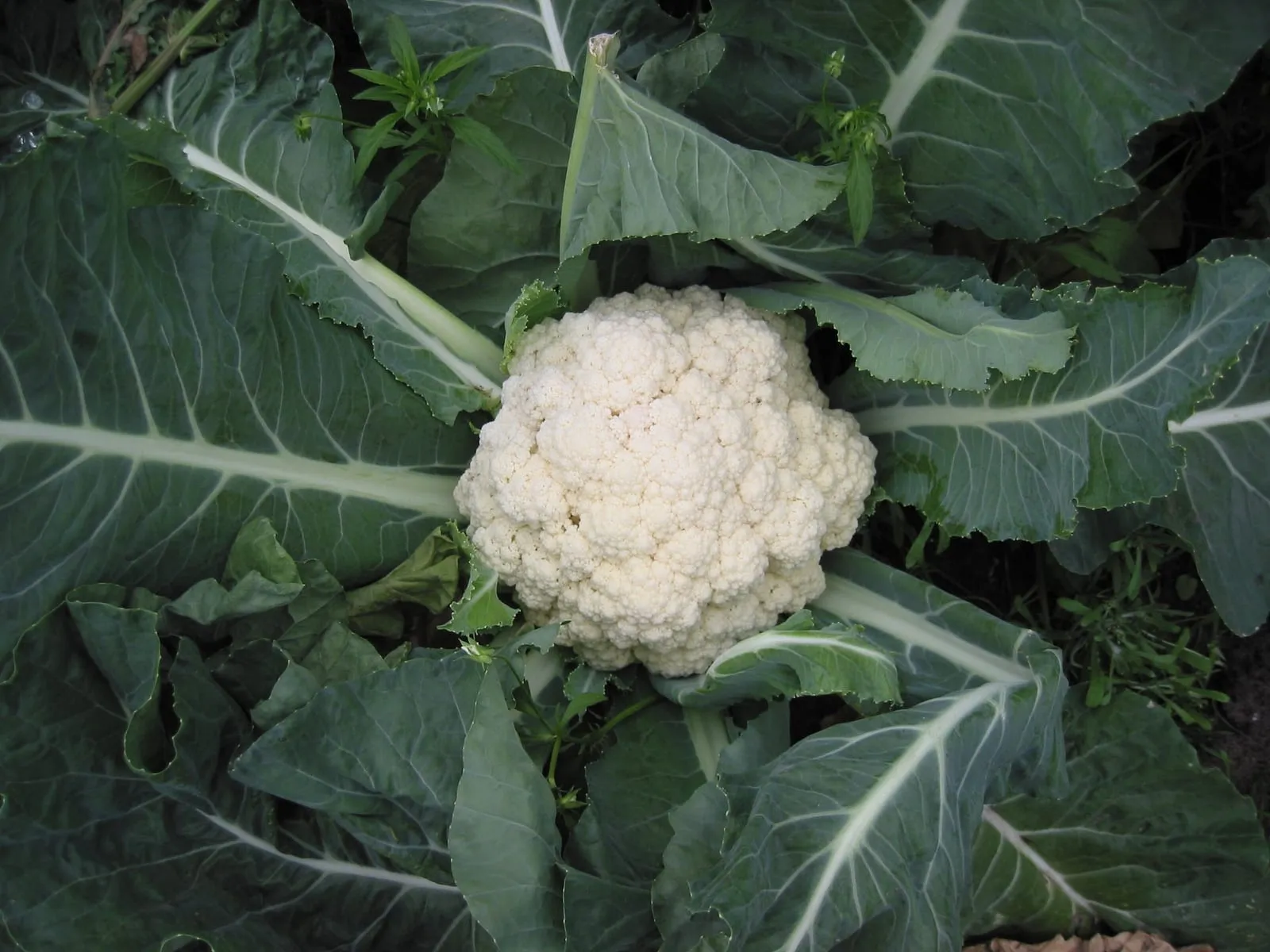
 Broccoli
Brassica oleracea var. italica
zones 3a–9a
 zone 4b
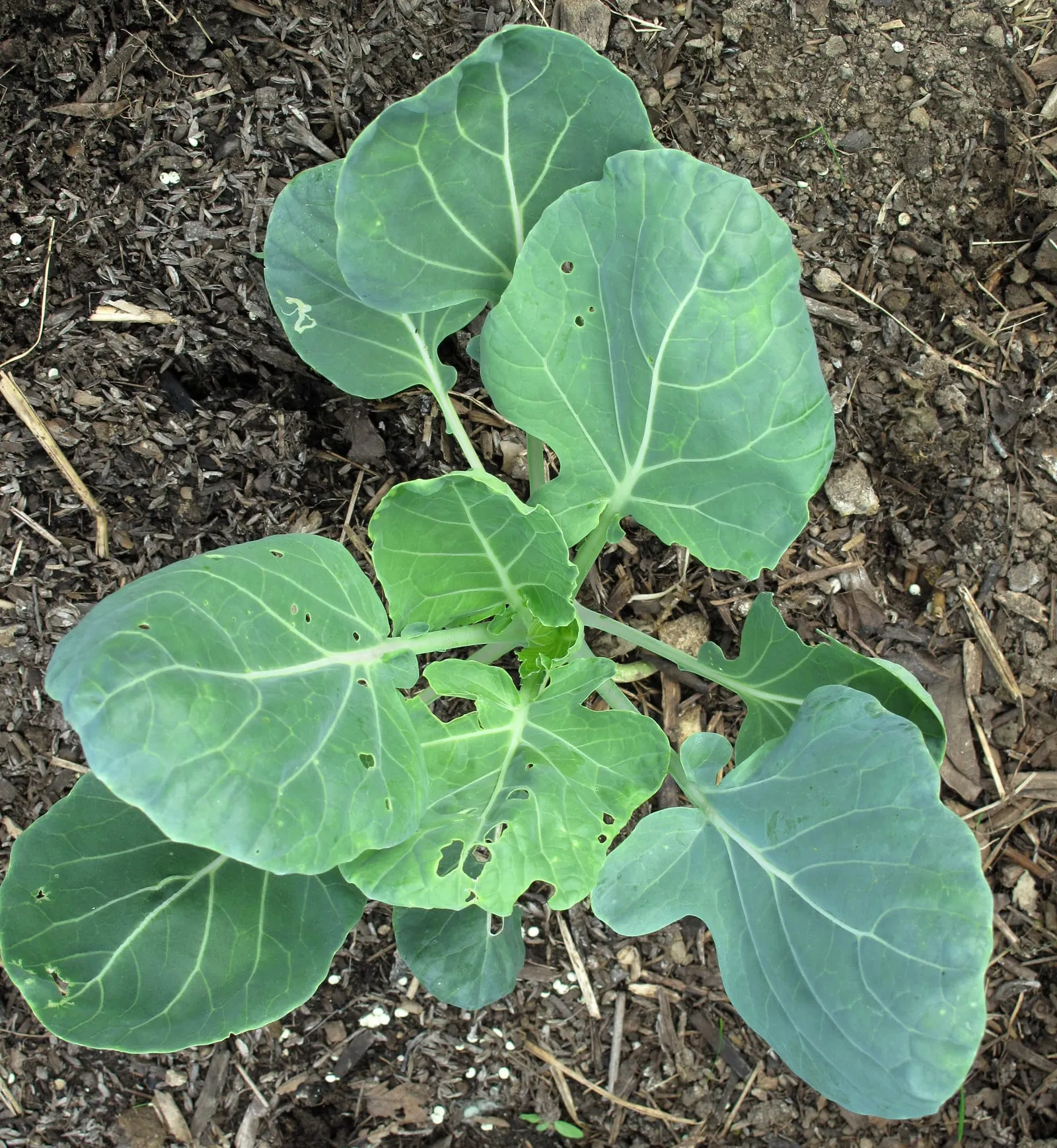
 Cauliflower
Brassica oleracea var. botrytis
zones 3b–9a
 zone 4b
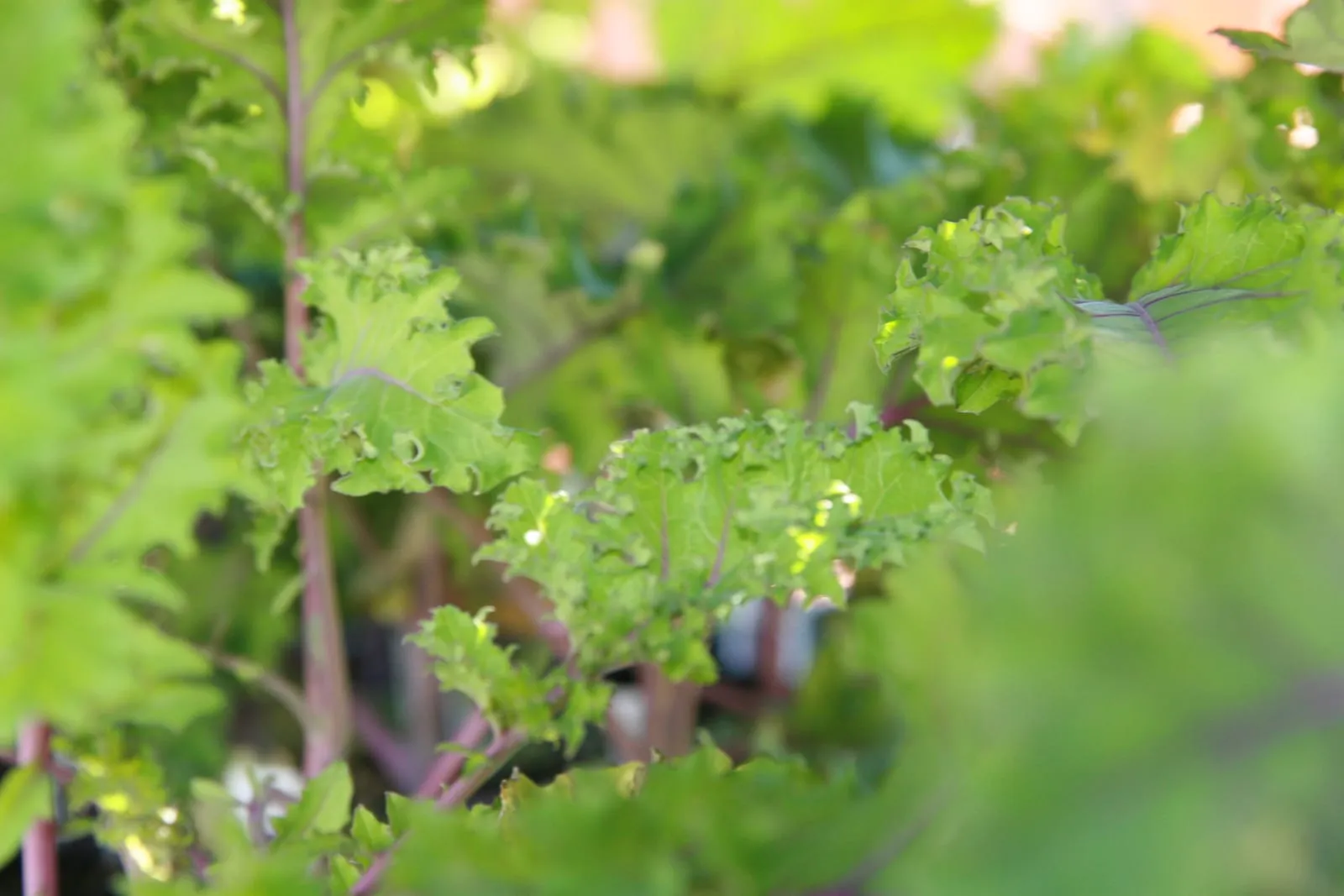
 Kale
Brassica oleracea var. acephala
zones 3a–9b
 zone 4b
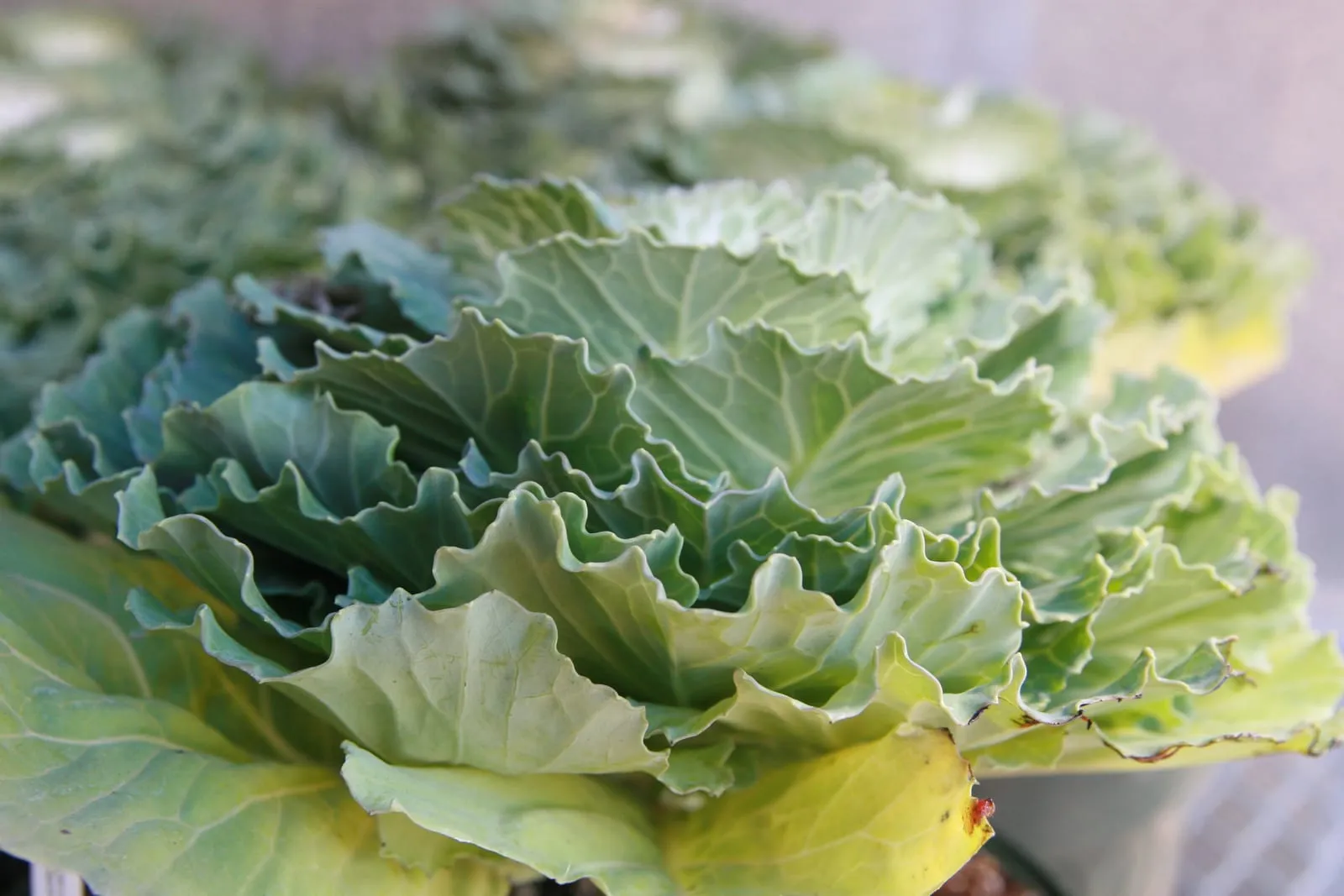
 Brussels Sprouts
Brassica oleracea var. gemmifera
zones 3b–8a
 zone 4b
 Collards
Brassica oleracea var. acephala
zones 4a–9b
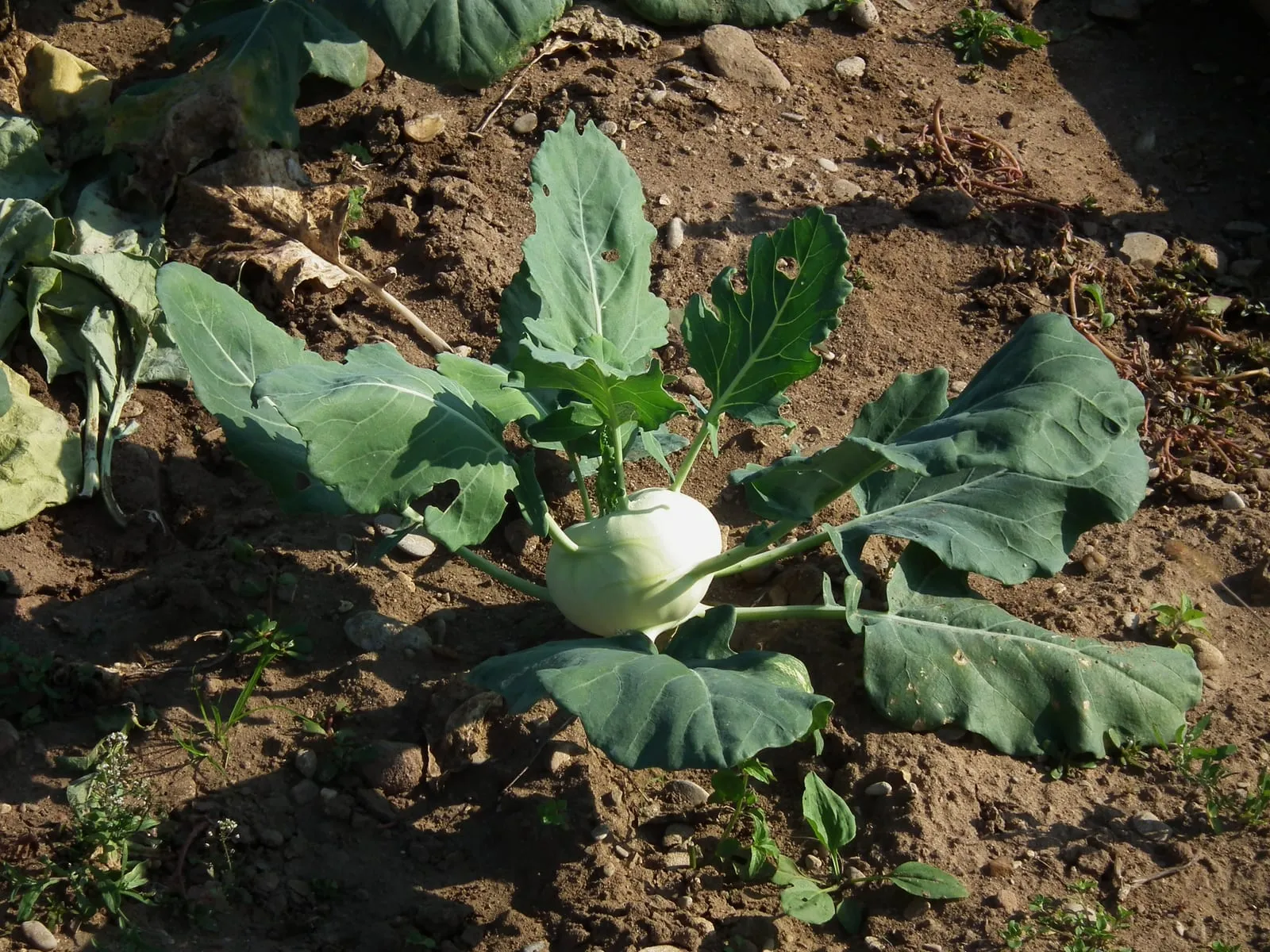 zone 4b
 Kohlrabi
Brassica oleracea var. gongylodes
zones 3b–8a
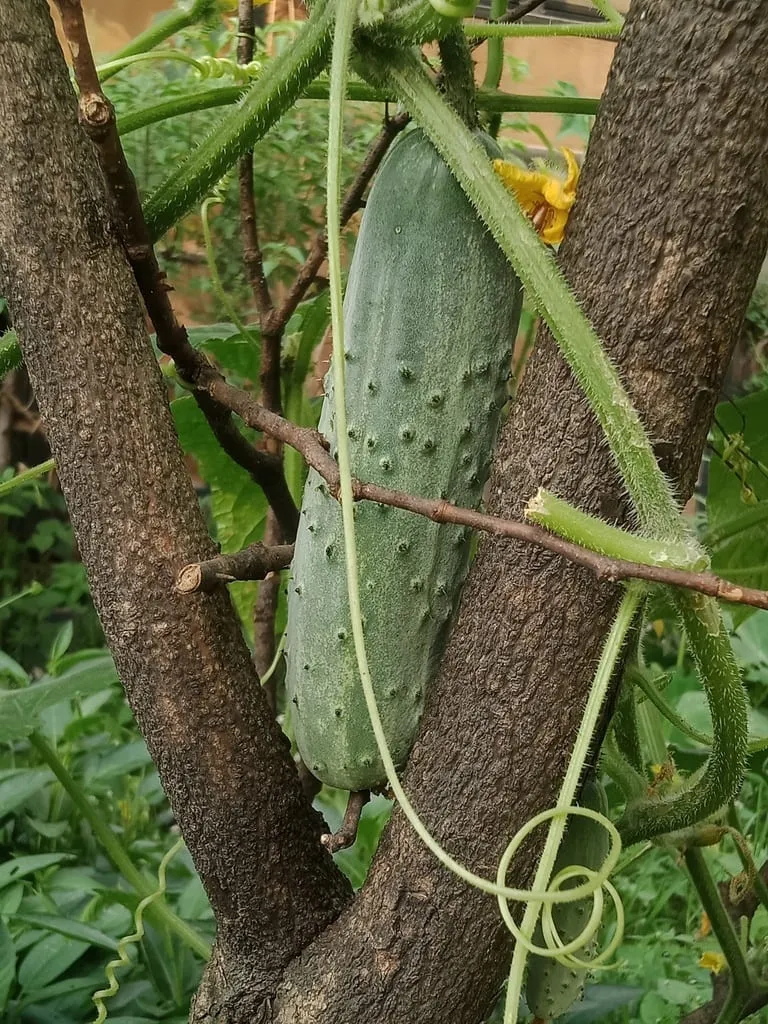 zone 4b
 Cucumber
Cucumis sativus
zones 3b–10a
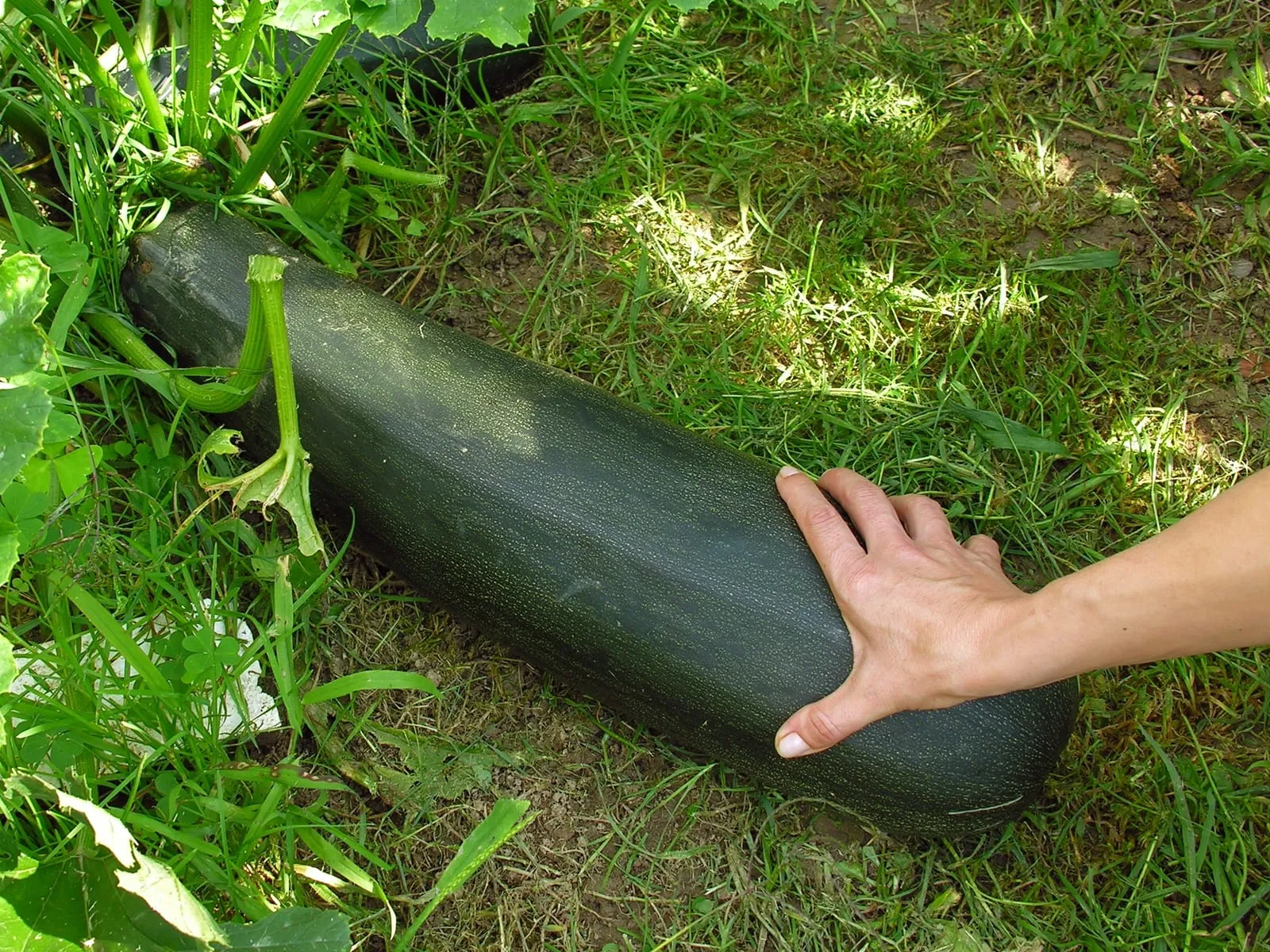 zone 4b
 Summer Squash
Cucurbita pepo
zones 3b–10a
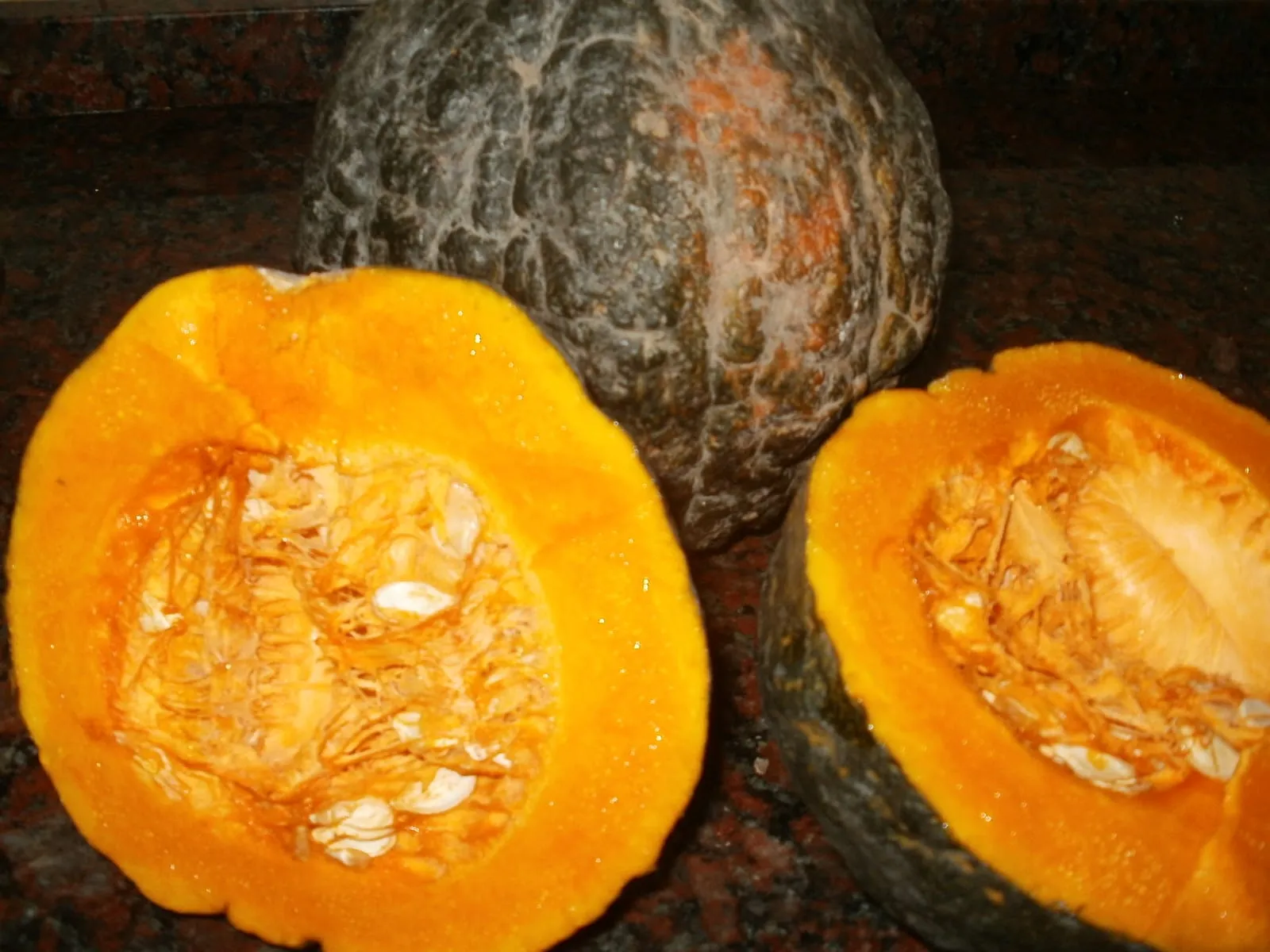 zone 4b
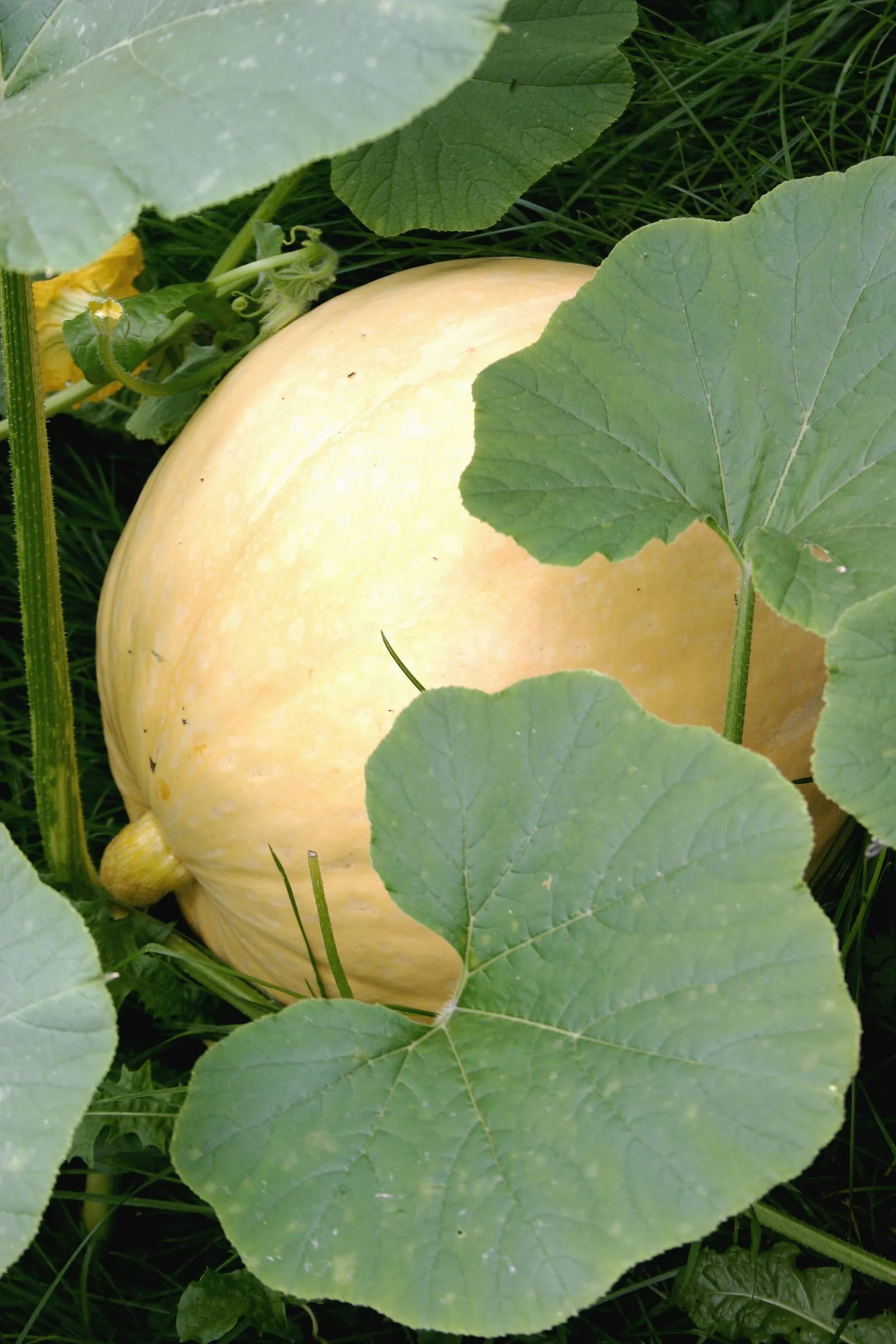
 Winter Squash
Cucurbita maxima and Cucurbita moschata
zones 4a–9a
 zone 4b
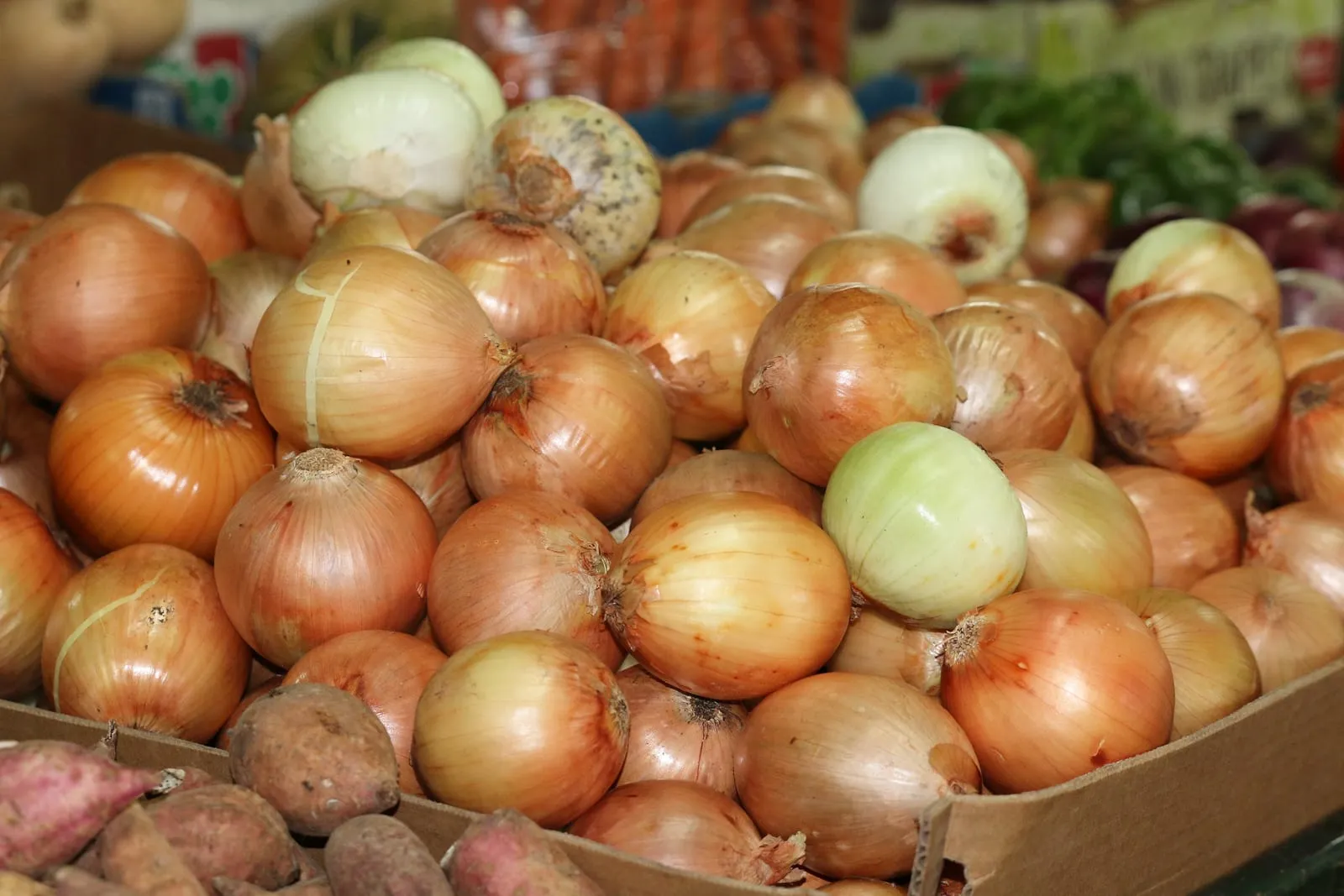
 Pumpkin
Cucurbita pepo and Cucurbita maxima
zones 4a–8b
 zone 4b
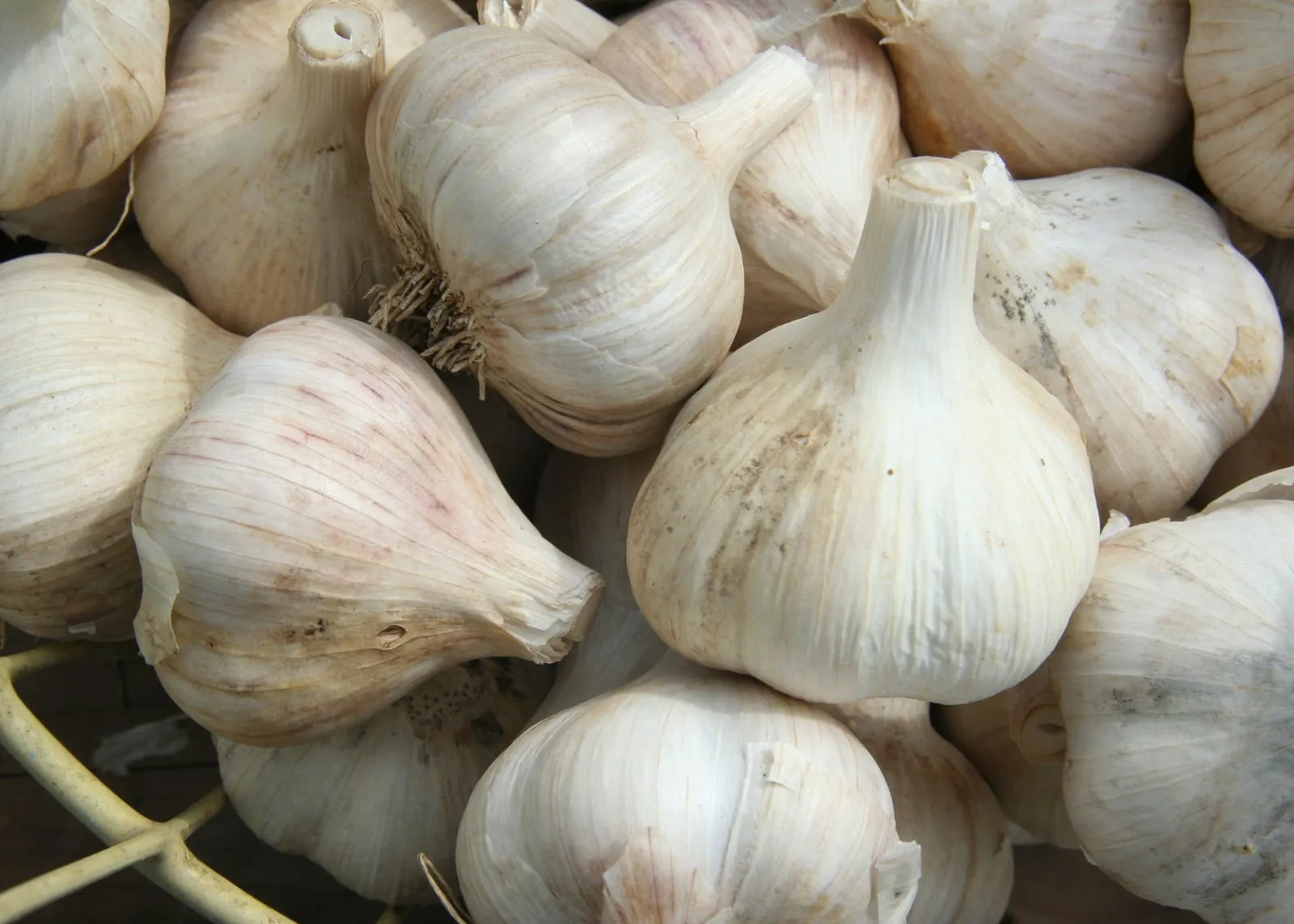
 Onion
Allium cepa
zones 3a–9b
 zone 4b
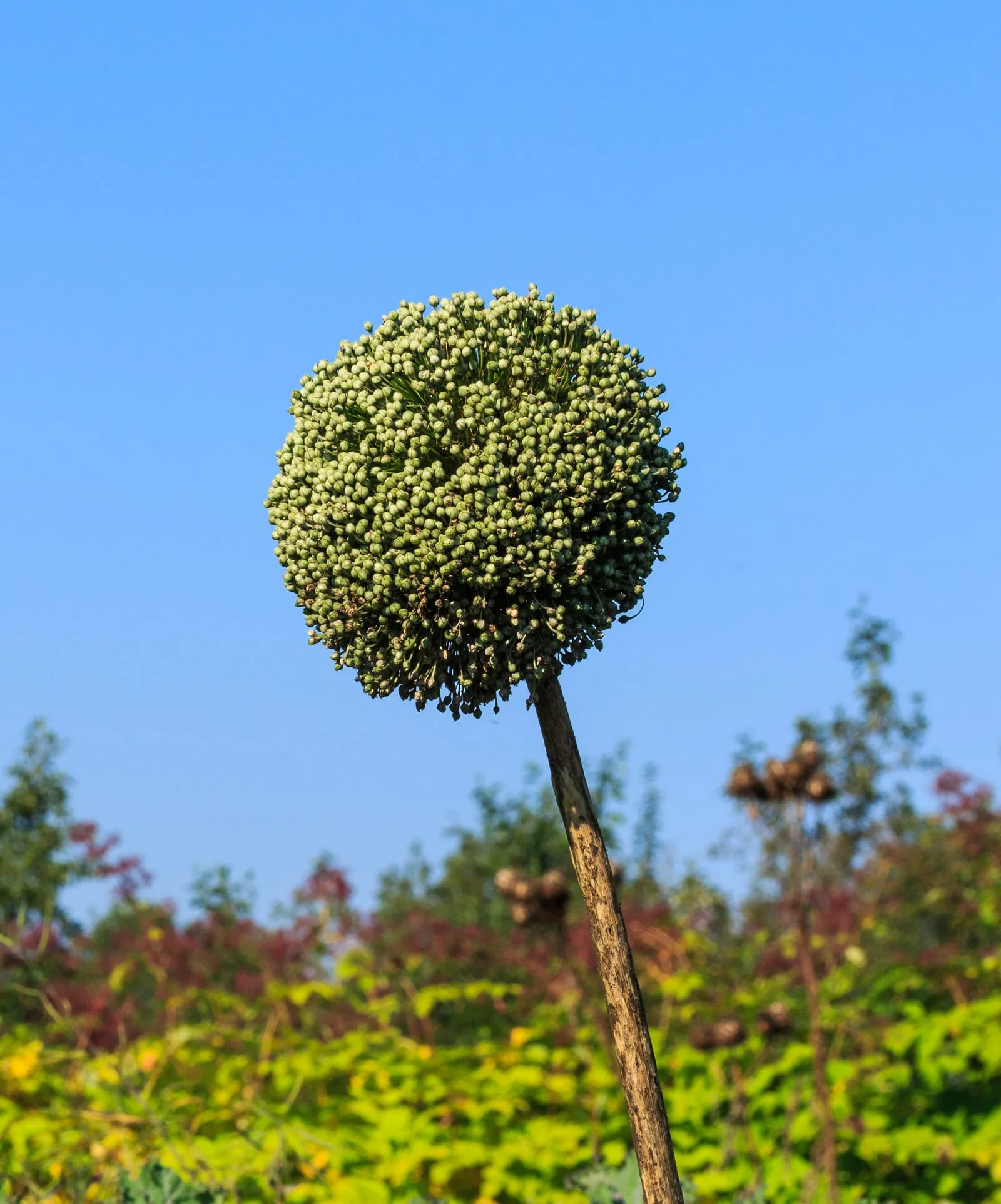
 Garlic
Allium sativum
zones 3a–9a
 zone 4b
 Leek
Allium ampeloprasum
zones 3b–8b
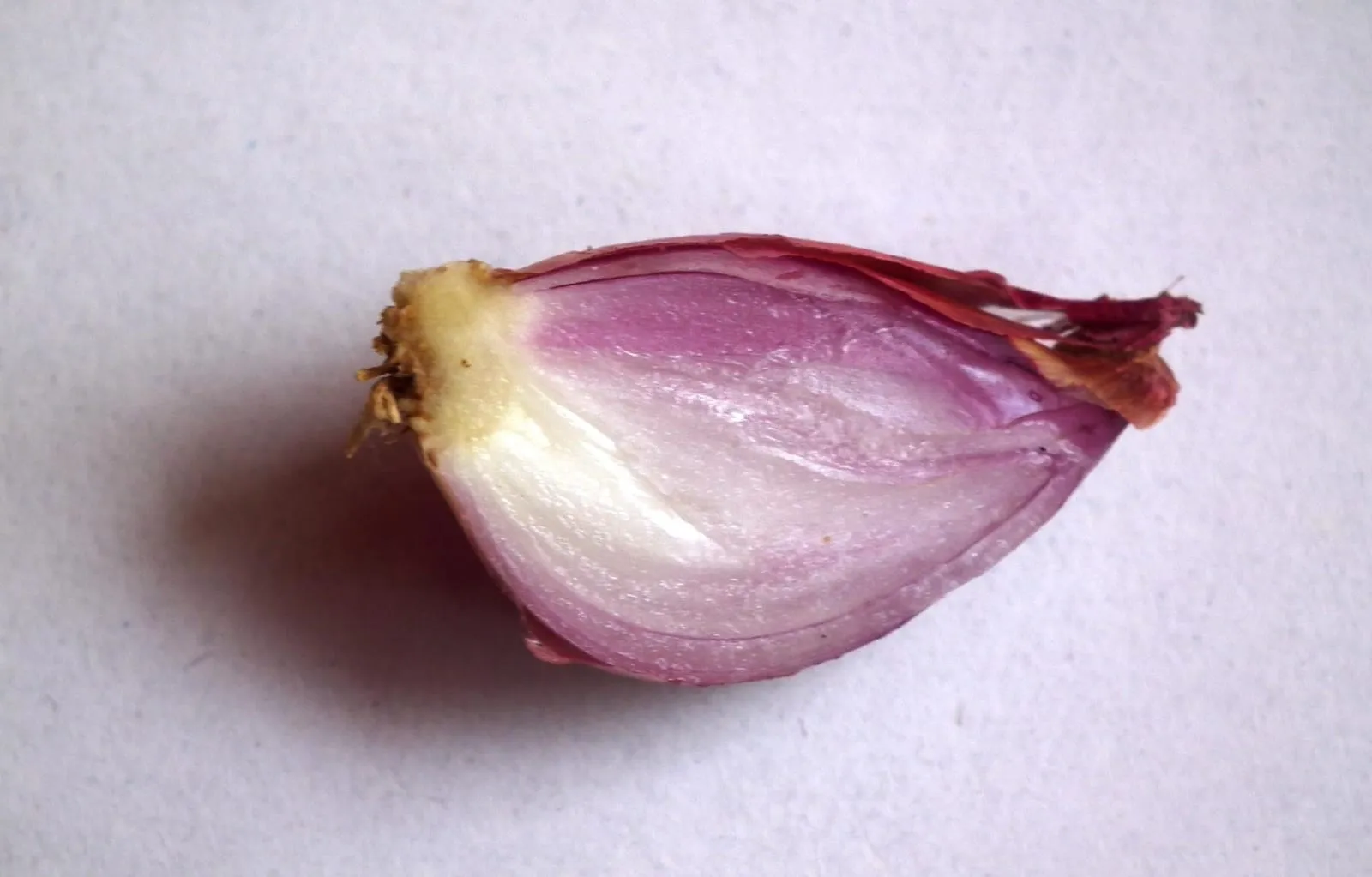 zone 4b
 Shallot
Allium cepa var. aggregatum
zones 3b–8a
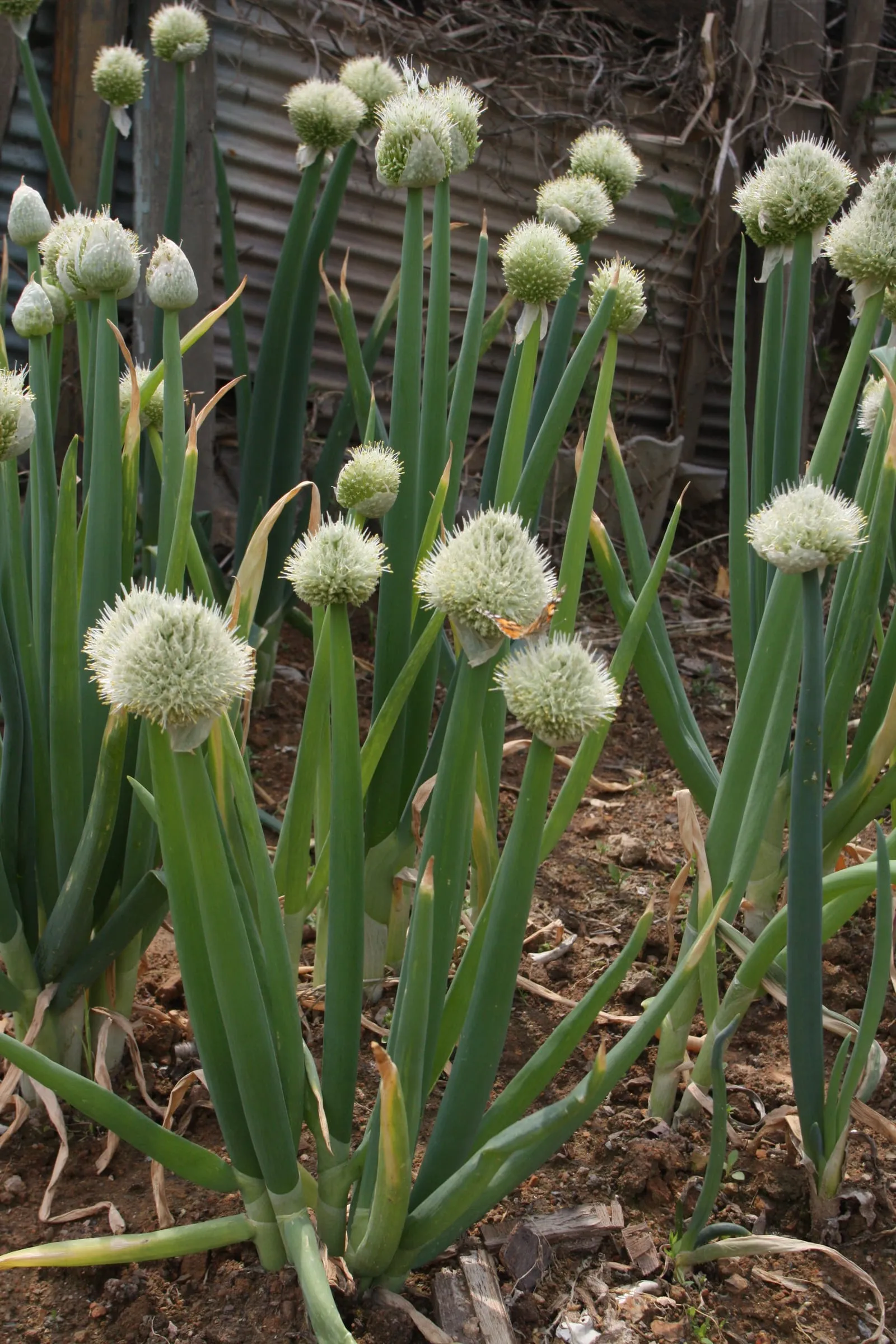 zone 4b
 Scallion (Bunching Onion)
Allium fistulosum
zones 3b–9b
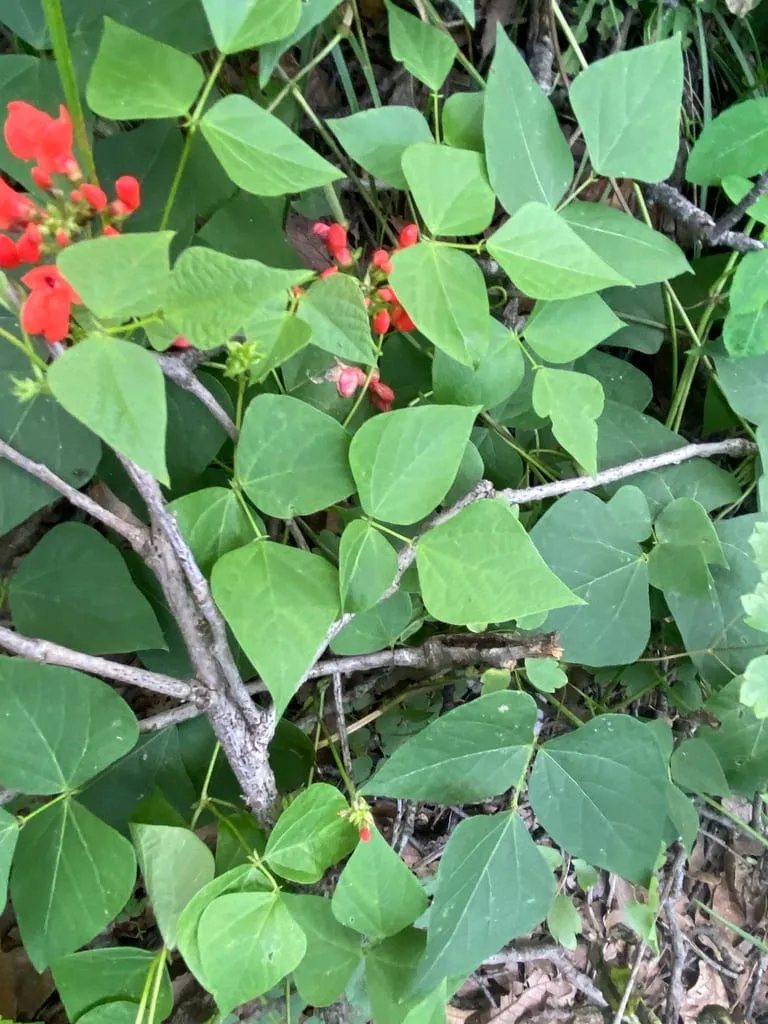 zone 4b
 Bush Bean
Phaseolus vulgaris
zones 3b–9a
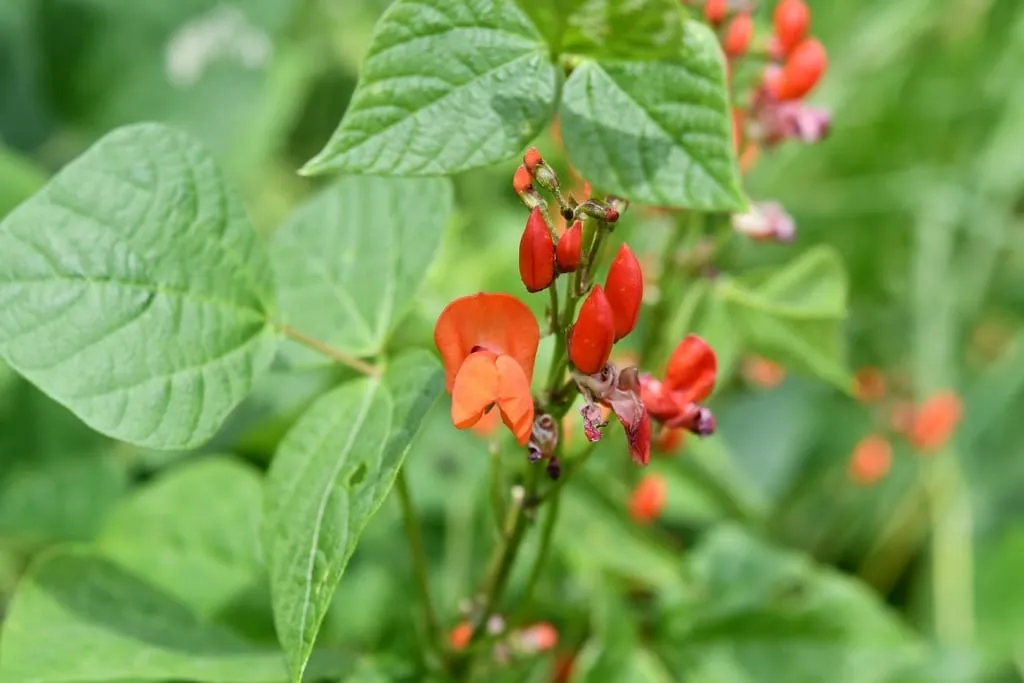 zone 4b
 Pole Bean
Phaseolus vulgaris
zones 3b–9a
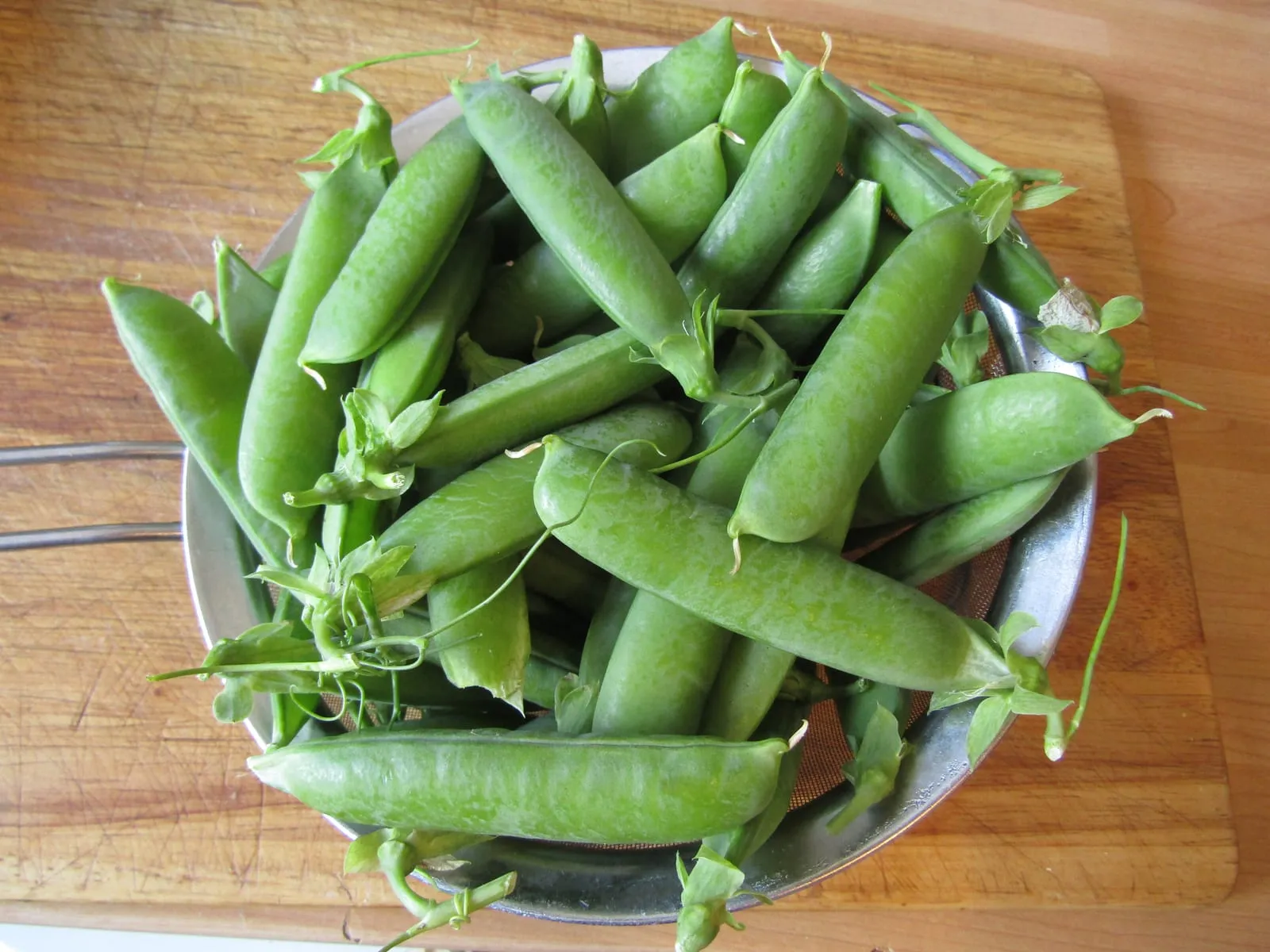 zone 4b
 Pea
Pisum sativum
zones 3a–8b
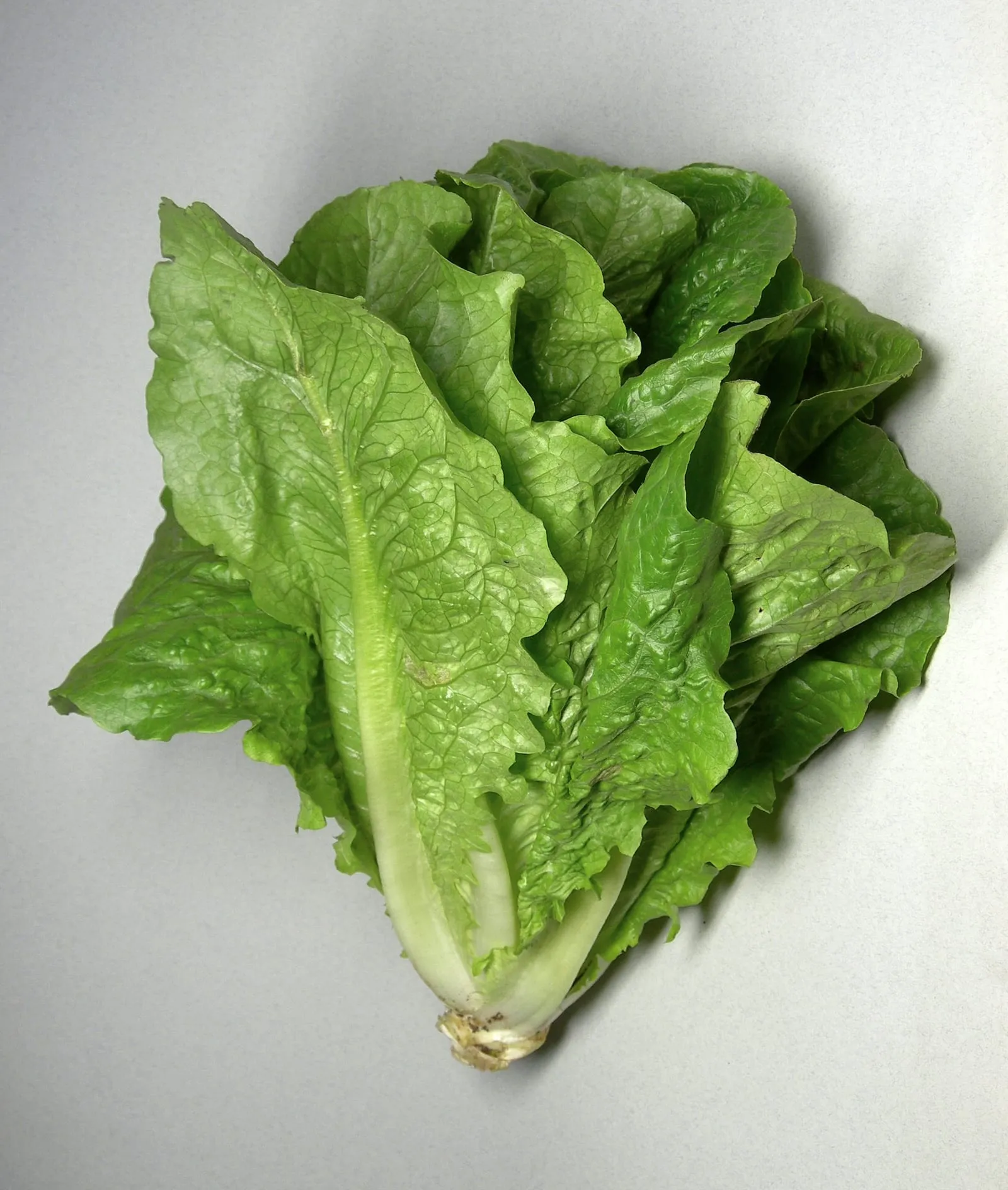 zone 4b
 Lettuce
Lactuca sativa
zones 3a–9b
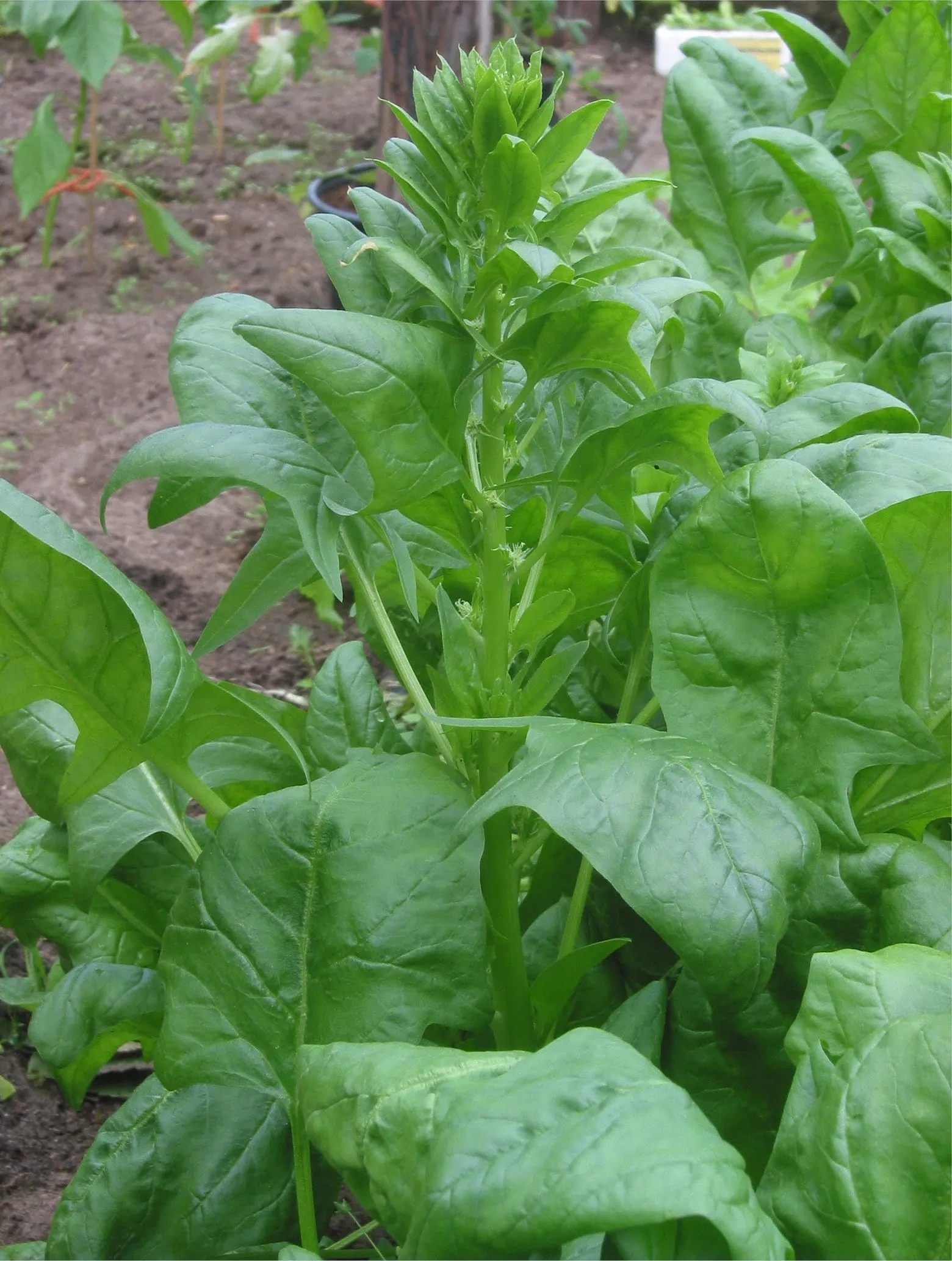 zone 4b
 Spinach
Spinacia oleracea
zones 3a–9a
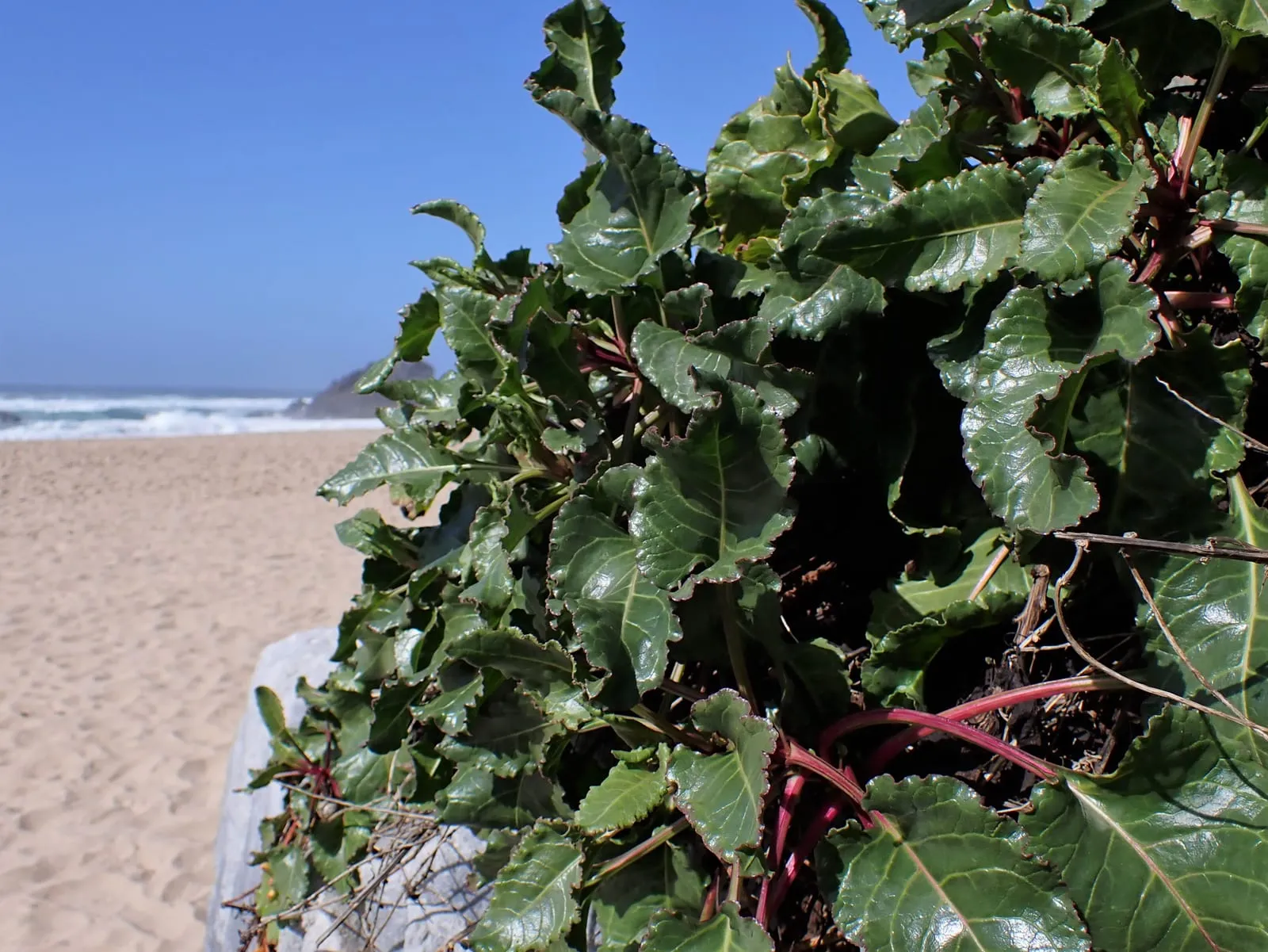 zone 4b
 Swiss Chard
Beta vulgaris subsp. vulgaris
zones 3a–9b
 zone 4b
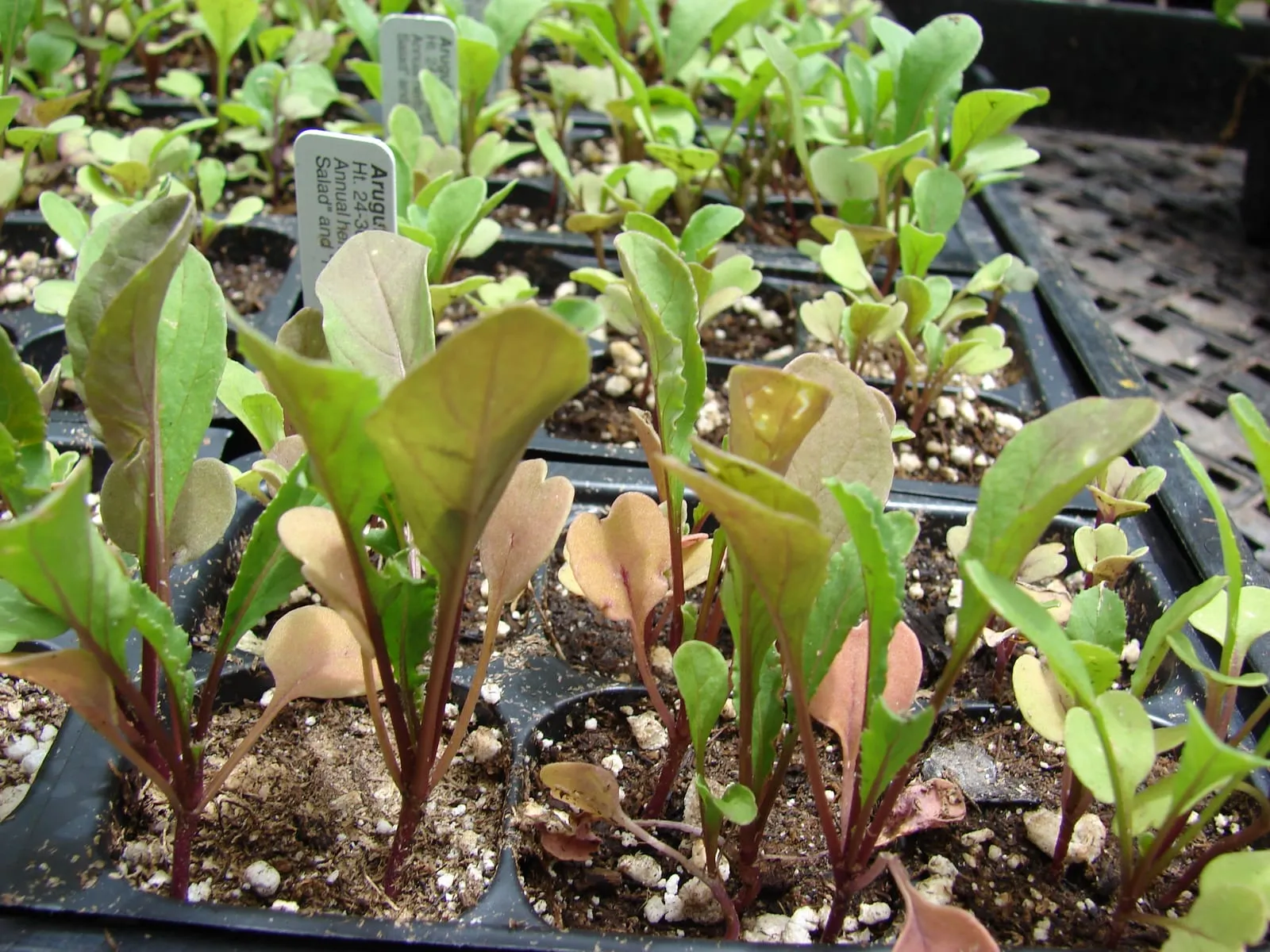
 Arugula
Eruca vesicaria
zones 3b–9a
 zone 4b
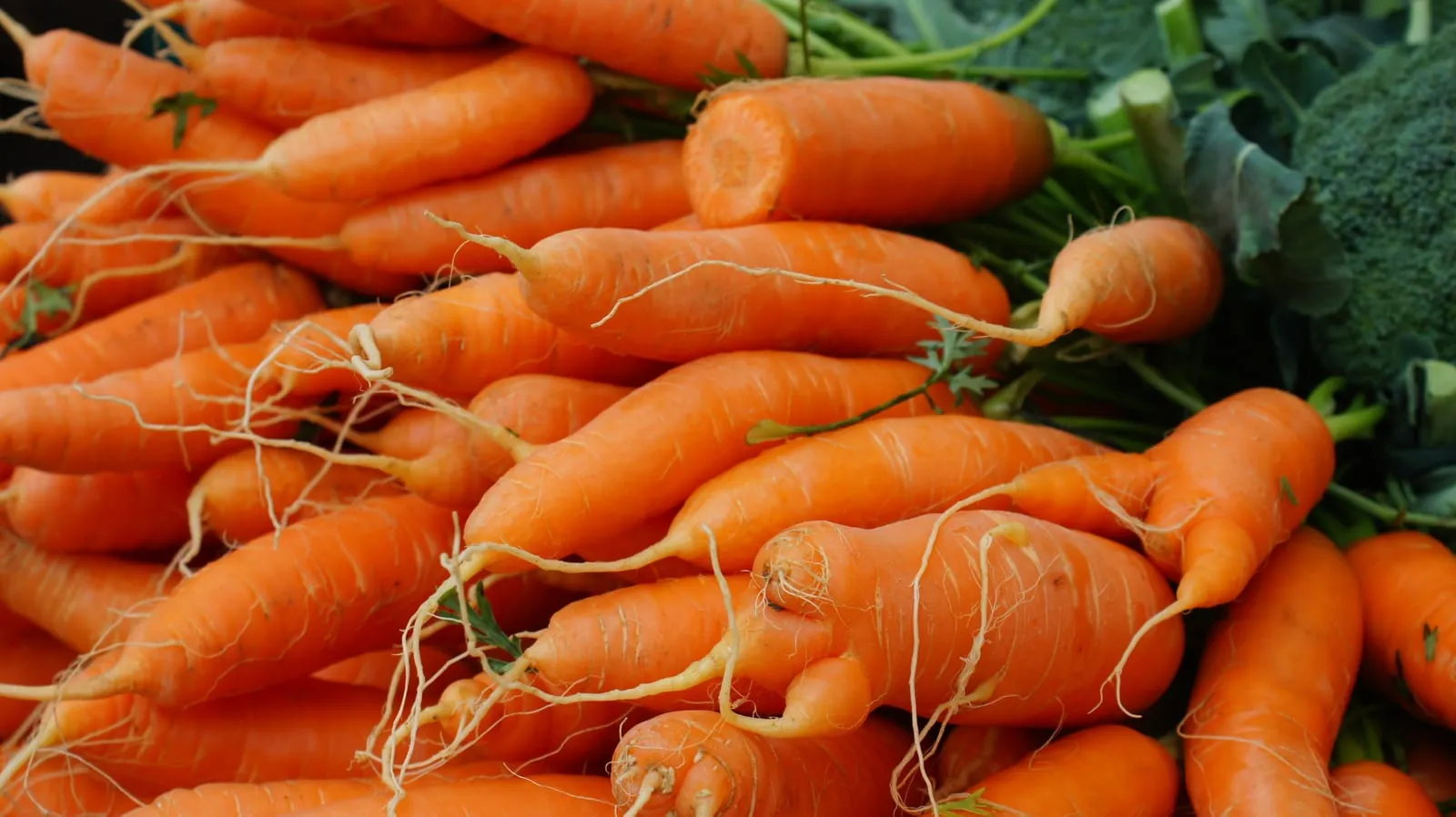
 Carrot
Daucus carota subsp. sativus
zones 3a–9a
 zone 4b
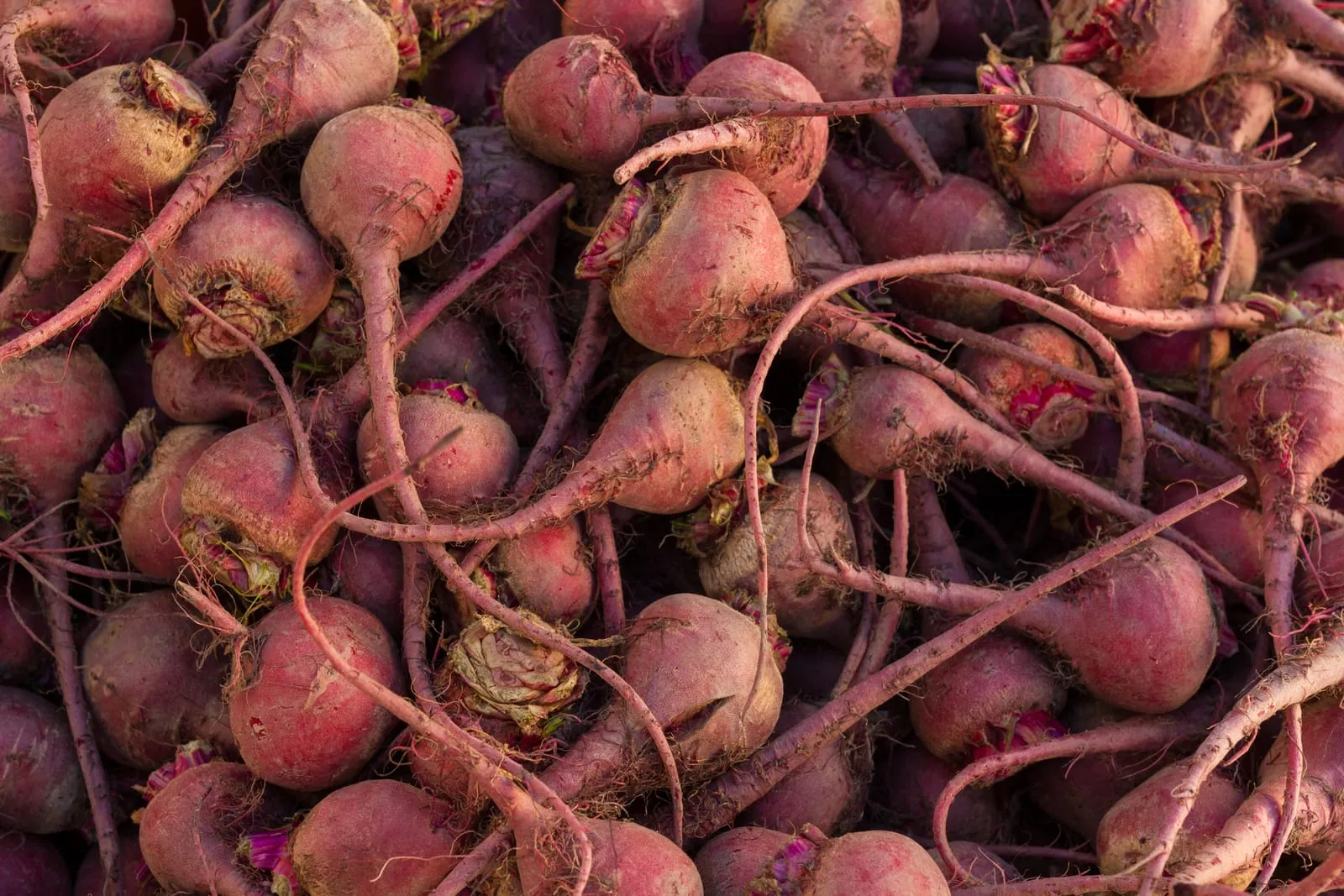
 Beet
Beta vulgaris
zones 3a–9a
 zone 4b
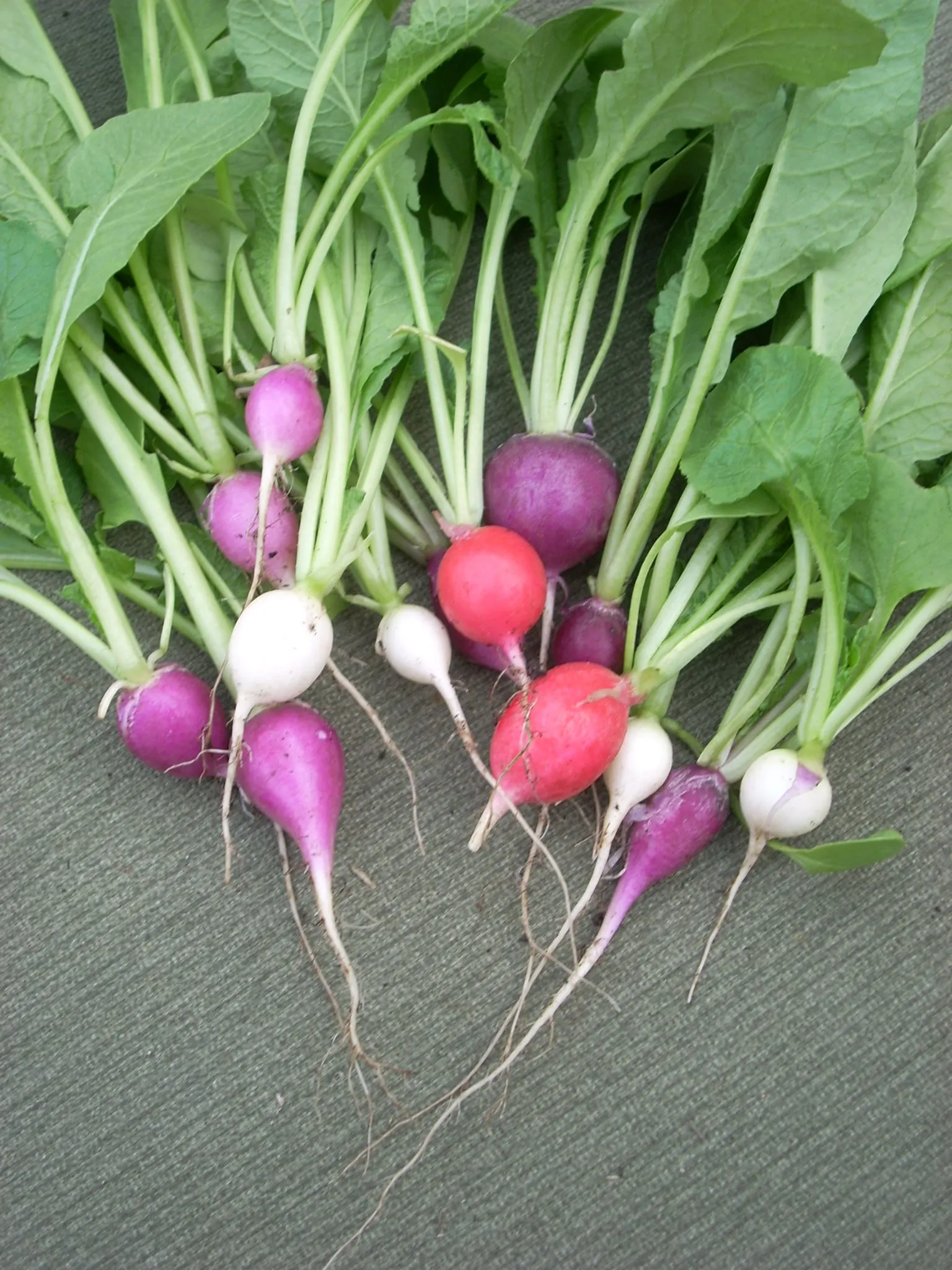
 Radish
Raphanus sativus
zones 3a–9a
 zone 4b
 Turnip
Brassica rapa subsp. rapa
zones 3a–8b
 zone 4b
 Parsnip
Pastinaca sativa
zones 3a–8a
 zone 4b
 Sweet Corn
Zea mays var. saccharata
zones 3b–9a
 zone 4b
 Asparagus
Asparagus officinalis
zones 3b–8b
Herbs
9 crops
 zone 4b
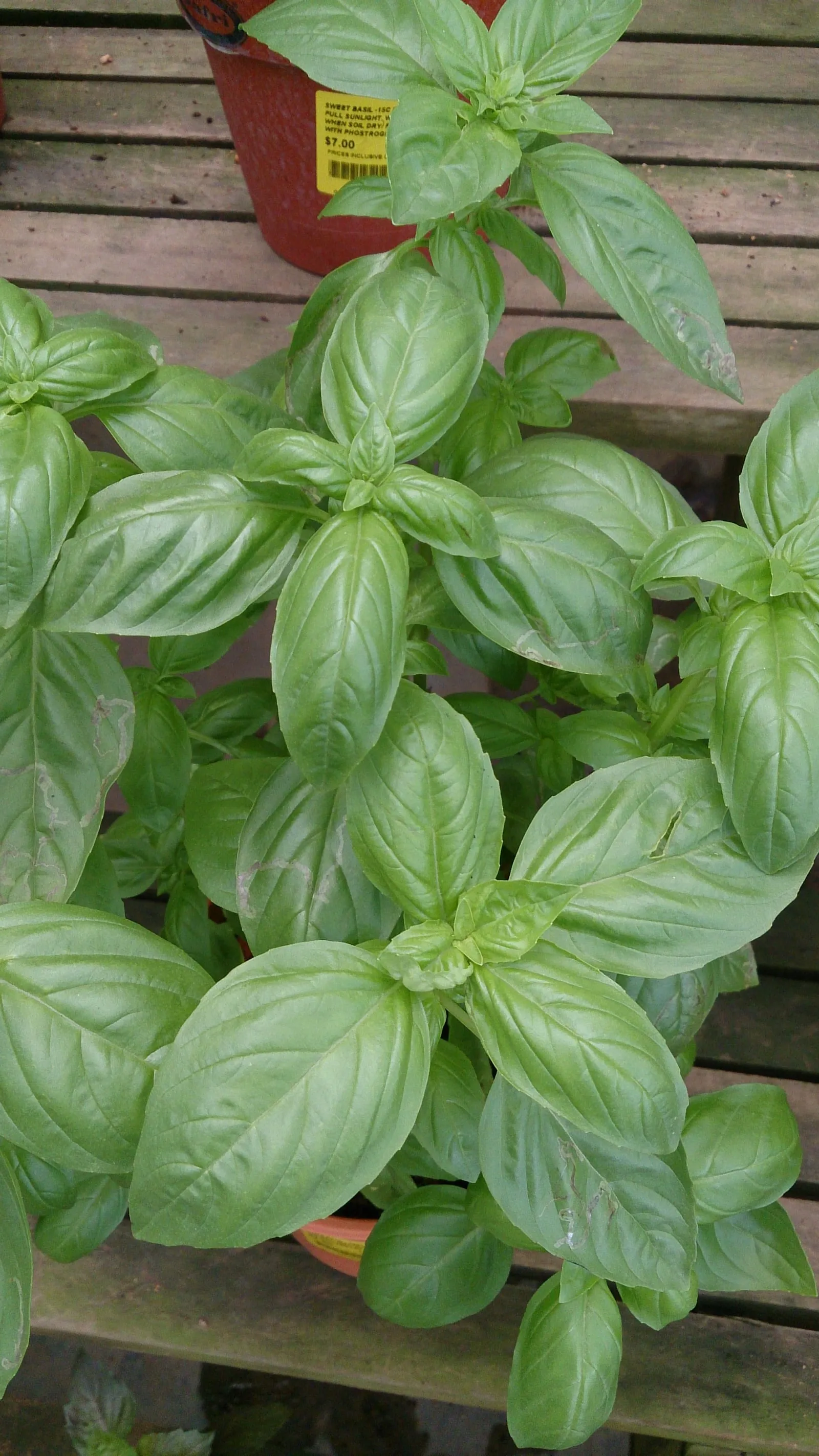
 Basil
Ocimum basilicum
zones 4a–10b
 zone 4b
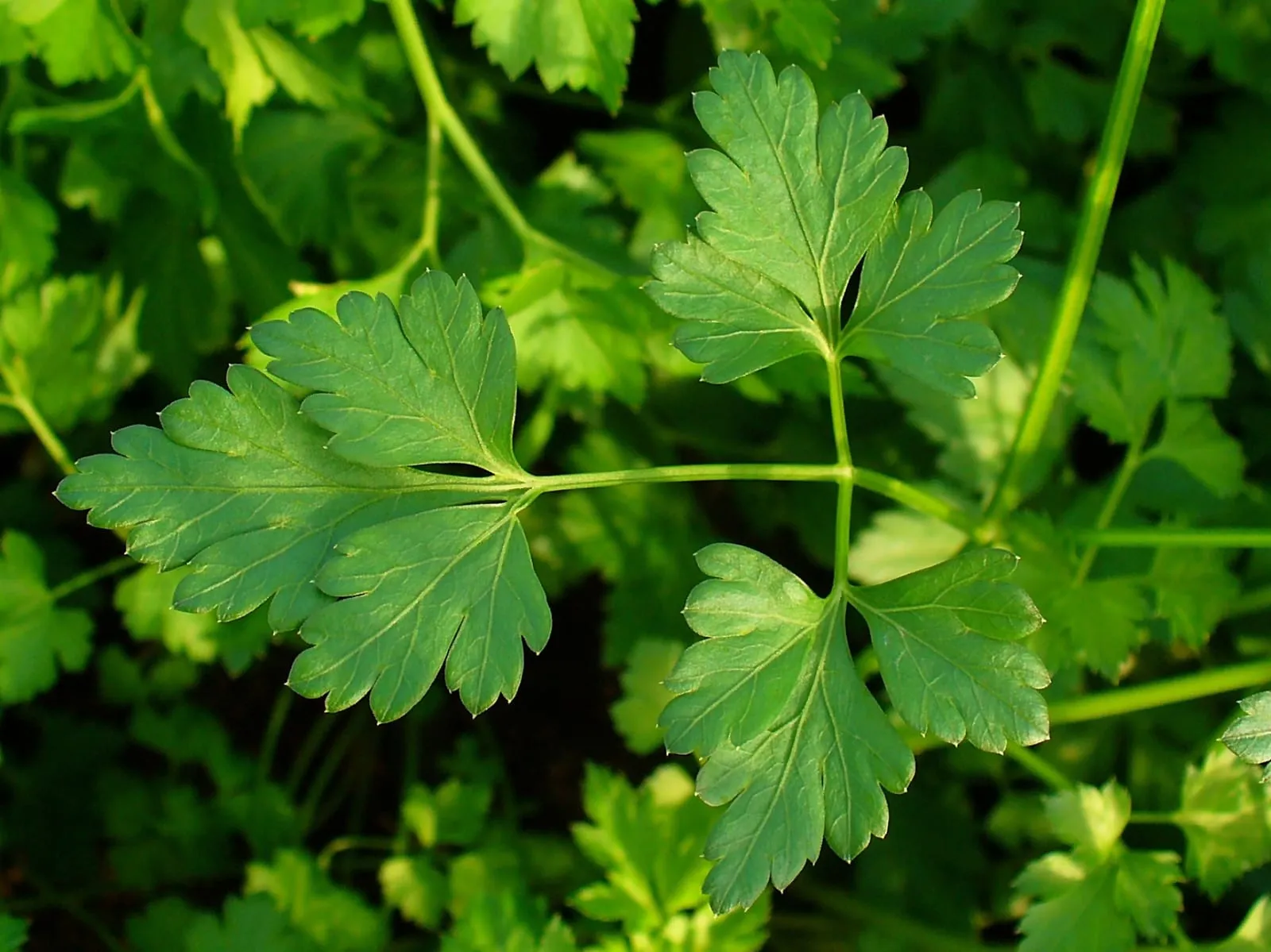
 Parsley
Petroselinum crispum
zones 3b–9b
 zone 4b
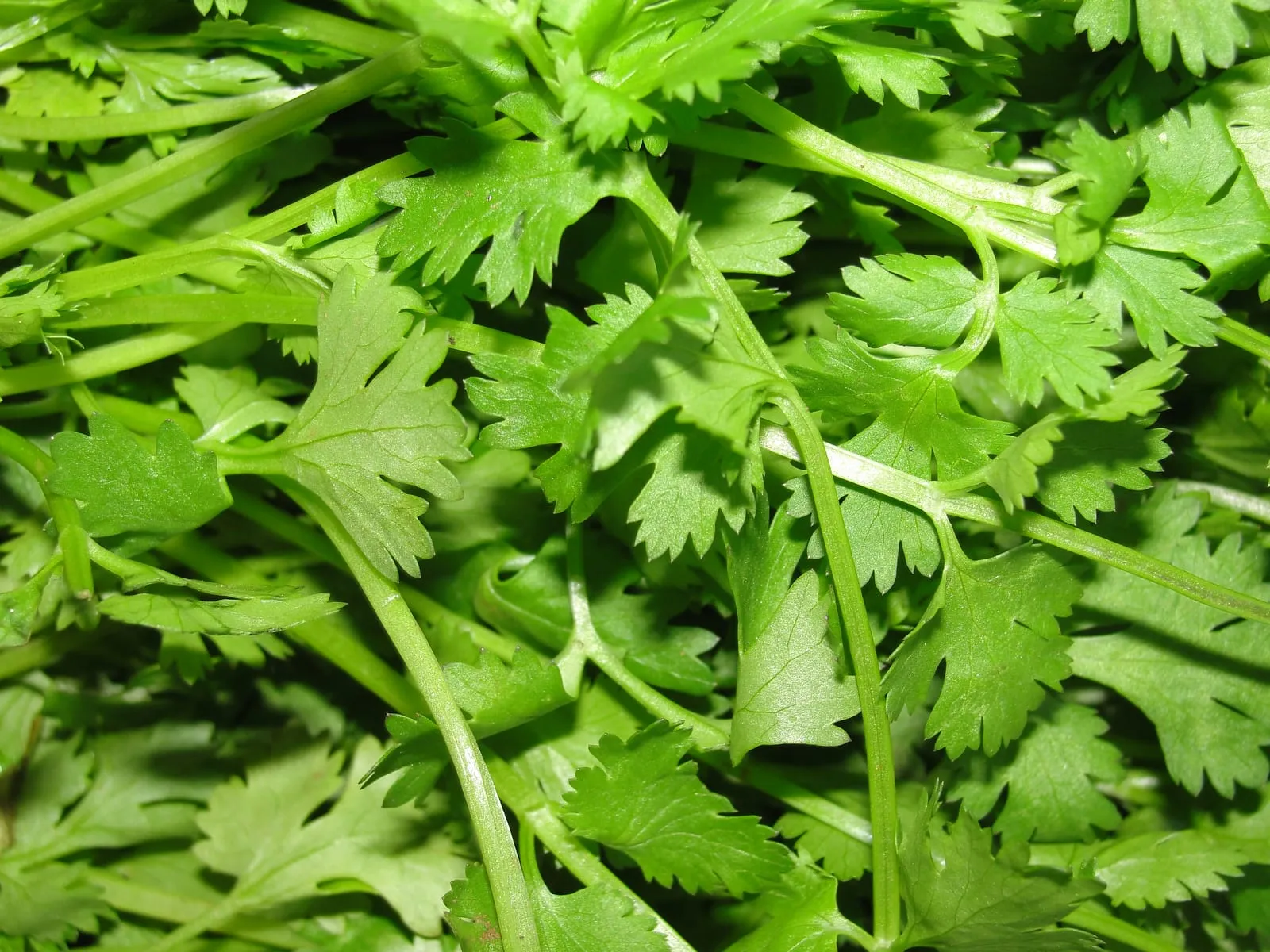
 Cilantro / Coriander
Coriandrum sativum
zones 3b–9b
 zone 4b
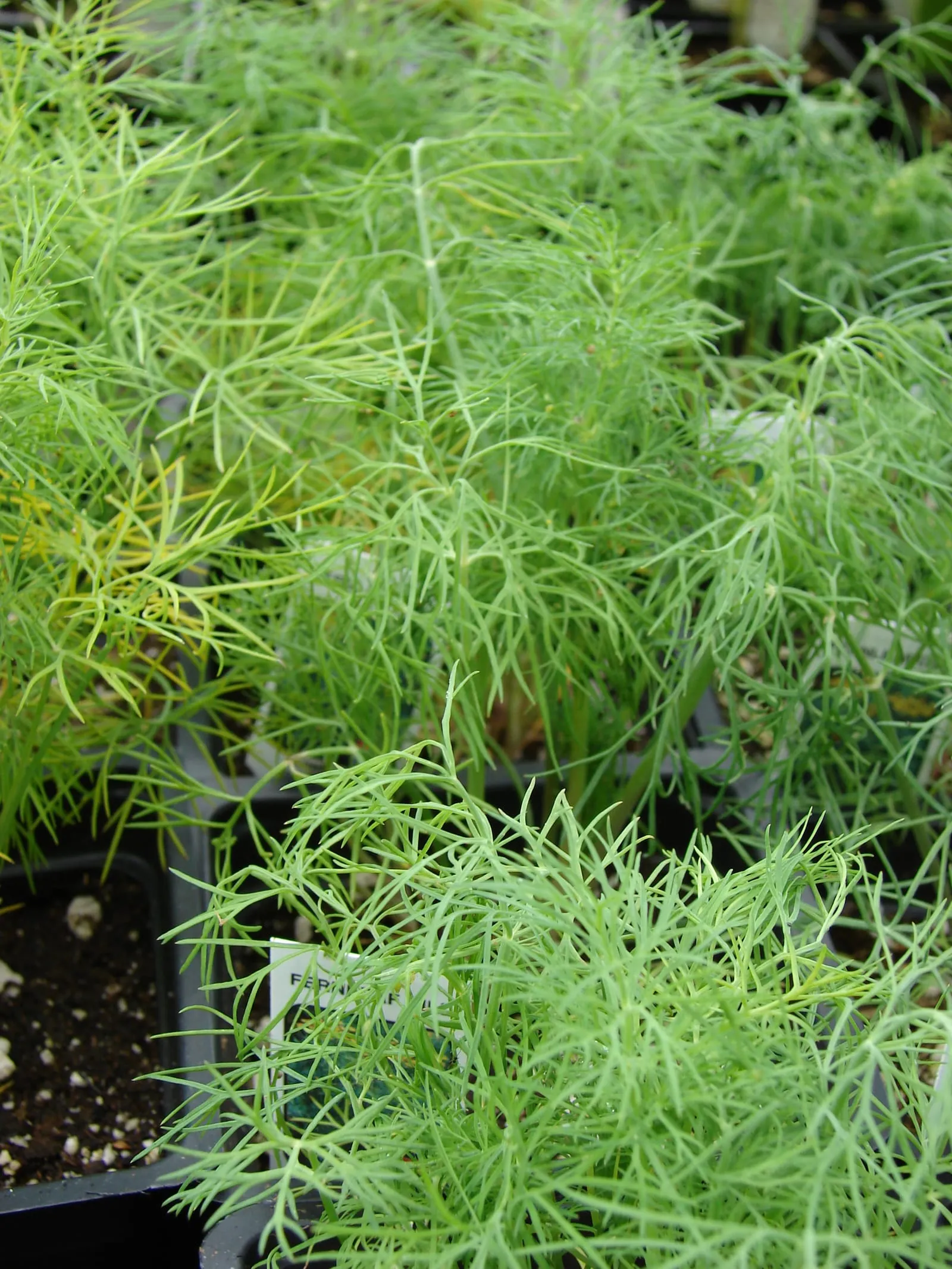
 Dill
Anethum graveolens
zones 3b–9a
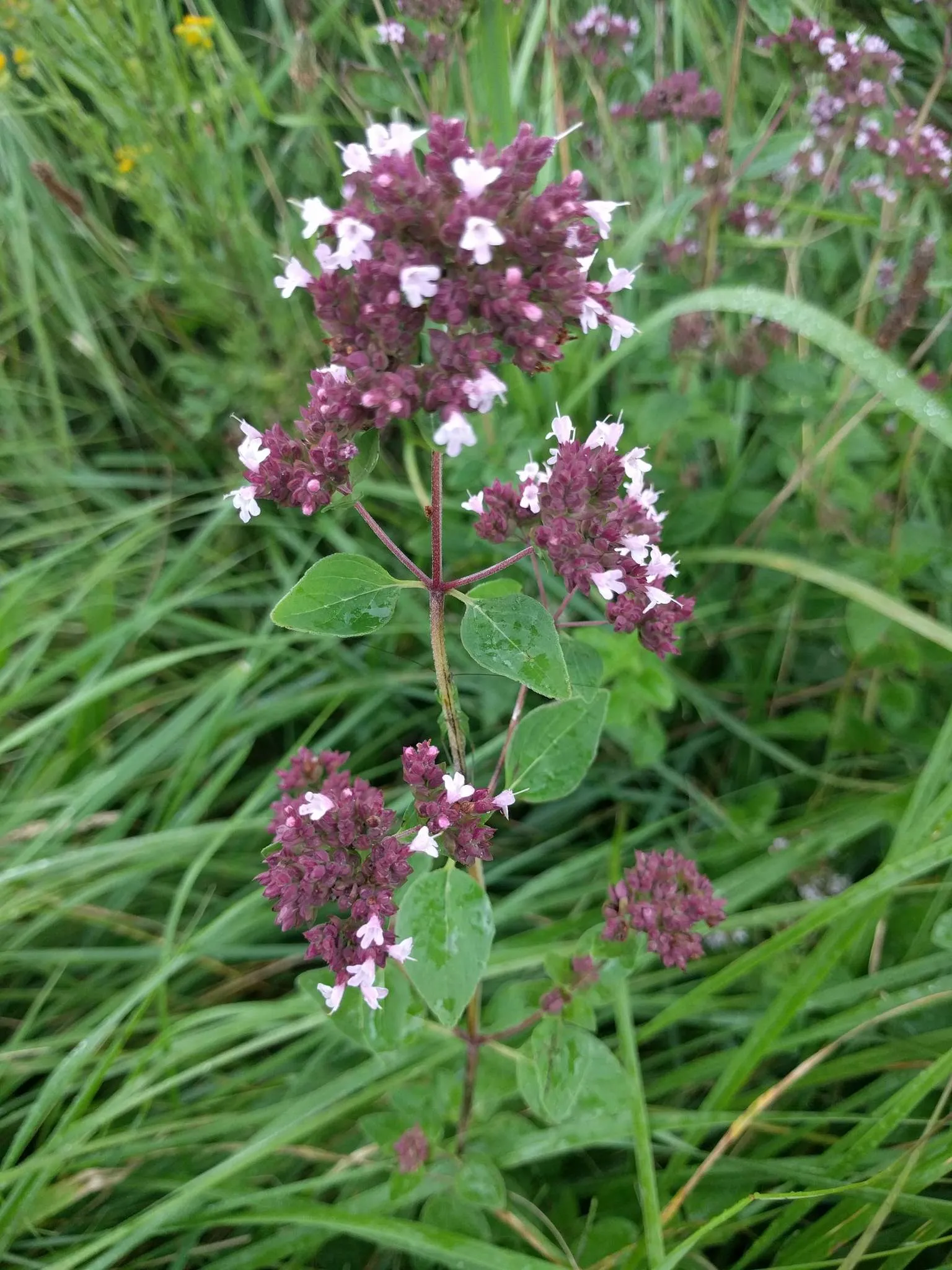 zone 4b
 Oregano
Origanum vulgare
zones 4a–9b
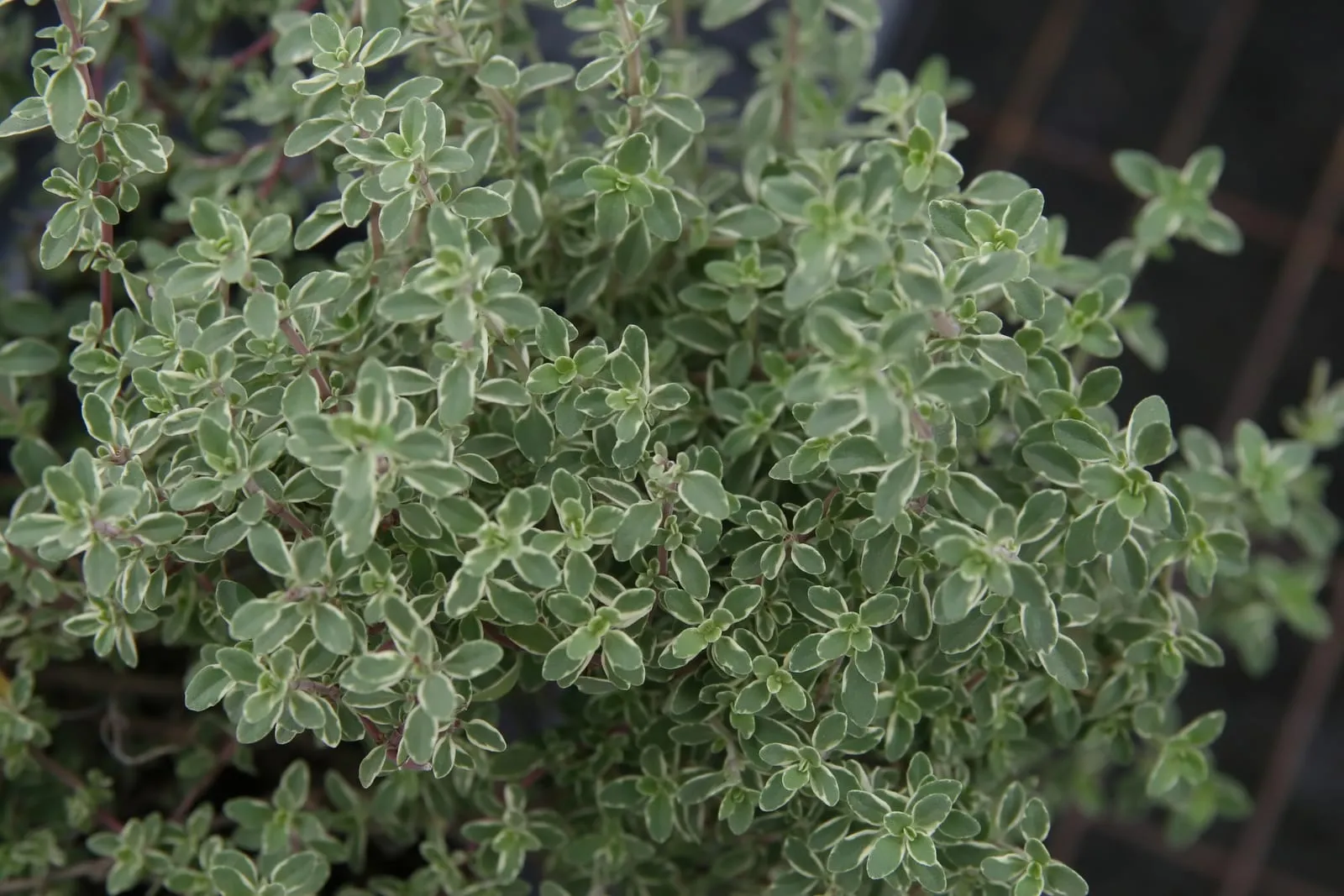 zone 4b
 Thyme
Thymus vulgaris
zones 4a–9a
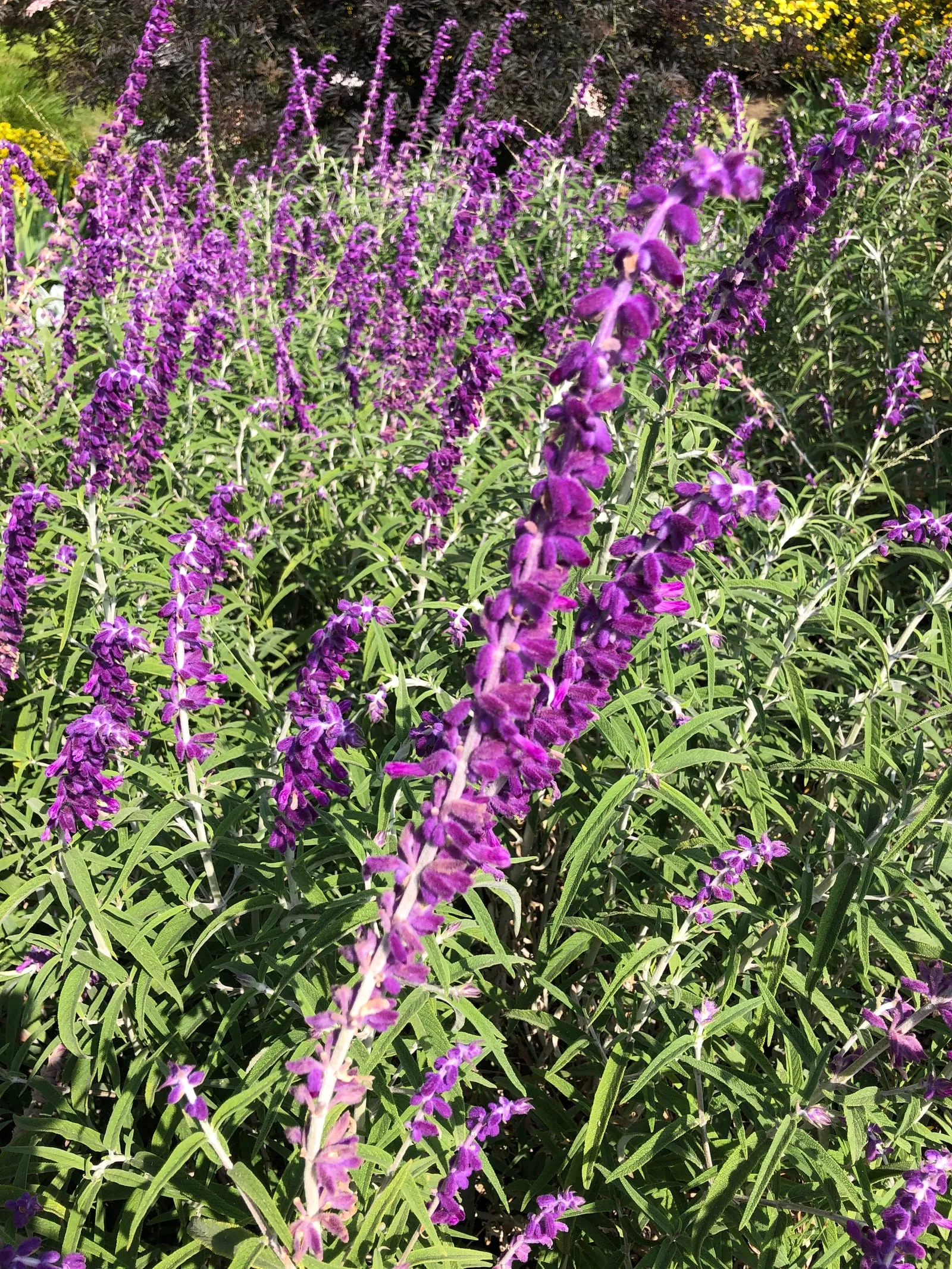 zone 4b
 Sage
Salvia officinalis
zones 4a–9a
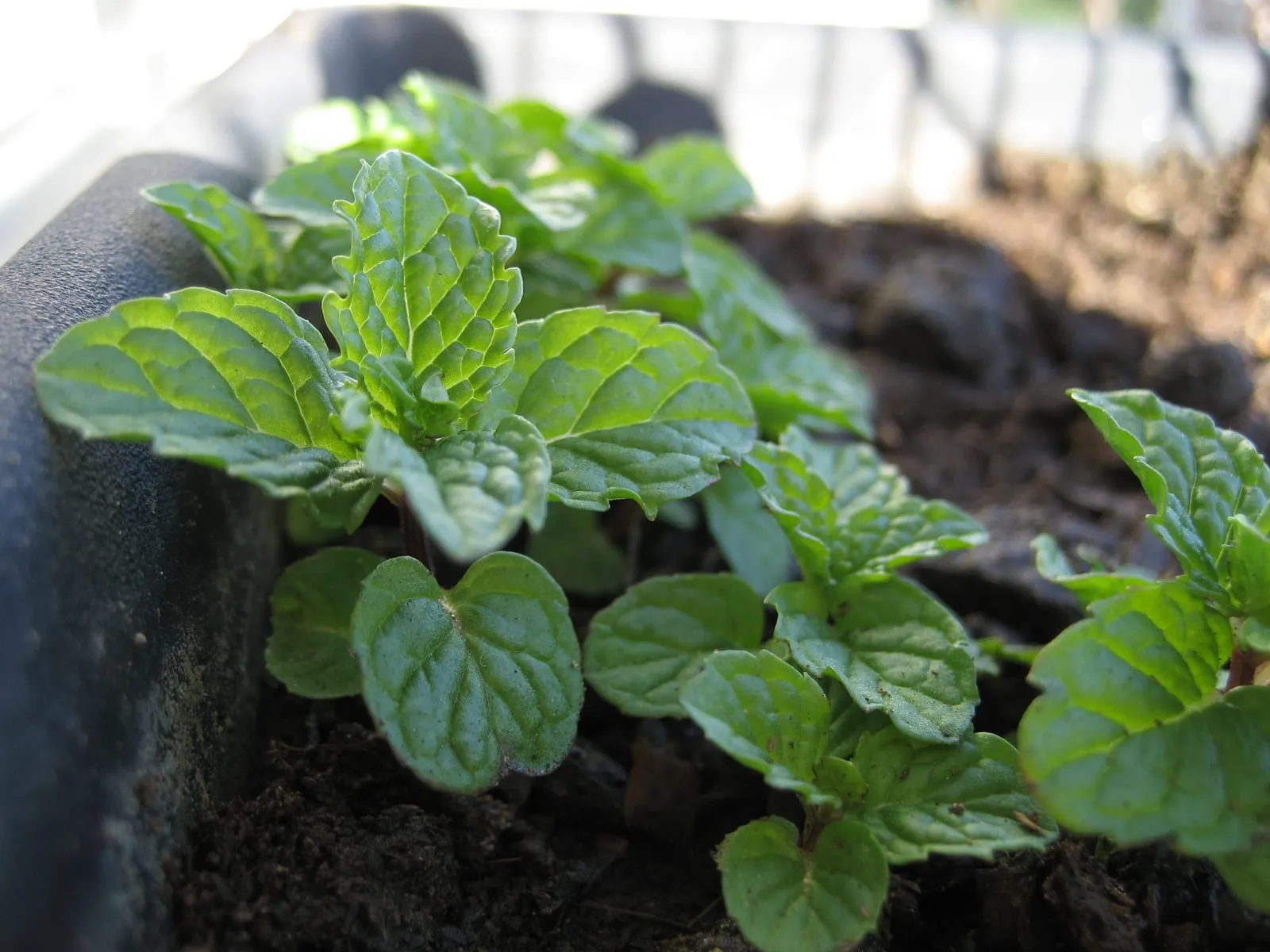 zone 4b
 Mint
Mentha species
zones 3b–9b
 zone 4b
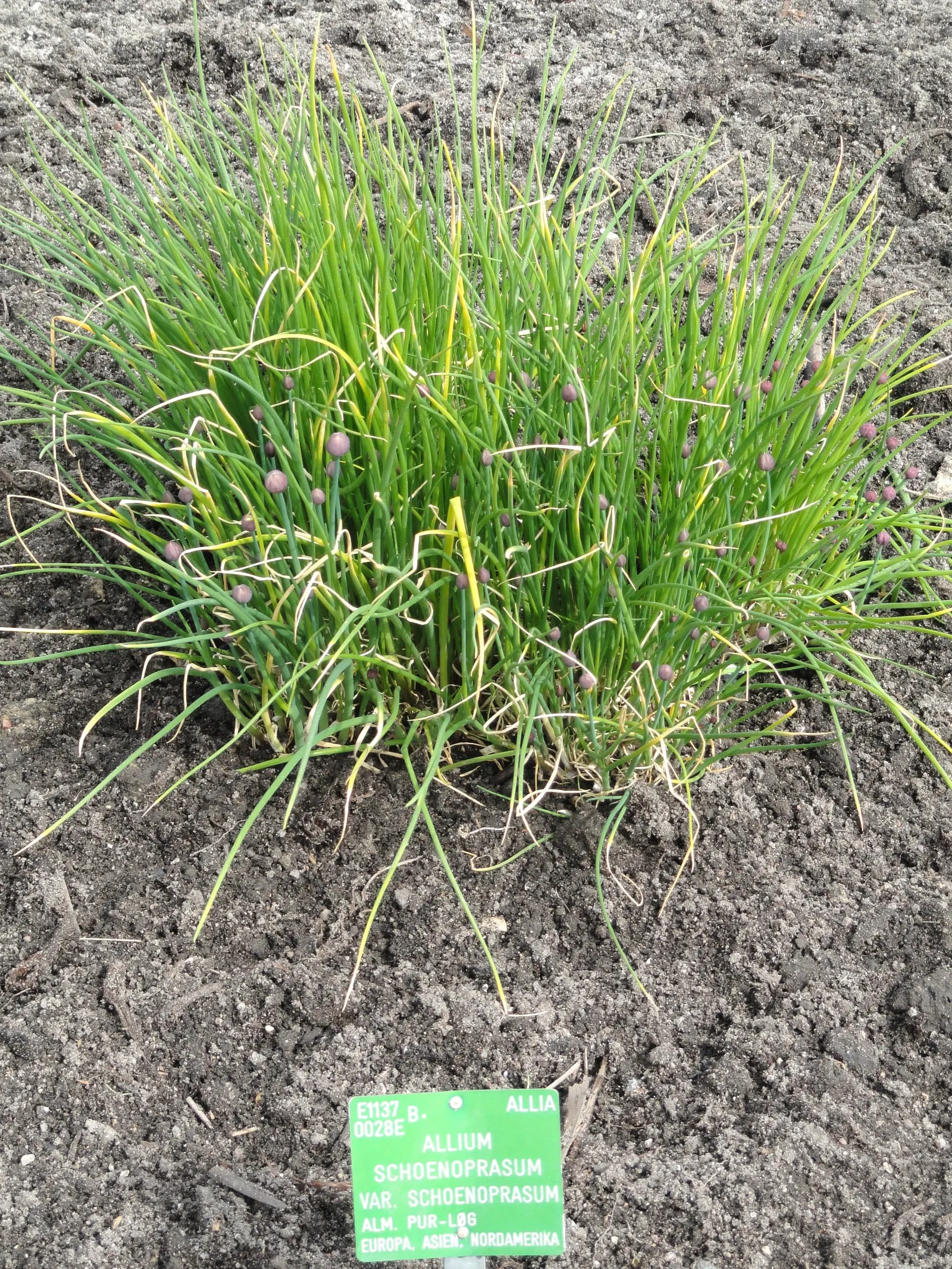
 Chives
Allium schoenoprasum
zones 3a–8b
When to plant
Planting calendar for zone 4b
Year-view of seed starting, transplanting, planting, pruning, fertilizing, harvest, and pest-watch windows based on the average frost timing for zone 4b.
Week ? · loading
This week in zone 4b
Quiet week in zone 4b. this week is a good time to step back and plan ahead.
Nothing critical on the calendar this week.
333 bars · 71 crops
Calendar logic combines NOAA frost normals with crop-specific timing data. Local microclimate and weather always overrules the calendar; use this as a starting point.
Frequently asked questions
- Can I grow peaches in zone 4b?
Most commercial peach varieties are not reliably hardy below -15°F, putting standard selections at significant risk in zone 4b winters. Reliance and Contender are commonly cited as hardy to -20°F or -25°F, but crop reliability is inconsistent, and full crop loss in severe winters should be expected even with these selections. Growing peaches here is possible on the best-protected sites; it is not dependable.
- Which apple varieties perform best in zone 4b?
Varieties with documented hardiness in Upper Midwest trials consistently outperform general catalog recommendations. Haralson, Honeygold, Zestar, Goodland, and State Fair have strong track records. Honeycrisp performs well on good sites but can winterkill at the graft union in zone 4b after severe winters; siting on a south-facing slope with air drainage reduces that risk. Avoid early-blooming varieties unless frost protection is practical.
- How do I manage apple scab in zone 4b?
Apple scab (Venturia inaequalis) thrives in the humid, wet spring conditions common across much of zone 4b. The most effective long-term approach is planting scab-resistant varieties: Liberty, Enterprise, Redfree, and GoldRush require no fungicide coverage for scab and are well-suited to this zone. For susceptible varieties, copper or lime-sulfur at green tip followed by sulfur sprays through petal fall covers the primary infection window.
- Do cane berries survive zone 4b winters?
Standard red raspberry canes experience dieback above the snowline in zone 4b. Boyne, Killarney, and Heritage have better cold tolerance than most descriptions indicate, but bending canes and pinning them under snow cover before hard freeze produces more consistent results than variety selection alone. Blackberries are generally not reliable in zone 4b without heavily sheltered sites.
- Can I grow American Persimmon in zone 4b?
American Persimmon (Diospyros virginiana) is among the hardier fruit trees for zone 4b, with some selections rated to -25°F. The primary limitation is season length: many selections need 150 or more frost-free days to ripen fully, and zone 4b averages only 130. Early-ripening selections and seedlings grown from northern seed sources give the best chance of edible fruit before first fall frost.
- When should I plant bare-root trees in zone 4b?
Plant as soon as soil is workable in spring, typically late April to mid-May depending on location. Planting by early June at the latest gives roots time to anchor before summer heat. Fall planting is riskier in zone 4b than in warmer zones: newly planted trees have limited time to establish before freeze-up, and frost heave is common in the first winter.
+−
+−
+−
+−
+−
+−
Related