nut in zone 4b
Growing chestnut in zone 4b
Castanea species and hybrids
- Zone
- 4b -25°F to -20°F
- Growing season
- 130 days
- Chill needed
- 400 to 700 below 45°F
- Suitable varieties
- 1
- Days to harvest
- 120 to 180
The verdict
Zone 4b sits at the cold edge of viable chestnut territory. Winter minimums of -25 to -20°F will eliminate most cultivars outright, but Chinese Chestnut (Castanea mollissima) carries sufficient cold hardiness to survive most zone 4b winters, particularly with good site selection and establishment care. It is not a sweet spot for the crop; it is a marginal zone where success depends heavily on microclimate.
On the chill-hour side, zone 4b is a non-issue. The 400 to 700 hours required are easily accumulated by December in most years, often with surplus. Cold is not the limiting resource here; the question is whether winter lows stay within the survivable range for the tree's wood and whether the 130-day growing season is long enough to mature the nut crop. In most zone 4b locations, both conditions can be met, but neither has much margin.
Recommended varieties for zone 4b
1 cultivar suited to this zone, with disease-resistance and zone-fit annotations.
| Variety | Notes | Zone fit | Disease resistance |
|---|---|---|---|
| Chinese Chestnut fits zone 4b | Sweet, starchy, classic chestnut flavor; roasting, baking. Pure Castanea mollissima seedling, naturally blight-tolerant. Smaller mature tree (40-50 ft) than American chestnut, productive 4-7 years from planting. | |
|
Critical timing for zone 4b
Chinese Chestnut blooms late relative to most tree fruits, typically in late June into July. This timing works in zone 4b's favor: last frost dates commonly fall in late May, so bloom usually escapes direct frost damage in most years. The phrase "most years" matters, though. In cold springs, a late frost in early June can catch catkins before pollination completes.
Harvest in zone 4b runs from mid-September to early October, depending on how warm the summer was. The 130-day growing season is workable but leaves little slack. A short, cool summer can push harvest into October, increasing the risk that a first fall frost at -2 to 0°F arrives before the burrs fully open. Choosing the earliest-ripening Chinese Chestnut selections available reduces that exposure.
Common challenges in zone 4b
- ▸ Spring frost timing
- ▸ Apple scab pressure
- ▸ Cane berry winter dieback
Disease pressure to watch for
Modified care for zone 4b
Site selection does more work in zone 4b than any other single decision. A south or southeast-facing slope with good air drainage protects against both late spring frosts and the deepest winter cold. Low areas and north-facing exposures are poor choices; cold air pools there, and the effective temperature can run 5 to 8°F colder than nearby well-drained ground.
Young trees (years one through three) are substantially more cold-sensitive than established ones. A trunk wrap or burlap screen in late fall, paired with a 4-inch layer of mulch pulled back from the trunk base, reduces cold injury during the establishment window. Once a tree has several years of root development, supplemental protection is less critical.
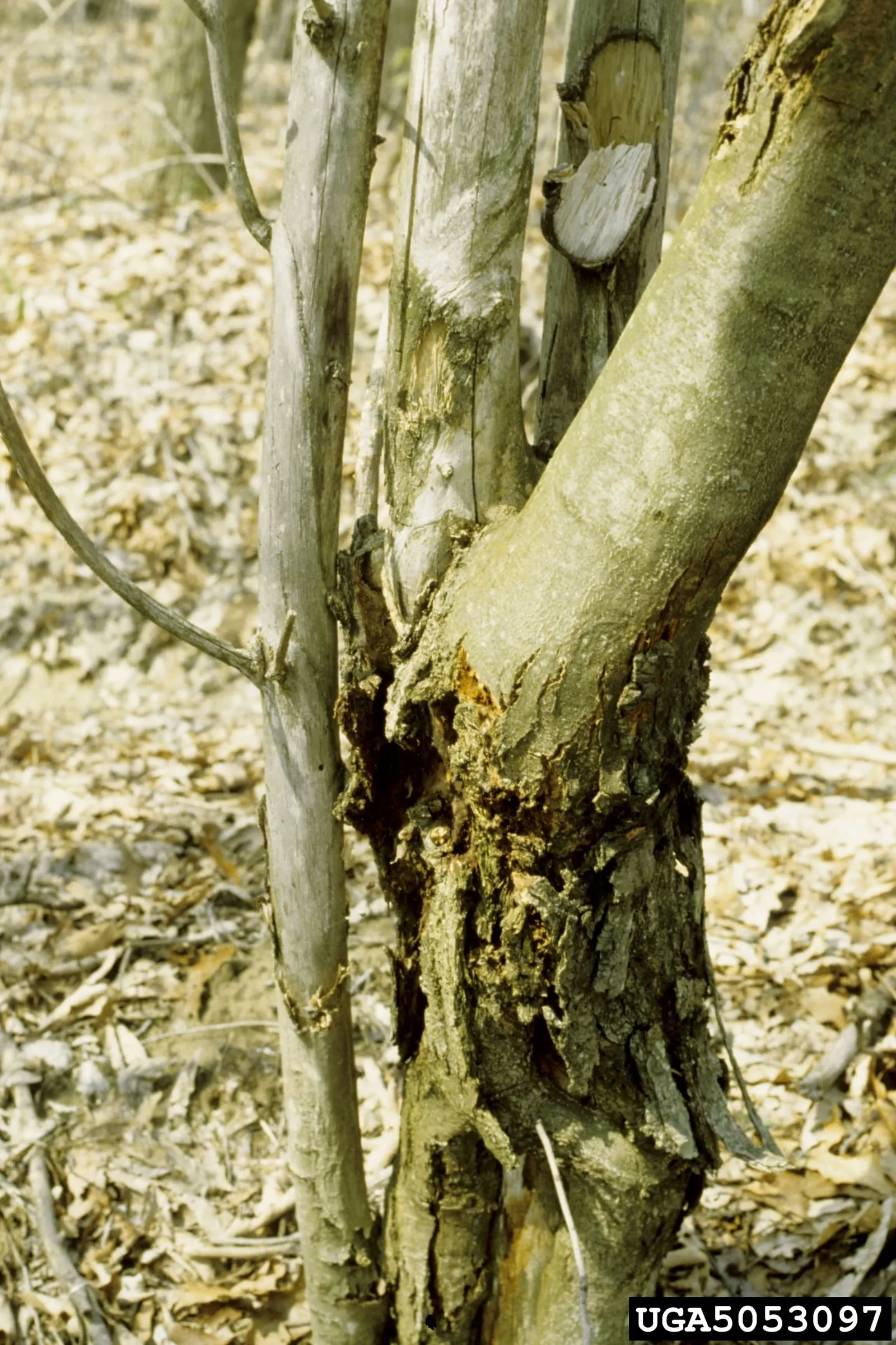
Chestnut Blight (Cryphonectria parasitica) remains an active concern regardless of zone. Chinese Chestnut is resistant but not immune, and pruning out any cankered wood promptly is standard practice. Avoid wounding the bark unnecessarily, as wounds are the primary infection entry point.
Frequently asked questions
- Is zone 4b too cold for chestnut trees?
Zone 4b is marginal, not impossible. Chinese Chestnut is the only commercially available cultivar with sufficient cold hardiness for zone 4b winters that reach -25 to -20°F. Site selection on a well-drained, south-facing slope with good air drainage is essential for consistent survival.
- Will chestnut bloom escape spring frosts in zone 4b?
Usually, but not reliably. Chinese Chestnut blooms in late June to early July, which clears typical last-frost dates in most zone 4b locations. In unusually cold springs, a frost in late May or early June can still damage catkins before pollination is complete.
- Does chestnut blight affect Chinese Chestnut in zone 4b?
Chinese Chestnut carries significant resistance to Chestnut Blight (Cryphonectria parasitica) but is not fully immune. Monitor for cankers with sunken, discolored bark and prune them out promptly. Minimizing bark wounds reduces infection risk substantially.
- Is the zone 4b growing season long enough to ripen chestnuts?
The 130-day growing season in zone 4b is workable, with limited margin. Choose the earliest-ripening Chinese Chestnut selections available to ensure nuts mature before the first hard fall frost. A cool summer can compress the harvest window significantly.
+−
+−
+−
+−
Chestnut in adjacent zones
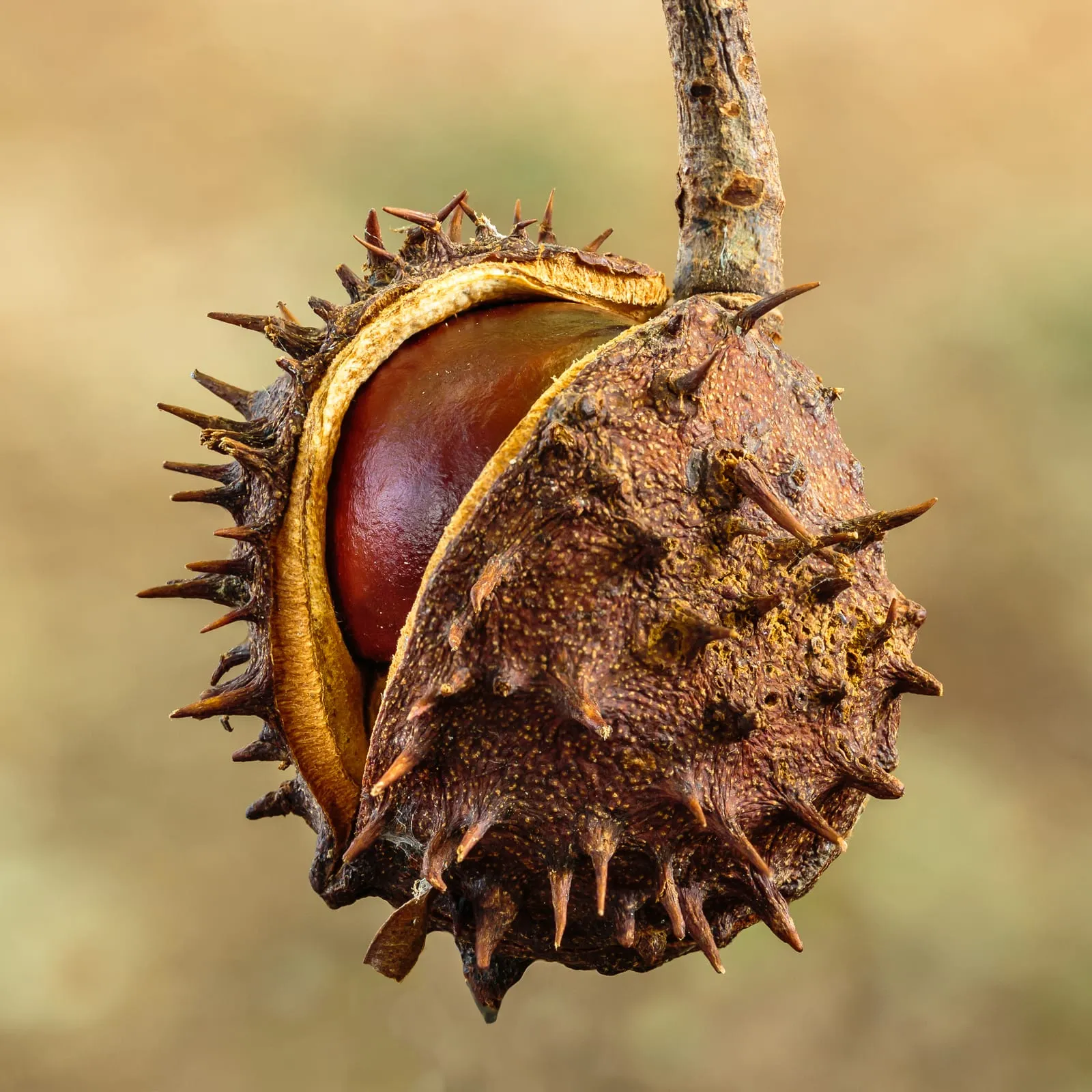
Image: "Gebarsten bolster van een paardenkastanje (Aesculus) 20-09-2020 (d.j.b.) 01", by Dominicus Johannes Bergsma, via Wikimedia Commons, licensed under CC-BY Source.
_20-09-2020_(d.j.b.)_01.jpg)
Related