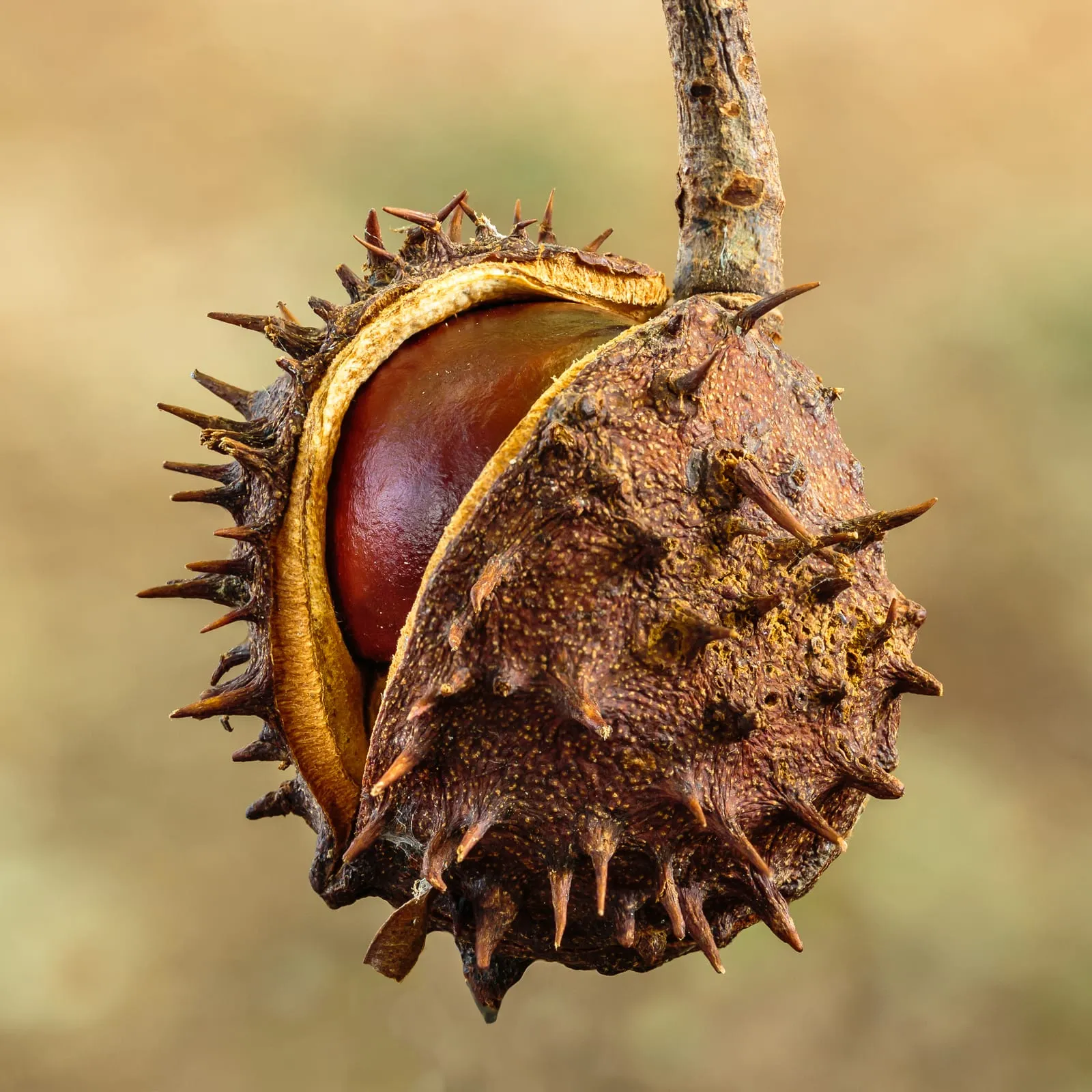
nut
Chestnut
Castanea species and hybrids
USDA hardiness range
- Zones
- 4b–8b
- Chill hours
- 400 to 700 below 45°F
- Days to harvest
- 120 to 180
- Sun
- Full
- Water
- Moderate
- Lifespan
- 50 to 150 years
Growing chestnut
Chestnut is one of the few nut trees that delivers a meaningful harvest within a realistic timeframe, with productive hybrids like Dunstan bearing in 3 to 5 years from planting. The tree is adapted to a wide range, zones 4b through 8b, making it viable across most of the continental US east of the Rockies and in select Pacific Northwest sites. It performs best where winter chill accumulates between 400 and 700 hours, a range that excludes the deep South but fits most temperate growing regions.
What separates productive plantings from failed ones usually comes down to two factors: variety selection and site drainage. The American chestnut (Castanea dentata) was functionally eliminated from eastern forests by blight in the early 20th century. Today's commercial and home plantings rely on hybrid cultivars, primarily American x Chinese and European x Japanese crosses, that carry meaningful blight resistance. Planting a pure species without documented resistance in the eastern US is a well-documented path to failure.
The harvest window runs 120 to 180 days from bloom depending on cultivar and climate. Unlike most tree nuts, chestnuts are starchy rather than oily, which makes them useful in culinary contexts beyond snacking. Roasting, flour production, stuffing, and soup are all common applications. Cold storage matters: chestnuts lose quality within days at room temperature but keep for weeks or months when refrigerated promptly after harvest. The American Chestnut Foundation and University of Missouri Chestnut Production provide additional variety and management guidance.
Recommended varieties
See all 4 →4 cultivars for home growers, with notes on flavor, ripening, and disease resistance.
| Variety | Notes | Zone fit | Disease resistance |
|---|---|---|---|
| Dunstan | Sweet, starchy, classic roasted-chestnut flavor; roasting, soup, stuffing, flour. American x Chinese hybrid with strong blight resistance, the leading restoration cultivar in the eastern US. Productive young (3-5 years). | |
|
| Colossal | Sweet, mild, very large nuts with easy peeling; roasting, fresh, processing. European x Japanese hybrid, the West Coast commercial standard. Requires a pollinizer. | | none noted |
| Sleeping Giant | Sweet, classic flavor, medium nuts; roasting and culinary. American x Japanese hybrid with good blight resistance, productive in eastern conditions. | |
|
| Chinese Chestnut | Sweet, starchy, classic chestnut flavor; roasting, baking. Pure Castanea mollissima seedling, naturally blight-tolerant. Smaller mature tree (40-50 ft) than American chestnut, productive 4-7 years from planting. | |
|
Soil and site requirements
Chestnuts are intolerant of wet roots, and root rot is a fast path to tree death. The site needs genuine drainage, not just adequate drainage after heavy rain. Raised positions, gentle slopes, or well-structured loamy soils are preferable to flat ground over clay subsoil. Soil pH should sit between 5.5 and 6.5; chestnuts grow poorly in neutral to alkaline conditions, which is worth testing before planting, particularly in limestone-heavy regions or any site that has received lime applications.
Full sun is non-negotiable for reliable nut production. Trees in partial shade grow acceptably but produce sparse crops. Plan for mature tree spacing of 30 to 40 feet between cultivars, since most hybrids reach 40 to 60 feet at maturity. Crowding increases disease pressure and reduces light penetration to lower branches, compressing yields.
Microclimate matters most at the northern edge of the range in zones 4b and 5a. Cold air drainage, not cold air pooling, is the goal. Low-lying frost pockets increase spring frost damage to catkins before pollination is complete. A south-facing slope or the leeward side of a windbreak can extend the effective growing season by several days. In zones 7b through 8b, elevated heat and humidity intensify disease pressure, making blight-resistant variety selection even more critical than in cooler zones.
Common diseases
Common pests
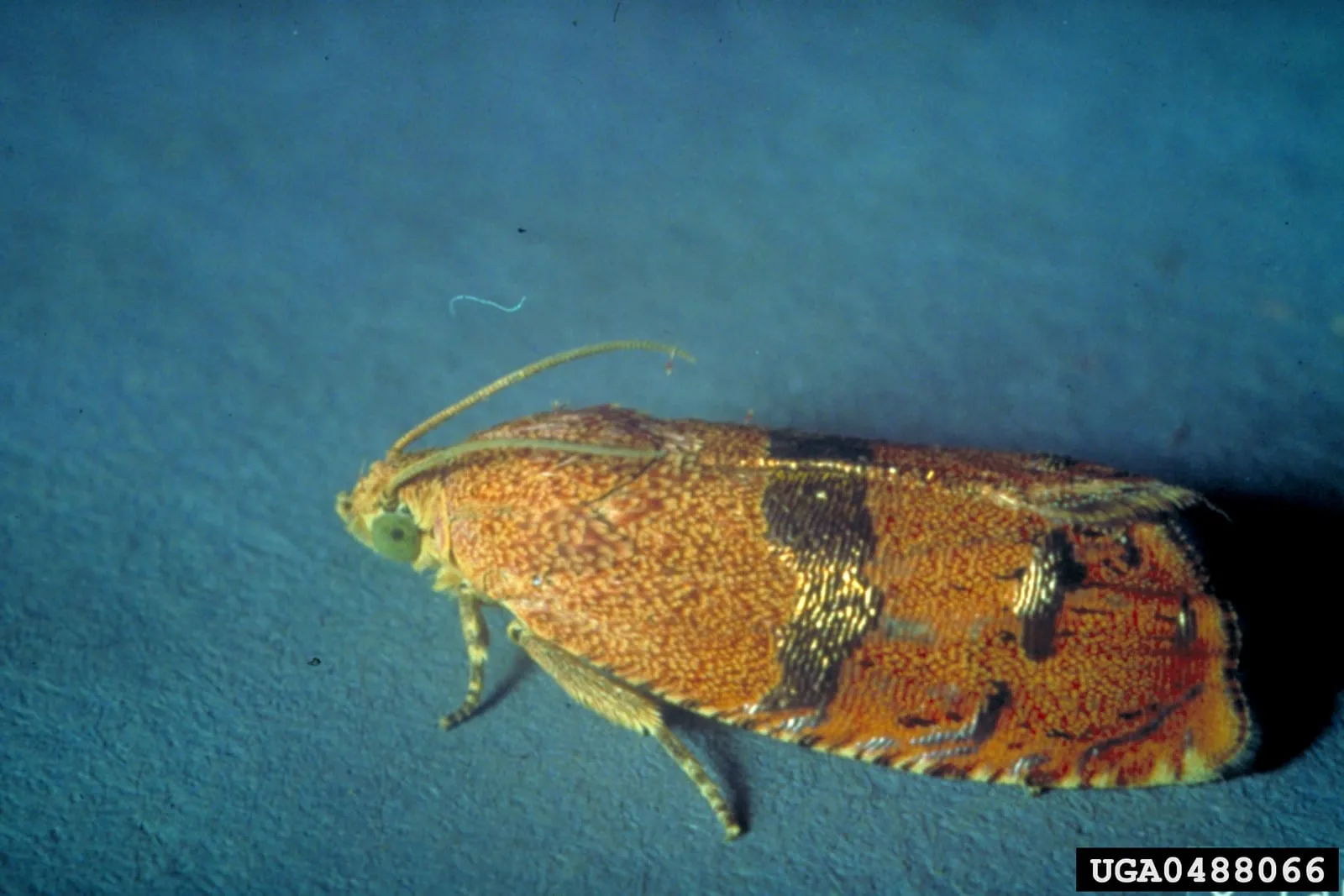
Cydia latiferreana
Moth whose larvae bore into developing hazelnuts and chestnuts, the primary direct-pest concern for nut quality in the Pacific Northwest and increasingly in the East.
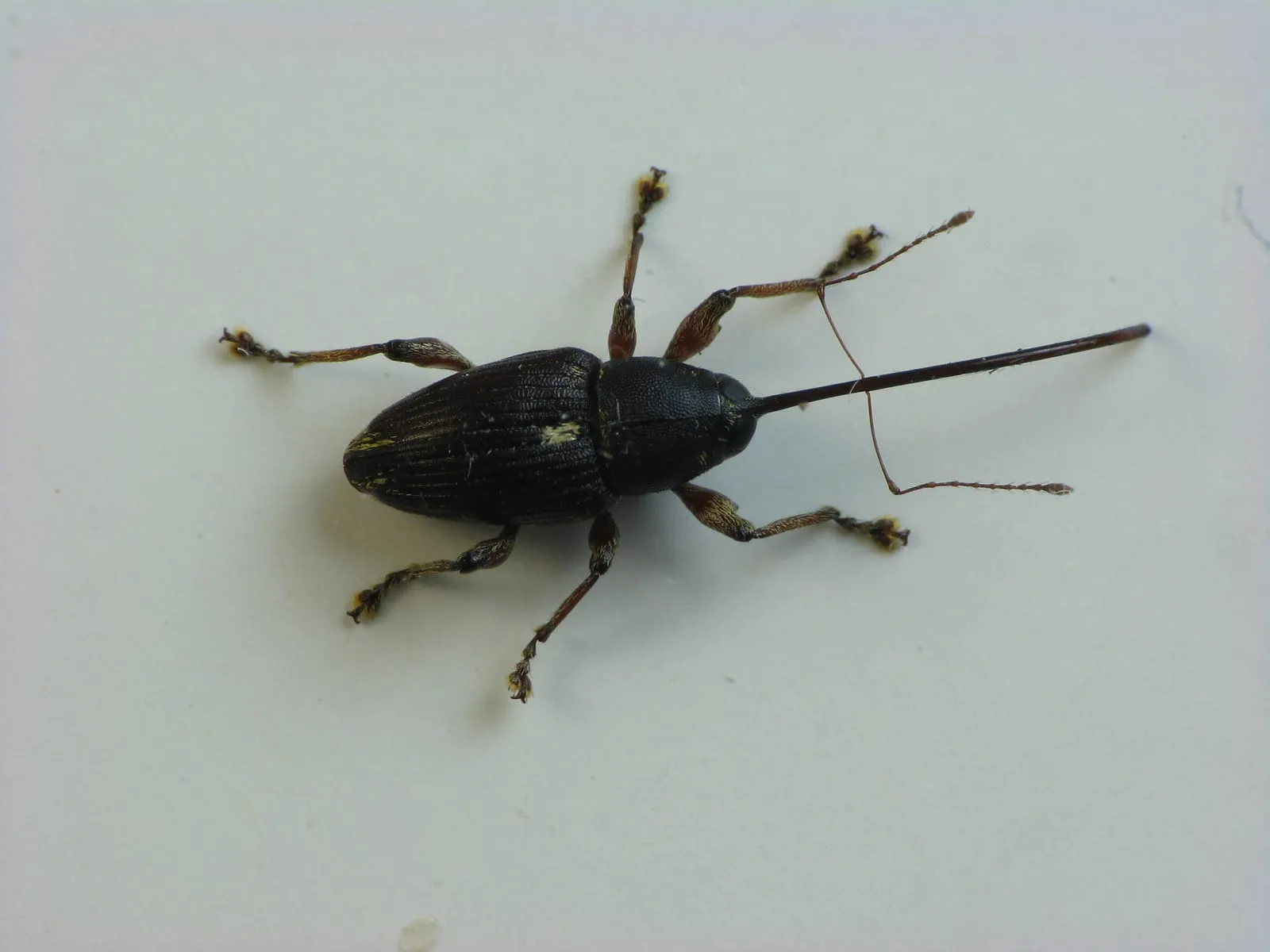
Curculio sayi and Curculio caryatrypes
Weevils whose larvae develop inside chestnut kernels, the leading cause of harvest loss in unmanaged plantings.
Common challenges
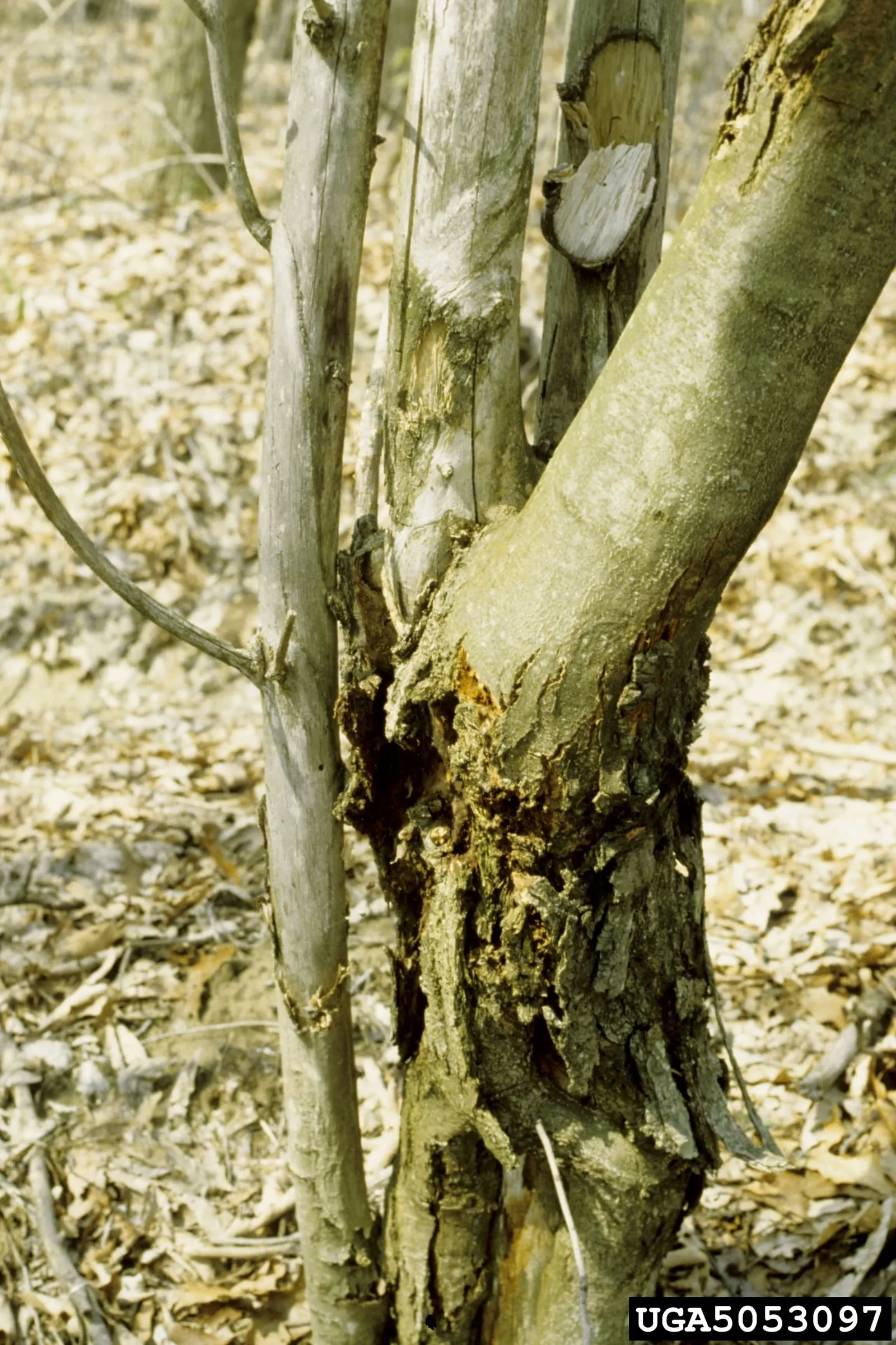
Chestnut blight (Cryphonectria parasitica) remains the primary threat in any planting east of the Mississippi. The fungus enters through bark wounds, kills cambium tissue, and girdles branches or entire trees over a period of months to years. There is no curative treatment for active infections. Management depends entirely on prevention through variety selection before planting. Dunstan and Sleeping Giant carry strong American-hybrid blight resistance and are the standard recommendations for eastern sites. Pure European cultivars are susceptible and carry significant risk without careful ongoing management.
Pollination failure is the second most common cause of poor harvests. Chestnut catkins produce pollen and receptive stigmas at different times within the same tree, making most cultivars effectively self-incompatible in practice even when labeled self-fertile. Colossal explicitly requires a pollinizer. Planting at least two different cultivars within 50 to 100 feet of each other is the standard approach for reliable cross-pollination and consistent nut set.
Frost timing presents a recurring risk in zones 4b through 5b. Late spring frosts can damage catkins before pollination is complete, eliminating that year's crop entirely. Early fall frosts can interrupt nut maturation in the shortest-season climates. Matching variety selection to the actual frost dates at the specific site, rather than relying on zone averages, is the most reliable mitigation strategy. The University of Missouri Chestnut Production resource provides variety timing data useful for this comparison.
Companion plants
Frequently asked questions
- What chill hours do chestnuts require?
Most chestnut cultivars need between 400 and 700 hours of temperatures below 45°F (7°C) to break dormancy and flower reliably. This range fits zones 4b through 7b comfortably. Growers in zones 8a and 8b should verify local chill accumulation against the specific variety requirements before planting, as warmer winters in those zones can fall short of the threshold in mild years.
- How long until a chestnut tree starts producing nuts?
Productive hybrid cultivars like Dunstan typically begin bearing in 3 to 5 years from planting. Full production, meaning consistent large crops, usually takes 8 to 10 years. The early yields are often meaningful enough to confirm the planting is performing well before the tree reaches peak output.
- What USDA zones are suitable for growing chestnut?
Chestnuts are viable in zones 4b through 8b. Performance is most consistent in zones 5a through 7b, where chill hours and frost timing align well with most hybrid cultivars. Zone 4b plantings face cold damage risk in severe winters; zones 8a and 8b face elevated disease pressure and potential chill-hour shortfalls.
- Do chestnuts need a pollinator tree?
Most chestnut cultivars require or strongly benefit from cross-pollination with a different cultivar. Colossal explicitly requires a pollinizer to set fruit. Even varieties described as self-fertile produce significantly better crops with a second cultivar planted within 50 to 100 feet. Single-cultivar plantings are a common cause of poor nut set.
- What is chestnut blight and how serious is it?
Chestnut blight, caused by the fungus Cryphonectria parasitica, eliminated an estimated 3 to 4 billion American chestnut trees from eastern forests in the early 20th century and remains active throughout the region. There is no curative treatment. The only practical defense for home plantings is selecting blight-resistant hybrid cultivars before planting. The American Chestnut Foundation tracks restoration breeding and resistance ratings.
- How long does it take chestnuts to mature after bloom?
The harvest window runs 120 to 180 days from bloom, depending on cultivar and local climate. Earlier-maturing varieties are better suited to shorter-season zones where early fall frosts could interrupt nut development. Later-maturing cultivars often produce larger nuts but require a longer frost-free window.
- How should fresh chestnuts be stored after harvest?
Chestnuts are high in moisture and starch, not oil, and deteriorate rapidly at room temperature. Refrigeration within 24 hours of harvest is recommended. At 32 to 35°F with adequate humidity, they keep for 1 to 3 months. For longer storage, blanching followed by freezing is the standard approach.
+−
+−
+−
+−
+−
+−
+−
Sources
Image: "Gebarsten bolster van een paardenkastanje (Aesculus) 20-09-2020 (d.j.b.) 01", by Dominicus Johannes Bergsma, via Wikimedia Commons, licensed under CC-BY. Source.
_20-09-2020_(d.j.b.)_01.jpg)
Chestnut by zone
Related