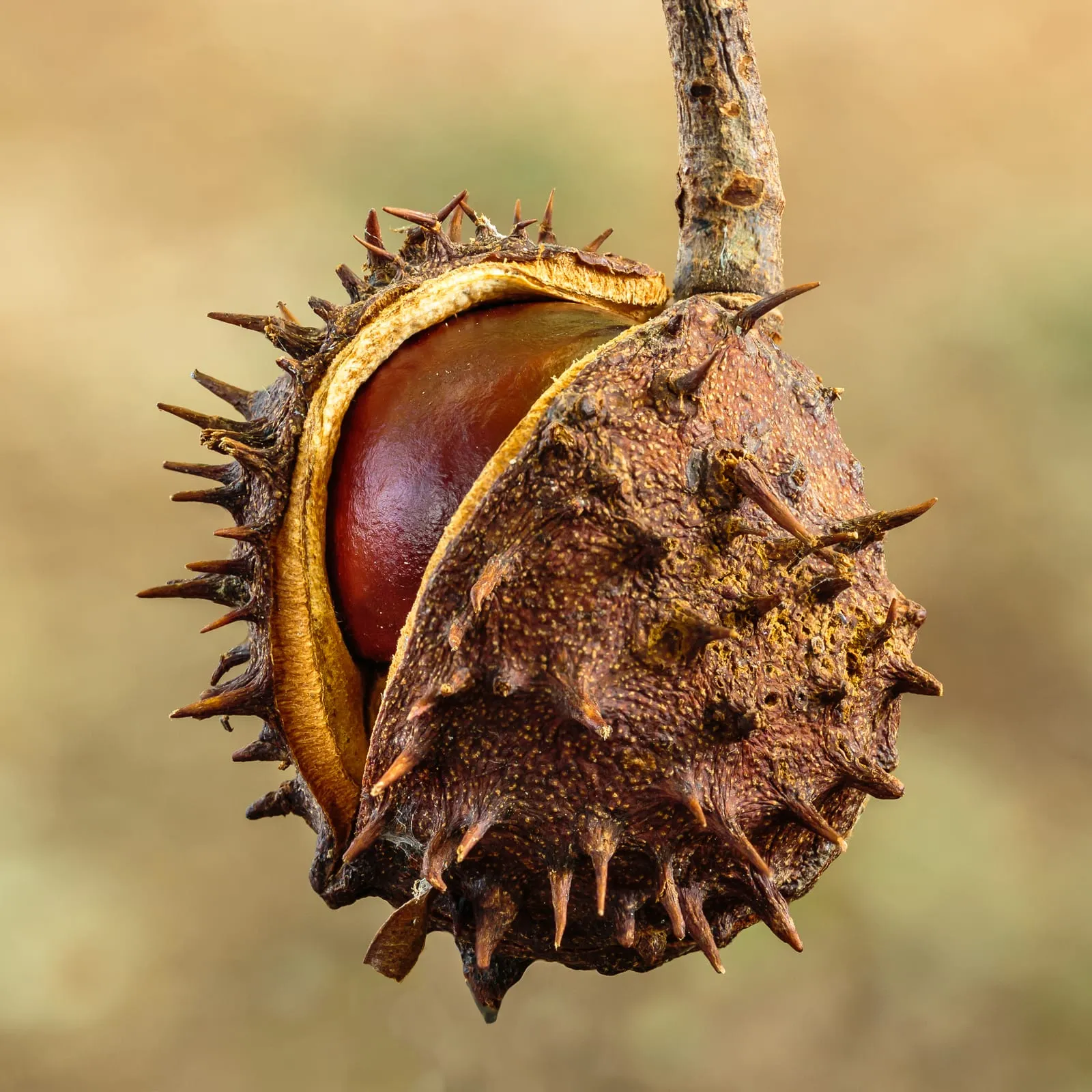
nut in zone 6b
Growing chestnut in zone 6b
Castanea species and hybrids
- Zone
- 6b -5°F to 0°F
- Growing season
- 190 days
- Chill needed
- 400 to 700 below 45°F
- Suitable varieties
- 4
- Days to harvest
- 120 to 180
The verdict
Zone 6b is a reliable fit for chestnut production, not a marginal one. The crop's chill-hour requirement of 400 to 700 hours is met comfortably across most of zone 6b, where winters typically accumulate 900 hours or more of chilling below 45°F. Growers are unlikely to face the under-chilling problems that plague chestnuts in zones 8 and warmer.
The minimum winter temperatures of -5 to 0°F (USDA zone 6b definition) sit within the cold tolerance range of the recommended varieties, particularly Chinese Chestnut and Dunstan, which handle those lows without significant die-back when trees are established and sited well. Colossal and Sleeping Giant are somewhat less cold-hardy and may benefit from a sheltered position on sites that push toward the colder end of the zone. Overall, zone 6b offers the combination of adequate chilling and a 190-day growing season that chestnuts need to size up nuts fully before hard fall frosts.
Recommended varieties for zone 6b
4 cultivars suited to this zone, with disease-resistance and zone-fit annotations.
| Variety | Notes | Zone fit | Disease resistance |
|---|---|---|---|
| Dunstan fits zone 6b | Sweet, starchy, classic roasted-chestnut flavor; roasting, soup, stuffing, flour. American x Chinese hybrid with strong blight resistance, the leading restoration cultivar in the eastern US. Productive young (3-5 years). | |
|
| Colossal fits zone 6b | Sweet, mild, very large nuts with easy peeling; roasting, fresh, processing. European x Japanese hybrid, the West Coast commercial standard. Requires a pollinizer. | | none noted |
| Sleeping Giant fits zone 6b | Sweet, classic flavor, medium nuts; roasting and culinary. American x Japanese hybrid with good blight resistance, productive in eastern conditions. | |
|
| Chinese Chestnut fits zone 6b | Sweet, starchy, classic chestnut flavor; roasting, baking. Pure Castanea mollissima seedling, naturally blight-tolerant. Smaller mature tree (40-50 ft) than American chestnut, productive 4-7 years from planting. | |
|
Critical timing for zone 6b
In zone 6b, chestnut bloom typically occurs in June, several weeks after the average last frost date of mid-April. That lag is an advantage: bloom is rarely threatened by late frosts, unlike stone fruits that flower in March or April. Catkins (the pollen-bearing male flowers) open first, followed shortly by the receptive female flowers. Cross-pollination requires at least two genetically distinct trees within range.
Nut development runs through July and August, with harvest arriving in September and into October depending on variety. Dunstan and Chinese Chestnut tend to ripen earlier in the window; Colossal and Sleeping Giant push toward late September. First fall frosts in zone 6b typically arrive in mid-October, so most varieties complete ripening before cold becomes a concern. Nuts left on the ground after drop should be collected promptly, as moisture and warmth promote mold.
Common challenges in zone 6b
- ▸ Cedar-apple rust
- ▸ Fire blight
- ▸ Stink bugs
Disease pressure to watch for
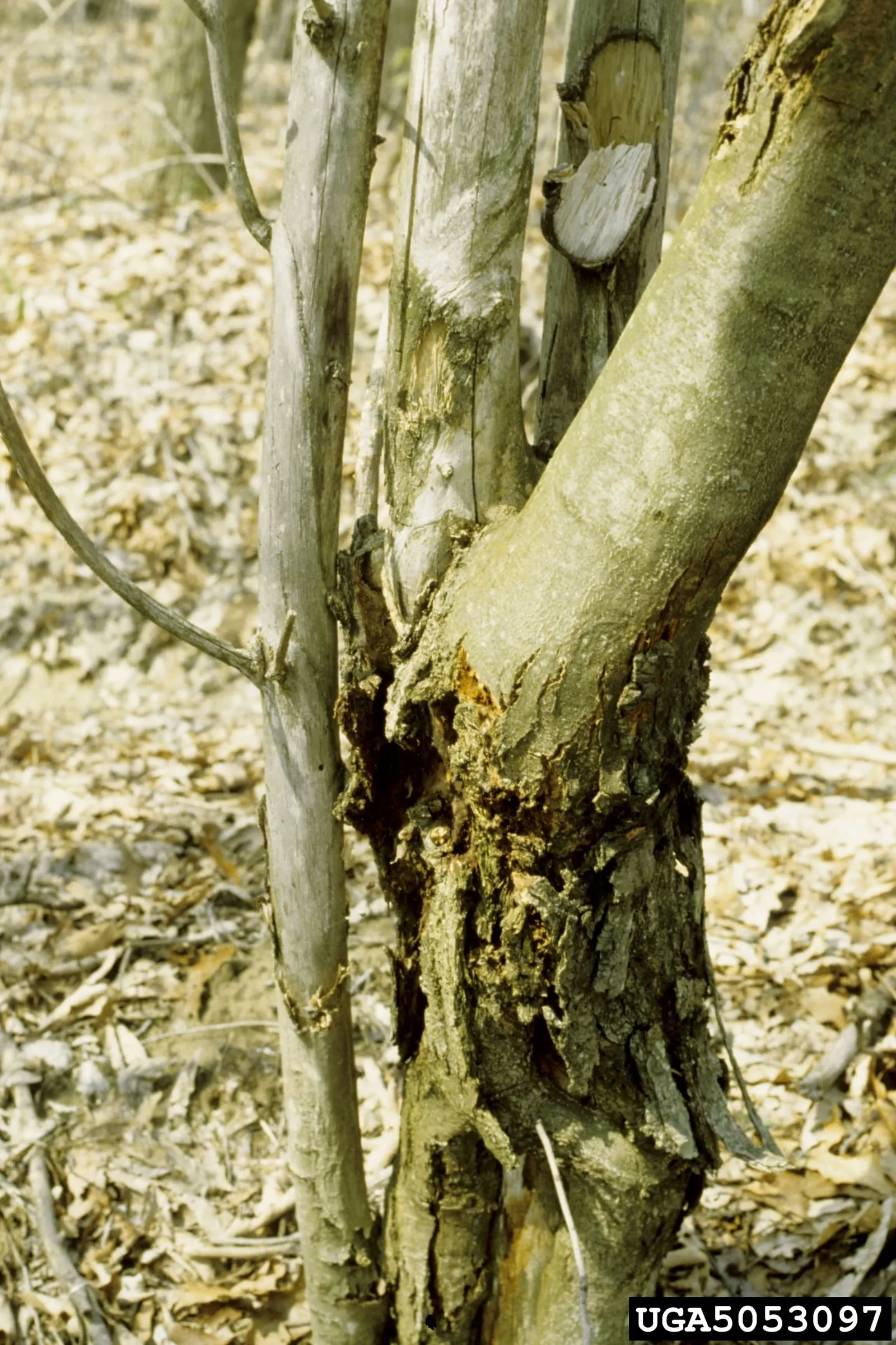
Modified care for zone 6b
Chestnut blight (caused by Cryphonectria parasitica) is the single most important management consideration across zone 6b and the broader Mid-Atlantic and Appalachian range. The American chestnut has essentially no resistance; all plantings in this zone should use blight-resistant varieties such as Dunstan (a Chinese-American hybrid) or pure Chinese Chestnut selections. Inspect bark annually for orange-brown cankers, especially on stems with wilting foliage above.
Stink bugs, listed among zone 6b's documented pest pressures, can damage developing nuts inside the burr from late summer onward. Row covers are impractical at tree scale, so monitoring and timely harvest once nuts begin dropping naturally is the main mitigation.
Winter protection is generally unnecessary for established trees of hardy varieties, but young grafted trees in their first two winters benefit from trunk wraps to prevent frost cracking on the southwest-facing bark. Avoid high-nitrogen fertilization late in the season, which pushes tender late growth that may not harden before the first hard freeze.
Frequently asked questions
- Do chestnuts get enough chill hours in zone 6b?
Yes, reliably. Zone 6b winters typically deliver well over 700 hours below 45°F, which exceeds the chestnut's 400 to 700 hour requirement. Under-chilling is not a practical concern at this latitude.
- Which chestnut varieties perform best in zone 6b?
Dunstan and Chinese Chestnut are the most dependable choices: both meet the cold tolerance floor of zone 6b and carry blight resistance. Colossal and Sleeping Giant are viable but prefer sites that stay closer to 0°F rather than dipping to -5°F.
- Is chestnut blight a serious risk in zone 6b?
It is present throughout this region. The practical response is to plant only blight-resistant varieties from the outset. There is no curative treatment once a tree is infected; resistant genetics are the only reliable defense.
- Do chestnuts need a pollination partner in zone 6b?
Yes. Chestnuts are largely self-incompatible. Plant at least two genetically distinct trees, ideally within 50 to 100 feet of each other, to ensure adequate cross-pollination and good nut set.
+−
+−
+−
+−
Chestnut in adjacent zones
Image: "Gebarsten bolster van een paardenkastanje (Aesculus) 20-09-2020 (d.j.b.) 01", by Dominicus Johannes Bergsma, via Wikimedia Commons, licensed under CC-BY Source.
_20-09-2020_(d.j.b.)_01.jpg)
Related