nut in zone 7a
Growing chestnut in zone 7a
Castanea species and hybrids
- Zone
- 7a 0°F to 5°F
- Growing season
- 210 days
- Chill needed
- 400 to 700 below 45°F
- Suitable varieties
- 4
- Days to harvest
- 120 to 180
The verdict
Zone 7a sits comfortably within chestnut's preferred growing range rather than at its margins. Chestnuts require 400 to 700 chill hours; zone 7a winters across the mid-Atlantic and upper South typically deliver 800 to 1,200 hours below 45°F, satisfying even the higher end of that requirement in most years. The 210-day growing season provides adequate time for nut development before fall frosts arrive.
The limiting factor in zone 7a is not cold hardiness or chill accumulation; it is disease pressure. Chestnut blight (Cryphonectria parasitica) eliminated most American chestnut across this range and persists in the soil and on wild stems. Planting resistant stock, specifically Dunstan hybrids, Chinese chestnut selections, or Sleeping Giant, is the baseline assumption for any zone 7a planting, not a precaution. With resistant varieties established, this zone is productive for chestnut and does not require the special accommodations that colder or hotter regions demand.
Recommended varieties for zone 7a
4 cultivars suited to this zone, with disease-resistance and zone-fit annotations.
| Variety | Notes | Zone fit | Disease resistance |
|---|---|---|---|
| Dunstan fits zone 7a | Sweet, starchy, classic roasted-chestnut flavor; roasting, soup, stuffing, flour. American x Chinese hybrid with strong blight resistance, the leading restoration cultivar in the eastern US. Productive young (3-5 years). | |
|
| Colossal fits zone 7a | Sweet, mild, very large nuts with easy peeling; roasting, fresh, processing. European x Japanese hybrid, the West Coast commercial standard. Requires a pollinizer. | | none noted |
| Sleeping Giant fits zone 7a | Sweet, classic flavor, medium nuts; roasting and culinary. American x Japanese hybrid with good blight resistance, productive in eastern conditions. | |
|
| Chinese Chestnut fits zone 7a | Sweet, starchy, classic chestnut flavor; roasting, baking. Pure Castanea mollissima seedling, naturally blight-tolerant. Smaller mature tree (40-50 ft) than American chestnut, productive 4-7 years from planting. | |
|
Critical timing for zone 7a
Last spring frost in zone 7a typically falls between late March and mid-April, varying with elevation and local cold air drainage. Chestnut blooms in late May through June, well after that frost window closes, so flower damage from late frost is not a routine concern.
Nuts mature and begin dropping from mid-September through October. First fall frost in zone 7a generally arrives in late October to early November, giving the crop adequate time to reach full maturity without interruption under normal conditions. In years with an unusually early frost before mid-October, nut fill on late-maturing selections such as Colossal may be incomplete; choosing earlier-ripening varieties like Dunstan reduces that exposure.
Common challenges in zone 7a
- ▸ Cedar-apple rust
- ▸ Brown rot
- ▸ Fire blight
- ▸ High humidity disease pressure
Disease pressure to watch for
Modified care for zone 7a
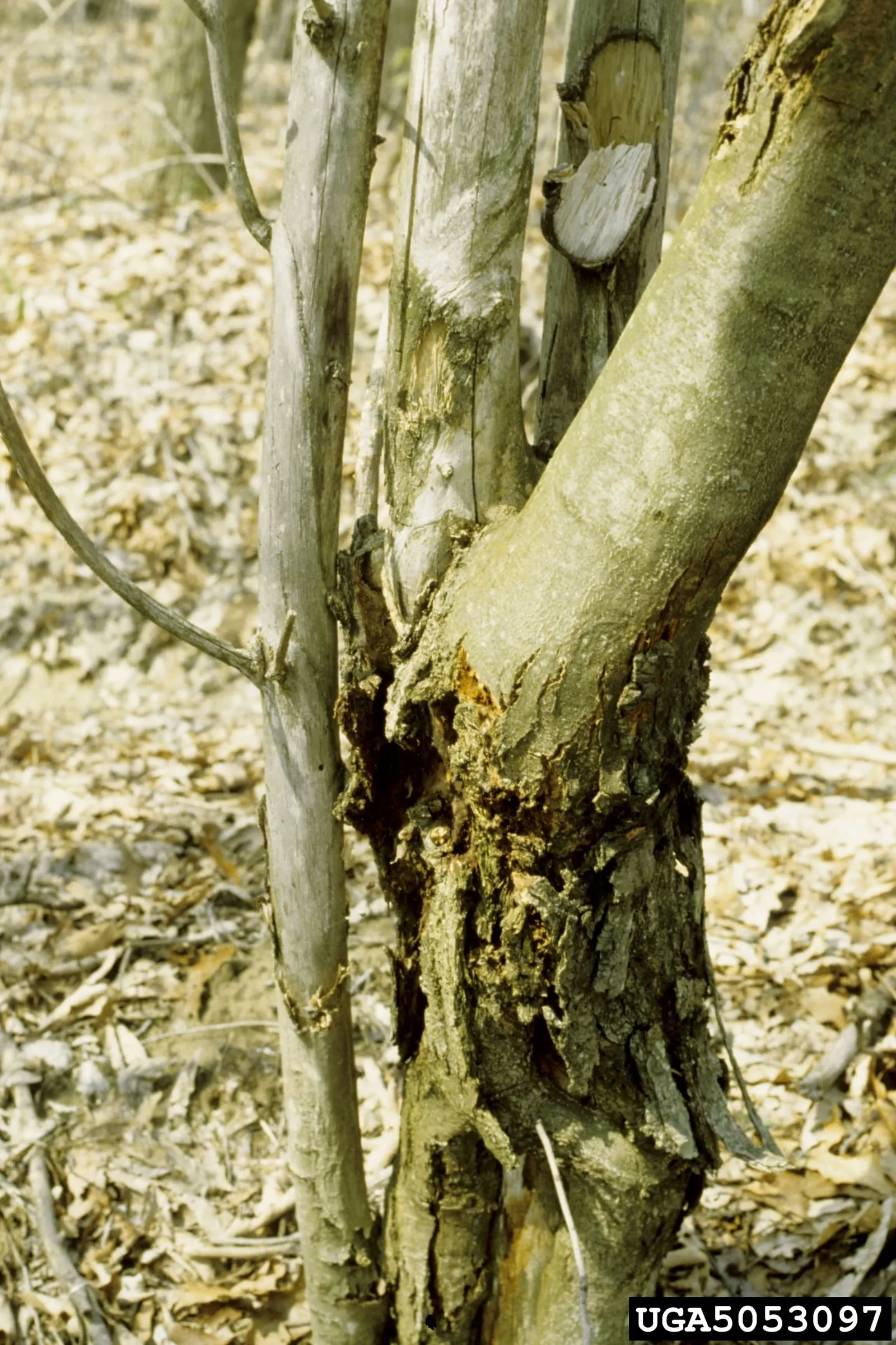
The primary care adjustment in zone 7a, relative to cooler parts of the crop's range, is managing fungal disease pressure during the long, humid summer. Extended wet periods common across much of zone 7a favor the conditions that allow chestnut blight cankers to expand on susceptible wood and that elevate risk from secondary pathogens. Annual pruning to open canopy structure improves airflow and reduces how long foliage and bark surfaces stay wet after rain.
Winter protection is unnecessary; zone 7a minimum temperatures of 0 to 5°F are within the hardiness range of all four compatible varieties listed above. Summer drought stress is the more practical concern in drier years, particularly during nut fill in August and September. A 3 to 4 inch mulch layer over the root zone helps retain soil moisture without creating the persistent dampness that invites crown-rot pathogens. Soil pH should be verified before planting; chestnuts prefer 5.5 to 6.5 and respond poorly to alkaline conditions, which can be masked in native soils in this zone.
Chestnut in adjacent zones
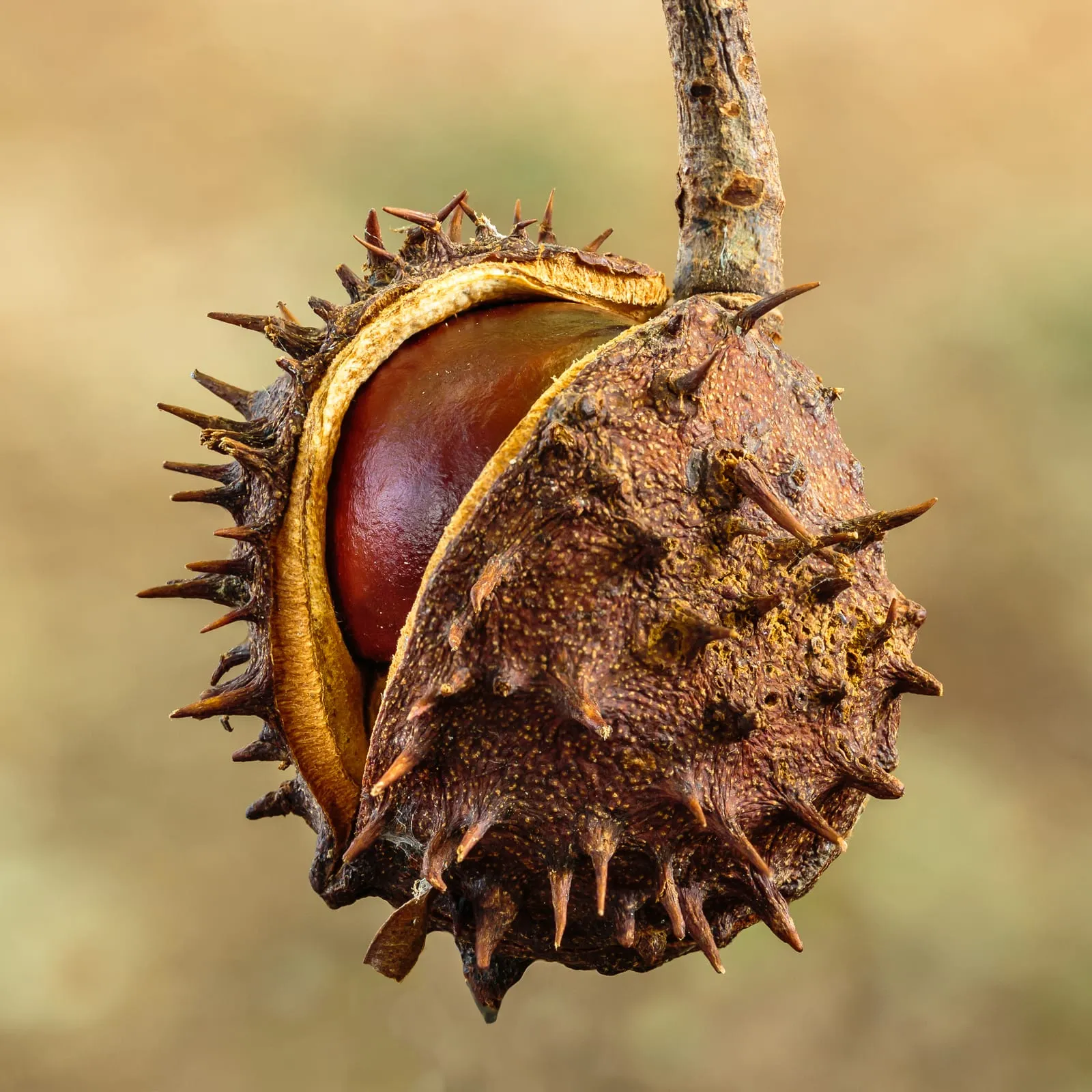
Image: "Gebarsten bolster van een paardenkastanje (Aesculus) 20-09-2020 (d.j.b.) 01", by Dominicus Johannes Bergsma, via Wikimedia Commons, licensed under CC-BY Source.
_20-09-2020_(d.j.b.)_01.jpg)
Related