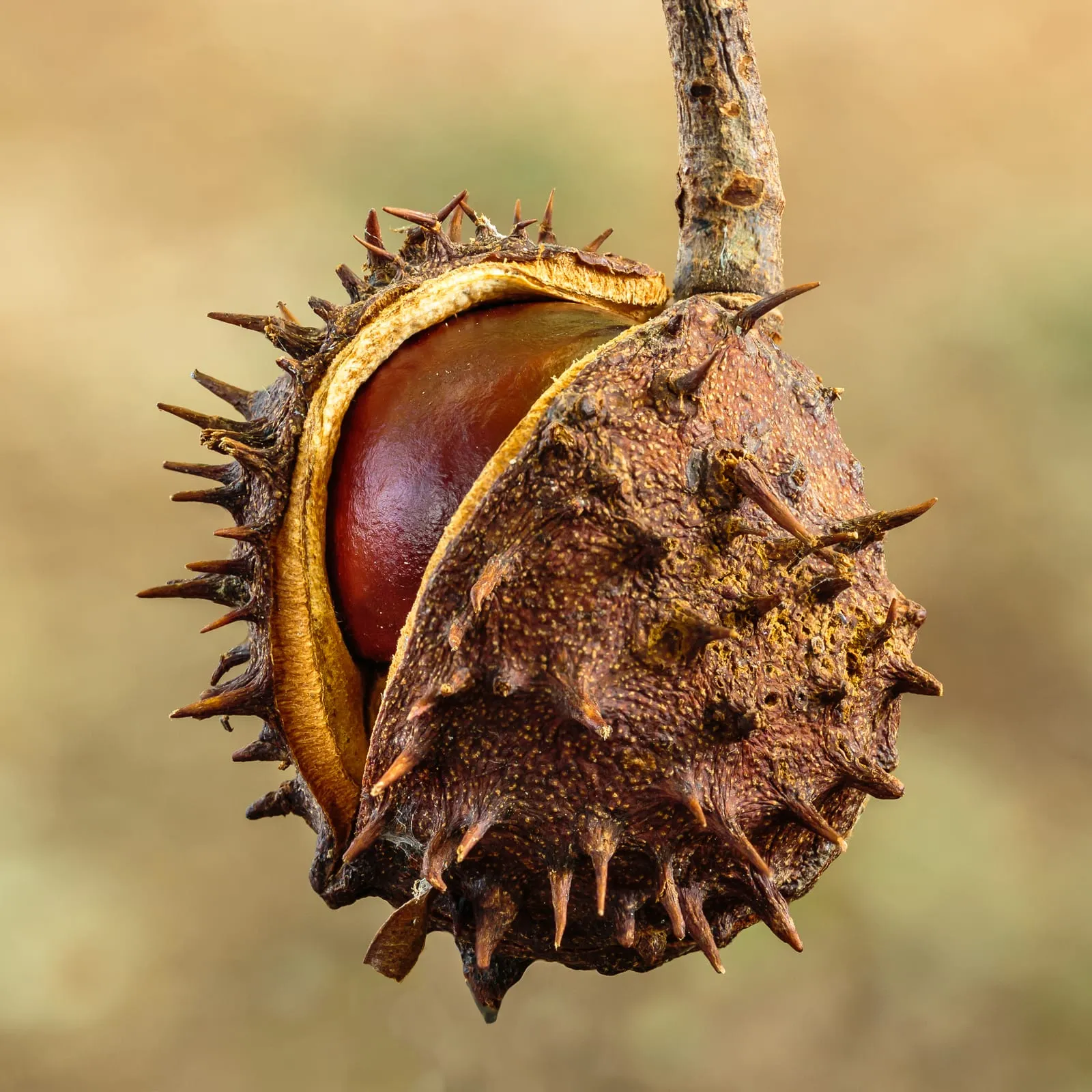
nut in zone 7b
Growing chestnut in zone 7b
Castanea species and hybrids
- Zone
- 7b 5°F to 10°F
- Growing season
- 220 days
- Chill needed
- 400 to 700 below 45°F
- Suitable varieties
- 4
- Days to harvest
- 120 to 180
The verdict
Zone 7b sits comfortably within chestnut's preferred range. The crop's 400-700 chill-hour requirement is reliably met across the zone; even warmer piedmont winters typically accumulate 800 or more hours below 45°F, providing a meaningful buffer against mild seasons. The 220-day growing season is more than adequate for the long development window chestnuts need from bloom to nut set.
This is not a marginal zone. Dunstan, Colossal, Sleeping Giant, and Chinese Chestnut were all developed or selected with the mid-Atlantic and Southeast in mind, making zone 7b close to the target environment for each of them. The binding constraint is not cold tolerance but blight pressure: American chestnut is effectively non-viable due to chestnut blight (Cryphonectria parasitica), so all plantings in zone 7b must start with blight-resistant stock. Given the right site and the right varieties, chestnuts perform well here.
Recommended varieties for zone 7b
4 cultivars suited to this zone, with disease-resistance and zone-fit annotations.
| Variety | Notes | Zone fit | Disease resistance |
|---|---|---|---|
| Dunstan fits zone 7b | Sweet, starchy, classic roasted-chestnut flavor; roasting, soup, stuffing, flour. American x Chinese hybrid with strong blight resistance, the leading restoration cultivar in the eastern US. Productive young (3-5 years). | |
|
| Colossal fits zone 7b | Sweet, mild, very large nuts with easy peeling; roasting, fresh, processing. European x Japanese hybrid, the West Coast commercial standard. Requires a pollinizer. | | none noted |
| Sleeping Giant fits zone 7b | Sweet, classic flavor, medium nuts; roasting and culinary. American x Japanese hybrid with good blight resistance, productive in eastern conditions. | |
|
| Chinese Chestnut fits zone 7b | Sweet, starchy, classic chestnut flavor; roasting, baking. Pure Castanea mollissima seedling, naturally blight-tolerant. Smaller mature tree (40-50 ft) than American chestnut, productive 4-7 years from planting. | |
|
Critical timing for zone 7b
Chestnuts bloom late relative to other tree crops, with catkins typically appearing in late May through June in zone 7b, well after the zone's last frost window of mid-March to early April. This late bloom is an advantage: spring frost damage to developing catkins is uncommon in most years.
Nut development runs through summer, with harvest falling between September and mid-October depending on variety. Dunstan tends toward the earlier end of that window; Sleeping Giant can extend into October. Zone 7b's first frost arrives around mid-November, leaving a comfortable margin before nuts drop. Harvest should happen promptly once burrs open, as nuts left on warm early-fall ground deteriorate within days.
Common challenges in zone 7b
- ▸ Cedar-apple rust pressure heavy in piedmont
- ▸ Japanese beetles
- ▸ Brown marmorated stink bug
- ▸ Late summer disease pressure
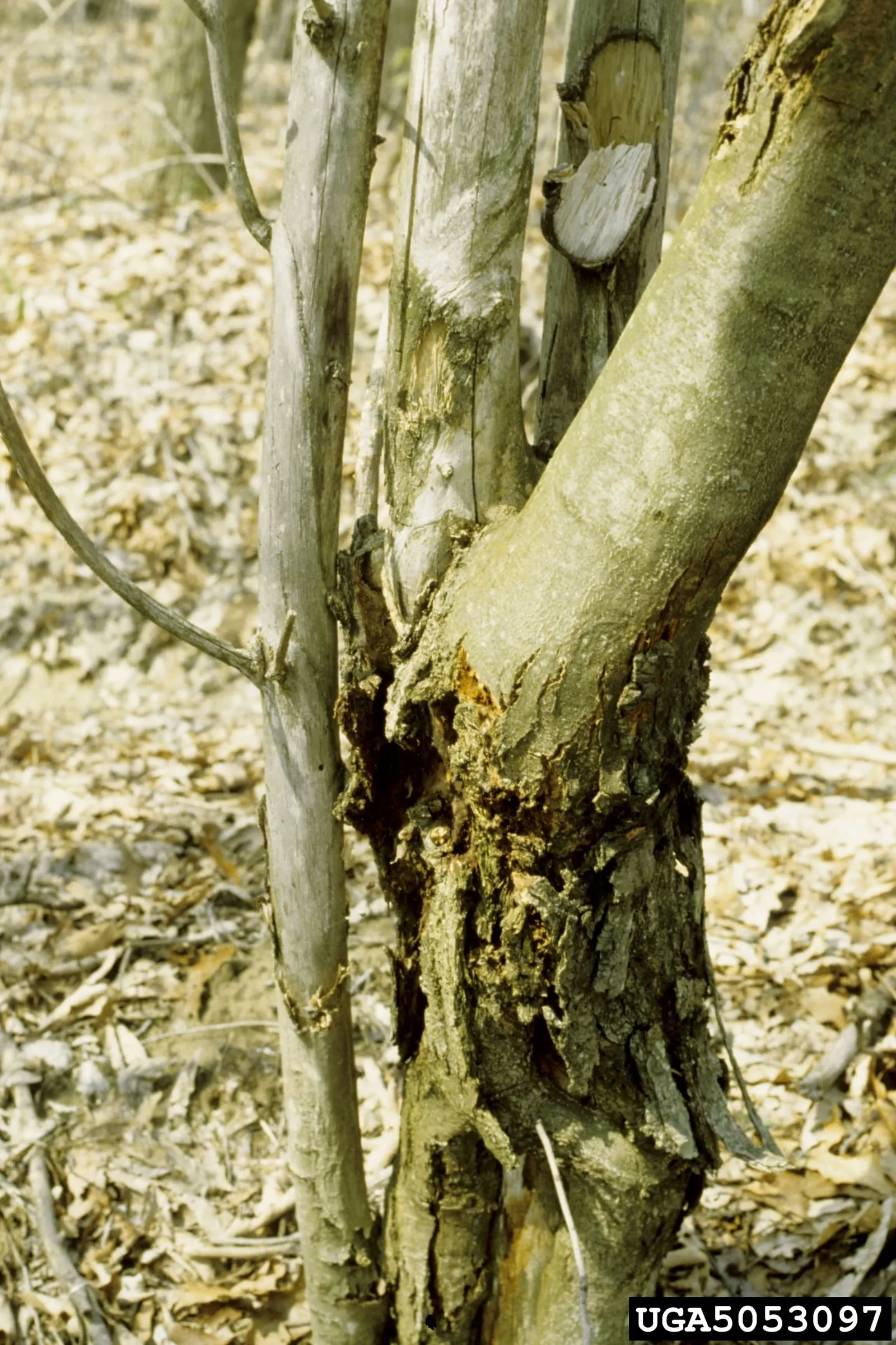
Disease pressure to watch for
Modified care for zone 7b
The primary adaptation in zone 7b is variety selection made before planting, not management adjustments after the fact. Chestnut blight eliminates American chestnut as an option and requires blight-resistant hybrids from the start. Dunstan and Chinese Chestnut are the standard choices; Sleeping Giant offers blight resistance with larger nut size for growers who prioritize fresh eating quality.
Japanese beetle pressure peaks in July and can defoliate young trees significantly during the 4-6 week flight. Kaolin clay applications or exclusion netting protect foliage on smaller plantings without a spray program. Brown marmorated stink bug populations have increased markedly across the piedmont and will feed on developing nuts in August and September, causing internal scarring and early drop; practical control at small scale is limited to exclusion netting.
Late-summer humidity raises fungal pressure on foliage. Pruning for airflow reduces this without additional intervention.
Frequently asked questions
- Is zone 7b warm enough for chestnuts?
Yes. Chestnuts need 400-700 chill hours, and zone 7b reliably delivers 800 or more in most winters. The zone's 220-day growing season also provides adequate time for nut development from bloom through harvest.
- Which chestnut varieties work best in zone 7b?
Dunstan hybrids are the most widely planted in the mid-Atlantic and Southeast and perform reliably in zone 7b. Colossal and Sleeping Giant are good secondary choices. Chinese Chestnut is the most adaptable option for marginal or variable sites. All are blight-resistant, which is non-negotiable in this region.
- When do chestnuts ripen in zone 7b?
Most varieties ripen between late September and mid-October in zone 7b. Dunstan and Colossal tend to drop earlier in that window; Sleeping Giant runs later. Harvest promptly once burrs open, as warm early-fall temperatures accelerate nut deterioration on the ground.
- Is chestnut blight a problem in zone 7b?
Yes. Chestnut blight (Cryphonectria parasitica) is present throughout zone 7b. American chestnut is not a viable planting option. Blight-resistant varieties such as Dunstan, Sleeping Giant, and Chinese Chestnut are the standard approach; no spray program controls blight once a tree is infected.
- Do Japanese beetles damage chestnut trees?
Japanese beetles can cause significant defoliation on young chestnut trees during their July flight period. Kaolin clay and exclusion netting are effective options for small plantings. Established trees tolerate moderate defoliation without lasting harm, but repeated severe defoliation slows growth and nut production.
+−
+−
+−
+−
+−
Chestnut in adjacent zones
Image: "Gebarsten bolster van een paardenkastanje (Aesculus) 20-09-2020 (d.j.b.) 01", by Dominicus Johannes Bergsma, via Wikimedia Commons, licensed under CC-BY Source.
_20-09-2020_(d.j.b.)_01.jpg)
Related