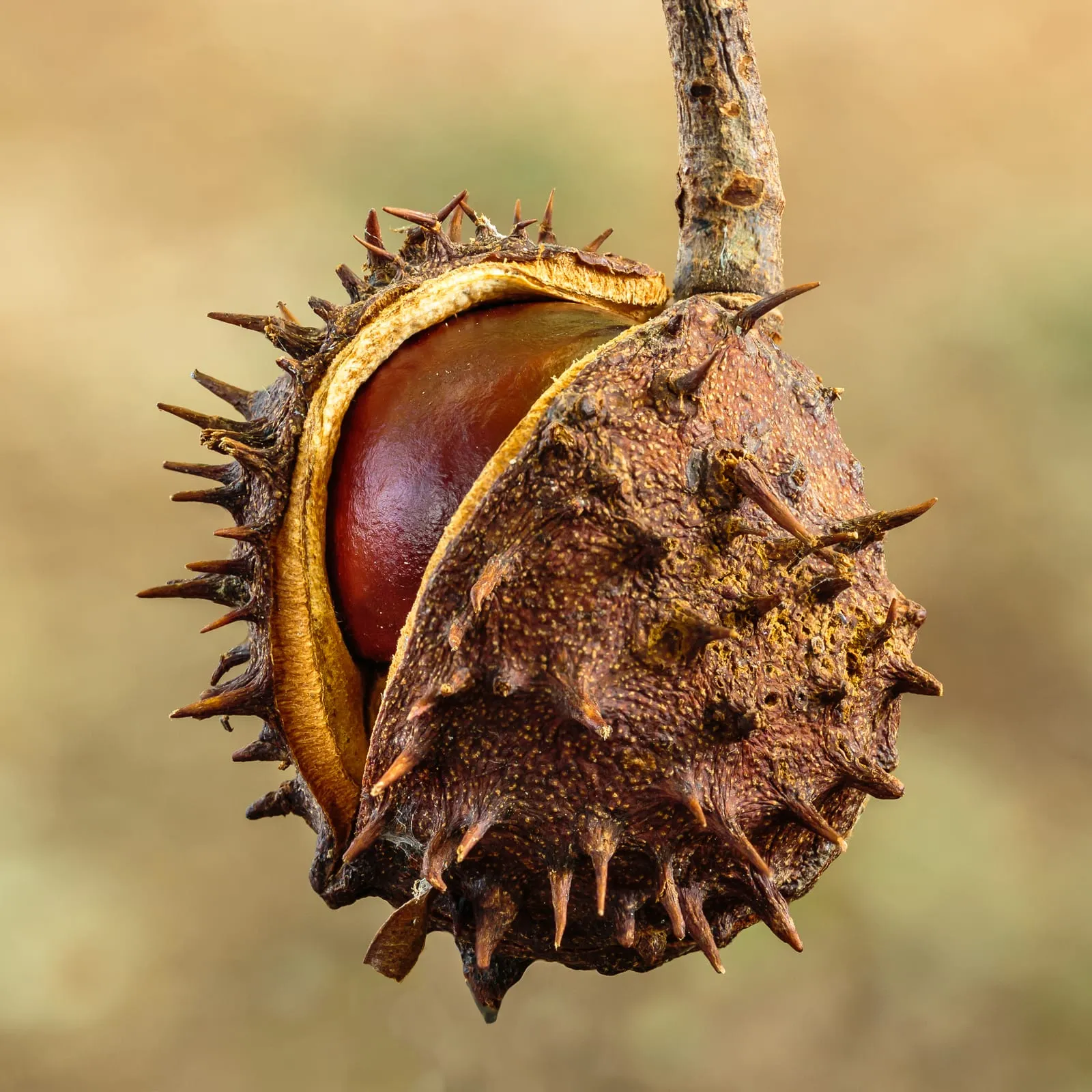
nut in zone 8a
Growing chestnut in zone 8a
Castanea species and hybrids
- Zone
- 8a 10°F to 15°F
- Growing season
- 240 days
- Chill needed
- 400 to 700 below 45°F
- Suitable varieties
- 3
- Days to harvest
- 120 to 180
The verdict
Zone 8a sits at the warm edge of viable chestnut territory. The crop's 400 to 700 chill-hour requirement overlaps with what much of zone 8a delivers in a typical winter, but the fit is uneven. Coastal and low-elevation locations within the zone may accumulate fewer than 450 hours below 45°F, which rules out varieties on the higher end of that range. Inland areas tend to do better, often reaching 500 to 600 hours.
Variety selection determines whether zone 8a is workable or frustrating. Dunstan and Chinese Chestnut perform reliably in the zone's conditions; both tolerate shorter winters without significant yield loss. Colossal is more of a stretch at the southern reach of zone 8a. For growers in borderline locations, sticking to low-chill selections from the outset avoids years of weak fruiting before the problem is diagnosed.
Overall, zone 8a is marginal but viable with the right varieties. It is not a sweet spot for the crop.
Recommended varieties for zone 8a
3 cultivars suited to this zone, with disease-resistance and zone-fit annotations.
| Variety | Notes | Zone fit | Disease resistance |
|---|---|---|---|
| Dunstan fits zone 8a | Sweet, starchy, classic roasted-chestnut flavor; roasting, soup, stuffing, flour. American x Chinese hybrid with strong blight resistance, the leading restoration cultivar in the eastern US. Productive young (3-5 years). | |
|
| Colossal fits zone 8a | Sweet, mild, very large nuts with easy peeling; roasting, fresh, processing. European x Japanese hybrid, the West Coast commercial standard. Requires a pollinizer. | | none noted |
| Chinese Chestnut fits zone 8a | Sweet, starchy, classic chestnut flavor; roasting, baking. Pure Castanea mollissima seedling, naturally blight-tolerant. Smaller mature tree (40-50 ft) than American chestnut, productive 4-7 years from planting. | |
|
Critical timing for zone 8a
Chestnuts bloom in late spring, typically May into early June in zone 8a. The zone's last frost generally falls between late February and mid-March, so frost interference with bloom is uncommon but not impossible in cooler inland pockets during an atypical spring.
Harvest falls in September and October. With a 240-day growing season, there is no shortage of time from pollination to nut maturity. Burrs drop naturally as the nuts ripen; growers typically harvest from the ground over several weeks rather than all at once.
The main timing risk is heat during summer kernel development. Extended periods above 95°F between July and August can reduce nut size and fill. Irrigation during this window partially offsets that pressure.
Common challenges in zone 8a
- ▸ Insufficient chill hours for some apple varieties
- ▸ Pierce's disease in grapes
- ▸ Heat stress on cool-season crops
Disease pressure to watch for
Modified care for zone 8a
The primary adjustment in zone 8a is water management. Chestnuts are more drought-sensitive than their reputation suggests, and the zone's long, hot summers require supplemental irrigation if rainfall is inconsistent. Deep watering every one to two weeks during dry stretches reduces heat stress and supports nut fill.
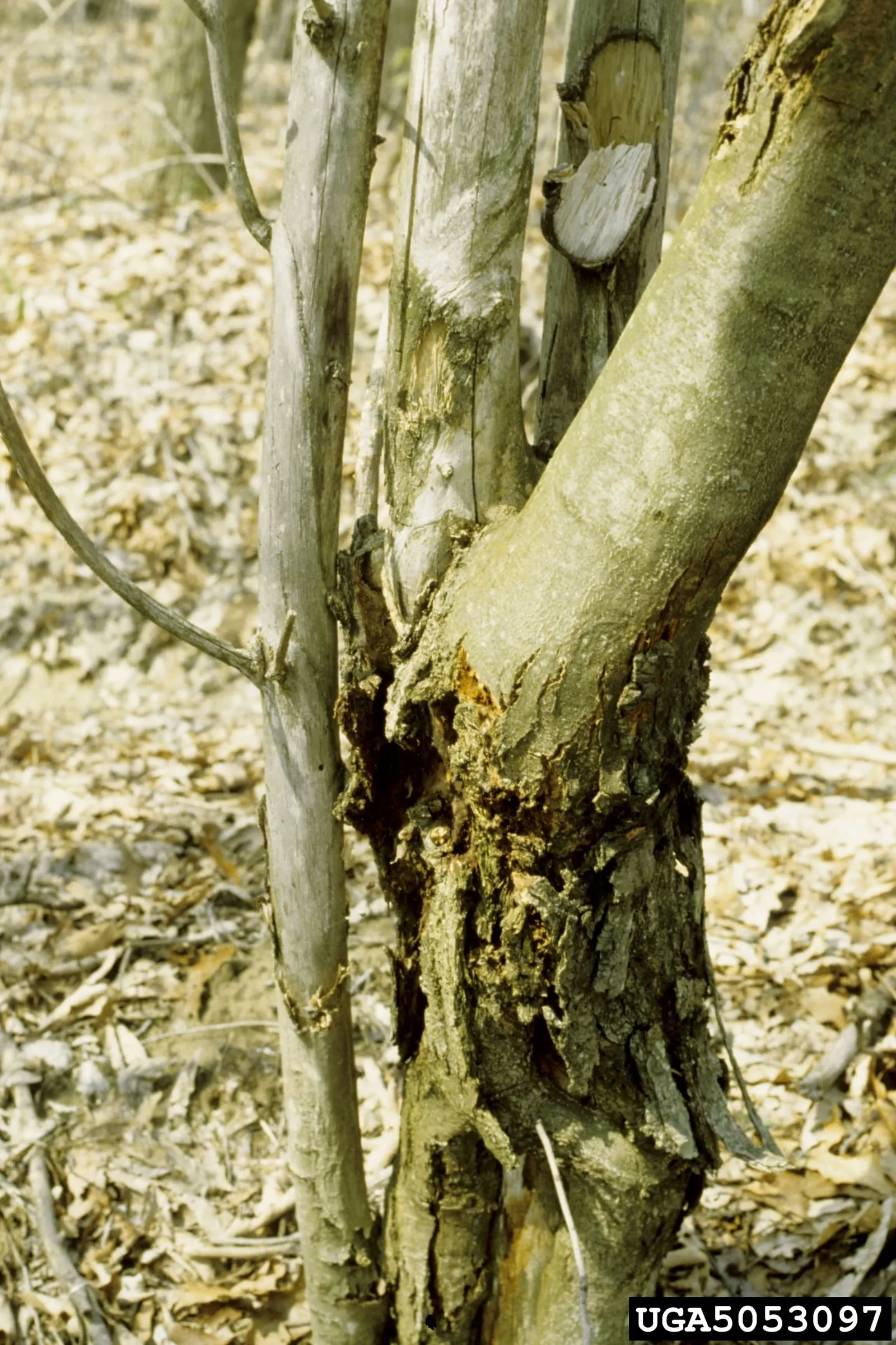
Chestnut blight remains the single most consequential disease risk regardless of zone. All three recommended varieties carry some blight resistance, but growers should still monitor for cankers, especially on grafted wood where the rootstock-scion junction can be an entry point. Remove and burn infected wood promptly rather than leaving it on-site.
Winter protection is not a significant concern in zone 8a. The minimum temperatures of 10 to 15°F fall well within the cold tolerance of mature chestnut trees. Young trees in their first winter may benefit from a layer of mulch over the root zone, but wrapping or shelter is generally unnecessary.
Frequently asked questions
- Can chestnuts grow in zone 8a?
Yes, with appropriate variety selection. Dunstan and Chinese Chestnut perform well across most of zone 8a. The chill-hour requirement of 400 to 700 hours is met in many parts of the zone, though coastal and low-elevation sites may fall short in mild winters.
- Which chestnut variety is best for zone 8a?
Dunstan and Chinese Chestnut are the most reliable choices. Both tolerate shorter chill accumulations without significant yield loss. Colossal is better suited to cooler parts of the range and may underperform at the warm end of zone 8a.
- When do chestnuts ripen in zone 8a?
Harvest typically runs September through October. Burrs split and drop naturally as nuts mature, so the practical harvest window spans several weeks. The 240-day growing season in zone 8a provides adequate time for full nut development.
- Is chestnut blight a concern in zone 8a?
Yes. Chestnut blight is present across most of the eastern and southern US and is not zone-dependent. Planting blight-resistant varieties such as Dunstan or Chinese Chestnut is the primary defense. Inspect trees annually and remove cankers promptly.
+−
+−
+−
+−
Chestnut in adjacent zones
Image: "Gebarsten bolster van een paardenkastanje (Aesculus) 20-09-2020 (d.j.b.) 01", by Dominicus Johannes Bergsma, via Wikimedia Commons, licensed under CC-BY Source.
_20-09-2020_(d.j.b.)_01.jpg)
Related