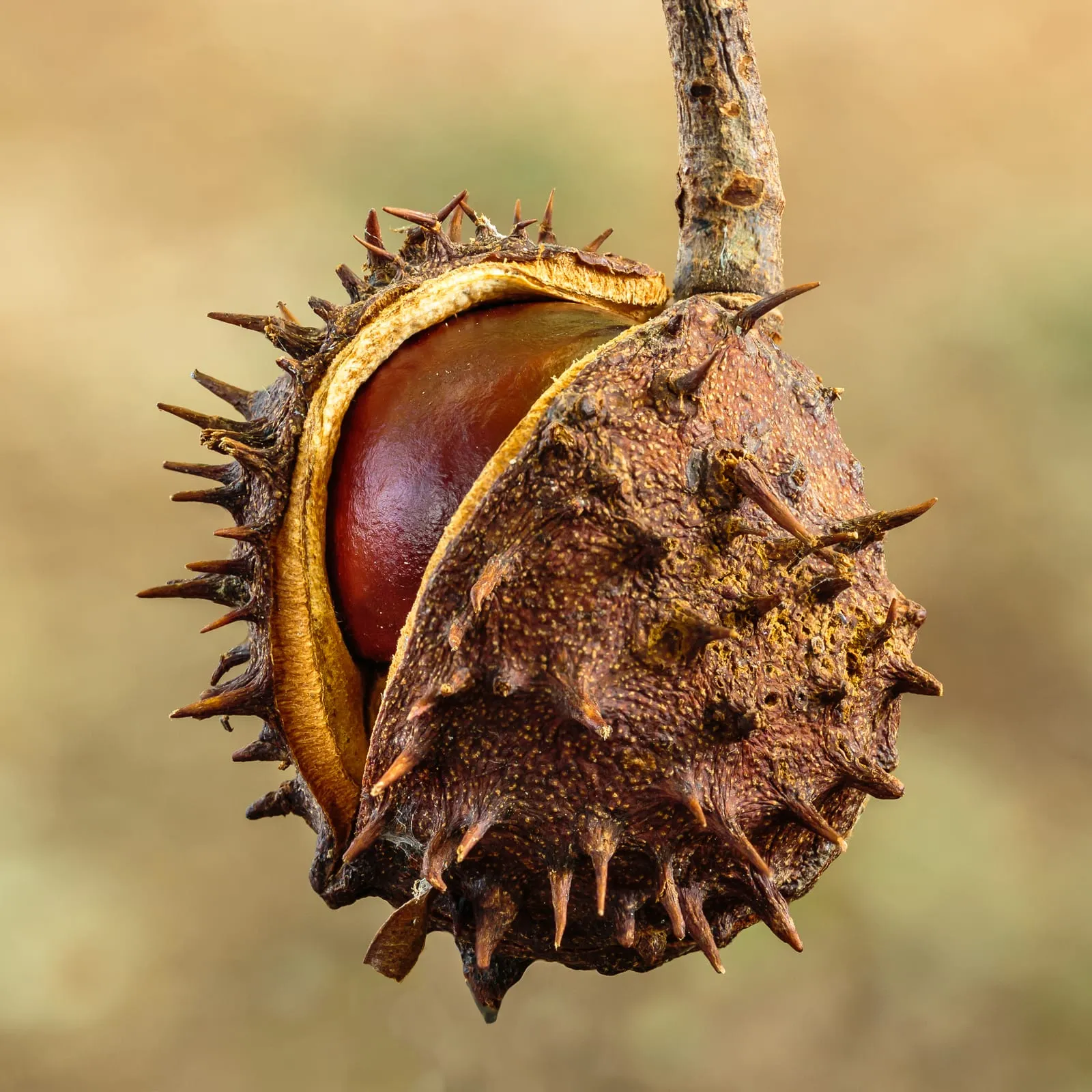
nut in zone 8b
Growing chestnut in zone 8b
Castanea species and hybrids
- Zone
- 8b 15°F to 20°F
- Growing season
- 260 days
- Chill needed
- 400 to 700 below 45°F
- Suitable varieties
- 1
- Days to harvest
- 120 to 180
The verdict
Zone 8b sits at the warm edge of reliable chestnut production. Most varieties require 400 to 700 chill hours (hours below 45°F), and zone 8b typically accumulates somewhere in the 400 to 600 range depending on location and winter severity. That range makes this a marginal zone rather than a sweet spot: mild winters may fall short of the threshold, while cooler winters within the zone can produce acceptable crops.
Chinese Chestnut (Castanea mollissima) is the practical selection for this zone. It tolerates lower chill accumulation better than American or European species and carries meaningful partial resistance to Chestnut Blight, which remains the dominant disease threat across much of the continent. Grafted named selections rated for zone 8 perform more consistently than seedlings, which vary widely in both chill-hour requirement and blight tolerance.
Growers at the cooler end of 8b, where winters regularly approach the 15°F floor, will see more reliable nut set than those at the 20°F ceiling. Elevation, cold-air drainage, and proximity to large water bodies affect local chill accumulation as much as the zone designation itself.
Recommended varieties for zone 8b
1 cultivar suited to this zone, with disease-resistance and zone-fit annotations.
| Variety | Notes | Zone fit | Disease resistance |
|---|---|---|---|
| Chinese Chestnut fits zone 8b | Sweet, starchy, classic chestnut flavor; roasting, baking. Pure Castanea mollissima seedling, naturally blight-tolerant. Smaller mature tree (40-50 ft) than American chestnut, productive 4-7 years from planting. | |
|
Critical timing for zone 8b
Chestnut bloom in zone 8b typically falls in late May to early June, well after the zone's average last frost date of late February to mid-March. That gap provides reasonable protection for the catkins, though late cold snaps in March can still stress early leafout and delay development.
Harvest runs from September into October. The 260-day growing season is more than sufficient for nuts to fill before first frost, which arrives in late November to early December across most of zone 8b. The primary harvest-period risk is not cold but sustained heat and drought during August nut fill, which limits kernel size. Burrs drop progressively once ripe; collecting every two to three days reduces losses to squirrels and weevils.
Common challenges in zone 8b
- ▸ Low chill hours limit apple variety selection
- ▸ Citrus greening risk
- ▸ Nematodes in sandy soils
Disease pressure to watch for
Modified care for zone 8b
Sandy soils prevalent in parts of zone 8b harbor root-knot nematodes, which weaken tree root systems over time. Site selection on well-structured loam, or thorough bed amendment before planting, reduces exposure. Cover crops maintained in the orchard floor suppress nematode populations without fumigation.
Summer irrigation matters more here than in cooler zones. Chestnut handles dry conditions once established, but consistent soil moisture during July and August directly affects nut fill weight. Deep, infrequent watering encourages root systems to access lower soil moisture reserves during heat events.
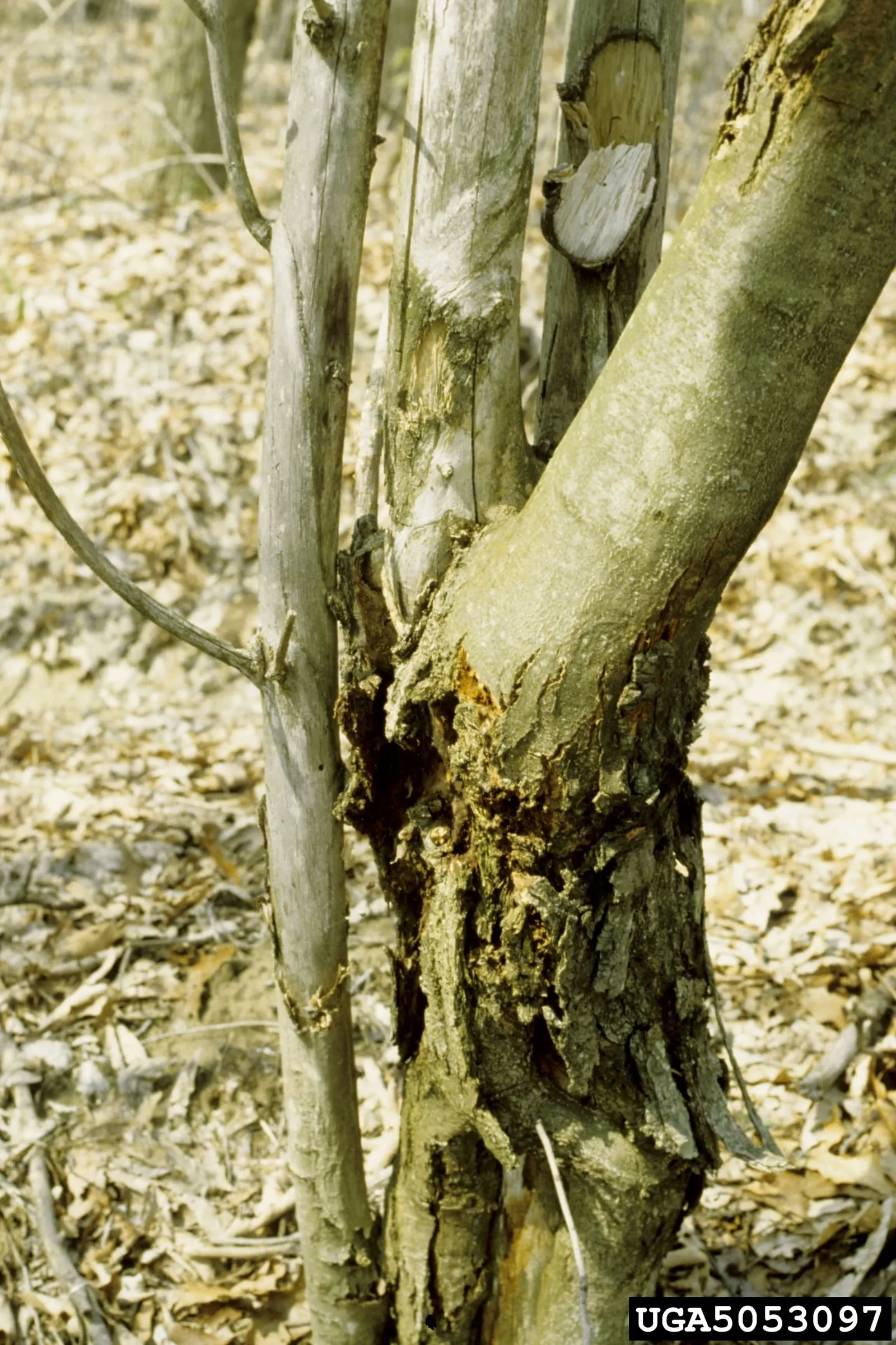
Chestnut Blight pressure is a real factor across the Southeast. Chinese Chestnut's partial resistance is meaningful but not a guarantee. Timing pruning cuts for dry periods limits spore transmission through fresh wounds, and prompt removal of cankered wood reduces spread within the canopy.
Chestnut in adjacent zones
Image: "Gebarsten bolster van een paardenkastanje (Aesculus) 20-09-2020 (d.j.b.) 01", by Dominicus Johannes Bergsma, via Wikimedia Commons, licensed under CC-BY Source.
_20-09-2020_(d.j.b.)_01.jpg)
Related