USDA hardiness zone
Zone 7b
Long, warm growing season with broad fruit and vegetable options including figs and persimmons.
On the zone ramp
- Lowest winter temp
- 5°F to 10°F USDA boundary
- Growing season
- 220 days
- Avg chill hours
- ~900 below 45°F
- Hardiness rank
- 14 of 26 temperate
- Compatible crops
- 83
- Sample region
- Central North Carolina (Chapel Hill, Raleigh)
Growing in zone 7b
Zone 7b is the long-season sweet spot for diversified fruit growing. Winter lows of 5 to 10°F are mild enough to grow figs, persimmons, pomegranate (with cold-hardy cultivars), and the cold-hardier jujube varieties, while still cold enough to chill apples, pears, peaches, and plums. The growing season averages 220 days, so almost everything has time to ripen, often with a second crop attempt on figs and second flushes on bramble fruit.
The catch is humidity. Disease pressure in the Carolina piedmont and similar zone 7b regions is intense. Cedar-apple rust, fire blight, brown rot, and bacterial spot all hit harder here than in drier zones. The single highest-leverage decision a 7b grower makes is variety selection.
Frost timing in zone 7b
Last spring frost usually lands late March to early April in zone 7b. First fall frost arrives late October to early November. The bloom window for stone fruit (peach, plum, apricot) overlaps tightly with the last frost in some years, which is why late-blooming varieties (Contender peach, Stanley plum, Harcot apricot) consistently outperform early bloomers. Apple bloom is later and rarely caught by frost.
Common challenges
- ▸ Cedar-apple rust pressure heavy in piedmont
- ▸ Japanese beetles
- ▸ Brown marmorated stink bug
- ▸ Late summer disease pressure
Best practices
Pick cultivars with stacked disease resistance. Liberty, Enterprise, and Williams Pride apples handle scab, fire blight, and cedar-apple rust simultaneously, which means you can run a low-spray or no-spray program once trees are established. For peaches, Contender's resistance to bacterial spot pays off every year in the southeast. And site for airflow: a windy ridge cuts disease pressure substantially compared to a still hollow.
What to grow in zone 7b
83 crops from our database fit zone 7b, grouped by type. Click through for zone-specific variety recommendations.
Tree fruit
15 crops
 zone 7b
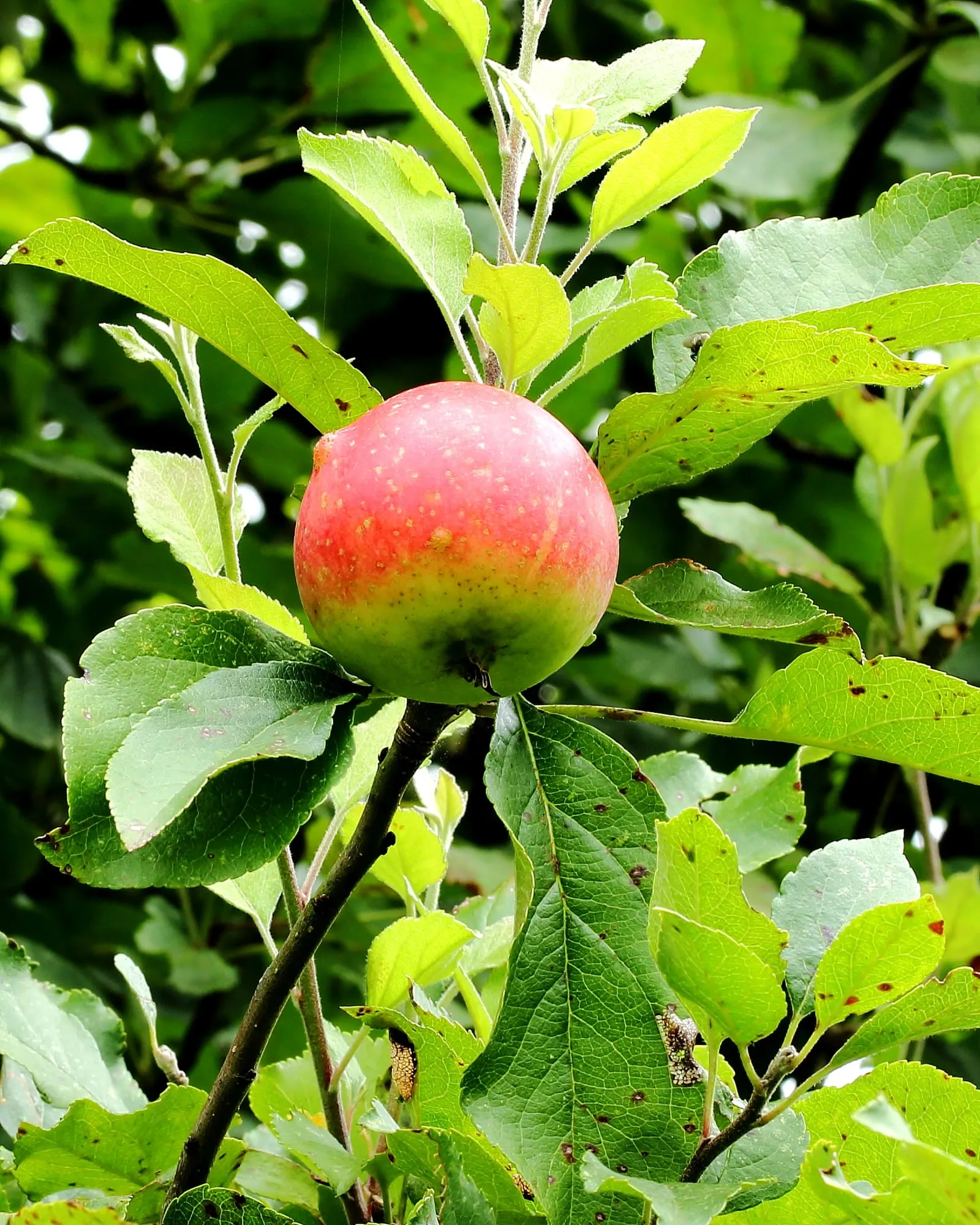
 Apple
Malus domestica
zones 3a–9a
 zone 7b
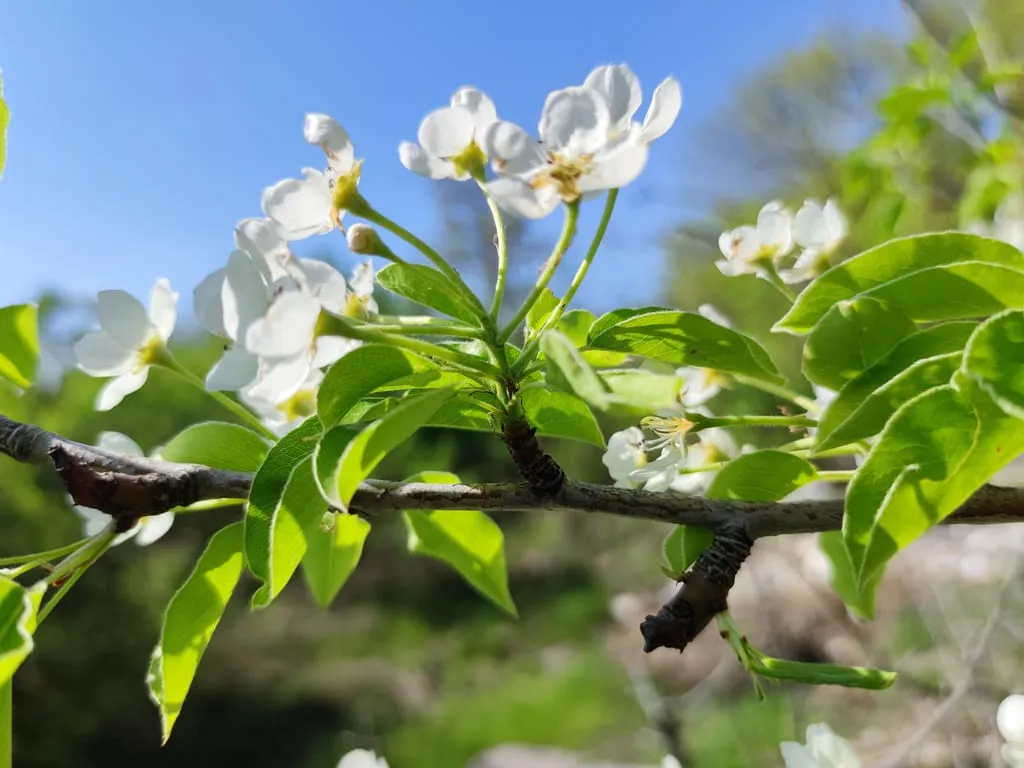
 Pear
Pyrus communis
zones 4a–8b
 zone 7b
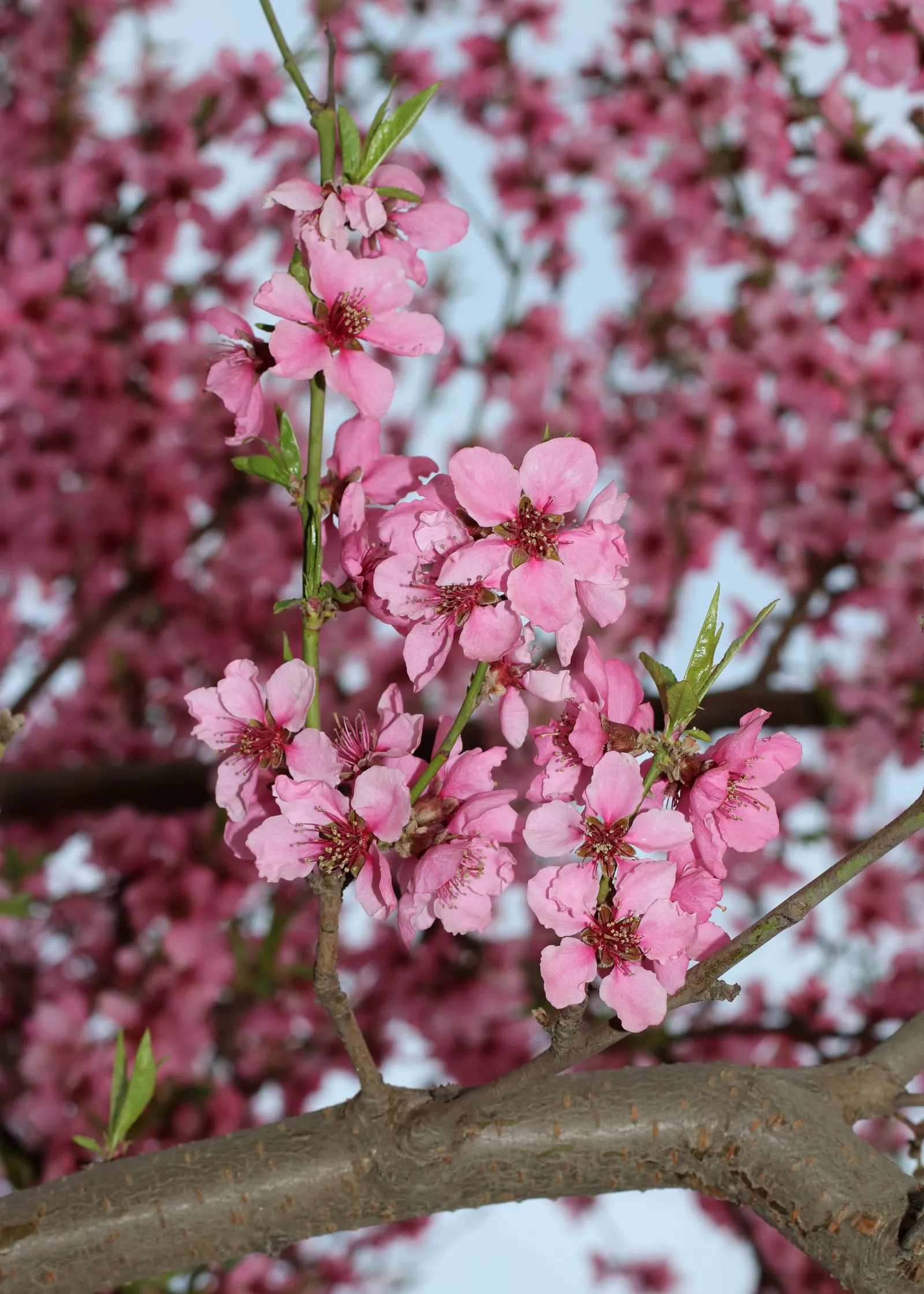
 Peach
Prunus persica
zones 5a–9a
 zone 7b
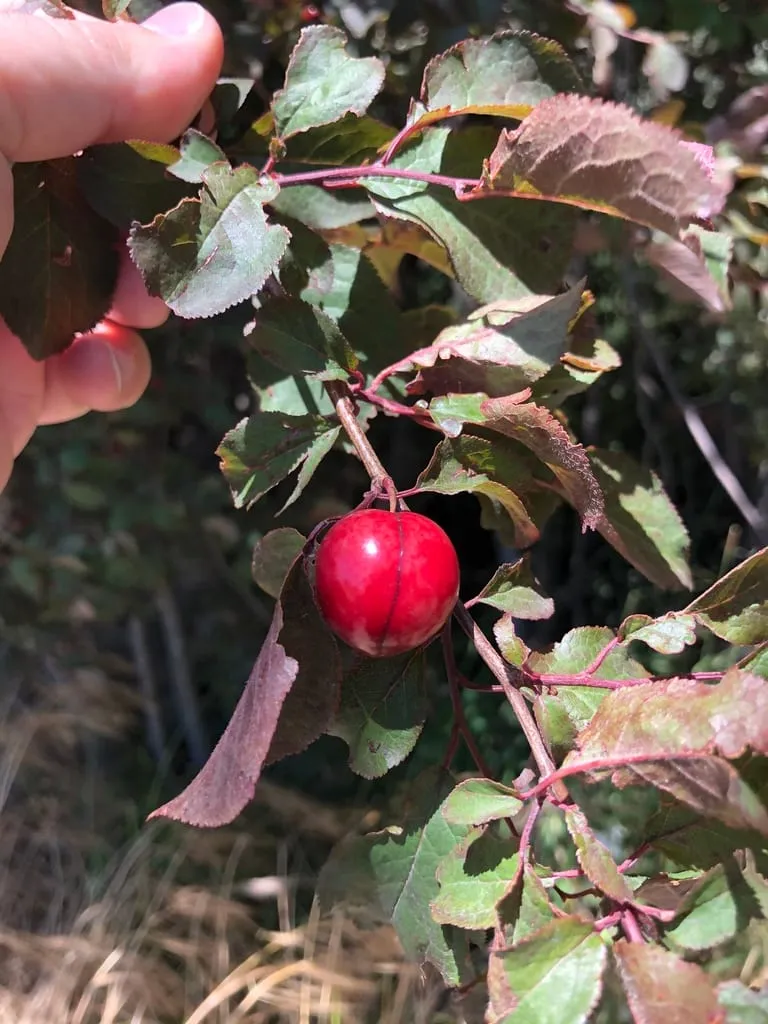
 European Plum
Prunus domestica
zones 4a–8a
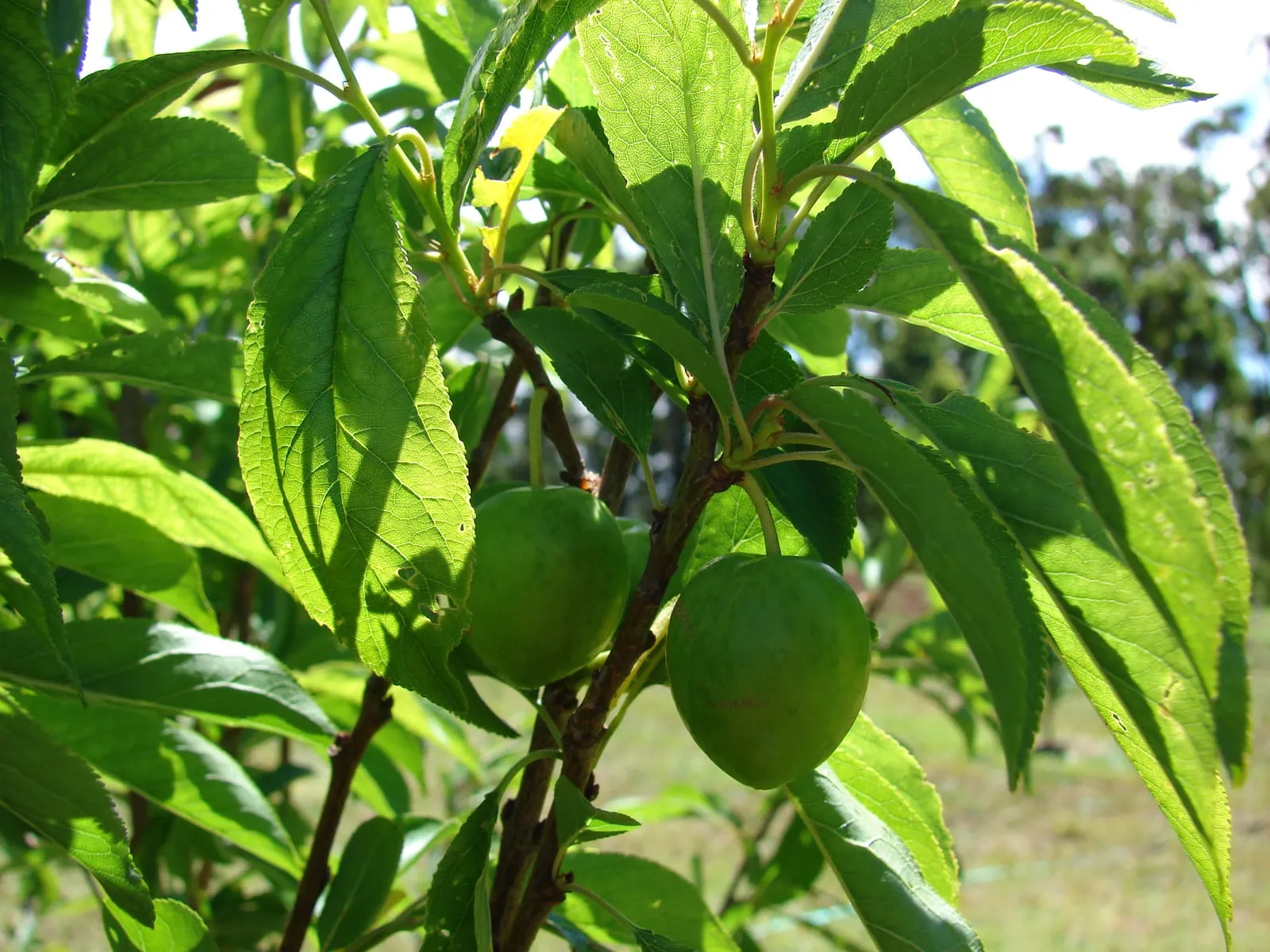 zone 7b
 Japanese Plum
Prunus salicina
zones 5b–9a
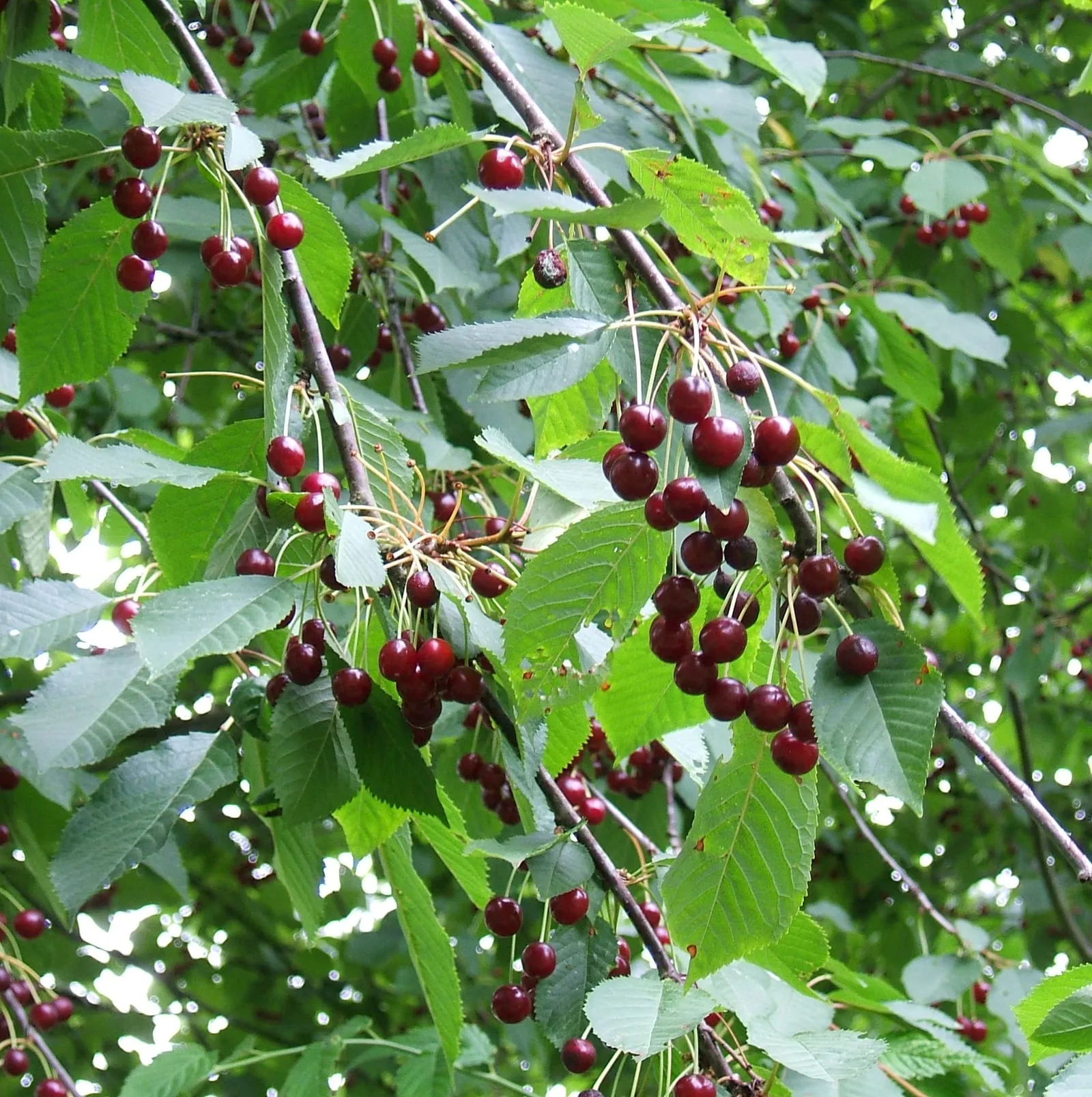 zone 7b
 Sweet Cherry
Prunus avium
zones 5a–8a
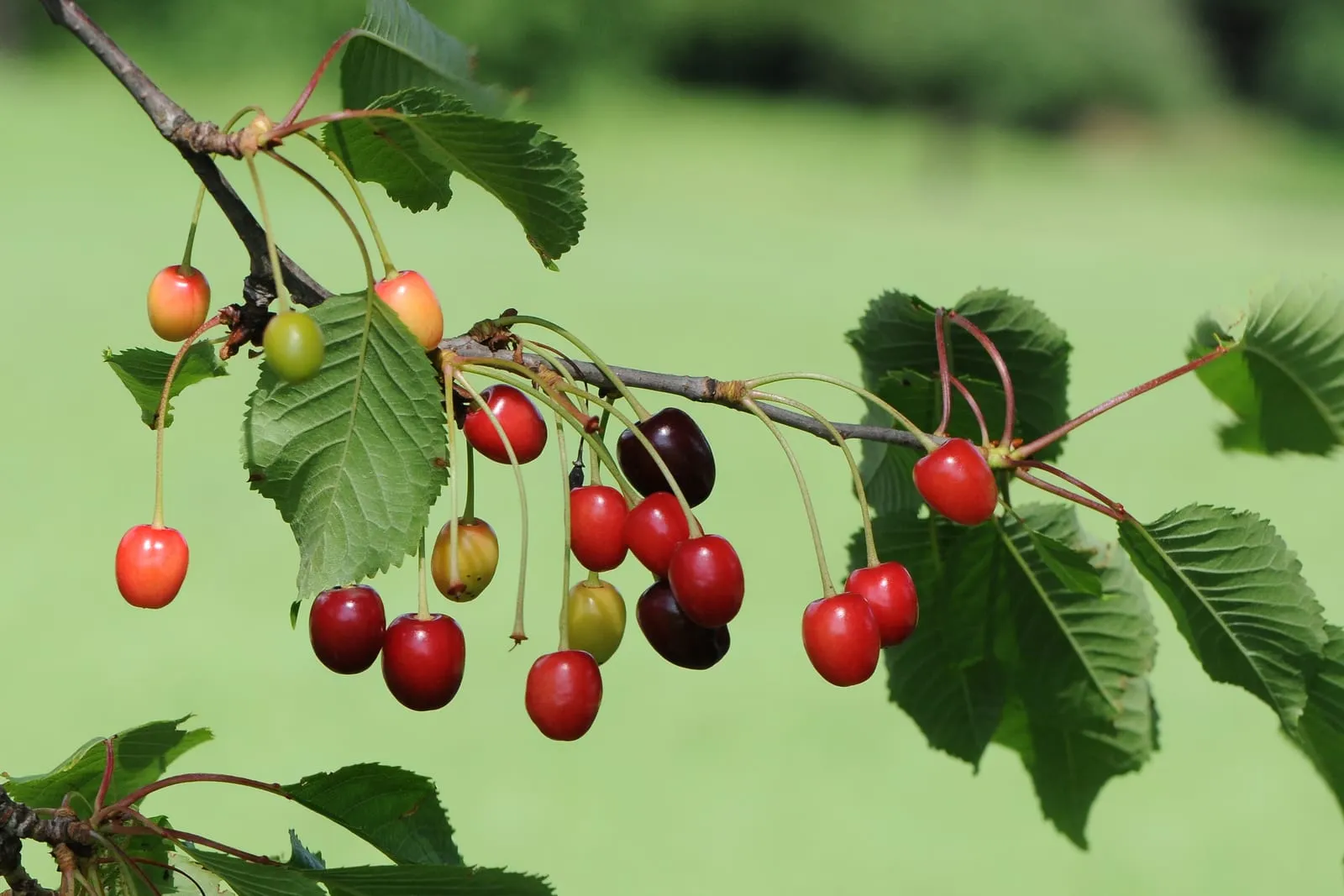 zone 7b
 Sour Cherry
Prunus cerasus
zones 4a–7b
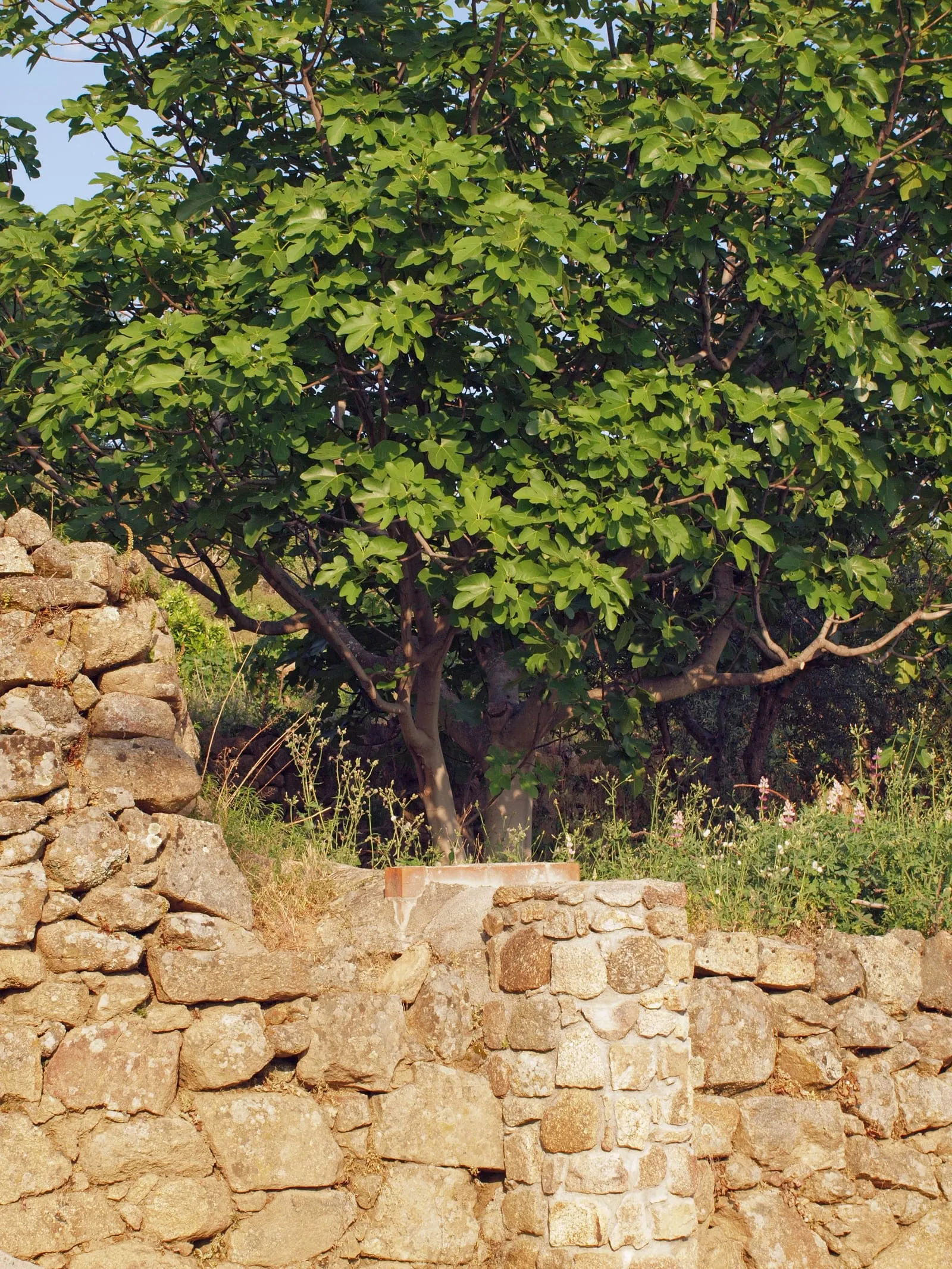 zone 7b
 Fig
Ficus carica
zones 7a–10b
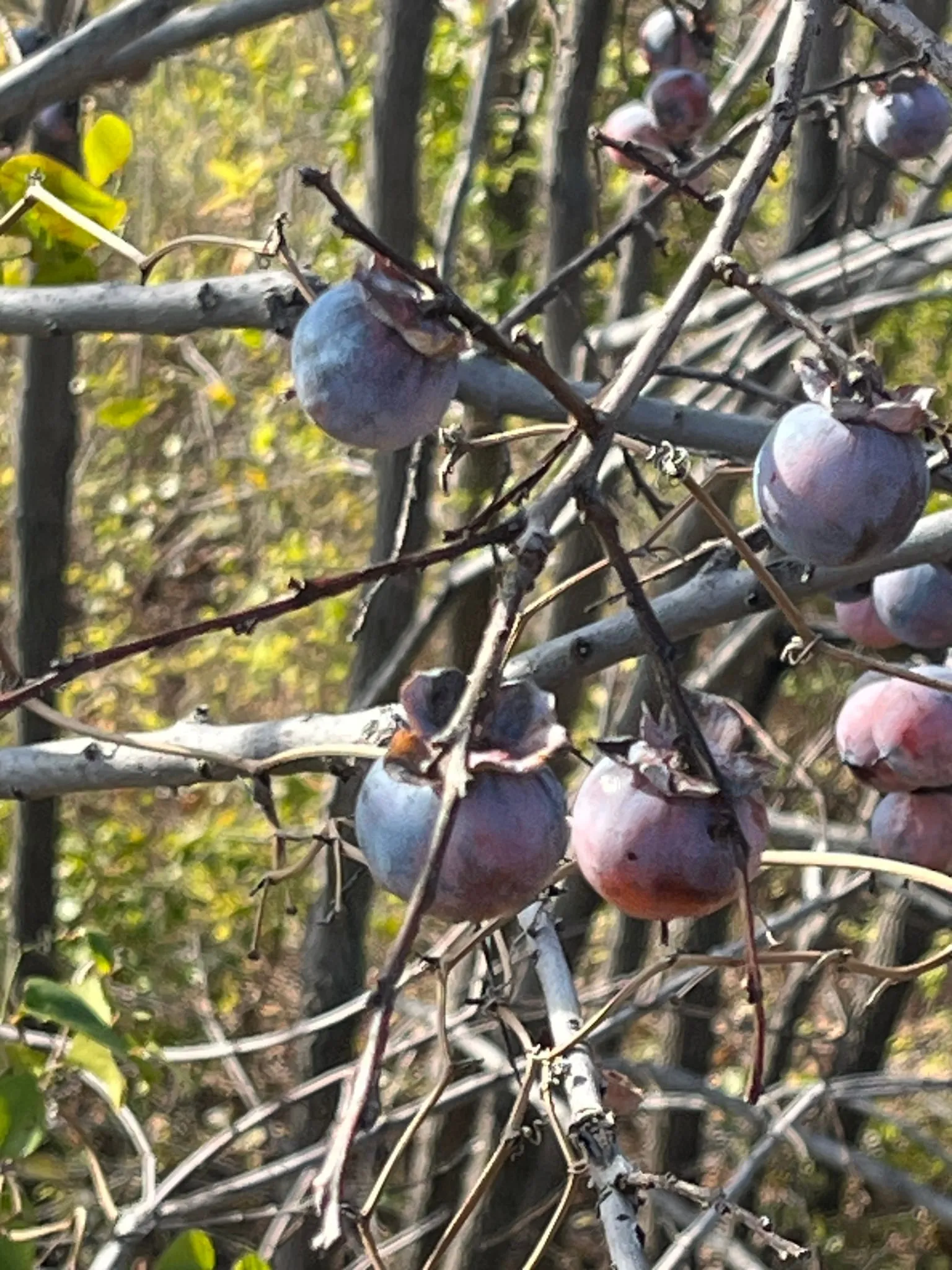 zone 7b
 American Persimmon
Diospyros virginiana
zones 4b–9a
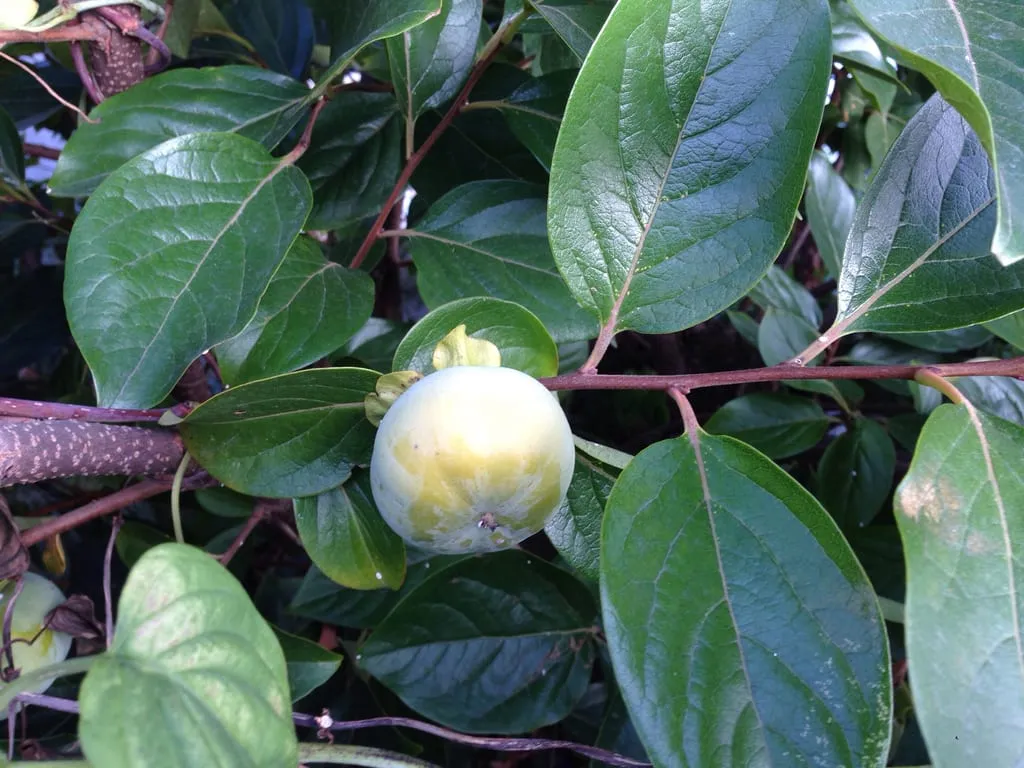 zone 7b
 Asian Persimmon
Diospyros kaki
zones 7a–10a
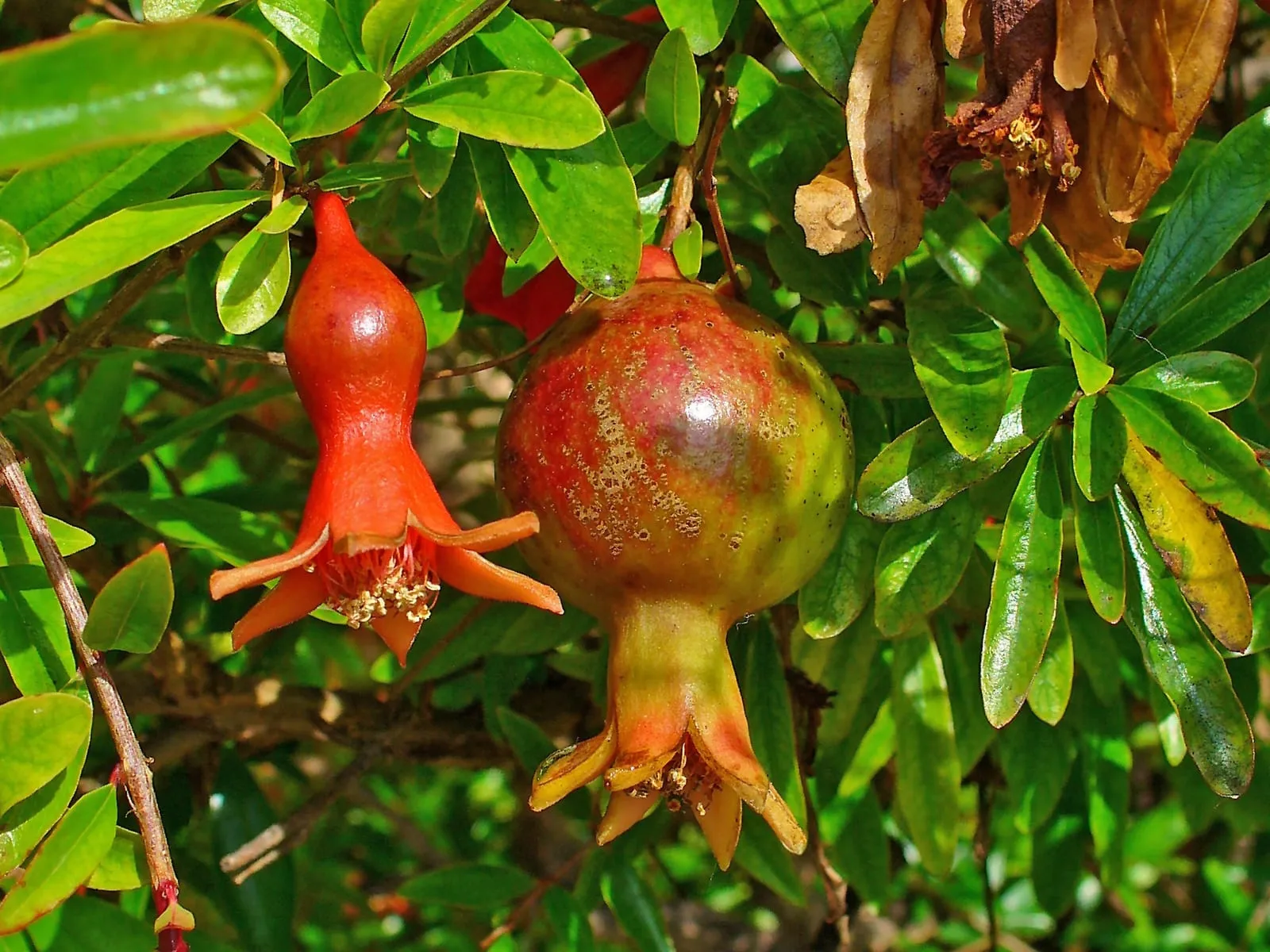 zone 7b
 Pomegranate
Punica granatum
zones 7b–10a
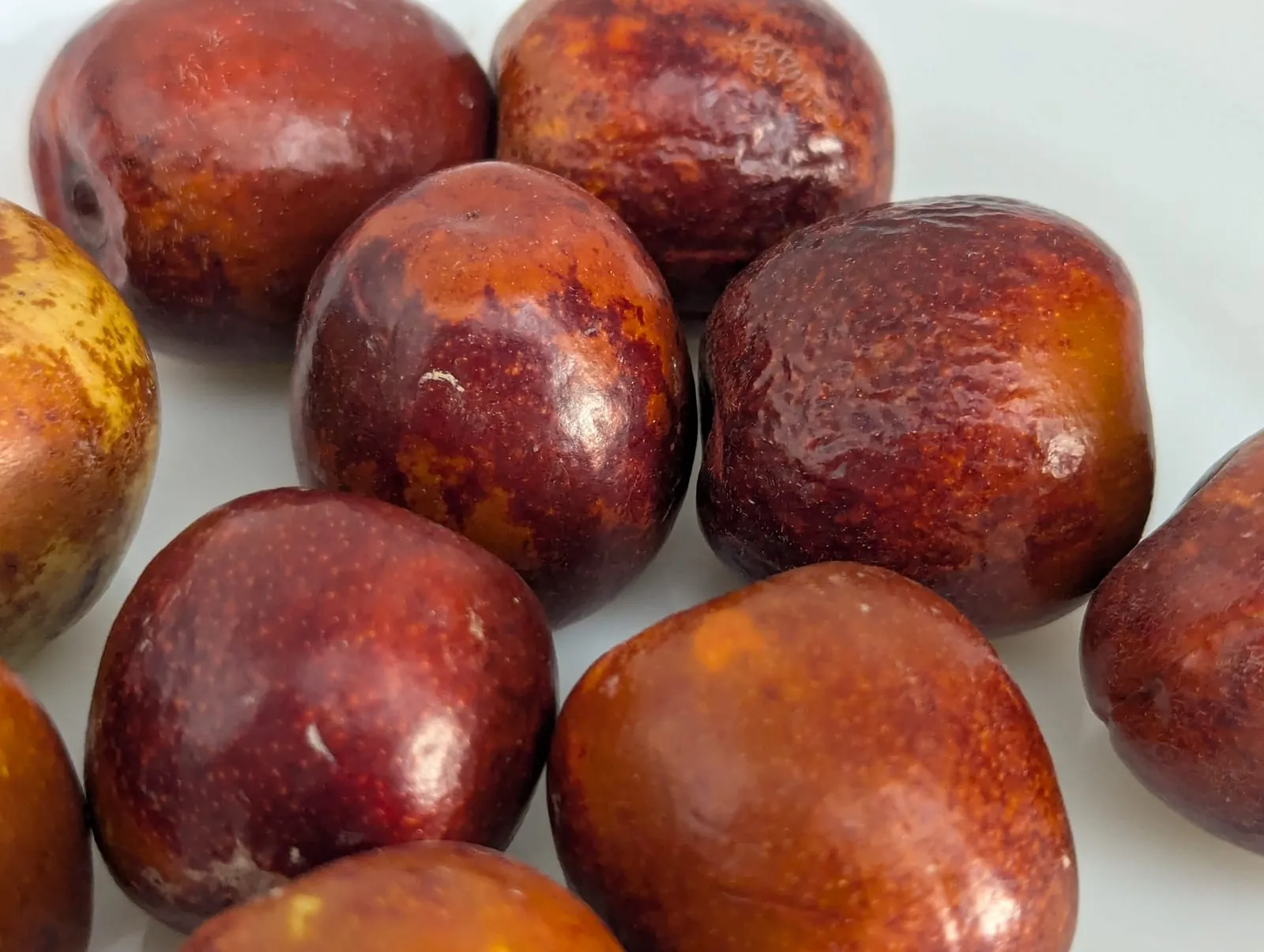 zone 7b
 Jujube
Ziziphus jujuba
zones 6a–9b
 zone 7b
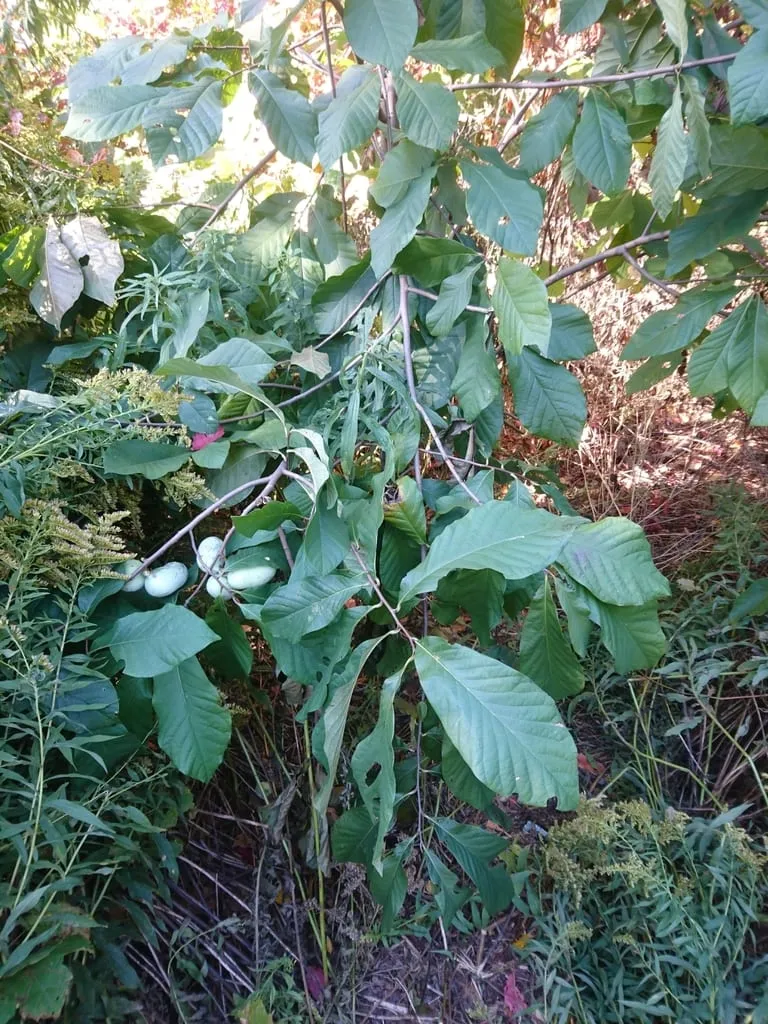
 Pawpaw
Asimina triloba
zones 5a–8b
 zone 7b
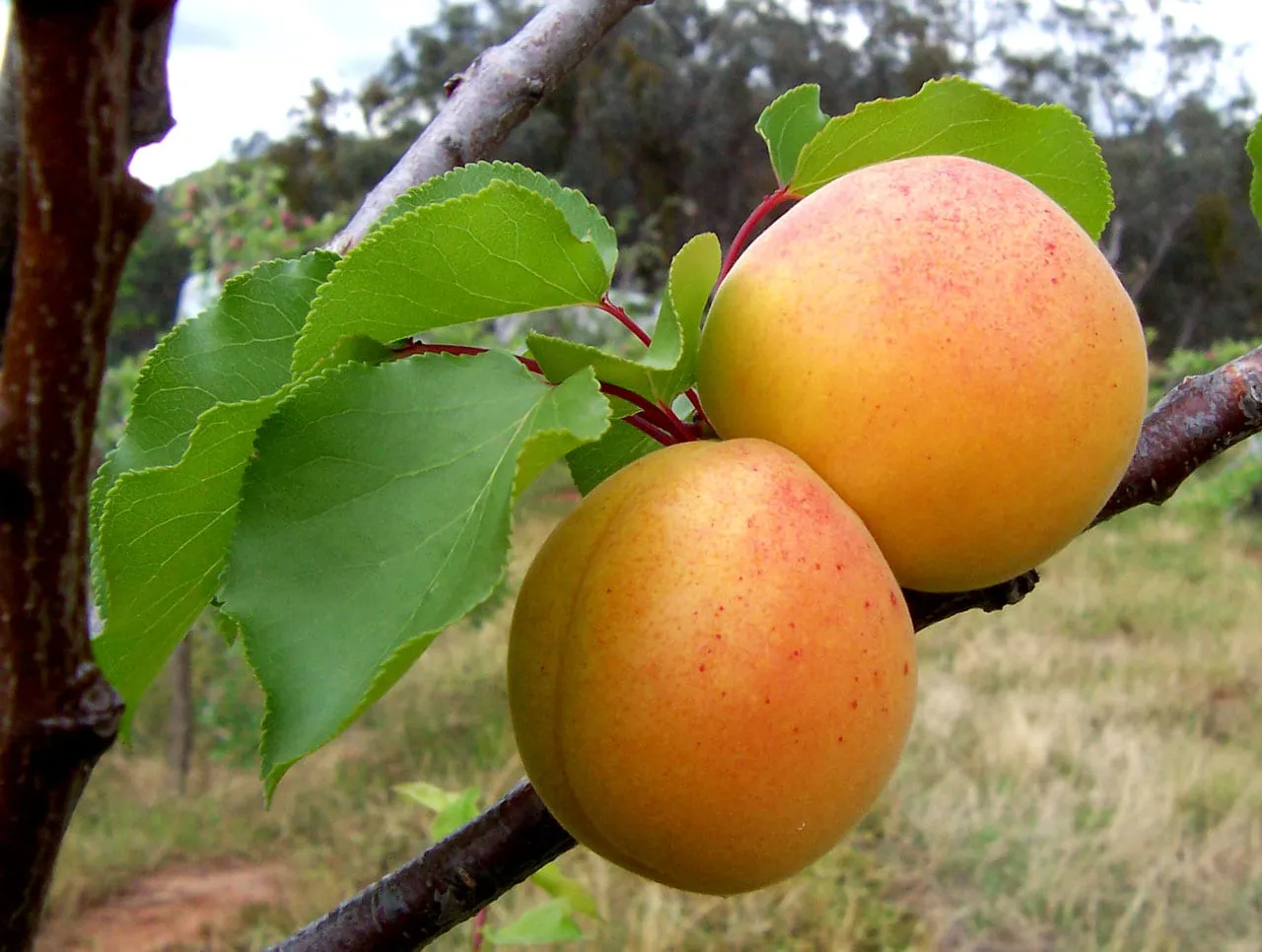
 Apricot
Prunus armeniaca
zones 5a–8a
 zone 7b
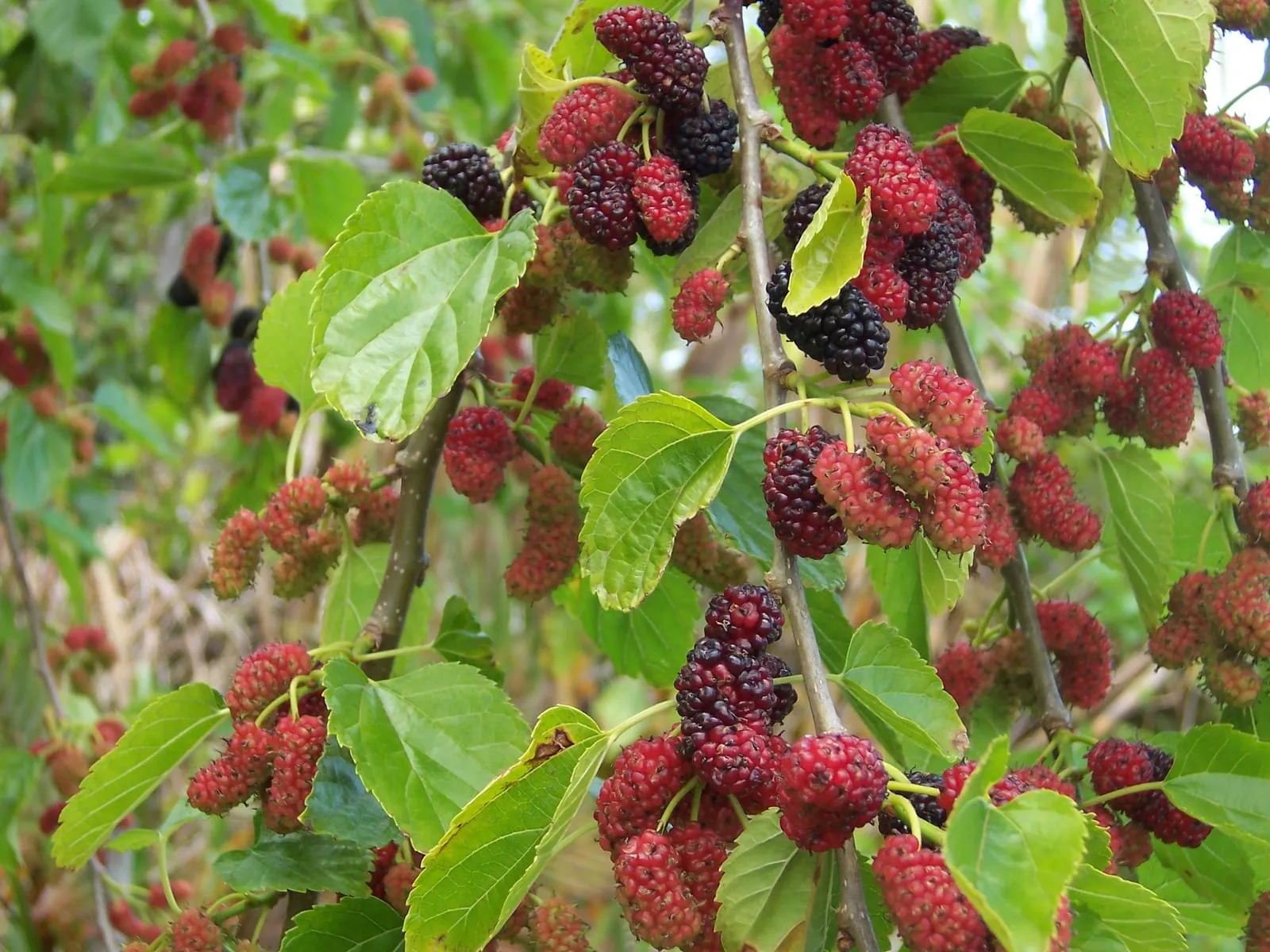
 Mulberry
Morus species
zones 4b–9a
Berries
12 crops
 zone 7b
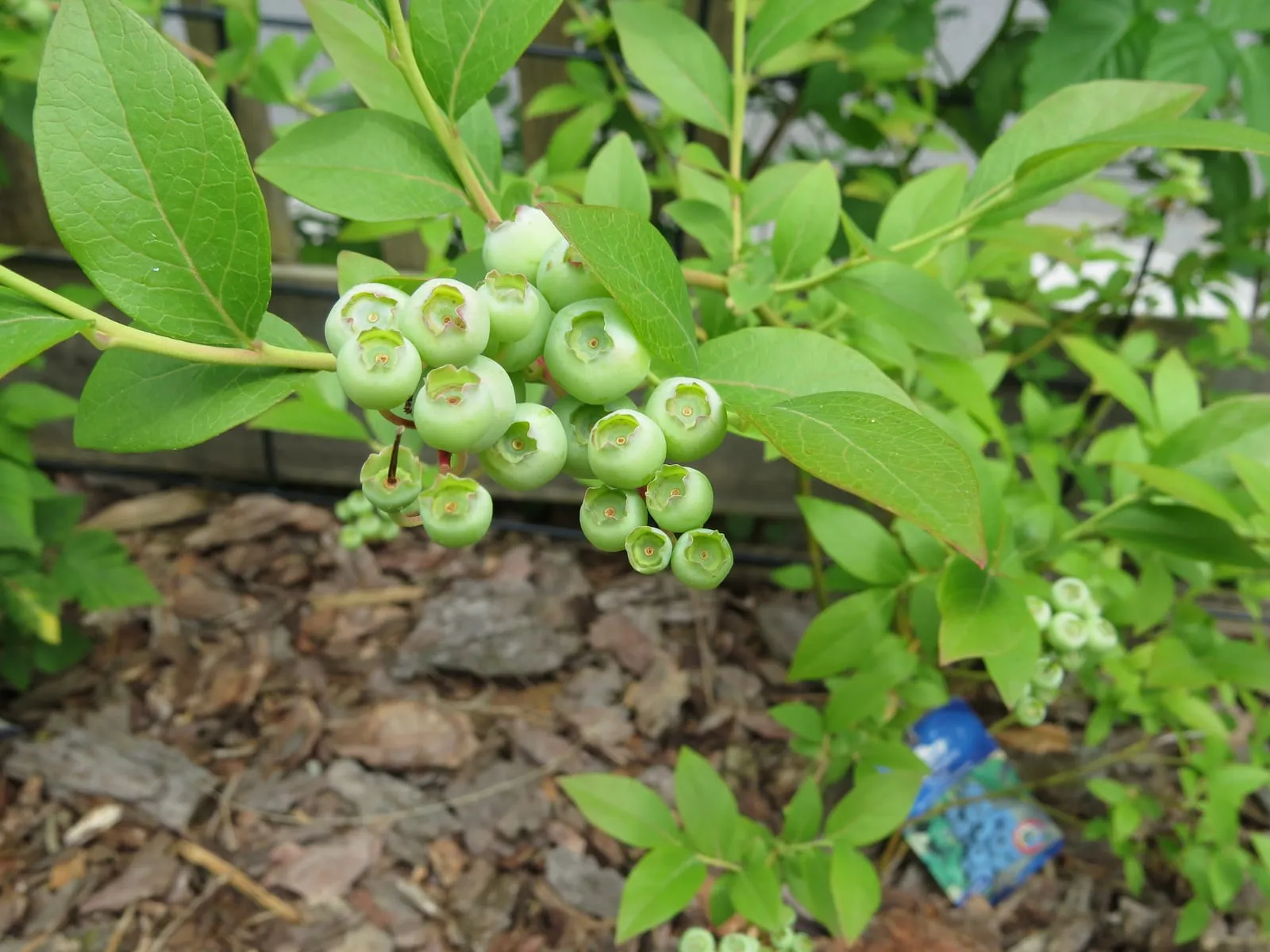
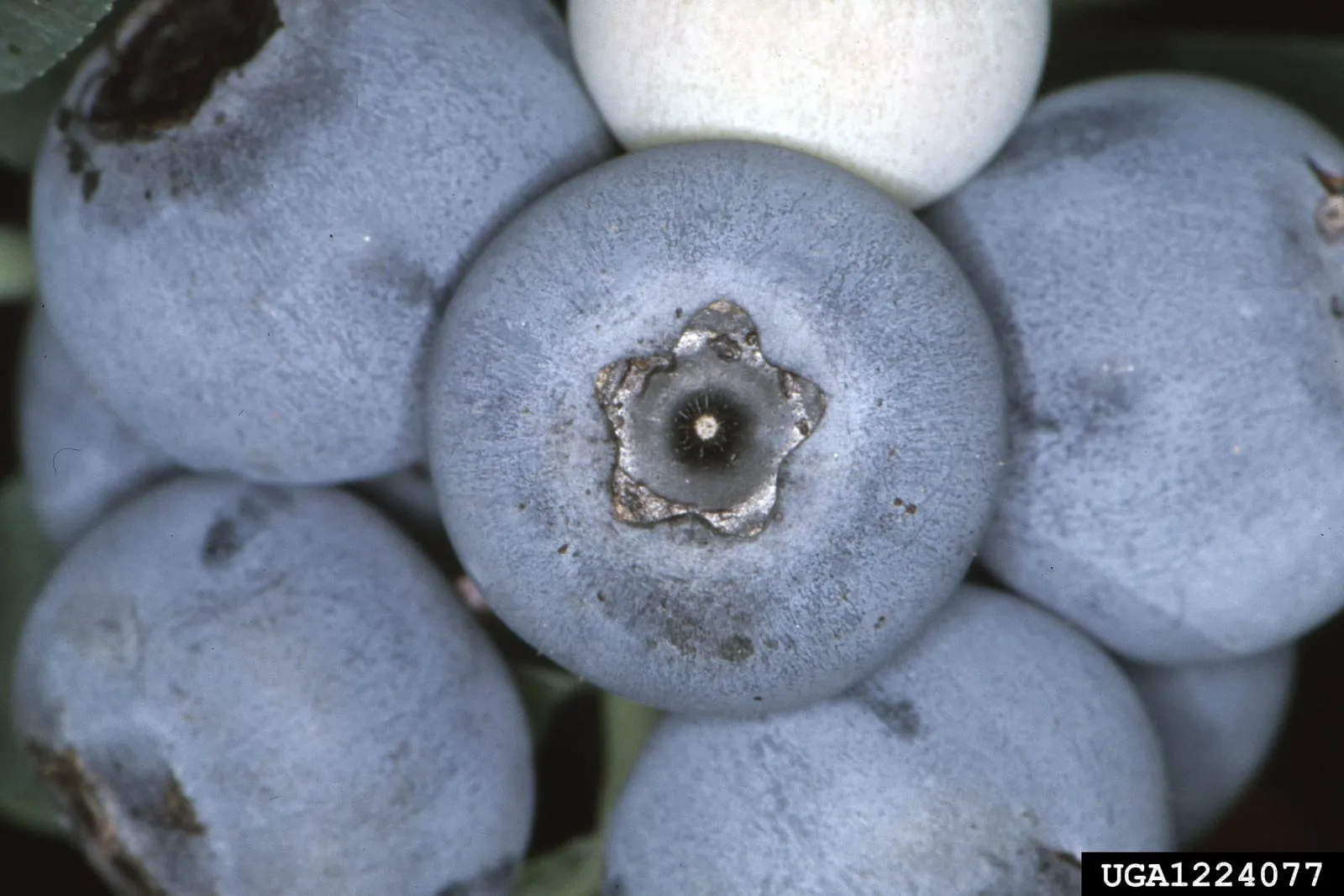
 Highbush Blueberry
Vaccinium corymbosum
zones 4a–7b
 zone 7b
 Rabbiteye Blueberry
Vaccinium virgatum
zones 7a–9a
 zone 7b
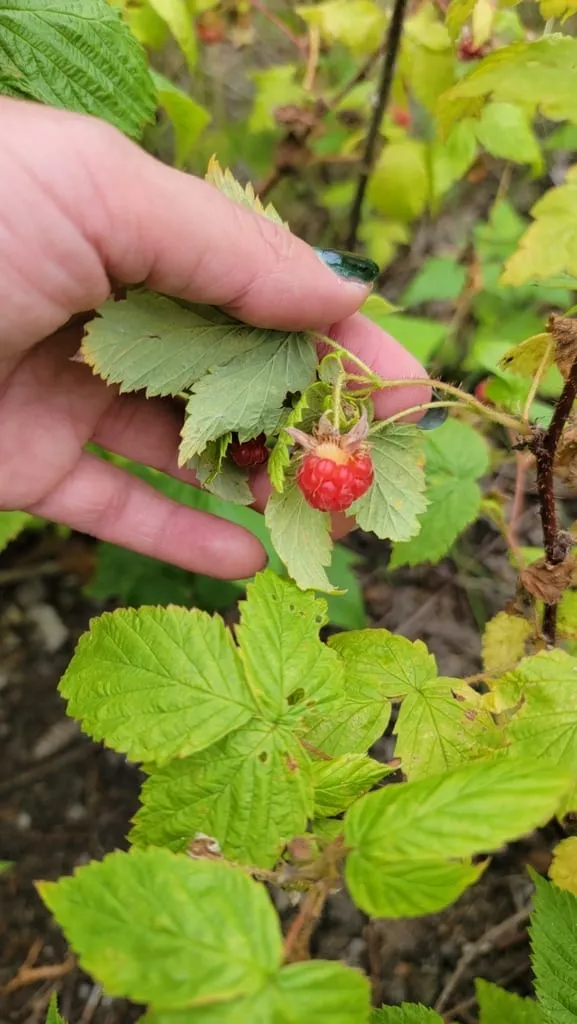
 Red Raspberry
Rubus idaeus
zones 3b–8a
 zone 7b
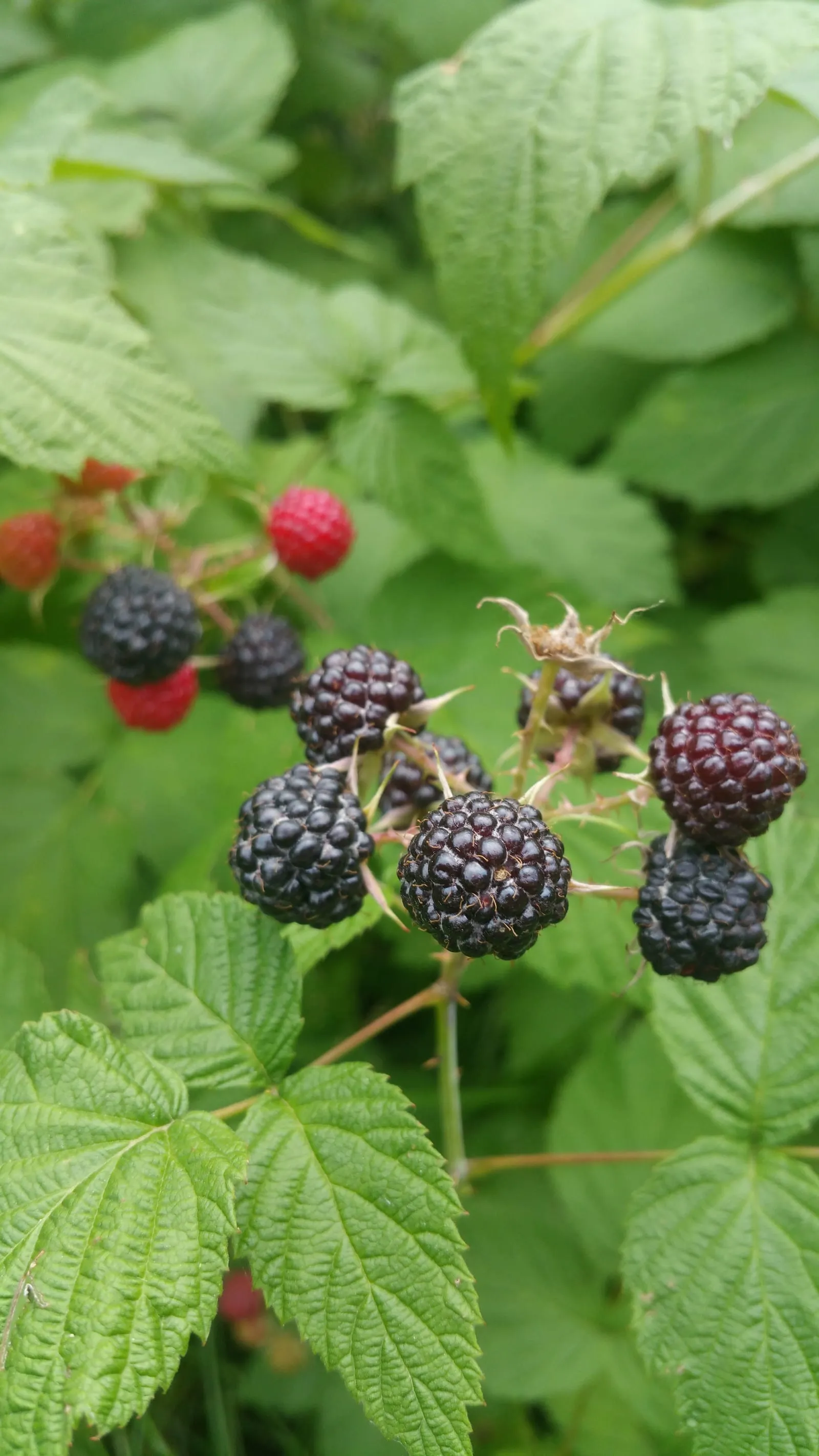
 Black Raspberry
Rubus occidentalis
zones 4a–8a
 zone 7b
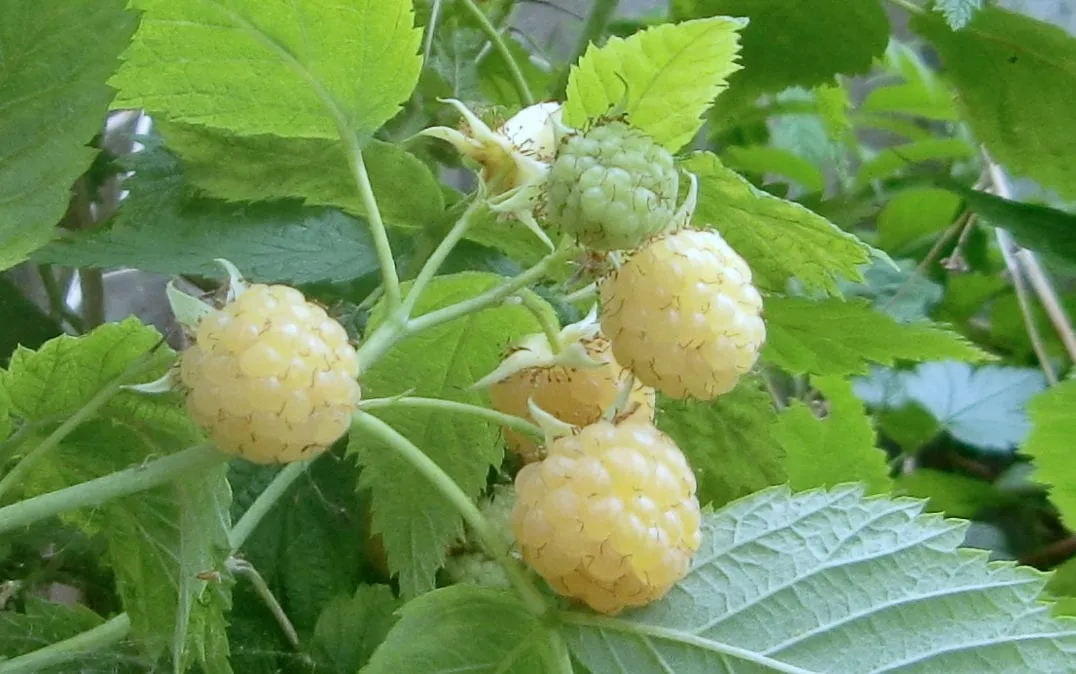
 Yellow Raspberry
Rubus idaeus
zones 3b–8a
 zone 7b
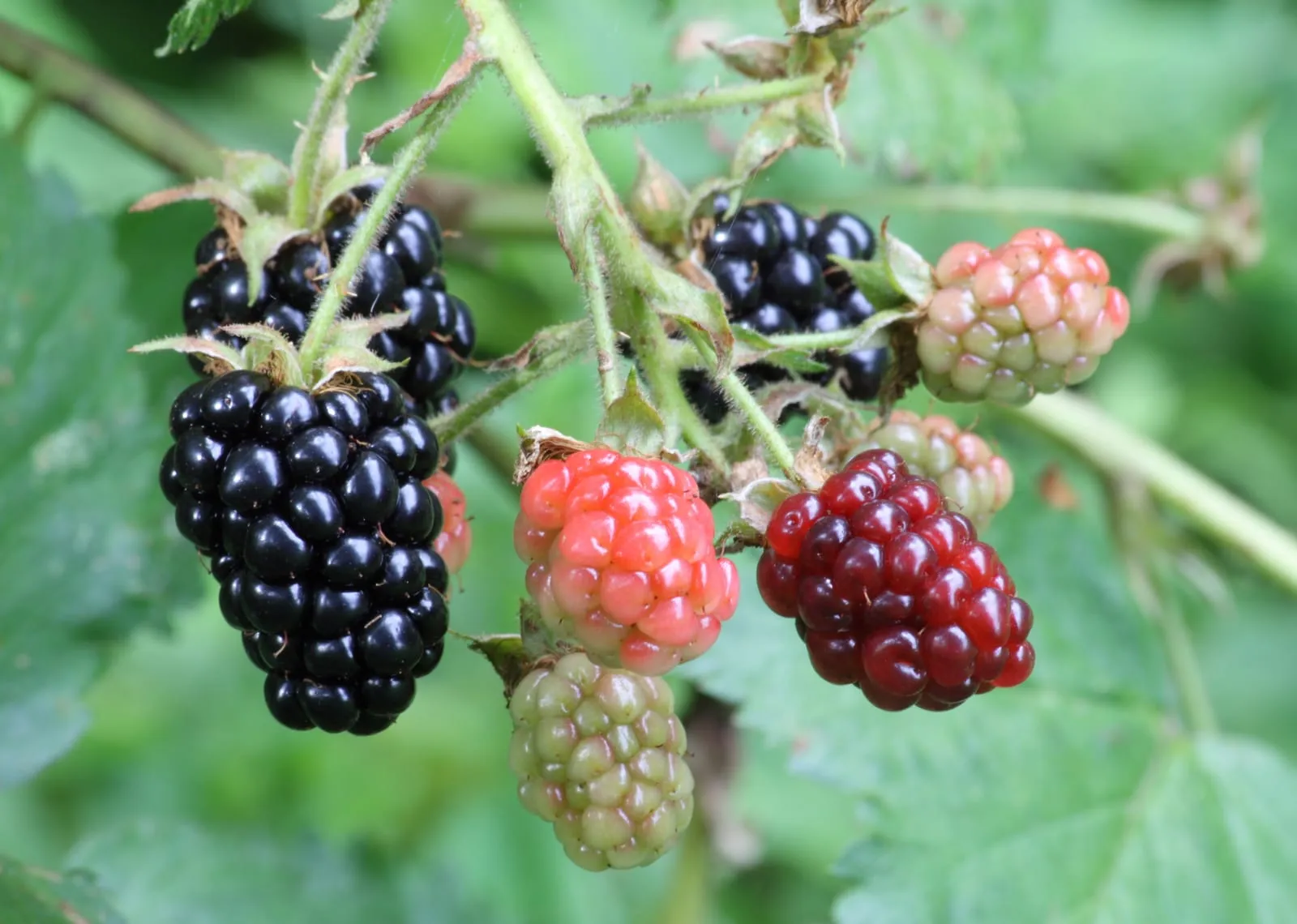
 Blackberry
Rubus subgenus Rubus
zones 5a–9a
 zone 7b
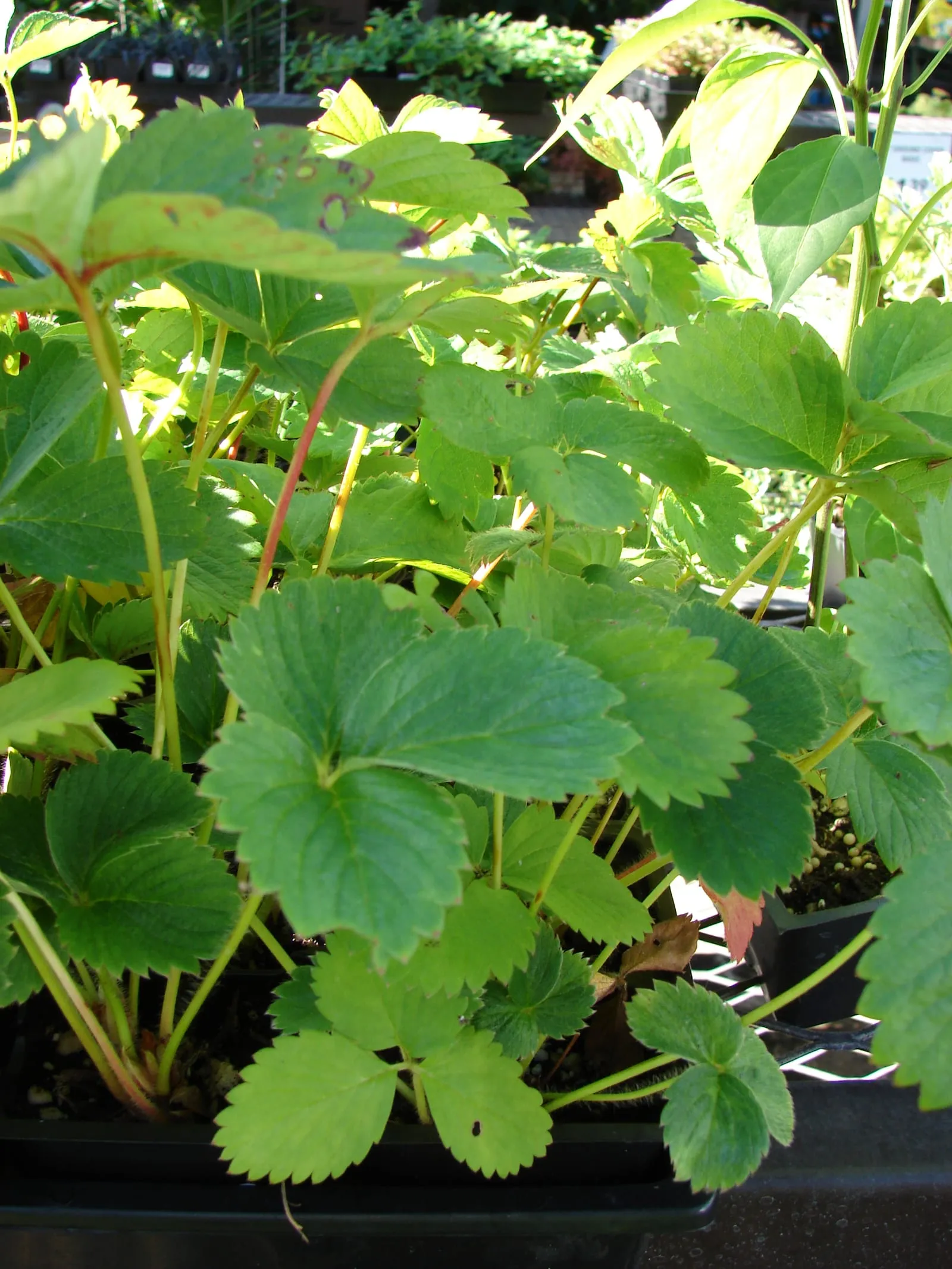
 June-Bearing Strawberry
Fragaria x ananassa
zones 3a–8b
zone 7b Everbearing Strawberry
Fragaria x ananassa
zones 3b–9a
 zone 7b
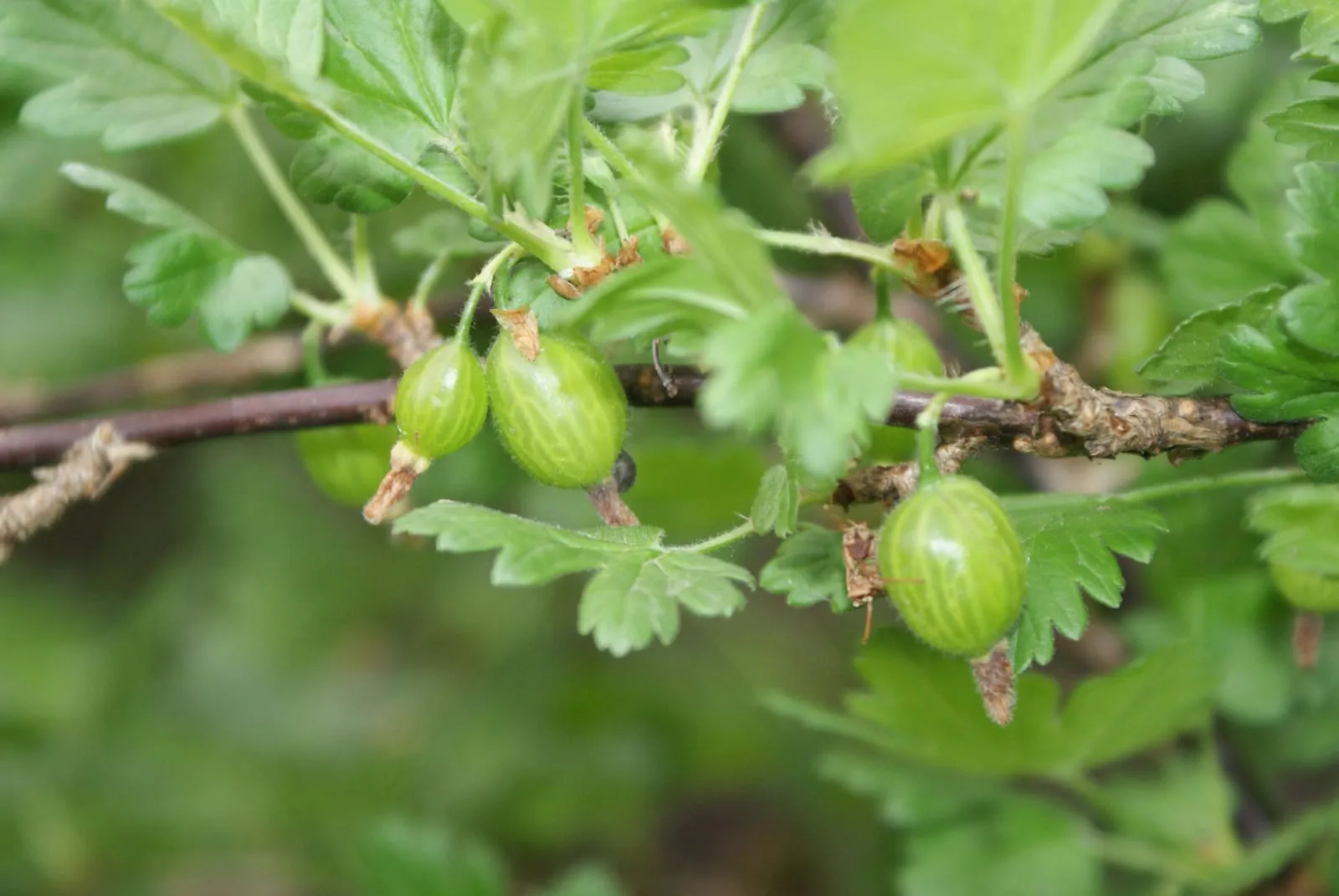
 Gooseberry
Ribes uva-crispa
zones 3a–7b
 zone 7b
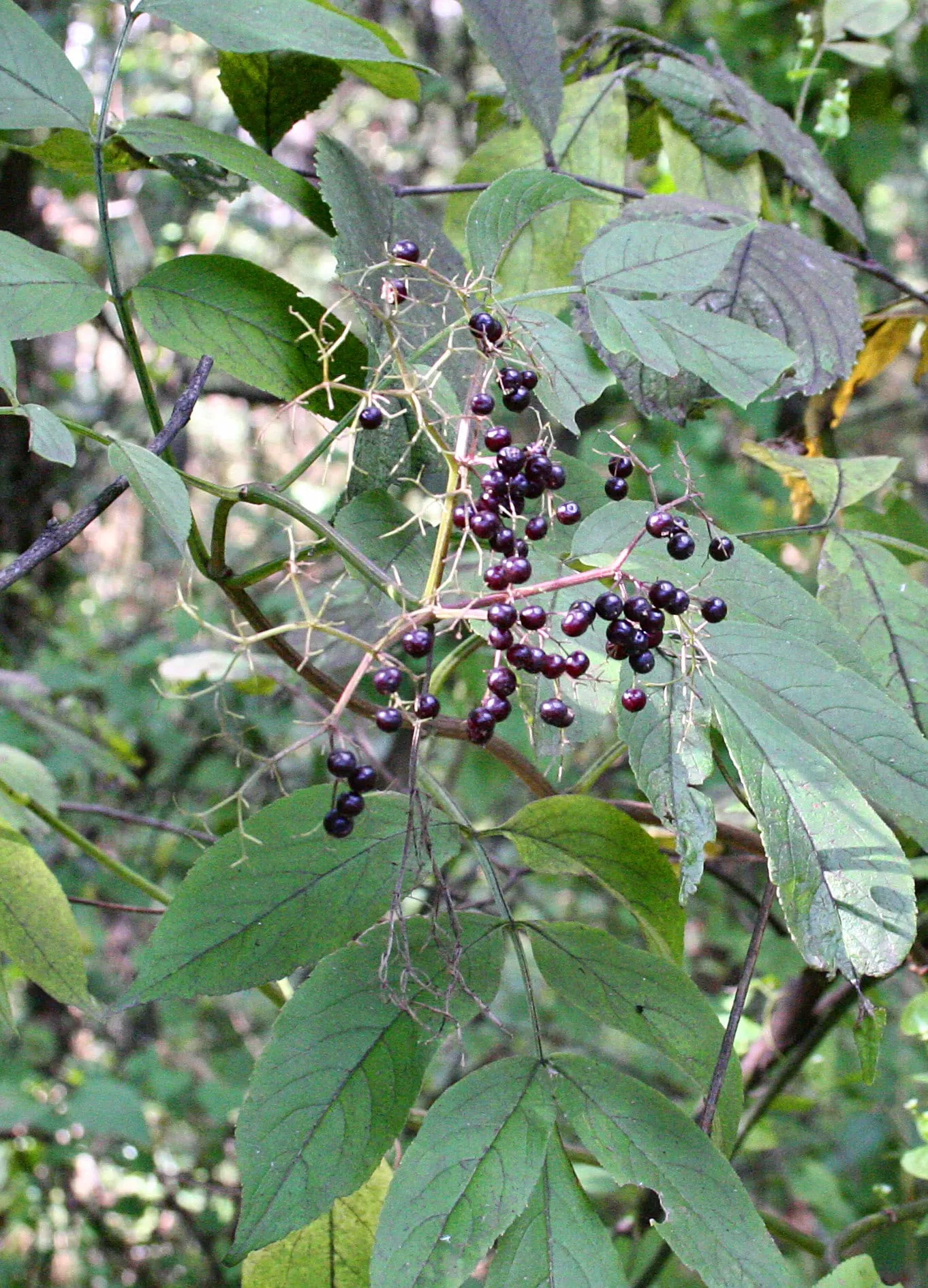
 Elderberry
Sambucus canadensis
zones 3b–9a
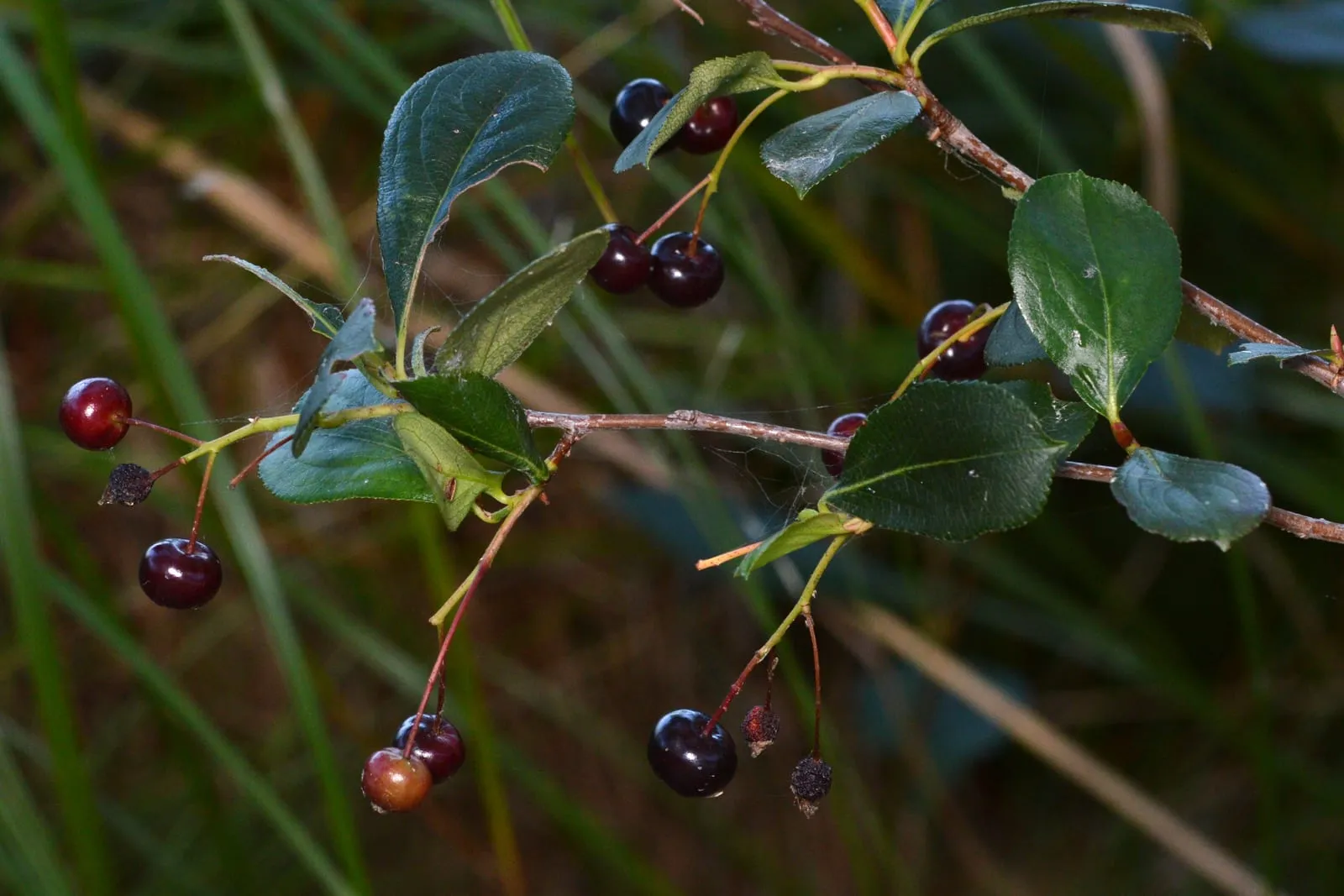 zone 7b
 Aronia (Black Chokeberry)
Aronia melanocarpa
zones 3a–8a
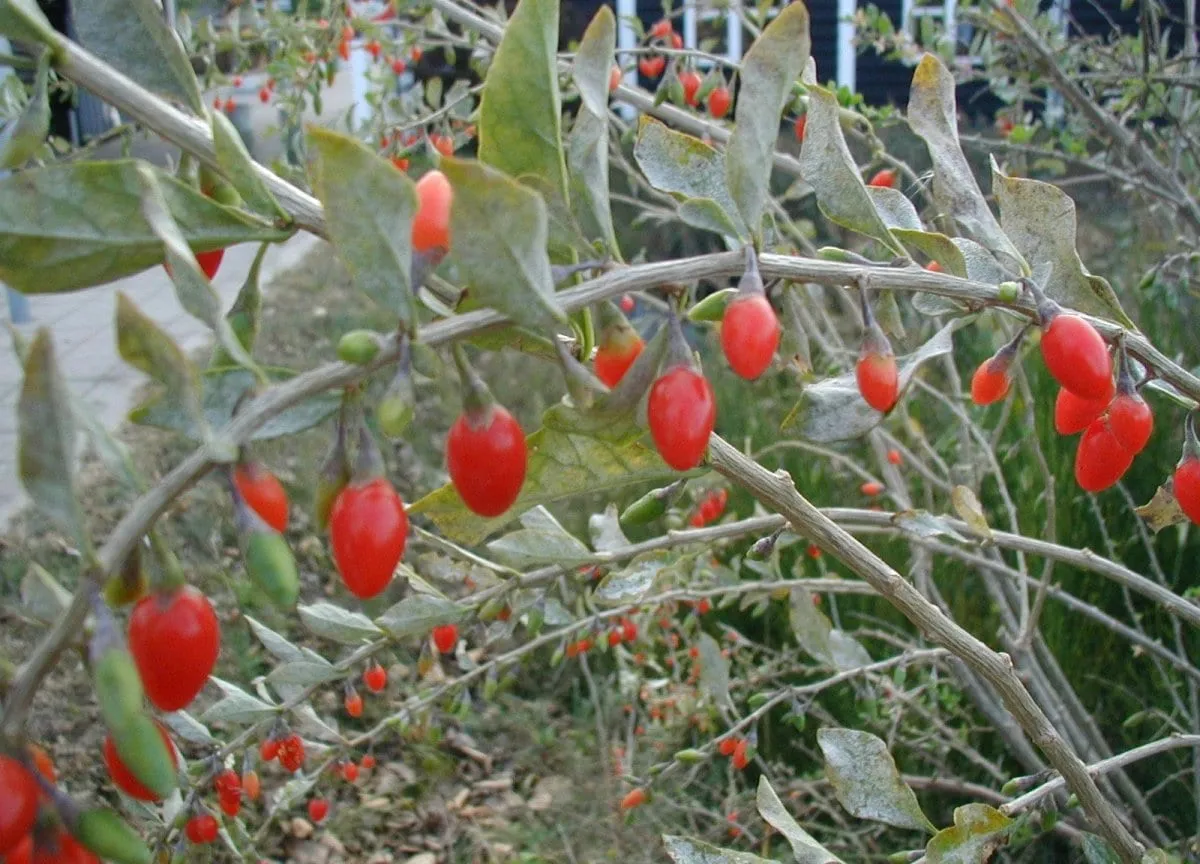 zone 7b
 Goji Berry
Lycium barbarum
zones 3b–10a
Nuts
6 crops
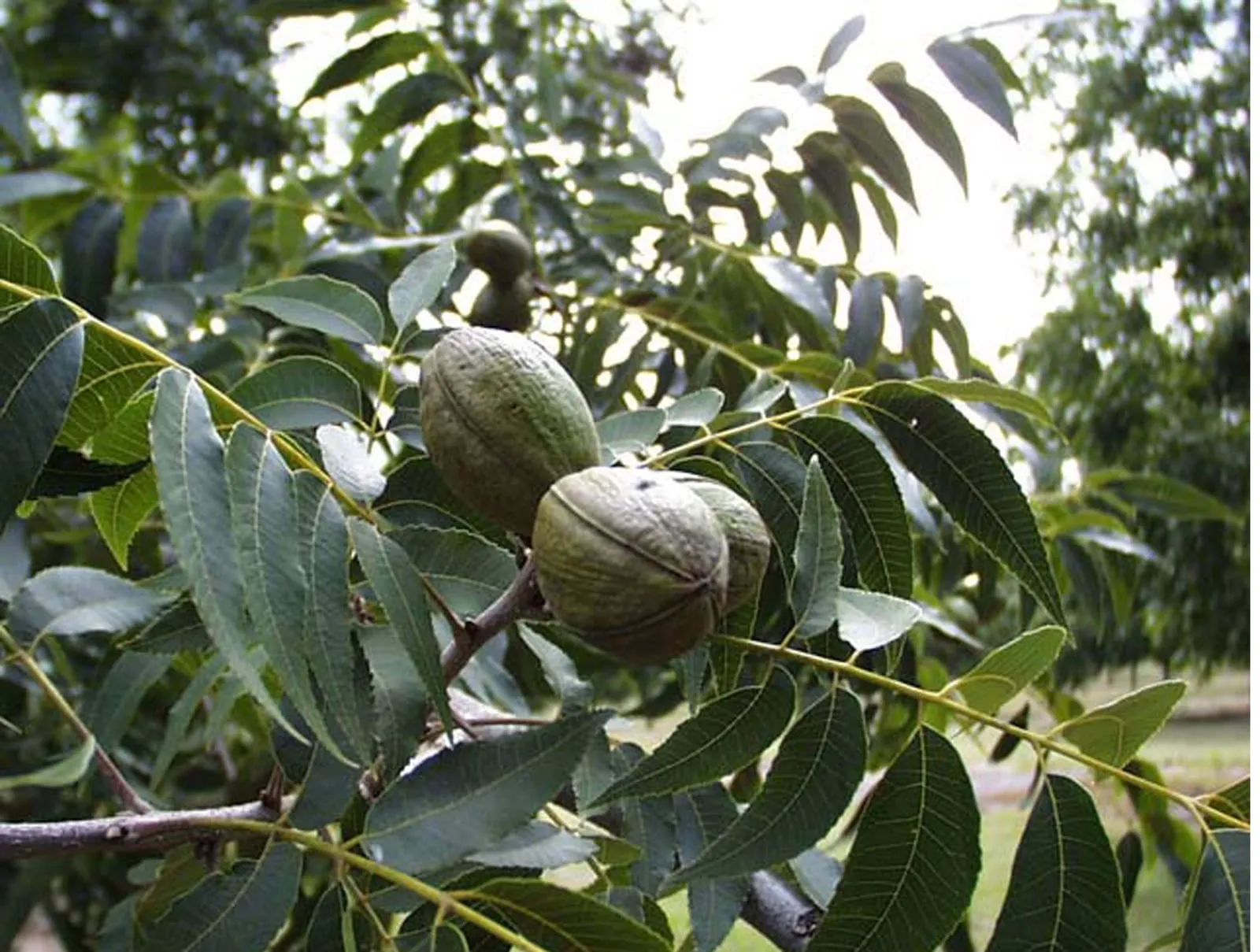
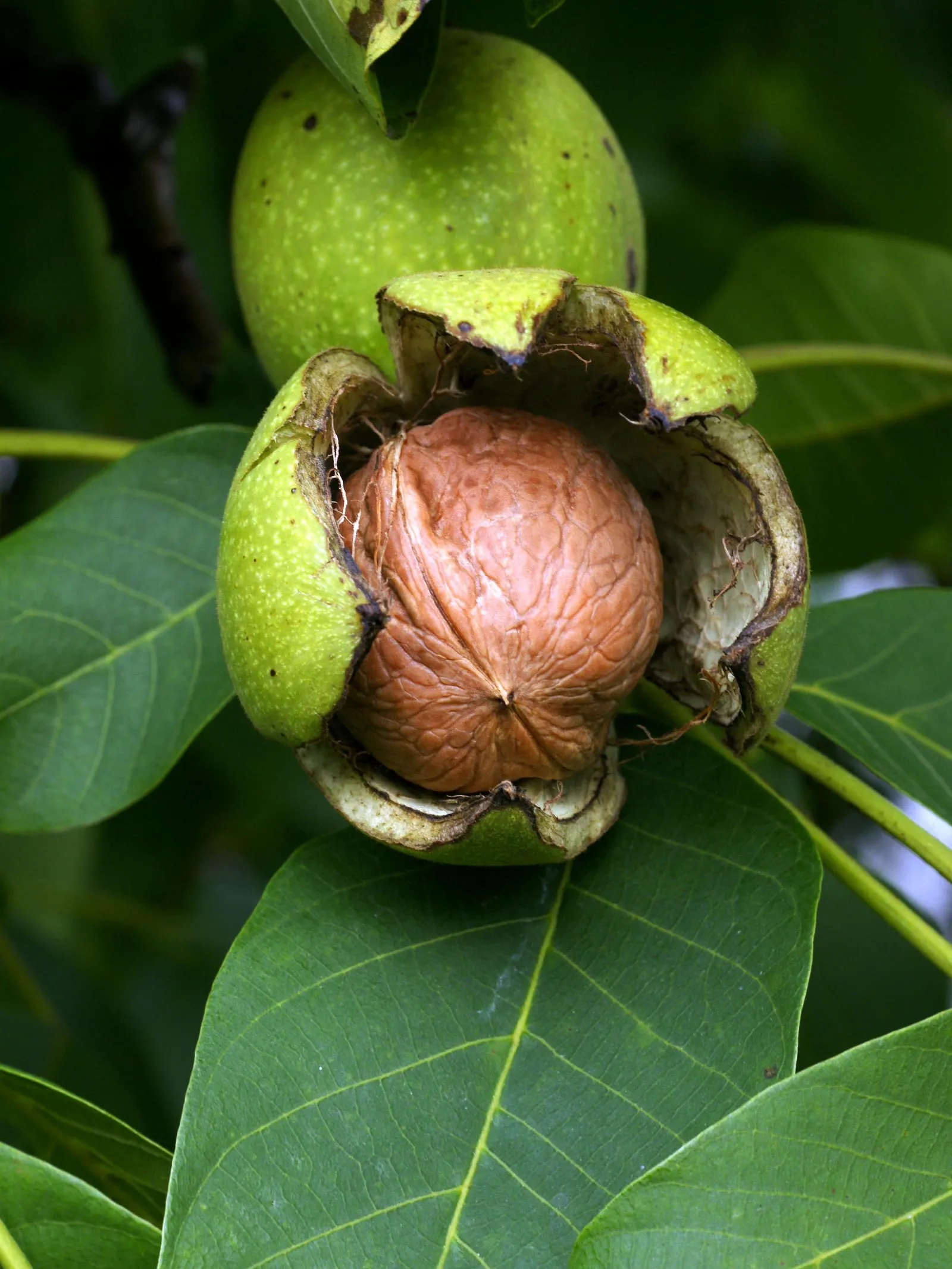
Vegetables
40 crops
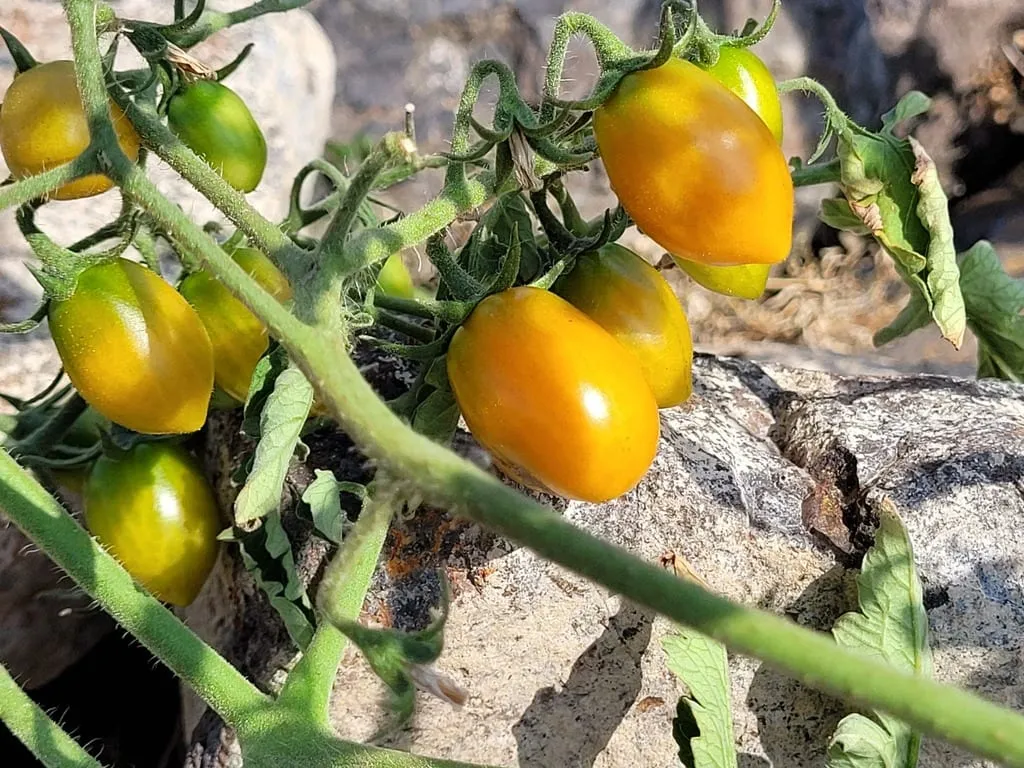 zone 7b
 Tomato
Solanum lycopersicum
zones 3a–10b
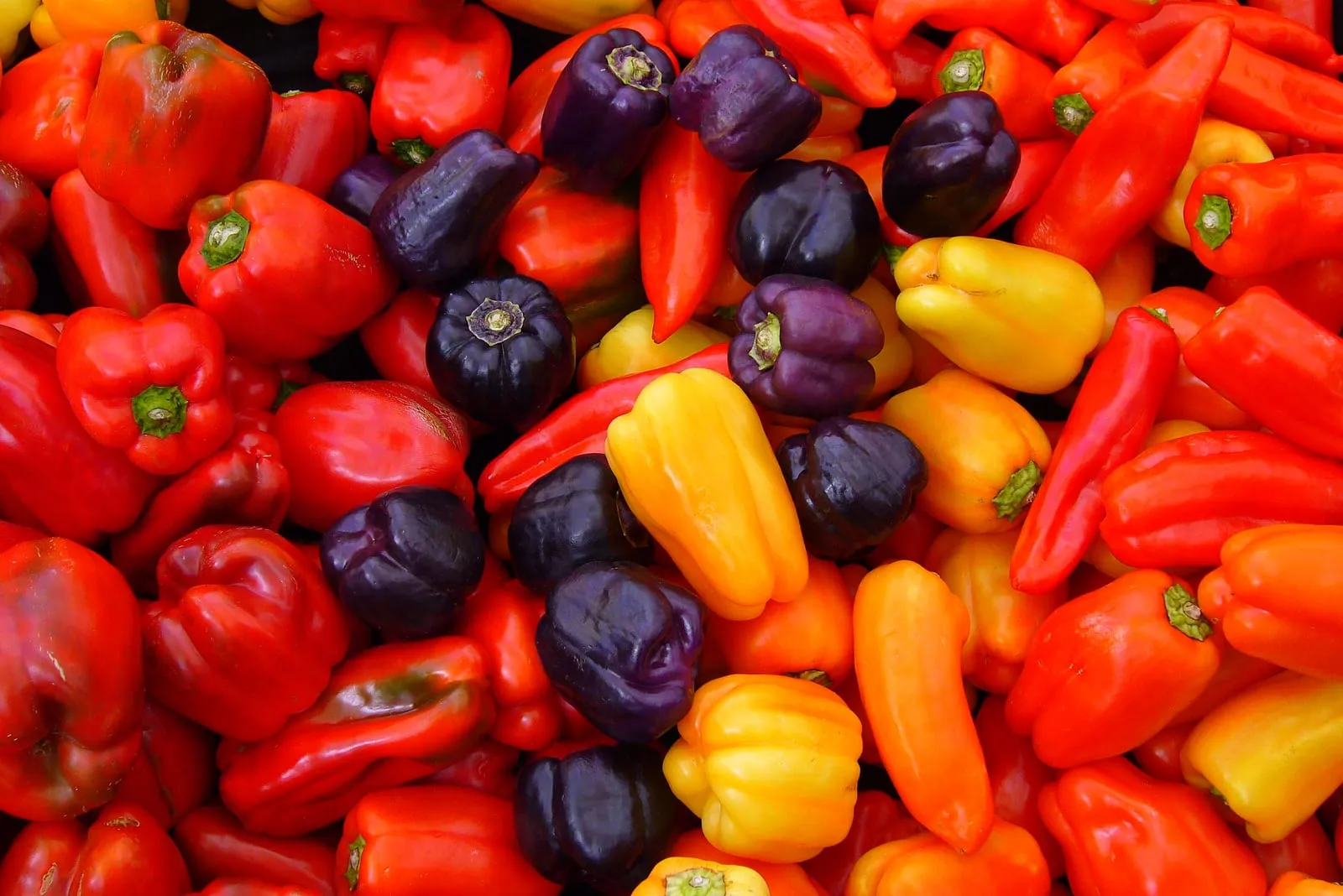 zone 7b
 Sweet Pepper
Capsicum annuum
zones 4a–10b
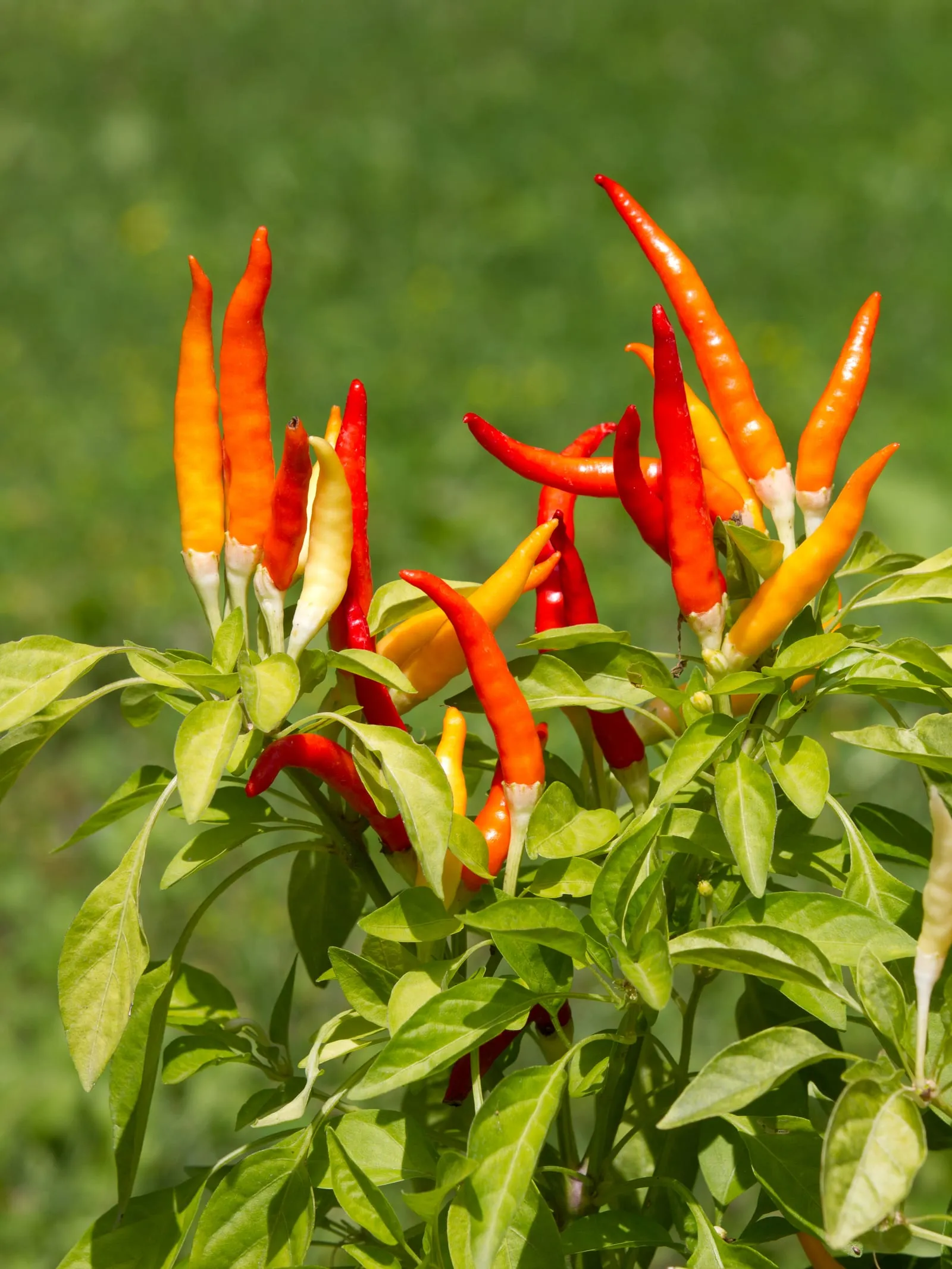 zone 7b
 Hot Pepper
Capsicum species
zones 4a–10b
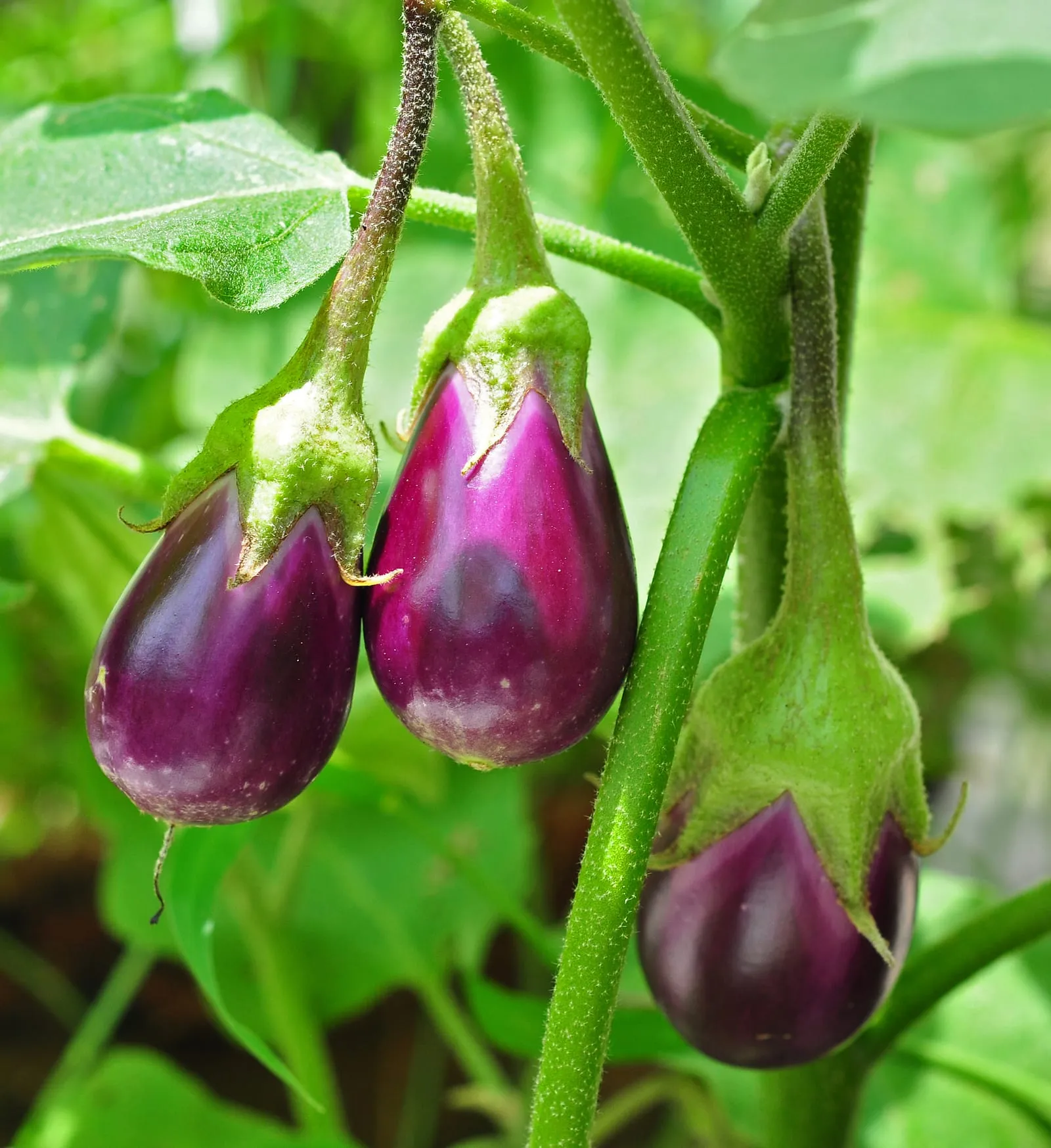 zone 7b
 Eggplant
Solanum melongena
zones 5a–10b
 zone 7b
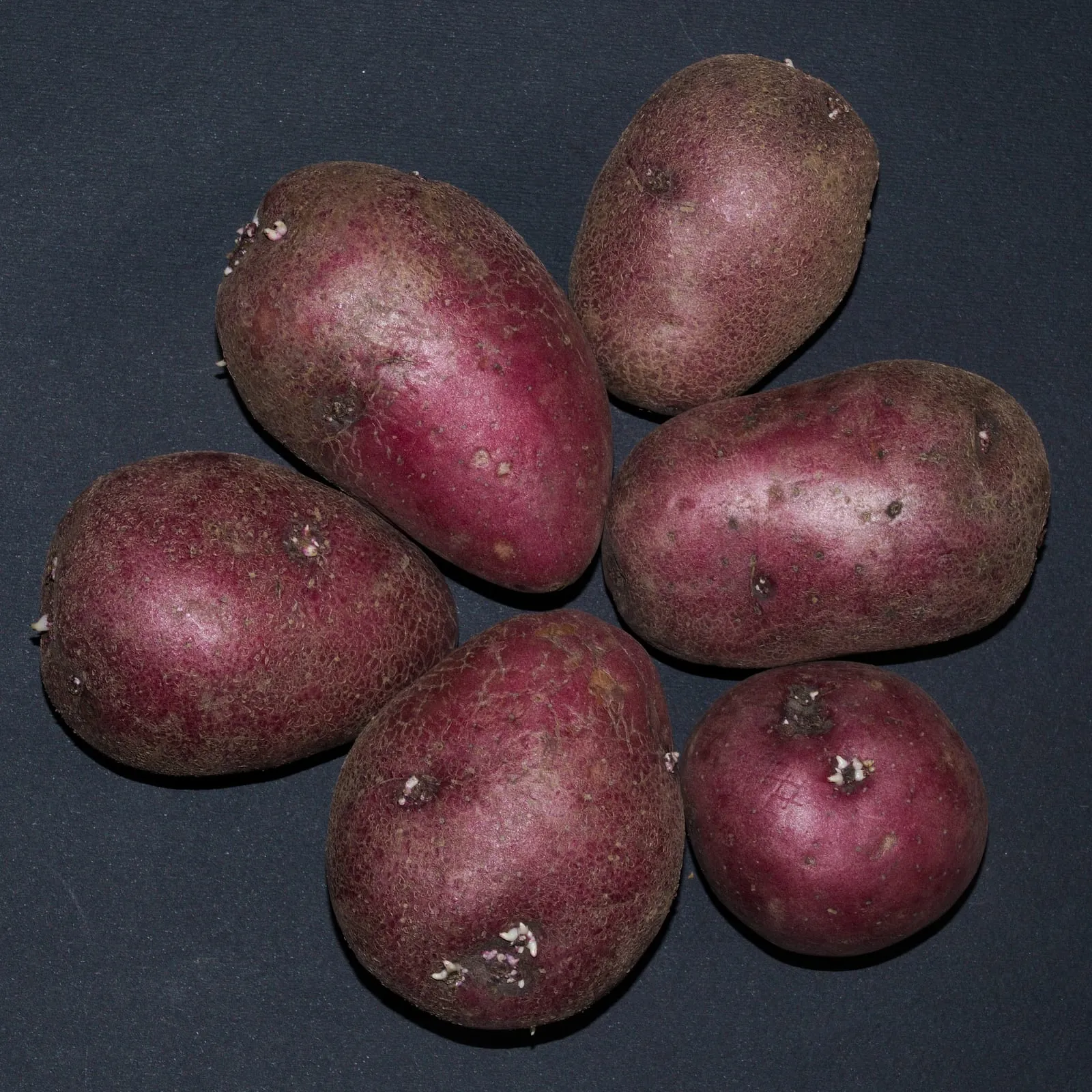
 Potato
Solanum tuberosum
zones 3a–9a
 zone 7b
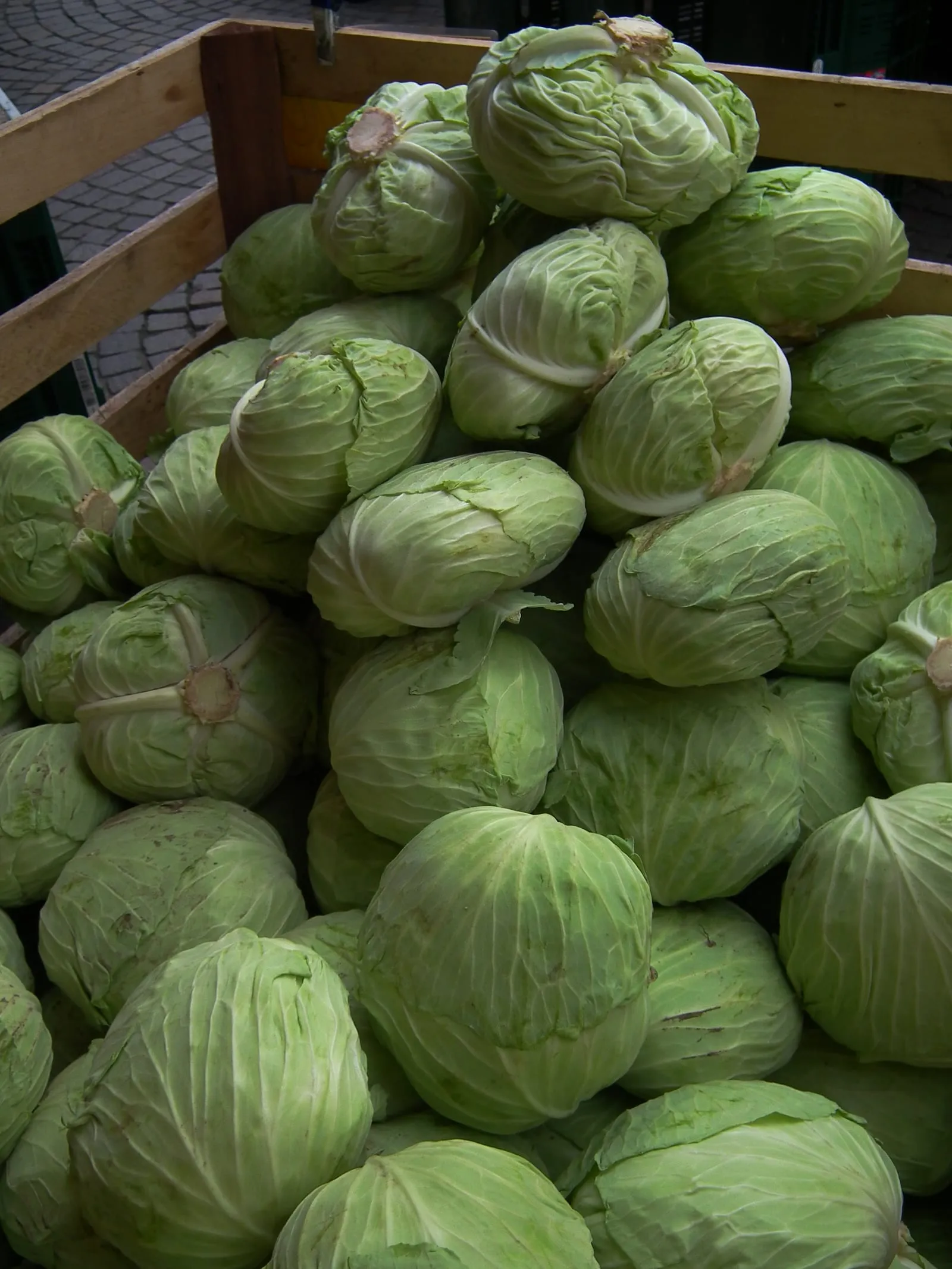
 Cabbage
Brassica oleracea var. capitata
zones 3a–9b
 zone 7b
 Broccoli
Brassica oleracea var. italica
zones 3a–9a
 zone 7b
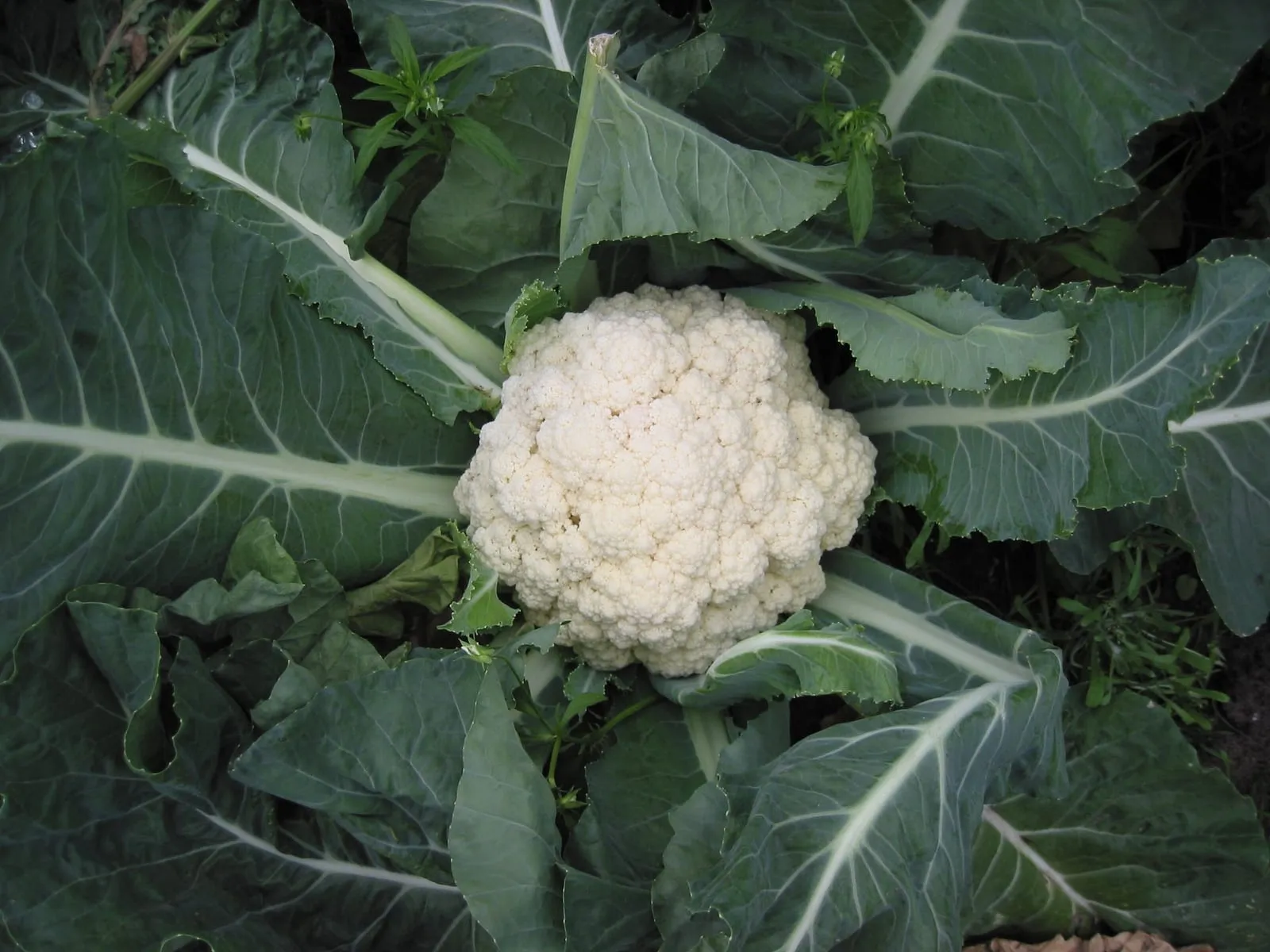
 Cauliflower
Brassica oleracea var. botrytis
zones 3b–9a
 zone 7b
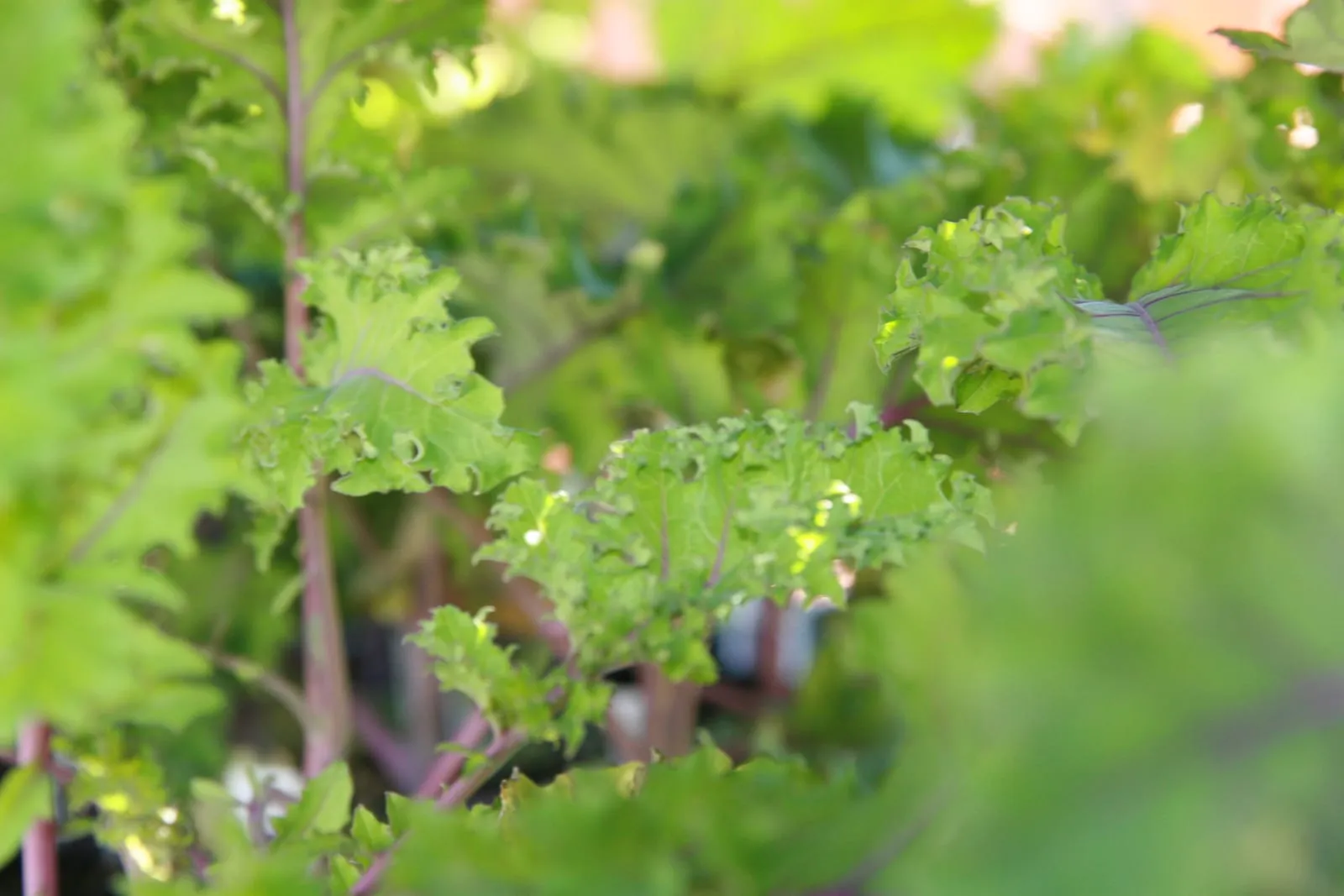
 Kale
Brassica oleracea var. acephala
zones 3a–9b
 zone 7b
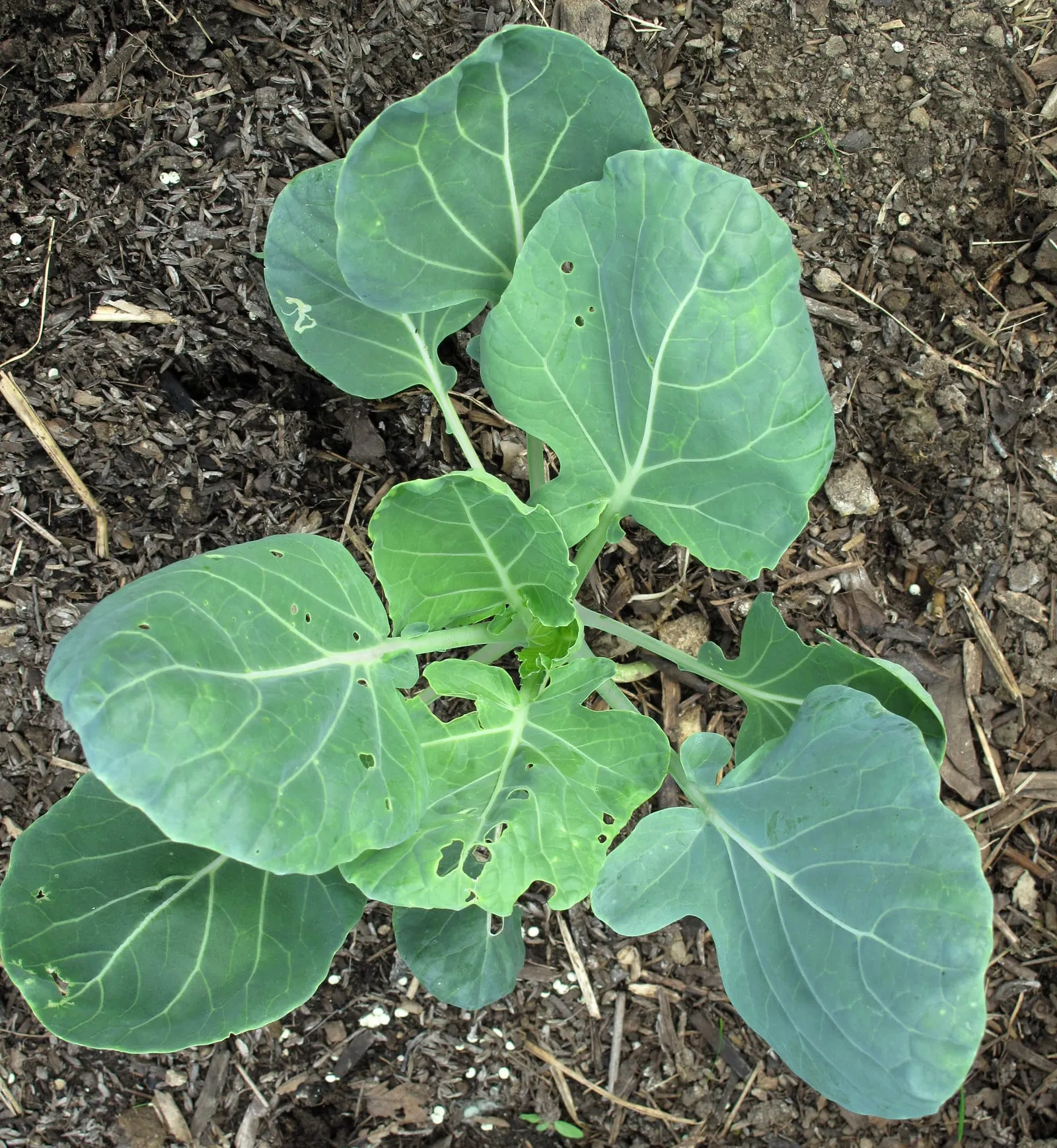
 Brussels Sprouts
Brassica oleracea var. gemmifera
zones 3b–8a
 zone 7b
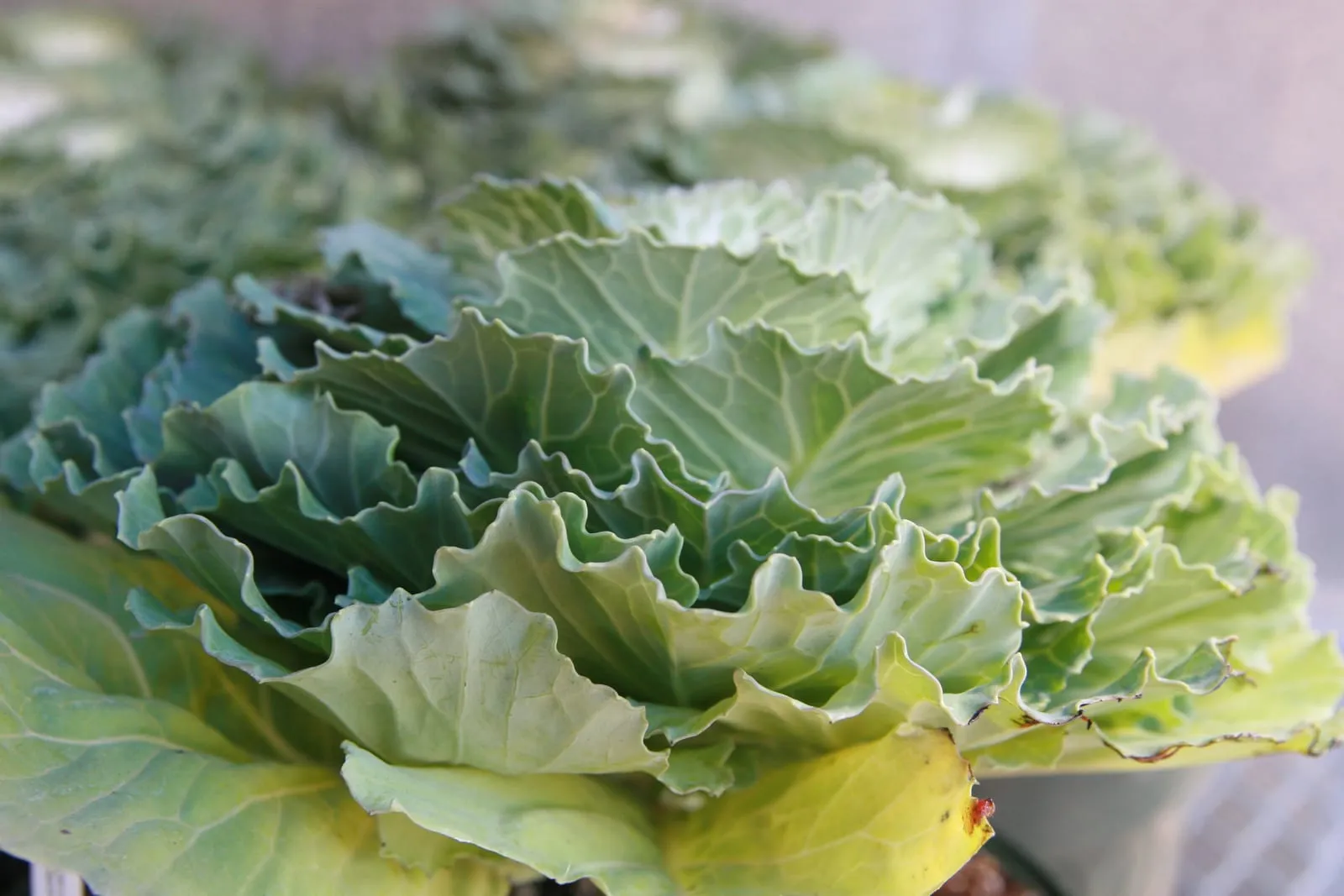
 Collards
Brassica oleracea var. acephala
zones 4a–9b
 zone 7b
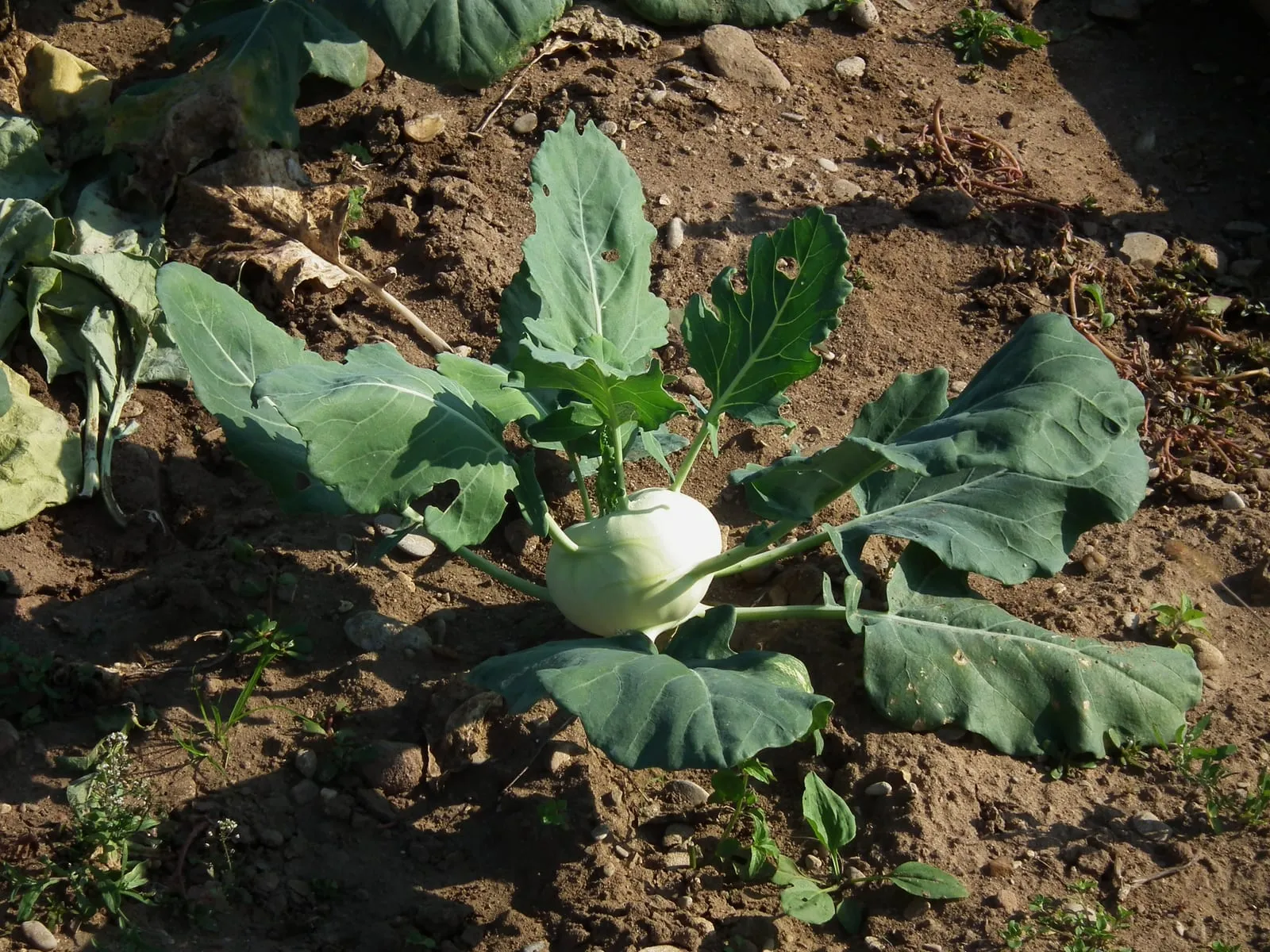
 Kohlrabi
Brassica oleracea var. gongylodes
zones 3b–8a
 zone 7b
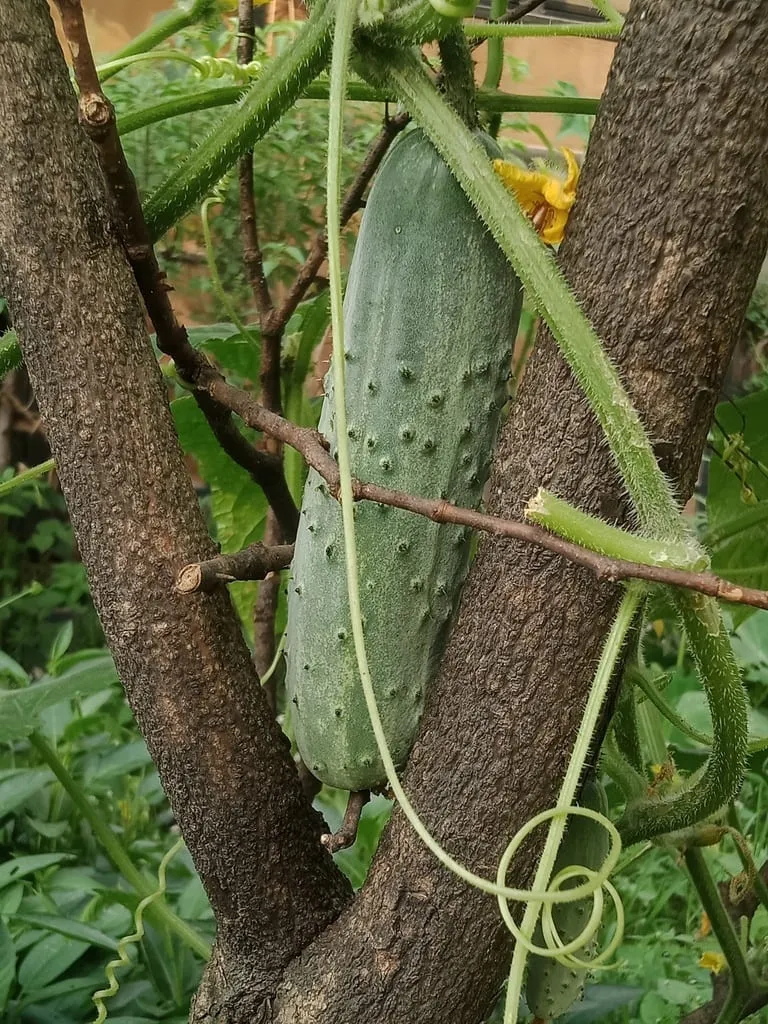
 Cucumber
Cucumis sativus
zones 3b–10a
 zone 7b
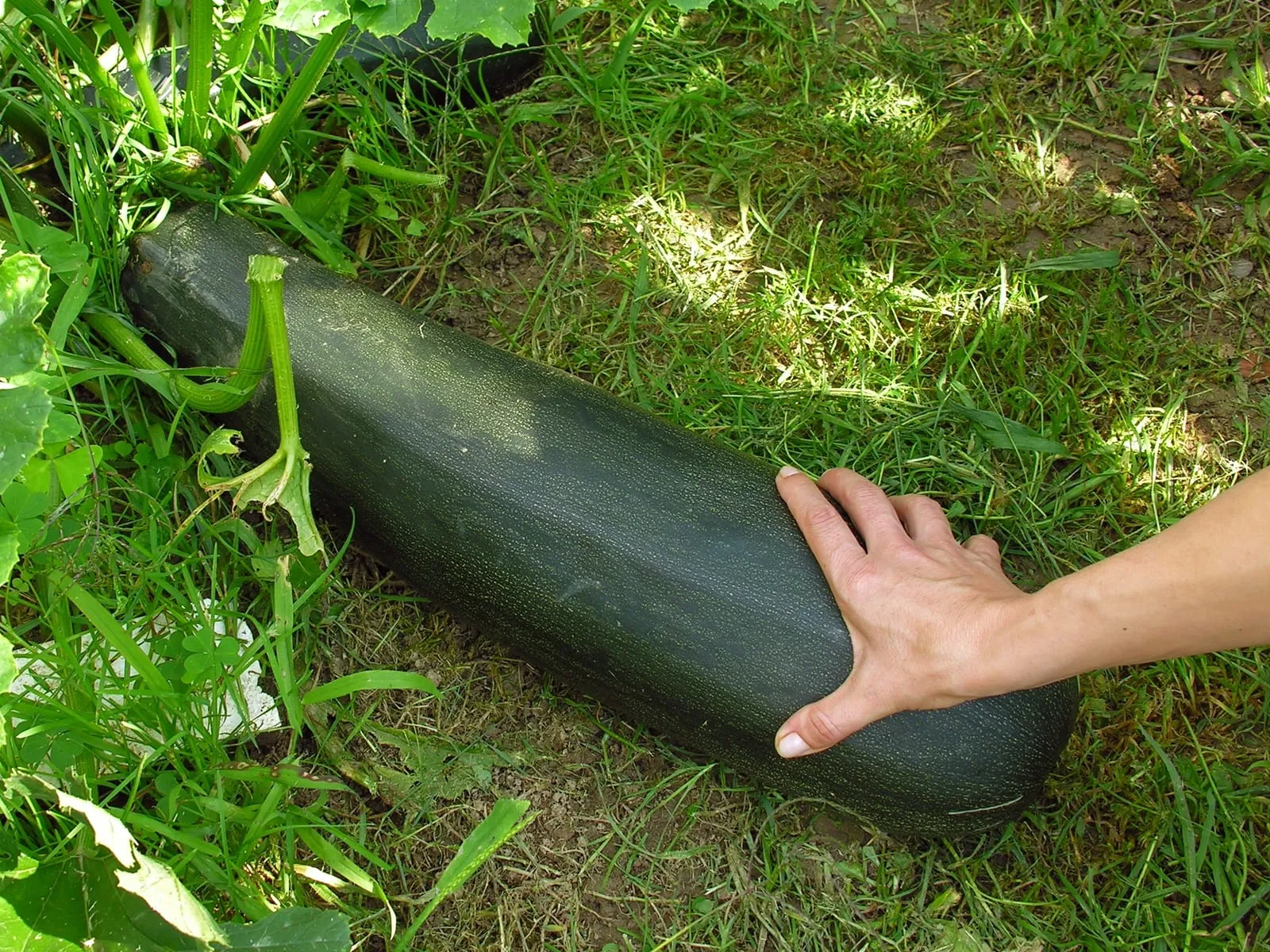
 Summer Squash
Cucurbita pepo
zones 3b–10a
 zone 7b
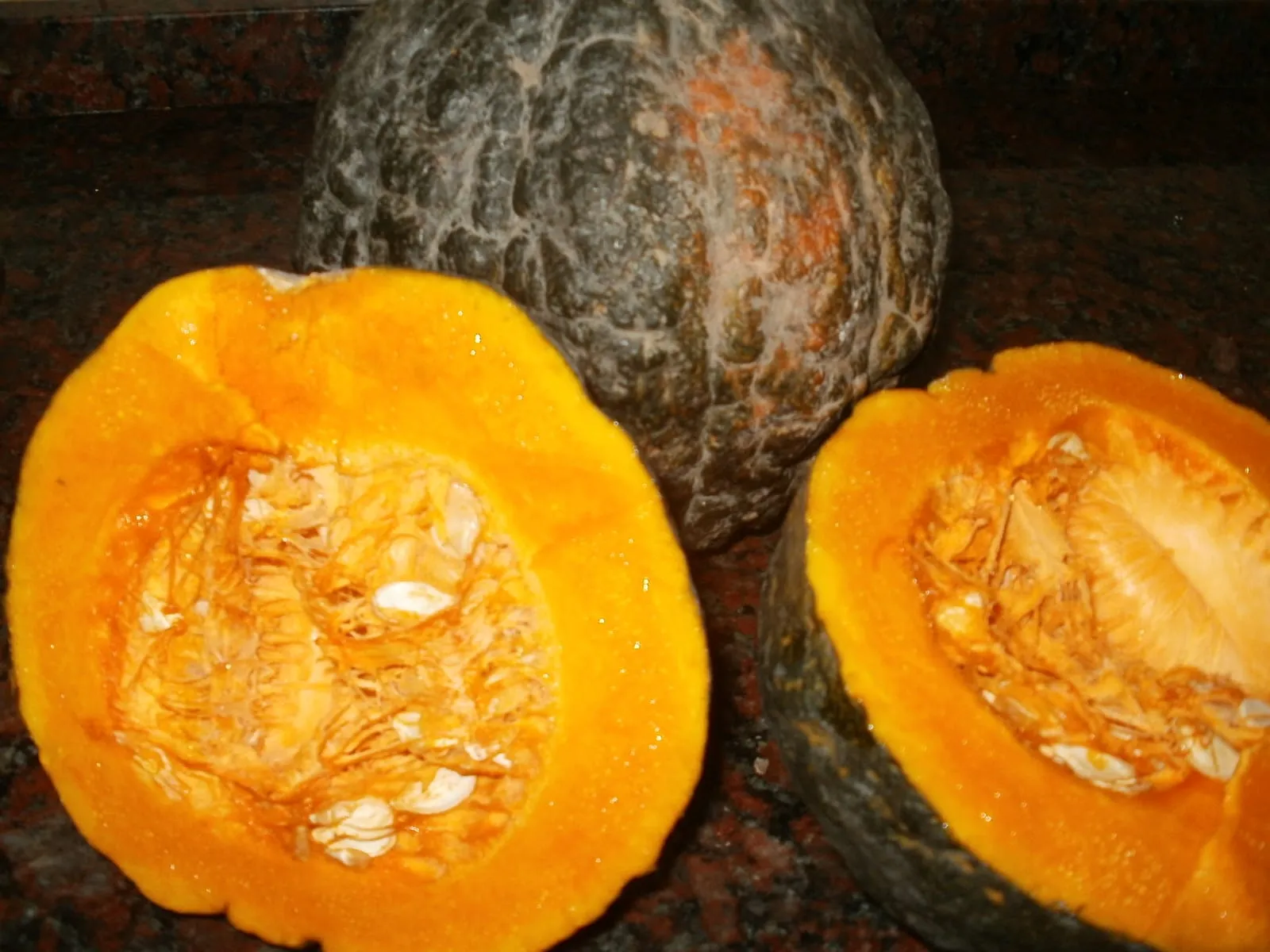
 Winter Squash
Cucurbita maxima and Cucurbita moschata
zones 4a–9a
 zone 7b
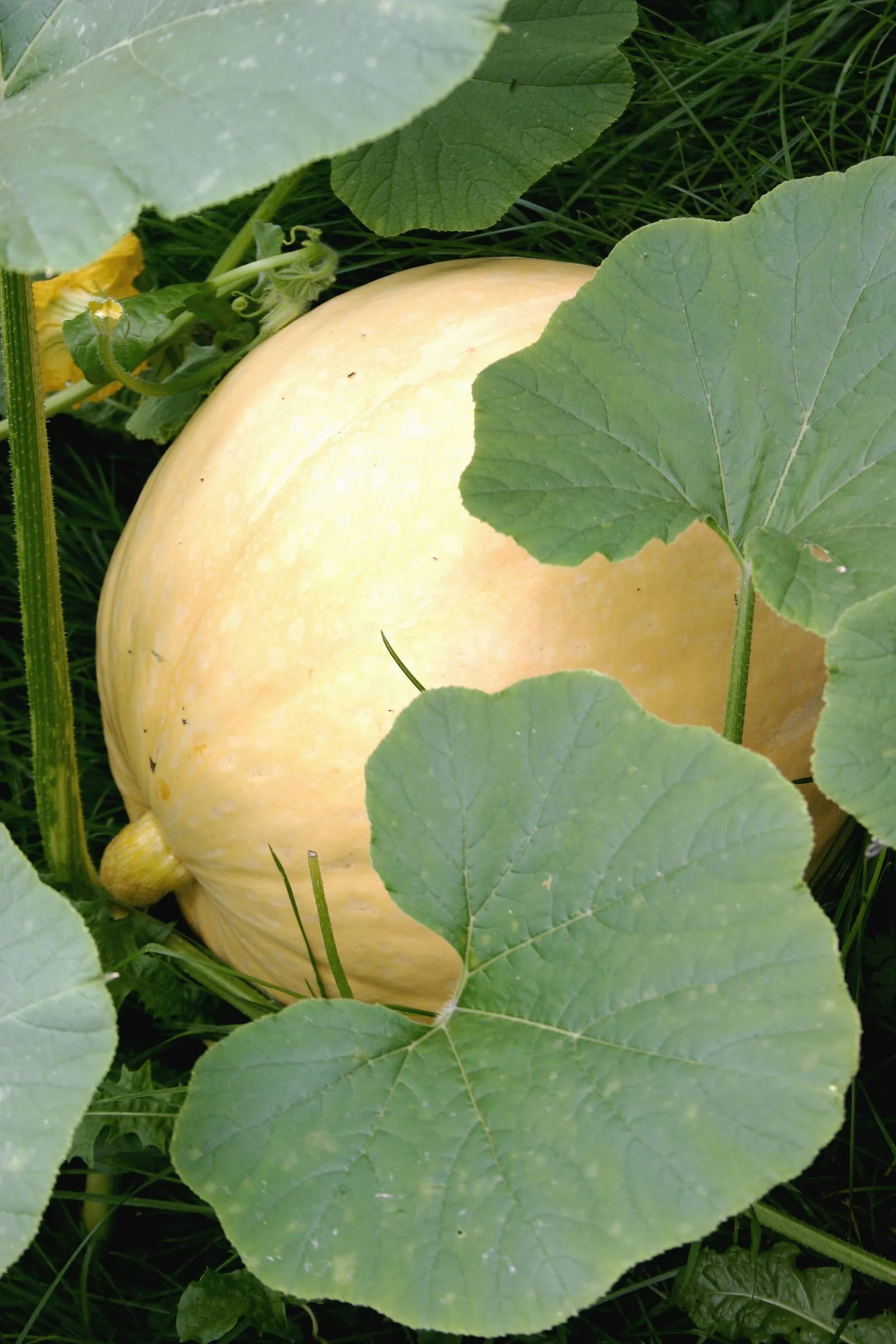
 Pumpkin
Cucurbita pepo and Cucurbita maxima
zones 4a–8b
 zone 7b
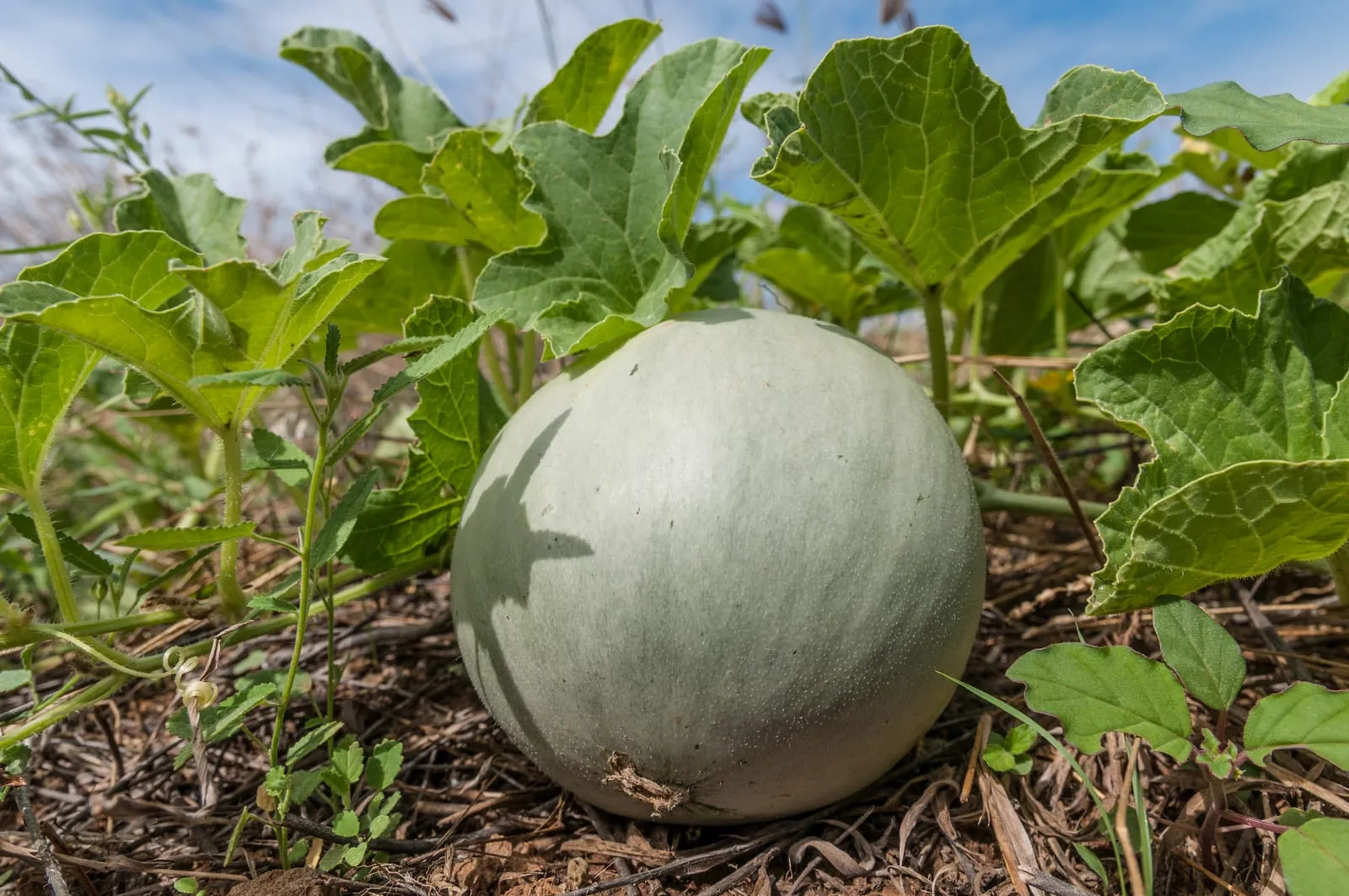
 Melon
Cucumis melo
zones 5a–10a
 zone 7b
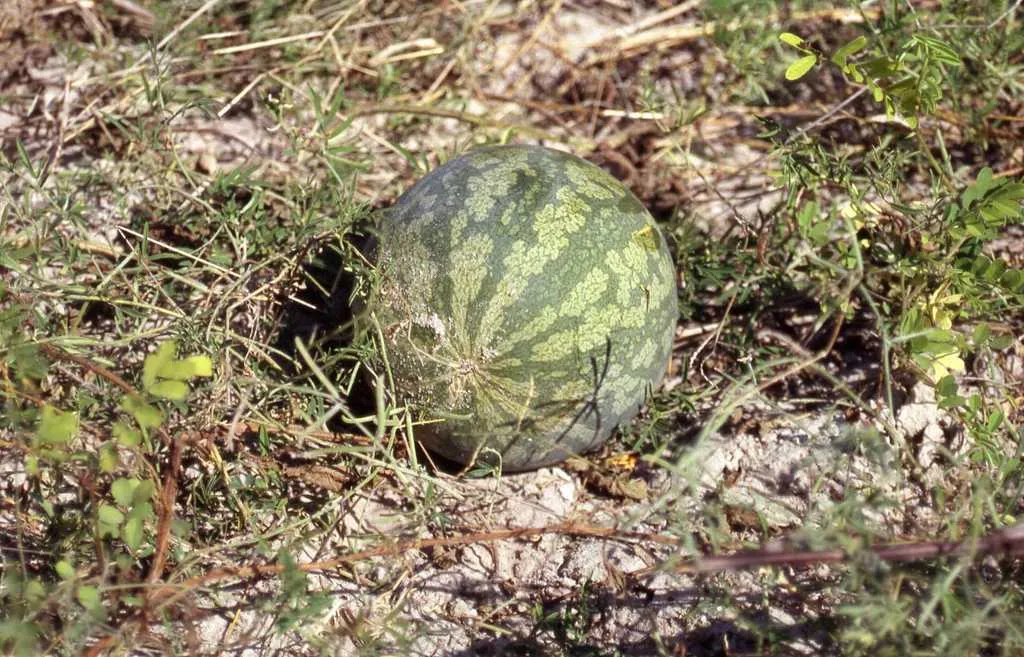
 Watermelon
Citrullus lanatus
zones 5b–10a
 zone 7b
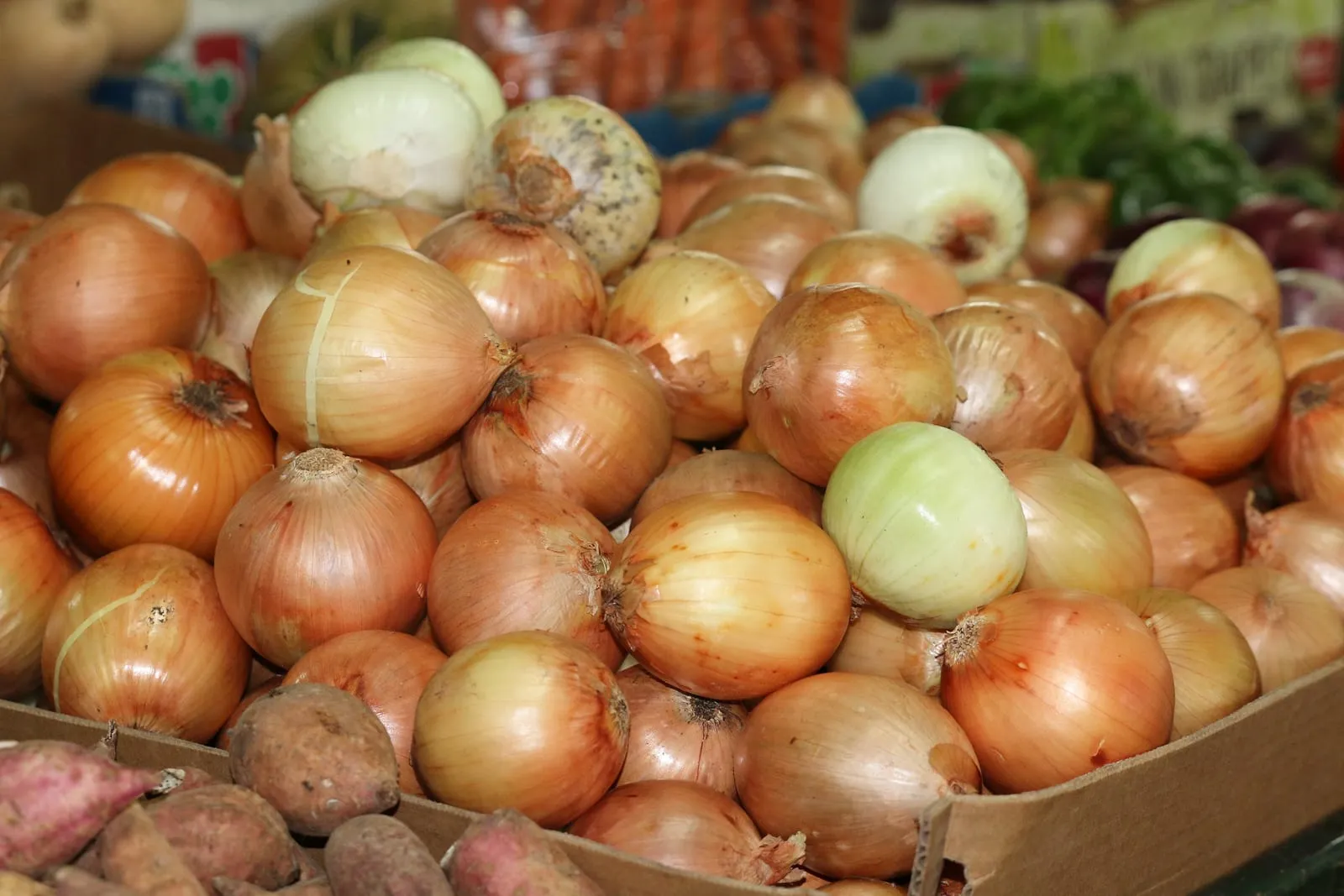
 Onion
Allium cepa
zones 3a–9b
 zone 7b
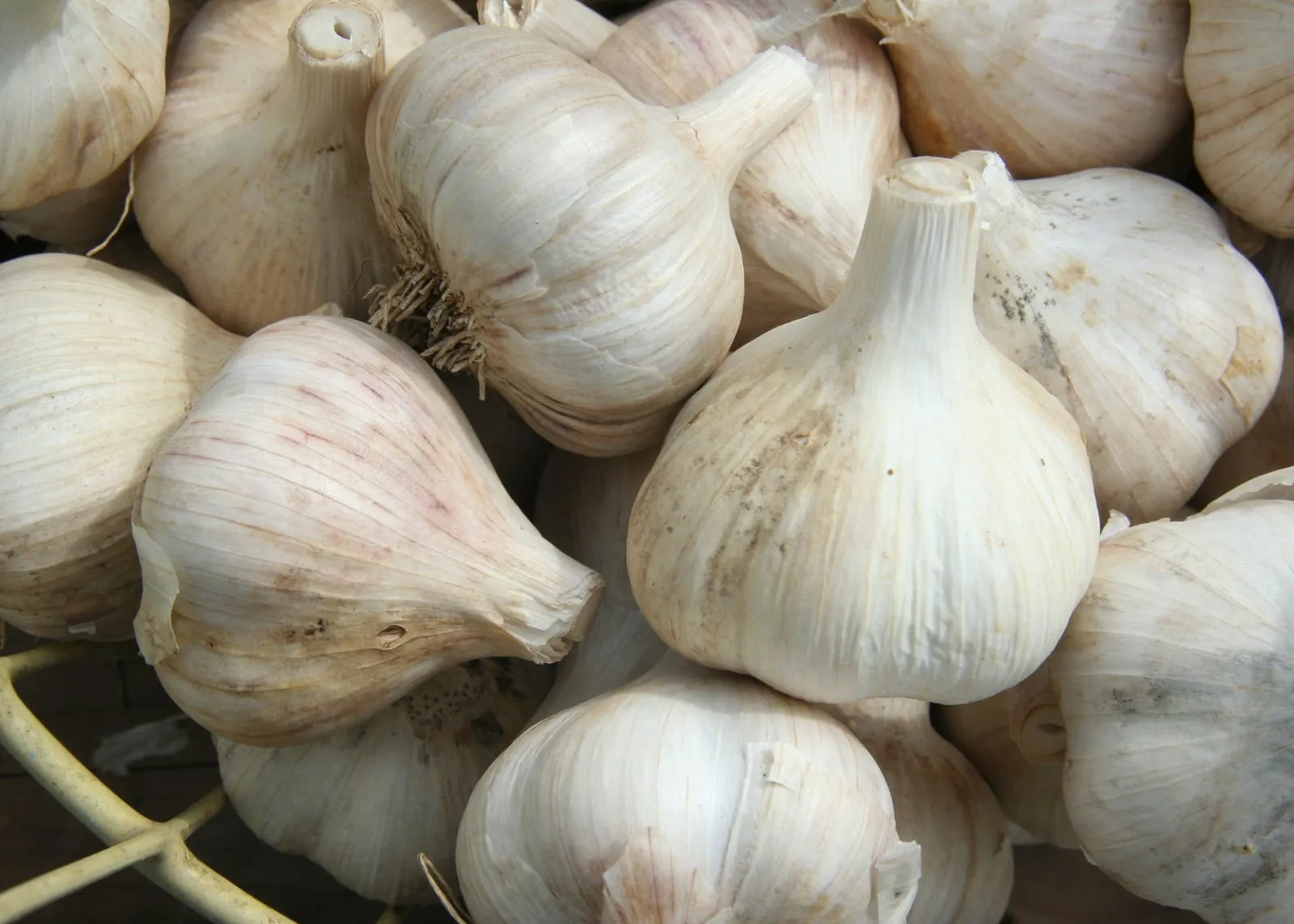
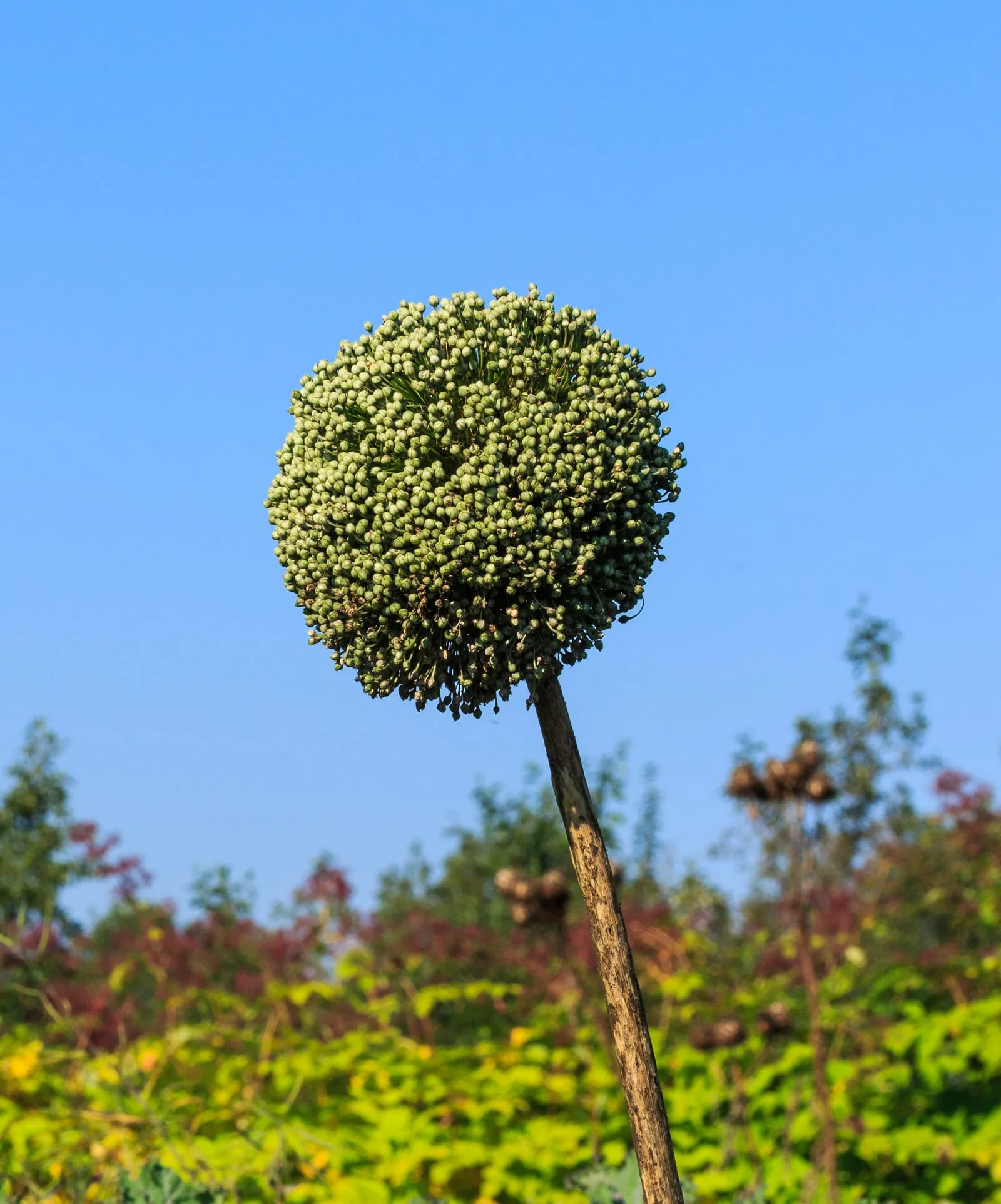
 Garlic
Allium sativum
zones 3a–9a
 zone 7b
 Leek
Allium ampeloprasum
zones 3b–8b
 zone 7b
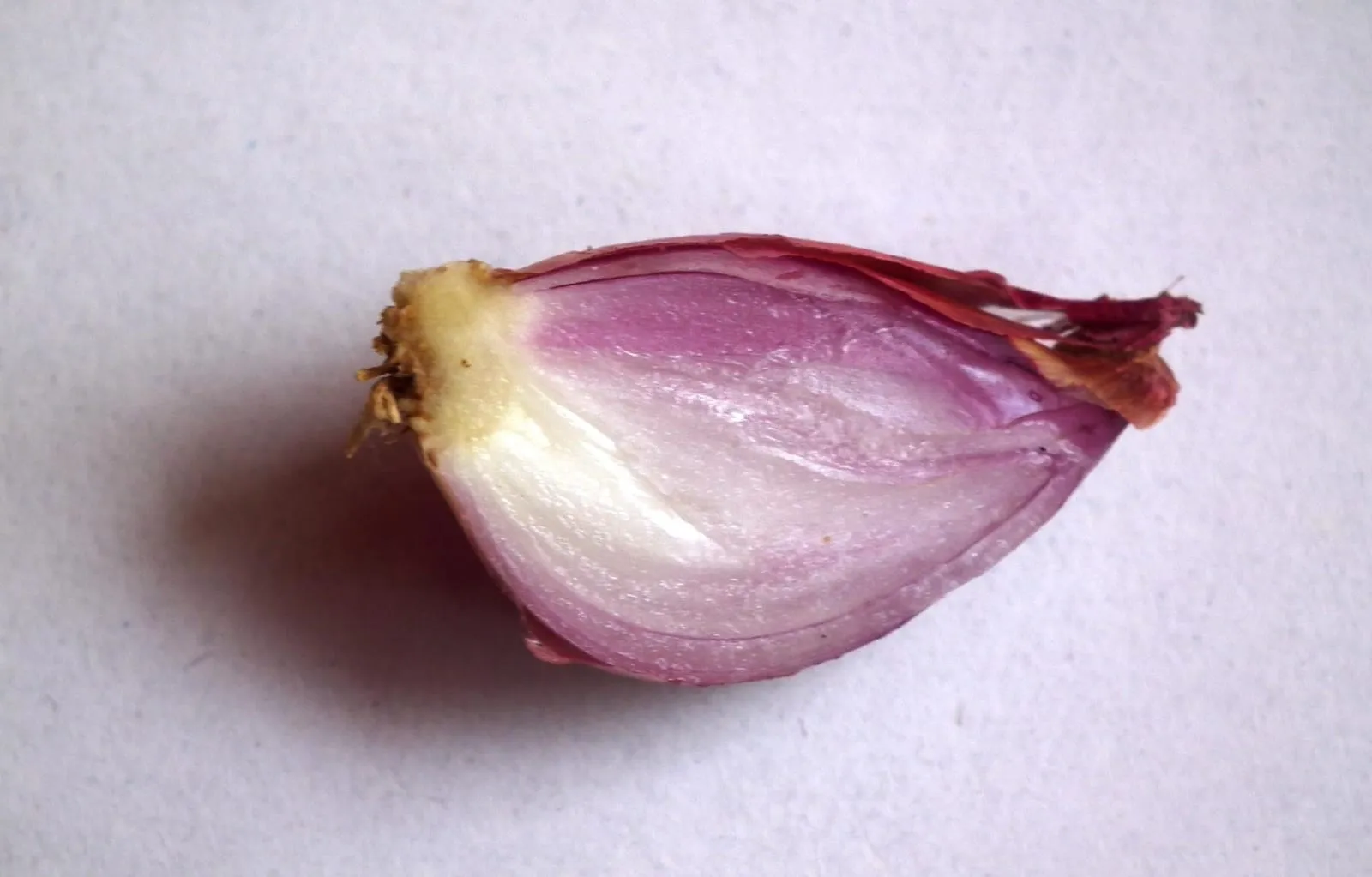
 Shallot
Allium cepa var. aggregatum
zones 3b–8a
 zone 7b
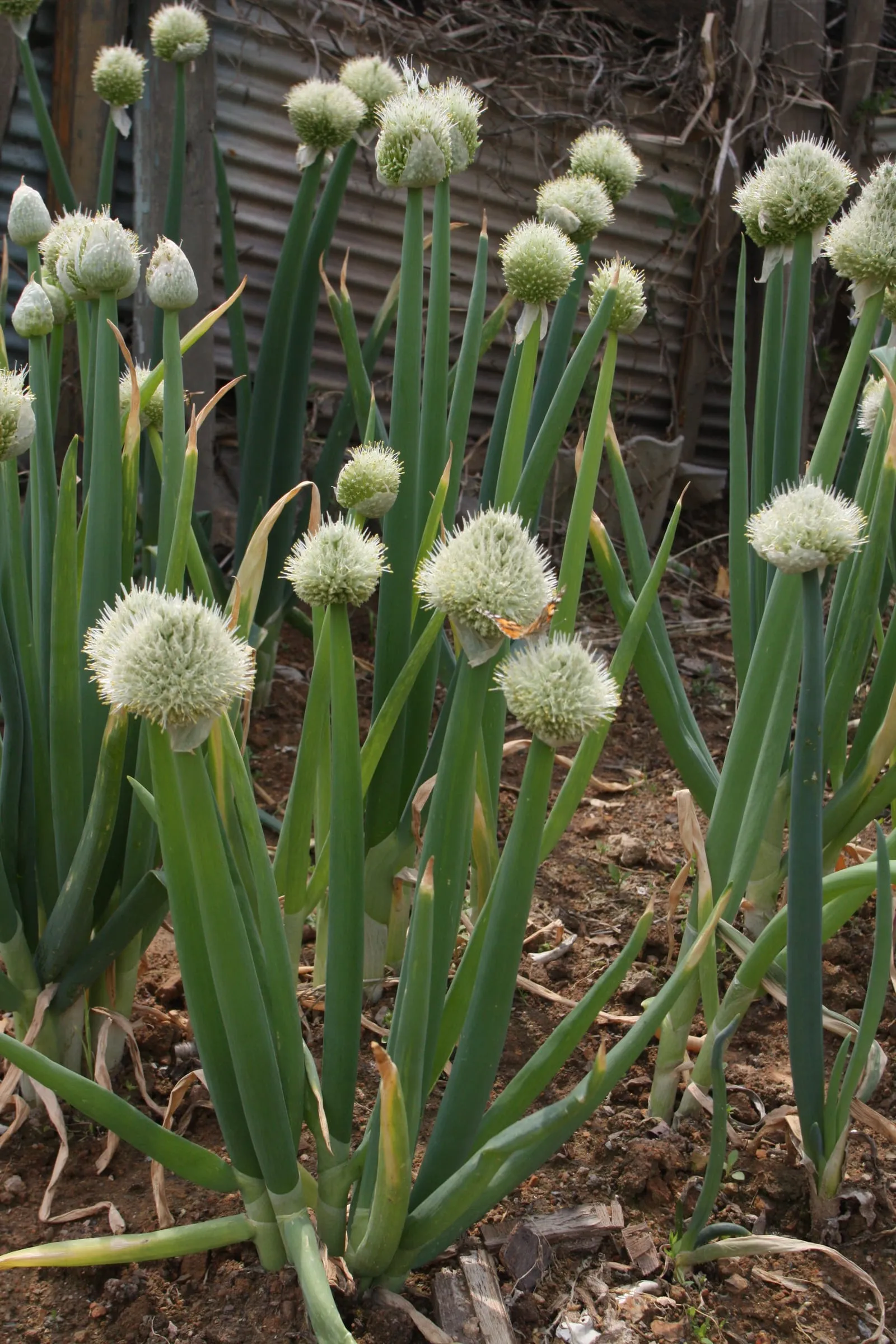
 Scallion (Bunching Onion)
Allium fistulosum
zones 3b–9b
 zone 7b
 Bush Bean
Phaseolus vulgaris
zones 3b–9a
 zone 7b
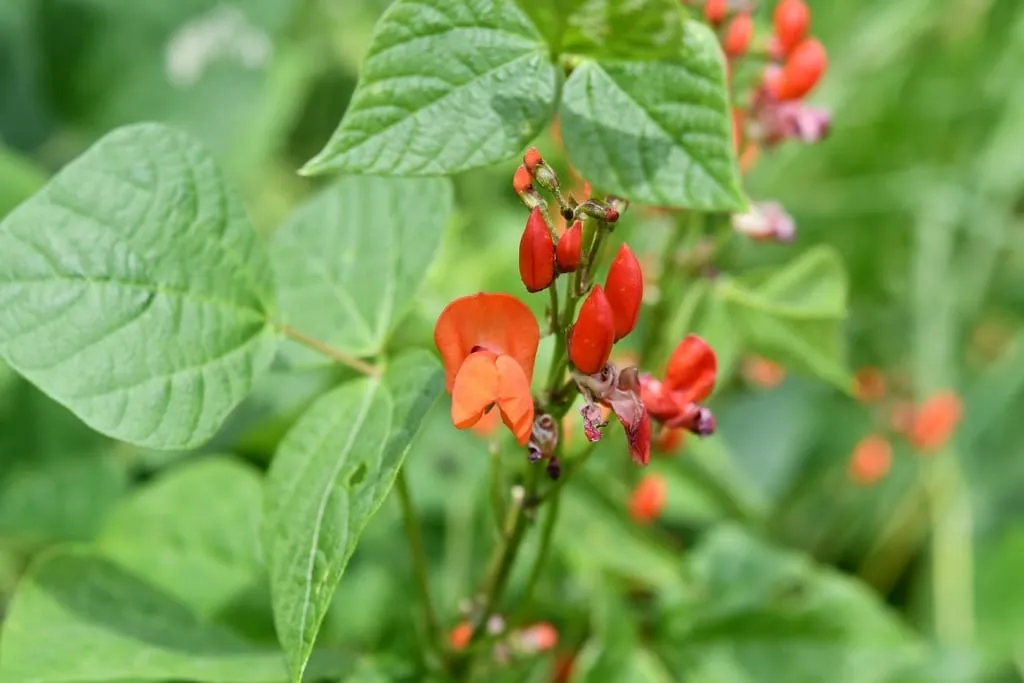
 Pole Bean
Phaseolus vulgaris
zones 3b–9a
 zone 7b
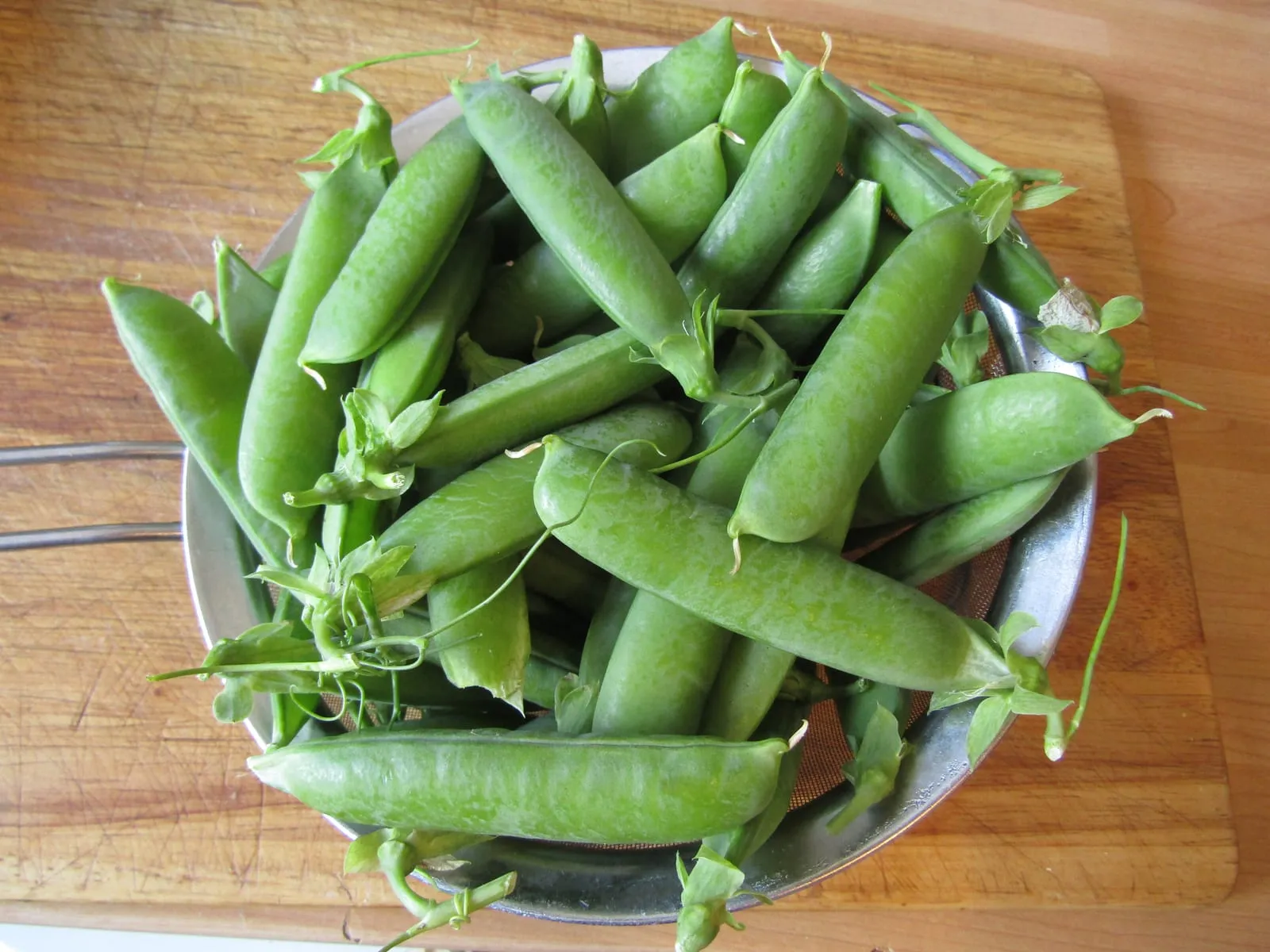
 Pea
Pisum sativum
zones 3a–8b
 zone 7b
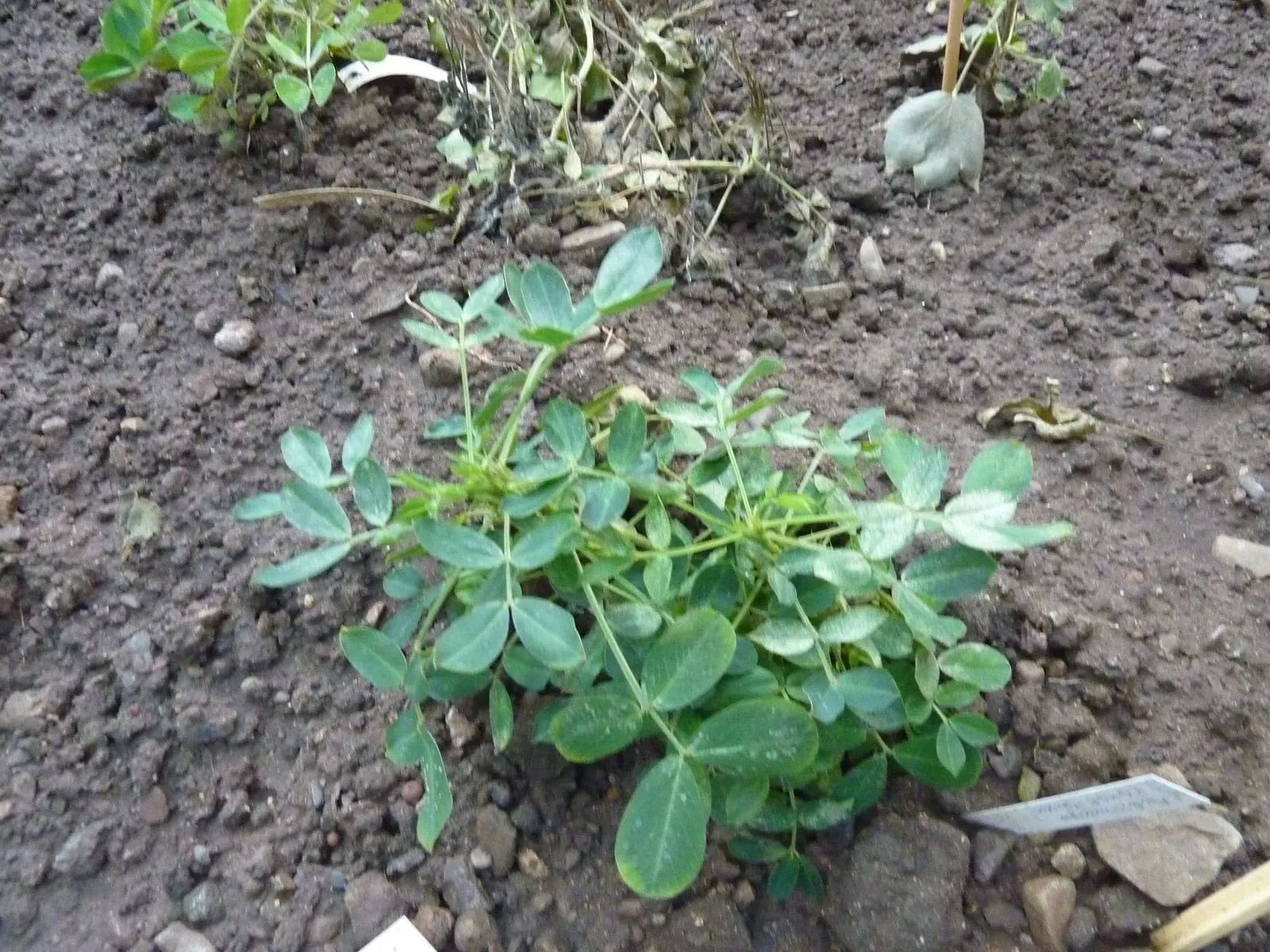
 Peanut
Arachis hypogaea
zones 6a–9b
 zone 7b
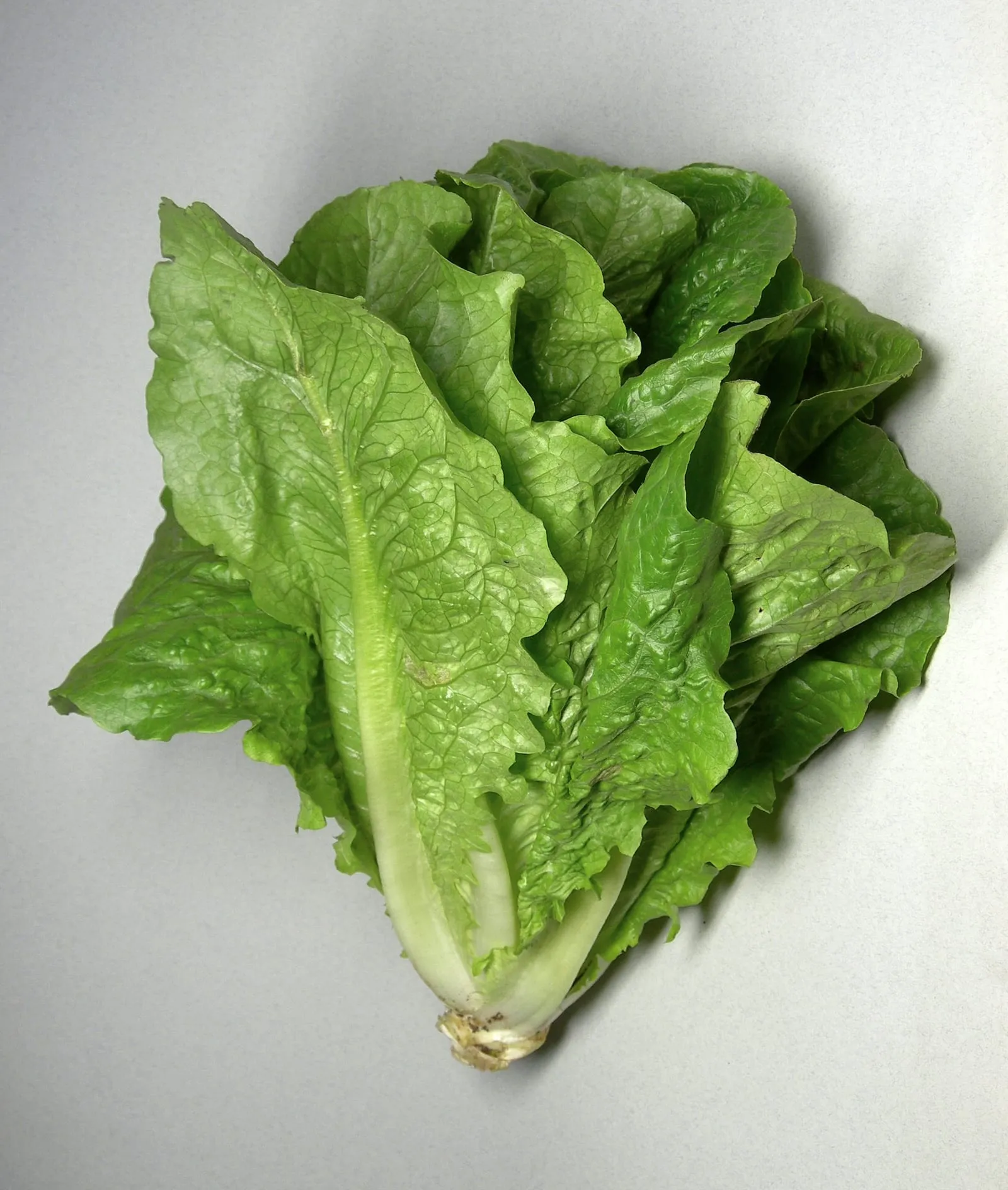
 Lettuce
Lactuca sativa
zones 3a–9b
 zone 7b
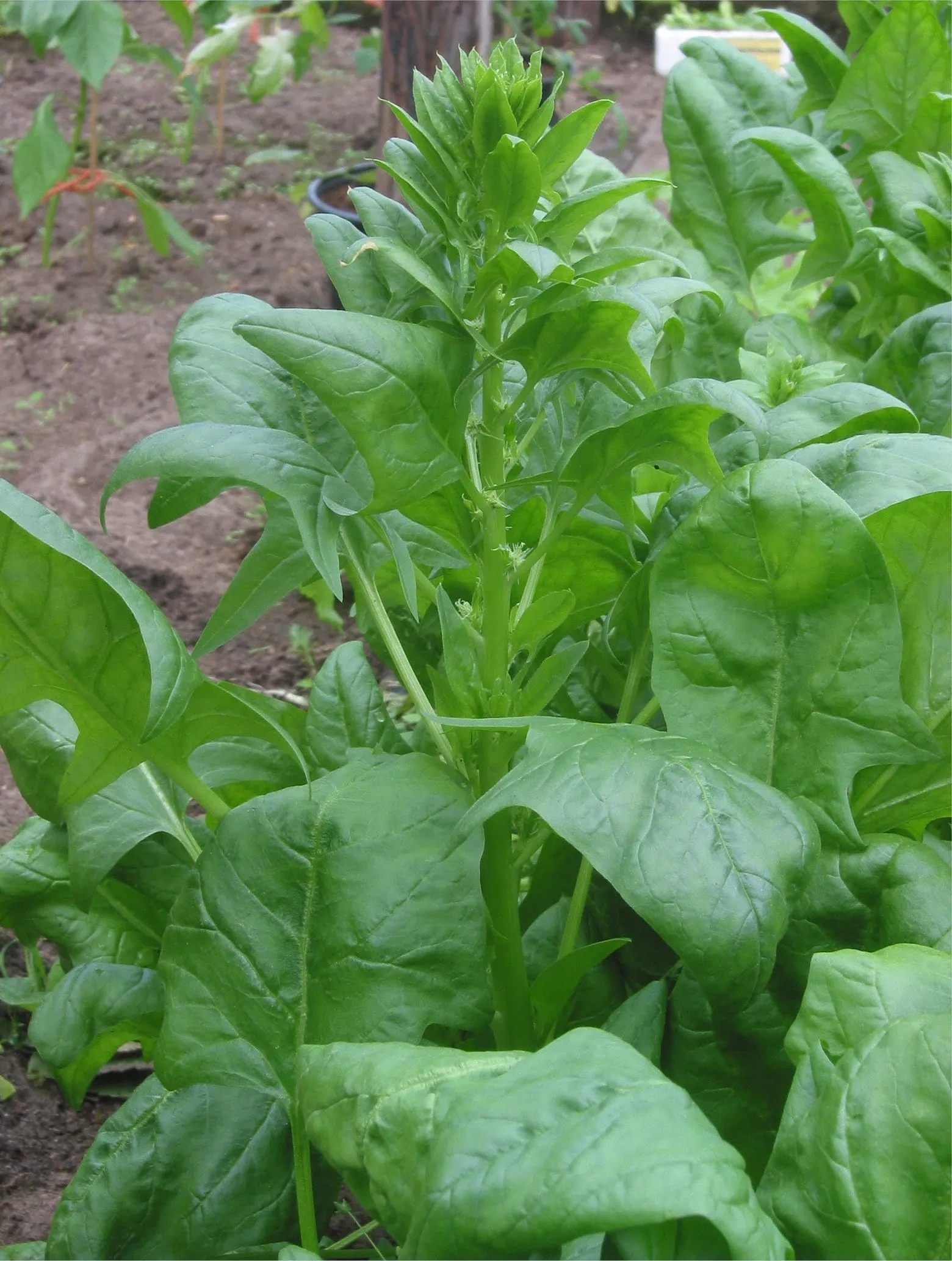
 Spinach
Spinacia oleracea
zones 3a–9a
 zone 7b
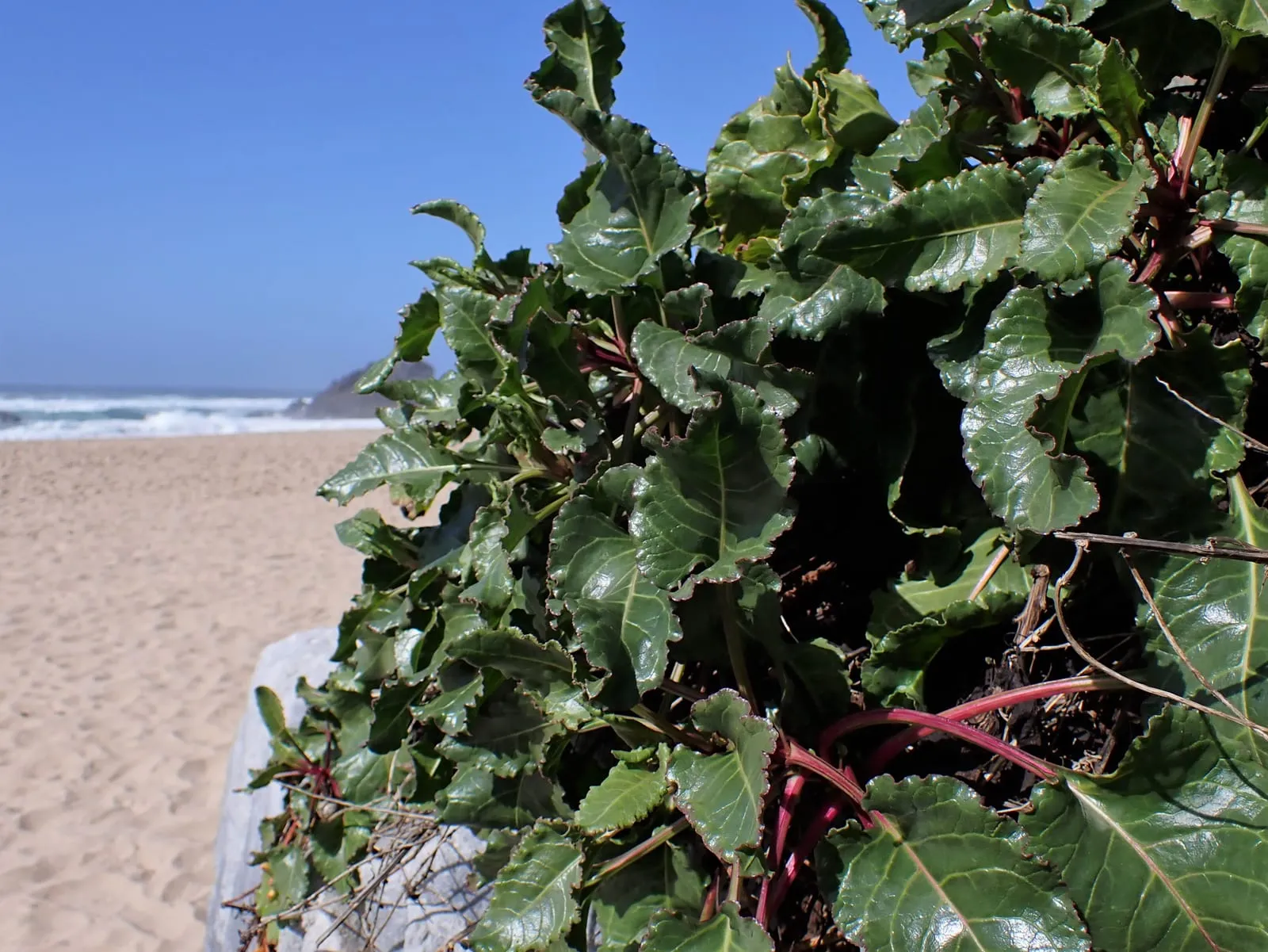
 Swiss Chard
Beta vulgaris subsp. vulgaris
zones 3a–9b
 zone 7b
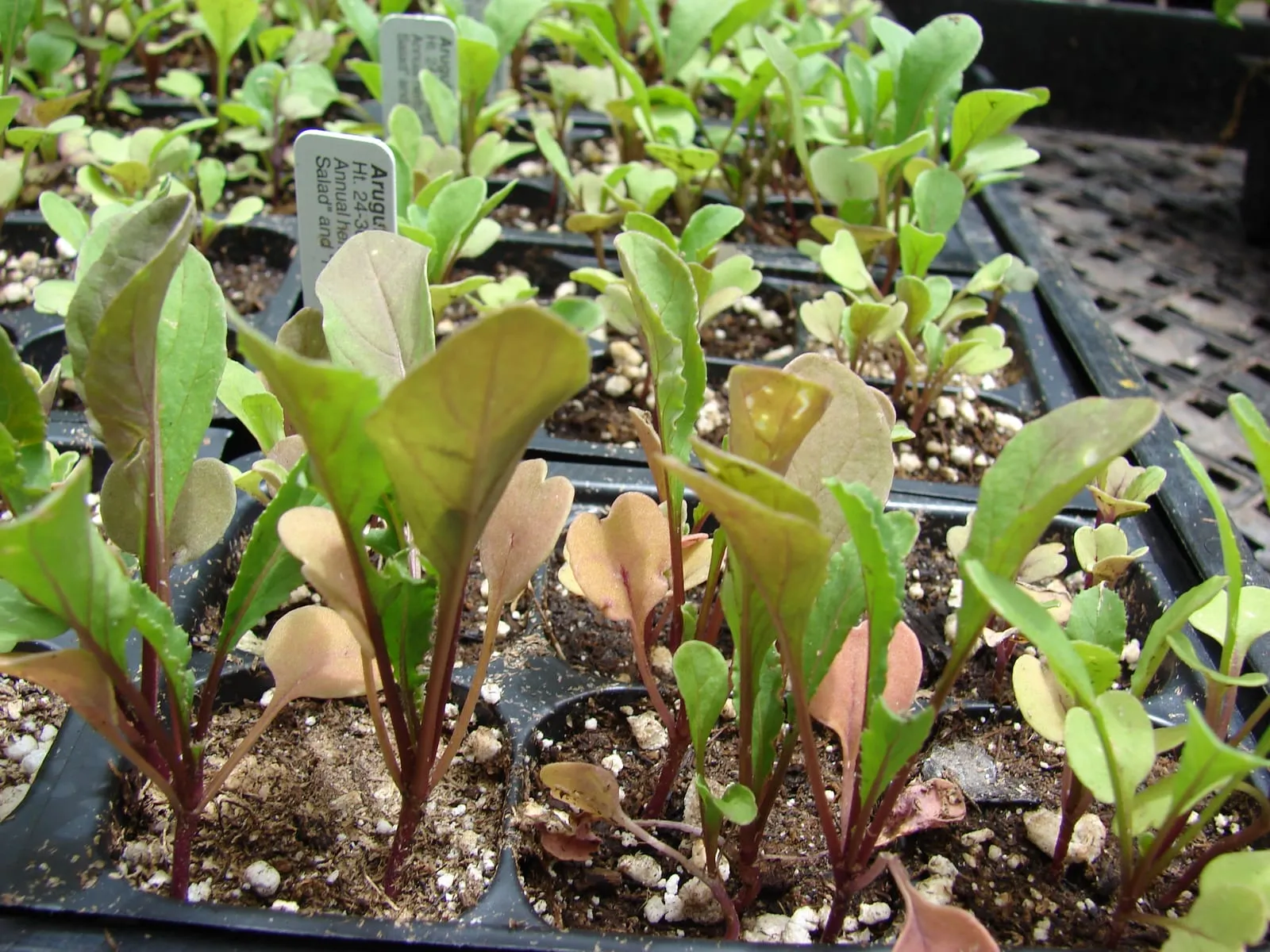
 Arugula
Eruca vesicaria
zones 3b–9a
 zone 7b
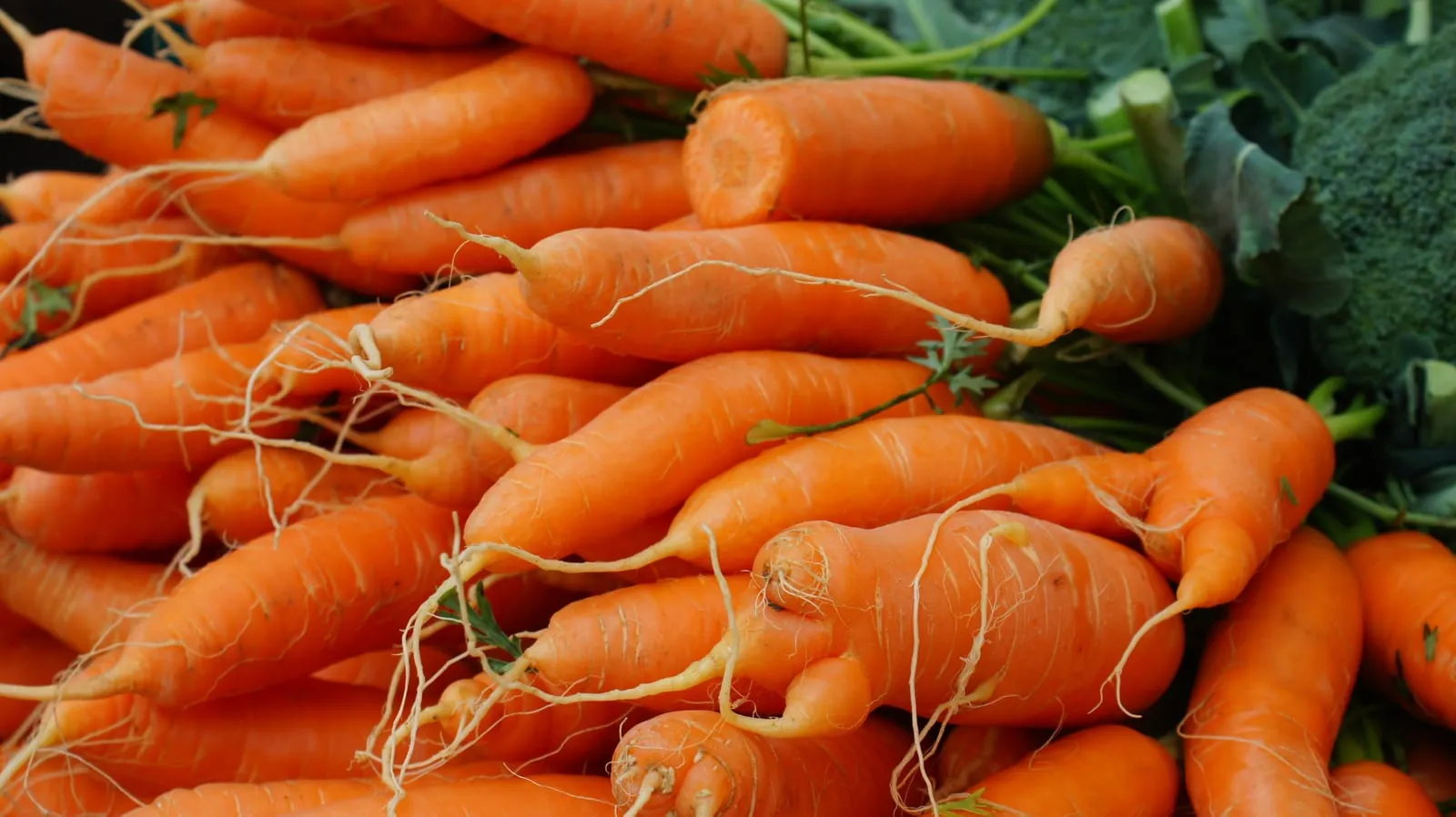
 Carrot
Daucus carota subsp. sativus
zones 3a–9a
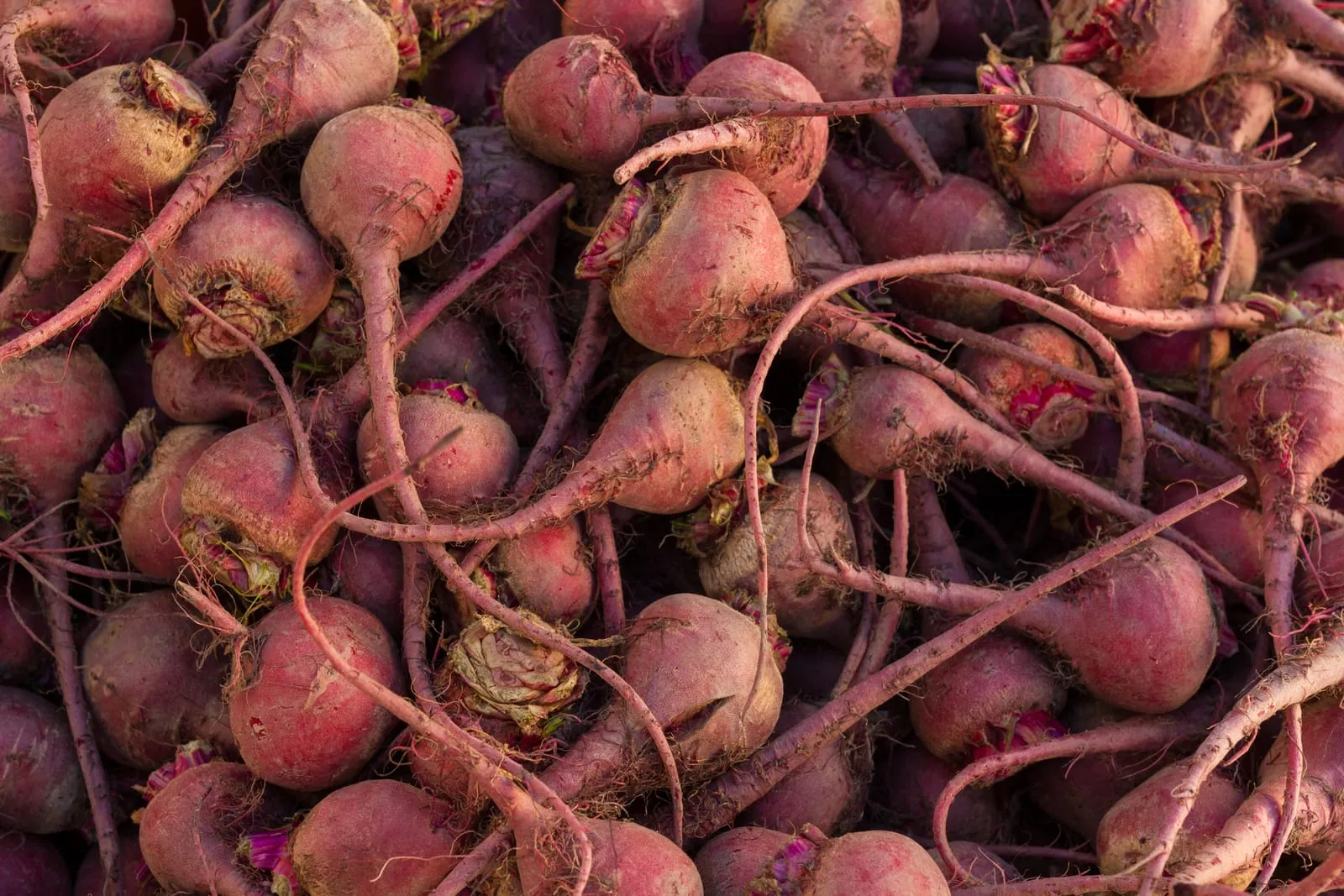 zone 7b
 Beet
Beta vulgaris
zones 3a–9a
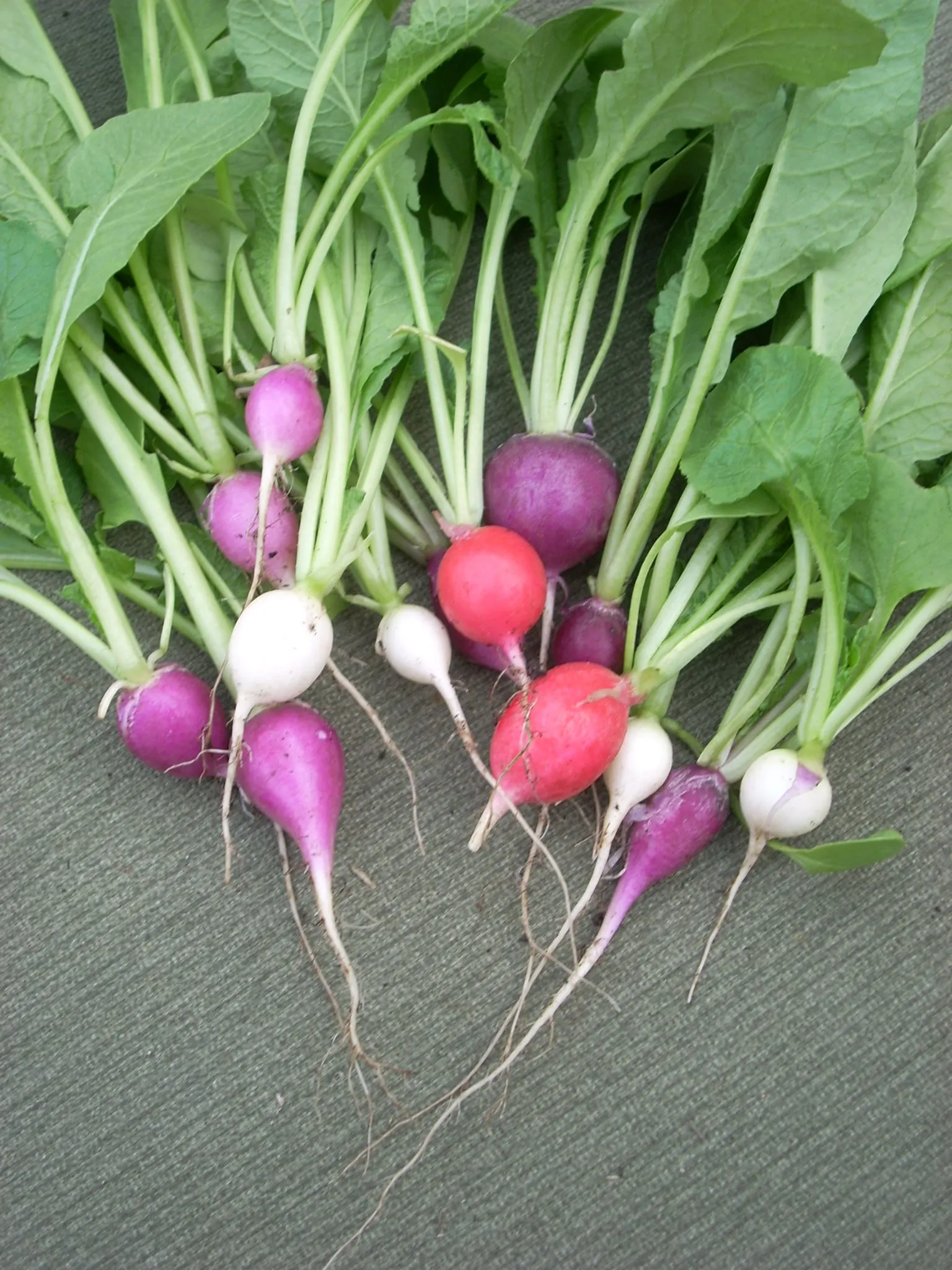 zone 7b
 Radish
Raphanus sativus
zones 3a–9a
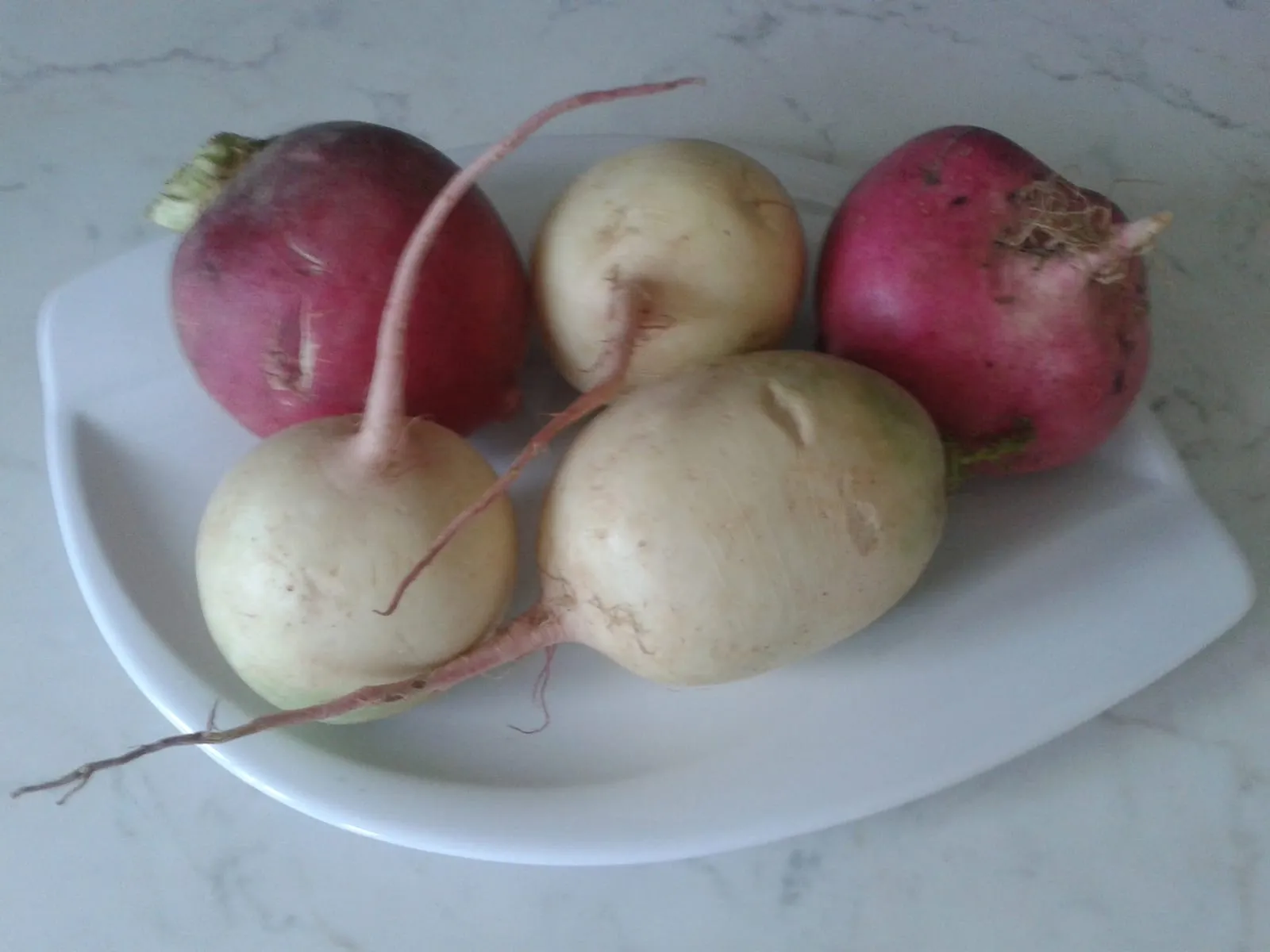 zone 7b
 Turnip
Brassica rapa subsp. rapa
zones 3a–8b
 zone 7b
 Parsnip
Pastinaca sativa
zones 3a–8a
 zone 7b
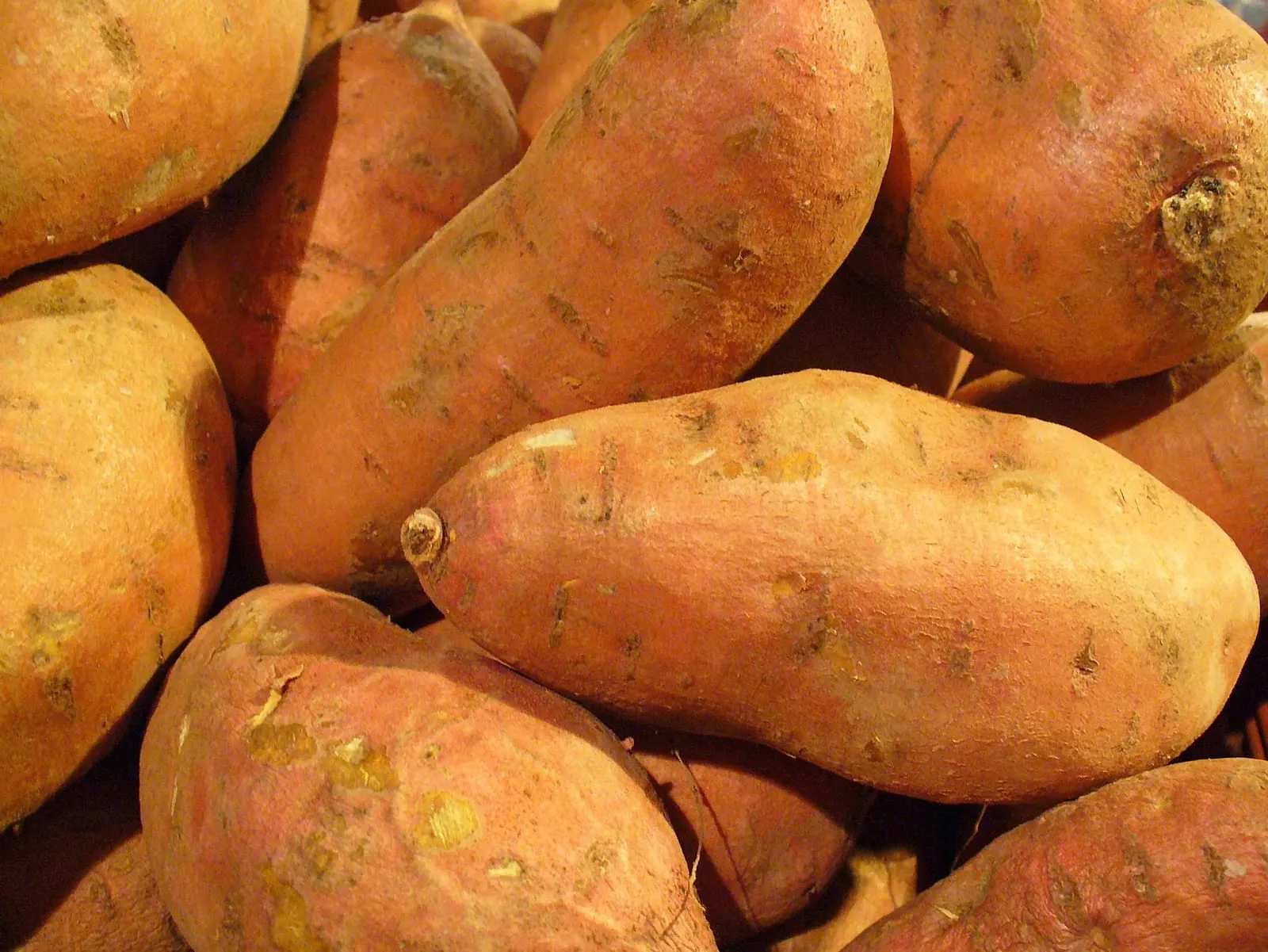
 Sweet Potato
Ipomoea batatas
zones 6a–10b
 zone 7b
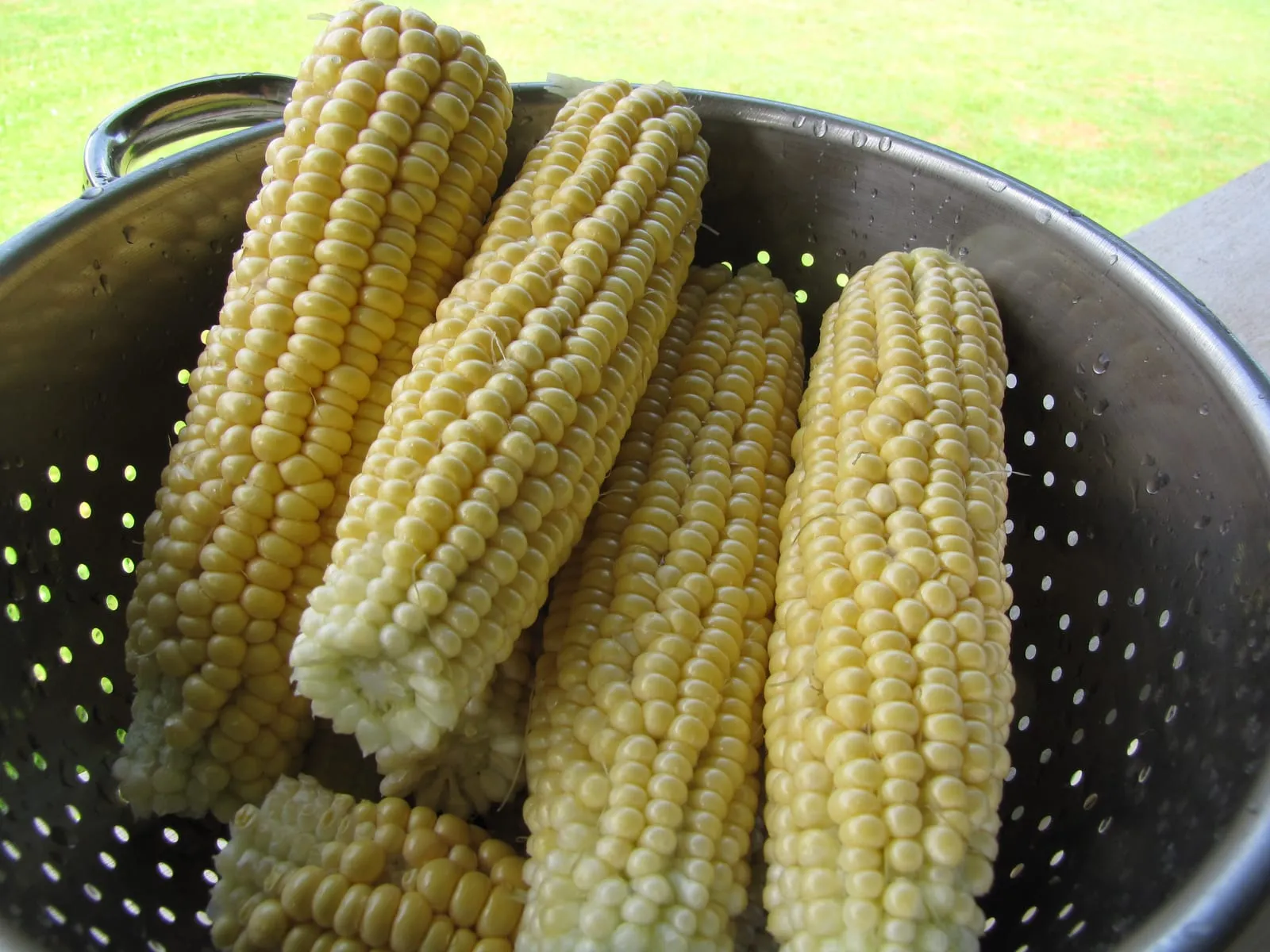
 Sweet Corn
Zea mays var. saccharata
zones 3b–9a
 zone 7b
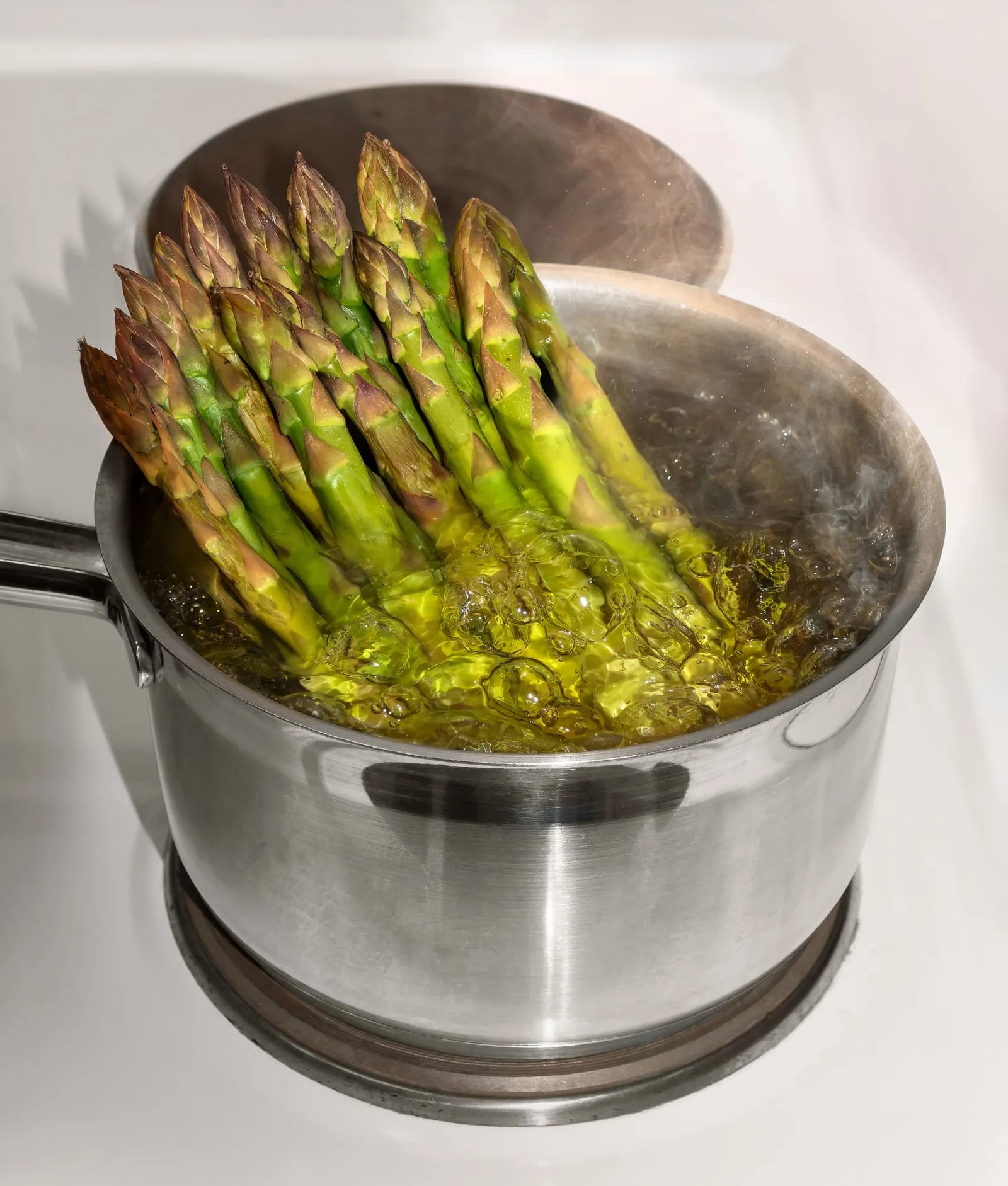
 Asparagus
Asparagus officinalis
zones 3b–8b
 zone 7b
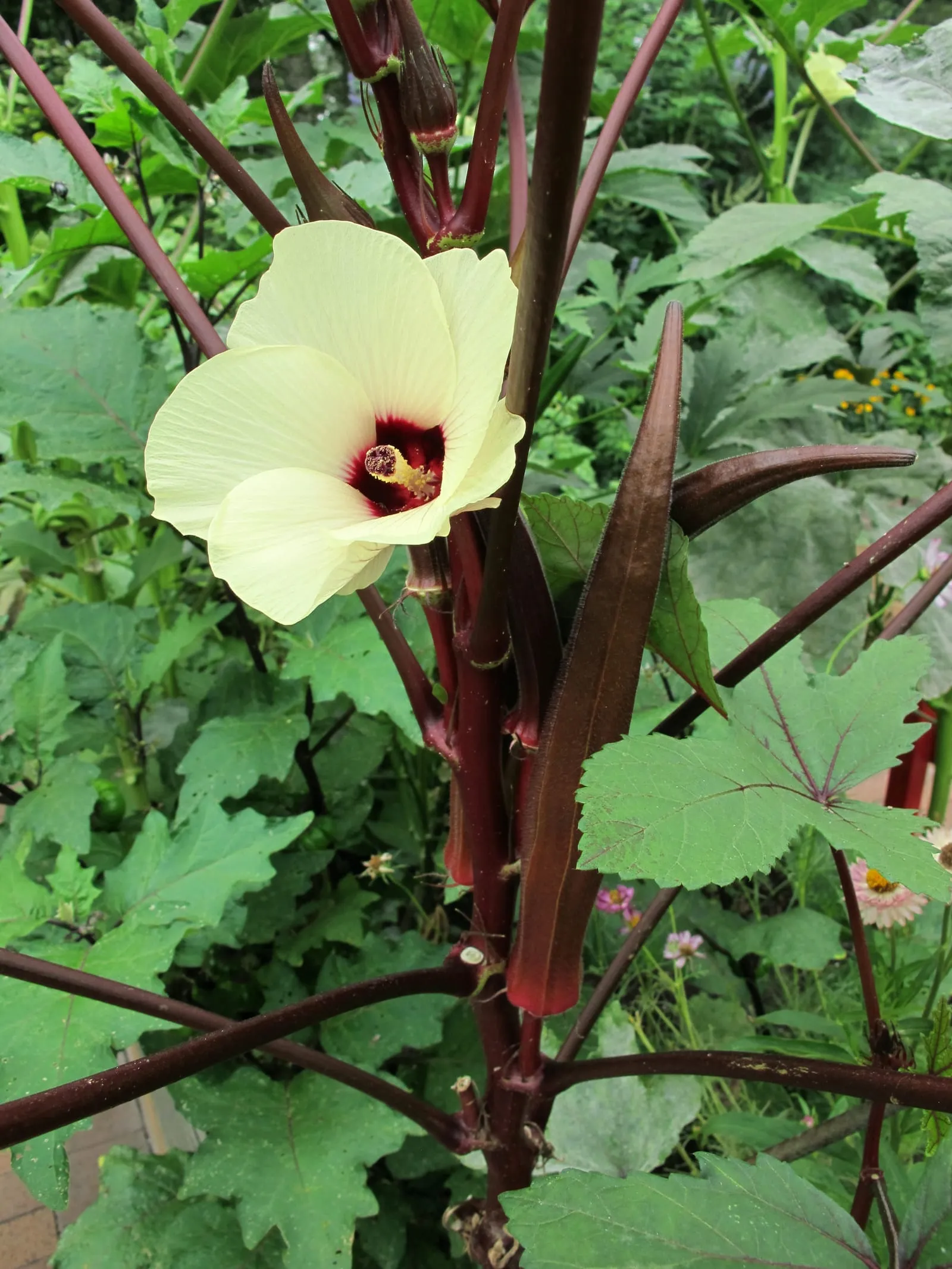
 Okra
Abelmoschus esculentus
zones 6a–10b
Herbs
10 crops
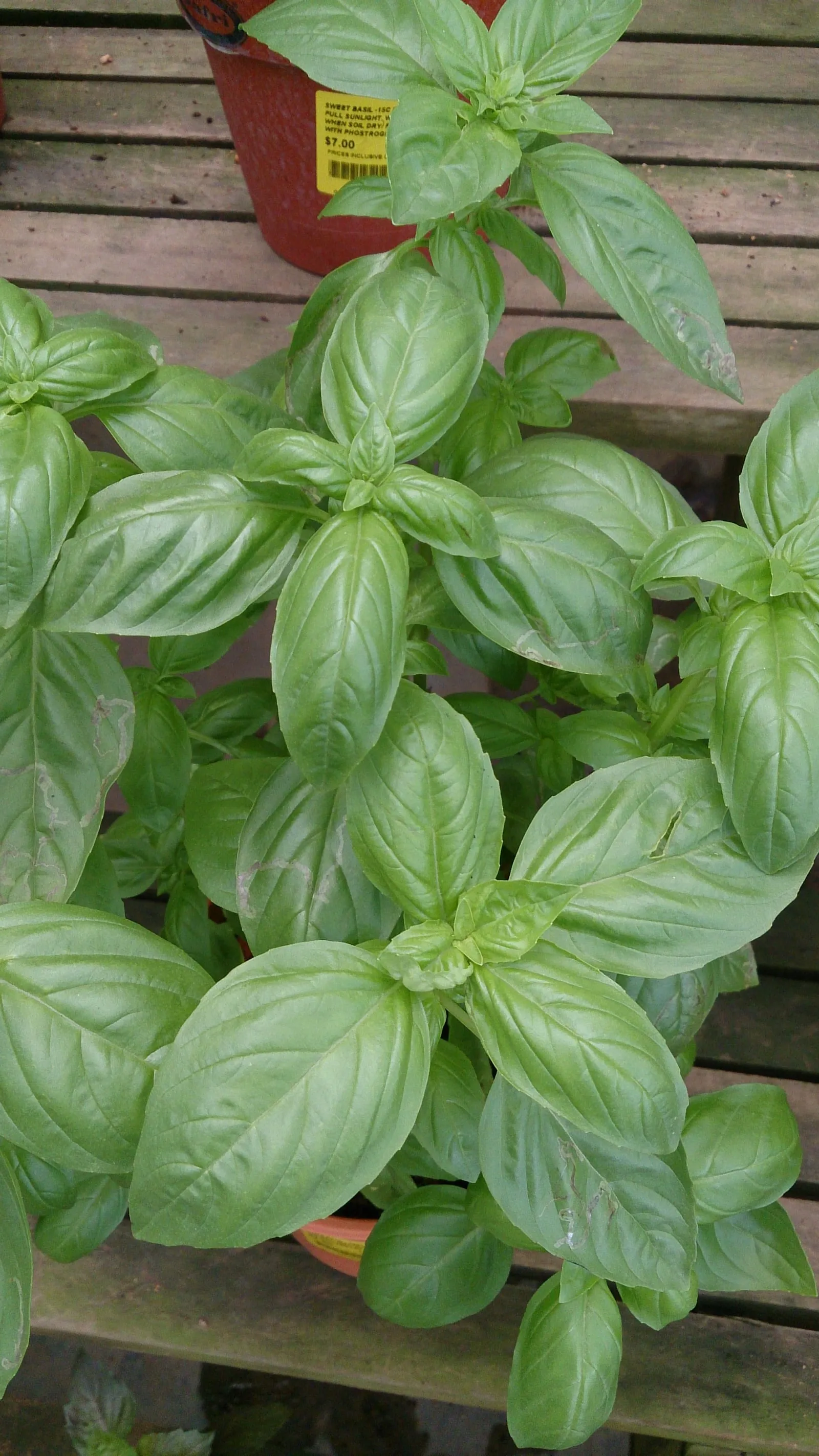 zone 7b
 Basil
Ocimum basilicum
zones 4a–10b
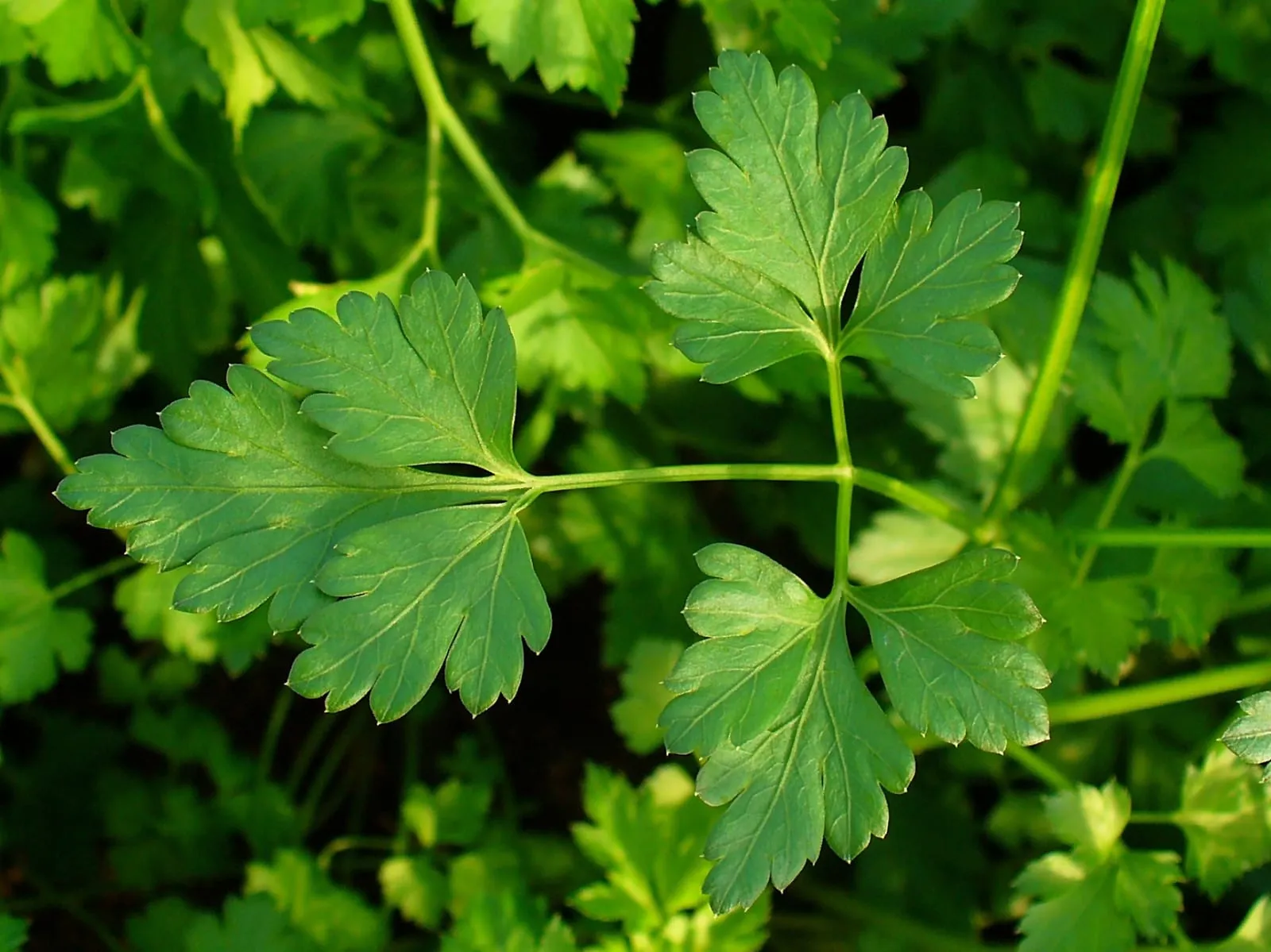 zone 7b
 Parsley
Petroselinum crispum
zones 3b–9b
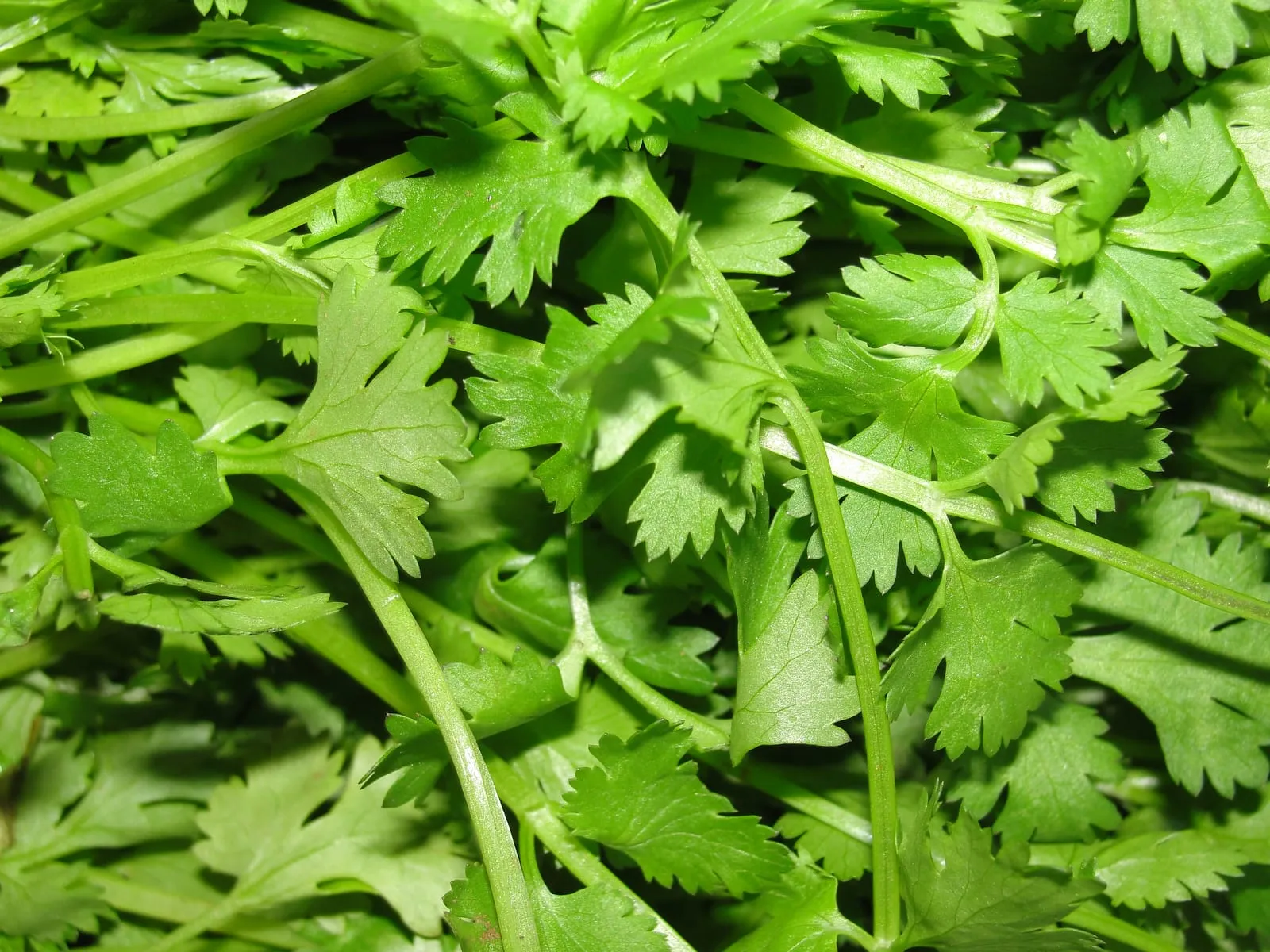 zone 7b
 Cilantro / Coriander
Coriandrum sativum
zones 3b–9b
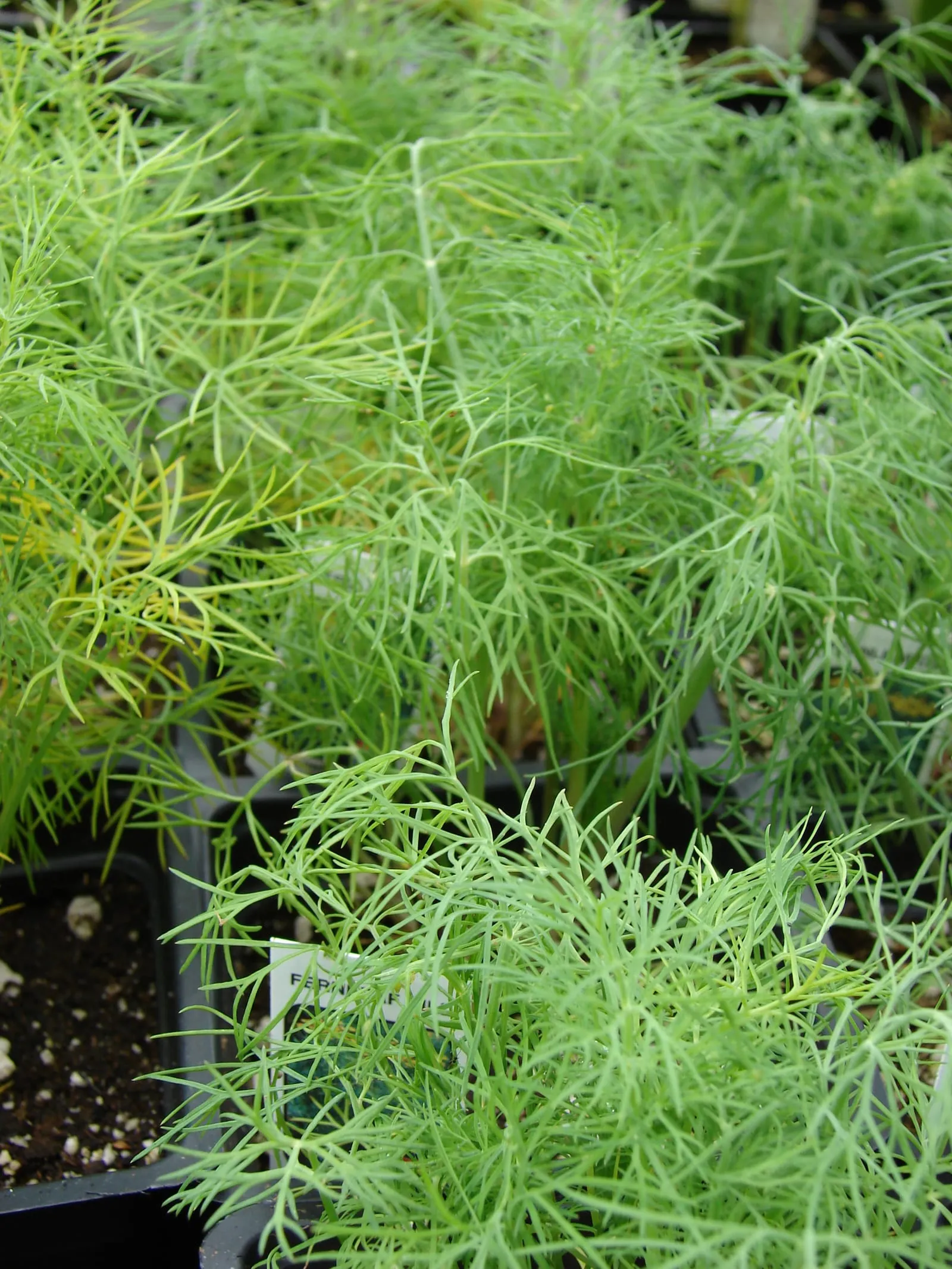 zone 7b
 Dill
Anethum graveolens
zones 3b–9a
 zone 7b
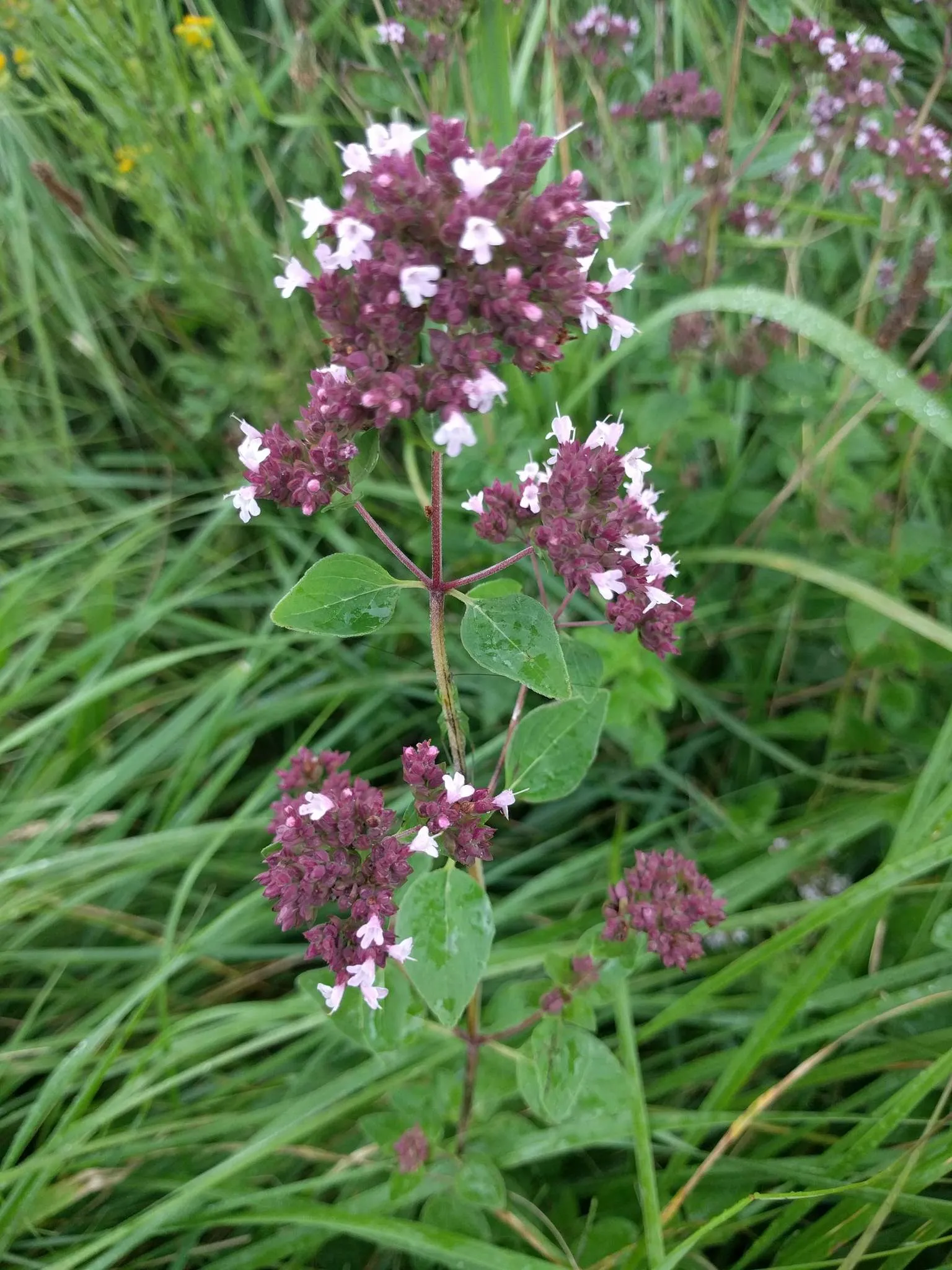
 Oregano
Origanum vulgare
zones 4a–9b
 zone 7b
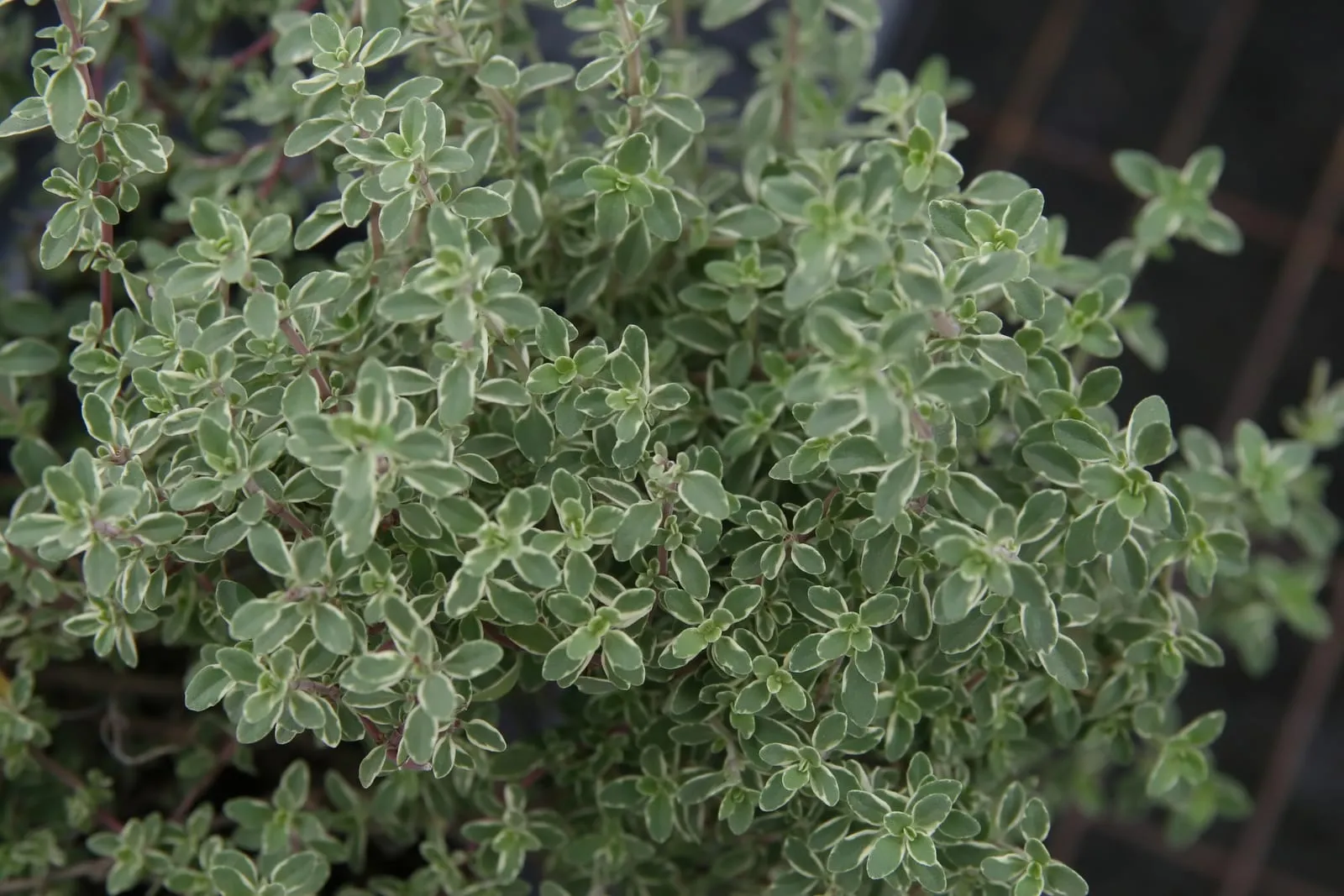
 Thyme
Thymus vulgaris
zones 4a–9a
 zone 7b
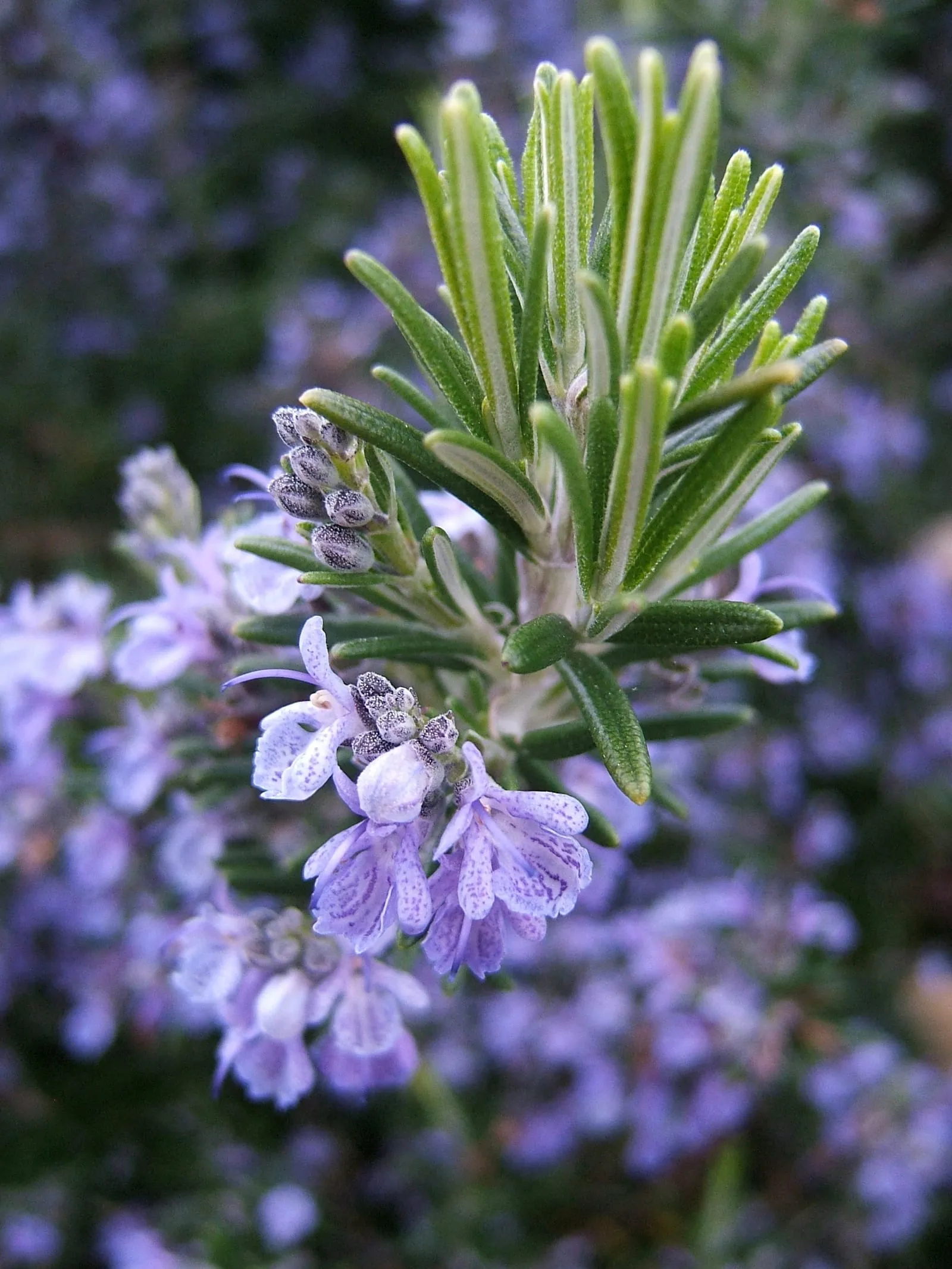
 Rosemary
Salvia rosmarinus
zones 7a–10b
 zone 7b
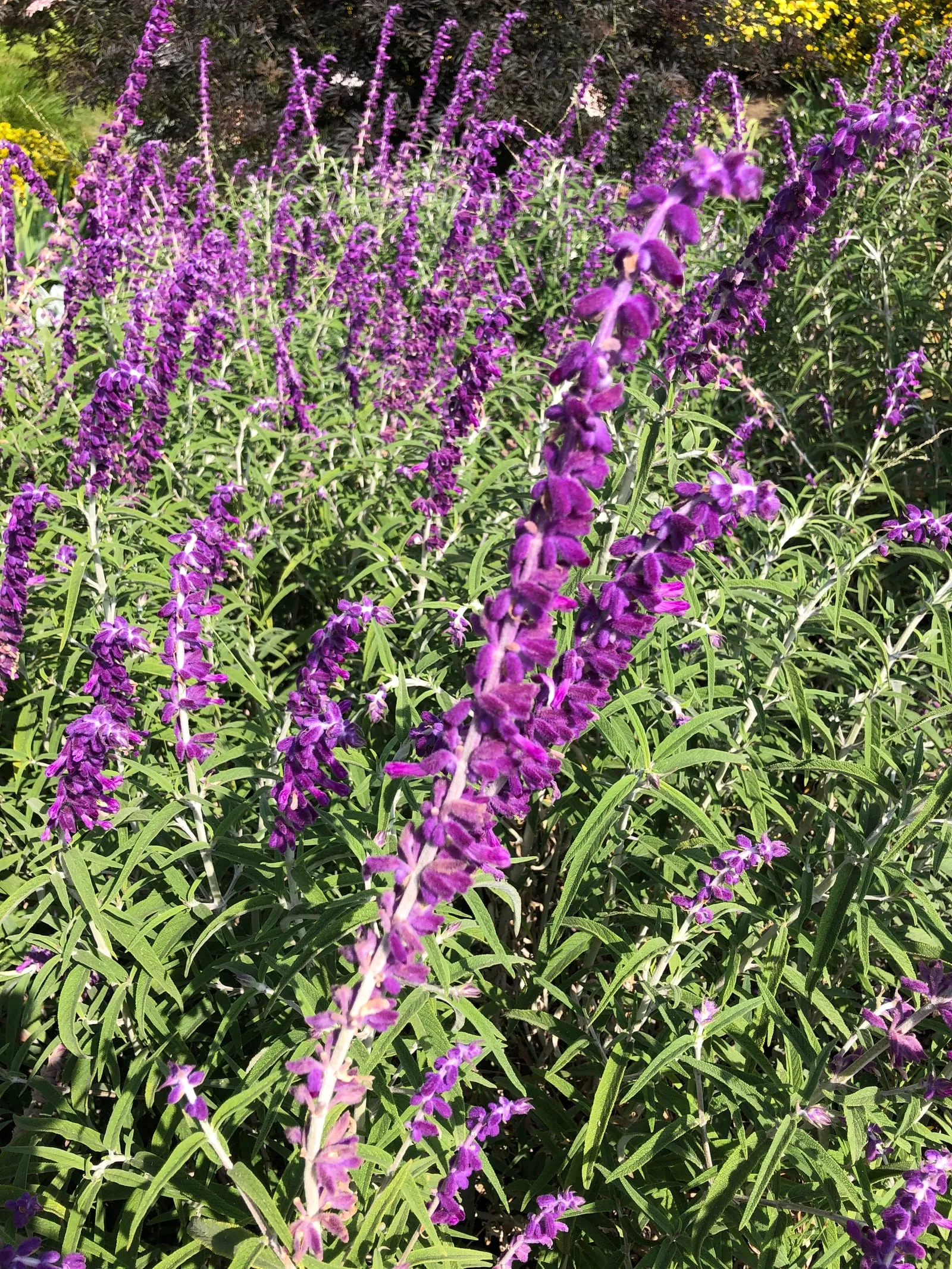
 Sage
Salvia officinalis
zones 4a–9a
 zone 7b
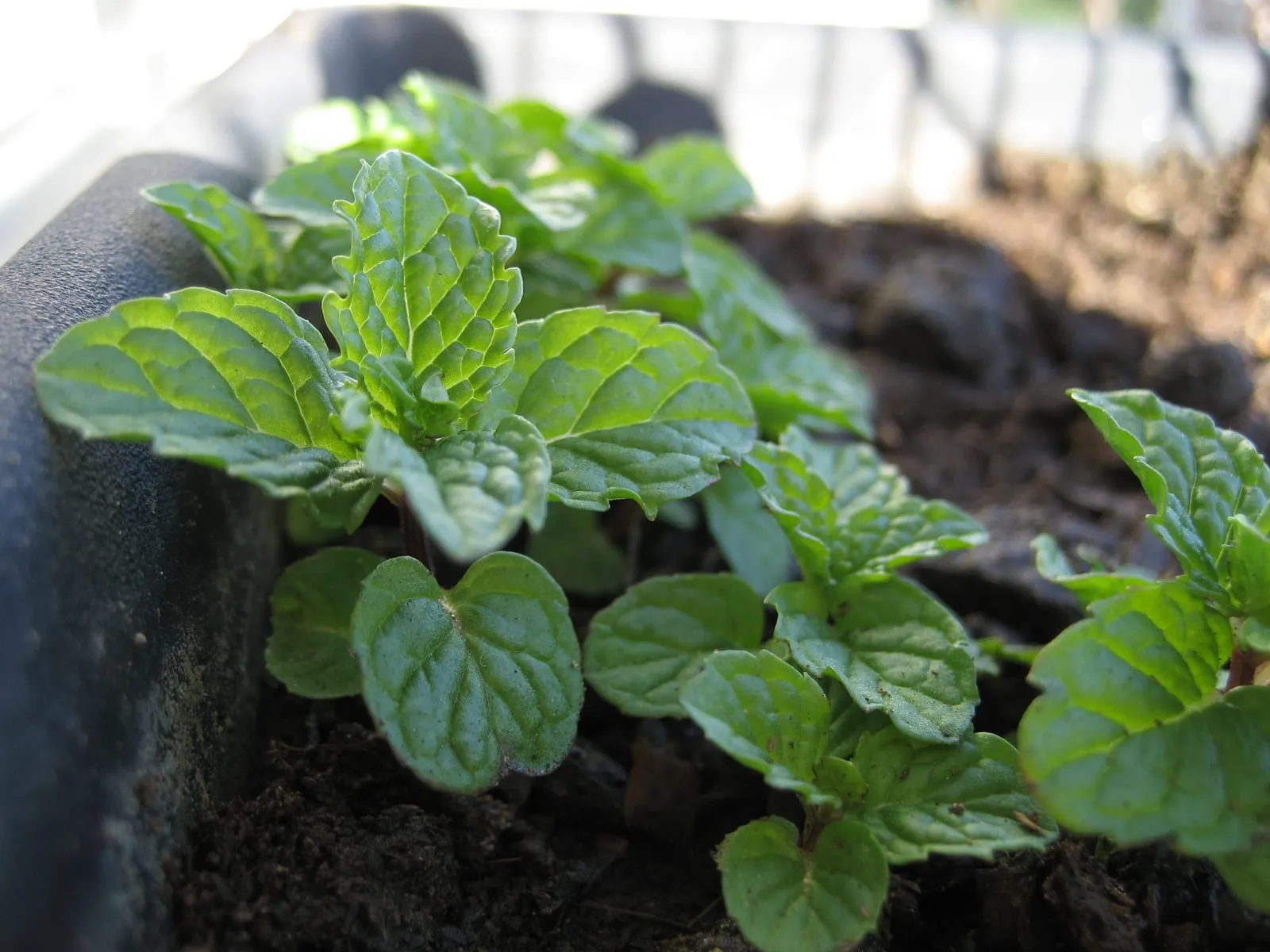
 Mint
Mentha species
zones 3b–9b
 zone 7b
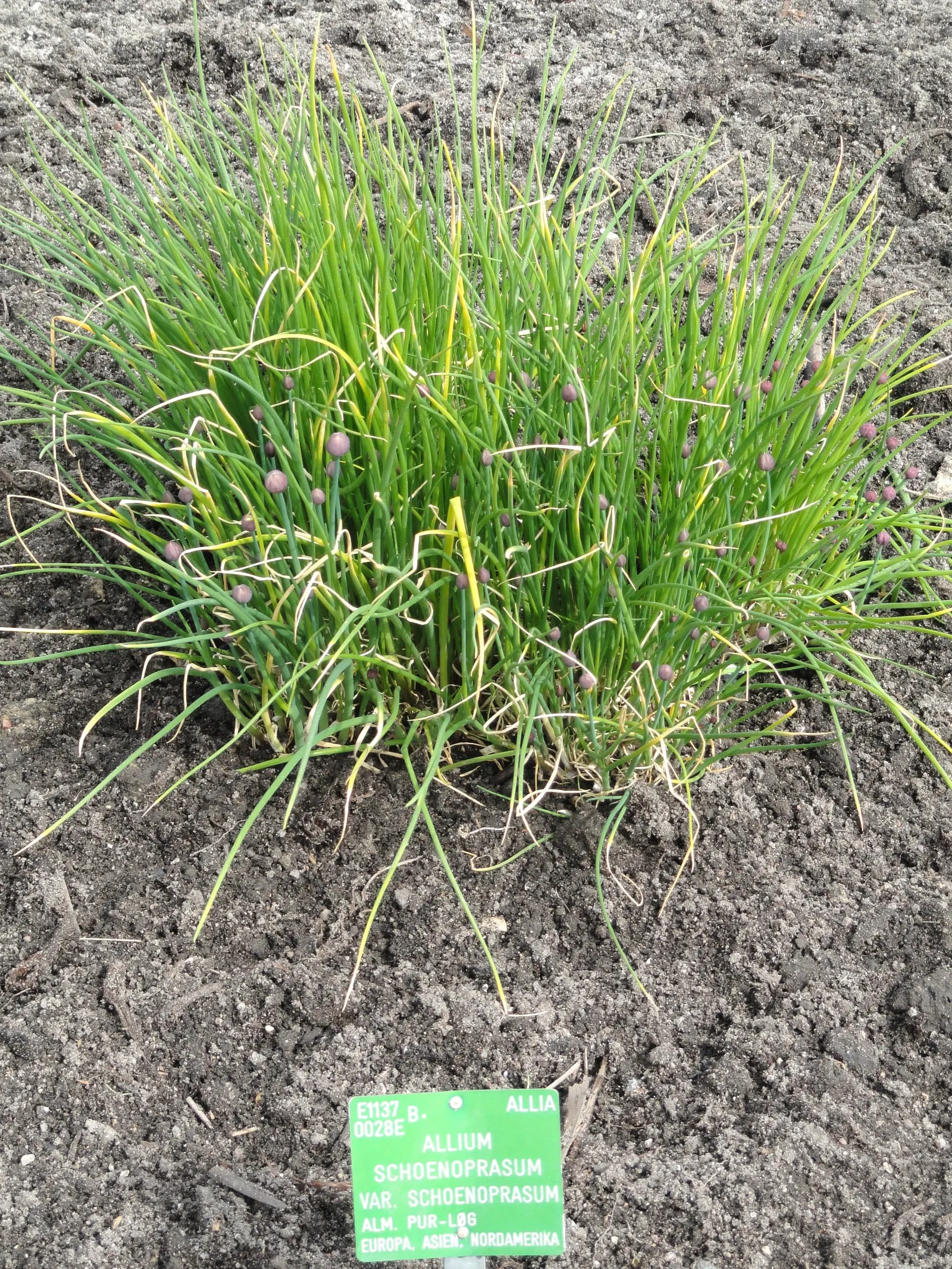
 Chives
Allium schoenoprasum
zones 3a–8b
When to plant
Planting calendar for zone 7b
Year-view of seed starting, transplanting, planting, pruning, fertilizing, harvest, and pest-watch windows based on the average frost timing for zone 7b.
Week ? · loading
This week in zone 7b
Quiet week in zone 7b. this week is a good time to step back and plan ahead.
Nothing critical on the calendar this week.
418 bars · 83 crops
Calendar logic combines NOAA frost normals with crop-specific timing data. Local microclimate and weather always overrules the calendar; use this as a starting point.
Frequently asked questions
- Will Honeycrisp apple grow in zone 7b?
It will grow, but it struggles. Honeycrisp prefers cooler nights than 7b summers offer, which leads to bitter pit and inconsistent fruit quality. Liberty and Enterprise are far better matches for the zone.
- What fig varieties survive zone 7b winters?
Celeste, Brown Turkey, and Chicago Hardy are reliable in zone 7b. Celeste has the closed eye that resists fruit souring in humid summers, which matters here.
- Can I grow pomegranates in 7b?
Yes, with the right cultivar. Salavatski and Kazake are cold-hardy Russian varieties that survive 7b winters reliably. Wonderful, the standard commercial cultivar, is marginal.
- How bad is cedar-apple rust in zone 7b?
Severe in piedmont locations with abundant cedar. Plant resistant varieties (Liberty, Enterprise, Williams Pride) or remove cedars within 1000 feet. Susceptible cultivars like Gala will defoliate badly without a fungicide program.
- When should I plant fruit trees in zone 7b?
Late November through early March, while trees are dormant. Bare-root planting in February works well; the trees establish before bud break and have a full season to root in before summer heat.
- Is jujube a good fit for zone 7b?
Excellent fit. Jujube tolerates heat, drought, humidity, and the modest 7b winter. Honey Jar and Li are productive and require almost no spraying or pruning.
+−
+−
+−
+−
+−
+−
Related