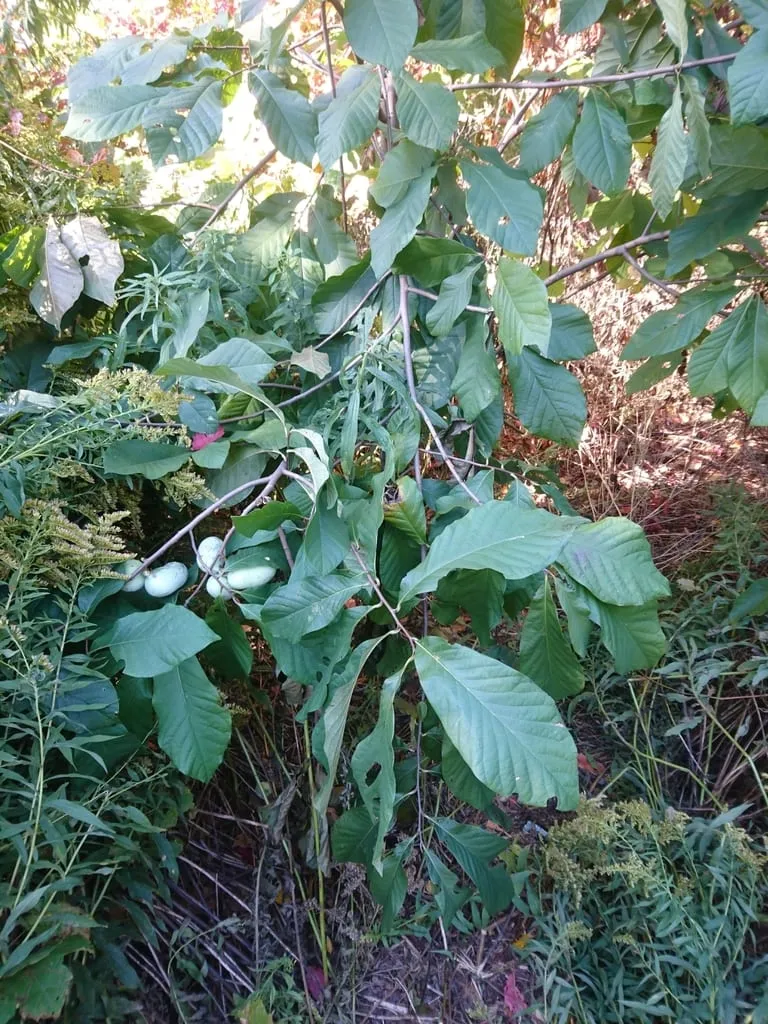
fruit tree in zone 7b
Growing pawpaw in zone 7b
Asimina triloba
- Zone
- 7b 5°F to 10°F
- Growing season
- 220 days
- Chill needed
- 400 to 500 below 45°F
- Suitable varieties
- 3
- Days to harvest
- 150 to 180
The verdict
Zone 7b sits comfortably within the native range of pawpaw (Asimina triloba), and the chill-hour match is strong. The crop requires 400 to 500 chill hours; zone 7b typically accumulates 800 to 1,200 hours between November and February, leaving no realistic deficit. Minimum winter temperatures of 5°F to 10°F are well within the species' cold hardiness threshold; mature trunks and root systems tolerate considerably harder freezes without damage.
The more relevant frost concern is bloom timing, not dormancy survival. Pawpaw flowers open in March to early April in zone 7b, often before the region's average last frost, making late-frost events a recurring yield risk even in a favorable zone. Varieties such as Sunflower, Shenandoah, and Susquehanna were selected partly for their performance in mid-Atlantic conditions, which align closely with zone 7b's climate profile. This is a sweet spot for pawpaw, not a marginal zone.
Recommended varieties for zone 7b
3 cultivars suited to this zone, with disease-resistance and zone-fit annotations.
| Variety | Notes | Zone fit | Disease resistance |
|---|---|---|---|
| Sunflower fits zone 7b | Custard texture, tropical mango-banana flavor; eat fresh with a spoon, or freeze pulp for smoothies and baking. Partially self-fertile, large fruit. | | none noted |
| Shenandoah fits zone 7b | Mild tropical flavor, less of the funky aftertaste some pawpaws have; smooth custard texture, low seed count. Best entry-level cultivar for new pawpaw growers. | | none noted |
| Susquehanna fits zone 7b | Rich, complex flavor with vanilla-pear notes; large fruit, low seed count. Considered one of the best-tasting cultivars. | | none noted |
Critical timing for zone 7b
Bloom in zone 7b typically falls between late March and mid-April, with timing shifting up to two weeks depending on microclimate and variety. This window frequently overlaps the region's last frost dates, which average early to mid-April across much of zone 7b. A hard frost during open bloom reduces fruit set sharply because pawpaw flowers are not cold-tolerant once they open.
Harvest follows a long development period. Fruit matures from late August through September in most zone 7b locations, occasionally extending into early October on cooler north-facing sites. The 220-day growing season provides ample time for full fruit development, though unusually warm springs that compress the bloom window can reduce cross-pollination opportunities and thin the crop before summer even begins.
Common challenges in zone 7b
- ▸ Cedar-apple rust pressure heavy in piedmont
- ▸ Japanese beetles
- ▸ Brown marmorated stink bug
- ▸ Late summer disease pressure
Modified care for zone 7b
Japanese beetle pressure is a genuine concern in zone 7b from late June through August. Beetles aggregate on pawpaw foliage and can cause significant defoliation in heavy years; established trees generally recover, but repeated stress on young specimens slows development. Brown marmorated stink bug poses a more direct threat to the fruit itself, piercing the skin and leaving necrotic spots that render portions of the flesh inedible. Netting fruit clusters in August is a practical mitigation.
Young trees benefit from filtered shade during their first two to three seasons. Zone 7b's high summer sun load can stress new plantings in open sites, and pawpaw juveniles naturally grow as understory trees. Because pawpaw flowers are pollinated primarily by flies and carrion beetles rather than honeybees, hand pollination with a small brush reliably improves fruit set, particularly when natural pollinator activity is low during cool, wet bloom periods.
Frequently asked questions
- Does pawpaw get enough chill hours in zone 7b?
Yes, with room to spare. Pawpaw requires 400 to 500 chill hours, and zone 7b routinely accumulates 800 to 1,200 hours in a typical winter. Chill-hour deficit is not a limiting factor in this zone.
- What is the biggest pawpaw pest problem in zone 7b?
Brown marmorated stink bug is the most damaging pest to the fruit itself, causing internal necrotic spots that reduce edible yield. Japanese beetles cause significant foliar damage from late June onward but rarely threaten the tree's long-term health.
- Why do pawpaw growers recommend hand pollination?
Pawpaw flowers are pollinated by flies and carrion beetles, not honeybees. In managed landscapes where those insects are scarce, natural pollination is often insufficient for a good crop. Transferring pollen between two different varieties with a small brush takes minutes and meaningfully improves fruit set.
- When should pawpaw fruit be harvested in zone 7b?
Expect ripe fruit from late August through September in most zone 7b locations. Fruit is ready when it yields slightly to gentle pressure, similar to a ripe avocado. Do not wait for fruit to fall; it bruises easily and shelf life is only a few days at room temperature.
+−
+−
+−
+−
Pawpaw in adjacent zones
Image: "common pawpaw", by no rights reserved, via iNaturalist, licensed under CC0 Source.
Related