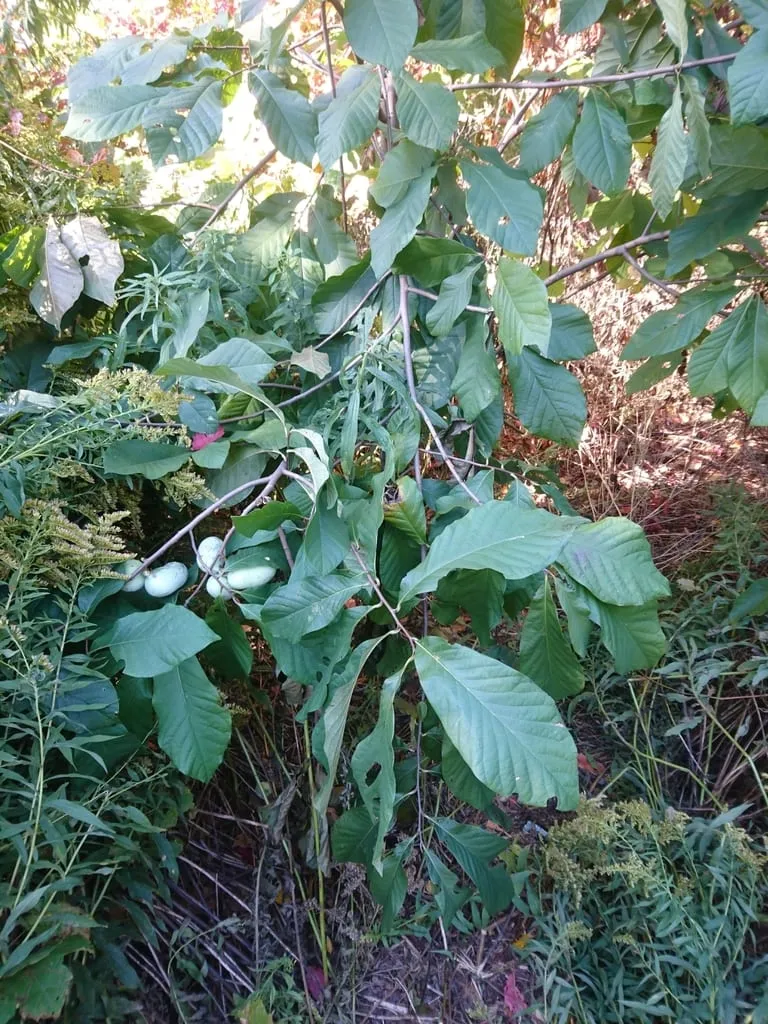
fruit tree in zone 7a
Growing pawpaw in zone 7a
Asimina triloba
- Zone
- 7a 0°F to 5°F
- Growing season
- 210 days
- Chill needed
- 400 to 500 below 45°F
- Suitable varieties
- 4
- Days to harvest
- 150 to 180
The verdict
Zone 7a sits comfortably within pawpaw's native range and is a strong match for the crop's requirements. Chill-hour needs of 400 to 500 hours are reliably met across virtually all zone 7a locations, which typically accumulate 600 to 900 or more hours of chilling in most winters. The minimum winter temperatures of 0 to 5°F present no hardiness concern for established trees; pawpaw tolerates temperatures considerably below that threshold without injury.
At 210 growing days, zone 7a provides ample season length for fruit to reach full maturity before fall frost arrives. This is not a marginal zone for the crop. It represents the core of pawpaw's historical range, covering much of the mid-Atlantic and upper South where the species grows natively in bottomland and forest-edge habitats. Varieties like Shenandoah and Susquehanna were selected partly with this climate profile in mind, and NC-1 performs reliably here as well.
Recommended varieties for zone 7a
4 cultivars suited to this zone, with disease-resistance and zone-fit annotations.
| Variety | Notes | Zone fit | Disease resistance |
|---|---|---|---|
| Sunflower fits zone 7a | Custard texture, tropical mango-banana flavor; eat fresh with a spoon, or freeze pulp for smoothies and baking. Partially self-fertile, large fruit. | | none noted |
| Shenandoah fits zone 7a | Mild tropical flavor, less of the funky aftertaste some pawpaws have; smooth custard texture, low seed count. Best entry-level cultivar for new pawpaw growers. | | none noted |
| Susquehanna fits zone 7a | Rich, complex flavor with vanilla-pear notes; large fruit, low seed count. Considered one of the best-tasting cultivars. | | none noted |
| NC-1 fits zone 7a | Sweet, mild banana-mango flavor; cold-hardy selection from northern stock. Reliable in zone 5. | | none noted |
Critical timing for zone 7a
Pawpaw flowers emerge in late March to mid-April in zone 7a, before the leaves open. This bloom window coincides directly with the region's average last frost period, creating a meaningful risk in low-lying frost pockets and cold-air drainage sites. The flowers tolerate light frost but sustain damage at temperatures below roughly 28°F. Growers in elevated or exposed sites may see more consistent fruit set than those in valley bottoms where cold air settles.
Harvest follows from late August through October depending on variety. Shenandoah tends to ripen earlier; Susquehanna and NC-1 run later into the season. The 210-day growing window provides comfortable margin for even later-ripening selections to mature fully before the first fall frost closes the season.
Common challenges in zone 7a
- ▸ Cedar-apple rust
- ▸ Brown rot
- ▸ Fire blight
- ▸ High humidity disease pressure
Modified care for zone 7a
Two practices matter more in zone 7a than in cooler parts of pawpaw's range. First, hand-pollination improves fruit set substantially. Pawpaw flowers depend on flies and beetles, and those insects are often scarce during the cool, wet weather that coincides with bloom in early spring. Transferring pollen between two compatible varieties using a small brush takes minutes per tree and meaningfully increases yields across the season.
Second, young trees benefit from partial shade during their first two to three growing seasons. Pawpaw evolved as an understory species and is prone to sunscald and leaf scorch in full exposure before the canopy matures. A shade cloth or a temporary nurse-tree arrangement addresses this. Zone 7a's humidity is broadly favorable for pawpaw; fungal disease pressure on this crop runs lower than on most other tree fruits grown in the same region, so the disease challenges listed for the zone apply minimally here.
Frequently asked questions
- Is zone 7a too warm for pawpaw to get enough chill hours?
No. Pawpaw requires 400 to 500 chill hours, and zone 7a locations typically accumulate 600 to 900 or more hours in most winters. Chill-hour shortfall is not a practical concern in this zone, though unusually mild winters can occasionally fall short in the warmest microclimates.
- Can late spring frosts damage pawpaw bloom in zone 7a?
Yes, and it is the primary production risk in this zone. Pawpaw blooms in late March to mid-April, which overlaps with the average last frost window. Frost pockets and low-lying sites are most vulnerable. Flowers can handle brief dips to around 28 to 29°F but are damaged by harder freezes.
- Do I need two pawpaw trees in zone 7a to get fruit?
Yes. Pawpaw is largely self-incompatible, so two genetically distinct varieties are needed for reliable pollination. Planting Shenandoah alongside Susquehanna or NC-1 is a common pairing. Hand-pollination is recommended regardless, since natural pollinators are often inactive during the cool bloom period.
+−
+−
+−
Pawpaw in adjacent zones
Image: "common pawpaw", by no rights reserved, via iNaturalist, licensed under CC0 Source.
Related