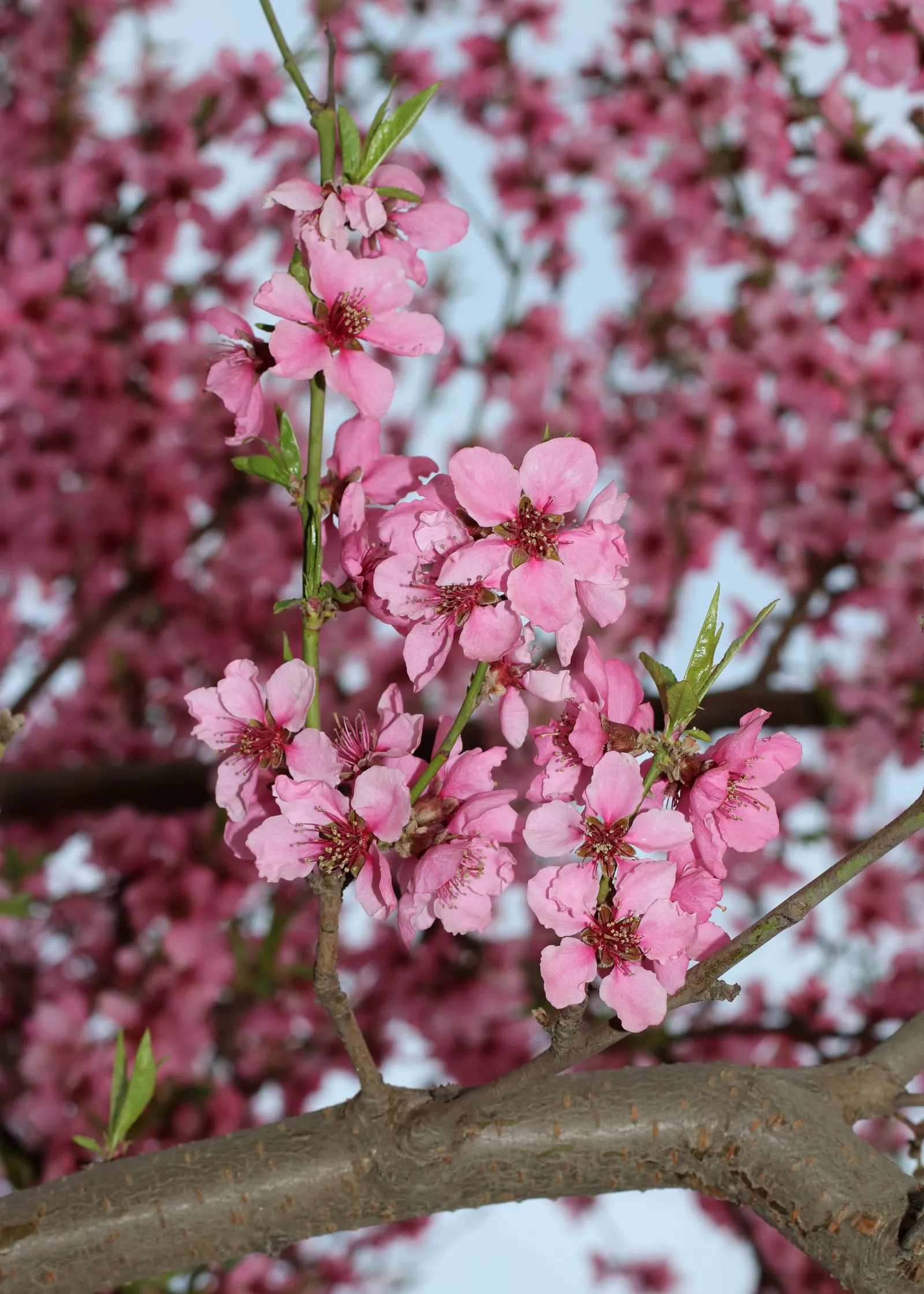
fruit tree in zone 7b
Growing peach in zone 7b
Prunus persica
- Zone
- 7b 5°F to 10°F
- Growing season
- 220 days
- Chill needed
- 600 to 900 below 45°F
- Suitable varieties
- 2
- Days to harvest
- 90 to 150
The verdict
Zone 7b sits near the middle of the peach's preferred range. Most zone 7b winters deliver the 600 to 900 chill hours the crop requires, and the 220-day growing season gives fruit ample time to mature after bloom. This is not a marginal zone for peaches. The real risk is not insufficient chilling but the timing of dormancy break: peaches come out of dormancy and bloom early, often before the last frost has cleared. The 5 to 10°F minimum winter temperature in zone 7b can damage flower buds during a hard late-season freeze, but a partial freeze loss is recoverable in a way that insufficient chill never is. Contender was developed specifically for southeastern conditions and carries some resilience against late-freeze events through an extended bloom period. Redhaven, a widely adapted mid-season variety, also performs reliably across the zone in most years.
Recommended varieties for zone 7b
2 cultivars suited to this zone, with disease-resistance and zone-fit annotations.
| Variety | Notes | Zone fit | Disease resistance |
|---|---|---|---|
| Contender fits zone 7b | Sweet, balanced flavor, freestone, firm yellow flesh; fresh, canning, freezing. Late-blooming so it dodges spring frost. Bacterial-spot resistant. | |
|
| Redhaven fits zone 7b | Sweet, juicy, firm, freestone yellow flesh; the industry standard with classic peach flavor. Eats fresh, cans well, freezes well. Most widely planted peach in the US. | | none noted |
Critical timing for zone 7b
Peach bloom in zone 7b typically falls in mid-to-late March, which overlaps directly with the average last frost window across most of the zone. That intersection is the central timing concern. A prolonged warm spell in February can push bloom two to three weeks earlier than average, compressing the margin further. Redhaven ripens mid-July through early August. Contender follows in late August. The 220-day growing season easily accommodates both. Growers should begin monitoring extended forecasts in late February and be prepared to protect open blooms with overhead irrigation or frost cloth during freeze events. A crop lost at bloom cannot be recovered; a crop partially thinned by frost can still produce a reasonable yield.
Common challenges in zone 7b
- ▸ Cedar-apple rust pressure heavy in piedmont
- ▸ Japanese beetles
- ▸ Brown marmorated stink bug
- ▸ Late summer disease pressure
Disease pressure to watch for
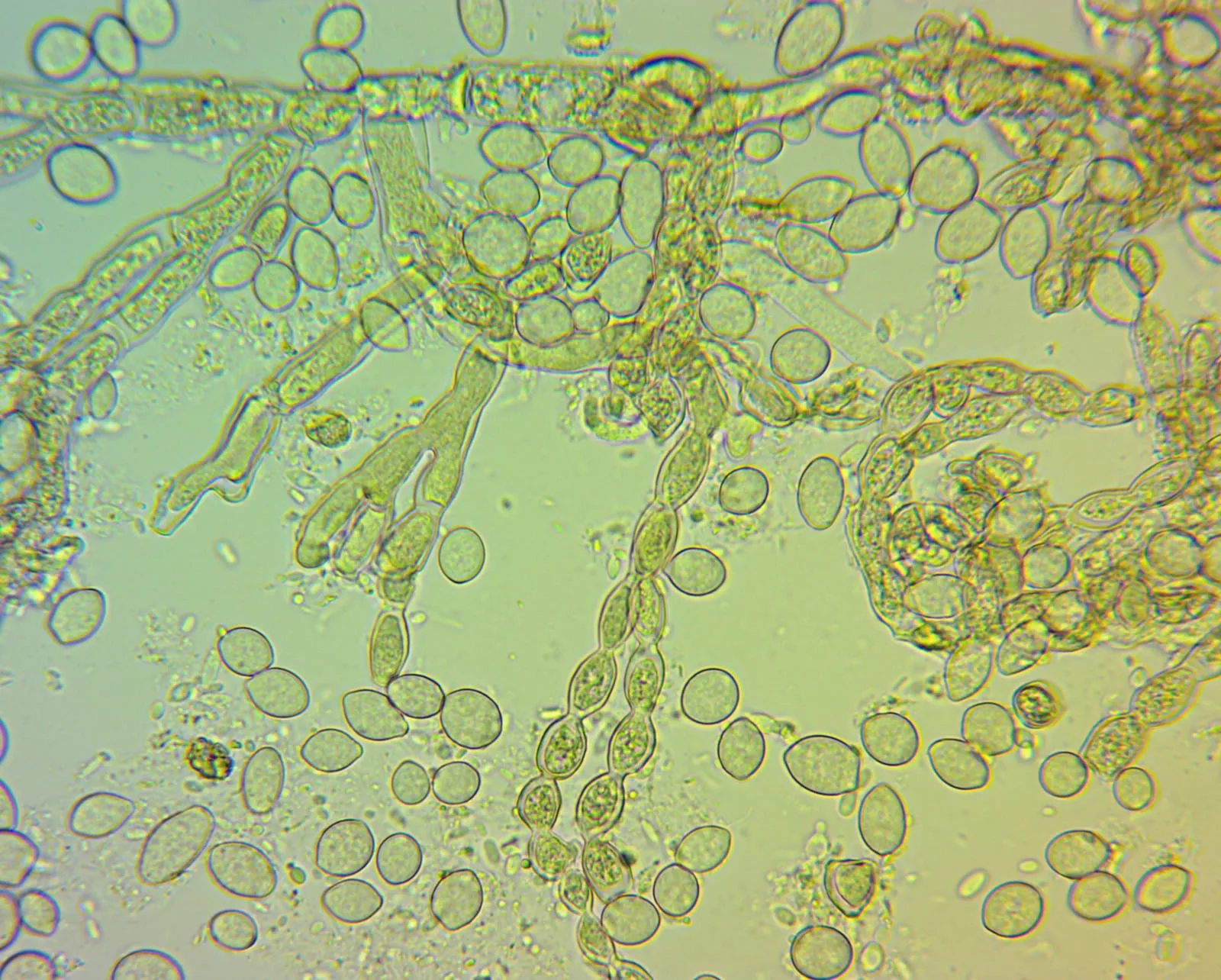
Monilinia fructicola
The most damaging stone-fruit and almond disease, causing blossom blight and fruit rot.
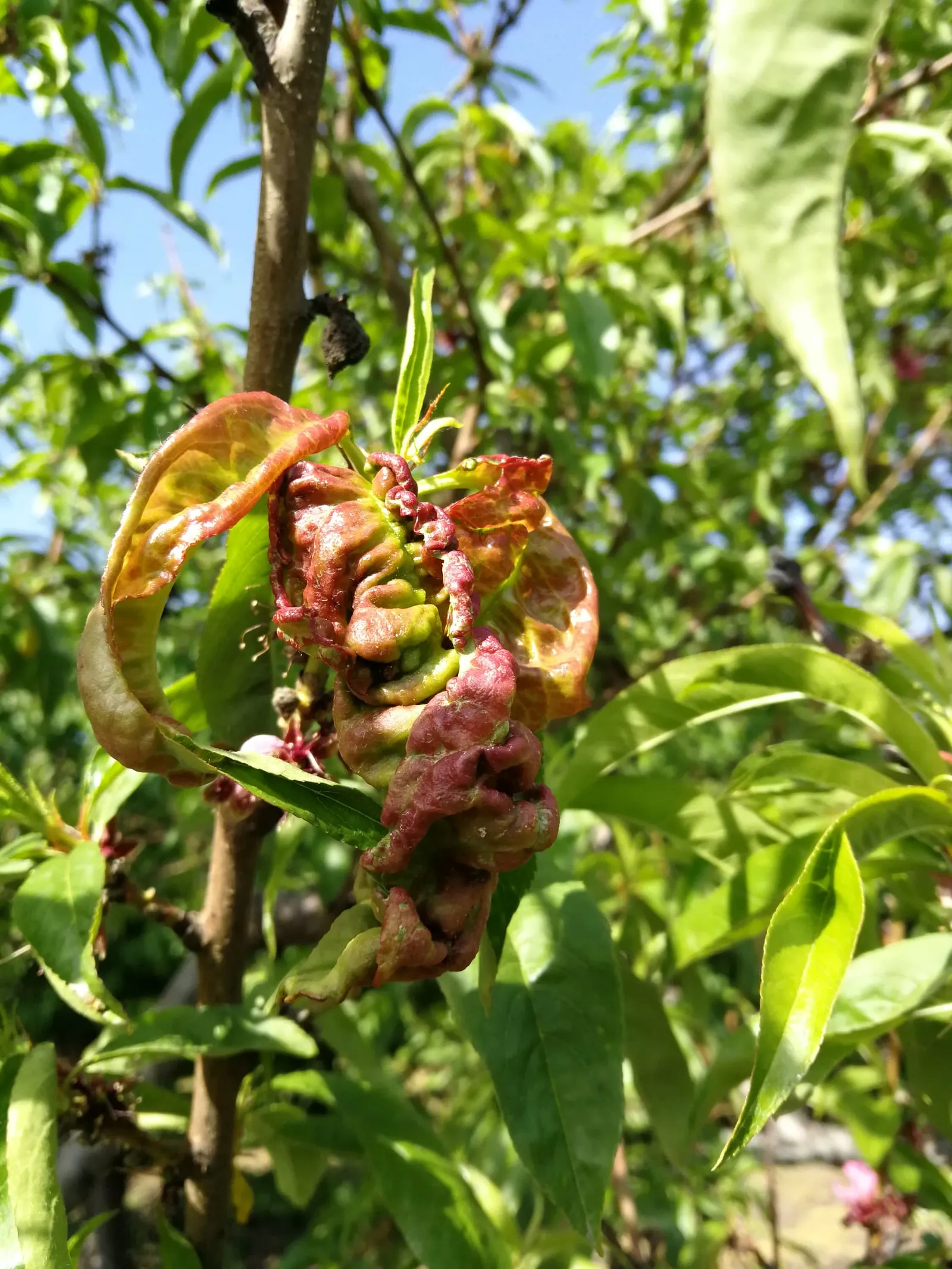
Taphrina deformans
Distinctive springtime disease causing red, puckered leaves. Manageable with one well-timed dormant spray.
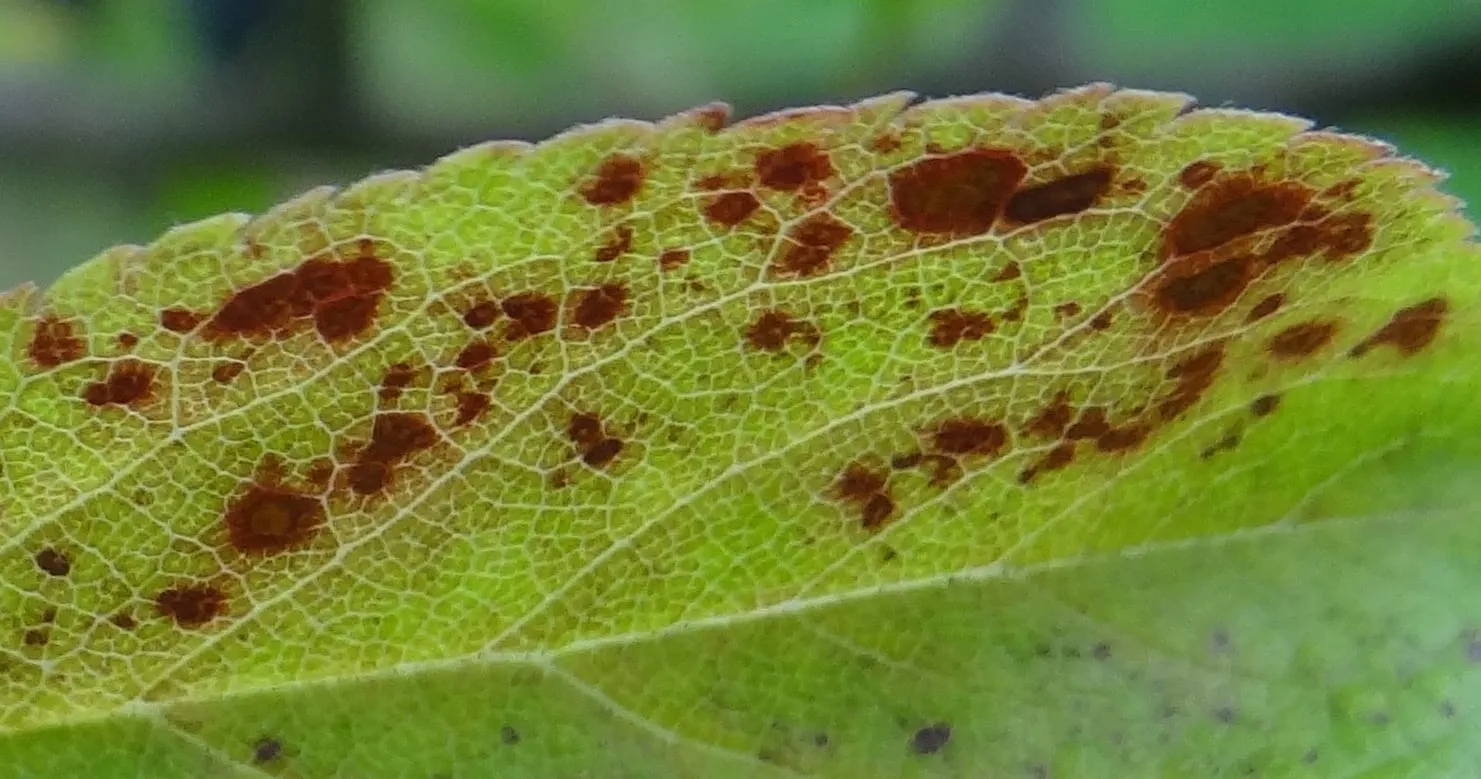
Xanthomonas arboricola pv. pruni
Bacterial disease causing leaf spots and fruit blemishes, severe in warm humid regions.
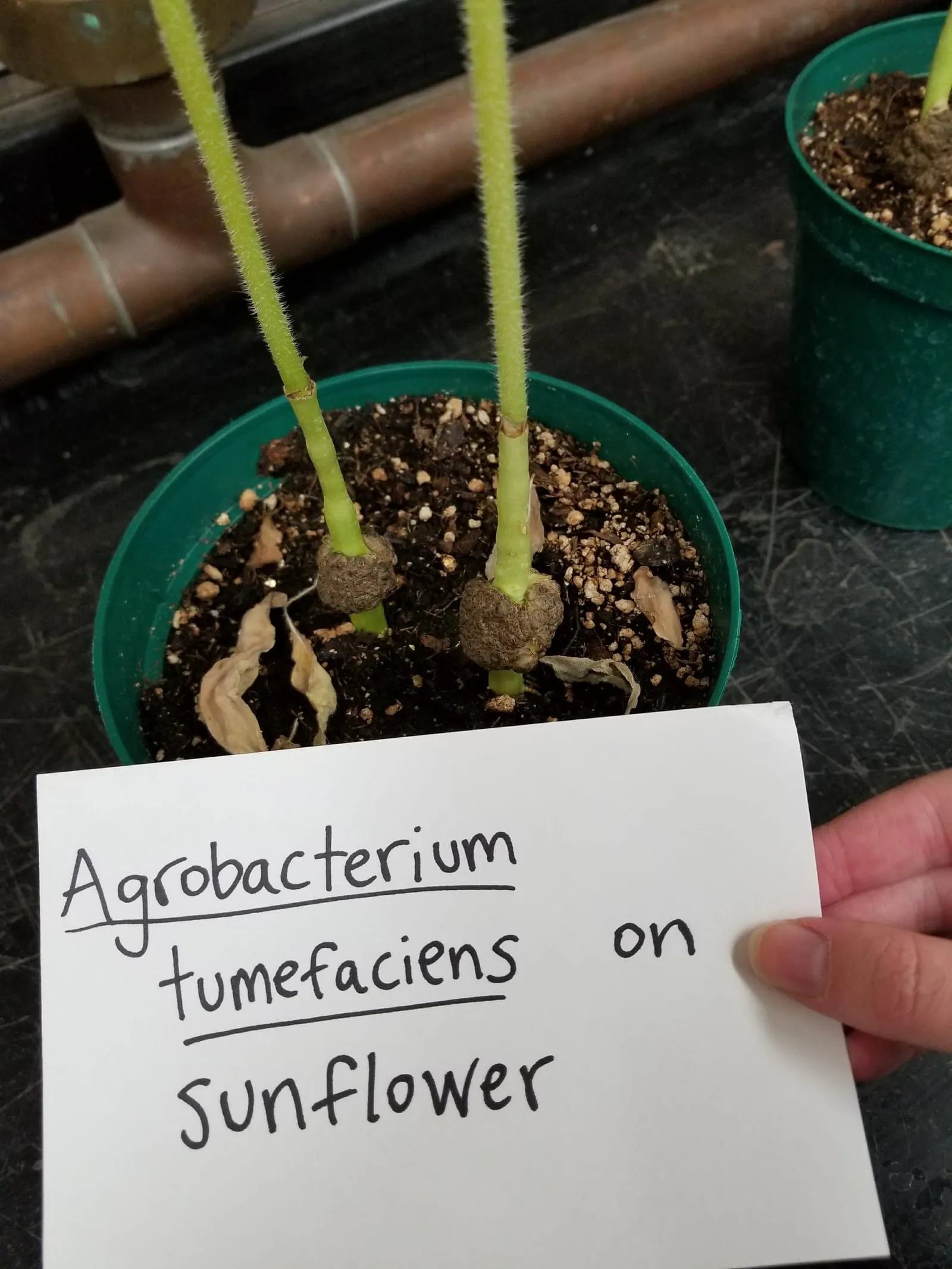
Agrobacterium tumefaciens
Soil-borne bacterium that enters plants through wounds and induces tumor-like galls on roots, crown, and lower stems. Galls reduce vigor and shorten plant lifespan; on Rubus the disease is often fatal.
Modified care for zone 7b
Peaches in zone 7b face heavier disease pressure than trees grown in drier climates. Brown rot is the primary threat, requiring a fungicide program timed to petal fall and repeated through harvest. Bacterial spot builds in warm, wet springs and reduces both fruit quality and tree vigor over time. Peach leaf curl is straightforward to control with a single dormant copper spray before bud swell, but the timing is narrow. Japanese beetles arrive in July and defoliate stressed trees rapidly; brown marmorated stink bug causes direct fruit damage through late summer. Aggressive fruit thinning to 6 to 8 inches between fruitlets reduces canopy humidity and cuts brown rot entry points significantly. Maintaining an open-center canopy through annual pruning is the primary structural defense against late-season disease pressure in the humid Southeast, not an optional refinement.
Frequently asked questions
- Are peaches a good fit for zone 7b?
Yes. Zone 7b provides reliable winter chilling within the peach's 600 to 900 hour requirement and a 220-day growing season long enough for most varieties to ripen fully. The main challenge is spring frost timing, since peaches bloom in mid-to-late March before the last frost has typically cleared.
- Which peach varieties perform best in zone 7b?
Contender and Redhaven are both well-suited to zone 7b conditions. Contender was developed for southeastern growing conditions and shows reasonable resilience to late-spring freeze events. Redhaven is a broadly adapted mid-season variety with consistent performance across the zone.
- What is the biggest disease risk for peaches in zone 7b?
Brown rot is the dominant concern, particularly through harvest in late summer when heat and humidity are highest. Bacterial spot and peach leaf curl also require attention. A timed fungicide program beginning at petal fall is standard practice for zone 7b peach growers.
- When do peaches ripen in zone 7b?
Redhaven typically ripens mid-July through early August. Contender follows in late August. Exact timing varies by year depending on bloom date and heat accumulation through the summer.
+−
+−
+−
+−
Peach in adjacent zones
Image: "Peach flowers 2020 G1", by George Chernilevsky, via Wikimedia Commons, licensed under CC-BY Source.

Related