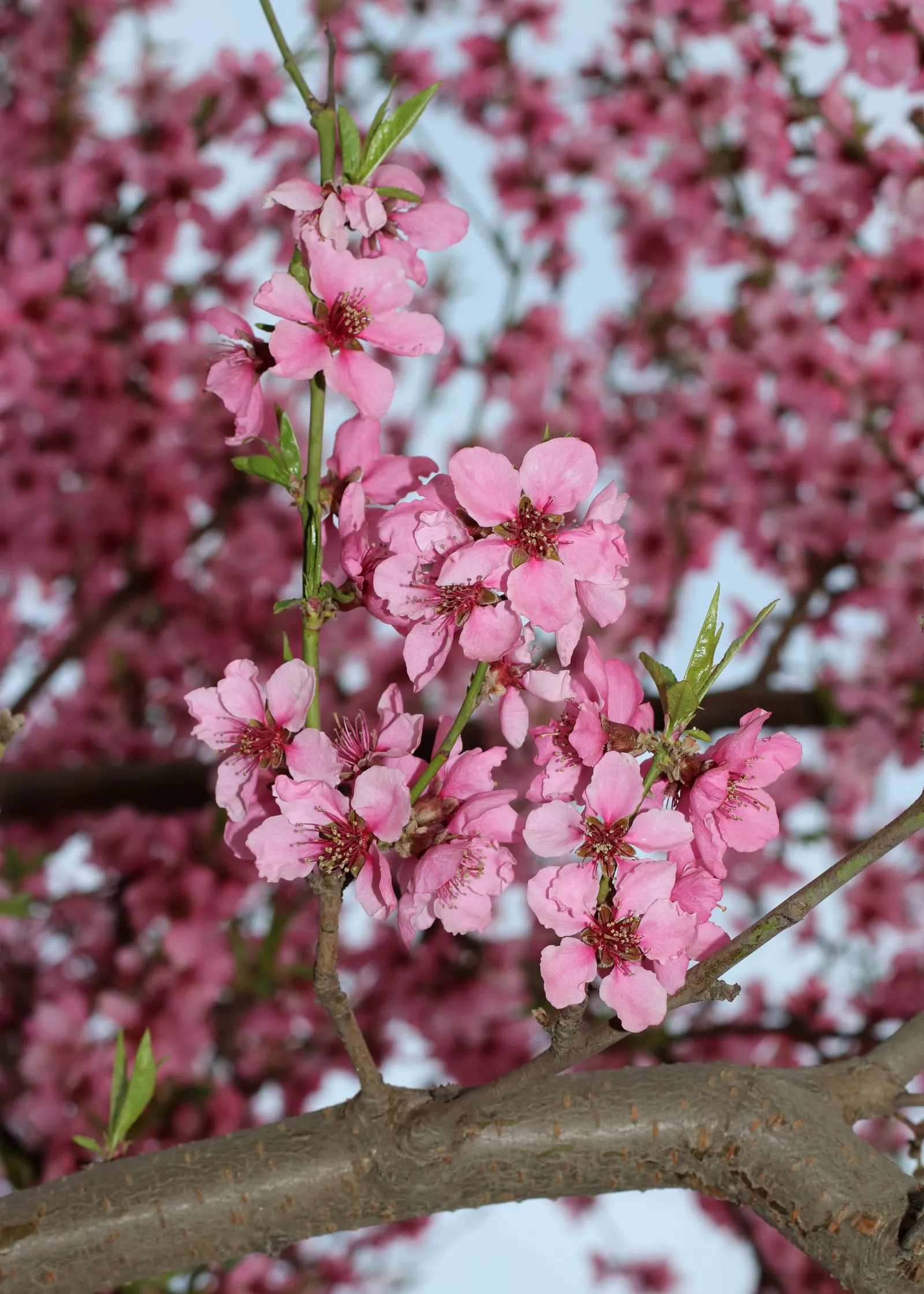
fruit tree
Peach
Prunus persica
USDA hardiness range
- Zones
- 5a–9a
- Chill hours
- 600 to 900 below 45°F
- Days to harvest
- 90 to 150
- Sun
- Full
- Water
- Moderate
- Lifespan
- 12 to 20 years
Growing peach
Peaches are the highest-return fruit crop for the time invested, and they fail more often than apples in home plantings because home growers underestimate disease pressure. A peach tree that hits its stride produces 100 to 200 pounds of fruit in years 4 through 8 of its 12 to 20-year life, but reaching that stride requires variety selection, chill-hour matching, and aggressive brown-rot management.
The geographic sweet spot is zones 6a through 8a. Zone 5 growers can succeed with cold-hardy late-blooming cultivars (Reliance, Contender). Zone 9 growers need low-chill cultivars (Florida King, Tropic Beauty). The middle of the range is forgiving; the edges punish poor cultivar choice.
Recommended varieties
See all 5 →5 cultivars for home growers, with notes on flavor, ripening, and disease resistance.
| Variety | Notes | Zone fit | Disease resistance |
|---|---|---|---|
| Reliance | Sweet, juicy, freestone yellow flesh with classic peach flavor; good fresh, excellent canning and freezing. Cold-hardy and reliable in zone 5 where most peaches fail. | | none noted |
| Contender | Sweet, balanced flavor, freestone, firm yellow flesh; fresh, canning, freezing. Late-blooming so it dodges spring frost. Bacterial-spot resistant. | |
|
| Redhaven | Sweet, juicy, firm, freestone yellow flesh; the industry standard with classic peach flavor. Eats fresh, cans well, freezes well. Most widely planted peach in the US. | | none noted |
| Madison | Sweet, rich flavor, freestone; cold-hardy and resistant to spring frost. Excellent fresh and for canning. Late-blooming. | | none noted |
| Florida King | Sweet, firm, semi-freestone; bred for warm climates with low chill needs. Fresh eating; ripens very early in season. | | none noted |
Soil and site requirements
Peach trees demand well-drained soil. Heavy clay, poorly drained sites, or low spots produce trees that develop crown rot and die in 5 to 8 years. If your soil drains poorly, plant on a 12-inch mound and select a rootstock with wet-soil tolerance (Lovell, Krymsk 86).
Soil pH should be 6.0 to 7.0. Sun exposure must be full; six hours minimum, eight or more is better. Spacing for standard rootstock is 18 to 22 feet; semi-dwarf on Citation is 12 to 15 feet. Avoid frost pockets at the base of slopes; peach blossoms are vulnerable to spring frost.
Common diseases
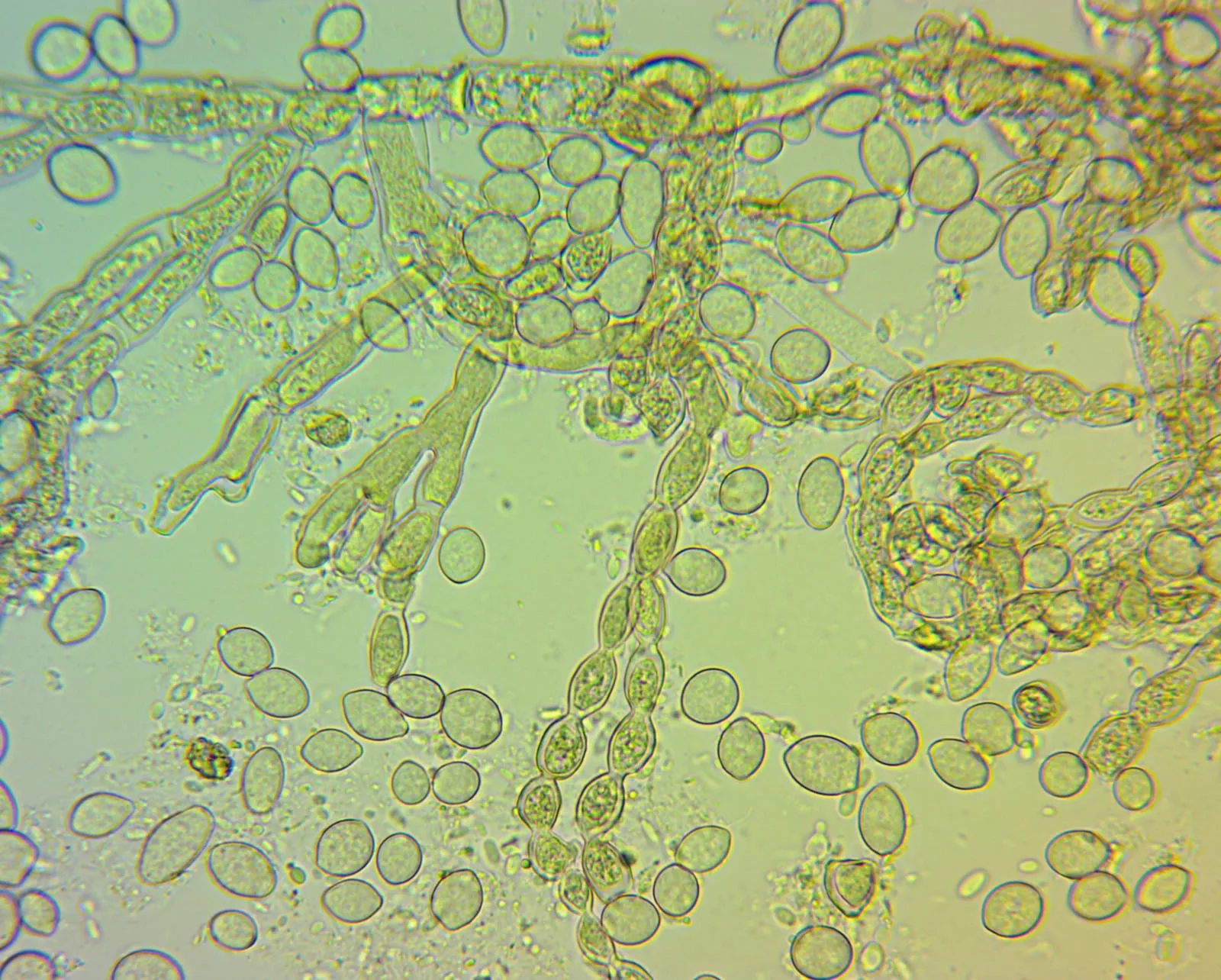
Monilinia fructicola
The most damaging stone-fruit and almond disease, causing blossom blight and fruit rot.
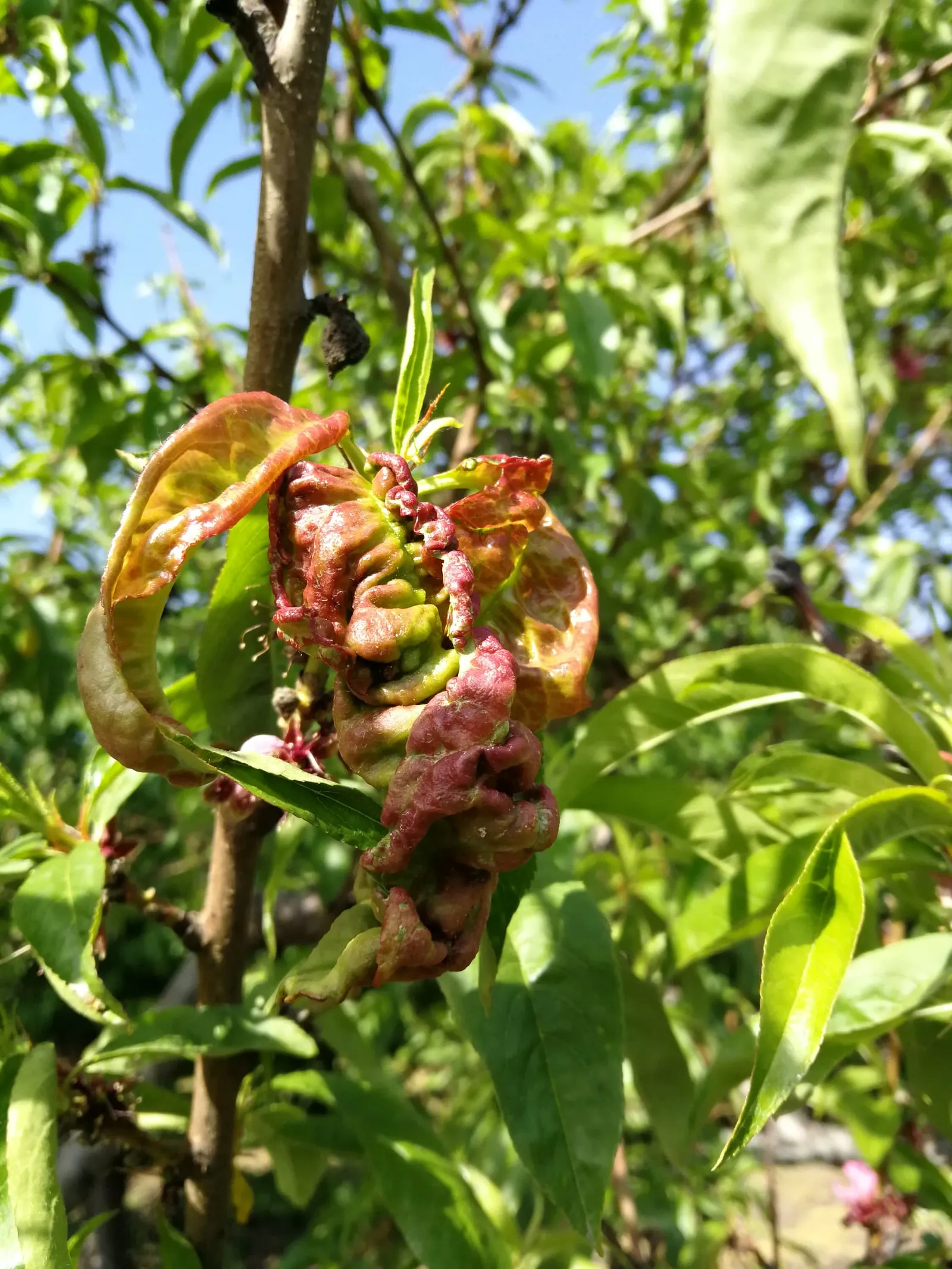
Taphrina deformans
Distinctive springtime disease causing red, puckered leaves. Manageable with one well-timed dormant spray.
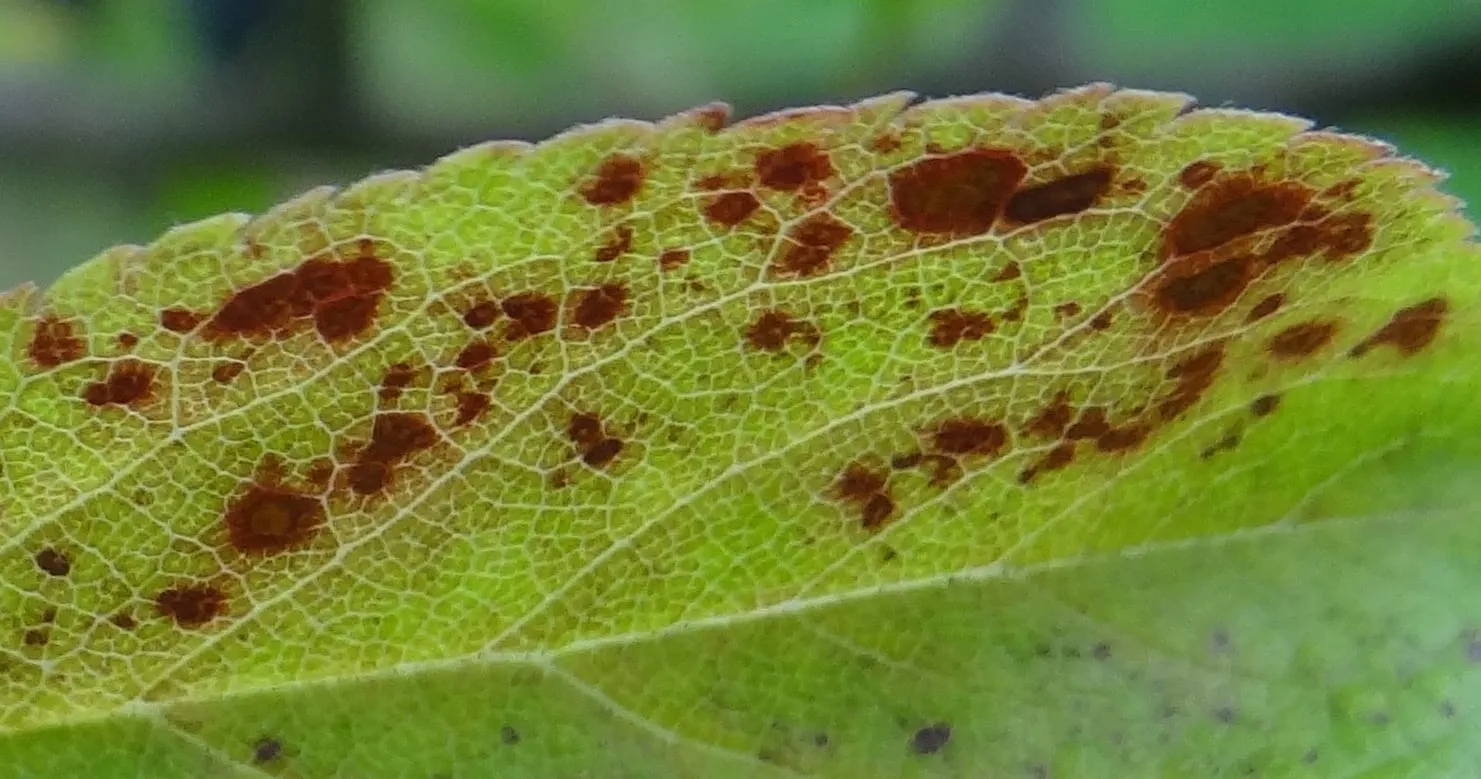
Xanthomonas arboricola pv. pruni
Bacterial disease causing leaf spots and fruit blemishes, severe in warm humid regions.
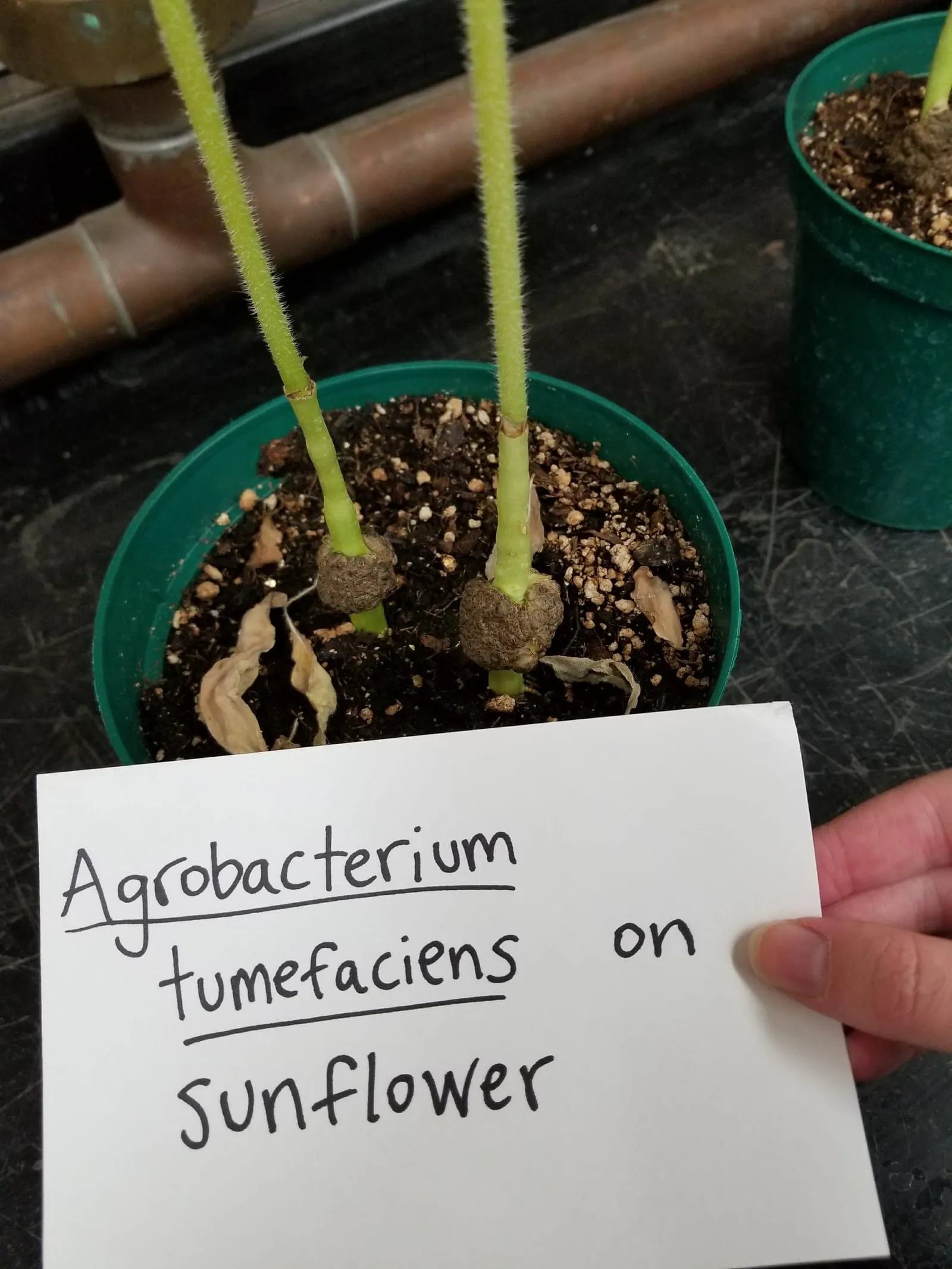
Agrobacterium tumefaciens
Soil-borne bacterium that enters plants through wounds and induces tumor-like galls on roots, crown, and lower stems. Galls reduce vigor and shorten plant lifespan; on Rubus the disease is often fatal.
Common pests
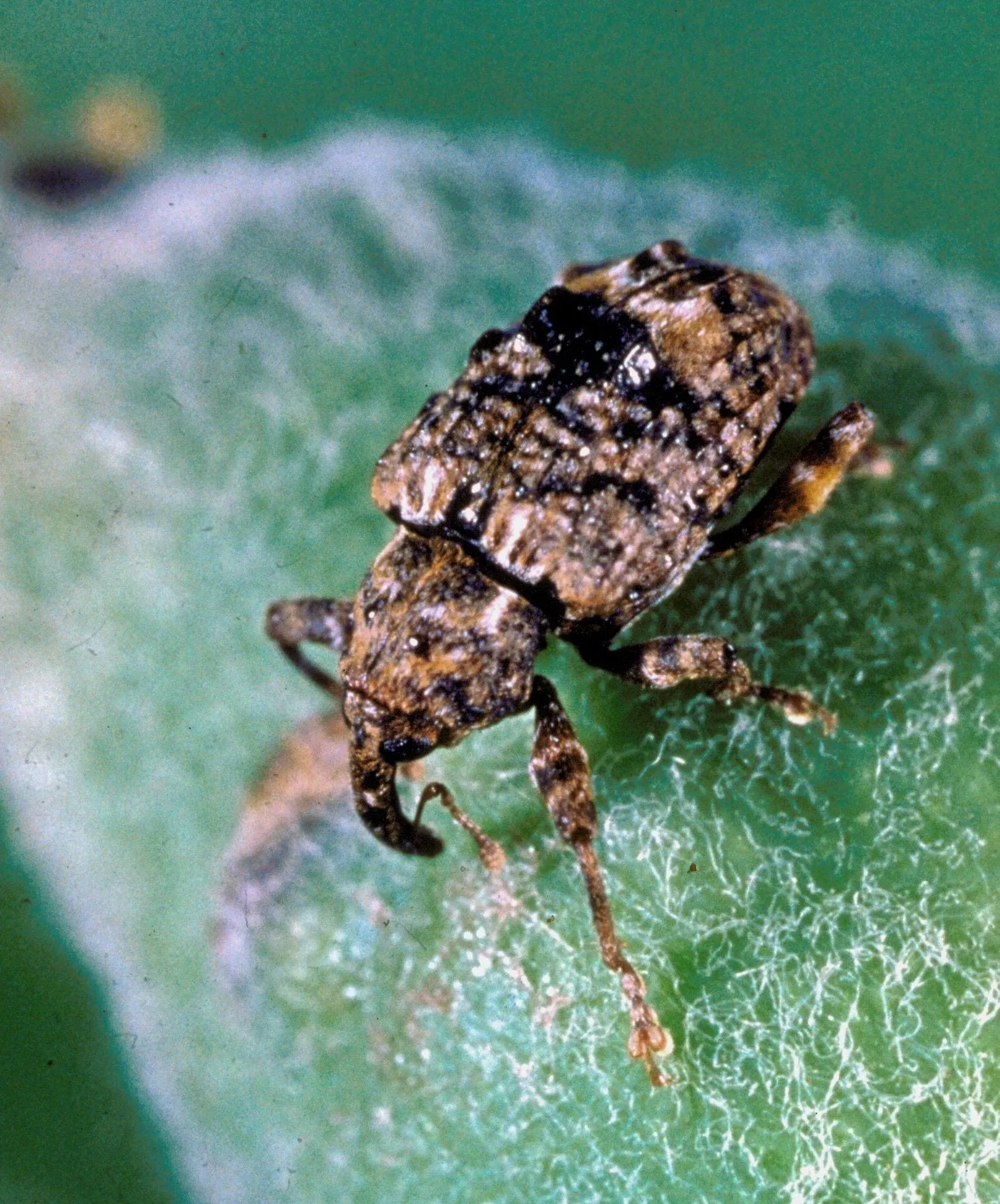
Conotrachelus nenuphar
Native weevil that lays eggs in young stone and pome fruit, causing characteristic crescent-shaped scars.
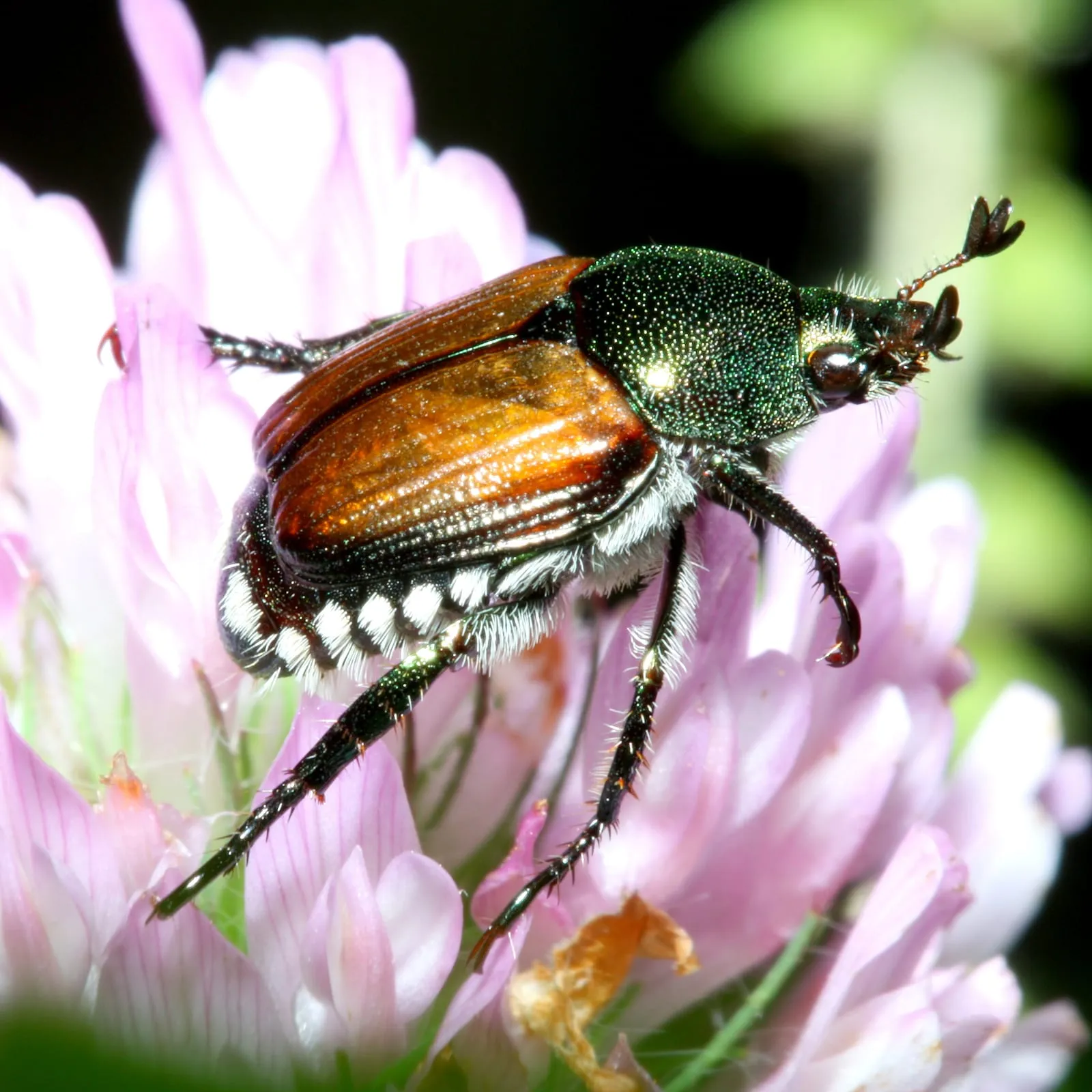
Popillia japonica
Defoliating beetle introduced to North America in 1916. Skeletonizes leaves of many fruit trees, berry canes, and pecan.
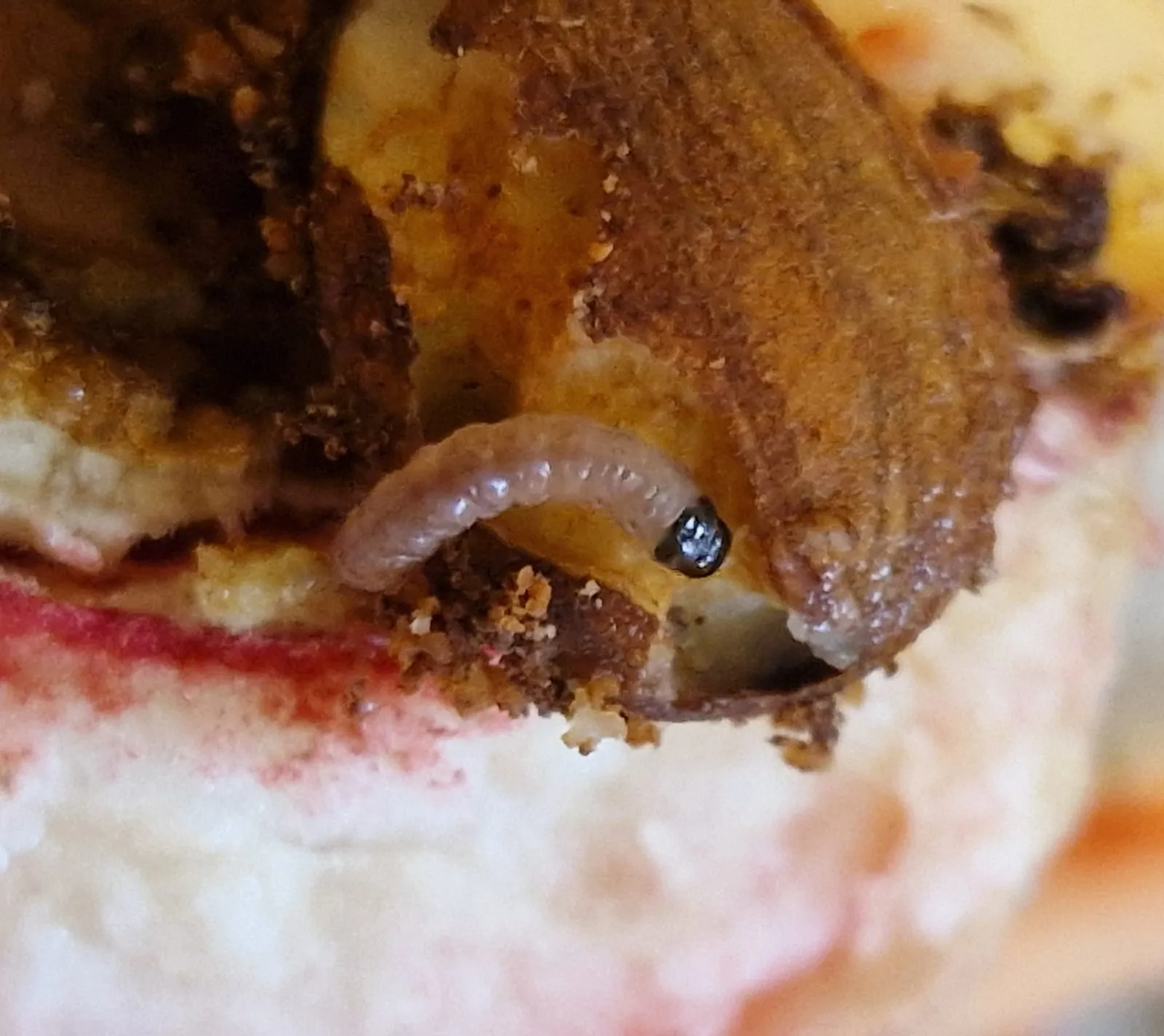
Grapholita molesta
Stone-fruit pest whose larvae tunnel into shoot tips and later into fruit.
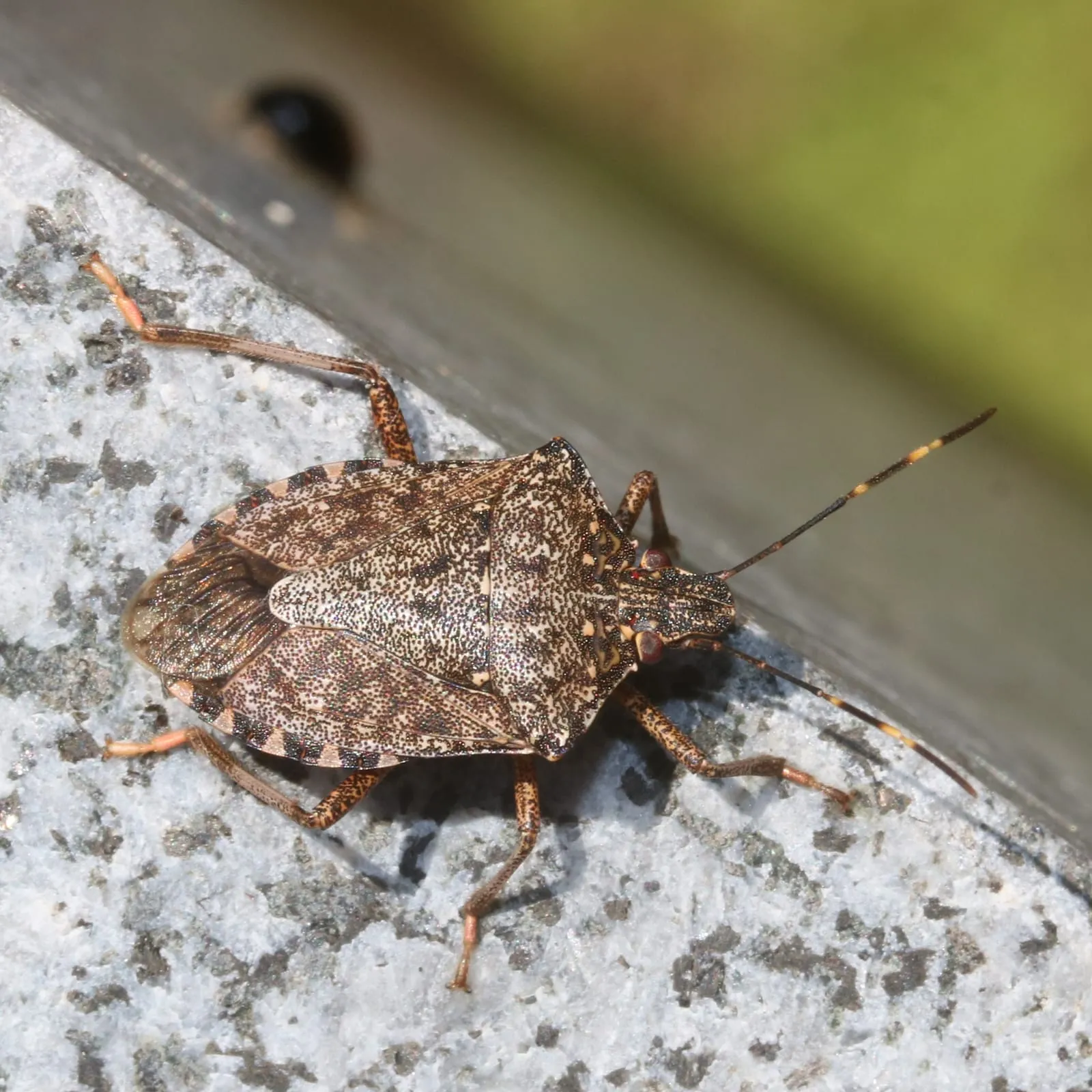
Halyomorpha halys
Invasive stink bug from Asia that pierces fruit, causing corky tissue and surface dimpling.
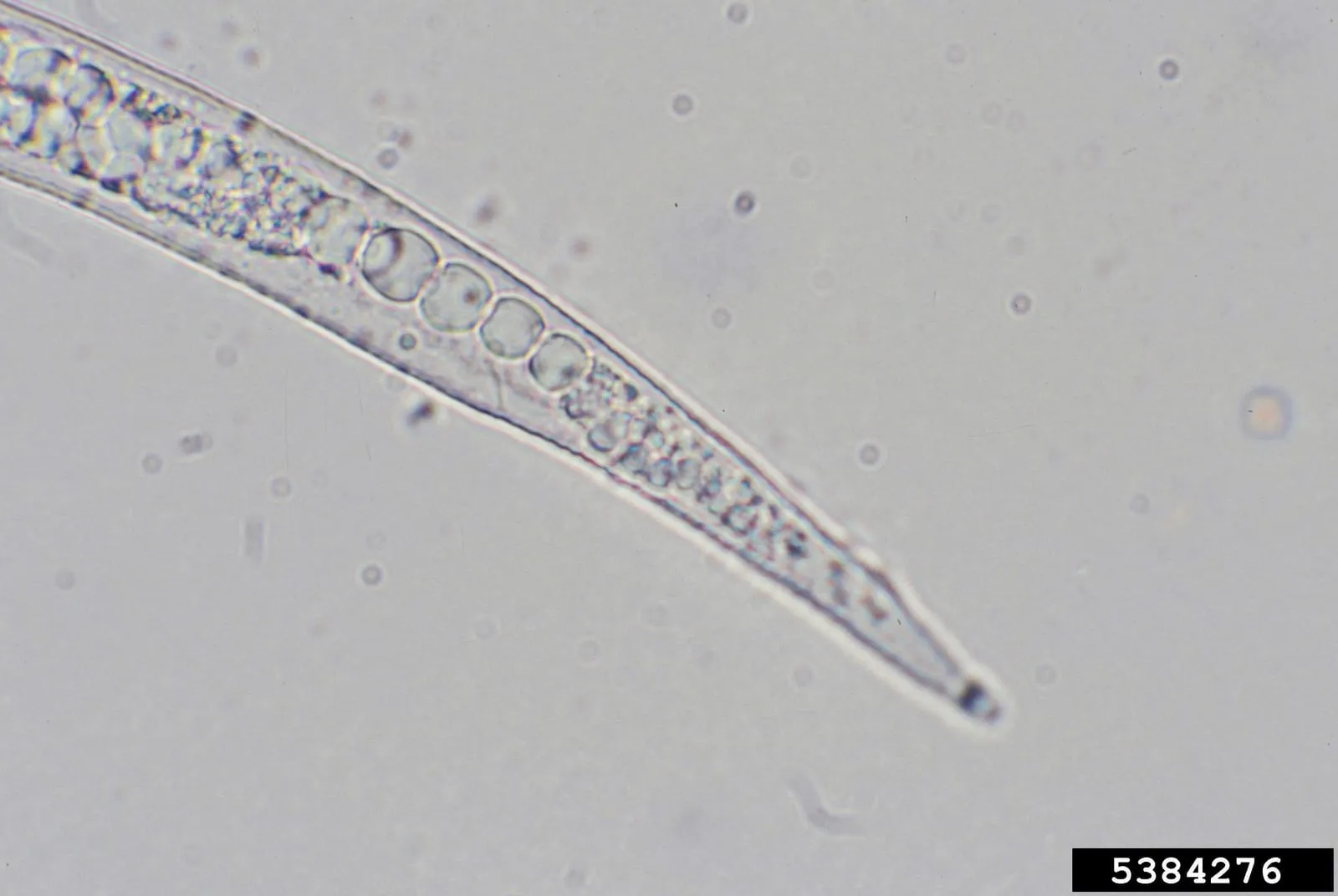
Meloidogyne species
Microscopic soil-dwelling worm that forms galls on roots, reducing vigor and yield.
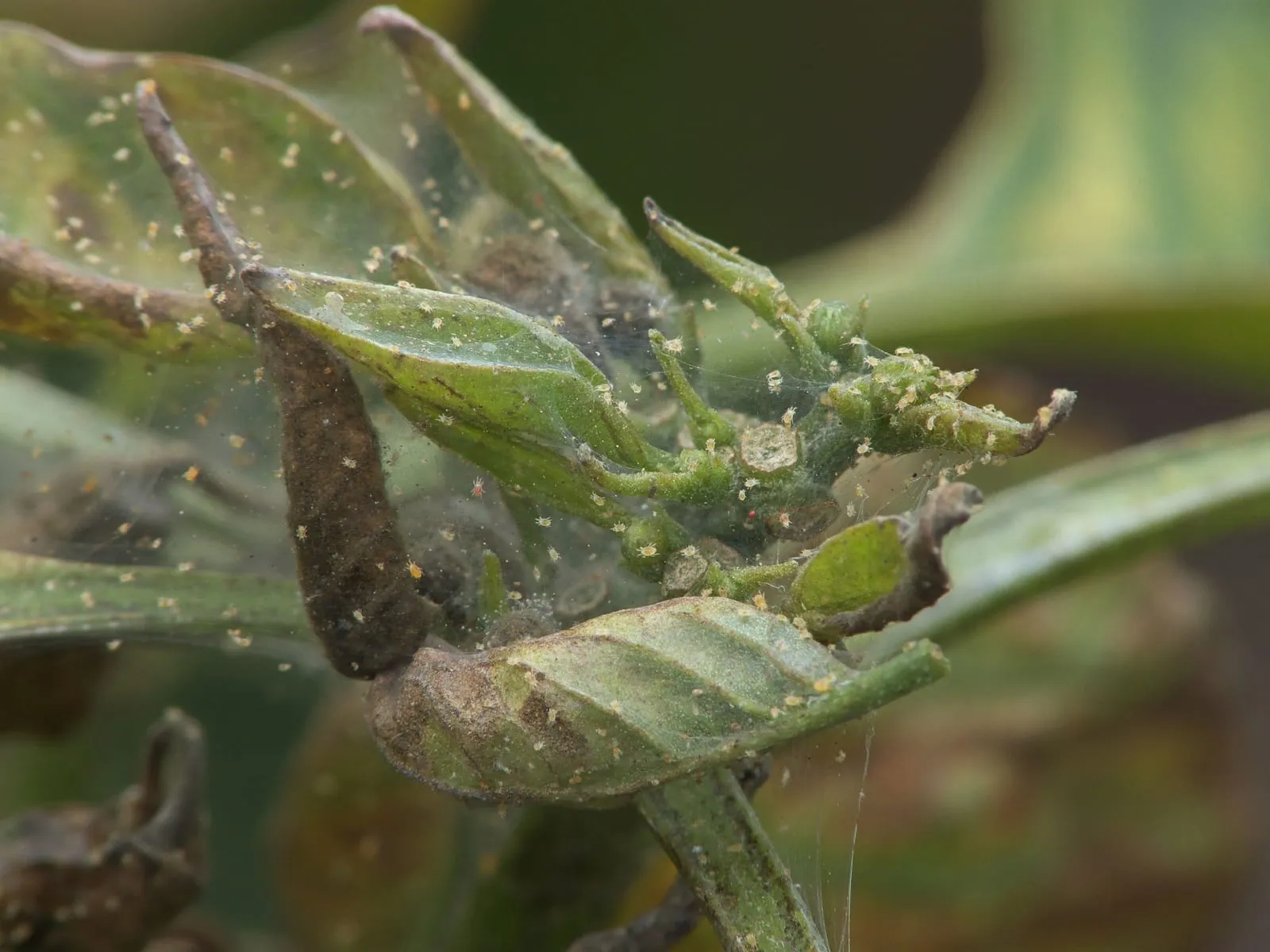
Tetranychus urticae
Tiny mite that feeds on leaf undersides, causing stippling and webbing during hot dry weather.
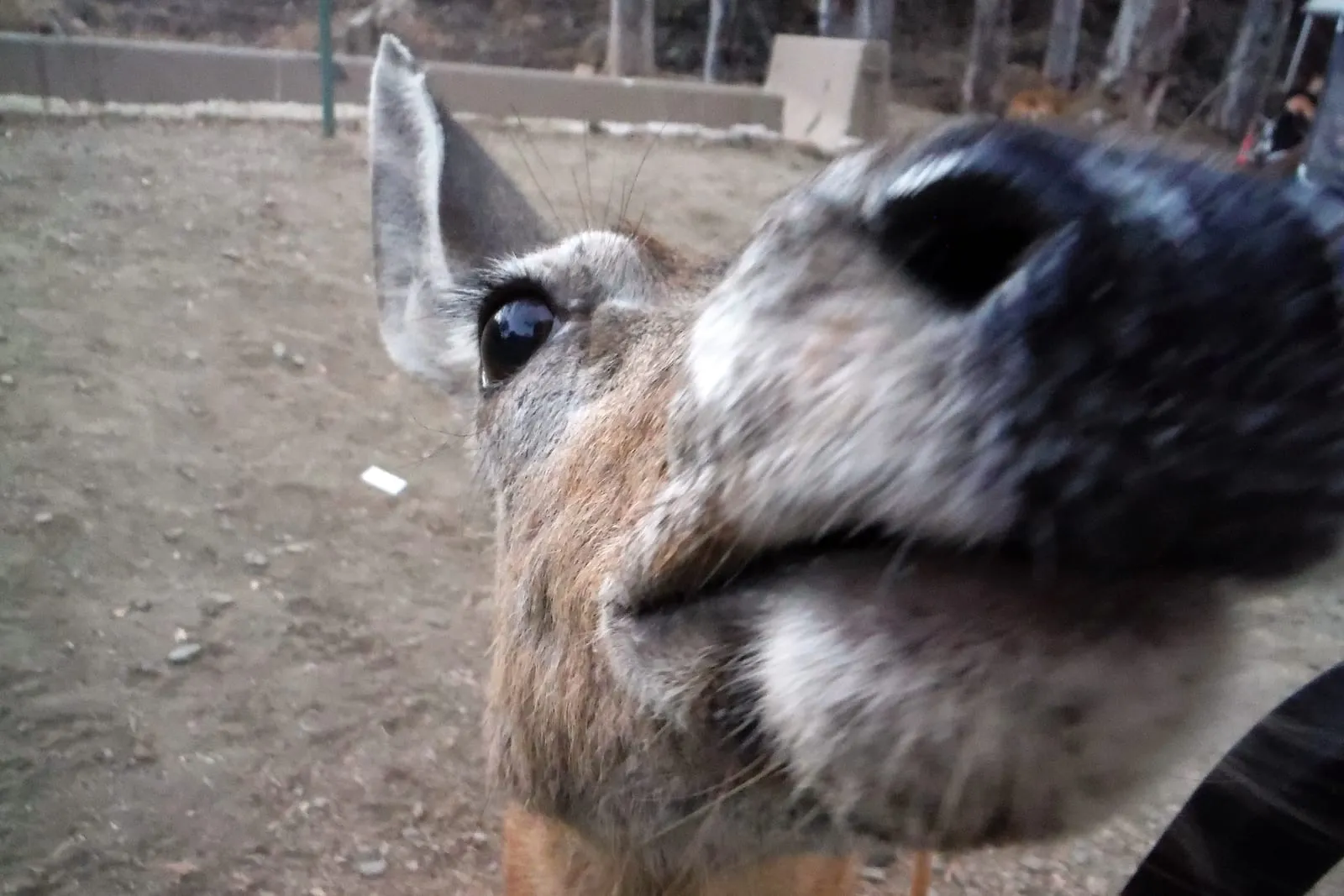
Odocoileus species
Whitetail and mule deer browse can devastate orchards and gardens, particularly in winter when food is scarce. Antler rub on young trunks kills saplings outright.
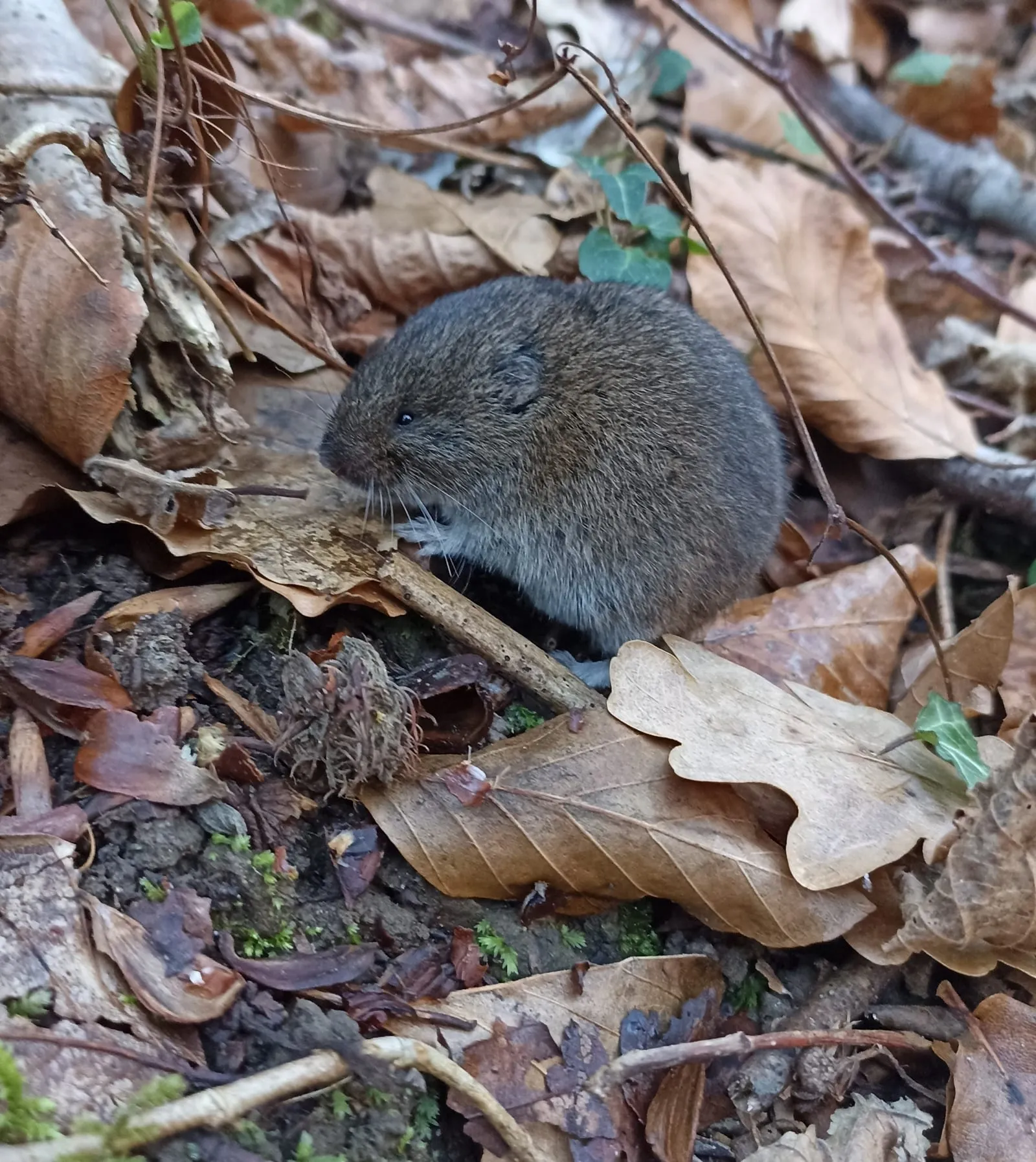
Microtus species
Field voles and meadow voles girdle young fruit-tree trunks under snow cover during winter and chew root crops. The leading cause of mysterious orchard losses.
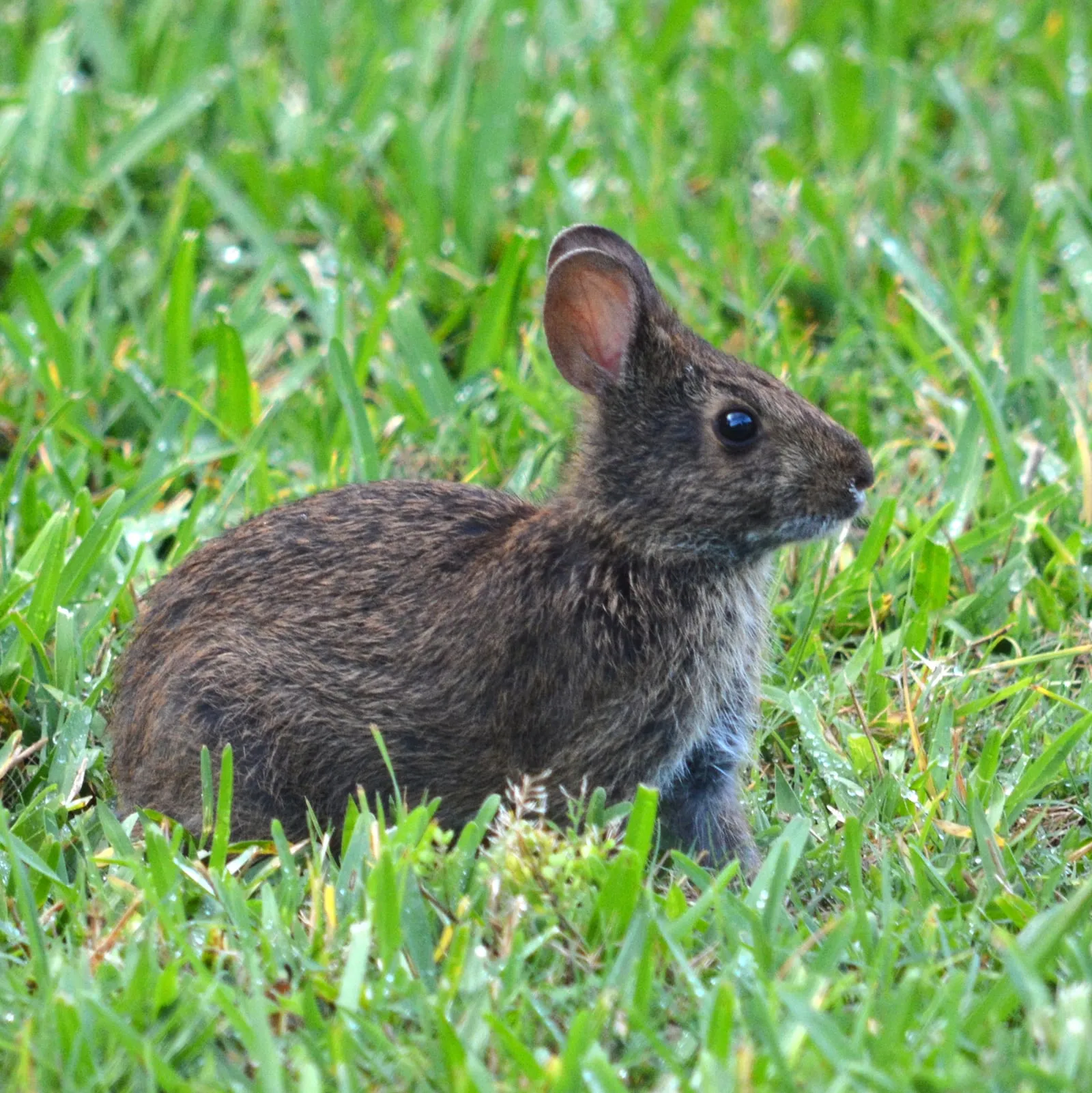
Sylvilagus and Lepus species
Cottontails and jackrabbits strip bark from young fruit trees in winter and graze tender garden vegetables year-round, especially seedlings.
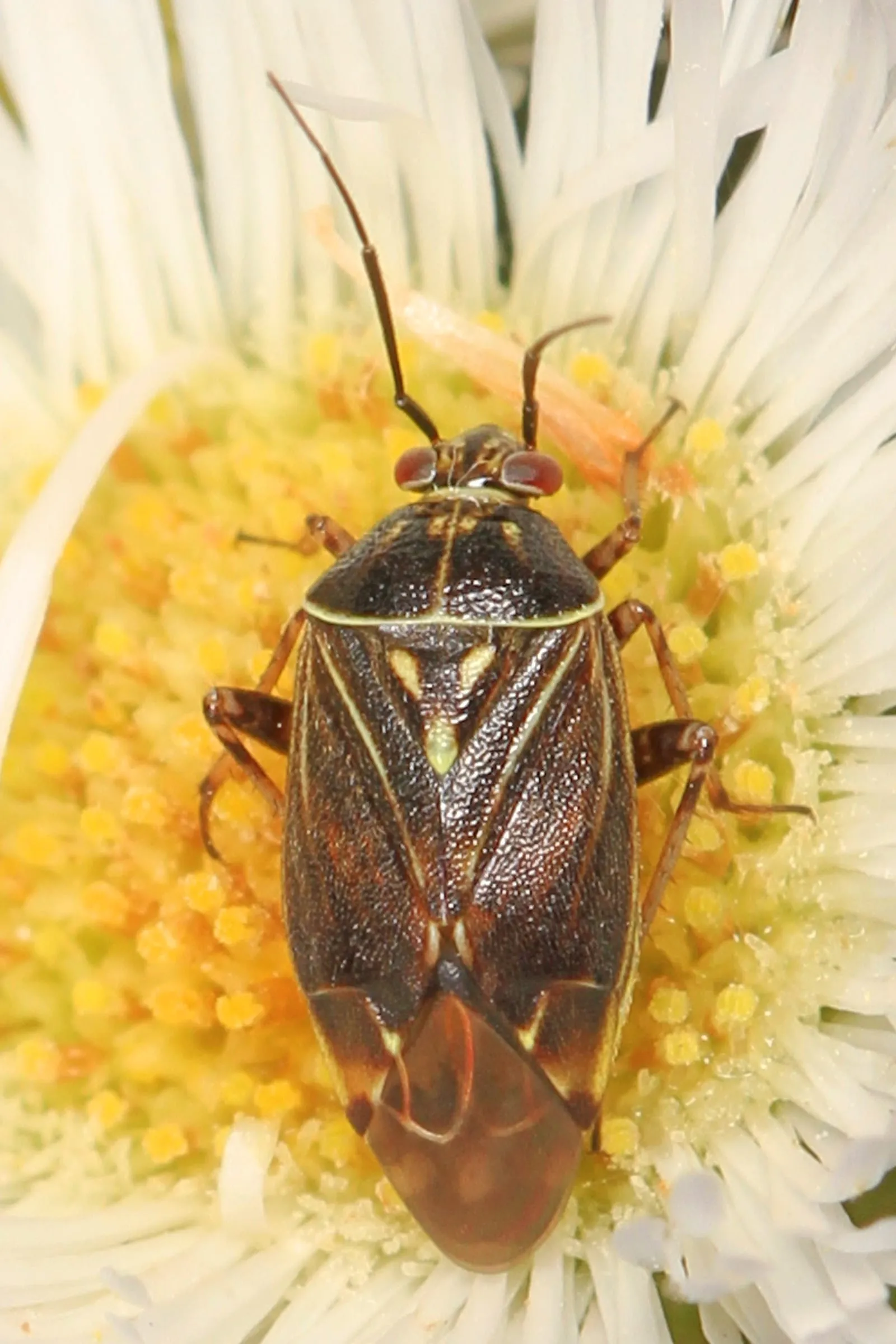
Lygus lineolaris
Mottled brown sucking bug that probes flower buds and developing fruit, causing 'cat-facing' deformities on tomato, peach, and strawberry. Wide host range and rapid generations.
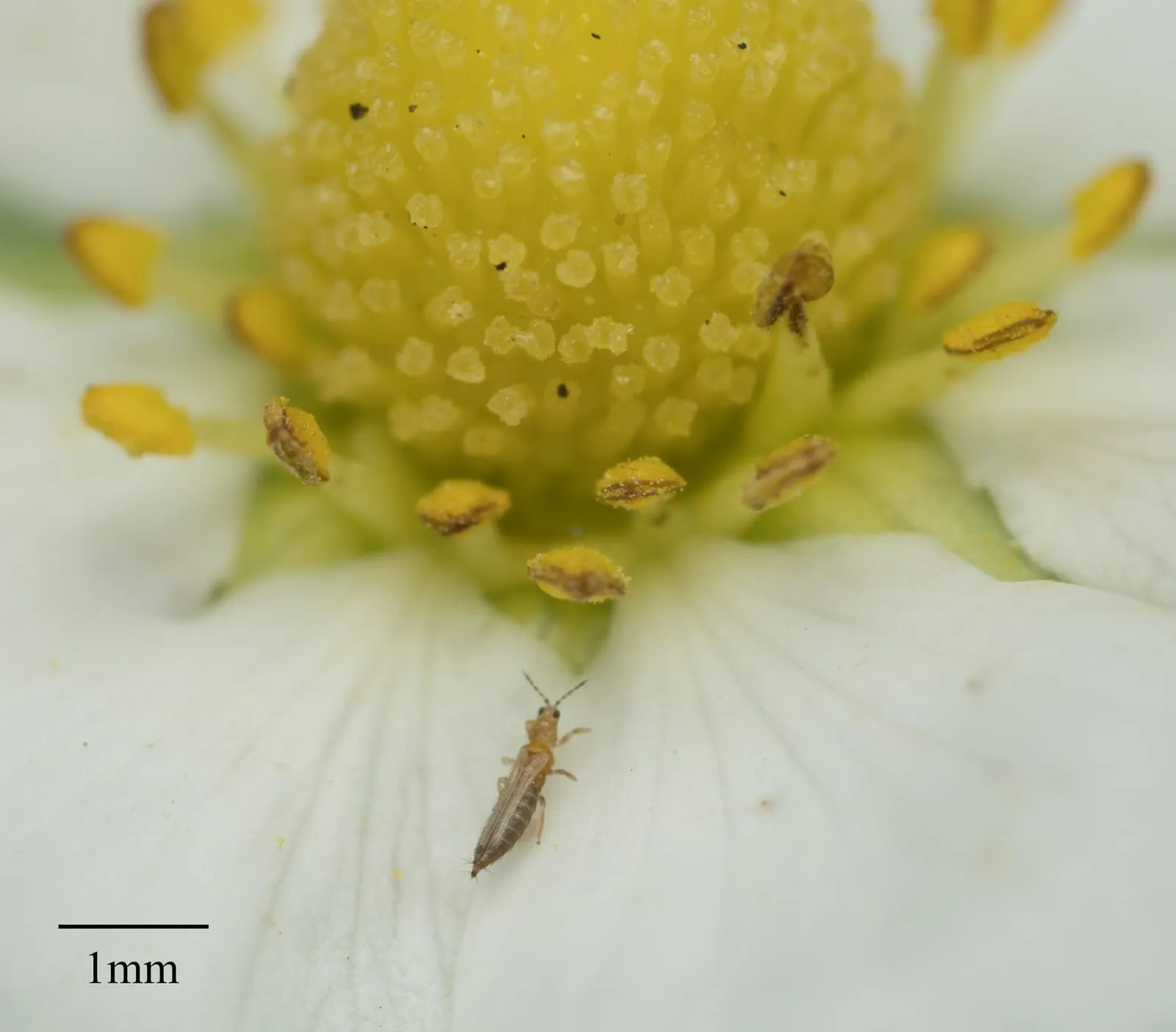
Frankliniella occidentalis
Tiny slender insect that rasps leaf and flower surfaces. The primary vector for Tomato Spotted Wilt Virus and Iris Yellow Spot Virus, which makes it more damaging through disease transmission than direct feeding.
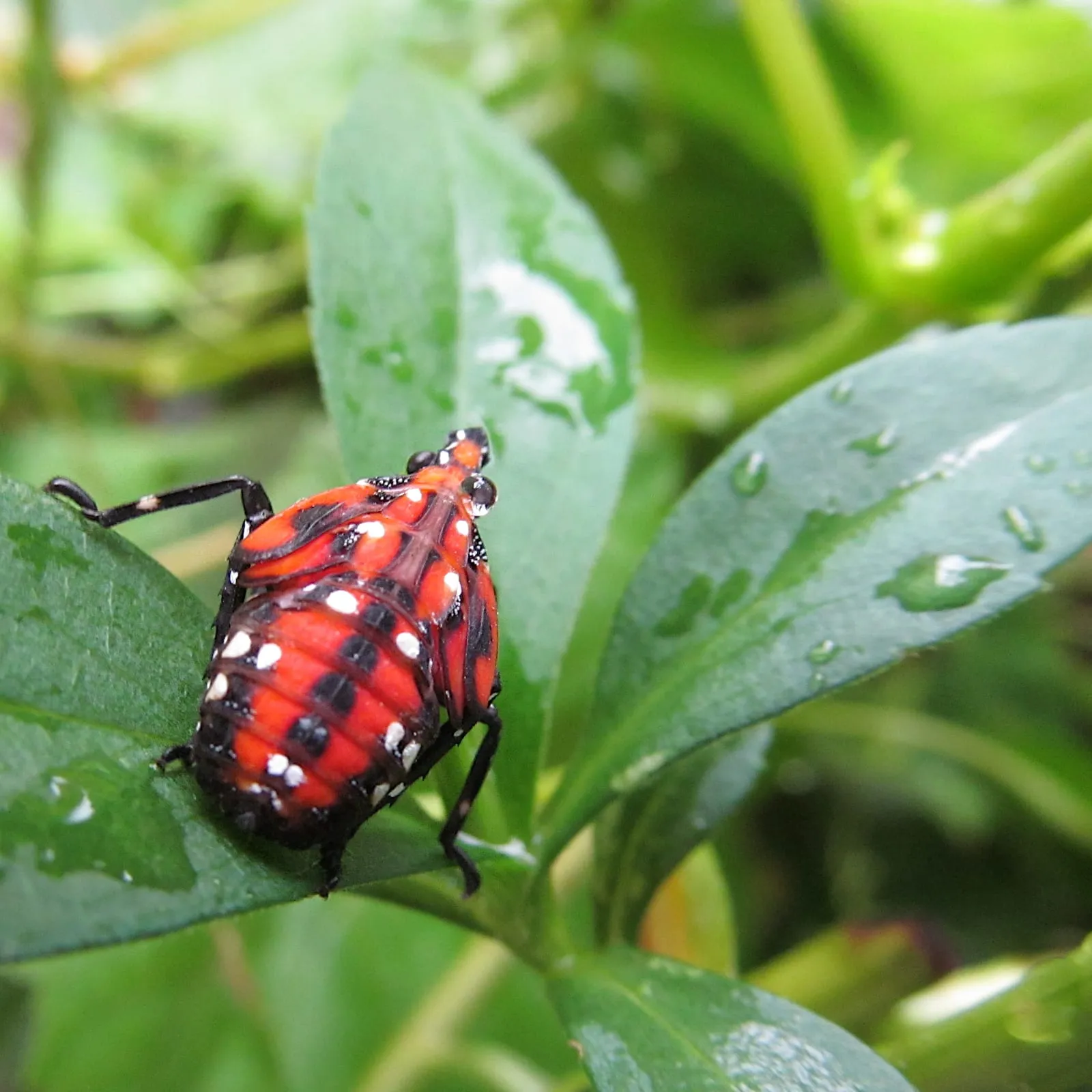
Lycorma delicatula
Invasive planthopper from Asia first detected in Pennsylvania 2014, now spreading through the Eastern US. Direct feeding weakens trees; honeydew supports sooty mold and reduces fruit quality.
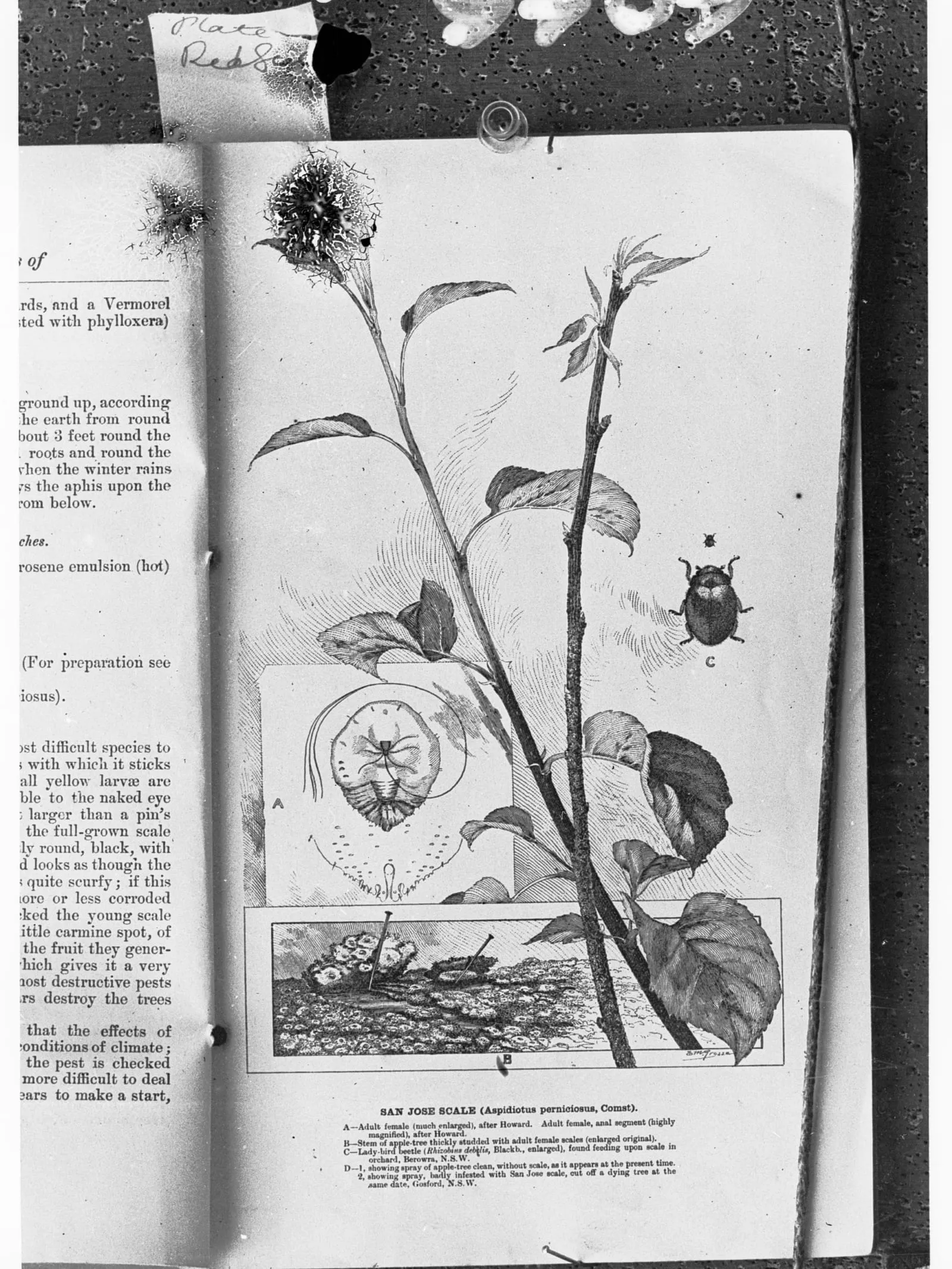
Quadraspidiotus perniciosus
Tiny armored scale insect that encrusts bark, branches, and fruit. Heavy infestations weaken trees and produce red haloed spots on fruit at harvest. Persistent year-over-year if not controlled.
Common challenges
Brown rot is the number-one peach killer in humid climates. The fungus infects blossoms, fruit, and twigs. A single fungicide application at bloom plus another two weeks before harvest is the minimum effective program. Sanitation matters more: every mummified fruit left on the tree or ground is next year's spore source.
Peach leaf curl is the second issue. One well-timed copper spray in late winter, before bud swell, prevents the entire season's leaf curl. Miss the window and there's nothing to do but wait until next year.
Third, plum curculio and oriental fruit moth attack the fruit. Pheromone trap monitoring plus kaolin clay (Surround) at petal fall handles most pressure with minimal toxicity.
Grafting and rootstocks
Companion plants
Frequently asked questions
- How many chill hours do peaches need?
Most peach varieties need 600 to 900 chill hours. Low-chill varieties like Florida King, Tropic Beauty, and Earligrande need 200 to 400 hours and are suitable for zones 8 and 9.
- When does a peach tree produce fruit?
Light crop in year 3, full production by year 4 or 5. Standard rootstocks bear earlier than apple, but the trees are also shorter-lived (12 to 20 years versus 30 to 50 for apple).
- Do peach trees need a pollinator?
Most peach varieties are self-fertile, including Redhaven, Contender, and Reliance. A single tree will produce fruit. Some cultivars set heavier crops with a pollinator nearby.
- What's the most cold-hardy peach variety?
Reliance is the standard cold-hardy peach for zone 5. Contender and Madison are also reliable. All three are late-blooming, which protects flowers from spring frost.
- How do I control peach leaf curl?
One copper spray in late winter, before bud swell, prevents the entire season's leaf curl. The treatment is fully effective; miss the window and there's nothing to do until next year.
- Can I grow peaches in containers?
Genetic dwarf varieties (Bonanza, El Dorado) work in 15-gallon containers. They produce smaller crops than in-ground trees but are practical for patios and small spaces.
+−
+−
+−
+−
+−
+−
Sources
Image: "Peach flowers 2020 G1", by George Chernilevsky, via Wikimedia Commons, licensed under CC-BY. Source.

Peach by zone
Related