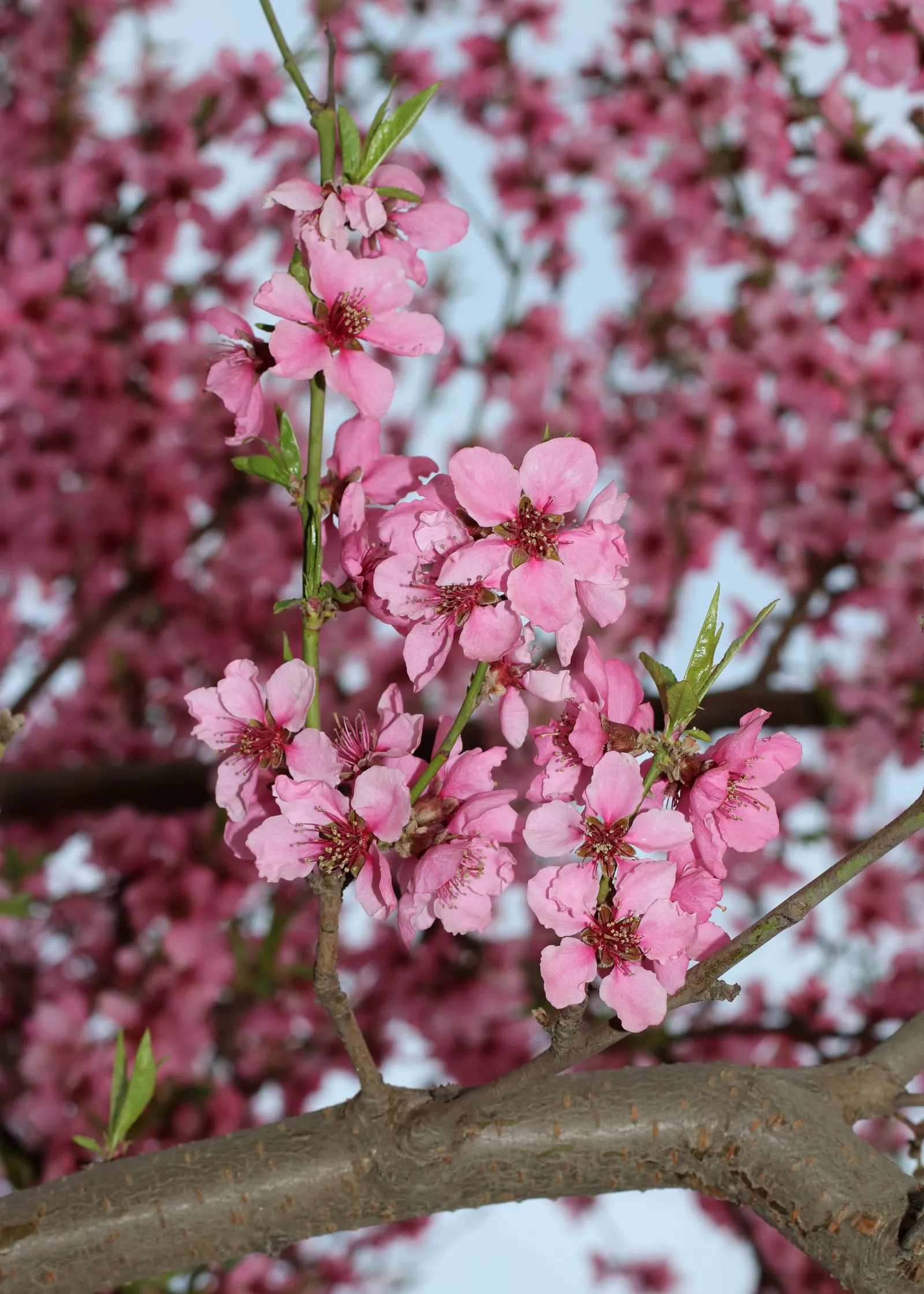
fruit tree in zone 6b
Growing peach in zone 6b
Prunus persica
- Zone
- 6b -5°F to 0°F
- Growing season
- 190 days
- Chill needed
- 600 to 900 below 45°F
- Suitable varieties
- 4
- Days to harvest
- 90 to 150
The verdict
Zone 6b sits comfortably within peach's preferred chill-hour range. Most peach varieties require 600 to 900 hours below 45°F, and zone 6b reliably delivers that across most winters. This is not a marginal zone for peaches; it is close to the center of the crop's productive range in the eastern and central US.
The more realistic concern is winter hardiness at the cold extreme. Zone 6b minimums of -5 to 0°F occur occasionally, and peach flower buds are more cold-sensitive than the trees themselves. A single hard freeze in late February, after budbreak begins, can eliminate a year's crop even when the tree survives. Varieties bred for cold hardiness, particularly Reliance and Contender, carry meaningfully better bud survival at those temperatures than standard commercial varieties. Redhaven and Madison offer a reasonable middle ground between hardiness and fruit quality.
Growers in zone 6b should expect good crops most years, with occasional complete bloom losses in years featuring late polar intrusions. Site selection on a slight slope or near a large water body improves cold air drainage and reduces that risk.
Recommended varieties for zone 6b
4 cultivars suited to this zone, with disease-resistance and zone-fit annotations.
| Variety | Notes | Zone fit | Disease resistance |
|---|---|---|---|
| Reliance fits zone 6b | Sweet, juicy, freestone yellow flesh with classic peach flavor; good fresh, excellent canning and freezing. Cold-hardy and reliable in zone 5 where most peaches fail. | | none noted |
| Contender fits zone 6b | Sweet, balanced flavor, freestone, firm yellow flesh; fresh, canning, freezing. Late-blooming so it dodges spring frost. Bacterial-spot resistant. | |
|
| Redhaven fits zone 6b | Sweet, juicy, firm, freestone yellow flesh; the industry standard with classic peach flavor. Eats fresh, cans well, freezes well. Most widely planted peach in the US. | | none noted |
| Madison fits zone 6b | Sweet, rich flavor, freestone; cold-hardy and resistant to spring frost. Excellent fresh and for canning. Late-blooming. | | none noted |
Critical timing for zone 6b
Peach trees in zone 6b typically begin blooming in late March to mid-April, depending on the specific location and the winter's temperature progression. Bloom is early relative to the zone's average last frost date, which ranges roughly from late April to early May across most of zone 6b. That overlap is the central risk: a frost event of 28°F or below during open bloom can kill flowers without damaging the tree.
Harvest timing varies by variety. Redhaven typically ripens in late July. Contender and Madison follow in August. Reliance, one of the hardiest options for this zone, also ripens mid-to-late August in most years.
The 190-day growing season in zone 6b is more than sufficient for all standard peach varieties to mature fruit fully.
Common challenges in zone 6b
- ▸ Cedar-apple rust
- ▸ Fire blight
- ▸ Stink bugs
Disease pressure to watch for
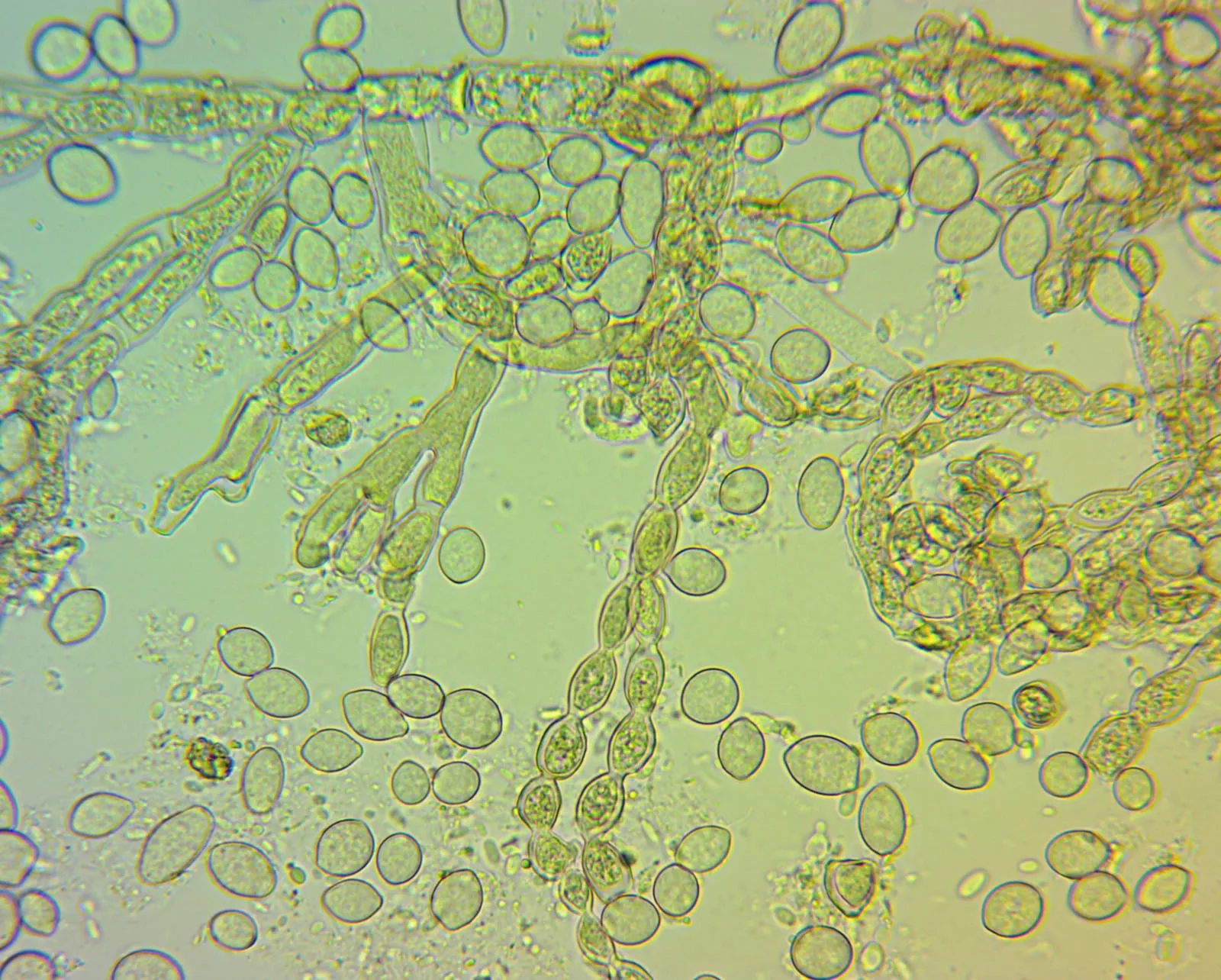
Monilinia fructicola
The most damaging stone-fruit and almond disease, causing blossom blight and fruit rot.
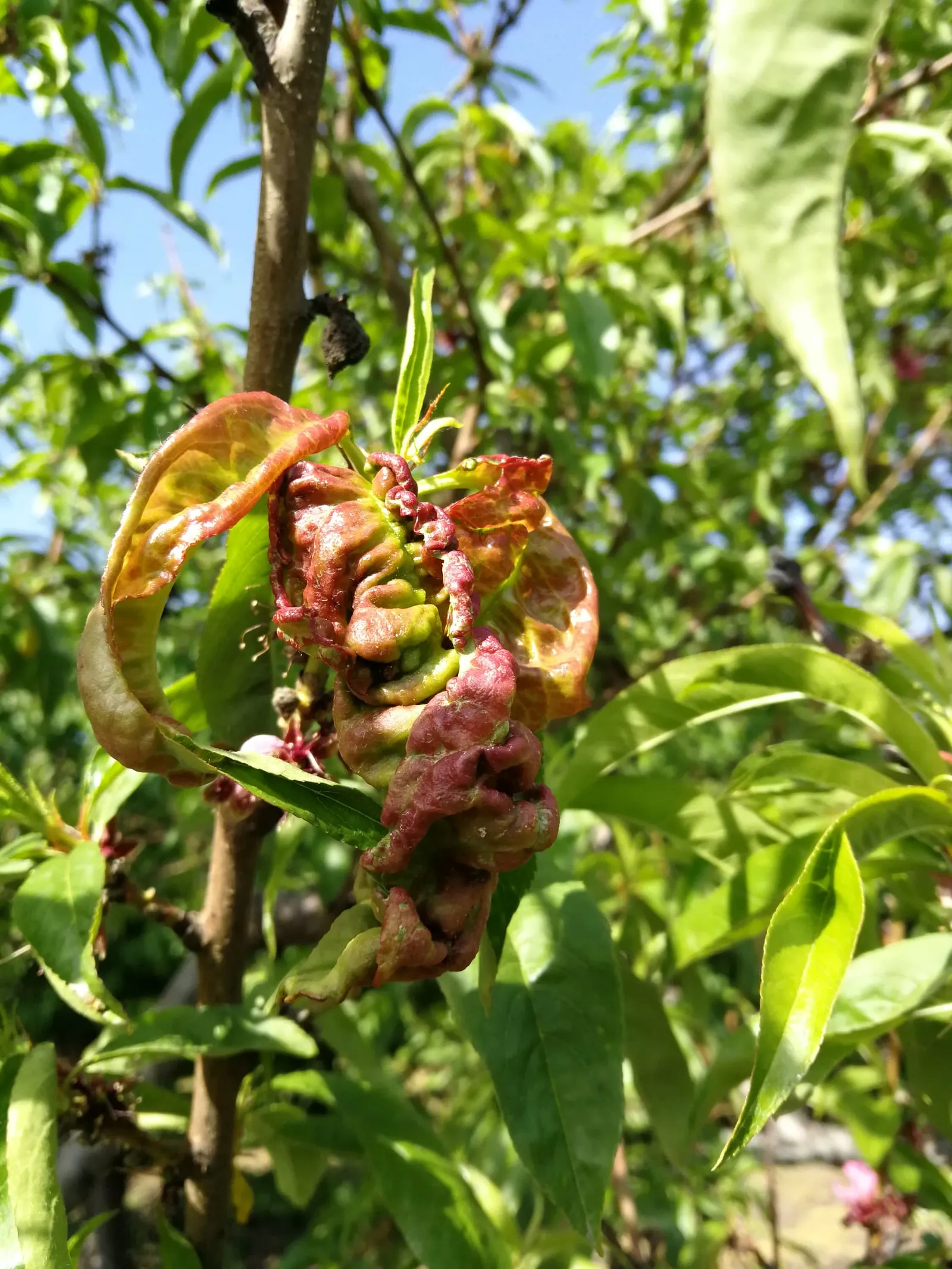
Taphrina deformans
Distinctive springtime disease causing red, puckered leaves. Manageable with one well-timed dormant spray.
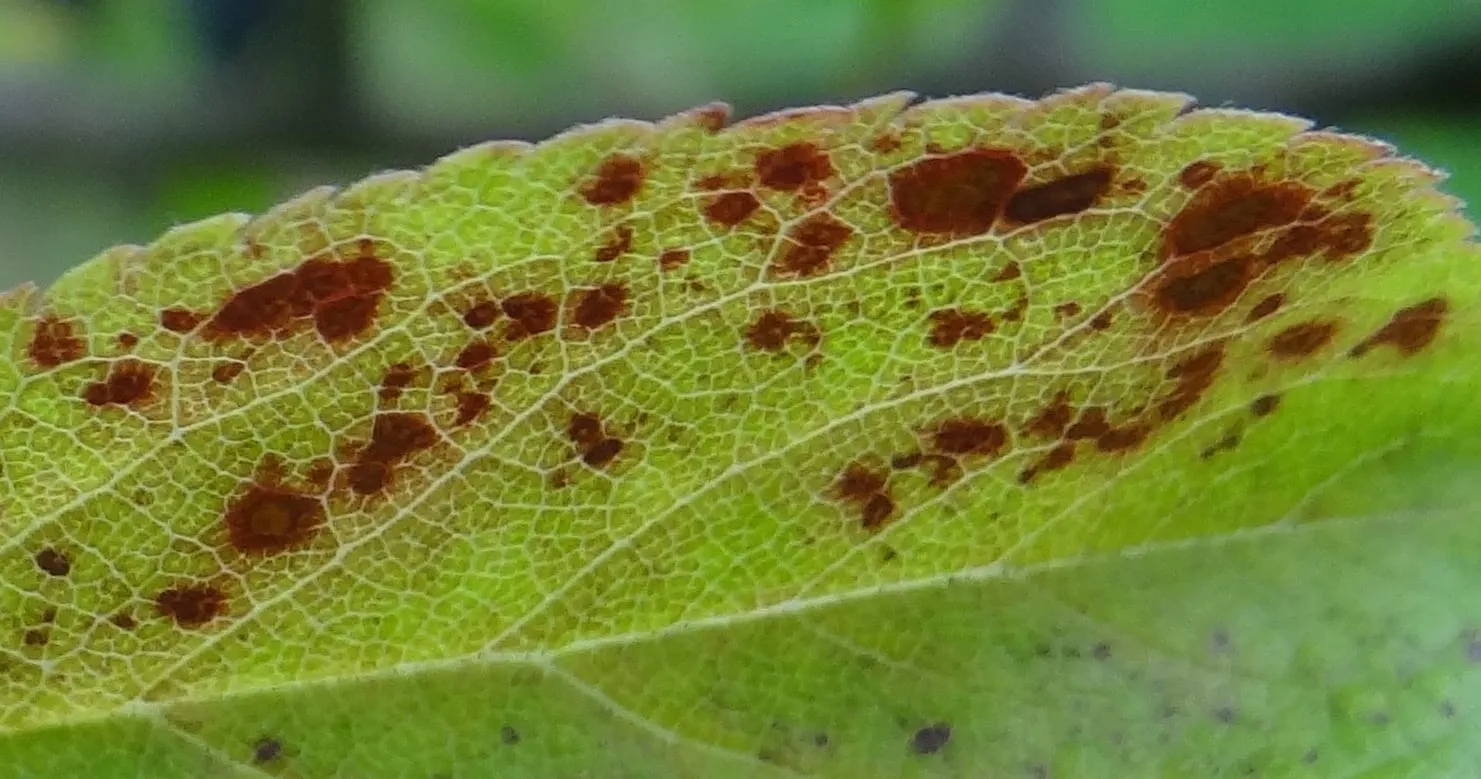
Xanthomonas arboricola pv. pruni
Bacterial disease causing leaf spots and fruit blemishes, severe in warm humid regions.
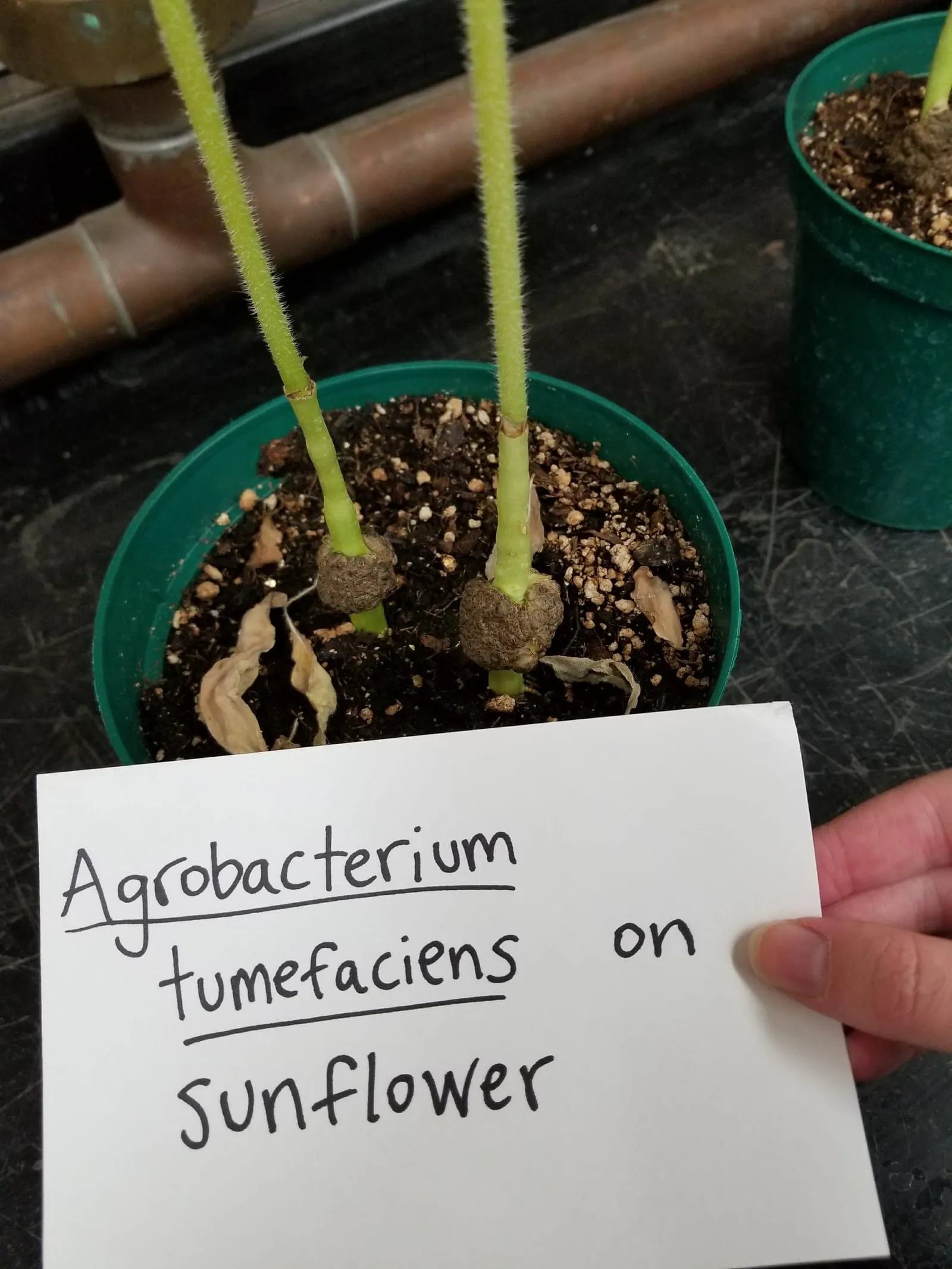
Agrobacterium tumefaciens
Soil-borne bacterium that enters plants through wounds and induces tumor-like galls on roots, crown, and lower stems. Galls reduce vigor and shorten plant lifespan; on Rubus the disease is often fatal.
Modified care for zone 6b
The primary adjustment in zone 6b is disease management intensity. Brown Rot pressure increases significantly in warm, humid summers, which are common across much of zone 6b, particularly east of the Mississippi. A preventive fungicide program timed at petal fall and repeated at 10 to 14 day intervals through harvest is standard practice; skipping applications during wet periods leads to rapid fruit loss. Peach Leaf Curl is best addressed with a single dormant copper spray before budbreak in late winter.
Bacterial Spot can be severe on susceptible varieties in zone 6b. Reliance and Contender have better Bacterial Spot tolerance than Redhaven; growers in areas with a history of the disease should weight variety selection accordingly.
Winter protection is rarely needed for the tree itself at zone 6b temperatures, but mulching the root zone in late fall moderates soil temperature swings. Avoid high-nitrogen fertilization after midsummer, as soft late-season growth is more vulnerable to cold injury.
Frequently asked questions
- Can peaches survive zone 6b winters?
The trees generally survive zone 6b winters without damage. The more common problem is flower bud loss during late cold snaps in late winter or early spring, which can eliminate the crop for that year without harming the tree long-term. Cold-hardy varieties like Reliance and Contender are specifically bred to reduce this risk.
- Do peaches get enough chill hours in zone 6b?
Yes. Zone 6b reliably accumulates 800 to 1,200 chill hours in a typical winter, which exceeds the 600 to 900 hours most peach varieties require. Insufficient chilling is rarely a problem in zone 6b; the main cold-related issue is late-season bud damage, not inadequate dormancy.
- Which peach varieties perform best in zone 6b?
Reliance and Contender are the strongest performers for cold hardiness and disease tolerance. Redhaven is a widely planted standard with good fruit quality but less bud hardiness. Madison offers a late-ripening option that spreads harvest into August. All four are better suited to zone 6b conditions than most commercial supermarket varieties.
- How serious is Brown Rot on peaches in zone 6b?
Brown Rot is a significant concern, particularly in humid summers. Without a consistent fungicide program from petal fall through harvest, losses can reach 50 to 100 percent of the crop in wet years. The disease spreads rapidly once established; prevention is far more effective than attempting to treat active infections.
+−
+−
+−
+−
Peach in adjacent zones
Image: "Peach flowers 2020 G1", by George Chernilevsky, via Wikimedia Commons, licensed under CC-BY Source.

Related