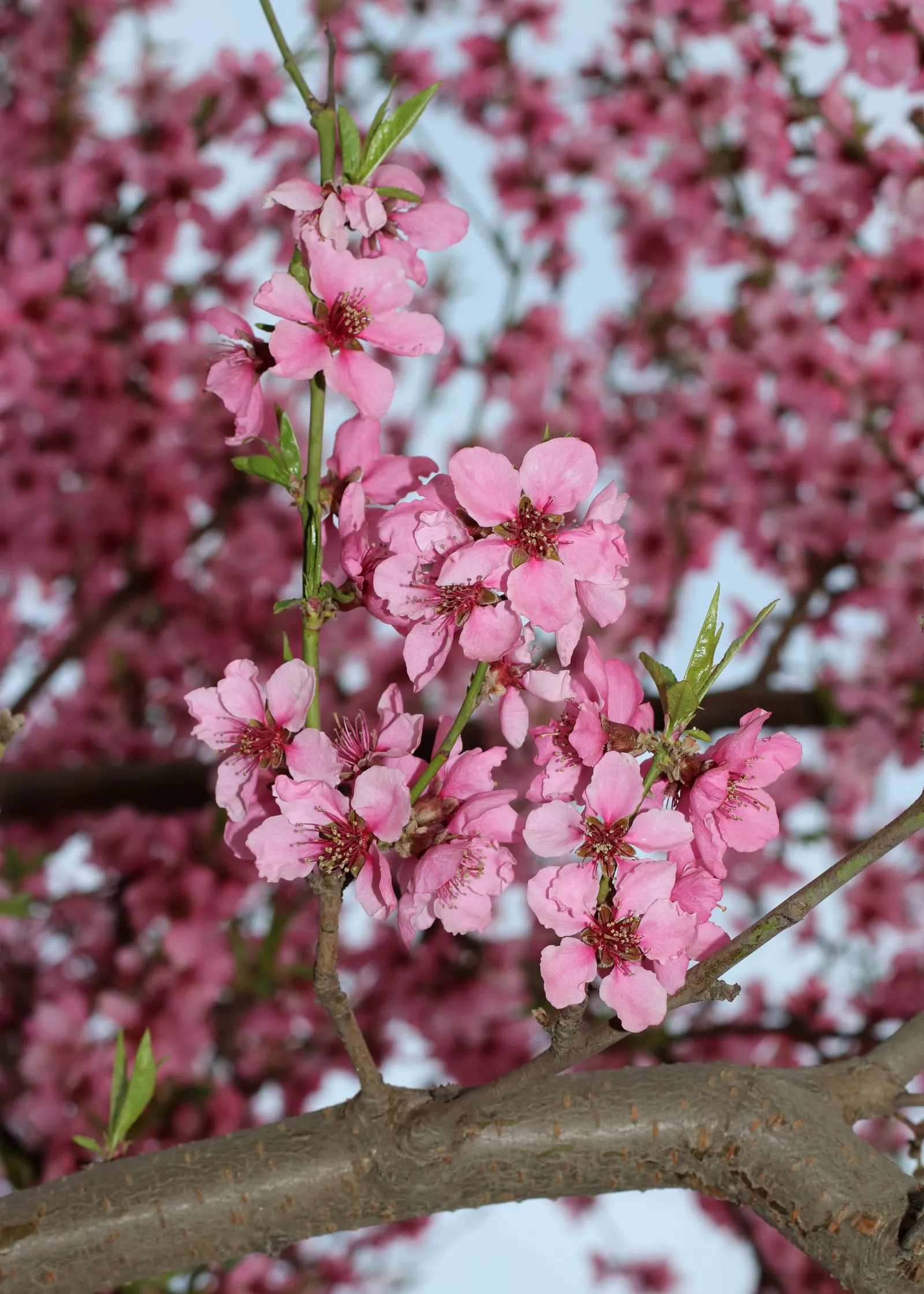
fruit tree in zone 5a
Growing peach in zone 5a
Prunus persica
- Zone
- 5a -20°F to -15°F
- Growing season
- 150 days
- Chill needed
- 600 to 900 below 45°F
- Suitable varieties
- 3
- Days to harvest
- 90 to 150
The verdict
Zone 5a sits at the cold edge of peach's practical range. Winter lows of -15 to -20°F can kill flower buds outright on standard varieties, making site selection and variety choice more consequential here than in warmer zones.
The chill-hour picture is actually favorable. Zone 5a reliably accumulates 1,000 or more hours of chilling each winter, comfortably satisfying the 600 to 900 hours most peach varieties require. The limiting factor is late-season cold, not insufficient dormancy.
Reliance, Contender, and Madison were selected specifically for cold climates and have shown reasonable flower bud survival in zone 5a conditions. Even so, these varieties will lose a crop in years when temperatures drop sharply after bud swell in late winter. Zone 5a is workable for peach, but growers should expect an occasional total crop failure and plan around that reality rather than against it.
Recommended varieties for zone 5a
3 cultivars suited to this zone, with disease-resistance and zone-fit annotations.
| Variety | Notes | Zone fit | Disease resistance |
|---|---|---|---|
| Reliance fits zone 5a | Sweet, juicy, freestone yellow flesh with classic peach flavor; good fresh, excellent canning and freezing. Cold-hardy and reliable in zone 5 where most peaches fail. | | none noted |
| Contender fits zone 5a | Sweet, balanced flavor, freestone, firm yellow flesh; fresh, canning, freezing. Late-blooming so it dodges spring frost. Bacterial-spot resistant. | |
|
| Madison fits zone 5a | Sweet, rich flavor, freestone; cold-hardy and resistant to spring frost. Excellent fresh and for canning. Late-blooming. | | none noted |
Critical timing for zone 5a
Peach bloom in zone 5a typically opens in late April to early May, later than in zones 6 and 7. The 150-day growing season is sufficient for most mid-season varieties to ripen before first fall frost, though not by a wide margin.
The critical risk window is March through mid-April. Flower buds begin to swell before the last frost date, and a hard freeze below 28°F during or just after bloom will abort the crop. Late spring frosts are a recurring challenge in zone 5a, and peach's bloom timing puts it directly in that window in many years.
Harvest for mid-season varieties such as Reliance falls in late July to August, depending on summer heat accumulation. Varieties with longer days-to-harvest may run close to first fall frost in shorter-than-average seasons.
Common challenges in zone 5a
- ▸ Fire blight in pears
- ▸ Cedar-apple rust
- ▸ Late spring frosts
Disease pressure to watch for
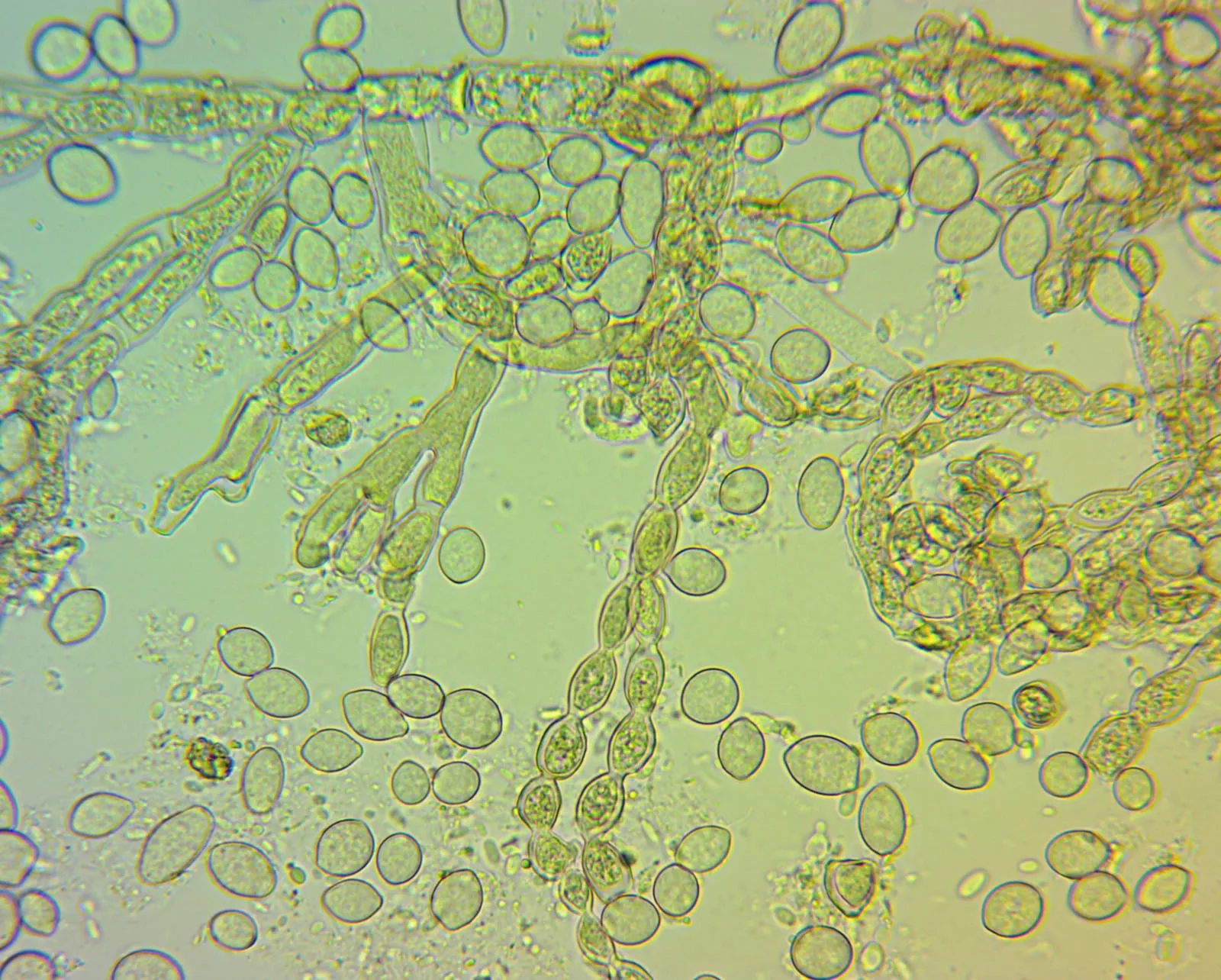
Monilinia fructicola
The most damaging stone-fruit and almond disease, causing blossom blight and fruit rot.
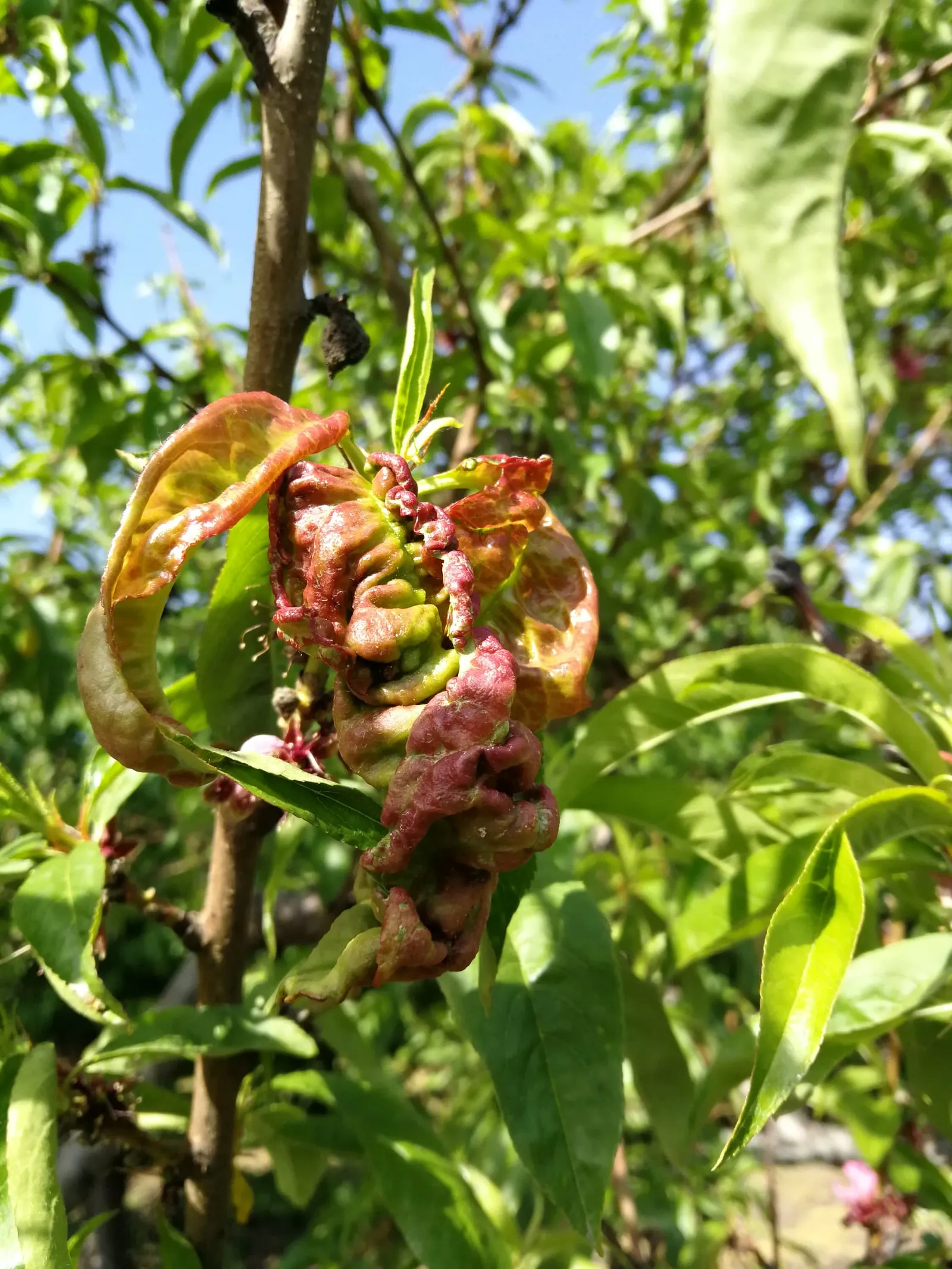
Taphrina deformans
Distinctive springtime disease causing red, puckered leaves. Manageable with one well-timed dormant spray.
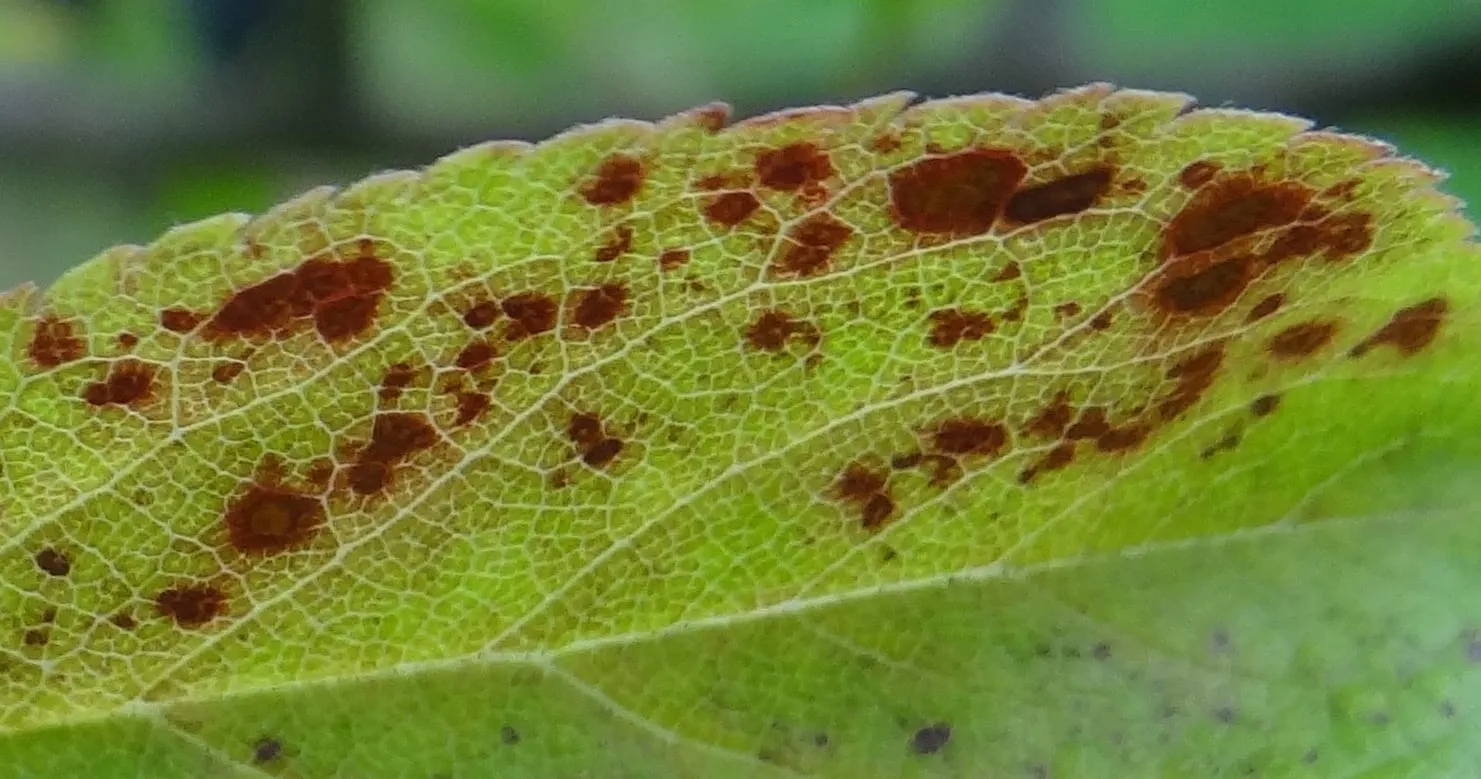
Xanthomonas arboricola pv. pruni
Bacterial disease causing leaf spots and fruit blemishes, severe in warm humid regions.
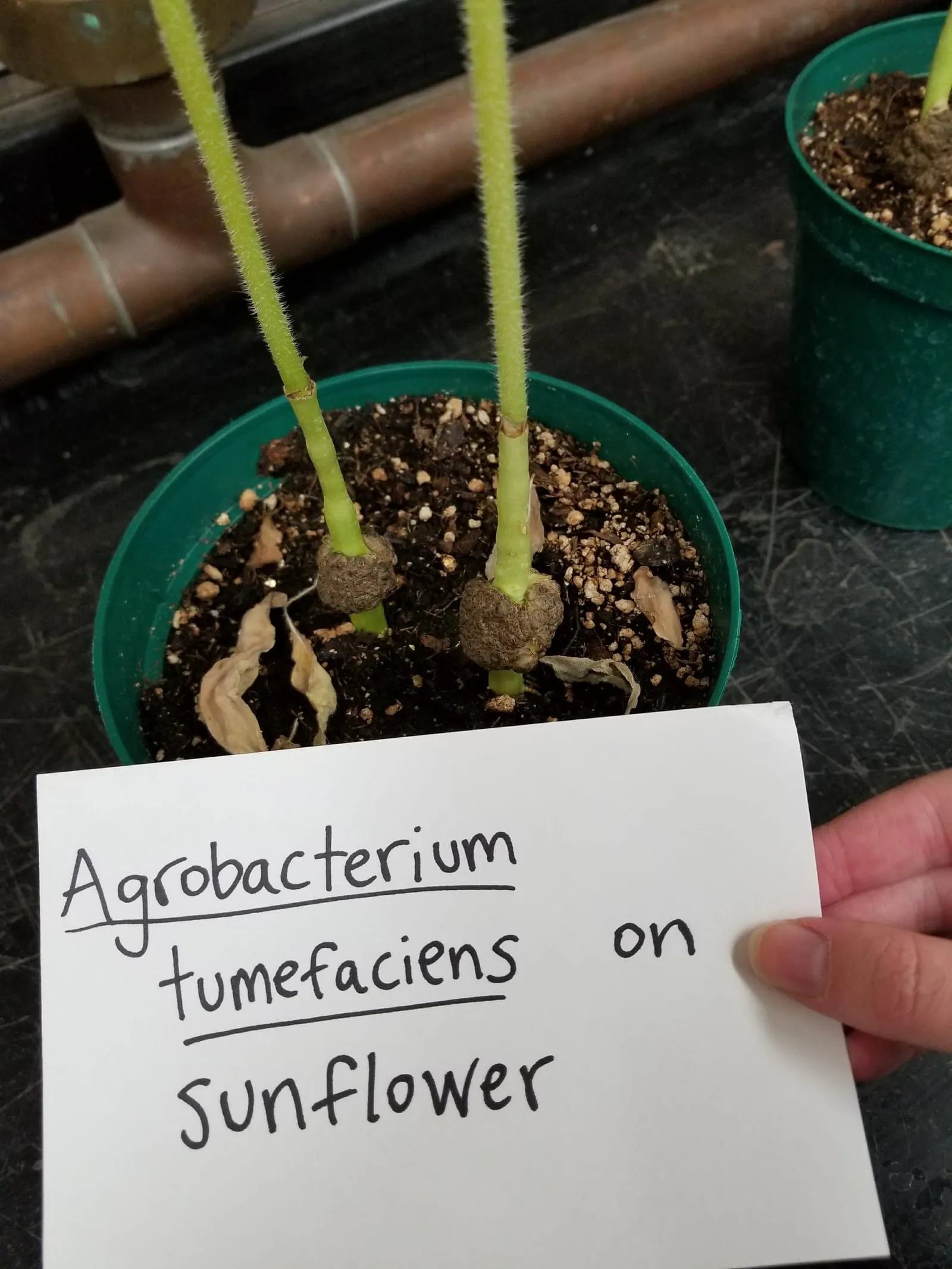
Agrobacterium tumefaciens
Soil-borne bacterium that enters plants through wounds and induces tumor-like galls on roots, crown, and lower stems. Galls reduce vigor and shorten plant lifespan; on Rubus the disease is often fatal.
Modified care for zone 5a
In zone 5a, site selection does more work than any spray program. Planting on a gentle slope above a frost pocket, with a south or southeast exposure, reduces flower bud loss on borderline nights. Low spots where cold air pools are poor peach sites regardless of variety.
Young trees benefit from trunk wrap during the first two to three winters to prevent frost cracking, which is more common in zones 5 and colder. Established trees generally manage without added protection if the site is well chosen.
Disease management shifts in emphasis here. Peach Leaf Curl is prevented almost entirely by a single dormant copper spray applied before bud swell in late winter; skipping it in zone 5a's wet springs is a reliable way to lose foliage. Brown Rot pressure peaks during wet harvest weather; pruning and spacing for airflow reduces but does not eliminate it. Bacterial Spot tends to be worse in years with persistent late-spring rain and is difficult to control once established.
Frequently asked questions
- Can peach trees survive zone 5a winters?
Yes, with the right variety and site. Cold-hardy selections like Reliance, Contender, and Madison can survive zone 5a temperatures, but flower buds are more vulnerable than the wood. Growers should expect occasional years with no crop when late-winter cold kills buds after they begin to swell.
- Do peaches get enough chill hours in zone 5a?
Easily. Zone 5a typically accumulates well over 1,000 chilling hours per winter, which exceeds the 600 to 900 hours most peach varieties require. Insufficient chilling is not a concern in this zone; excessive cold after dormancy breaks is the actual risk.
- What is the biggest threat to peach crops in zone 5a?
Late spring frosts during or just after bloom are the most common cause of crop loss. A freeze below 28°F at full bloom can abort the entire crop regardless of tree health. Site selection on elevated ground away from frost pockets is the most effective mitigation.
- When should dormant copper spray be applied in zone 5a?
Apply copper spray in late winter before bud swell, typically late February to mid-March in zone 5a depending on the year. Timing it correctly prevents Peach Leaf Curl almost entirely. Once buds open, the spray window has passed.
+−
+−
+−
+−
Peach in adjacent zones
Image: "Peach flowers 2020 G1", by George Chernilevsky, via Wikimedia Commons, licensed under CC-BY Source.

Related