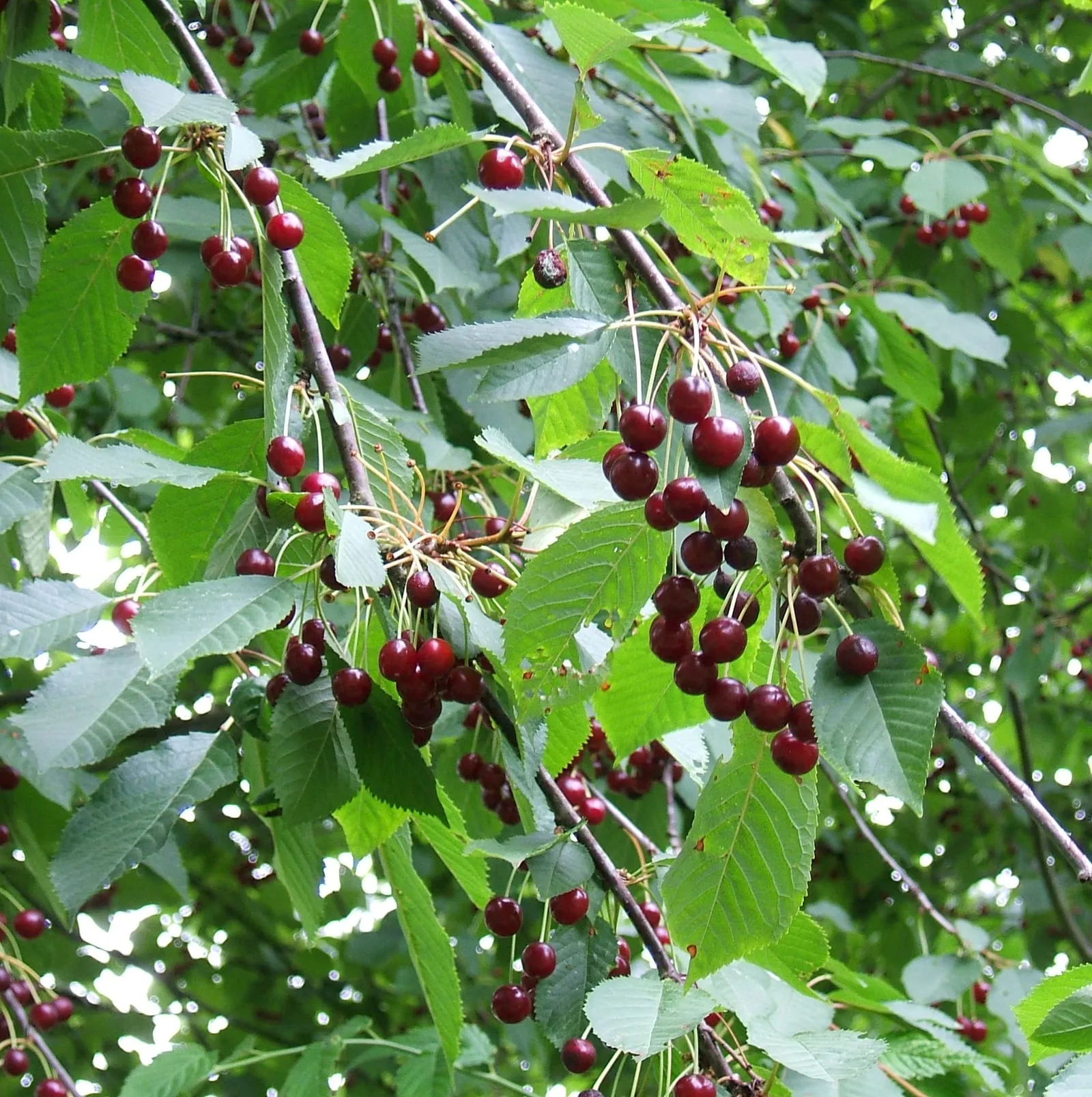
fruit tree in zone 7b
Growing sweet cherry in zone 7b
Prunus avium
- Zone
- 7b 5°F to 10°F
- Growing season
- 220 days
- Chill needed
- 700 to 1100 below 45°F
- Suitable varieties
- 2
- Days to harvest
- 60 to 80
The verdict
Zone 7b sits at the southern edge of sweet cherry's reliable range, and growers should approach it with realistic expectations. Sweet cherry requires 700 to 1,100 chill hours (hours below 45°F) to break dormancy properly. Zone 7b piedmont winters accumulate roughly 800 to 1,000 chill hours in a typical year, which covers the lower half of that requirement comfortably. The problem is year-to-year variability: a mild winter can drop accumulation below 700 hours, leading to erratic bloom, poor fruit set, and general tree decline over time.
Varieties on the lower end of the chill requirement, such as Stella (700 to 800 hours) and Lapins (800 to 900 hours), are the safer choices here. Higher-chill cultivars are not worth attempting. Even with the right variety, growers in the warmer parts of zone 7b (urban areas, south-facing slopes) will see more borderline winters than those at higher elevations or northern exposures. This is a workable zone for sweet cherry, but not a sweet spot.
Recommended varieties for zone 7b
2 cultivars suited to this zone, with disease-resistance and zone-fit annotations.
| Variety | Notes | Zone fit | Disease resistance |
|---|---|---|---|
| Stella fits zone 7b | Sweet, firm, dark red; very good fresh-eating quality. Self-fertile so a single tree produces, also a good pollinator for Bing. | | none noted |
| Lapins fits zone 7b | Sweet, large, dark red, crack-resistant in rain; one of the best modern fresh-eating cherries. Self-fertile. | | none noted |
Critical timing for zone 7b
Sweet cherry blooms early, often in mid-to-late March in zone 7b. The zone's average last frost falls between late March and mid-April, which means bloom and frost risk overlap almost every year. A single frost event at or below 28°F during full bloom can eliminate most of the crop. This intersection is the central management challenge for sweet cherry in zone 7b, not soil or chill hours.
Harvest typically runs late May through mid-June, depending on variety and the warmth of spring. Stella tends to ripen slightly earlier than Lapins. The 220-day growing season provides more than enough time to mature fruit once frost risk passes, but the compressed window between dormancy break and last frost leaves little margin for error.
Common challenges in zone 7b
- ▸ Cedar-apple rust pressure heavy in piedmont
- ▸ Japanese beetles
- ▸ Brown marmorated stink bug
- ▸ Late summer disease pressure
Disease pressure to watch for
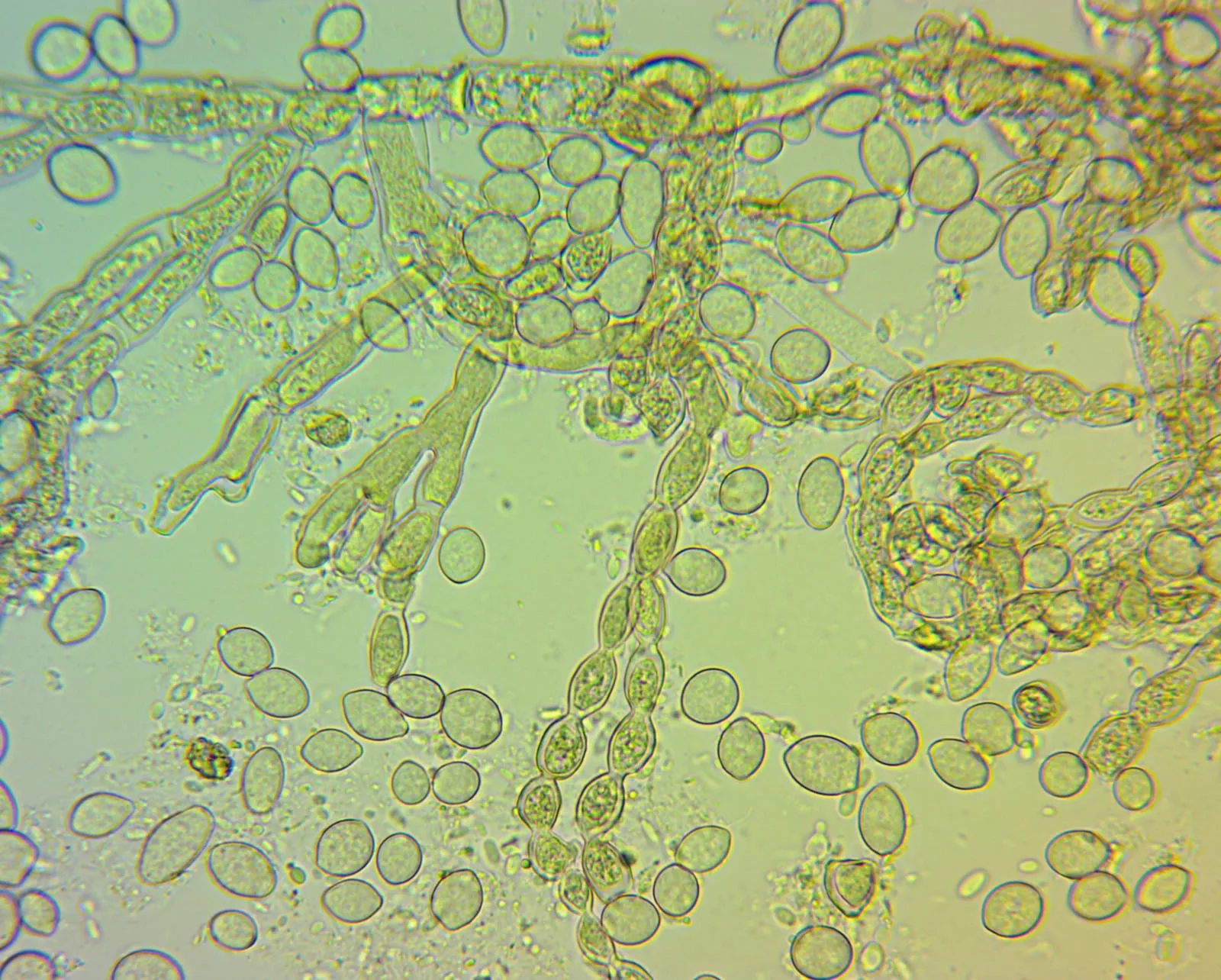
Monilinia fructicola
The most damaging stone-fruit and almond disease, causing blossom blight and fruit rot.
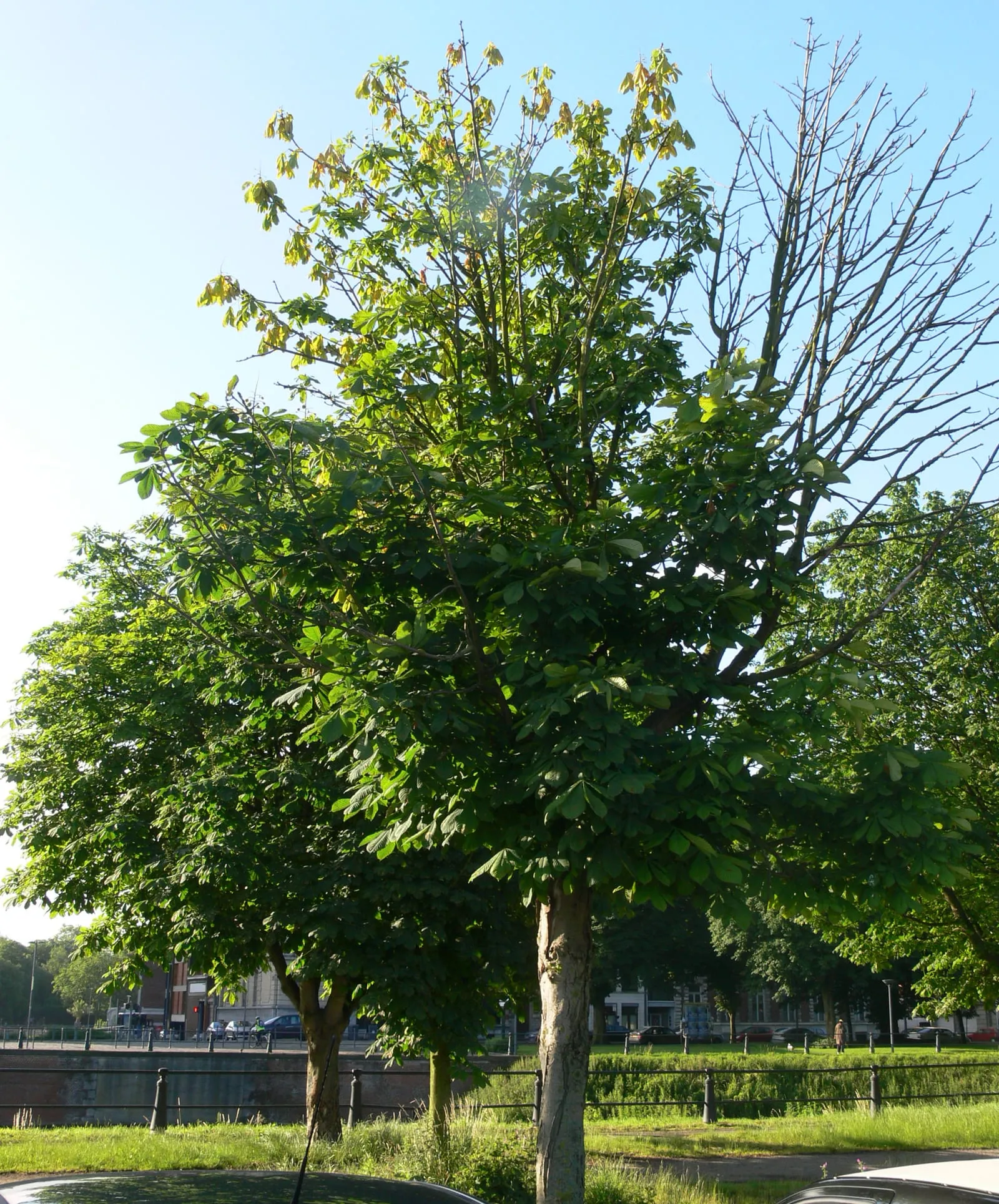
Pseudomonas syringae
Bacterial disease causing limb dieback and gummosis, particularly damaging in wet cool springs.
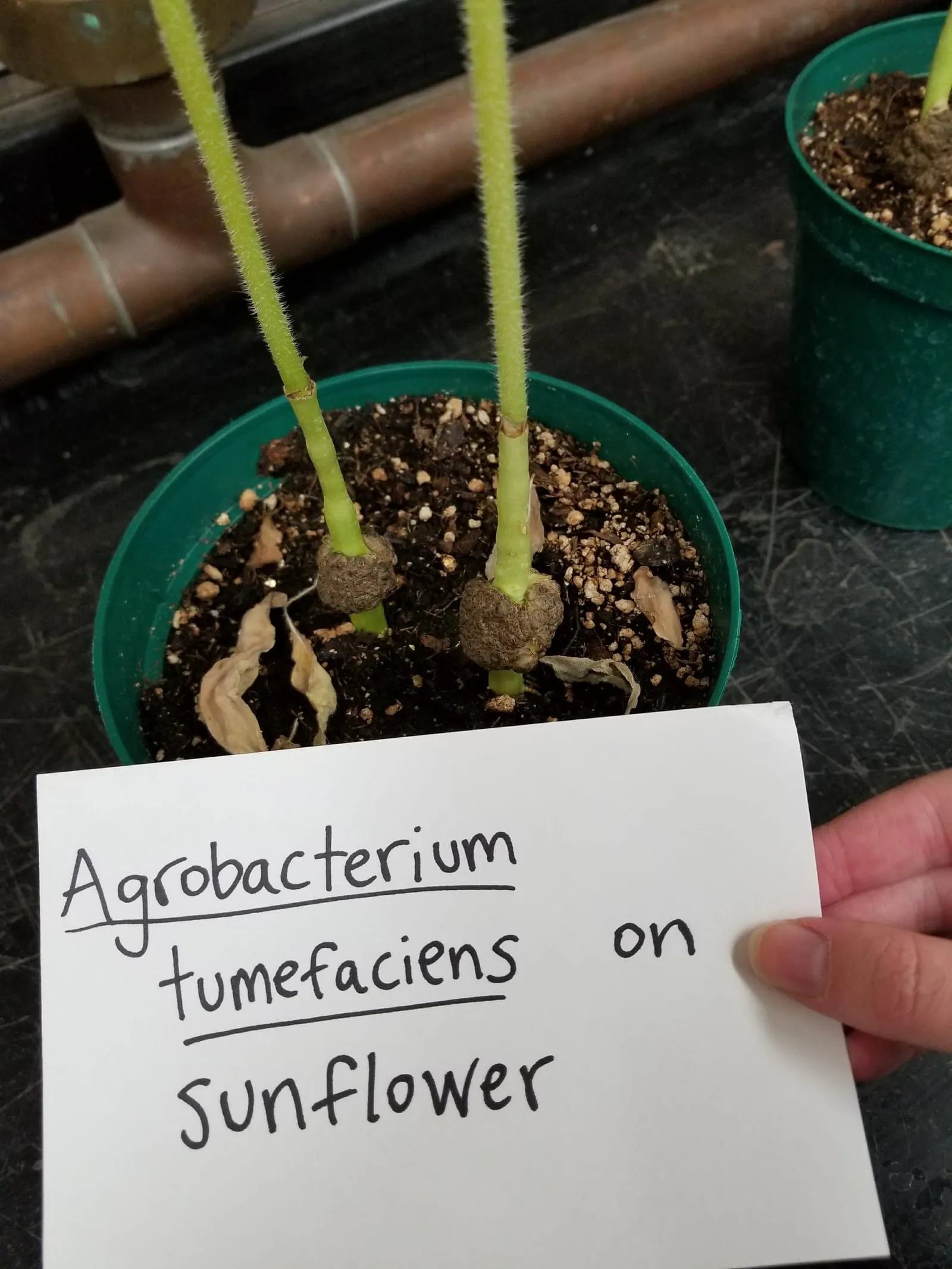
Agrobacterium tumefaciens
Soil-borne bacterium that enters plants through wounds and induces tumor-like galls on roots, crown, and lower stems. Galls reduce vigor and shorten plant lifespan; on Rubus the disease is often fatal.
Modified care for zone 7b
Brown rot is the dominant disease threat at harvest time in zone 7b. The humid piedmont climate, combined with summer rainfall, creates near-ideal conditions for Monilinia infection. Growers should plan for a fungicide program that covers bloom (for blossom blight) and the two to three weeks before harvest (for fruit rot). Bacterial canker, caused by Pseudomonas syringae, tends to flare during wet late-winter periods when trees are coming out of dormancy. Pruning cuts should be made during dry weather and coated promptly.
Japanese beetles and brown marmorated stink bug both peak in midsummer, overlapping with ripening fruit. Netting is the most reliable physical barrier for stink bug; insecticide options for beetles are limited in home orchard settings. Rain cracking at harvest is a recurring problem in the Southeast and is not easily managed without protective covers.
Frequently asked questions
- Can sweet cherry grow in zone 7b?
Yes, with variety selection as the critical variable. Stella and Lapins are the most reliable options because their chill hour requirements (700 to 900 hours) align with what zone 7b winters typically deliver. Higher-chill varieties are unlikely to perform consistently.
- What is the biggest risk for sweet cherry in zone 7b?
Late frost during bloom is the primary crop risk. Sweet cherry blooms in mid-to-late March in zone 7b, and the last frost date extends into mid-April in many locations. A single frost at 28°F or below during peak bloom can eliminate the year's harvest.
- Does sweet cherry get brown rot in zone 7b?
Brown rot pressure is significant in zone 7b due to humid summers and rainfall near harvest. A fungicide program covering bloom and the pre-harvest window is standard practice, not optional, in the piedmont climate.
- How do warm winters affect sweet cherry performance?
Warm winters that fall below 700 chill hours can cause delayed or uneven bloom, reduced fruit set, and cumulative tree stress. Growers in the warmer parts of zone 7b should track chill hours annually and keep records of how the tree performs in low-chill years versus adequate ones.
+−
+−
+−
+−
Sweet Cherry in adjacent zones
Image: "Prunus avium fruit", by MPF, via Wikimedia Commons, licensed under CC-BY Source.

Related