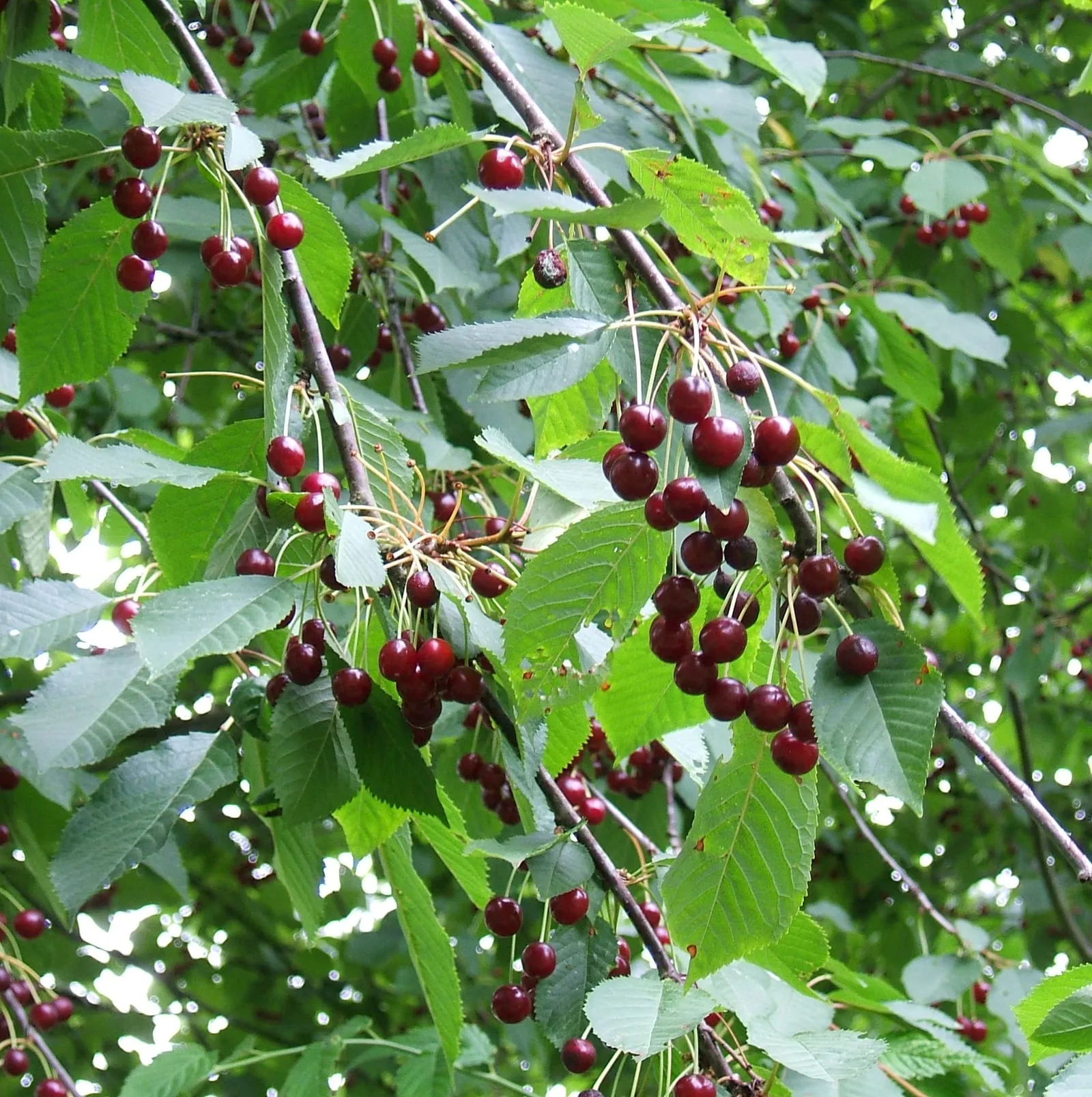
fruit tree
Sweet Cherry
Prunus avium
USDA hardiness range
- Zones
- 5a–8a
- Chill hours
- 700 to 1100 below 45°F
- Days to harvest
- 60 to 80
- Sun
- Full
- Water
- Moderate
- Lifespan
- 20 to 30 years
Growing sweet cherry
Sweet cherry (Prunus avium) is one of the more demanding temperate fruits. It performs best in zones 5a through 8a, where winters deliver sufficient chill hours (700 to 1100 depending on variety) without late-season killing frosts that destroy open flowers before fruit can set. The Pacific Northwest dominates US commercial production for good reason: cool, dry springs reduce fungal pressure, and harvest arrives before summer rains cause fruit to crack.
In zones 7a and 7b, sweet cherry is workable but more marginal. Warm spells in late winter can push trees out of dormancy prematurely, and late freezes often catch open flowers. Zone 8a approaches the lower limit of reliable chilling for most standard varieties, though low-chill selections can work in warmer parts of that zone.
What separates a productive planting from a failed one is usually site selection and variety pairing. Most sweet cherries are not self-fertile. Bing, the industry standard, requires a compatible pollinator nearby. Without one, years pass with full bloom and no fruit. Choosing a self-fertile variety like Stella or Lapins simplifies that requirement considerably. A well-drained site that avoids frost pockets and sheds late-spring rain is the second critical factor. WSU Tree Fruit Cherry covers variety selection and site requirements in detail.
Recommended varieties
See all 4 →4 cultivars for home growers, with notes on flavor, ripening, and disease resistance.
| Variety | Notes | Zone fit | Disease resistance |
|---|---|---|---|
| Bing | Sweet, firm, juicy, deep mahogany-red; the industry standard sweet cherry, classic flavor for fresh eating. Requires a pollinator. | | none noted |
| Stella | Sweet, firm, dark red; very good fresh-eating quality. Self-fertile so a single tree produces, also a good pollinator for Bing. | | none noted |
| Lapins | Sweet, large, dark red, crack-resistant in rain; one of the best modern fresh-eating cherries. Self-fertile. | | none noted |
| Rainier | Very sweet, mild, yellow-pink blushed skin with creamy yellow flesh; premium dessert cherry with a delicate flavor. Beautiful but bird-prone. | | none noted |
Soil and site requirements
Sweet cherry is intolerant of wet feet. Sites with heavy clay or poor drainage produce struggling trees prone to root rot and bacterial canker. Well-drained loam or sandy loam at a soil pH between 6.0 and 6.5 is the target. A raised planting bed or a south-to-east facing gentle slope helps shed water and warm the root zone earlier in spring.
Full sun is non-negotiable for fruit quality. Eight or more hours of direct sun per day is the working baseline. Less light increases disease pressure and reduces sugar development in the fruit.
Spacing depends on rootstock. Most home-orchard plantings on semi-dwarfing rootstock (Gisela 5 or Gisela 6) can be maintained at 12 to 15 feet apart. Standard rootstock trees need 20 feet or more and are harder to net against birds and Spotted Wing Drosophila at harvest.
Microclimate matters significantly. Avoid planting in frost pockets or low-lying areas where cold air settles on still nights. A position just 15 feet lower in elevation than a nearby slope can experience killing frost several degrees colder, enough to lose an entire crop. Northeast-facing slopes slow bloom by a few days and can reduce late-frost risk in zones 6 and 7.
Common diseases
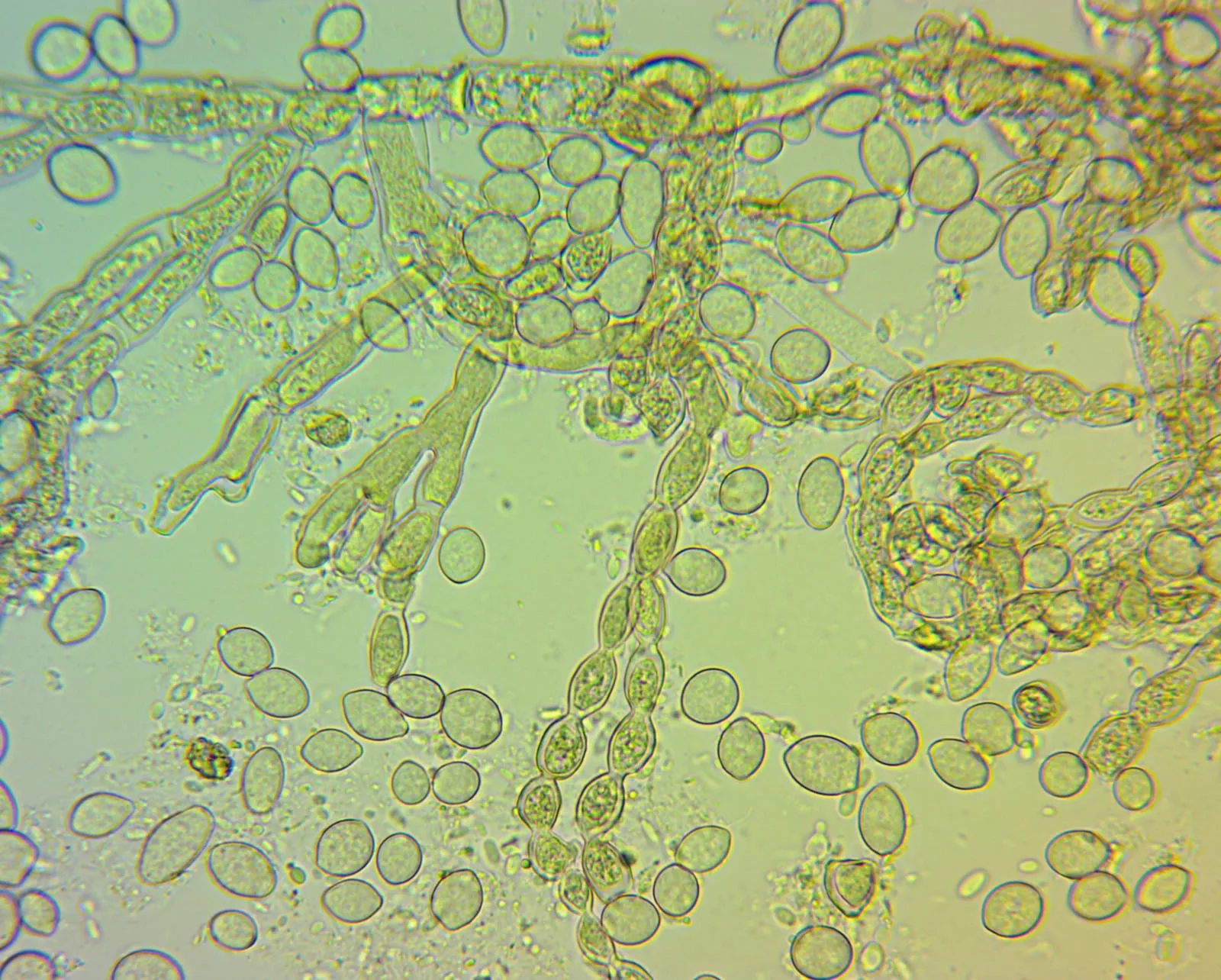
Monilinia fructicola
The most damaging stone-fruit and almond disease, causing blossom blight and fruit rot.
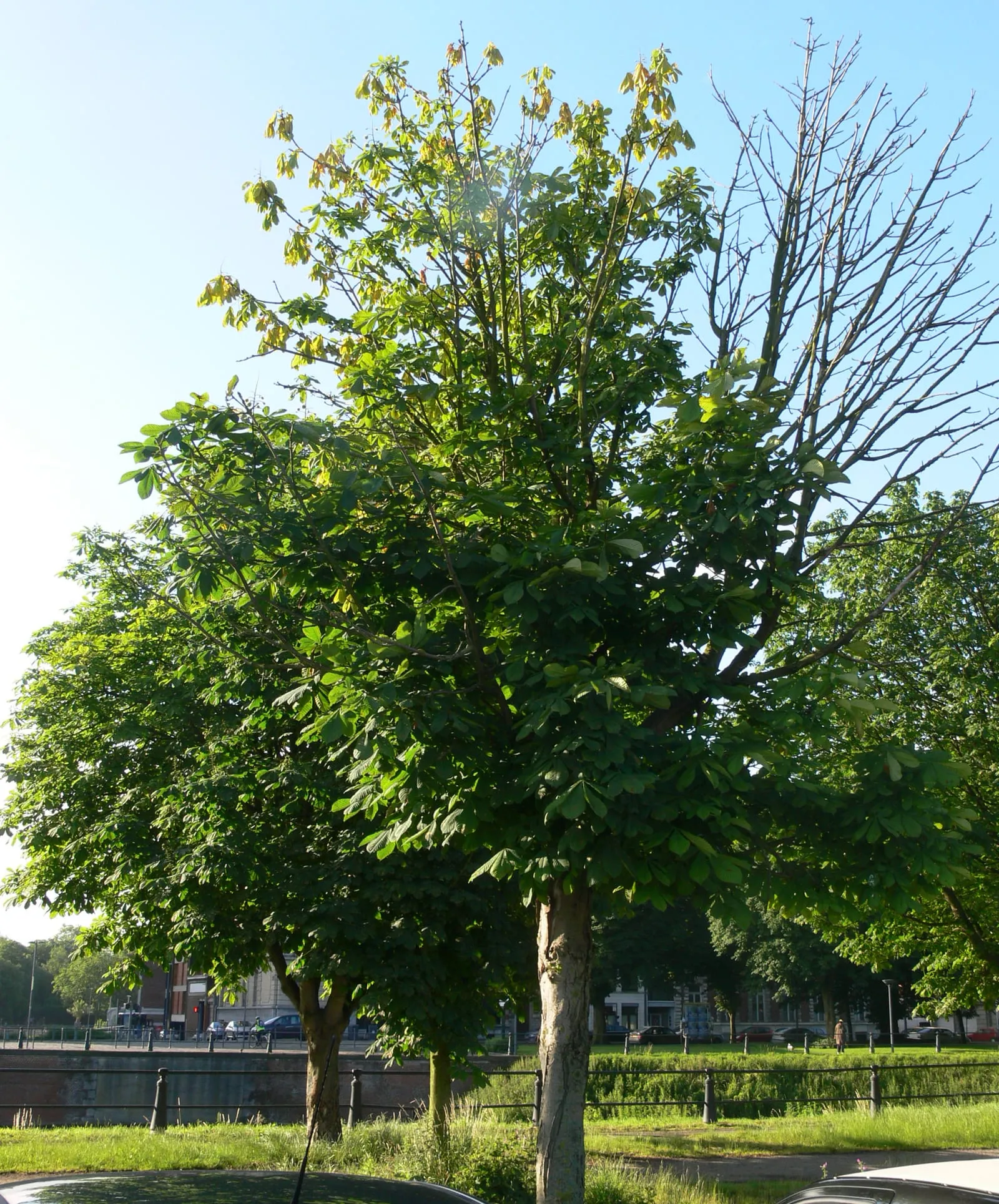
Pseudomonas syringae
Bacterial disease causing limb dieback and gummosis, particularly damaging in wet cool springs.
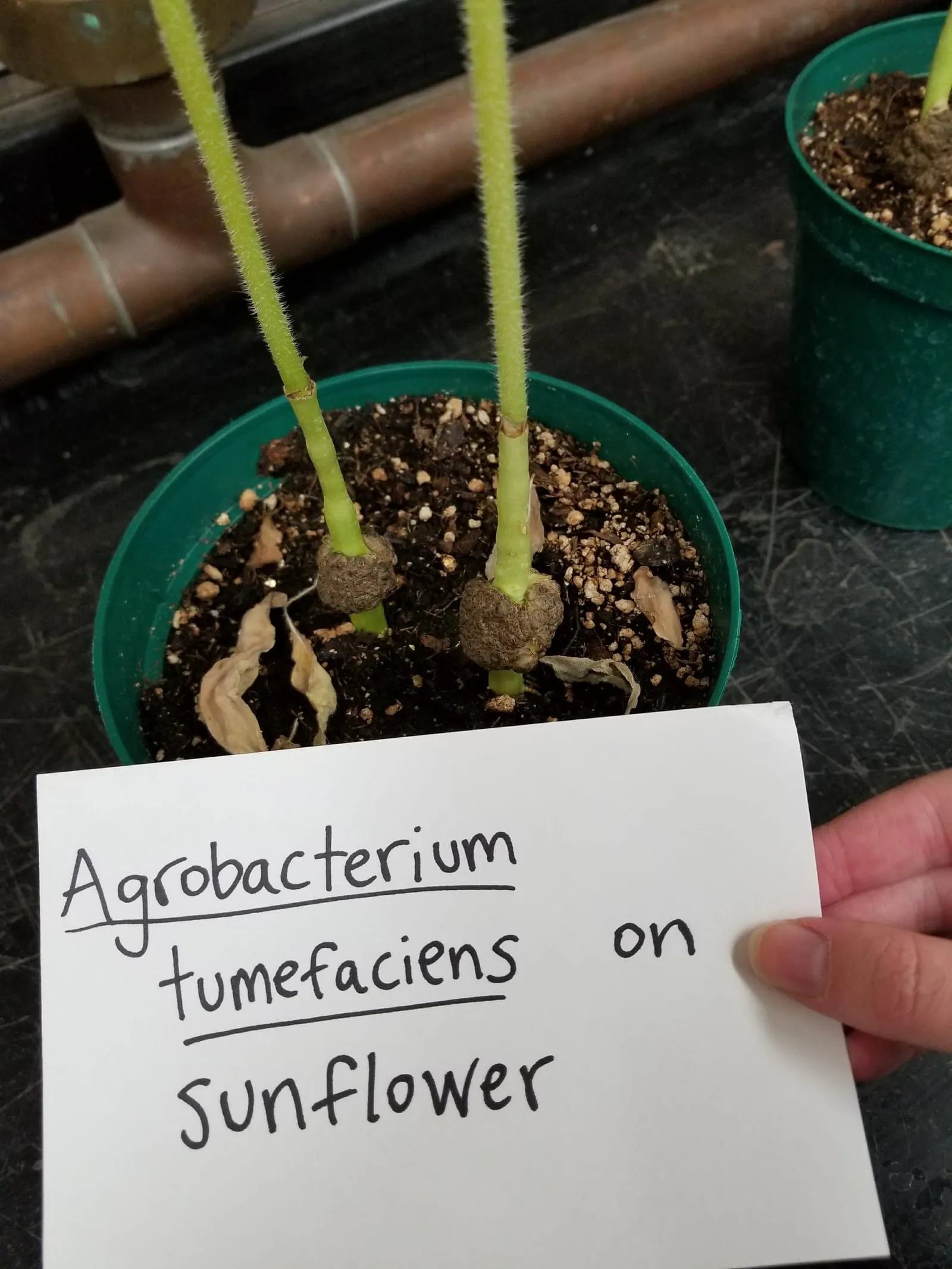
Agrobacterium tumefaciens
Soil-borne bacterium that enters plants through wounds and induces tumor-like galls on roots, crown, and lower stems. Galls reduce vigor and shorten plant lifespan; on Rubus the disease is often fatal.
Common pests
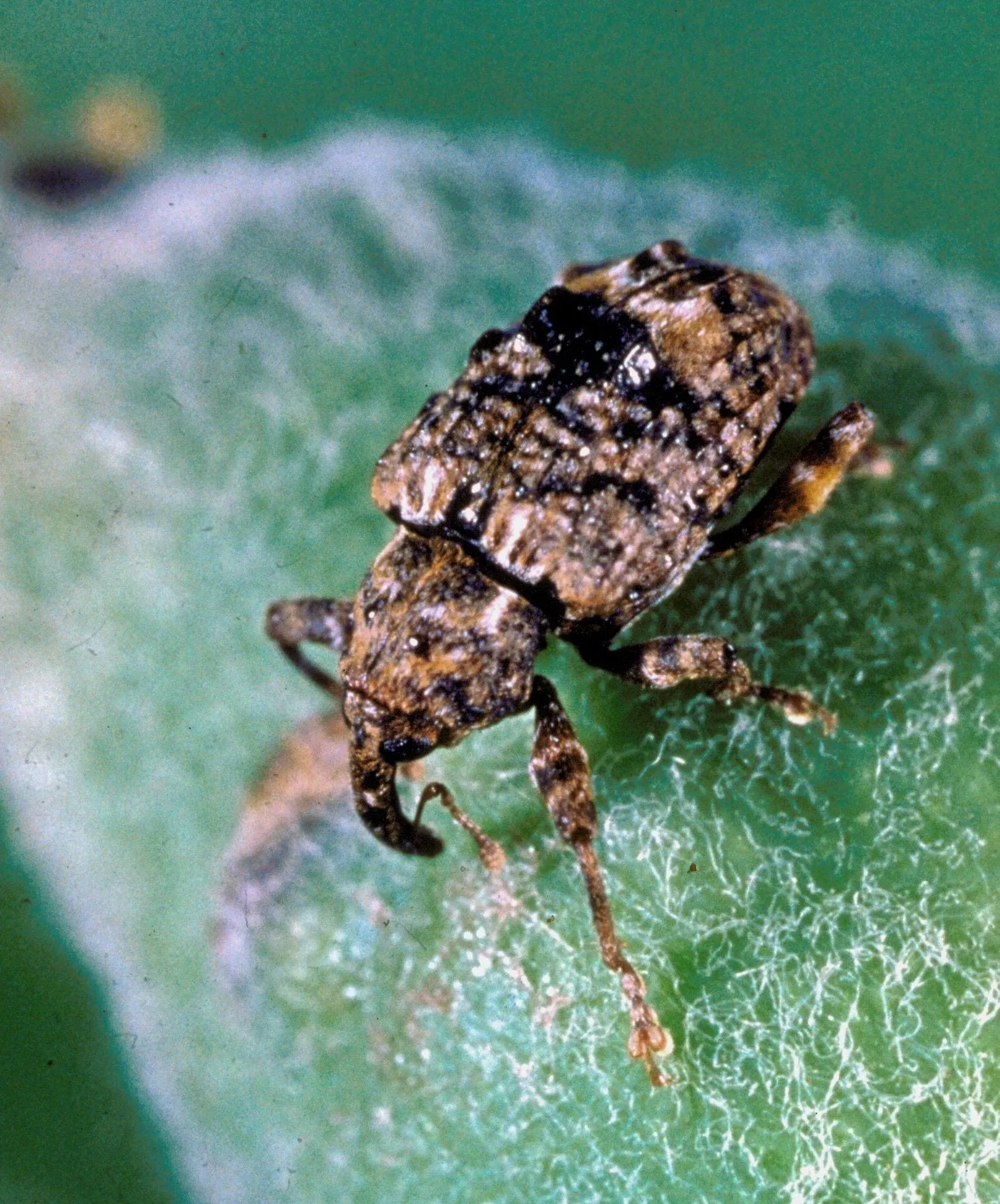
Conotrachelus nenuphar
Native weevil that lays eggs in young stone and pome fruit, causing characteristic crescent-shaped scars.
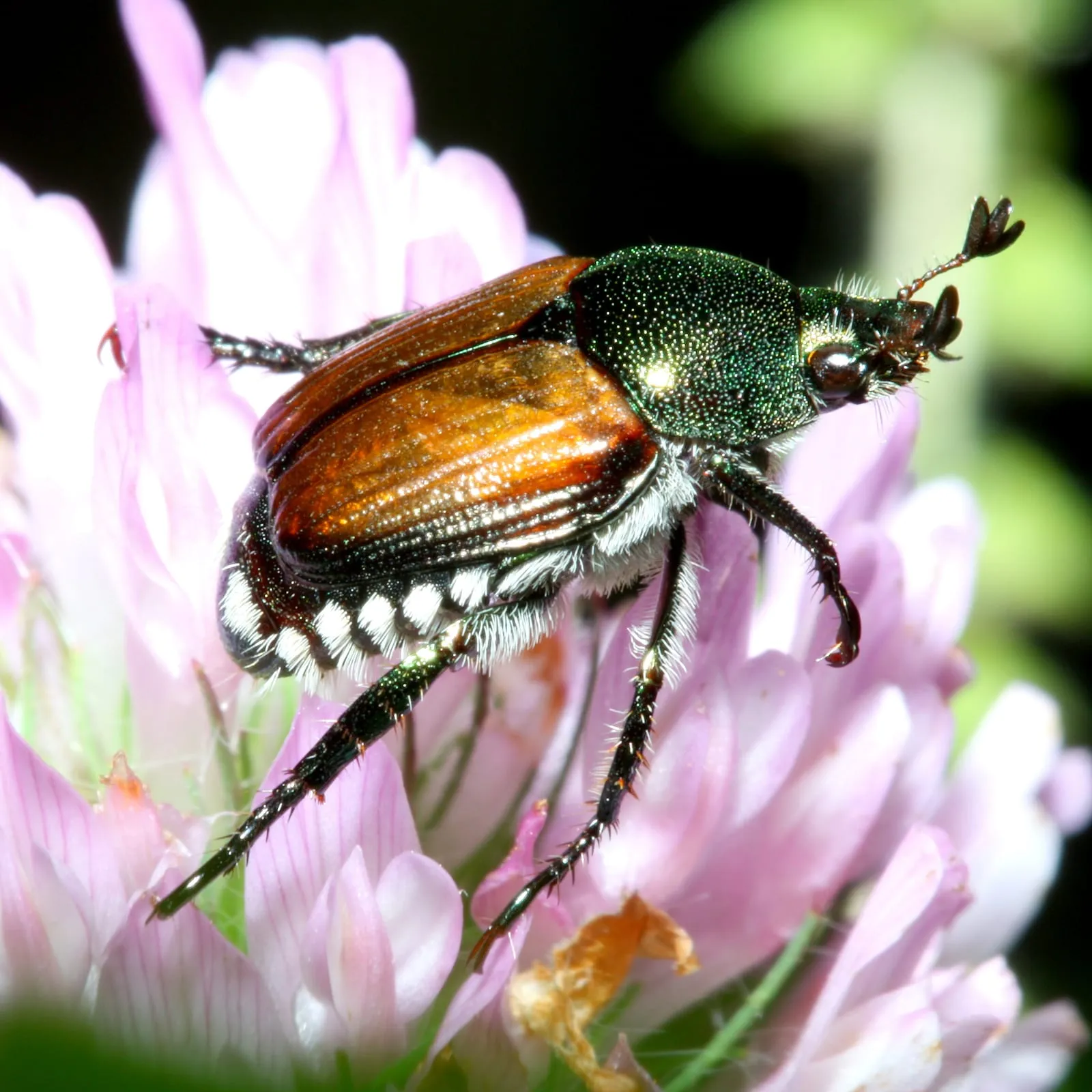
Popillia japonica
Defoliating beetle introduced to North America in 1916. Skeletonizes leaves of many fruit trees, berry canes, and pecan.
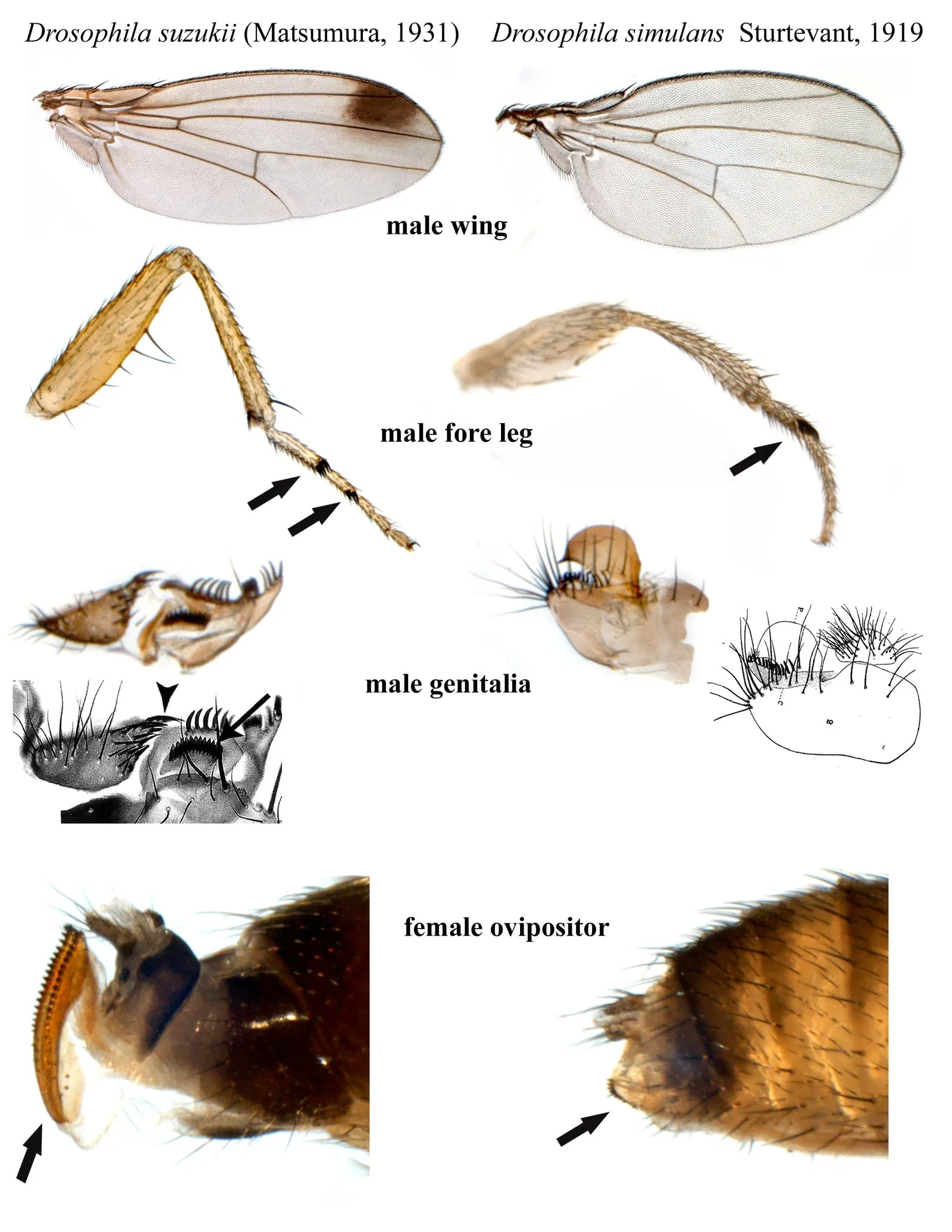
Drosophila suzukii
Invasive vinegar fly that attacks ripening soft fruit, unlike native Drosophila species which target overripe fruit. Now the dominant berry-and-cherry pest across the US.
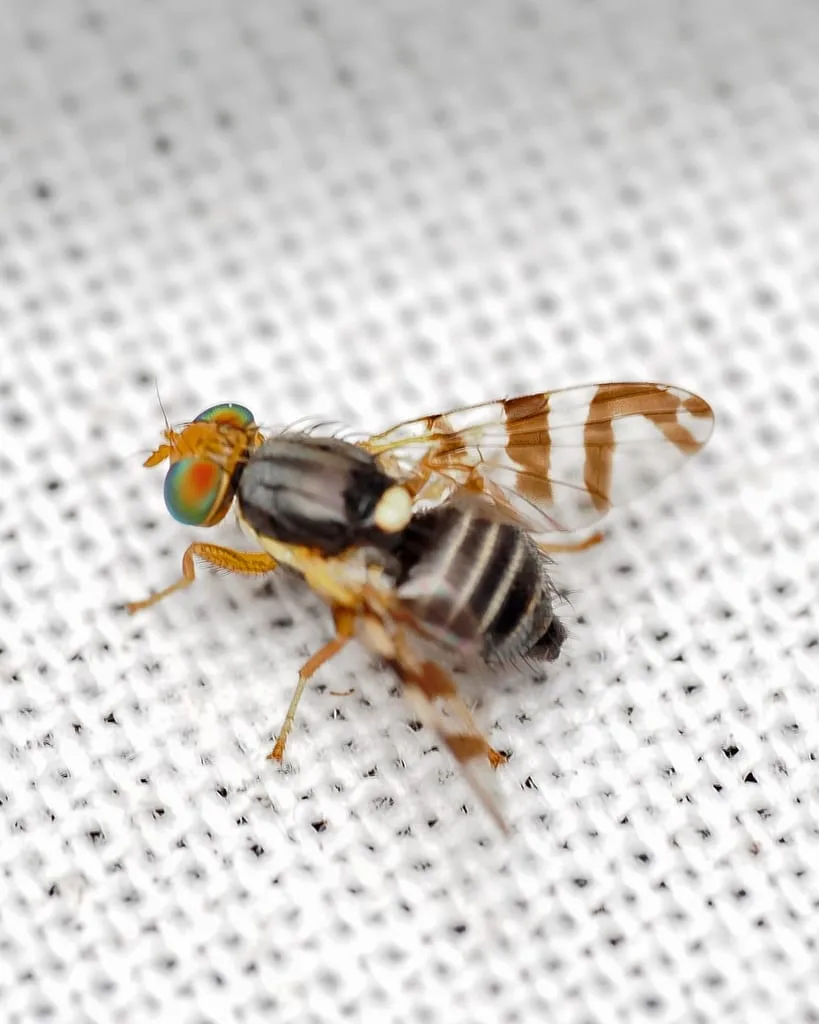
Rhagoletis cingulata
Native fly whose larvae develop in ripening cherries, the primary fresh-market quality concern.
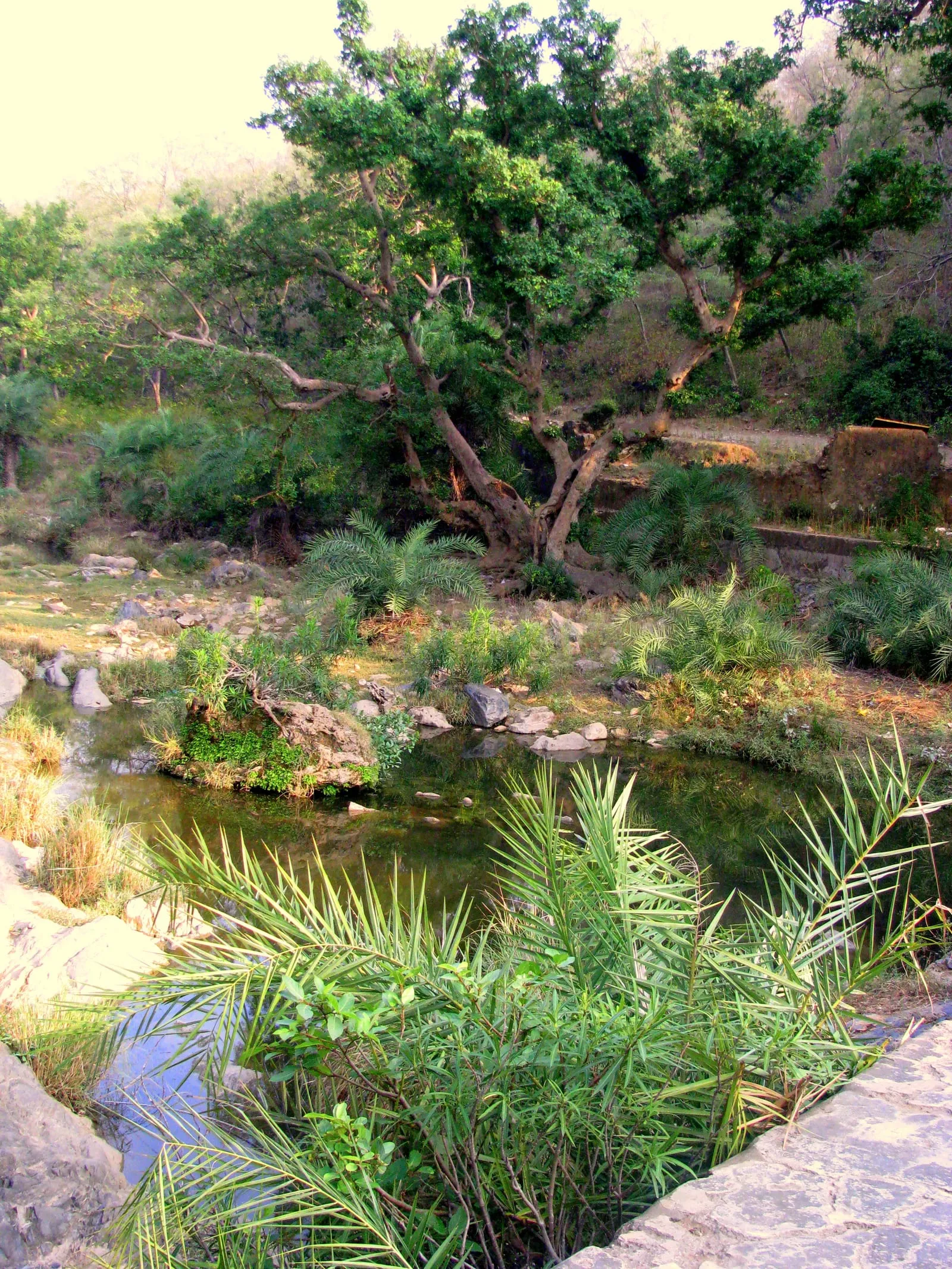
Multiple species
Robins, catbirds, mockingbirds, starlings, cedar waxwings and other songbirds can strip ripening berry and fruit crops in days. Crows and blackbirds also damage fresh sweet corn ears in milk stage. The single biggest yield-loss factor in unprotected home plantings.
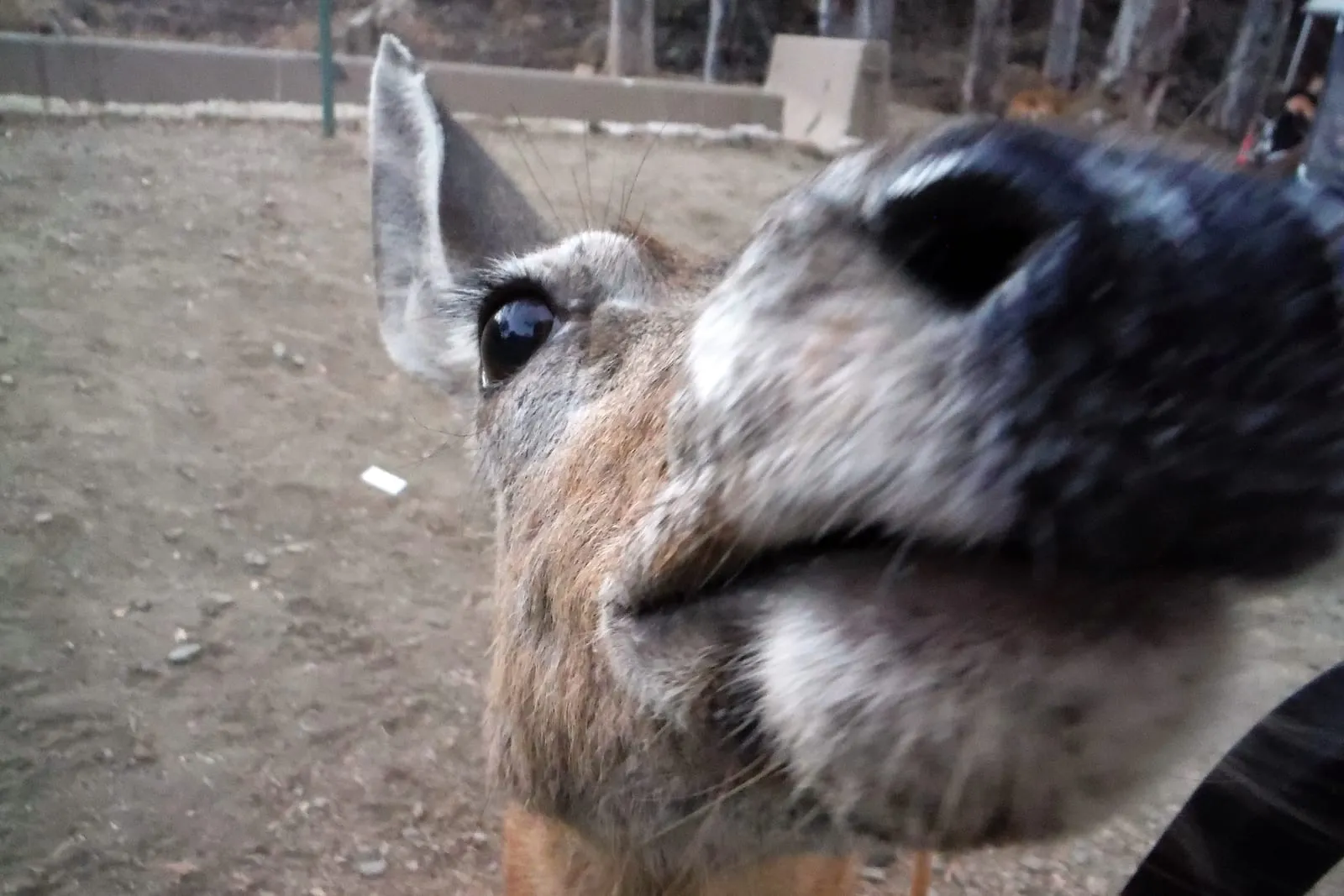
Odocoileus species
Whitetail and mule deer browse can devastate orchards and gardens, particularly in winter when food is scarce. Antler rub on young trunks kills saplings outright.
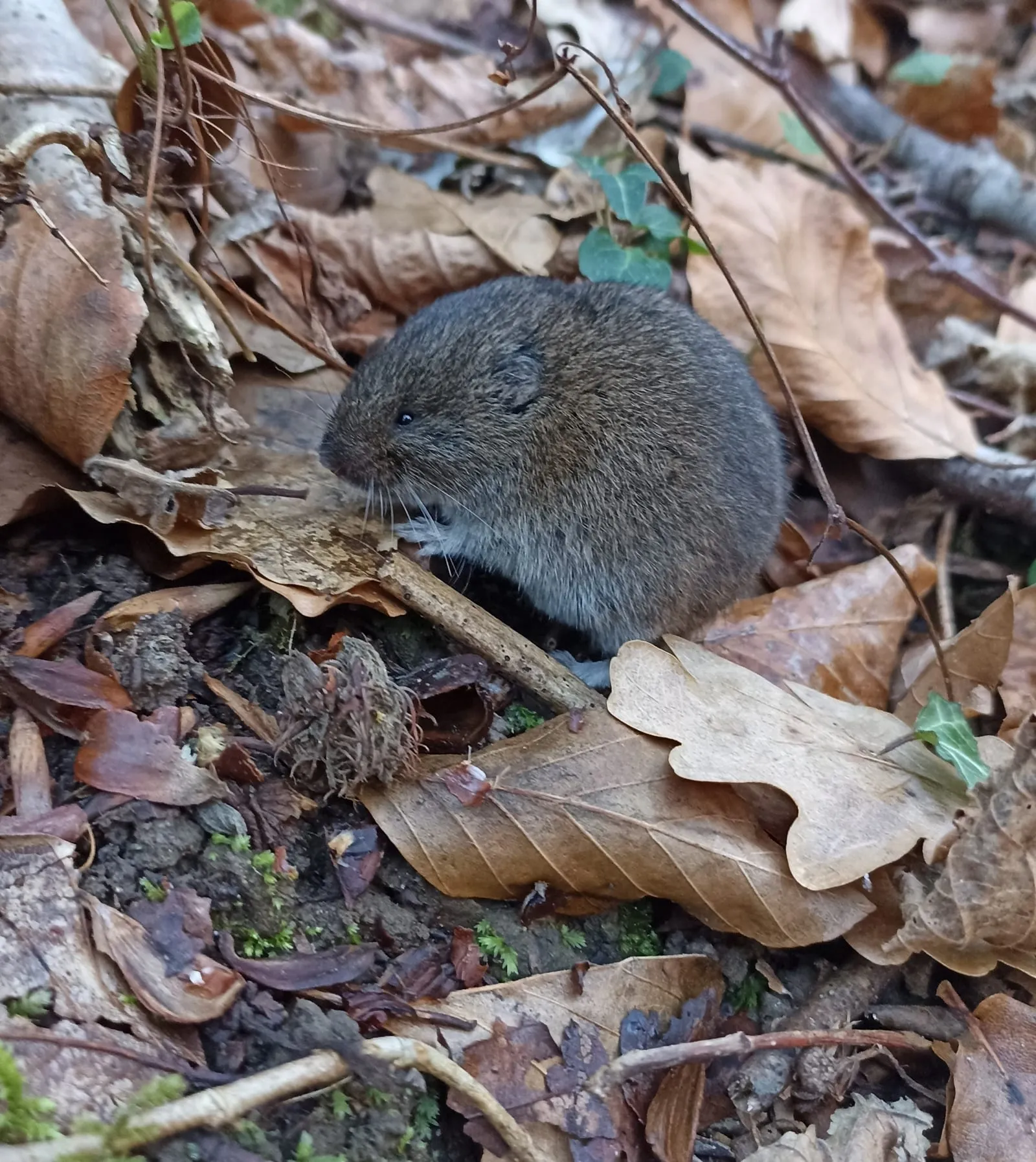
Microtus species
Field voles and meadow voles girdle young fruit-tree trunks under snow cover during winter and chew root crops. The leading cause of mysterious orchard losses.
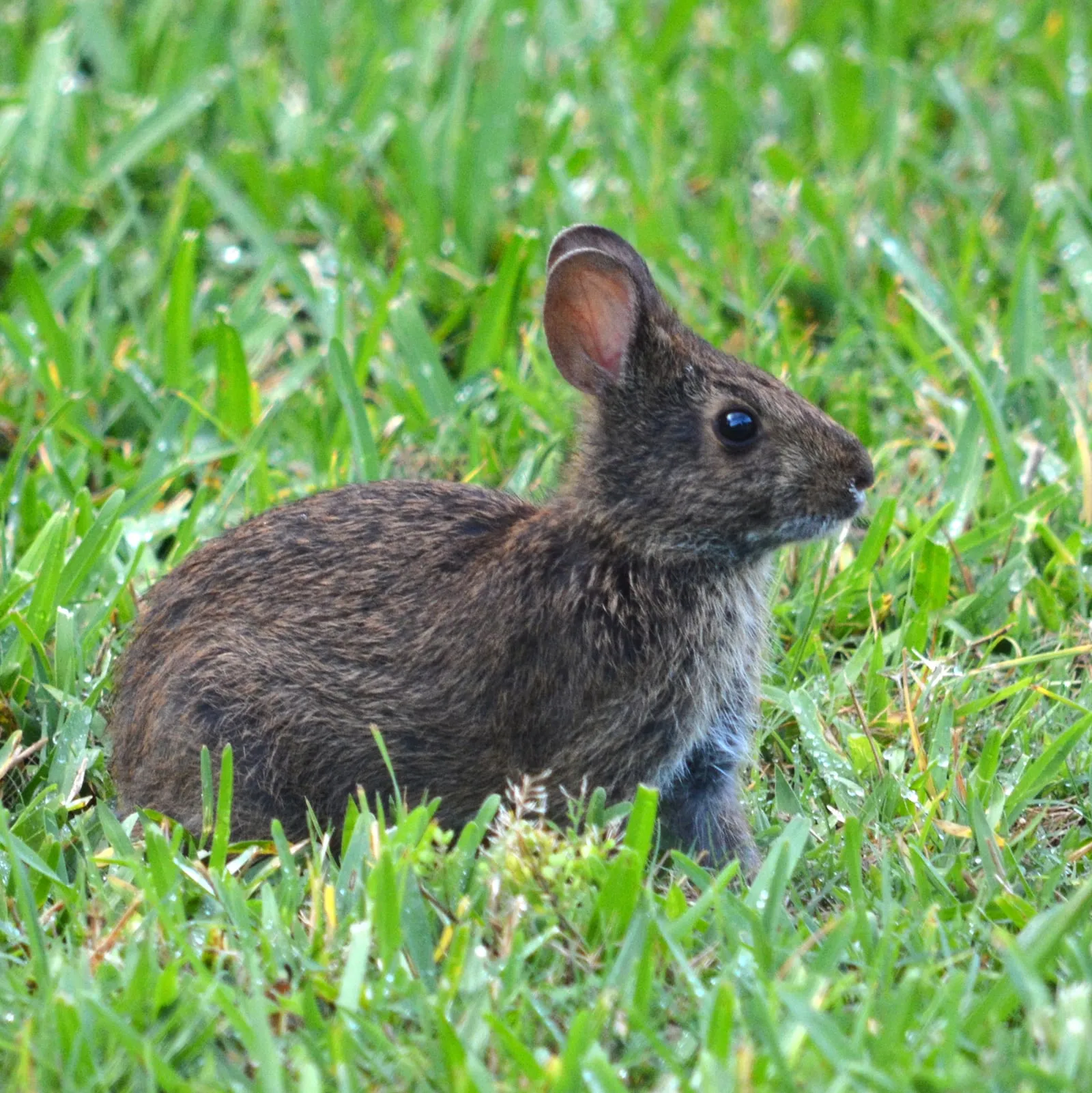
Sylvilagus and Lepus species
Cottontails and jackrabbits strip bark from young fruit trees in winter and graze tender garden vegetables year-round, especially seedlings.
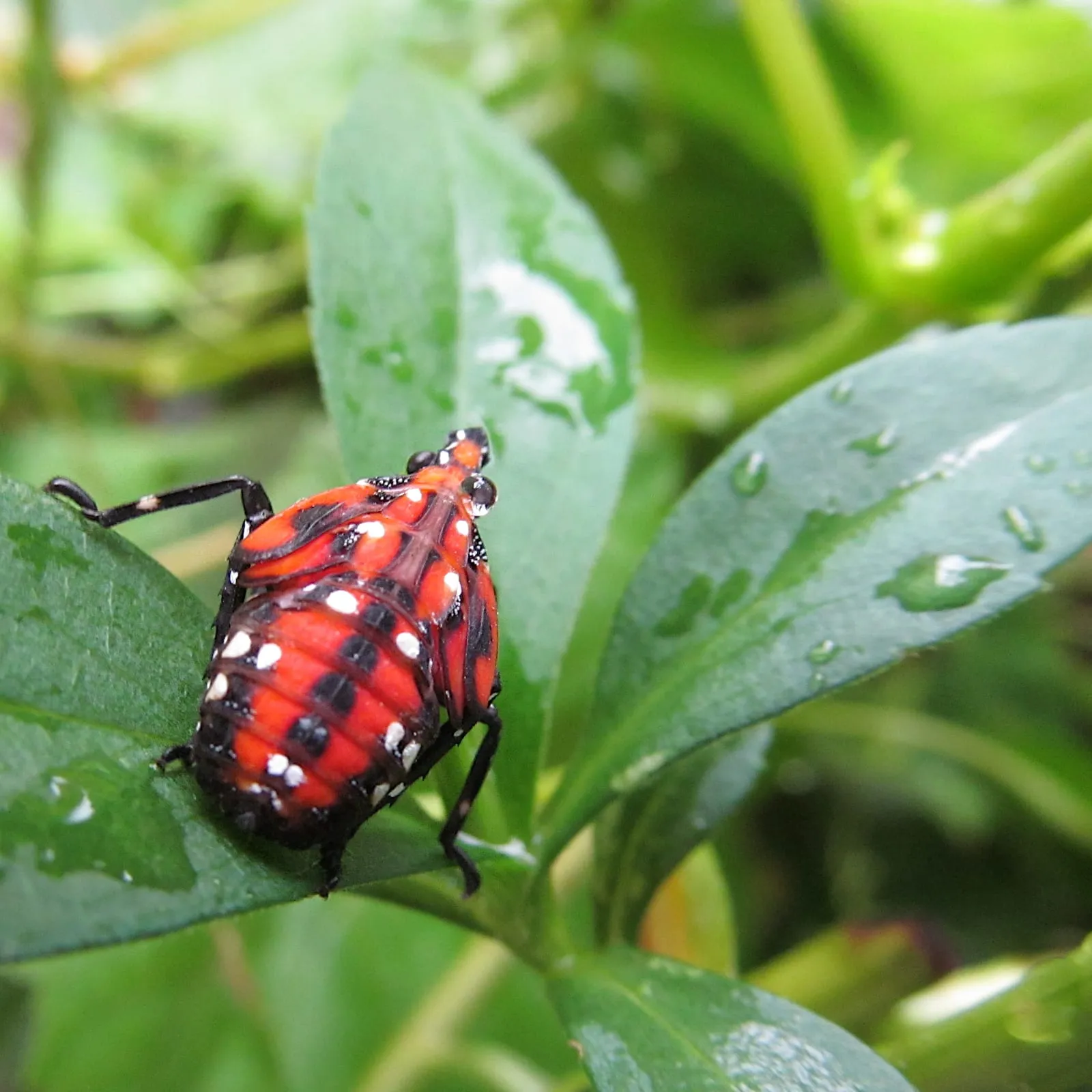
Lycorma delicatula
Invasive planthopper from Asia first detected in Pennsylvania 2014, now spreading through the Eastern US. Direct feeding weakens trees; honeydew supports sooty mold and reduces fruit quality.
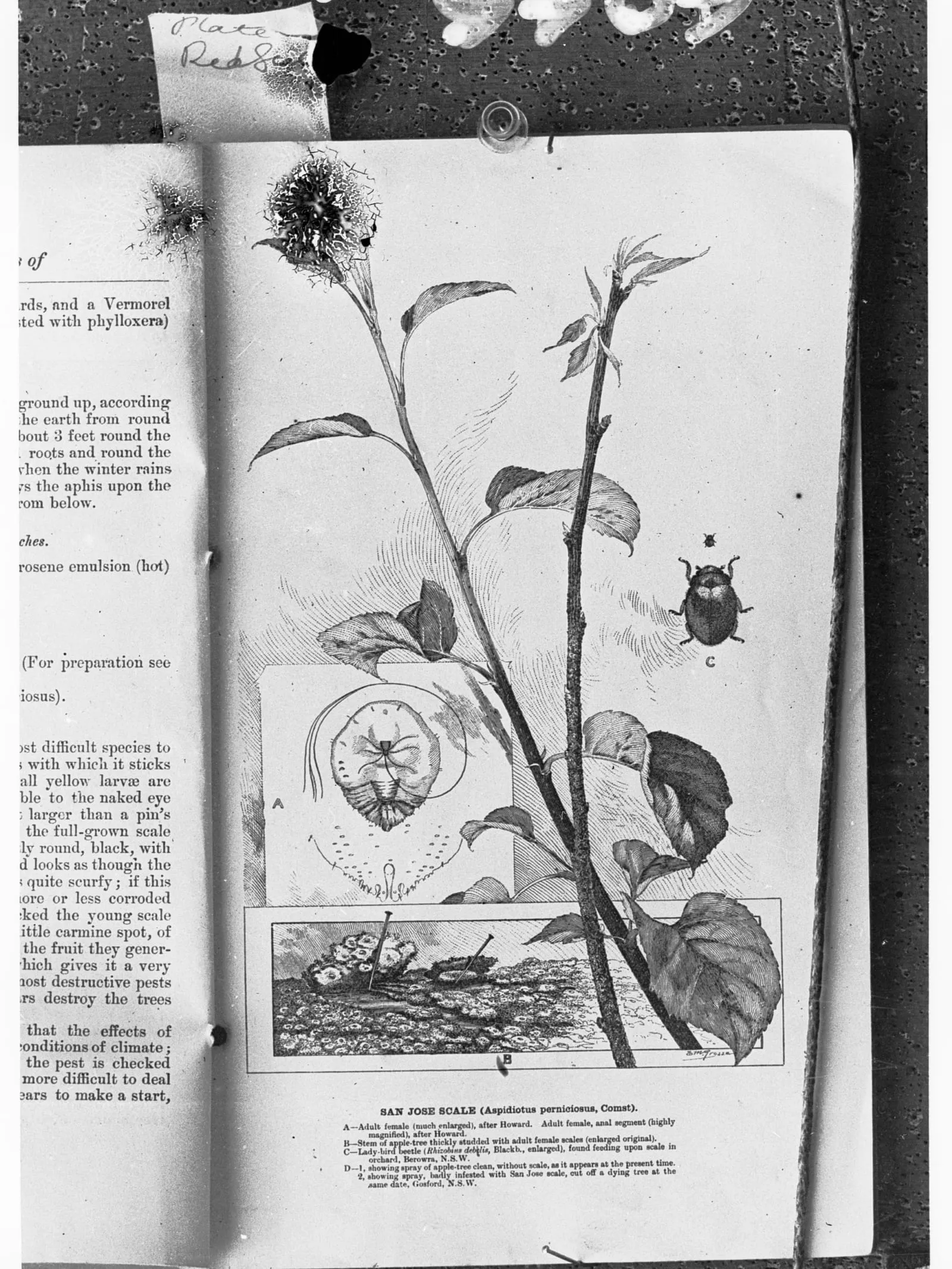
Quadraspidiotus perniciosus
Tiny armored scale insect that encrusts bark, branches, and fruit. Heavy infestations weaken trees and produce red haloed spots on fruit at harvest. Persistent year-over-year if not controlled.
Common challenges
The three most common causes of sweet cherry failure in home gardens are chill-hour mismatch, late-frost damage to open flowers, and Spotted Wing Drosophila infestation at harvest.
Chill-hour mismatch is a slow problem. A tree planted in a warm zone or an unusually warm microclimate may bloom erratically, set little fruit, and decline over several years without obvious cause. The variety's chill requirement must match the site's average accumulated winter chill hours. Zone 7b and 8a growers should confirm actual winter chill accumulation before committing to high-chill varieties.
Late frosts are the most damaging acute event for sweet cherry. Open flowers tolerate temperatures down to roughly 27 to 28 degrees Fahrenheit before significant damage occurs. In zones 7 and warmer, early warming can push bloom into March, when frost risk remains elevated.
Spotted Wing Drosophila (SWD) is now established across most of the US sweet cherry range. Unlike common fruit flies, SWD attacks ripening fruit before it softens. The first visible sign is often a small indented scar or soft spot on the fruit surface. Netting trees at the start of color change, combined with prompt harvest at peak ripeness, reduces losses but requires consistent follow-through. Brown rot compounds harvest-time losses in wet seasons, turning cracked or wounded fruit to mush within days.
Grafting and rootstocks
Companion plants
Frequently asked questions
- How many chill hours does sweet cherry require?
Sweet cherry varieties require between 700 and 1100 chill hours per winter depending on the selection. High-chill varieties like Bing sit near the upper end of that range. Stella and Lapins are lower-chill options, better suited to zones 7 and warmer. Confirming your site's average accumulated chill hours before selecting a variety avoids planting a tree that never bears reliably.
- How long does it take sweet cherry to produce fruit after planting?
On semi-dwarfing rootstock, sweet cherry typically begins bearing in year 3 to 4. Once a tree is established and flowering, fruit ripens 60 to 80 days after full bloom, usually June through early July depending on zone and variety. Standard rootstock trees may take a year or two longer to bear.
- What USDA zones are suitable for sweet cherry?
Sweet cherry grows reliably in zones 5a through 8a. Zone 4 and colder presents too much winter injury risk for sustained production. Zone 8b and warmer is generally too mild for most varieties to accumulate enough chill hours to break dormancy properly and set a full crop.
- Does sweet cherry need a second tree for pollination?
It depends on the variety. Bing requires a compatible pollinator planted nearby or fruit set will be negligible. Stella and Lapins are self-fertile and produce without a second tree, though cross-pollination often improves yields even on self-fertile selections. When planting Bing, confirm that any nearby cherry is a compatible variety that blooms at the same time.
- What is the most common disease on sweet cherry?
Brown rot (Monilinia species) is the most prevalent fungal disease of sweet cherry, striking hardest during wet weather at bloom and again around harvest. Sanitation (removing mummified fruit), pruning for airflow, and timely fungicide applications at bloom are the standard management steps for home orchardists.
- What is bacterial canker and how serious is it?
Bacterial canker (Pseudomonas syringae) causes sunken, weeping lesions on limbs and trunks, often with a sour smell. It is most damaging in cool, wet climates and can kill scaffold branches or entire trees if left unchecked. Prune only during dry weather, disinfect tools between cuts, and avoid bark wounds during wet dormant periods.
- Why does sweet cherry fruit crack, and which varieties resist it?
Rain at harvest causes fruit to absorb water rapidly through the skin, leading to splitting. Cracked fruit becomes unmarketable quickly and attracts Spotted Wing Drosophila. Lapins was specifically bred for crack resistance and performs better than Bing in rainy climates. Prompt harvest when fruit reach peak ripeness also reduces exposure time to wet conditions.
+−
+−
+−
+−
+−
+−
+−
Sources
Image: "Prunus avium fruit", by MPF, via Wikimedia Commons, licensed under CC-BY. Source.

Sweet Cherry by zone
Related