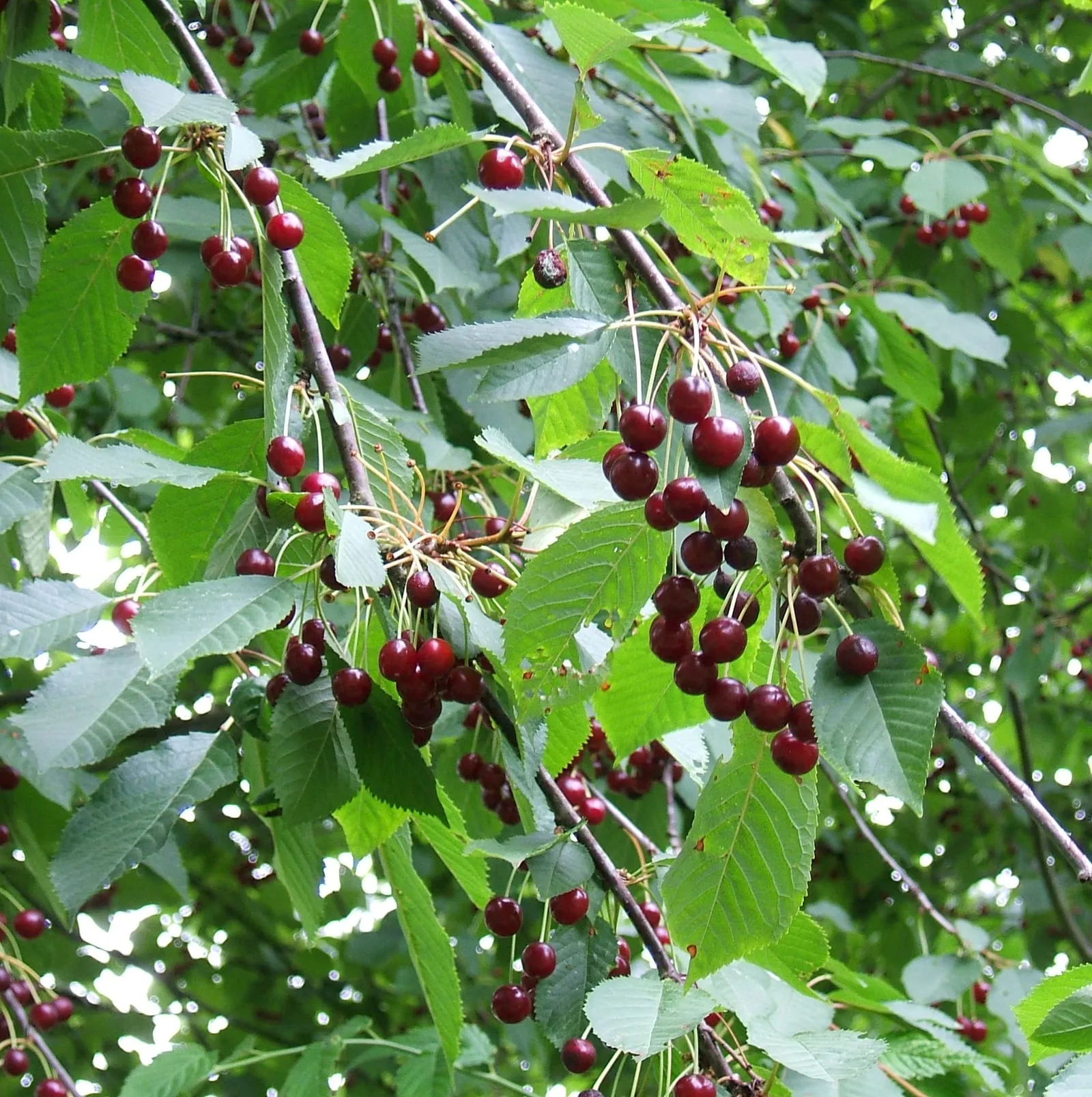
fruit tree in zone 7a
Growing sweet cherry in zone 7a
Prunus avium
- Zone
- 7a 0°F to 5°F
- Growing season
- 210 days
- Chill needed
- 700 to 1100 below 45°F
- Suitable varieties
- 4
- Days to harvest
- 60 to 80
The verdict
Zone 7a sits at the southern margin of reliable sweet cherry territory. The crop's chill-hour requirement spans 700 to 1,100 hours, and zone 7a accumulates that range in most winters, but annual variability is real. High-chill varieties like Bing push the upper end of that range and will underperform in mild winters, which are not unusual in zone 7a. Self-fertile lower-chill varieties, Stella and Lapins, offer more consistent results. Rainier is workable but sensitive to warm spells in late winter that can prematurely exhaust chill-hour accumulation before the requirement is fully met.
This zone is not a natural sweet spot for sweet cherry; it is the southern edge of where the crop functions reliably. Growers should expect occasional failure years tied to insufficient winter cold rather than excessive heat. Variety selection should prioritize the lower end of the chill-hour range. Varieties that regularly require 1,000 hours or more are a poor bet here.
Recommended varieties for zone 7a
4 cultivars suited to this zone, with disease-resistance and zone-fit annotations.
| Variety | Notes | Zone fit | Disease resistance |
|---|---|---|---|
| Bing fits zone 7a | Sweet, firm, juicy, deep mahogany-red; the industry standard sweet cherry, classic flavor for fresh eating. Requires a pollinator. | | none noted |
| Stella fits zone 7a | Sweet, firm, dark red; very good fresh-eating quality. Self-fertile so a single tree produces, also a good pollinator for Bing. | | none noted |
| Lapins fits zone 7a | Sweet, large, dark red, crack-resistant in rain; one of the best modern fresh-eating cherries. Self-fertile. | | none noted |
| Rainier fits zone 7a | Very sweet, mild, yellow-pink blushed skin with creamy yellow flesh; premium dessert cherry with a delicate flavor. Beautiful but bird-prone. | | none noted |
Critical timing for zone 7a
Sweet cherry in zone 7a blooms in late March to early April, coinciding closely with the region's last frost window. Zone 7a's average last spring frost falls between late March and mid-April depending on specific location, placing the bloom period squarely in frost-risk territory. A single hard freeze during bloom can eliminate the season's crop entirely.
Harvest follows roughly 60 to 75 days after bloom, putting fruit at peak ripeness in late May to early June for most zone 7a locations. That timing intersects with rising humidity and early summer heat, which accelerates brown rot development on ripening fruit. Getting fruit off the tree promptly at peak ripeness limits exposure to the conditions where losses mount quickly.
Common challenges in zone 7a
- ▸ Cedar-apple rust
- ▸ Brown rot
- ▸ Fire blight
- ▸ High humidity disease pressure
Disease pressure to watch for
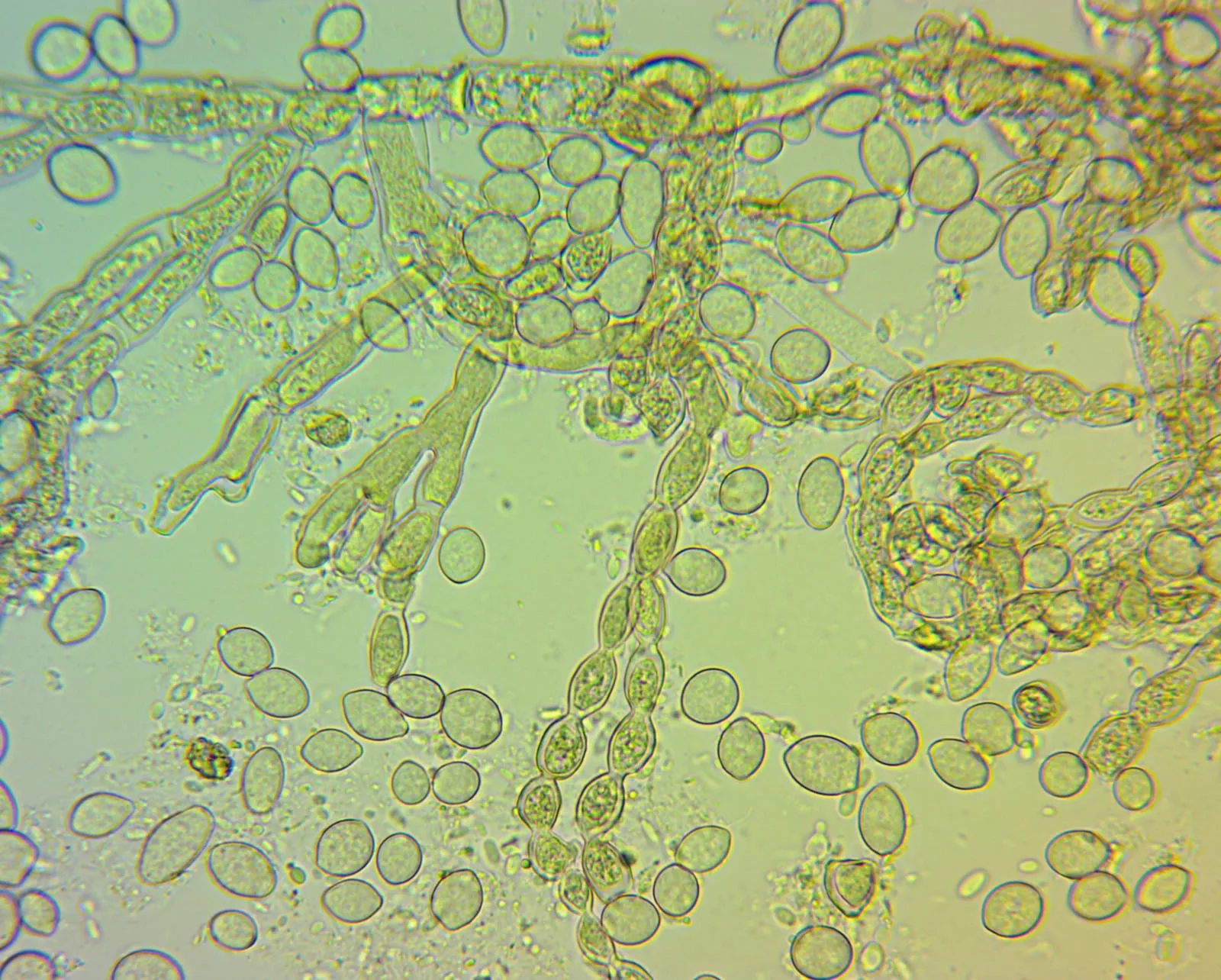
Monilinia fructicola
The most damaging stone-fruit and almond disease, causing blossom blight and fruit rot.
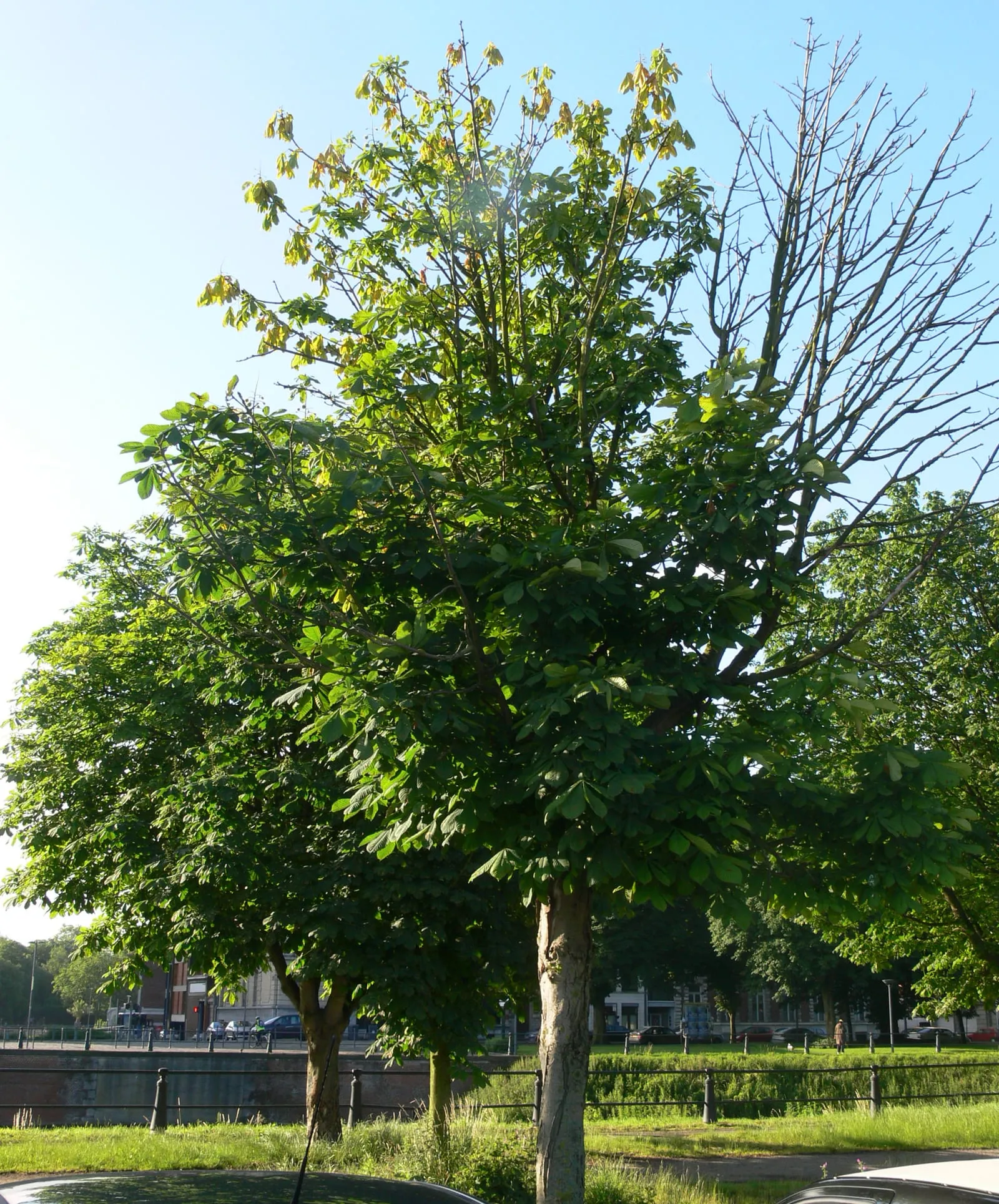
Pseudomonas syringae
Bacterial disease causing limb dieback and gummosis, particularly damaging in wet cool springs.
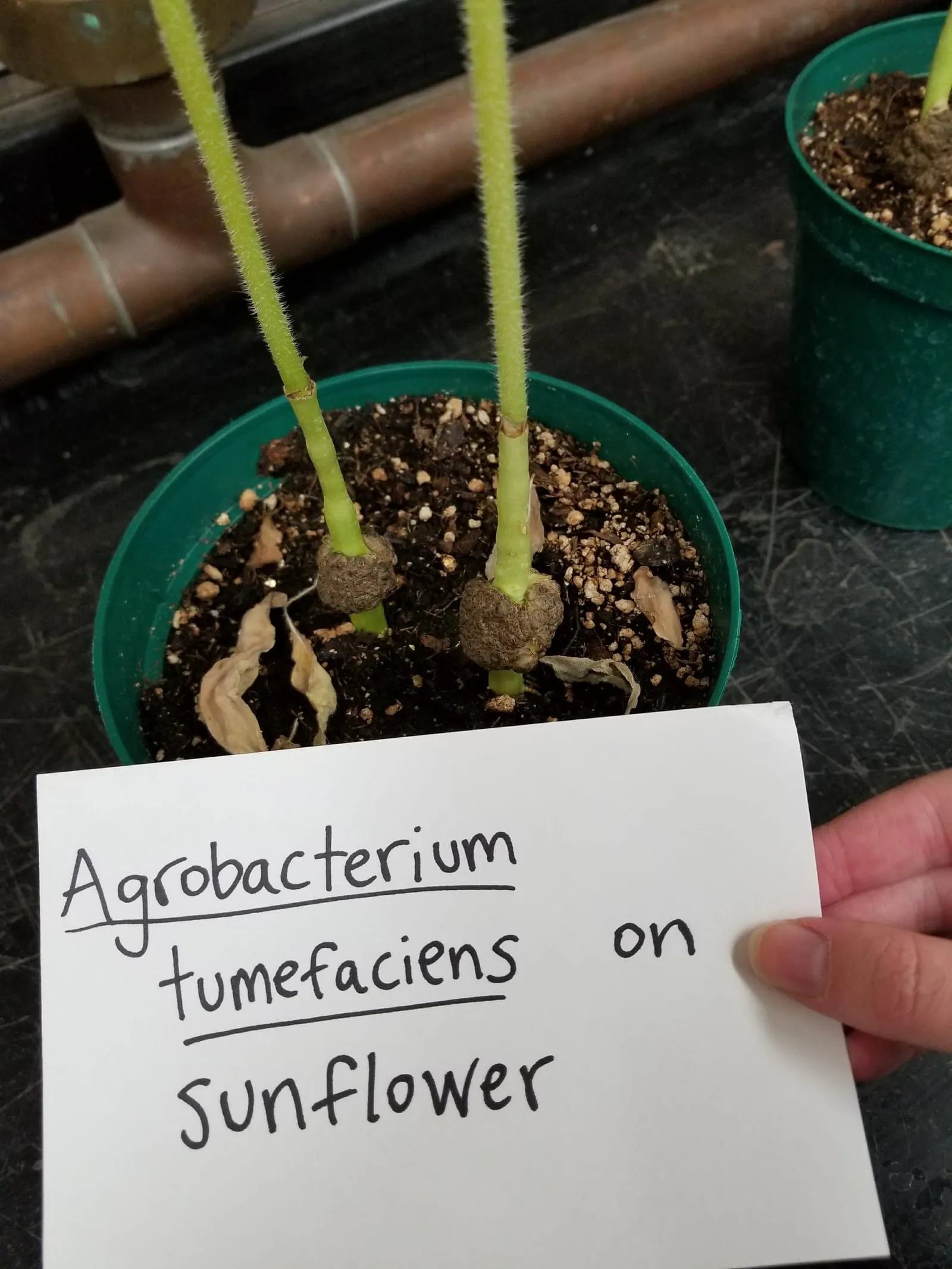
Agrobacterium tumefaciens
Soil-borne bacterium that enters plants through wounds and induces tumor-like galls on roots, crown, and lower stems. Galls reduce vigor and shorten plant lifespan; on Rubus the disease is often fatal.
Modified care for zone 7a
Sweet cherry in zone 7a faces a different threat profile than in cooler northern climates. Brown rot and bacterial canker are the primary disease concerns, both favored by the zone's humidity and rainfall patterns. A preventive fungicide program starting at petal fall and continuing through harvest is standard practice here, not optional. Thinning the canopy to improve air circulation reduces humidity within the tree and slows brown rot pressure meaningfully.
Bacterial canker management requires pruning during dry weather only, with copper-based dormant sprays applied in late fall and early spring. Frost protection during bloom, via overhead irrigation or temporary covers on small trees, is worth planning for in advance. Unlike northern zones where winter injury is the main threat, zone 7a growers contend more with late frost events during bloom and summer disease pressure than with cold-related die-back on established wood.
Sweet Cherry in adjacent zones
Image: "Prunus avium fruit", by MPF, via Wikimedia Commons, licensed under CC-BY Source.

Related