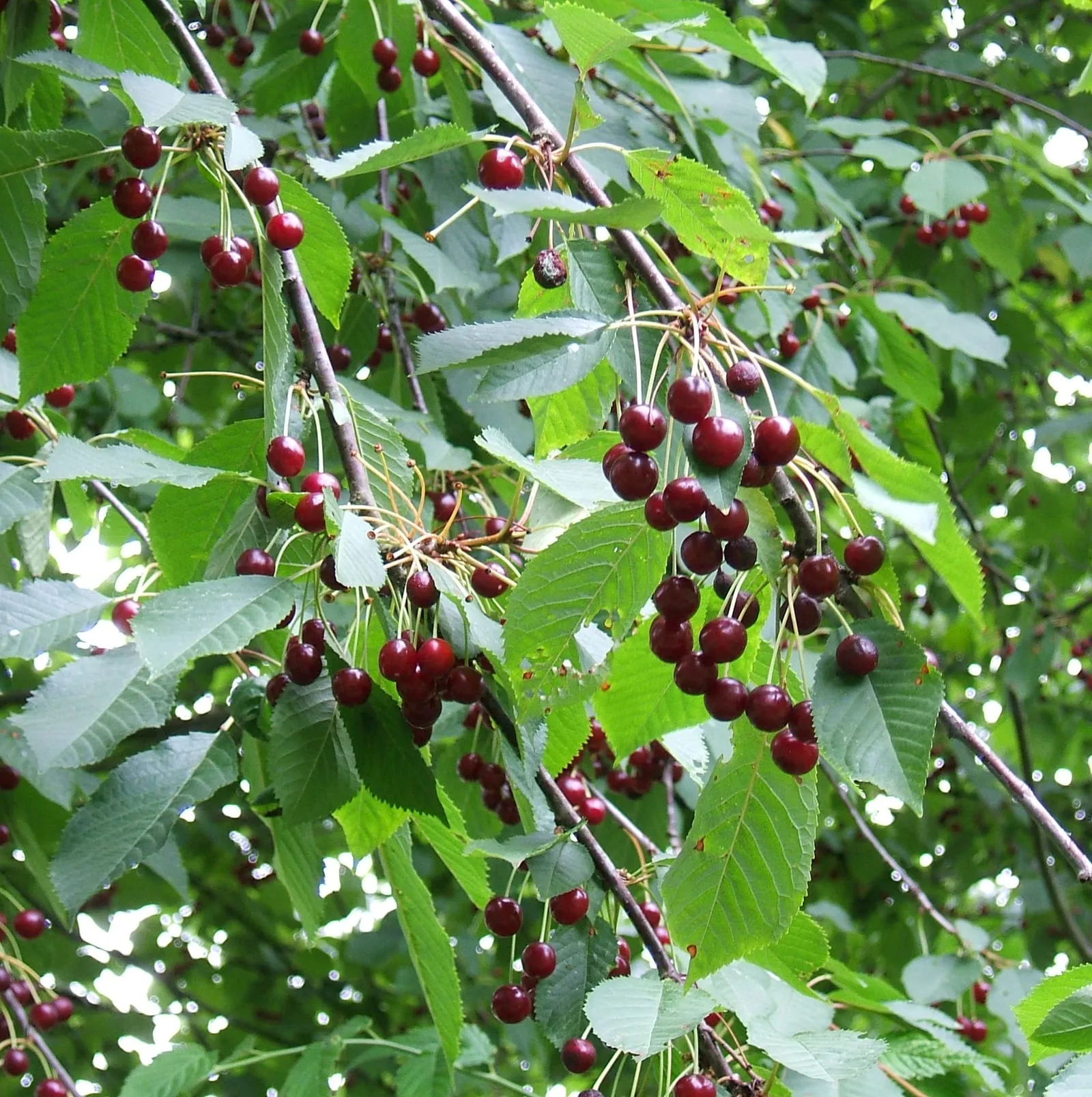
fruit tree in zone 8a
Growing sweet cherry in zone 8a
Prunus avium
- Zone
- 8a 10°F to 15°F
- Growing season
- 240 days
- Chill needed
- 700 to 1100 below 45°F
- Suitable varieties
- 0
- Days to harvest
- 60 to 80
The verdict
Zone 8a sits at the lower margin of sweet cherry's viable range. Sweet cherries require 700 to 1,100 chill hours (exposure to temperatures below 45°F during dormancy), and zone 8a delivers variable totals depending on elevation, proximity to the coast, and the severity of individual winters. In cooler inland locations within zone 8a, accumulating close to the 700-hour minimum is achievable in most winters. In warmer valley and coastal sites within the same zone designation, that minimum becomes unreliable.
This variability makes zone 8a a marginal, not favorable, zone for sweet cherry. Poor chill accumulation leads to delayed or erratic bloom, reduced fruit set, and uneven ripening. Growers should prioritize varieties with chill requirements at or near the 700-hour floor and track local chill accumulation across multiple winters before drawing conclusions about a site's long-term suitability. Planning for three to four seasons of production variability before the planting's true viability becomes clear is a reasonable expectation.
Critical timing for zone 8a
Sweet cherries in zone 8a typically bloom in late February through mid-March, earlier than in cooler zones where bloom arrives in April. Zone 8a last frost dates vary widely by location but commonly fall between late January and mid-March, meaning the frost and bloom windows overlap with some regularity. A single hard frost during full bloom can eliminate most or all of a season's crop.
The 240-day growing season provides more than enough time for fruit to ripen after bloom; the practical risk is concentrated at the front end of the season, not the back. Harvest in zone 8a generally falls in late April through late May for most varieties, well ahead of the summer heat that accelerates fruit softening. Whether a crop survives to harvest depends largely on whether bloom escapes late frost events.
Common challenges in zone 8a
- ▸ Insufficient chill hours for some apple varieties
- ▸ Pierce's disease in grapes
- ▸ Heat stress on cool-season crops
Disease pressure to watch for
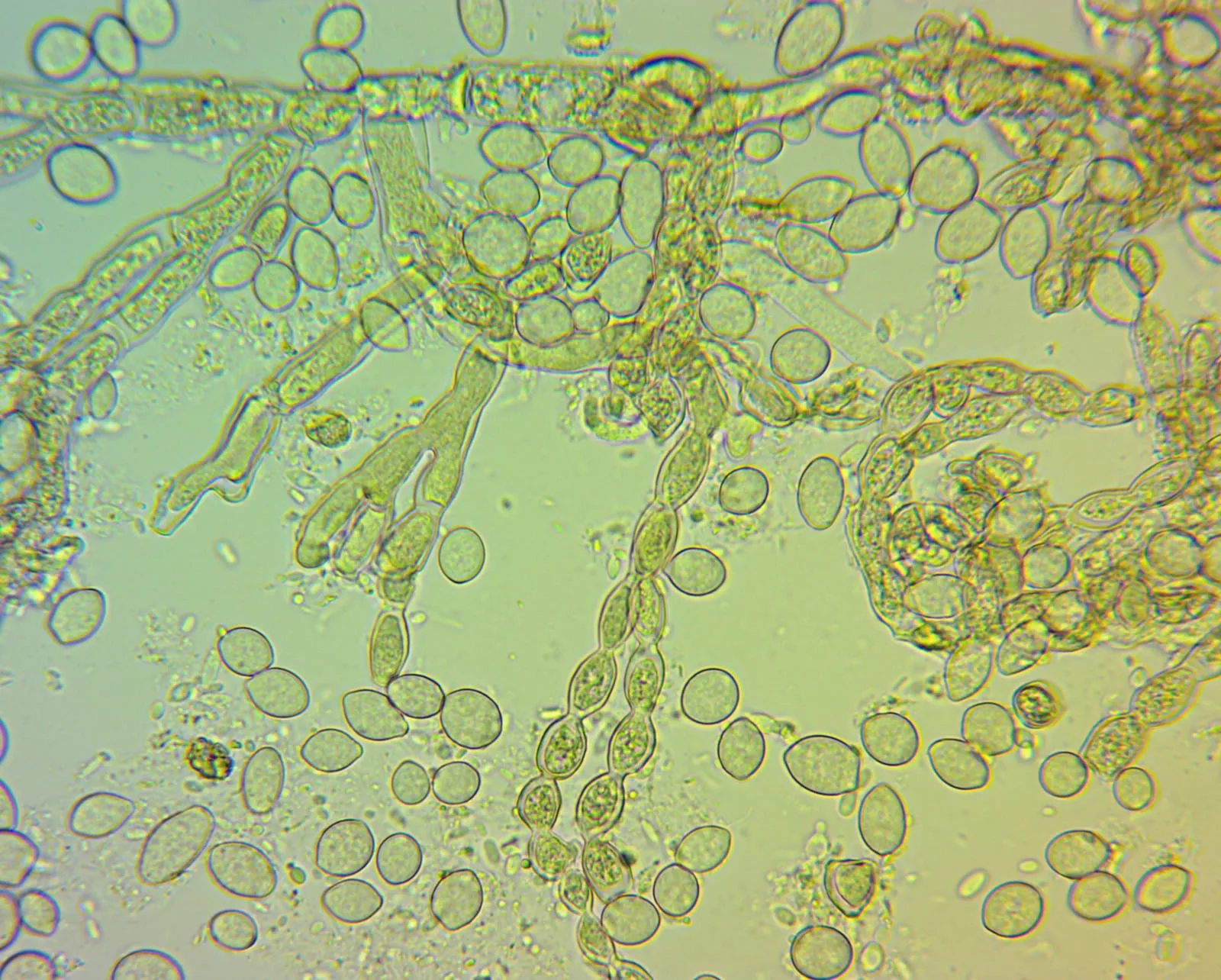
Monilinia fructicola
The most damaging stone-fruit and almond disease, causing blossom blight and fruit rot.
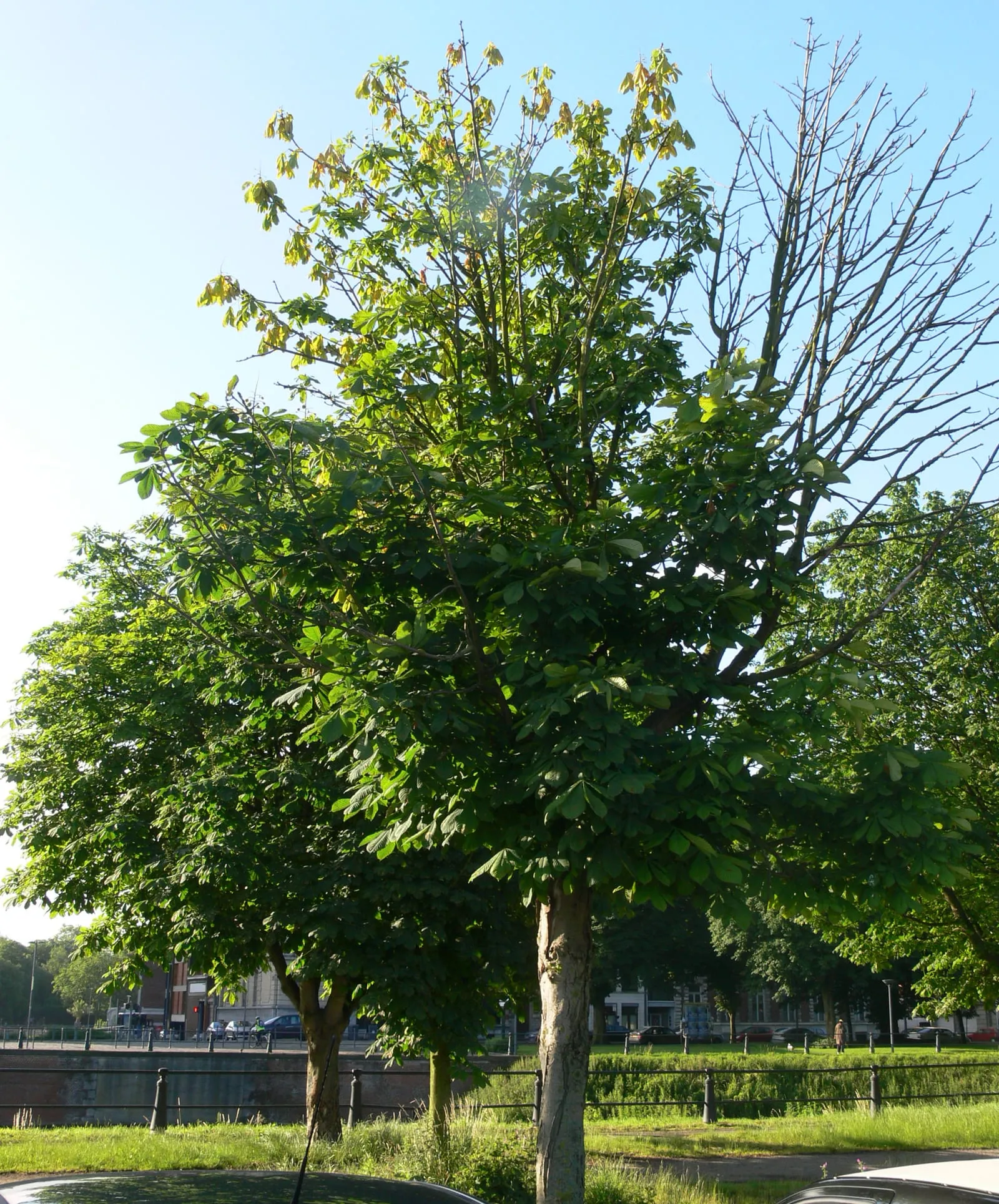
Pseudomonas syringae
Bacterial disease causing limb dieback and gummosis, particularly damaging in wet cool springs.
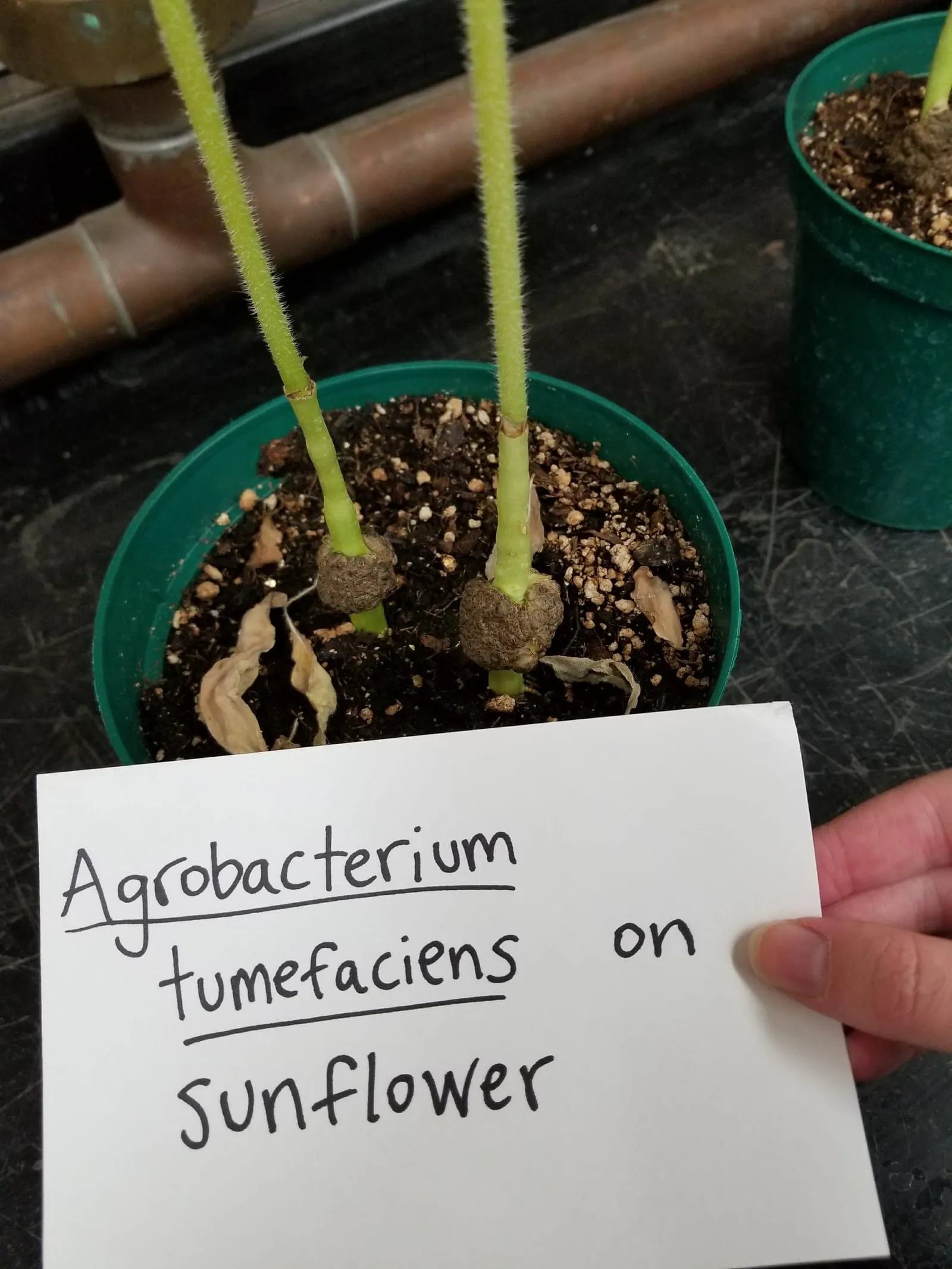
Agrobacterium tumefaciens
Soil-borne bacterium that enters plants through wounds and induces tumor-like galls on roots, crown, and lower stems. Galls reduce vigor and shorten plant lifespan; on Rubus the disease is often fatal.
Modified care for zone 8a
Zone 8a growers should orient their sweet cherry management around two pressures that are sharper here than in cooler parts of the crop's range: chill-hour shortfall and brown rot.
In winters tracking toward low chill accumulation, some growers apply hydrogen cyanamide to encourage more uniform dormancy break and improve bloom cohesion. This practice is documented for low-chill stone fruit production in warmer zones but carries timing and rate sensitivity; local extension guidance should be consulted before use.
Brown rot, caused by Monilinia spp., thrives in the warm, humid spring conditions common to zone 8a. Infection begins at bloom and escalates rapidly as fruit ripens. A preventive fungicide program timed to bloom onset and the preharvest period is standard practice in this zone. Bacterial canker is less severe than in wetter, cooler climates but remains worth monitoring on any tree showing vigor decline or unusual dieback after pruning.
Sweet Cherry in adjacent zones
Image: "Prunus avium fruit", by MPF, via Wikimedia Commons, licensed under CC-BY Source.

Related