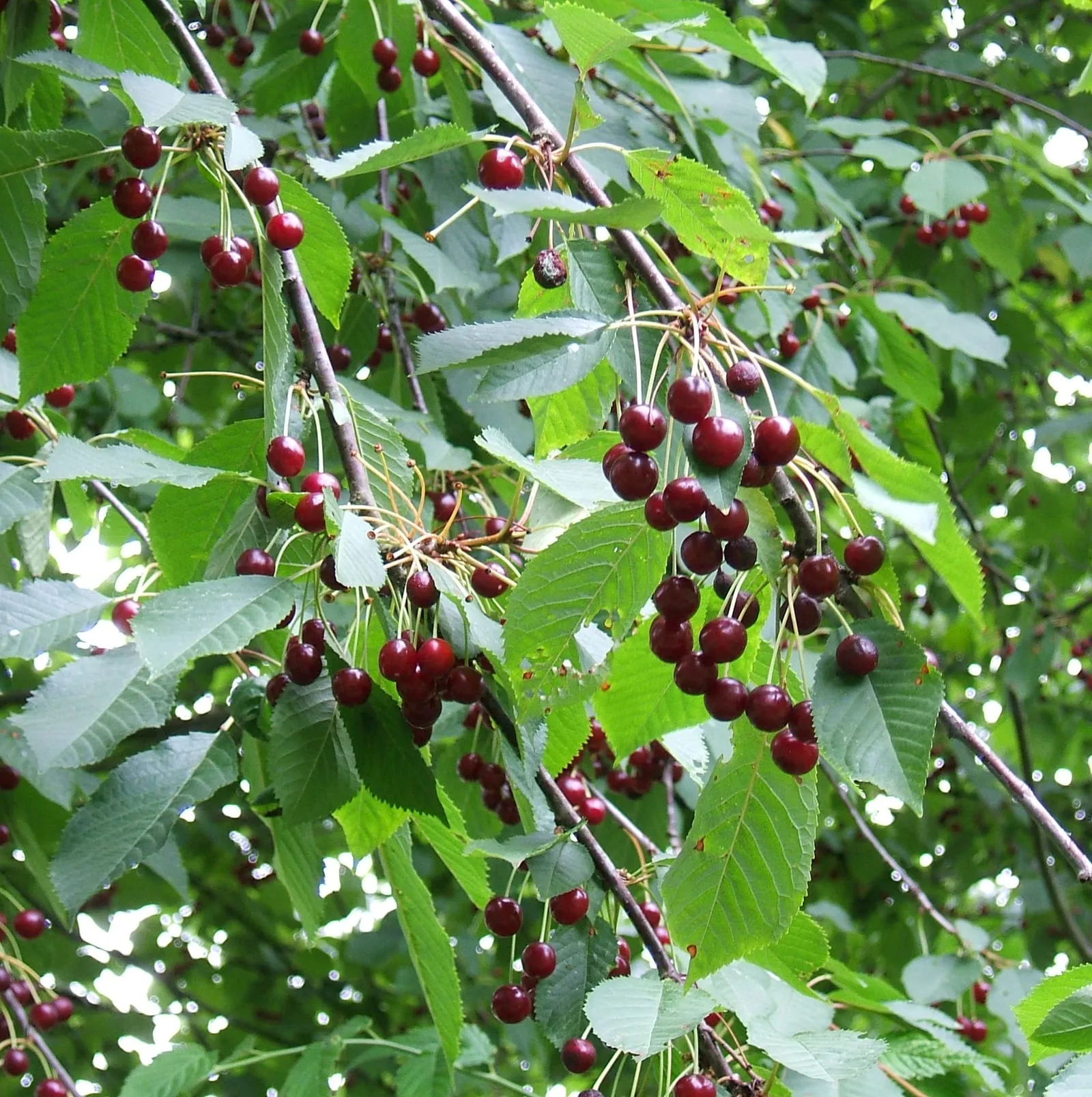
fruit tree in zone 5b
Growing sweet cherry in zone 5b
Prunus avium
- Zone
- 5b -15°F to -10°F
- Growing season
- 165 days
- Chill needed
- 700 to 1100 below 45°F
- Suitable varieties
- 4
- Days to harvest
- 60 to 80
The verdict
Zone 5b sits near the cold edge of sweet cherry's commercial range, but for home orchardists it is a workable fit. The chill-hour requirement of 700 to 1,100 hours aligns well with zone 5b's typical winter accumulation, which commonly runs 1,000 to 1,400 hours across most of the zone. Bing, Stella, Lapins, and Rainier all fall within that window and have established track records in zone 5b plantings.
The real limiting factor is not chill hours but winter hardiness during extreme cold events. Zone 5b minimums (-15 to -10°F) fall at or slightly below what sweet cherry flower buds can tolerate without damage. Trees themselves generally survive, but bud kill in severe winters is a documented risk, particularly for Bing. Lapins and Stella show somewhat better cold tolerance at the bud stage, making them the safer first choice where late polar vortex events occur with any regularity.
Recommended varieties for zone 5b
4 cultivars suited to this zone, with disease-resistance and zone-fit annotations.
| Variety | Notes | Zone fit | Disease resistance |
|---|---|---|---|
| Bing fits zone 5b | Sweet, firm, juicy, deep mahogany-red; the industry standard sweet cherry, classic flavor for fresh eating. Requires a pollinator. | | none noted |
| Stella fits zone 5b | Sweet, firm, dark red; very good fresh-eating quality. Self-fertile so a single tree produces, also a good pollinator for Bing. | | none noted |
| Lapins fits zone 5b | Sweet, large, dark red, crack-resistant in rain; one of the best modern fresh-eating cherries. Self-fertile. | | none noted |
| Rainier fits zone 5b | Very sweet, mild, yellow-pink blushed skin with creamy yellow flesh; premium dessert cherry with a delicate flavor. Beautiful but bird-prone. | | none noted |
Critical timing for zone 5b
Sweet cherry blooms early relative to most fruit crops, typically mid to late April in zone 5b. That timing intersects directly with the zone's average last frost window, which runs from late April into early May across much of zone 5b. A hard frost after full bloom can eliminate the year's harvest entirely, so site selection and frost awareness at bloom time matter more here than in warmer zones.
Harvest follows 60 to 80 days after bloom, placing it in late June to mid-July depending on variety and local heat accumulation. Rainier typically ripens 7 to 10 days ahead of Bing or Lapins. The 165-day growing season in zone 5b provides adequate time for full fruit development, provided the bloom period clears the frost window.
Common challenges in zone 5b
- ▸ Plum curculio
- ▸ Codling moth
- ▸ Cedar-apple rust
Disease pressure to watch for
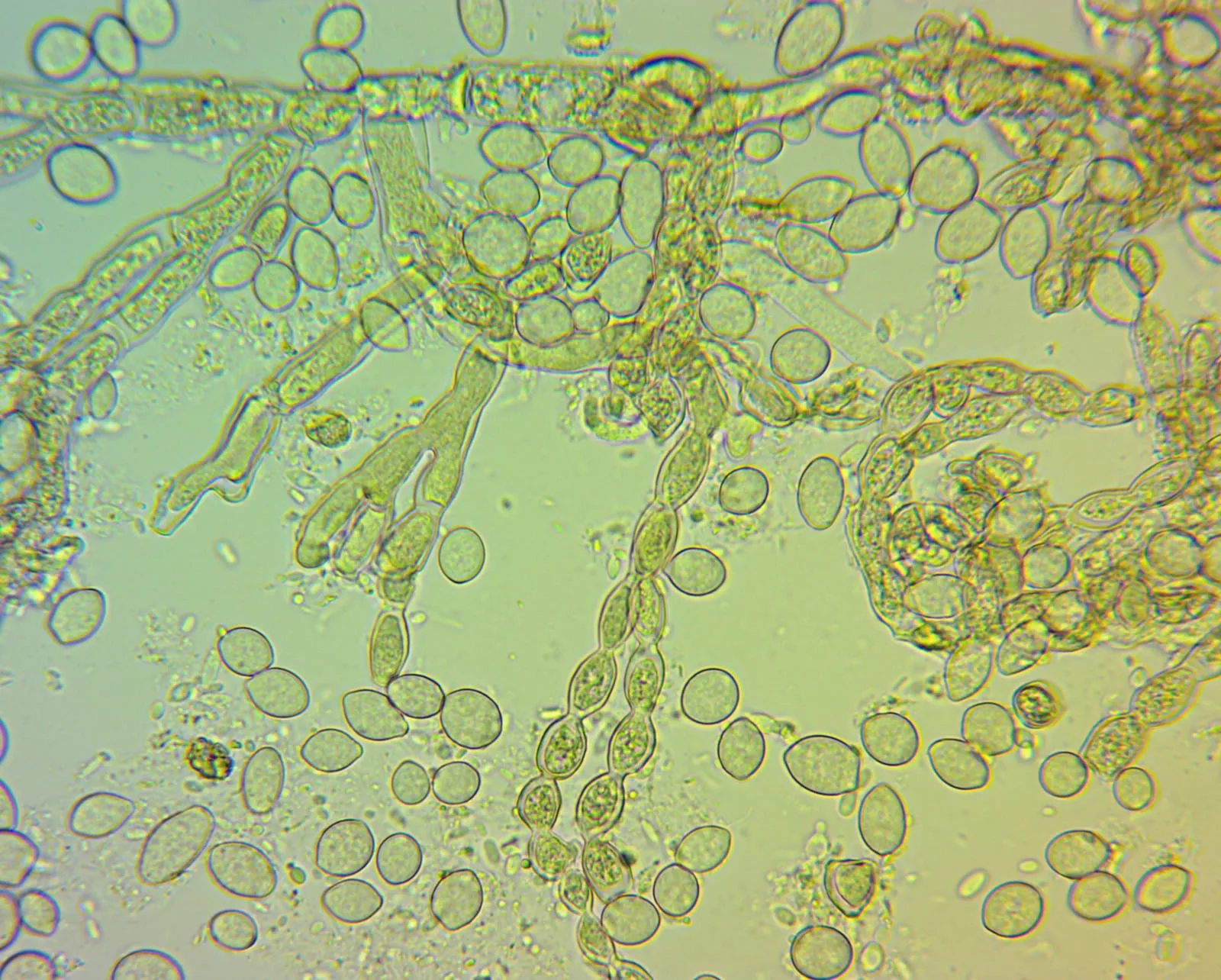
Monilinia fructicola
The most damaging stone-fruit and almond disease, causing blossom blight and fruit rot.
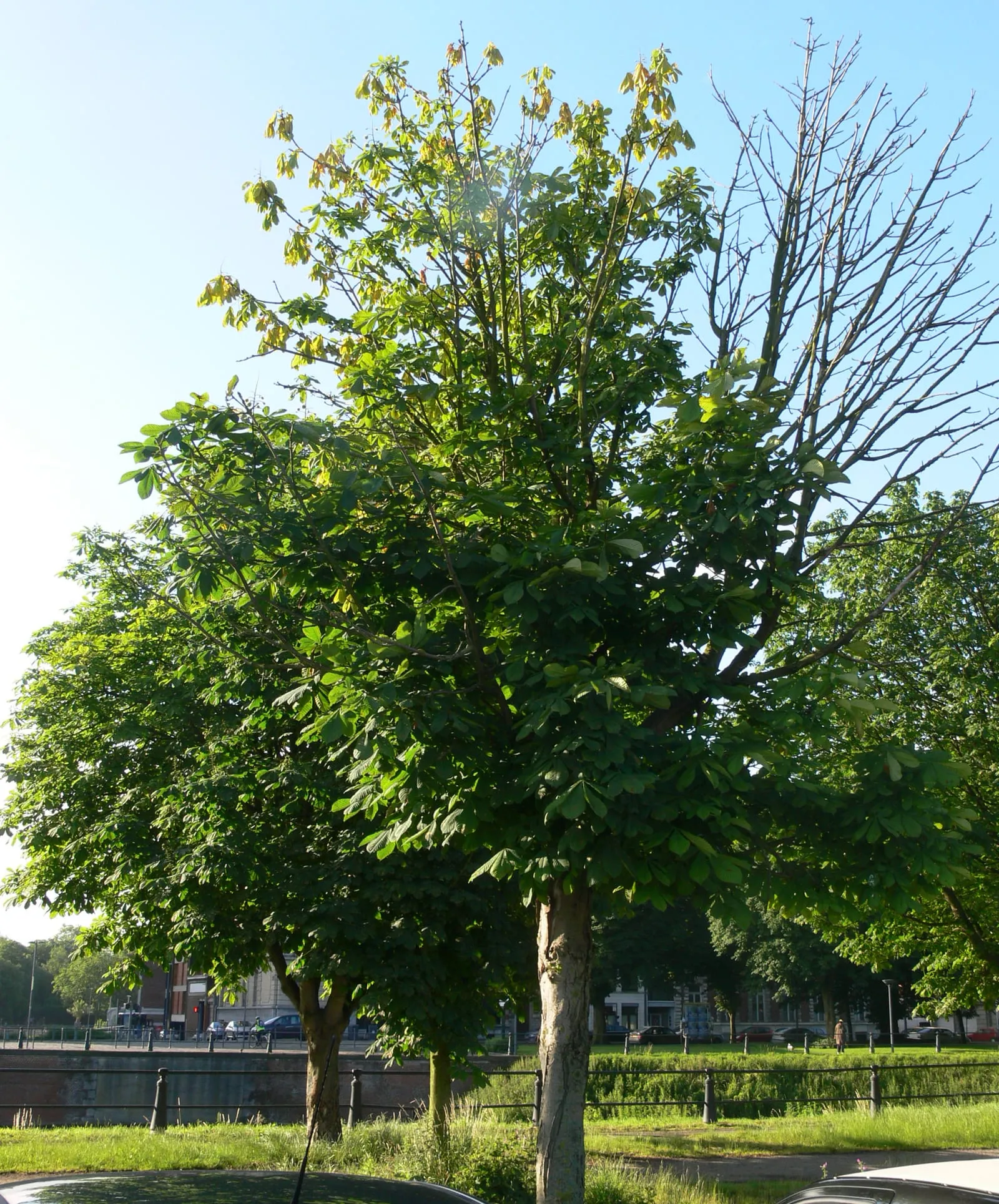
Pseudomonas syringae
Bacterial disease causing limb dieback and gummosis, particularly damaging in wet cool springs.
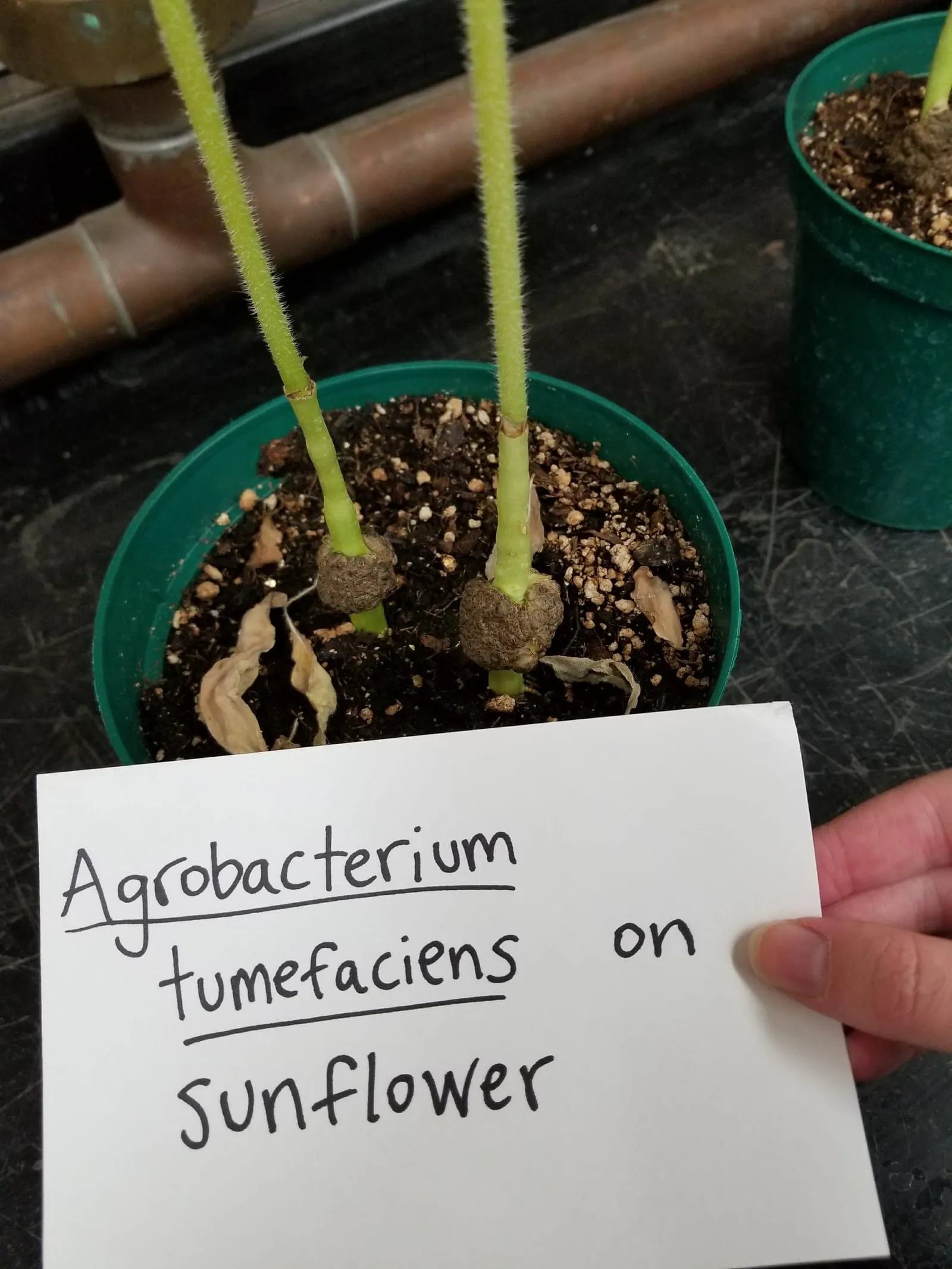
Agrobacterium tumefaciens
Soil-borne bacterium that enters plants through wounds and induces tumor-like galls on roots, crown, and lower stems. Galls reduce vigor and shorten plant lifespan; on Rubus the disease is often fatal.
Modified care for zone 5b
The two most pressing adjustments in zone 5b are frost protection at bloom time and brown rot management during cool, wet early summers. Because sweet cherry blooms early and the flowers are frost-sensitive, late spring cold events pose a consistent threat. Planting on elevated ground or slopes with good cold air drainage reduces frost exposure meaningfully. Overhead irrigation or row covers can provide emergency protection during forecast frost events at or near bloom.
Brown rot thrives in the cool, wet spring conditions common across much of zone 5b. Sanitation (removing mummified fruit), along with preventive fungicide timing at petal fall and through cover spray intervals, is standard practice here. Bacterial canker pressure is also elevated in wet climates; prune only during dry weather in late summer rather than during dormancy, when wounds remain wet and infection risk rises.
Frequently asked questions
- Can sweet cherry trees survive zone 5b winters?
The trees themselves are generally hardy through zone 5b cold (-15 to -10°F), but flower buds are more vulnerable. In severe winters, partial or complete bud kill is possible. Varieties with better cold-bud tolerance, such as Lapins and Stella, carry lower risk than Bing in the coldest parts of the zone.
- Do I need two sweet cherry trees for pollination in zone 5b?
Stella and Lapins are self-fertile and will set fruit without a second tree. Bing and Rainier require a compatible pollenizer. If planting Bing or Rainier, pair them with Stella or Lapins, which are also cold-tolerant choices for the zone.
- What is the biggest disease risk for sweet cherry in zone 5b?
Brown rot is the primary concern, particularly during wet springs when infections can spread rapidly through developing fruit. Bacterial canker is a secondary but serious risk in sites with heavy spring rainfall. Both are manageable with proper timing and sanitation practices.
- How does late frost threaten sweet cherry in zone 5b?
Sweet cherry blooms in mid to late April in zone 5b, overlapping with the average last frost window. A frost at or below 28°F during or just after full bloom can destroy most of the crop. Site selection on frost-draining terrain is the most reliable long-term protection.
+−
+−
+−
+−
Sweet Cherry in adjacent zones
Image: "Prunus avium fruit", by MPF, via Wikimedia Commons, licensed under CC-BY Source.

Related