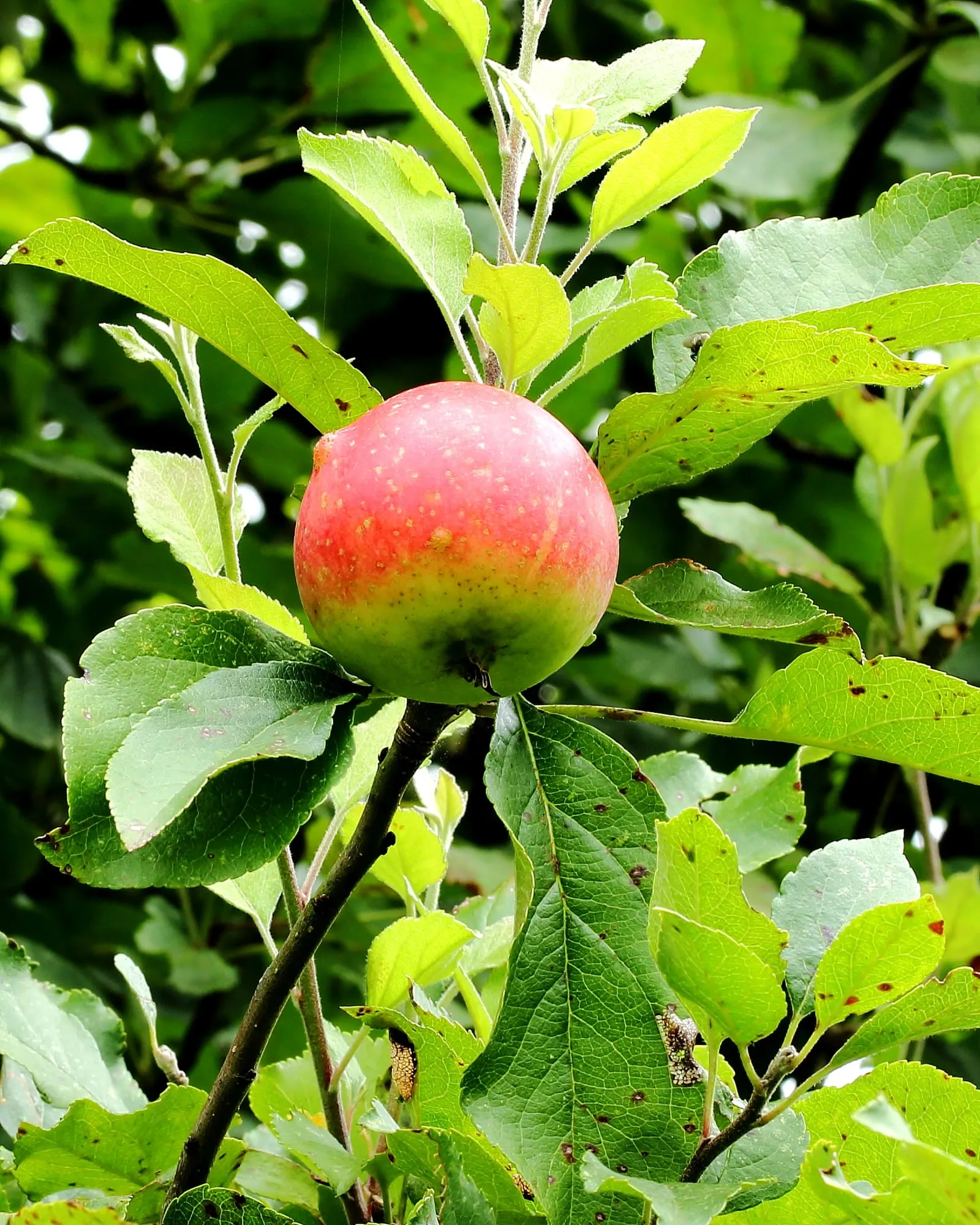
fruit tree in zone 7b
Growing apple in zone 7b
Malus domestica
- Zone
- 7b 5°F to 10°F
- Growing season
- 220 days
- Chill needed
- 400 to 1000 below 45°F
- Suitable varieties
- 6
- Days to harvest
- 120 to 200
The verdict
Zone 7b is workable for apples but not ideal. Honeycrisp will struggle here because warm summer nights cause inconsistent fruit quality and bitter pit. Standard chill hours (600 to 900) are met reliably, so almost any temperate apple variety chills properly, but humidity and disease pressure dominate decision-making.
The practical zone-7b apple program centers on disease-resistant cultivars: Liberty, Enterprise, Williams Pride, Pristine, and Goldrush. These resist scab, fire blight, and cedar-apple rust well enough to grow with little or no spraying. Anna and Dorsett Golden are options for the warmest 7b microclimates but unnecessary unless you're at the warm edge of the zone.
Recommended varieties for zone 7b
6 cultivars suited to this zone, with disease-resistance and zone-fit annotations.
| Variety | Notes | Zone fit | Disease resistance |
|---|---|---|---|
| Liberty fits zone 7b | Tart-sweet McIntosh-style flavor, juicy with crisp tender flesh; good fresh, excellent for sauce and pies. Top low-spray choice for the eastern US. | |
|
| Enterprise fits zone 7b | Sweet-tart, firm, complex flavor that improves in storage; late-season eating and cider apple, holds 5+ months in cold storage. Excellent low-spray choice. | |
|
| Goldrush fits zone 7b | Intensely flavored sweet-tart yellow apple with high sugar and high acid; mellows over 2-3 months in storage to become exceptional. Excellent fresh and for cider. | |
|
| Gala fits zone 7b | Sweet, mild, juicy with thin skin; the classic kid-friendly snacking apple. Good fresh and in salads, less acid than older varieties so it browns quickly when cut. | | none noted |
| Williams Pride fits zone 7b | Sweet, juicy, slightly tart with rich flavor; one of the best early-season apples (ripens July). Eats fresh, doesn't store long. | |
|
| Anna fits zone 7b | Mild sweet flavor, crisp, similar to Gala in eating quality; fresh-eating apple bred for warm climates. Bears very early in season. | | none noted |
Critical timing for zone 7b
Apple bloom in zone 7b runs late March through mid-April depending on variety. Late-blooming Goldrush and Enterprise typically miss the worst spring frost windows. Early-blooming varieties (Lodi, Yellow Transparent) can lose bloom to a late freeze in cold years.
Harvest runs from late June (Pristine) through late October (Goldrush, Granny Smith). The long harvest window is one of zone 7b's advantages over colder zones; you can plant a sequence of varieties and pick fresh apples for four months.
Common challenges in zone 7b
- ▸ Cedar-apple rust pressure heavy in piedmont
- ▸ Japanese beetles
- ▸ Brown marmorated stink bug
- ▸ Late summer disease pressure
Disease pressure to watch for
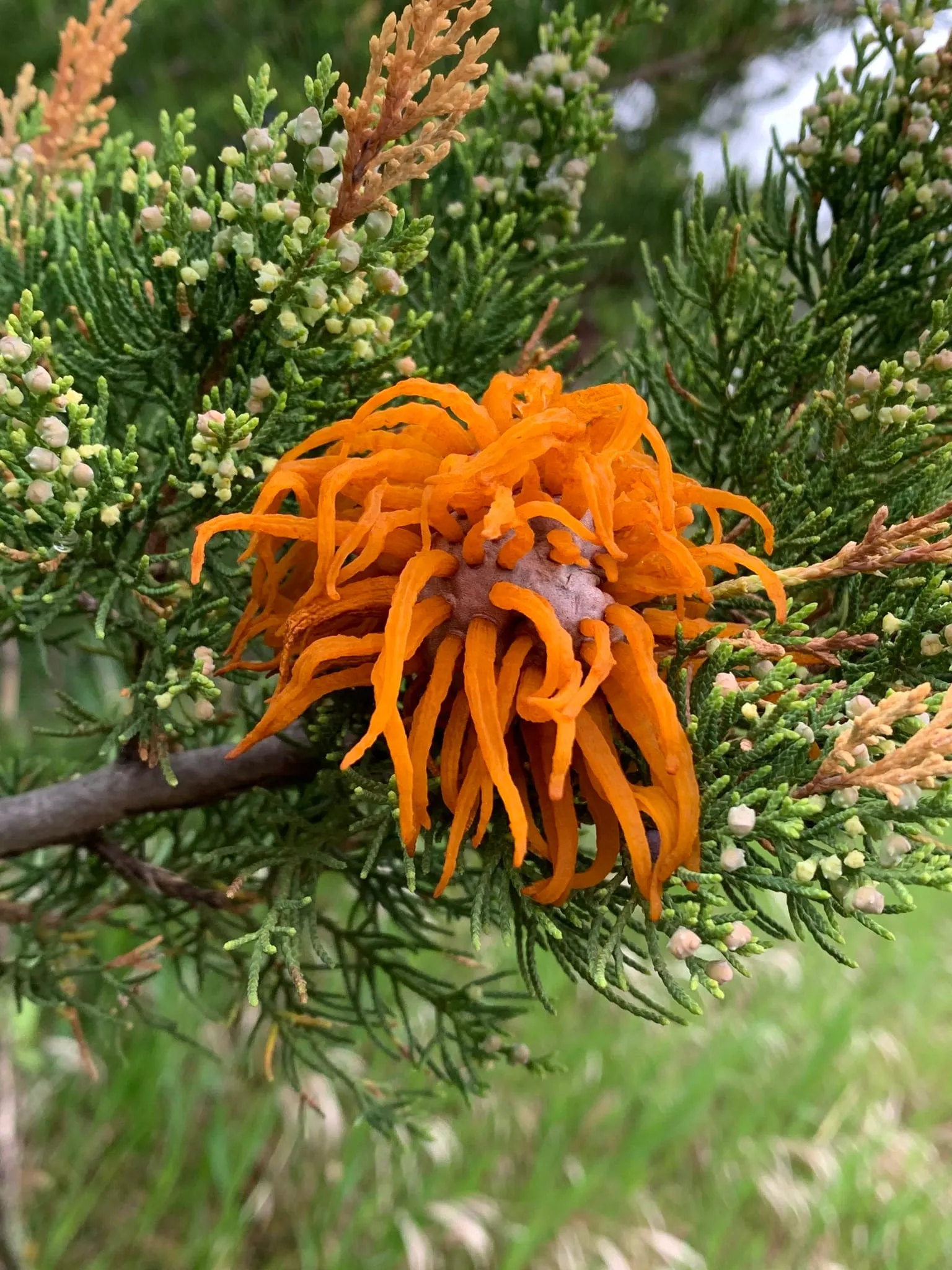
Gymnosporangium juniperi-virginianae
Two-host fungal disease alternating between apple and eastern red cedar. Severe pressure in regions with abundant cedar.
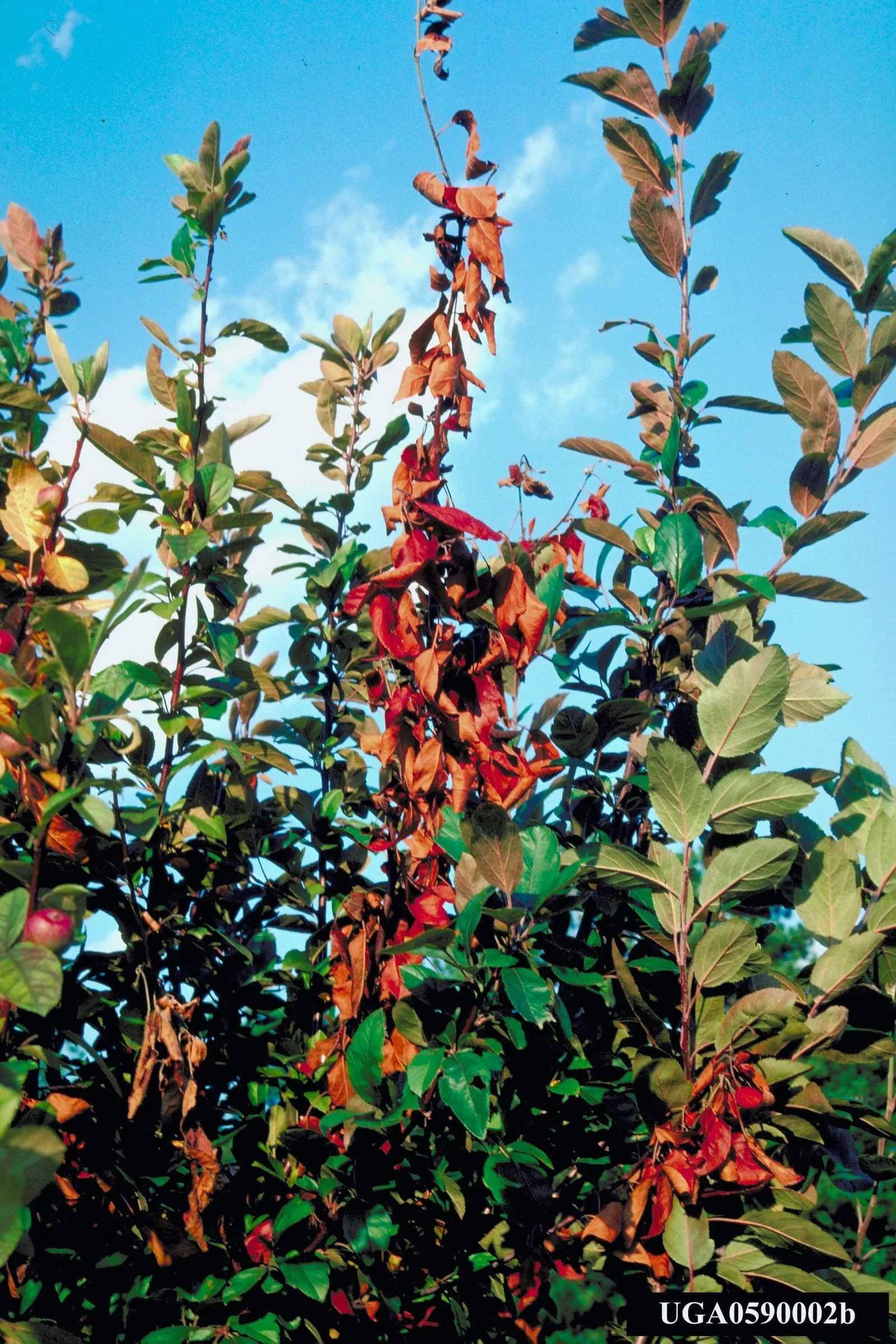
Erwinia amylovora
Devastating bacterial disease that can kill trees rapidly. Most severe in warm wet springs.
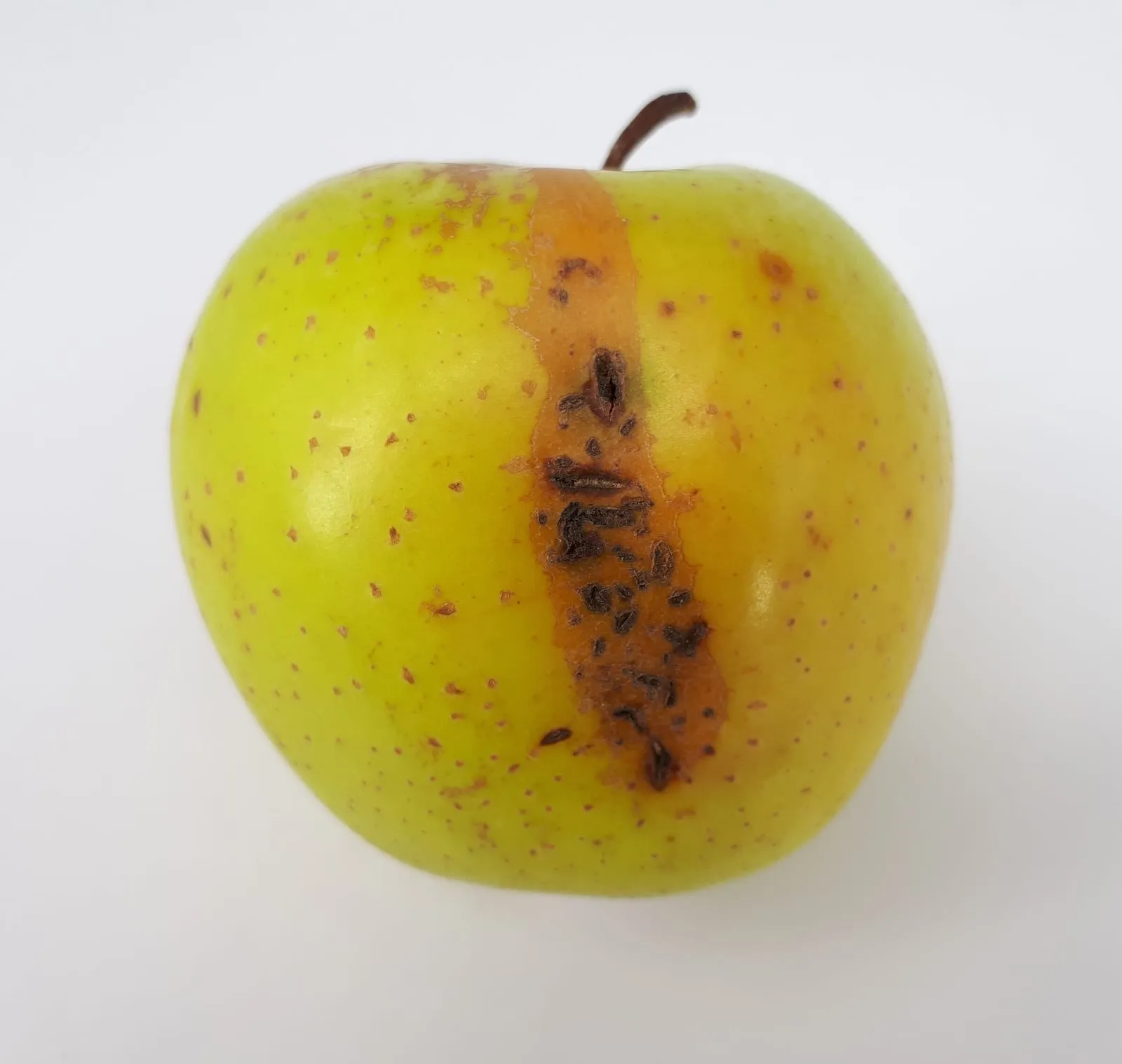
Venturia inaequalis
The most widespread apple disease in humid regions. Reduces fruit quality and defoliates trees.
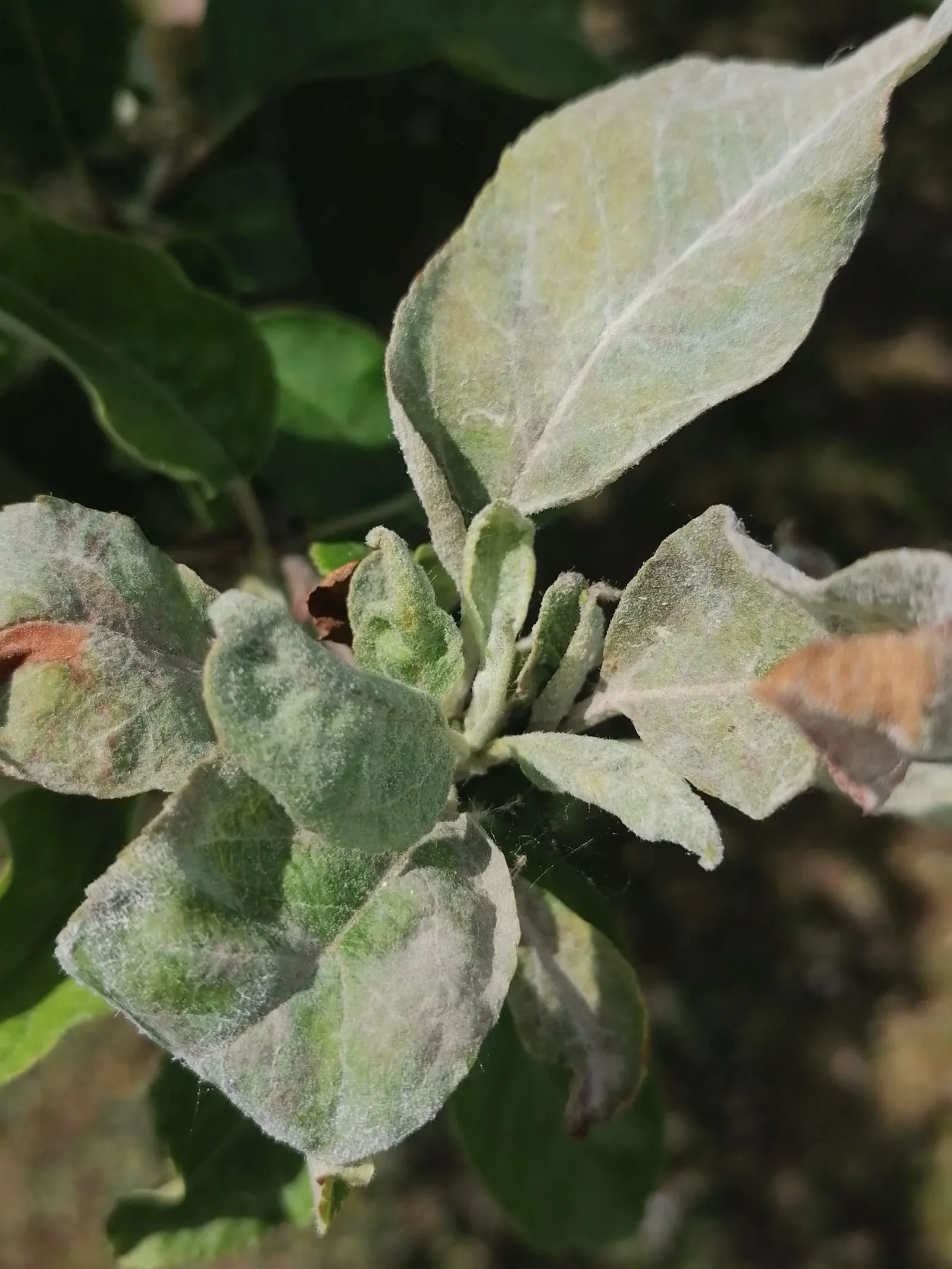
Podosphaera leucotricha
Surface-feeding fungal disease that distorts new growth and reduces yields.
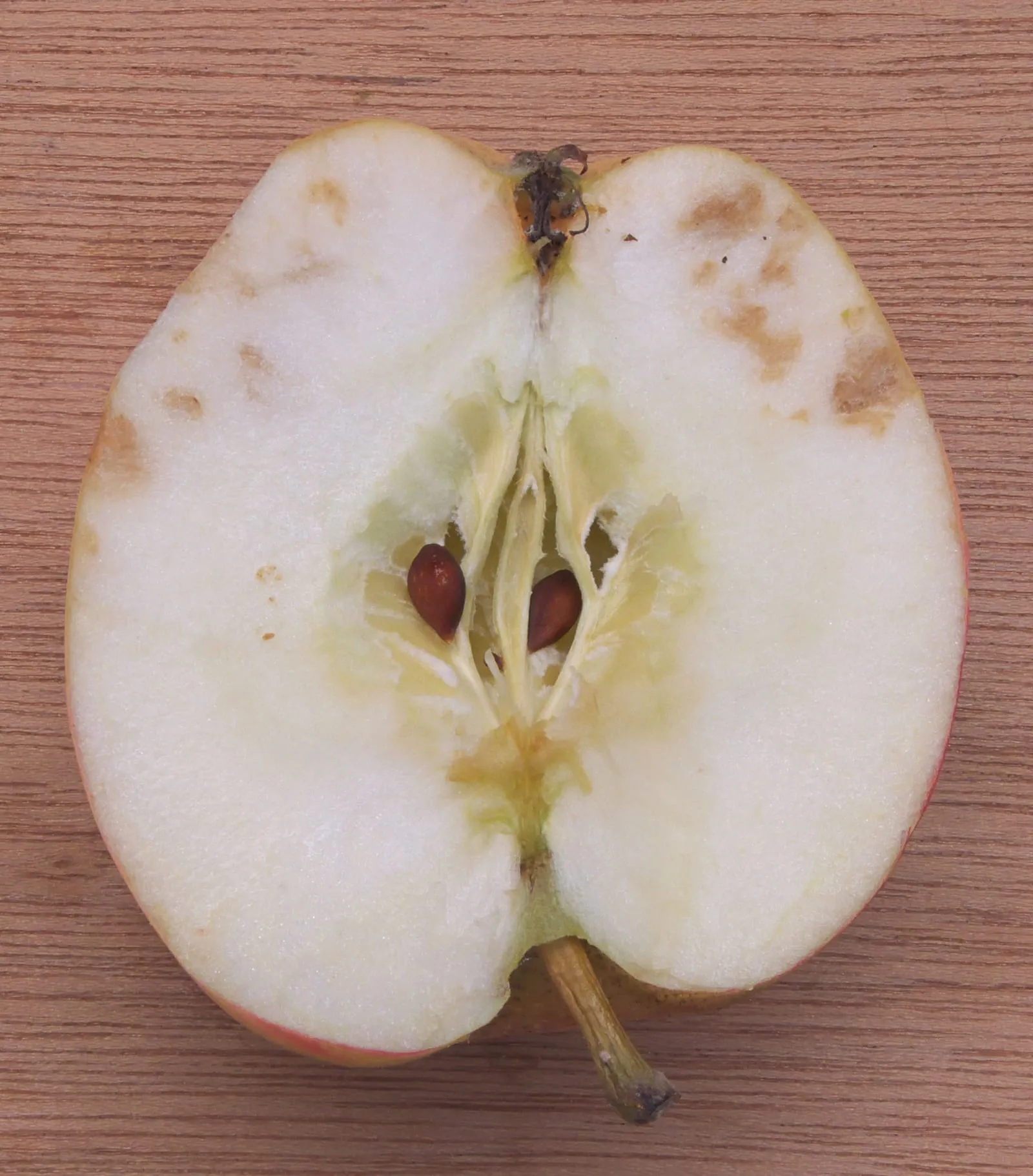
Physiological disorder
Damage from direct intense sun exposure on fruit or bark, particularly on plants suddenly exposed by pruning, defoliation, or hot weather. Distinct from sunburn (which is reversible).
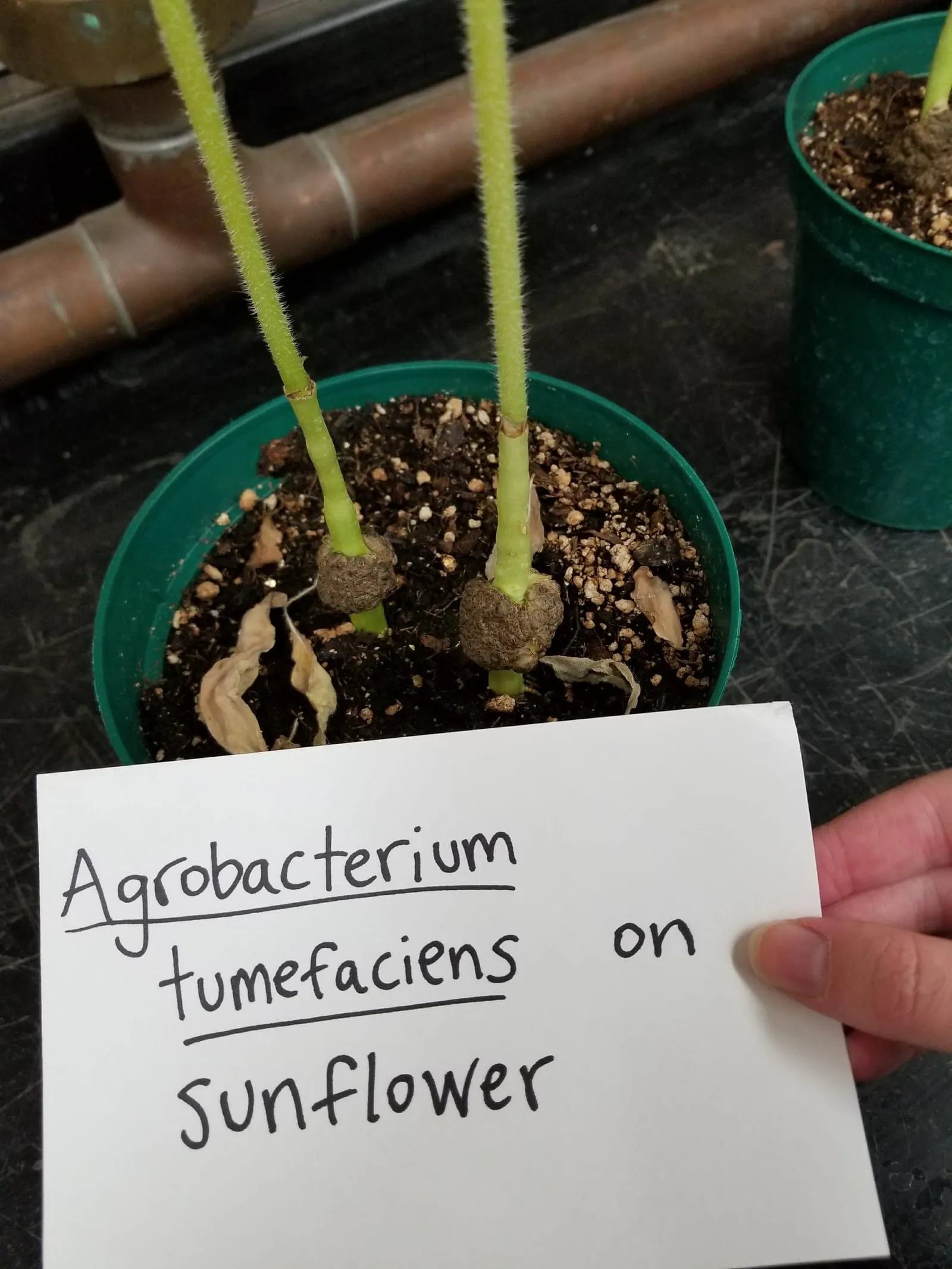
Agrobacterium tumefaciens
Soil-borne bacterium that enters plants through wounds and induces tumor-like galls on roots, crown, and lower stems. Galls reduce vigor and shorten plant lifespan; on Rubus the disease is often fatal.
Modified care for zone 7b
The two adjustments specific to zone 7b are disease management and summer heat. Cedar-apple rust pressure is heavy in piedmont locations; non-resistant cultivars will need a fungicide program from pink through second cover. Resistant cultivars escape this entirely.
Summer heat affects fruit quality. South-facing exposure can cause sunburn on shaded-grown fruit suddenly exposed by pruning. Avoid major summer pruning that exposes interior fruit. Mulch heavily to moderate root-zone temperatures, especially in dry summers.
Frequently asked questions
- Will Honeycrisp grow in zone 7b?
It will grow but produces inconsistent fruit. Warm summer nights cause bitter pit. Liberty and Enterprise are far better matches for the zone.
- Does cedar-apple rust ruin apples in zone 7b?
On susceptible cultivars, yes. Plant resistant varieties (Liberty, Enterprise, Williams Pride) or remove cedars within 1000 feet of the orchard.
+−
+−
Apple in adjacent zones
Image: "Malus domestica 'Stark's Earliest'. Locatie De Kruidhof 02", by Dominicus Johannes Bergsma, via Wikimedia Commons, licensed under CC-BY Source.

Related