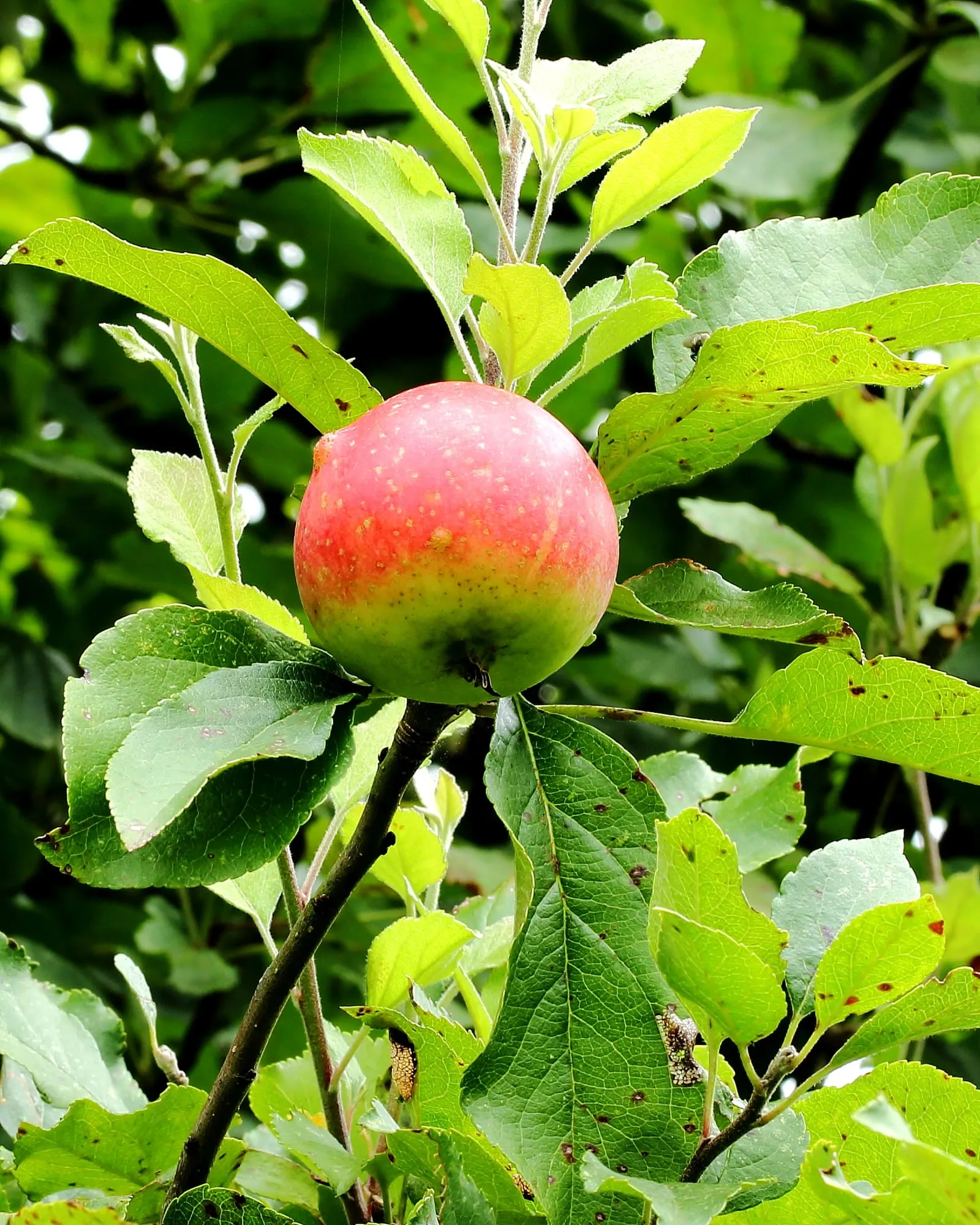
fruit tree
Apple
Malus domestica
USDA hardiness range
- Zones
- 3a–9a
- Chill hours
- 400 to 1000 below 45°F
- Days to harvest
- 120 to 200
- Sun
- Full
- Water
- Moderate
- Lifespan
- 30 to 50 years
Growing apple
Apple is the most rewarding fruit crop a home grower can take on, and the most disappointing if you pick the wrong cultivar. The species adapts to USDA zones 3 through 9, but a single variety rarely spans more than a third of that range. The decisions that make or break an apple planting are: chill-hour matching, disease-resistance package, and rootstock vigor.
What separates a productive backyard apple tree from a struggling one is rarely soil or sun. It's variety choice. Plant a southern low-chill apple in zone 5 and it'll fruit on warm winters and skip cold ones. Plant Honeycrisp in zone 8 and the bitter pit will frustrate you for ten years. Match the cultivar to your zone's chill-hour band first; everything else is secondary.
Recommended varieties
See all 7 →7 cultivars for home growers, with notes on flavor, ripening, and disease resistance.
| Variety | Notes | Zone fit | Disease resistance |
|---|---|---|---|
| Honeycrisp | Explosively crisp, juicy, sweet-tart with floral notes; the standout fresh-eating apple of the last 30 years. Excellent in lunch boxes, salads, and 6-month cold storage. Struggles in heat (bitter pit in zones 8+). | |
|
| Liberty | Tart-sweet McIntosh-style flavor, juicy with crisp tender flesh; good fresh, excellent for sauce and pies. Top low-spray choice for the eastern US. | |
|
| Enterprise | Sweet-tart, firm, complex flavor that improves in storage; late-season eating and cider apple, holds 5+ months in cold storage. Excellent low-spray choice. | |
|
| Goldrush | Intensely flavored sweet-tart yellow apple with high sugar and high acid; mellows over 2-3 months in storage to become exceptional. Excellent fresh and for cider. | |
|
| Gala | Sweet, mild, juicy with thin skin; the classic kid-friendly snacking apple. Good fresh and in salads, less acid than older varieties so it browns quickly when cut. | | none noted |
| Williams Pride | Sweet, juicy, slightly tart with rich flavor; one of the best early-season apples (ripens July). Eats fresh, doesn't store long. | |
|
| Anna | Mild sweet flavor, crisp, similar to Gala in eating quality; fresh-eating apple bred for warm climates. Bears very early in season. | | none noted |
Soil and site requirements
Apples want well-drained loam, soil pH between 6.0 and 6.8, and at least six hours of direct sun. Wet feet kill more young trees than any other site issue. If your soil is heavy clay, plant on a mound or pick a rootstock with crown-rot tolerance (Geneva 41, MM.111).
Space dwarf trees 10 to 12 feet apart, semi-dwarf 14 to 18 feet, standard 20 to 25 feet. Air circulation reduces scab and powdery mildew pressure substantially. South-facing slopes warm earliest in spring but also expose blossoms to the heaviest frost risk. North-facing slopes delay bloom by a week or more, which is sometimes exactly what you want.
Common diseases
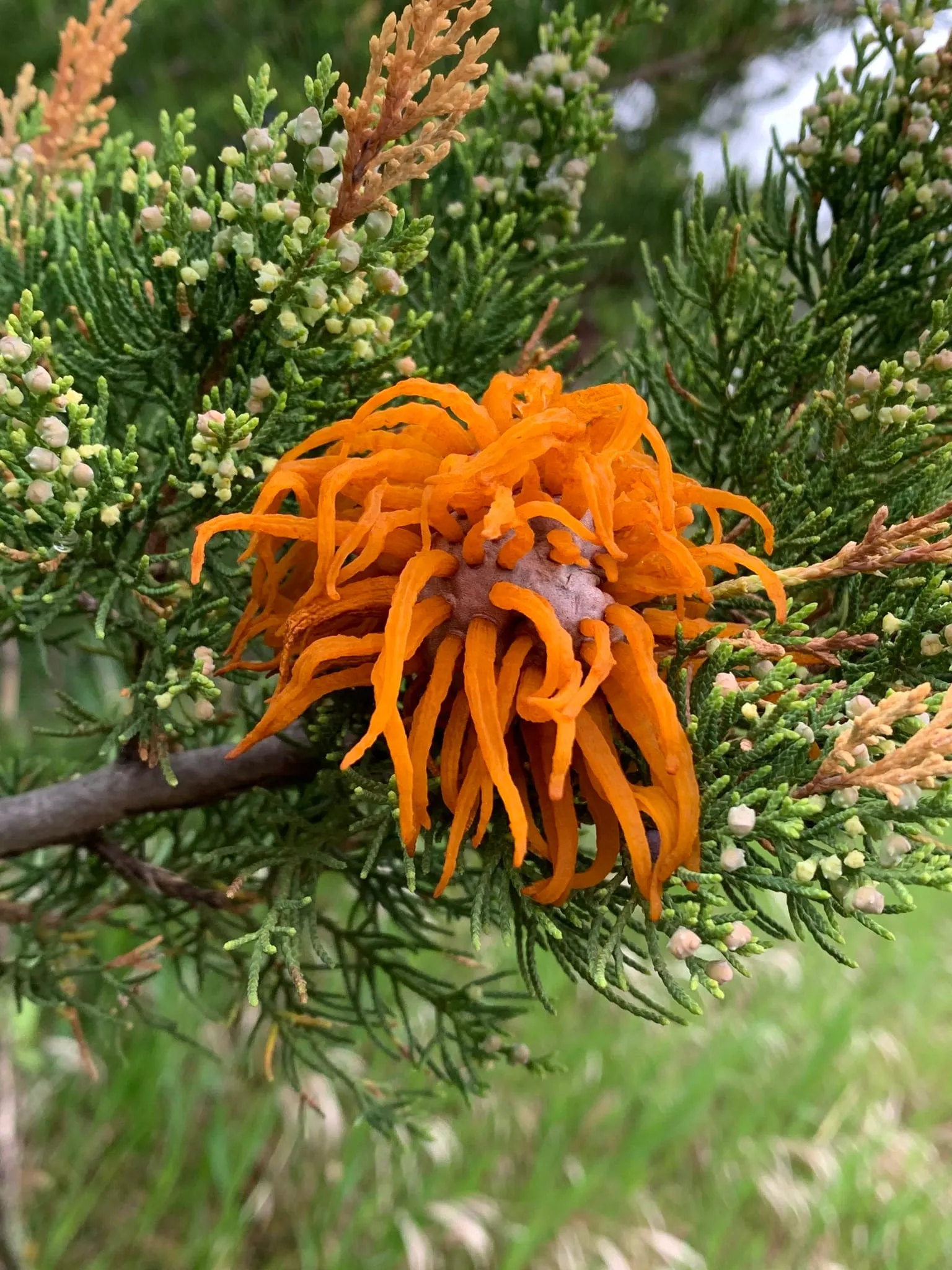
Gymnosporangium juniperi-virginianae
Two-host fungal disease alternating between apple and eastern red cedar. Severe pressure in regions with abundant cedar.
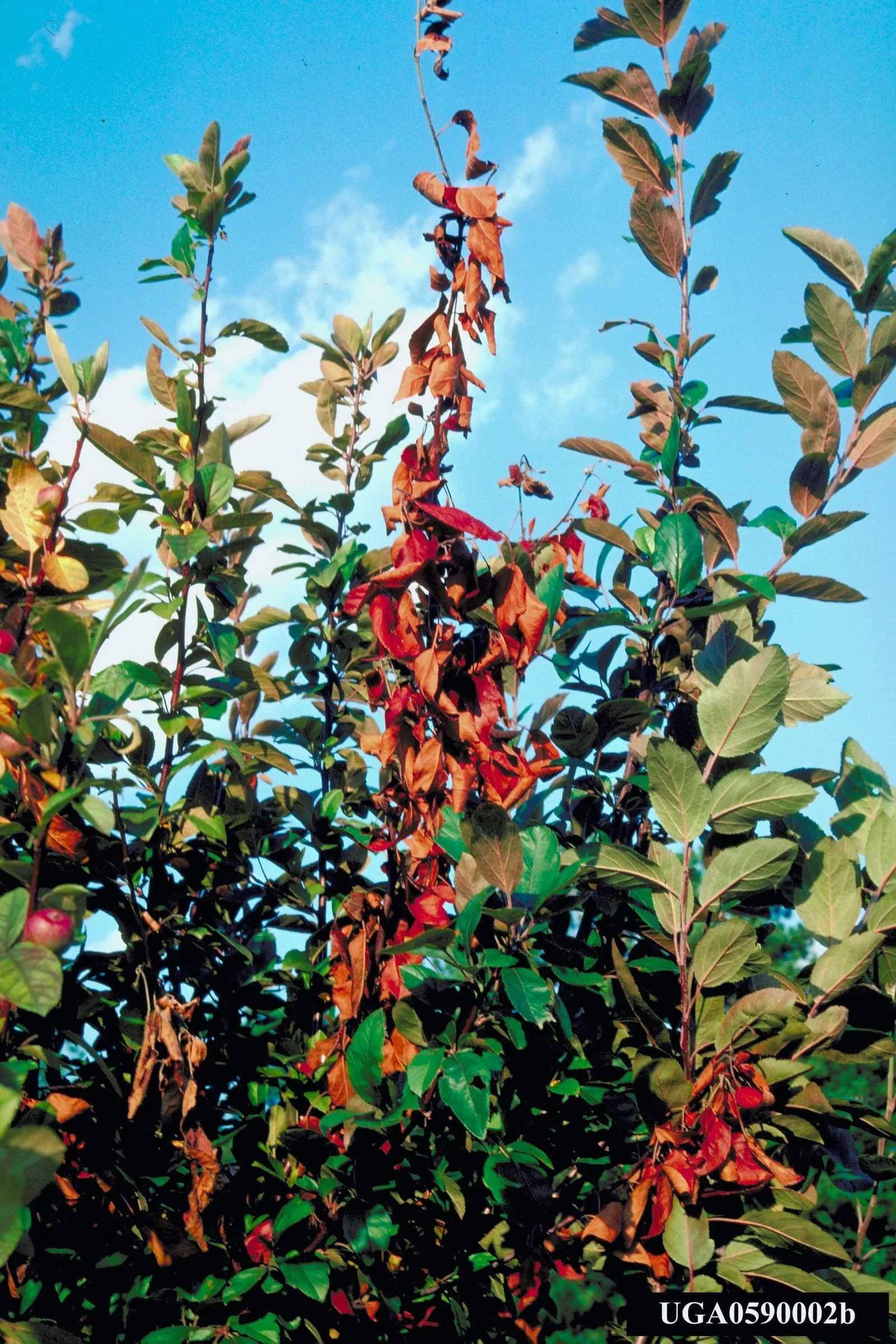
Erwinia amylovora
Devastating bacterial disease that can kill trees rapidly. Most severe in warm wet springs.
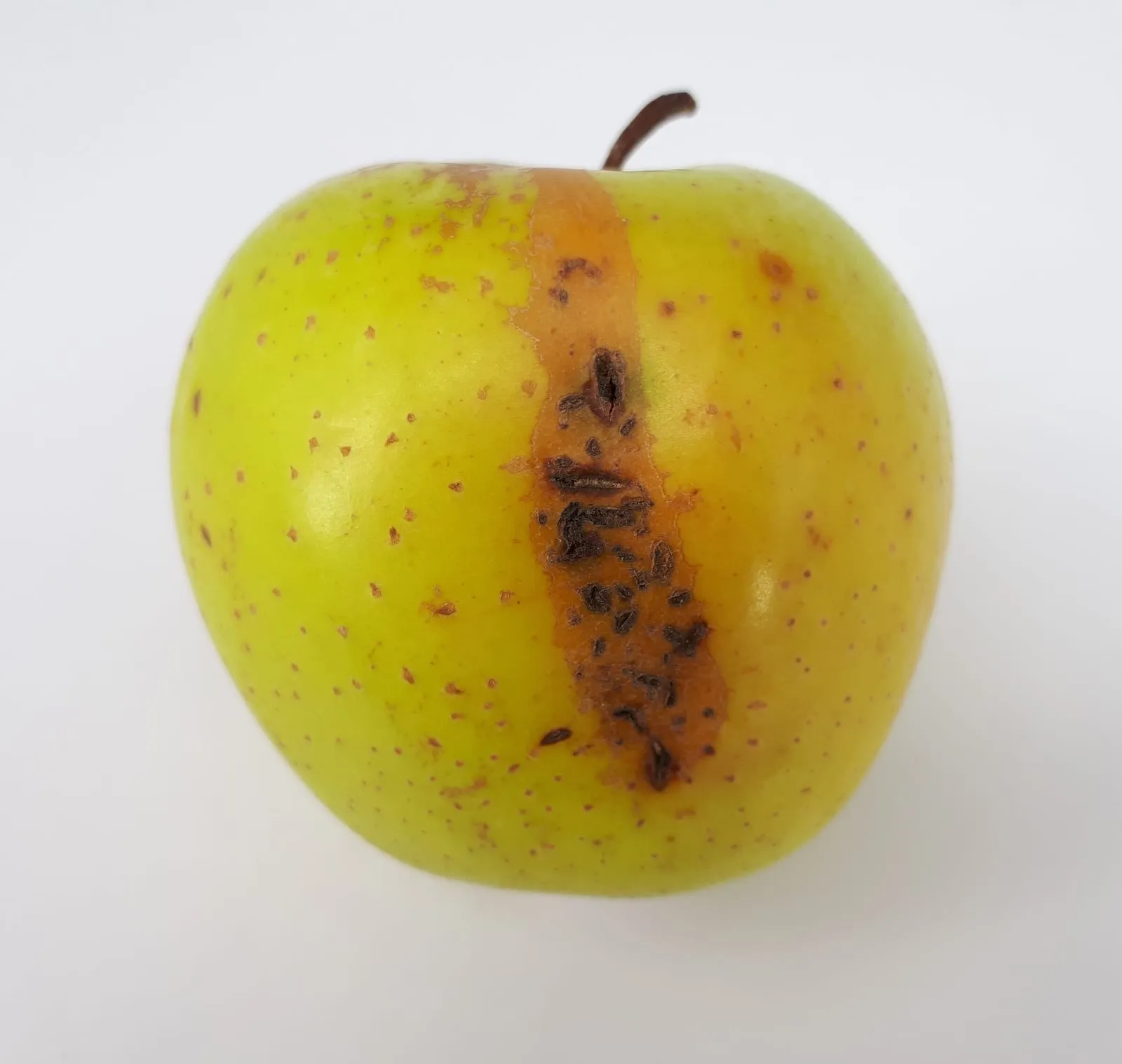
Venturia inaequalis
The most widespread apple disease in humid regions. Reduces fruit quality and defoliates trees.
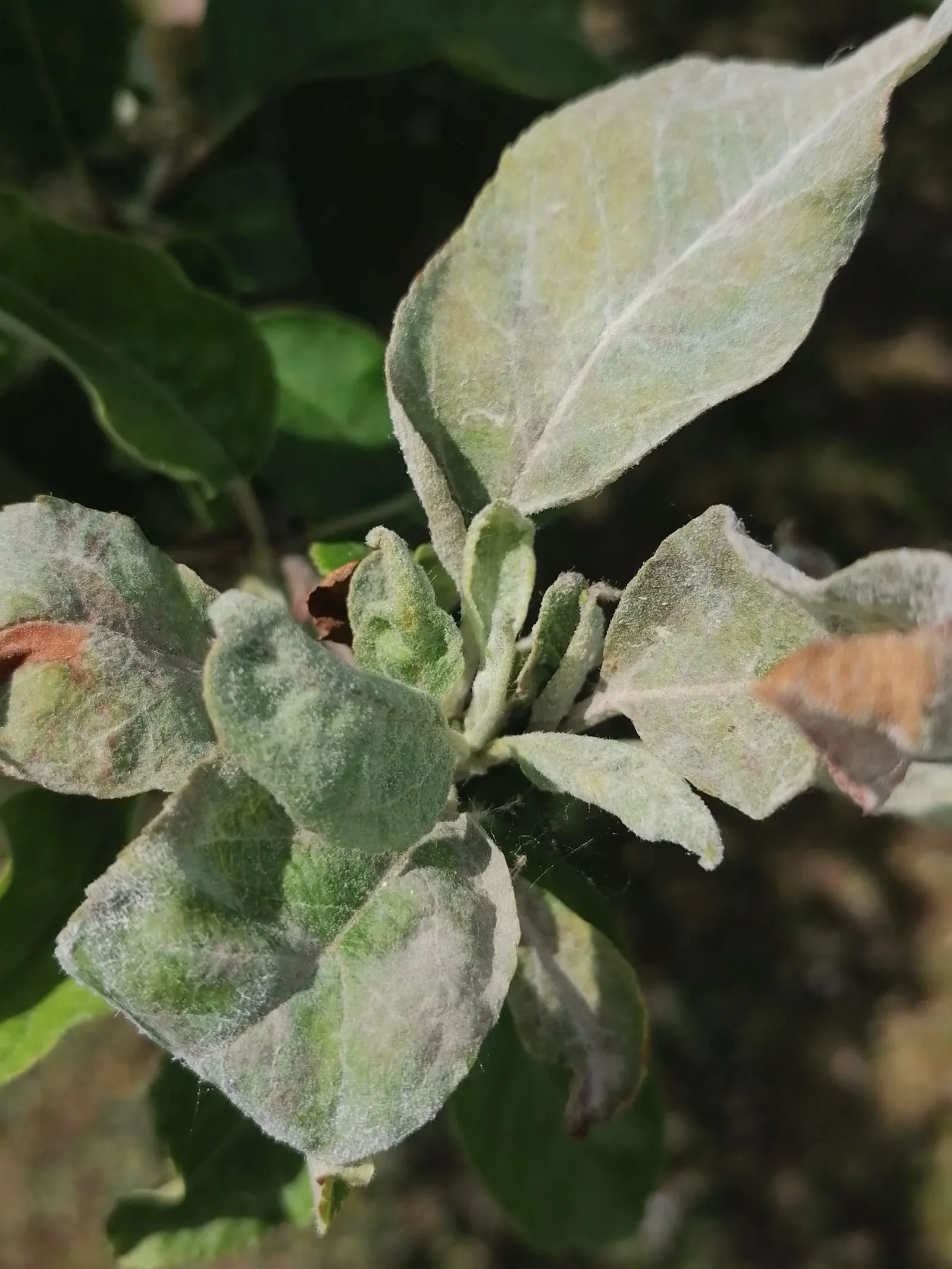
Podosphaera leucotricha
Surface-feeding fungal disease that distorts new growth and reduces yields.
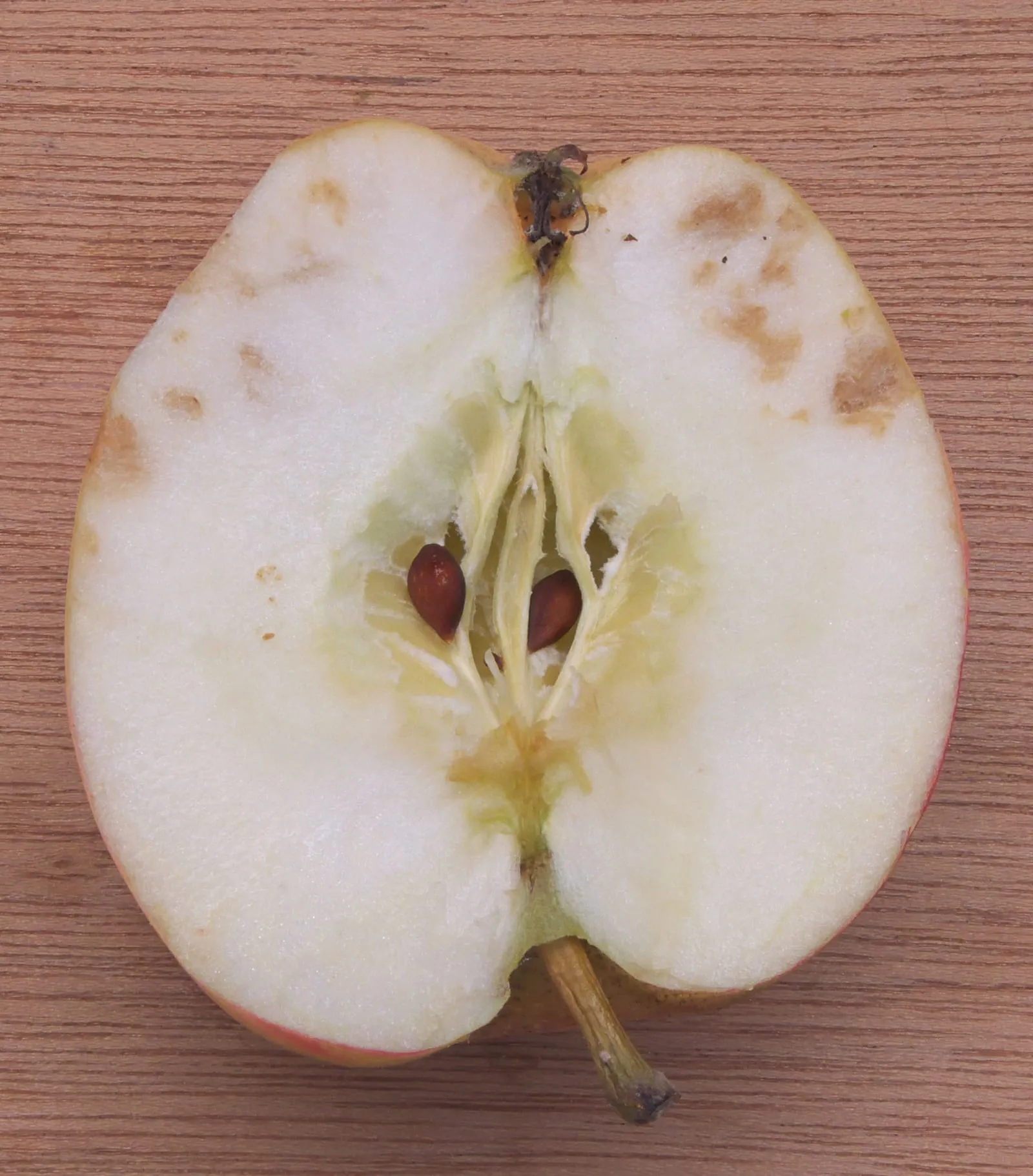
Physiological disorder
Damage from direct intense sun exposure on fruit or bark, particularly on plants suddenly exposed by pruning, defoliation, or hot weather. Distinct from sunburn (which is reversible).
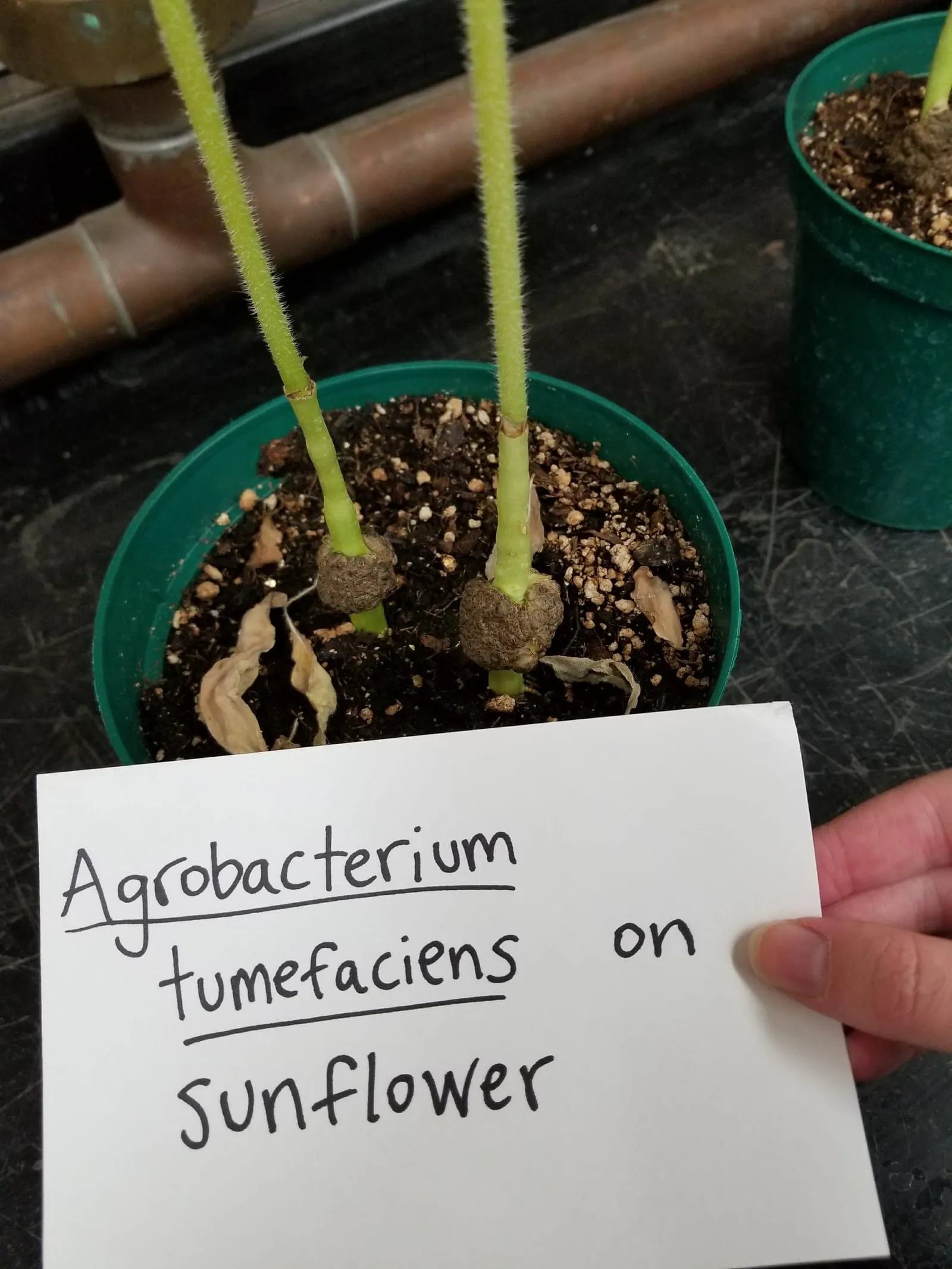
Agrobacterium tumefaciens
Soil-borne bacterium that enters plants through wounds and induces tumor-like galls on roots, crown, and lower stems. Galls reduce vigor and shorten plant lifespan; on Rubus the disease is often fatal.
Common pests
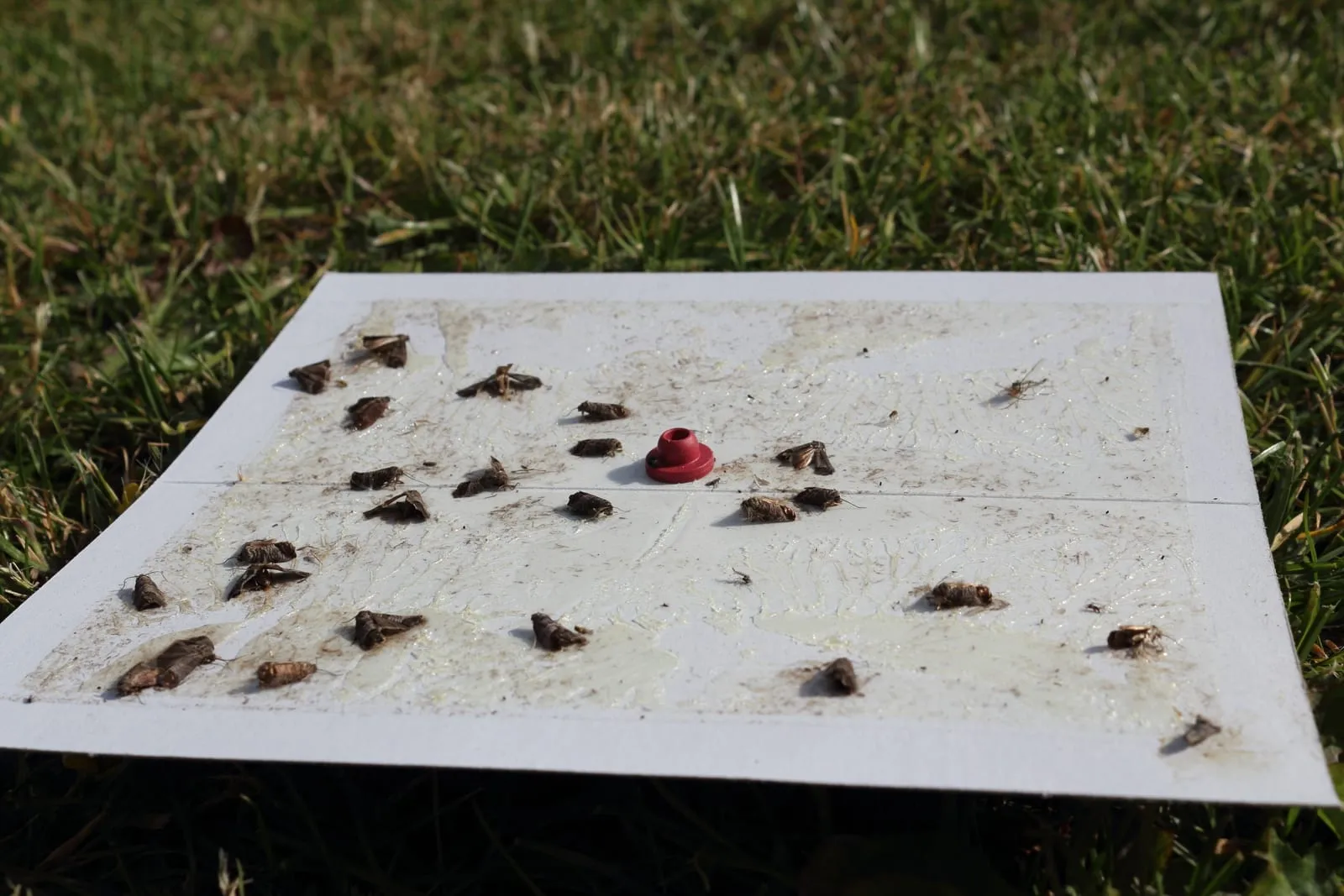
Cydia pomonella
The most damaging pest of apple worldwide. Larvae tunnel into developing fruit, ruining the crop.
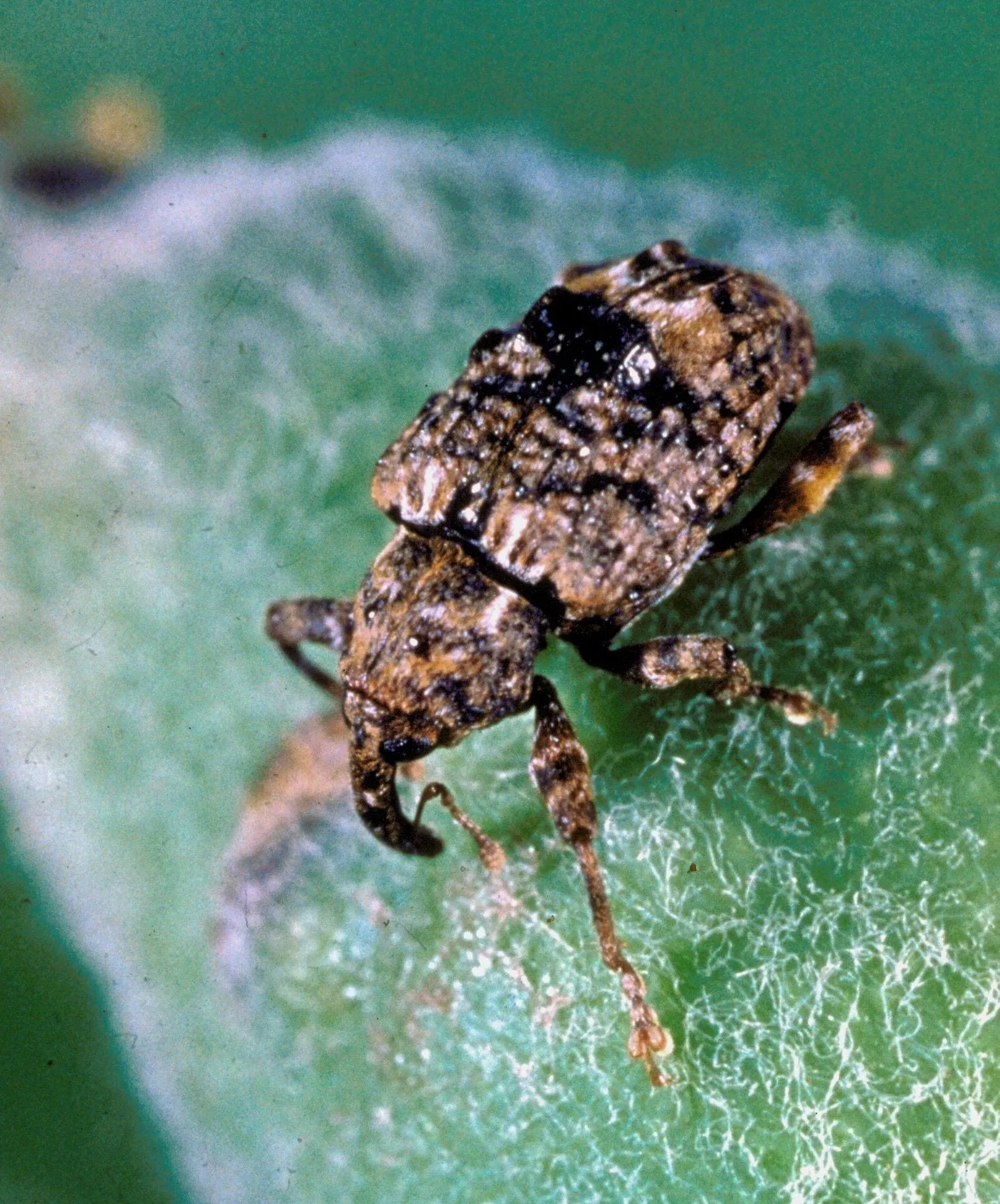
Conotrachelus nenuphar
Native weevil that lays eggs in young stone and pome fruit, causing characteristic crescent-shaped scars.
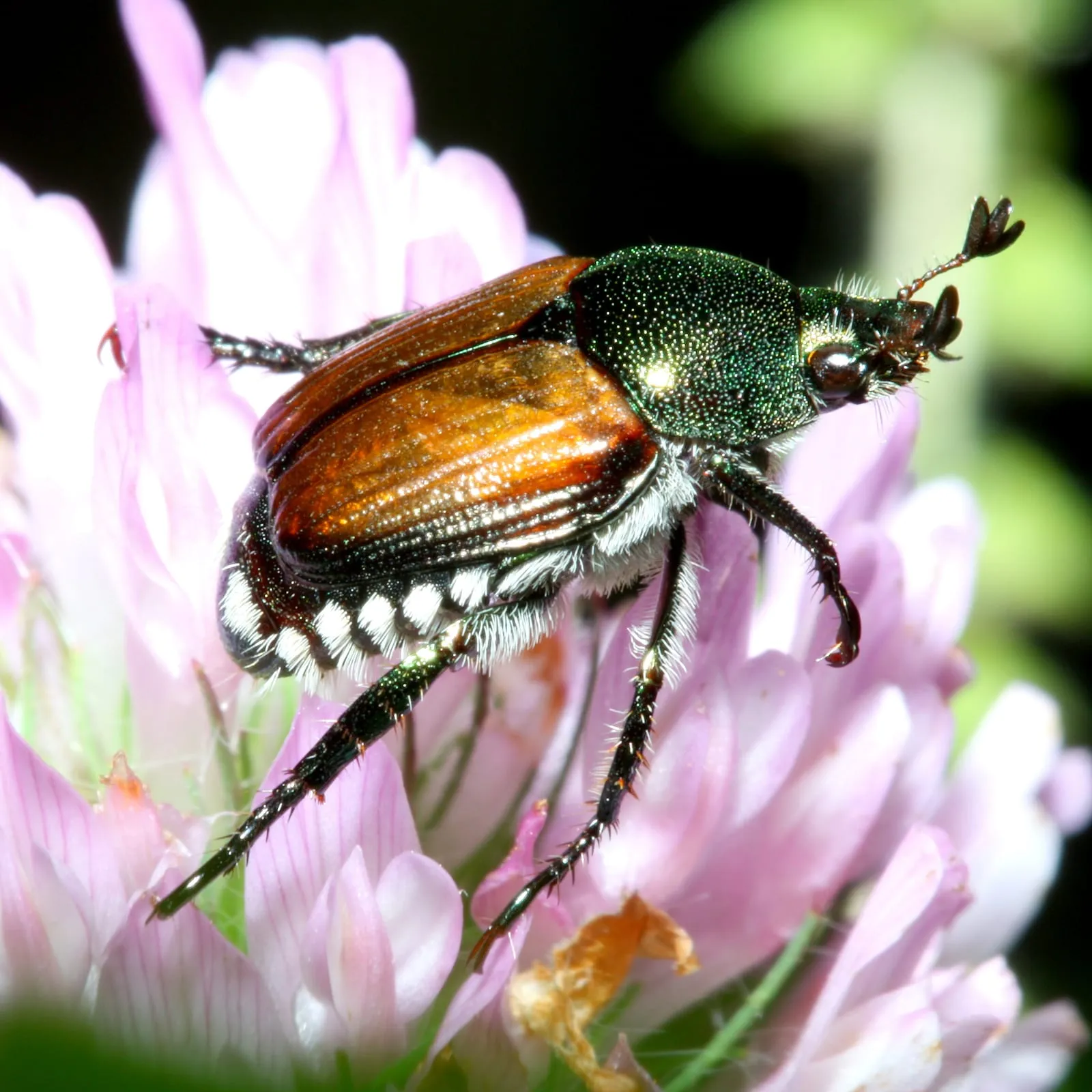
Popillia japonica
Defoliating beetle introduced to North America in 1916. Skeletonizes leaves of many fruit trees, berry canes, and pecan.
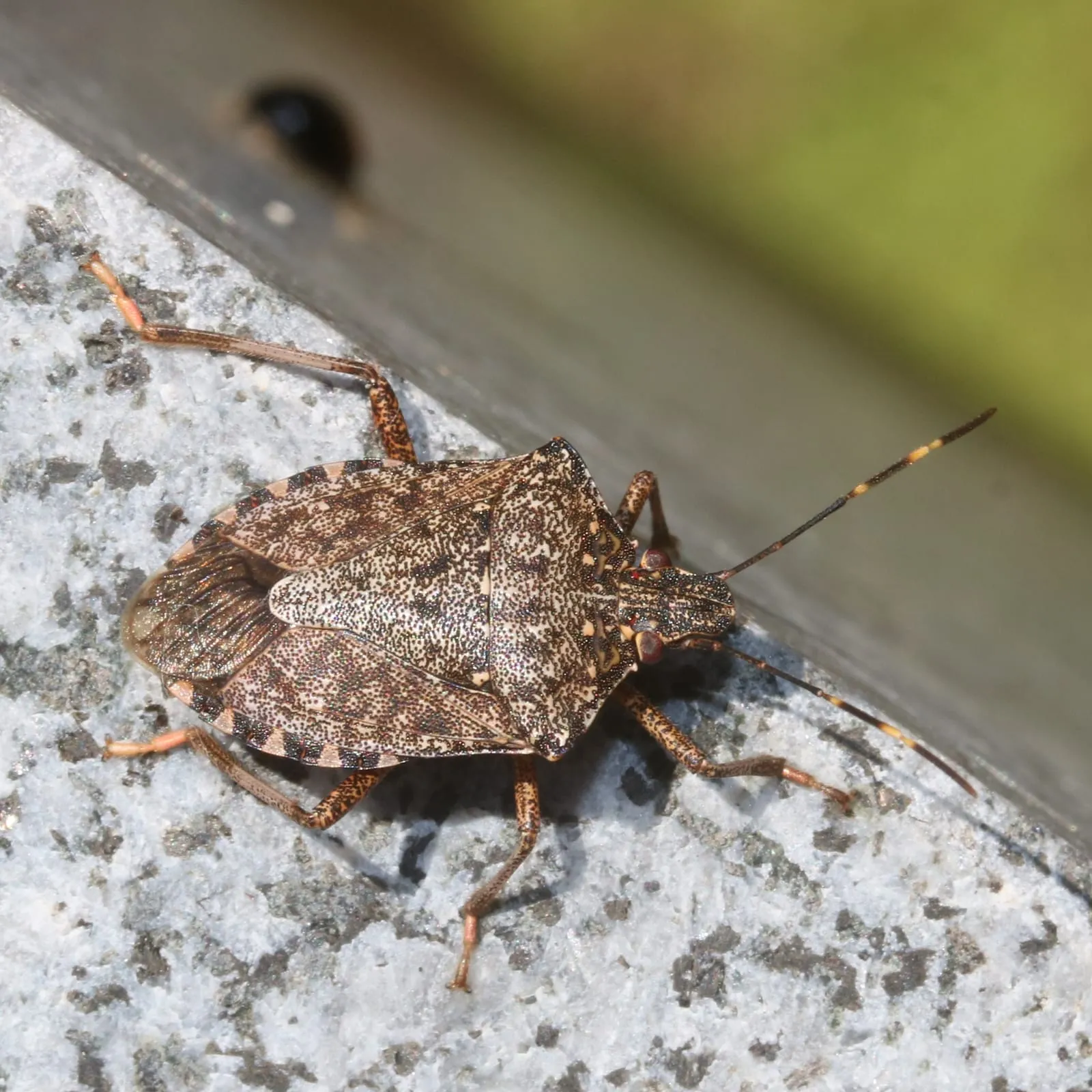
Halyomorpha halys
Invasive stink bug from Asia that pierces fruit, causing corky tissue and surface dimpling.
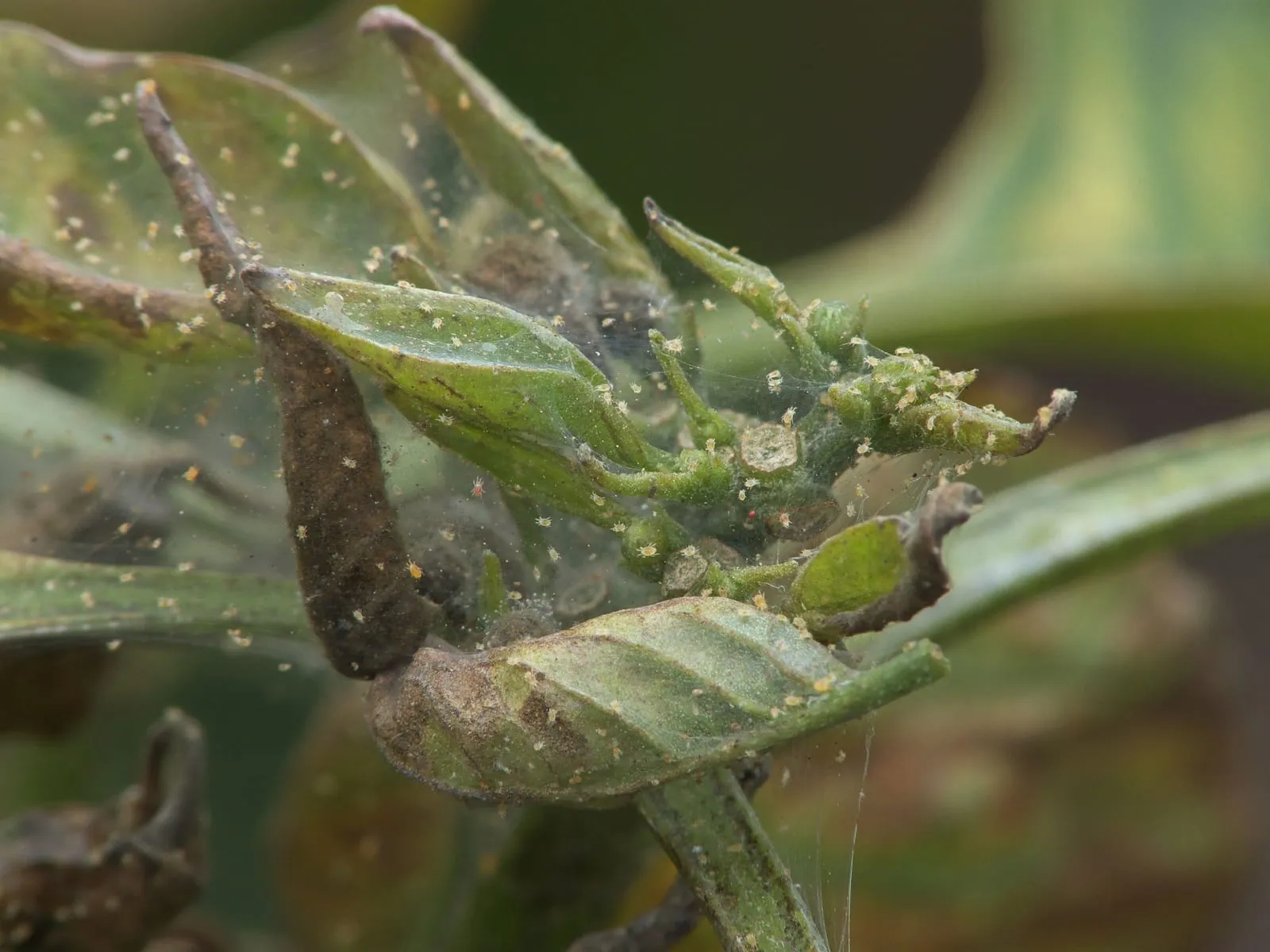
Tetranychus urticae
Tiny mite that feeds on leaf undersides, causing stippling and webbing during hot dry weather.
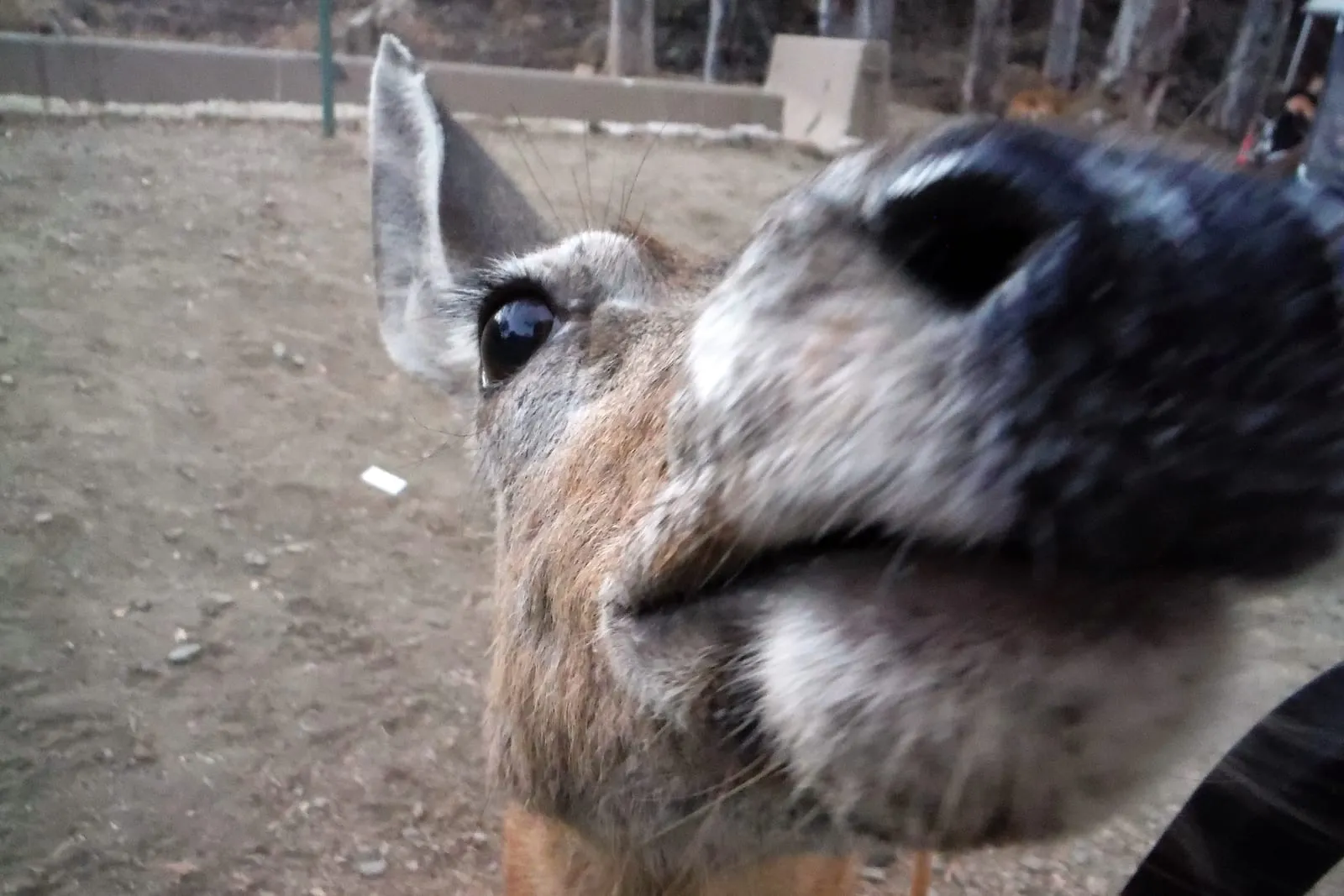
Odocoileus species
Whitetail and mule deer browse can devastate orchards and gardens, particularly in winter when food is scarce. Antler rub on young trunks kills saplings outright.
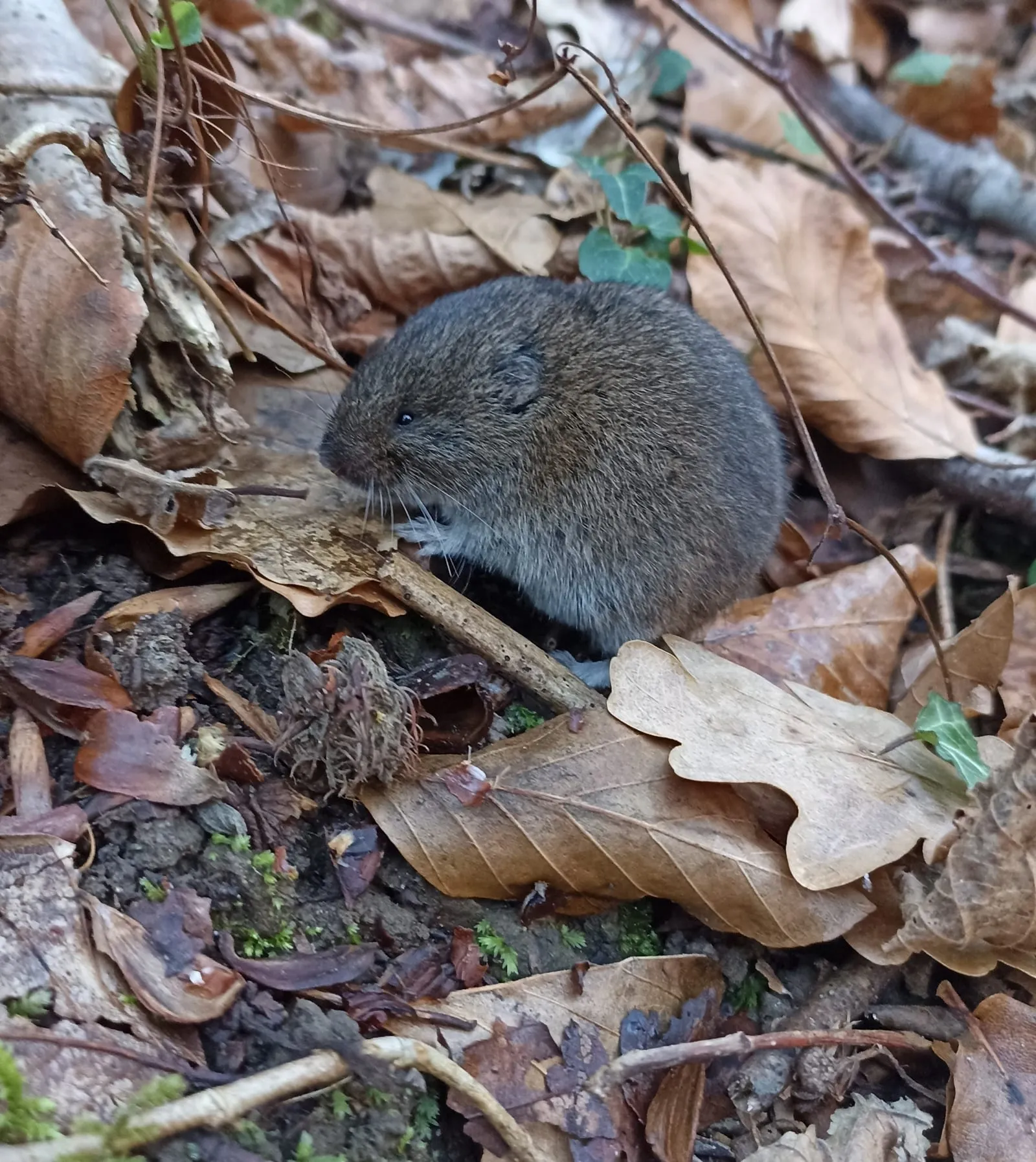
Microtus species
Field voles and meadow voles girdle young fruit-tree trunks under snow cover during winter and chew root crops. The leading cause of mysterious orchard losses.
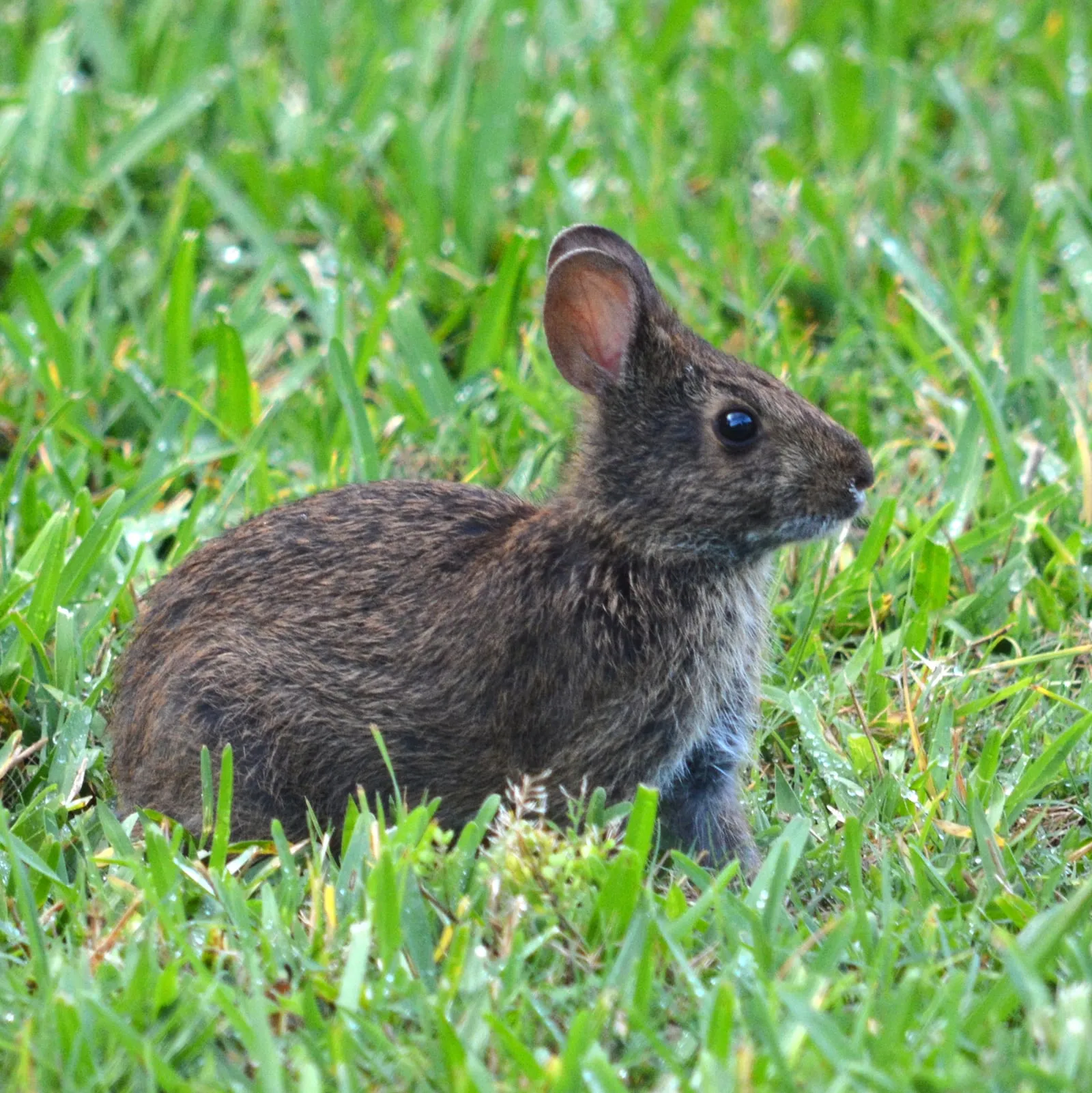
Sylvilagus and Lepus species
Cottontails and jackrabbits strip bark from young fruit trees in winter and graze tender garden vegetables year-round, especially seedlings.
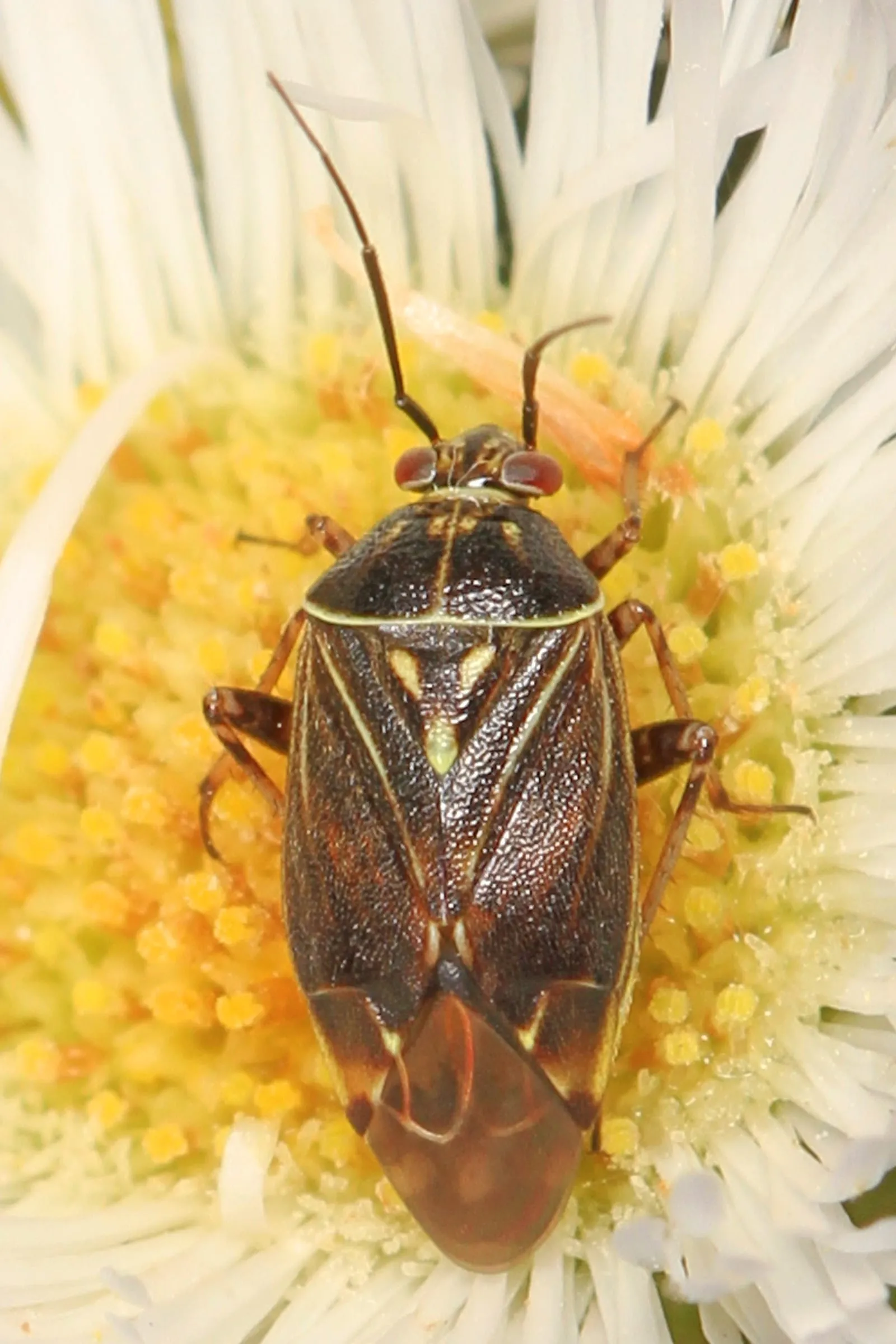
Lygus lineolaris
Mottled brown sucking bug that probes flower buds and developing fruit, causing 'cat-facing' deformities on tomato, peach, and strawberry. Wide host range and rapid generations.
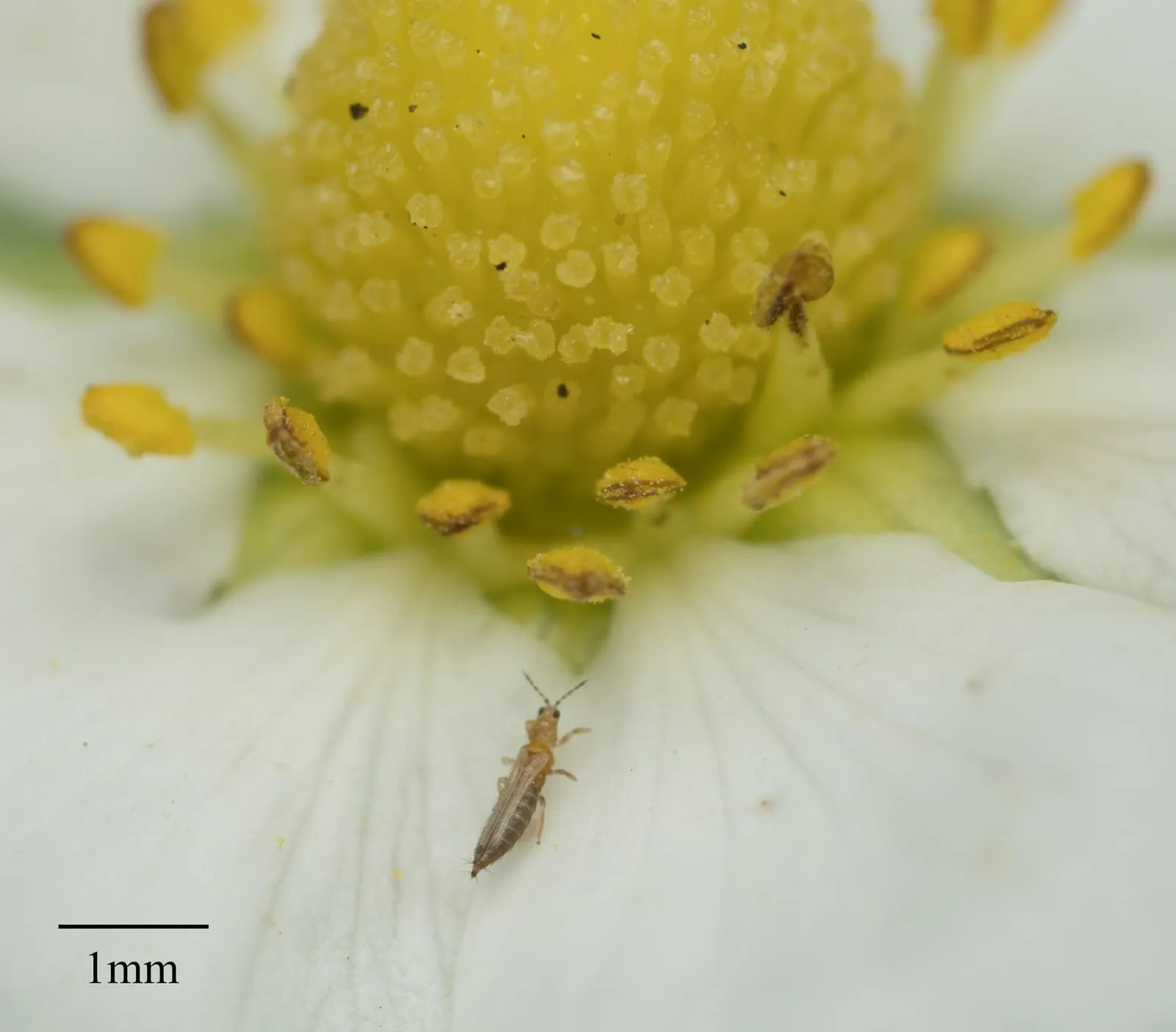
Frankliniella occidentalis
Tiny slender insect that rasps leaf and flower surfaces. The primary vector for Tomato Spotted Wilt Virus and Iris Yellow Spot Virus, which makes it more damaging through disease transmission than direct feeding.
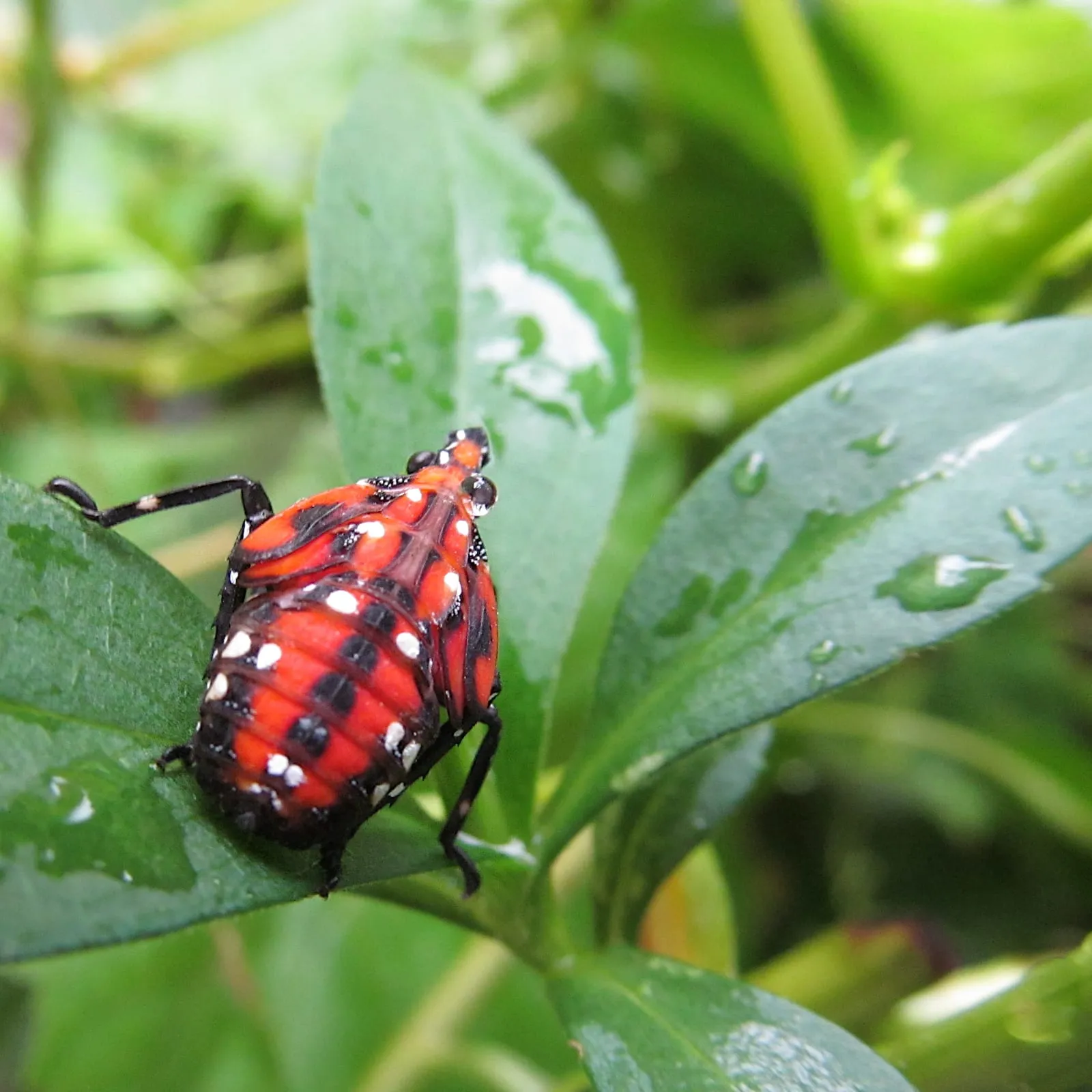
Lycorma delicatula
Invasive planthopper from Asia first detected in Pennsylvania 2014, now spreading through the Eastern US. Direct feeding weakens trees; honeydew supports sooty mold and reduces fruit quality.
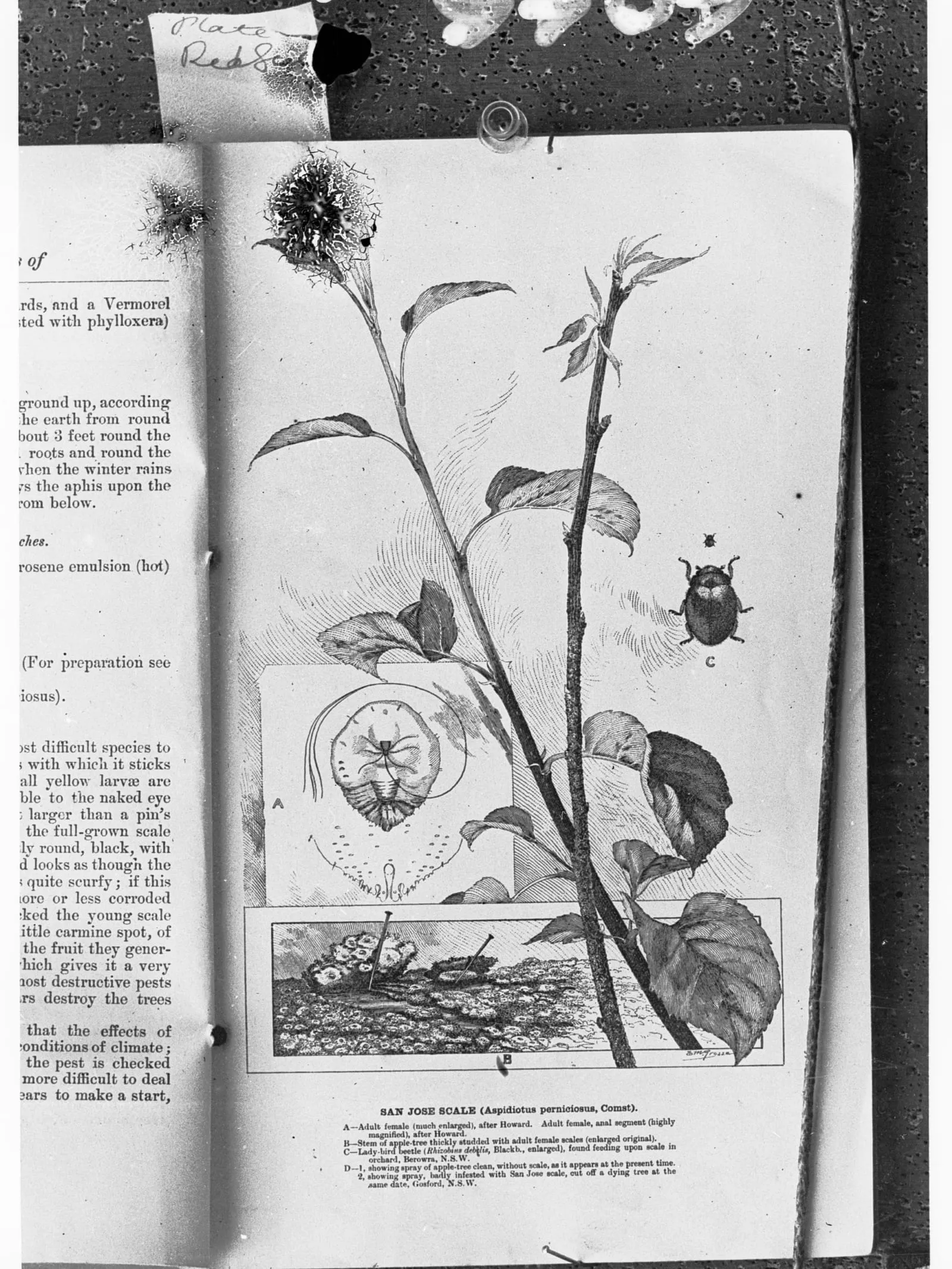
Quadraspidiotus perniciosus
Tiny armored scale insect that encrusts bark, branches, and fruit. Heavy infestations weaken trees and produce red haloed spots on fruit at harvest. Persistent year-over-year if not controlled.
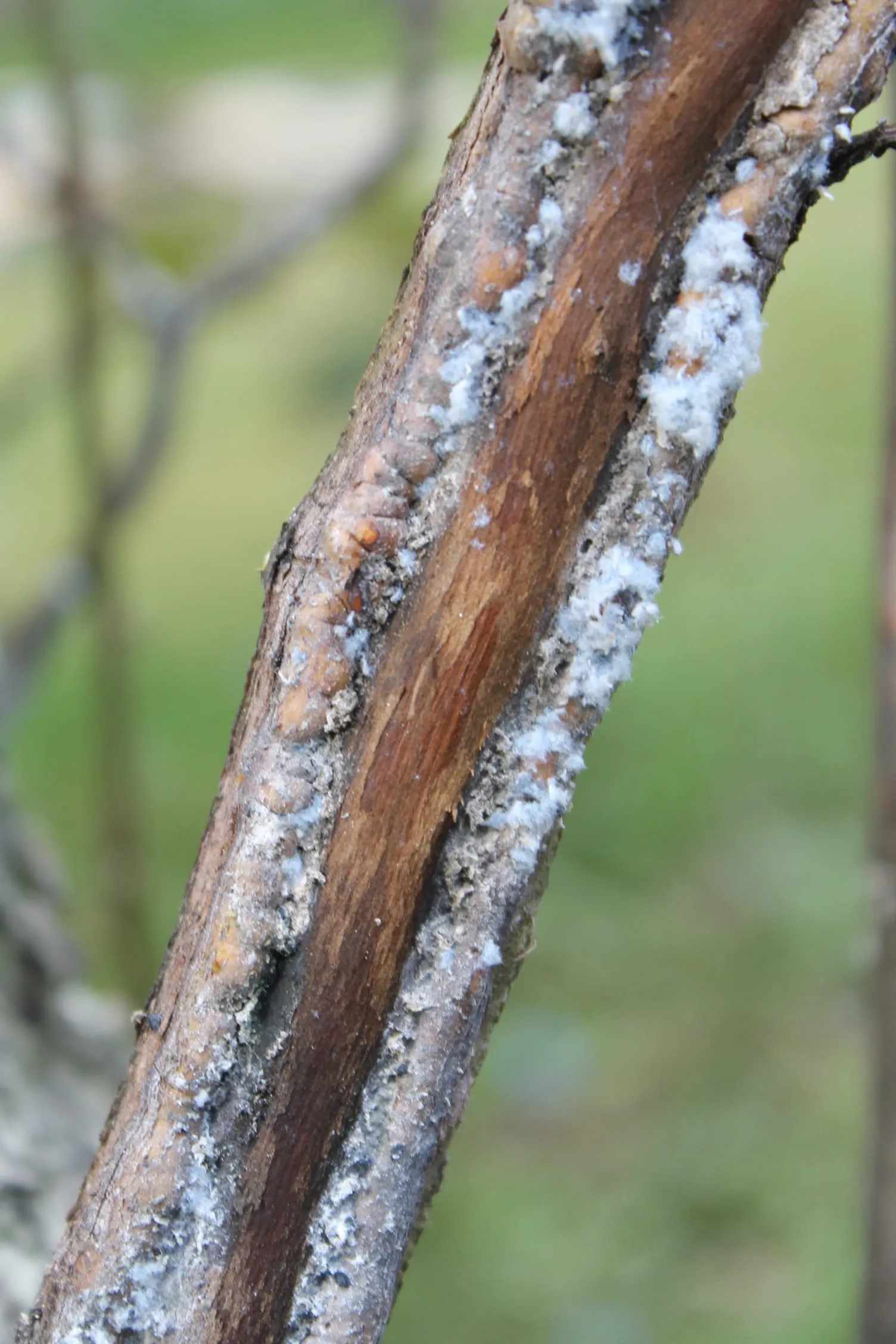
Eriosoma lanigerum
Aphid that feeds on apple roots and aerial wood, producing distinctive cottony white wax. Root colonies cause galls that reduce vigor; aerial colonies disfigure new growth.
Common challenges
Three things kill more home apple trees than everything else combined. First, cedar-apple rust in eastern zones 6 through 8 with cedar in the area: defoliates susceptible cultivars by midsummer. Plant resistant varieties (Liberty, Enterprise, Williams Pride) or accept that you'll be spraying through July.
Second, fire blight after warm wet bloom periods. It can kill an entire tree in a season. Plant resistant cultivars and prune strikes promptly back to clean wood, disinfecting tools between cuts.
Third, codling moth and plum curculio in the fruit. They'll wreck the crop without intervention. The minimum-effort program is pheromone trap monitoring plus kaolin clay sprays from petal fall through June. Skip both and most fruit will be unusable.
Grafting and rootstocks
Companion plants
Frequently asked questions
- How many chill hours does an apple tree need?
Most apple varieties need 600 to 1000 chill hours below 45°F. Low-chill varieties like Anna and Dorsett Golden need 200 to 400 hours, suitable for zones 8 and 9.
- How long until an apple tree produces fruit?
Dwarf trees on Bud.9 or G.41 rootstock produce light crops in year 2 or 3. Semi-dwarf trees take 4 to 5 years. Standard trees can take 7 to 10 years to bear well.
- Do apple trees need a pollinator?
Almost all apple varieties need a different cultivar nearby for cross-pollination. Bloom times must overlap. Self-fertile cultivars (Golden Delicious, some Granny Smith strains) still produce better with a pollinator.
- What's the most disease-resistant apple variety?
Liberty leads the pack for combined resistance to scab, fire blight, cedar-apple rust, and powdery mildew. Enterprise and Williams Pride are also strong choices for low-spray orchards.
- When do you prune apple trees?
Late February through early March, while the tree is still dormant but past the deepest cold. Avoid pruning during freezing rain or when temperatures are below 20°F.
- Can I grow apples without spraying?
Possible with the right variety selection (Liberty, Enterprise) and orchard sanitation, plus tolerance for some pest damage. Expect 60 to 80 percent clean fruit rather than 95 percent.
+−
+−
+−
+−
+−
+−
Sources
Image: "Malus domestica 'Stark's Earliest'. Locatie De Kruidhof 02", by Dominicus Johannes Bergsma, via Wikimedia Commons, licensed under CC-BY. Source.

Apple by zone
Related