fruit tree in zone 3b
Growing apple in zone 3b
Malus domestica
- Zone
- 3b -35°F to -30°F
- Growing season
- 100 days
- Chill needed
- 400 to 1000 below 45°F
- Suitable varieties
- 1
- Days to harvest
- 120 to 200
The verdict
Zone 3b sits at the cold edge of viable apple territory, with minimum temperatures reaching -35 to -30°F. The chill-hour story is actually favorable: apple cultivars generally require 400 to 1,000 hours below 45°F, and zone 3b accumulates those hours reliably every winter. Chill hours are not the limiting factor here.
The binding constraint is the growing season. At roughly 100 days between last and first frost, there is little margin for late-ripening varieties. Most standard apple cultivars need 120 to 150 days from bloom to harvest. Zone 3b growers are largely confined to early-season varieties bred for short seasons, with Honeycrisp standing as one of the few widely available cultivars that performs acceptably at this latitude. Even then, site selection and year-to-year weather variation can determine whether fruit reaches maturity. This is a marginal zone for apple production, workable with the right variety and site, but not forgiving of poor choices.
Recommended varieties for zone 3b
1 cultivar suited to this zone, with disease-resistance and zone-fit annotations.
| Variety | Notes | Zone fit | Disease resistance |
|---|---|---|---|
| Honeycrisp fits zone 3b | Explosively crisp, juicy, sweet-tart with floral notes; the standout fresh-eating apple of the last 30 years. Excellent in lunch boxes, salads, and 6-month cold storage. Struggles in heat (bitter pit in zones 8+). | |
|
Critical timing for zone 3b
In zone 3b, apple bloom typically occurs in late May to early June, once temperatures reliably clear the frost threshold after a long dormancy. Late frosts into mid-May are common and can damage open blossoms, making bloom timing one of the higher-stakes events of the growing season.
For an early cultivar like Honeycrisp in zone 3b, harvest generally falls in late August to mid-September, depending on the specific location and summer heat accumulation. That window aligns uncomfortably close to the first fall frost, which can arrive in early to mid-September at higher latitudes and elevations within this zone. A cold September can terminate the season before fruit fully matures, a risk growers here accept as part of working near the northern limit of the crop's range.
Common challenges in zone 3b
- ▸ Short season
- ▸ Winter desiccation
- ▸ Site selection critical for fruit trees
Disease pressure to watch for
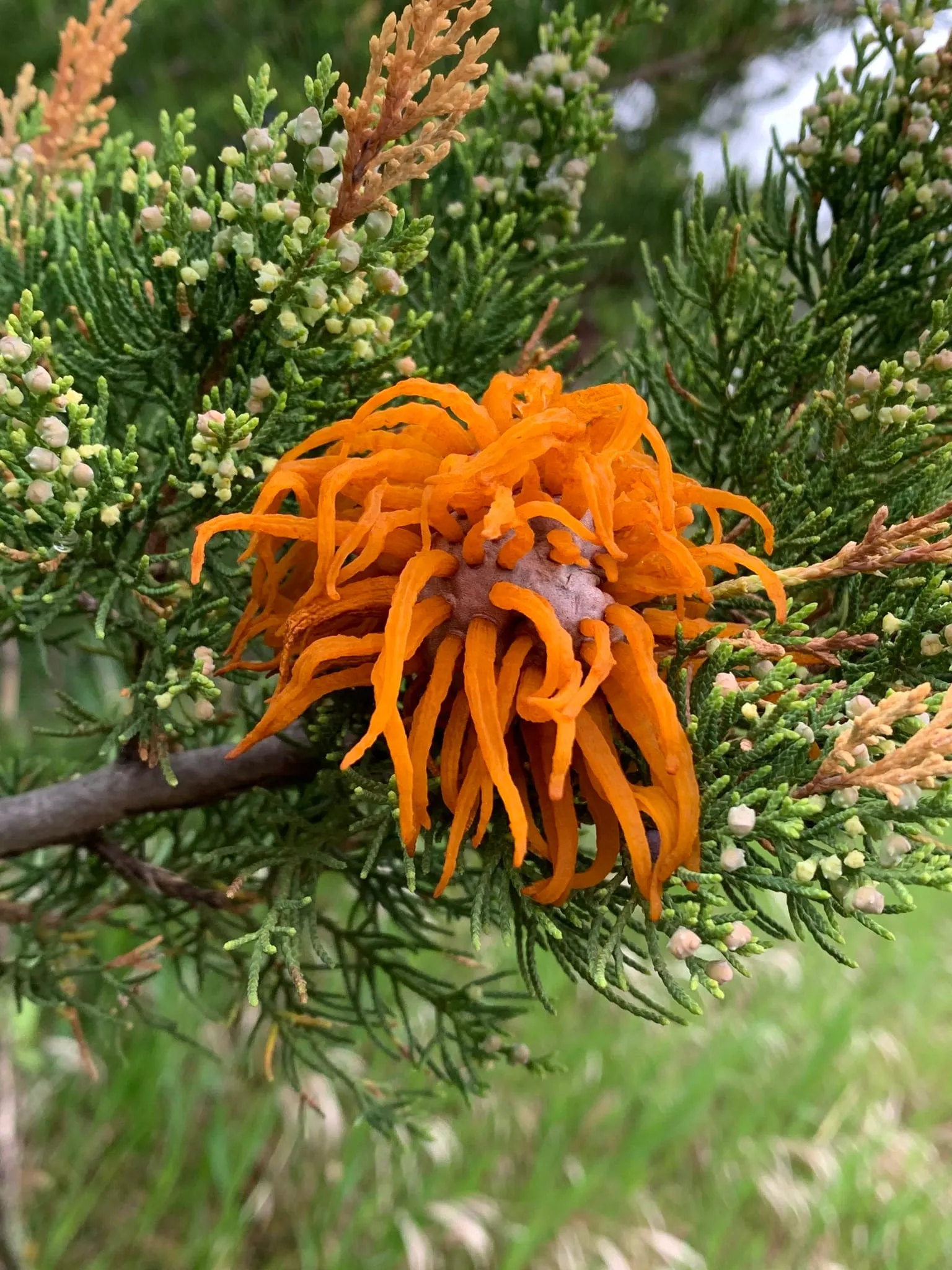
Gymnosporangium juniperi-virginianae
Two-host fungal disease alternating between apple and eastern red cedar. Severe pressure in regions with abundant cedar.
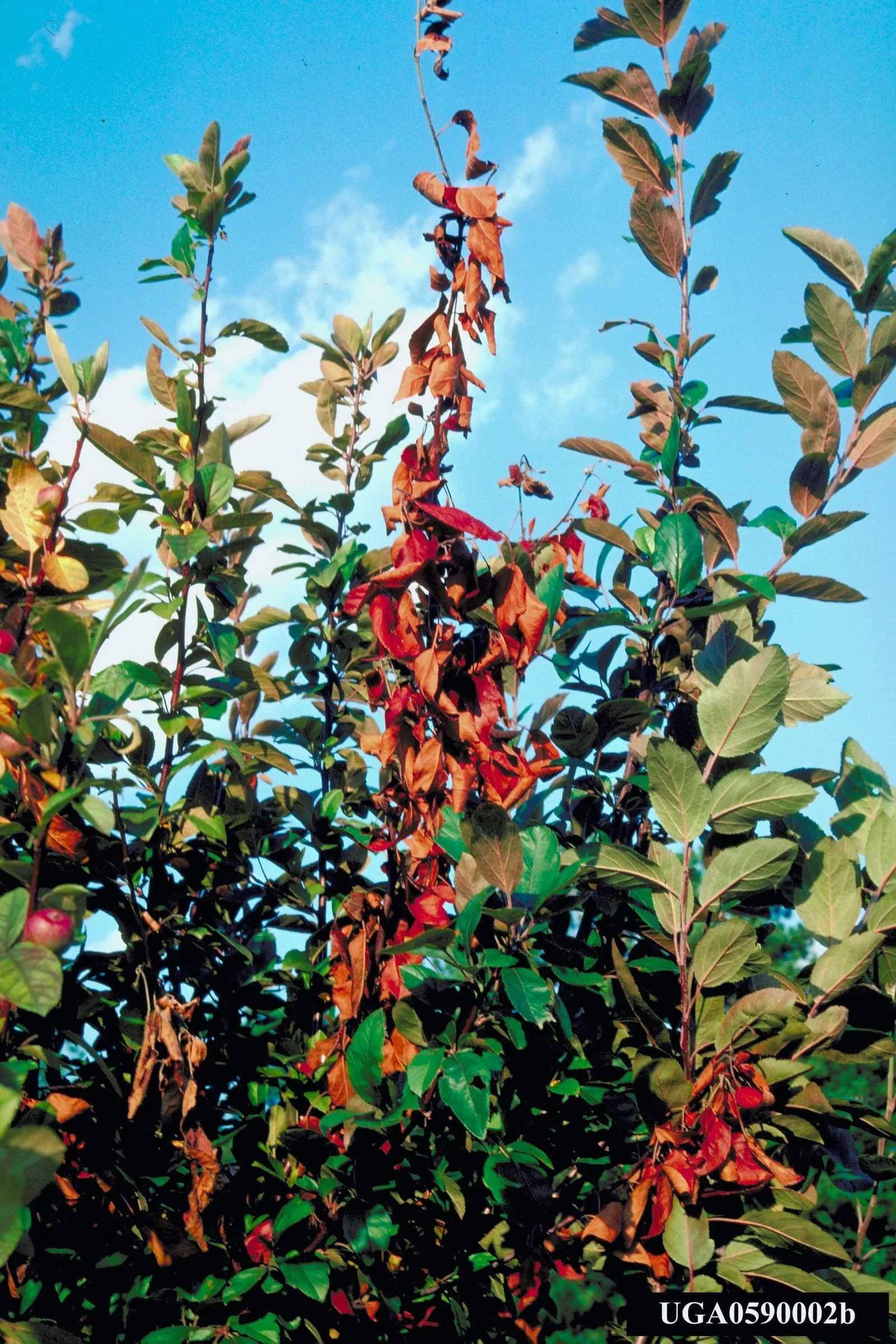
Erwinia amylovora
Devastating bacterial disease that can kill trees rapidly. Most severe in warm wet springs.
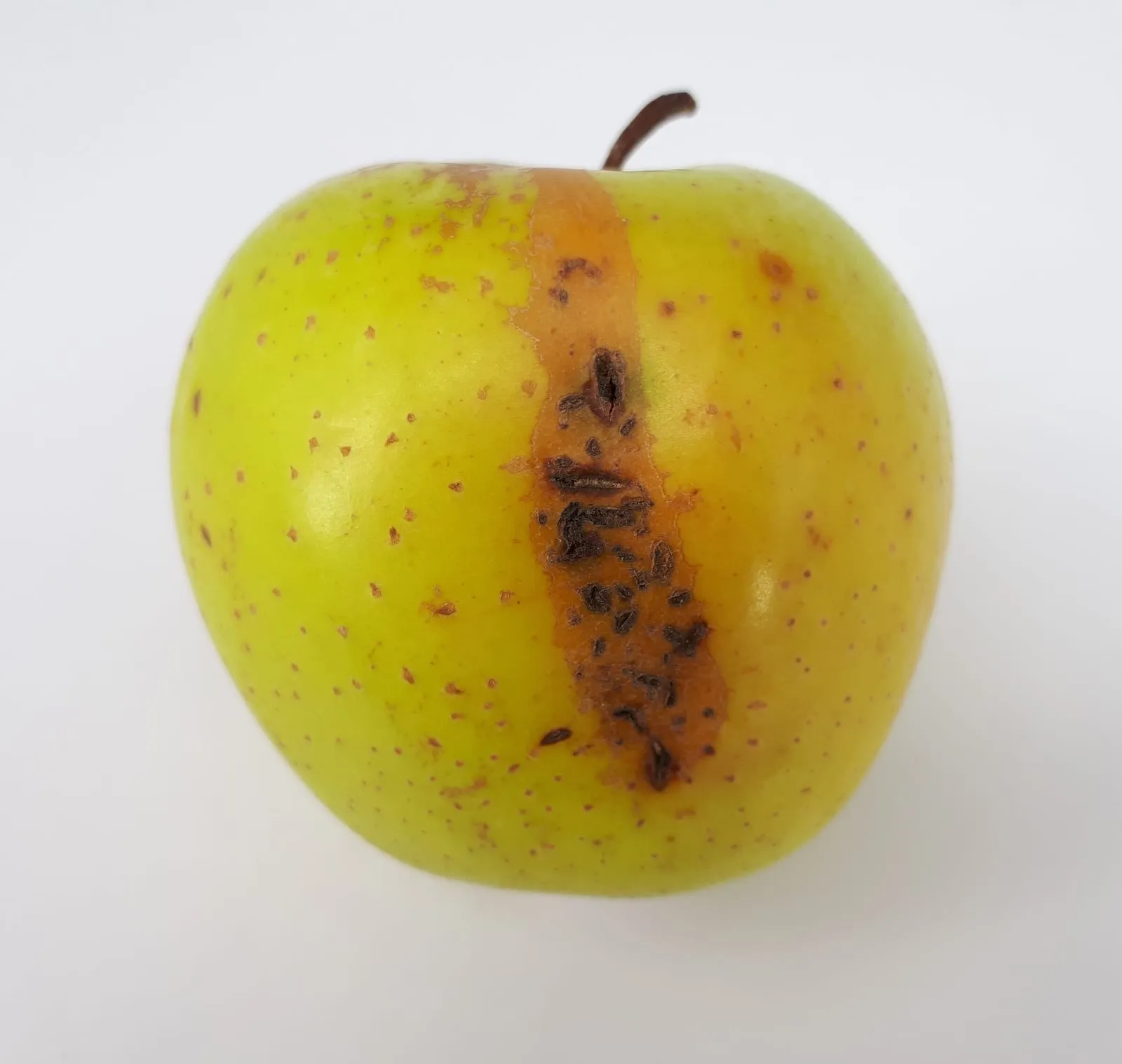
Venturia inaequalis
The most widespread apple disease in humid regions. Reduces fruit quality and defoliates trees.
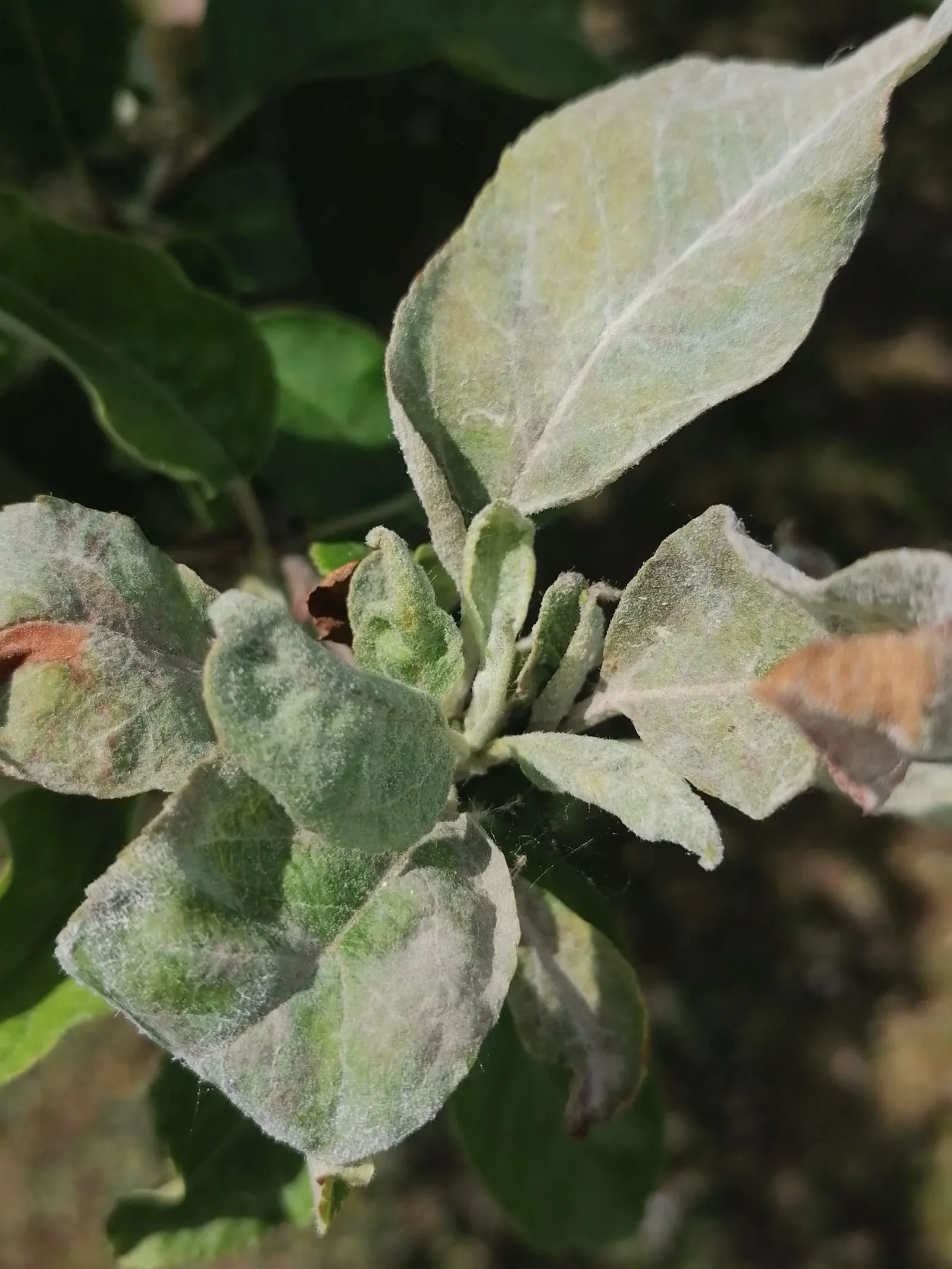
Podosphaera leucotricha
Surface-feeding fungal disease that distorts new growth and reduces yields.
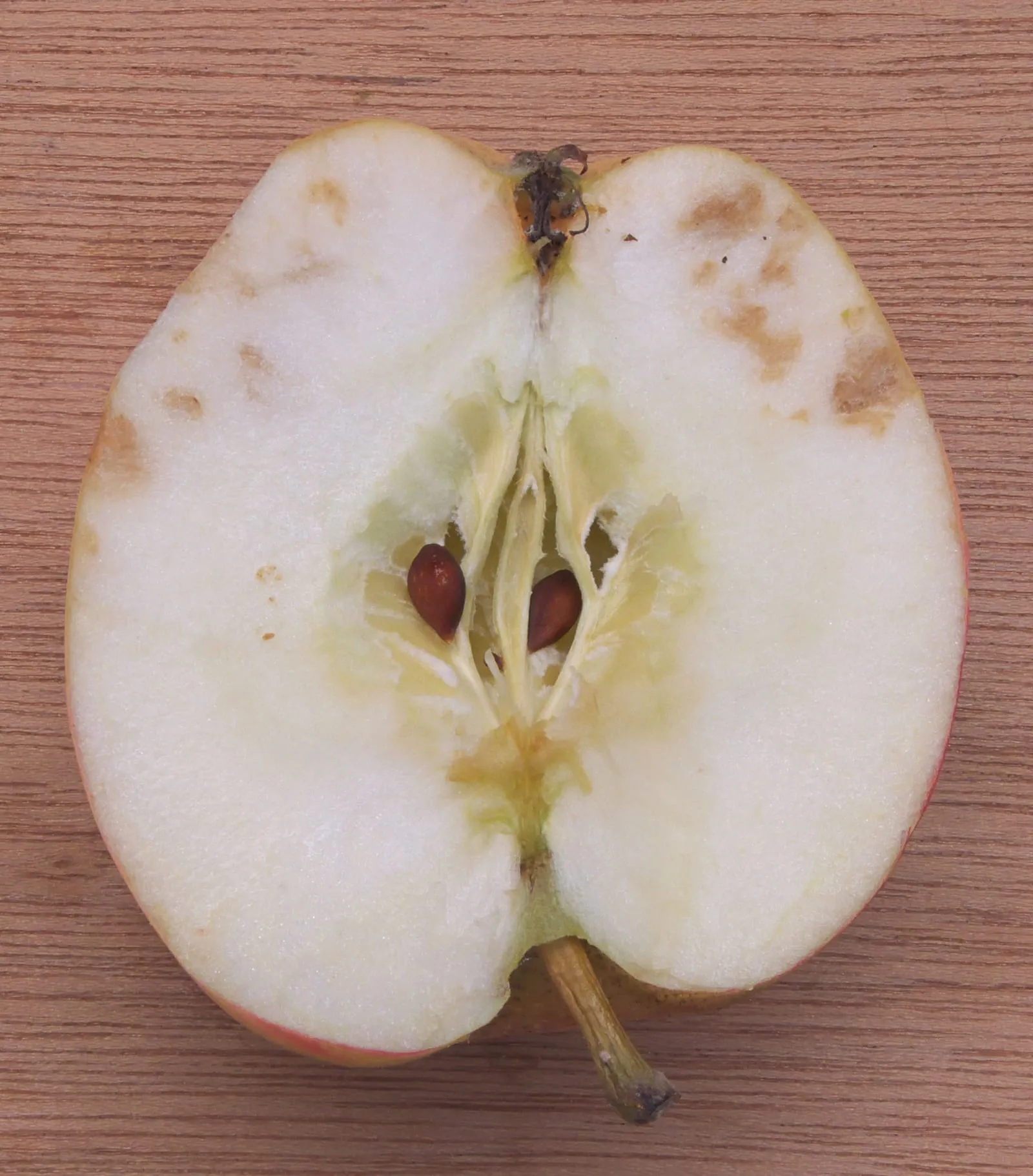
Physiological disorder
Damage from direct intense sun exposure on fruit or bark, particularly on plants suddenly exposed by pruning, defoliation, or hot weather. Distinct from sunburn (which is reversible).
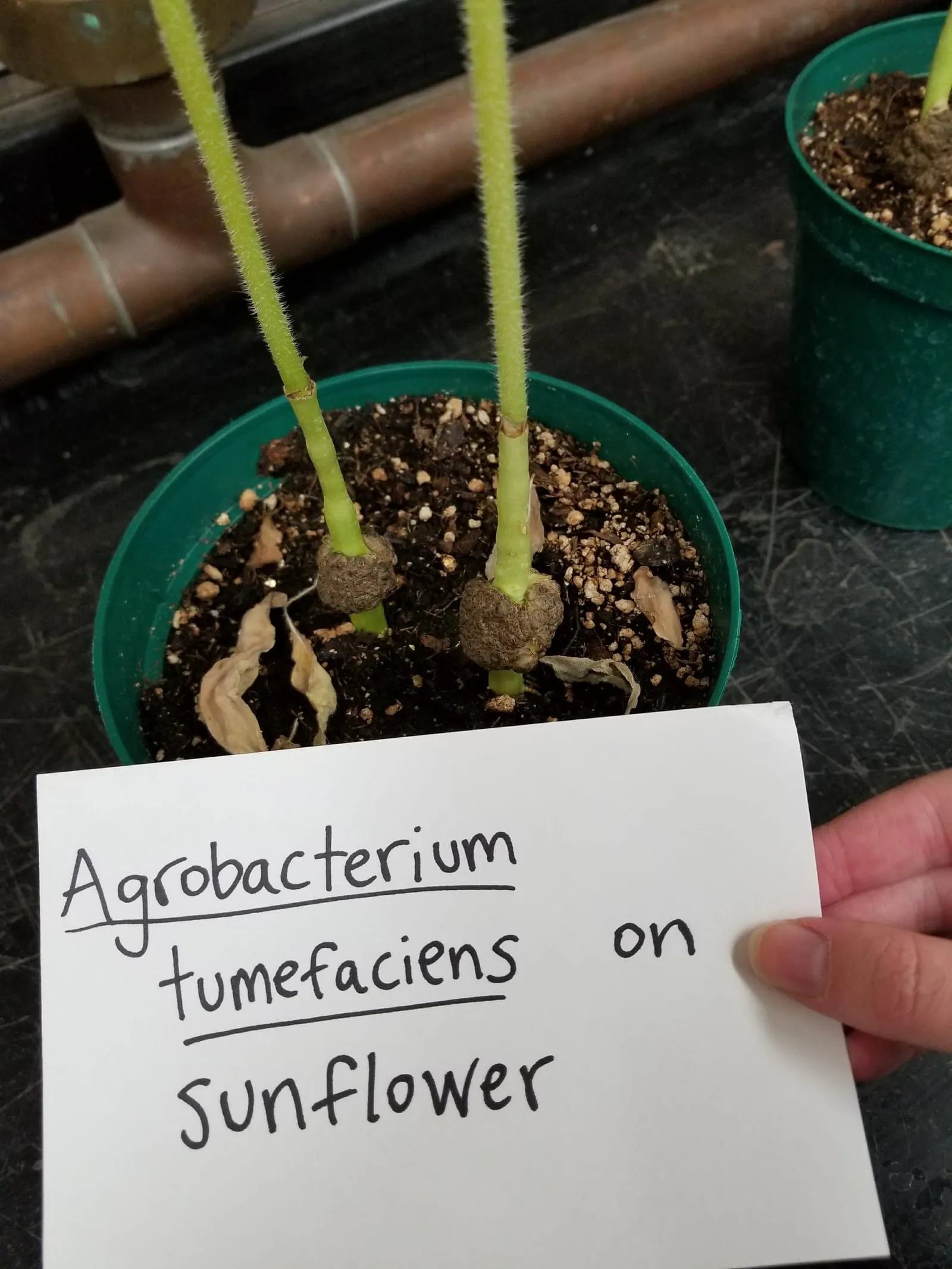
Agrobacterium tumefaciens
Soil-borne bacterium that enters plants through wounds and induces tumor-like galls on roots, crown, and lower stems. Galls reduce vigor and shorten plant lifespan; on Rubus the disease is often fatal.
Modified care for zone 3b
Winter desiccation is a zone 3b concern that receives less attention than cold hardiness. Dry, sustained winds in late winter can pull moisture from bark and buds on trees that are technically cold-hardy enough to survive temperature-wise. Wrapping trunks of young trees and applying anti-desiccant sprays in late fall helps reduce this damage.
Site selection matters more here than in warmer zones. South or southeast-facing slopes with good air drainage extend the effective growing season and reduce late-frost exposure at bloom. Low spots and north-facing sites that trap cold air should be avoided.
Disease pressure from Cedar Apple Rust, Fire Blight, Apple Scab, and Powdery Mildew does not disappear in cold climates. Fire Blight in particular can cause serious damage during warm, wet springs, which zone 3b does occasionally experience. Selecting resistant varieties where possible and avoiding excessive nitrogen fertilization reduce infection risk without adding spray burden.
Frequently asked questions
- Can apple trees survive zone 3b winters?
Cold-hardy varieties can survive zone 3b minimum temperatures of -35 to -30°F, though young trees are more vulnerable than established ones. Winter desiccation from dry winds often causes as much damage as temperature extremes, making site selection and trunk protection important in the first few years after planting.
- Why is Honeycrisp one of the few recommended varieties for zone 3b?
Honeycrisp was developed at the University of Minnesota specifically for northern climates. It combines reasonable cold hardiness with an early enough ripening window to finish fruit within zone 3b's roughly 100-day growing season. Most standard commercial apple varieties require longer seasons and are not reliable choices at this latitude.
- Does the short growing season affect fruit quality in zone 3b?
It can. Apples that do not receive sufficient heat accumulation before the first fall frost may lack the sugar development and full flavor of the same variety grown in a longer-season zone. Early-ripening cultivars bred for northern conditions perform better than trying to push a mid-season variety to maturity in a compressed window.
+−
+−
+−
Apple in adjacent zones
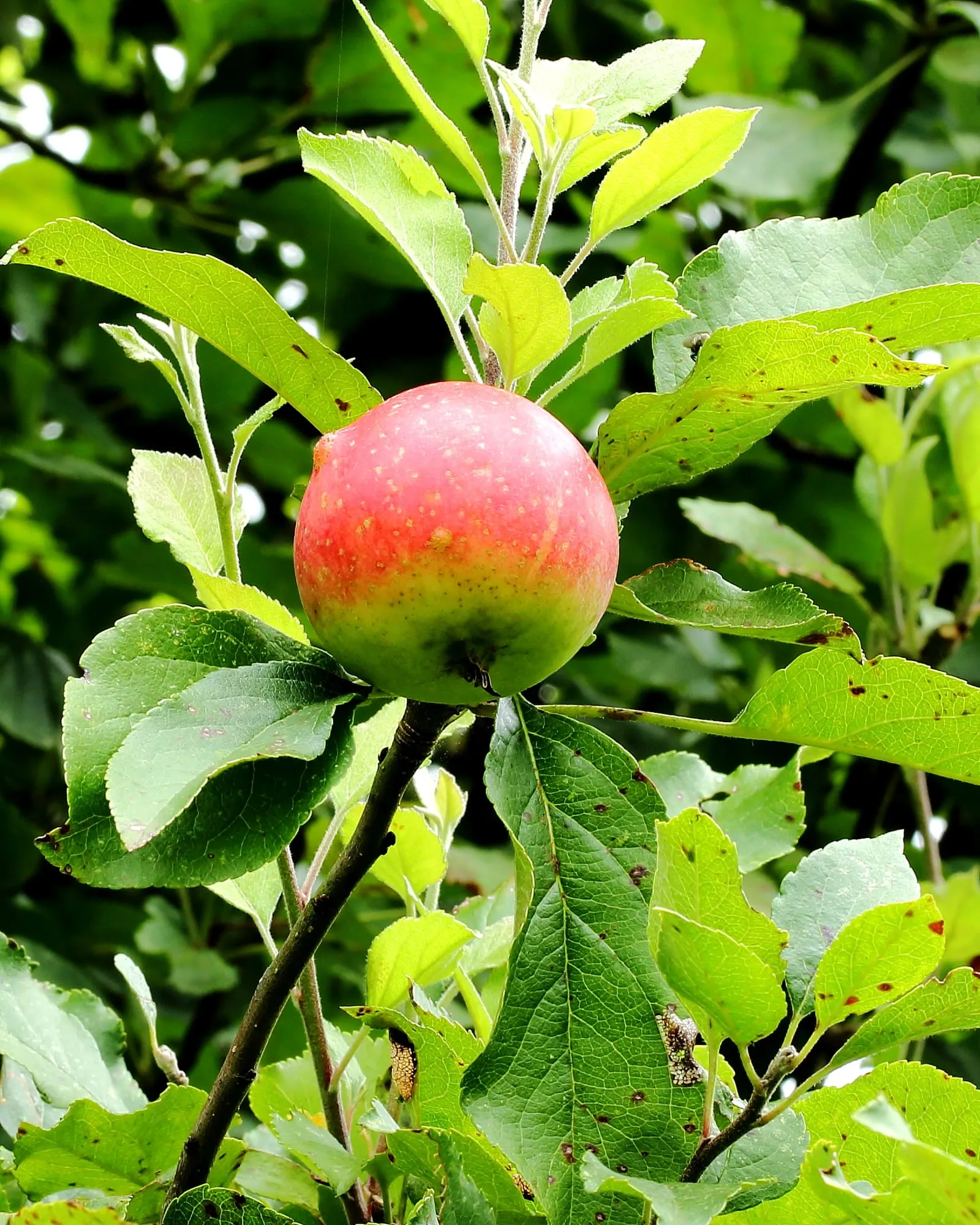
Image: "Malus domestica 'Stark's Earliest'. Locatie De Kruidhof 02", by Dominicus Johannes Bergsma, via Wikimedia Commons, licensed under CC-BY Source.

Related