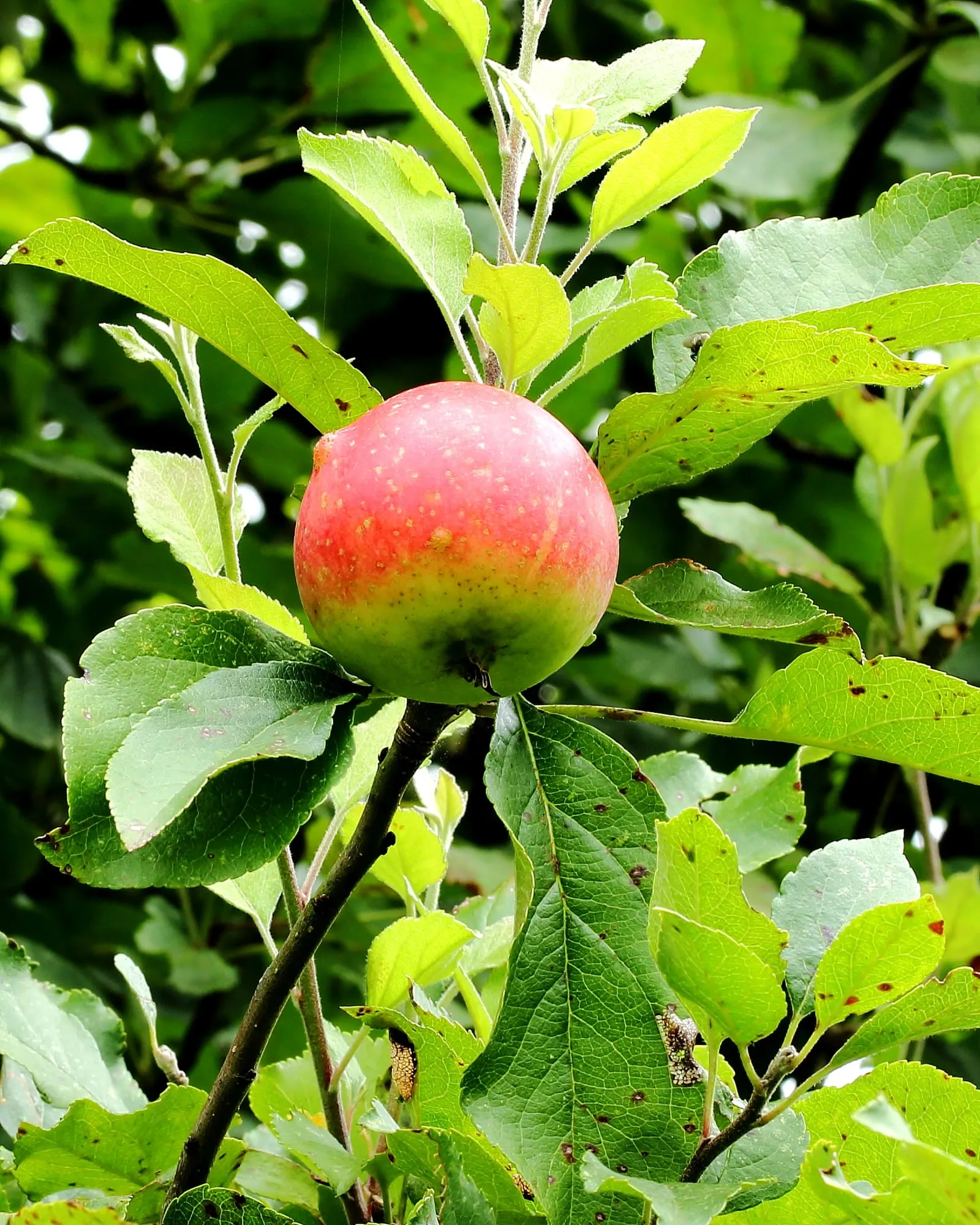
fruit tree in zone 4a
Growing apple in zone 4a
Malus domestica
- Zone
- 4a -30°F to -25°F
- Growing season
- 120 days
- Chill needed
- 400 to 1000 below 45°F
- Suitable varieties
- 2
- Days to harvest
- 120 to 200
The verdict
Zone 4a is a strong fit for apples, not a marginal one. Winter temperatures that drop to -30 to -25°F deliver chill hours far in excess of even the most demanding apple varieties (which top out around 1,000 hours). Cold accumulation is rarely the limiting factor here; the 120-day growing season is.
Varieties bred specifically for northern climates, including Honeycrisp and Liberty, were developed with zone 4 conditions in mind. Both carry adequate cold hardiness for the temperature floor and mature within the available frost-free window. The real screening question is not "will this crop survive zone 4a winters" but "does this specific variety finish its fruit before first fall frost." Varieties with 110-day or shorter maturity windows are the practical candidates.
Recommended varieties for zone 4a
2 cultivars suited to this zone, with disease-resistance and zone-fit annotations.
| Variety | Notes | Zone fit | Disease resistance |
|---|---|---|---|
| Honeycrisp fits zone 4a | Explosively crisp, juicy, sweet-tart with floral notes; the standout fresh-eating apple of the last 30 years. Excellent in lunch boxes, salads, and 6-month cold storage. Struggles in heat (bitter pit in zones 8+). | |
|
| Liberty fits zone 4a | Tart-sweet McIntosh-style flavor, juicy with crisp tender flesh; good fresh, excellent for sauce and pies. Top low-spray choice for the eastern US. | |
|
Critical timing for zone 4a
Bloom in zone 4a typically arrives in late April to early May, depending on the pace of spring warming. That timing collides directly with the zone's late-frost risk: a hard freeze after petal fall can wipe out a season's fruit set with no recovery. Early-blooming selections are a meaningful gamble here.
Harvest for early-maturing varieties (Zestar, Lodi) runs late August. Mid-season varieties like Liberty finish in September. Honeycrisp, which matures around 150 days from bloom, sits near the outer edge of zone 4a's reliable window and may need a site with good cold-air drainage to fully color and sweeten before October frosts arrive.
Common challenges in zone 4a
- ▸ Late frosts damage early bloomers
- ▸ Limited peach varieties
Disease pressure to watch for
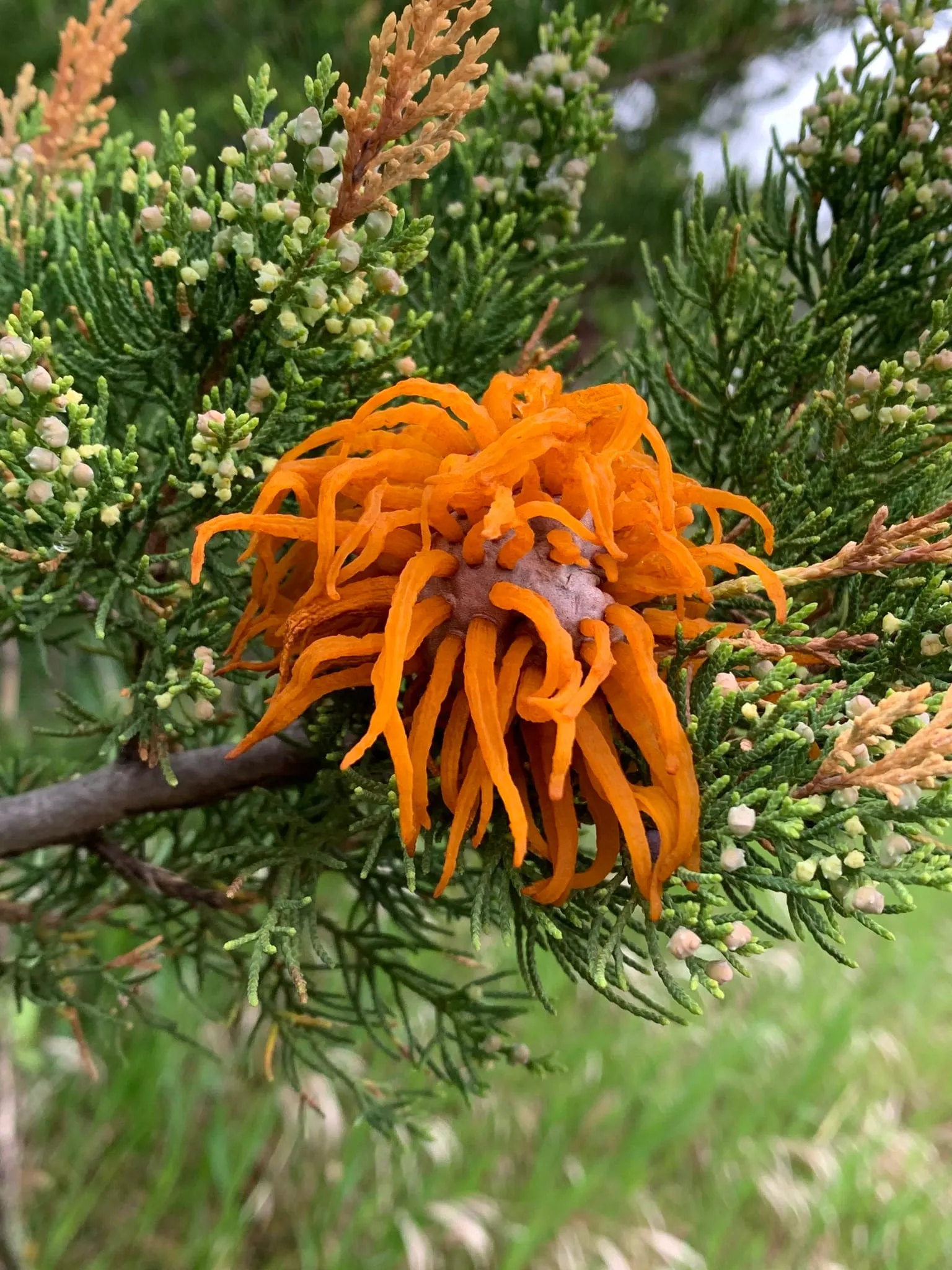
Gymnosporangium juniperi-virginianae
Two-host fungal disease alternating between apple and eastern red cedar. Severe pressure in regions with abundant cedar.
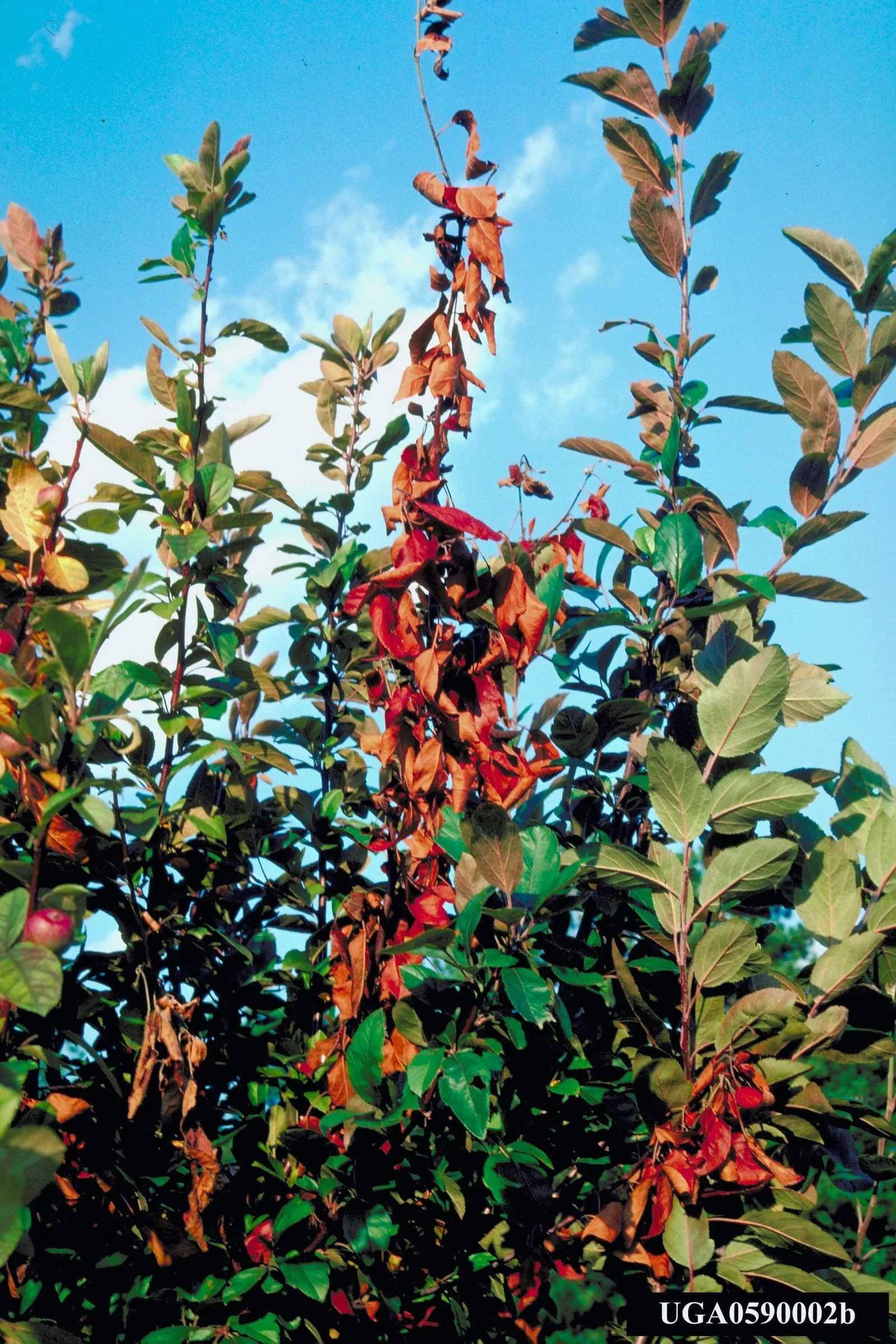
Erwinia amylovora
Devastating bacterial disease that can kill trees rapidly. Most severe in warm wet springs.
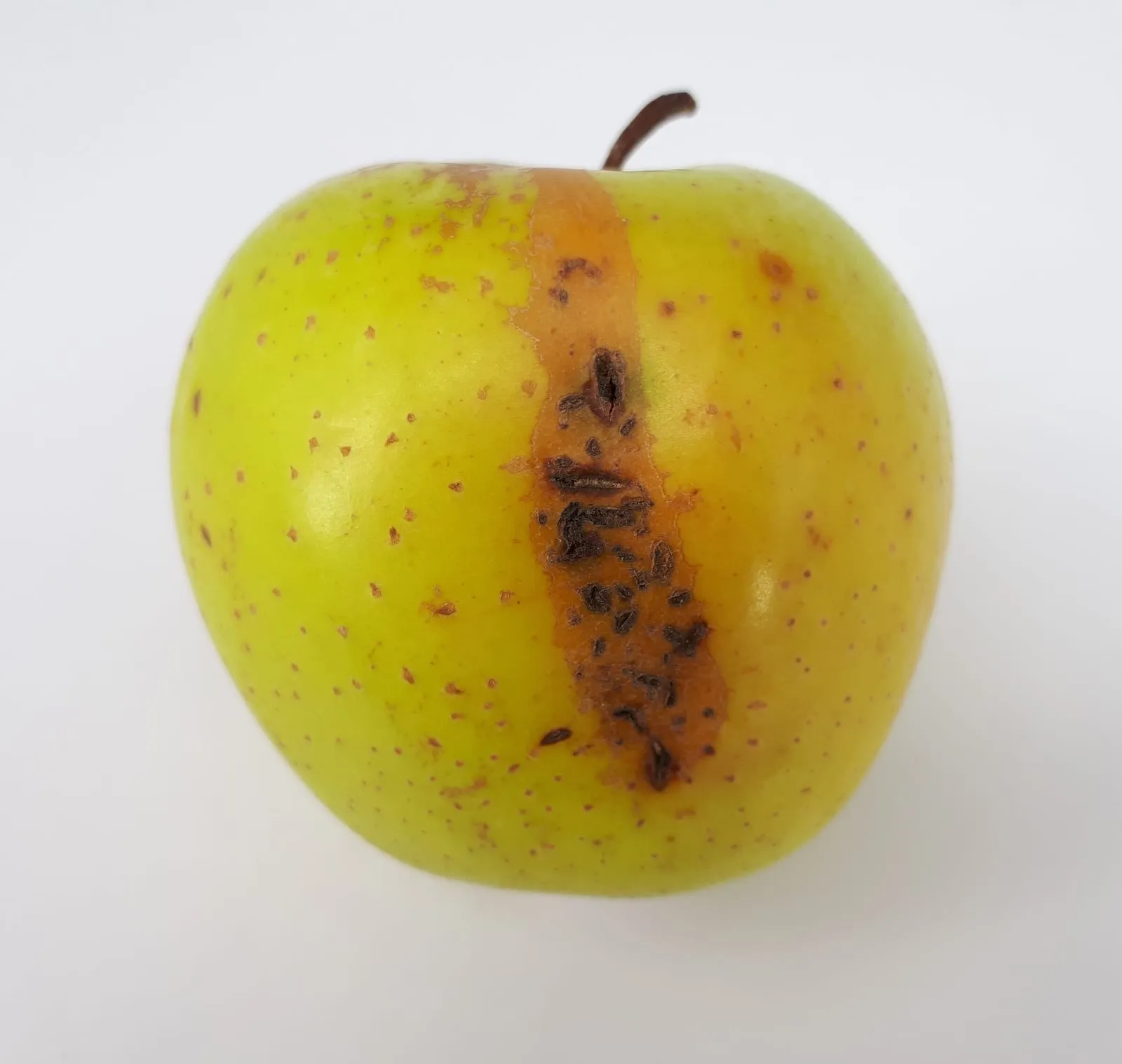
Venturia inaequalis
The most widespread apple disease in humid regions. Reduces fruit quality and defoliates trees.
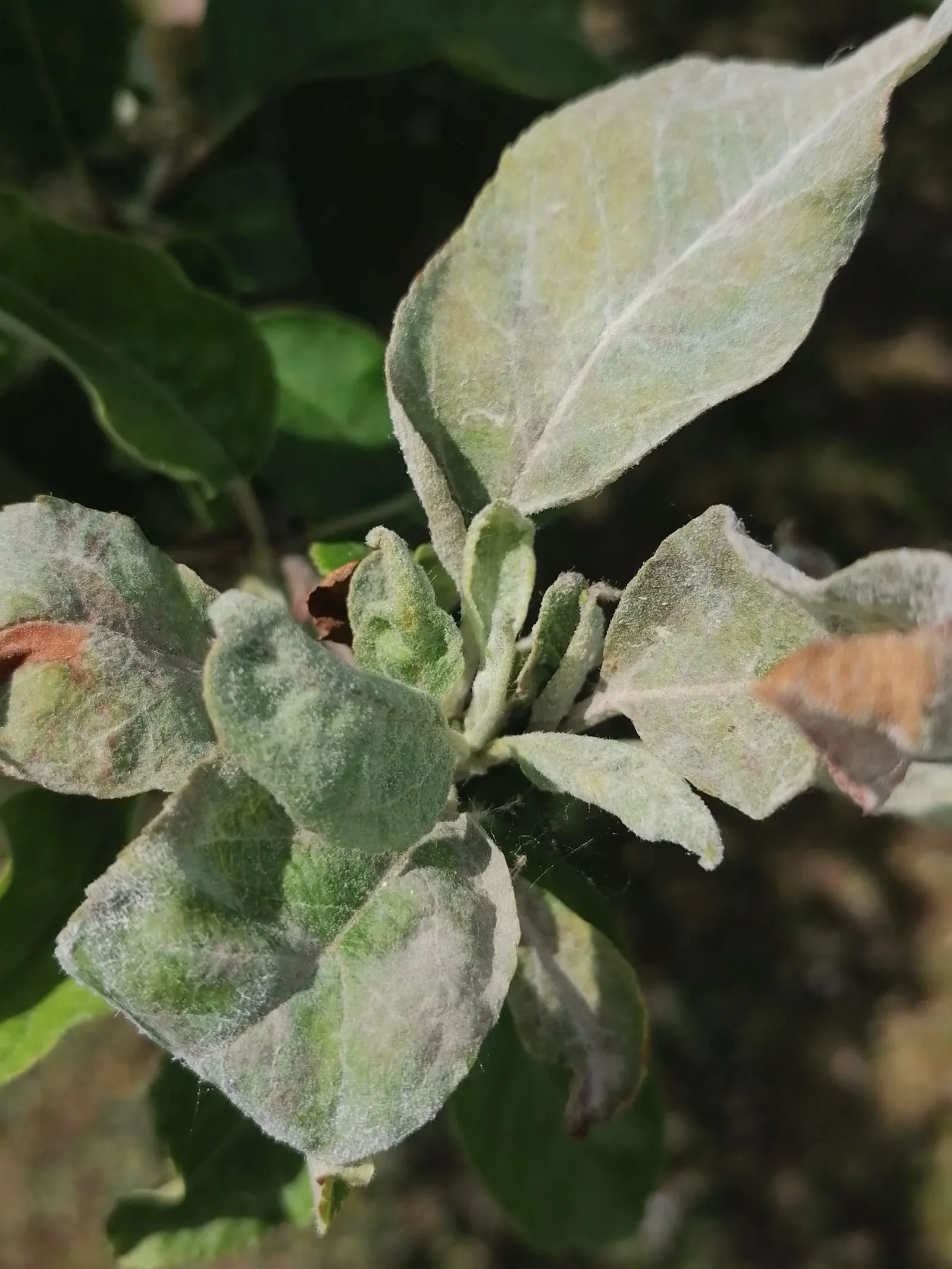
Podosphaera leucotricha
Surface-feeding fungal disease that distorts new growth and reduces yields.
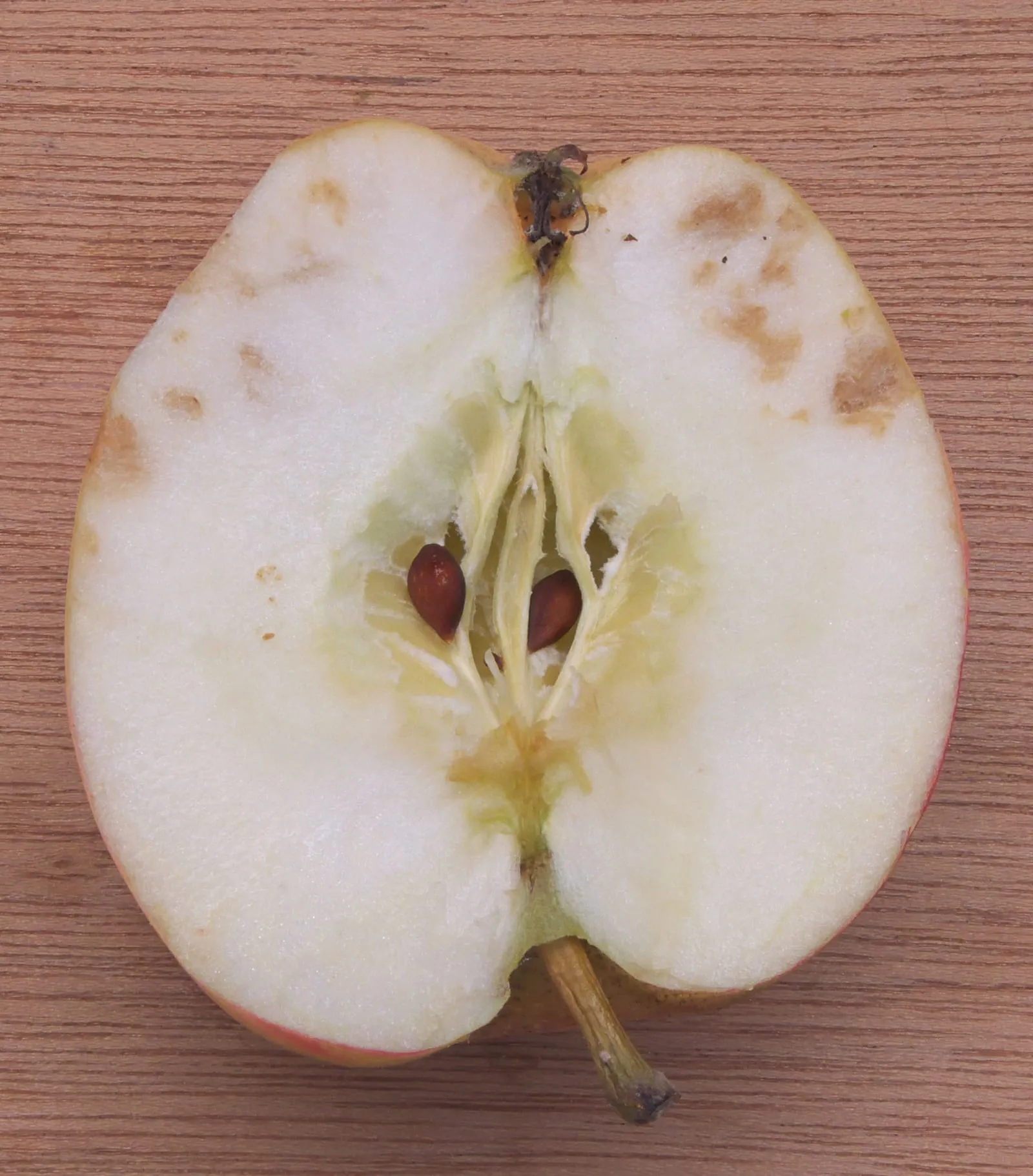
Physiological disorder
Damage from direct intense sun exposure on fruit or bark, particularly on plants suddenly exposed by pruning, defoliation, or hot weather. Distinct from sunburn (which is reversible).
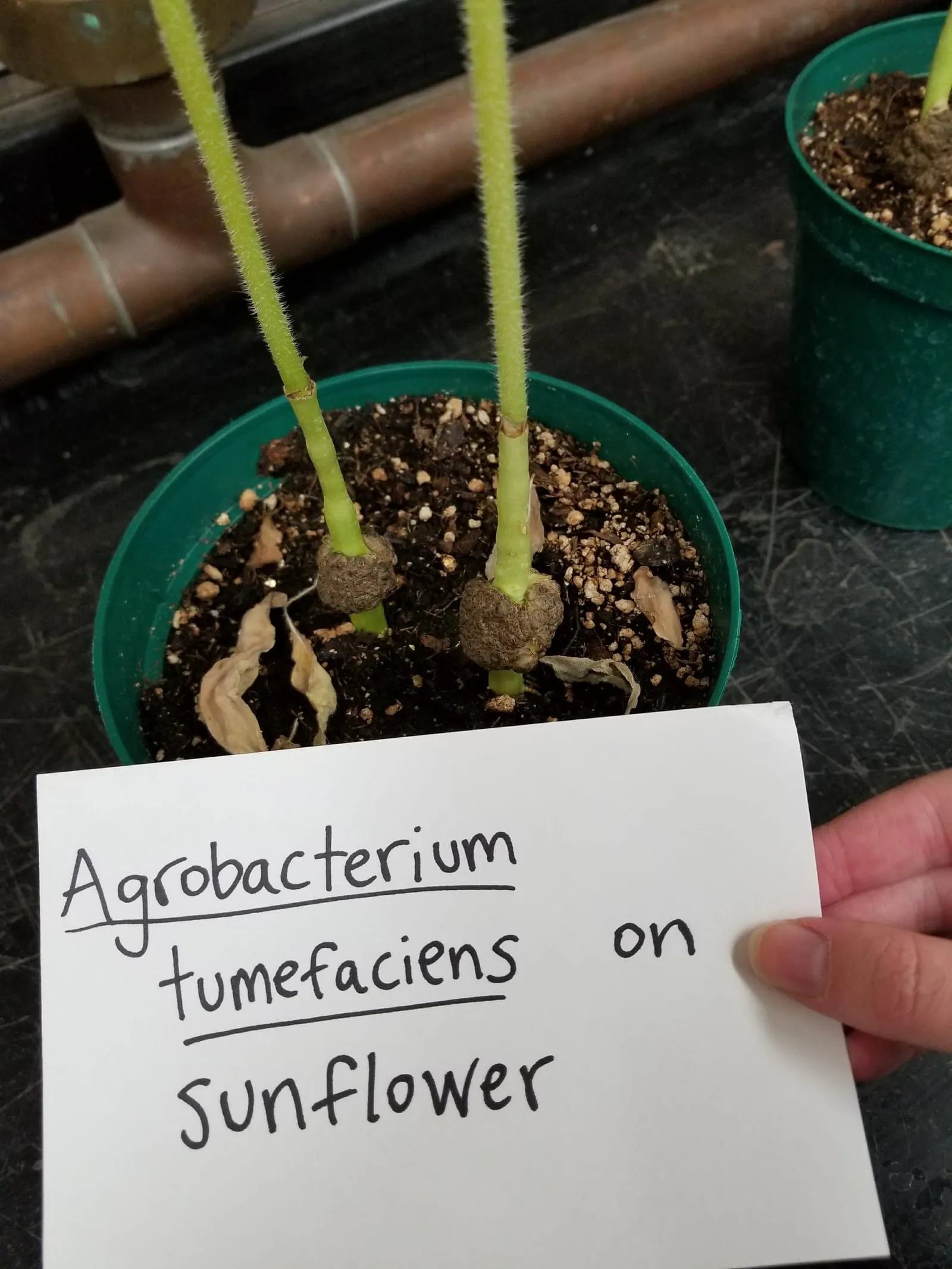
Agrobacterium tumefaciens
Soil-borne bacterium that enters plants through wounds and induces tumor-like galls on roots, crown, and lower stems. Galls reduce vigor and shorten plant lifespan; on Rubus the disease is often fatal.
Modified care for zone 4a
Frost protection at bloom time is the highest-priority deviation from standard apple care. Overhead irrigation or row covers at critical low temperatures can protect open blossoms, but the more durable solution is site selection: avoid frost pockets, favor slopes with cold-air drainage, and plant on south-facing exposures that warm faster in spring without accelerating bloom recklessly early.
Disease pressure in zone 4a leans heavily toward Apple Scab and Fire Blight, both of which are active during the wet, mild conditions of the short spring window. A preventive copper or sulfur program timed to green tip through petal fall addresses scab. For Fire Blight, resistance matters more than any spray program, which is one reason Liberty (rated highly resistant) is a practical default for this zone. Cedar Apple Rust requires a nearby juniper host to complete its cycle; the risk is real in mixed-landscape settings and worth scouting for.
Frequently asked questions
- Is zone 4a cold enough to damage apple trees in winter?
Most apple varieties bred for northern climates, including Honeycrisp and Liberty, are rated to -40°F or colder and handle zone 4a winters without significant damage. Rootstock hardiness matters too: hardier options like Bud.9 and Geneva series rootstocks are better choices than M.26 or M.9 at this temperature extreme.
- Do apple trees get enough chill hours in zone 4a?
Yes. Zone 4a winters reliably deliver 1,200 or more chill hours, which exceeds even the highest-requirement apple varieties. Insufficient chilling is not a concern in this zone.
- What is the biggest risk for apple trees in zone 4a?
Late spring frosts after bloom. A hard freeze at petal fall or shortly after can destroy the year's fruit set. Site selection, variety bloom timing, and occasionally frost protection measures are the main tools for managing this risk.
- Will Honeycrisp ripen fully in zone 4a?
Honeycrisp needs roughly 140 to 155 days from bloom to harvest. In zone 4a, that puts harvest near late September to early October, which is workable on most sites but tight. Sites with early first-frost dates or late spring warming may see partially developed fruit in poor years.
+−
+−
+−
+−
Apple in adjacent zones
Image: "Malus domestica 'Stark's Earliest'. Locatie De Kruidhof 02", by Dominicus Johannes Bergsma, via Wikimedia Commons, licensed under CC-BY Source.

Related