USDA hardiness zone
Zone 4a
Cold zone suitable for hardy apples, pears, and cold-tolerant stone fruits.
On the zone ramp
- Lowest winter temp
- -30°F to -25°F USDA boundary
- Growing season
- 120 days
- Avg chill hours
- ~1300 below 45°F
- Hardiness rank
- 7 of 26 cold side
- Compatible crops
- 68
- Sample region
- Northern Vermont
Growing in zone 4a
Zone 4a covers the coldest inhabited growing regions in the continental United States, where minimum winter temperatures fall between -30 and -25 degrees F. Northern Vermont, northern Wisconsin, and eastern Montana represent the core territory. A growing season of roughly 120 days defines the dominant constraint: crops that won't ripen in four months won't work here, regardless of cold hardiness.
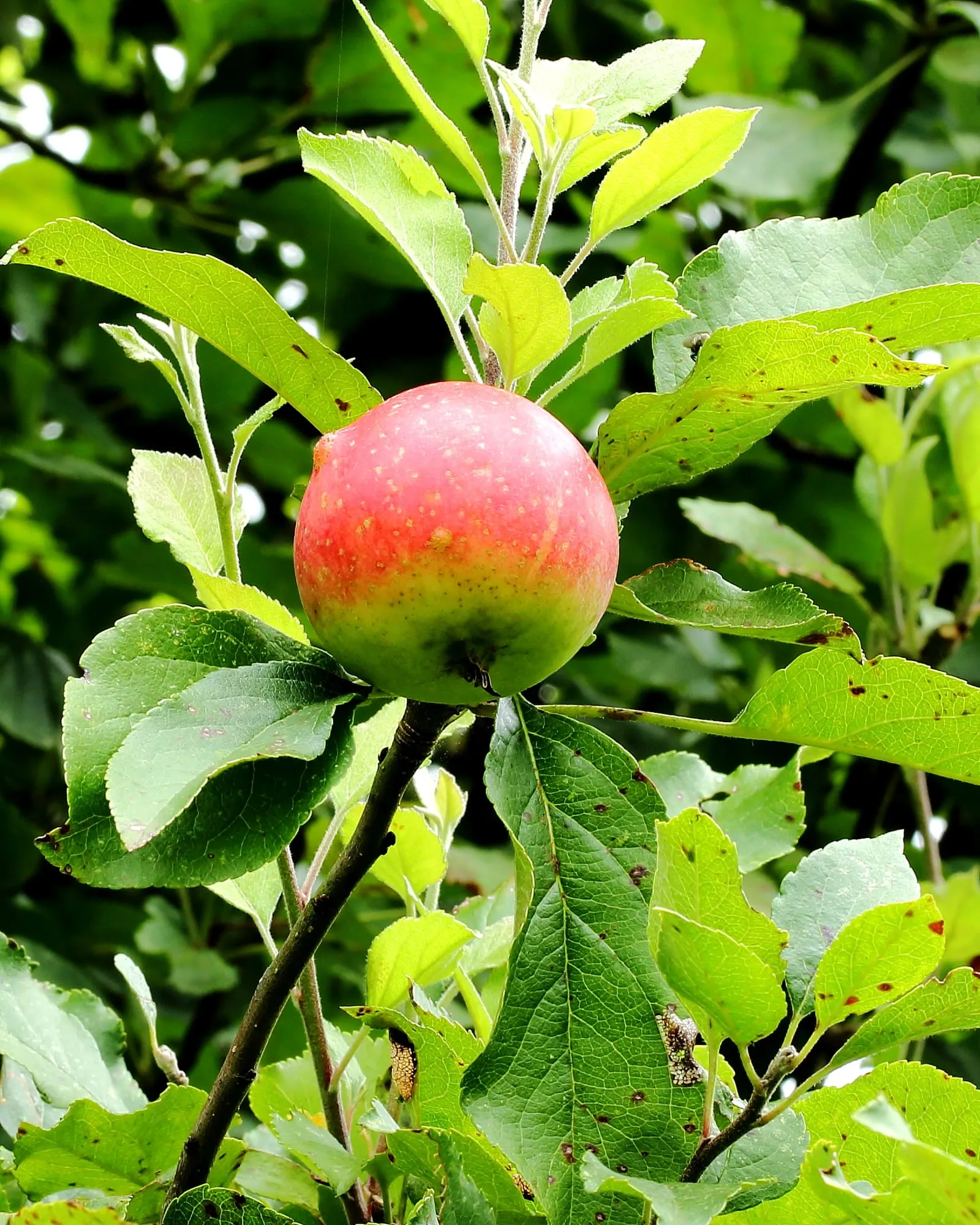
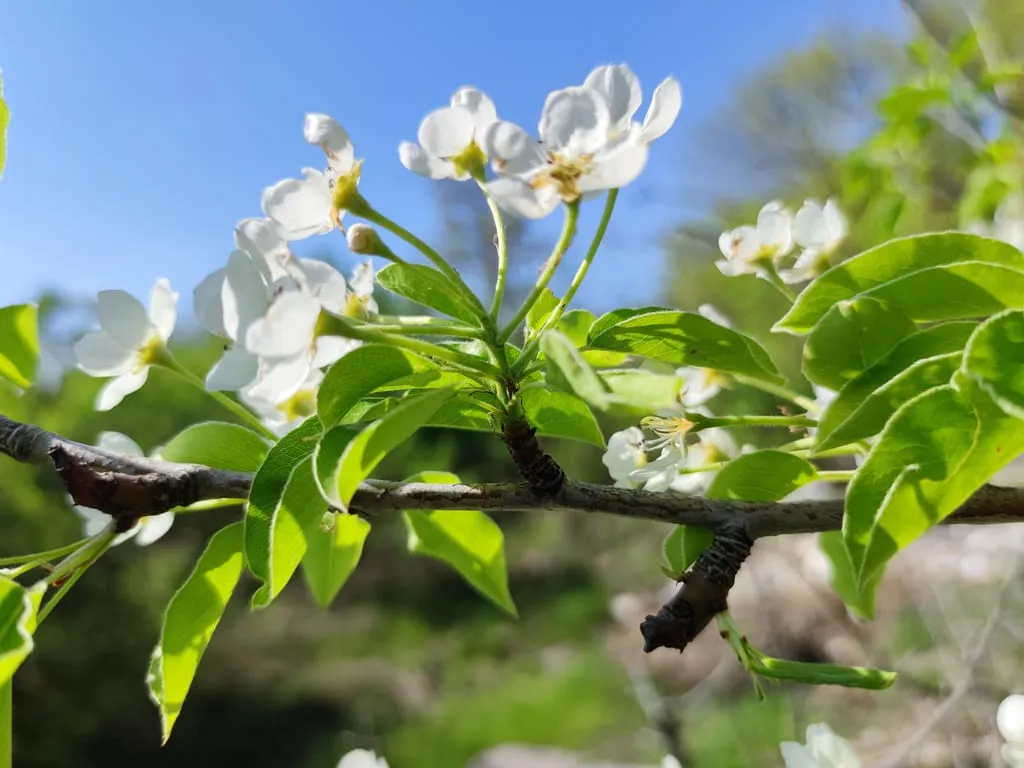
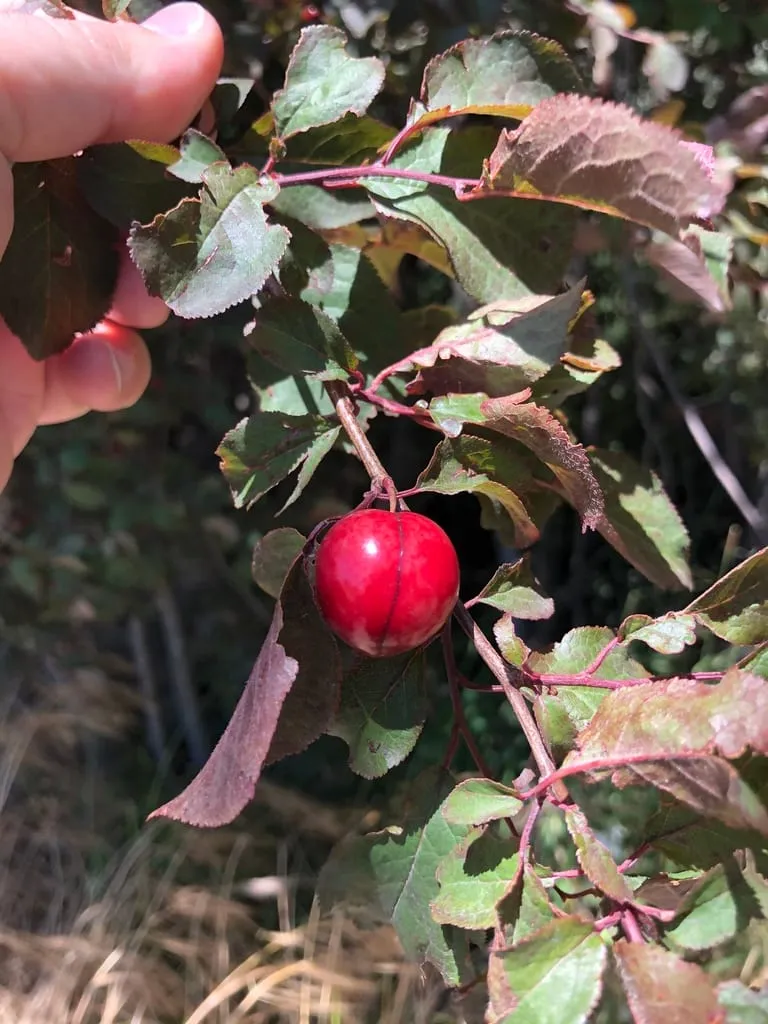
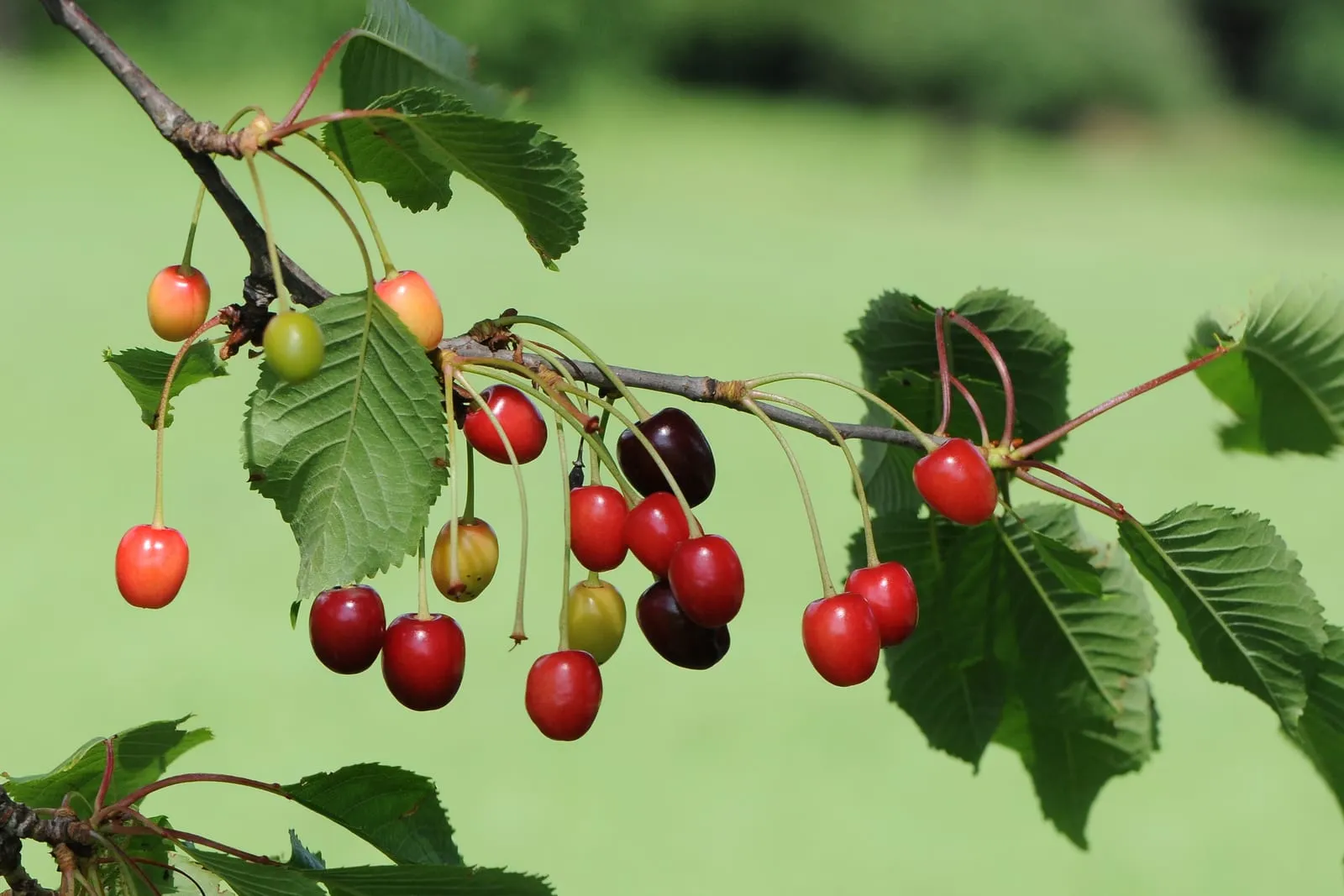
The fruit tree selection is narrow but reliable. Hardy apples, pears, European plums, and sour cherries are the anchors. Varieties developed at the University of Minnesota (Haralson, Zestar, Honeycrisp) and Canadian prairie breeding programs were built specifically for these conditions and deliver a consistency that warmer-zone varieties cannot match when transplanted north. Peaches are a near-miss; a handful of experimental varieties survive zone 4a winters in sheltered sites, but consistent annual crops remain rare enough that they don't belong in an orchard plan built on reliability.
The dominant constraint isn't the winter cold itself, which hardy varieties handle reasonably well. It's the combination of late spring frosts and a compressed season. Crops that bloom early risk losing flower buds to a May or early June freeze. Crops that need more than 120 days to mature simply won't finish. Selecting varieties by bloom timing and days-to-harvest figures, not just cold hardiness ratings, is what separates productive zone 4a orchards from frustrating ones.
Frost timing in zone 4a
In zone 4a, the last spring frost typically falls between late May and early June, depending on elevation and local geography. Northern Vermont valleys can see killing frosts into the second week of June in cold years. First fall frost arrives in mid to late September, producing the roughly 120-day growing season.
For fruit growers, the spring frost date carries more weight than the fall date. A fall freeze ends the season, but a spring freeze destroys that year's crop in a single night, after a tree has spent weeks of energy on bloom and early fruit set. A tree survives a late June frost; it simply won't fruit that year.
Late-blooming variety selection is the primary adaptation strategy. European plums and sour cherries bloom later than peaches or sweet cherries, which is a main reason they succeed in zone 4a while their relatives don't. Among apples, bloom timing varies by five to ten days across varieties. Choosing a reliably late bloomer shifts the frost risk in a meaningful way, especially in years when spring arrives fast and cold lingers.
Common challenges
- ▸ Late frosts damage early bloomers
- ▸ Limited peach varieties
Best practices
Planting on a slope or elevated site matters more in zone 4a than in warmer zones. Cold air drains downhill and pools in low spots, where late spring frosts persist longest after the surrounding landscape has cleared. Positioning trees on a gentle slope or elevated bench can shift the effective frost date by three to five days, enough to protect a bloom in a borderline spring.
Verify cold hardiness against published trial data, not just zone labels. A tree rated "hardy to zone 4" is a survival rating. For consistent fruit production across the full range of zone 4a winters, look for varieties with documented hardiness to -35 or -40 F, particularly for rootstocks, which are often the weak point in a graft union under severe cold.
Apply four to six inches of wood chip mulch over the root zone in late fall, before the ground freezes hard, and keep it pulled back a few inches from the trunk. This moderates soil temperature swings and reduces frost heaving in newly planted trees. It matters most in the first two winters, when root systems haven't established enough spread to buffer against sudden cold.
What to grow in zone 4a
68 crops from our database fit zone 4a, grouped by type. Click through for zone-specific variety recommendations.
Tree fruit
4 crops
Berries
19 crops
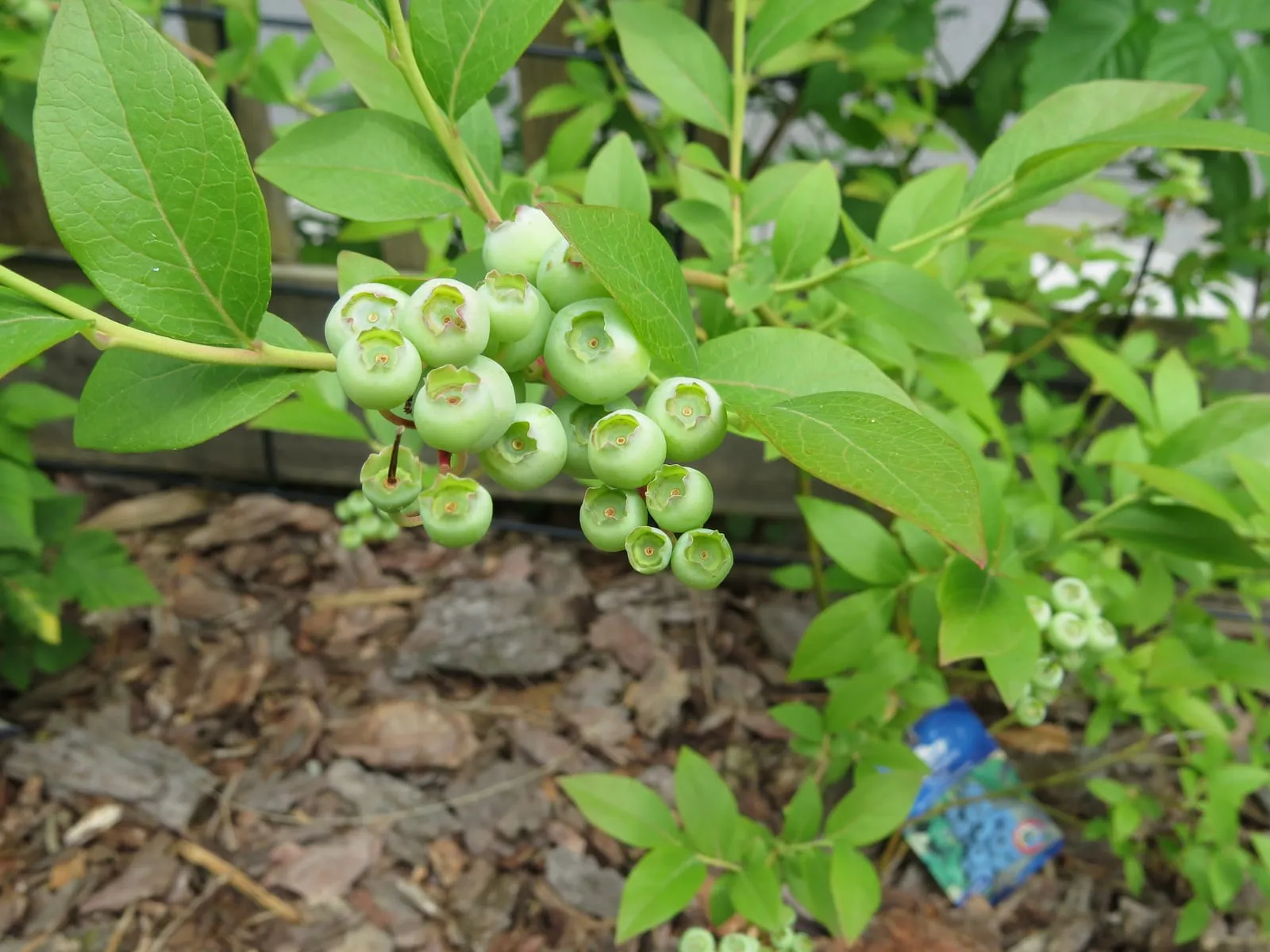 zone 4a
 Highbush Blueberry
Vaccinium corymbosum
zones 4a–7b
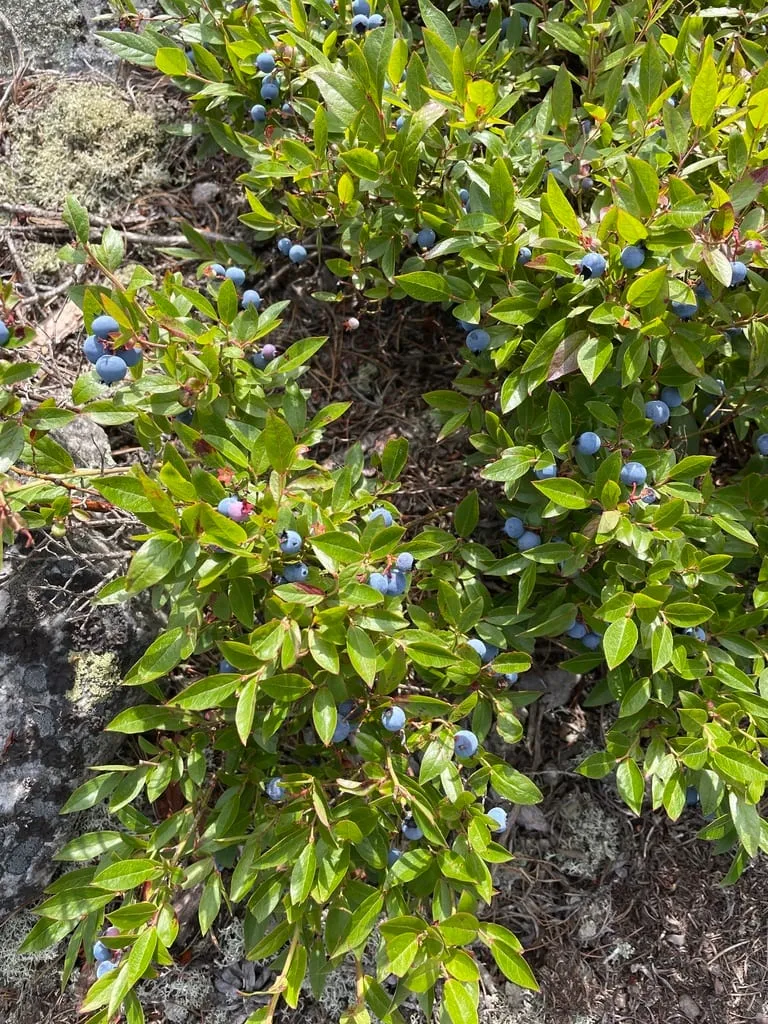 zone 4a
 Lowbush Blueberry
Vaccinium angustifolium
zones 3a–6b
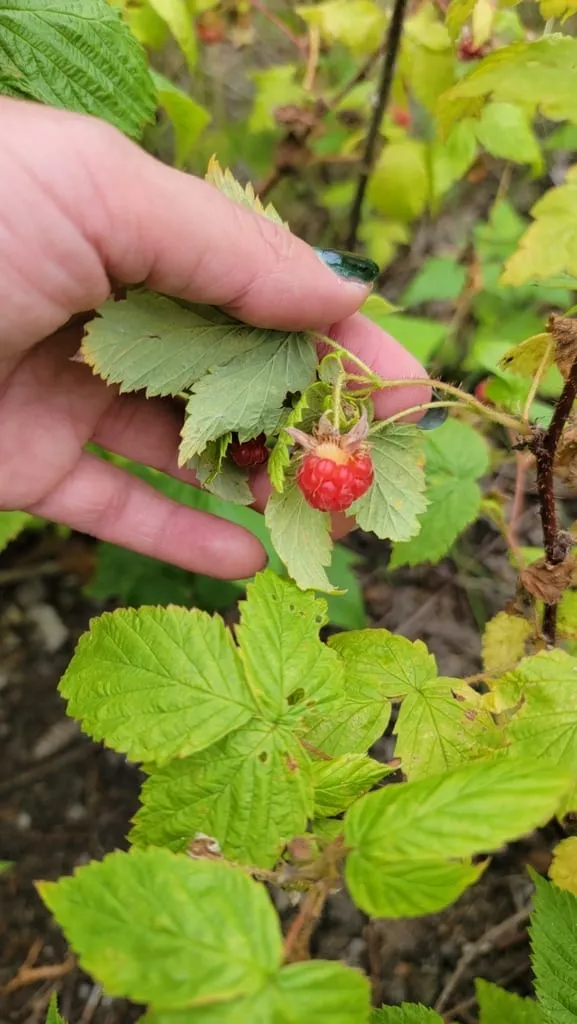 zone 4a
 Red Raspberry
Rubus idaeus
zones 3b–8a
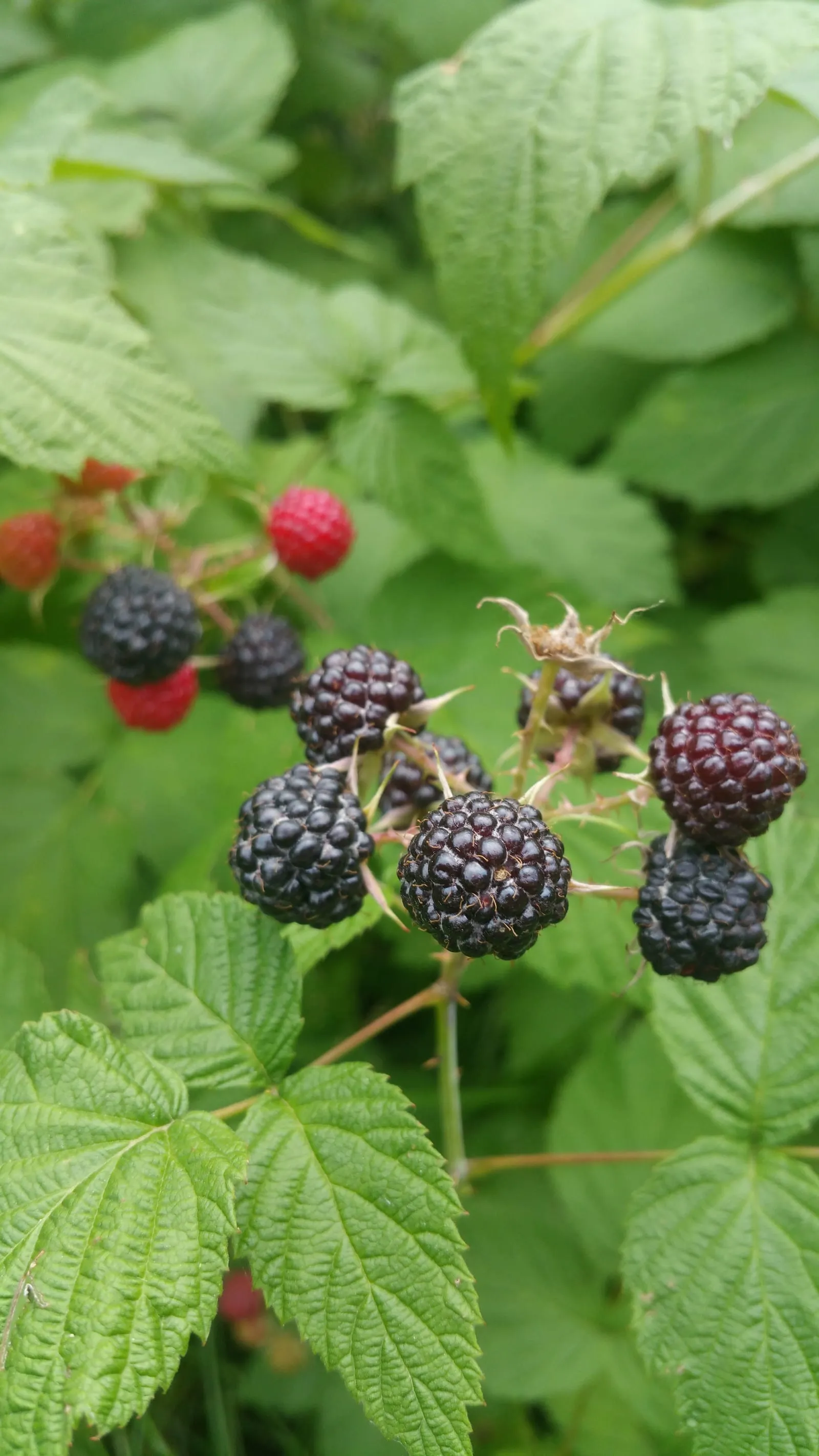 zone 4a
 Black Raspberry
Rubus occidentalis
zones 4a–8a
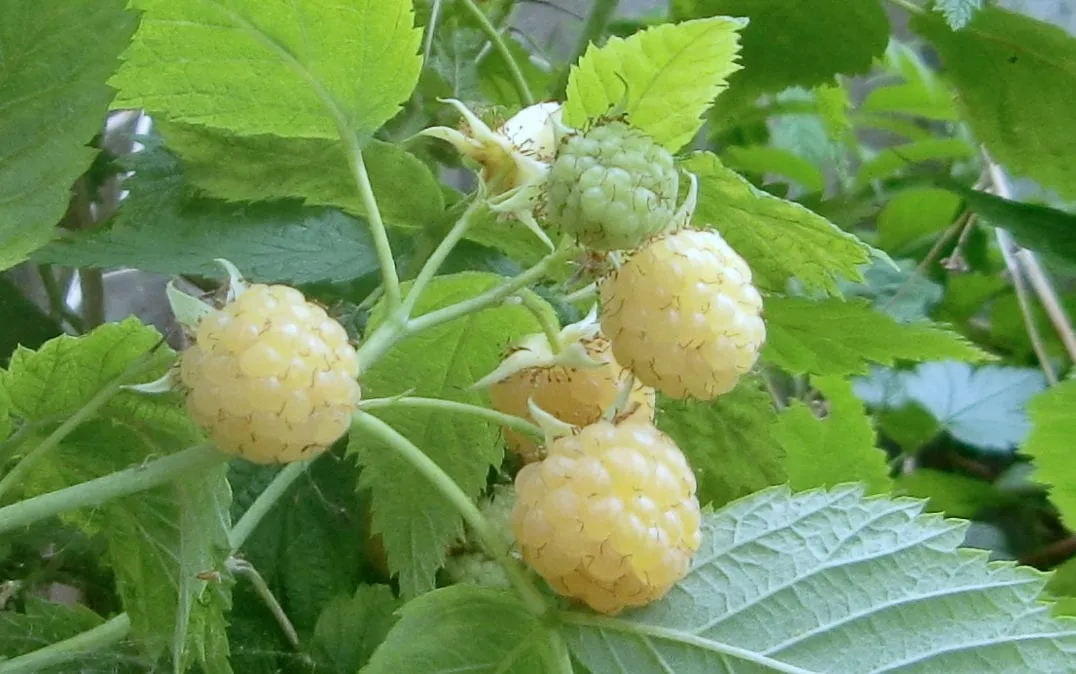 zone 4a
 Yellow Raspberry
Rubus idaeus
zones 3b–8a
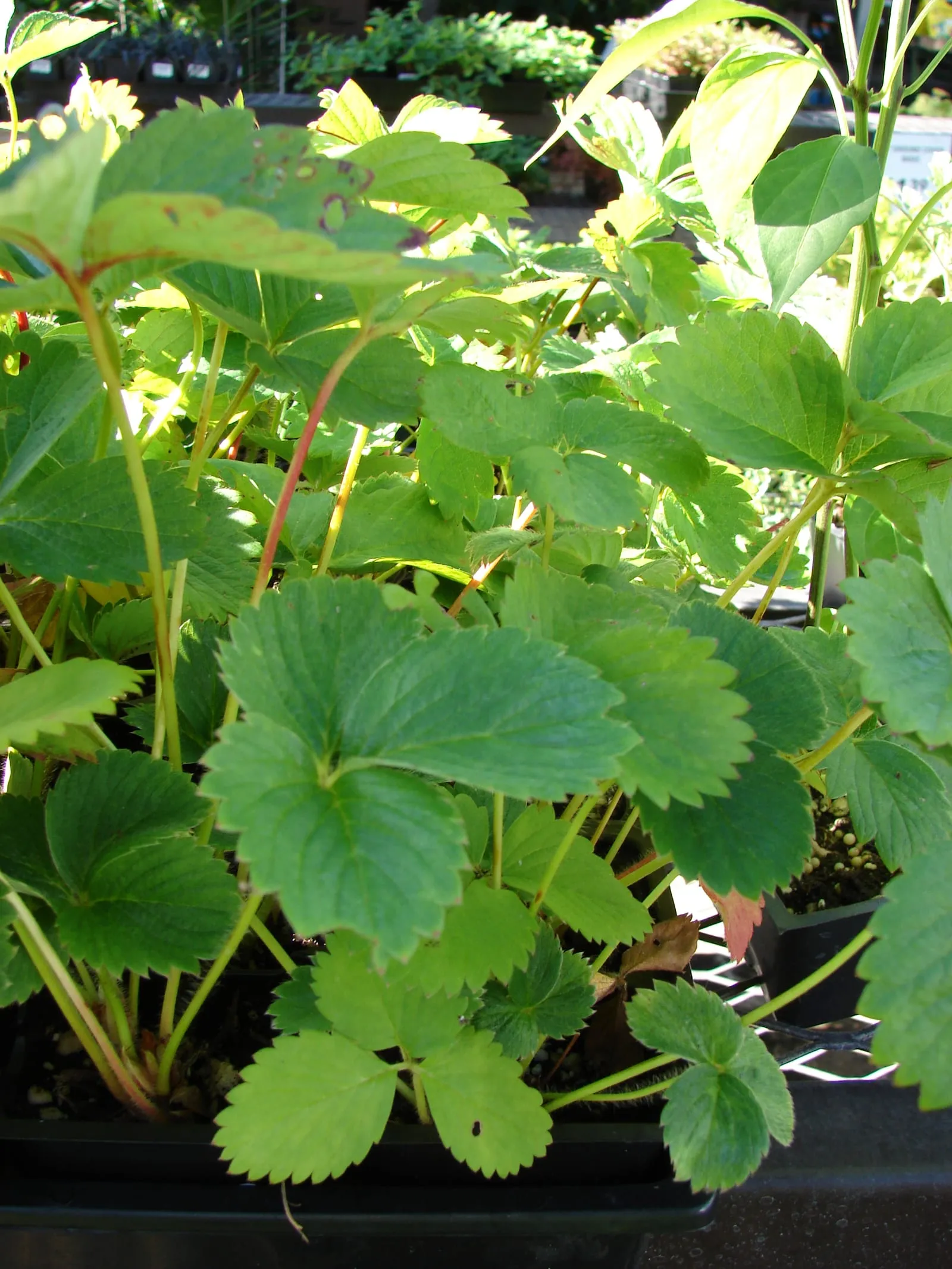 zone 4a
 June-Bearing Strawberry
Fragaria x ananassa
zones 3a–8b
zone 4a Everbearing Strawberry
Fragaria x ananassa
zones 3b–9a
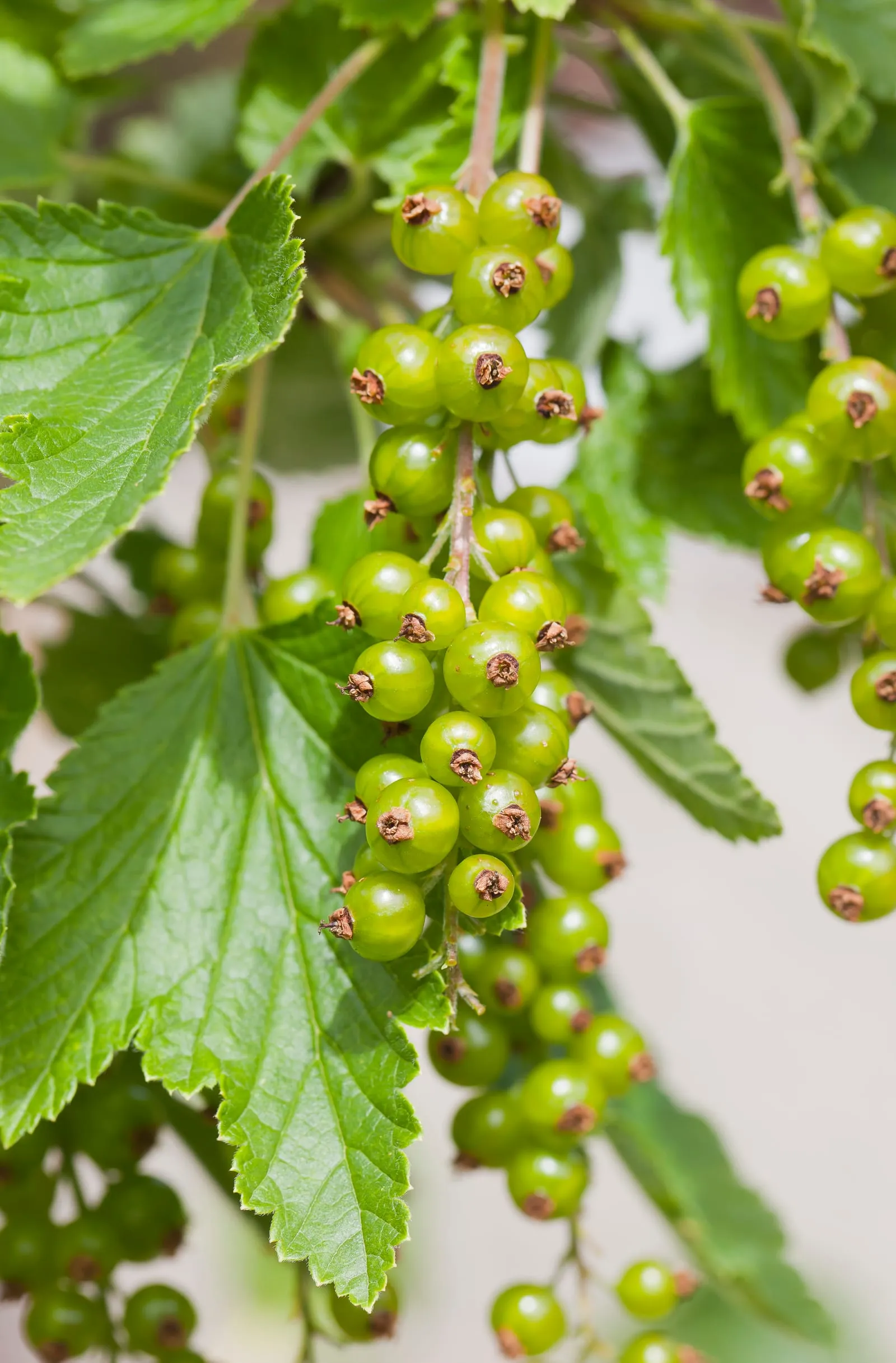 zone 4a
 Red Currant
Ribes rubrum
zones 3a–7a
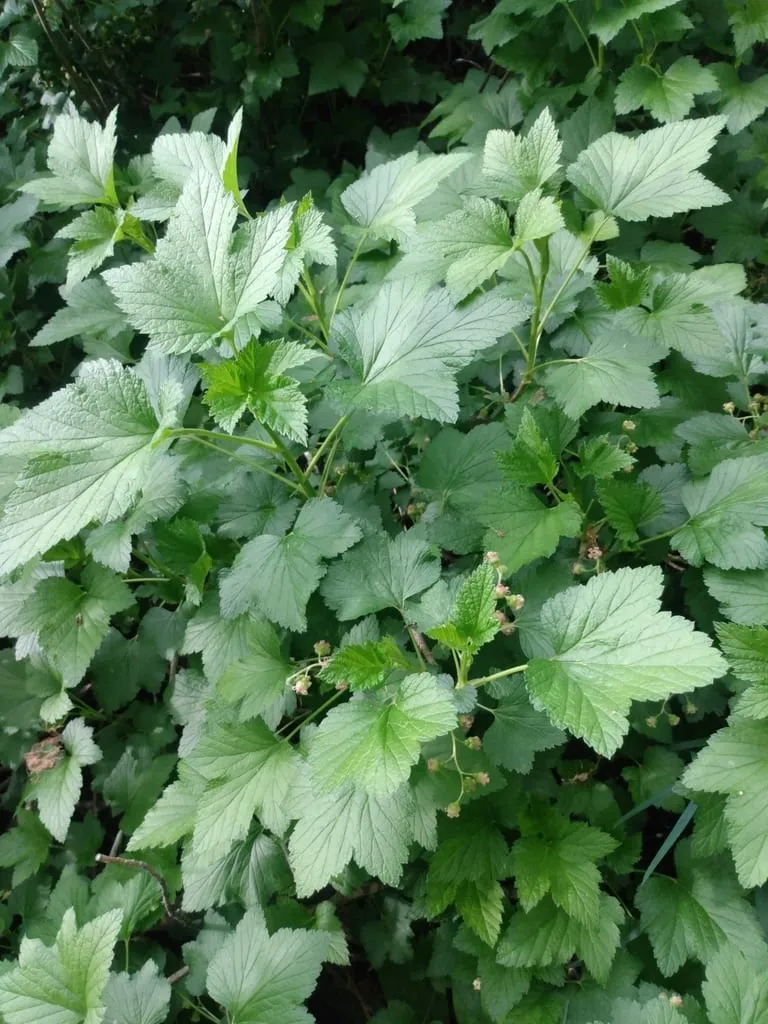 zone 4a
 Black Currant
Ribes nigrum
zones 3a–7a
zone 4a White Currant
Ribes rubrum
zones 3a–7a
 zone 4a
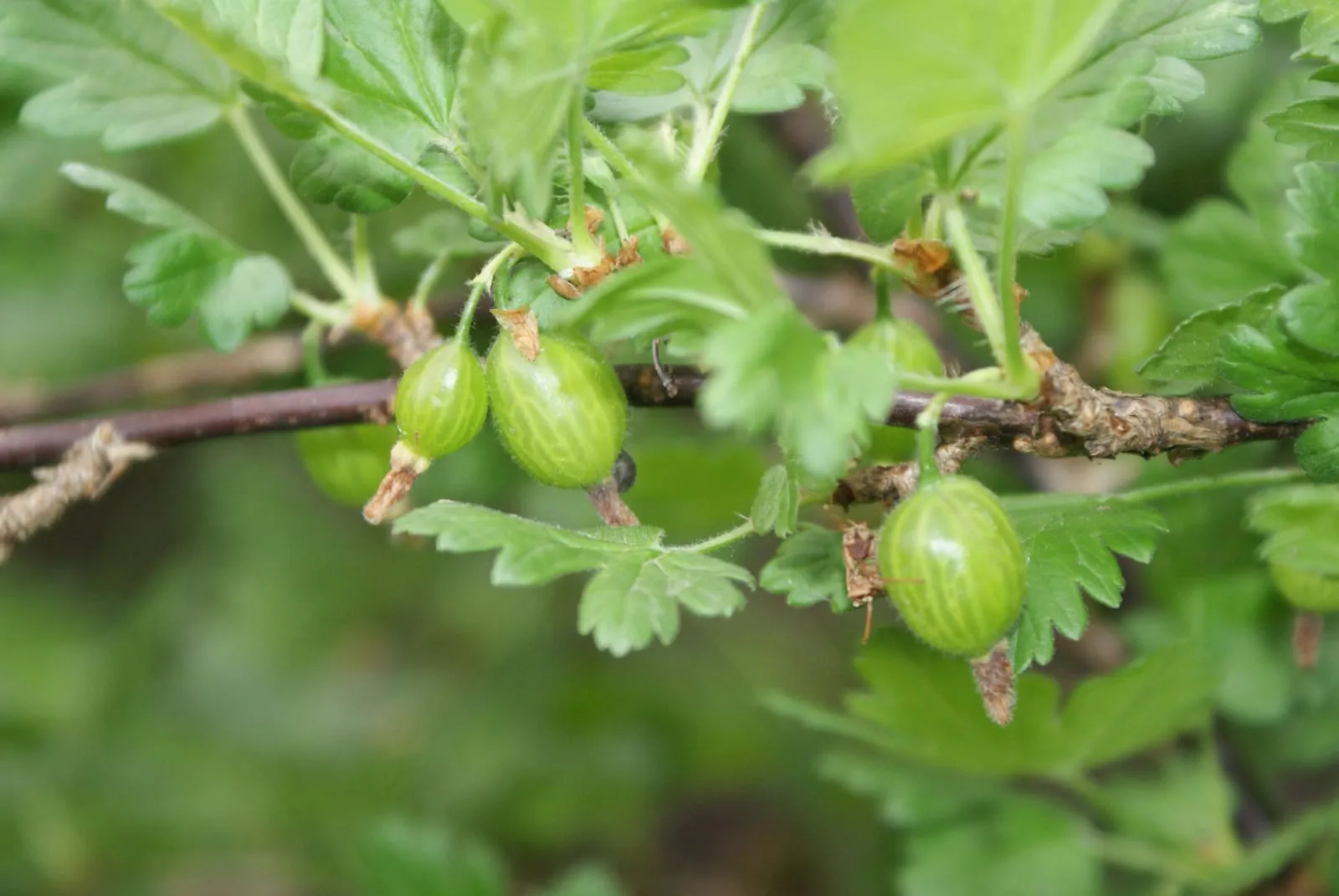
 Gooseberry
Ribes uva-crispa
zones 3a–7b
 zone 4a
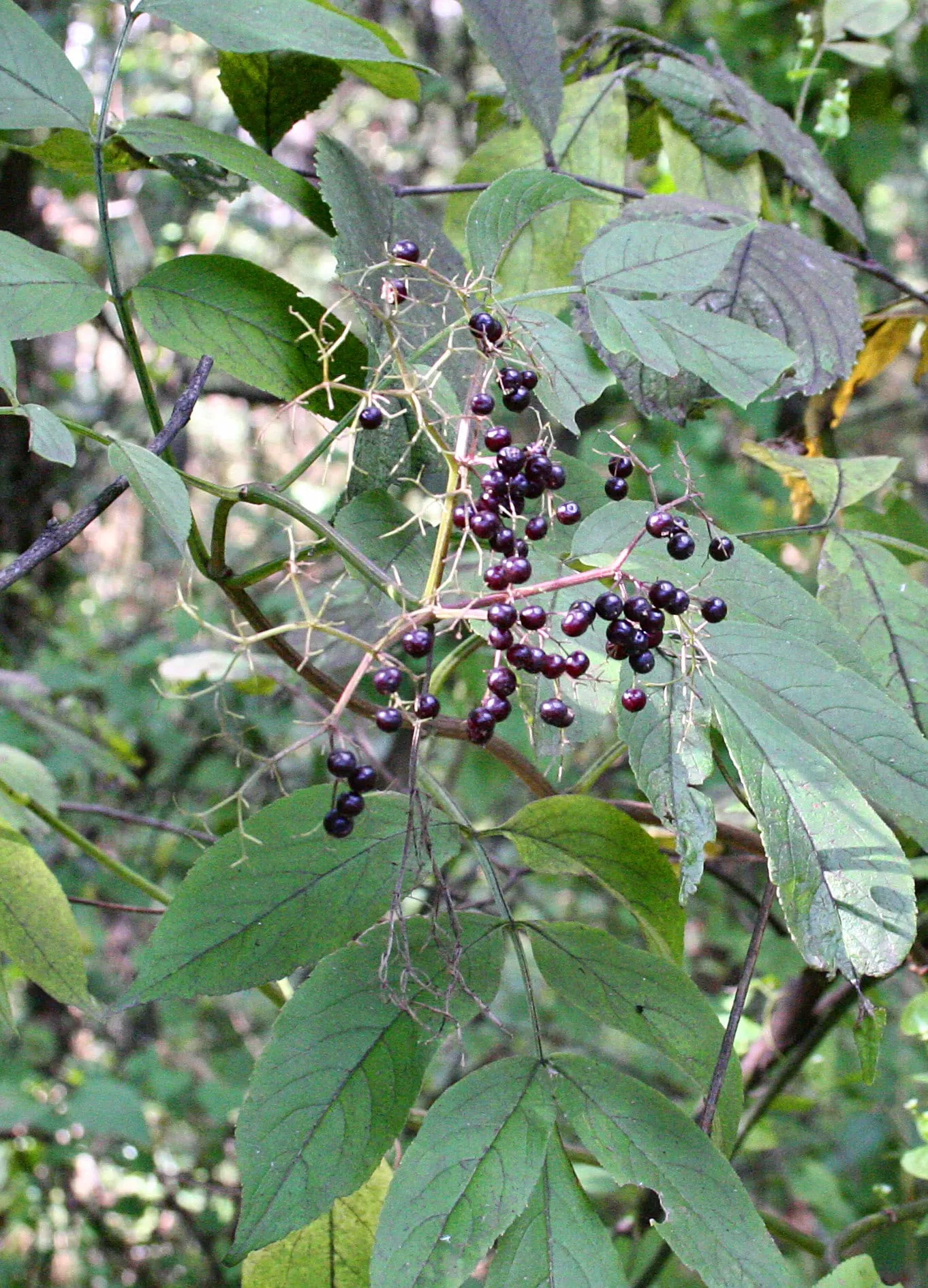
 Elderberry
Sambucus canadensis
zones 3b–9a
 zone 4a
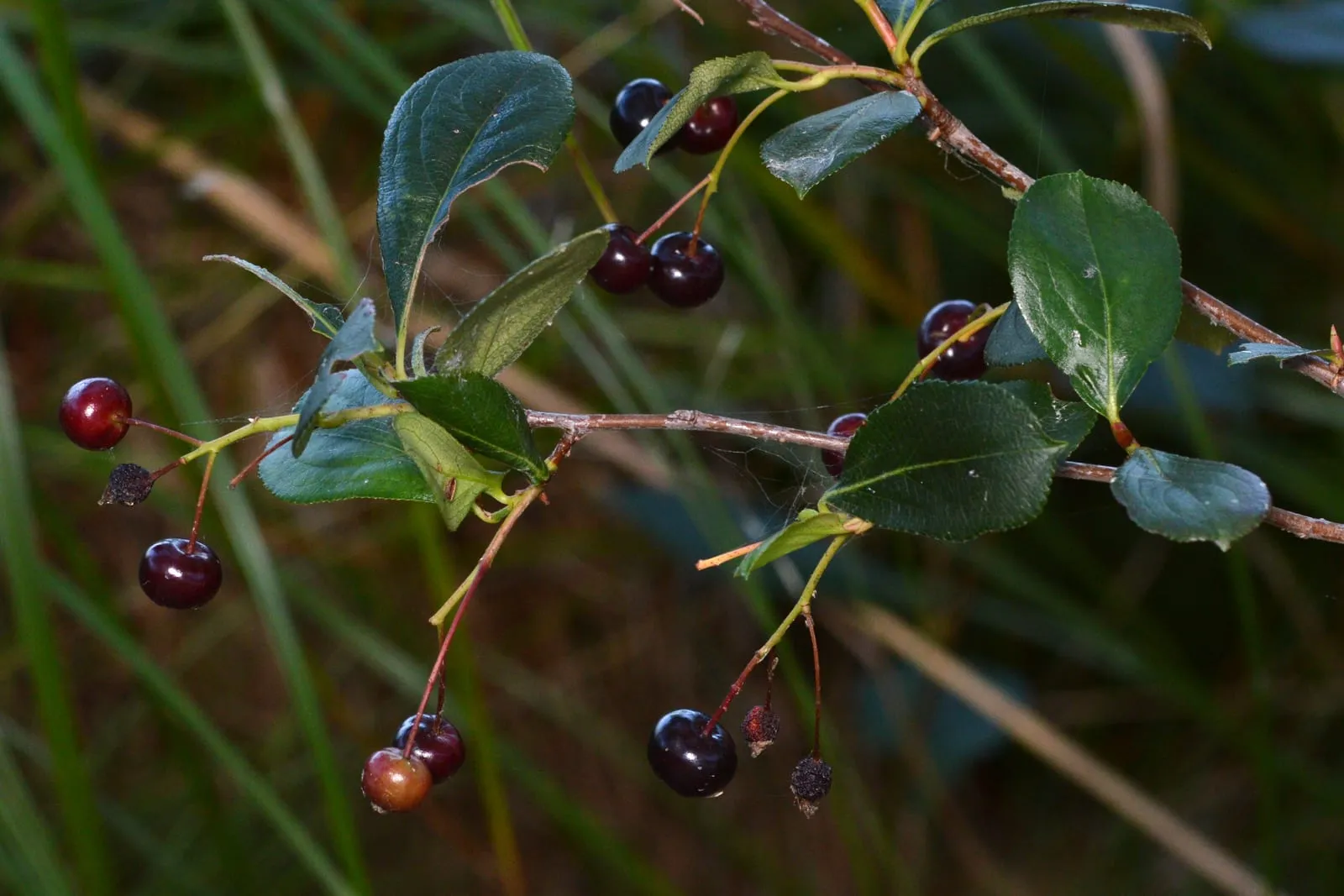
 Aronia (Black Chokeberry)
Aronia melanocarpa
zones 3a–8a
 zone 4a
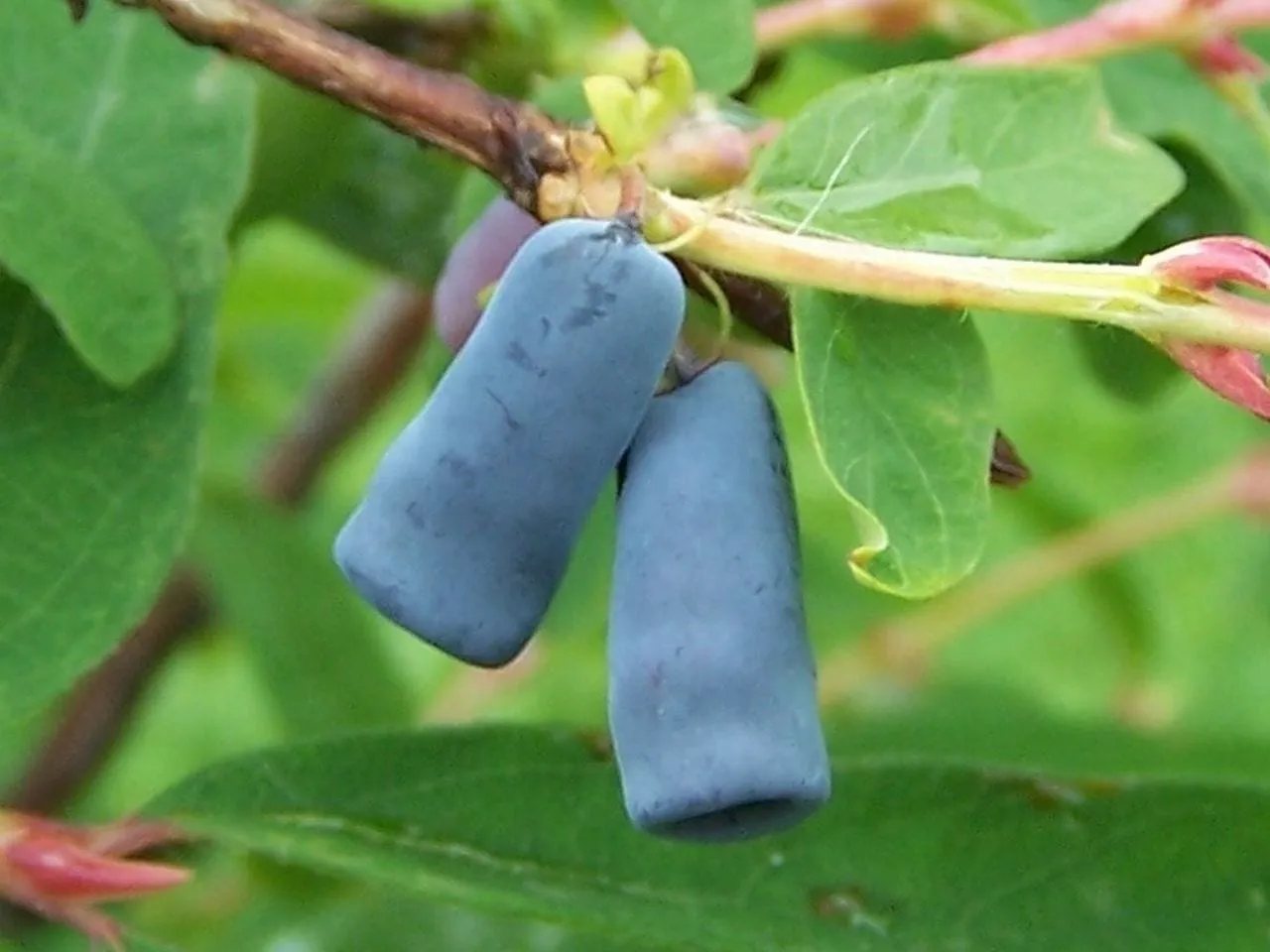
 Honeyberry (Haskap)
Lonicera caerulea
zones 3a–7a
 zone 4a
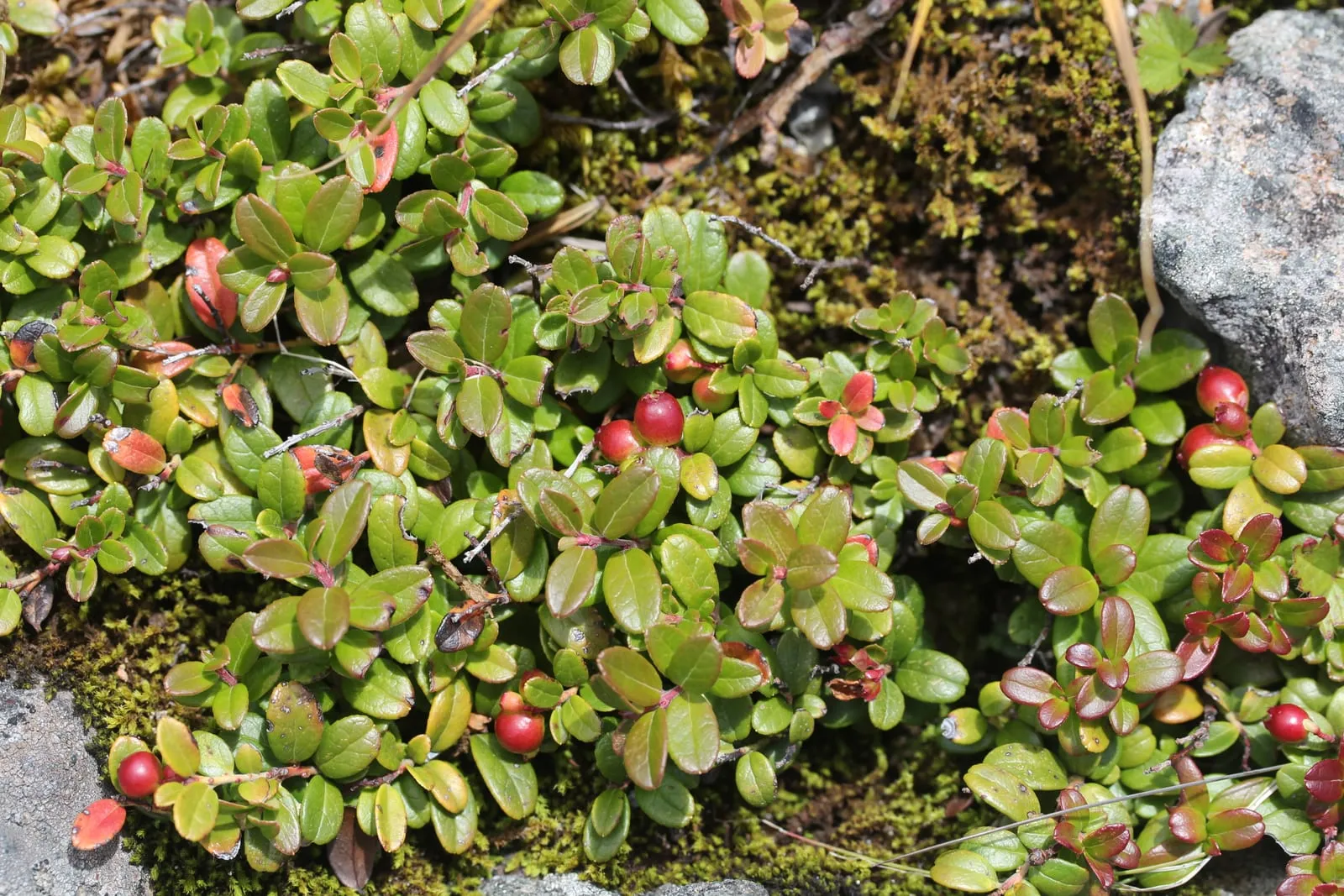
 Lingonberry
Vaccinium vitis-idaea
zones 3a–7a
 zone 4a
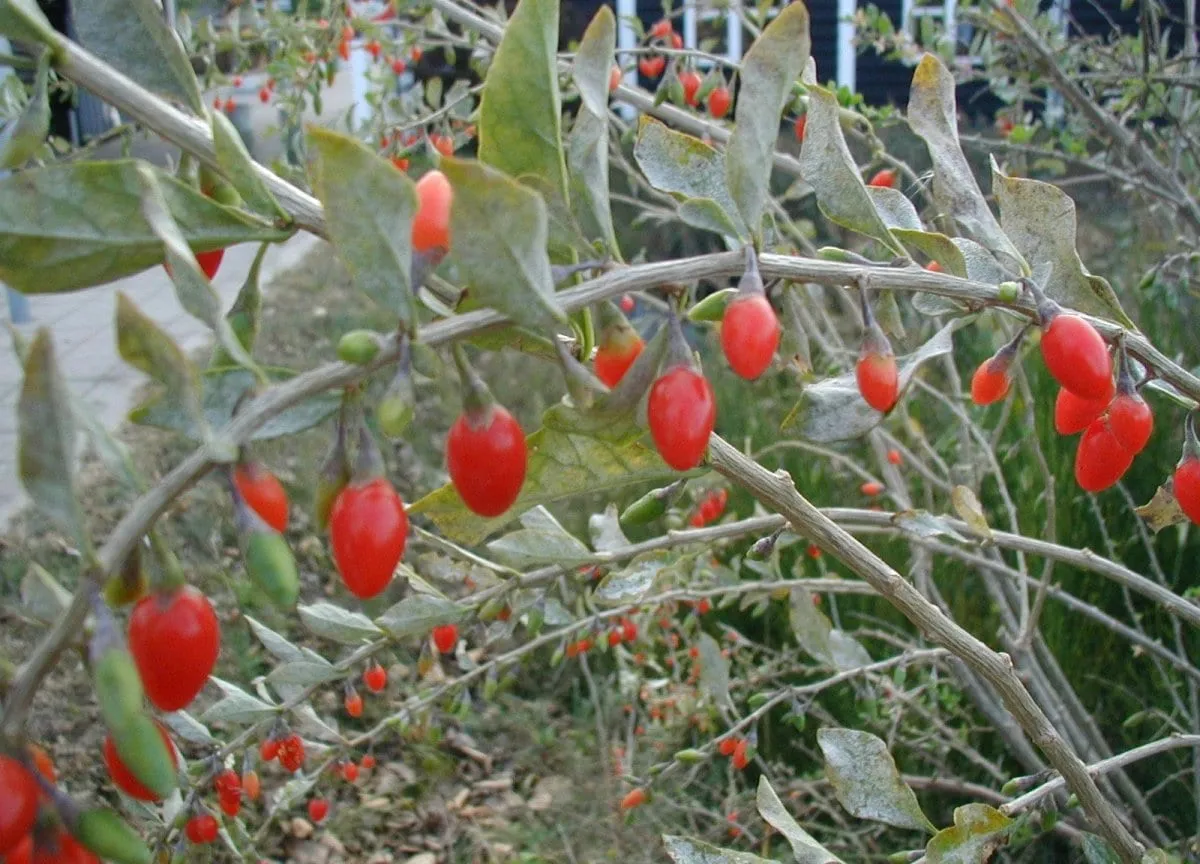
 Goji Berry
Lycium barbarum
zones 3b–10a
 zone 4a
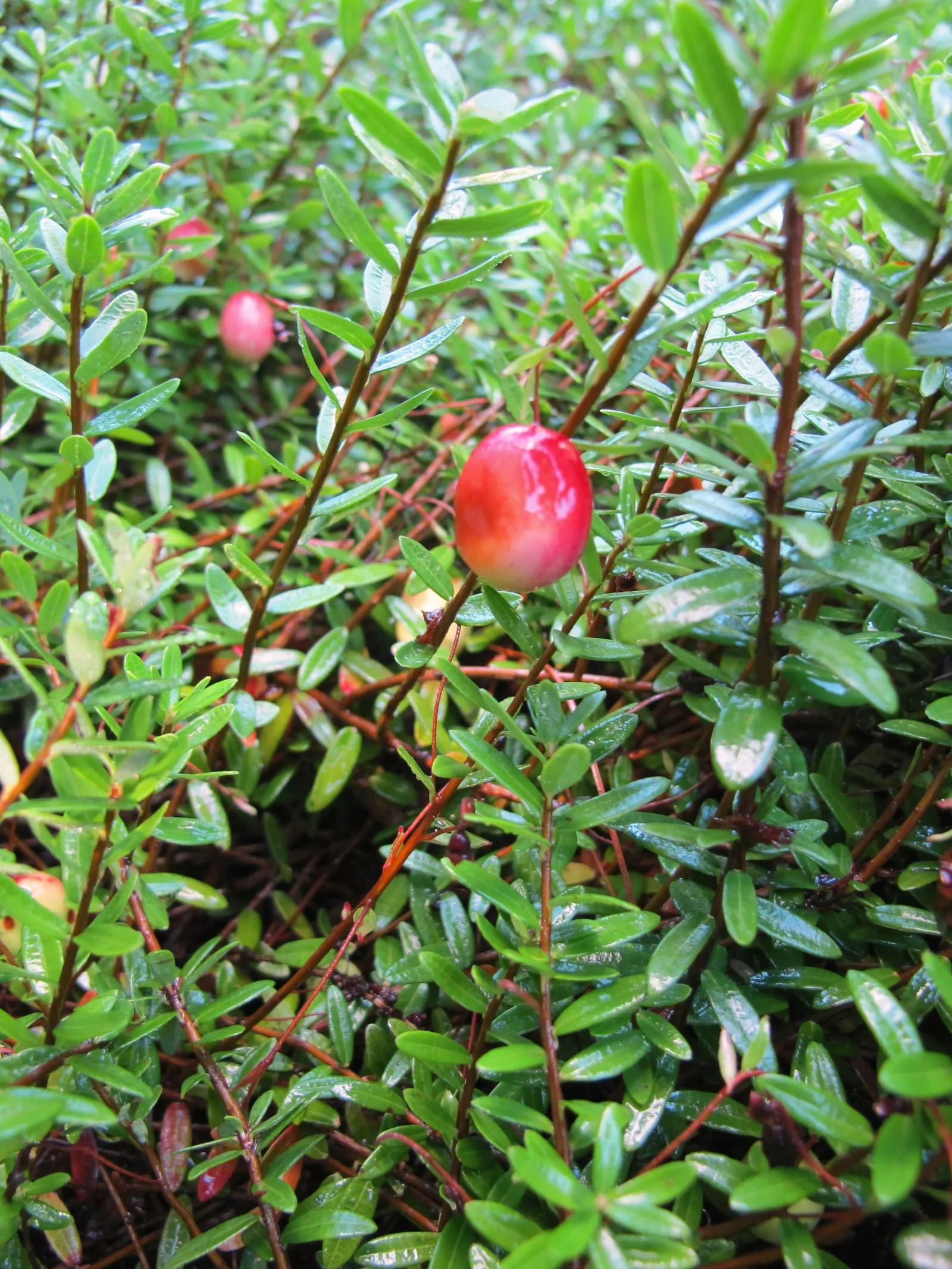
 Cranberry
Vaccinium macrocarpon
zones 3a–7a
 zone 4a
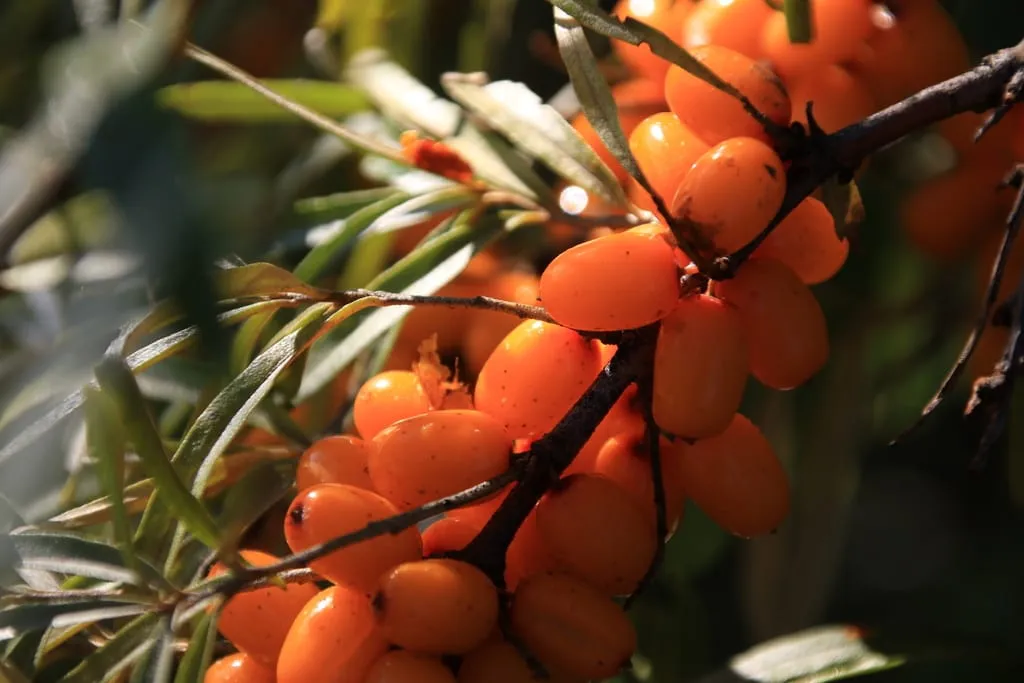
 Sea Buckthorn
Hippophae rhamnoides
zones 3a–7a
 zone 4a
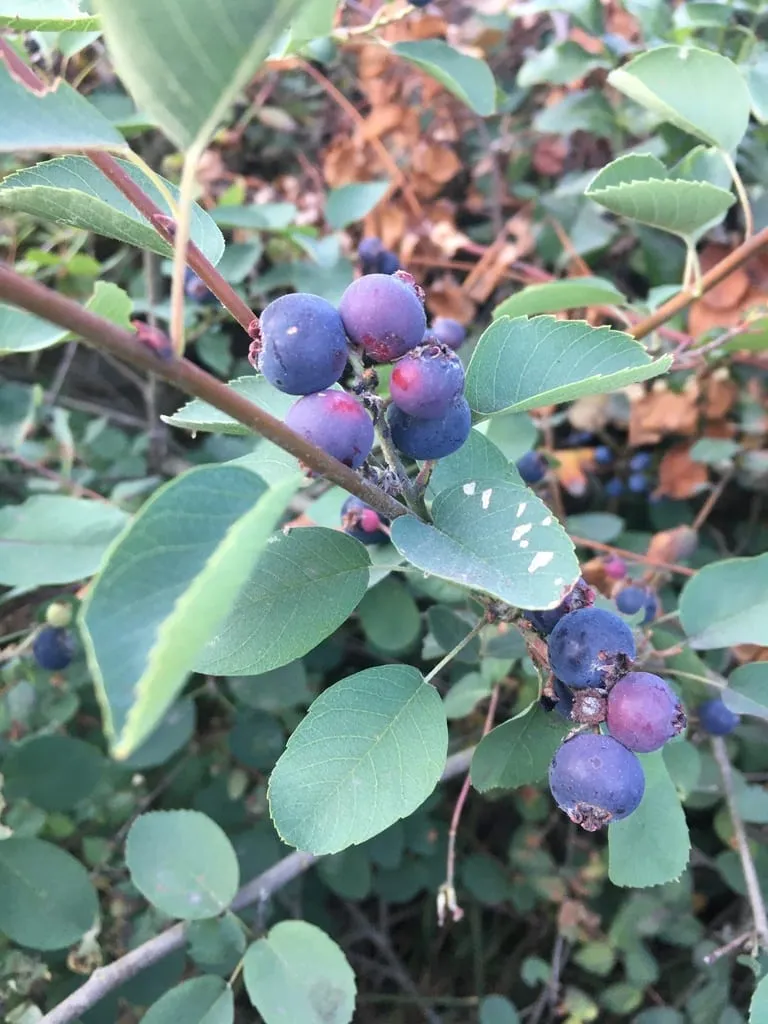
 Saskatoon (Serviceberry)
Amelanchier alnifolia
zones 3a–7a
Nuts
2 crops
Vegetables
34 crops
 zone 4a
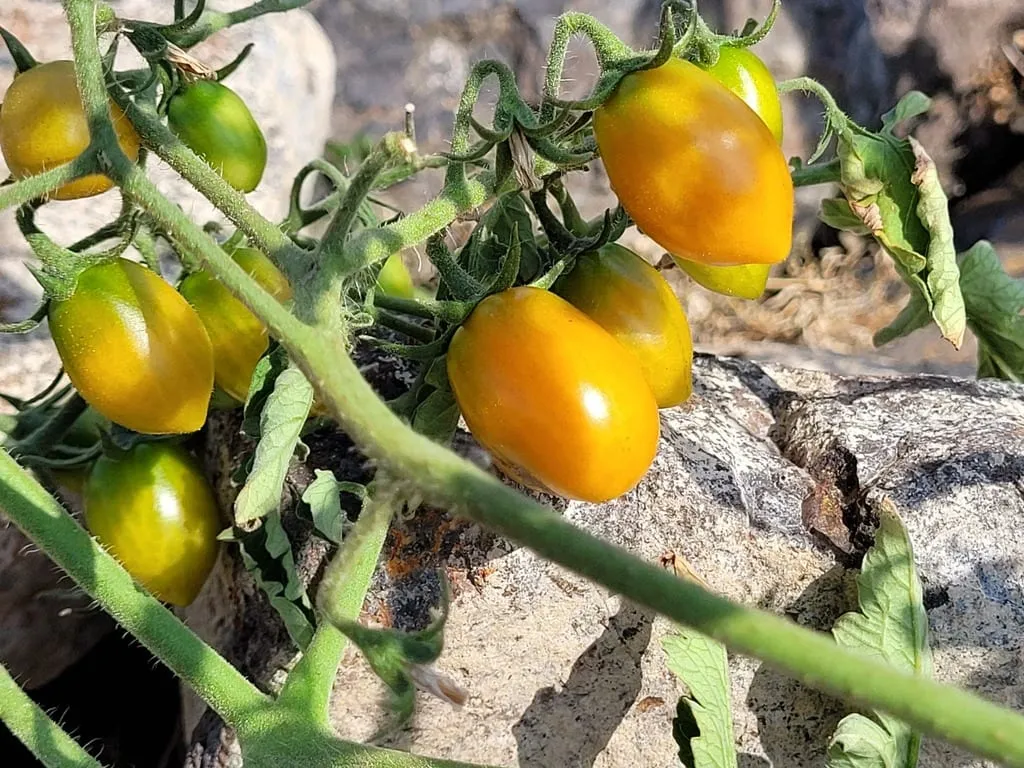
 Tomato
Solanum lycopersicum
zones 3a–10b
 zone 4a
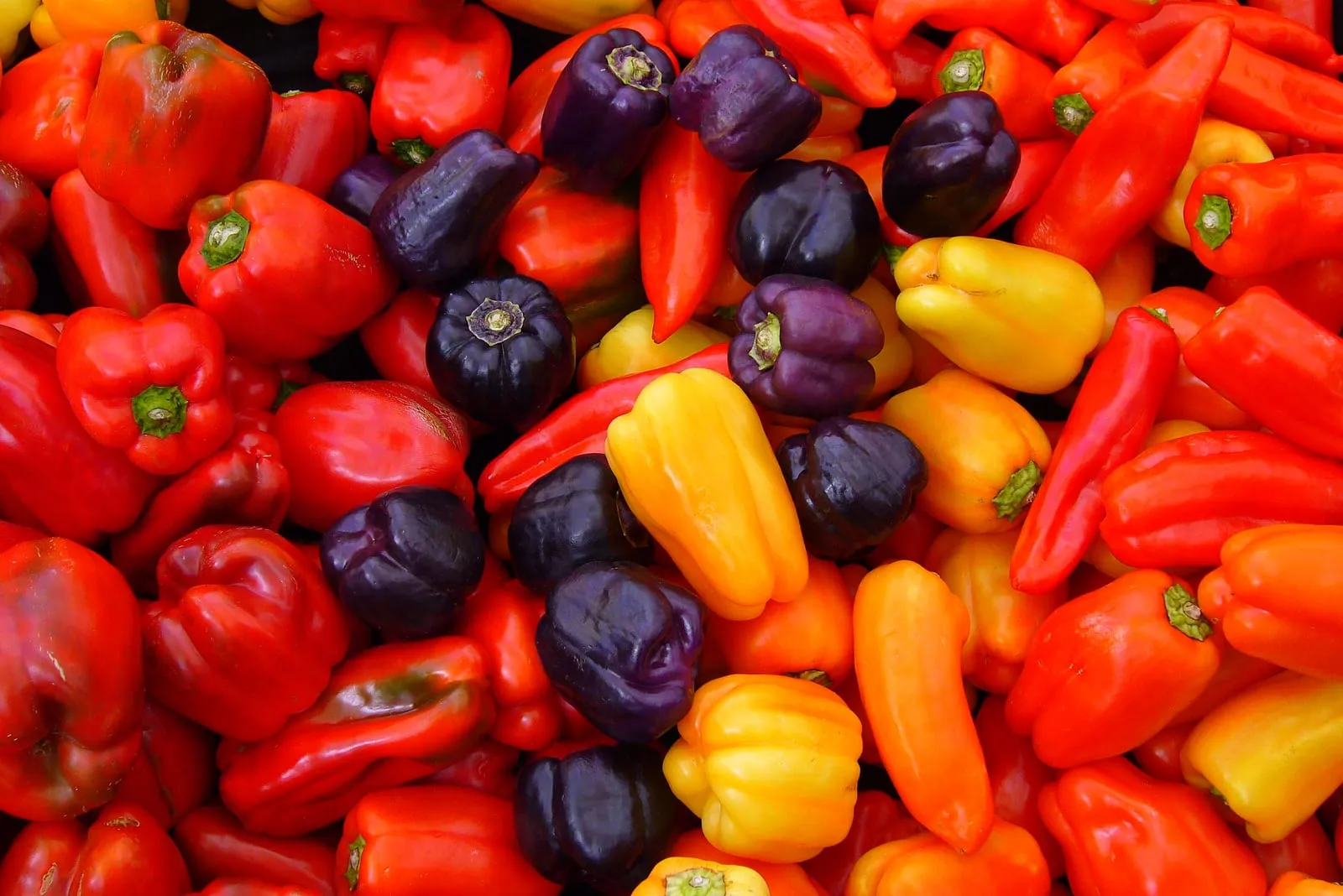
 Sweet Pepper
Capsicum annuum
zones 4a–10b
 zone 4a
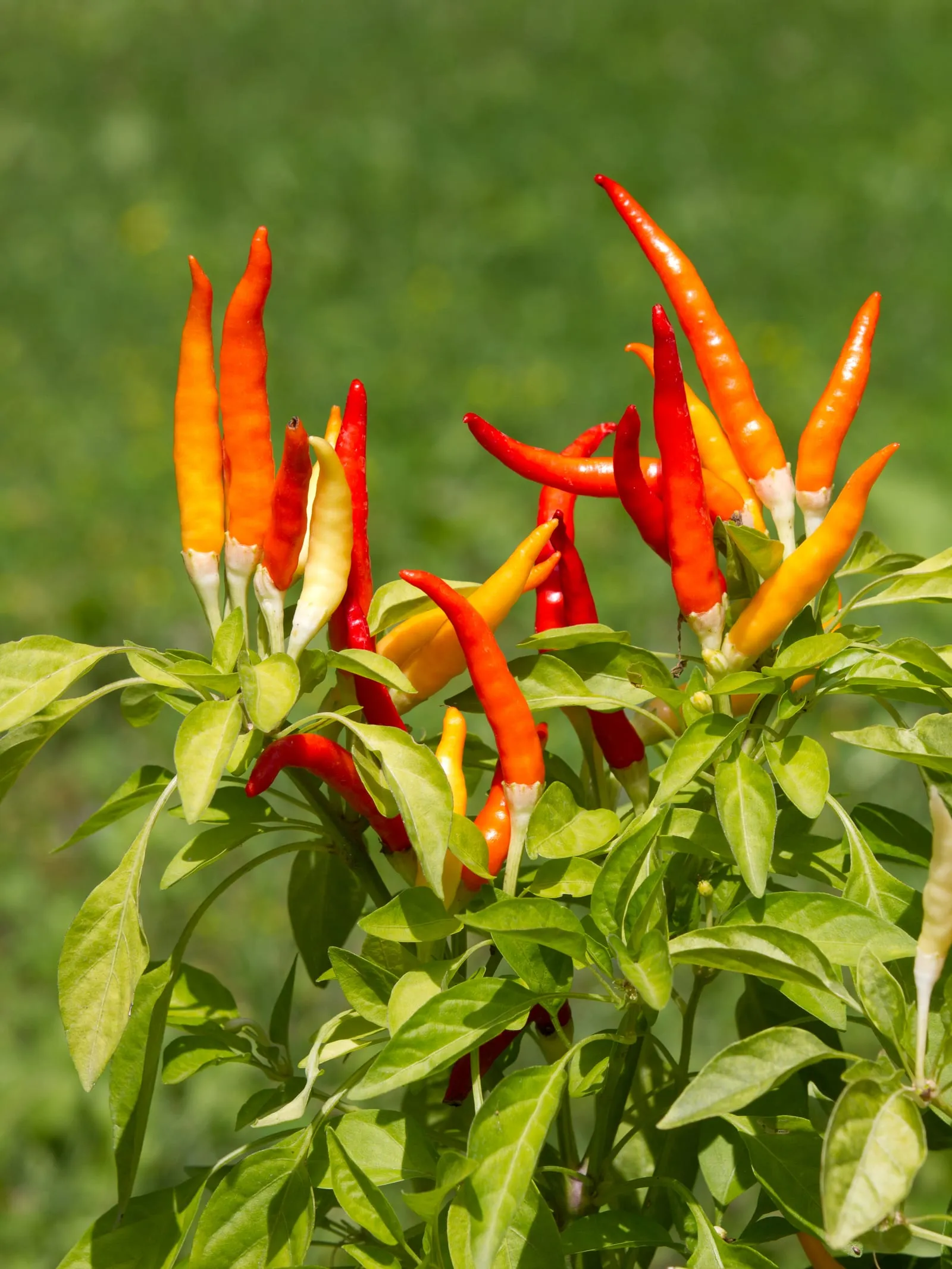
 Hot Pepper
Capsicum species
zones 4a–10b
 zone 4a
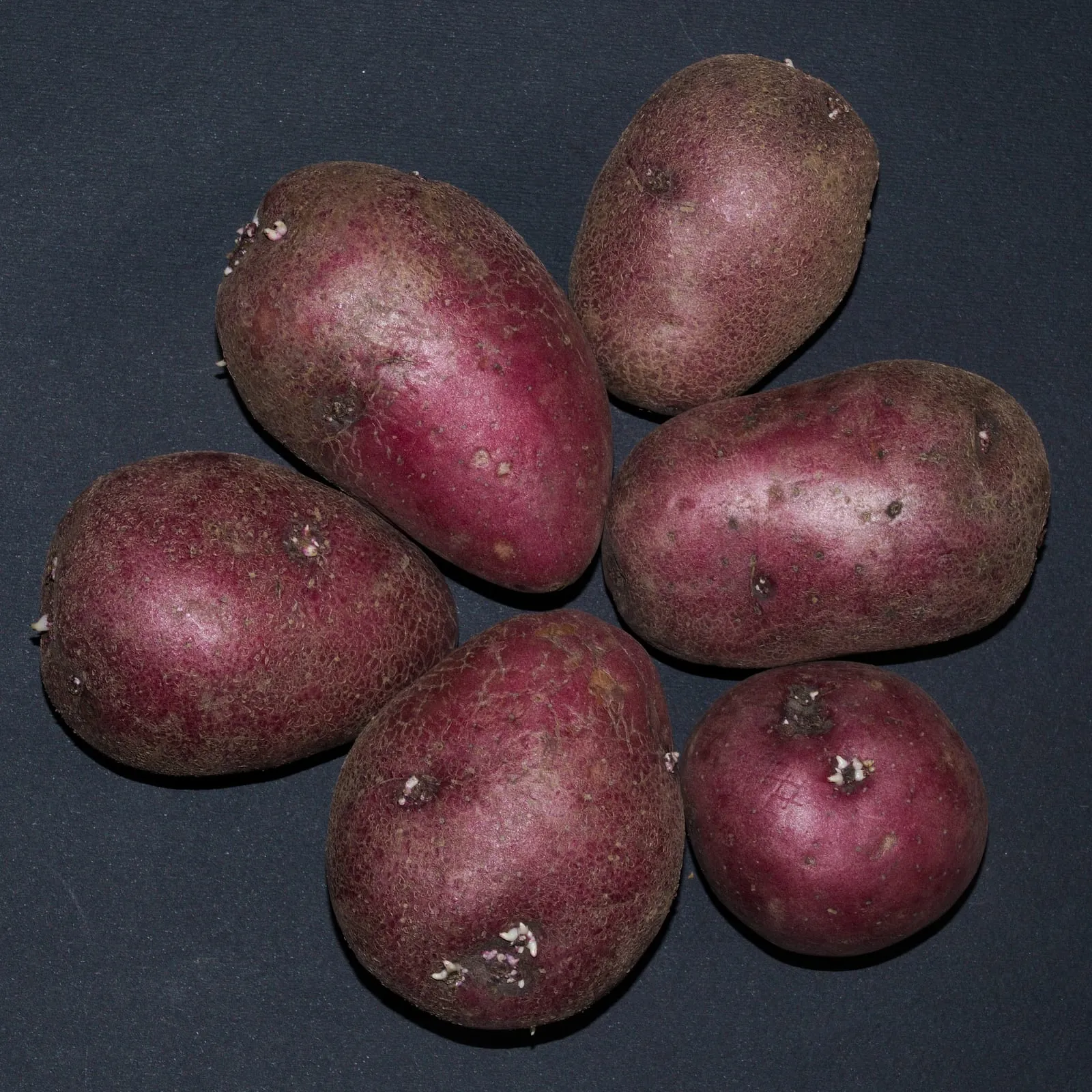
 Potato
Solanum tuberosum
zones 3a–9a
 zone 4a
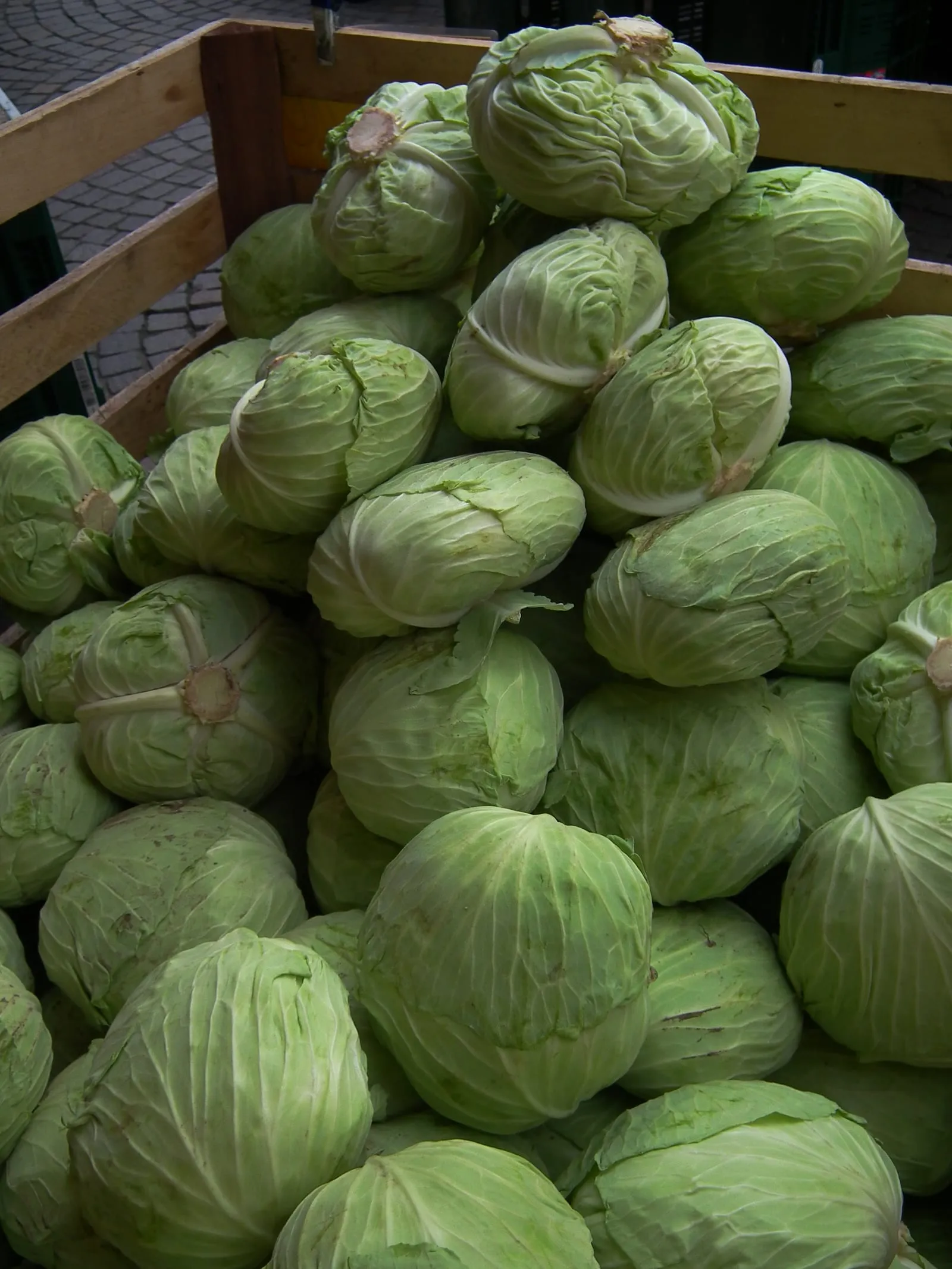
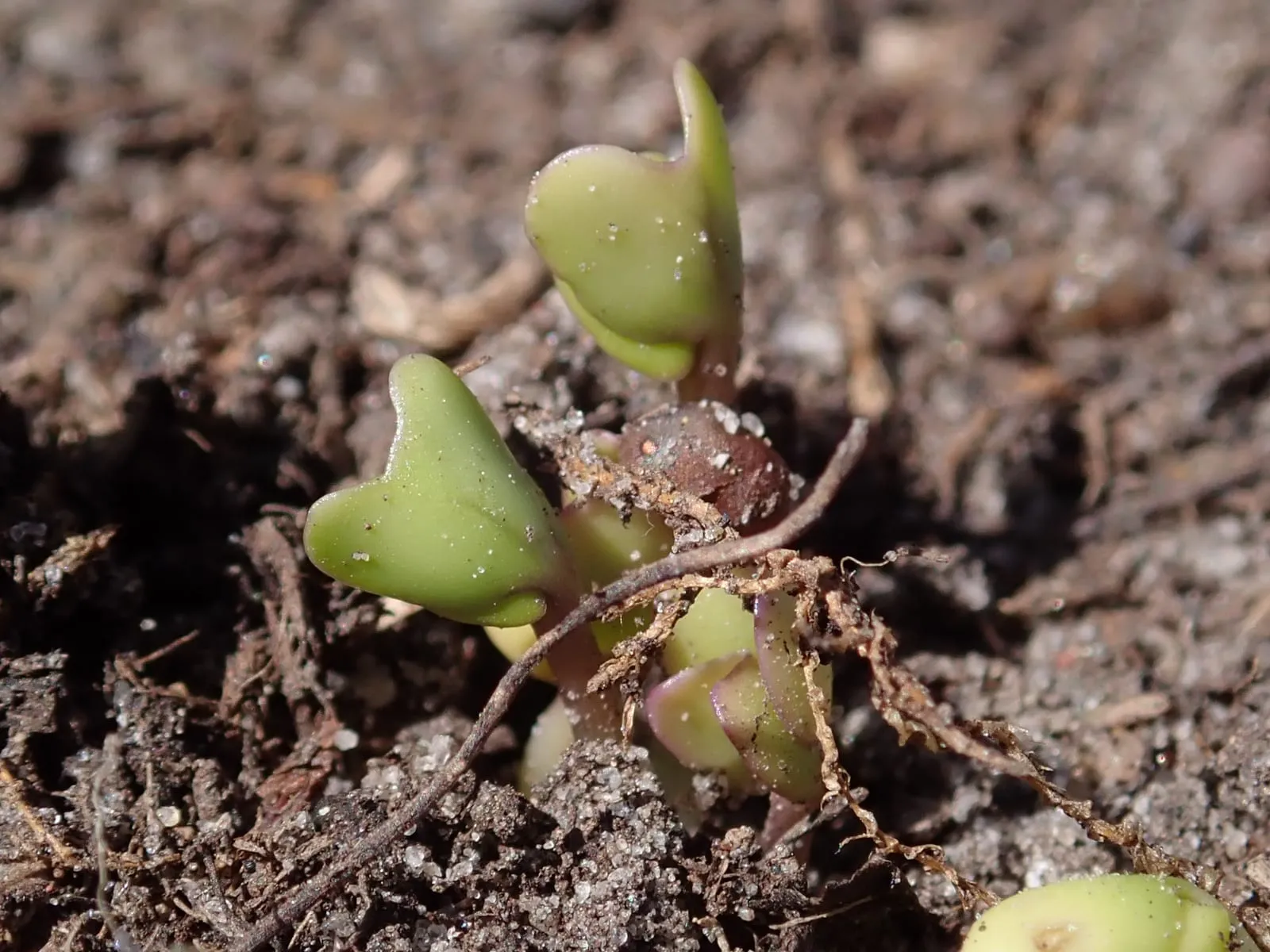
 Cabbage
Brassica oleracea var. capitata
zones 3a–9b
 zone 4a
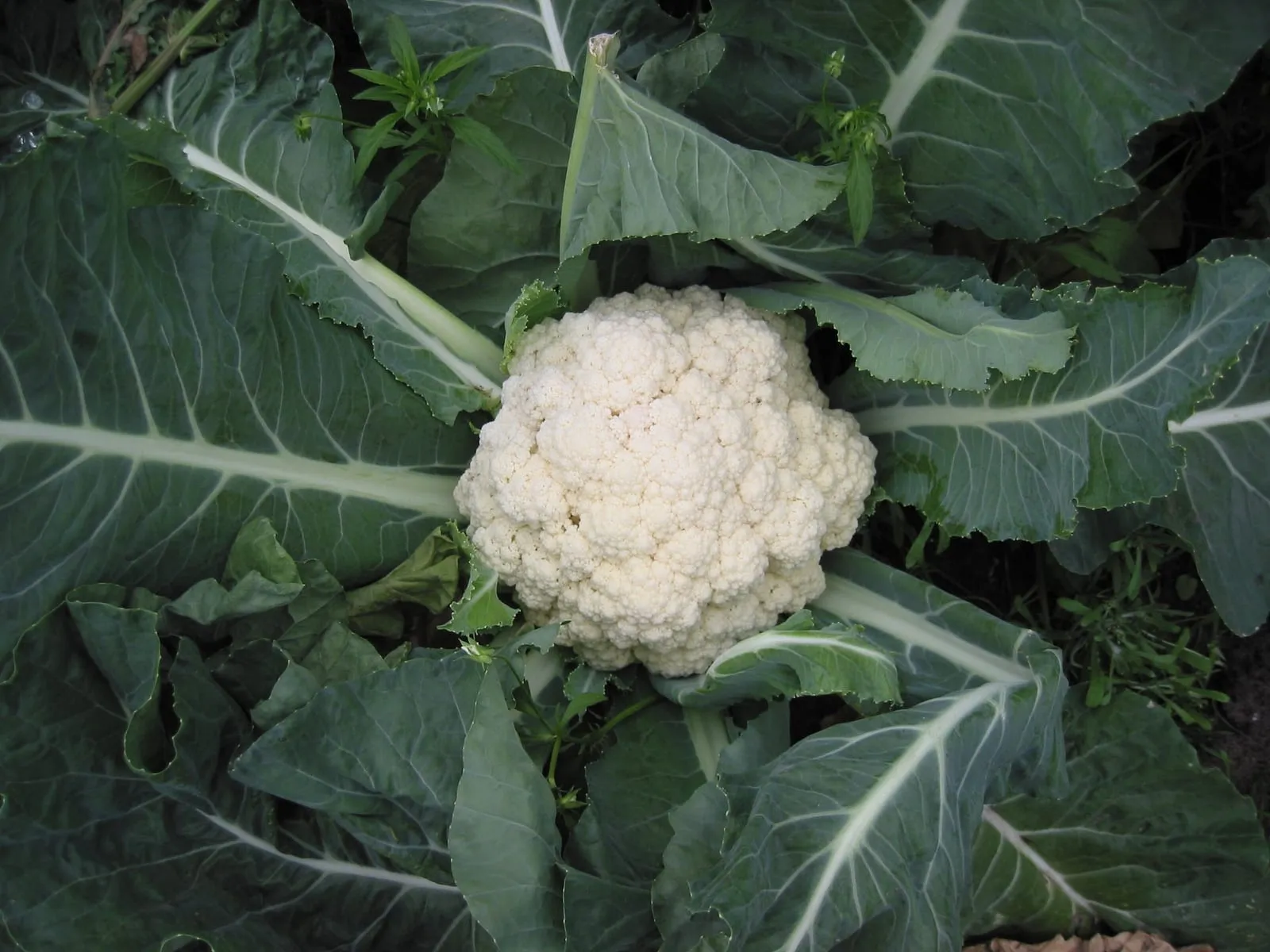
 Broccoli
Brassica oleracea var. italica
zones 3a–9a
 zone 4a
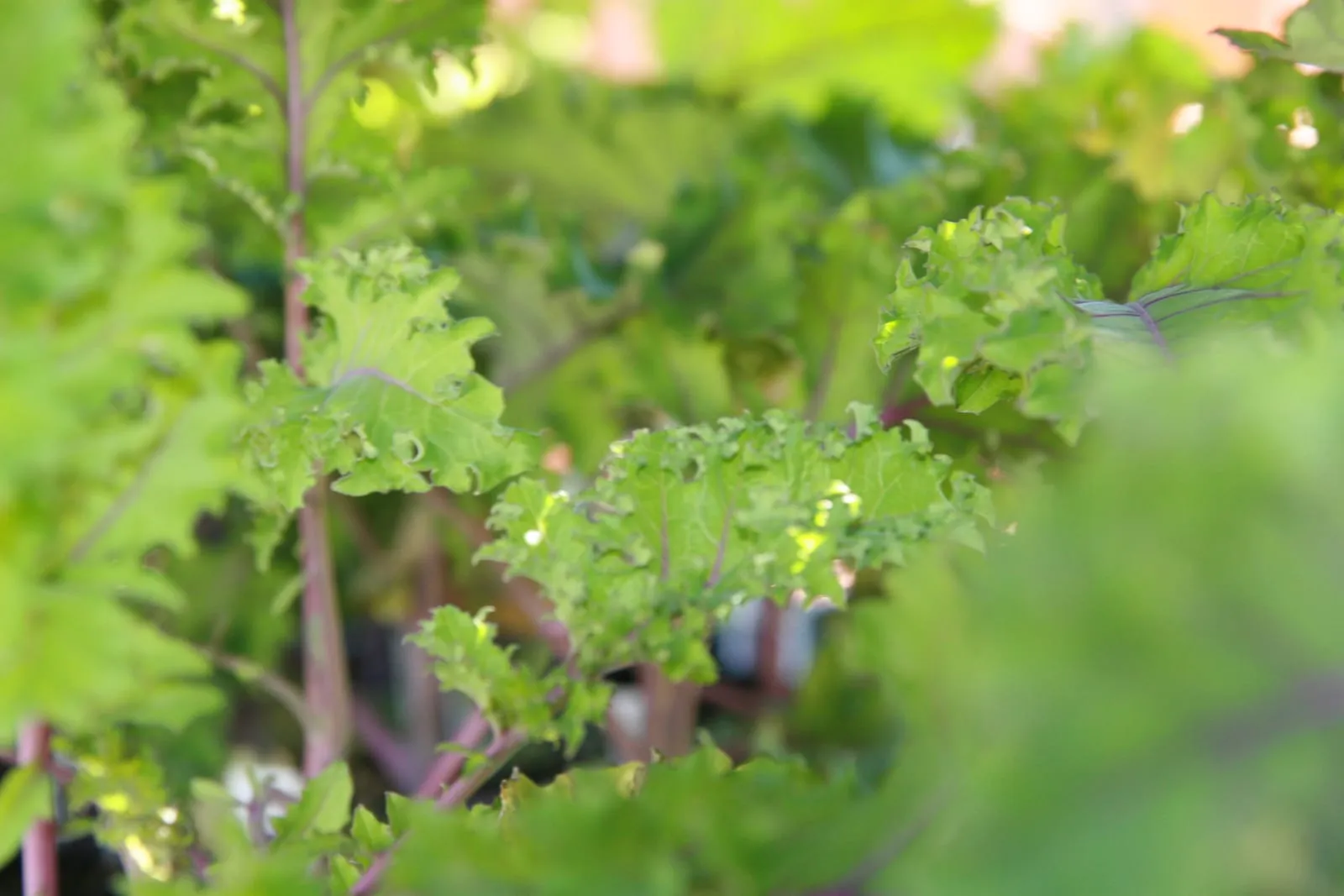
 Cauliflower
Brassica oleracea var. botrytis
zones 3b–9a
 zone 4a
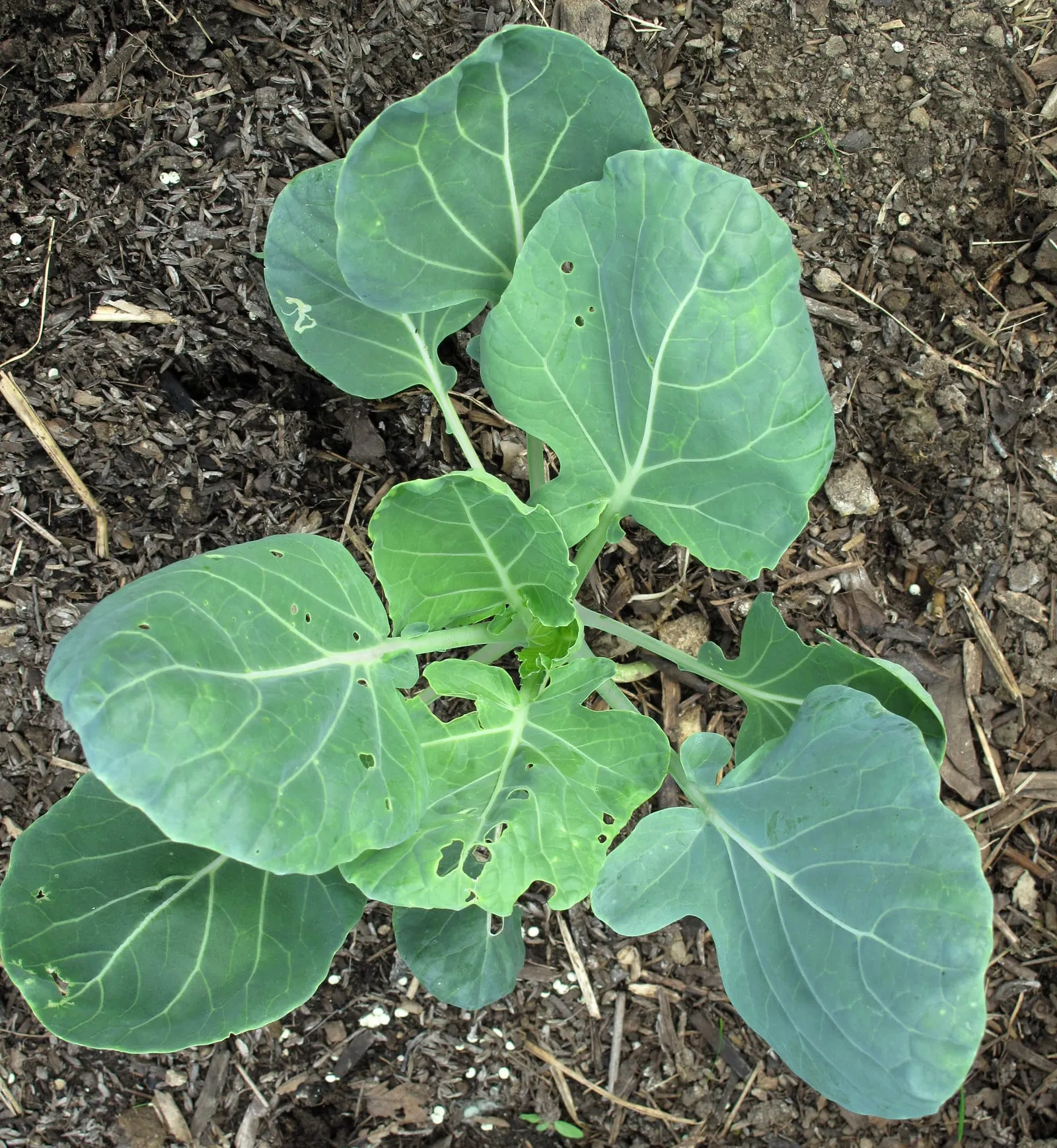
 Kale
Brassica oleracea var. acephala
zones 3a–9b
 zone 4a
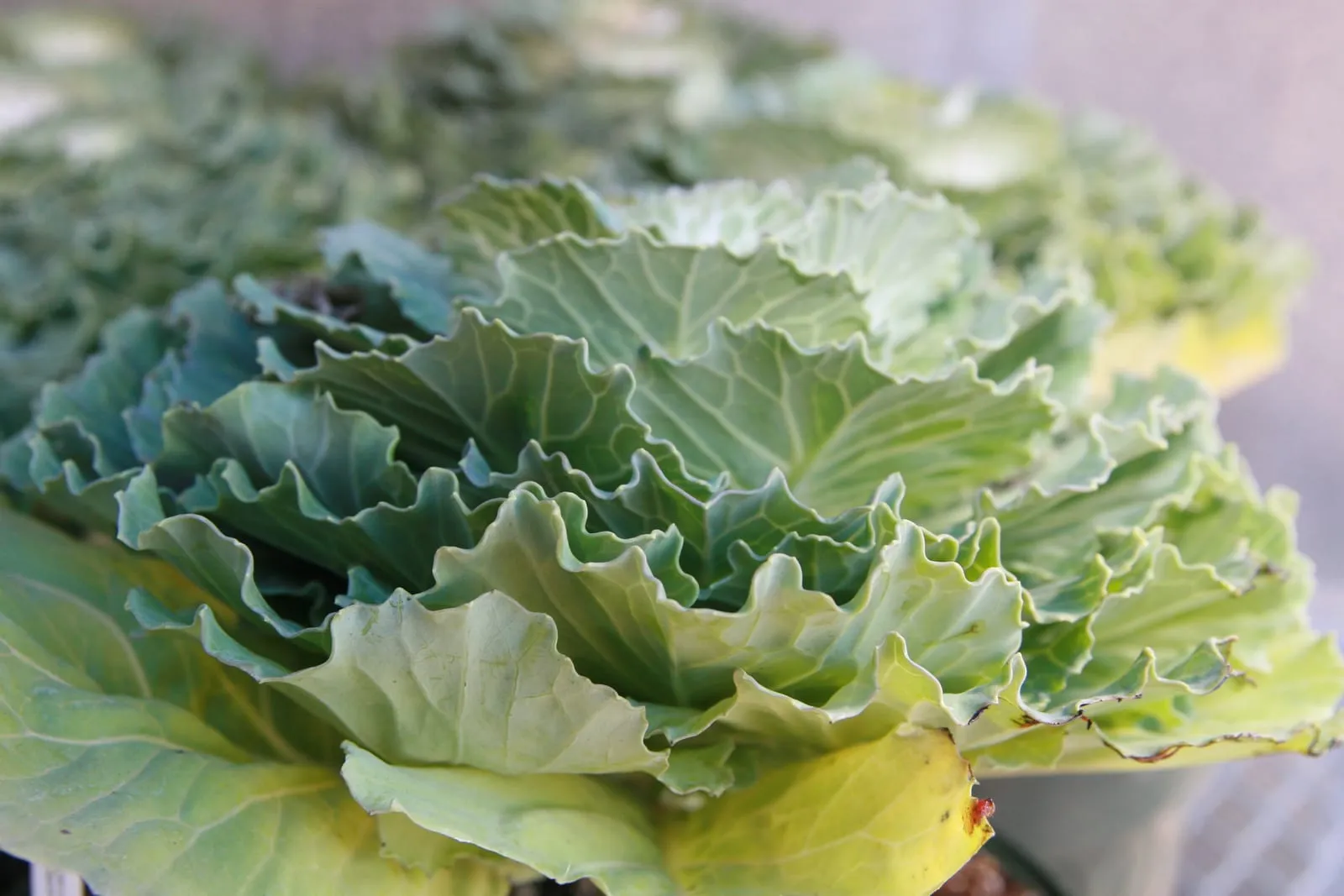
 Brussels Sprouts
Brassica oleracea var. gemmifera
zones 3b–8a
 zone 4a
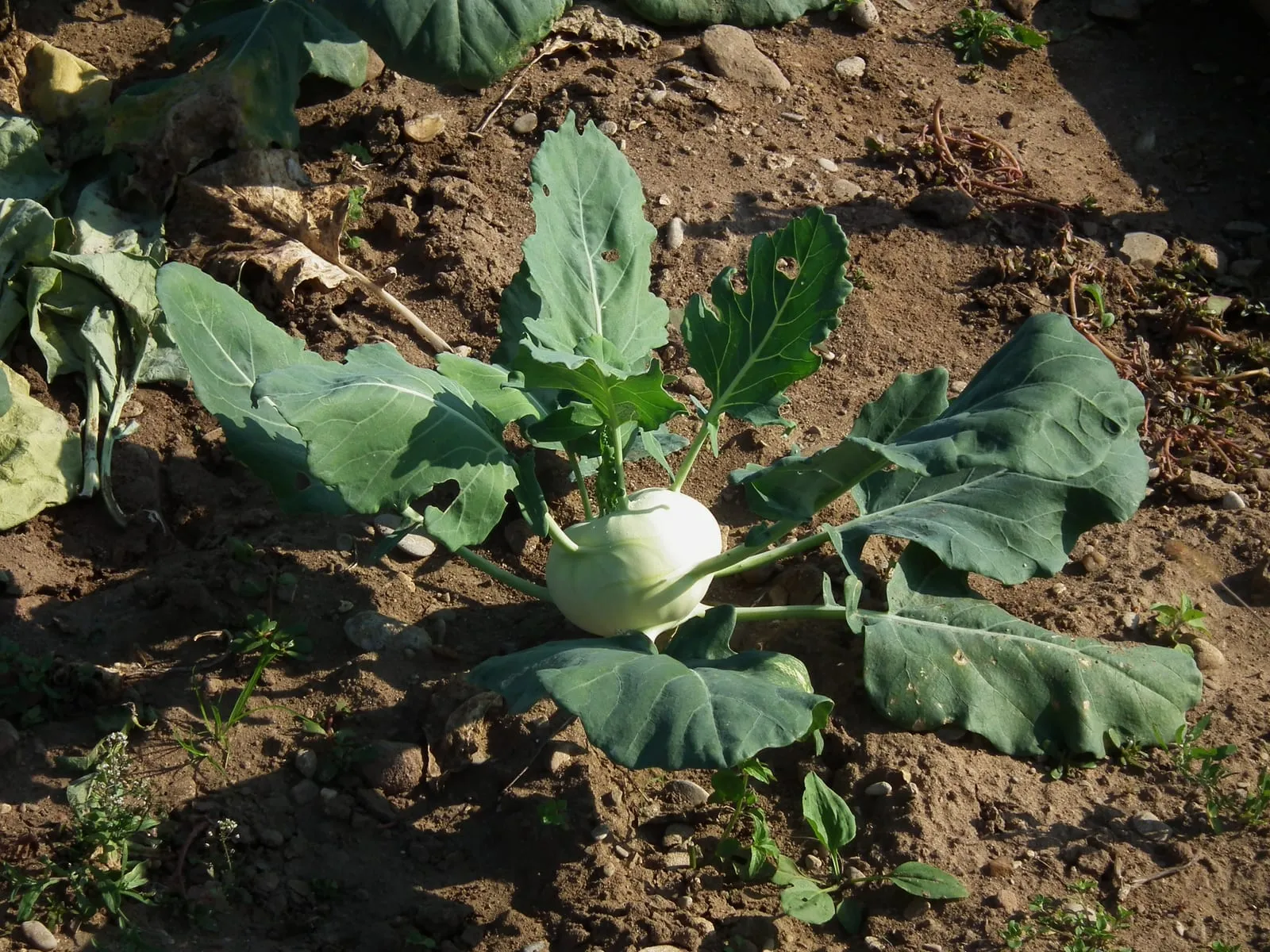
 Collards
Brassica oleracea var. acephala
zones 4a–9b
 zone 4a
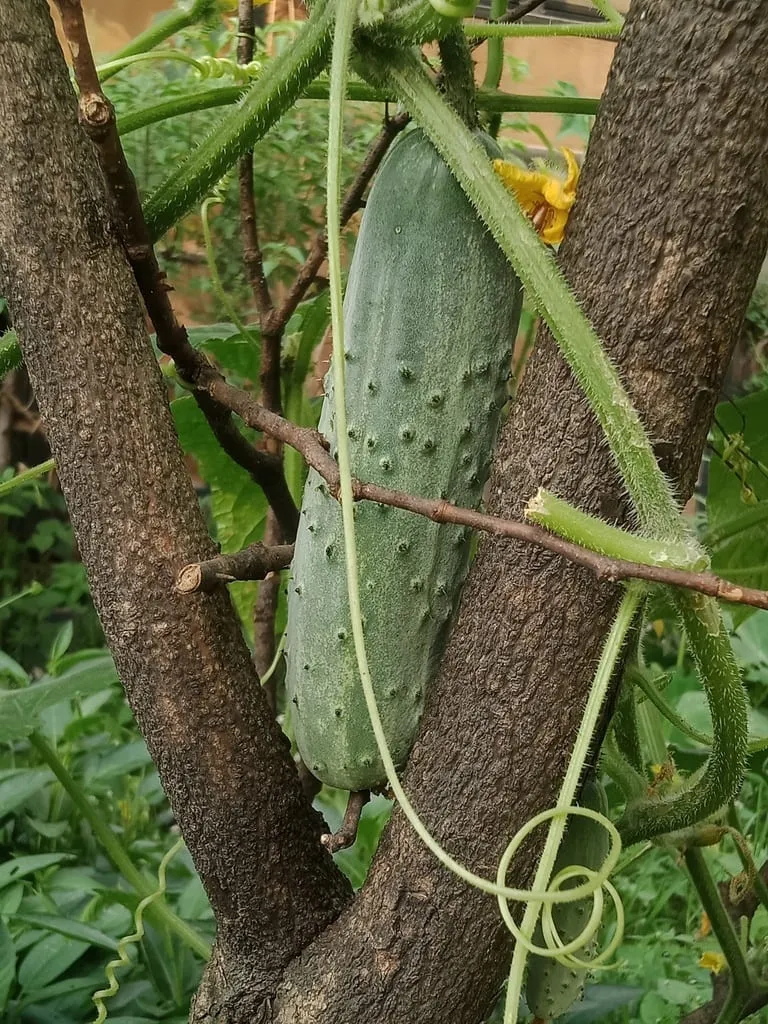
 Kohlrabi
Brassica oleracea var. gongylodes
zones 3b–8a
 zone 4a
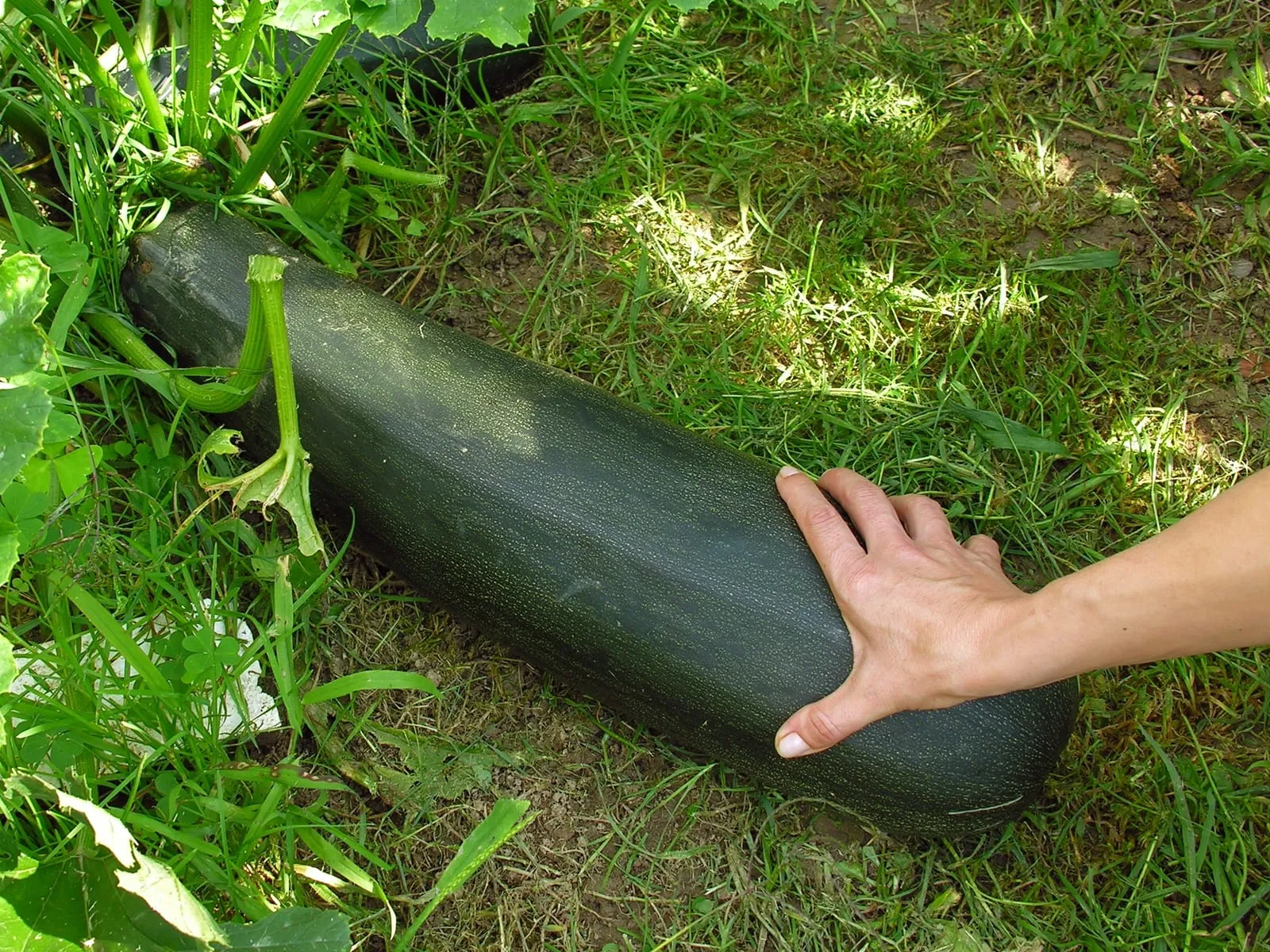
 Cucumber
Cucumis sativus
zones 3b–10a
 zone 4a
 Summer Squash
Cucurbita pepo
zones 3b–10a
 zone 4a
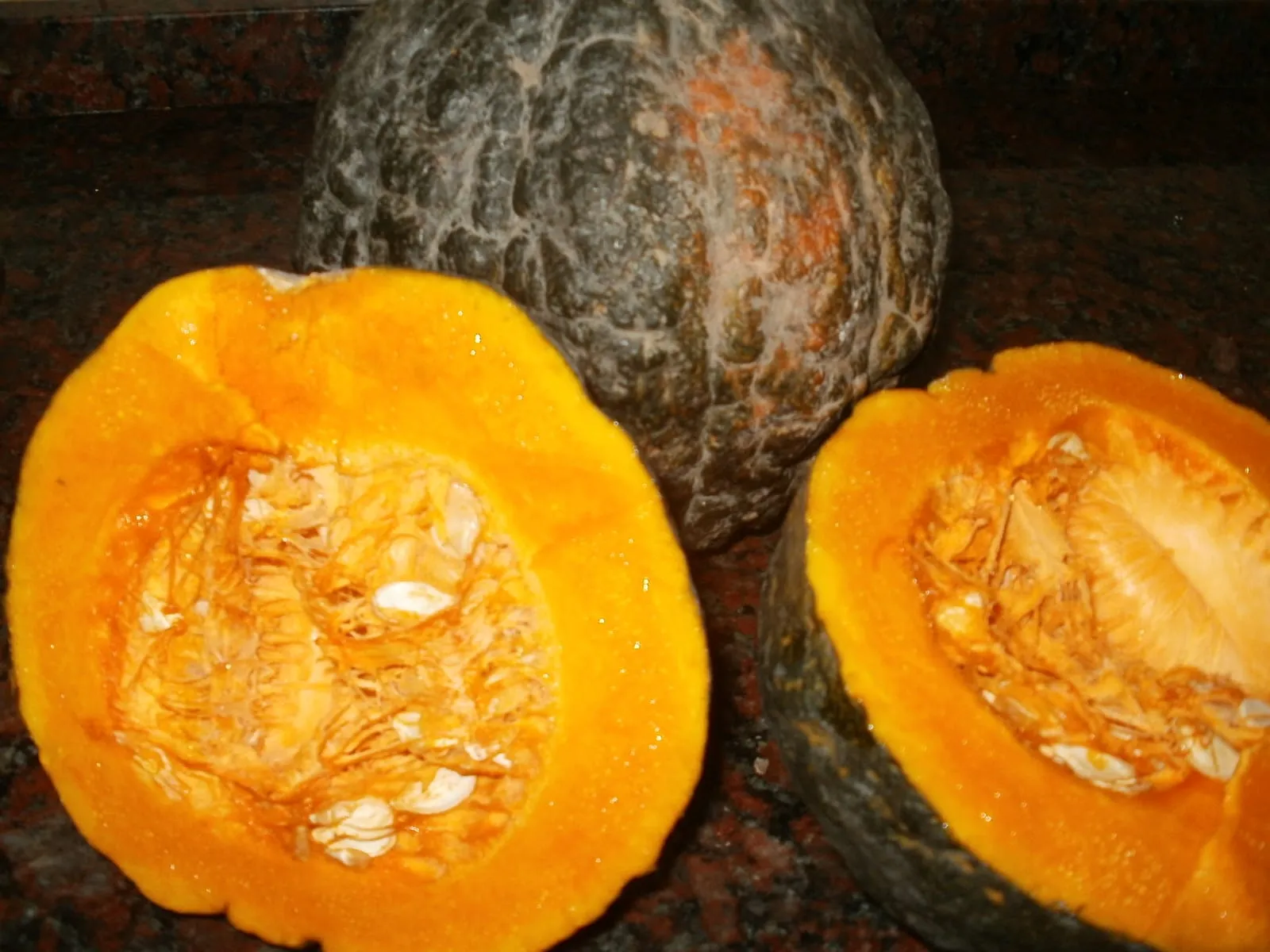
 Winter Squash
Cucurbita maxima and Cucurbita moschata
zones 4a–9a
 zone 4a
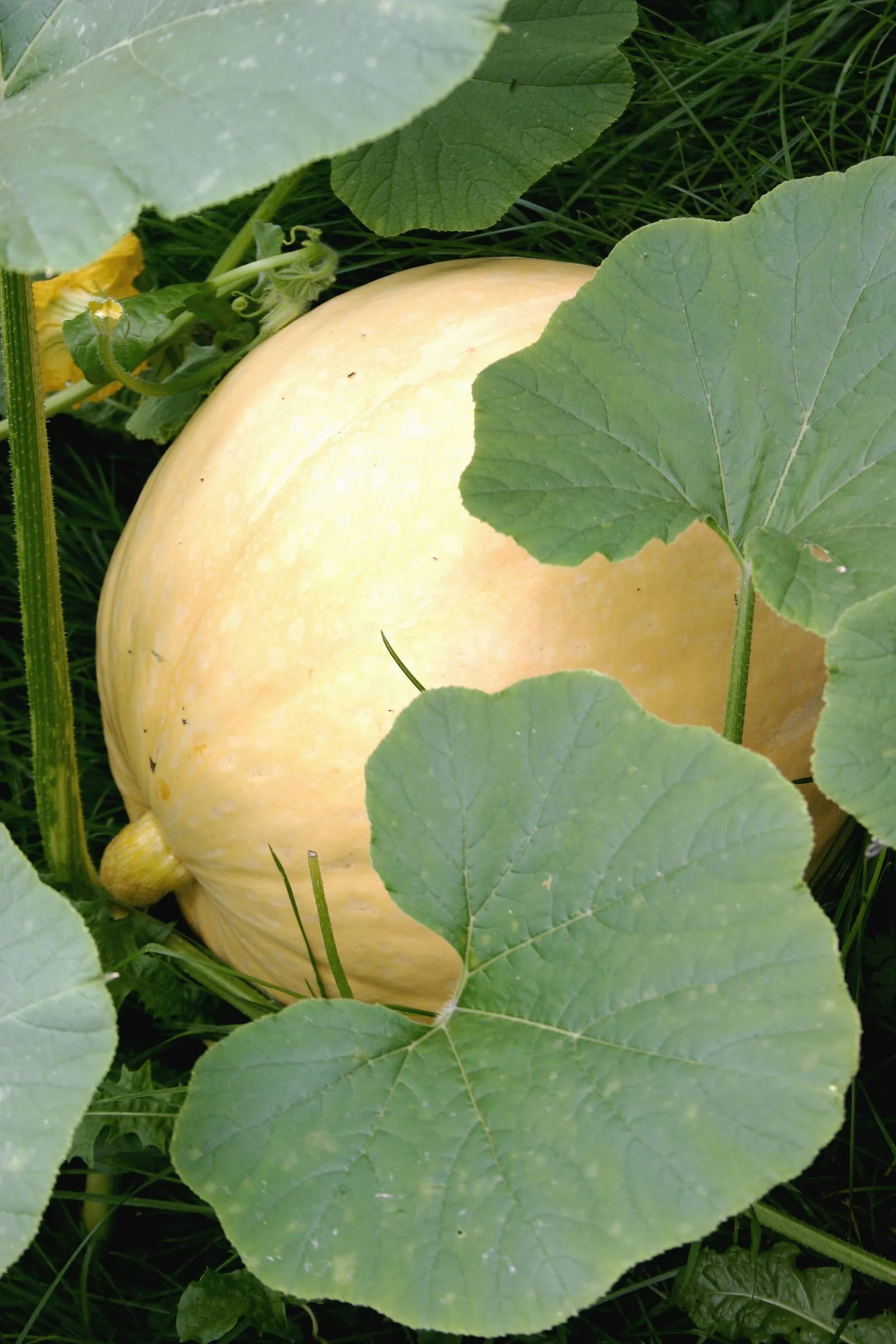
 Pumpkin
Cucurbita pepo and Cucurbita maxima
zones 4a–8b
 zone 4a
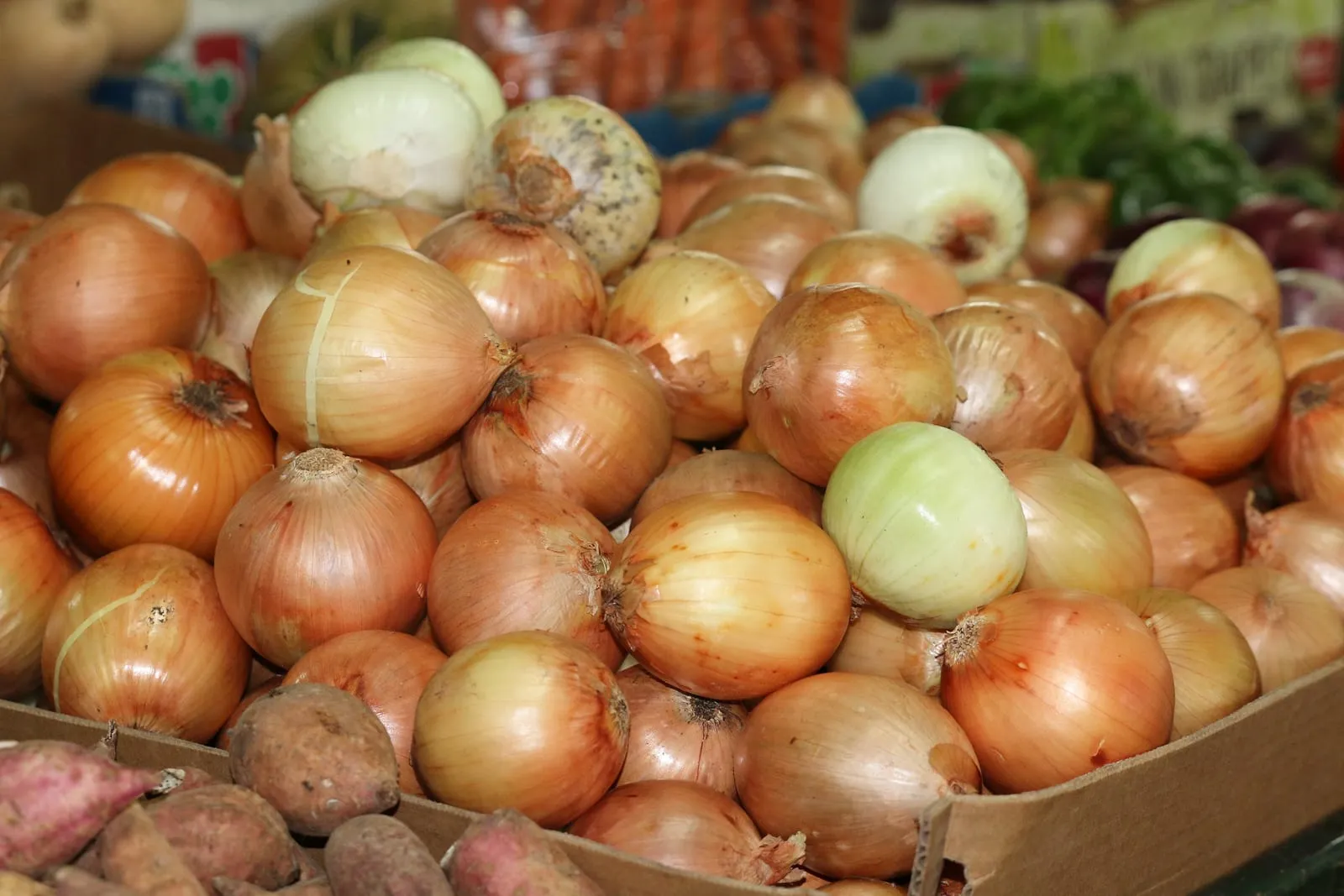
 Onion
Allium cepa
zones 3a–9b
 zone 4a
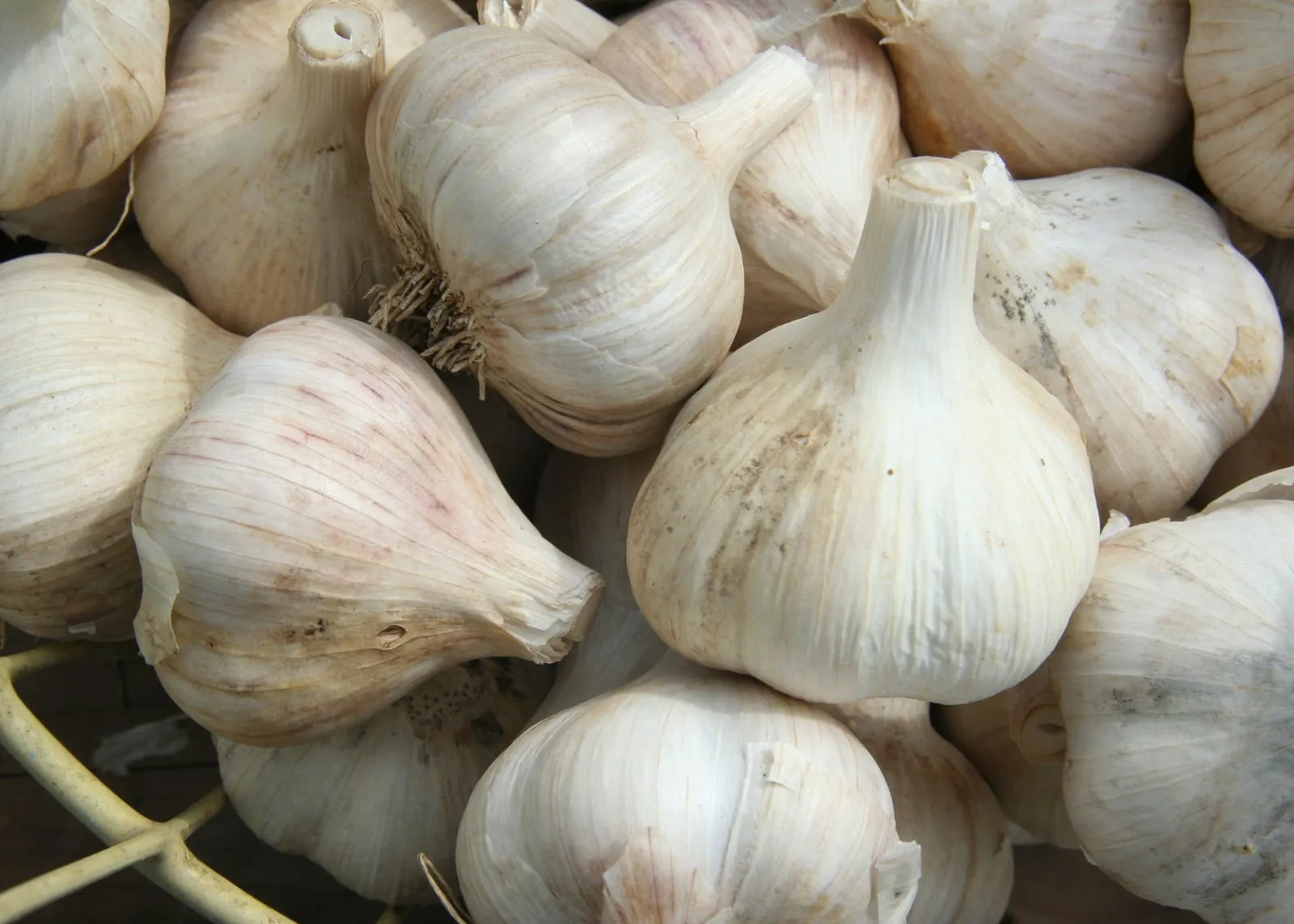
 Garlic
Allium sativum
zones 3a–9a
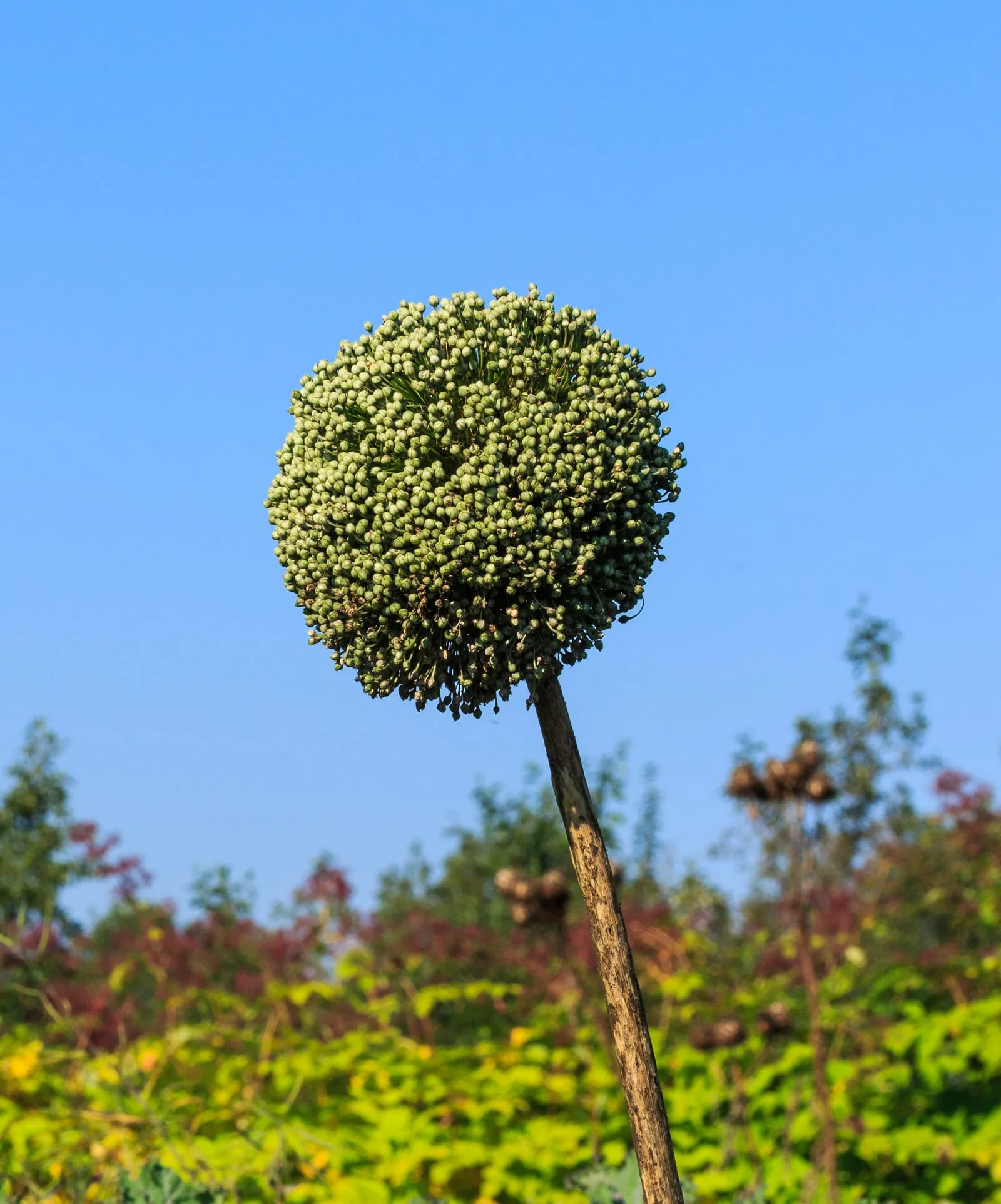 zone 4a
 Leek
Allium ampeloprasum
zones 3b–8b
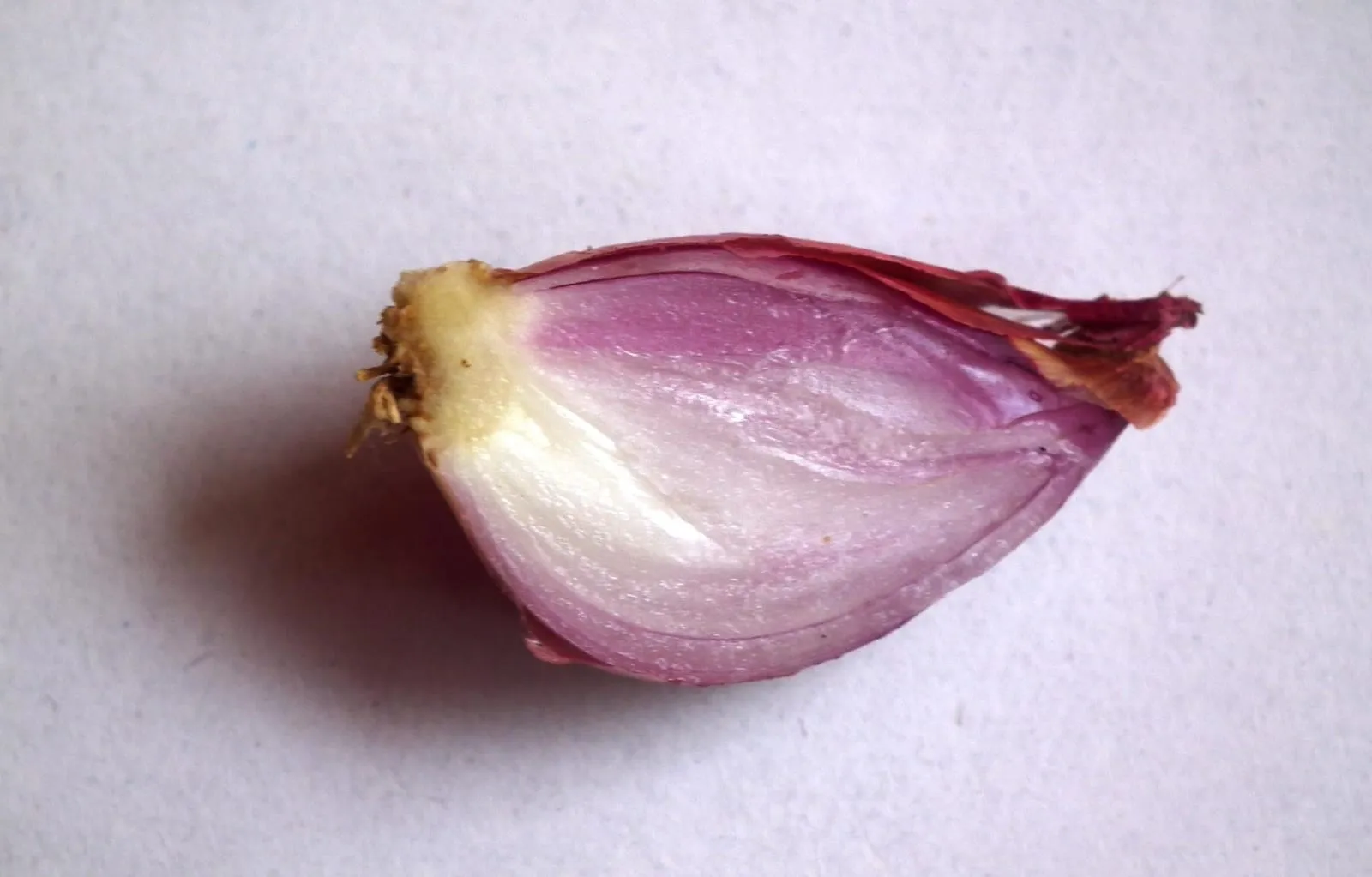 zone 4a
 Shallot
Allium cepa var. aggregatum
zones 3b–8a
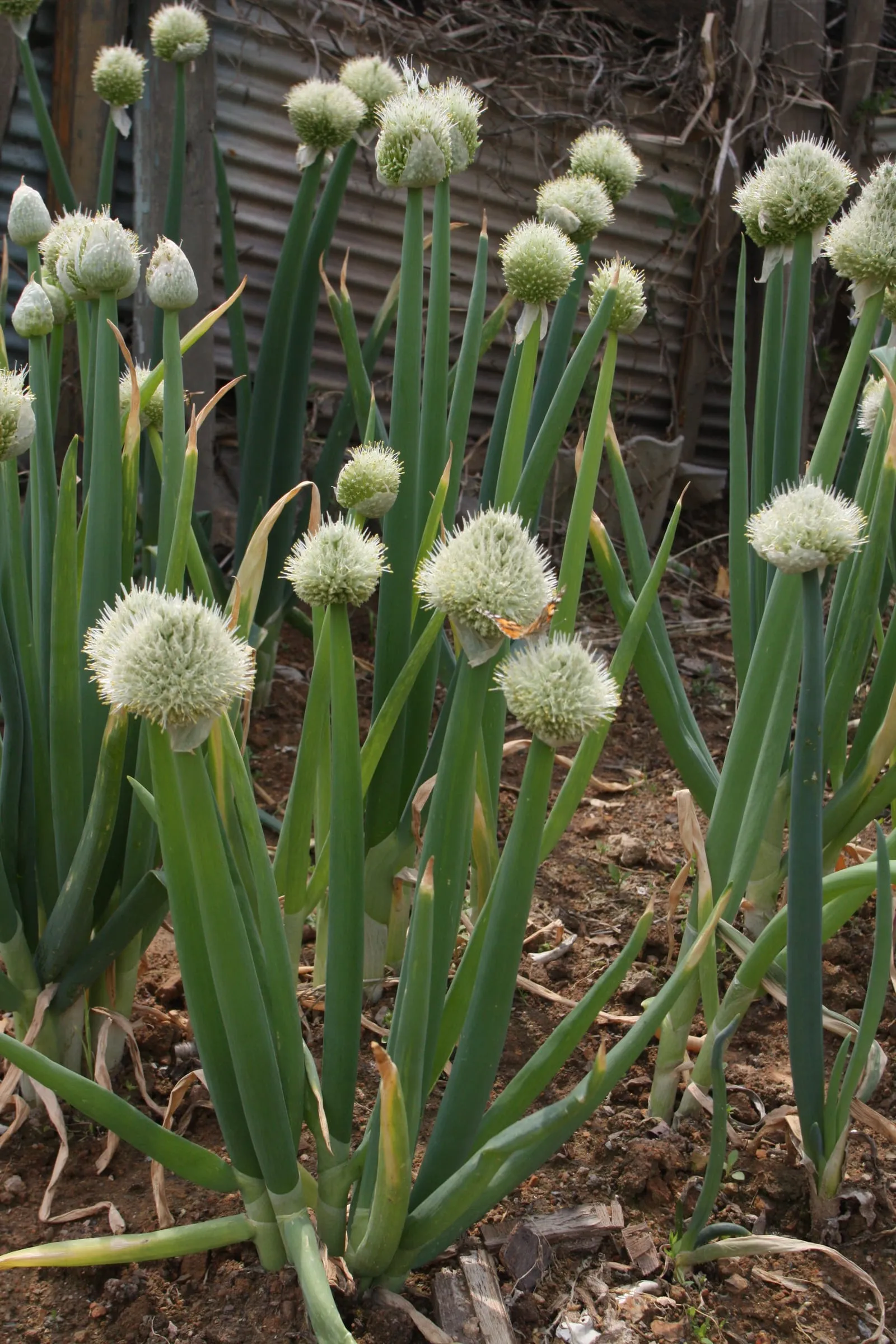 zone 4a
 Scallion (Bunching Onion)
Allium fistulosum
zones 3b–9b
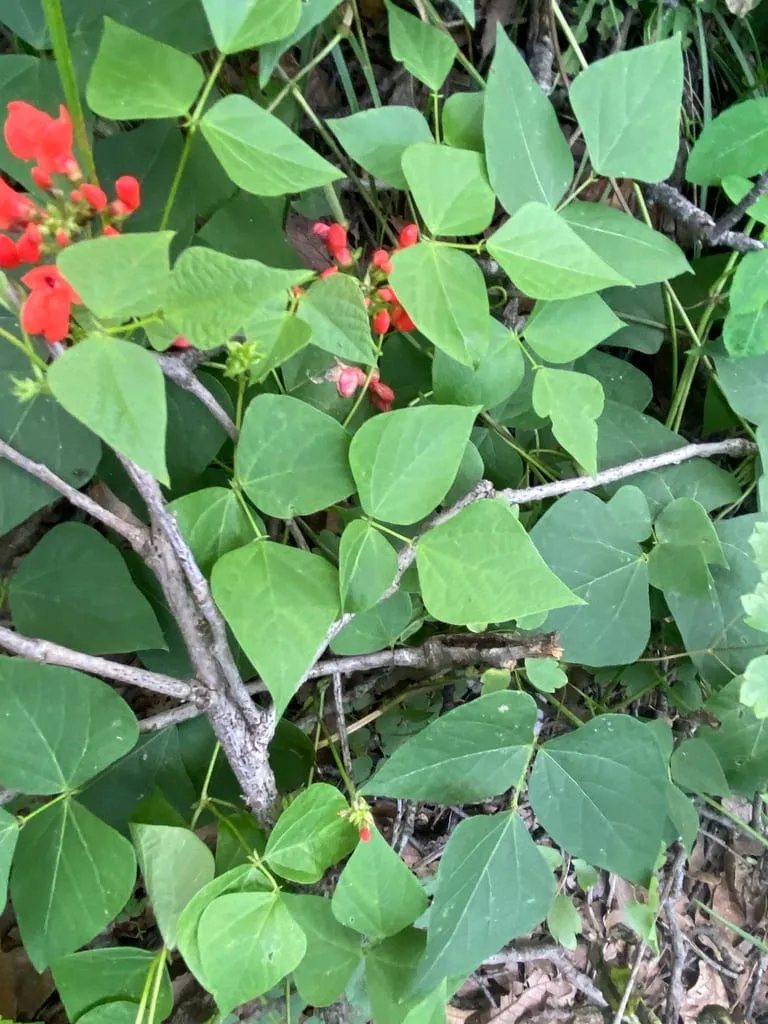 zone 4a
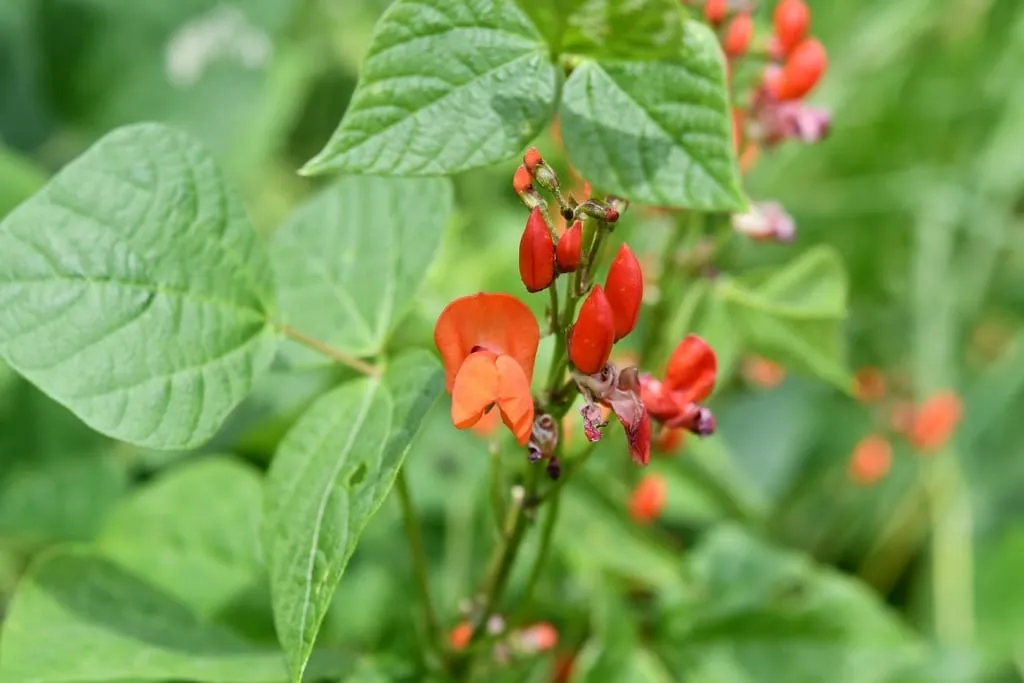
 Bush Bean
Phaseolus vulgaris
zones 3b–9a
 zone 4a
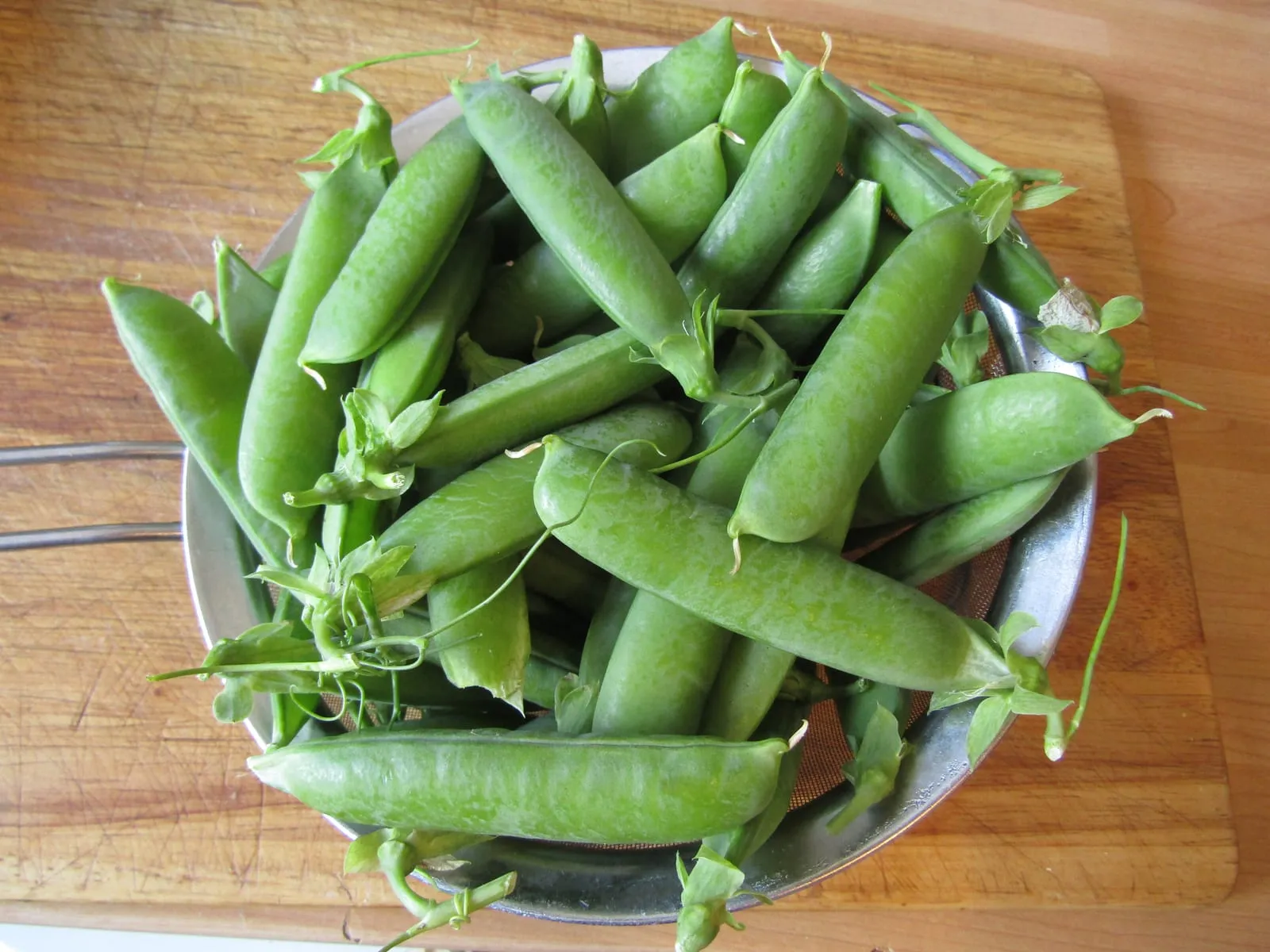
 Pole Bean
Phaseolus vulgaris
zones 3b–9a
 zone 4a
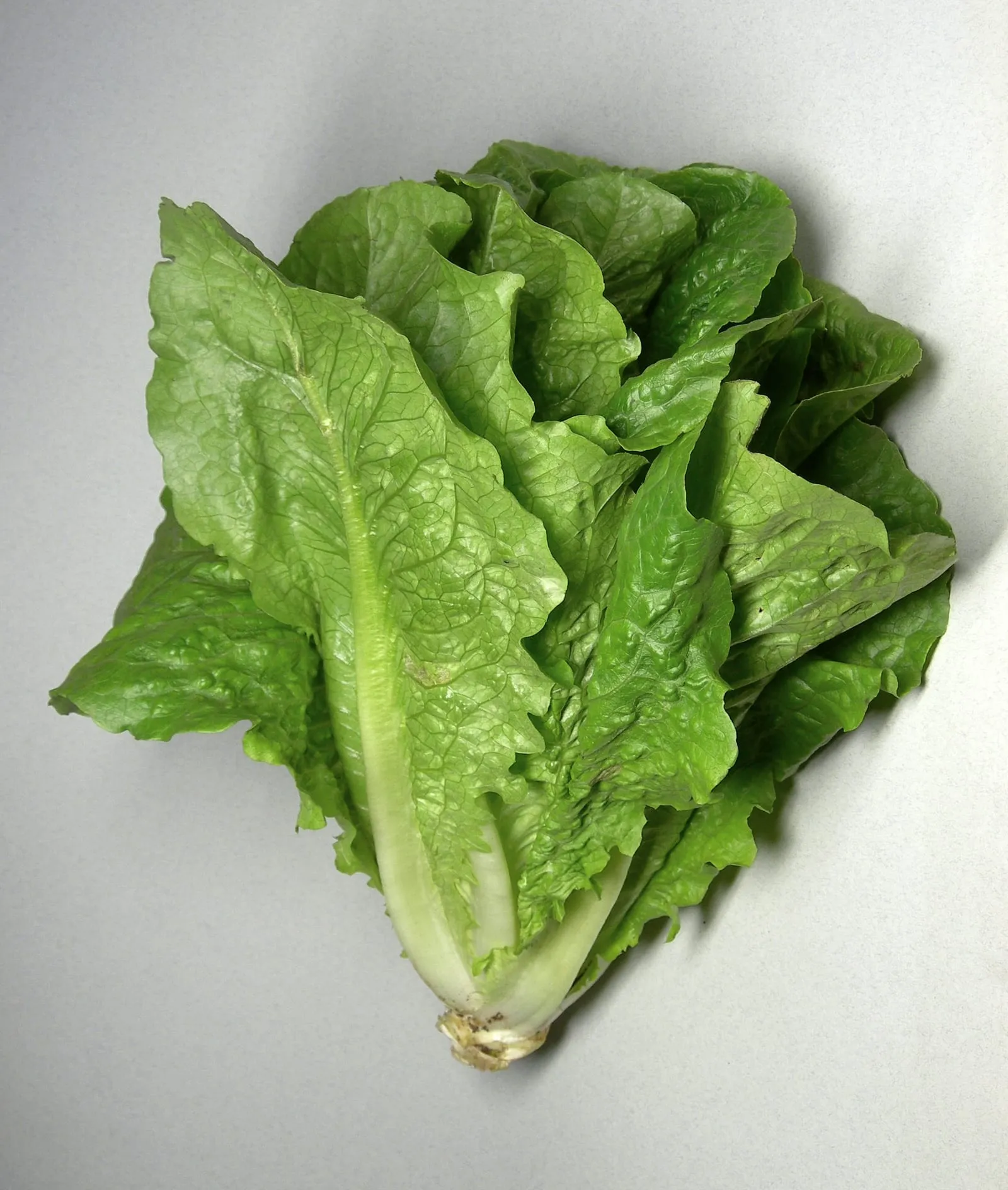
 Pea
Pisum sativum
zones 3a–8b
 zone 4a
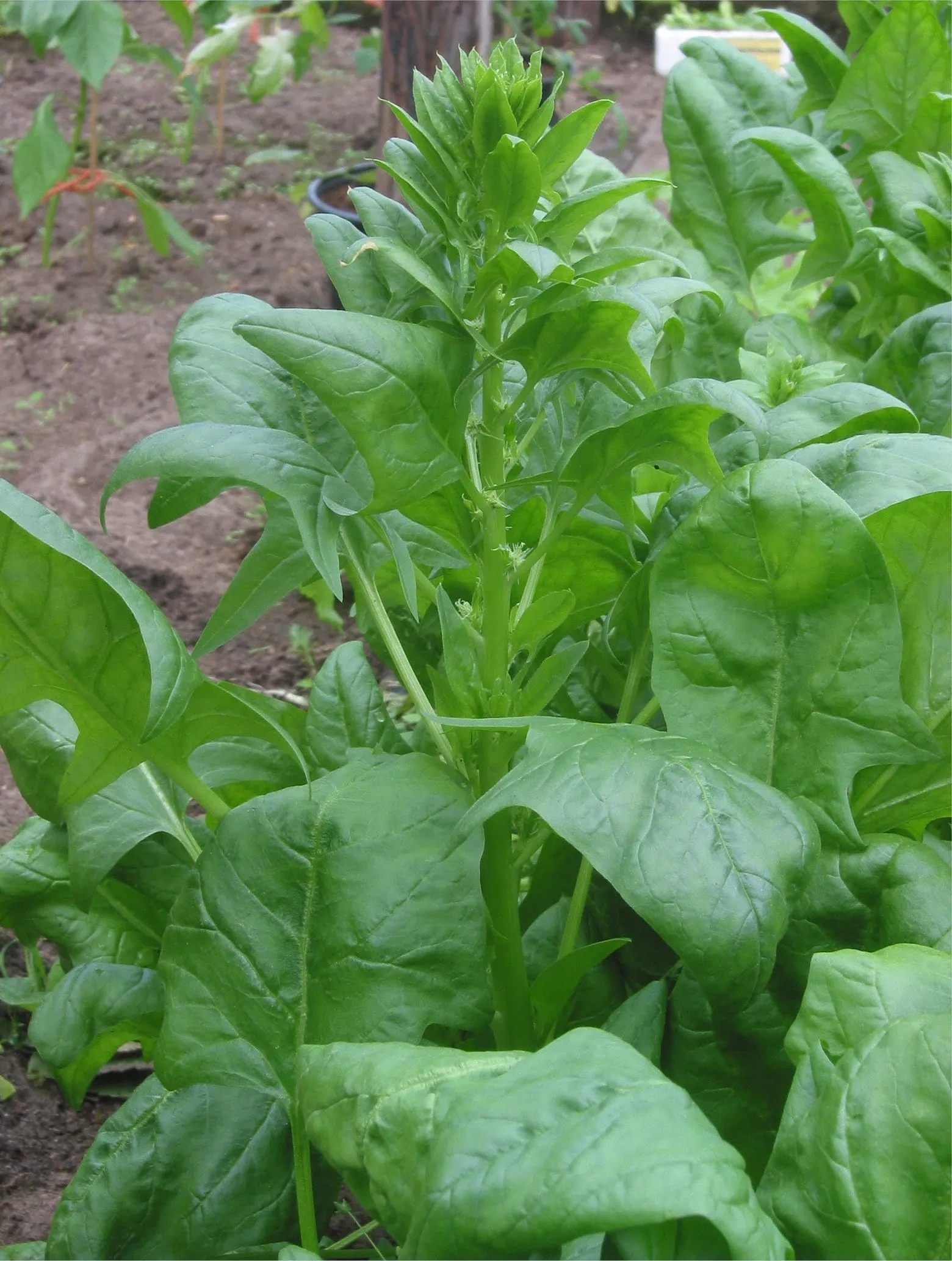
 Lettuce
Lactuca sativa
zones 3a–9b
 zone 4a
 Spinach
Spinacia oleracea
zones 3a–9a
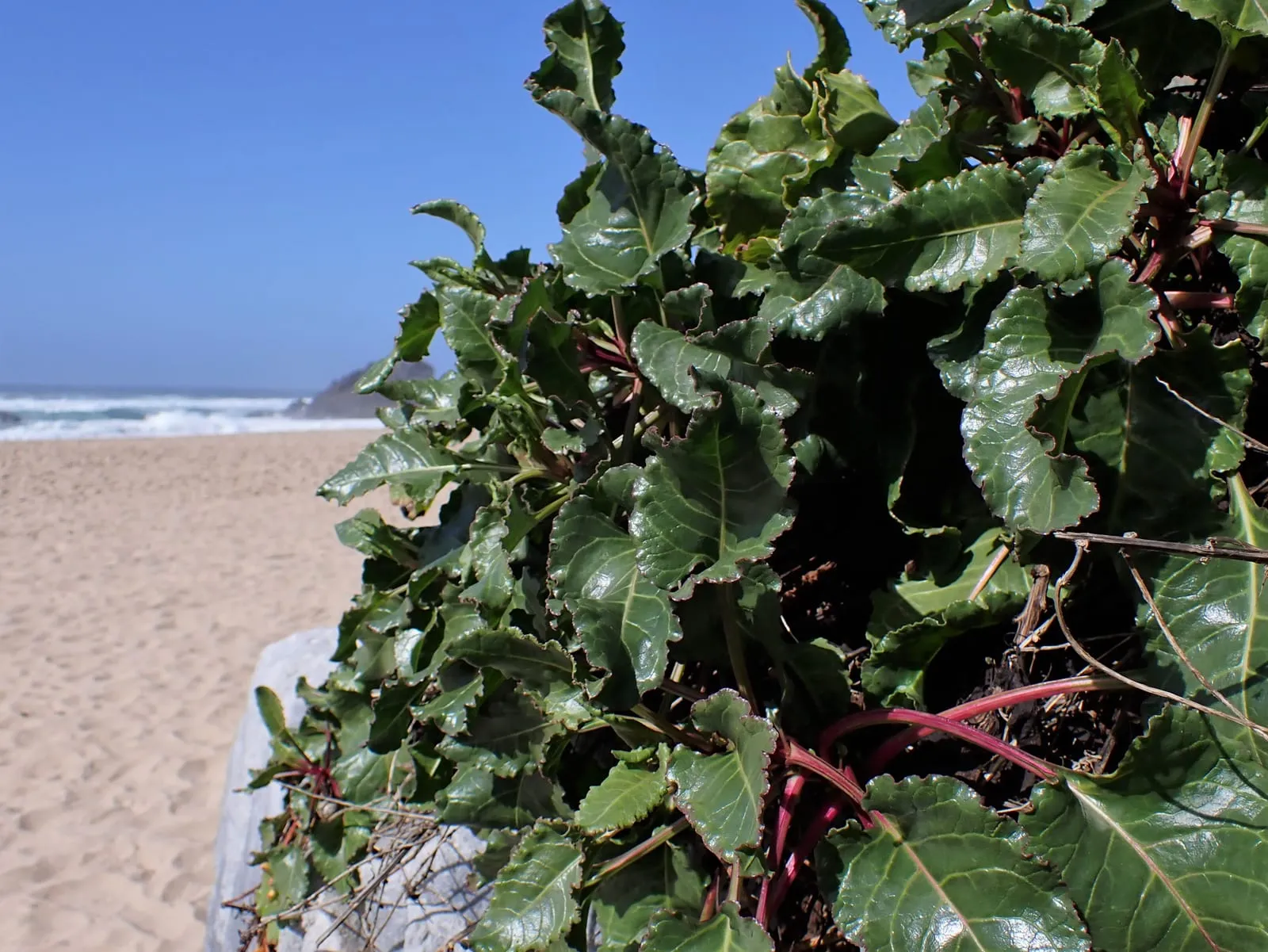 zone 4a
 Swiss Chard
Beta vulgaris subsp. vulgaris
zones 3a–9b
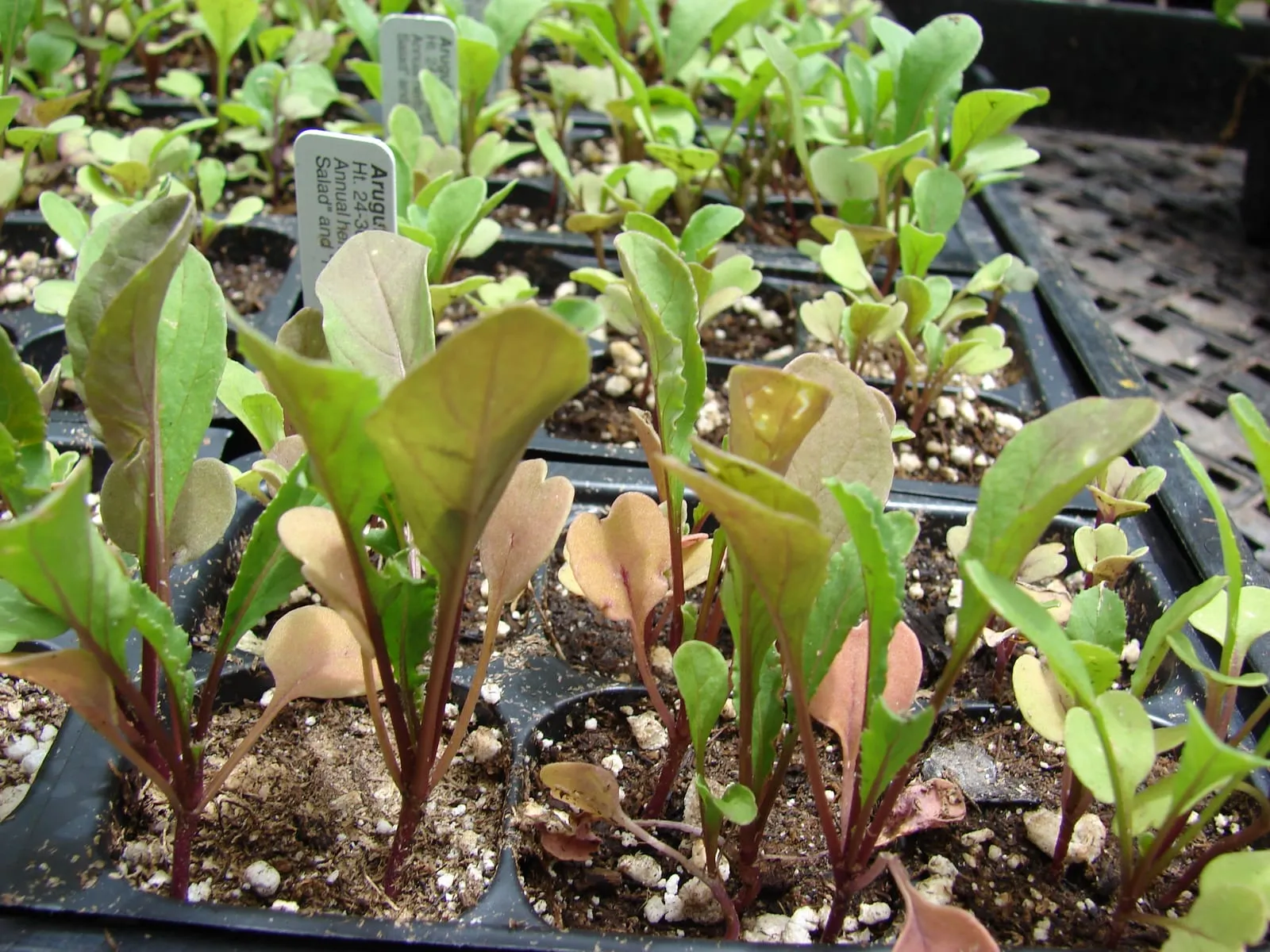 zone 4a
 Arugula
Eruca vesicaria
zones 3b–9a
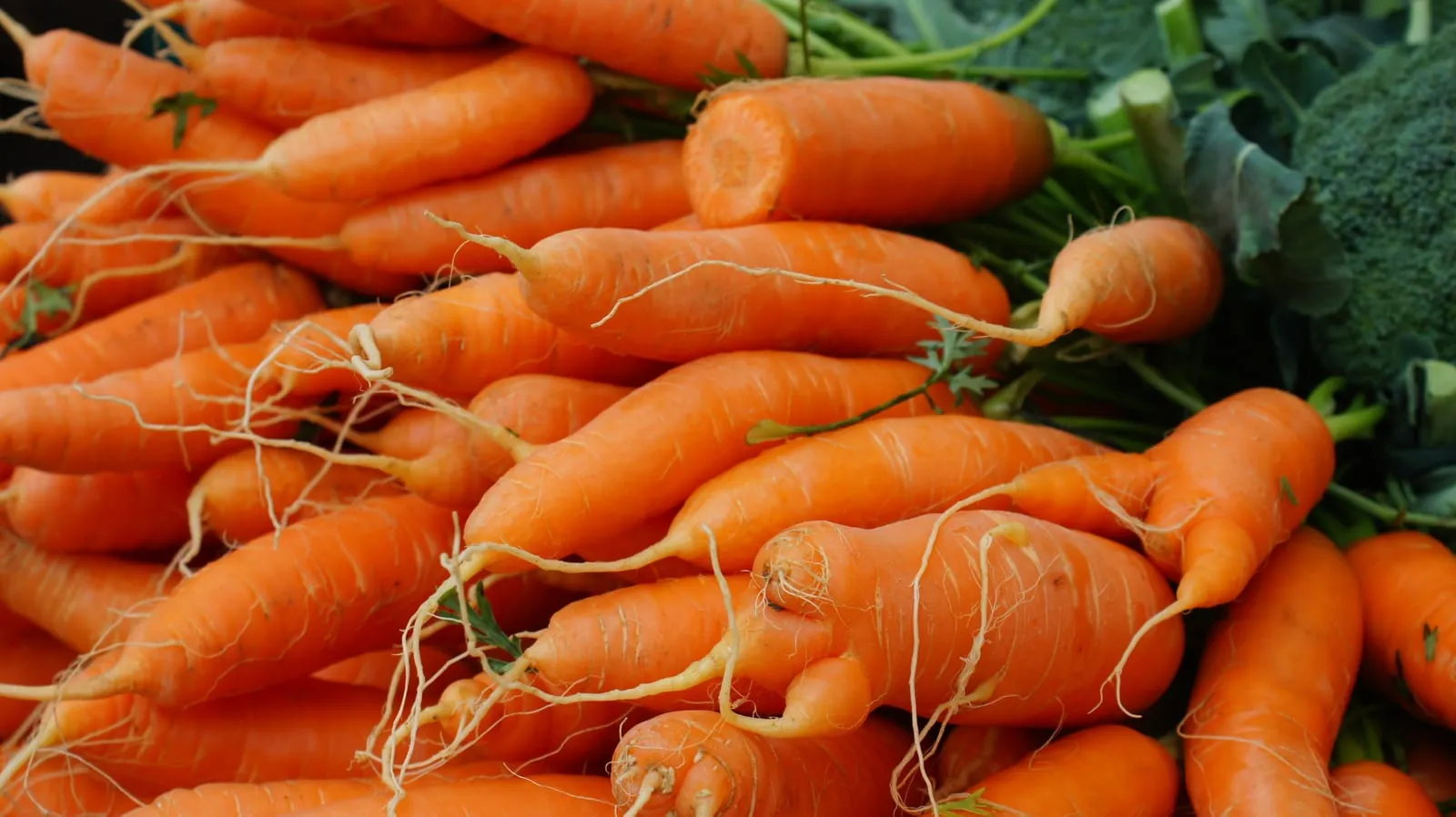 zone 4a
 Carrot
Daucus carota subsp. sativus
zones 3a–9a
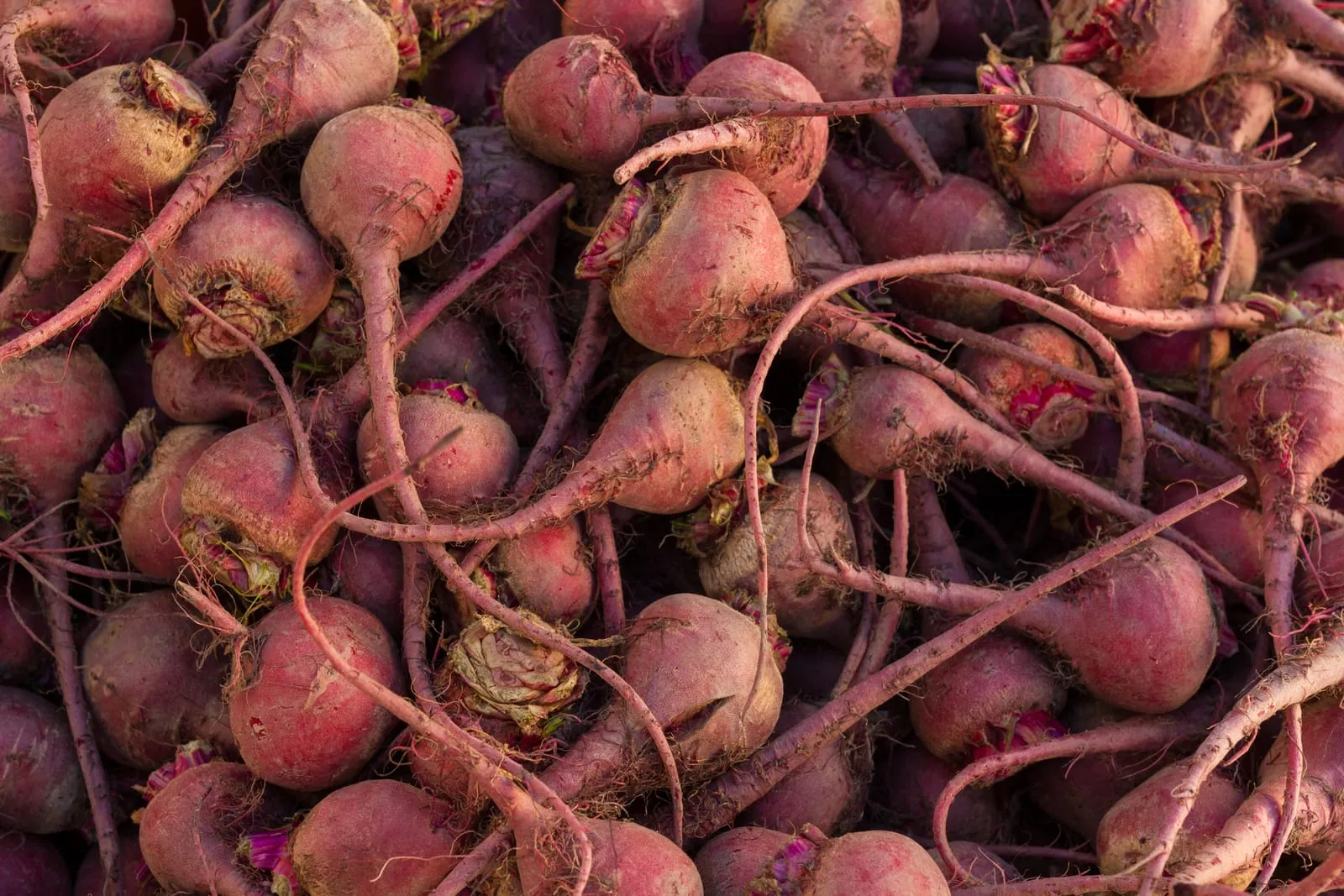 zone 4a
 Beet
Beta vulgaris
zones 3a–9a
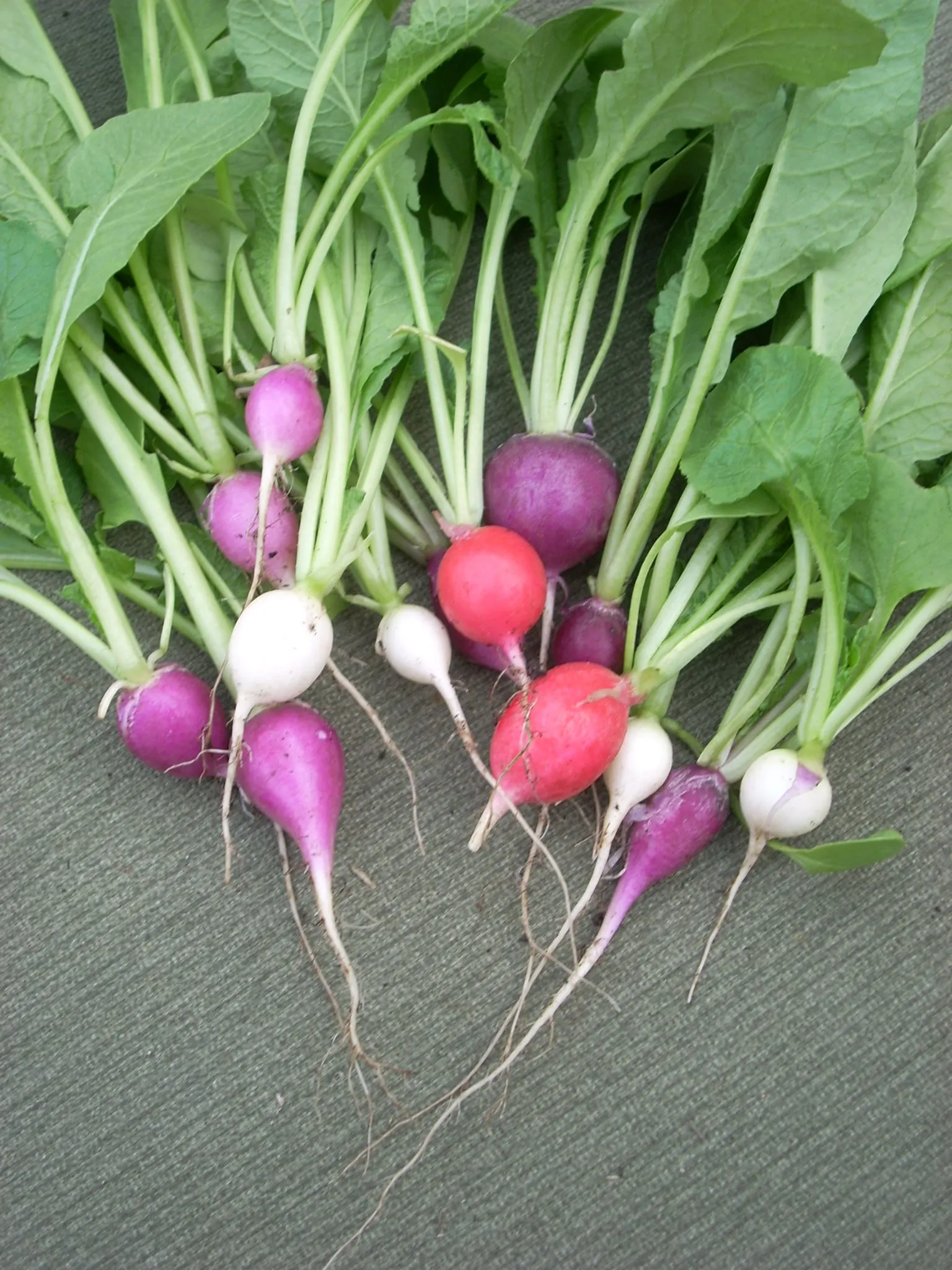 zone 4a
 Radish
Raphanus sativus
zones 3a–9a
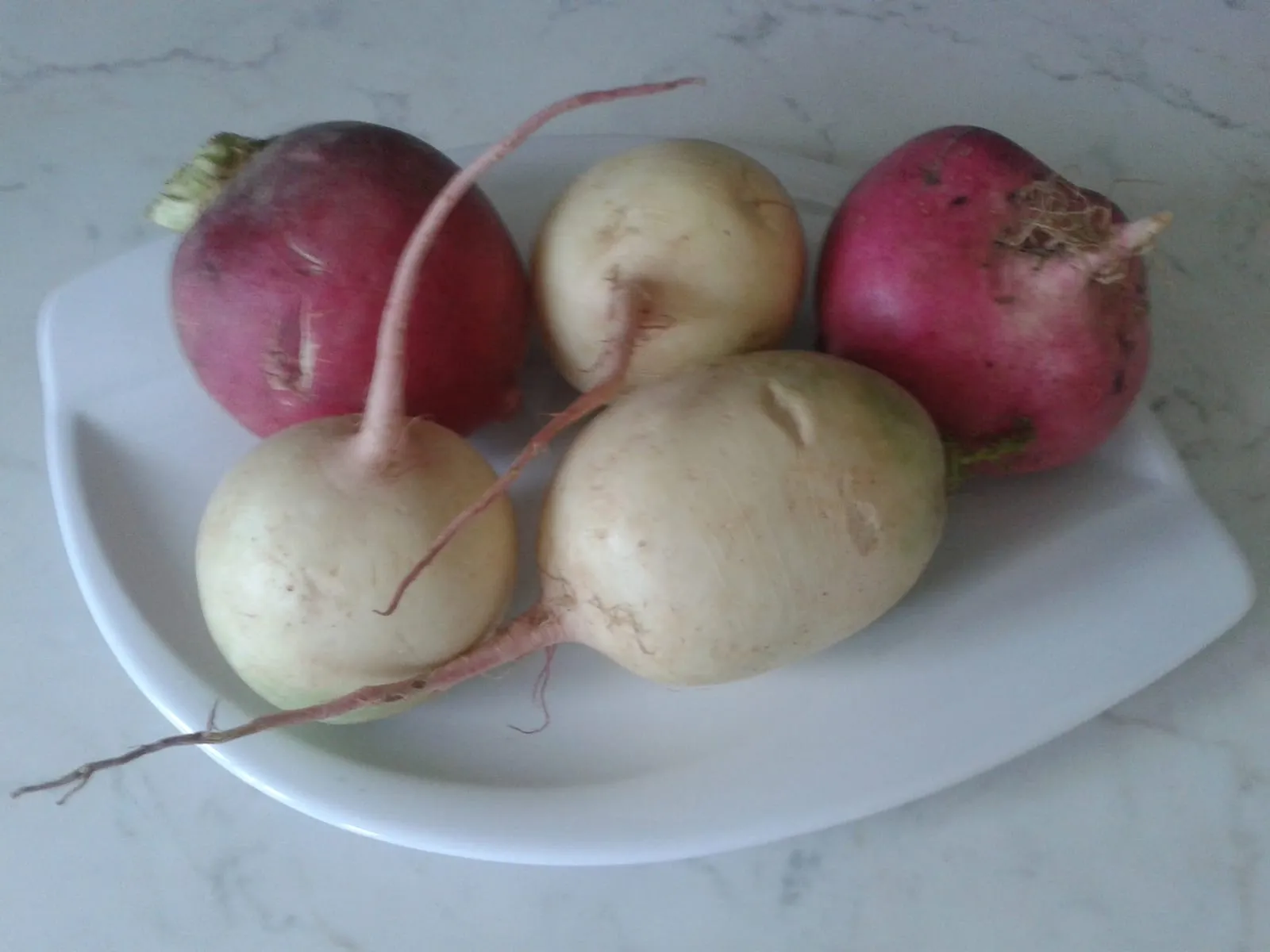 zone 4a
 Turnip
Brassica rapa subsp. rapa
zones 3a–8b
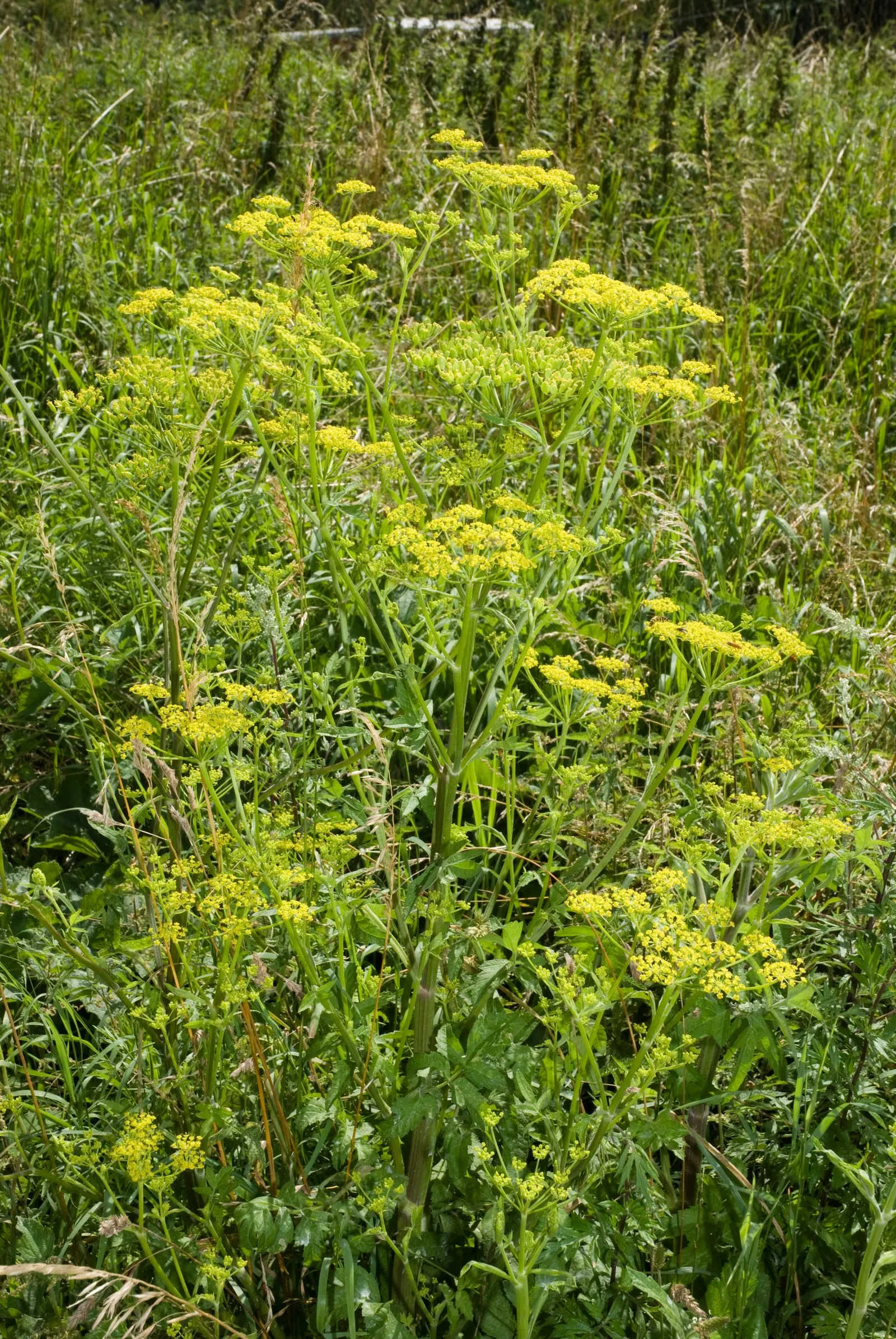 zone 4a
 Parsnip
Pastinaca sativa
zones 3a–8a
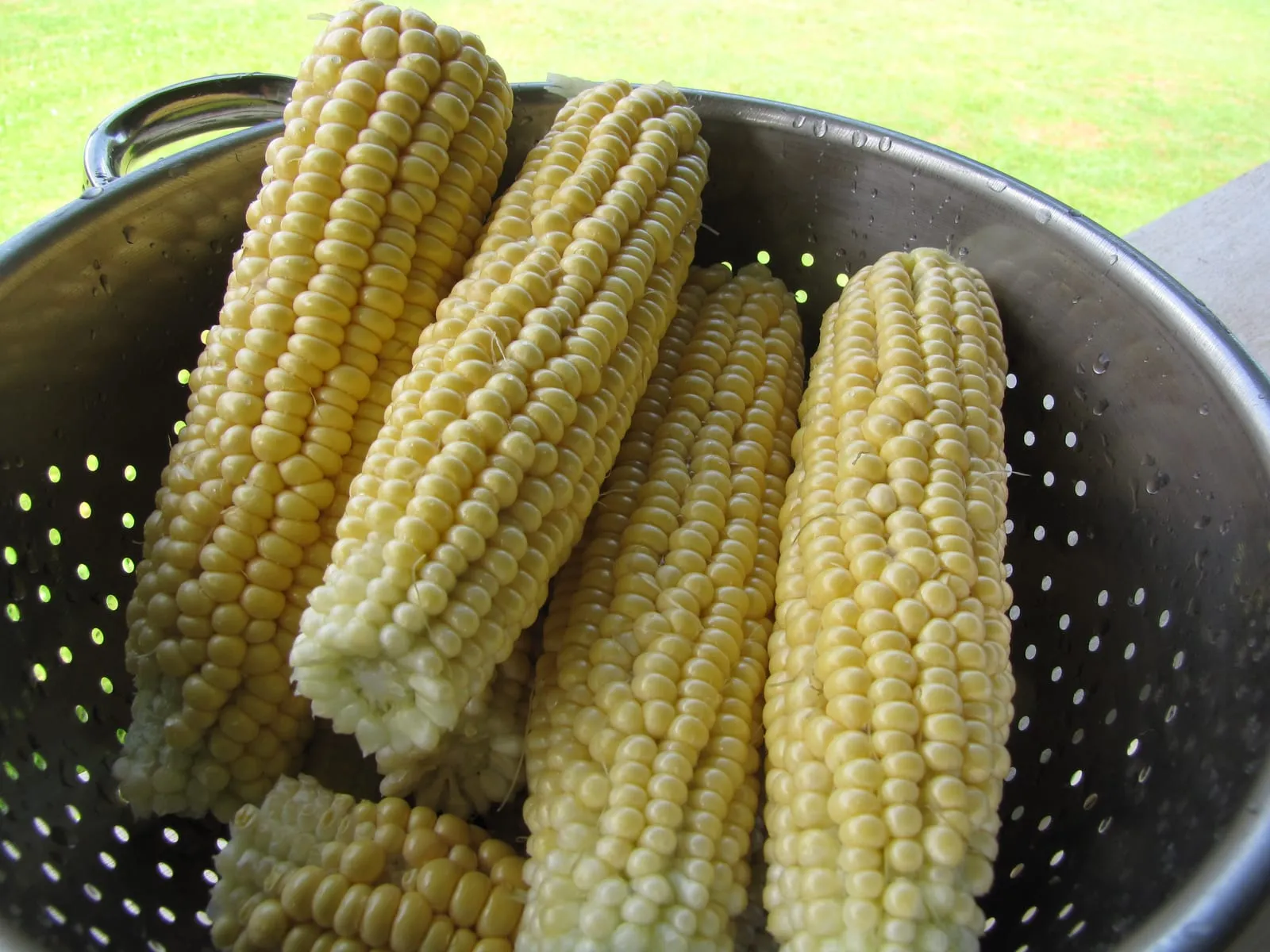 zone 4a
 Sweet Corn
Zea mays var. saccharata
zones 3b–9a
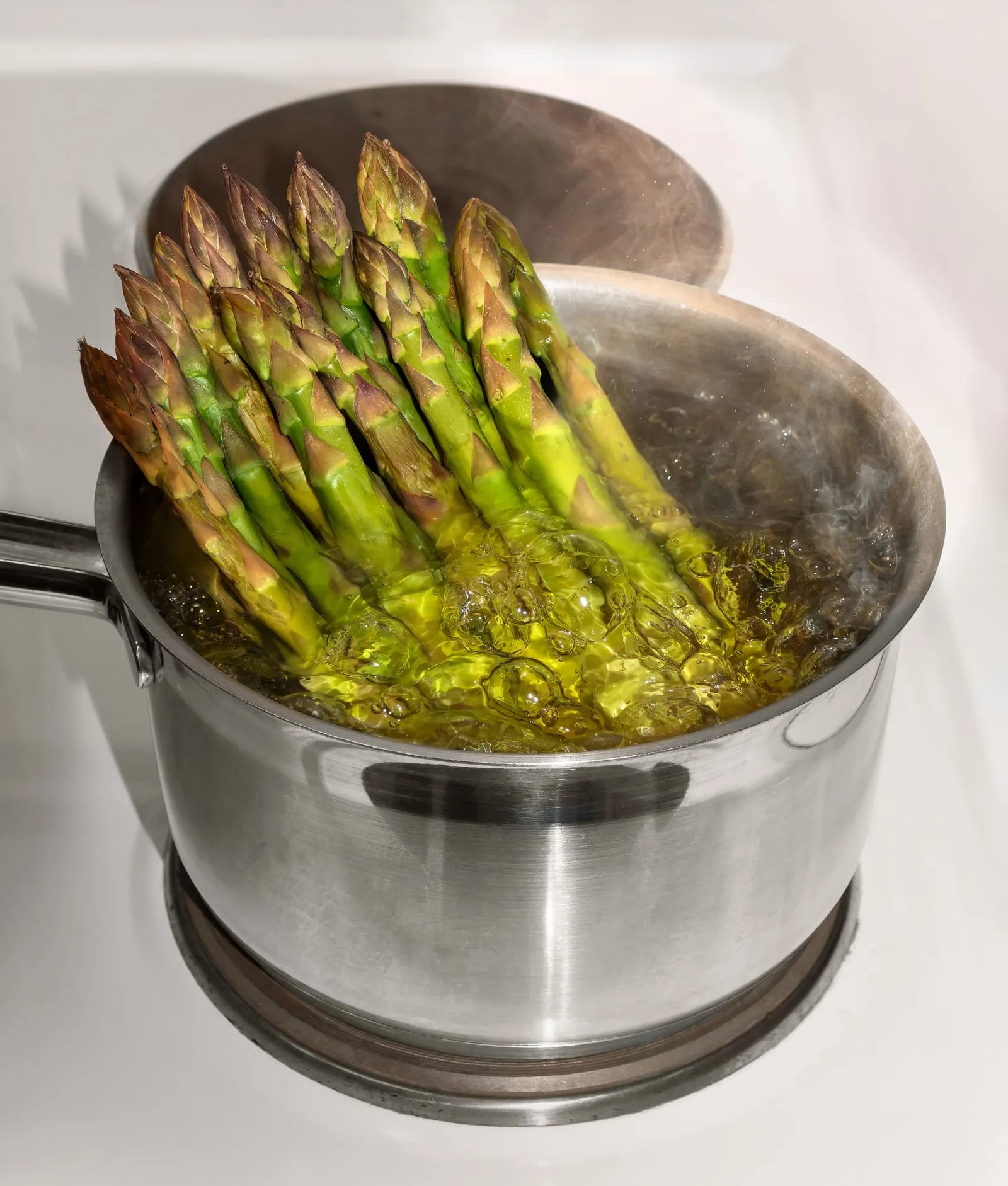 zone 4a
 Asparagus
Asparagus officinalis
zones 3b–8b
Herbs
9 crops
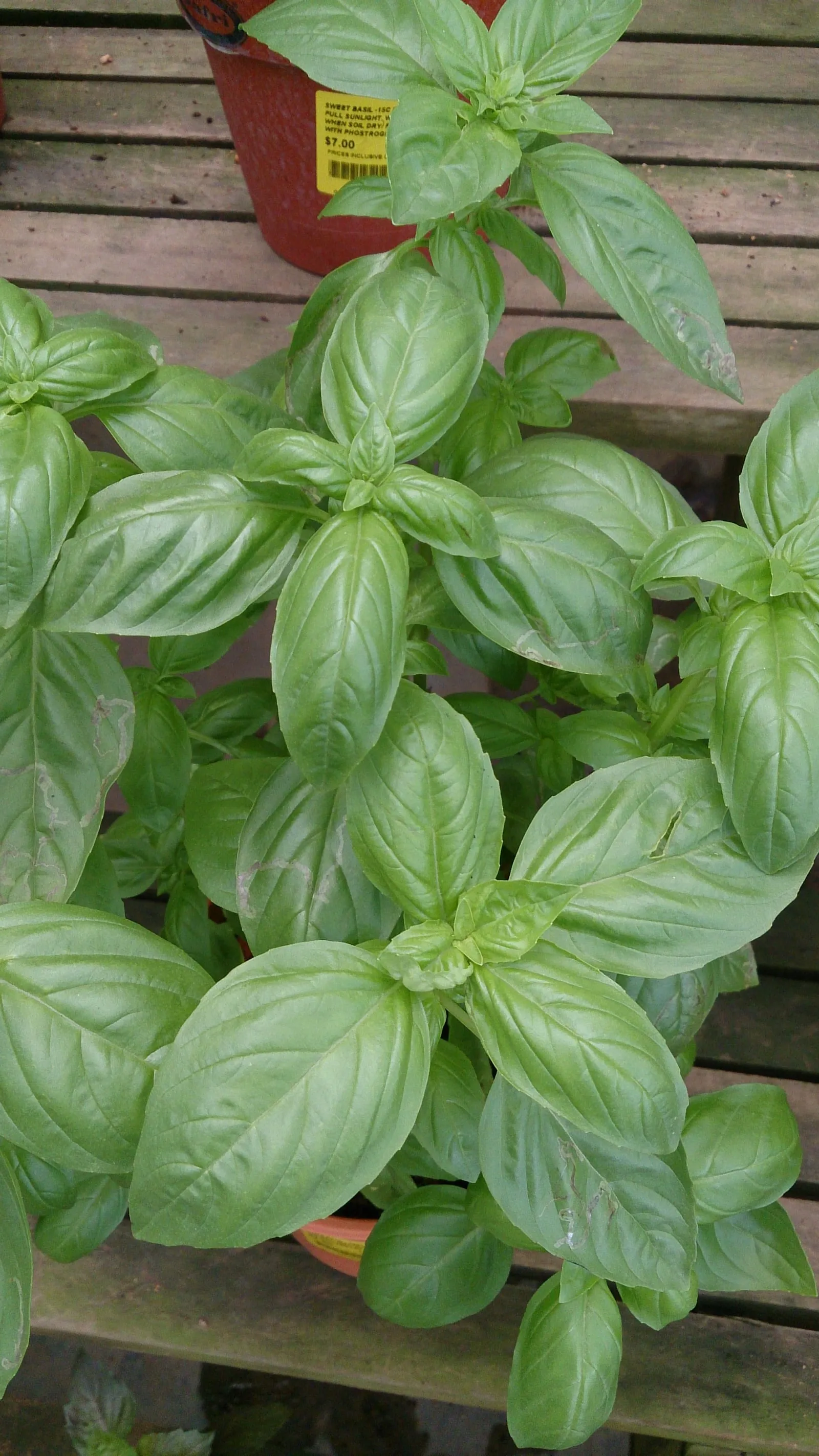 zone 4a
 Basil
Ocimum basilicum
zones 4a–10b
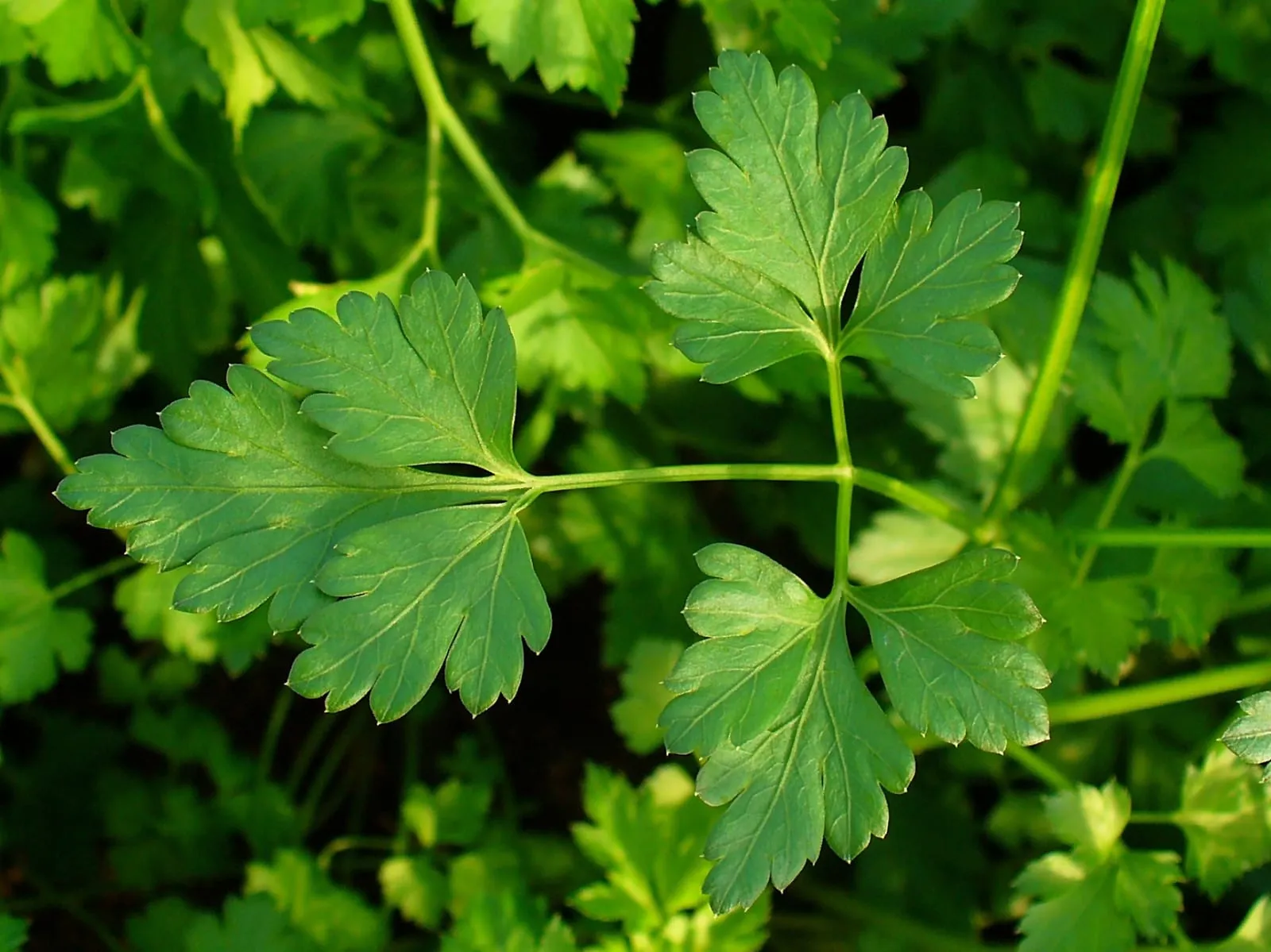 zone 4a
 Parsley
Petroselinum crispum
zones 3b–9b
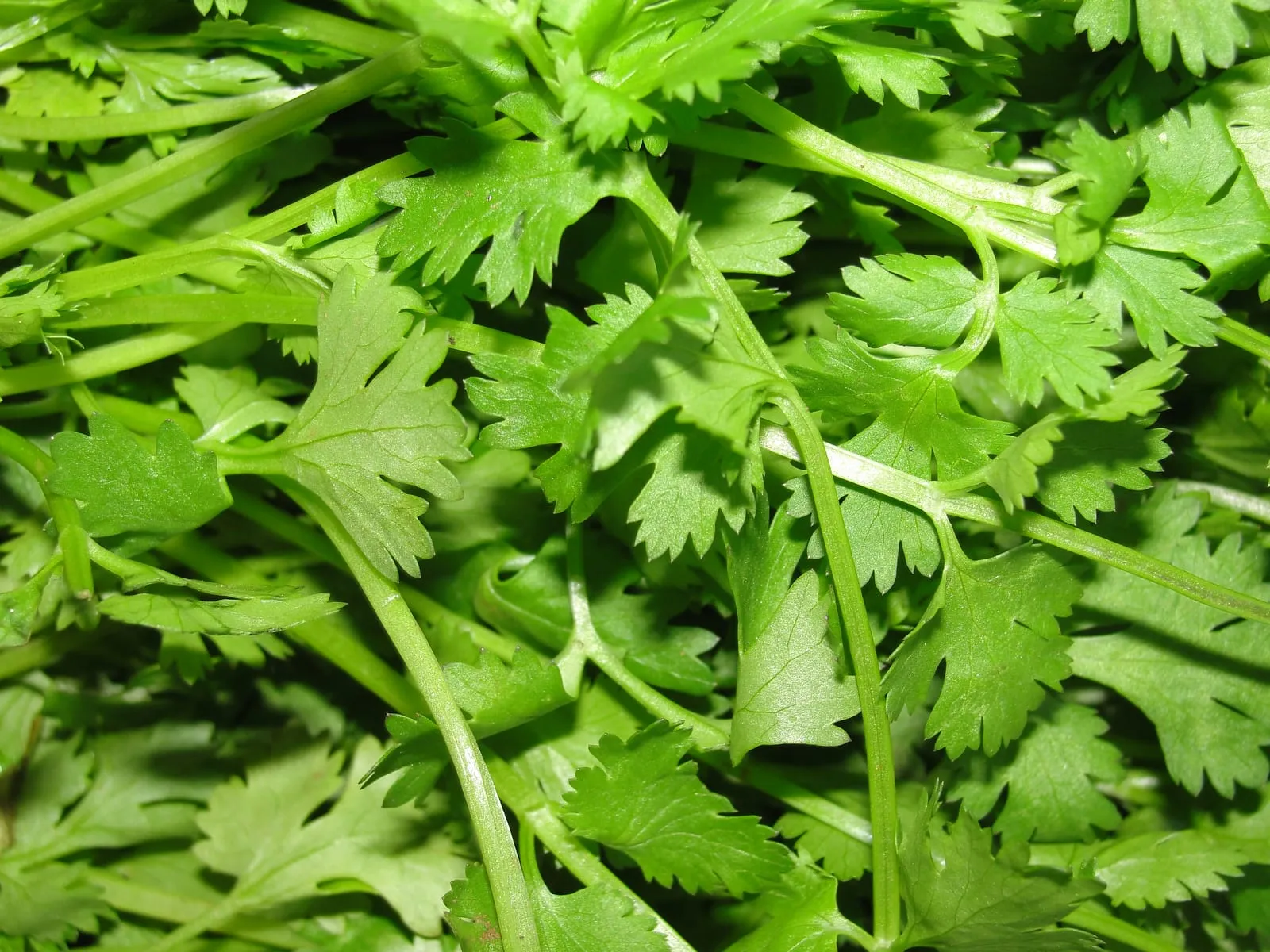 zone 4a
 Cilantro / Coriander
Coriandrum sativum
zones 3b–9b
 zone 4a
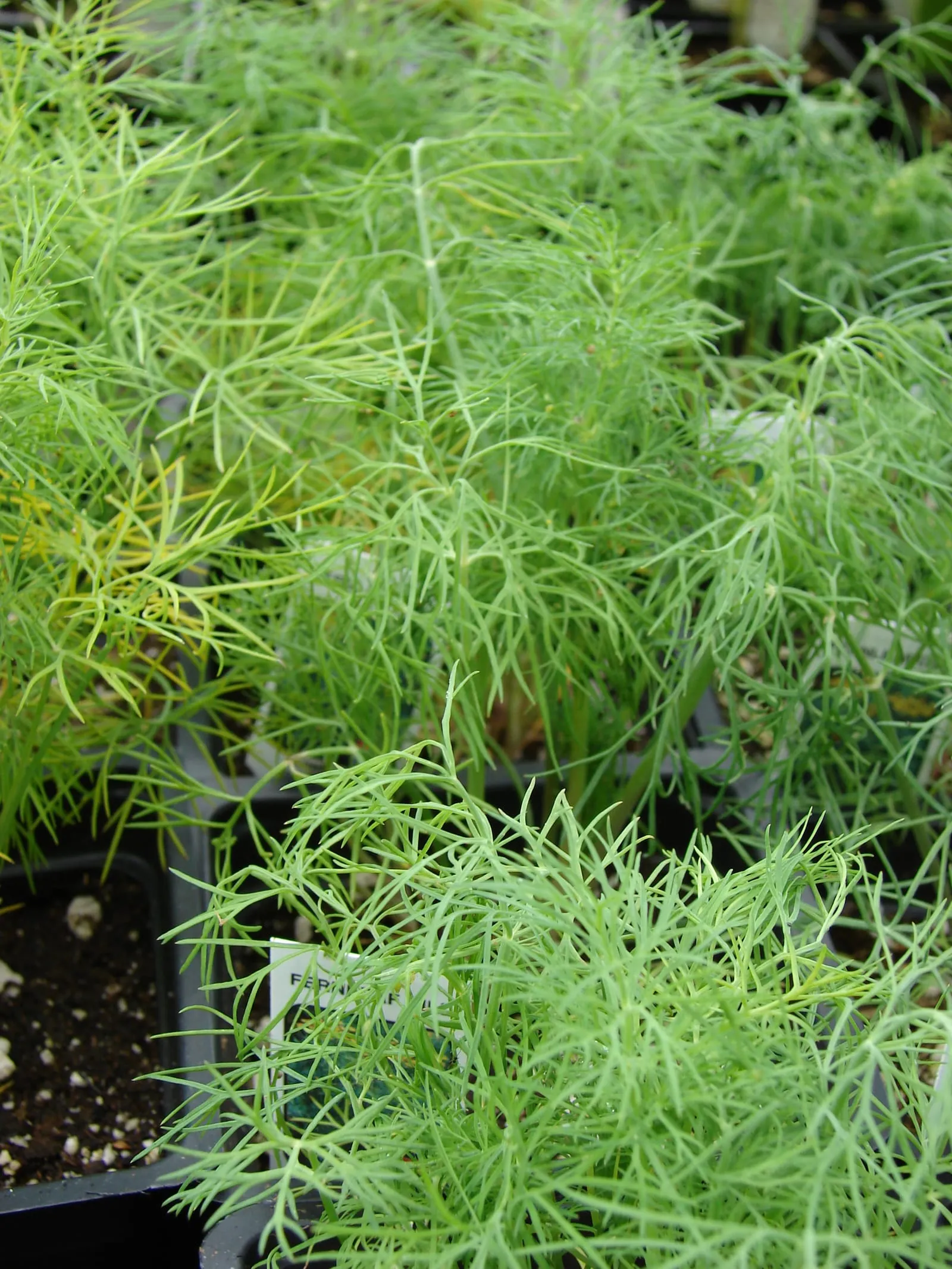
 Dill
Anethum graveolens
zones 3b–9a
 zone 4a
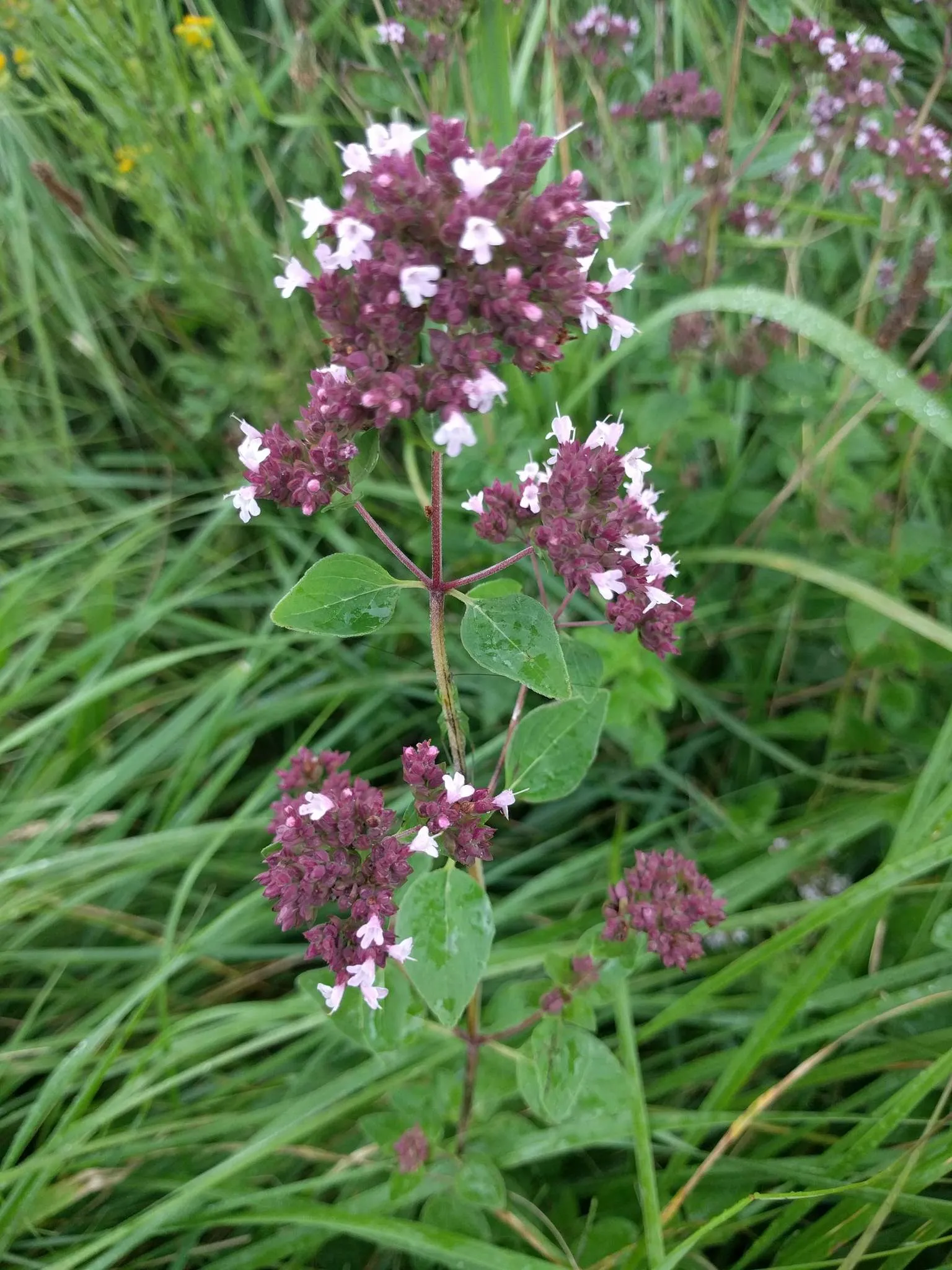
 Oregano
Origanum vulgare
zones 4a–9b
 zone 4a
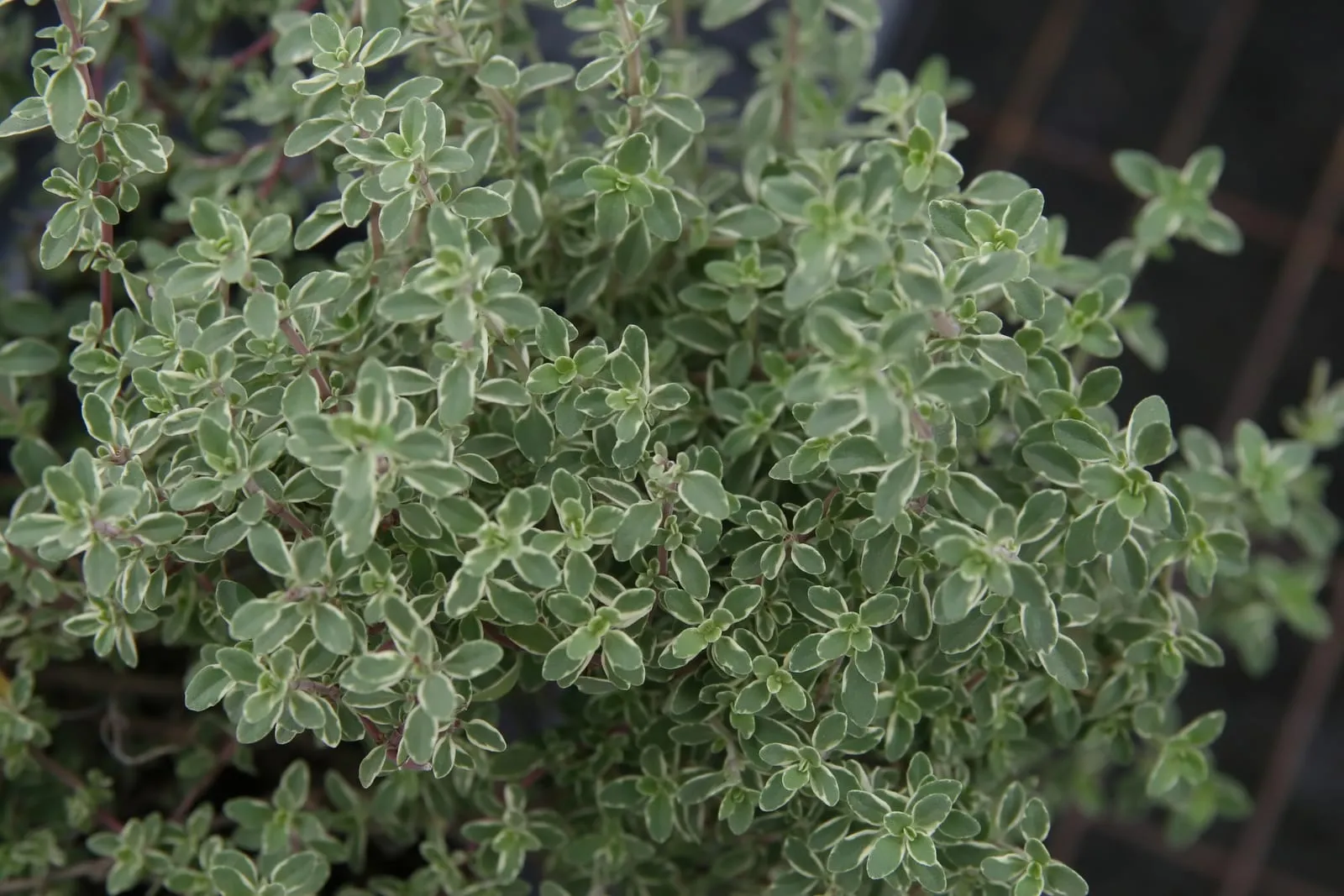
 Thyme
Thymus vulgaris
zones 4a–9a
 zone 4a
 Sage
Salvia officinalis
zones 4a–9a
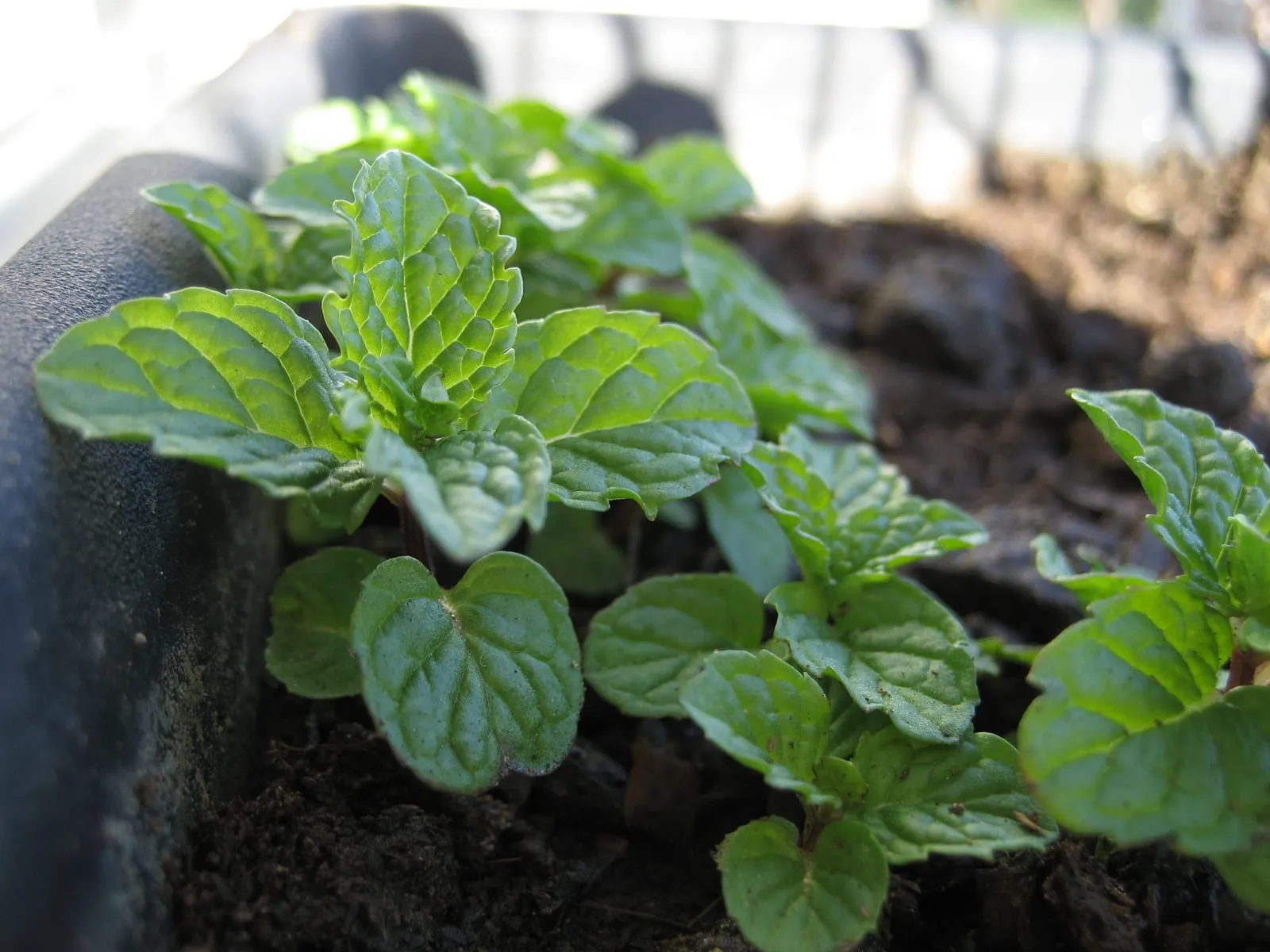 zone 4a
 Mint
Mentha species
zones 3b–9b
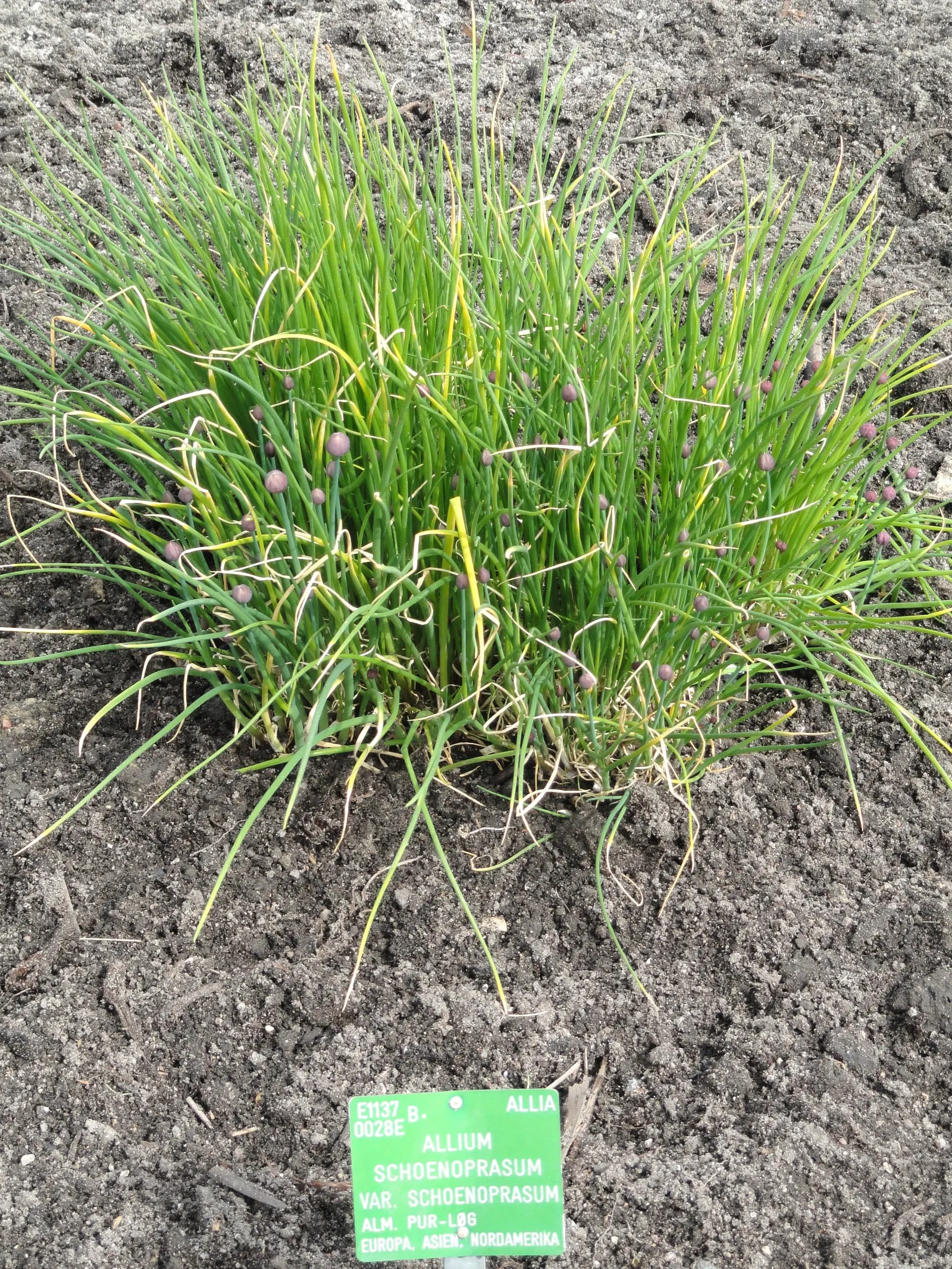 zone 4a
 Chives
Allium schoenoprasum
zones 3a–8b
When to plant
Planting calendar for zone 4a
Year-view of seed starting, transplanting, planting, pruning, fertilizing, harvest, and pest-watch windows based on the average frost timing for zone 4a.
Week ? · loading
This week in zone 4a
Quiet week in zone 4a. this week is a good time to step back and plan ahead.
Nothing critical on the calendar this week.
313 bars · 68 crops
Calendar logic combines NOAA frost normals with crop-specific timing data. Local microclimate and weather always overrules the calendar; use this as a starting point.
Frequently asked questions
- Can you grow peaches in zone 4a?
Consistently productive peach growing in zone 4a is difficult. Most peach varieties require minimum temperatures above -20 F and bloom early enough to be killed by late spring frosts. A handful of experimental cultivars (Reliance, Contender) have survived zone 4a winters in sheltered sites, but crop failure in cold years is common enough that peaches are a gamble, not a reliable choice.
- What apple varieties perform best in zone 4a?
University of Minnesota releases dominate zone 4a apple performance: Haralson (reliable, tart, late-blooming), Zestar (early ripening, good flavor), and Honeycrisp (excellent flavor but needs a well-drained site and may require a pollinator). Canadian varieties like Norland and Goodland also have strong track records. Prioritize varieties with documented hardiness to -35 F and late bloom dates.
- Are sweet cherries worth growing in zone 4a?
Sweet cherries are not reliably productive in zone 4a. Most varieties bloom early and are susceptible to late spring frosts; they also lack the cold hardiness of sour cherries. Sour cherries, particularly Montmorency and the newer Romance series hybrids developed in Saskatchewan (Carmine Jewel, Juliet), are the practical choice for zone 4a growers who want cherry production.
- How do you protect fruit tree blossoms from late frosts in zone 4a?
Row cover fabric or frost blankets provide several degrees of protection when draped over small trees overnight and removed in the morning. Overhead irrigation (running sprinklers through a frost event) works at larger scale by releasing latent heat as water freezes on buds, but requires adequate water pressure and careful timing. For most home orchardists, late-blooming variety selection is more practical than active frost protection.
- Why does a zone 4a apple tree survive winter but produce almost no fruit?
The most common cause is late spring frost killing the flower buds after the tree has broken dormancy. The tree itself survives, but the reproductive tissue is more frost-sensitive than the vegetative wood. Other causes include insufficient chilling hours in a mild winter (unlikely in zone 4a), biennial bearing patterns in some varieties, or inadequate pollination from a second compatible variety within about 50 feet.
- What pears grow reliably in zone 4a?
European pears (Pyrus communis) are marginal in zone 4a; most are rated to zone 5. Asian pears are generally not cold-hardy enough. The most reliable option is a hybrid series developed for northern climates, including Summercrisp and Luscious (University of Minnesota), both rated to zone 4. Bartlett and Bosc are common choices but expect occasional winter injury in the coldest zone 4a sites.
+−
+−
+−
+−
+−
+−
Related