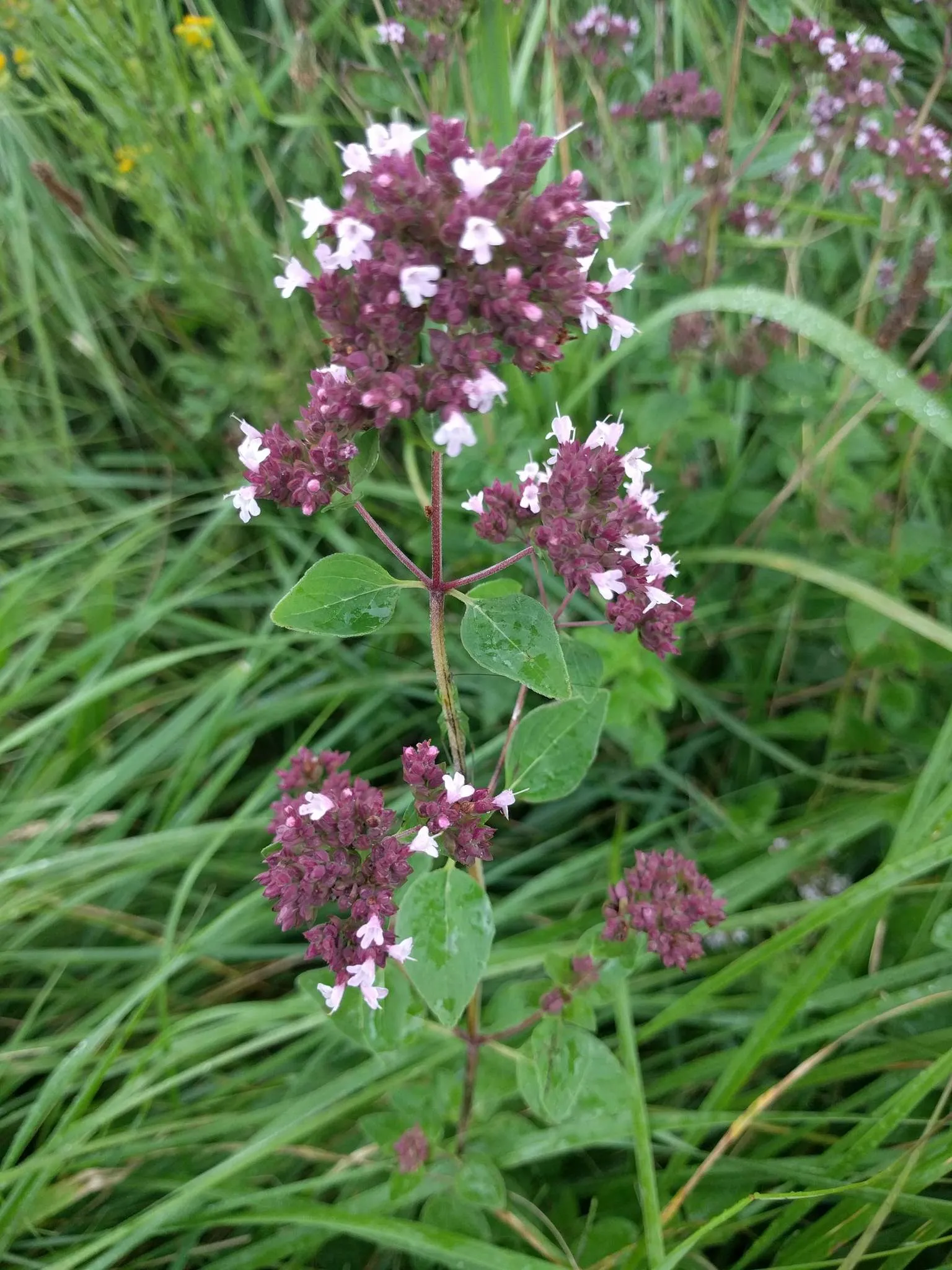
herb in zone 4a
Growing oregano in zone 4a
Origanum vulgare
- Zone
- 4a -30°F to -25°F
- Growing season
- 120 days
- Suitable varieties
- 3
- Days to harvest
- 80 to 110
The verdict
Zone 4a is marginal territory for oregano grown as a perennial. The varieties listed here (Greek hirtum, Italian, Hot and Spicy) are generally rated hardy to zones 5 or 6, meaning winter temperatures in zone 4a (-30°F to -25°F) can kill the crowns outright without protection. Unlike fruit trees, oregano does not require chill hours to trigger growth or bloom; the limiting factor is winter survival, not cold accumulation.
The 120-day growing season is sufficient for oregano to establish, bloom, and yield a harvestable crop. The practical approach in zone 4a is to treat oregano as a short-lived perennial or a replanted annual, mulching heavily to improve survival odds. Greek (var. hirtum) tends to be the most cold-tolerant of the three options, though in this context that means it may survive zone 4a winters with good drainage and heavy mulch rather than reliably surviving them without intervention.
Recommended varieties for zone 4a
3 cultivars suited to this zone, with disease-resistance and zone-fit annotations.
| Variety | Notes | Zone fit | Disease resistance |
|---|---|---|---|
| Greek (var. hirtum) fits zone 4a | Strong, peppery, the authentic Mediterranean oregano flavor; small fuzzy gray-green leaves. Pizza, tomato sauce, lamb, roast vegetables. The cook's oregano, fragrance and pungency much higher than common oregano. | | none noted |
| Italian fits zone 4a | Mild oregano flavor, slight marjoram sweetness; bright green smooth leaves. Italian cooking, fresh garnish, vinegar infusions. Less pungent than Greek but easier eating fresh. | | none noted |
| Hot and Spicy fits zone 4a | Peppery, almost spicy heat; the hottest oregano cultivar available. Mexican and Italian cooking, dried for spice rubs. Cold-hardy and productive. | | none noted |
Critical timing for zone 4a
Oregano blooms in midsummer in zone 4a, typically July through August, falling well within the 120-day frost-free window. Last spring frost in zone 4a commonly arrives in late May, so transplants and overwintered crowns should not be uncovered or moved outside until soil temperatures stabilize above 50°F.
For culinary harvest, the peak window is just before and during early bloom, when essential oil concentration is highest. The 120-day season allows a complete harvest cycle: spring regrowth or establishment, vegetative growth through June, bloom initiation in July, and a clean harvest before the first fall frost, which typically arrives in September in zone 4a.
Common challenges in zone 4a
- ▸ Late frosts damage early bloomers
- ▸ Limited peach varieties
Modified care for zone 4a
The primary adjustment in zone 4a is winter protection. Before the first hard freeze, cut stems back to 2 to 3 inches and apply 4 to 6 inches of dry mulch (straw or shredded leaves). Site drainage matters as much as mulch depth: wet, frozen soil damages roots more reliably than cold, dry soil does. In spring, pull mulch back gradually as temperatures stabilize. If crowns do not resprout by late May, treat the season as a replanting year rather than waiting further.
Site selection carries more weight in zone 4a than in warmer zones. A south-facing bed against a masonry wall or fence creates a microclimate that can push effective hardiness a half-zone warmer. Container growing with overwintering in an unheated but frost-moderated garage is a reliable fallback for growers who want consistent perennial oregano without the replanting gamble.
Oregano in adjacent zones
Image: "Origanum vulgare 149176132", by Michel Langeveld, via Wikimedia Commons, licensed under CC-BY Source.

Related