herb
Oregano
Origanum vulgare
USDA hardiness range
- Zones
- 4a–9b
- Days to harvest
- 80 to 110
- Sun
- Full
- Water
- Low
- Lifespan
- perennial
Growing oregano
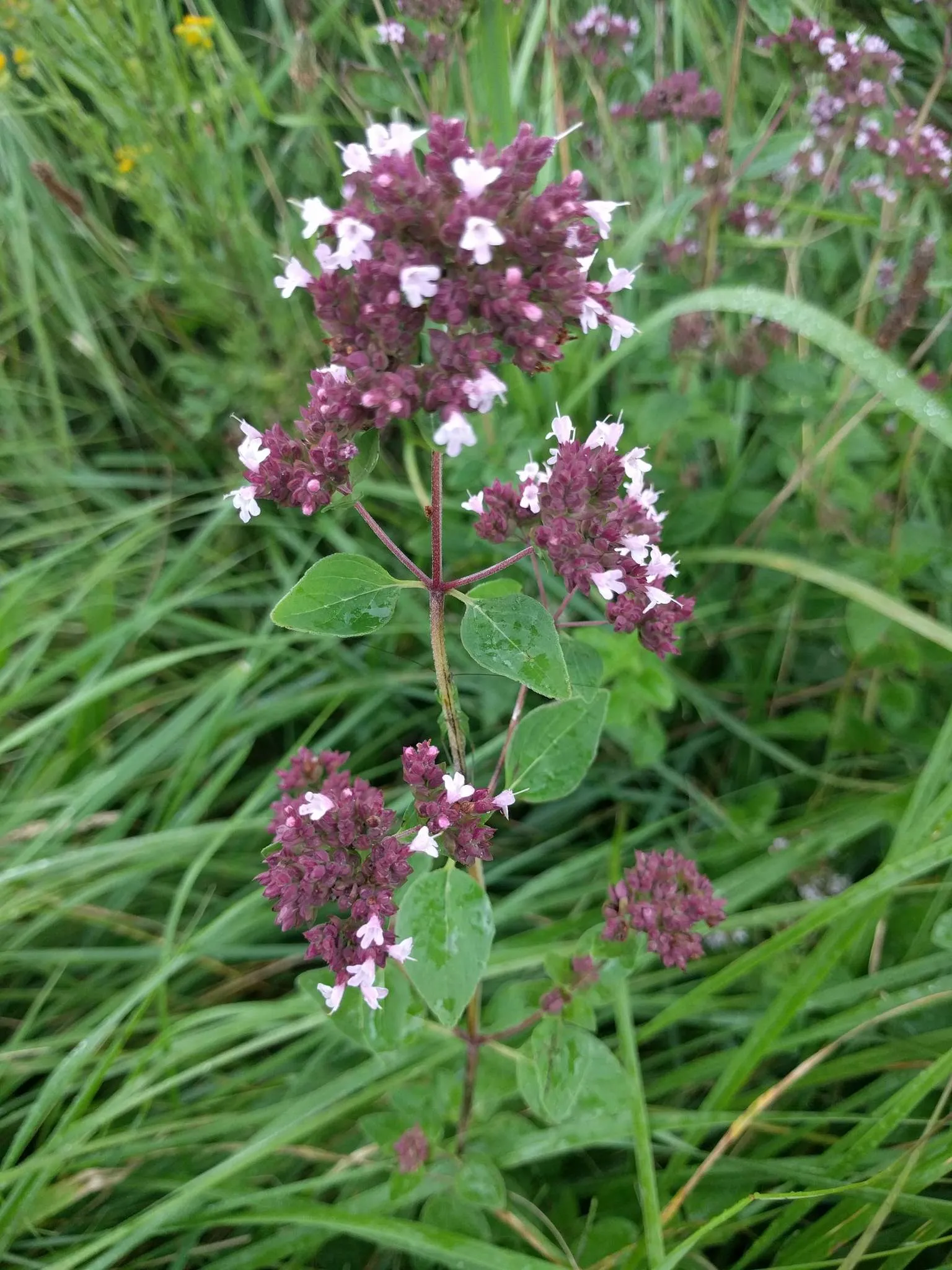
Oregano (Origanum vulgare) is a perennial herb hardy in zones 4a through 9b, one of the broadest zone ranges among culinary herbs. Established plants return each spring without replanting, and flavor intensity typically increases as the crown matures. First-year plants grown from transplant reach harvestable size in 80 to 110 days; second-year and older crowns often produce harvestable stems by late spring.
The single decision that most separates a productive planting from a disappointing one is variety selection. Common oregano sold at garden centers is frequently unlabeled and carries mild, nearly neutral flavor. Greek oregano (var. hirtum) carries a significantly higher essential oil concentration, producing the assertive, peppery fragrance associated with Mediterranean cooking. Growers who plant whatever unnamed pot is on the nursery rack often conclude oregano isn't worth growing. It is, but variety choice matters more than almost any other decision.
In zones 4 and 5, plants die back to the crown after hard frost and return in spring; a light mulch around (not over) the crown reduces winter losses in marginal years. In zones 8b and 9, summer heat can trigger early bolting, which reduces leaf oil concentration. Harvesting before flower buds open preserves the strongest flavor regardless of zone. The plant's wide adaptability means most growers in the contiguous US can succeed, though the management details differ meaningfully by climate.
Recommended varieties
See all 3 →3 cultivars for home growers, with notes on flavor, ripening, and disease resistance.
| Variety | Notes | Zone fit | Disease resistance |
|---|---|---|---|
| Greek (var. hirtum) | Strong, peppery, the authentic Mediterranean oregano flavor; small fuzzy gray-green leaves. Pizza, tomato sauce, lamb, roast vegetables. The cook's oregano, fragrance and pungency much higher than common oregano. | | none noted |
| Italian | Mild oregano flavor, slight marjoram sweetness; bright green smooth leaves. Italian cooking, fresh garnish, vinegar infusions. Less pungent than Greek but easier eating fresh. | | none noted |
| Hot and Spicy | Peppery, almost spicy heat; the hottest oregano cultivar available. Mexican and Italian cooking, dried for spice rubs. Cold-hardy and productive. | | none noted |
Soil and site requirements
Oregano is a Mediterranean native, and its site requirements reflect that origin. Full sun is the baseline requirement: fewer than 6 hours of direct daily light produces noticeably weaker flavor. South-facing exposures and slopes suit it well. Drainage is equally critical. Plants in heavy clay or chronically moist ground rarely persist as the perennials they should be; crown rot in wet soils is a predictable outcome.
Soil pH between 6.0 and 8.0 is acceptable. Slightly alkaline conditions, closer to 7.5, are often associated with more concentrated essential oils, consistent with the rocky, low-fertility soils of the plant's native range. Amending with compost before planting is reasonable, but high-nitrogen fertilizers encourage lush, flavorless growth at the expense of the aromatic compounds that make oregano useful. Lean soil produces better flavor.
Space transplants 12 to 18 inches apart to allow air circulation and prevent moisture from collecting at the crown. Mature clumps spread to 18 to 24 inches wide over several seasons; plan accordingly when siting near other perennials. Raised beds and rock gardens are reliable microhabitats. Container culture works in any zone: terra cotta pots with fast-draining mix perform well, and in zones 4 and 5, containers can be moved indoors to avoid the freeze-thaw cycles that kill borderline plantings in the ground.
Common pests
Common challenges
Three problems account for most oregano failures: poor drainage causing crown rot, insufficient sun, and variety-related flavor disappointment.
Crown rot is the most common cause of plant death, particularly over winter. Oregano crowns in waterlogged soil, especially during freeze-thaw cycles, do not survive. The fix is site selection: plant in well-drained ground, avoid mulching directly over the crown (mulch around the drip line only), and do not supplement rainfall with irrigation once plants are established. Healthy established plants in zones 4 through 9 generally need no supplemental water except during prolonged drought.
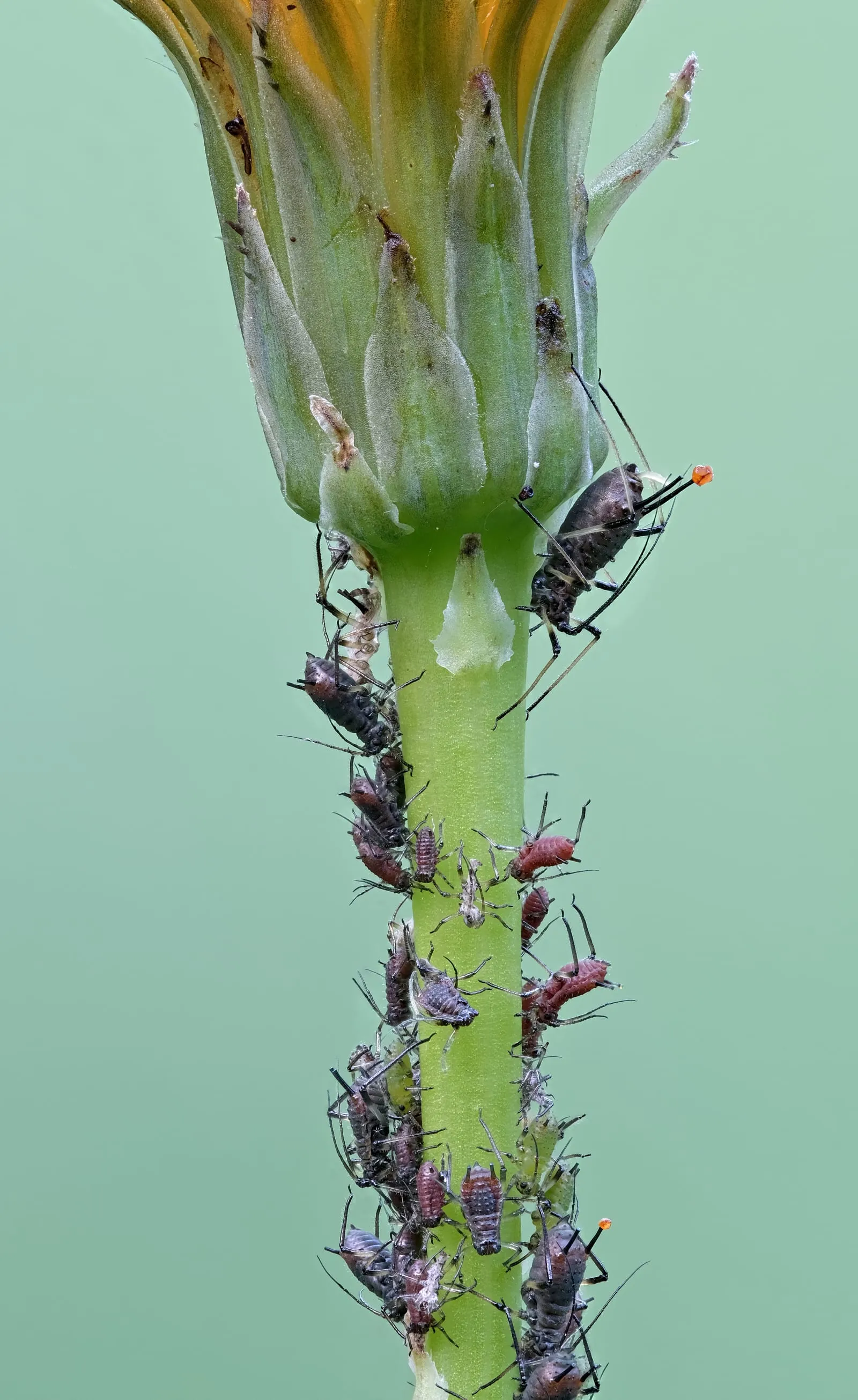
Aphids are the primary pest concern, typically appearing on tender new spring growth. Infestations are rarely severe enough to threaten plant survival, but heavy pressure can distort young stems. A strong water spray or dilute insecticidal soap handles most cases. Check the undersides of leaves when growth flushes in early spring.
Flavor disappointment is a distinct and common category of failure. Growers expecting assertive, peppery oregano from unlabeled nursery stock are often surprised by how mild the result is. Greek oregano (var. hirtum) consistently outperforms common oregano on flavor intensity. If a harvest smells faintly herbaceous rather than strongly aromatic, the variety is almost certainly the cause, not the growing conditions. Replacing with a verified hirtum selection resolves the issue entirely. Harvesting stems just before flower buds open, when essential oil concentration peaks, also improves the result regardless of variety.
Frequently asked questions
- Does oregano require chill hours to produce?
No. Oregano is grown for its foliage, not fruit, and has no chill-hour requirement. As a perennial, the crown goes dormant in cold climates and resumes growth when temperatures warm in spring. Productive harvests begin in the first season from transplant, 80 to 110 days after planting.
- How long does oregano take to reach first harvest?
First-year transplants are typically harvestable in 80 to 110 days. Established crowns in their second year and beyond often produce harvest-ready stems earlier in the season, as the root system is already developed. Harvest before flowering for peak flavor.
- What USDA zones support oregano as a perennial?
Oregano is reliably perennial in zones 4a through 9b. In zones 4 and 5, plants die back to the crown after hard frost and return in spring; a light mulch around the root zone reduces winter losses in exposed sites. In zones 8b and 9, summer heat can trigger early bolting.
- Does oregano need pollinators to produce?
Pollinators are not required for leaf production. Oregano is grown as a foliage crop and the flowers are generally removed or harvested before they open to maintain flavor. Bees and other insects do visit oregano flowers readily, making it a useful companion plant, but the leaf harvest is independent of pollination.
- What is the most common pest problem with oregano?
Aphids are the most frequently encountered pest, typically clustering on new spring growth. They are rarely severe enough to threaten established plants. A strong water spray or dilute insecticidal soap applied to affected stems and leaf undersides resolves most infestations without further intervention.
- Why does home-grown oregano taste bland?
Variety is almost always the cause. Common oregano from unlabeled nursery pots carries low essential oil content and mild flavor. Greek oregano (var. hirtum) is substantially more pungent and aromatic. Harvesting before flower buds open, when oil concentration peaks, also improves flavor in any variety.
- Does oregano have significant disease problems?
Oregano has few serious disease problems when sited correctly. The primary threat is crown rot in poorly drained or waterlogged soils, which is a site and drainage issue rather than a pathogen-specific one. Good drainage and adequate air circulation around the crown prevent most losses.
+−
+−
+−
+−
+−
+−
+−
Sources
Image: "Origanum vulgare 149176132", by Michel Langeveld, via Wikimedia Commons, licensed under CC-BY. Source.

Oregano by zone
Related