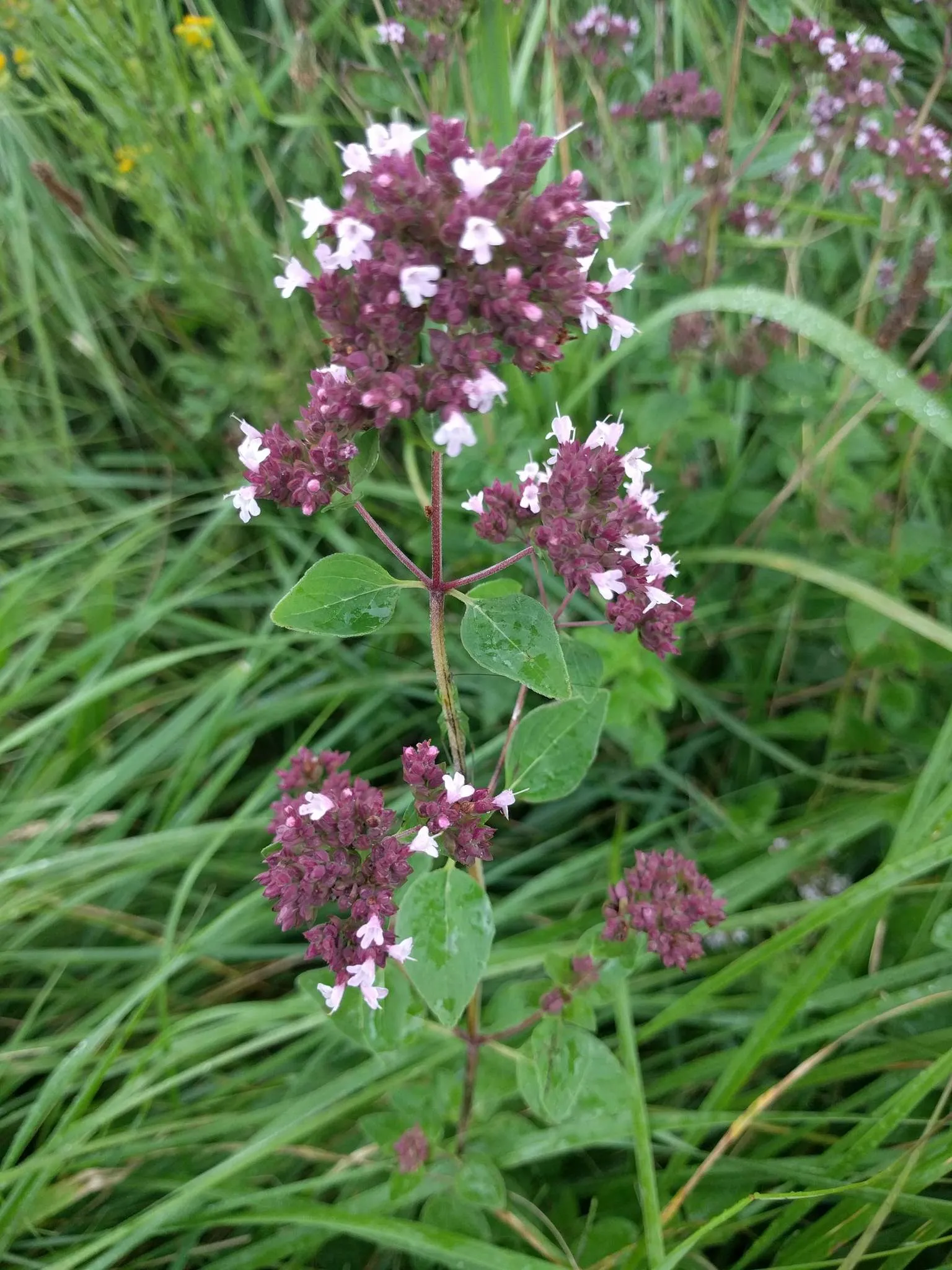
herb in zone 8a
Growing oregano in zone 8a
Origanum vulgare
- Zone
- 8a 10°F to 15°F
- Growing season
- 240 days
- Suitable varieties
- 2
- Days to harvest
- 80 to 110
The verdict
Zone 8a is a genuine sweet spot for oregano. Unlike fruit crops, oregano has no chill-hour requirement, so the zone's mild winters are a straightforward advantage rather than a variable to manage. Minimum temperatures in the 10 to 15°F range fall well above the damage threshold for established oregano plants, which can tolerate short dips to around 0°F once rooted in. Both Greek oregano (var. hirtum) and Italian oregano overwinter as true perennials here, meaning the crown persists year to year without replanting.
The 240-day growing season allows multiple harvests from a single planting and enough warm weather for plants to accumulate the aromatic oils that peak just before bloom. The main constraint in zone 8a is not cold but heat and humidity: sustained summer temperatures can push plants toward early senescence, and wet soil in warm weather invites root rot faster than in drier Mediterranean climates. Managed correctly, zone 8a is about as favorable as it gets for oregano in the continental US.
Recommended varieties for zone 8a
2 cultivars suited to this zone, with disease-resistance and zone-fit annotations.
| Variety | Notes | Zone fit | Disease resistance |
|---|---|---|---|
| Greek (var. hirtum) fits zone 8a | Strong, peppery, the authentic Mediterranean oregano flavor; small fuzzy gray-green leaves. Pizza, tomato sauce, lamb, roast vegetables. The cook's oregano, fragrance and pungency much higher than common oregano. | | none noted |
| Italian fits zone 8a | Mild oregano flavor, slight marjoram sweetness; bright green smooth leaves. Italian cooking, fresh garnish, vinegar infusions. Less pungent than Greek but easier eating fresh. | | none noted |
Critical timing for zone 8a
Oregano established from transplants or divisions in early spring (late February through March in zone 8a) will reach harvestable size by May. Direct-seeded plants take several weeks longer to reach harvest size, making fall or winter transplanting a workable alternative given the mild winters.
Bloom typically arrives in late May through June in zone 8a. Flavor concentration peaks in the days just before flowers fully open, which is the optimal harvest window. After the first flush of bloom, cutting plants back by about half encourages a second flush of vegetative growth and extends the high-quality harvest into late summer. The first fall frost in zone 8a typically arrives in late November, leaving a long post-bloom window for a final harvest and for plants to harden off before winter.
Common challenges in zone 8a
- ▸ Insufficient chill hours for some apple varieties
- ▸ Pierce's disease in grapes
- ▸ Heat stress on cool-season crops
Modified care for zone 8a
The primary adjustment for zone 8a is managing summer moisture and airflow. Greek oregano (var. hirtum), with its dense, woolly leaf texture, tolerates heat and humidity somewhat better than Italian types and is the safer default for the hotter parts of zone 8a. Regardless of variety, raised beds or sharply draining soil matter more here than in cooler, drier climates. Standing moisture at the crown during warm weather is the most common cause of plant loss.
Winter protection is generally unnecessary for established plants in zone 8a, though a light layer of loose mulch pulled back from the crown can buffer against the occasional hard freeze below 10°F. Cutting plants back in late fall rather than leaving dead stems standing reduces overwintering habitat for slugs and improves airflow at the base when growth resumes in late winter.
Frequently asked questions
- Does oregano die back in zone 8a winters?
Established oregano plants typically remain semi-evergreen in zone 8a. Top growth may look ragged after a hard freeze, but the crown survives minimum temperatures in the 10 to 15°F range without protection. New growth resumes in late winter, often before the last frost date.
- Which oregano variety performs best in zone 8a heat?
Greek oregano (Origanum vulgare var. hirtum) handles zone 8a summers better than most other types. Its dense, hairy leaves reduce moisture loss under heat stress, and it maintains strong flavor even during warm spells. Italian oregano is also reliable but may bolt earlier in prolonged heat.
- Can oregano be harvested year-round in zone 8a?
Practically, yes. Leaf harvest is possible any time the plant has green growth, which in zone 8a spans most of the year. Peak flavor occurs just before bloom in late spring. Winter harvests are lighter but feasible during mild stretches.
+−
+−
+−
Oregano in adjacent zones
Image: "Origanum vulgare 149176132", by Michel Langeveld, via Wikimedia Commons, licensed under CC-BY Source.

Related