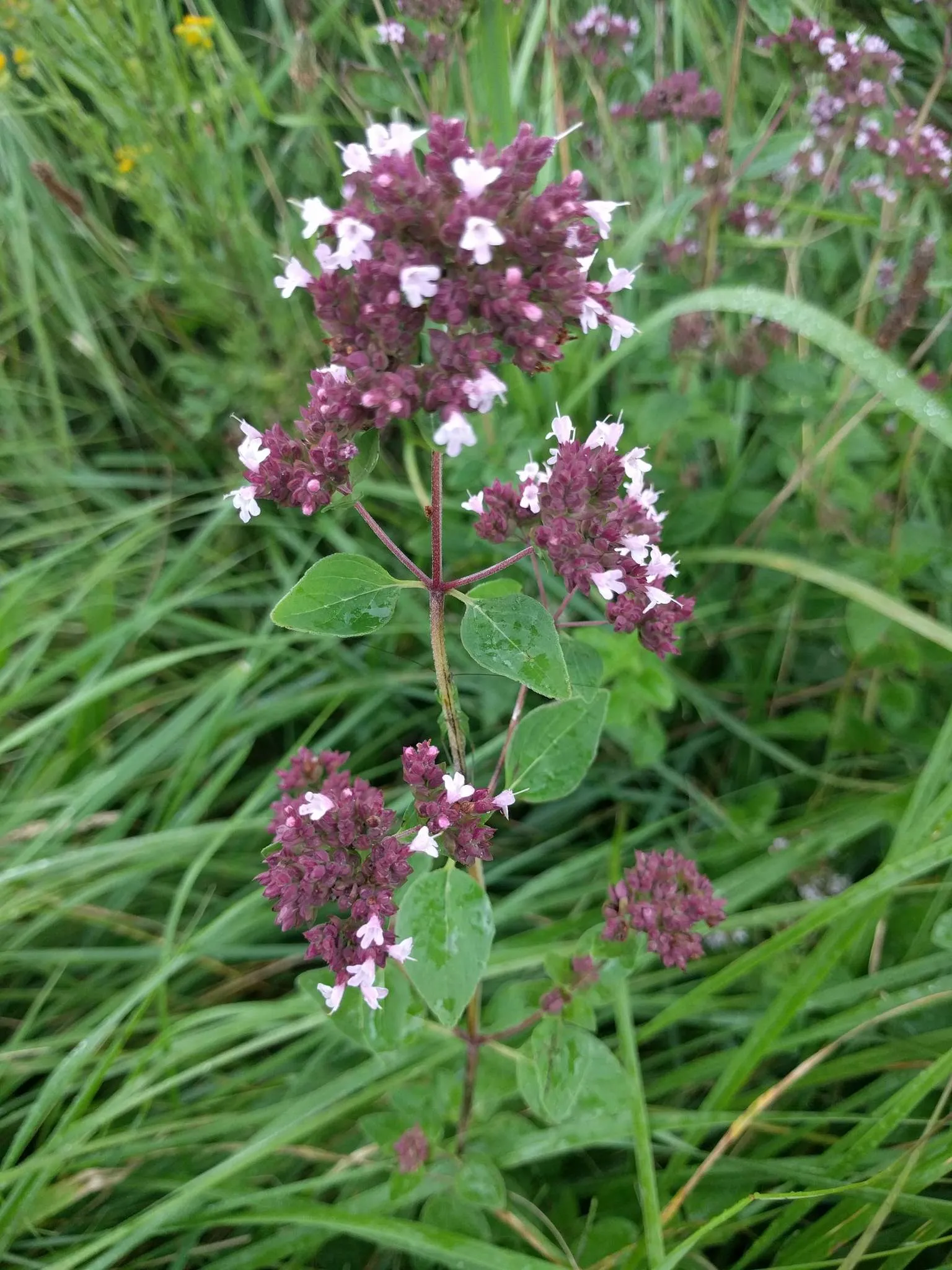
herb in zone 7b
Growing oregano in zone 7b
Origanum vulgare
- Zone
- 7b 5°F to 10°F
- Growing season
- 220 days
- Suitable varieties
- 3
- Days to harvest
- 80 to 110
The verdict
Zone 7b sits near the center of oregano's perennial range, not a marginal fit. Most culinary oregano varieties overwinter reliably when minimum temperatures stay between 5 and 10°F, which maps directly to zone 7b's thermal floor. Unlike fruit trees, oregano has no chill-hour requirement, so the zone's 220-day growing season is simply more opportunity to harvest, not a limiting factor.
Greek oregano (var. hirtum) is the most cold-tolerant of the widely grown culinary types and carries through zone 7b winters without protection in most years. Italian and Hot and Spicy varieties are somewhat less cold-hardy but established plants with good drainage generally come through without significant dieback. The bigger concern in zone 7b is not cold but humidity: the piedmont's warm, wet summers stress oregano more than its winters do.
Recommended varieties for zone 7b
3 cultivars suited to this zone, with disease-resistance and zone-fit annotations.
| Variety | Notes | Zone fit | Disease resistance |
|---|---|---|---|
| Greek (var. hirtum) fits zone 7b | Strong, peppery, the authentic Mediterranean oregano flavor; small fuzzy gray-green leaves. Pizza, tomato sauce, lamb, roast vegetables. The cook's oregano, fragrance and pungency much higher than common oregano. | | none noted |
| Italian fits zone 7b | Mild oregano flavor, slight marjoram sweetness; bright green smooth leaves. Italian cooking, fresh garnish, vinegar infusions. Less pungent than Greek but easier eating fresh. | | none noted |
| Hot and Spicy fits zone 7b | Peppery, almost spicy heat; the hottest oregano cultivar available. Mexican and Italian cooking, dried for spice rubs. Cold-hardy and productive. | | none noted |
Critical timing for zone 7b
Transplants or divisions can go into the ground after last frost, typically mid-March to early April in zone 7b. Direct-seeded starts indoors 8 to 10 weeks before that window transplant well. Foliage is most flavorful before flower buds open, so the main harvest window runs from late May through mid-June, when stems are leafy and oils are concentrated.
Flowering begins in late June and continues through August. Cutting plants back by half at first bloom extends vegetative growth and delays seed set. A second lighter harvest is possible in September as summer heat eases. The first fall frost, typically mid-October to early November in zone 7b, kills back above-ground growth but not the crown on established plants.
Common challenges in zone 7b
- ▸ Cedar-apple rust pressure heavy in piedmont
- ▸ Japanese beetles
- ▸ Brown marmorated stink bug
- ▸ Late summer disease pressure
Modified care for zone 7b
The primary adjustment for zone 7b is drainage. Oregano evolved on rocky Mediterranean slopes with fast-draining, low-fertility soils. Zone 7b's piedmont clay retains moisture that encourages crown rot and fungal issues, especially during the region's humid late-summer period. Raised beds or slopes, gritty amendments, and avoiding overhead irrigation reduce that risk substantially.
Japanese beetles feed on oregano foliage from late June through August; hand removal works on small plantings. Brown marmorated stink bug damage is largely cosmetic on an herb grown for foliage. Winter protection is rarely necessary for established Greek or Italian types in zone 7b, but newly planted divisions in their first fall benefit from a light mulch pulled back in early March to prevent crown rot as soils warm.
Frequently asked questions
- Does oregano come back every year in zone 7b?
Yes, established oregano is reliably perennial in zone 7b. Greek oregano (var. hirtum) is the most cold-hardy option and survives typical zone 7b winters without protection. Plants in their first winter benefit from light mulch once the ground cools.
- When should oregano be planted outdoors in zone 7b?
Transplants go out after the last frost, typically mid-March to early April. Starting seeds indoors 8 to 10 weeks before that date gives plants a head start and produces a harvestable crop by late May.
- Why does oregano grown in zone 7b sometimes taste bland?
High humidity and fertile, moisture-retaining soils dilute the essential oils that give oregano its flavor. Greek oregano grown in lean, fast-draining soil with full sun produces more concentrated oils than the same variety grown in amended garden beds. Harvest just before bloom for peak flavor.
- How many times can oregano be harvested in a zone 7b growing season?
Two to three harvests are typical across zone 7b's 220-day season. The main cut comes just before first bloom in late May or June, a second lighter harvest follows in September, and some growers take a modest late-spring cutting before the plant flowers again the following year.
+−
+−
+−
+−
Oregano in adjacent zones
Image: "Origanum vulgare 149176132", by Michel Langeveld, via Wikimedia Commons, licensed under CC-BY Source.

Related