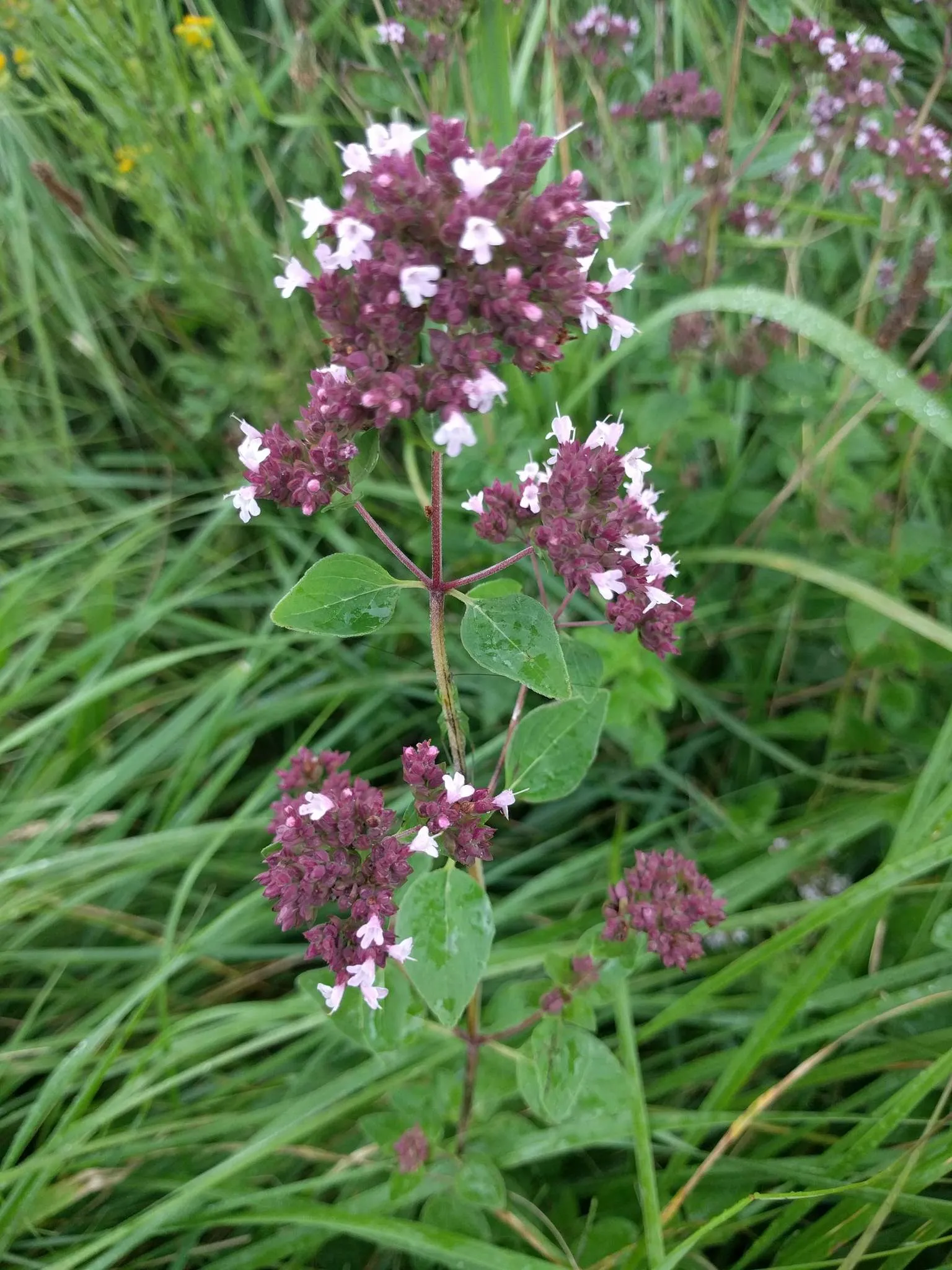
herb in zone 7a
Growing oregano in zone 7a
Origanum vulgare
- Zone
- 7a 0°F to 5°F
- Growing season
- 210 days
- Suitable varieties
- 3
- Days to harvest
- 80 to 110
The verdict
Zone 7a is a reliable home for oregano, not a marginal one. Minimum winter temperatures in the 0 to 5°F range fall within the cold tolerance of established plants, and Greek (var. hirtum), Italian, and Hot and Spicy varieties all overwinter as perennials here without significant die-back in most years. The 210-day growing season is well in excess of what oregano needs to establish, mature, and deliver multiple harvests before autumn frost closes the season.
The limiting factor in zone 7a is not cold but humidity. Oregano evolved on dry Mediterranean hillsides with excellent drainage and low summer moisture. Zone 7a summers, especially across the mid-Atlantic and upper South portions of this zone, bring persistent humidity that stresses plants sited in heavy or compacted soils. That single condition, poor drainage rather than winter cold, is what pushes zone 7a oregano from easy to managed. Given full sun and fast-draining soil, the crop performs consistently across all three varieties listed.
Recommended varieties for zone 7a
3 cultivars suited to this zone, with disease-resistance and zone-fit annotations.
| Variety | Notes | Zone fit | Disease resistance |
|---|---|---|---|
| Greek (var. hirtum) fits zone 7a | Strong, peppery, the authentic Mediterranean oregano flavor; small fuzzy gray-green leaves. Pizza, tomato sauce, lamb, roast vegetables. The cook's oregano, fragrance and pungency much higher than common oregano. | | none noted |
| Italian fits zone 7a | Mild oregano flavor, slight marjoram sweetness; bright green smooth leaves. Italian cooking, fresh garnish, vinegar infusions. Less pungent than Greek but easier eating fresh. | | none noted |
| Hot and Spicy fits zone 7a | Peppery, almost spicy heat; the hottest oregano cultivar available. Mexican and Italian cooking, dried for spice rubs. Cold-hardy and productive. | | none noted |
Critical timing for zone 7a
Transplants set out after the last frost, typically mid-April in zone 7a, reach harvestable size within 6 to 8 weeks under full sun. The flavor peak arrives just before bloom, when essential oil concentration is highest. Expect flowers in late June through July depending on variety; Greek (var. hirtum) tends to bloom slightly later and more heavily than Italian types.
Harvest the bulk of stems at or just before flower bud opening. A second cut in late summer is practical in a 210-day season. Regrowth after a one-third to one-half cutback recovers in 3 to 4 weeks during zone 7a's warm summers, producing usable growth again well before the first autumn frost, which typically arrives mid-November.
Common challenges in zone 7a
- ▸ Cedar-apple rust
- ▸ Brown rot
- ▸ Fire blight
- ▸ High humidity disease pressure
Modified care for zone 7a
Two adjustments matter most for zone 7a compared to the crop's drier native range. First, soil drainage takes priority over everything else. In clay-heavy soils common across much of zone 7a, amend with coarse grit or grow in raised beds. Saturated roots over winter or during summer rain periods cause crown rot far more readily than the zone's cold does. Keep mulch away from the crown to avoid trapping moisture at ground level.
Second, spacing affects survival. The zone's high humidity disease pressure is mostly a non-issue for oregano since it is not a host for Cedar-apple rust, Brown rot, or Fire blight. The actual fungal risk is crown and foliar rot in crowded plantings. Spacing plants 12 to 18 inches apart and thinning interior stems annually maintains airflow. Established plants rarely need winter protection in zone 7a; fall transplants benefit from a light straw mulch applied after the first hard frost to buffer temperature swings until roots are settled.
Oregano in adjacent zones
Image: "Origanum vulgare 149176132", by Michel Langeveld, via Wikimedia Commons, licensed under CC-BY Source.

Related