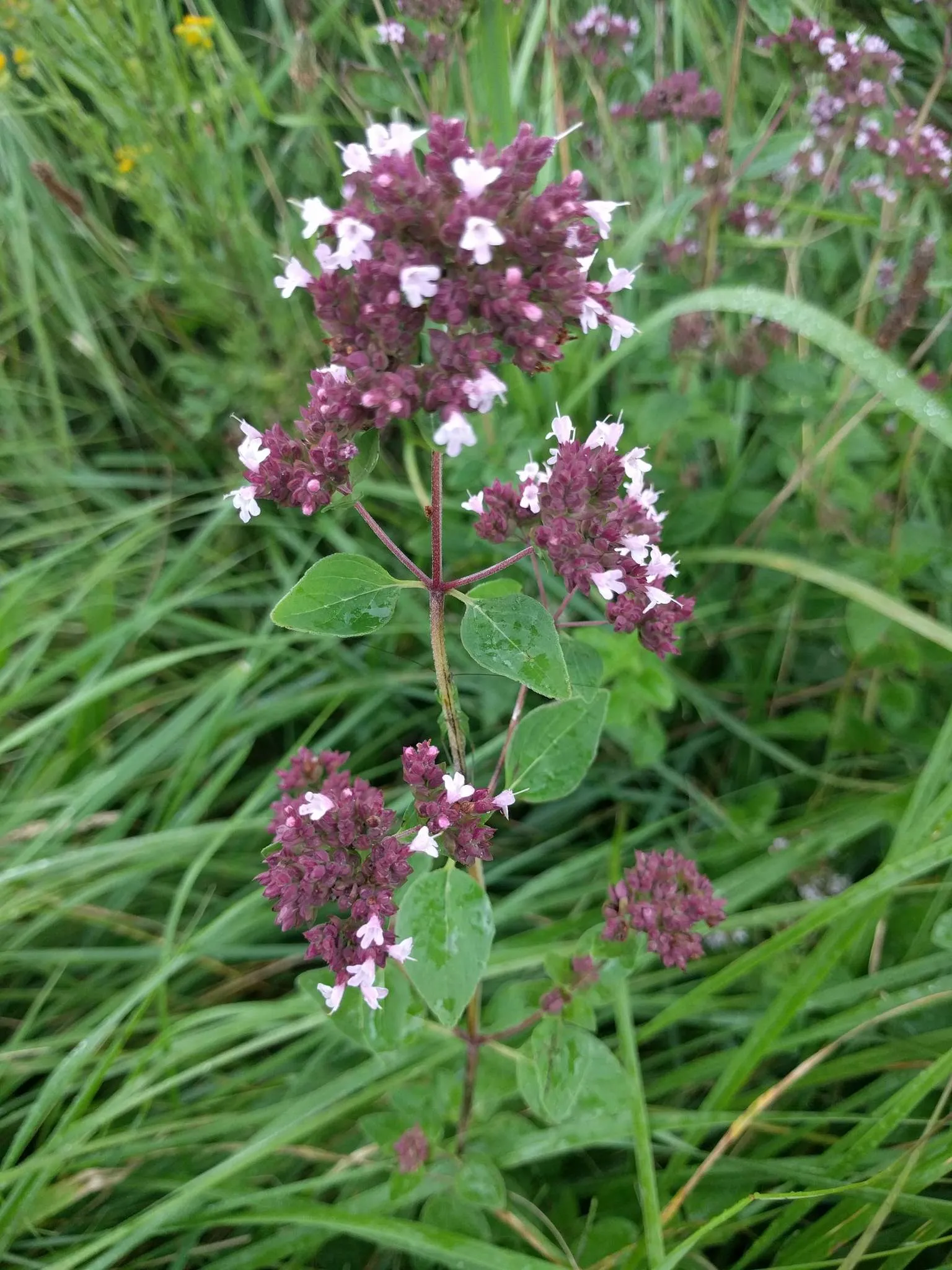
herb in zone 6b
Growing oregano in zone 6b
Origanum vulgare
- Zone
- 6b -5°F to 0°F
- Growing season
- 190 days
- Suitable varieties
- 3
- Days to harvest
- 80 to 110
The verdict
Zone 6b is a reliable zone for oregano, not a marginal one. Most oregano selections are rated hardy to zone 5 or even zone 4, so the -5 to 0°F winter temperature range typical of zone 6b falls well within what established plants can survive. The 190-day growing season provides more than enough warm weather for the plant to develop full flavor, set seed, and recharge its root system before frost.
Of the three varieties suited to this zone, Greek oregano (var. hirtum) is the standout for both hardiness and culinary potency. Its narrow, hairy leaves and compact habit help it endure temperature swings without dieback to the crown. Italian oregano is slightly milder in flavor and similarly hardy. Hot and Spicy oregano, a hybrid, is vigorous in warm months but benefits from a bit more mulch protection going into winter in zone 6b. None of these selections require chill hours the way fruit trees do; the limiting factor here is drainage and crown moisture during freeze-thaw cycles, not cold exposure alone.
Recommended varieties for zone 6b
3 cultivars suited to this zone, with disease-resistance and zone-fit annotations.
| Variety | Notes | Zone fit | Disease resistance |
|---|---|---|---|
| Greek (var. hirtum) fits zone 6b | Strong, peppery, the authentic Mediterranean oregano flavor; small fuzzy gray-green leaves. Pizza, tomato sauce, lamb, roast vegetables. The cook's oregano, fragrance and pungency much higher than common oregano. | | none noted |
| Italian fits zone 6b | Mild oregano flavor, slight marjoram sweetness; bright green smooth leaves. Italian cooking, fresh garnish, vinegar infusions. Less pungent than Greek but easier eating fresh. | | none noted |
| Hot and Spicy fits zone 6b | Peppery, almost spicy heat; the hottest oregano cultivar available. Mexican and Italian cooking, dried for spice rubs. Cold-hardy and productive. | | none noted |
Critical timing for zone 6b
In zone 6b, oregano breaks dormancy and puts on new growth in early to mid-April, typically 1 to 2 weeks after the average last frost. Flower buds appear in late June, with full bloom running through July and into August depending on the summer heat pattern. Flavor concentration peaks just before and during early bloom, making that window the target for the most potent harvest cuts.
A final light harvest can be taken in early September, leaving enough foliage to sustain the plant through the first frost, which arrives on average in mid-October. Avoid cutting back hard after mid-August in zone 6b; late pruning delays the lignification that helps stems survive winter.
Common challenges in zone 6b
- ▸ Cedar-apple rust
- ▸ Fire blight
- ▸ Stink bugs
Modified care for zone 6b
The main adaptation in zone 6b is managing soil moisture through winter. Oregano tolerates the cold but is vulnerable to crown rot when frozen soil holds moisture against the base. Planting in well-draining, slightly gritty soil and avoiding low spots in the bed reduces this risk more than any other single practice. A light mulch of gravel or coarse sand around the crown helps without trapping humidity.
Stink bugs, which are active in this zone from late summer through early fall, occasionally feed on oregano foliage and stems. The damage is cosmetic rather than severe, but a late-season harvest before populations peak reduces contact. For Hot and Spicy oregano specifically, a 2 to 3 inch layer of straw mulch applied after the first hard frost adds insurance against crown damage in years with little snow cover.
Oregano in adjacent zones
Image: "Origanum vulgare 149176132", by Michel Langeveld, via Wikimedia Commons, licensed under CC-BY Source.

Related