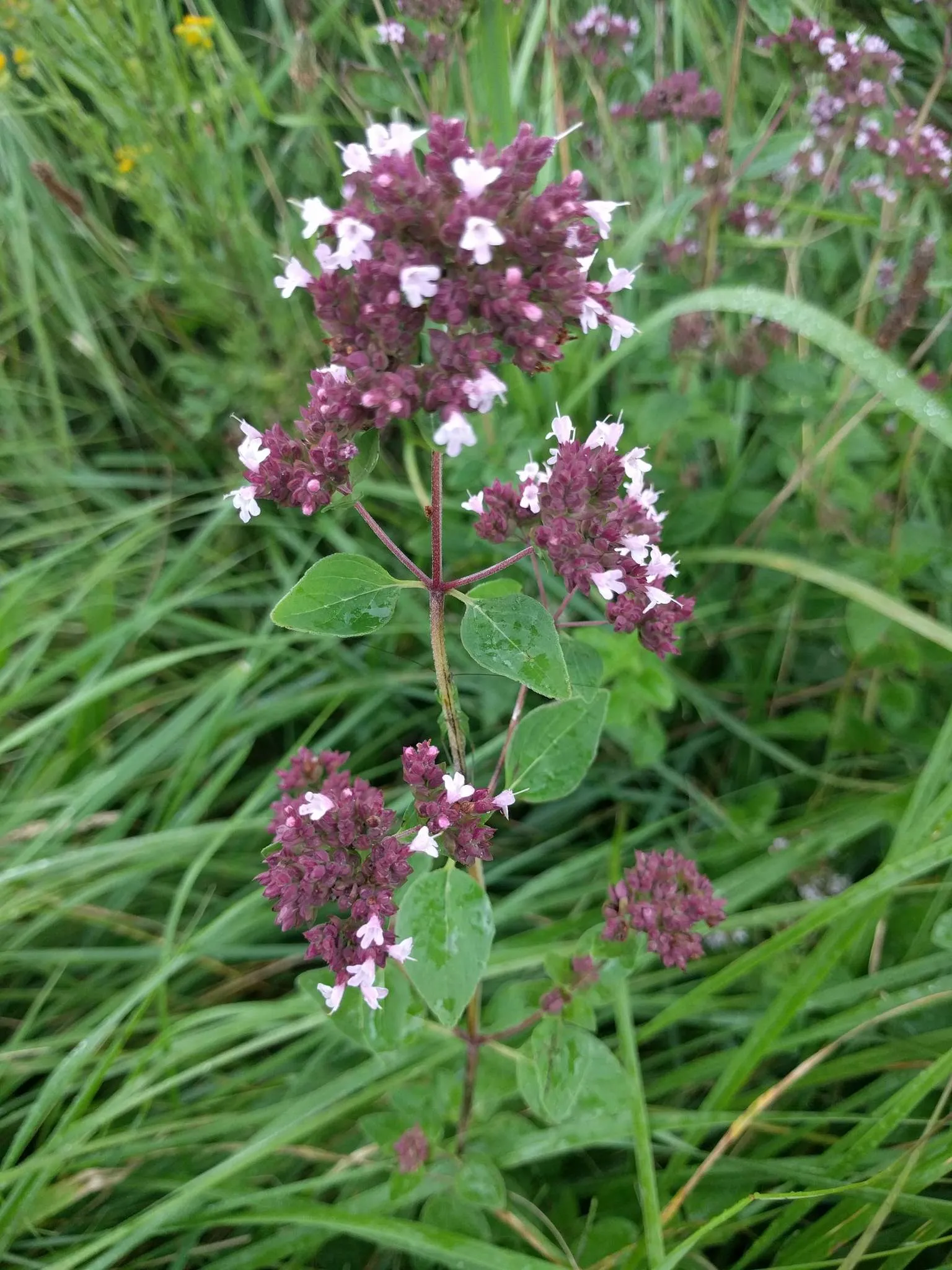
herb in zone 6a
Growing oregano in zone 6a
Origanum vulgare
- Zone
- 6a -10°F to -5°F
- Growing season
- 180 days
- Suitable varieties
- 3
- Days to harvest
- 80 to 110
The verdict
Zone 6a, with winter lows between -10 and -5°F and a growing season of roughly 180 days, is a reliable zone for oregano rather than a marginal one. Oregano is not a chill-hour crop in the way that fruit trees are; it does not require a cold dormancy period to flower or produce well. What it does require is a growing season long enough to establish before the first hard freeze, and 180 days comfortably satisfies that.
Greek oregano (var. hirtum) is notably cold-tolerant and the strongest performer at the cold edge of this zone. Italian and Hot and Spicy types are somewhat less cold-hardy but will typically survive zone 6a winters with good drainage and appropriate site selection. Established plants that die back to the crown in winter generally resprout reliably in spring. New transplants set out in the same year as a hard early fall freeze are more vulnerable. Overall, zone 6a growers can treat oregano as a long-lived perennial with only modest winter protection measures needed.
Recommended varieties for zone 6a
3 cultivars suited to this zone, with disease-resistance and zone-fit annotations.
| Variety | Notes | Zone fit | Disease resistance |
|---|---|---|---|
| Greek (var. hirtum) fits zone 6a | Strong, peppery, the authentic Mediterranean oregano flavor; small fuzzy gray-green leaves. Pizza, tomato sauce, lamb, roast vegetables. The cook's oregano, fragrance and pungency much higher than common oregano. | | none noted |
| Italian fits zone 6a | Mild oregano flavor, slight marjoram sweetness; bright green smooth leaves. Italian cooking, fresh garnish, vinegar infusions. Less pungent than Greek but easier eating fresh. | | none noted |
| Hot and Spicy fits zone 6a | Peppery, almost spicy heat; the hottest oregano cultivar available. Mexican and Italian cooking, dried for spice rubs. Cold-hardy and productive. | | none noted |
Critical timing for zone 6a
In zone 6a, the last spring frost typically falls in late April, and the first fall frost arrives in mid to late October. Oregano transplants go out after the last frost date; direct seeding outdoors works from mid-May once soil has warmed. Plants established in spring will enter their first bloom window in midsummer, generally July into early August.
For culinary use, flavor and volatile oil concentration peak just before flowers fully open. Harvesting stems when buds are forming but not yet open captures the highest oil content. A second light harvest is often possible in late August or September before growth slows. The 180-day season is sufficient for two harvests in most zone 6a locations, though the second depends on how early fall temperatures drop.
Common challenges in zone 6a
- ▸ Brown rot in stone fruit
- ▸ Japanese beetles
- ▸ Spring frost damage to peach buds
Modified care for zone 6a
The primary zone 6a adjustment for oregano is winter protection for plants in their first season, particularly if transplanted late in the season. A 2 to 3 inch layer of straw or shredded leaf mulch applied over the crown after the first hard frost reduces freeze-thaw heaving and helps crowns survive in the -10°F range. Mulch should be pulled back in early spring once temperatures stabilize.
Drainage matters more than raw cold tolerance in this zone. Oregano planted in heavy clay or low-lying beds that hold standing water through winter will rot before they freeze. Raised beds or well-amended, sloped sites dramatically improve overwintering success.
Japanese beetle pressure, listed as a zone 6a challenge, can affect oregano foliage in midsummer, though the aromatic oils generally make it a lower-priority target compared to nearby roses or beans. No significant disease concerns have been documented for oregano in this zone.
Frequently asked questions
- Does oregano come back every year in zone 6a?
Yes, established oregano plants reliably overwinter in zone 6a. The top growth dies back after hard frost, but the crown and root system survive and resprout in spring. Greek oregano (var. hirtum) is the most cold-tolerant of the common types and the safest choice for zone 6a perennial production.
- When should oregano be transplanted outdoors in zone 6a?
Transplant after the last frost date, typically late April in zone 6a. Starting transplants indoors 6 to 8 weeks before that date gives plants a head start and ensures a full first-season harvest.
- Does oregano need winter mulching in zone 6a?
First-year plants benefit from a light mulch of straw or shredded leaves applied after the first hard frost to protect the crown. Established plants in well-drained sites often survive without mulching, but the added protection reduces risk, especially in exposed or low-lying beds.
+−
+−
+−
Oregano in adjacent zones
Image: "Origanum vulgare 149176132", by Michel Langeveld, via Wikimedia Commons, licensed under CC-BY Source.

Related