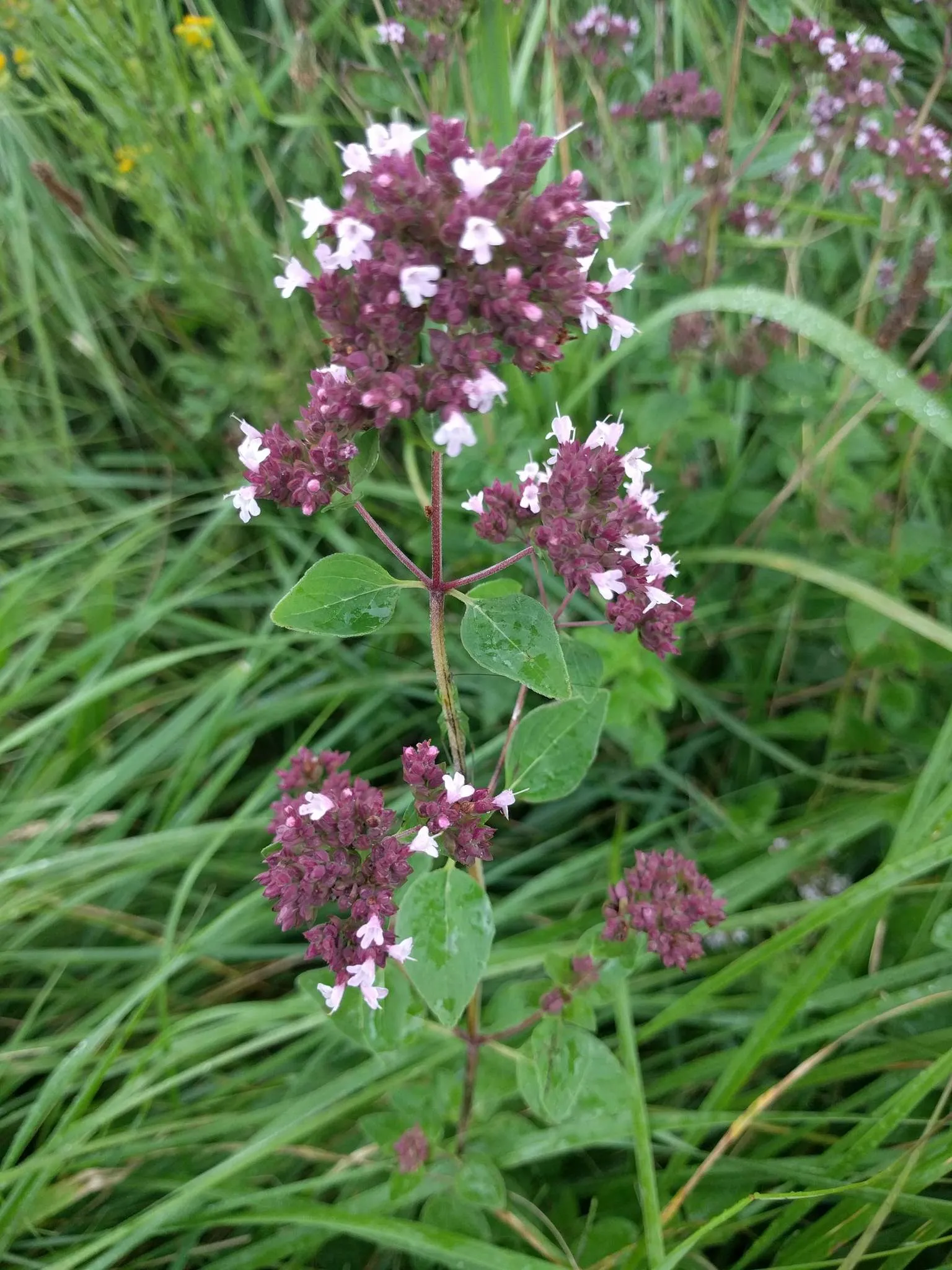
herb in zone 5b
Growing oregano in zone 5b
Origanum vulgare
- Zone
- 5b -15°F to -10°F
- Growing season
- 165 days
- Suitable varieties
- 3
- Days to harvest
- 80 to 110
The verdict
Oregano is well-suited to zone 5b and performs reliably across most of the zone's temperature range. Winter lows of -15 to -10°F are within the tolerance of established oregano plants, provided drainage is adequate, since crown rot from saturated, frozen soil is a more common cause of loss than cold itself. Of the three varieties listed here, Greek oregano (var. hirtum) is the most aromatic and the most widely grown, but it sits at the edge of reliable hardiness in zone 5b winters; it survives most years but benefits from a light mulch cover after the ground freezes. Italian oregano is slightly hardier in practice. Hot and Spicy is the most variable, behaving as a short-lived perennial in some zone 5b gardens and as an annual in others. Oregano does not require a chilling period to thrive, so chill hours are not a factor in variety selection here. The 165-day growing season is more than sufficient for full leaf development and multiple harvests.
Recommended varieties for zone 5b
3 cultivars suited to this zone, with disease-resistance and zone-fit annotations.
| Variety | Notes | Zone fit | Disease resistance |
|---|---|---|---|
| Greek (var. hirtum) fits zone 5b | Strong, peppery, the authentic Mediterranean oregano flavor; small fuzzy gray-green leaves. Pizza, tomato sauce, lamb, roast vegetables. The cook's oregano, fragrance and pungency much higher than common oregano. | | none noted |
| Italian fits zone 5b | Mild oregano flavor, slight marjoram sweetness; bright green smooth leaves. Italian cooking, fresh garnish, vinegar infusions. Less pungent than Greek but easier eating fresh. | | none noted |
| Hot and Spicy fits zone 5b | Peppery, almost spicy heat; the hottest oregano cultivar available. Mexican and Italian cooking, dried for spice rubs. Cold-hardy and productive. | | none noted |
Critical timing for zone 5b
In zone 5b, last spring frost typically falls between late April and mid-May depending on elevation and local geography. Oregano transplants can go out once nighttime temperatures hold above 28°F, usually within a week or two of average last frost. Plants establish quickly in warm soil and begin vigorous leafy growth by June. Bloom typically occurs in July and into August. Flavor and volatile oil concentration peak just before the flower buds open, making late June through mid-July the prime harvest window for culinary use. A second, lighter harvest is possible in early September before the first fall frost. First frost in zone 5b generally arrives in October, which ends the outdoor growing season but does not kill established perennial crowns.
Common challenges in zone 5b
- ▸ Plum curculio
- ▸ Codling moth
- ▸ Cedar-apple rust
Modified care for zone 5b
The primary adjustment for zone 5b is winter crown protection for Greek oregano. Plant in a raised bed or a slope where water drains freely; standing moisture around the crown during freeze-thaw cycles causes more losses than cold alone. After the first hard frost, apply 2 to 3 inches of straw or shredded leaves over the crown and remove it in early spring once nighttime temperatures consistently stay above 20°F. Avoid cutting plants back in fall; the old stems provide some insulation and help trap blown mulch. In spring, cut back to the new basal growth once it emerges. The zone challenges listed in zone 5b data, plum curculio, codling moth, and cedar-apple rust, are fruit tree issues and do not affect oregano. Aphids and spider mites are the more relevant pests for this crop, typically appearing during dry spells in mid-summer.
Frequently asked questions
- Does oregano come back every year in zone 5b?
Italian oregano and common oregano reliably overwinter in zone 5b with good drainage and a light mulch cover. Greek oregano (var. hirtum) returns most years but occasionally winterkills in harsh winters or poorly drained sites. Hot and Spicy is the least consistent and is often treated as an annual in zone 5b.
- When should oregano be planted outdoors in zone 5b?
Transplants can go in the ground after the risk of hard frost passes, typically in early to mid-May in zone 5b. Starting seeds indoors 6 to 8 weeks before last frost and transplanting established seedlings gives the best results.
- Which oregano variety tastes strongest in zone 5b?
Greek oregano (var. hirtum) has the highest concentration of volatile oils and the sharpest flavor of the three varieties listed. It performs well in zone 5b summers; heat and drought stress actually intensify the oils. The tradeoff is slightly reduced winter hardiness compared to Italian types.
+−
+−
+−
Oregano in adjacent zones
Image: "Origanum vulgare 149176132", by Michel Langeveld, via Wikimedia Commons, licensed under CC-BY Source.

Related