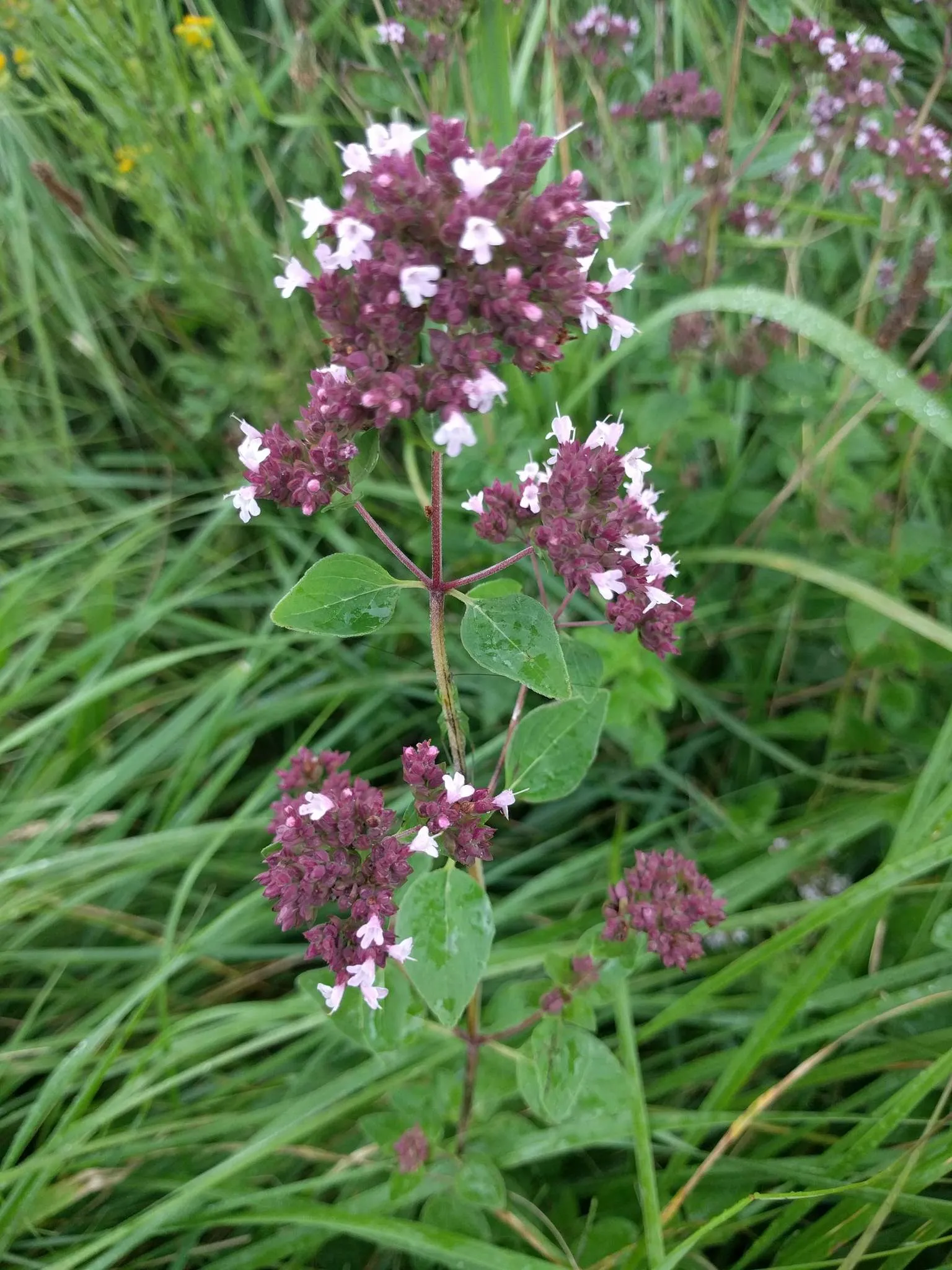
herb in zone 5a
Growing oregano in zone 5a
Origanum vulgare
- Zone
- 5a -20°F to -15°F
- Growing season
- 150 days
- Suitable varieties
- 3
- Days to harvest
- 80 to 110
The verdict
Zone 5a is workable for oregano, but it sits near the cold edge of the crop's reliable range. Oregano is a Mediterranean native that performs best in zones 5b through 9, where winter lows stay above -15°F with some regularity. The -20 to -15°F minimum temperatures in zone 5a represent genuine winterkill risk, particularly for less cold-tolerant varieties.
Greek oregano (var. hirtum) is the hardiest of the common culinary types and typically survives zone 5a winters when established in well-drained soil. Italian and Hot and Spicy varieties are more vulnerable and may not reliably overwinter in severe years. The 150-day growing season is sufficient for full leaf and root development before dormancy.
Overall, this is a marginal zone for oregano: survivable on a well-chosen site, but less forgiving than zone 6 or warmer. Site selection and drainage matter more here than in zones where winterkill is not a practical concern.
Recommended varieties for zone 5a
3 cultivars suited to this zone, with disease-resistance and zone-fit annotations.
| Variety | Notes | Zone fit | Disease resistance |
|---|---|---|---|
| Greek (var. hirtum) fits zone 5a | Strong, peppery, the authentic Mediterranean oregano flavor; small fuzzy gray-green leaves. Pizza, tomato sauce, lamb, roast vegetables. The cook's oregano, fragrance and pungency much higher than common oregano. | | none noted |
| Italian fits zone 5a | Mild oregano flavor, slight marjoram sweetness; bright green smooth leaves. Italian cooking, fresh garnish, vinegar infusions. Less pungent than Greek but easier eating fresh. | | none noted |
| Hot and Spicy fits zone 5a | Peppery, almost spicy heat; the hottest oregano cultivar available. Mexican and Italian cooking, dried for spice rubs. Cold-hardy and productive. | | none noted |
Critical timing for zone 5a
In zone 5a, oregano typically breaks dormancy in late April to early May, following the last hard frosts. Late spring frosts remain a real risk through mid-May in many zone 5a locations, and new growth that emerges early can be burned back without killing an established plant. Transplanting seedlings should wait until after that window closes.
Bloom occurs in July through August. For culinary use, the best harvest window is late June through mid-July, before flower buds fully open, when essential oil concentration peaks. Cutting plants back by half after the first harvest encourages a second flush of growth later in the season. The first fall frost in zone 5a typically arrives between late September and mid-October, ending active growth; established plants go dormant at that point rather than dying, assuming drainage is adequate.
Common challenges in zone 5a
- ▸ Fire blight in pears
- ▸ Cedar-apple rust
- ▸ Late spring frosts
Modified care for zone 5a
The most critical zone 5a adjustment for oregano is site drainage. Wet soil during freeze-thaw cycles kills oregano roots more reliably than cold temperatures alone. Raised beds, slopes, or any spot with naturally sharp drainage significantly improve winter survival rates. Adding coarse gravel beneath the planting hole helps in heavier clay soils.
Apply mulch after the ground freezes to reduce frost heaving, but avoid piling it against stems where moisture collects. For Hot and Spicy varieties, which are less reliably cold-hardy, container growing with winter storage in an unheated garage or cold frame is a practical hedge against loss. The zone 5a disease pressures listed for this region (fire blight, cedar-apple rust) affect tree fruits rather than herbs, so no adjusted spray schedule is needed for oregano specifically.
Oregano in adjacent zones
Image: "Origanum vulgare 149176132", by Michel Langeveld, via Wikimedia Commons, licensed under CC-BY Source.

Related