USDA hardiness zone
Zone 6a
Mid-temperate zone where most temperate fruit crops thrive.
On the zone ramp
- Lowest winter temp
- -10°F to -5°F USDA boundary
- Growing season
- 180 days
- Avg chill hours
- ~1100 below 45°F
- Hardiness rank
- 11 of 26 temperate
- Compatible crops
- 87
- Sample region
- Northern New Jersey
Growing in zone 6a
Zone 6a occupies the mid-temperate band, with winter lows ranging from -10°F to -5°F and a growing season of roughly 180 days. That combination is sufficient to support nearly every temperate fruit tree grown in North America, while being cold enough to exclude frost-tender subtropicals and to test marginal varieties.
The zone covers a broad stretch of the eastern half of the country, including Northern New Jersey, Central Missouri, and Northern Kentucky. The binding constraints vary by subregion. Humid continental climates in New Jersey and Kentucky bring warm summers and adequate moisture, but also elevated disease pressure, particularly brown rot in stone fruit and fungal scab in apples. Missouri's continental interior adds larger temperature swings and drier summers, which reduces some fungal pressure but increases drought stress on young trees.
Among the 12 compatible crops tracked by ZonePlant for this zone, apples, pears, peaches, European and Japanese plums, sweet and sour cherries, and American persimmon all perform reliably when sited correctly. Chill hours are rarely the limiting factor here; zone 6a winters consistently satisfy the dormancy requirements of all standard temperate fruit varieties. The practical constraints are spring frost timing, summer disease pressure, and Japanese beetle activity through late summer.
Frost timing in zone 6a
In most zone 6a locations, the average last spring frost falls between late April and early May. Northern New Jersey's inland valleys average a last frost around April 25; Central Missouri locations trend toward May 5 to May 10. Local elevation and topography can shift those dates by a week or more in either direction, and a late frost two to three weeks beyond the average is possible in any given year.
The first fall frost typically arrives from mid-October through early November. That window carries less weight for fruit growers than the spring date, because most stone and pome fruit crops complete harvest well before October arrives.
The spring date is the more consequential number because peach, plum, and sweet cherry bloom early and are highly vulnerable once buds break. A hard frost at 28°F sustained for several hours can destroy the majority of a peach crop after buds reach pink-tip stage. Late-blooming apple varieties partially sidestep this risk by flowering two to three weeks after early-blooming types. For stone fruit, site selection provides better protection than variety selection alone; plantings on elevated slopes where cold air drains downhill suffer fewer frost events than those in low-lying areas.
Common challenges
- ▸ Brown rot in stone fruit
- ▸ Japanese beetles
- ▸ Spring frost damage to peach buds
Best practices
Prioritize site selection for cold air drainage. Cold air behaves like water, pooling in low spots and hollows on calm spring nights. A planting positioned 20 to 30 feet above the surrounding terrain can mean the difference between crop loss and minimal damage during a late April frost. This matters most for peaches and sweet cherries, which bloom early and are the most frost-susceptible crops in the zone.
Build a fungicide calendar around pre-harvest brown rot. Zone 6a's warm, humid summers create conditions that favor Monilinia brown rot in stone fruit. The highest-risk window runs two to three weeks before harvest, when warm nights and ripe fruit coincide. Selecting varieties with documented brown rot tolerance reduces but does not eliminate the spray requirement; timing applications to the pre-harvest window is more effective than a season-long preventive schedule.
Choose scab-resistant apple varieties from the start. Apple scab (Venturia inaequalis) is endemic across humid zone 6a subregions and begins infecting tissue at petal fall. Varieties such as Liberty, Enterprise, and GoldRush carry strong scab resistance and can reduce the fungicide program from eight or more applications per season to two or three, which substantially lowers input costs on established plantings.
What to grow in zone 6a
87 crops from our database fit zone 6a, grouped by type. Click through for zone-specific variety recommendations.
Tree fruit
12 crops
 zone 6a
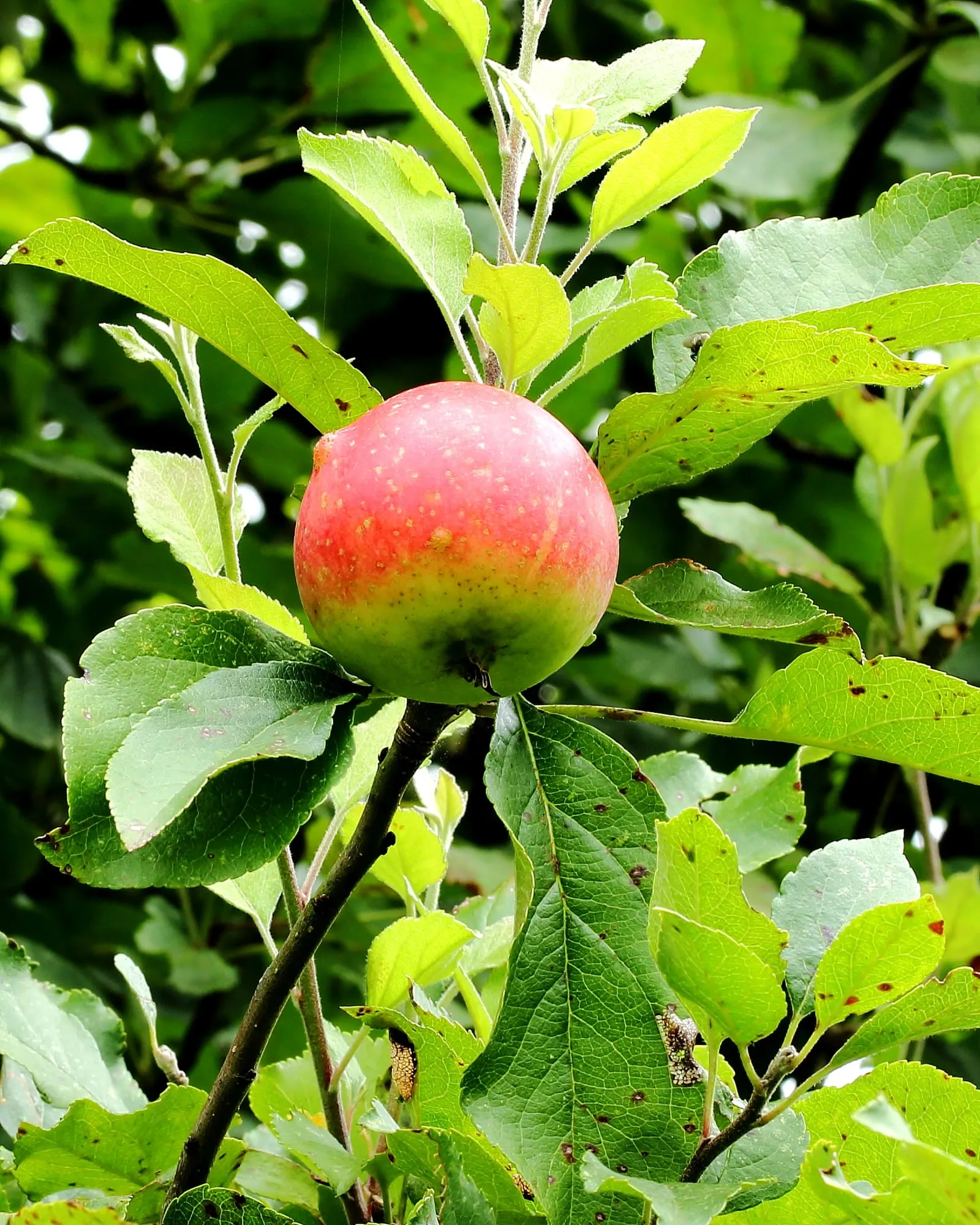
 Apple
Malus domestica
zones 3a–9a
 zone 6a
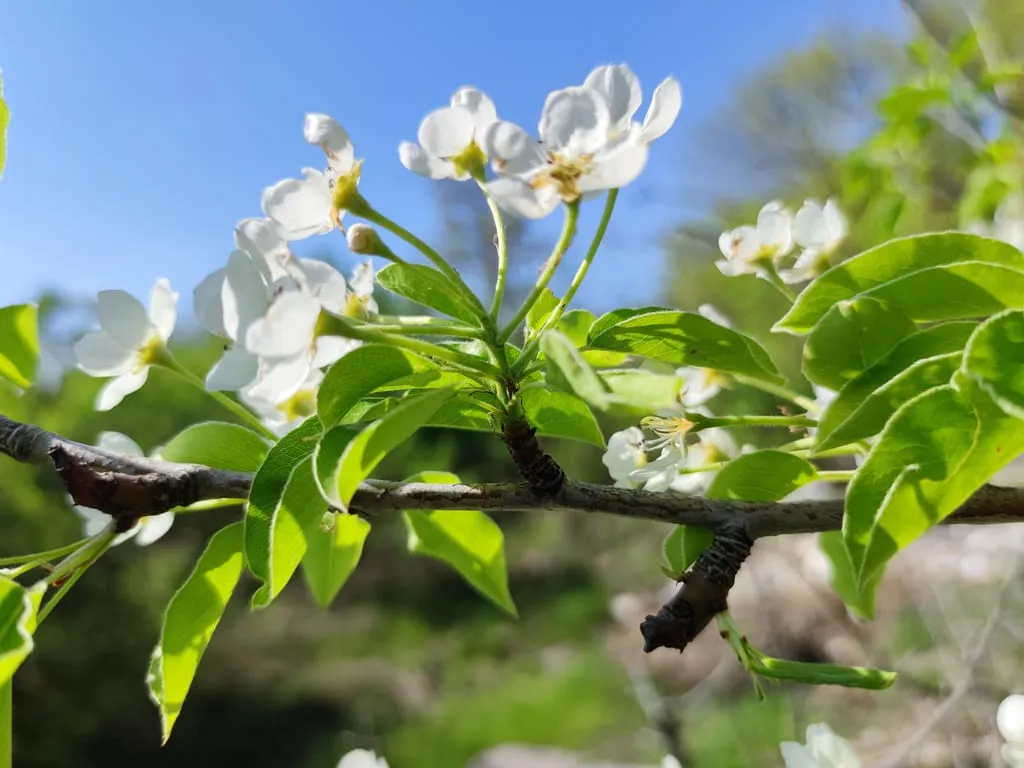
 Pear
Pyrus communis
zones 4a–8b
 zone 6a
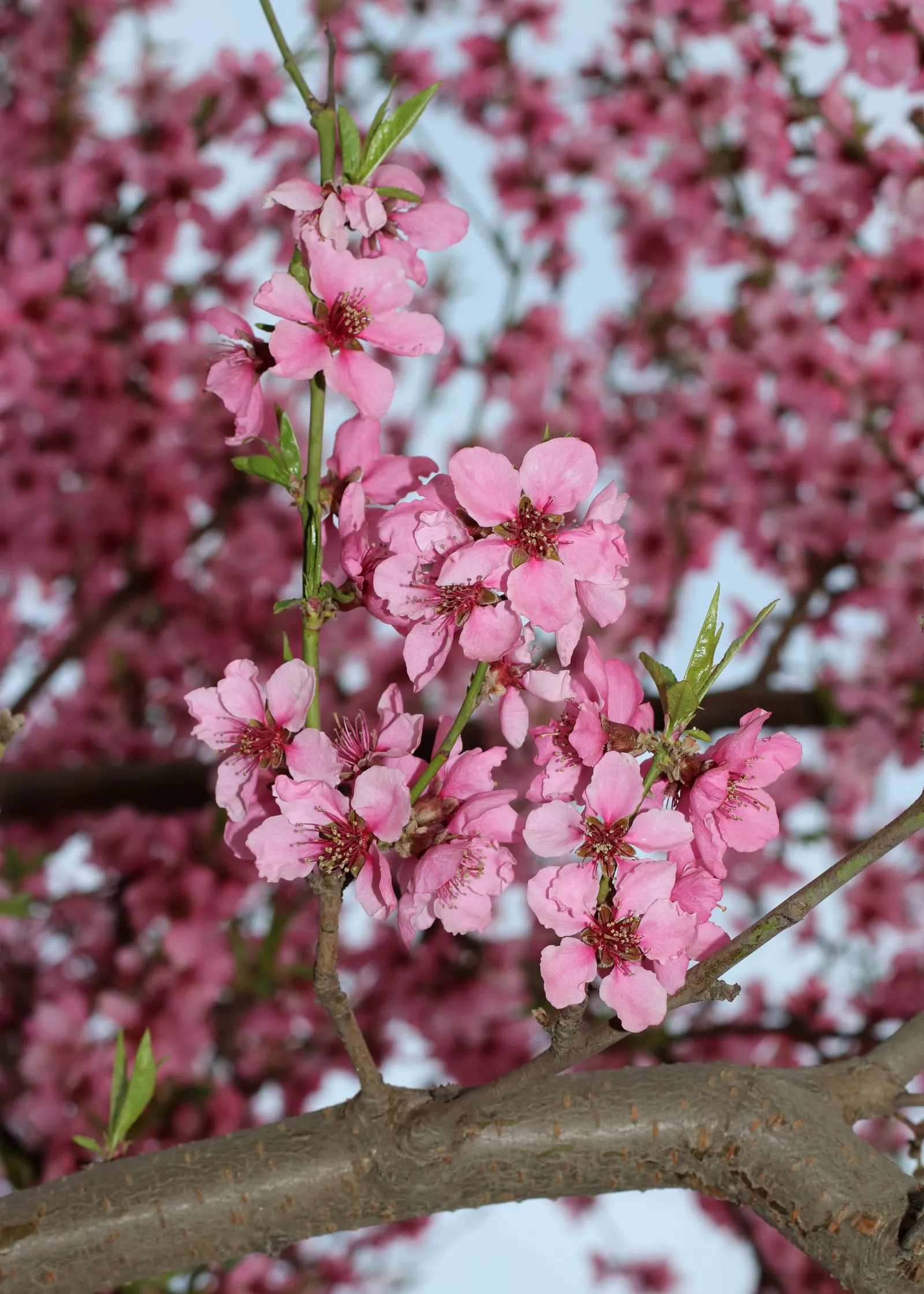
 Peach
Prunus persica
zones 5a–9a
 zone 6a
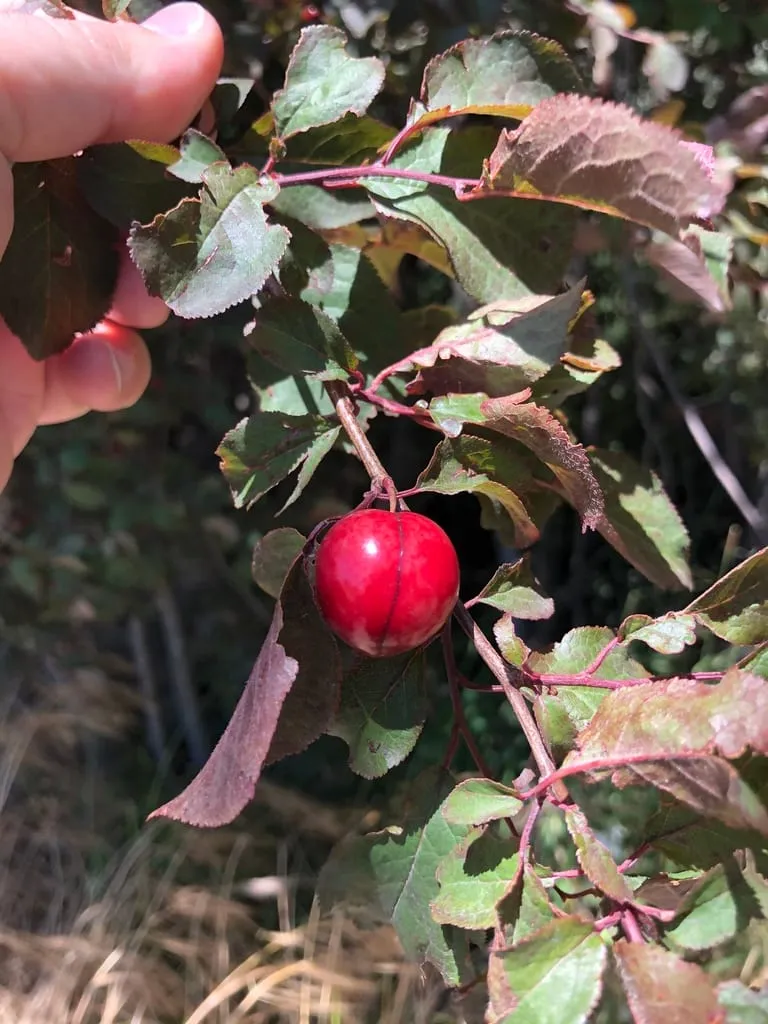
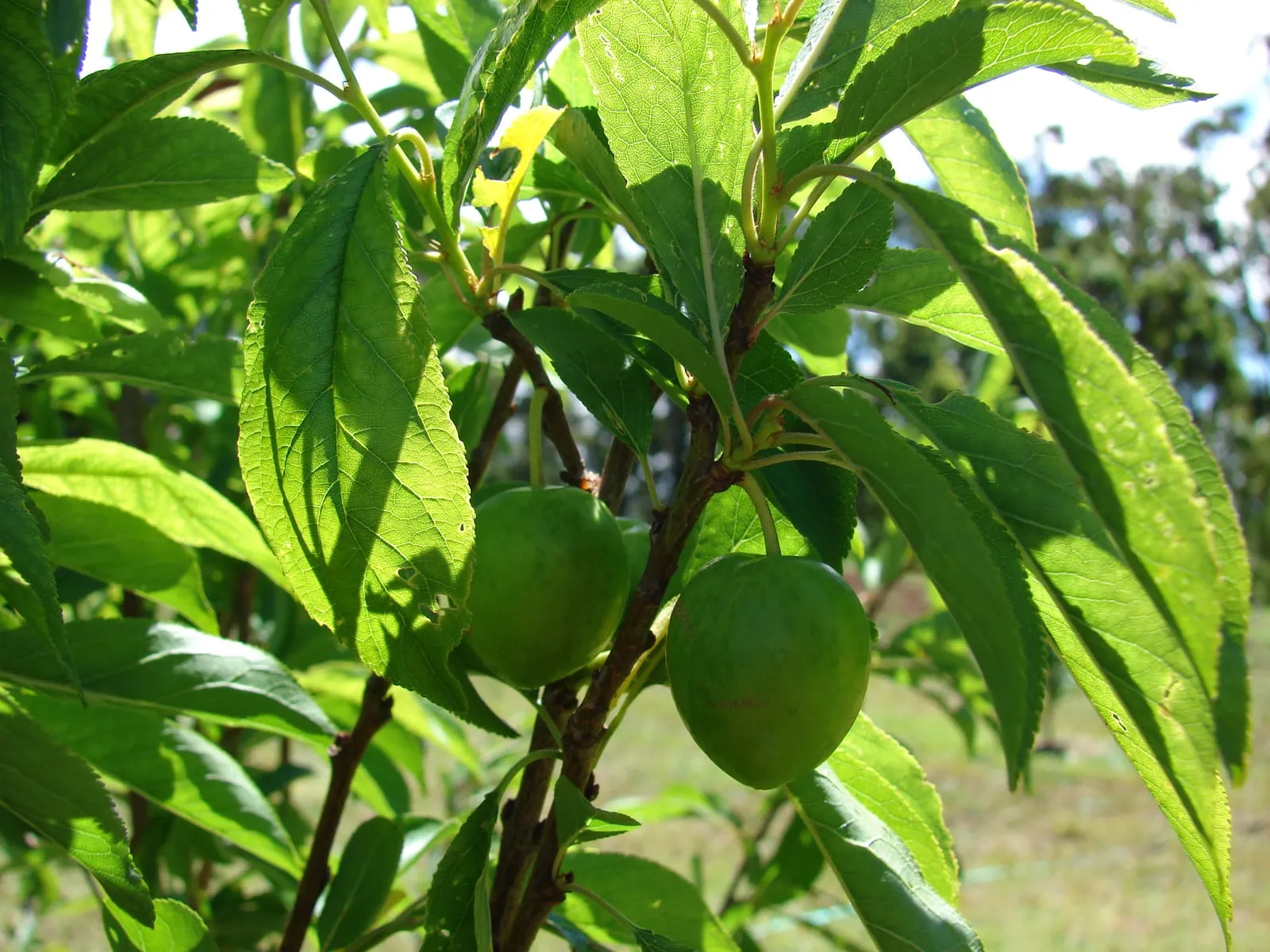
 European Plum
Prunus domestica
zones 4a–8a
 zone 6a
 Japanese Plum
Prunus salicina
zones 5b–9a
 zone 6a
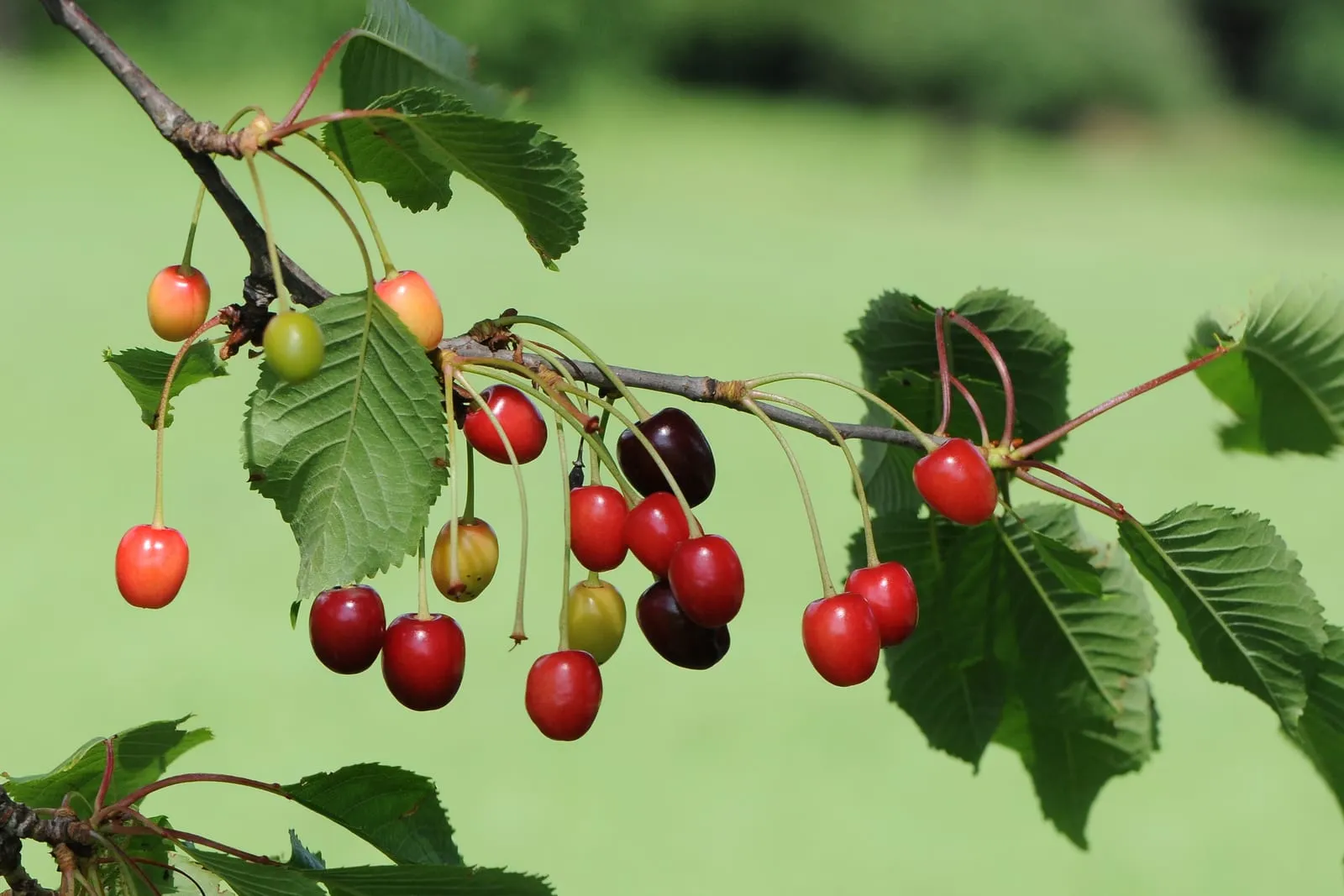
 Sweet Cherry
Prunus avium
zones 5a–8a
 zone 6a
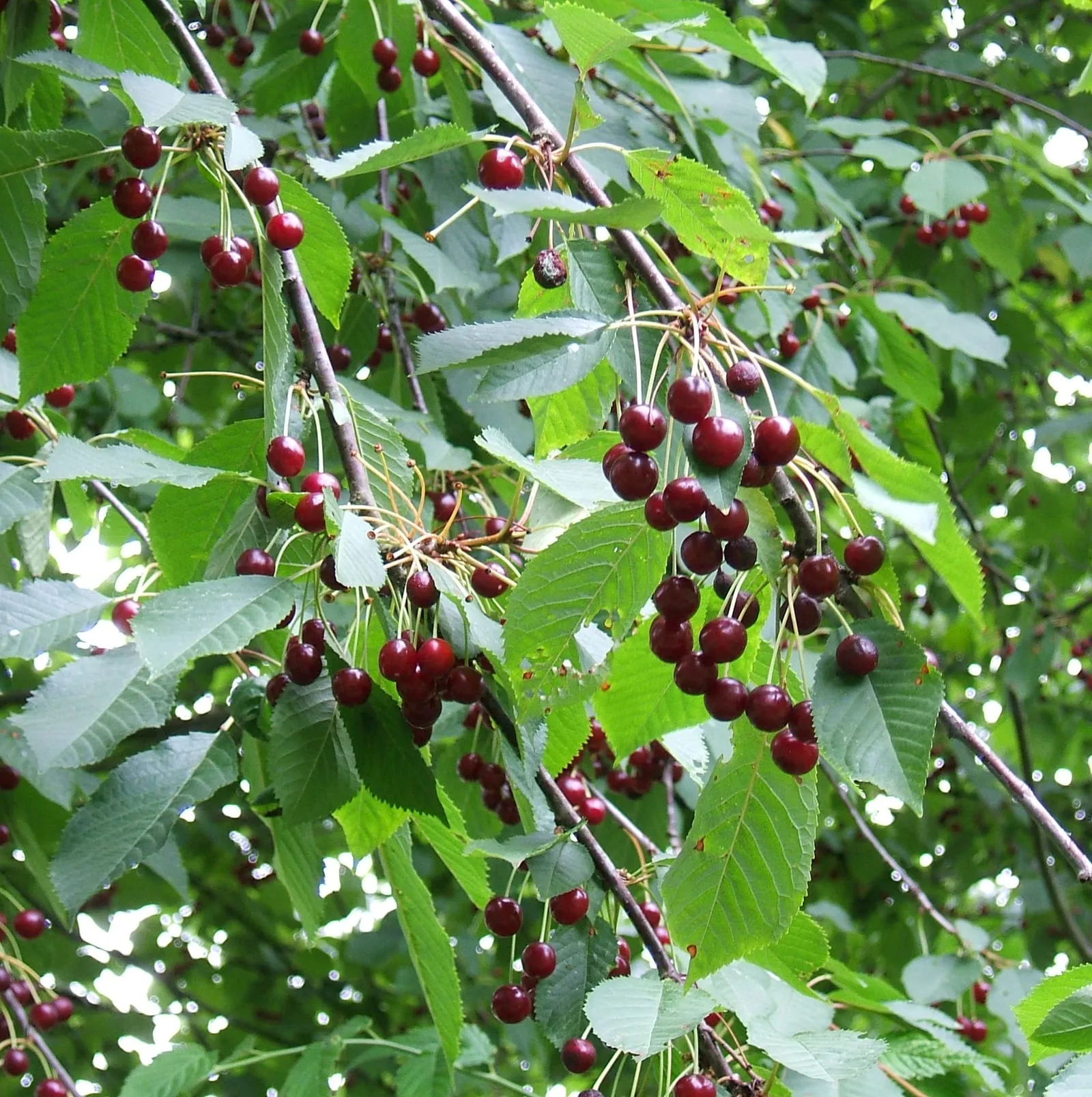
 Sour Cherry
Prunus cerasus
zones 4a–7b
 zone 6a
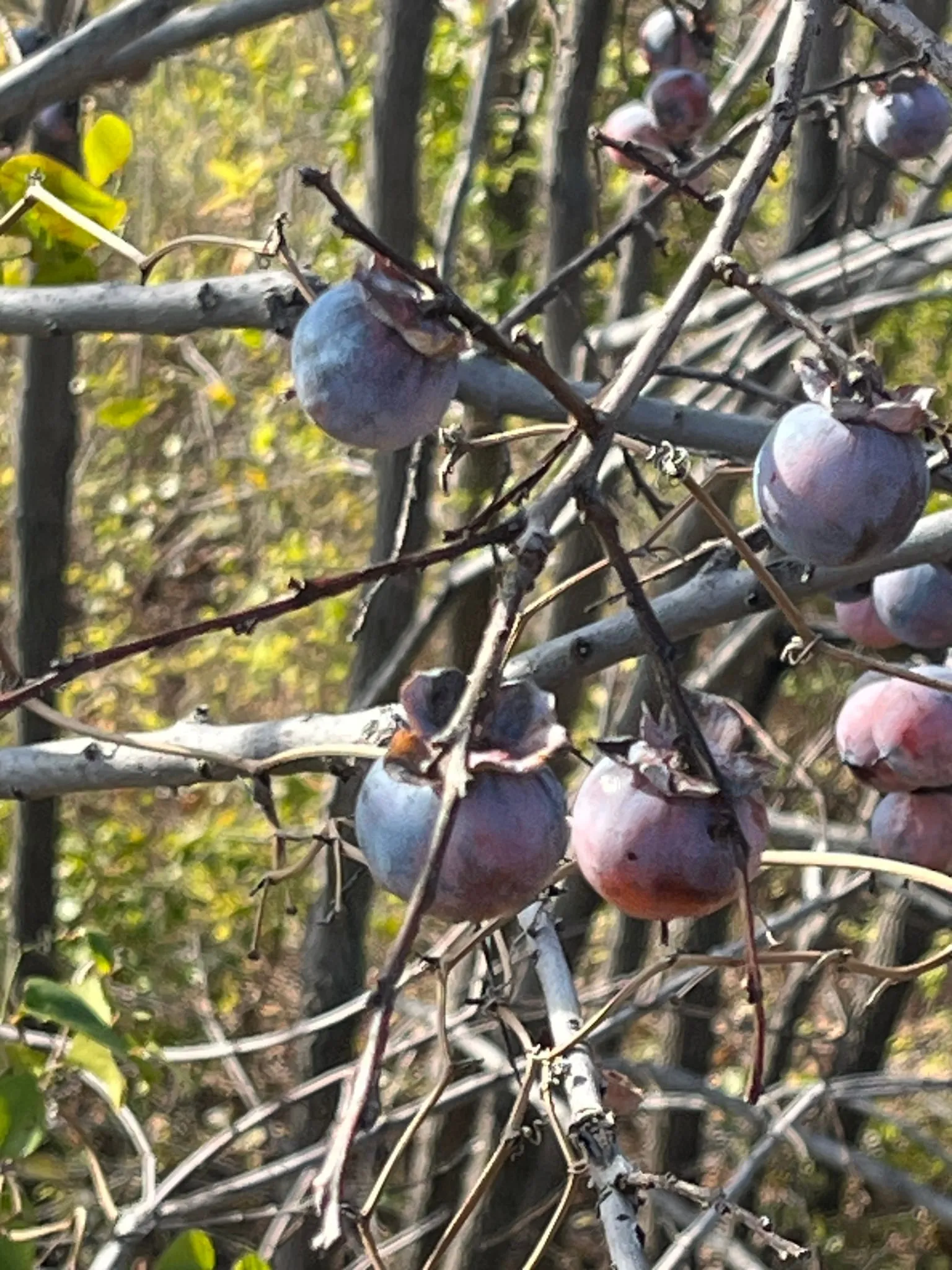
 American Persimmon
Diospyros virginiana
zones 4b–9a
 zone 6a
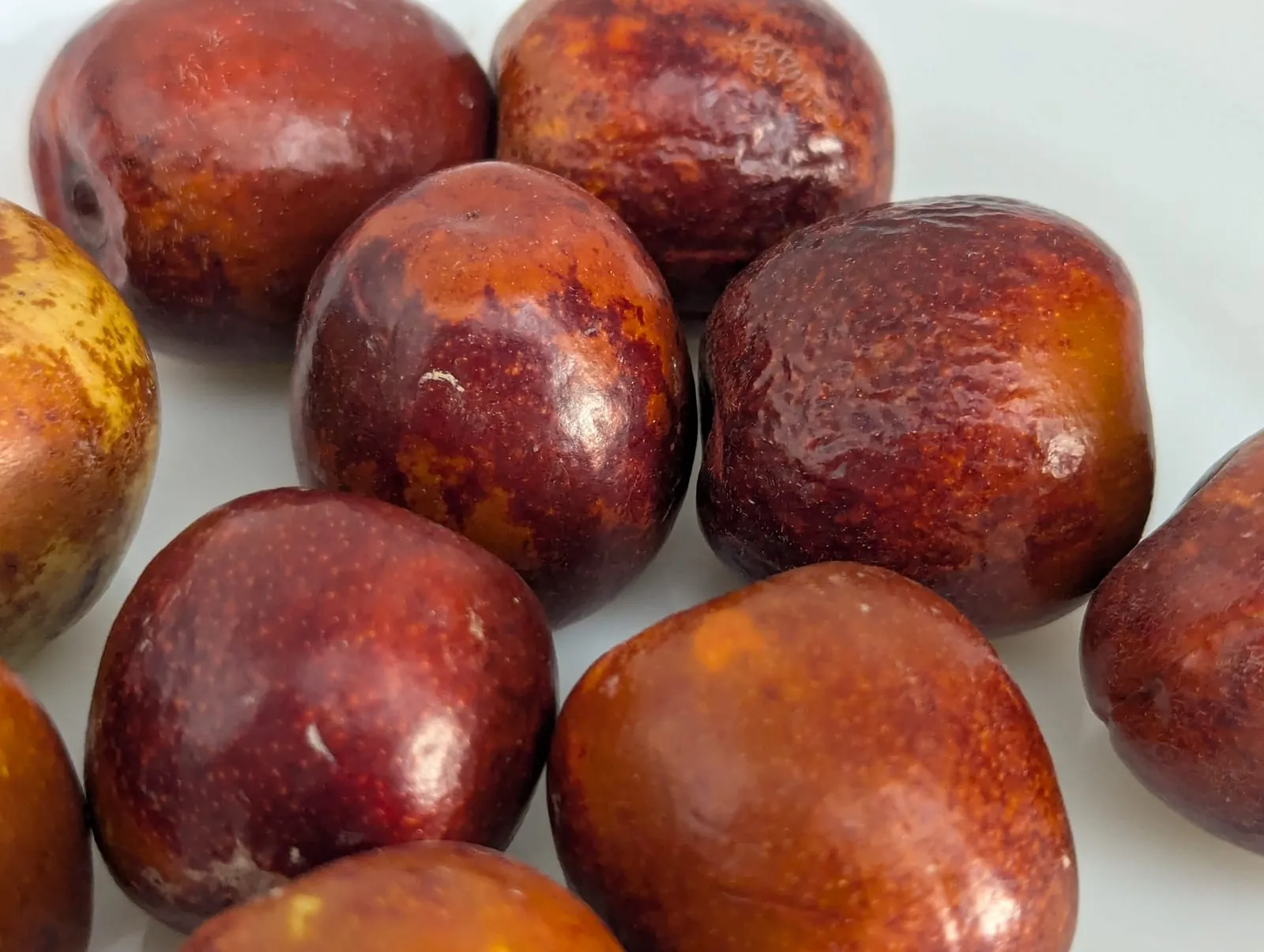
 Jujube
Ziziphus jujuba
zones 6a–9b
 zone 6a
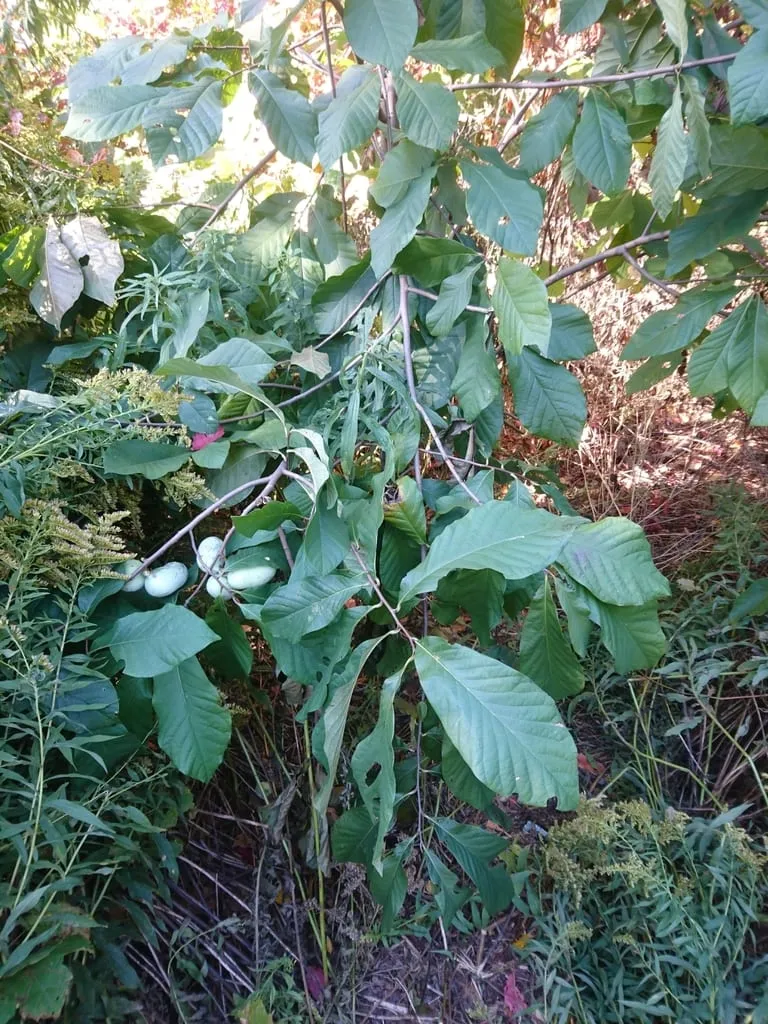
 Pawpaw
Asimina triloba
zones 5a–8b
 zone 6a
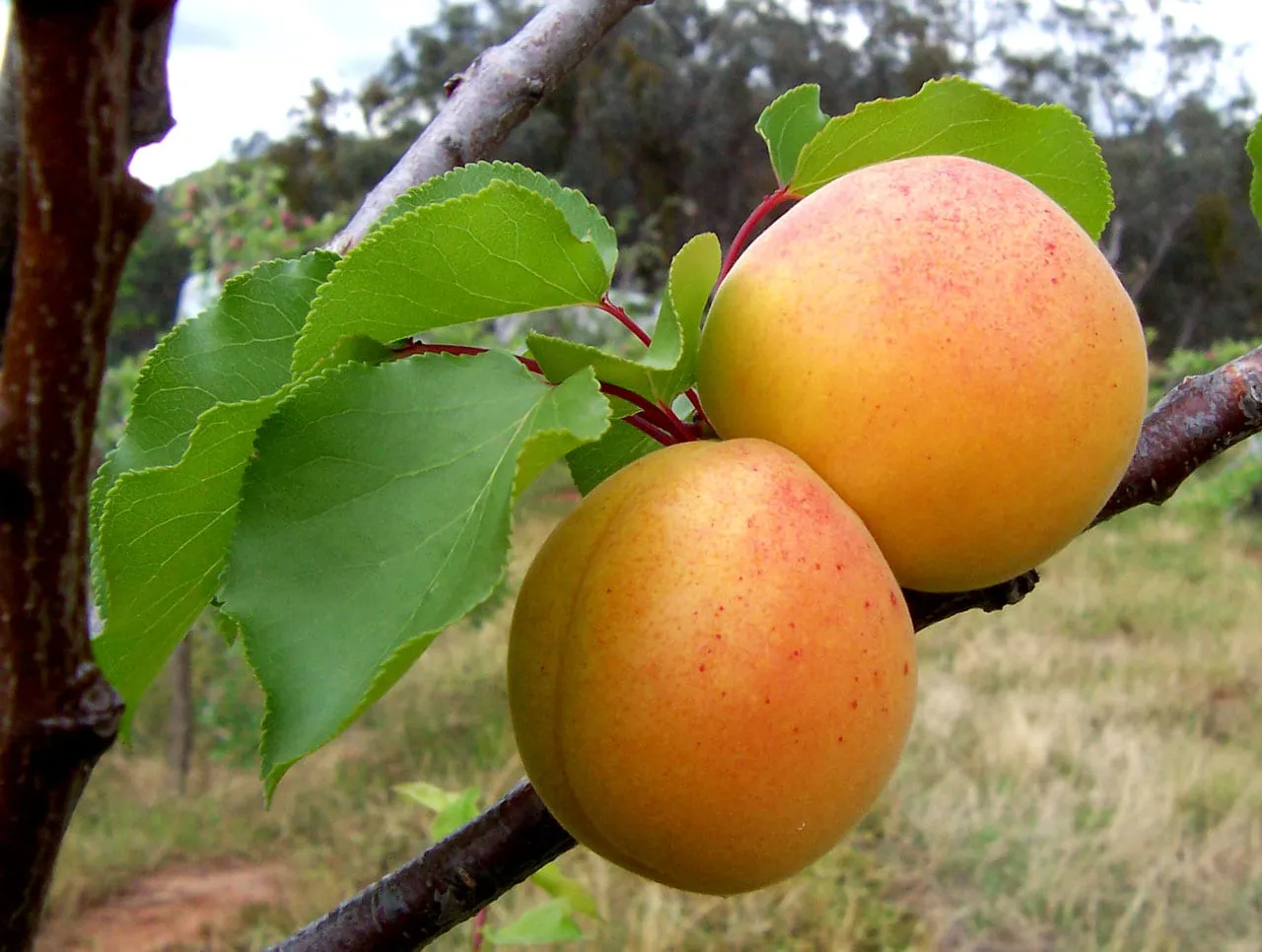
 Apricot
Prunus armeniaca
zones 5a–8a
 zone 6a
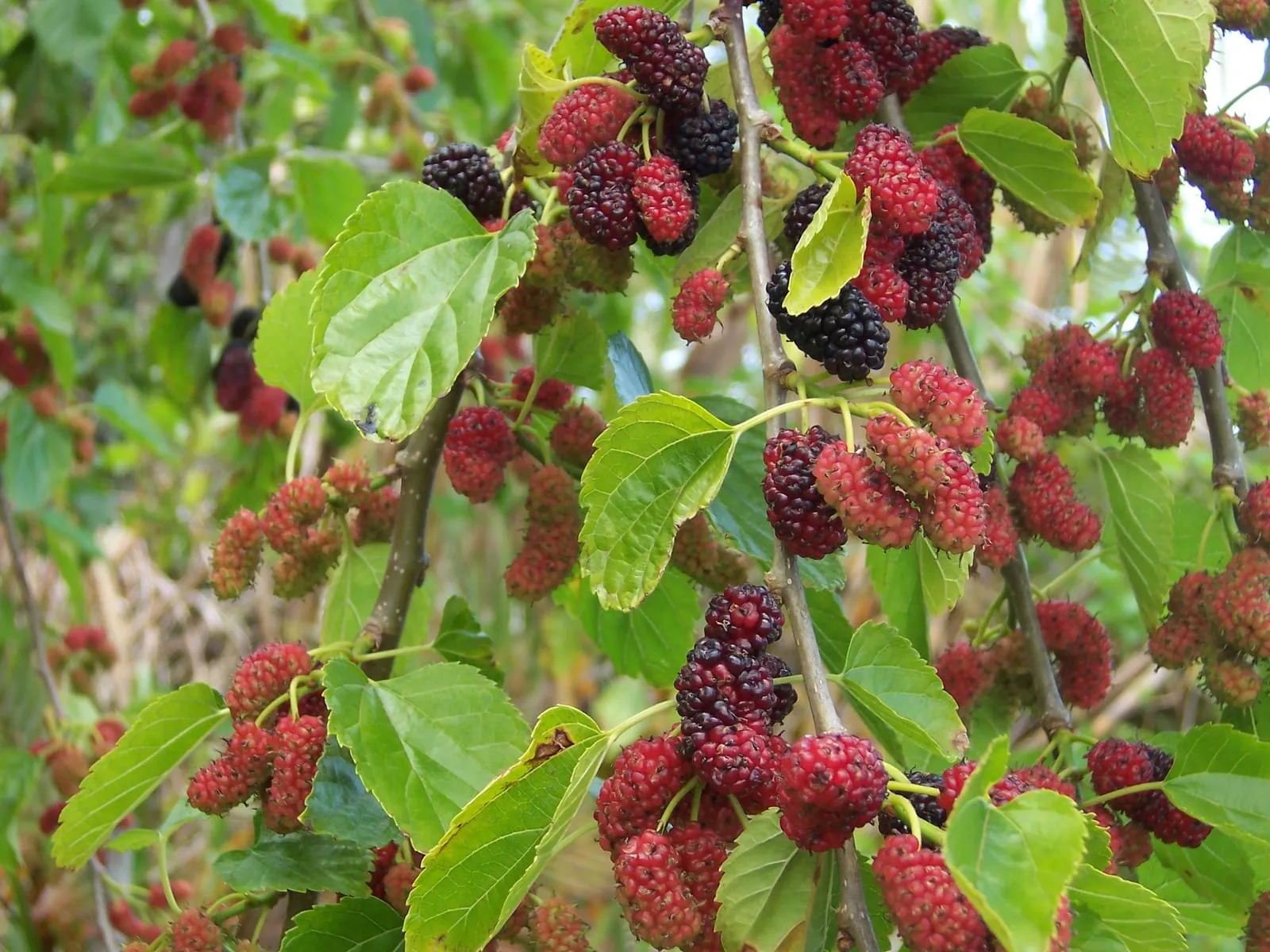
 Mulberry
Morus species
zones 4b–9a
Berries
20 crops
 zone 6a
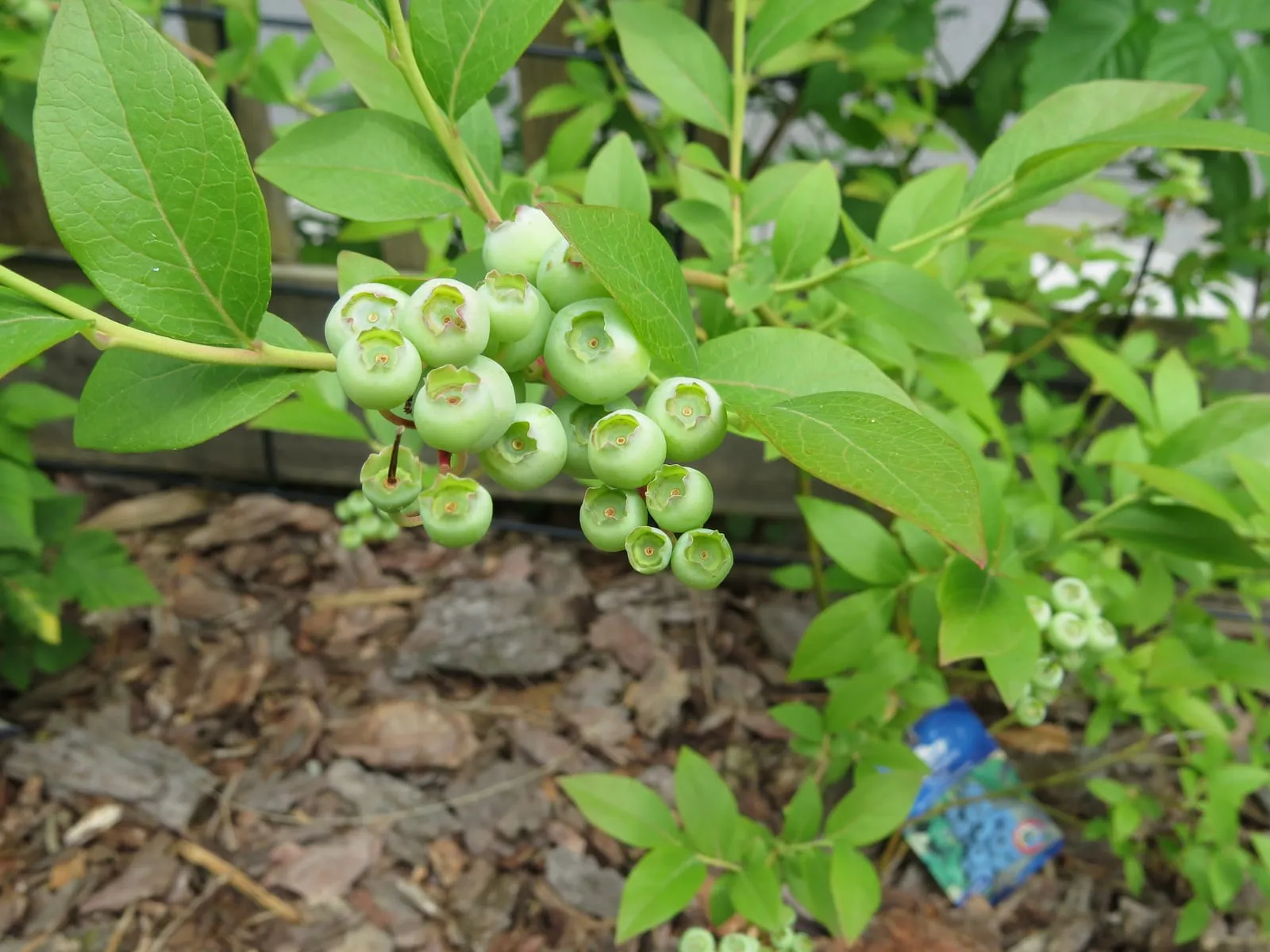
 Highbush Blueberry
Vaccinium corymbosum
zones 4a–7b
 zone 6a
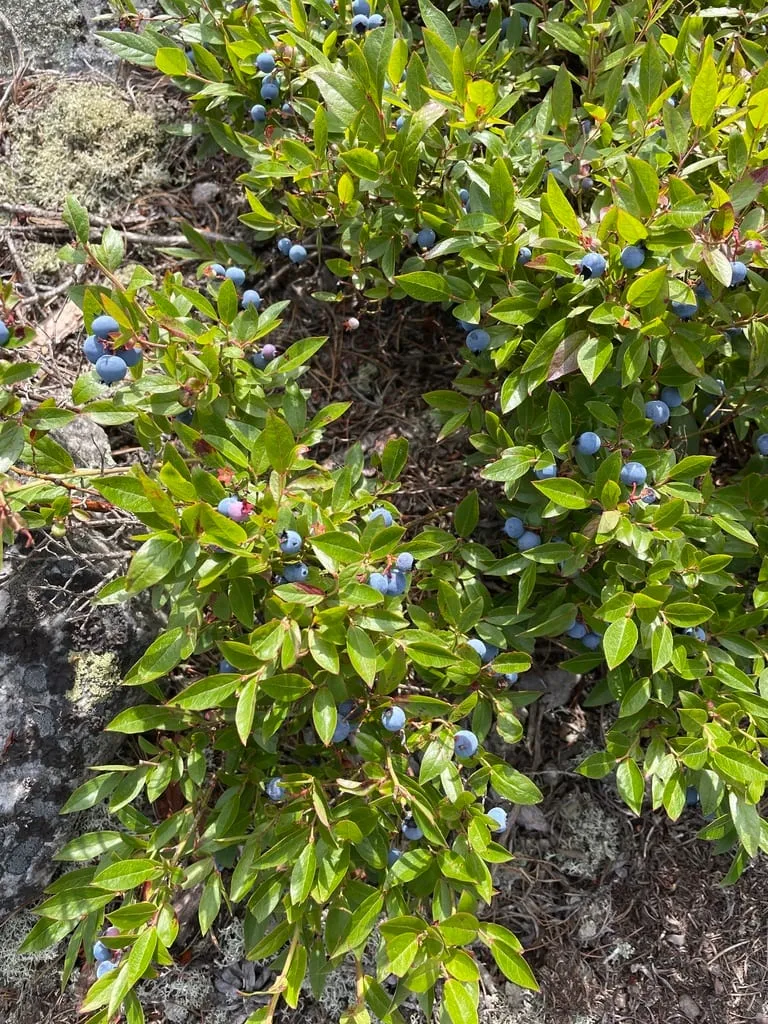
 Lowbush Blueberry
Vaccinium angustifolium
zones 3a–6b
 zone 6a
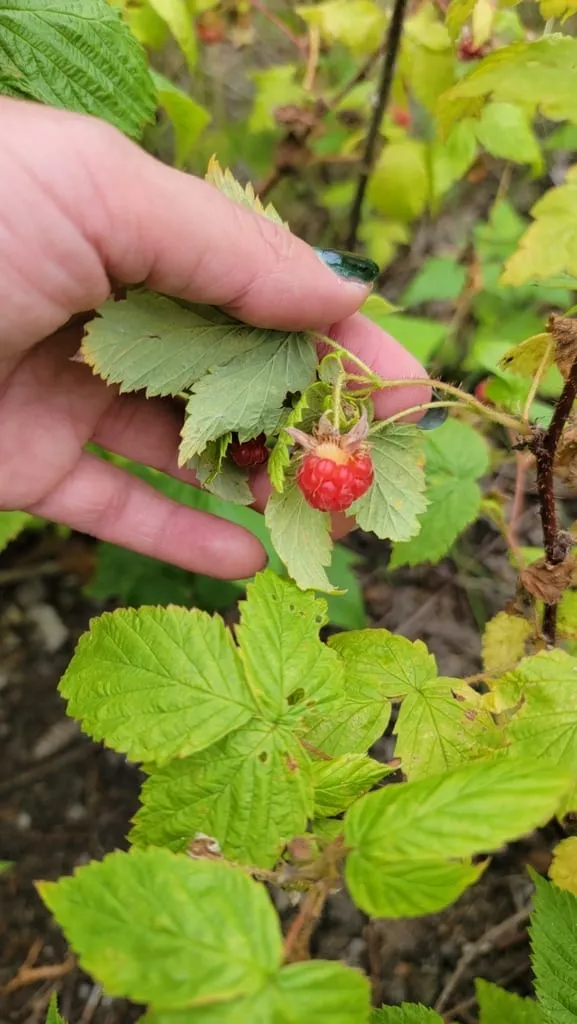
 Red Raspberry
Rubus idaeus
zones 3b–8a
 zone 6a
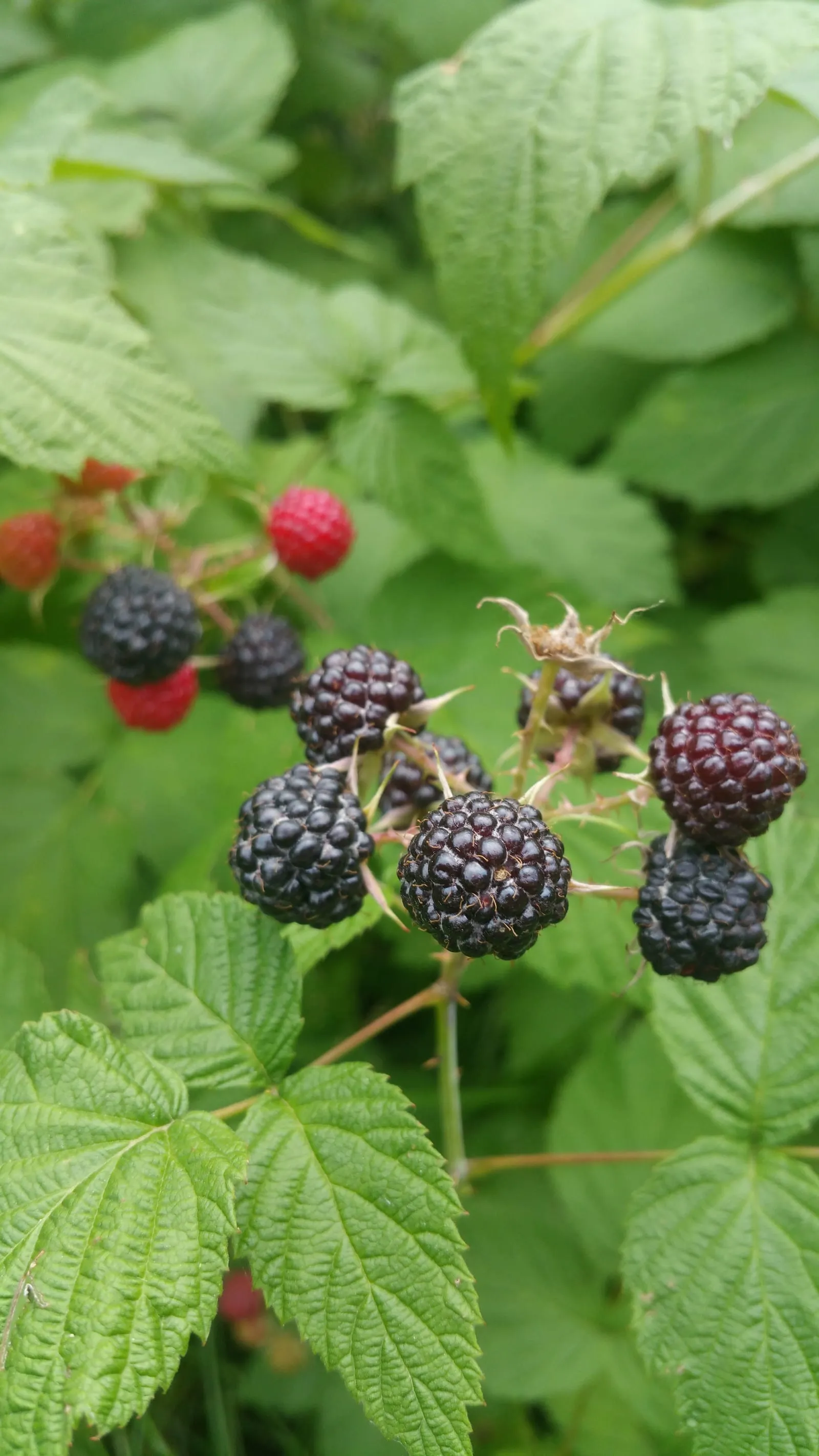
 Black Raspberry
Rubus occidentalis
zones 4a–8a
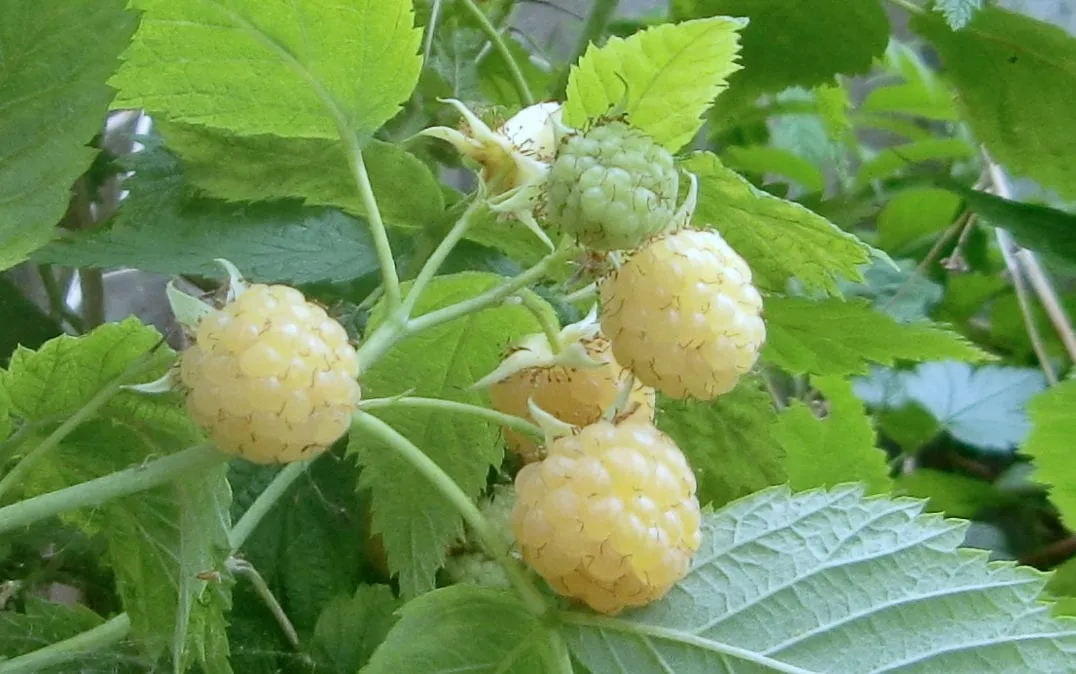 zone 6a
 Yellow Raspberry
Rubus idaeus
zones 3b–8a
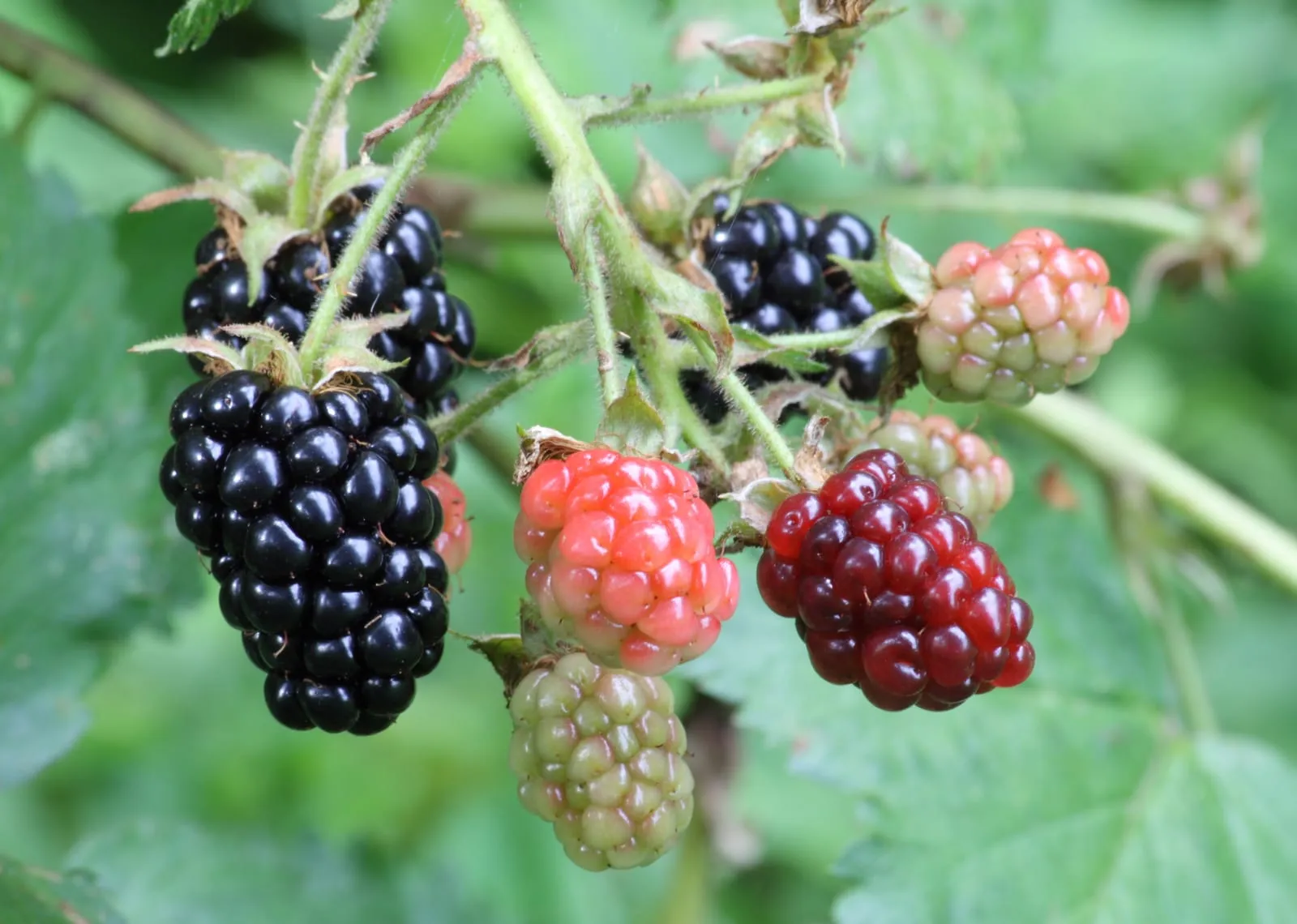 zone 6a
 Blackberry
Rubus subgenus Rubus
zones 5a–9a
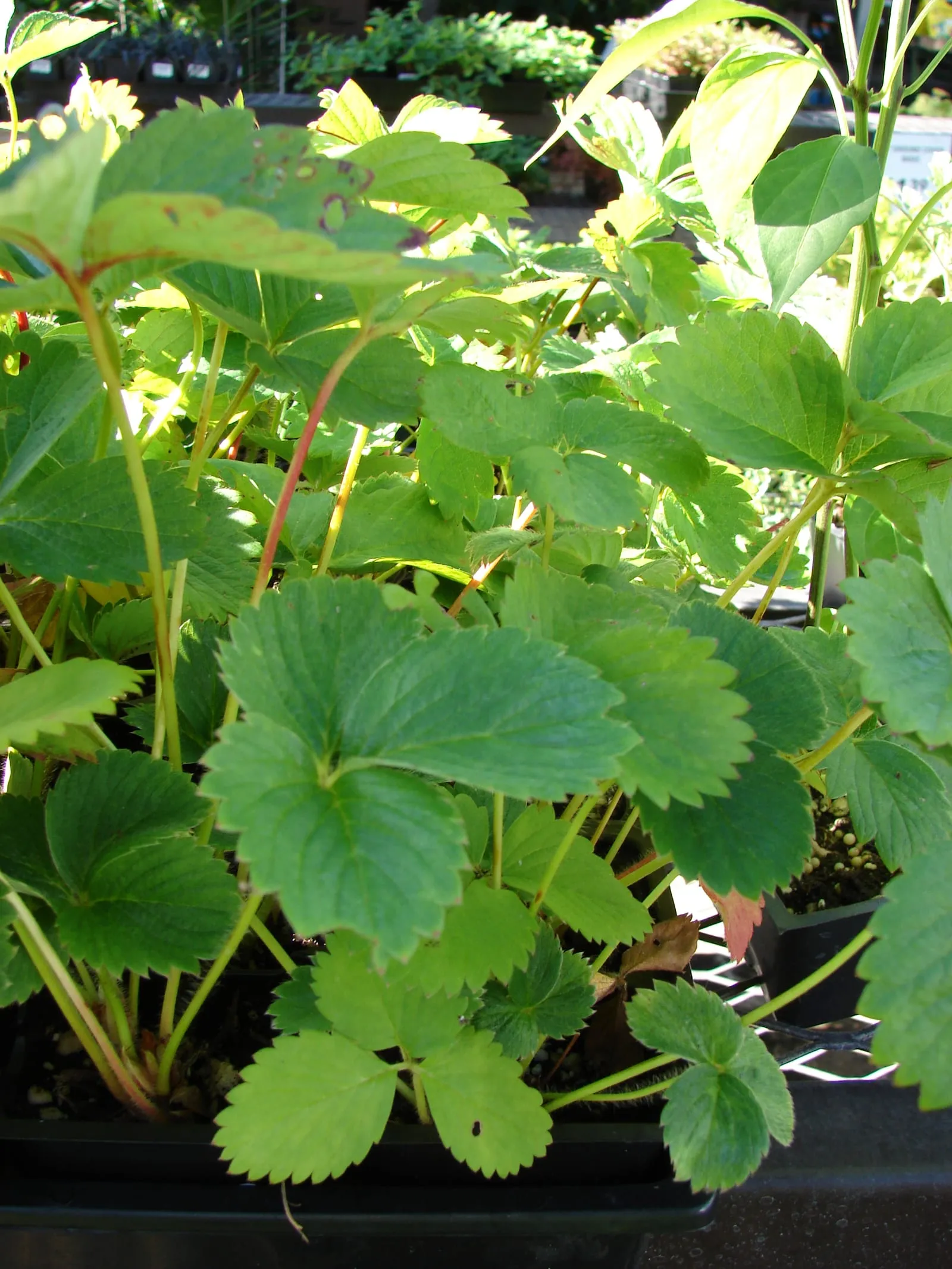 zone 6a
 June-Bearing Strawberry
Fragaria x ananassa
zones 3a–8b
zone 6a Everbearing Strawberry
Fragaria x ananassa
zones 3b–9a
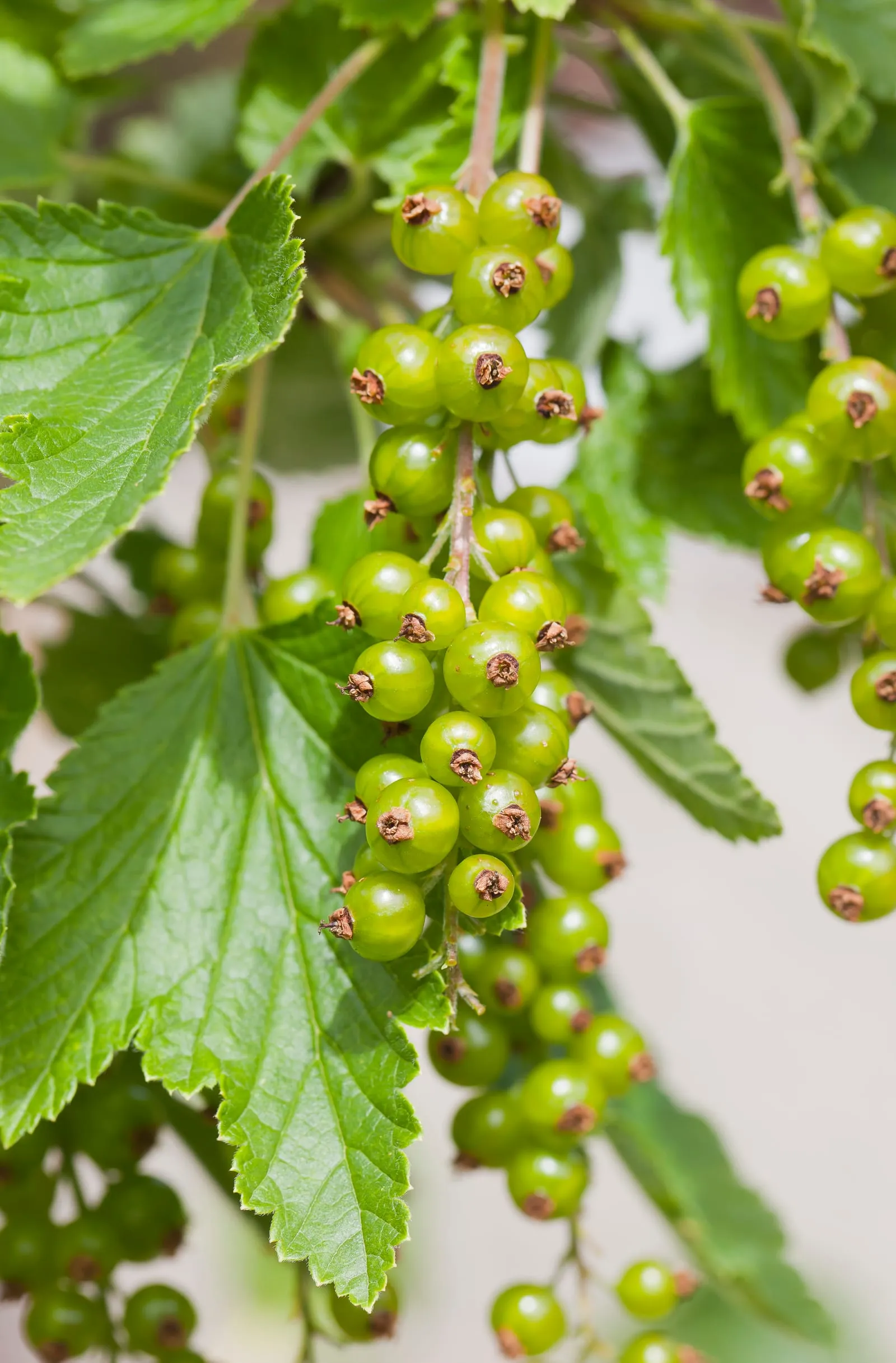 zone 6a
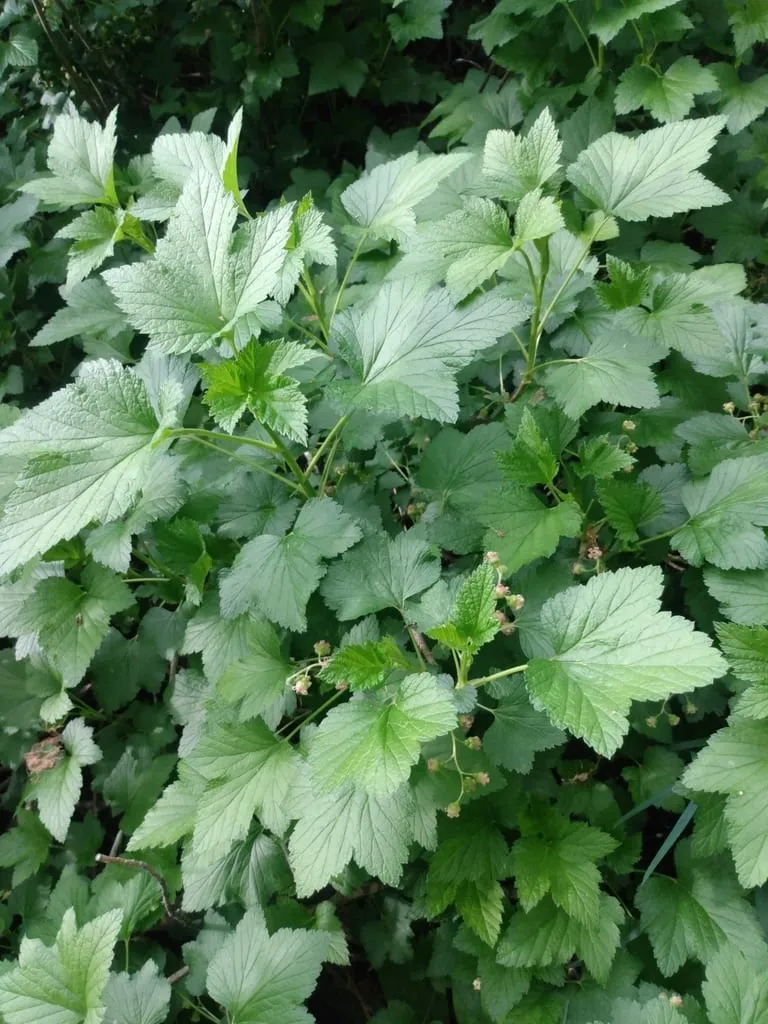
 Red Currant
Ribes rubrum
zones 3a–7a
 zone 6a
 Black Currant
Ribes nigrum
zones 3a–7a
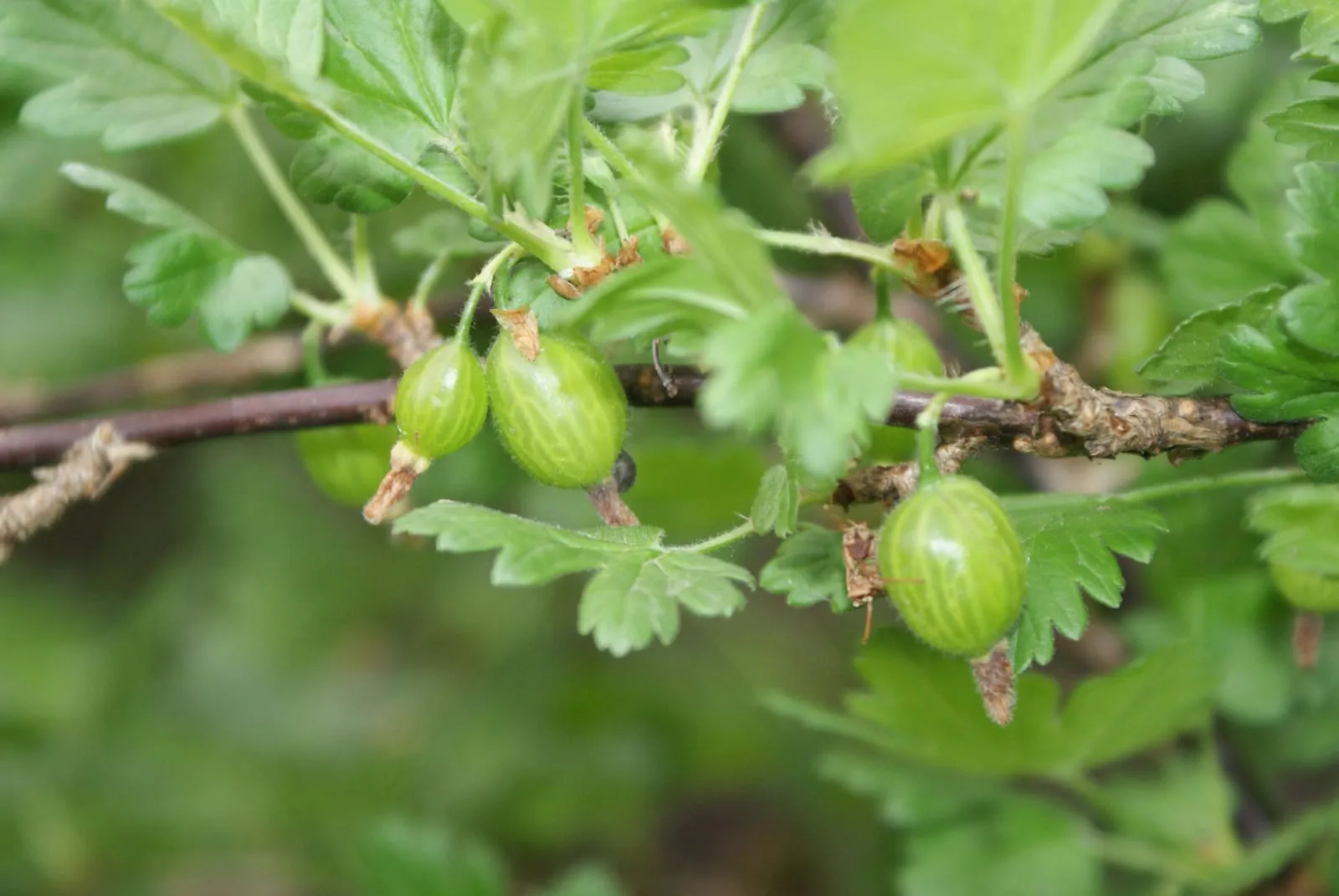
zone 6a White Currant
Ribes rubrum
zones 3a–7a
 zone 6a
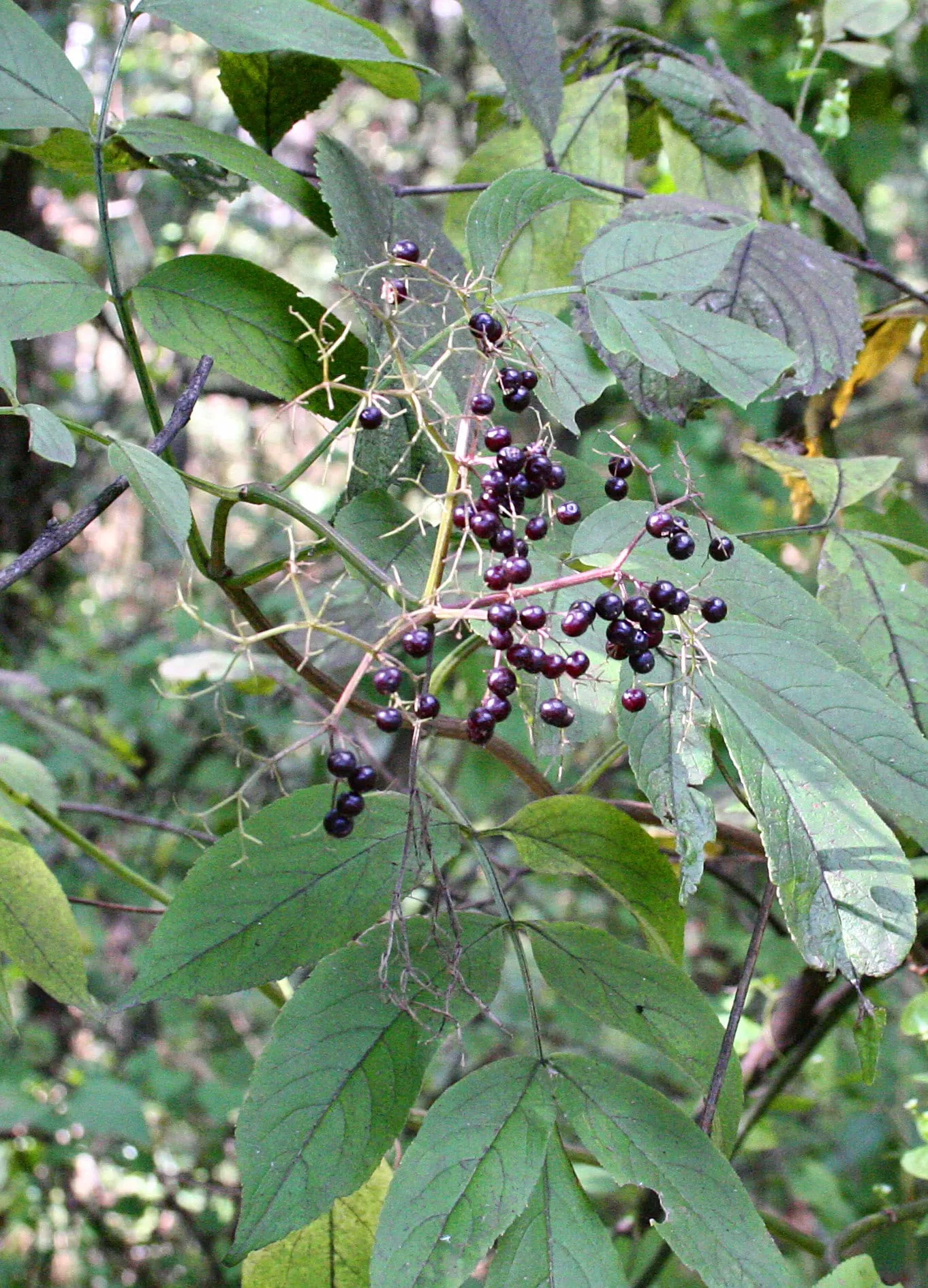
 Gooseberry
Ribes uva-crispa
zones 3a–7b
 zone 6a
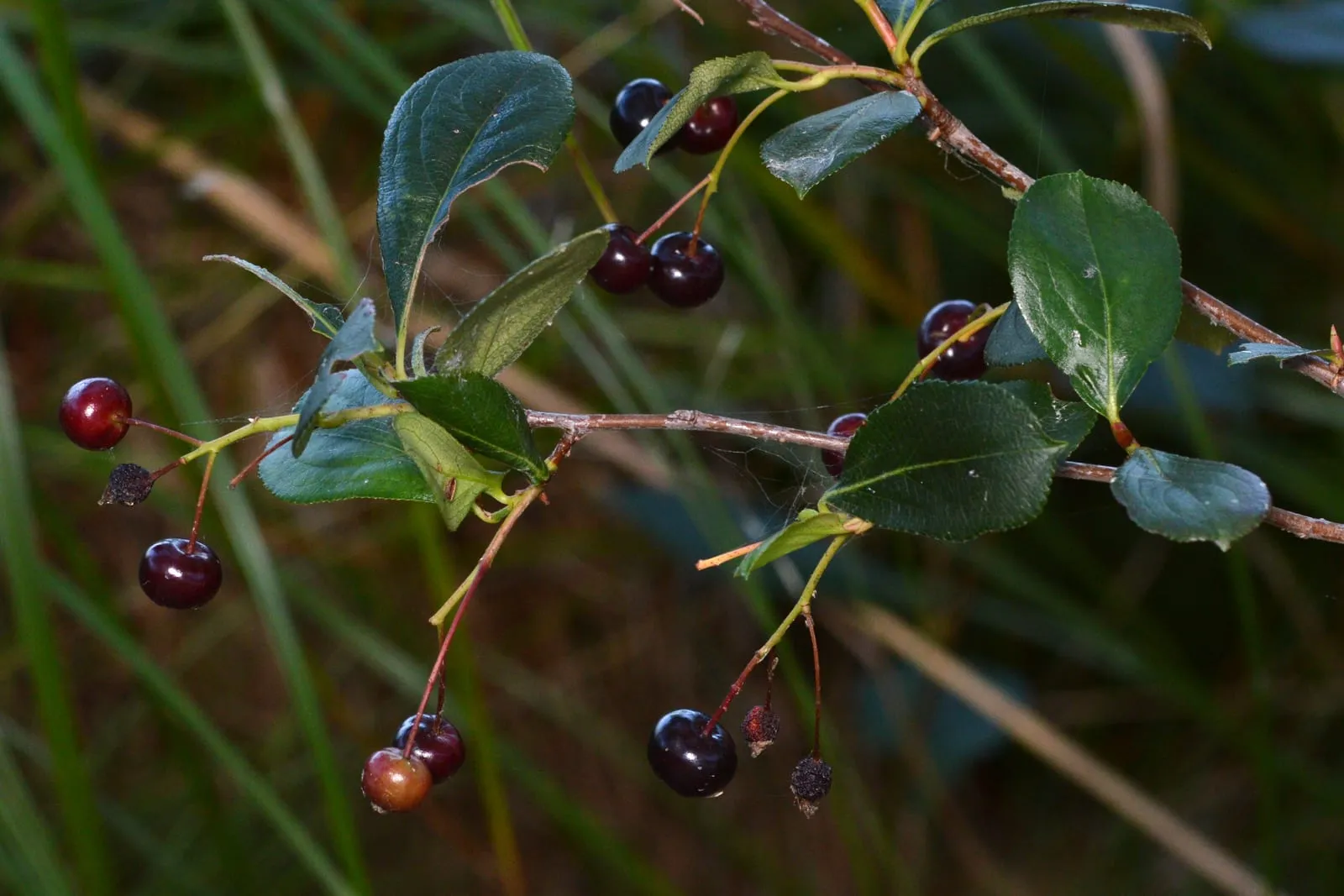
 Elderberry
Sambucus canadensis
zones 3b–9a
 zone 6a
 Aronia (Black Chokeberry)
Aronia melanocarpa
zones 3a–8a
 zone 6a
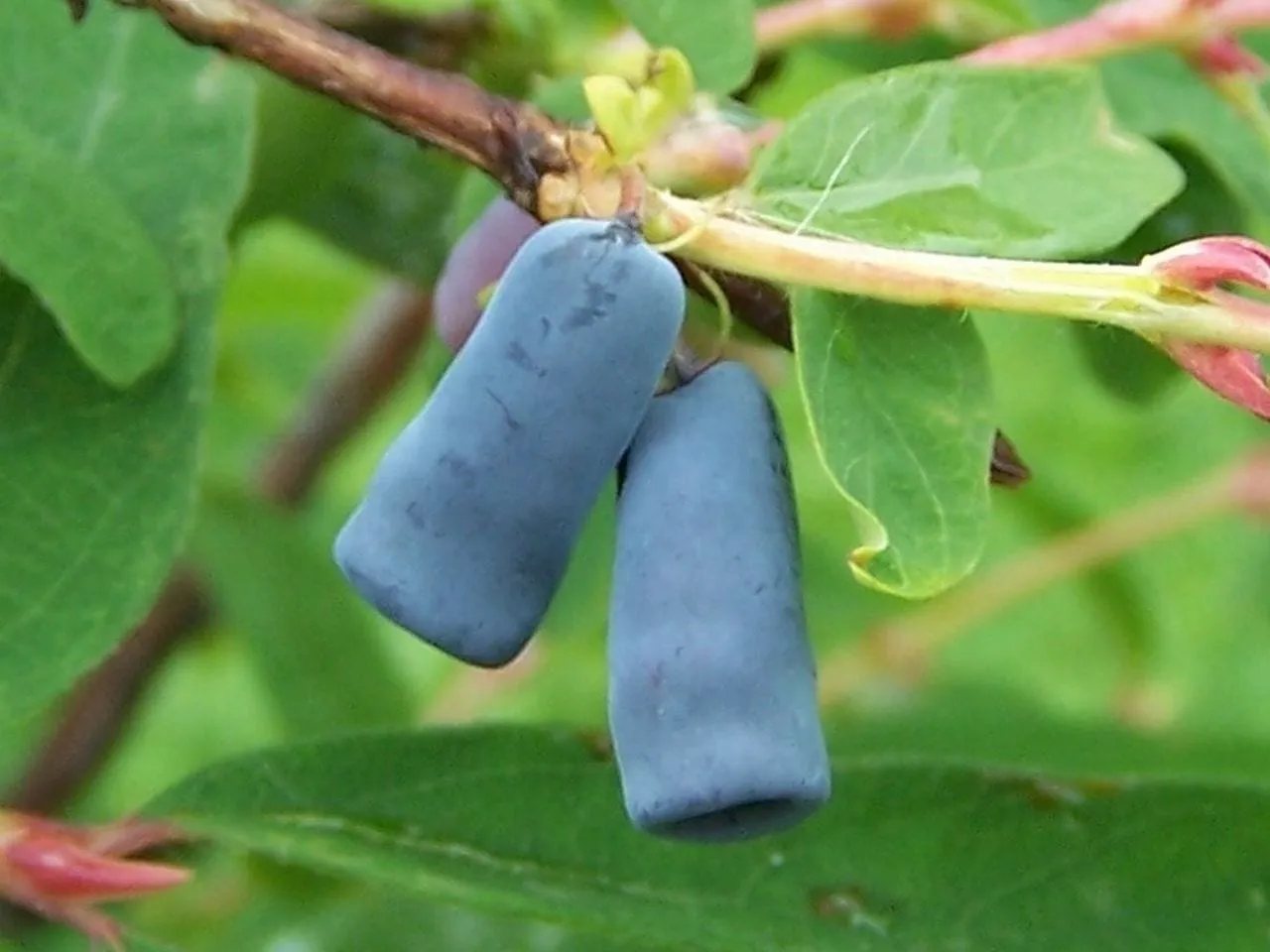
 Honeyberry (Haskap)
Lonicera caerulea
zones 3a–7a
 zone 6a
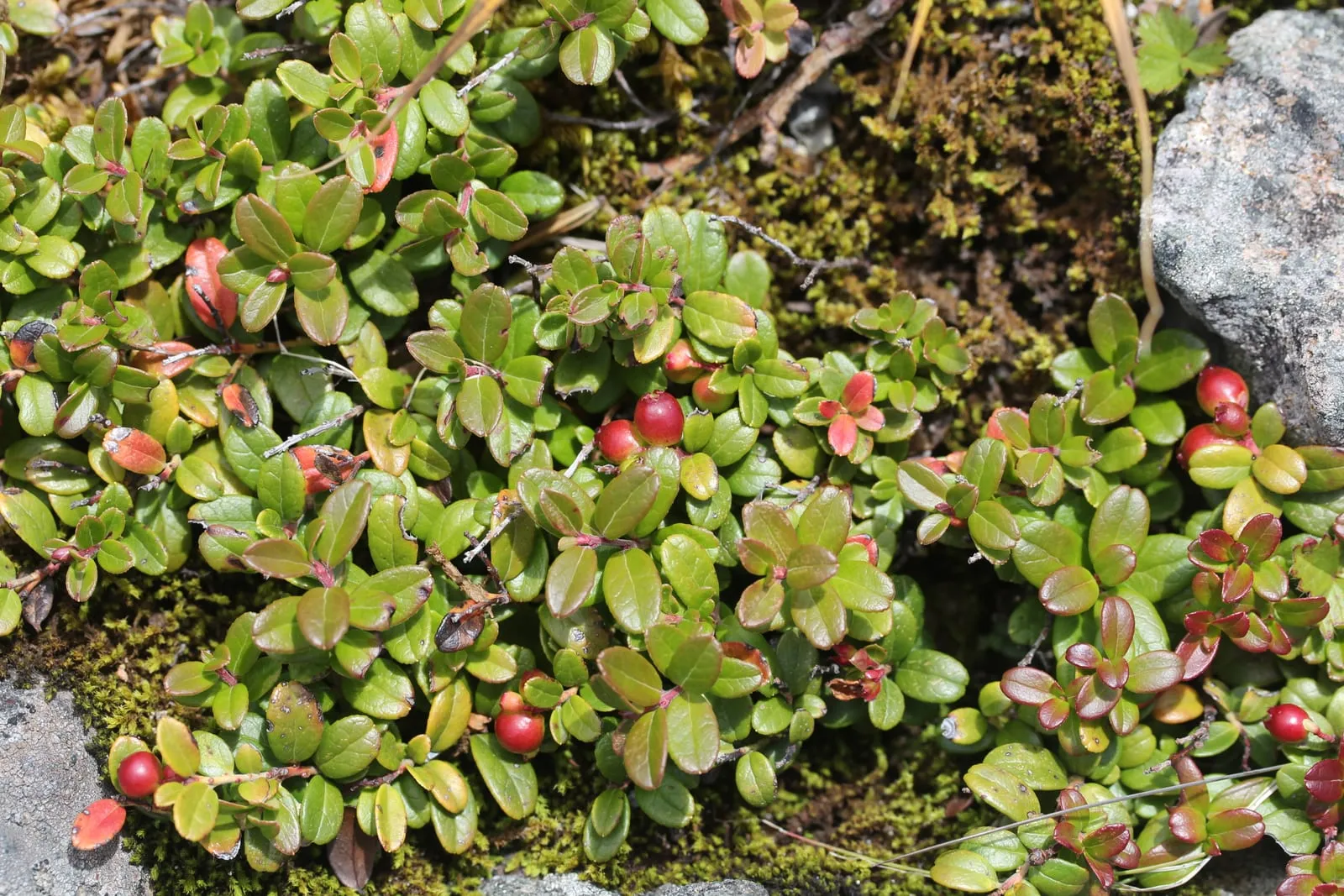
 Lingonberry
Vaccinium vitis-idaea
zones 3a–7a
 zone 6a
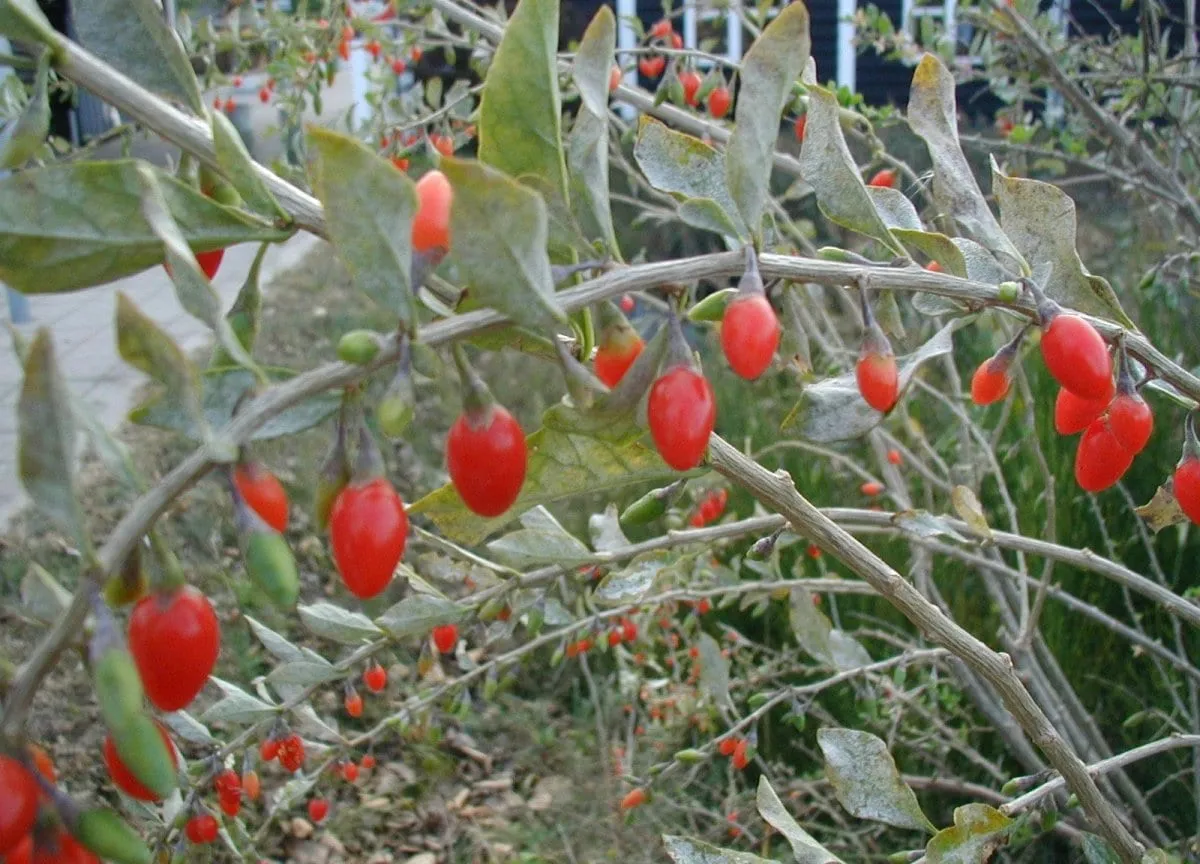
 Goji Berry
Lycium barbarum
zones 3b–10a
 zone 6a
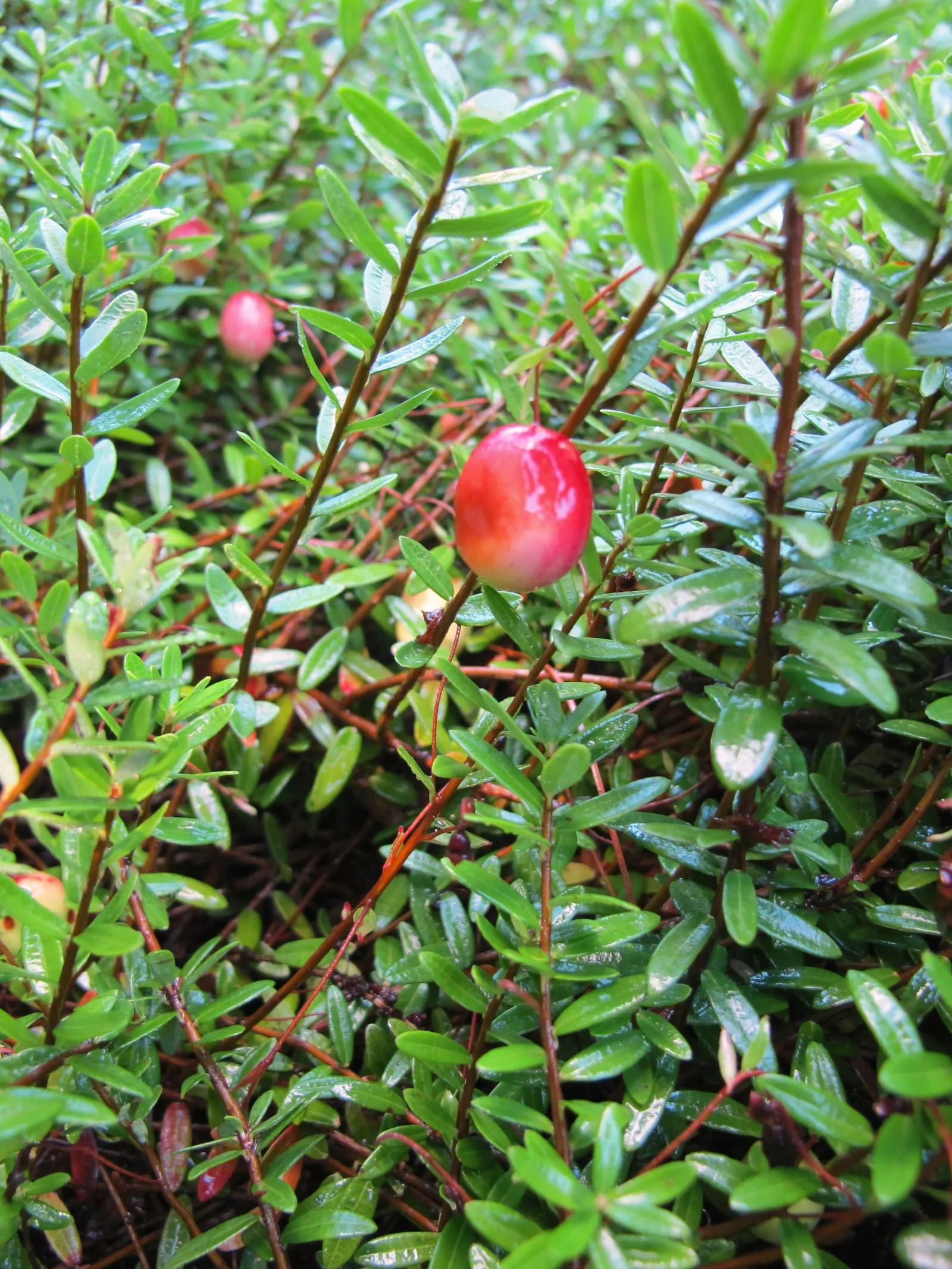
 Cranberry
Vaccinium macrocarpon
zones 3a–7a
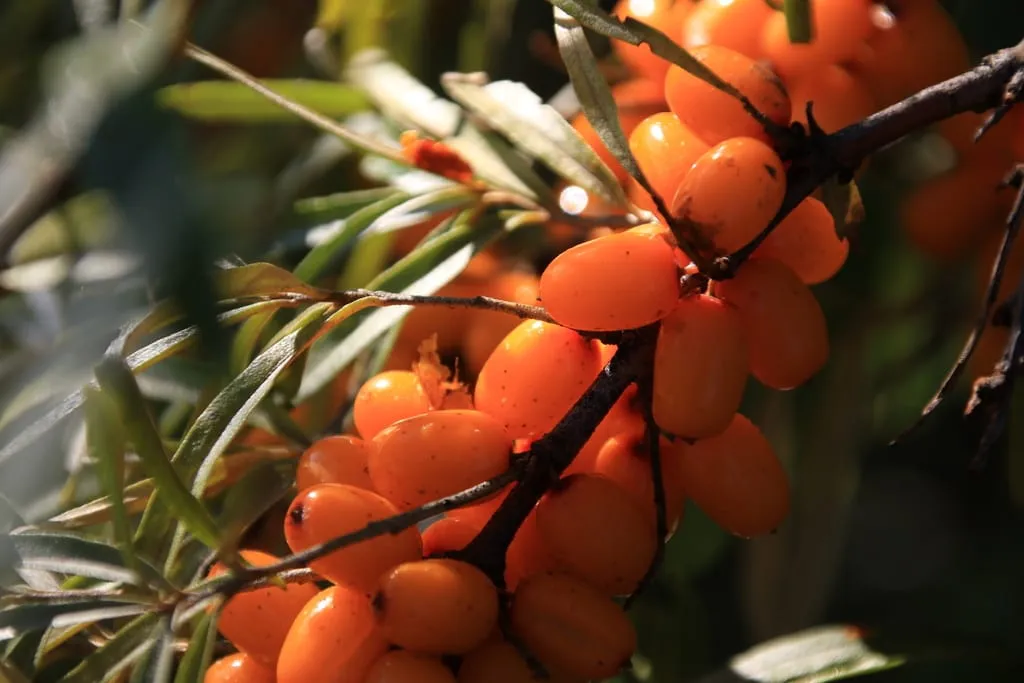 zone 6a
 Sea Buckthorn
Hippophae rhamnoides
zones 3a–7a
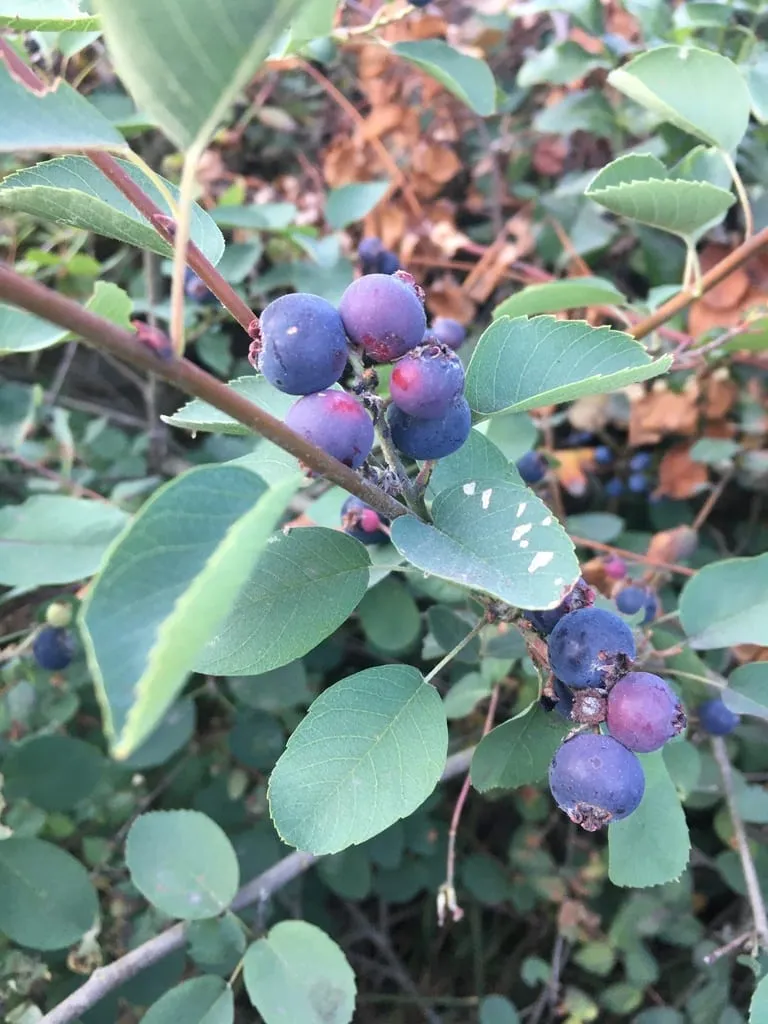 zone 6a
 Saskatoon (Serviceberry)
Amelanchier alnifolia
zones 3a–7a
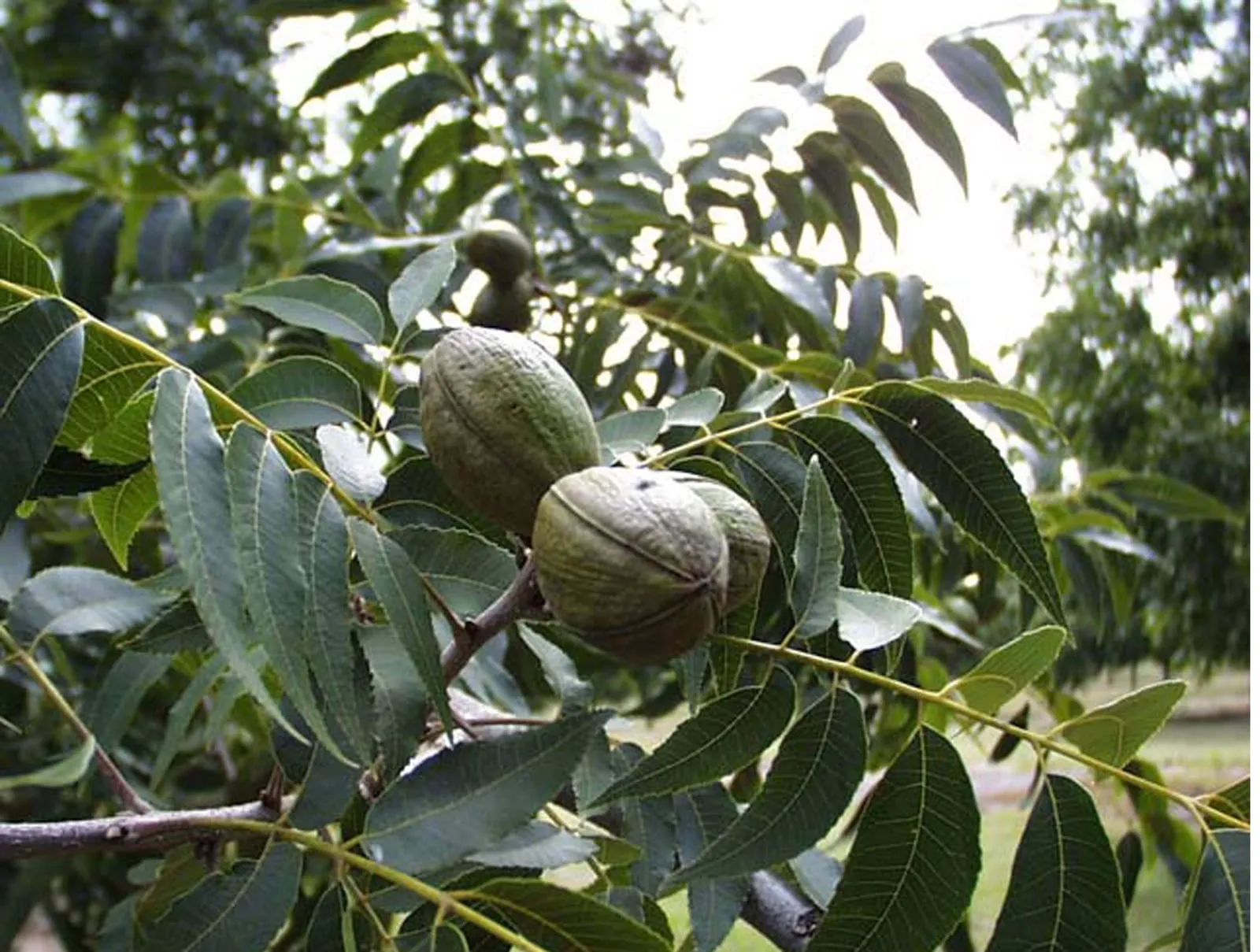
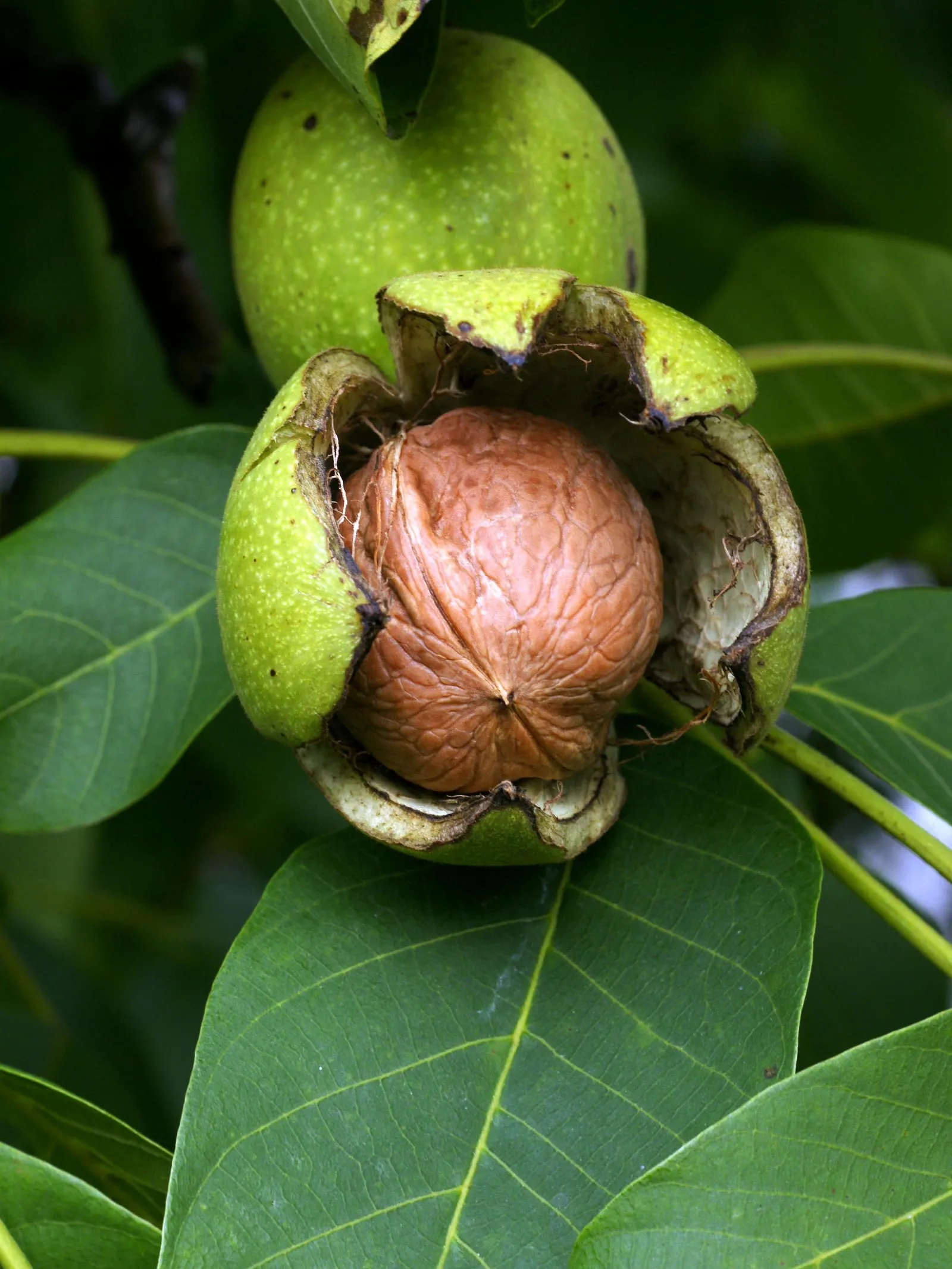
Nuts
6 crops
Vegetables
40 crops
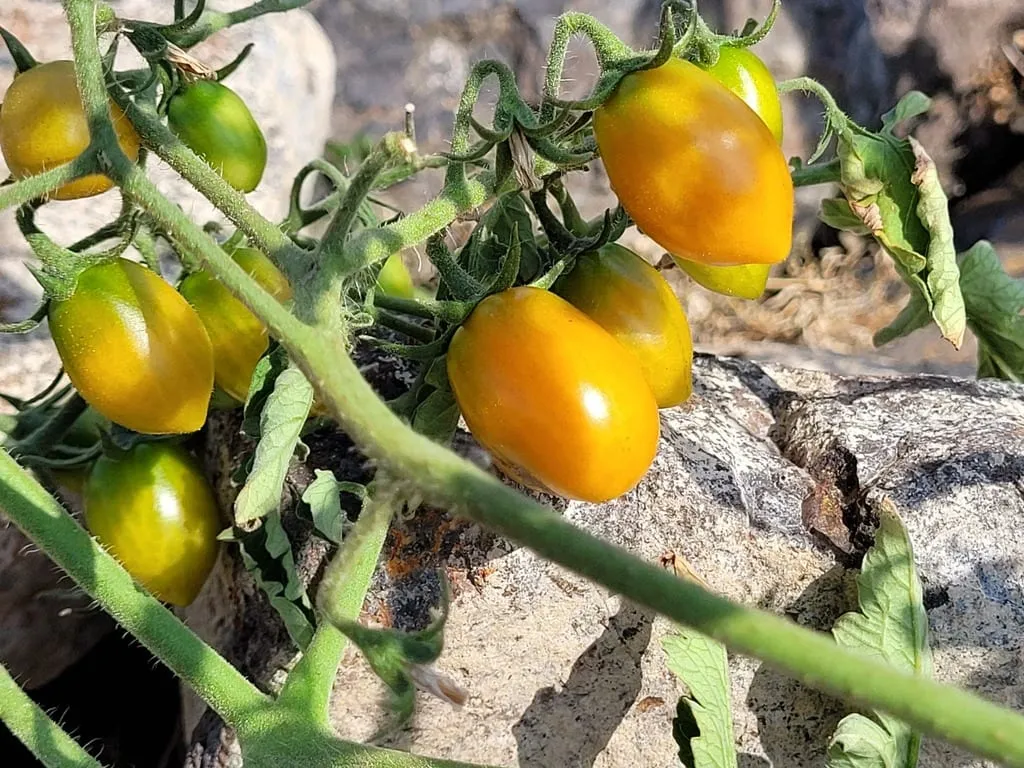 zone 6a
 Tomato
Solanum lycopersicum
zones 3a–10b
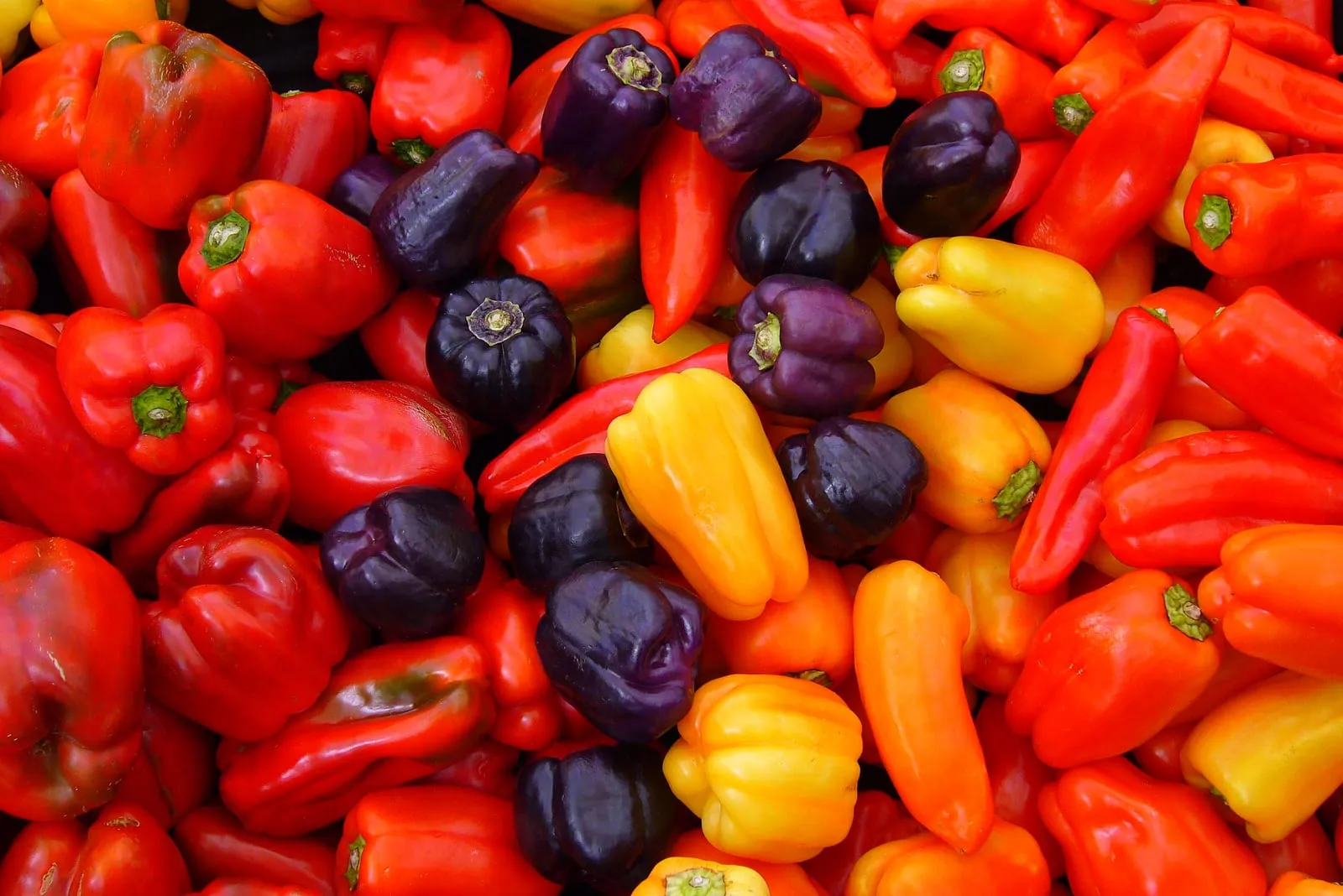 zone 6a
 Sweet Pepper
Capsicum annuum
zones 4a–10b
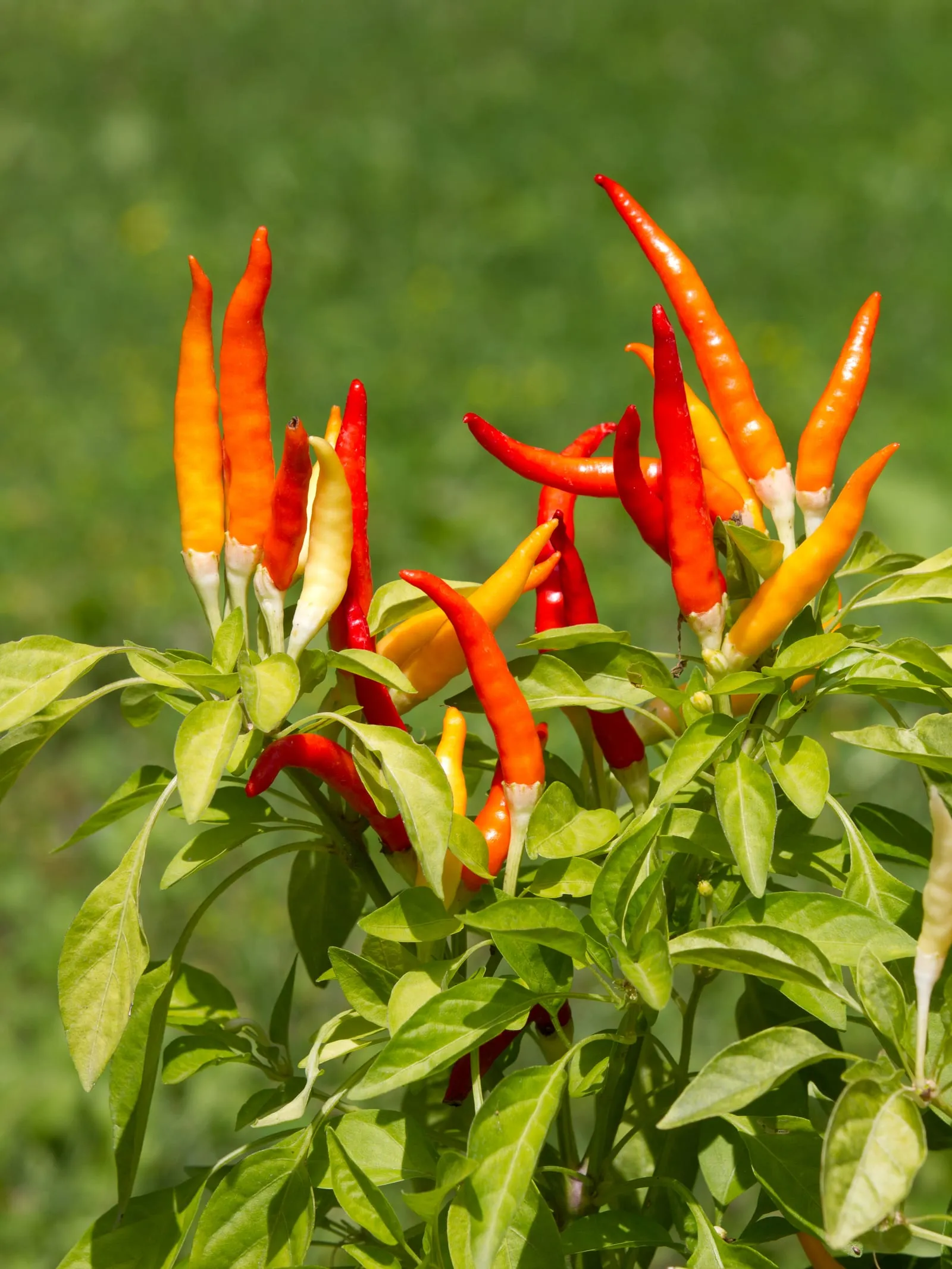 zone 6a
 Hot Pepper
Capsicum species
zones 4a–10b
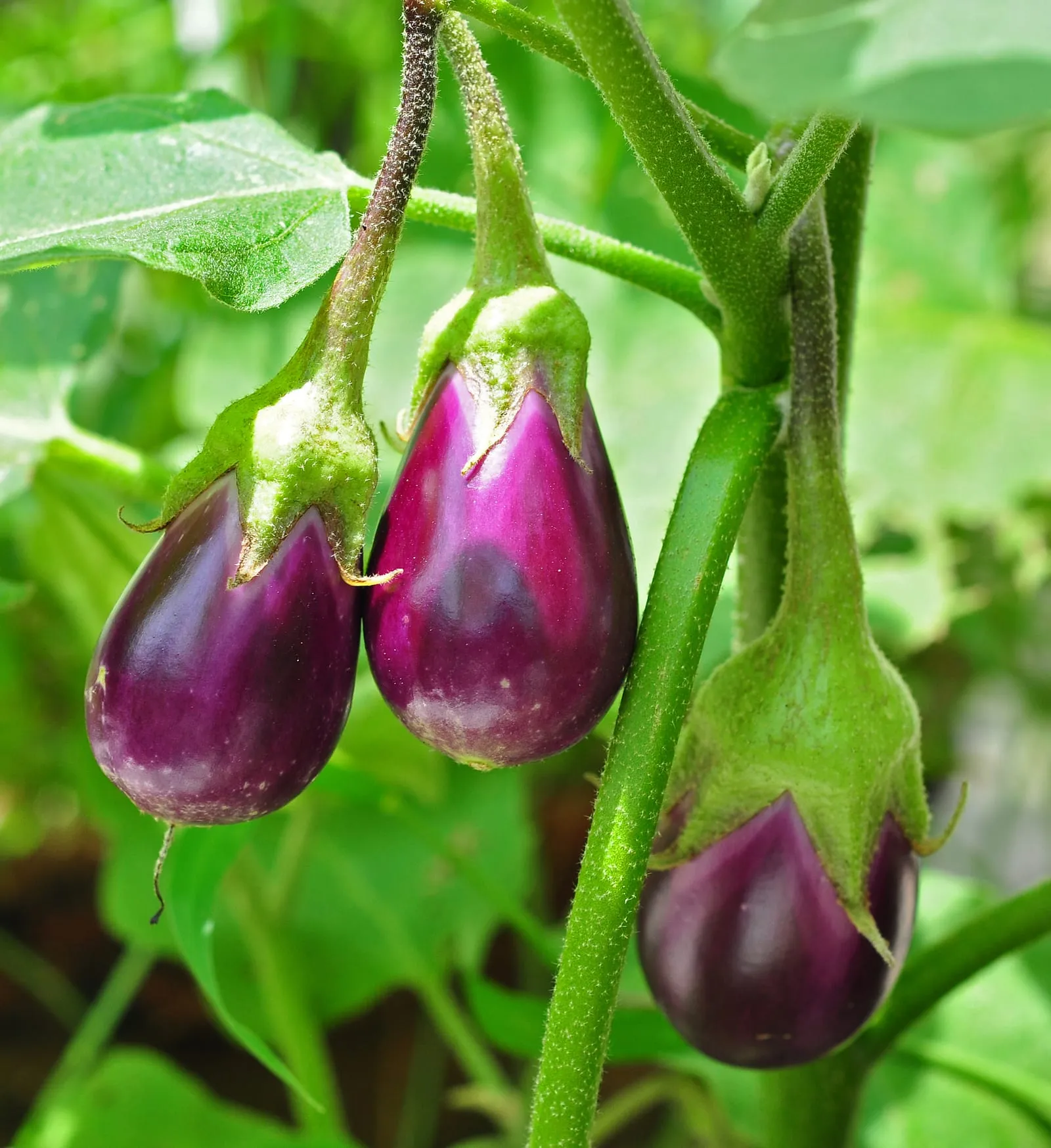 zone 6a
 Eggplant
Solanum melongena
zones 5a–10b
 zone 6a
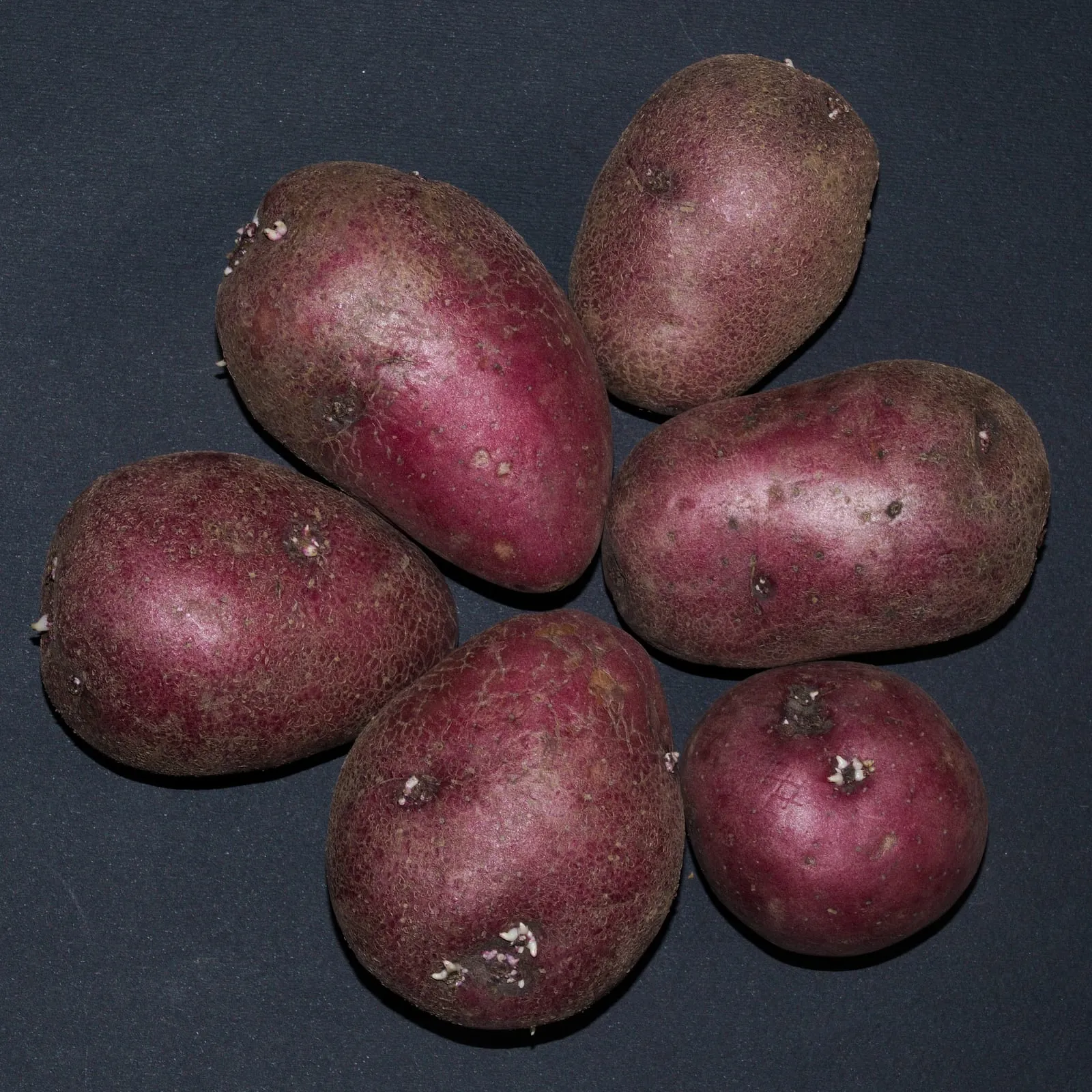
 Potato
Solanum tuberosum
zones 3a–9a
 zone 6a
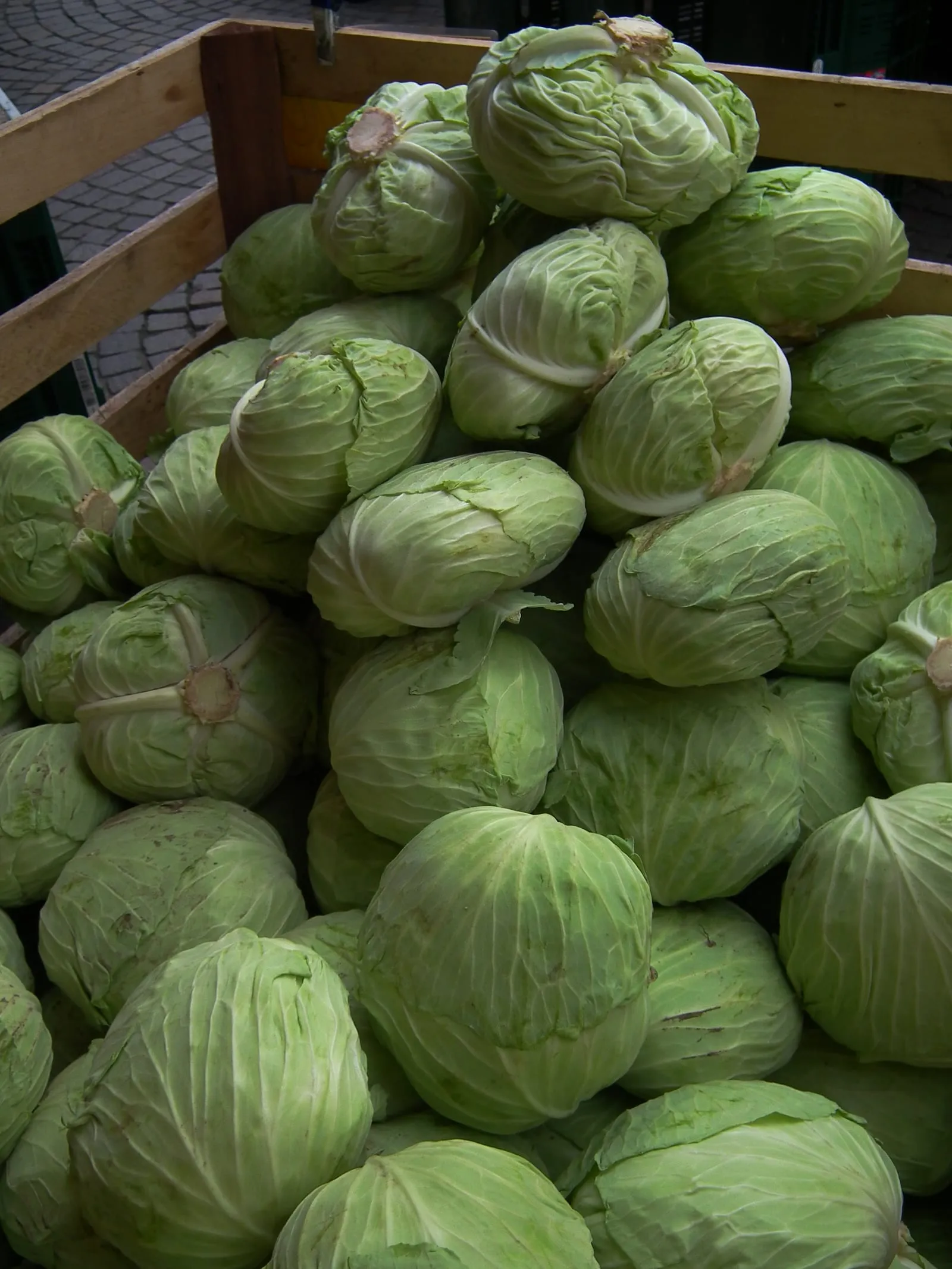
 Cabbage
Brassica oleracea var. capitata
zones 3a–9b
 zone 6a
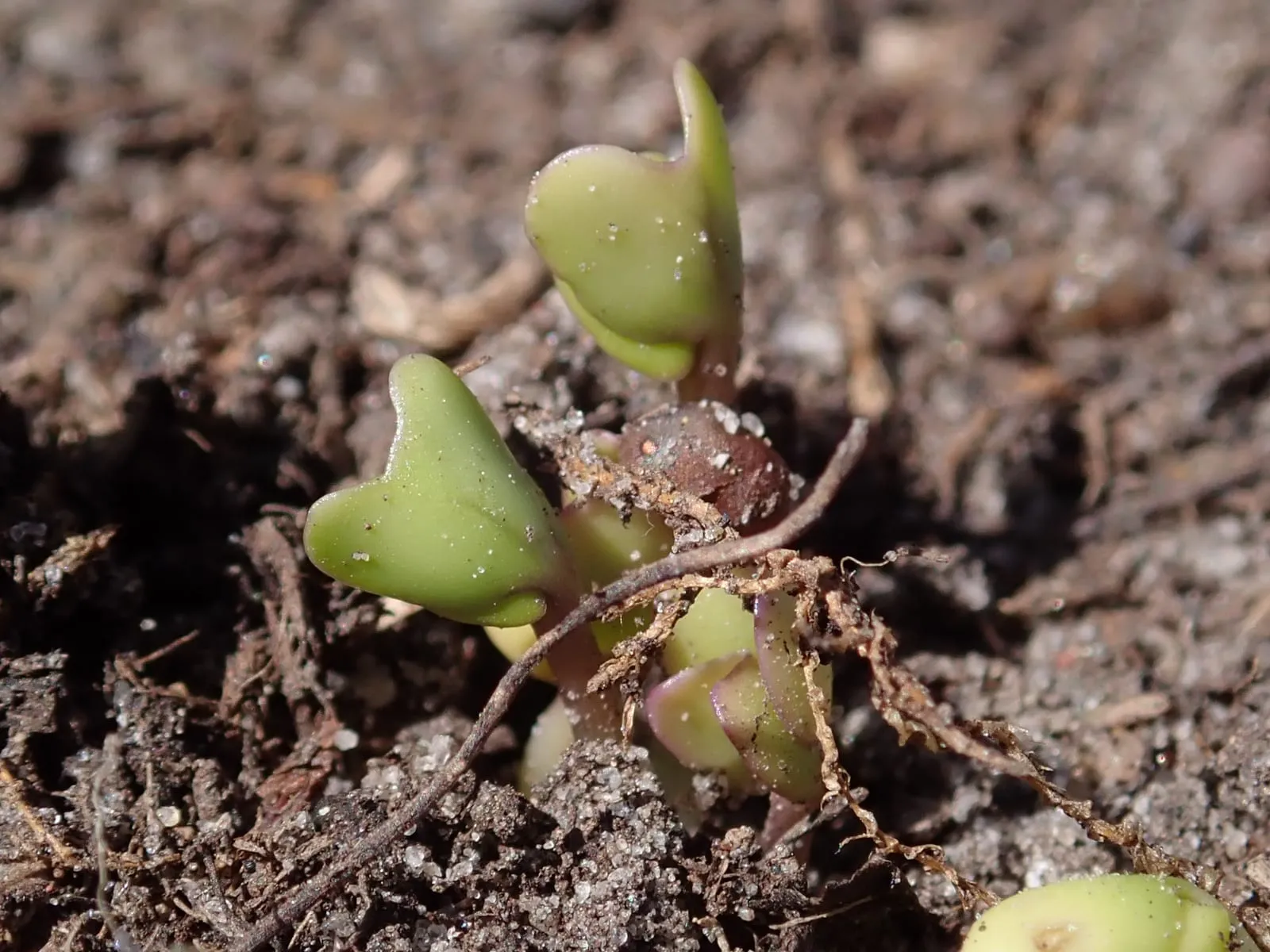
 Broccoli
Brassica oleracea var. italica
zones 3a–9a
 zone 6a
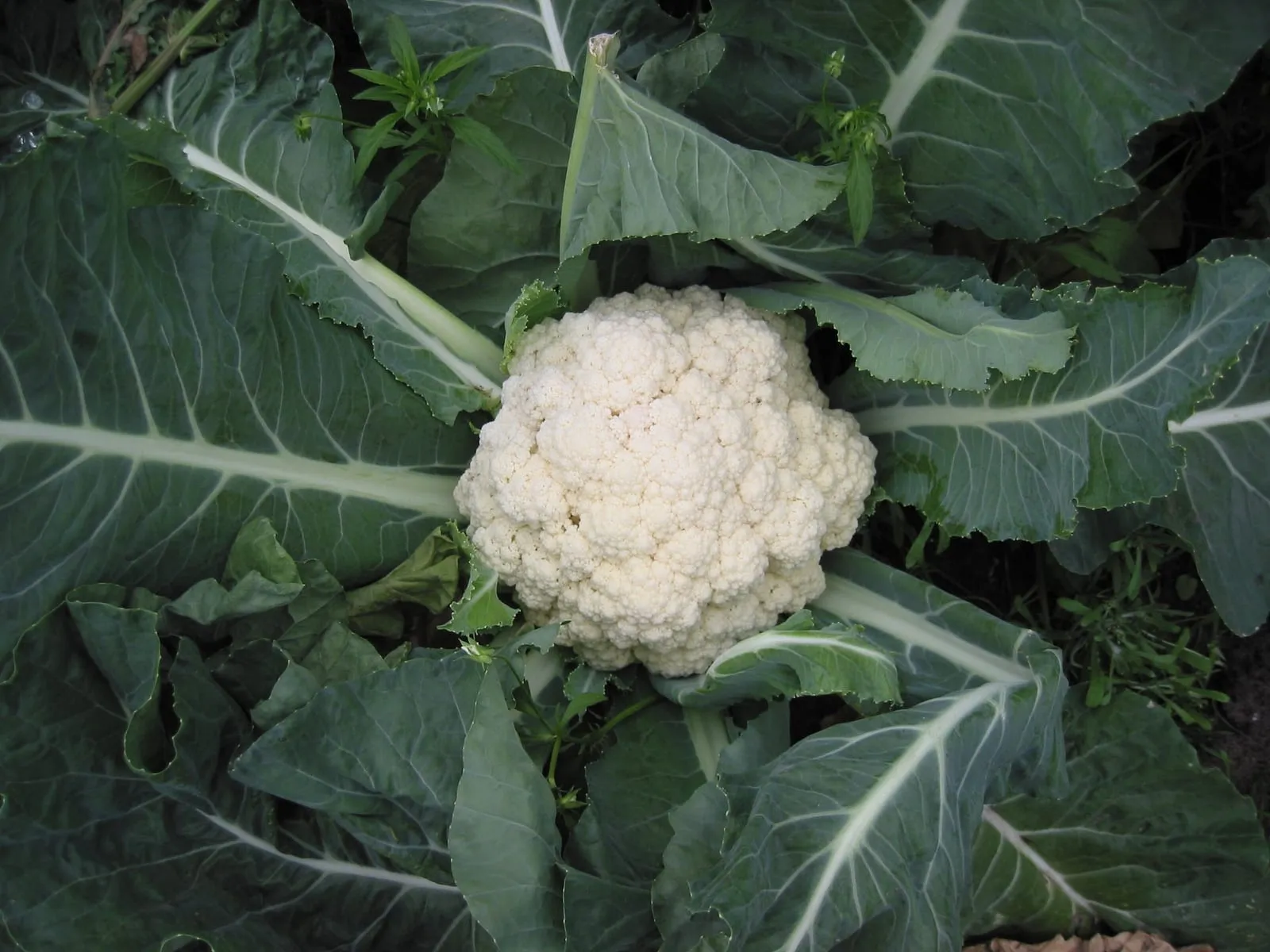
 Cauliflower
Brassica oleracea var. botrytis
zones 3b–9a
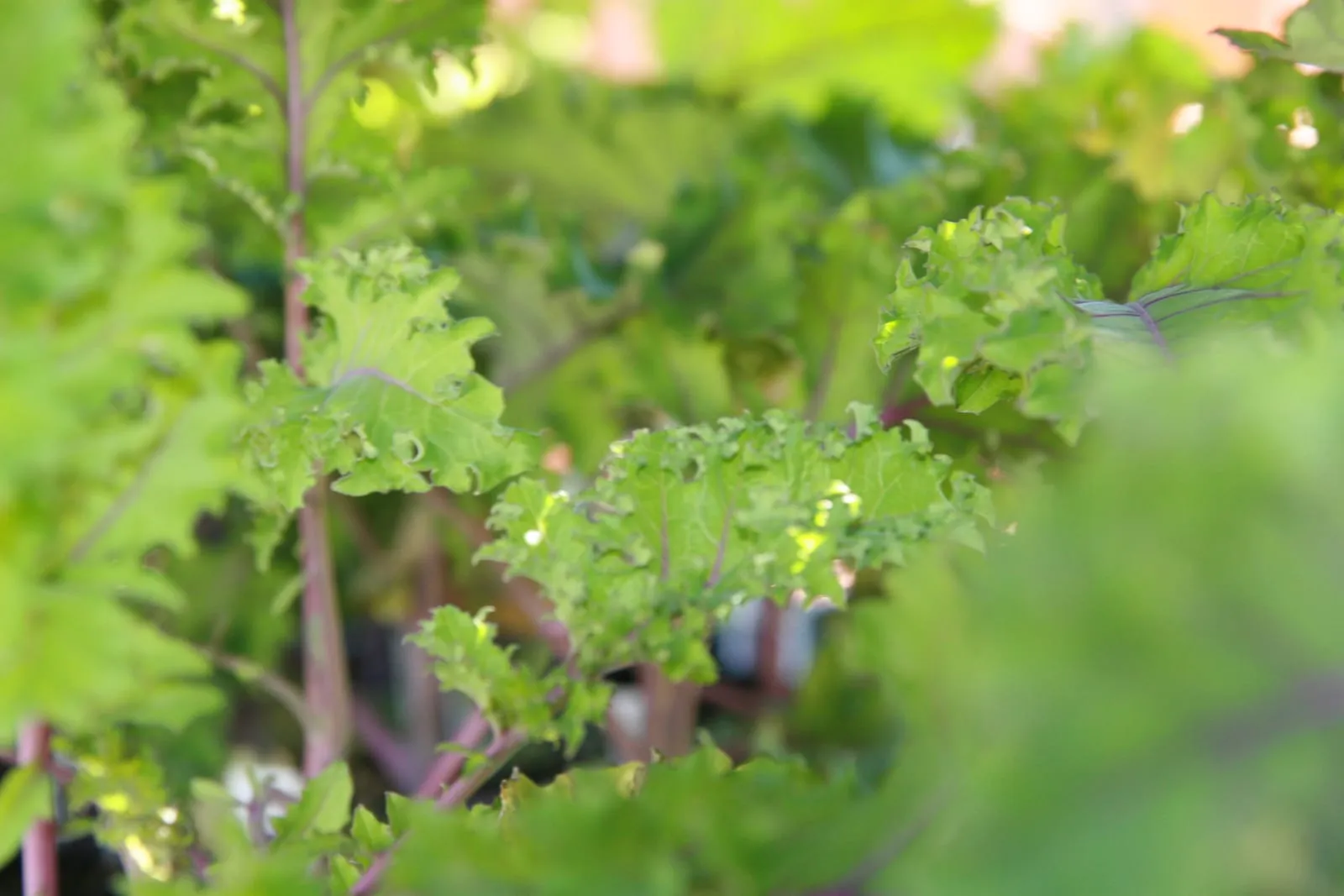 zone 6a
 Kale
Brassica oleracea var. acephala
zones 3a–9b
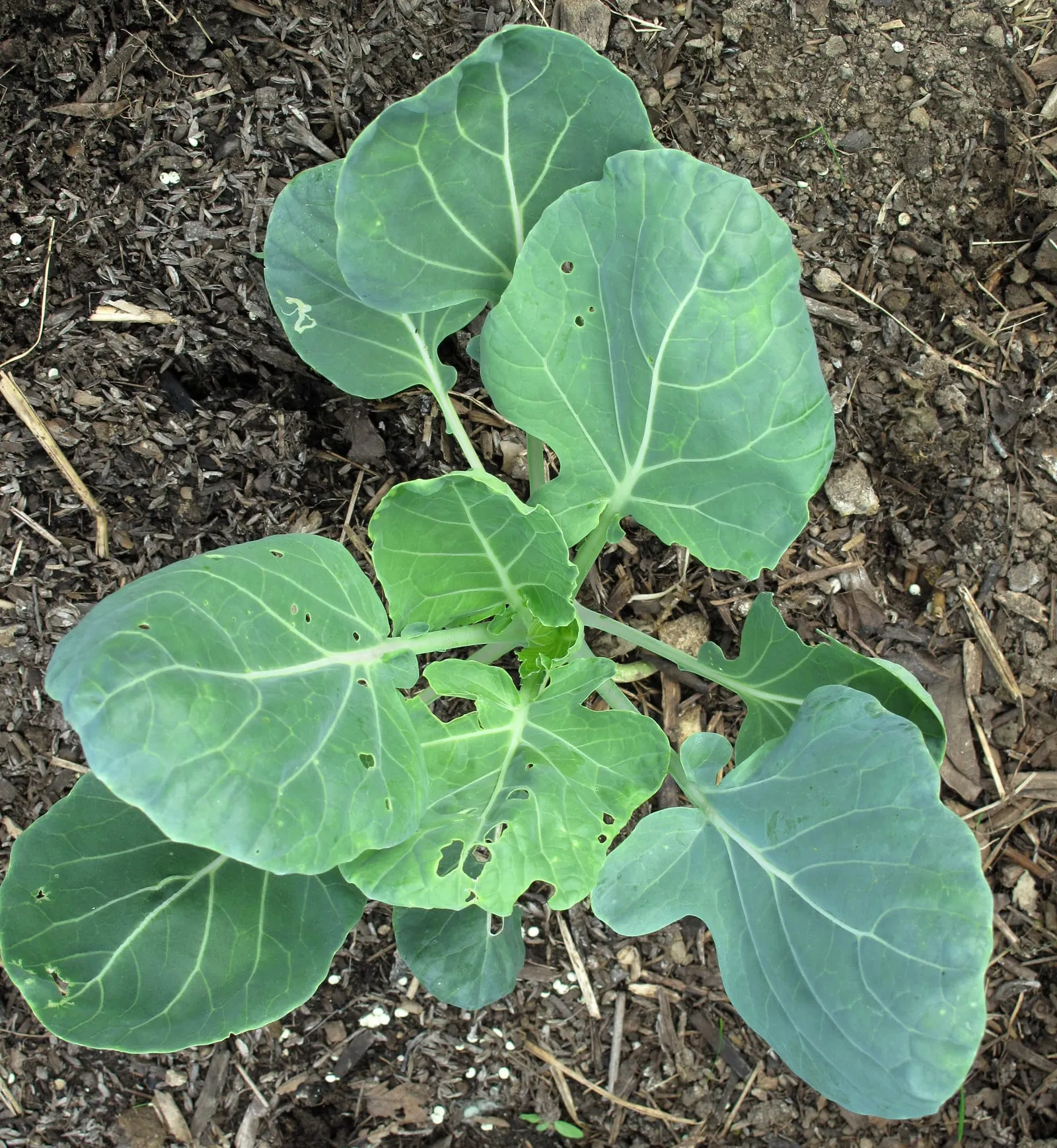 zone 6a
 Brussels Sprouts
Brassica oleracea var. gemmifera
zones 3b–8a
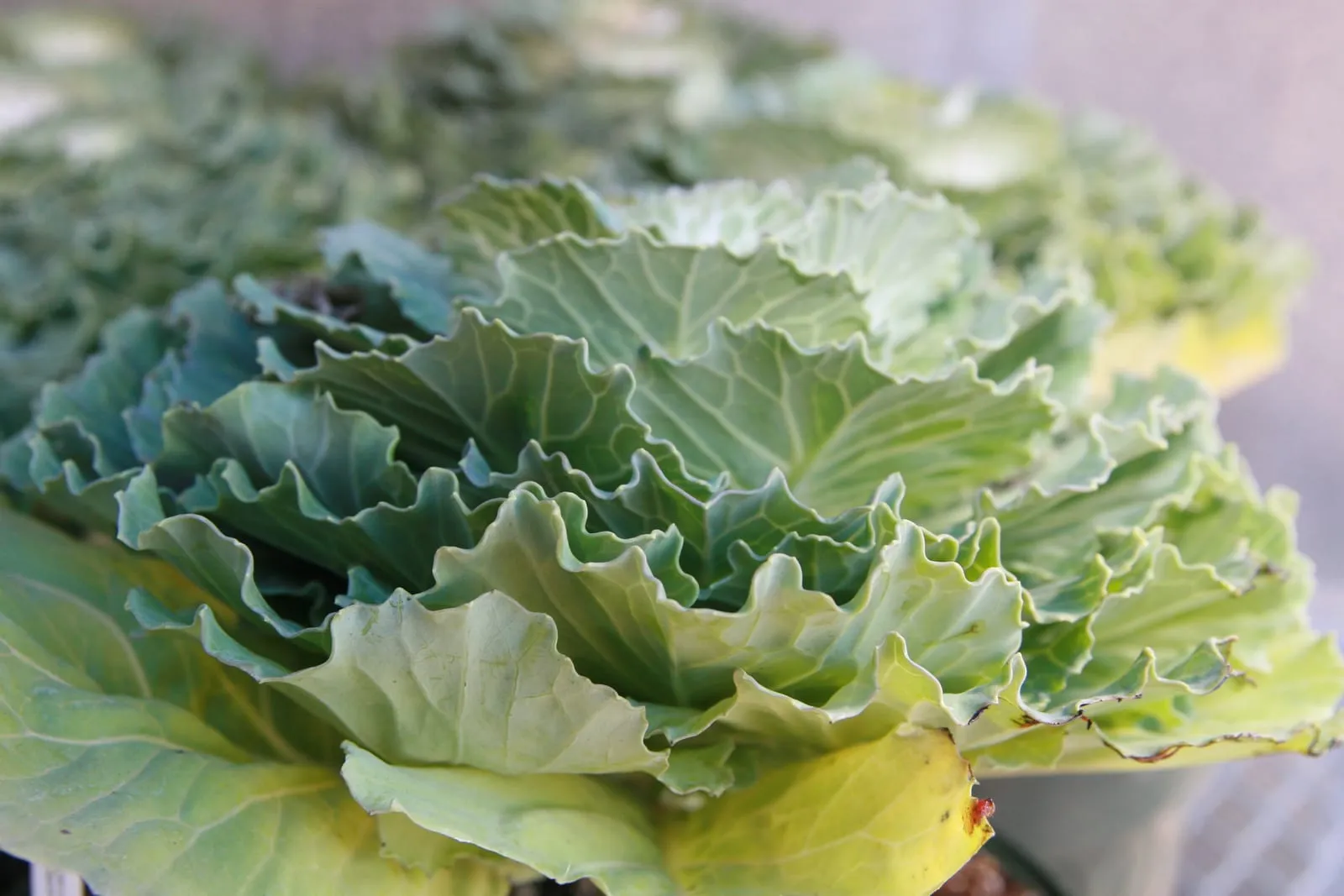 zone 6a
 Collards
Brassica oleracea var. acephala
zones 4a–9b
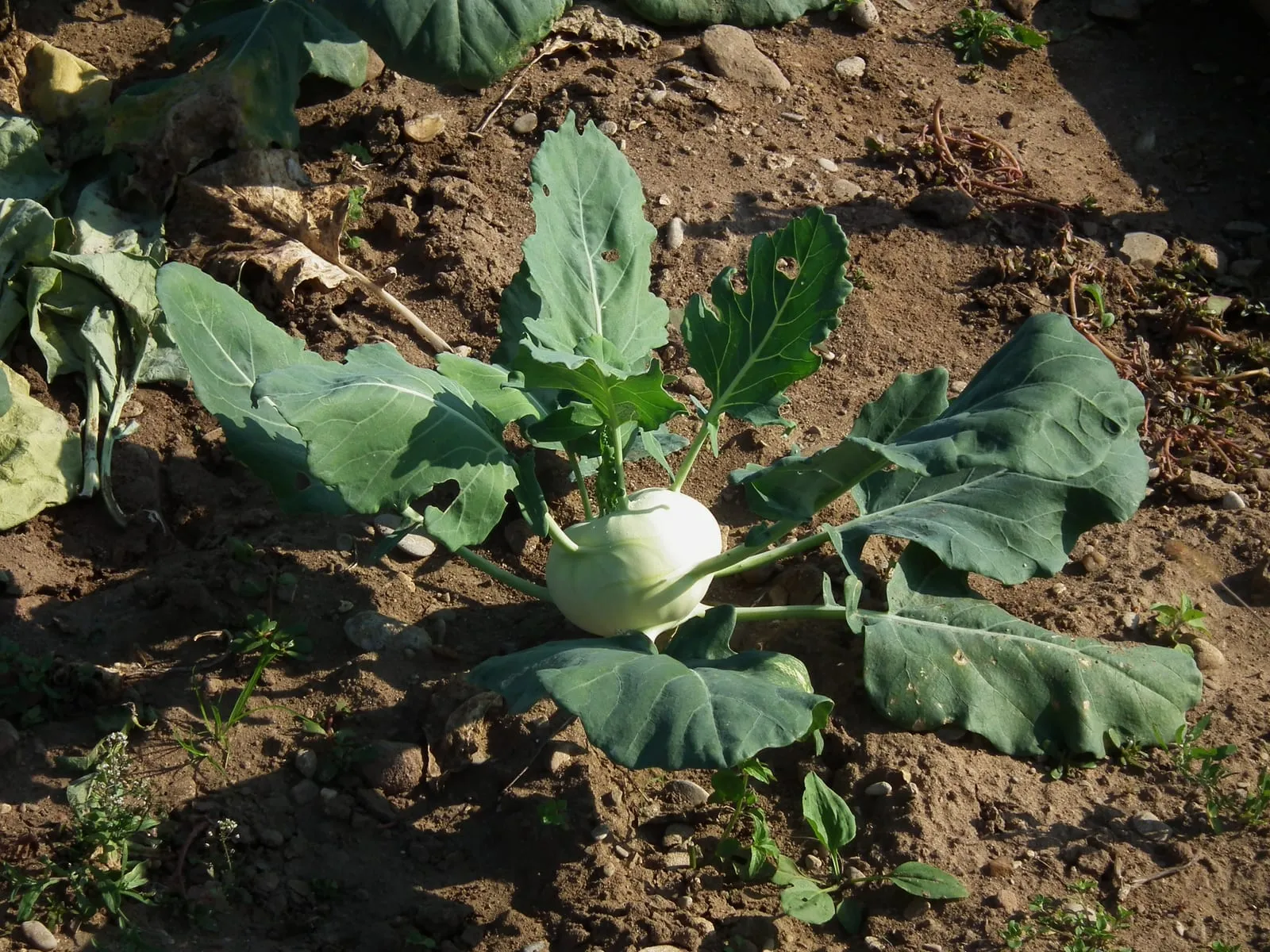 zone 6a
 Kohlrabi
Brassica oleracea var. gongylodes
zones 3b–8a
 zone 6a
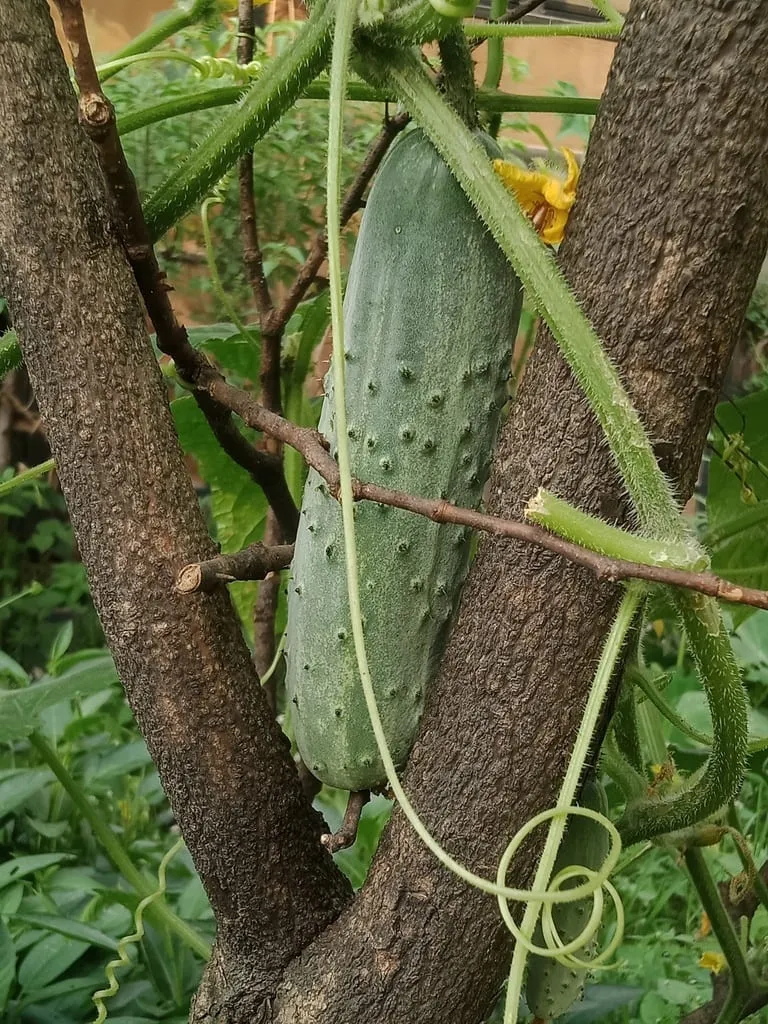
 Cucumber
Cucumis sativus
zones 3b–10a
 zone 6a
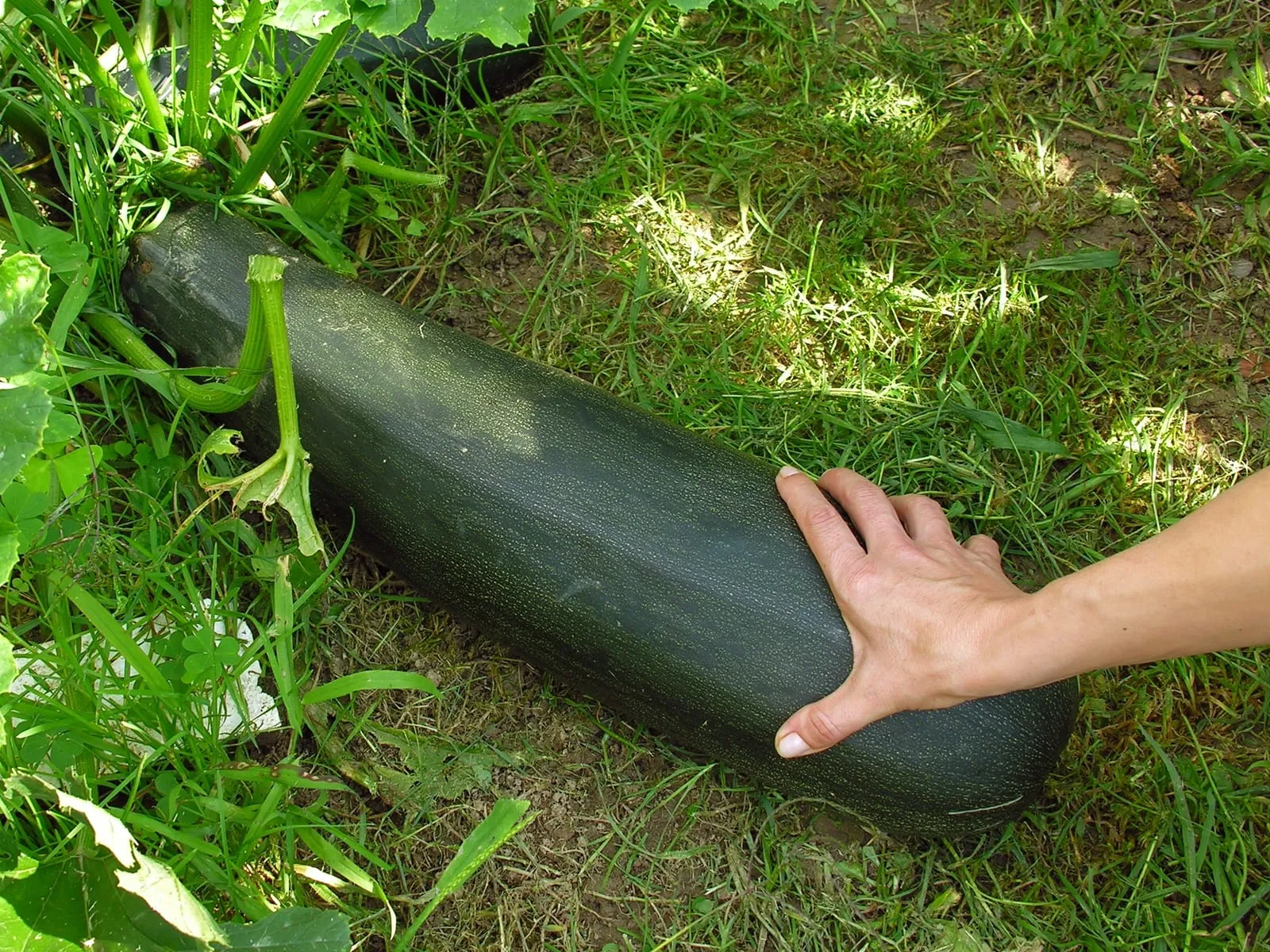
 Summer Squash
Cucurbita pepo
zones 3b–10a
 zone 6a
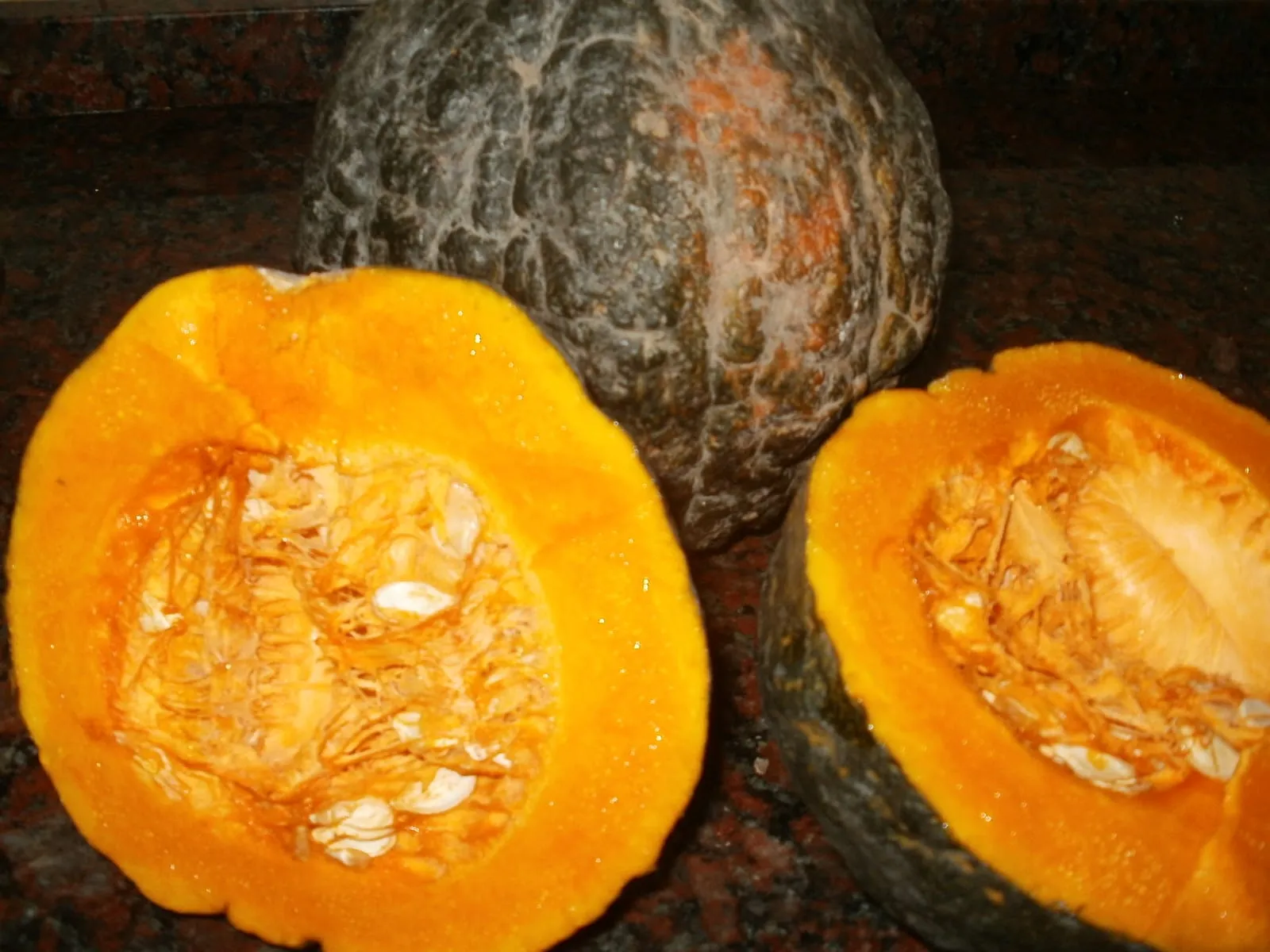
 Winter Squash
Cucurbita maxima and Cucurbita moschata
zones 4a–9a
 zone 6a
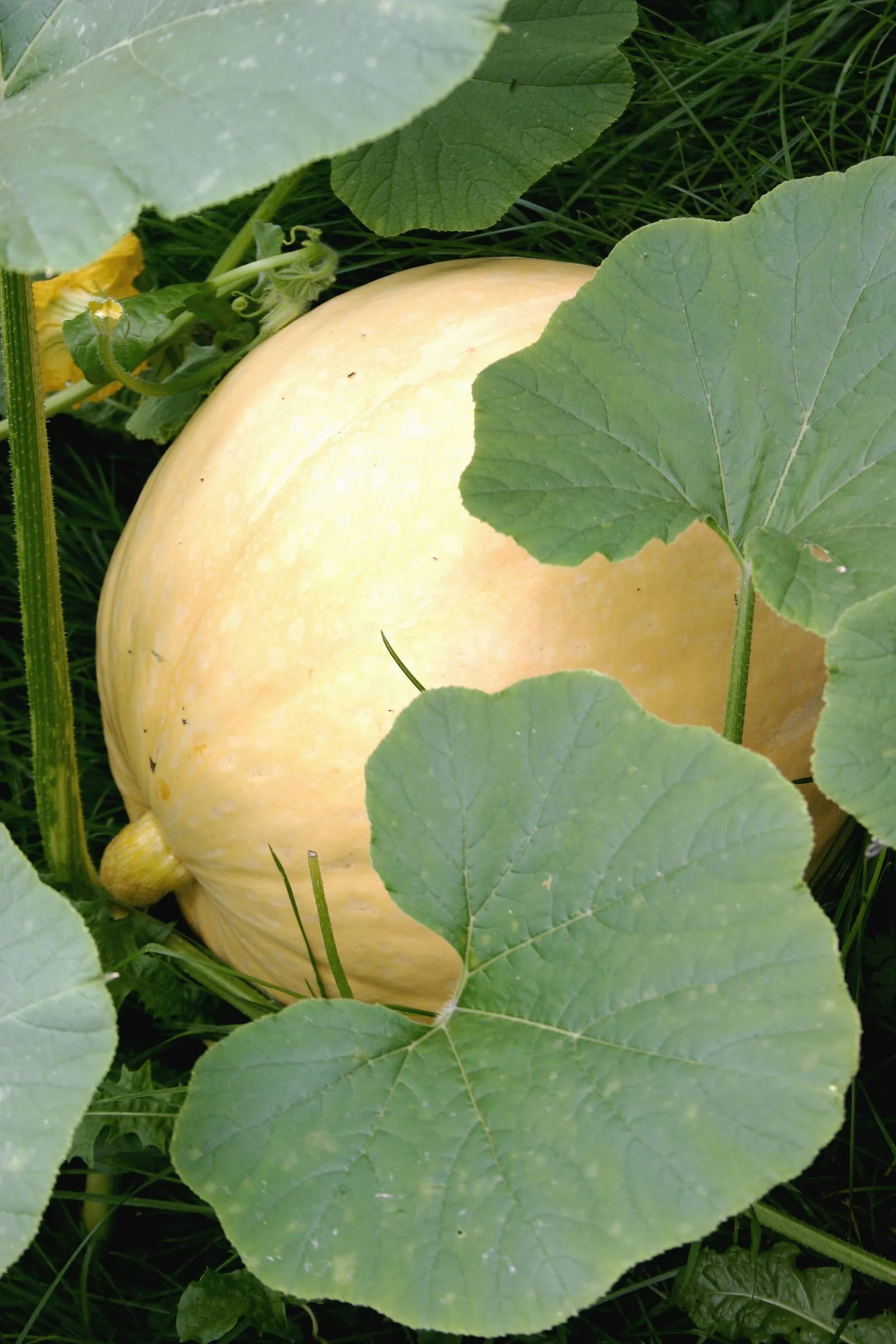
 Pumpkin
Cucurbita pepo and Cucurbita maxima
zones 4a–8b
 zone 6a
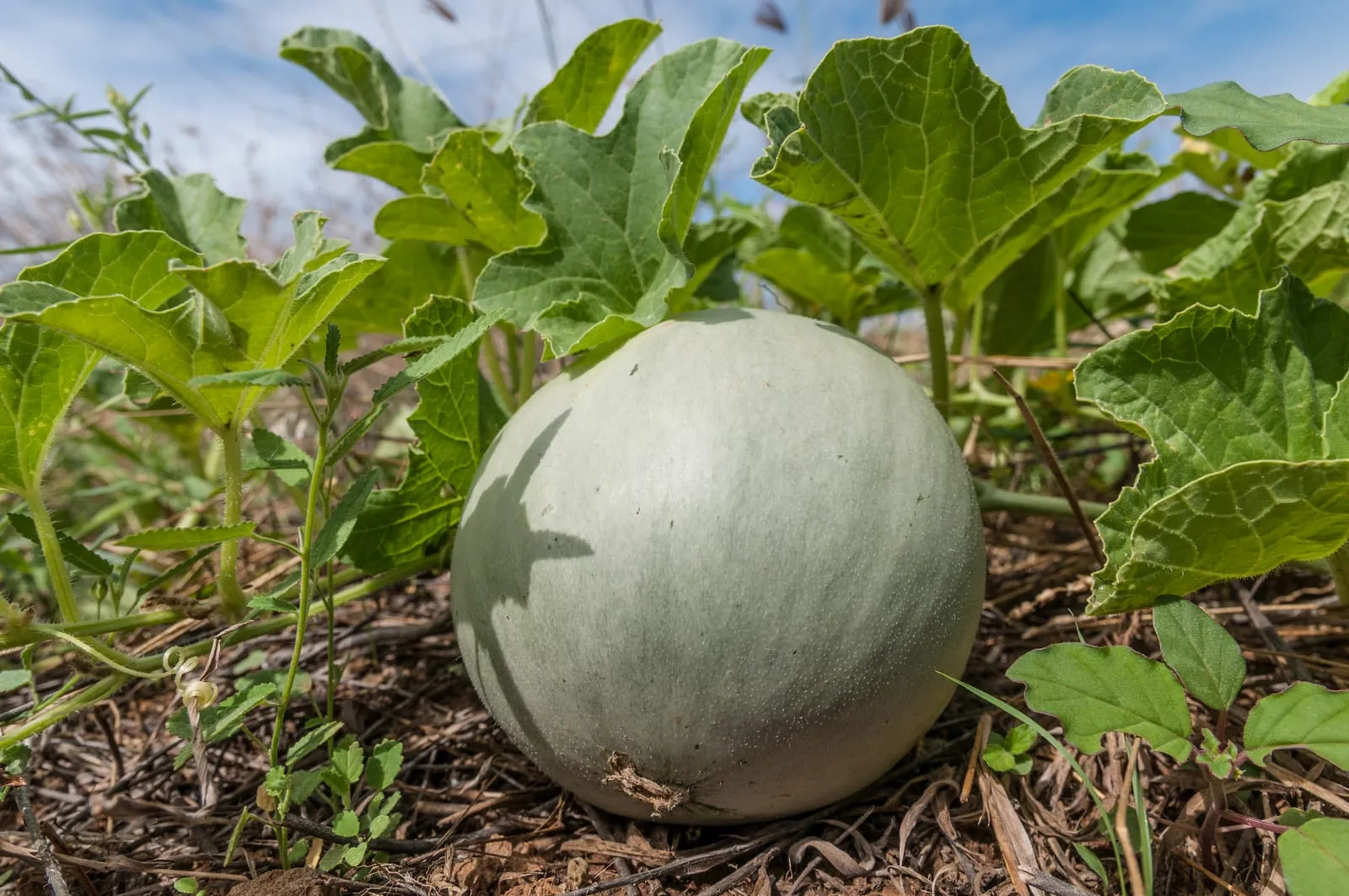
 Melon
Cucumis melo
zones 5a–10a
 zone 6a
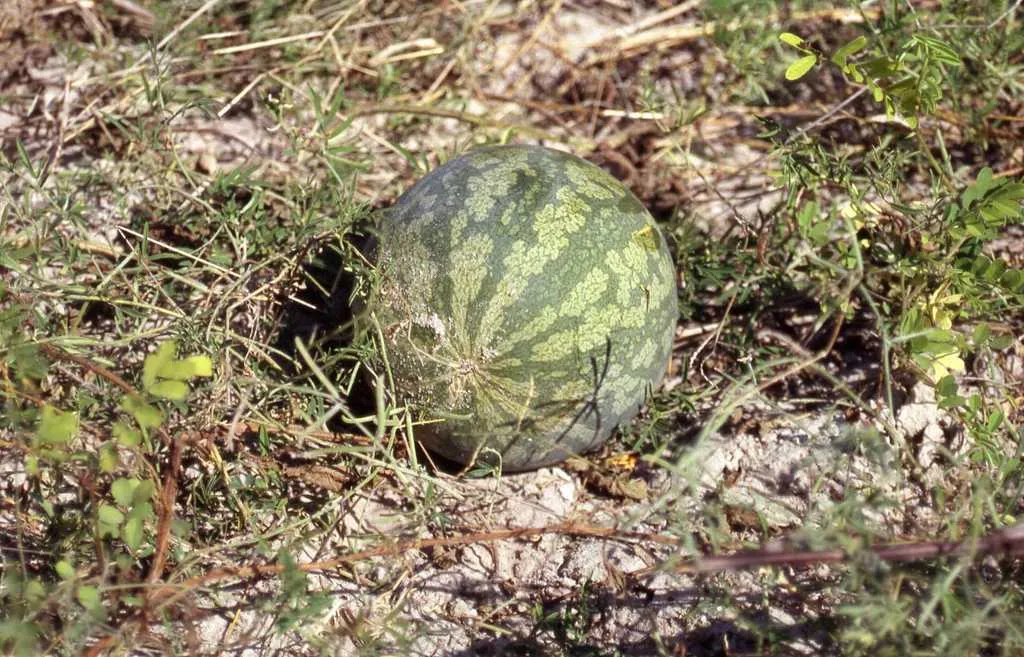
 Watermelon
Citrullus lanatus
zones 5b–10a
 zone 6a
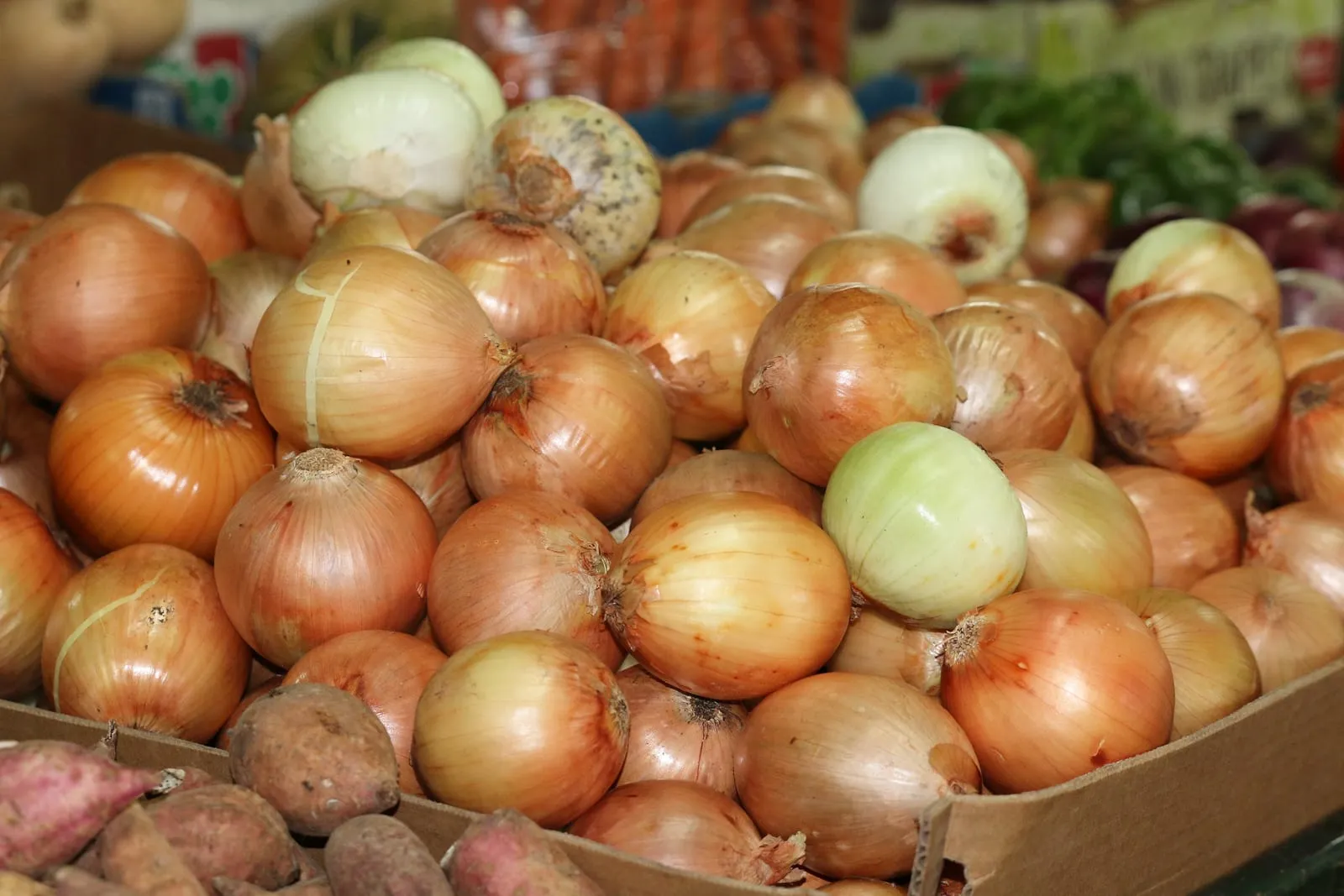
 Onion
Allium cepa
zones 3a–9b
 zone 6a
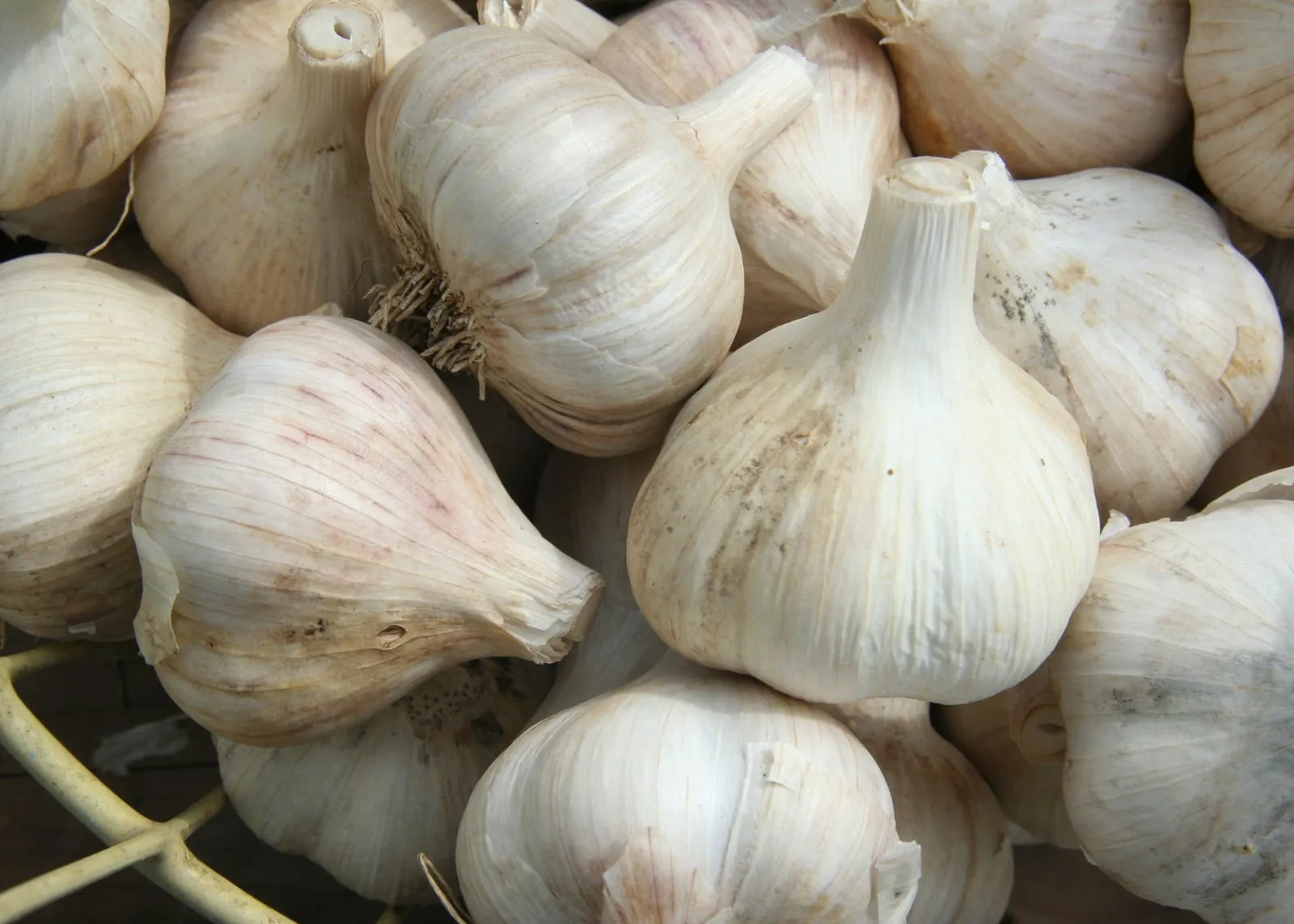
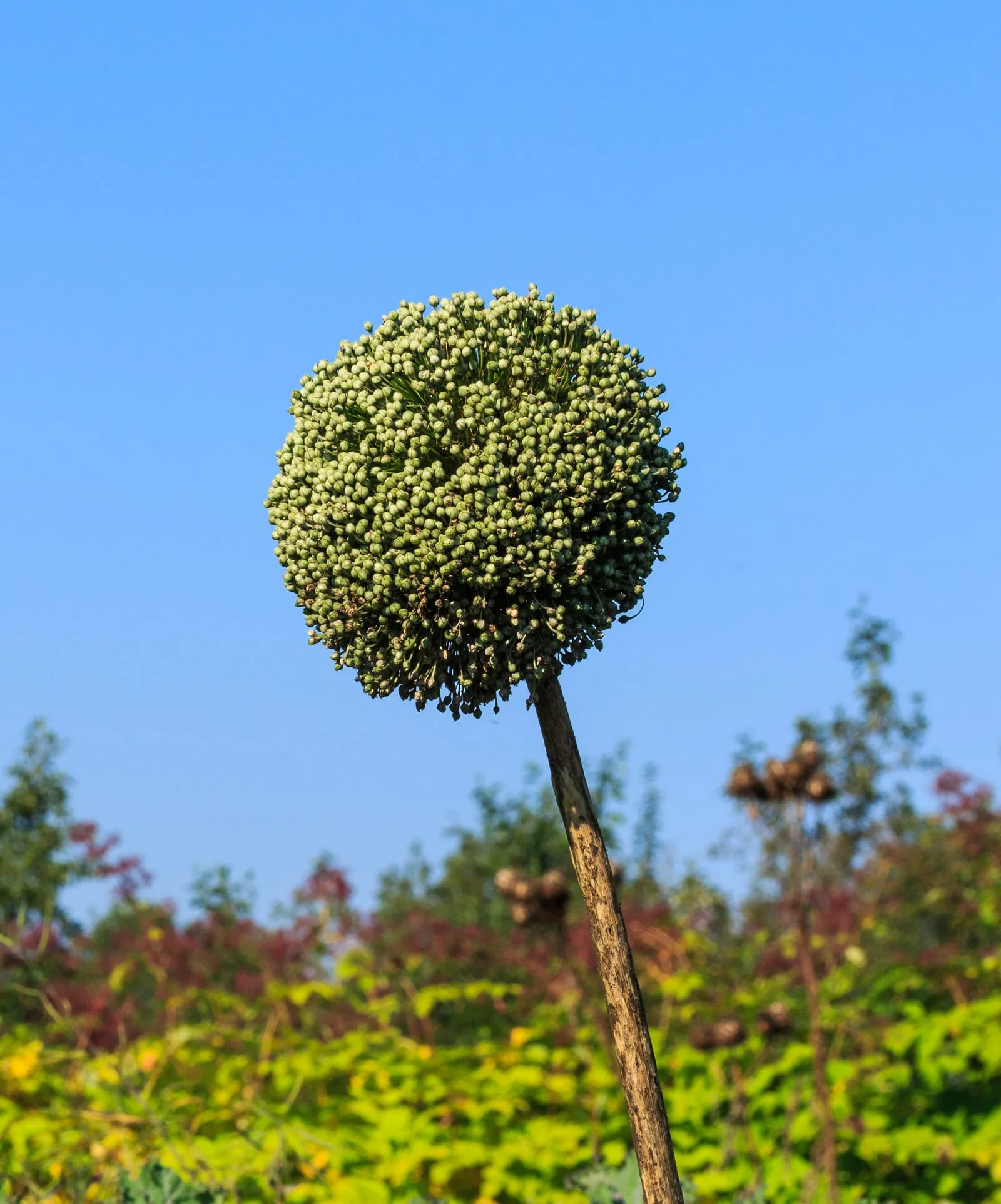
 Garlic
Allium sativum
zones 3a–9a
 zone 6a
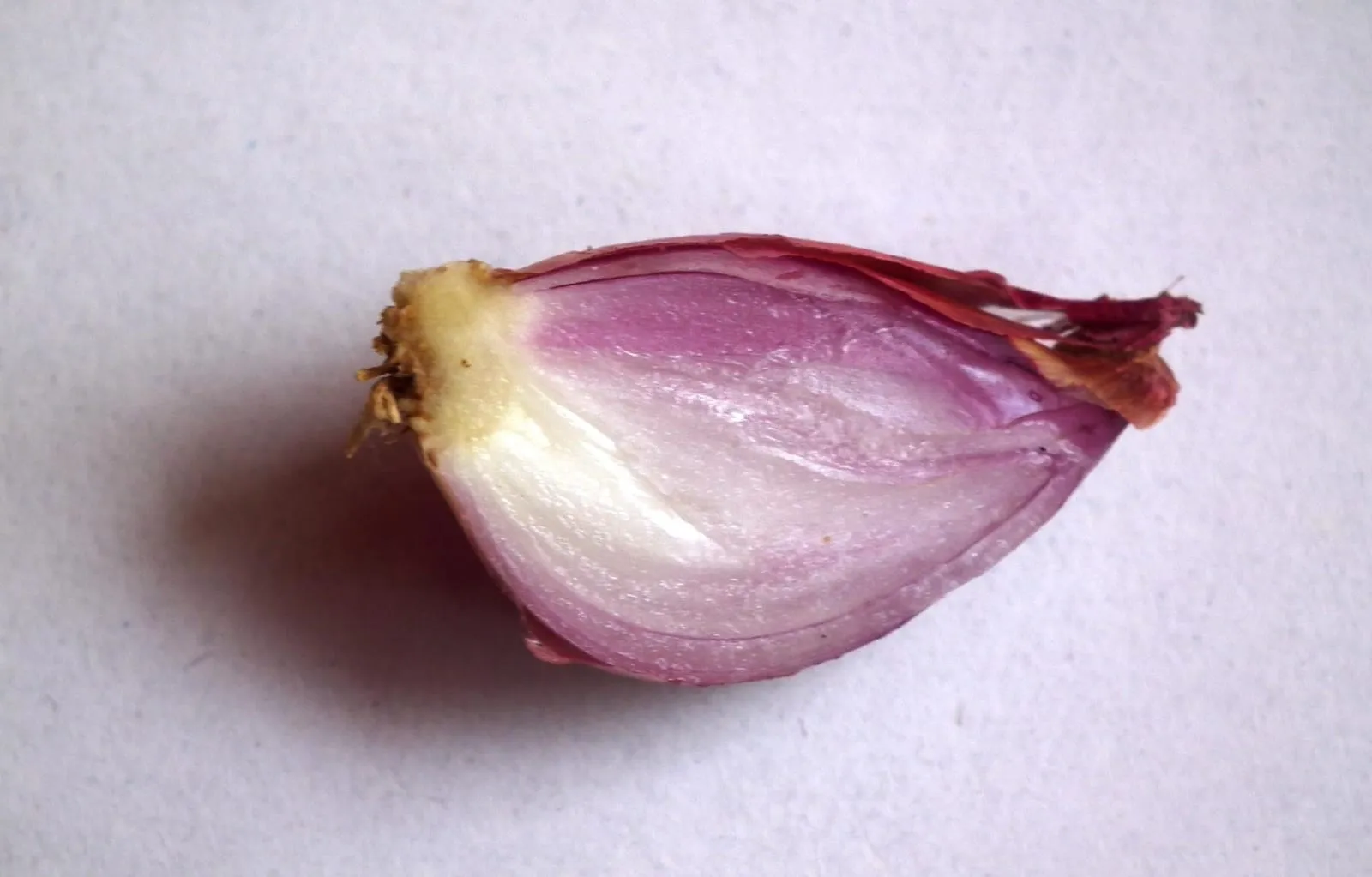
 Leek
Allium ampeloprasum
zones 3b–8b
 zone 6a
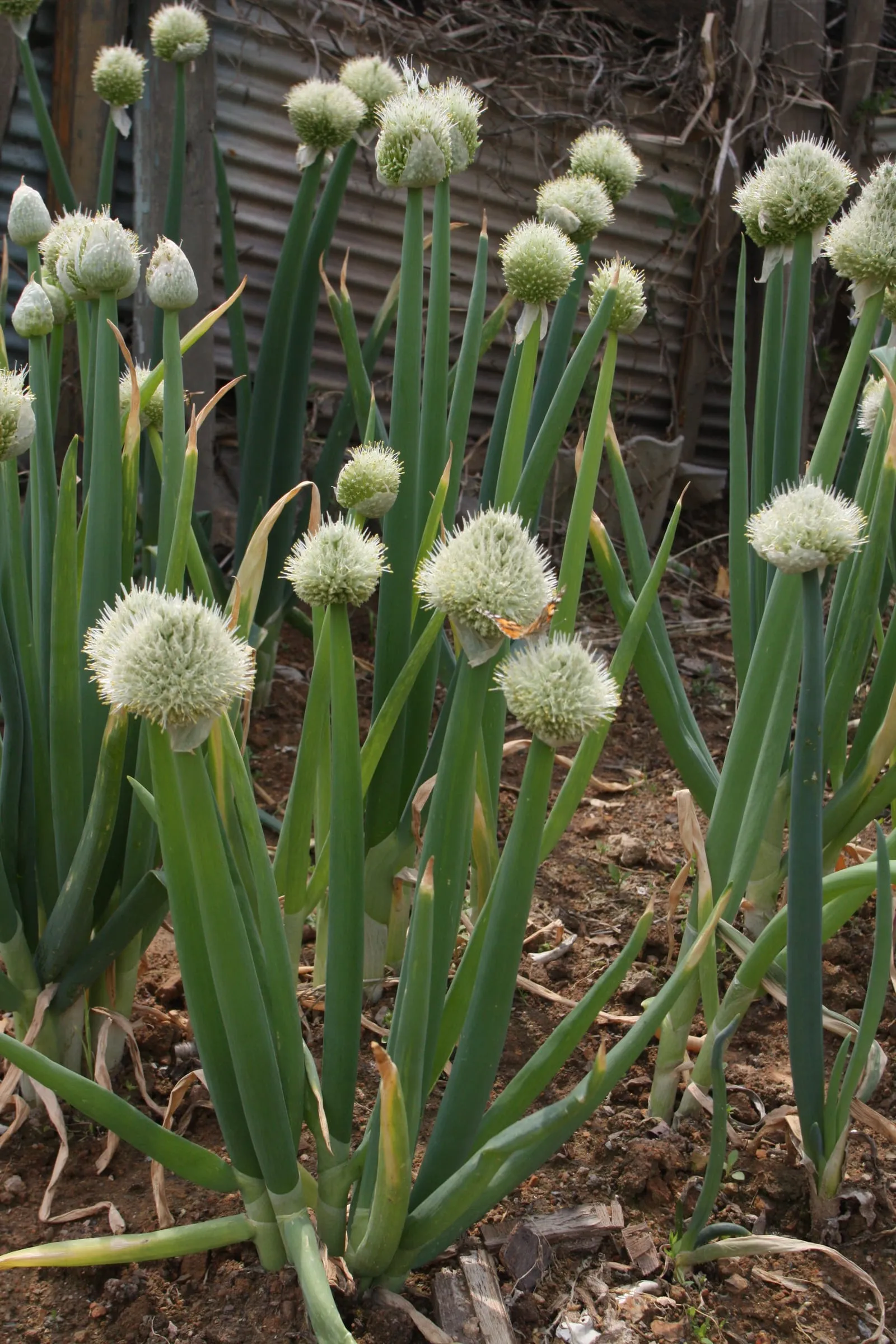
 Shallot
Allium cepa var. aggregatum
zones 3b–8a
 zone 6a
 Scallion (Bunching Onion)
Allium fistulosum
zones 3b–9b
 zone 6a
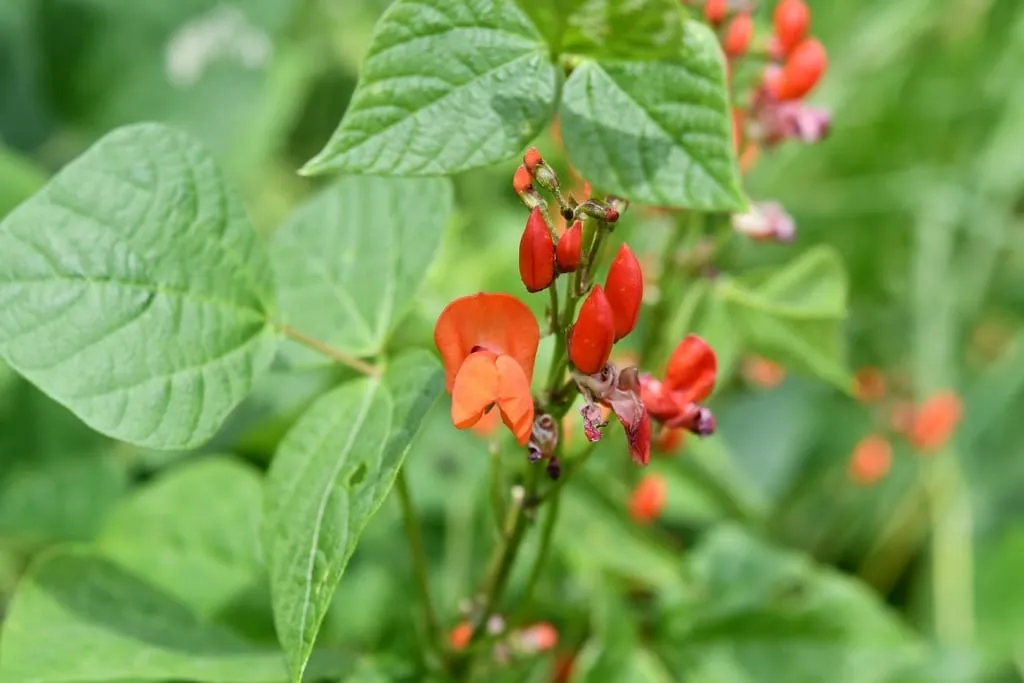
 Bush Bean
Phaseolus vulgaris
zones 3b–9a
 zone 6a
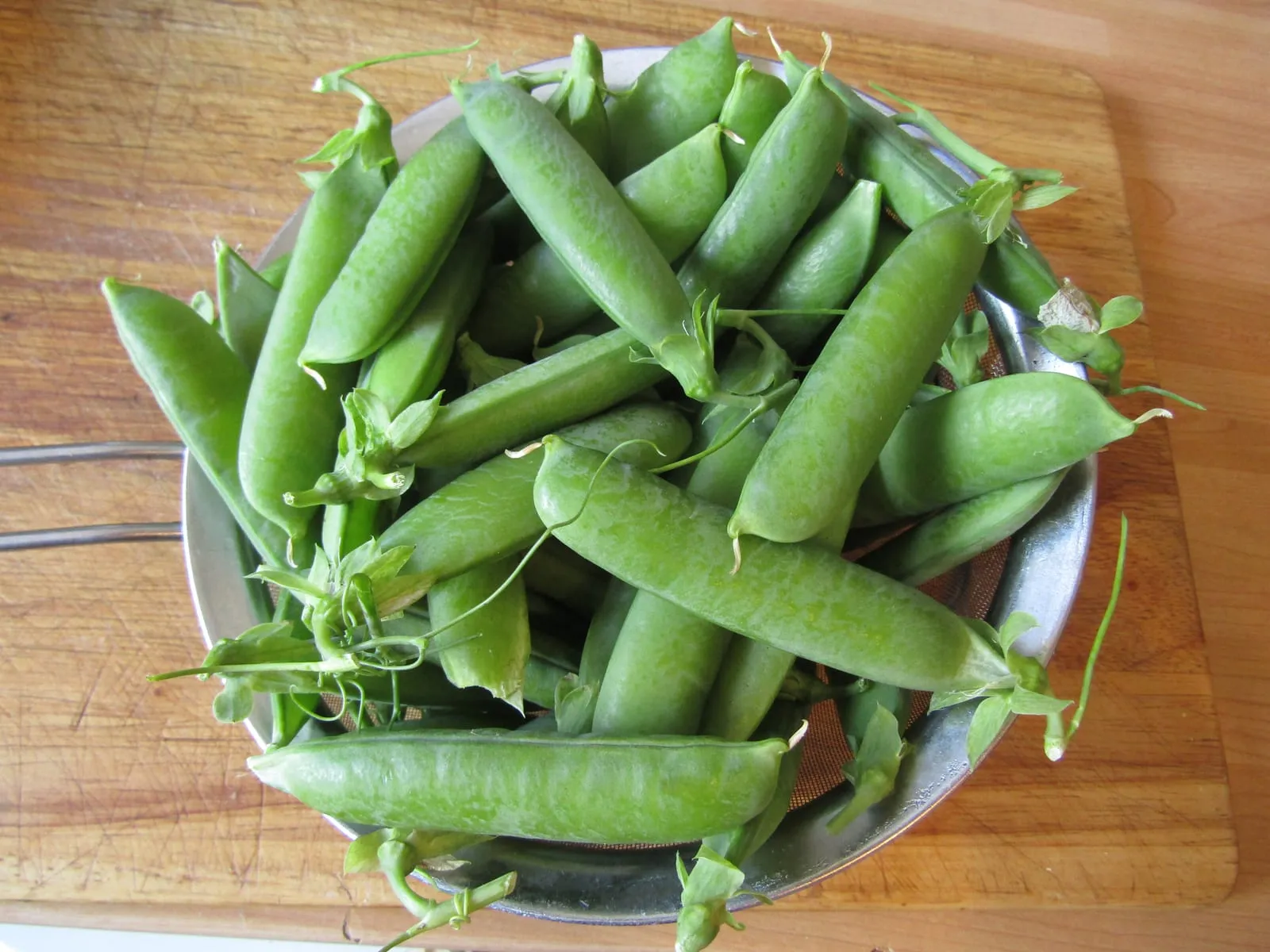
 Pole Bean
Phaseolus vulgaris
zones 3b–9a
 zone 6a
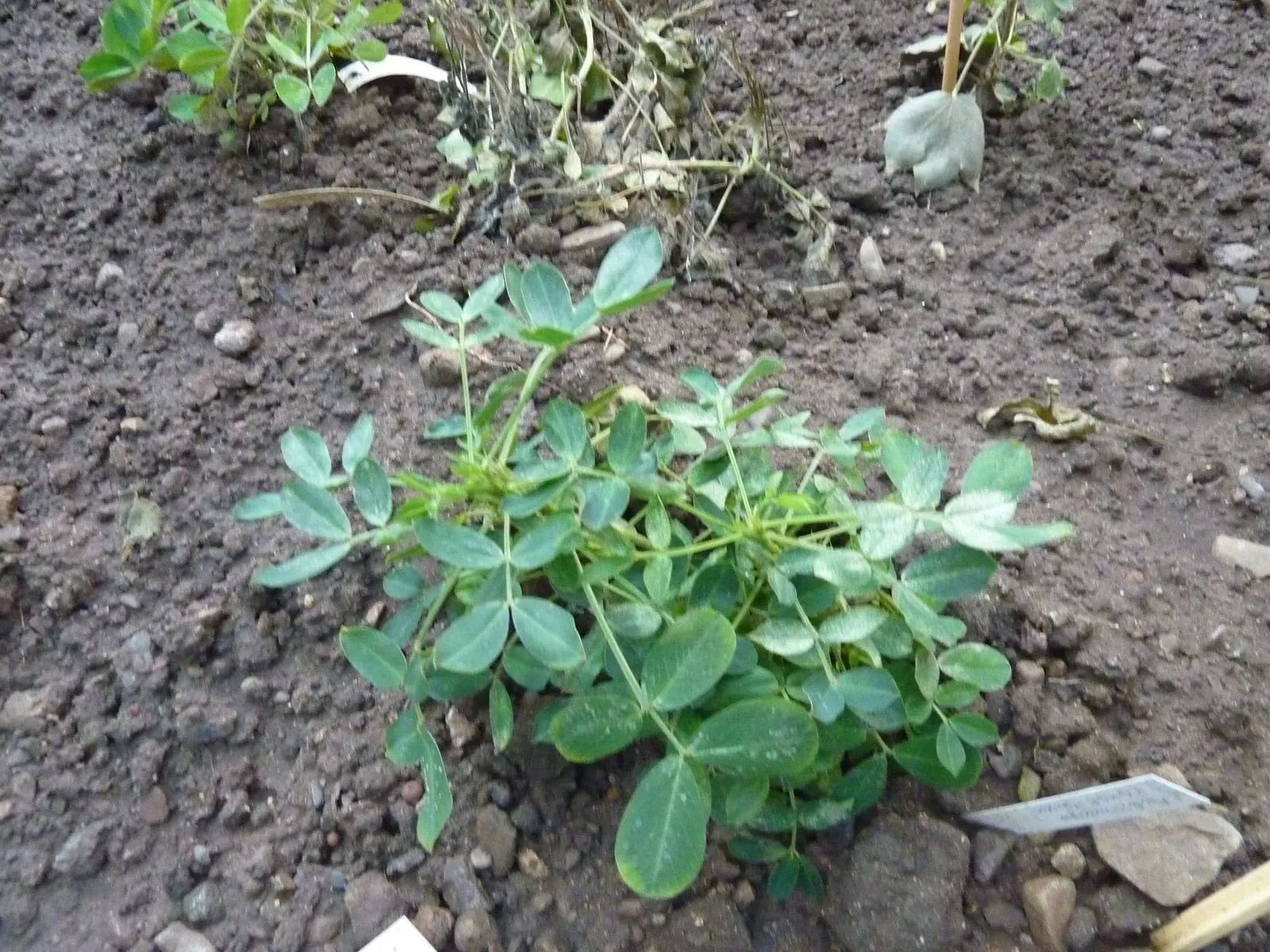
 Pea
Pisum sativum
zones 3a–8b
 zone 6a
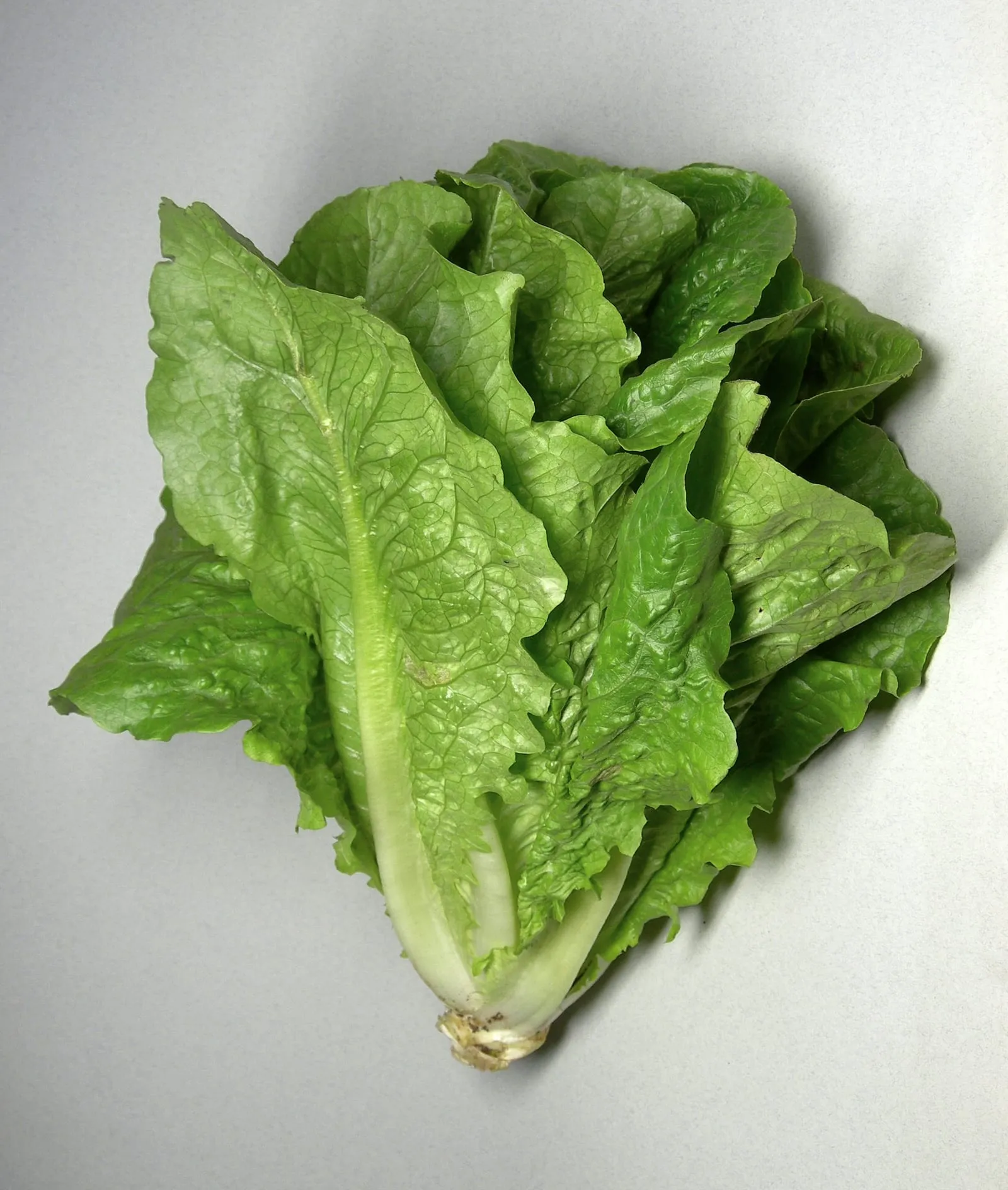
 Peanut
Arachis hypogaea
zones 6a–9b
 zone 6a
 Lettuce
Lactuca sativa
zones 3a–9b
 zone 6a
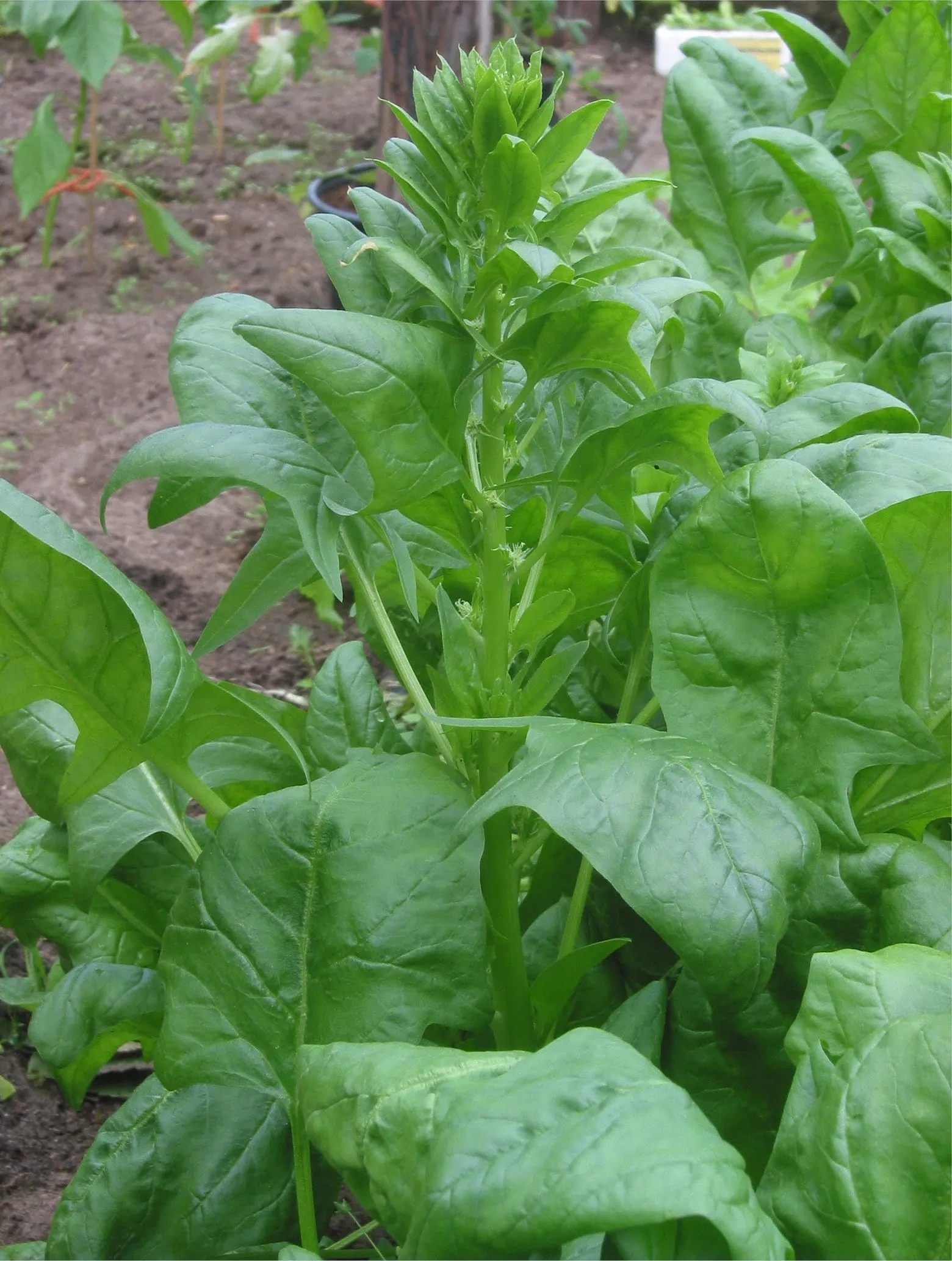
 Spinach
Spinacia oleracea
zones 3a–9a
 zone 6a
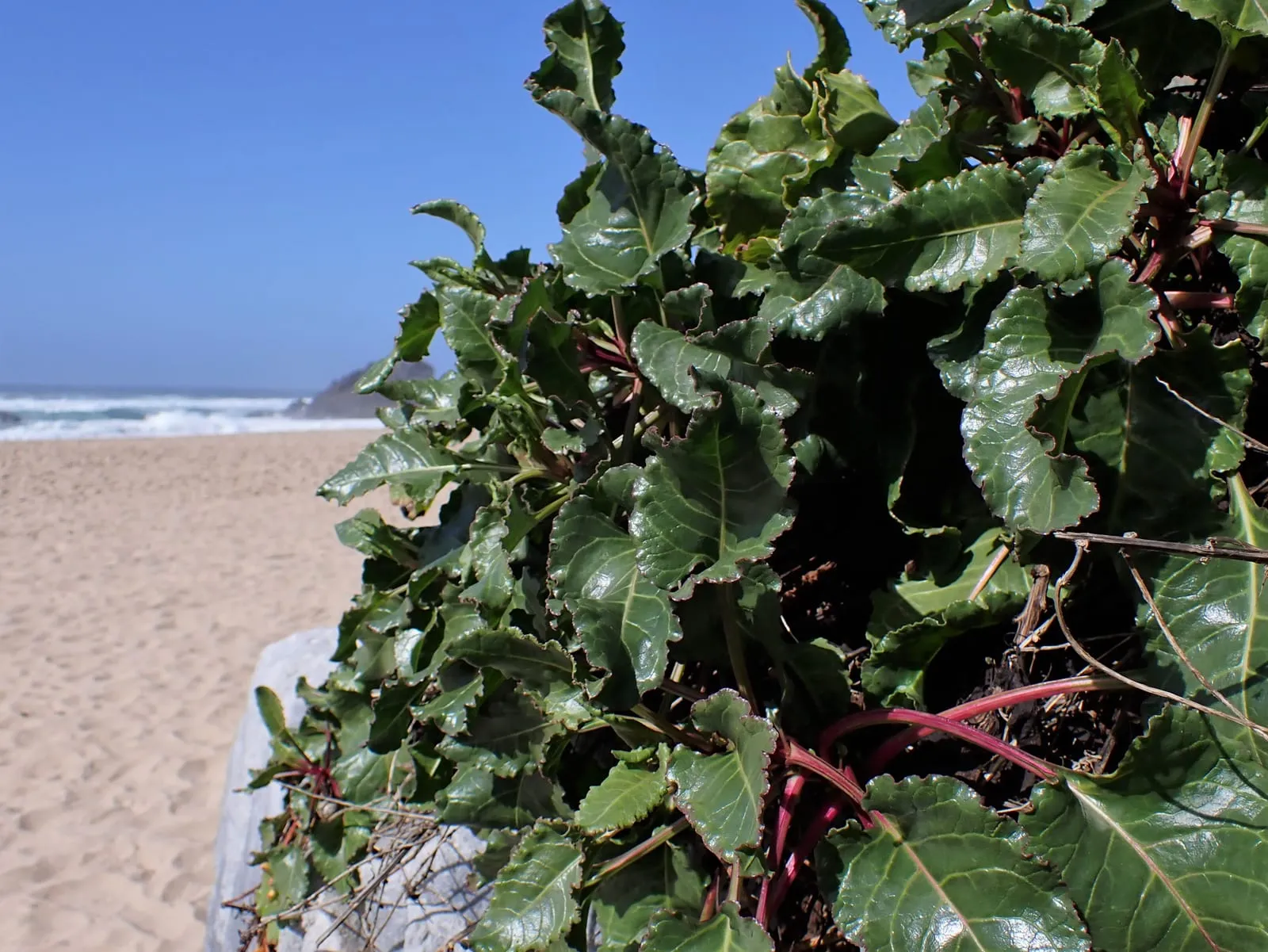
 Swiss Chard
Beta vulgaris subsp. vulgaris
zones 3a–9b
 zone 6a
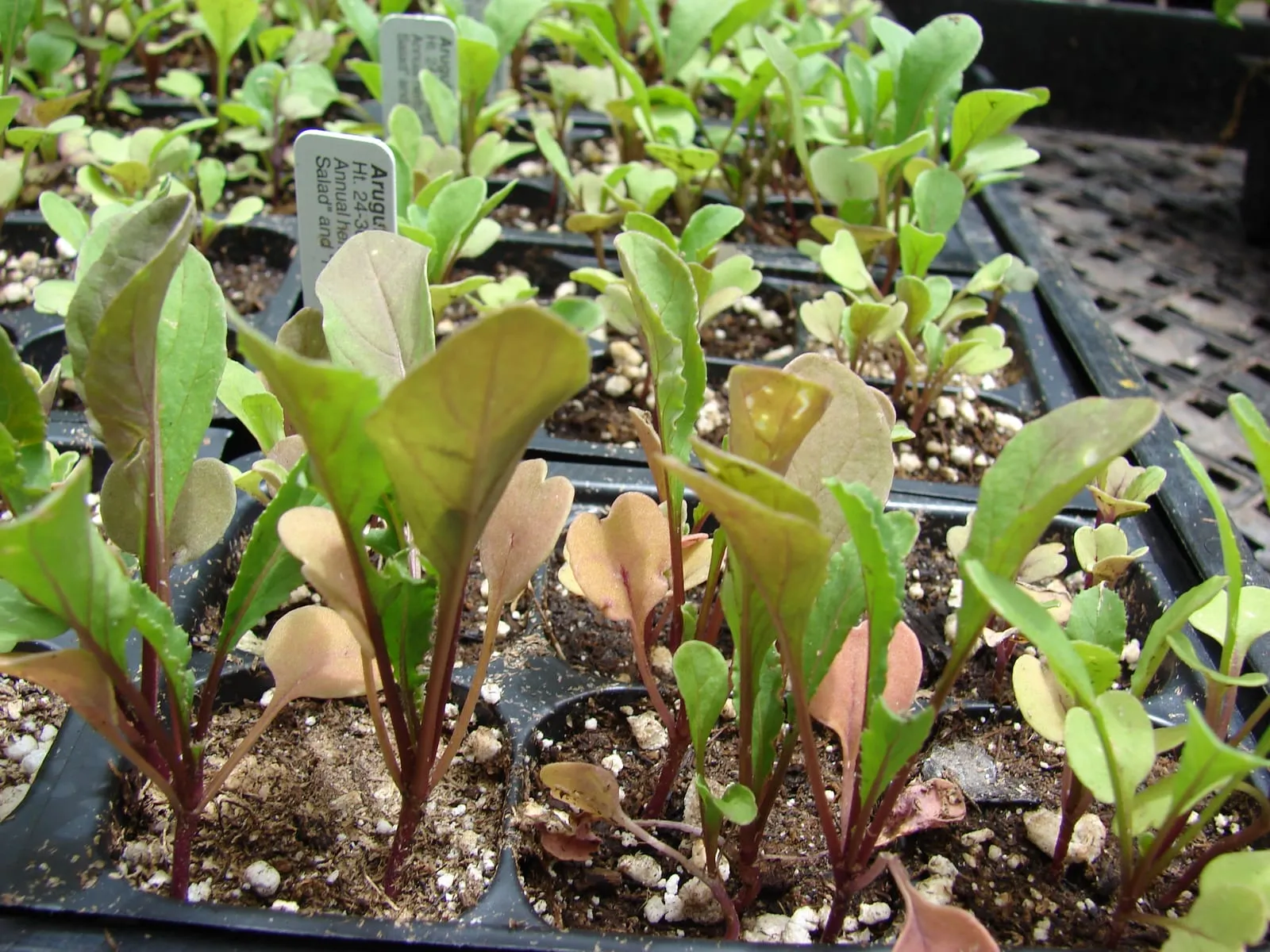
 Arugula
Eruca vesicaria
zones 3b–9a
 zone 6a
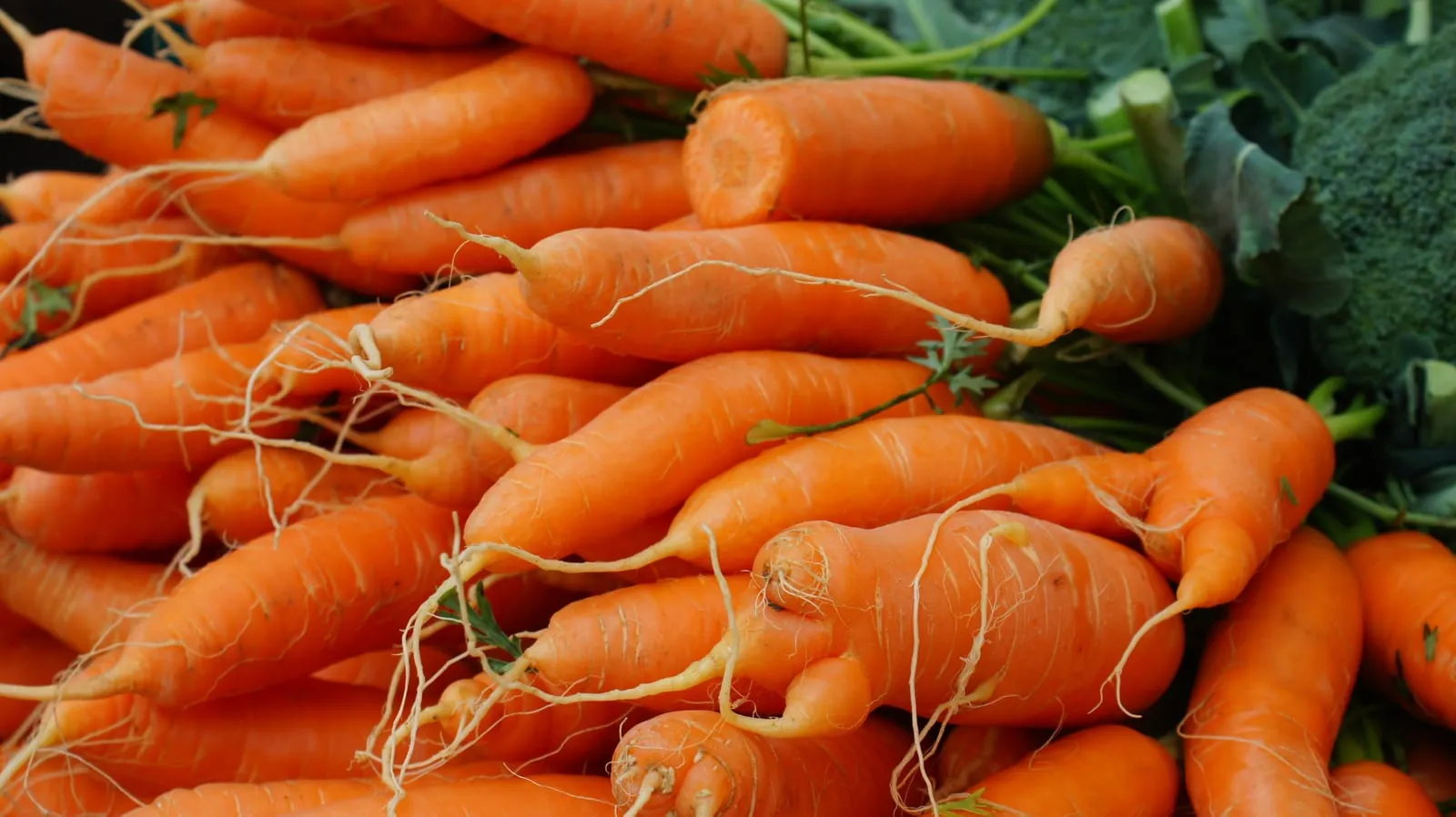
 Carrot
Daucus carota subsp. sativus
zones 3a–9a
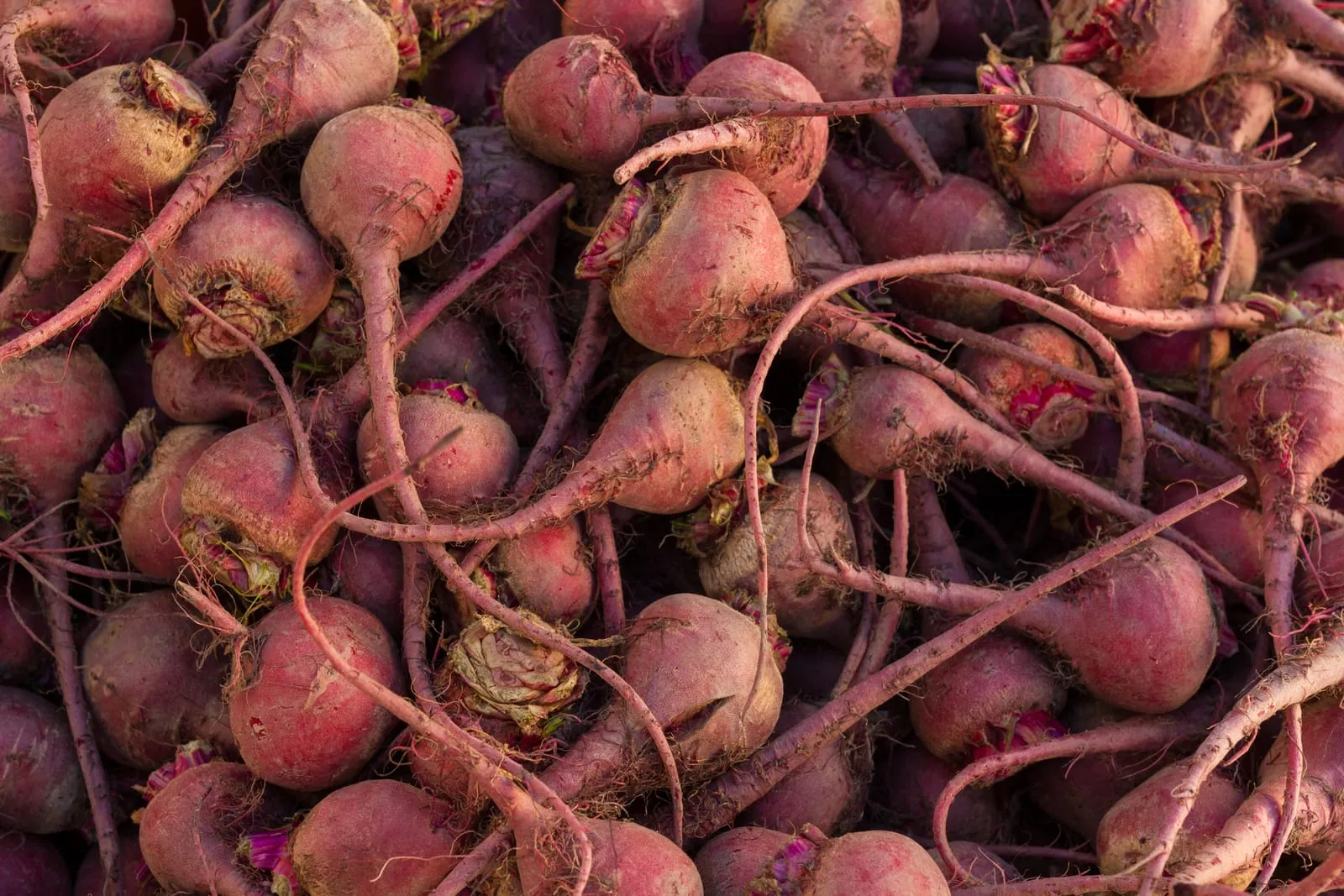 zone 6a
 Beet
Beta vulgaris
zones 3a–9a
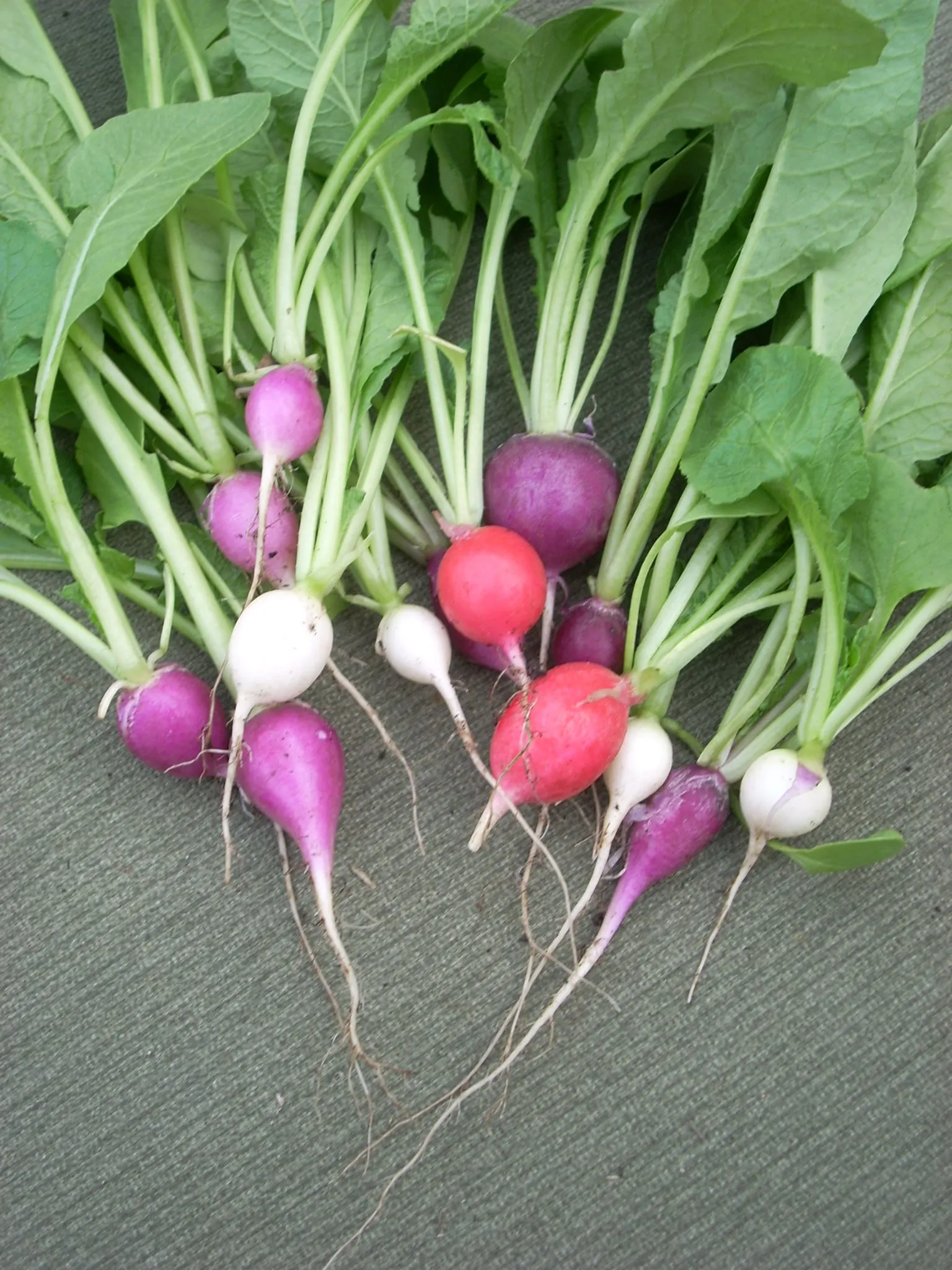 zone 6a
 Radish
Raphanus sativus
zones 3a–9a
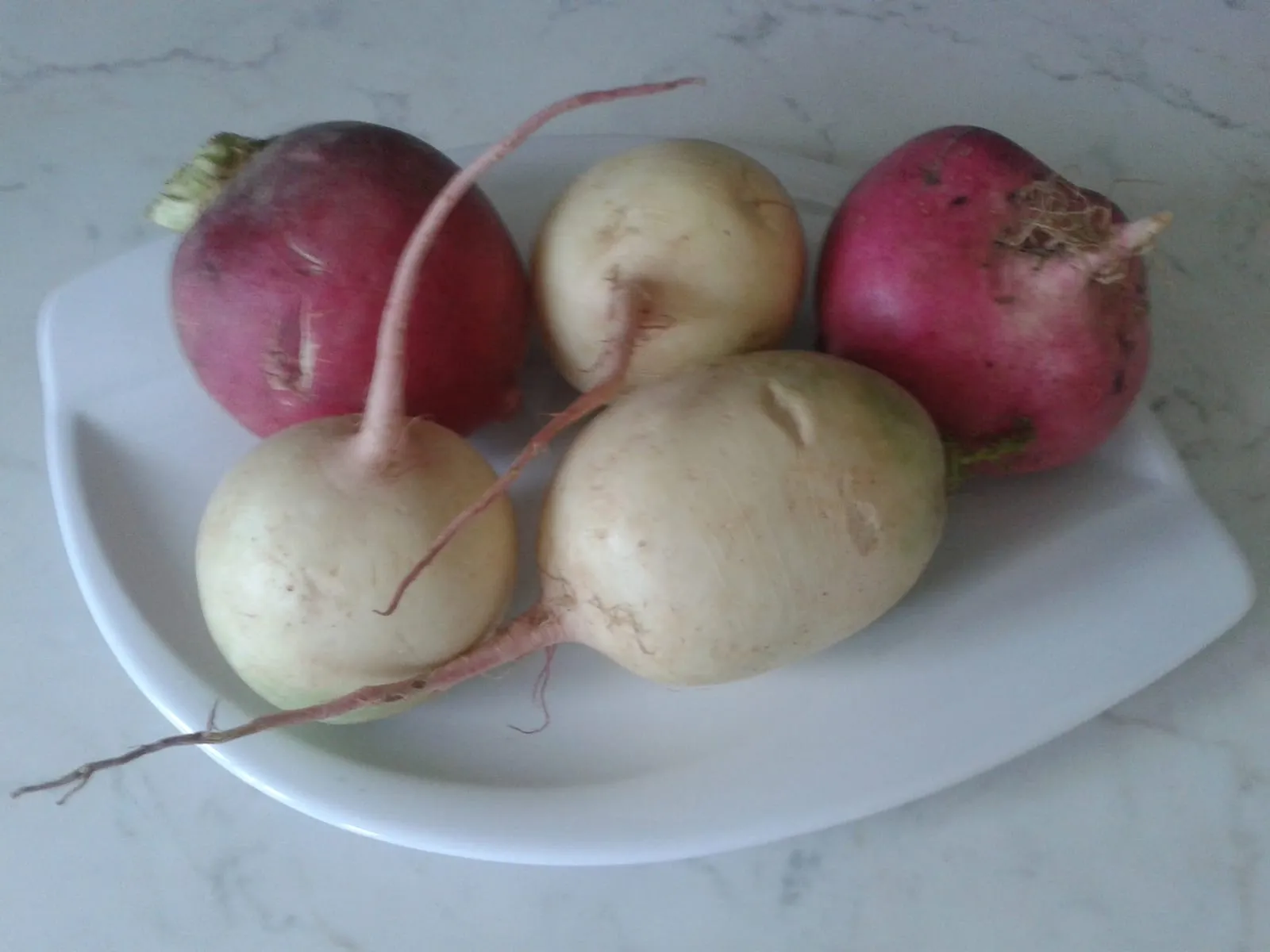 zone 6a
 Turnip
Brassica rapa subsp. rapa
zones 3a–8b
 zone 6a
 Parsnip
Pastinaca sativa
zones 3a–8a
 zone 6a
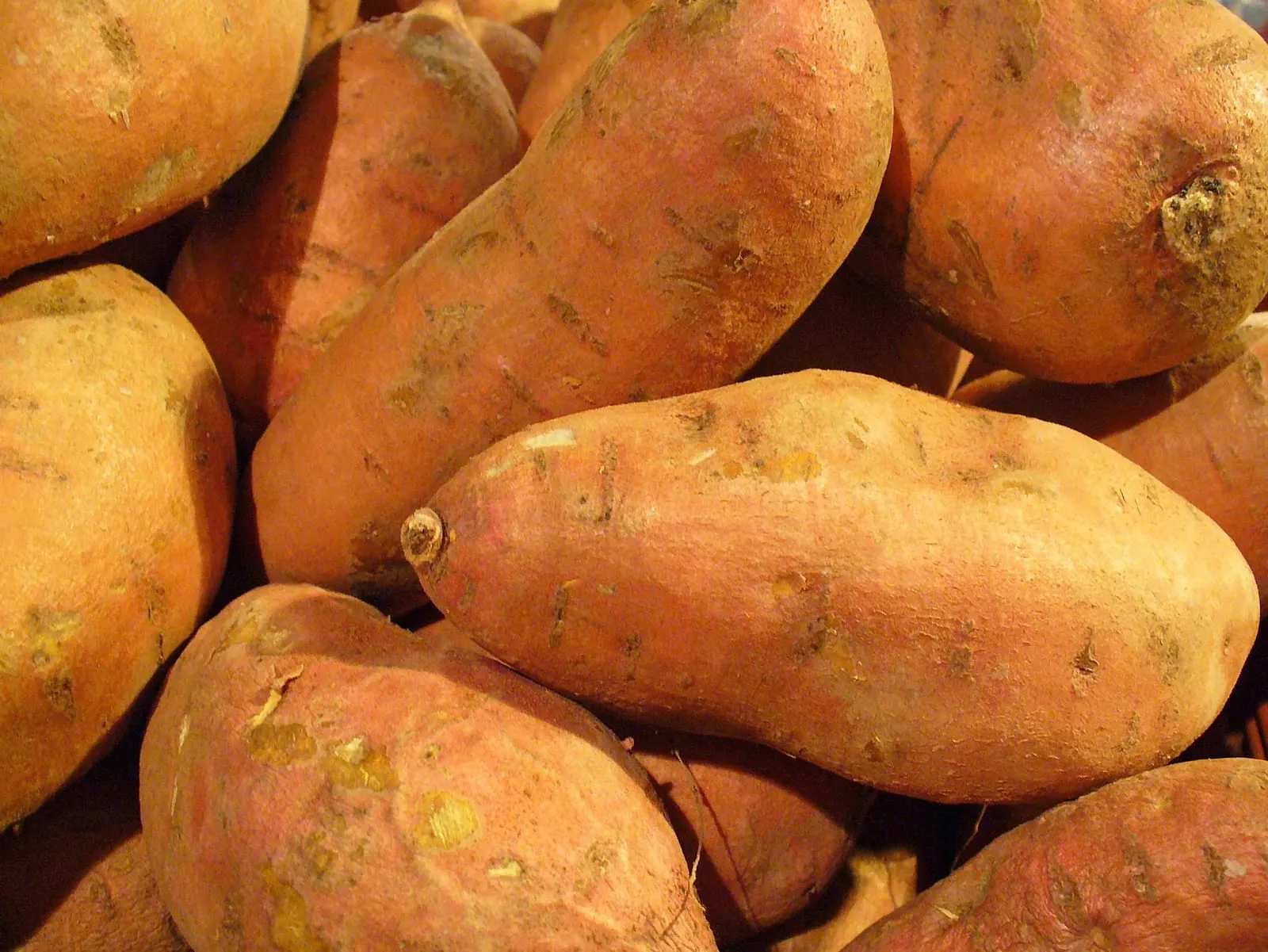
 Sweet Potato
Ipomoea batatas
zones 6a–10b
 zone 6a
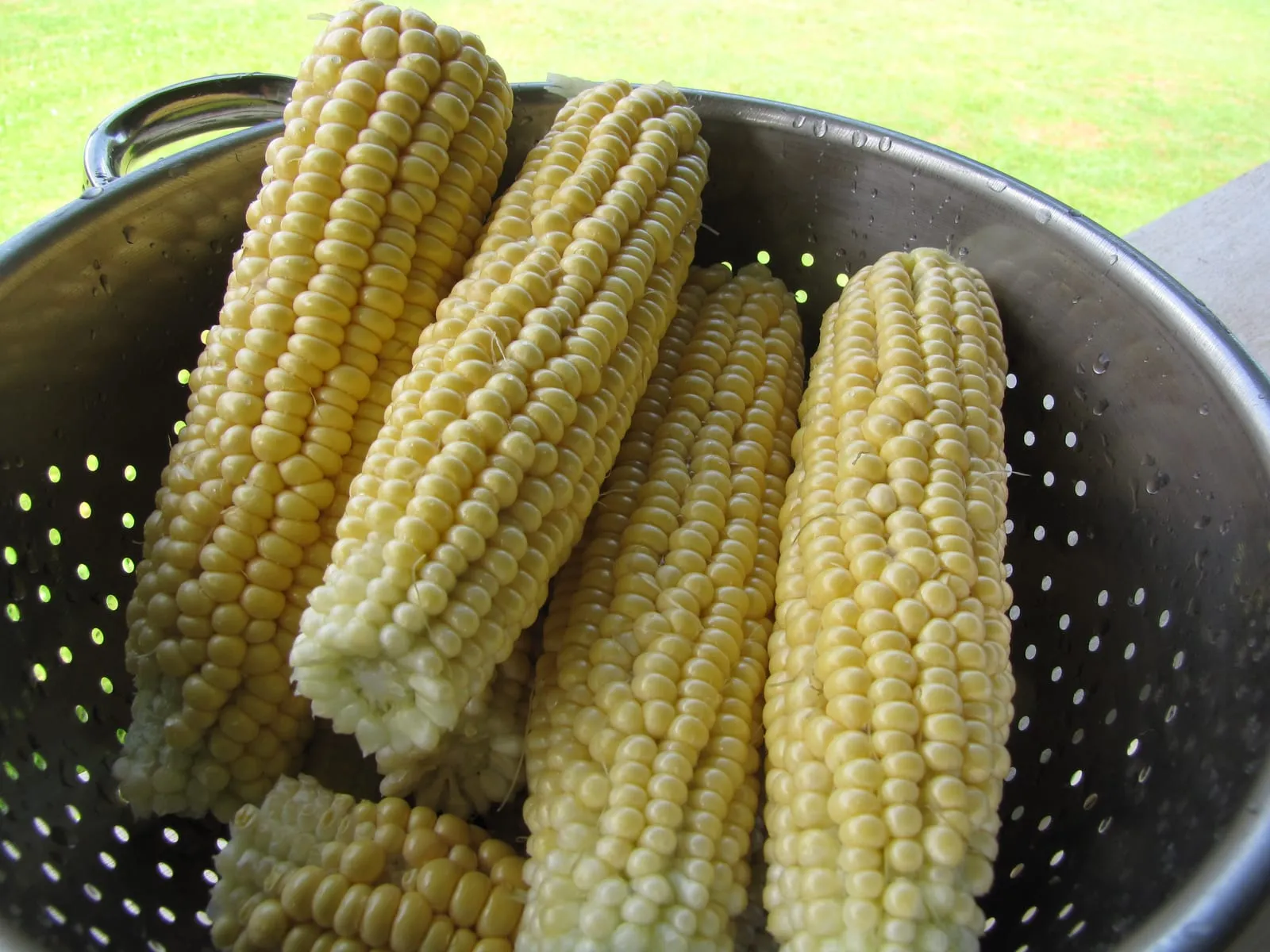
 Sweet Corn
Zea mays var. saccharata
zones 3b–9a
 zone 6a
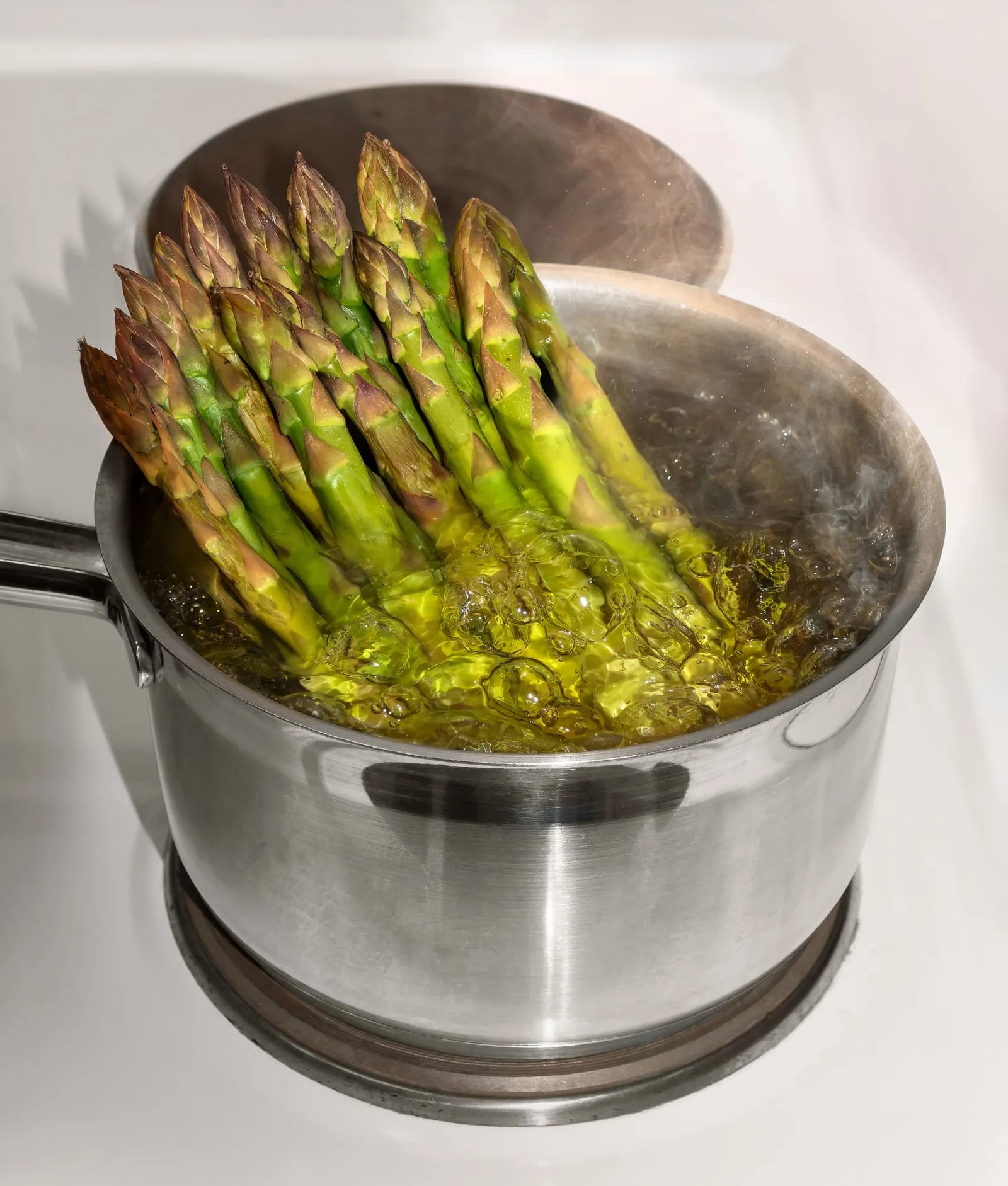
 Asparagus
Asparagus officinalis
zones 3b–8b
 zone 6a
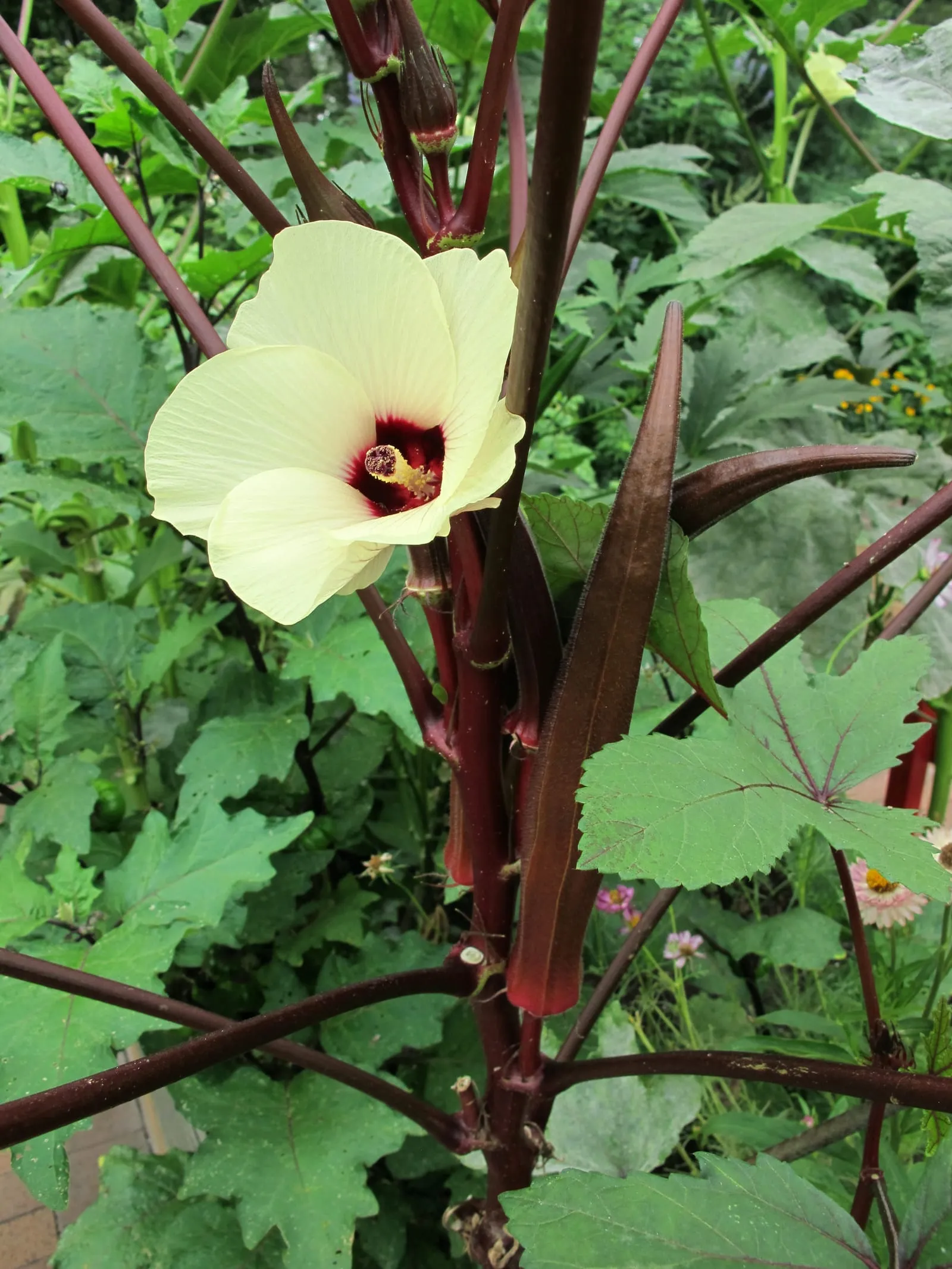
 Okra
Abelmoschus esculentus
zones 6a–10b
Herbs
9 crops
 zone 6a
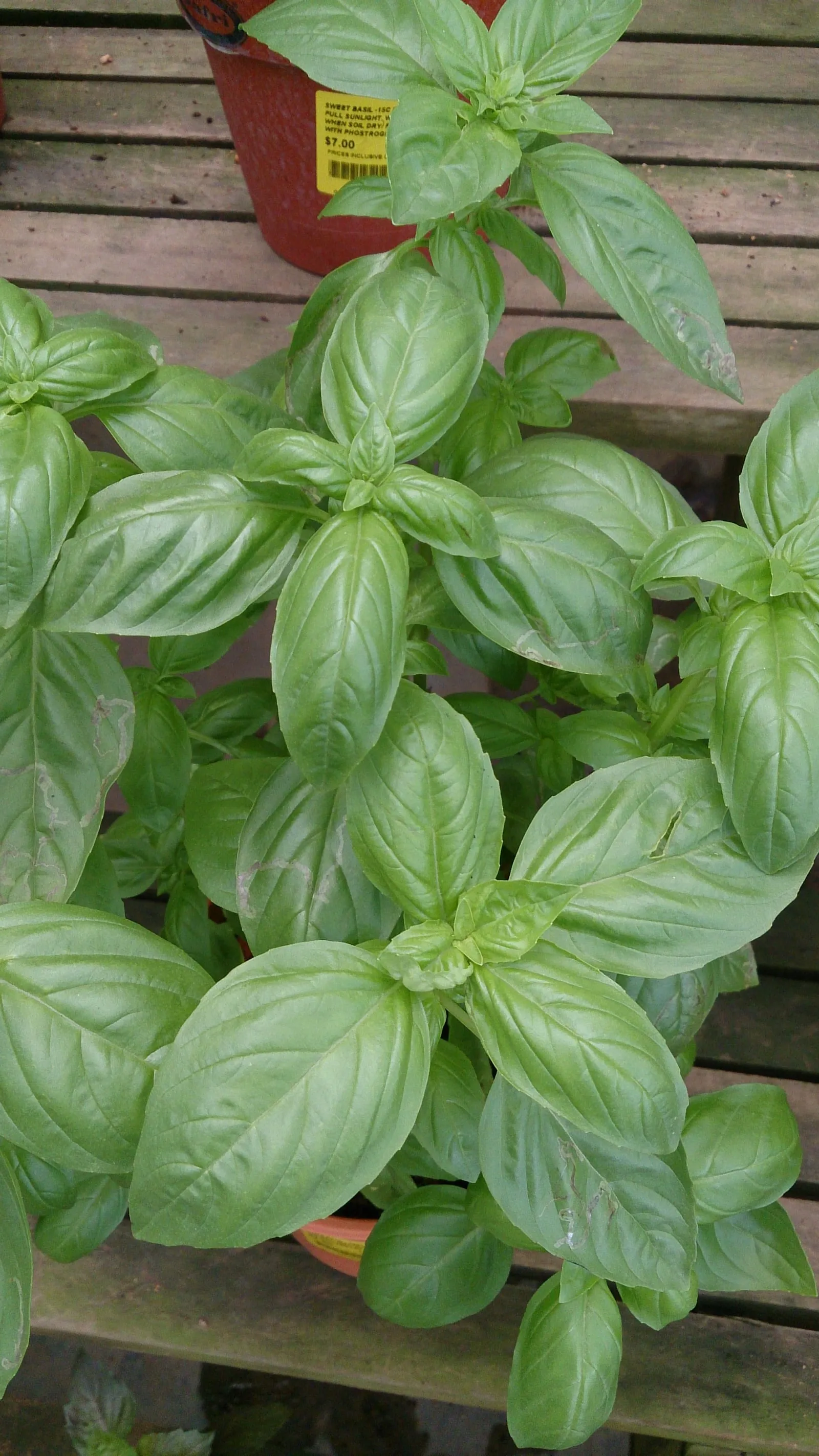
 Basil
Ocimum basilicum
zones 4a–10b
 zone 6a
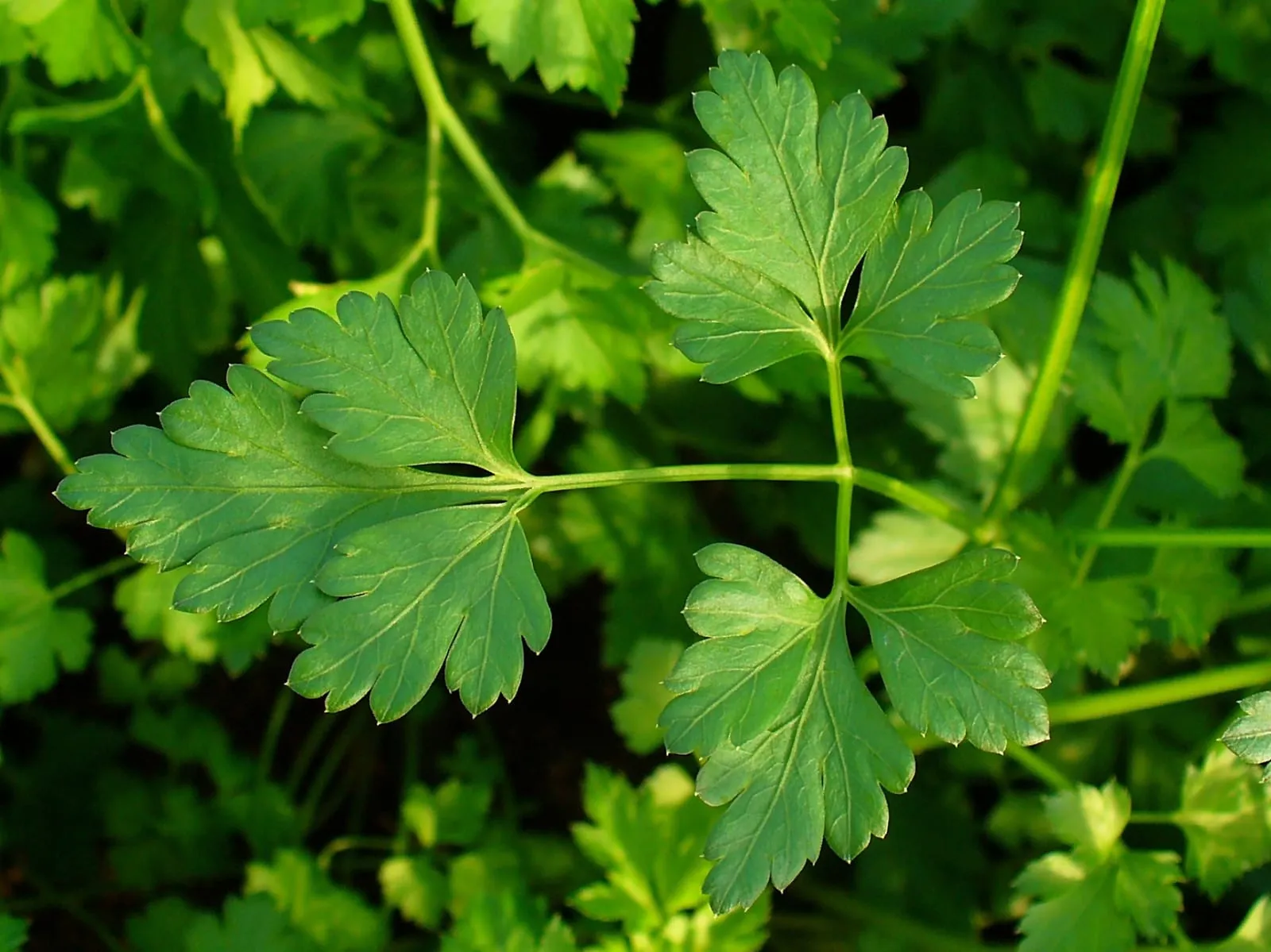
 Parsley
Petroselinum crispum
zones 3b–9b
 zone 6a
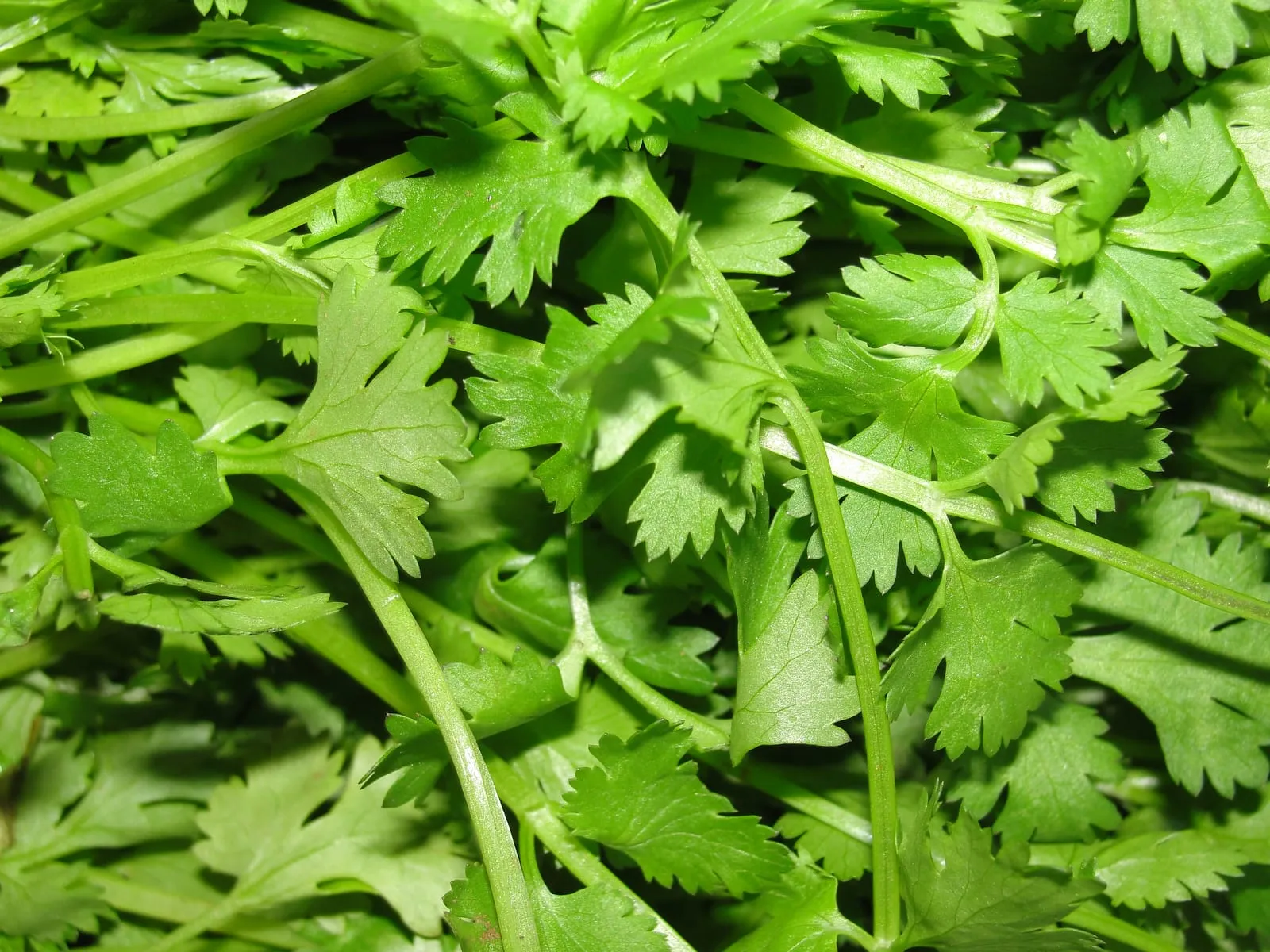
 Cilantro / Coriander
Coriandrum sativum
zones 3b–9b
 zone 6a
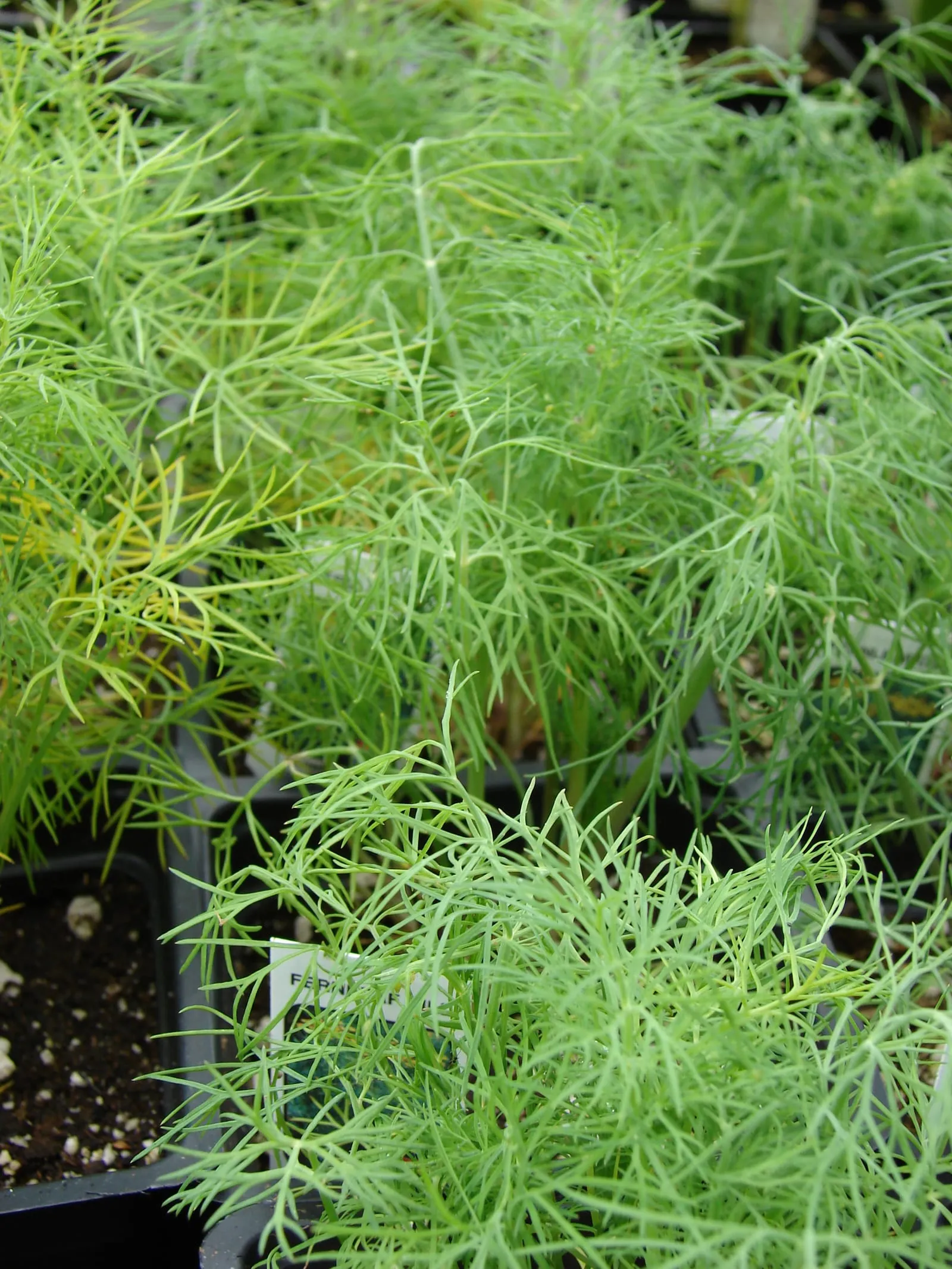
 Dill
Anethum graveolens
zones 3b–9a
 zone 6a
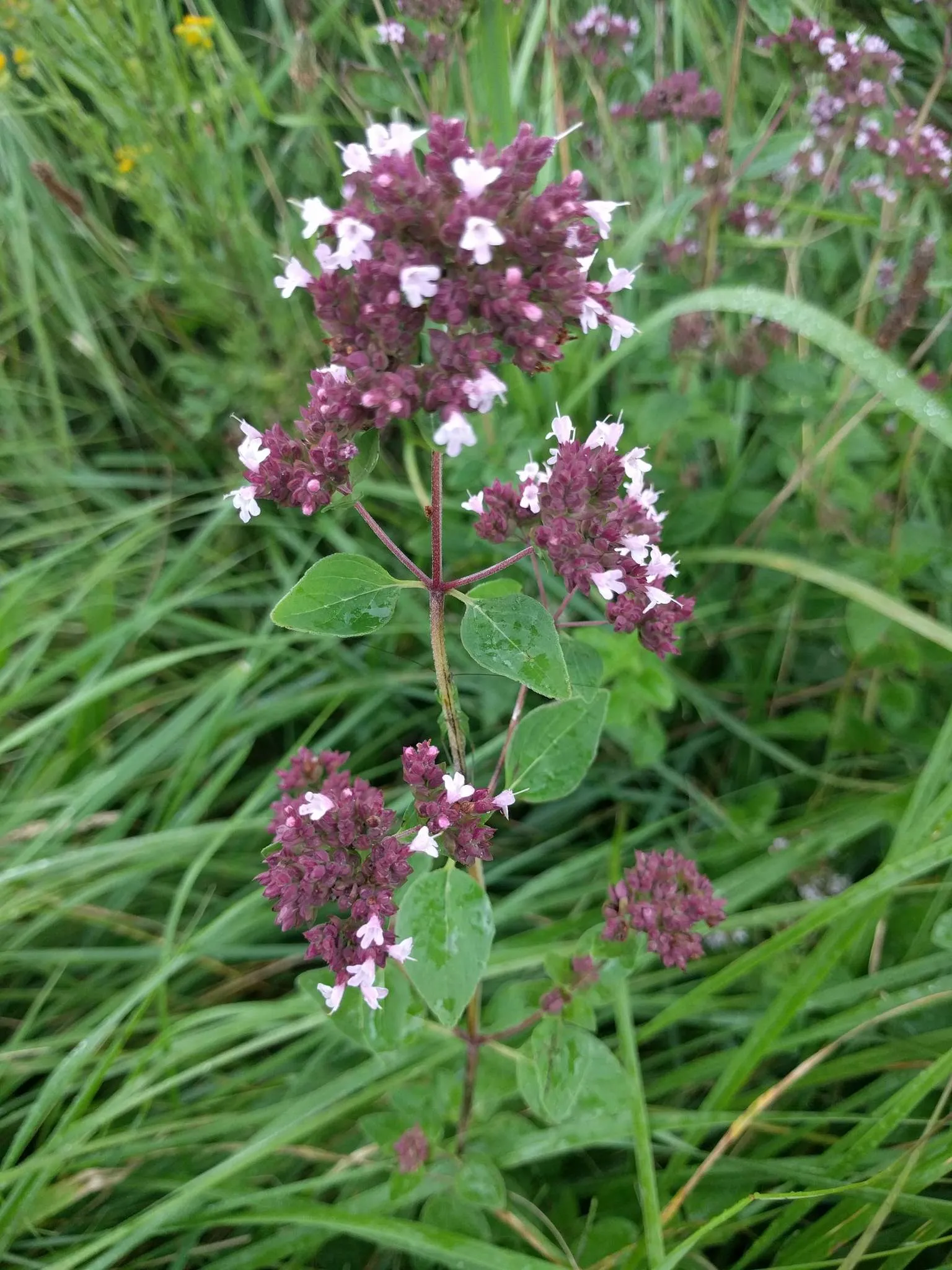
 Oregano
Origanum vulgare
zones 4a–9b
 zone 6a
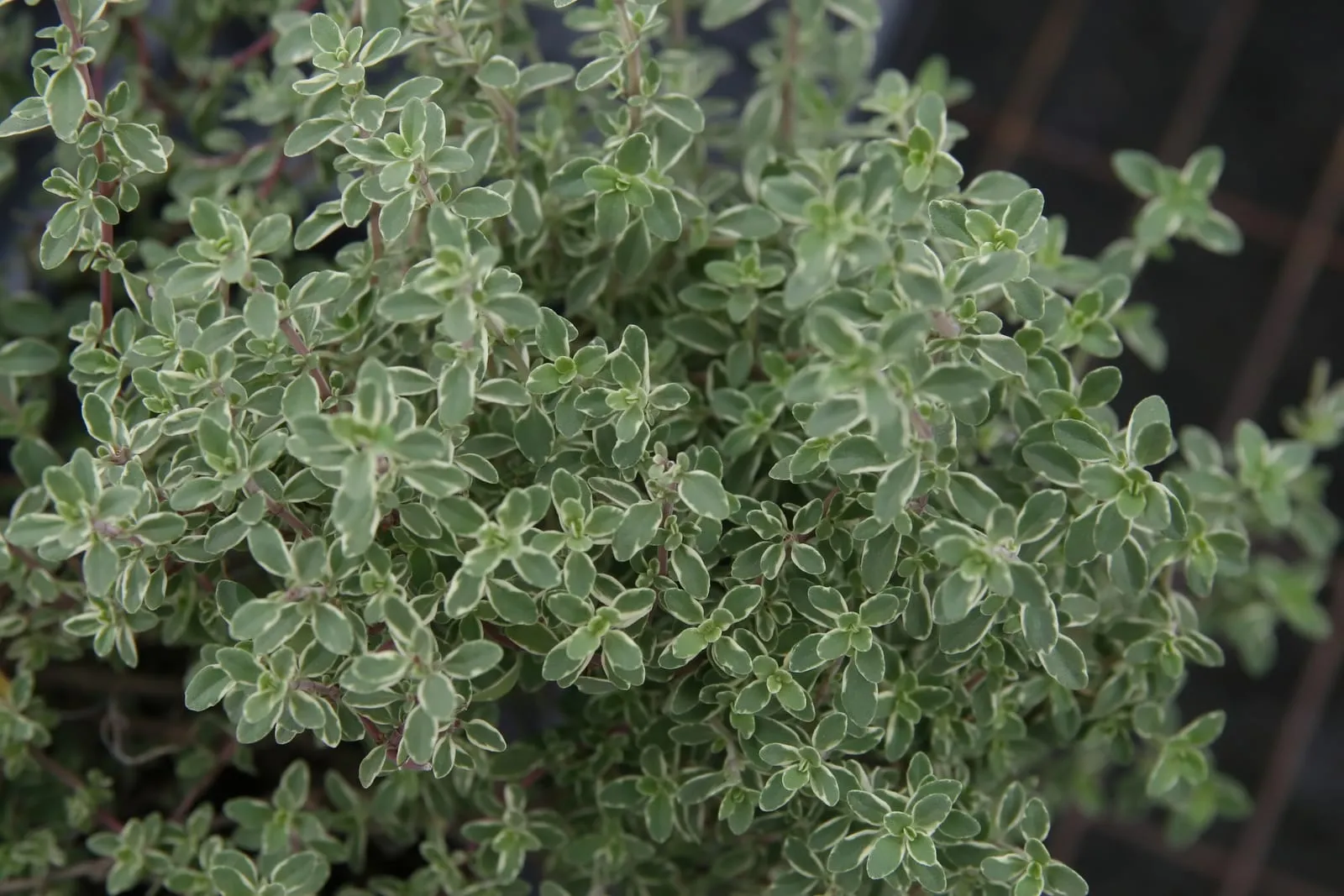
 Thyme
Thymus vulgaris
zones 4a–9a
 zone 6a
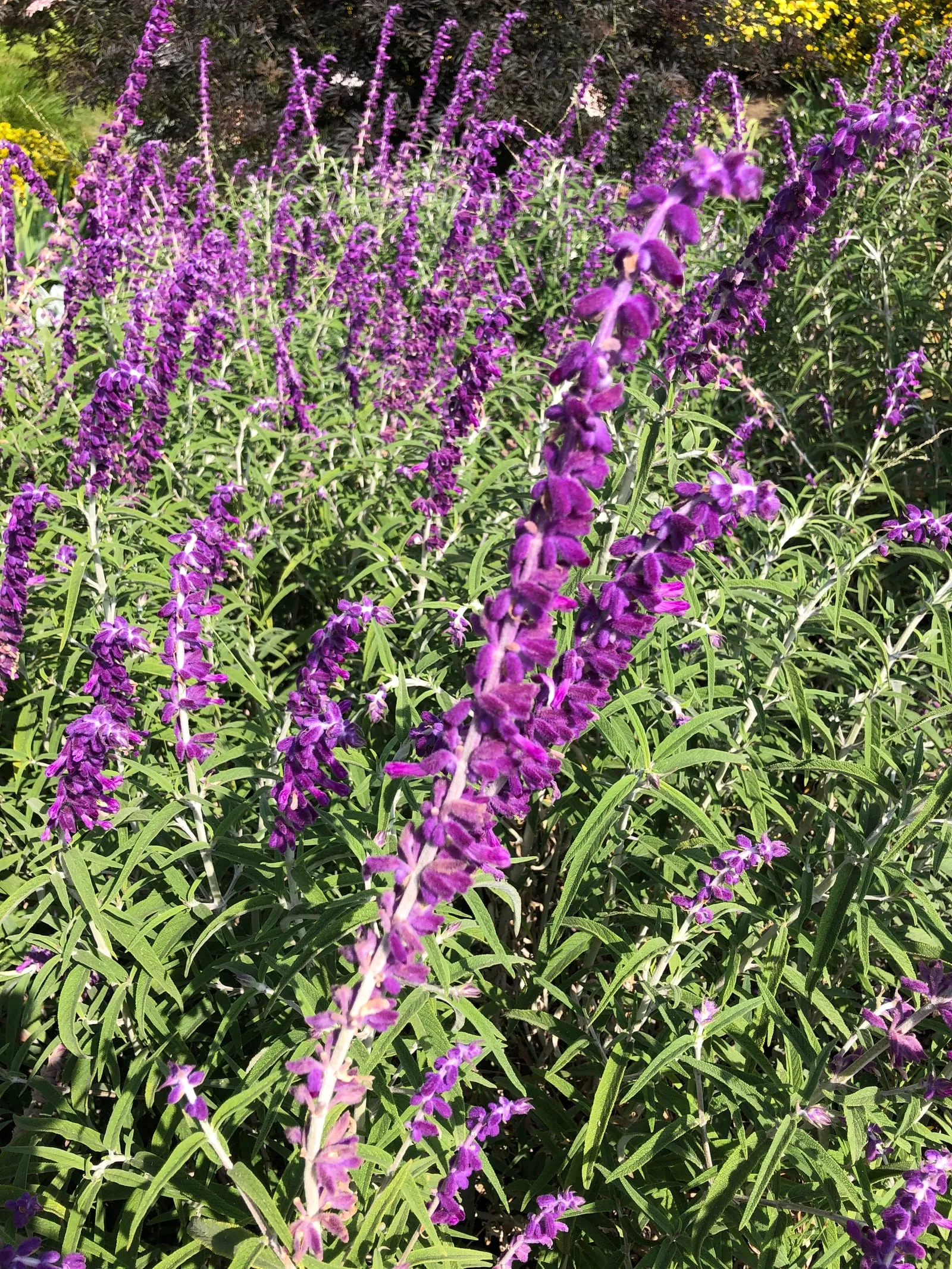
 Sage
Salvia officinalis
zones 4a–9a
 zone 6a
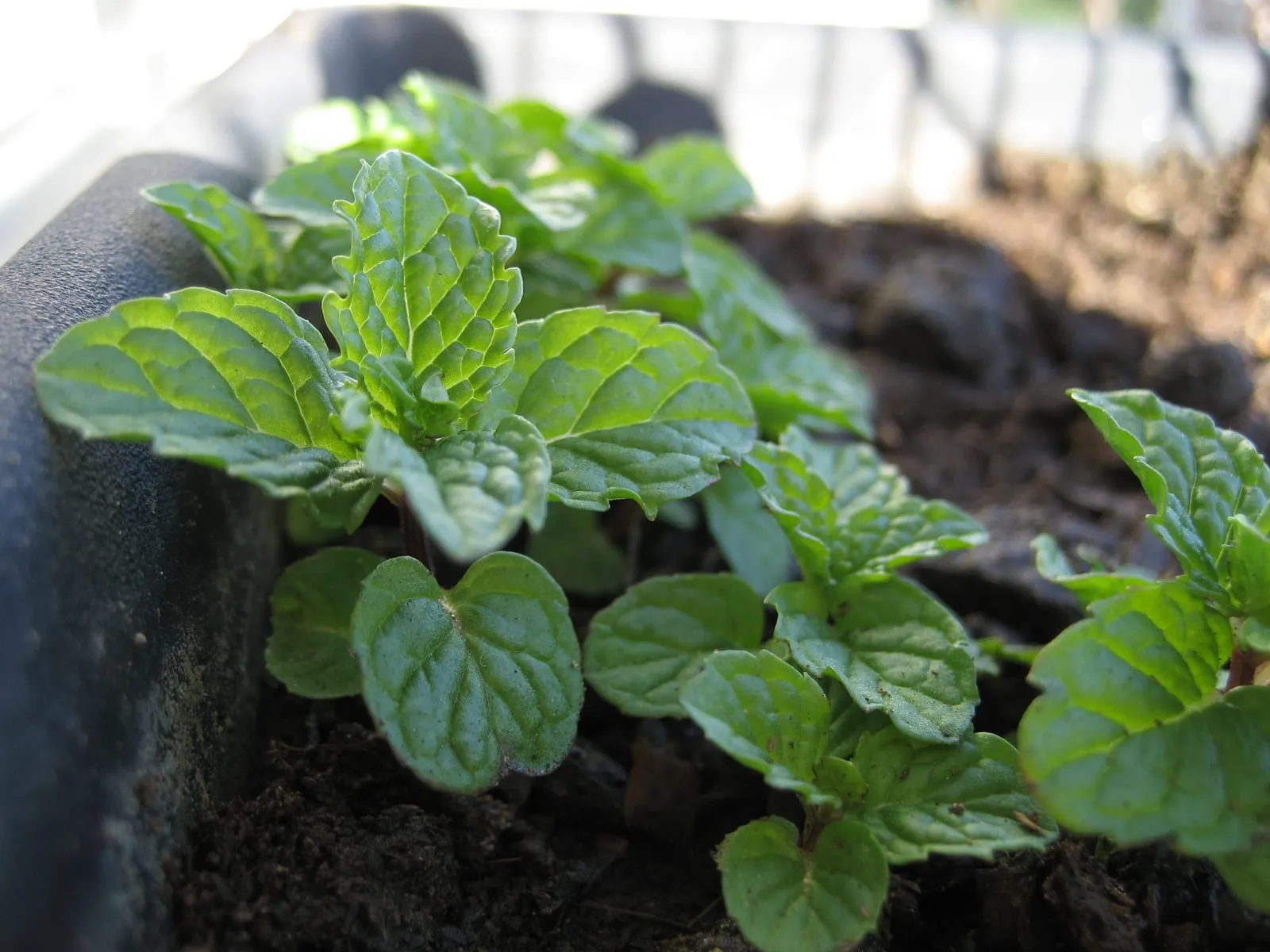
 Mint
Mentha species
zones 3b–9b
 zone 6a
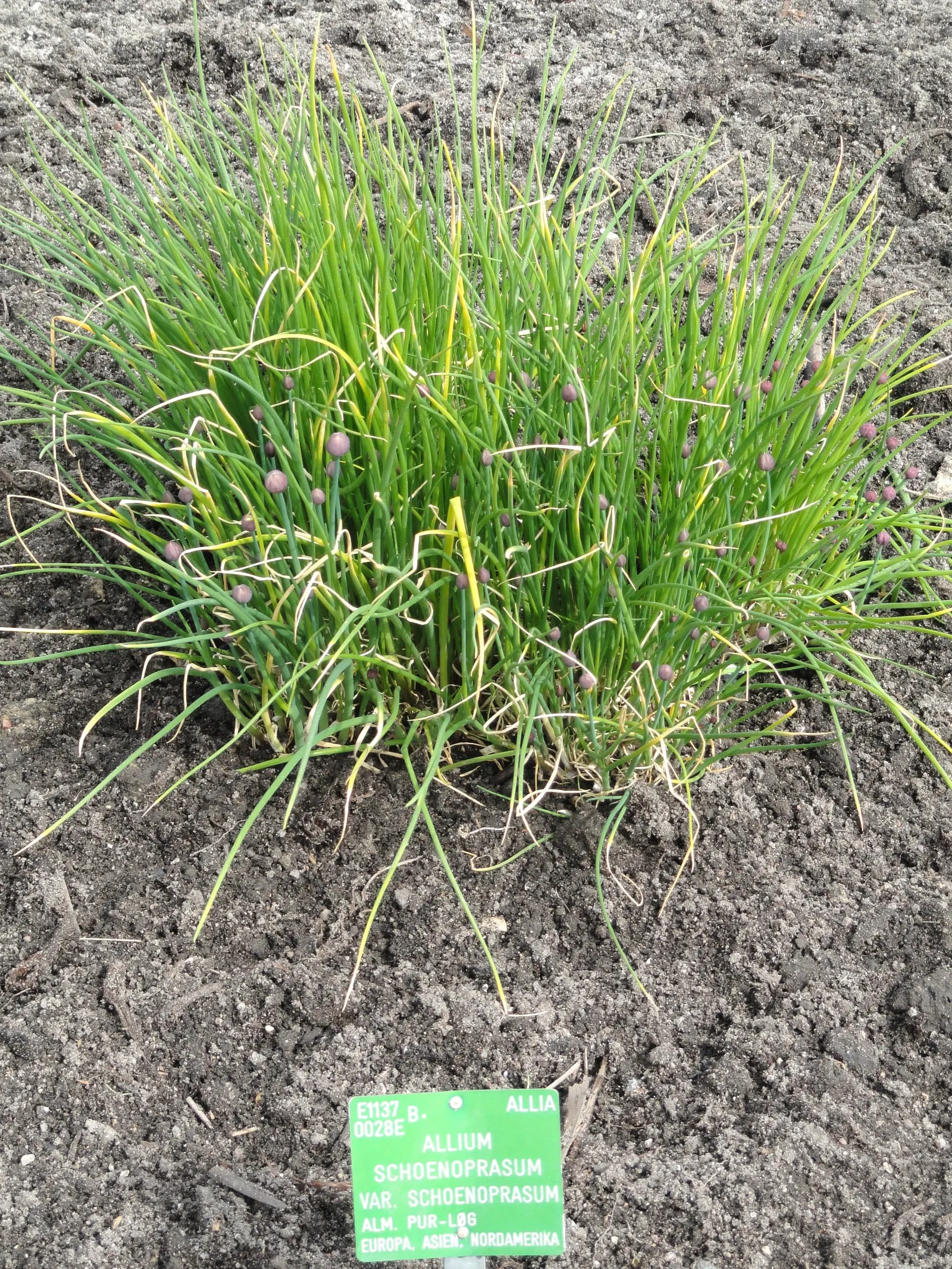
 Chives
Allium schoenoprasum
zones 3a–8b
When to plant
Planting calendar for zone 6a
Year-view of seed starting, transplanting, planting, pruning, fertilizing, harvest, and pest-watch windows based on the average frost timing for zone 6a.
Week ? · loading
This week in zone 6a
Quiet week in zone 6a. this week is a good time to step back and plan ahead.
Nothing critical on the calendar this week.
434 bars · 87 crops
Calendar logic combines NOAA frost normals with crop-specific timing data. Local microclimate and weather always overrules the calendar; use this as a starting point.
Frequently asked questions
- Can I grow peaches in zone 6a?
Peaches are compatible with zone 6a and produce reliably in most years, but late spring frost is the primary risk. Planting on a site with good cold air drainage is more effective protection than variety selection alone. Varieties with slightly later bloom dates, such as Contender and Reliance, offer a degree of frost avoidance compared to very early-blooming types.
- What apple varieties perform best in zone 6a?
Cold hardiness is not a limiting factor in zone 6a; winter temperatures reliably satisfy the dormancy requirements of all standard apple varieties. Disease resistance is the more useful selection criterion. Liberty, Enterprise, and GoldRush carry strong resistance to apple scab and require significantly fewer fungicide applications than susceptible varieties such as McIntosh or Fuji.
- When is the last spring frost in zone 6a?
Average last frost dates range from around April 25 in Northern New Jersey to May 5 to 10 in Central Missouri, with local elevation shifting dates by a week or more. These are averages; frosts two to three weeks beyond the average date are possible. The frost dates page for a specific zip code shows historical data from the nearest NOAA weather station.
- Can sweet cherries grow in zone 6a?
Sweet cherries are viable in zone 6a and can produce fruit in years without late frost damage to their early bloom. They require well-drained soil, a site with good cold air drainage, and a compatible pollinizer planted nearby. Sour cherries such as Montmorency are more consistently productive in zone 6a and more tolerant of the variable spring weather common in the zone.
- How serious is Japanese beetle damage in zone 6a orchards?
Japanese beetles are a significant pest in zone 6a, particularly in eastern subregions, with adults emerging in late June through July to feed on foliage and soft fruit. On established trees, a single season of defoliation rarely causes lasting harm, but repeated defoliation weakens trees over time. Grub control in adjacent turf areas, combined with targeted management during peak adult emergence, is the most practical approach for orchard plantings.
- Do I need low-chill varieties in zone 6a?
No. Zone 6a winters consistently deliver the chilling hours required by standard temperate fruit varieties, so low-chill selections are unnecessary and would likely underperform due to insufficient dormancy. The chill-hour limitation that restricts variety selection in zone 8 and warmer does not apply in zone 6a.
+−
+−
+−
+−
+−
+−
Related