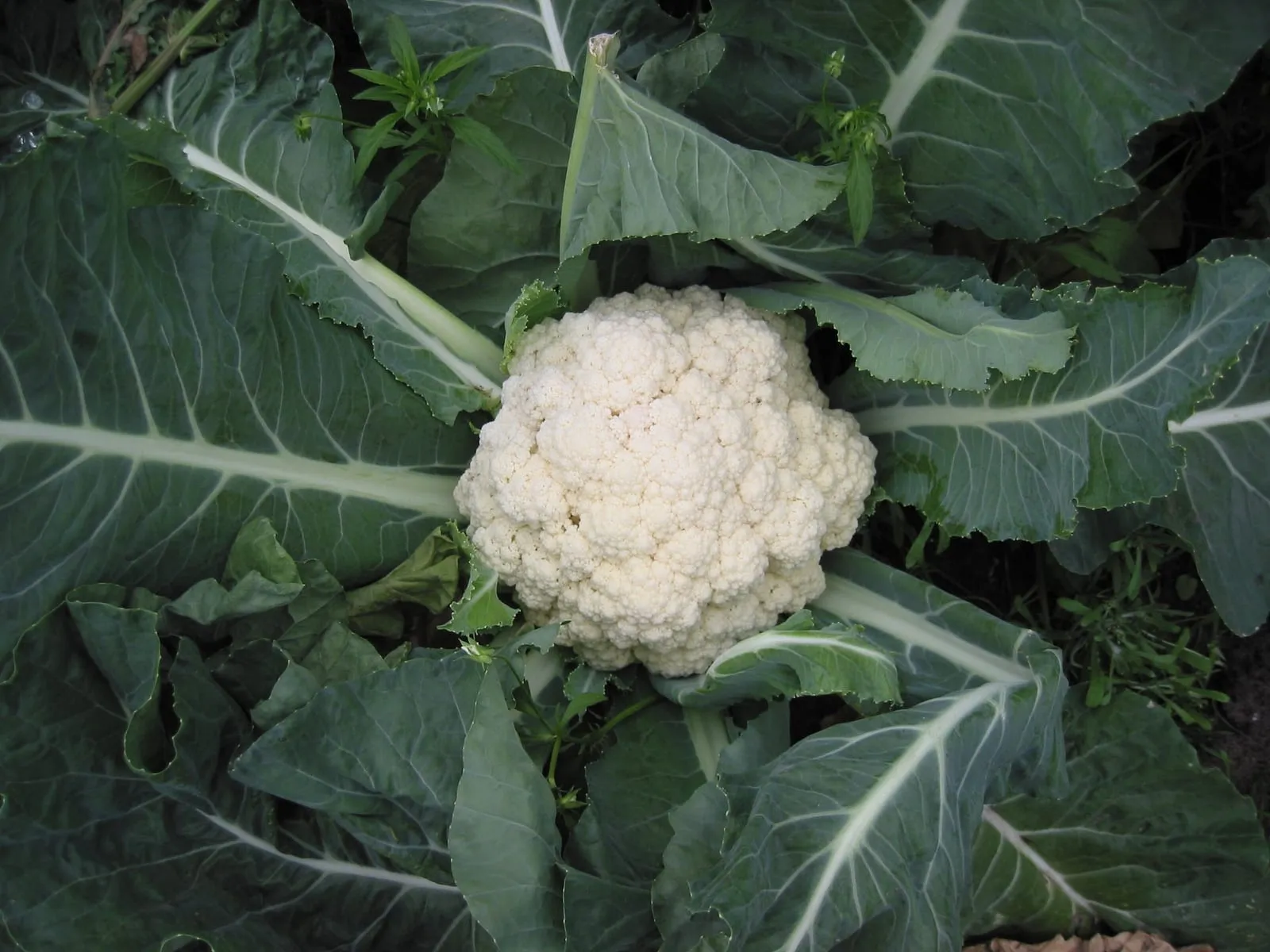
vegetable
Cauliflower
Brassica oleracea var. botrytis
USDA hardiness range
- Zones
- 3b–9a
- Days to harvest
- 55 to 100
- Sun
- Full
- Water
- Moderate
- Lifespan
- annual
Growing cauliflower
Cauliflower is one of the more demanding brassicas, rewarding careful timing with dense, sweet curds but prone to bolting or forming small, premature heads when conditions go wrong. It grows across USDA zones 3b through 9a as a cool-season annual, but the acceptable temperature window is narrow: consistent daytime highs between 60 and 70°F produce the best heads. Temperatures above 75°F during curd development cause loose, ricey texture, discoloration, or premature bolting. Hard frost below 25°F can damage exposed heads.
The zone range reflects real differences in how the crop is grown. In zones 3b through 5, cauliflower is primarily a spring crop, transplanted 4 to 6 weeks before last frost and timed to mature before summer heat arrives. Zones 6 and 7 can support both a spring and fall planting. In zones 8 and 9, the crop shifts almost entirely to fall and winter; summer temperatures make spring establishment unreliable.
What separates productive plantings from failed ones is almost always timing. Most losses trace to transplants going in too late for a spring crop, or being set out too early in late summer heat for a fall crop. Variety choice compounds the risk: Romanesco is significantly more heat-sensitive than white standards like Snowball Y and consistently performs better as a fall crop. Getting the transplant window right accounts for more of the outcome than soil amendments or pest management combined.
Recommended varieties
See all 4 →4 cultivars for home growers, with notes on flavor, ripening, and disease resistance.
| Variety | Notes | Zone fit | Disease resistance |
|---|---|---|---|
| Snowball Y | Mild, sweet, dense white curd; the classic home-garden cauliflower. Steaming, roasting, fresh, gratins. Self-blanching, reliable in cool springs and falls. | | none noted |
| Cheddar | Mild, slightly sweeter than white, beta-carotene rich; bright orange curds that hold color when cooked. Roasting, fresh, soup. Ornamental and productive. | | none noted |
| Romanesco | Sweet, nutty, more complex than white cauliflower; chartreuse fractal-spiraled head. Roasting, steamed, fresh. Sensitive to heat, best as fall crop. | | none noted |
| Graffiti | Mild, slightly sweet, dramatic deep purple curd; holds color when cooked briefly. Roasting, fresh, pickled. Anthocyanin-rich, ornamental. | | none noted |
Soil and site requirements
Cauliflower performs best in well-drained, moisture-retentive loam with a pH between 6.5 and 7.0. Below 6.5, clubroot pressure increases substantially; the responsible pathogen is most active in acidic, poorly drained soils. A soil test before planting is worthwhile. Lime amendments intended to raise pH should go in several months before transplanting to be fully incorporated and biologically active.
Full sun is necessary for head development. Plants in partial shade produce vegetative growth but form undersized or loosely packed curds. Standard spacing is 18 inches in-row with 24 to 30 inches between rows. Closer spacing stresses plants and slows curd development, particularly under warm conditions when plants are already under pressure.
For spring plantings in zones 7 through 9, microclimate selection matters. South-facing beds warm quickly in late winter, which helps transplants establish, but they also expose developing heads to early spring heat spikes. East or north-facing aspects can buffer temperatures by a week or two during the critical curd-formation period. Consistent moisture throughout the season is essential; irregular watering leads to internal browning and hollow stem, two defects that appear at harvest and cannot be corrected after the fact.
Common diseases
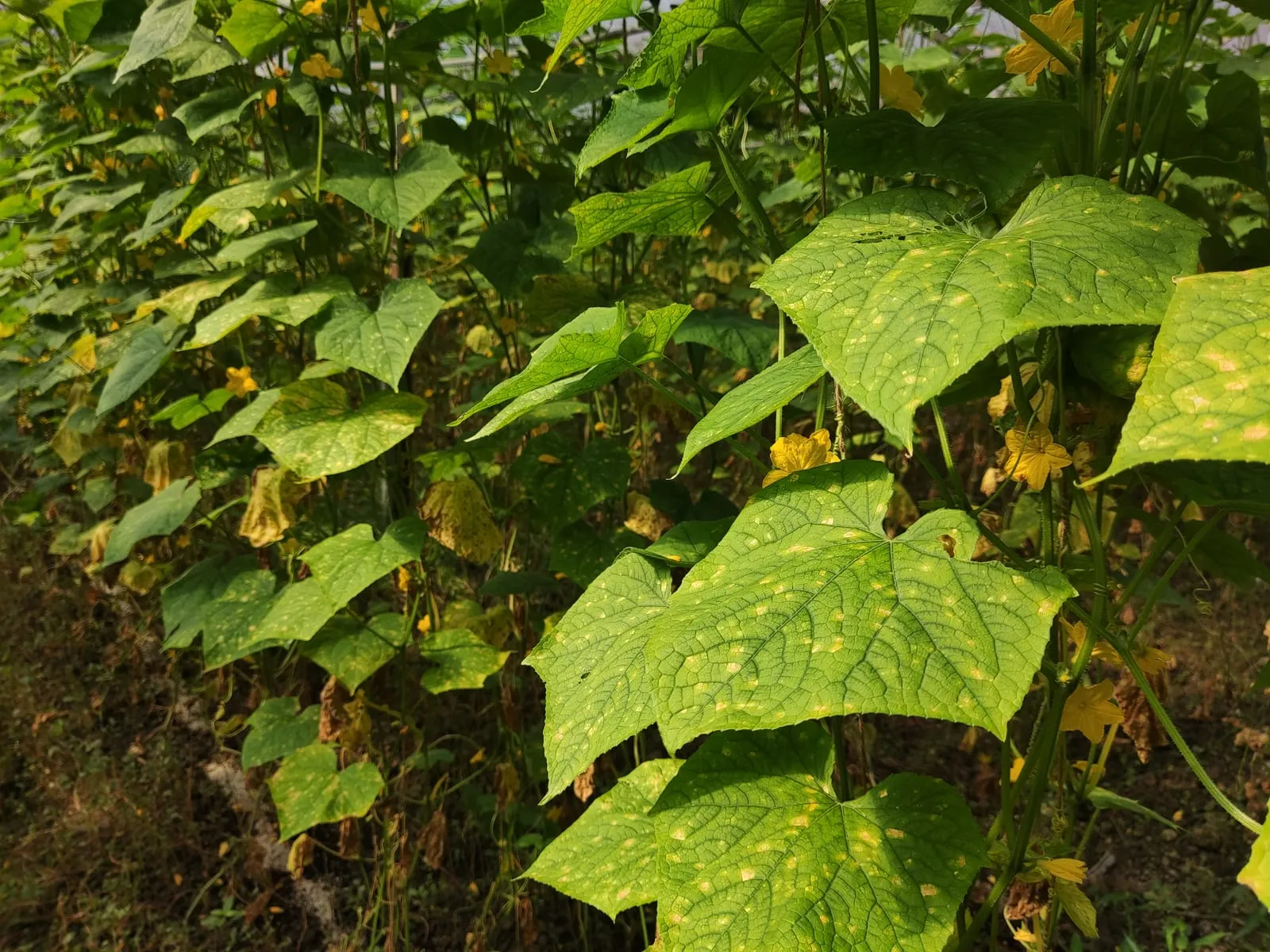
Pseudoperonospora cubensis (cucurbits) and others
Water mold (oomycete, not a true fungus) that thrives in cool damp conditions. Spreads rapidly through cucurbit and brassica plantings on wind-borne spores.
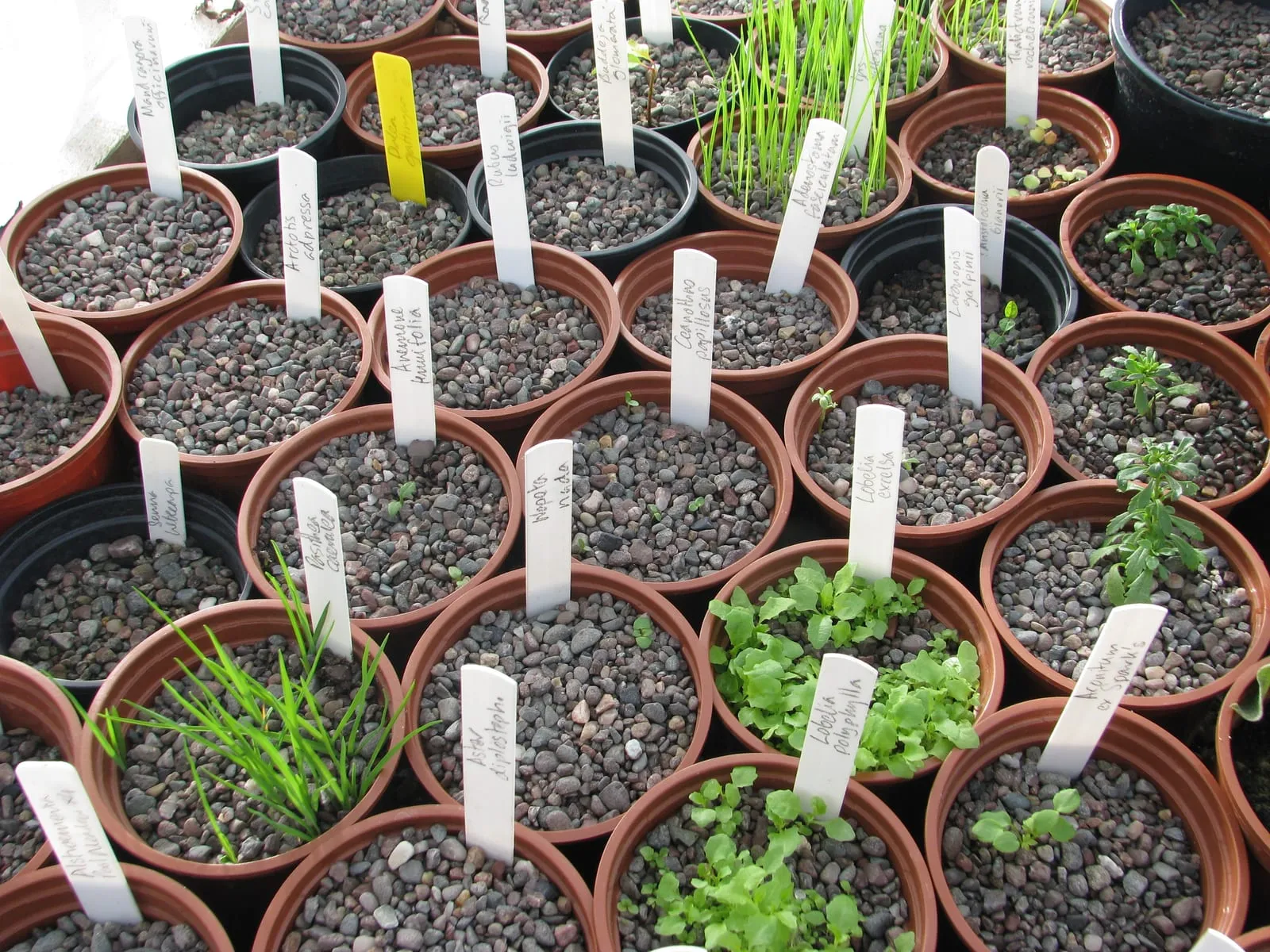
Pythium and Rhizoctonia species
Soil-borne complex of water molds and fungi that kill seedlings before or shortly after emergence. The single most common cause of seed-starting failures.
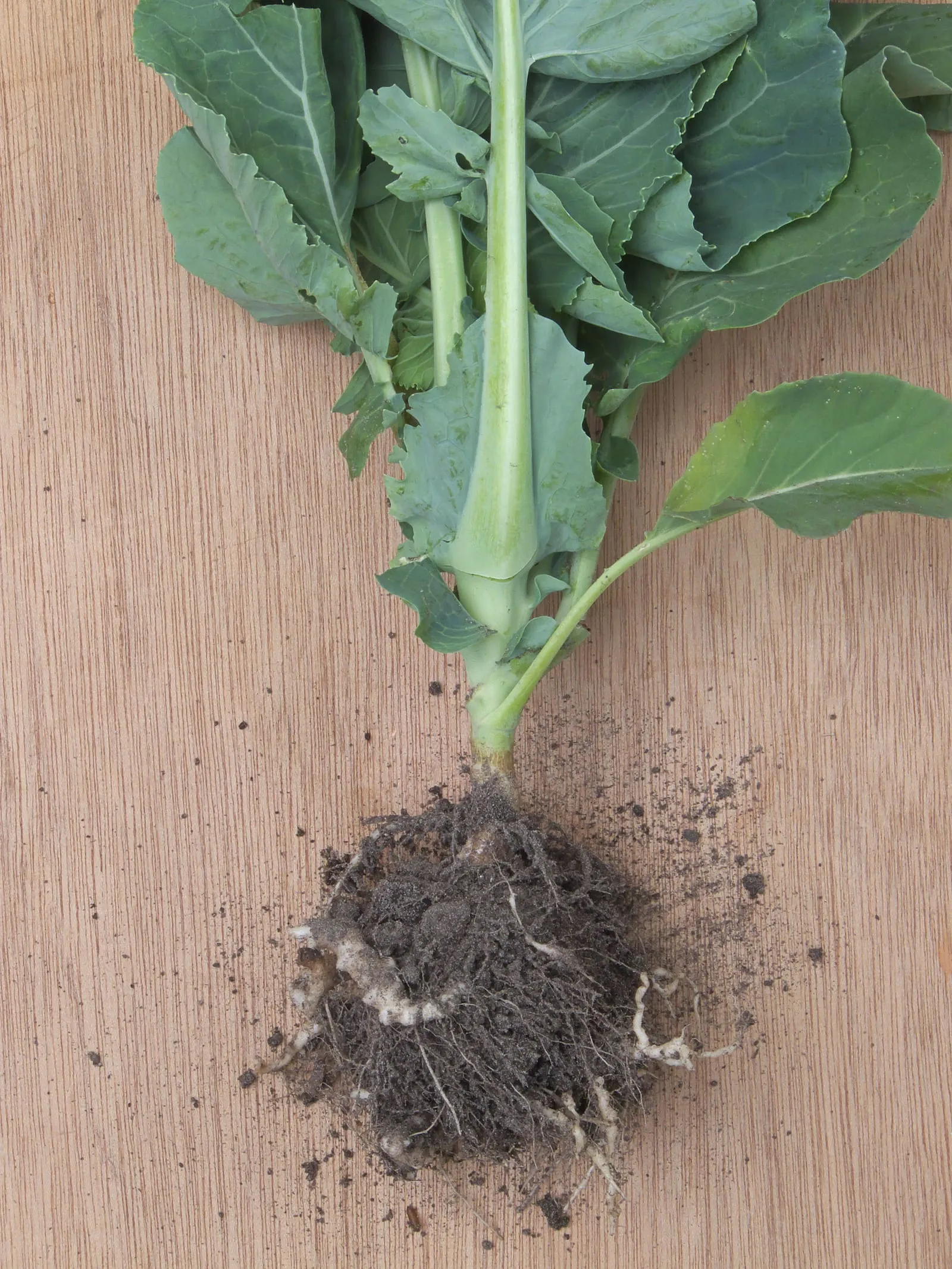
Plasmodiophora brassicae
Soil-borne disease causing characteristic distorted club-shaped roots on brassicas. Persists in soil for 10-20 years; the dominant brassica pathogen in acidic poorly-drained soils.
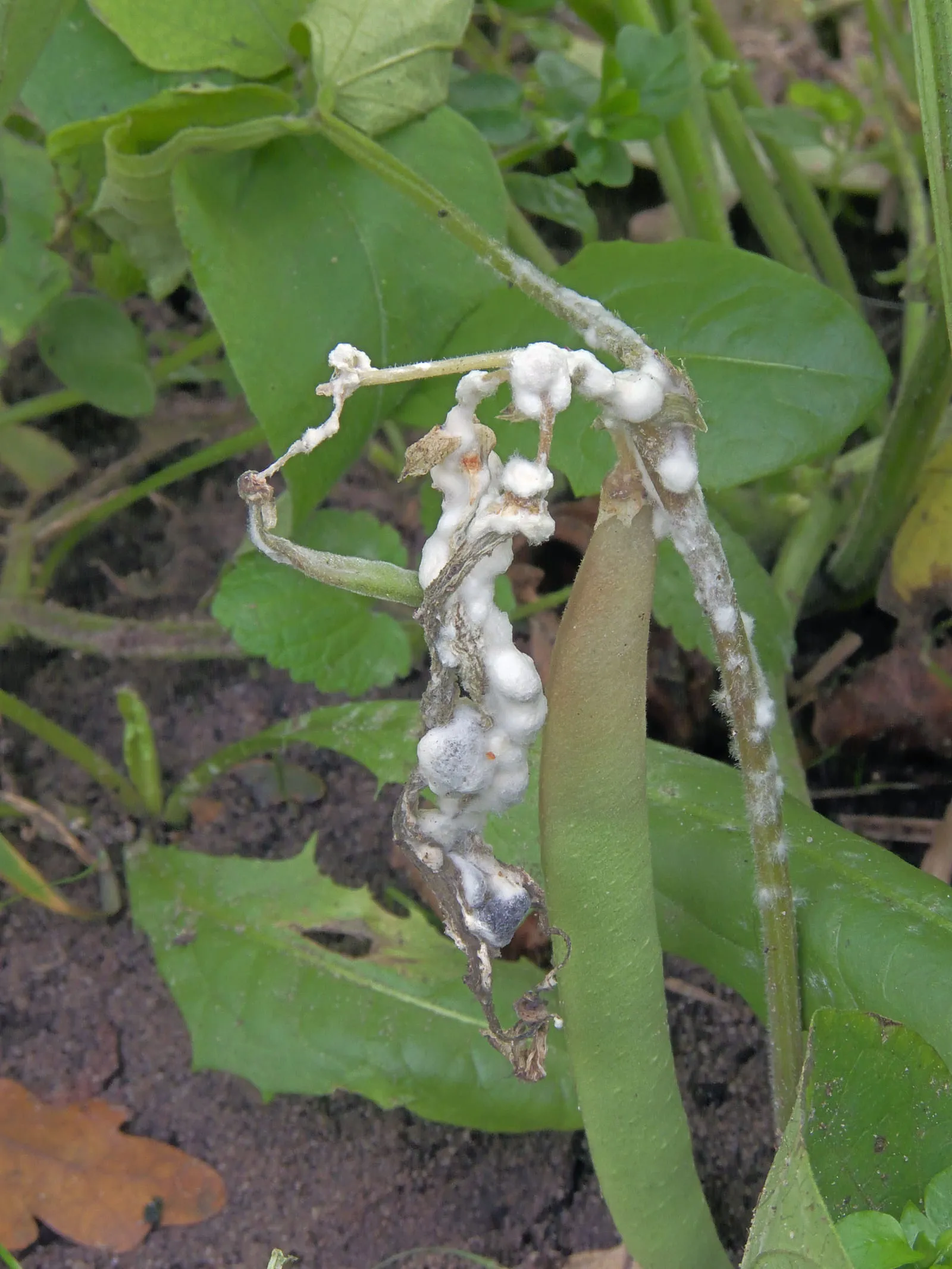
Sclerotinia sclerotiorum
Fungal disease that produces fluffy white mycelium on stems and lower leaves. Forms hard black sclerotia (resting bodies) that survive 5+ years in soil.
Common pests
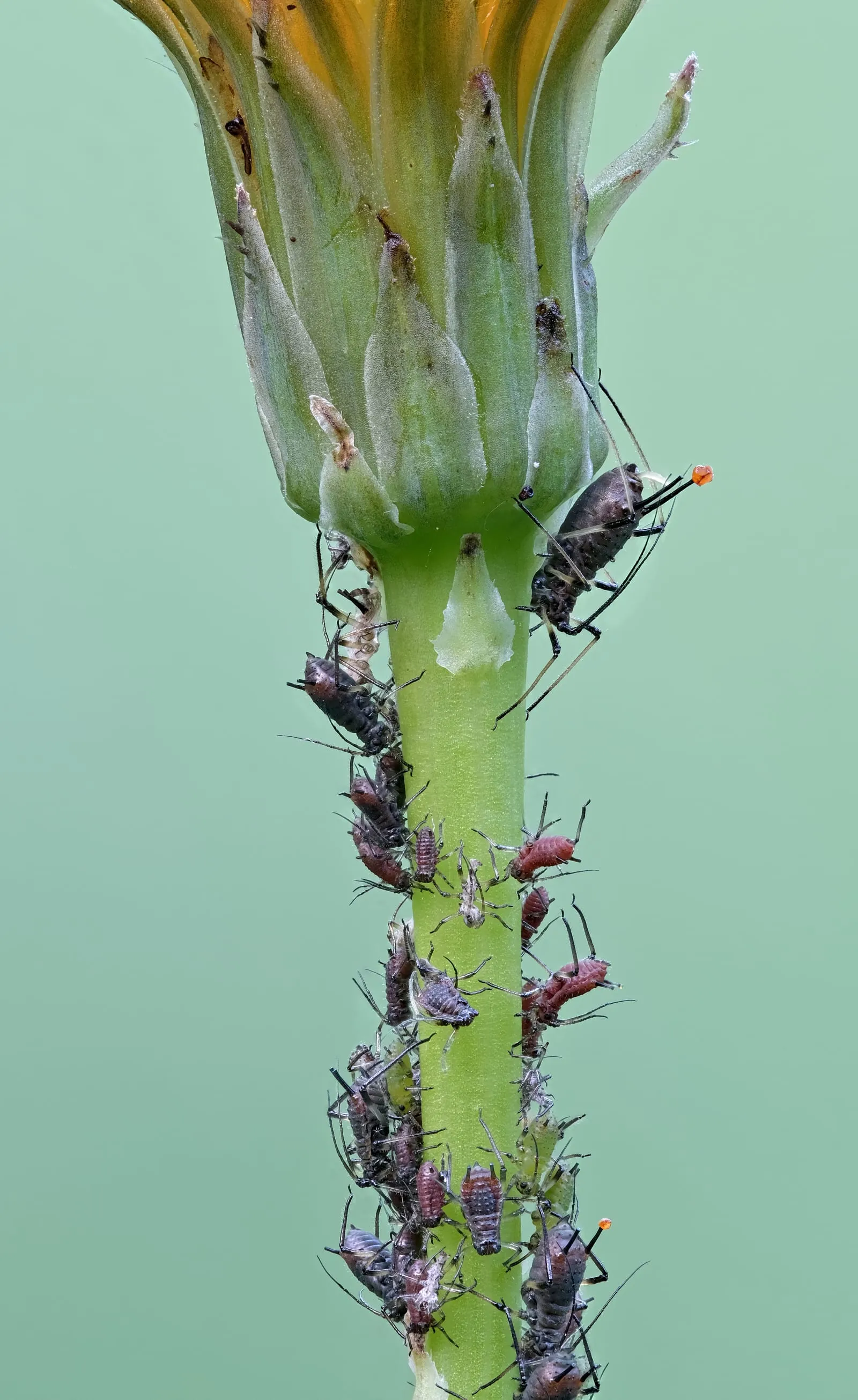
Multiple species (Aphididae)
Small soft-bodied sap-sucking insects that reproduce explosively in spring. Excrete honeydew that supports sooty mold and attracts ants. Transmit viral diseases.
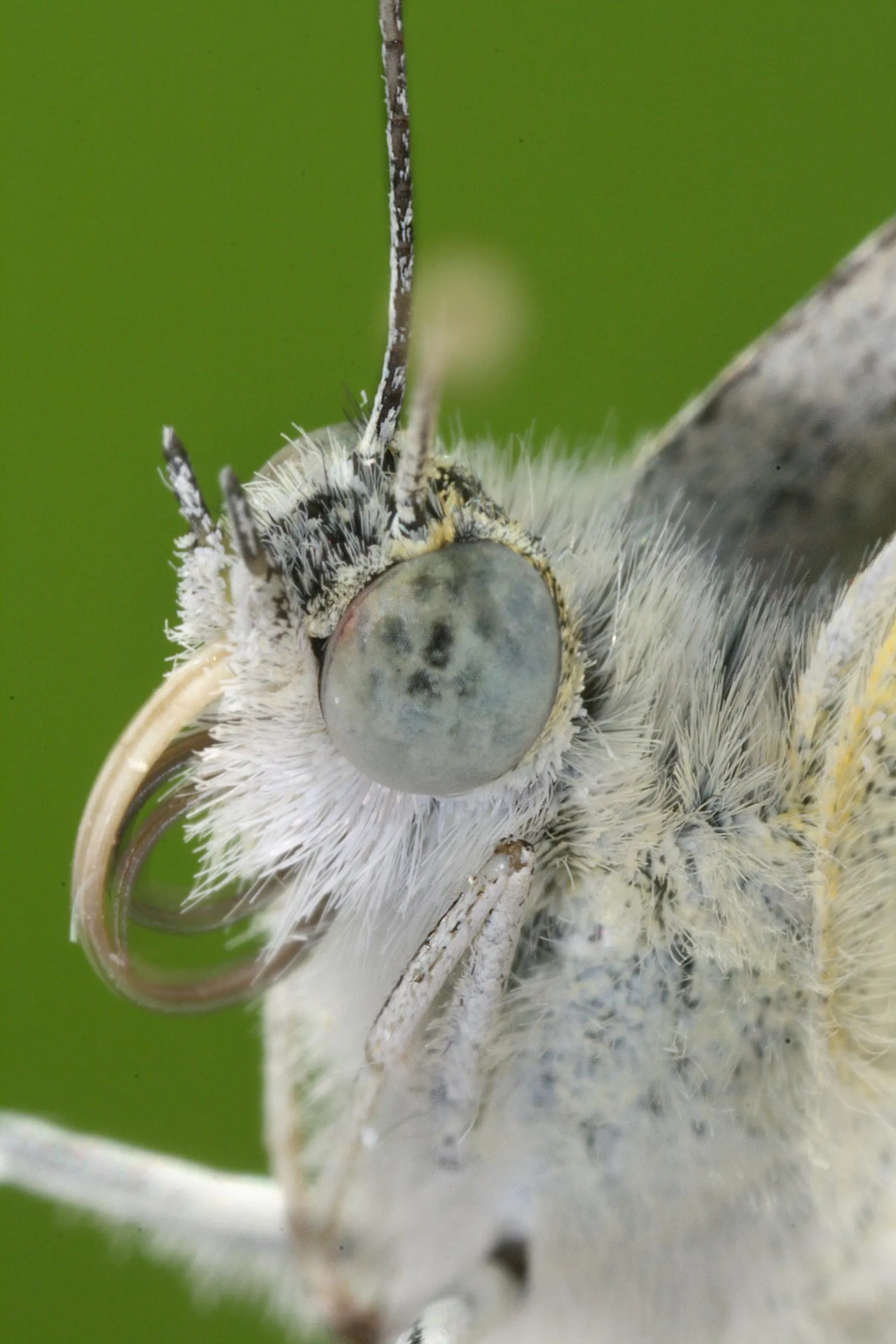
Pieris rapae
Velvety green caterpillars that chew large irregular holes in brassica leaves and bore into heads. Adults are the small white butterflies seen fluttering through the garden.
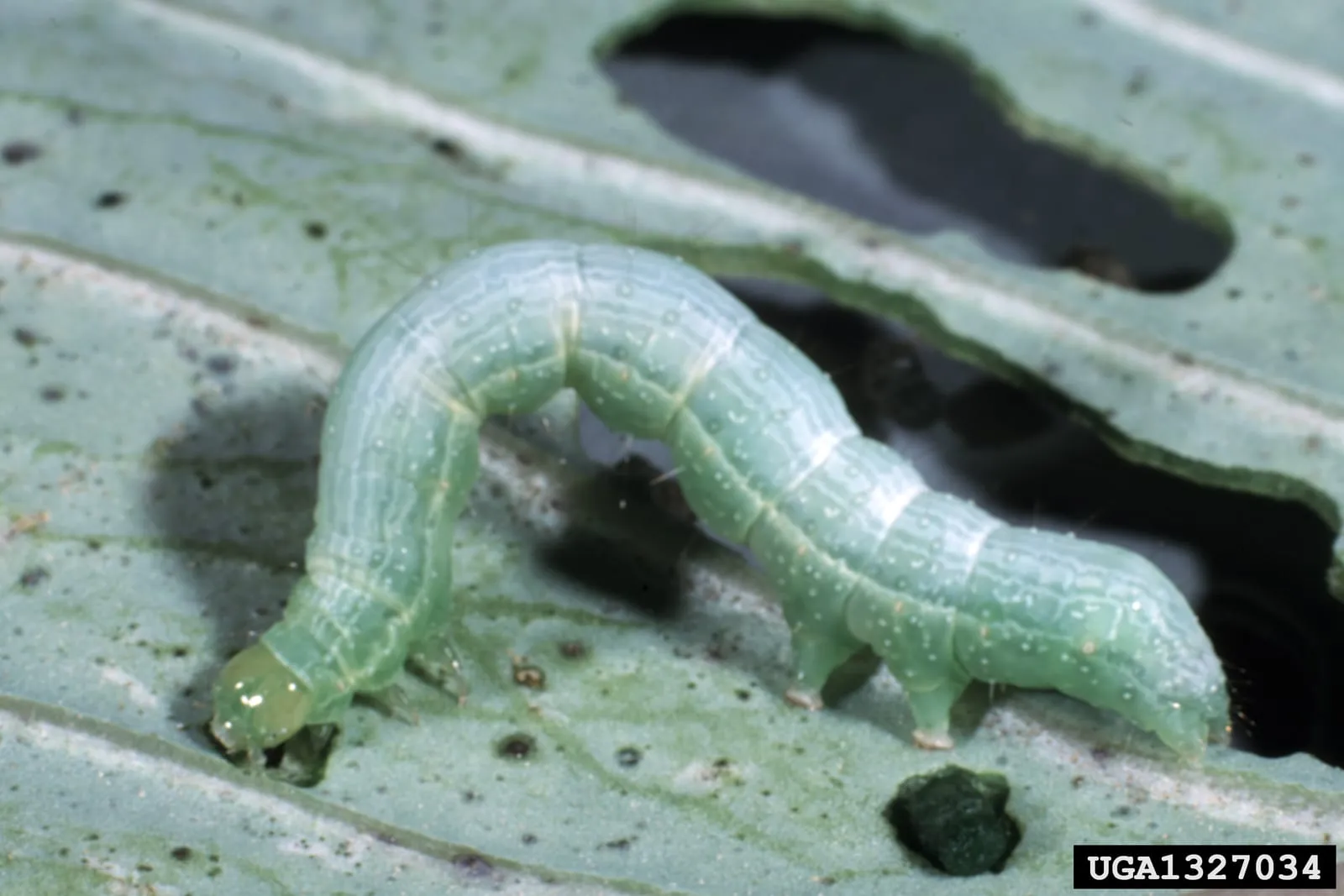
Trichoplusia ni
Pale green caterpillars that arch their backs (loop) when crawling. Defoliate brassicas and lettuce, contaminate harvested heads. Adults are mottled gray-brown moths.
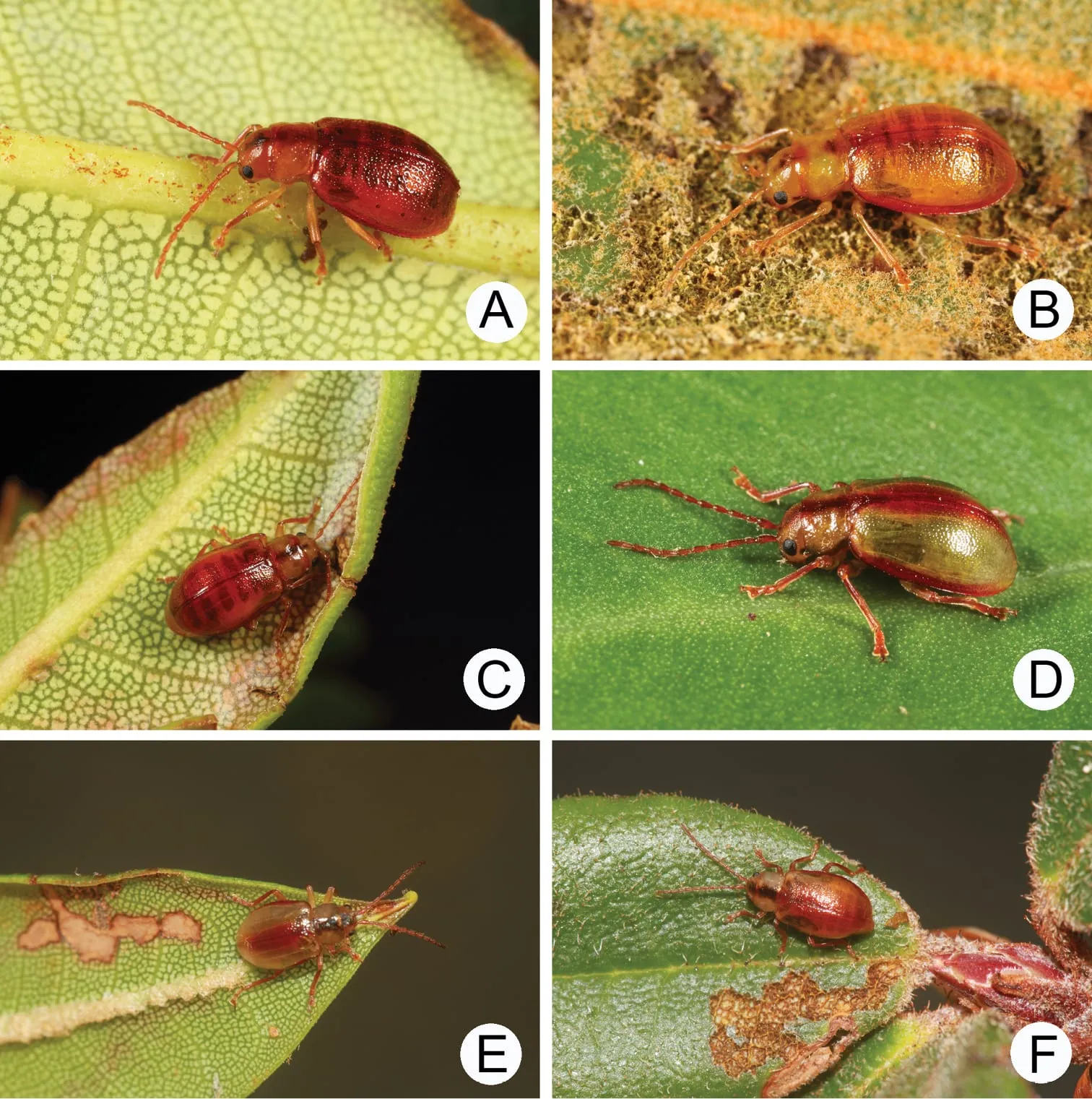
Multiple species (Chrysomelidae)
Tiny black or bronze jumping beetles that put hundreds of small holes in seedling leaves. Most damaging on direct-seeded brassicas and young eggplant.
Common challenges
The most common failure is heat stress during curd development. Cauliflower is unusually intolerant of temperatures above 75°F during the period between transplanting and harvest. Even a few warm days can cause ricey texture, where the curd separates into loose, granular florets, along with browning or premature bolting. The practical solution is counting back from expected first-frost or last-frost dates and planting so the crop matures while average daily highs are still in the 60s.
Clubroot is the second significant risk, especially in beds with a history of brassica production. The causal organism (Plasmodiophora brassicae) persists in soil for 20 or more years, and there are no curative treatments once it is established. Prevention depends on crop rotation with a minimum of 3 to 4 years between brassicas in the same bed, maintaining soil pH above 6.5, and improving drainage. A bed with confirmed clubroot is effectively closed to brassicas indefinitely.
Imported cabbageworm and cabbage looper larvae cause both leaf damage and direct curd contamination. Row covers applied at transplanting time exclude the adults from laying eggs and are the most reliable preventive measure. For open plantings, Bacillus thuringiensis (Bt) applications are effective against young larvae and are approved for organic production. Check plants every few days once heads begin to form; frass inside the curd is harder to manage than early-stage leaf feeding.
Frequently asked questions
- Does cauliflower need a pollinator to form a head?
No. Cauliflower is harvested before it flowers, so pollination is not relevant to curd formation. The dense white or colored head is a mass of undeveloped flower buds. Head quality depends on temperature and timing, not pollinator activity.
- How many days does cauliflower take from transplant to harvest?
Most varieties mature in 55 to 100 days from transplant, depending on variety and growing conditions. Compact types like Snowball Y are toward the shorter end. Romanesco typically runs 75 to 100 days. Cool weather slows development; warm weather accelerates it while reducing curd quality.
- What USDA zones can grow cauliflower?
Cauliflower grows across zones 3b through 9a. In colder zones (3b to 5), it is primarily a spring crop. Zones 6 and 7 can support both spring and fall plantings. In zones 8 and 9, fall and winter planting is the more reliable approach, as summer heat makes spring crops difficult to time correctly.
- Does cauliflower need a cold period or chill hours to produce a head?
Cauliflower does not require a vernalization period the way biennial crops like parsley or celery do. However, it does require consistently cool temperatures (ideally 60 to 70°F) during curd development. Planting into cold soil as a transplant is fine; sustained heat, not absence of cold, is the more common problem.
- What is the most damaging disease in cauliflower?
Clubroot is the most serious long-term threat because it persists in soil for decades and has no cure. Downy mildew and white mold are more common season to season, particularly in wet, humid conditions. Good airflow, proper spacing, and crop rotation reduce pressure from all three.
- Why did the cauliflower form a small, premature head instead of a full curd?
This condition, called buttoning, is typically caused by transplanting seedlings that are too large or too root-bound, cold stress early in growth, or nutrient deficiency. Transplants with more than 5 to 6 true leaves at planting time are the most common trigger. Starting from smaller transplants and maintaining consistent fertility reduces the incidence significantly.
- Is Romanesco cauliflower grown the same way as white cauliflower?
Largely yes, but Romanesco is more sensitive to heat than standard white types and performs poorly as a spring crop in zones 6 and above. It is best treated as a fall crop, timed to mature in cool autumn conditions. The fractal spiral heads also benefit from blanching in very bright sun to preserve their chartreuse color.
+−
+−
+−
+−
+−
+−
+−
Sources
Image: "Bloemkool", by Rasbak, via Wikimedia Commons, licensed under CC-BY. Source.

Cauliflower by zone
Related