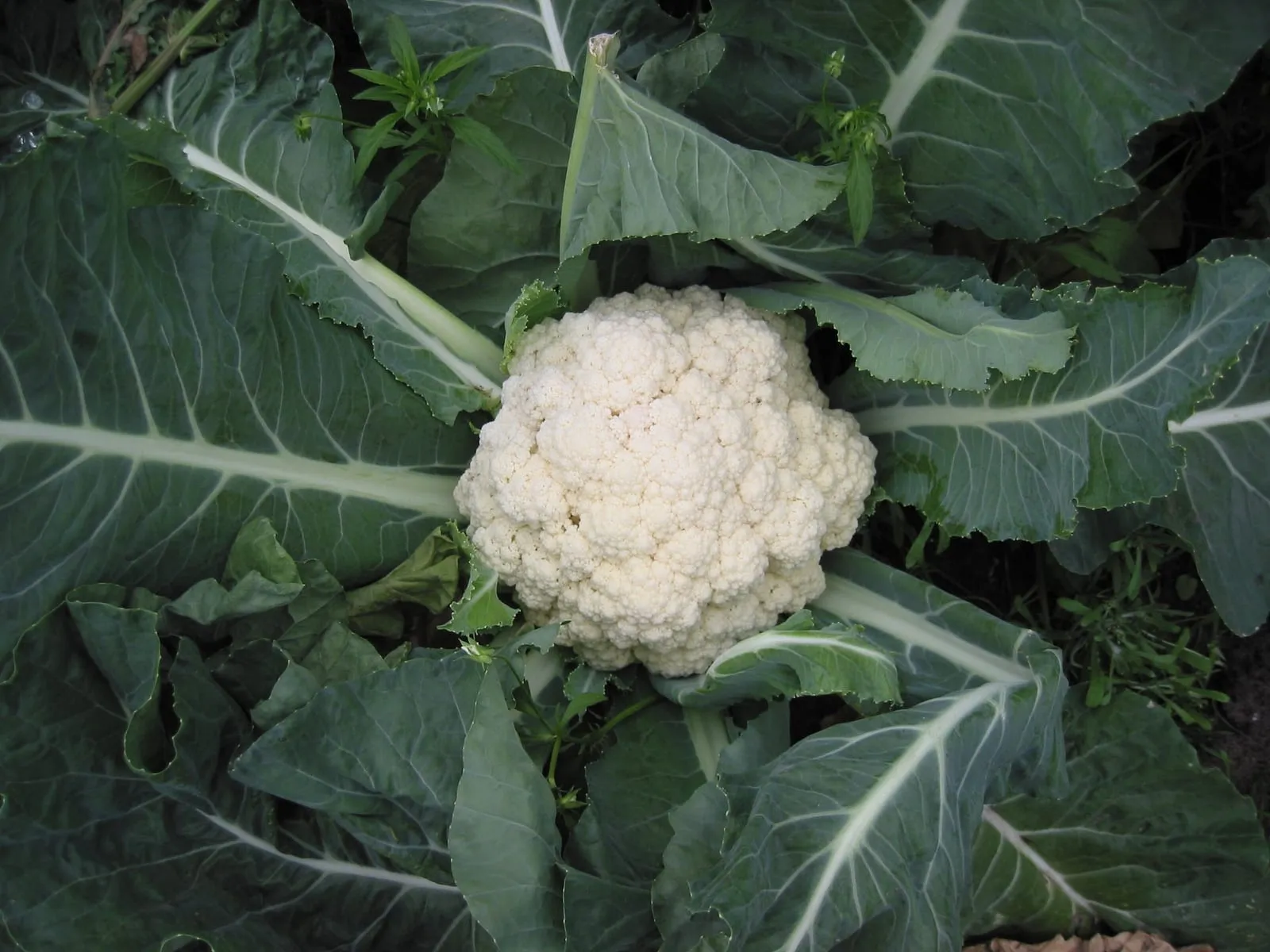
vegetable in zone 6b
Growing cauliflower in zone 6b
Brassica oleracea var. botrytis
- Zone
- 6b -5°F to 0°F
- Growing season
- 190 days
- Suitable varieties
- 4
- Days to harvest
- 55 to 100
The verdict
Zone 6b is a reliable zone for cauliflower, not a marginal one. Cauliflower is a cool-season brassica, not a perennial crop, so chill-hour accumulation in the fruit-tree sense does not apply. What matters instead is access to sustained cool temperatures, roughly 60 to 65°F, during head development. Zone 6b's 190-day growing season, bracketed by winter lows of -5 to 0°F, provides two usable cool windows: a spring shoulder season and a longer fall season. Both support quality head formation without the heat stress that causes premature buttoning.
Varieties like Snowball Y and Graffiti mature in 70 to 80 days, fitting comfortably within either window. Romanesco and Cheddar, which run slightly longer at 75 to 100 days, are better suited to the fall crop where temperatures cool steadily rather than spiking unpredictably. The primary risk in zone 6b is not cold but mistimed plantings that push head development into summer heat.
Recommended varieties for zone 6b
4 cultivars suited to this zone, with disease-resistance and zone-fit annotations.
| Variety | Notes | Zone fit | Disease resistance |
|---|---|---|---|
| Snowball Y fits zone 6b | Mild, sweet, dense white curd; the classic home-garden cauliflower. Steaming, roasting, fresh, gratins. Self-blanching, reliable in cool springs and falls. | | none noted |
| Cheddar fits zone 6b | Mild, slightly sweeter than white, beta-carotene rich; bright orange curds that hold color when cooked. Roasting, fresh, soup. Ornamental and productive. | | none noted |
| Romanesco fits zone 6b | Sweet, nutty, more complex than white cauliflower; chartreuse fractal-spiraled head. Roasting, steamed, fresh. Sensitive to heat, best as fall crop. | | none noted |
| Graffiti fits zone 6b | Mild, slightly sweet, dramatic deep purple curd; holds color when cooked briefly. Roasting, fresh, pickled. Anthocyanin-rich, ornamental. | | none noted |
Critical timing for zone 6b
For a spring crop, transplant seedlings outdoors 2 to 4 weeks before the average last frost date, which falls in mid-April across much of zone 6b. Start transplants indoors 4 to 6 weeks before that, typically in late February to early March. Harvest runs late May through June depending on variety.
The fall crop is more forgiving. Count back from the first expected fall frost (mid-October in zone 6b) by the variety's days-to-maturity, then add two weeks as buffer. Transplanting in late July to early August places harvest in September and October, when cooling nights improve head density and color. Cauliflower heads exposed to light frost often improve in flavor, so a light October freeze is not cause for alarm.
Common challenges in zone 6b
- ▸ Cedar-apple rust
- ▸ Fire blight
- ▸ Stink bugs
Disease pressure to watch for
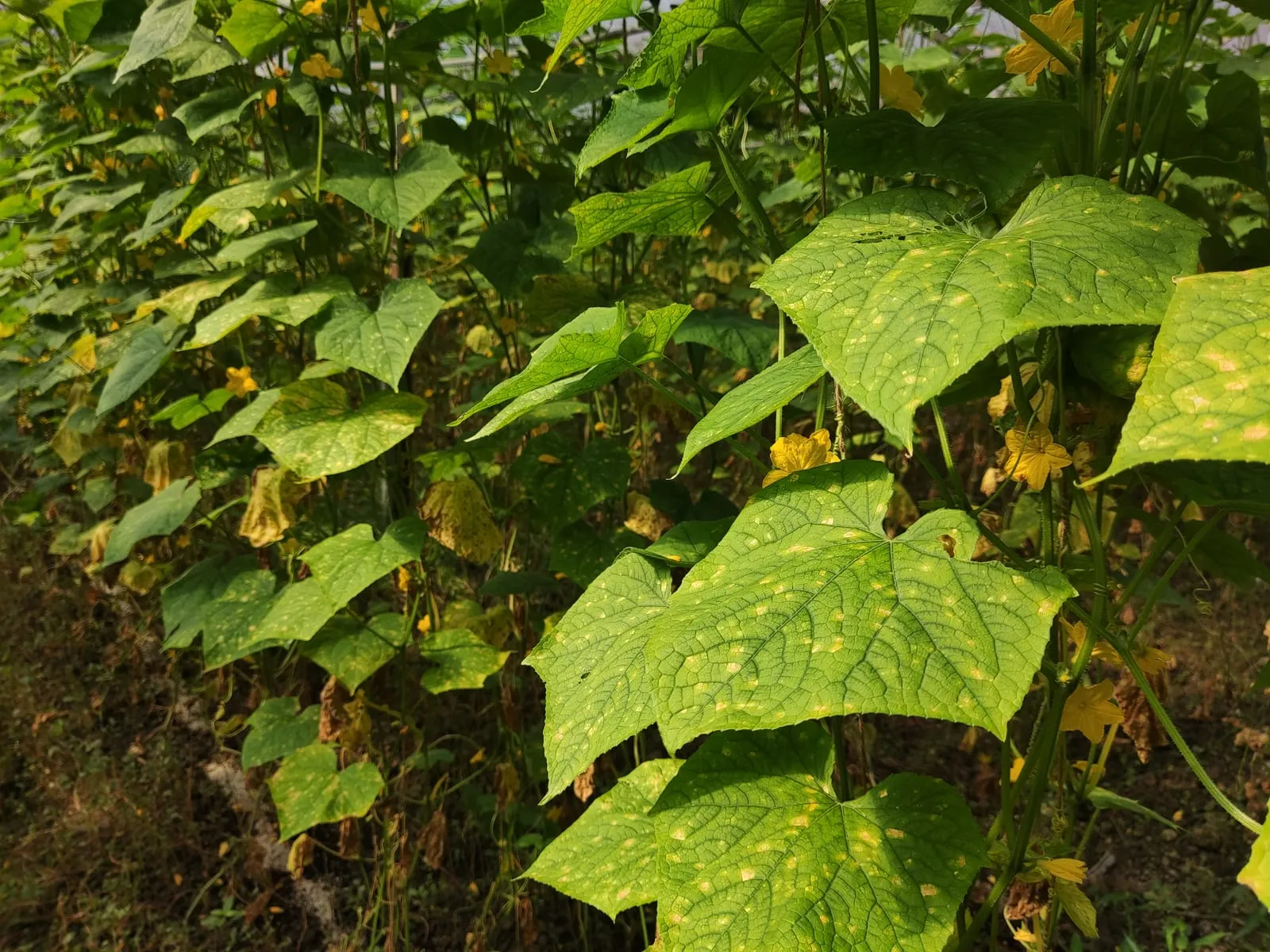
Pseudoperonospora cubensis (cucurbits) and others
Water mold (oomycete, not a true fungus) that thrives in cool damp conditions. Spreads rapidly through cucurbit and brassica plantings on wind-borne spores.
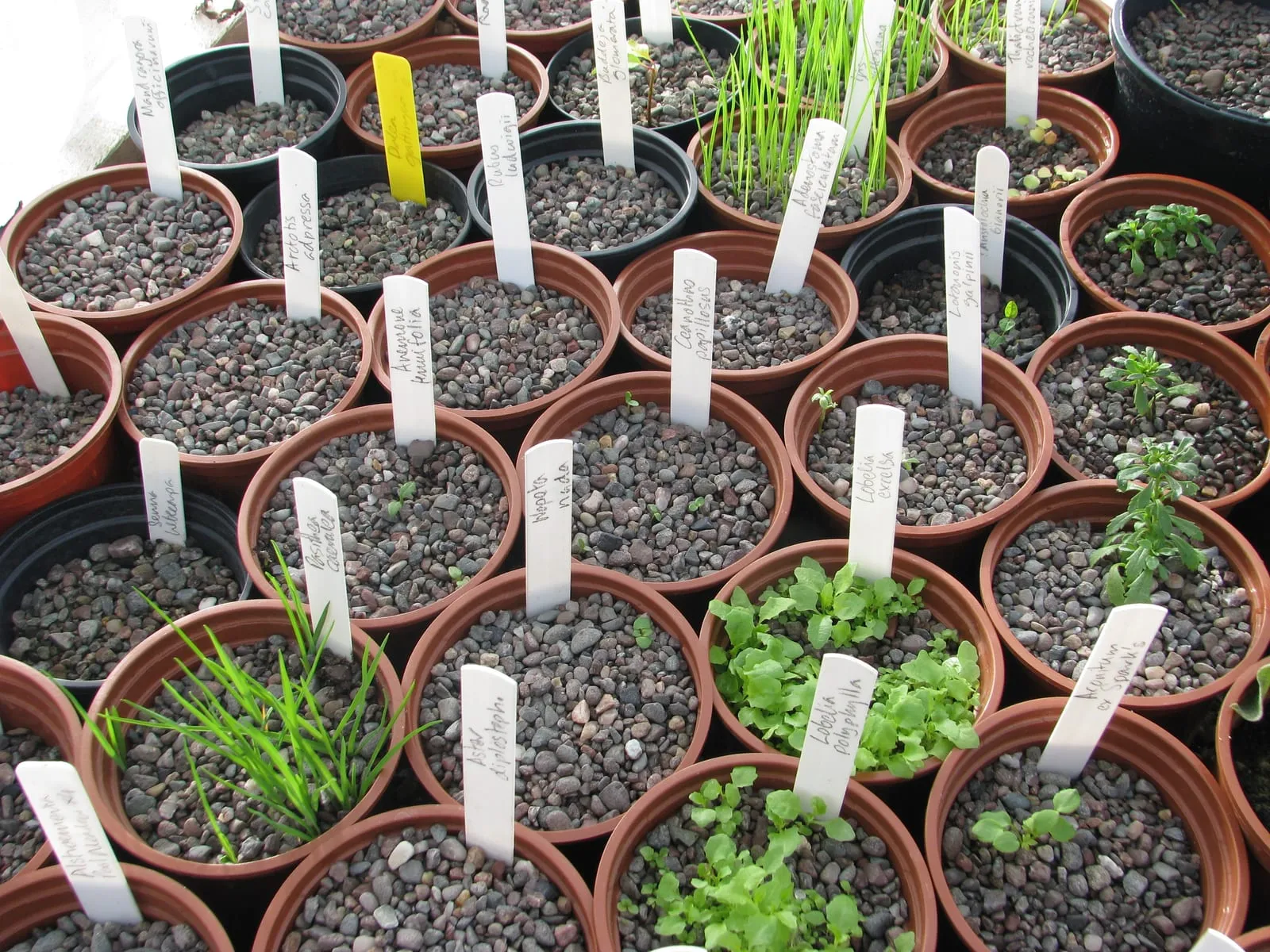
Pythium and Rhizoctonia species
Soil-borne complex of water molds and fungi that kill seedlings before or shortly after emergence. The single most common cause of seed-starting failures.
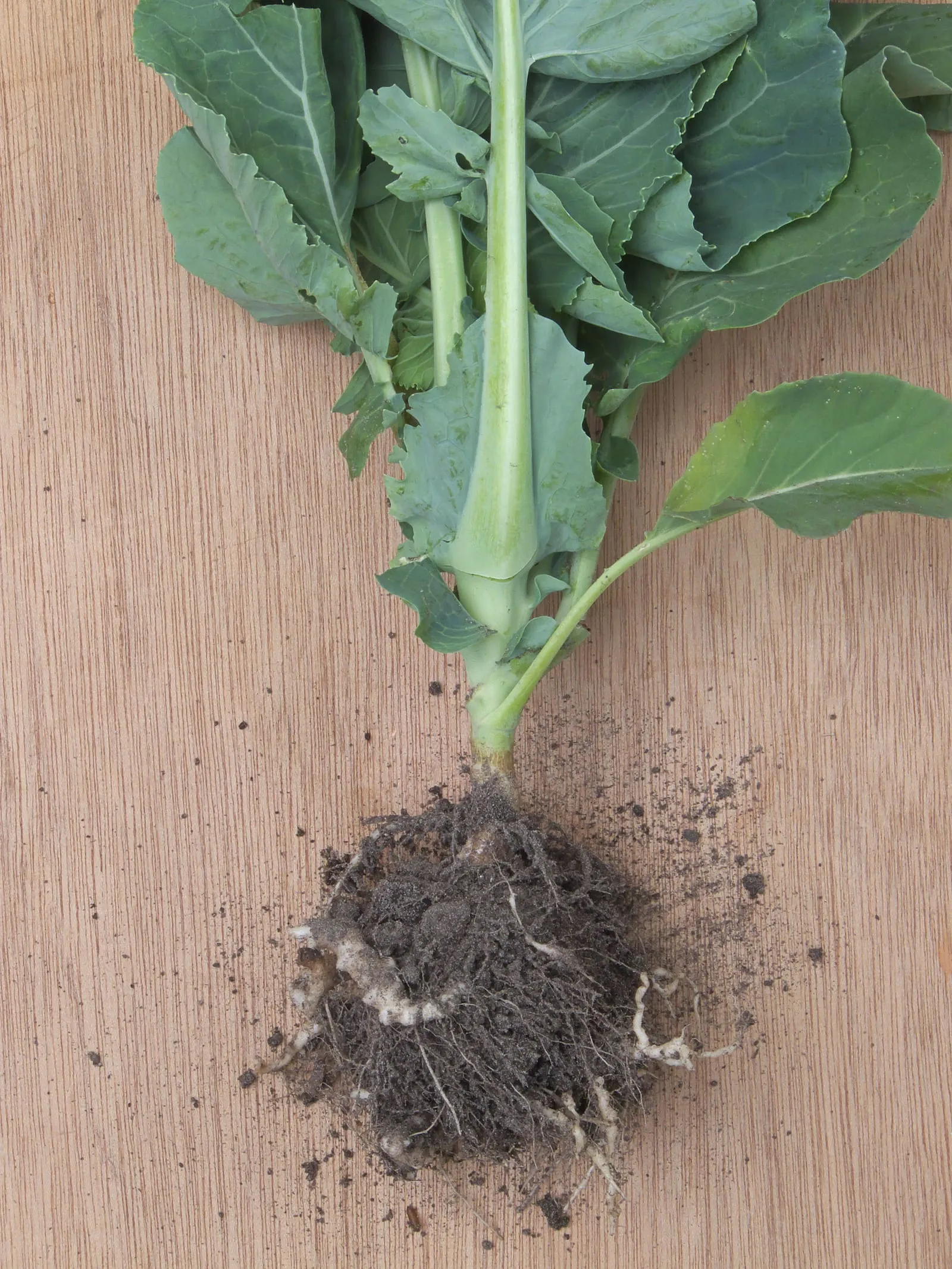
Plasmodiophora brassicae
Soil-borne disease causing characteristic distorted club-shaped roots on brassicas. Persists in soil for 10-20 years; the dominant brassica pathogen in acidic poorly-drained soils.
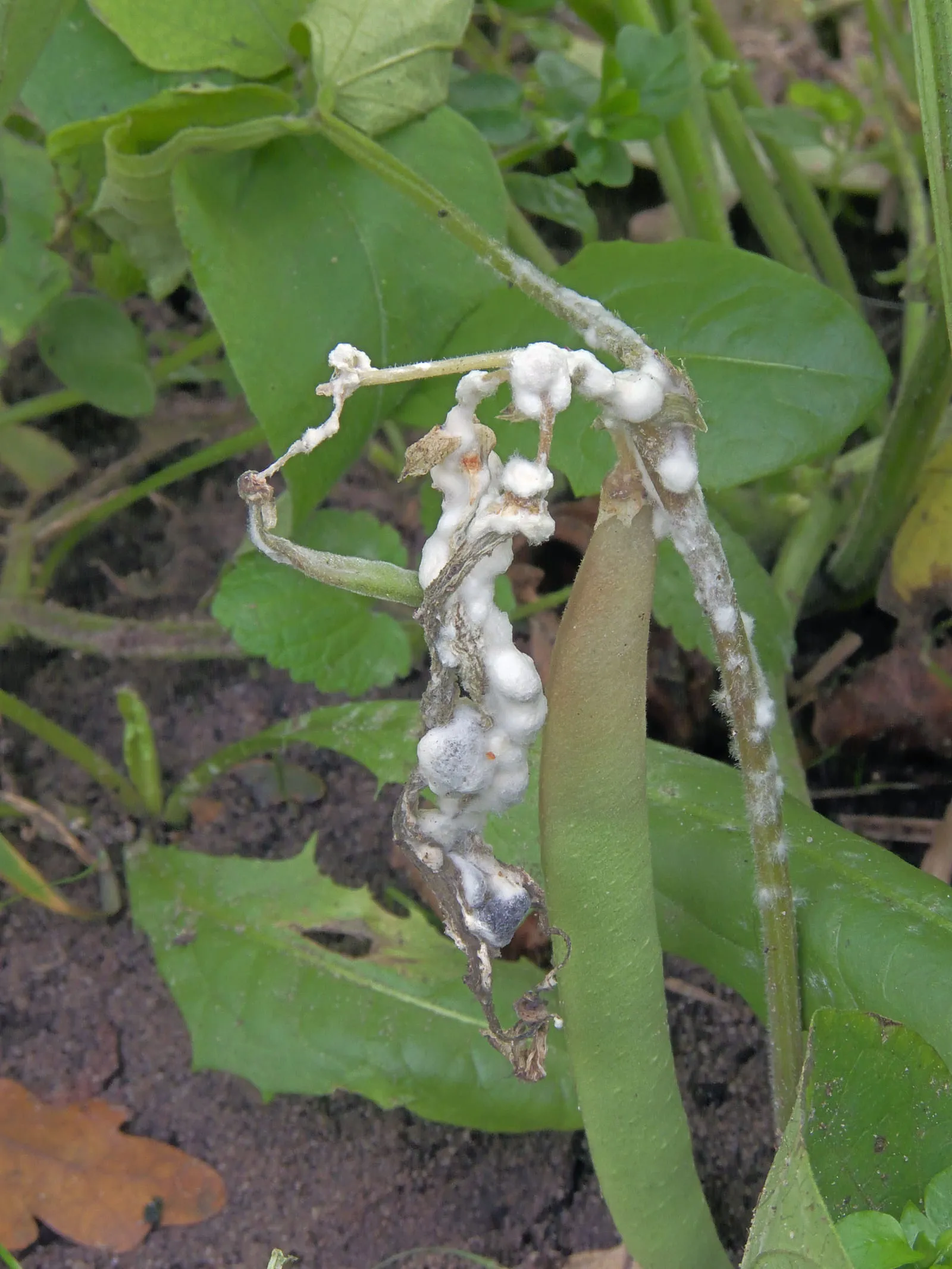
Sclerotinia sclerotiorum
Fungal disease that produces fluffy white mycelium on stems and lower leaves. Forms hard black sclerotia (resting bodies) that survive 5+ years in soil.
Modified care for zone 6b
Stink bugs are a documented pressure in zone 6b and will damage cauliflower heads as they develop. Row cover provides effective exclusion during head formation; remove it only for inspection, then replace immediately. Monitor from late summer onward.
Downy mildew thrives in the cool, humid conditions of spring and early fall, precisely the windows zone 6b growers depend on. Space plants to 18 to 24 inches to improve airflow, and avoid overhead irrigation in the evening. Clubroot persists in acidic soils for years; if it has been present in a bed, raise soil pH to 7.0 or above before planting and observe a minimum four-year rotation with non-brassica crops.
Blanching is worth the effort in zone 6b's variable spring light. Tie the outer leaves loosely over developing heads to prevent yellowing and sunburn, checking every few days as the head expands.
Frequently asked questions
- Can cauliflower survive a frost in zone 6b?
Established transplants tolerate light frosts down to about 28°F. A brief dip into the mid-20s may damage or kill unprotected plants. Row cover extends the safe range by several degrees and is worth using during any forecast below 30°F in spring or fall.
- Why did my cauliflower form a small, loose head too early?
Buttoning, the premature formation of a tiny head, usually results from heat stress or transplanting shock. In zone 6b, spring plantings that get delayed into May frequently button when temperatures jump into the 80s. Fall crops are less susceptible because temperatures trend in the right direction during head development.
- Which cauliflower varieties perform best in zone 6b?
Snowball Y is a dependable short-season option for spring planting. Cheddar and Graffiti add color and hold up well in fall conditions. Romanesco is worth growing in fall when it has time to develop fully; spring plantings often rush it.
- How do I manage clubroot in zone 6b beds?
Clubroot (Plasmodiophora brassicae) persists in soil for up to 20 years. Raise bed pH to 7.0 or above with lime, practice a four-year or longer rotation away from all brassicas, and avoid moving soil between affected and clean beds.
+−
+−
+−
+−
Cauliflower in adjacent zones
Image: "Bloemkool", by Rasbak, via Wikimedia Commons, licensed under CC-BY Source.

Related