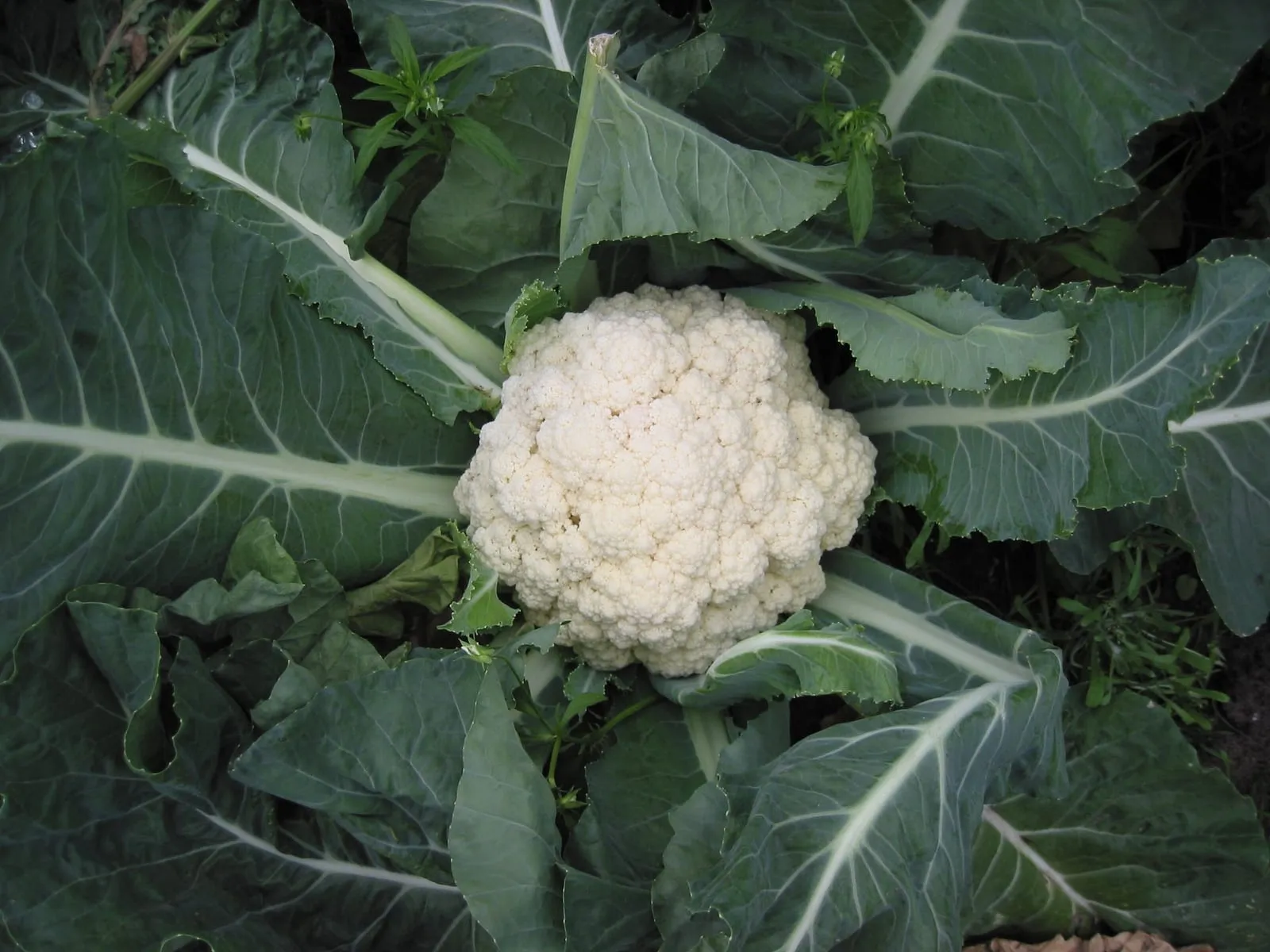
vegetable in zone 7a
Growing cauliflower in zone 7a
Brassica oleracea var. botrytis
- Zone
- 7a 0°F to 5°F
- Growing season
- 210 days
- Suitable varieties
- 4
- Days to harvest
- 55 to 100
The verdict
Zone 7a is a workable zone for cauliflower, though not without friction. Unlike tree fruits, cauliflower has no chill-hour requirement. The limiting factor here is heat, not cold. Cauliflower forms tight, dense curds only when daytime temperatures stay consistently below 80°F; above that threshold, heads loosen, discolor, or bolt before reaching marketable size.
The 210-day growing season in zone 7a is long enough to support two crops per year, which is where the zone earns its keep. Spring windows are narrow and require careful timing. Fall crops, by contrast, have the advantage of cooling temperatures through the maturing period, which generally produces better curd quality. Growers who treat zone 7a as a fall-crop zone for cauliflower get far more consistent results than those who push hard on spring timing. This is not a marginal zone, but success depends on working with the seasonal pattern rather than against it.
Recommended varieties for zone 7a
4 cultivars suited to this zone, with disease-resistance and zone-fit annotations.
| Variety | Notes | Zone fit | Disease resistance |
|---|---|---|---|
| Snowball Y fits zone 7a | Mild, sweet, dense white curd; the classic home-garden cauliflower. Steaming, roasting, fresh, gratins. Self-blanching, reliable in cool springs and falls. | | none noted |
| Cheddar fits zone 7a | Mild, slightly sweeter than white, beta-carotene rich; bright orange curds that hold color when cooked. Roasting, fresh, soup. Ornamental and productive. | | none noted |
| Romanesco fits zone 7a | Sweet, nutty, more complex than white cauliflower; chartreuse fractal-spiraled head. Roasting, steamed, fresh. Sensitive to heat, best as fall crop. | | none noted |
| Graffiti fits zone 7a | Mild, slightly sweet, dramatic deep purple curd; holds color when cooked briefly. Roasting, fresh, pickled. Anthocyanin-rich, ornamental. | | none noted |
Critical timing for zone 7a
In zone 7a, the average last spring frost falls in late March to mid-April, depending on local topography and urban heat effects. Spring transplants go out 3 to 4 weeks before that date, targeting a harvest window in late May to early June before summer heat closes the window. That gives roughly 60 to 80 days from transplant to harvest, which most standard varieties can meet.
Fall timing is more forgiving. Transplants started indoors in late July and set out in August will mature through September and October as temperatures drop. First fall frost in zone 7a typically arrives in October to early November, and light frost actually improves curd sweetness. A fall cauliflower planted on schedule in zone 7a rarely races against frost the way a spring crop races against heat.
Common challenges in zone 7a
- ▸ Cedar-apple rust
- ▸ Brown rot
- ▸ Fire blight
- ▸ High humidity disease pressure
Disease pressure to watch for
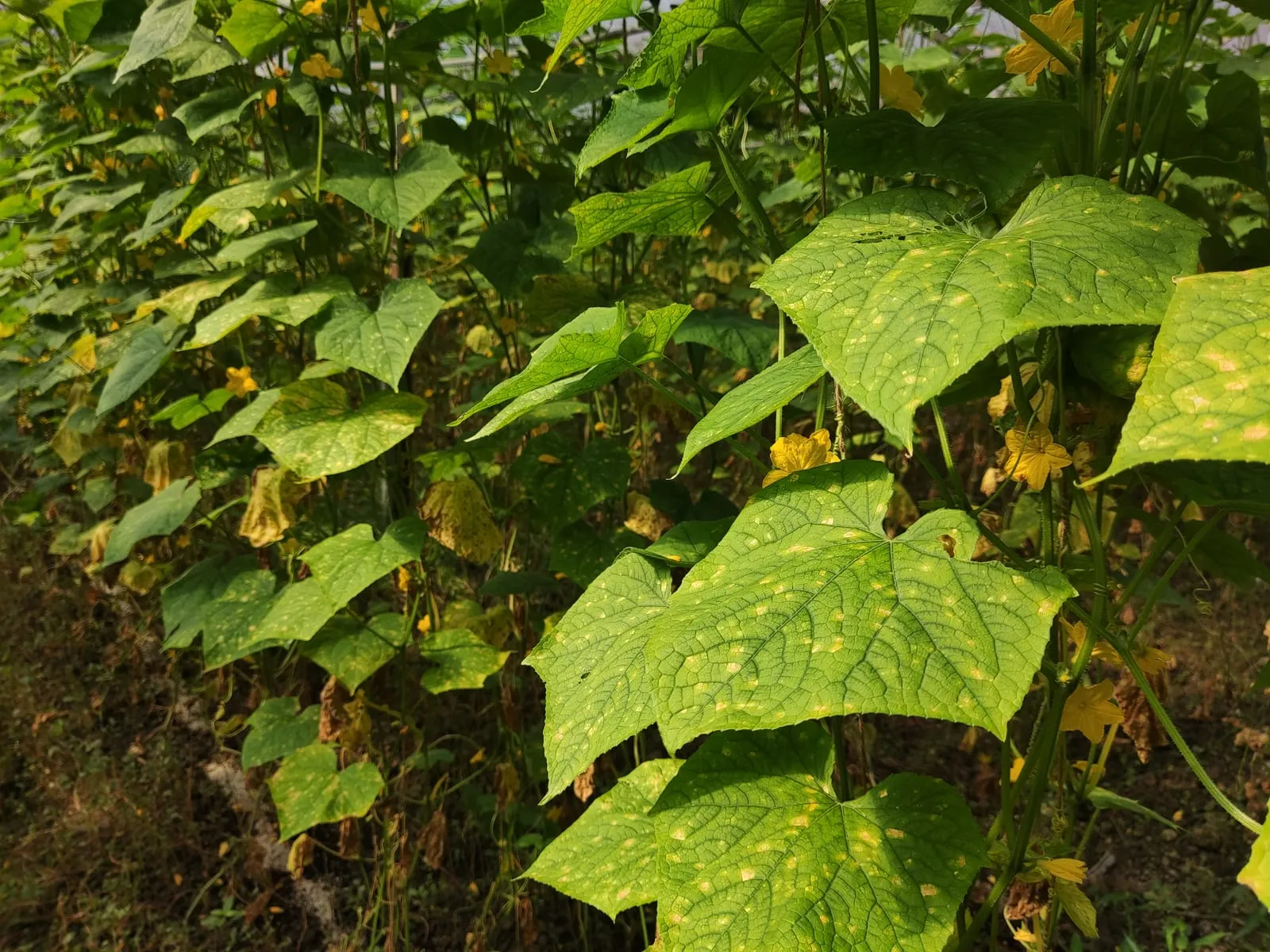
Pseudoperonospora cubensis (cucurbits) and others
Water mold (oomycete, not a true fungus) that thrives in cool damp conditions. Spreads rapidly through cucurbit and brassica plantings on wind-borne spores.
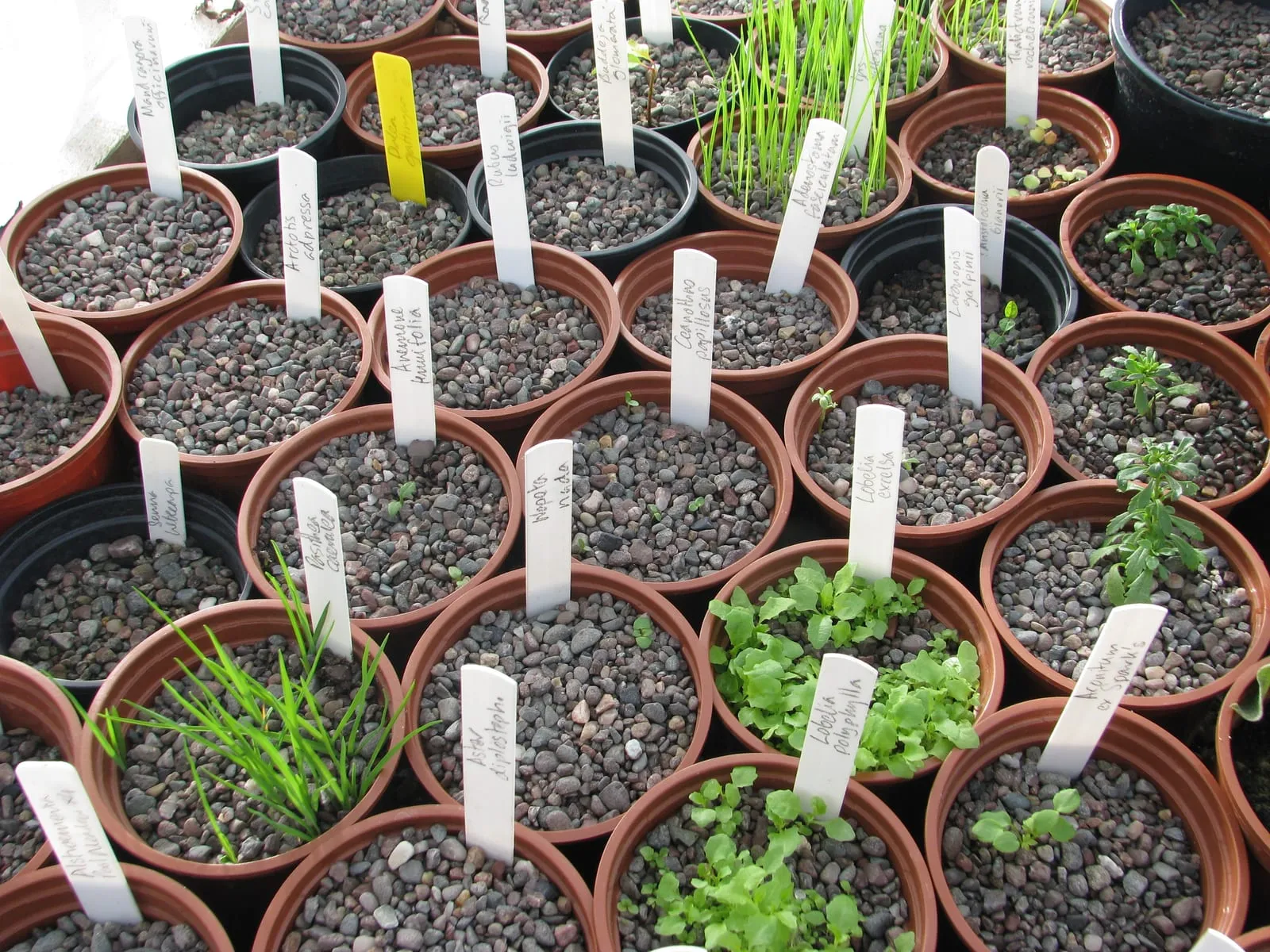
Pythium and Rhizoctonia species
Soil-borne complex of water molds and fungi that kill seedlings before or shortly after emergence. The single most common cause of seed-starting failures.
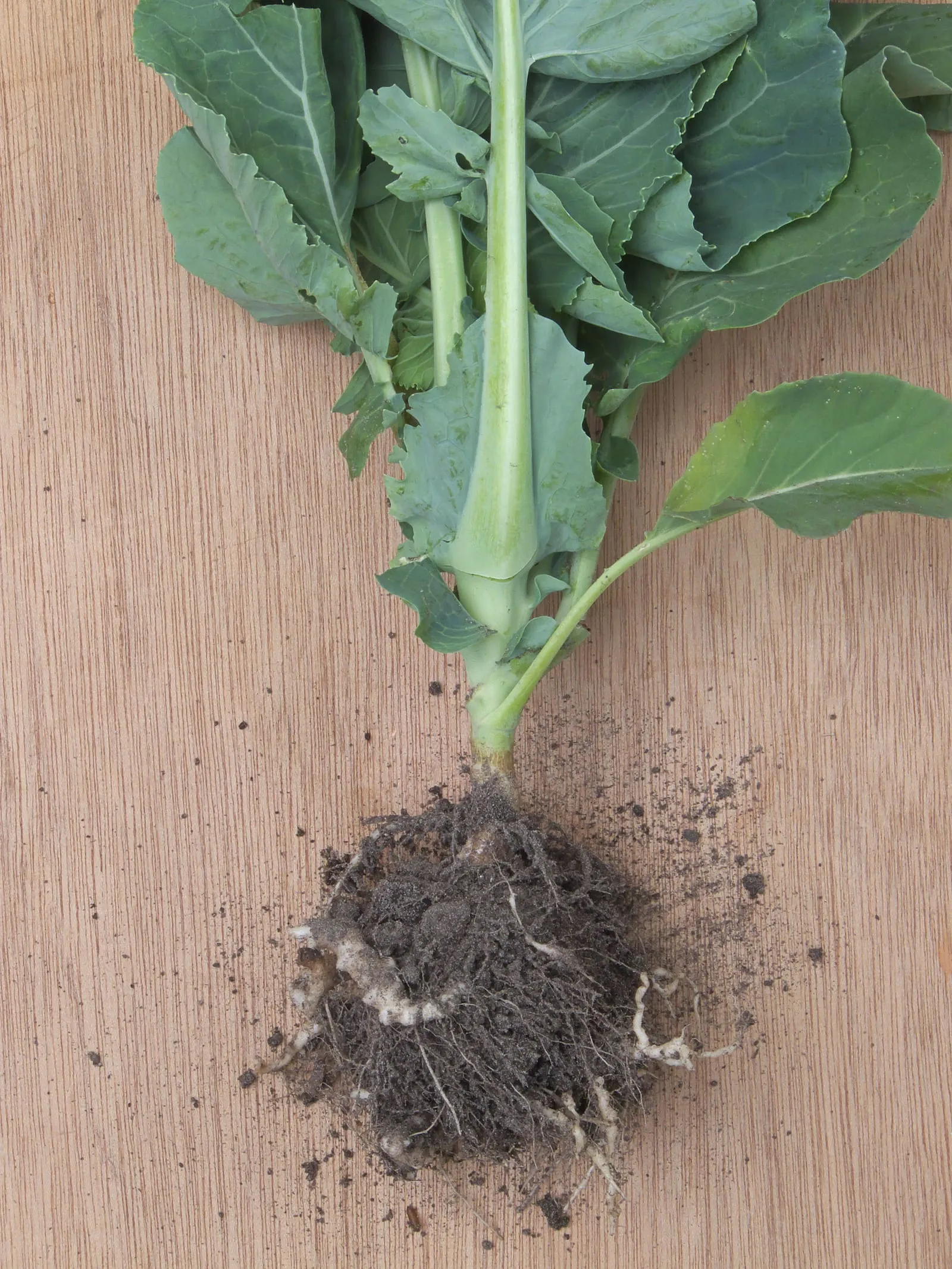
Plasmodiophora brassicae
Soil-borne disease causing characteristic distorted club-shaped roots on brassicas. Persists in soil for 10-20 years; the dominant brassica pathogen in acidic poorly-drained soils.
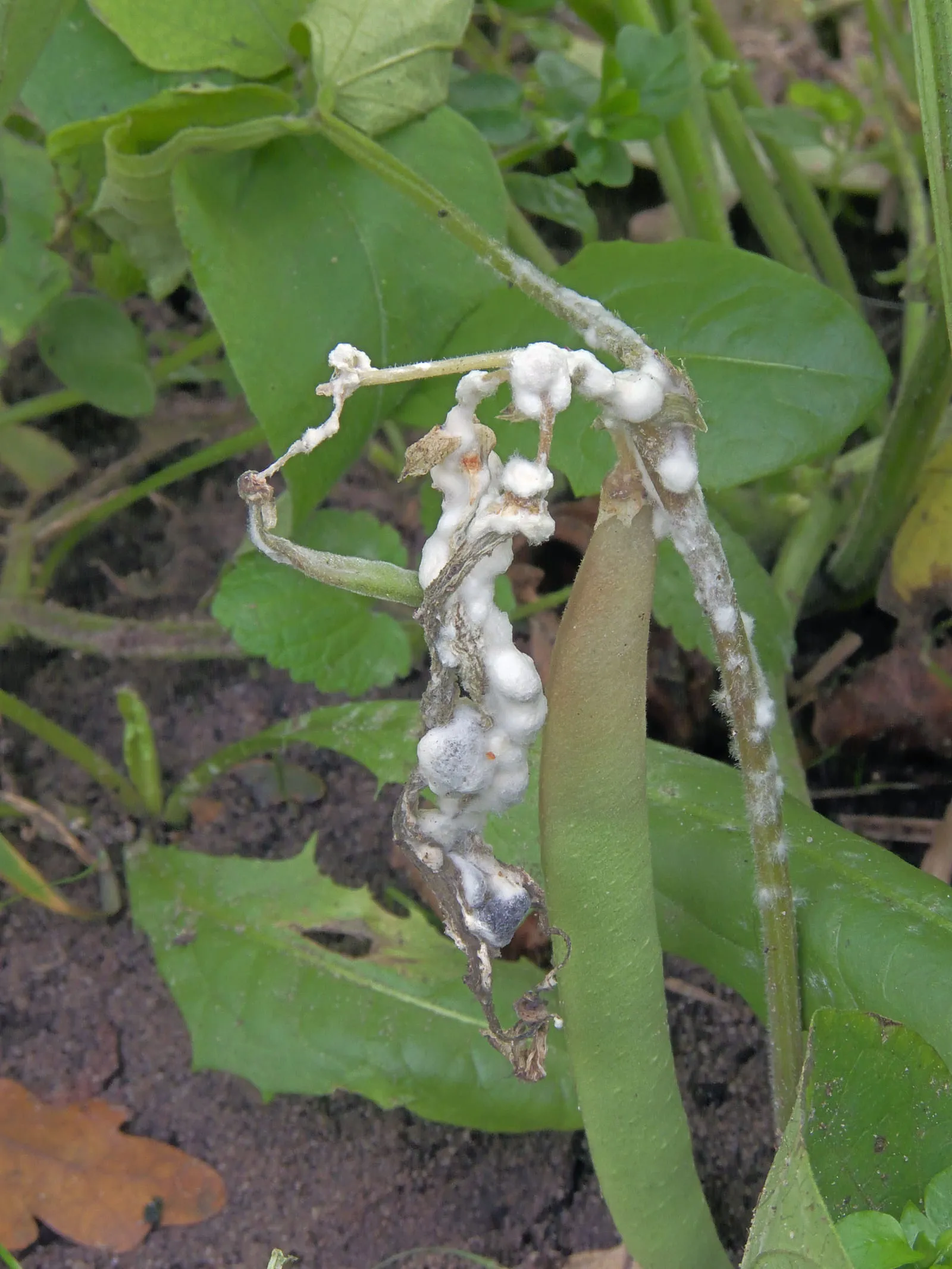
Sclerotinia sclerotiorum
Fungal disease that produces fluffy white mycelium on stems and lower leaves. Forms hard black sclerotia (resting bodies) that survive 5+ years in soil.
Modified care for zone 7a
The primary care adjustment in zone 7a is disease management under humid conditions. Downy mildew and white mold both establish readily in the warm, wet periods common in the Mid-Atlantic and upper South. Spacing transplants at least 18 inches apart improves airflow, and avoiding overhead irrigation in the evening reduces the leaf wetness that favors these pathogens. Clubroot is a persistent soil-borne problem in regions with repeated brassica cropping; rotating beds every three to four years and keeping soil pH above 7.0 suppresses it significantly.
Blanching is worth the effort in zone 7a. Tying outer leaves over the developing curd protects against sun yellowing during warm fall days. For spring crops, shade cloth rated at 30 to 40 percent can extend the harvest window by a week or two when an early heat spell arrives before heads are ready.
Frequently asked questions
- Is spring or fall better for growing cauliflower in zone 7a?
Fall is generally more reliable. Spring crops in zone 7a face a narrow window between the last frost and the onset of summer heat, and premature warmth can ruin curd development before harvest. Fall crops mature as temperatures cool, which suits cauliflower far better.
- Which cauliflower varieties perform best in zone 7a?
Snowball Y is a dependable standard with good heat tolerance for spring planting. Cheddar and Graffiti, both colored varieties, show reasonable disease tolerance. Romanesco performs best in fall when temperatures are more stable during head formation.
- How do I prevent cauliflower heads from yellowing or going loose in zone 7a?
Blanch the curds by gathering outer leaves and securing them loosely over the forming head. This blocks direct sun and slows heat accumulation at the curd surface. Harvest promptly once heads reach full size, as warm weather accelerates deterioration quickly.
- Does clubroot affect cauliflower in zone 7a?
It can, particularly in beds with a history of brassica cropping. Clubroot is a soil-borne pathogen that persists for years. Rotating out of brassicas for at least three seasons and raising soil pH to 7.0 or above with lime are the most effective preventive measures.
+−
+−
+−
+−
Cauliflower in adjacent zones
Image: "Bloemkool", by Rasbak, via Wikimedia Commons, licensed under CC-BY Source.

Related