vegetable in zone 7b
Growing cauliflower in zone 7b
Brassica oleracea var. botrytis
- Zone
- 7b 5°F to 10°F
- Growing season
- 220 days
- Suitable varieties
- 4
- Days to harvest
- 55 to 100
The verdict
Zone 7b is a workable zone for cauliflower, not a marginal one, but success depends on treating it as a cool-season crop grown in two distinct windows rather than a warm-weather staple. Cauliflower does not require vernalization or accumulated chilling the way tree fruits do; the relevant threshold is soil and air temperature during head development, ideally 55 to 65°F. Zone 7b delivers those conditions reliably in spring (March through May) and again in fall (September through November). The 220-day growing season is more than long enough for two crops annually.
The real constraint is summer heat. Temperatures above 75°F during curd development cause heads to become loose, discolored, or prematurely open. That rules out midsummer planting entirely. Varieties like Cheddar, Graffiti, Snowball Y, and Romanesco are all suited to zone 7b when timing is managed. Romanesco, which needs slightly cooler conditions for good curd texture, performs best as a fall crop in this zone.
Recommended varieties for zone 7b
4 cultivars suited to this zone, with disease-resistance and zone-fit annotations.
| Variety | Notes | Zone fit | Disease resistance |
|---|---|---|---|
| Snowball Y fits zone 7b | Mild, sweet, dense white curd; the classic home-garden cauliflower. Steaming, roasting, fresh, gratins. Self-blanching, reliable in cool springs and falls. | | none noted |
| Cheddar fits zone 7b | Mild, slightly sweeter than white, beta-carotene rich; bright orange curds that hold color when cooked. Roasting, fresh, soup. Ornamental and productive. | | none noted |
| Romanesco fits zone 7b | Sweet, nutty, more complex than white cauliflower; chartreuse fractal-spiraled head. Roasting, steamed, fresh. Sensitive to heat, best as fall crop. | | none noted |
| Graffiti fits zone 7b | Mild, slightly sweet, dramatic deep purple curd; holds color when cooked briefly. Roasting, fresh, pickled. Anthocyanin-rich, ornamental. | | none noted |
Critical timing for zone 7b
Spring transplants go out 2 to 4 weeks before the last expected frost, which falls in mid-March to early April across most of zone 7b. With a 70 to 100 day days-to-maturity range depending on variety, spring harvest runs from late April through early June before heat becomes a problem. The spring window is real but narrow, and a late warm spell can compromise the crop if heads aren't developing on schedule.
Fall crops are more predictable. Start transplants indoors in mid-to-late July and set them out in August. Zone 7b's first fall frost typically arrives in late October to mid-November, giving most standard varieties adequate time to mature. Fall cauliflower in this zone benefits from gradually cooling nights, which improve curd density and color without the race-against-heat pressure of spring.
Common challenges in zone 7b
- ▸ Cedar-apple rust pressure heavy in piedmont
- ▸ Japanese beetles
- ▸ Brown marmorated stink bug
- ▸ Late summer disease pressure
Disease pressure to watch for
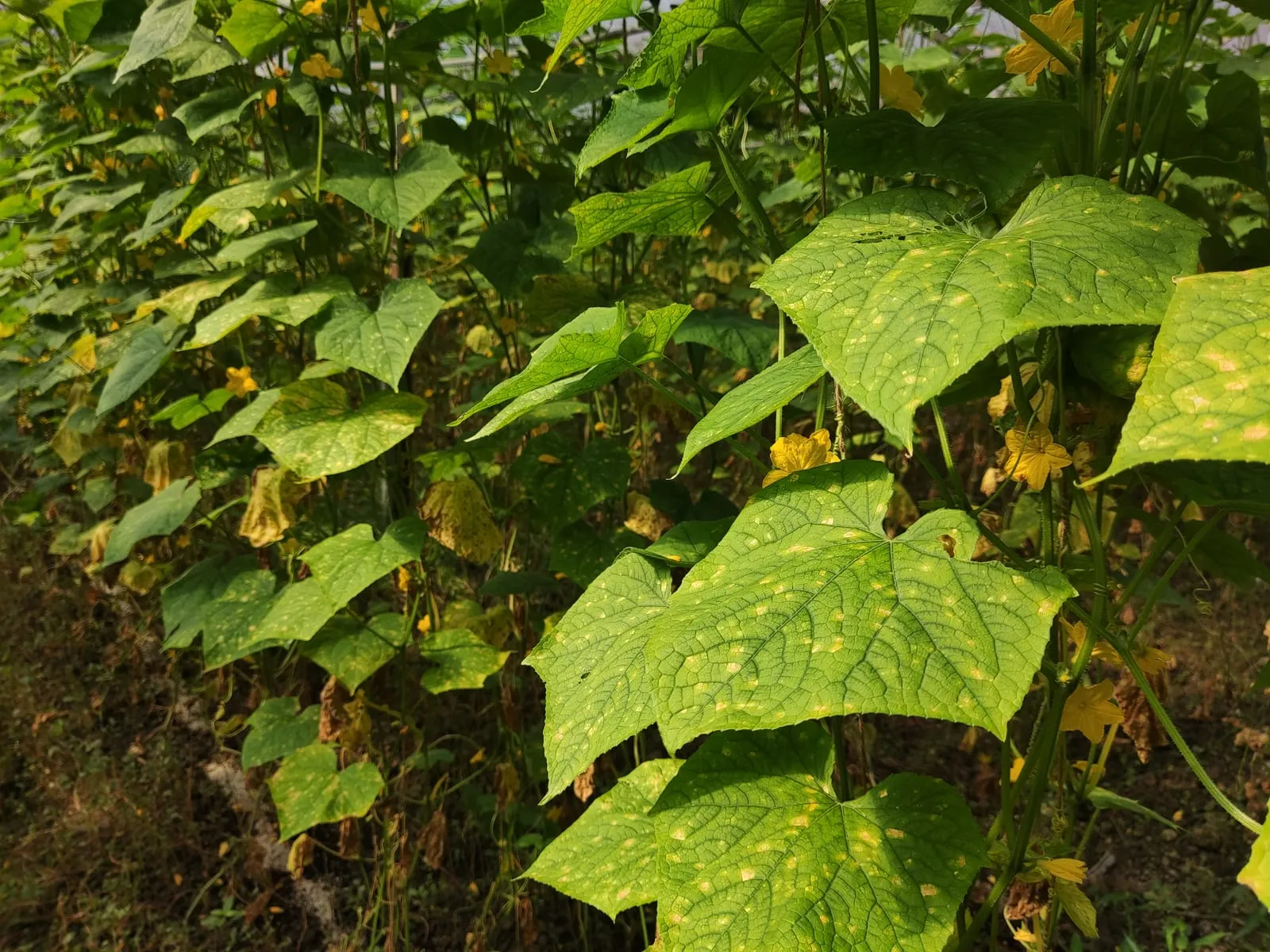
Pseudoperonospora cubensis (cucurbits) and others
Water mold (oomycete, not a true fungus) that thrives in cool damp conditions. Spreads rapidly through cucurbit and brassica plantings on wind-borne spores.
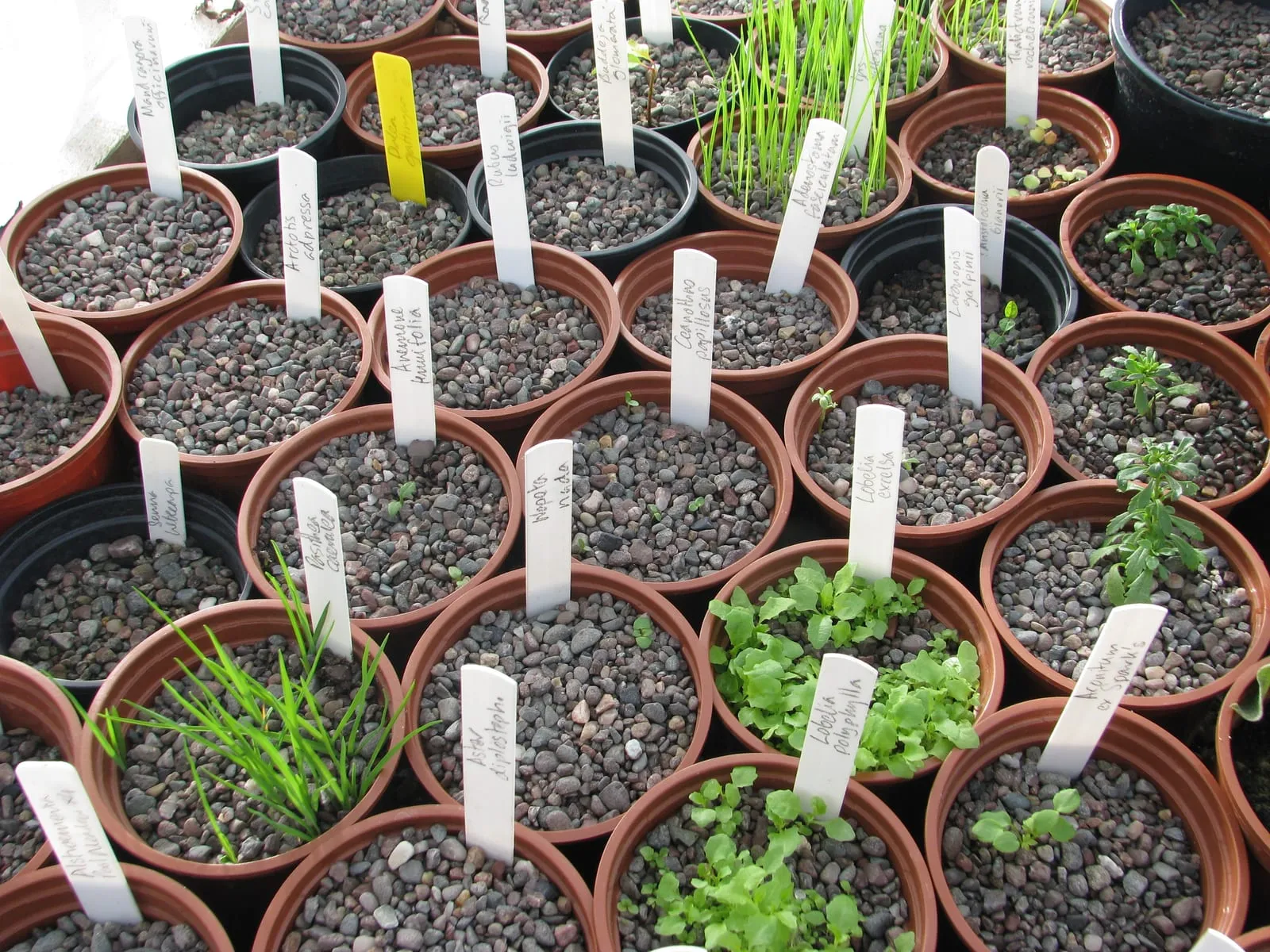
Pythium and Rhizoctonia species
Soil-borne complex of water molds and fungi that kill seedlings before or shortly after emergence. The single most common cause of seed-starting failures.
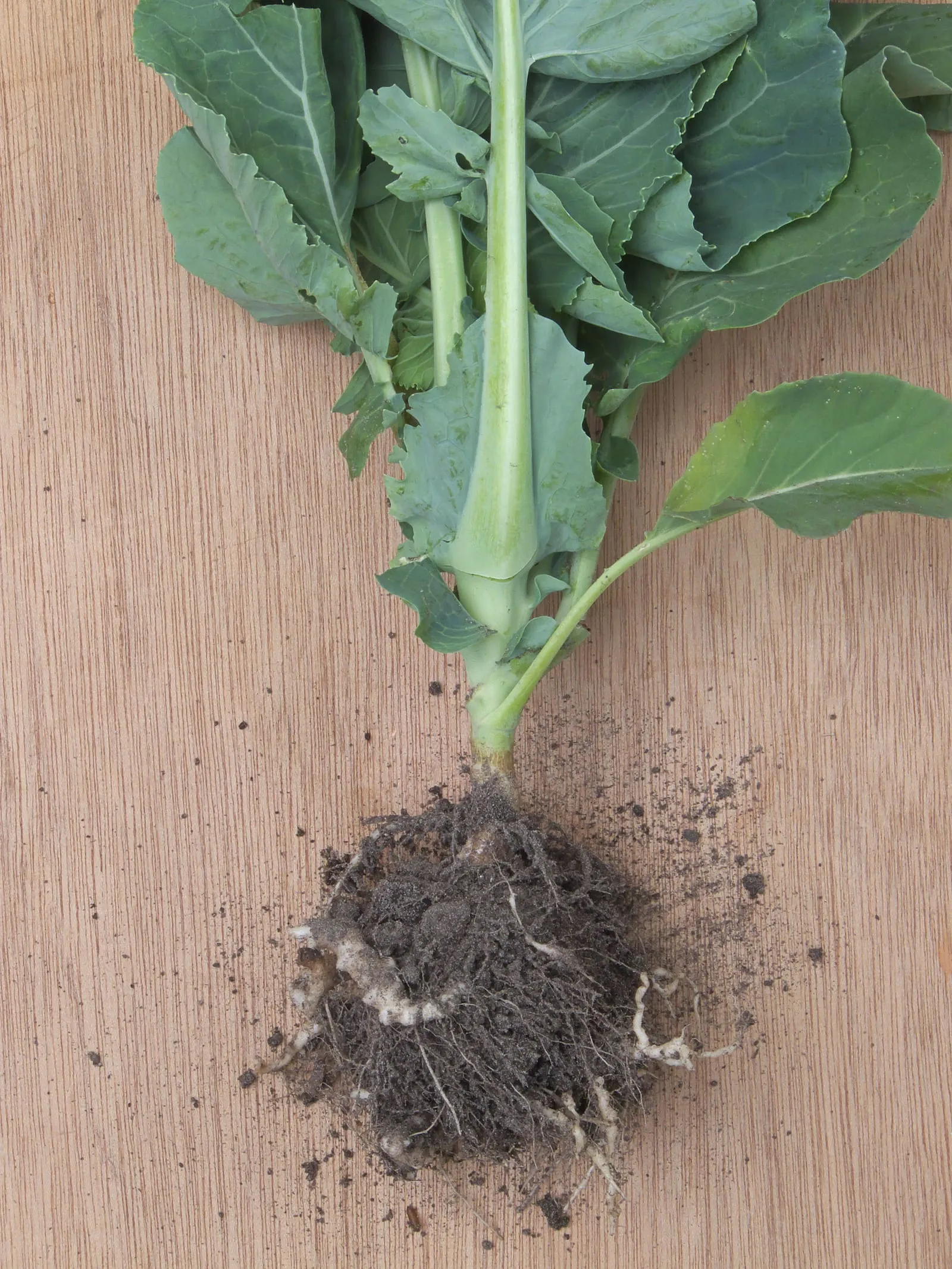
Plasmodiophora brassicae
Soil-borne disease causing characteristic distorted club-shaped roots on brassicas. Persists in soil for 10-20 years; the dominant brassica pathogen in acidic poorly-drained soils.
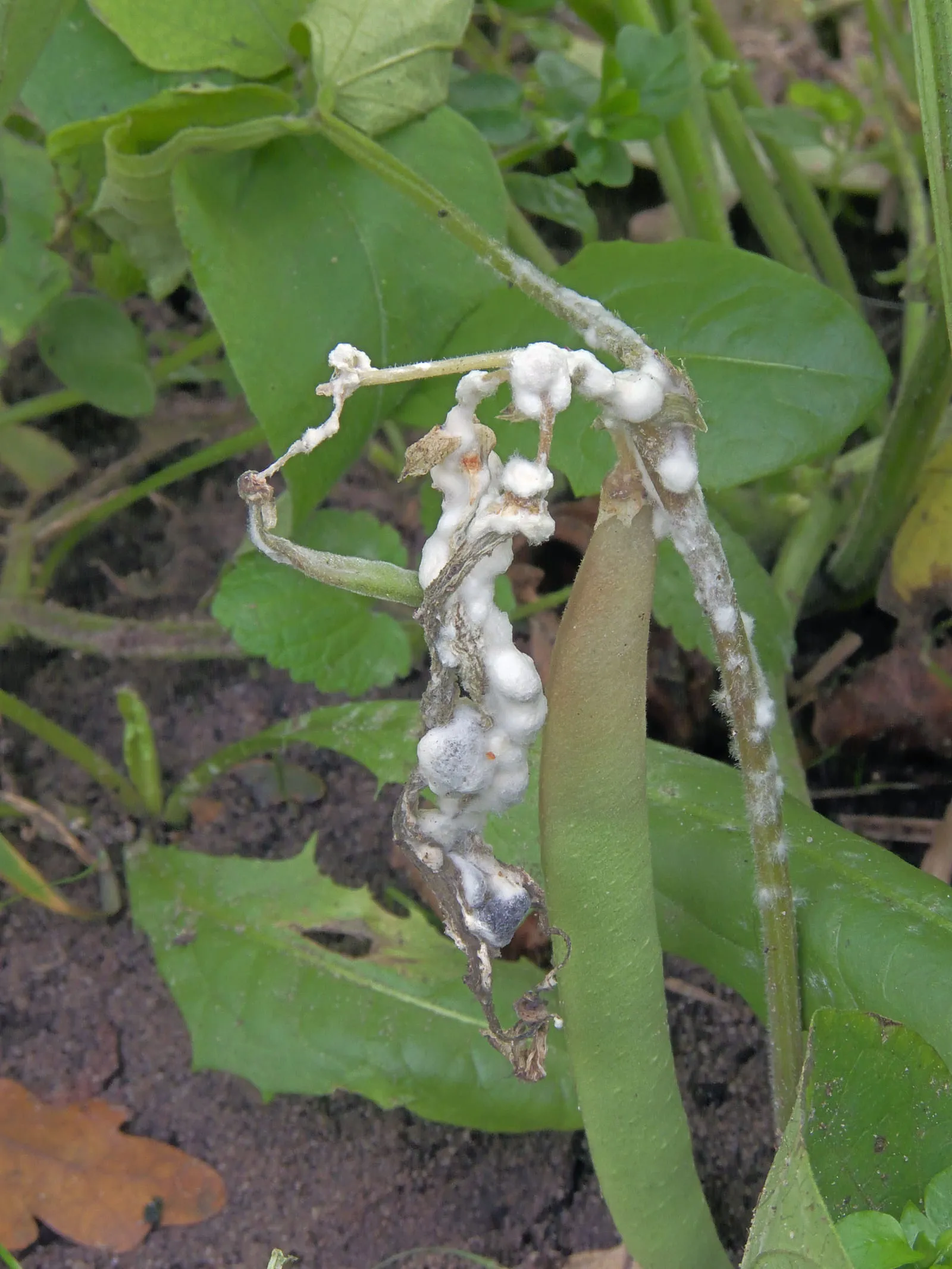
Sclerotinia sclerotiorum
Fungal disease that produces fluffy white mycelium on stems and lower leaves. Forms hard black sclerotia (resting bodies) that survive 5+ years in soil.
Modified care for zone 7b
The most important adaptation in zone 7b is blanching, and doing it earlier than growers in cooler zones typically need to. Once the developing curd reaches 2 to 3 inches across, tie outer leaves over it to block sun and slow any temperature-related discoloration. In zone 7b, a May warm spell can arrive quickly; checking every few days matters.
Disease management shifts between seasons. Downy mildew and white mold build under the humid late-summer conditions common in zone 7b, particularly for fall plantings that establish in August. Space plants at the wide end of recommendations, avoid evening overhead irrigation, and remove any yellowed leaves promptly. Clubroot is a soil-borne concern worth watching: if brassica roots show galling, raise soil pH to 7.0 or above and hold to a minimum 4-year rotation. Japanese beetles and brown marmorated stink bugs are present in zone 7b but rarely cause significant damage to cauliflower specifically compared to their impact on fruiting crops.
Frequently asked questions
- Can cauliflower be grown year-round in zone 7b?
No. Midsummer planting is not practical in zone 7b because heat above 75°F during head development causes poor curd quality. Two crops per year are realistic: one in spring (transplants out in March to early April) and one in fall (transplants out in August).
- Which cauliflower varieties perform best in zone 7b?
Snowball Y is reliable for spring production. Cheddar and Graffiti tolerate moderate heat better than white varieties and suit both spring and fall planting. Romanesco is best reserved for fall in this zone, where cooling temperatures support its dense, spiral curd structure.
- Is clubroot a serious risk for cauliflower in zone 7b?
It can be if brassicas are grown in the same beds repeatedly. Clubroot persists in soil for years. The practical prevention is a 4-year rotation away from all brassicas and maintaining soil pH at 7.0 or above, which suppresses the pathogen without eliminating it entirely.
- What causes cauliflower heads to turn yellow or purple in zone 7b?
Sun exposure and heat are the primary causes of discoloration in white varieties. Blanching by tying outer leaves over the developing curd once it reaches 2 to 3 inches is the standard fix. In zone 7b, this step is more time-sensitive than in cooler climates because warm spells arrive with little warning in May.
+−
+−
+−
+−
Cauliflower in adjacent zones
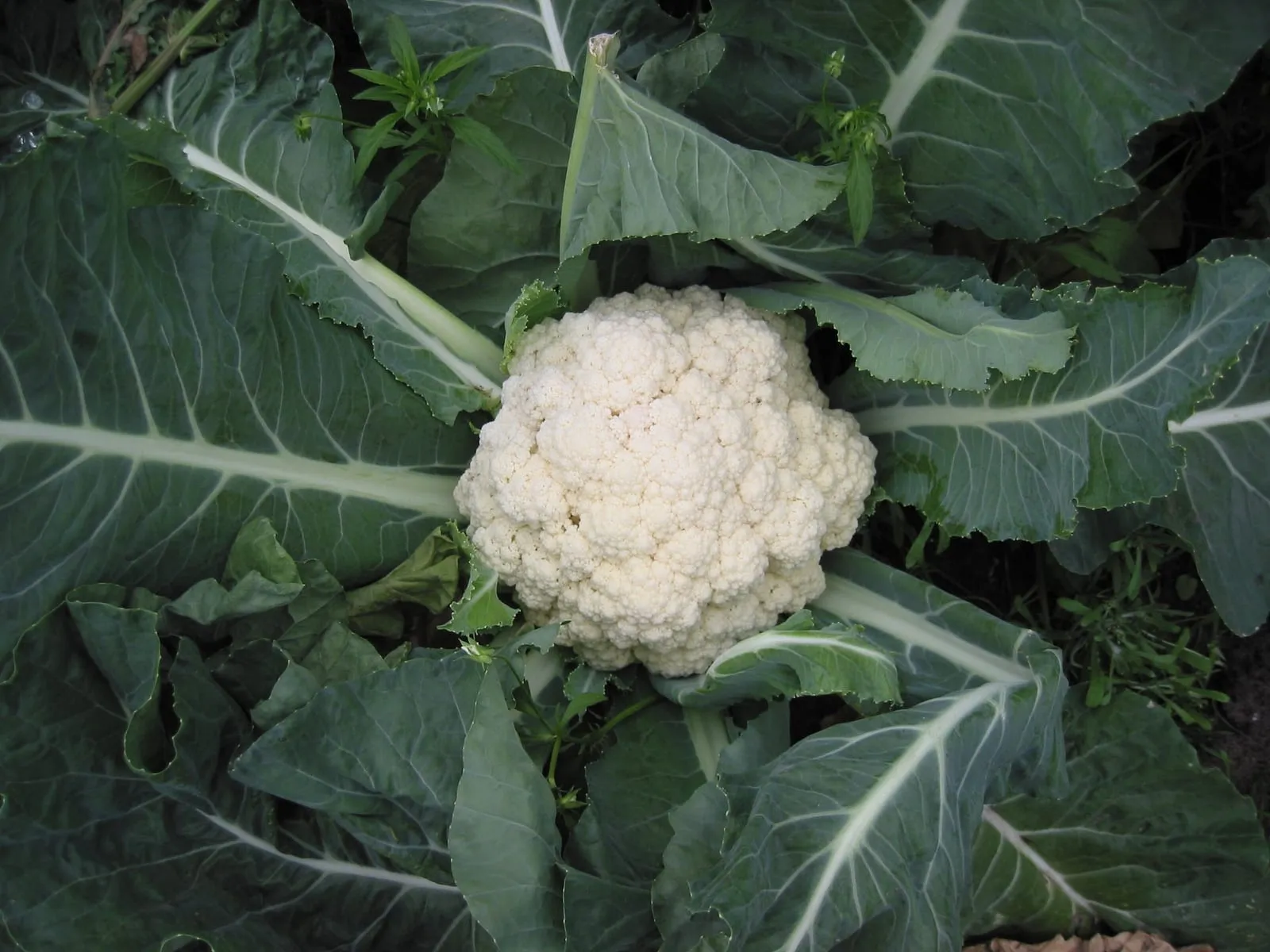
Image: "Bloemkool", by Rasbak, via Wikimedia Commons, licensed under CC-BY Source.

Related