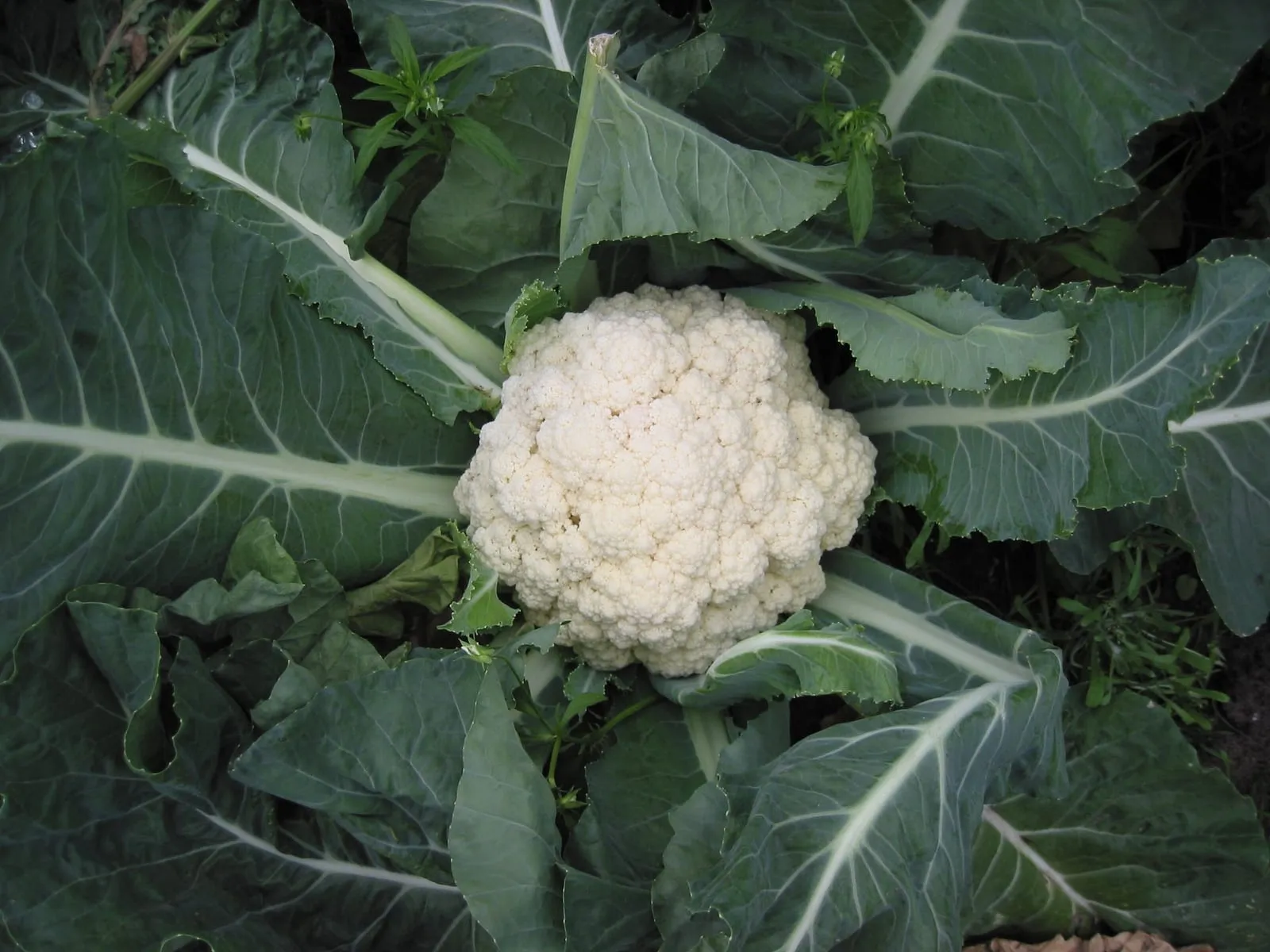
vegetable in zone 8a
Growing cauliflower in zone 8a
Brassica oleracea var. botrytis
- Zone
- 8a 10°F to 15°F
- Growing season
- 240 days
- Suitable varieties
- 1
- Days to harvest
- 55 to 100
The verdict
Zone 8a sits at the edge of reliable cauliflower production, and the margin depends almost entirely on timing. Cauliflower is not a chill-hour crop in the apple or peach sense, but it does require sustained cool temperatures, ideally 60 to 70°F, to form tight, well-flavored heads. The zone's 240-day growing season sounds generous, but most of that window is too warm. What zone 8a offers is a mild, frost-light winter that allows fall-planted cauliflower to develop heads from November through January, a window unavailable in colder zones. Romanesco, the best-supported variety for this zone, handles moderate temperature swings more gracefully than standard white types and is a reasonable default choice. Heat stress on cool-season crops is a documented zone challenge here, and cauliflower is particularly sensitive. Summer production is not viable. With correct fall timing, though, zone 8a is workable rather than marginal. Growers in zones 5 through 7 have a longer cool season to absorb timing errors; zone 8a does not.
Recommended varieties for zone 8a
1 cultivar suited to this zone, with disease-resistance and zone-fit annotations.
| Variety | Notes | Zone fit | Disease resistance |
|---|---|---|---|
| Romanesco fits zone 8a | Sweet, nutty, more complex than white cauliflower; chartreuse fractal-spiraled head. Roasting, steamed, fresh. Sensitive to heat, best as fall crop. | | none noted |
Critical timing for zone 8a
Fall planting is the primary approach in zone 8a. Transplants should go into the ground 8 to 10 weeks before the average first frost, placing the transplant window in late August through mid-September for most of the zone. Heads form through November and into January as temperatures cool. A spring planting is possible but the window is narrow: transplants set out in late January or February need to mature before sustained daytime highs above 80°F arrive, which typically happens by late April or early May. With a last frost date falling somewhere between late February and mid-March across zone 8a, spring crops have roughly 6 to 8 weeks of reliable cool weather before heat pressure builds. Fall timing generally produces larger, cleaner heads and is more forgiving of minor scheduling slips.
Common challenges in zone 8a
- ▸ Insufficient chill hours for some apple varieties
- ▸ Pierce's disease in grapes
- ▸ Heat stress on cool-season crops
Disease pressure to watch for
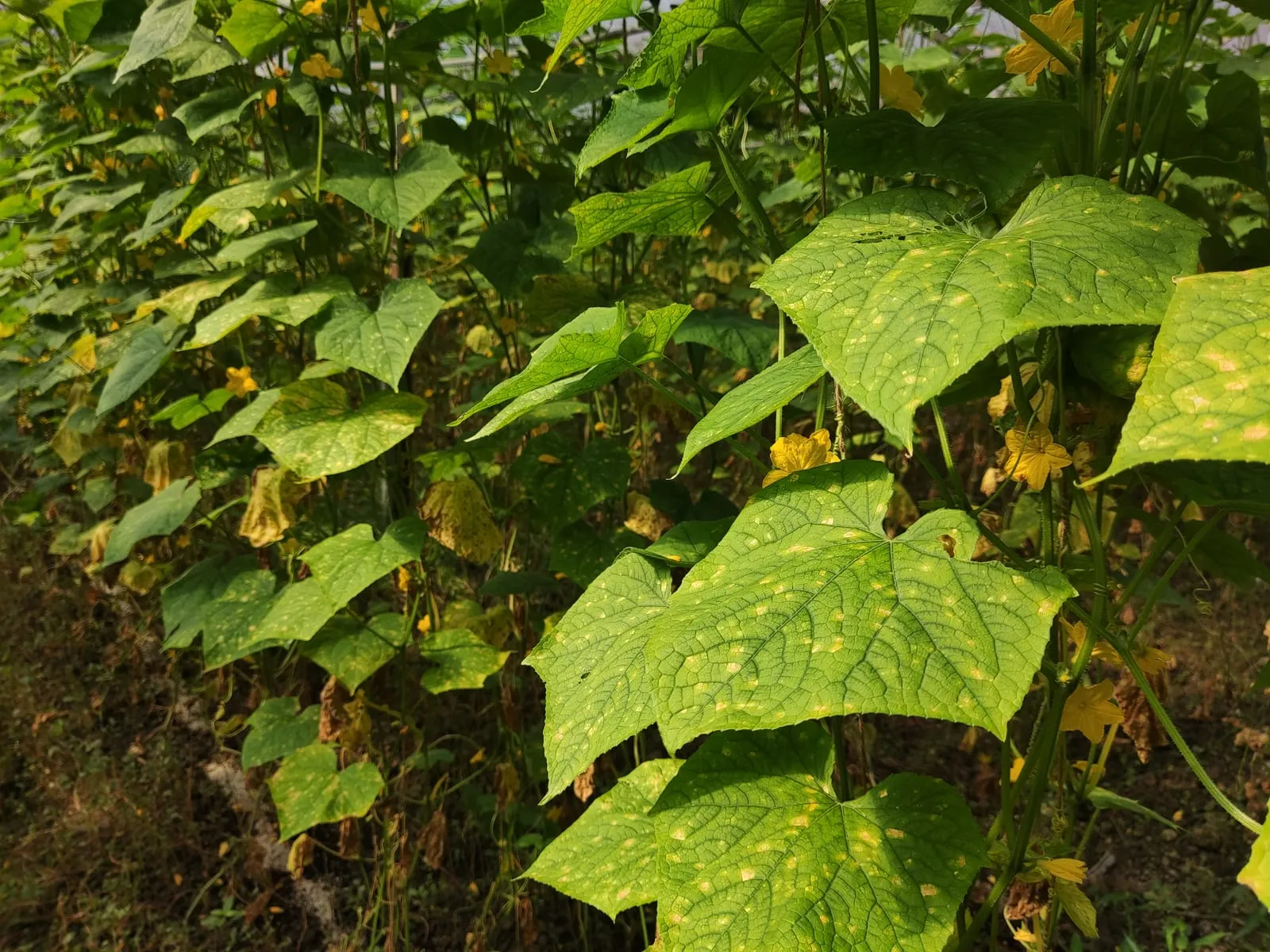
Pseudoperonospora cubensis (cucurbits) and others
Water mold (oomycete, not a true fungus) that thrives in cool damp conditions. Spreads rapidly through cucurbit and brassica plantings on wind-borne spores.
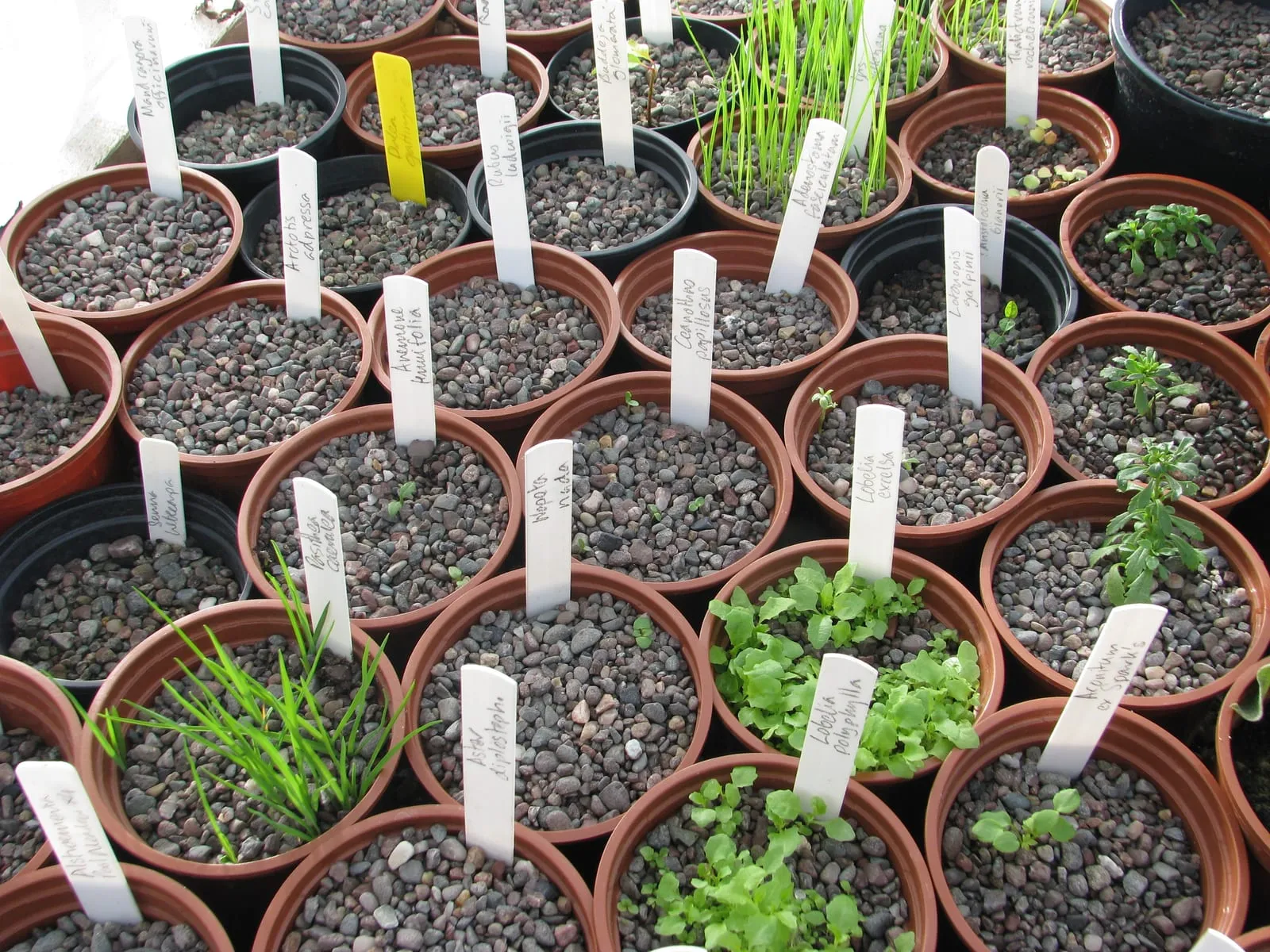
Pythium and Rhizoctonia species
Soil-borne complex of water molds and fungi that kill seedlings before or shortly after emergence. The single most common cause of seed-starting failures.
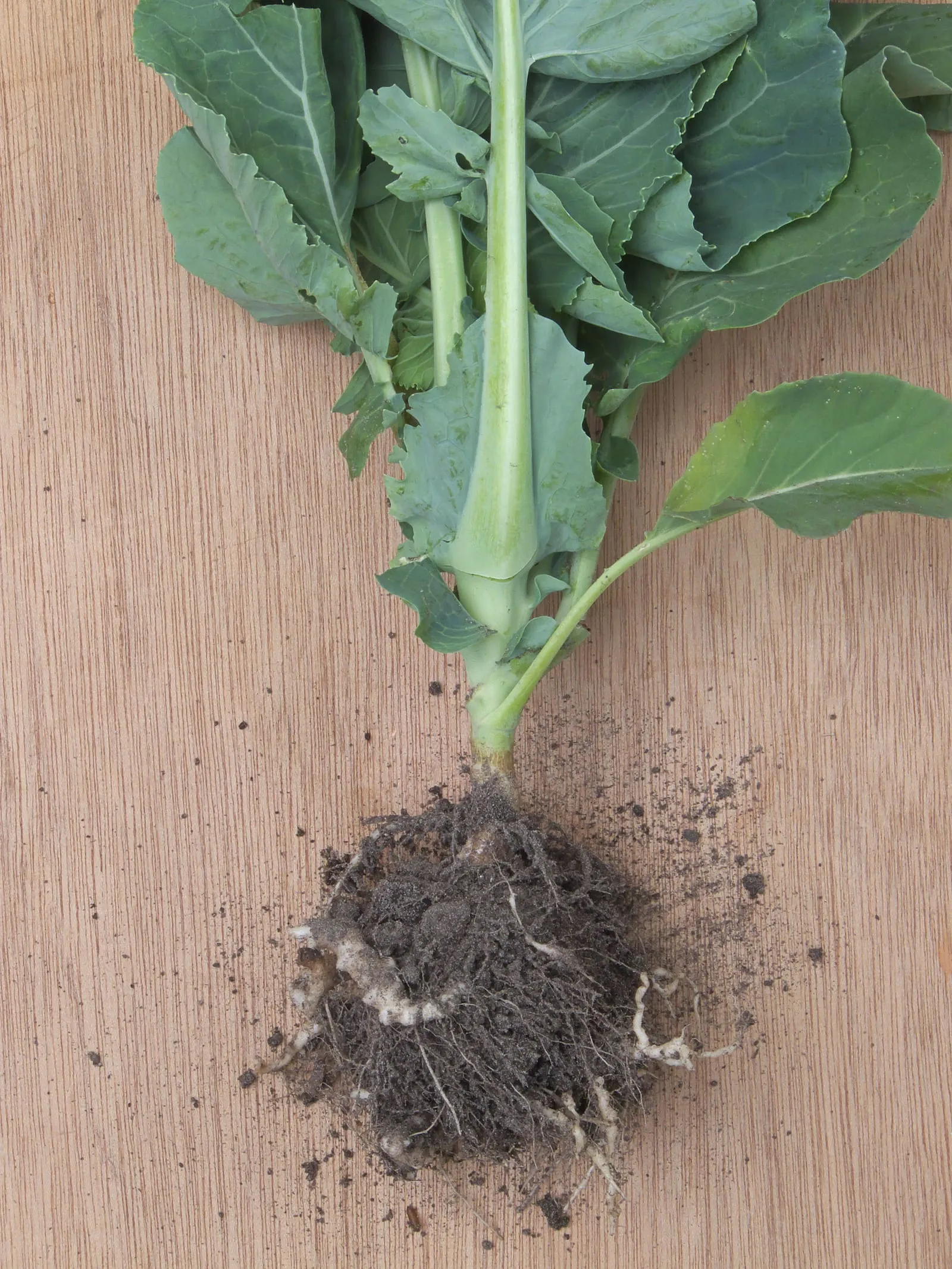
Plasmodiophora brassicae
Soil-borne disease causing characteristic distorted club-shaped roots on brassicas. Persists in soil for 10-20 years; the dominant brassica pathogen in acidic poorly-drained soils.
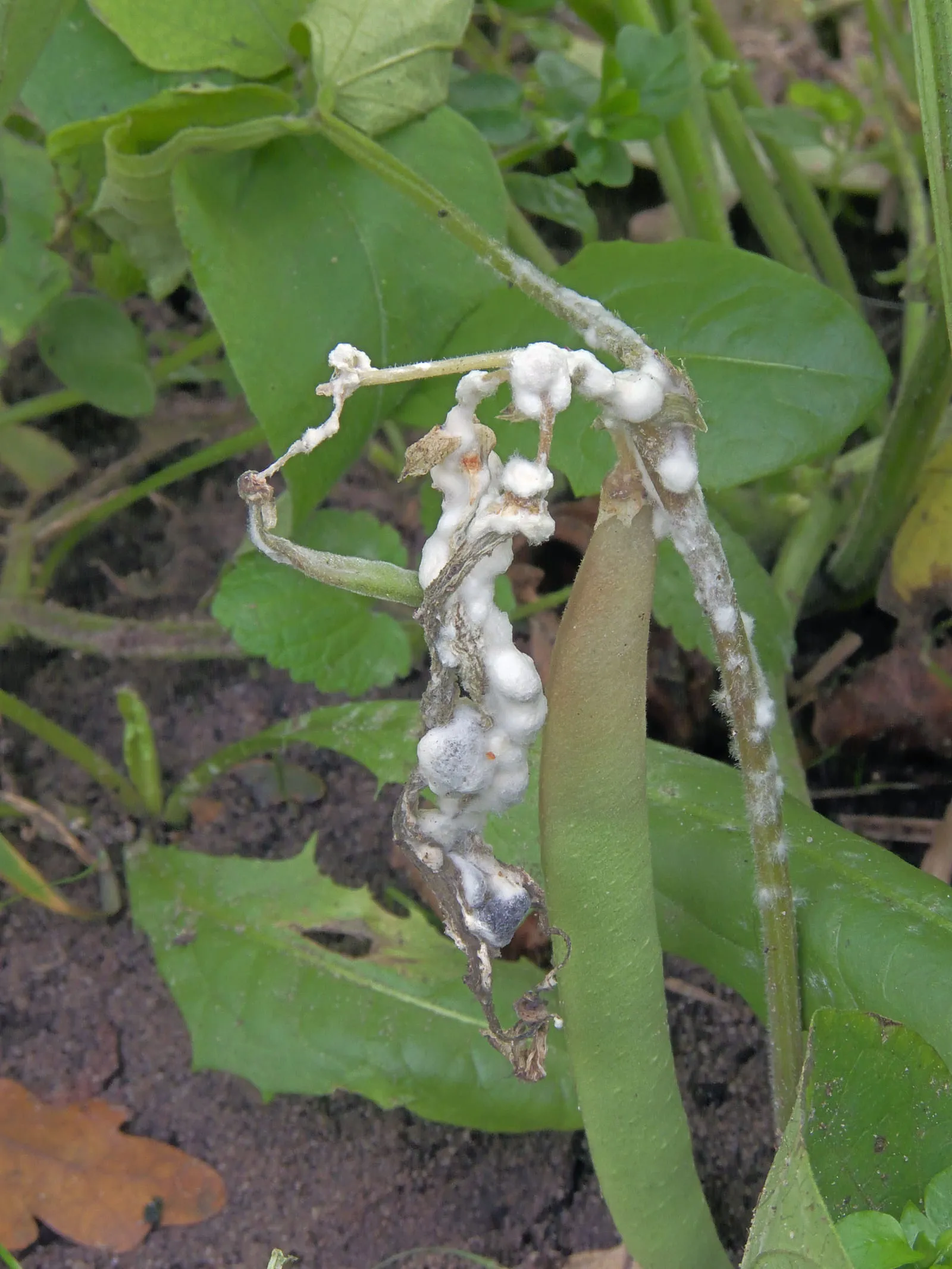
Sclerotinia sclerotiorum
Fungal disease that produces fluffy white mycelium on stems and lower leaves. Forms hard black sclerotia (resting bodies) that survive 5+ years in soil.
Modified care for zone 8a
The primary adjustment in zone 8a is protecting developing heads during warm spells. Even in winter, unseasonable warmth can trigger riciness, a rough, granular curd texture, or premature loosening of the head. Blanching by tying outer leaves over the curd once it reaches the size of a golf ball reduces both sun-bleaching and heat damage. Downy Mildew and White Mold pressure increases in the zone's humid fall and winter conditions; plant spacing of at least 18 inches improves airflow, and evening overhead irrigation should be avoided. Clubroot is a persistent soil-borne pathogen in many zone 8a gardens; maintaining soil pH above 7.2 through liming significantly reduces infection rates, and rotating cauliflower away from other brassicas for at least three years helps break the cycle. Heavy frost protection is rarely needed in this zone, but lightweight row cover through wet winter periods keeps heads clean and can extend the harvest window by two to three weeks.
Frequently asked questions
- Can cauliflower be grown year-round in zone 8a?
No. Cauliflower requires sustained cool temperatures to form proper heads and cannot tolerate the heat of a zone 8a summer. Productive windows are fall through late winter for the primary crop, with a narrow spring window in late January or February before heat builds.
- Why is Romanesco recommended over standard white cauliflower in zone 8a?
Romanesco tolerates moderate temperature fluctuations better than most white varieties and tends to hold its head quality longer during the mild, variable winters common in zone 8a. It is not immune to heat stress, but its performance in the fall-to-winter window is generally more consistent.
- How serious is Clubroot in zone 8a?
Clubroot can be severe in zone 8a soils, particularly in areas with heavy rainfall and naturally acidic conditions. The pathogen persists in soil for up to 20 years. Raising soil pH above 7.2 and maintaining long brassica rotations are the two most effective management practices.
+−
+−
+−
Cauliflower in adjacent zones
Image: "Bloemkool", by Rasbak, via Wikimedia Commons, licensed under CC-BY Source.

Related